Cotton Pygmy Goose
Nettapus coromandelianus
棉凫
Introduction
A small perching duck (family Anatidae, genus Nettapus) that breeds across Asia and Southeast Asia, extending east to Queensland, Australia. Among the smallest waterfowl in the world, with individuals weighing as little as 160g. Found in small to large waterbodies with good aquatic vegetation including lakes, ponds, lagoons, and village ponds. Typically seen in pairs or larger groups of pairs, roosting and nesting on trees near water. Strong fliers known to disperse widely, especially in winter. Breeding season coincides with rains.
Description
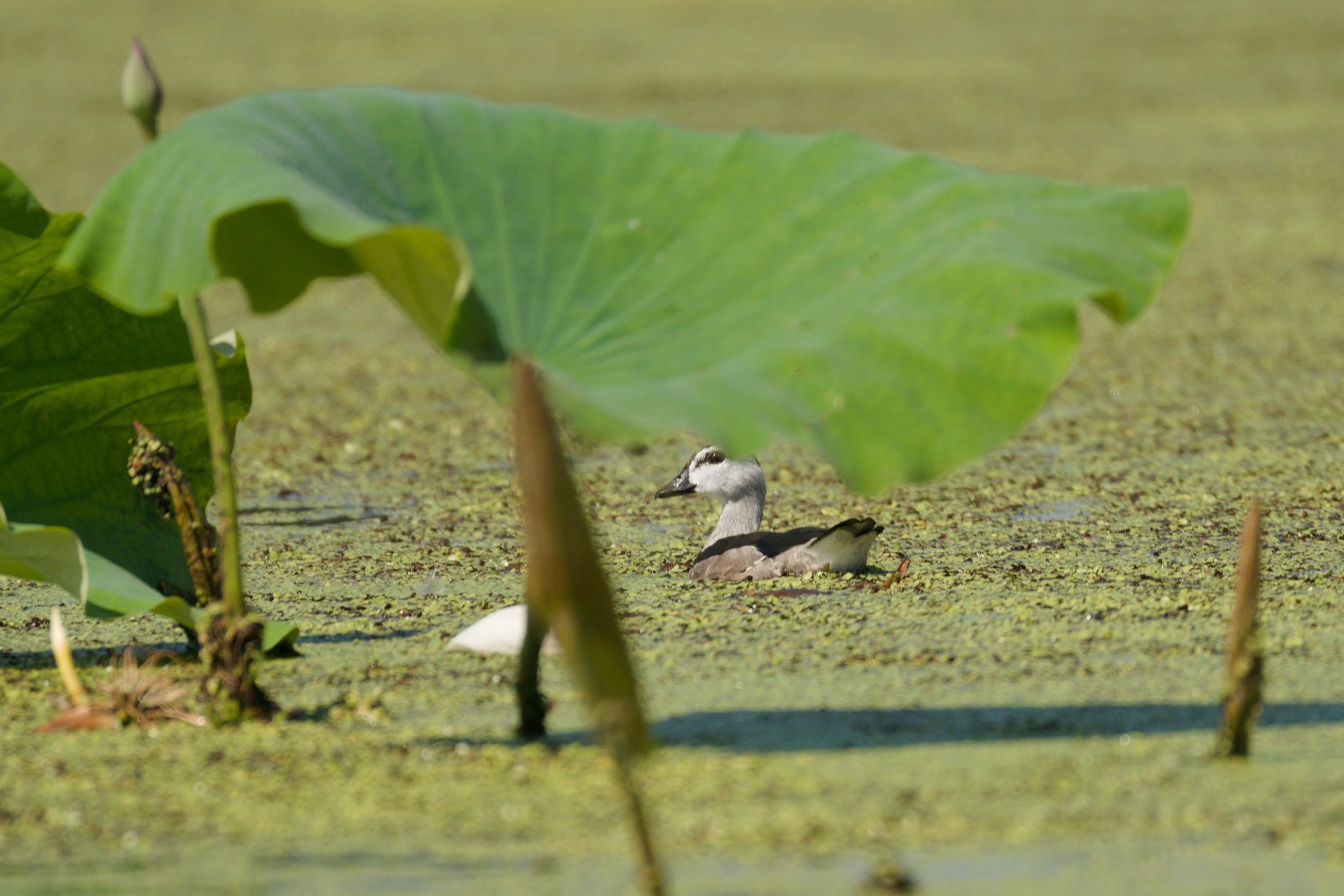
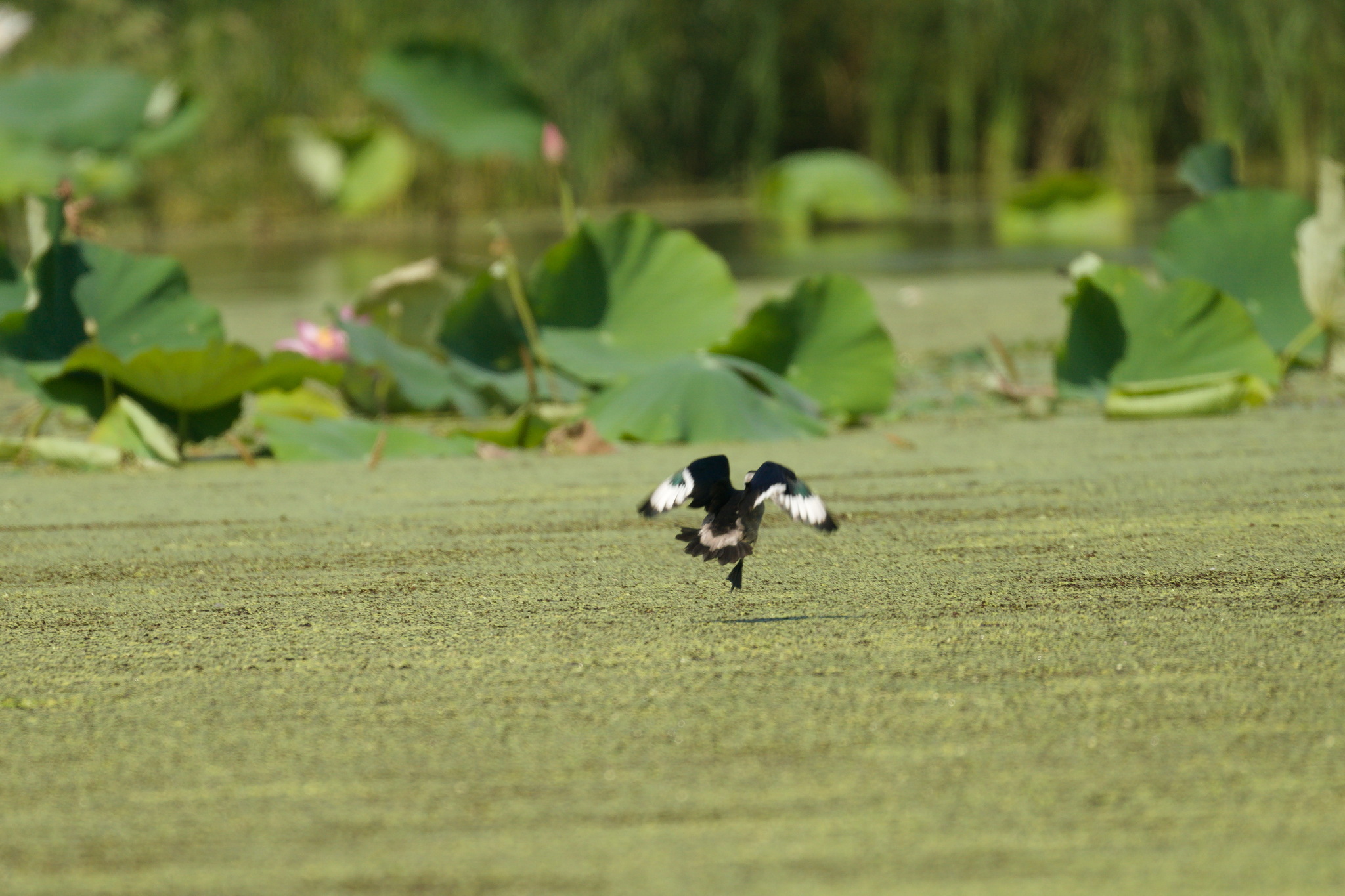
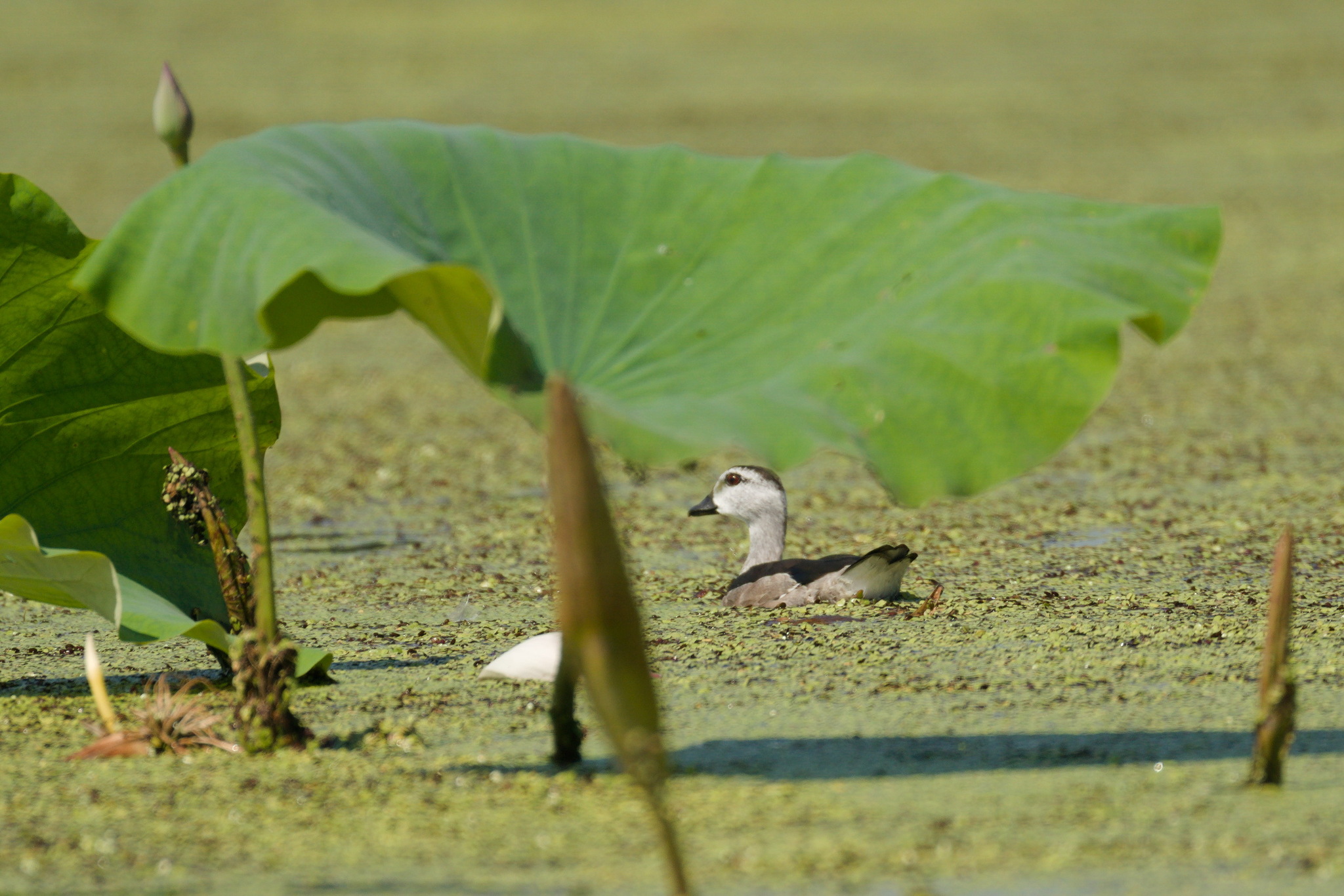
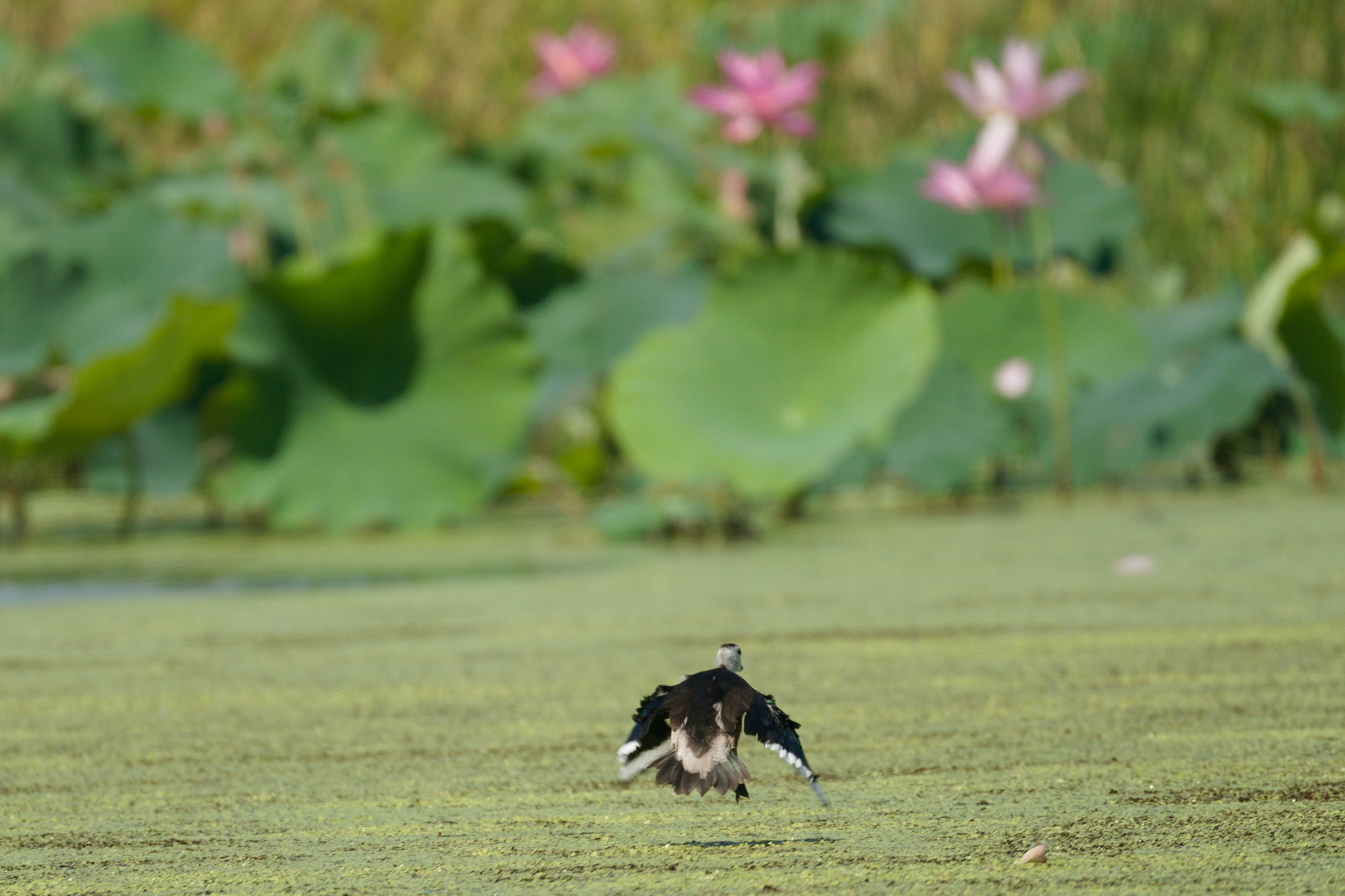
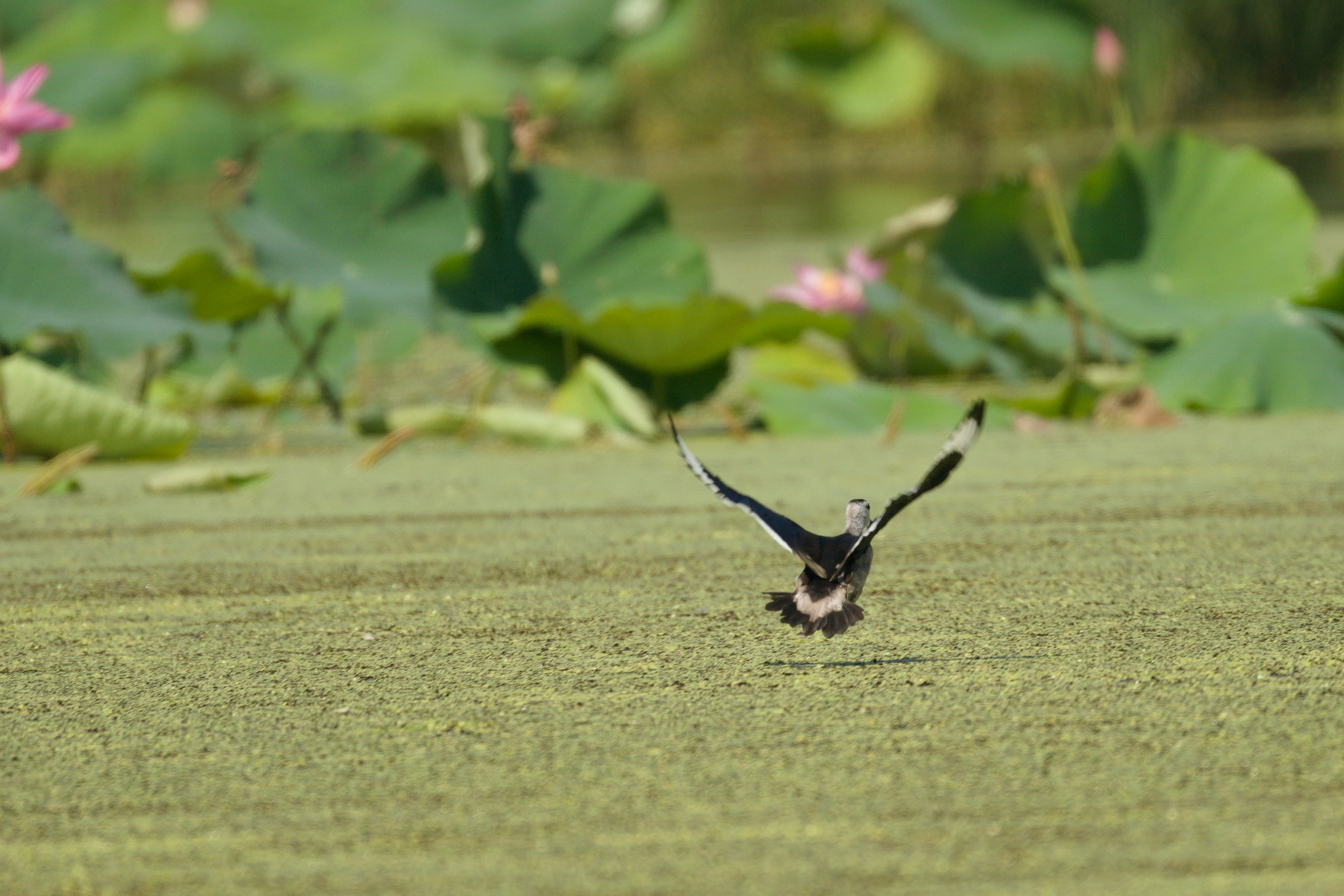
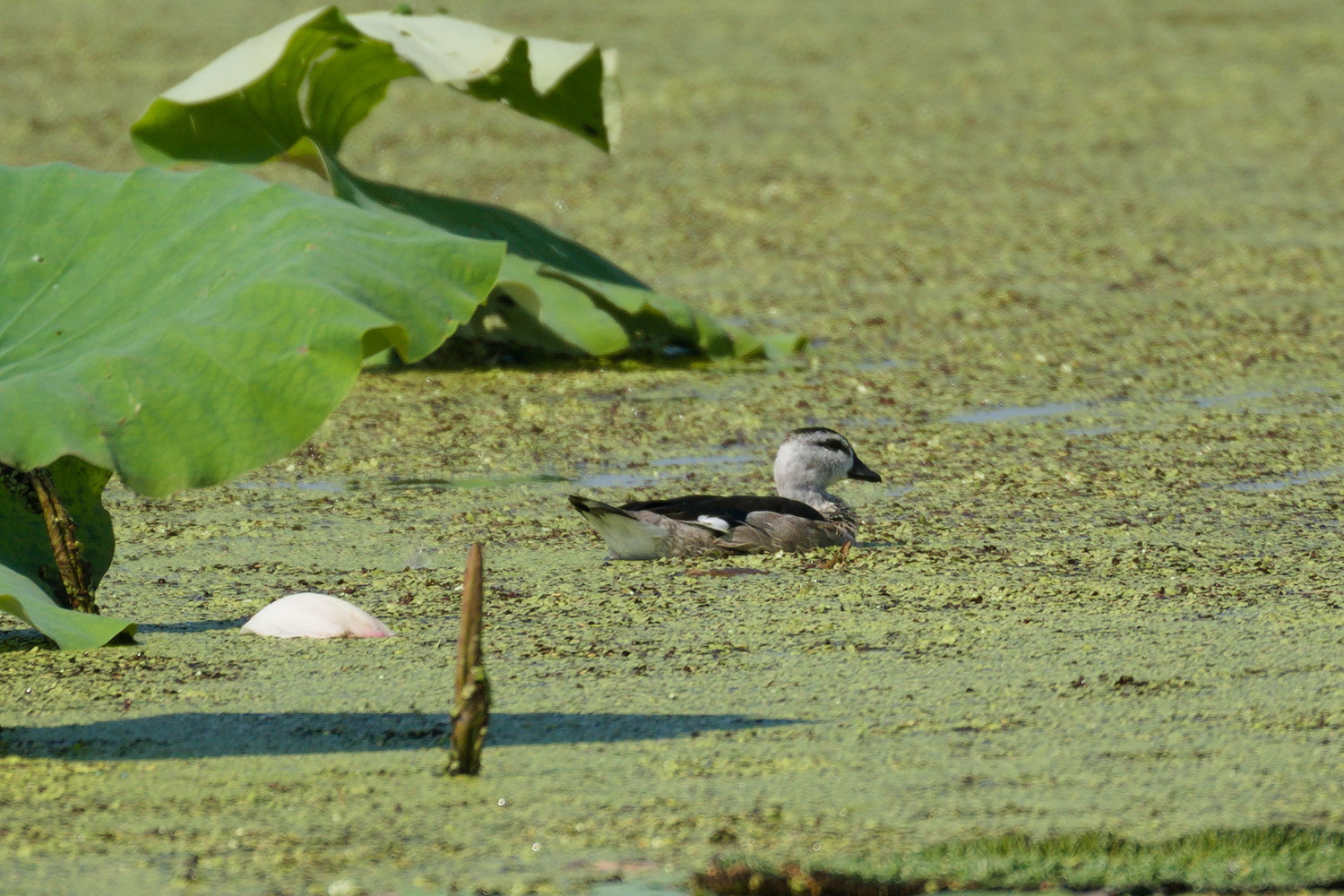
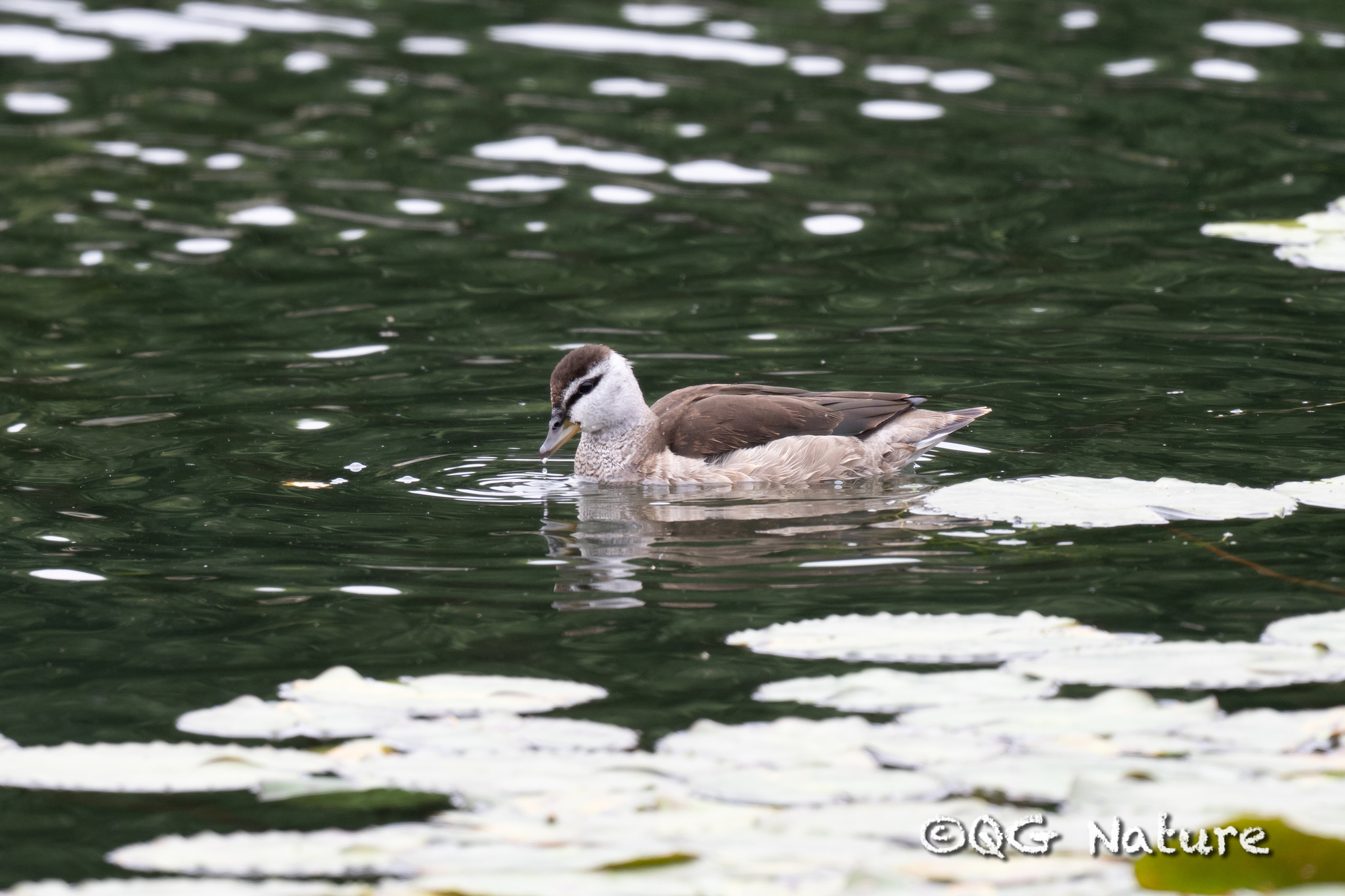
The smallest waterfowl, reaching just 160g and 26cm in length. Has a short, deep, goose-like bill at the base. Males display a dark brown forehead and crown with a blackish-green broad collar at the neck base; the sides of the head and neck are whitish. The back, wing coverts, and scapulars are dark brown with green and purple gloss. Females have a duller cap and brown line through the eye, with spots replacing the collar and a flecked, vermiculated face. Non-breeding males resemble females but retain a broader white wing band. In flight, males show dark wings with white-tipped flight feathers; females have dark wings with white trailing edges on secondaries. The iris is red, legs are black (greenish in breeding males). Chicks have white superciliary stripes meeting at the back of a black head.
Distribution & Habitat
Widely distributed across Asia, extending to Australia. Populations move in response to rain and water availability. Some populations are seasonal summer visitors to areas like Afghanistan. Winter dispersal extends west to Arabia and Jordan, with regular occurrence on islands including the Maldives and Andamans. In Australia, found mainly in lagoons. Inhabits lakes and ponds with emergent vegetation, including small village ponds in South Asia.
Behavior & Ecology
Feeds mainly at the surface without diving or up-ending. Diet includes small fishes (Puntius, Mystus, Oryzias), molluscs, crustaceans, insect larvae, and plant matter from Ipomoea, Hydrilla, and Ruppia. Takes flight directly from water without running. Flies swiftly and low over water, agile enough to escape falcons. Forages in close proximity with several pairs on single waterbodies; large winter flocks form, with up to 6,000 recorded at Chilka lake. Breeding during rains (June-August in India, January-March in Australia). Builds nests in natural tree hollows up to 5 meters high; females incubate 6-12 ivory eggs alone. Males assist in locating nests. Chicks leap from nests to follow parents to water.
Conservation
Not assessed in the article.
Culture
Hunted with shotguns in British India, though not considered good eating. Eggs collected for food; birds sold in large numbers in 19th century Calcutta markets. Fishermen in the Sunderbans used 20-foot nets to trap birds. Noted for tameness, often feeding within ten yards of washermen. The Sinhala name 'mal saar' (flower teal) references colors and lily-covered pond habitat. Many native names are onomatopoeic. Produces a low quack described as 'quacky duck, quacky duck' or likened to 'fixed bayonets' by British residents.
Source: Wikipedia · CC BY-SA 3.0
Taxonomy
- Order
- Anseriformes
- Family
- Anatidae
- Genus
- Nettapus
- eBird Code
- copgoo1
Vocalizations
Subspecies (2)
-
Nettapus coromandelianus albipennis
eastern Queensland (Australia) from southern Cape York Peninsula southwards to northeastern New South Wales
-
Nettapus coromandelianus coromandelianus
breeds lowlands of India, southeastern Asia to eastern China and southwards through Peninsular Malaysia; local and rare in northern New Guinea, and possibly only a visitor to Indonesia
Data Sources
Species description from Wikipedia, licensed under CC BY-SA 3.0.
Bird images and sounds sourced from GBIF, contributed by citizen scientists worldwide under Creative Commons licenses.
Taxonomy data from AviList 2025.