Anseriformes / Anatidae / Netta
Red-crested Pochard
Netta rufina · 赤嘴潜鸭
Introduction
A large diving duck breeding in lowland marshes and lakes across southern Europe, the Black Sea region, Central Asia, and Mongolia. It winters in the Indian subcontinent and Africa, with northern populations migrating to North Africa. The species is somewhat migratory and feeds mainly by diving or dabbling on aquatic plants.
Description
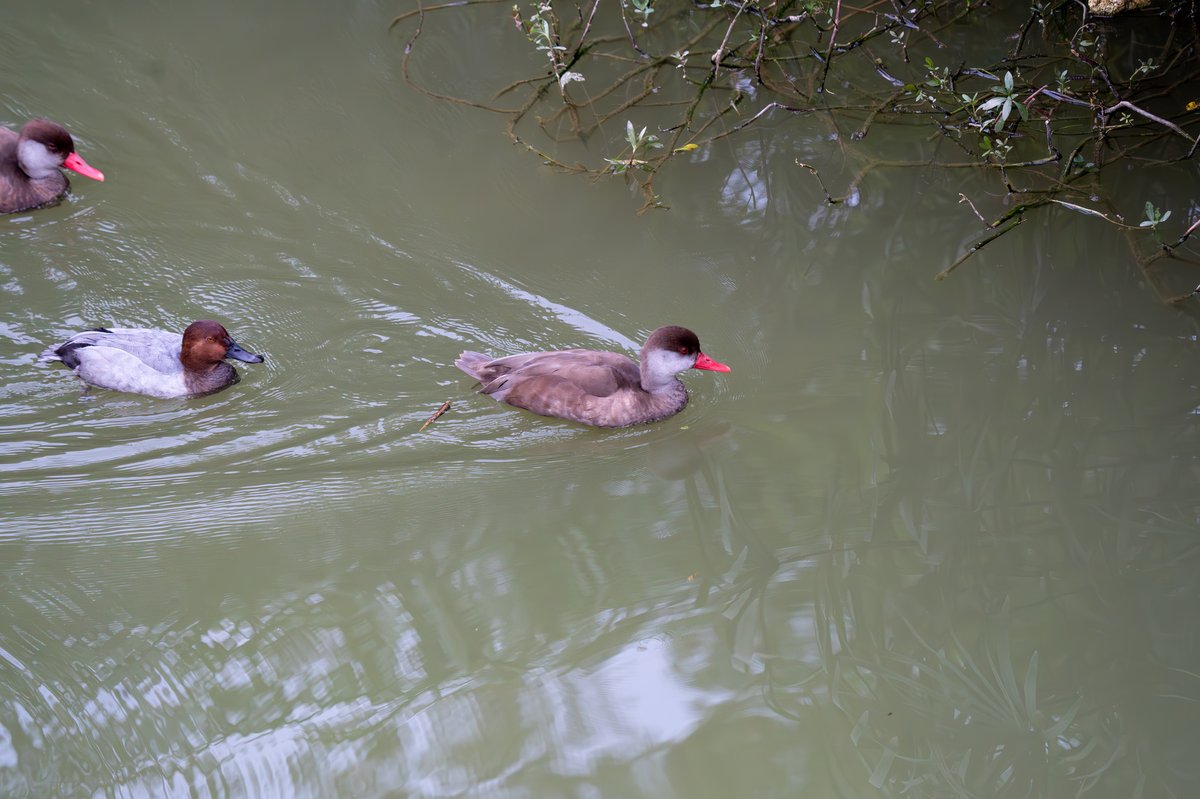
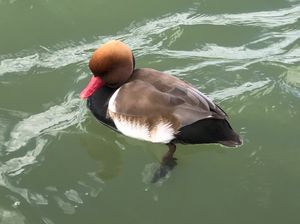
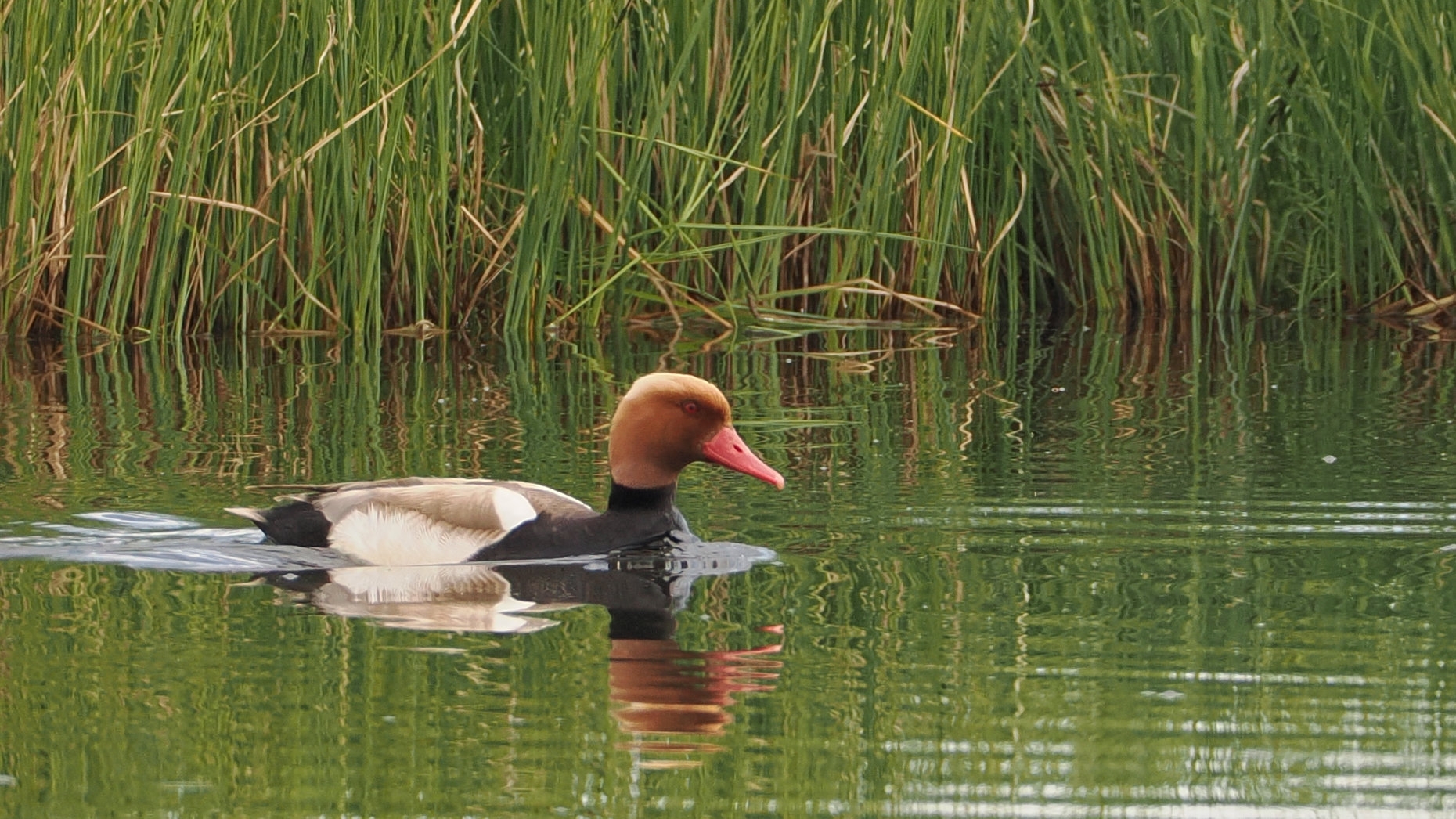
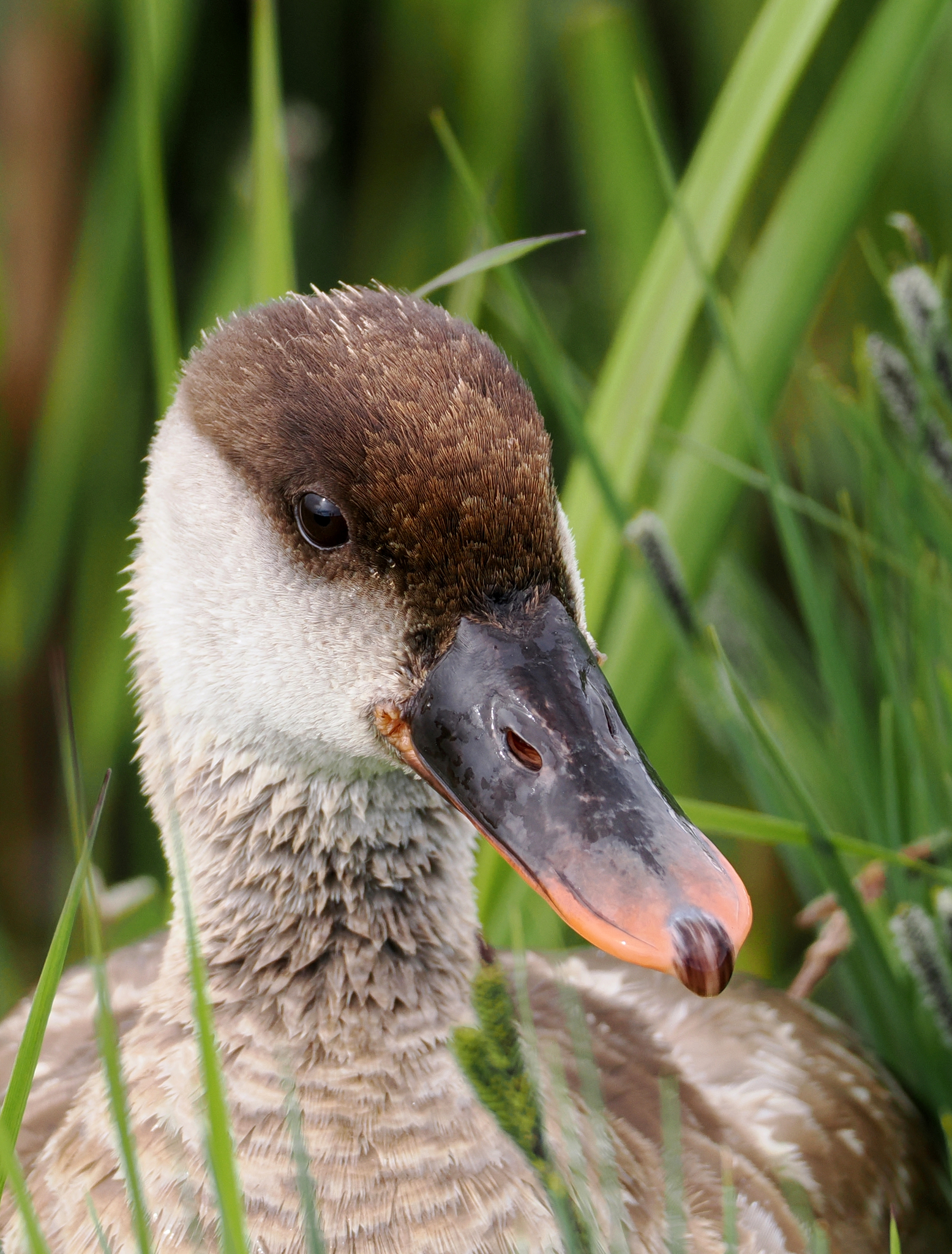
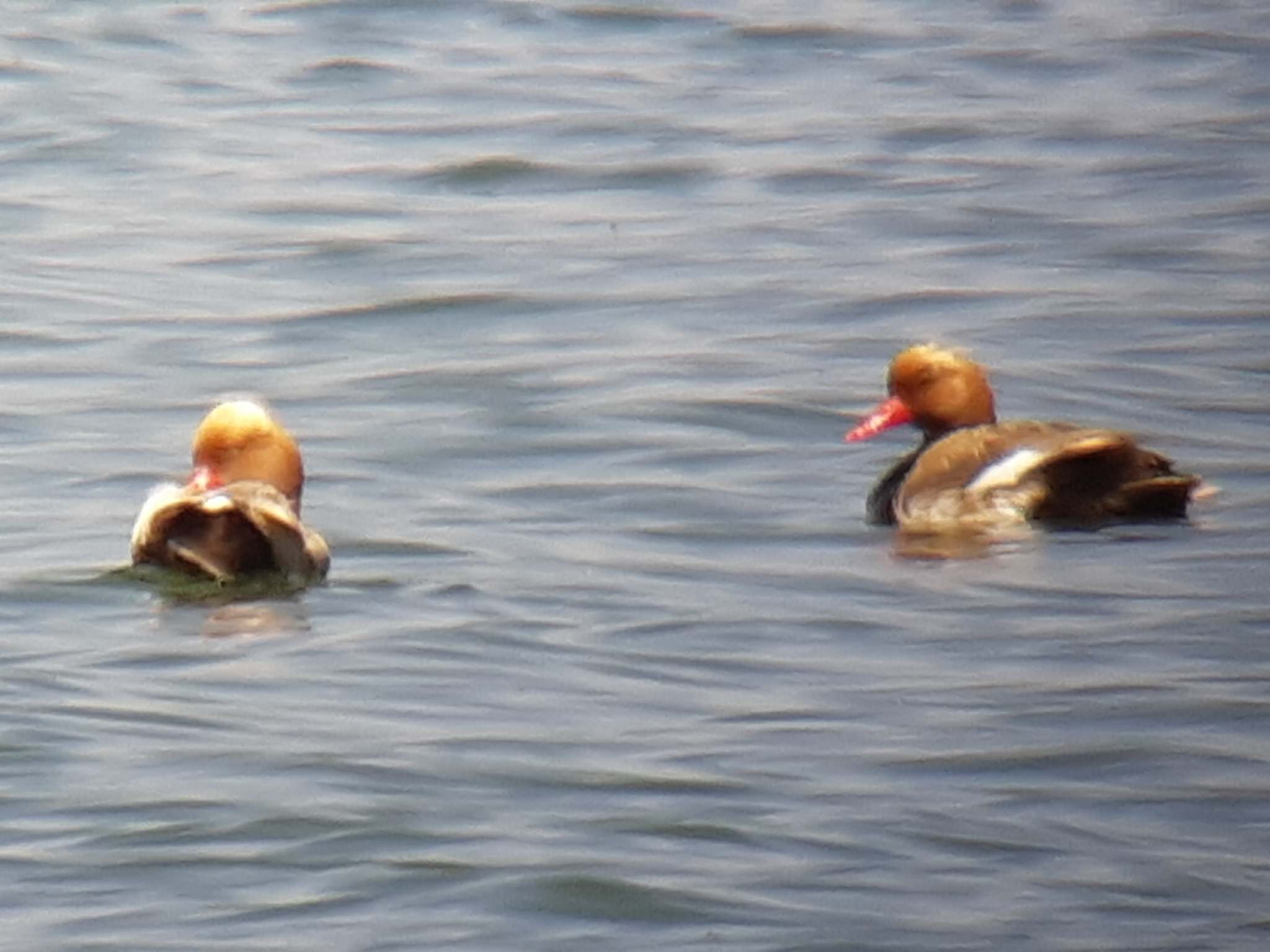
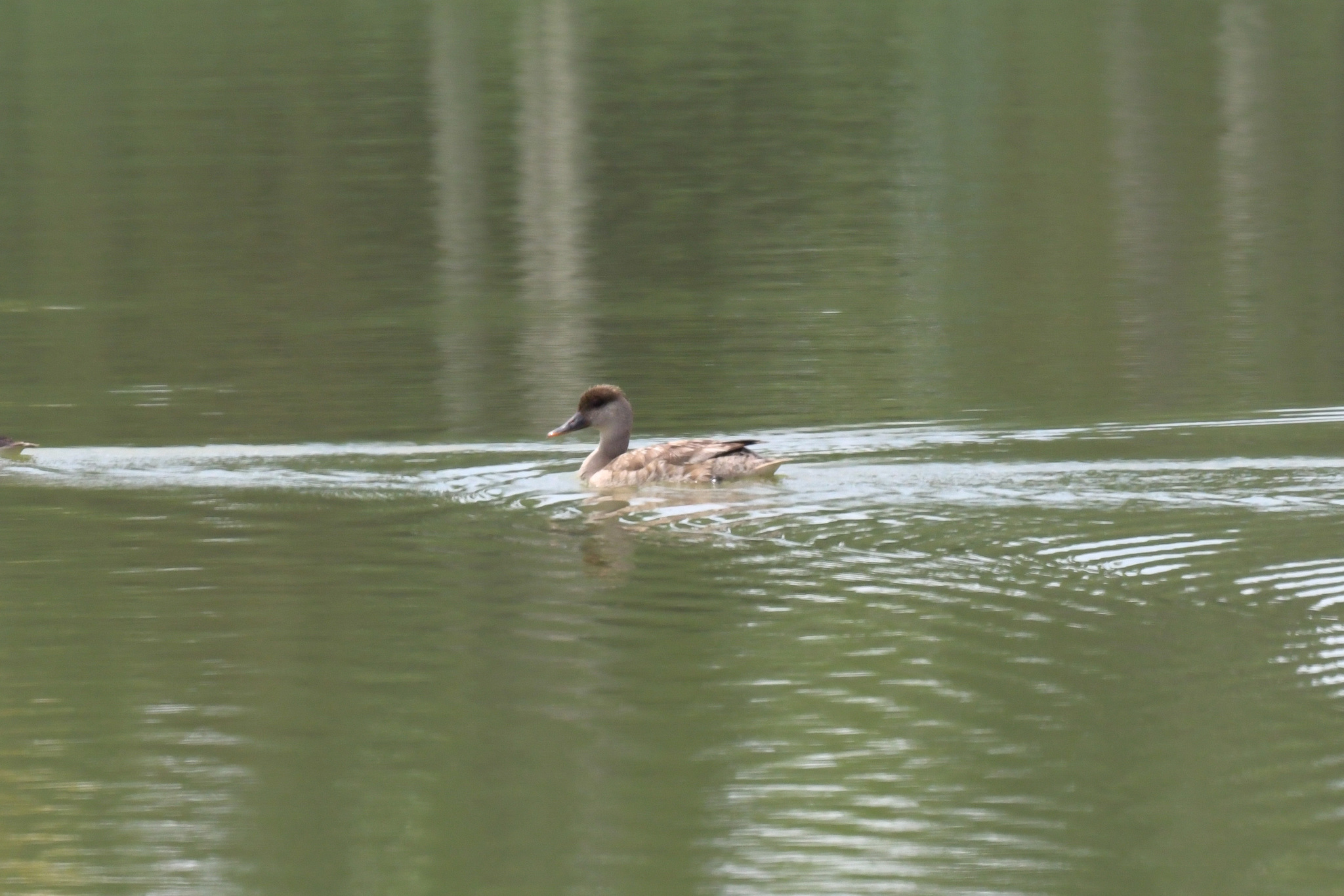
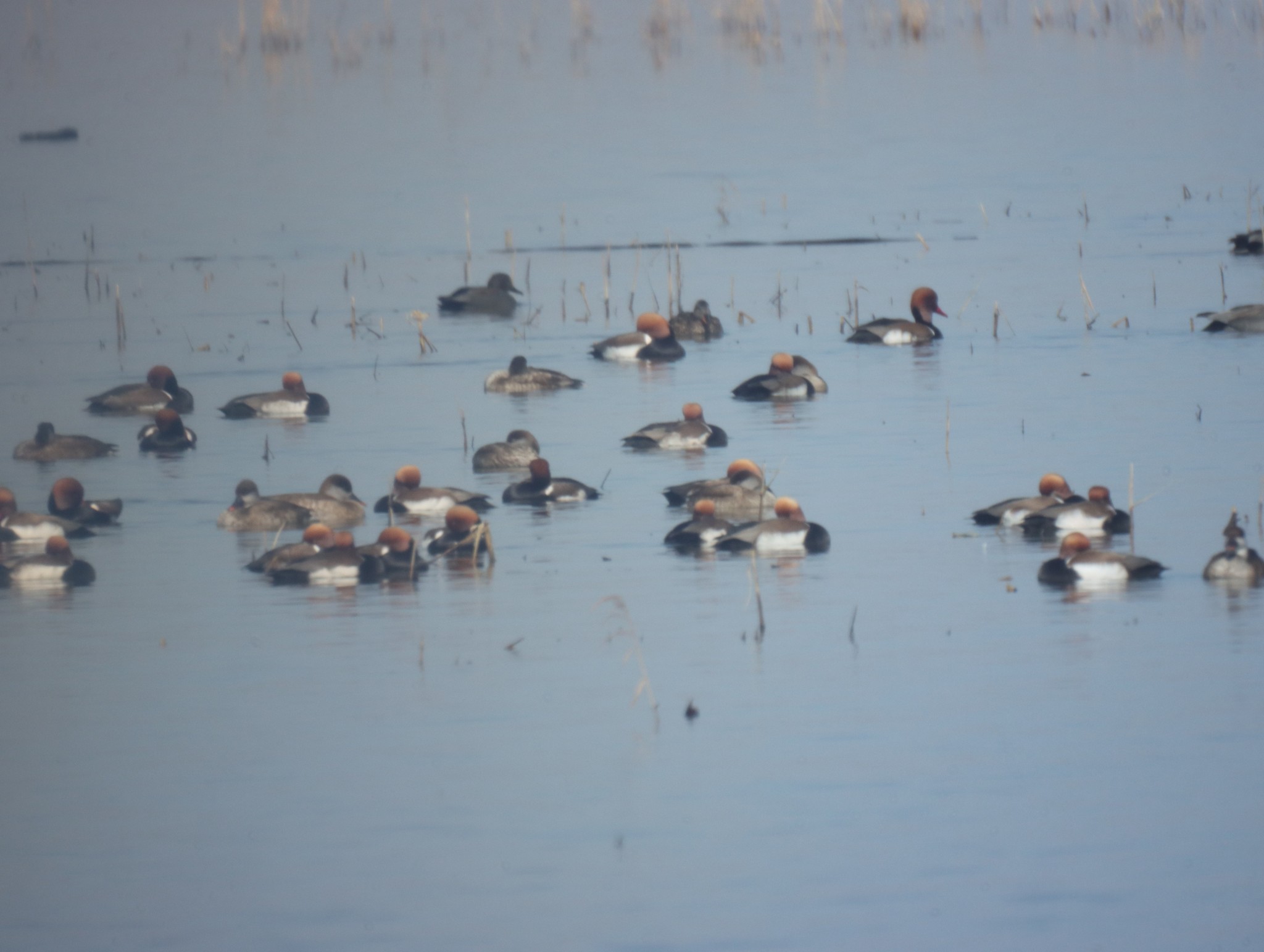
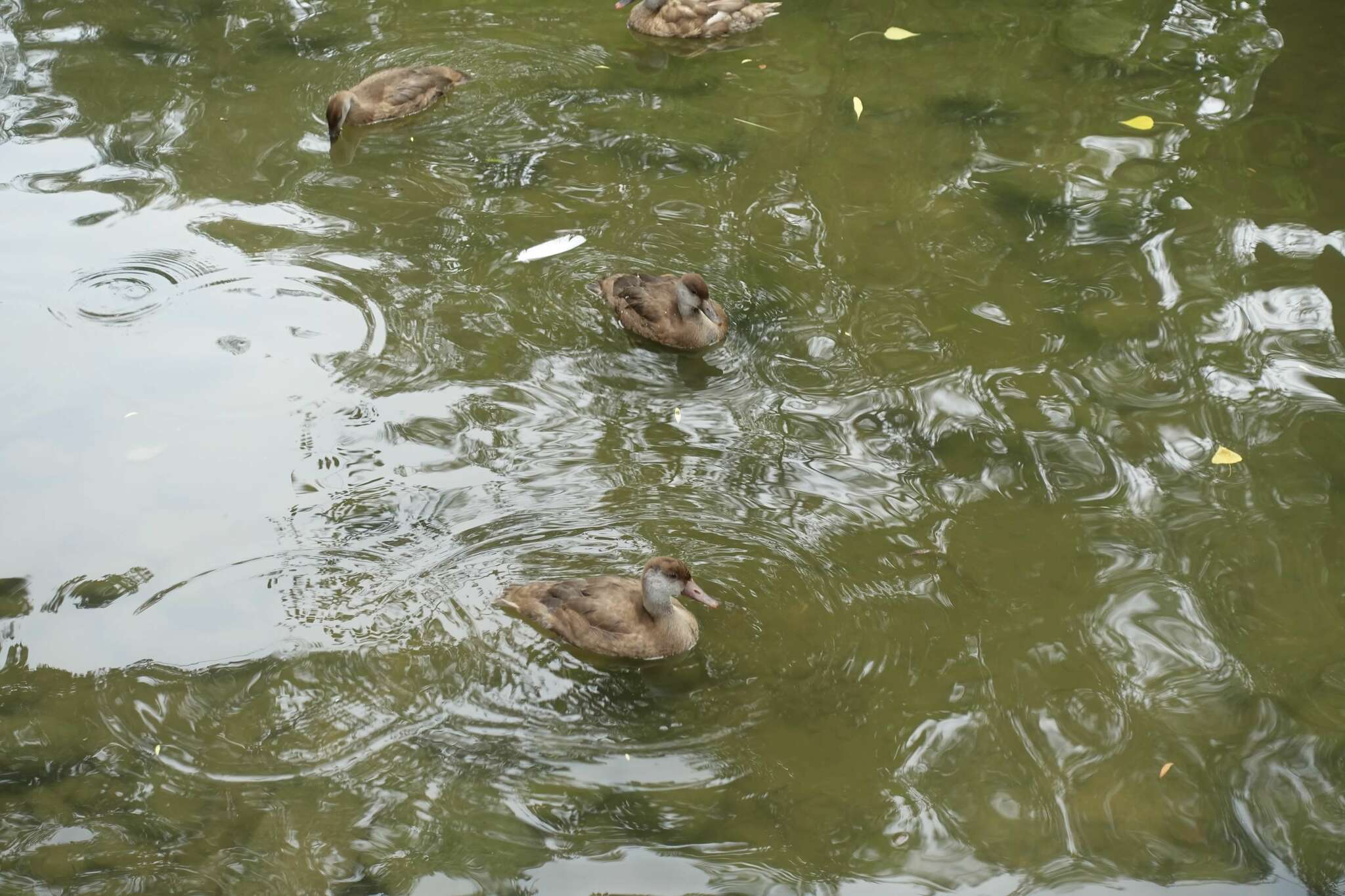
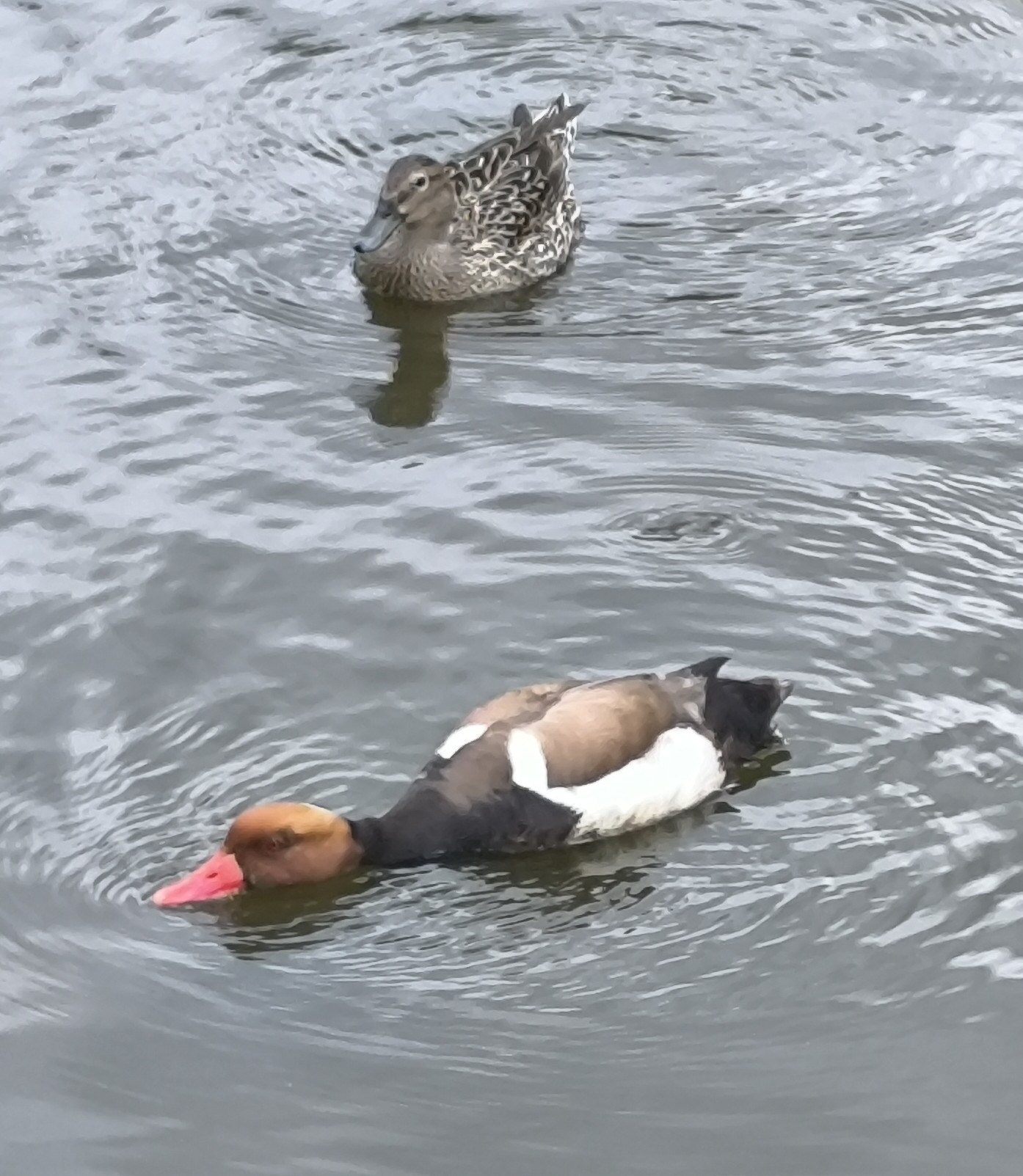
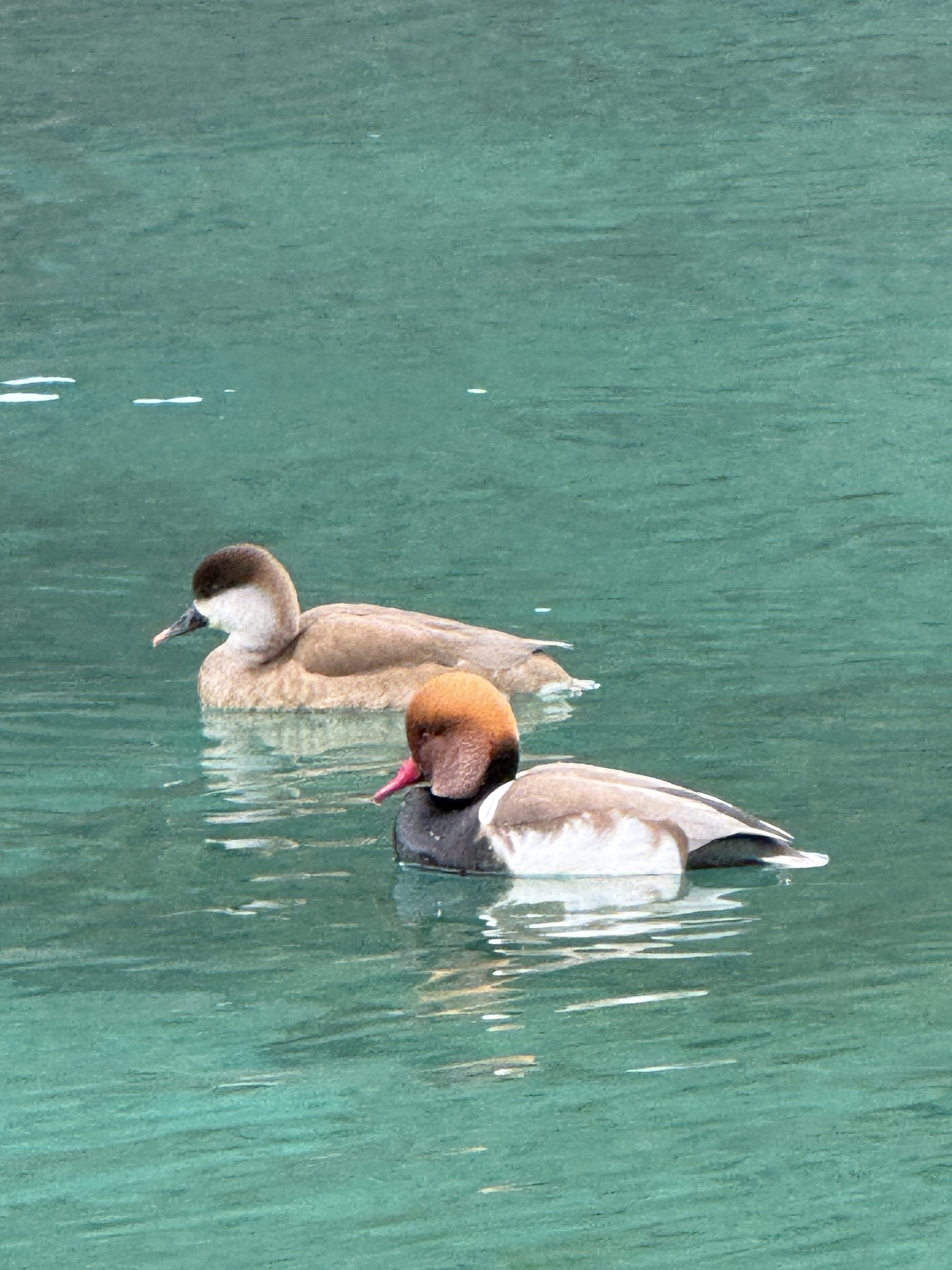
The adult male has a rounded orange head, red bill, black breast, white flanks, brown back, and black tail. The female is mainly pale brown with a darker back and crown and a whitish face. Eclipse males resemble females but retain red bills.
Identification
The adult male is unmistakable with its rounded orange head and red bill. Females are identified by their pale brown plumage and whitish face. Males give a wheezing 'veht' call, while females produce a series of hoarse 'vrah-vrah-vrah' calls.
Distribution & Habitat
Breeds in lowland marshes and lakes in southern Europe, extending from steppe and semi-desert areas on the Black Sea to Central Asia and Mongolia. Winters in the Indian subcontinent and Africa, with northern birds moving to North Africa. In the British Isles, populations are largely derived from accidental and deliberate introductions, concentrated in Gloucestershire, Oxfordshire, Northamptonshire, and Leicestershire.
Behavior & Ecology
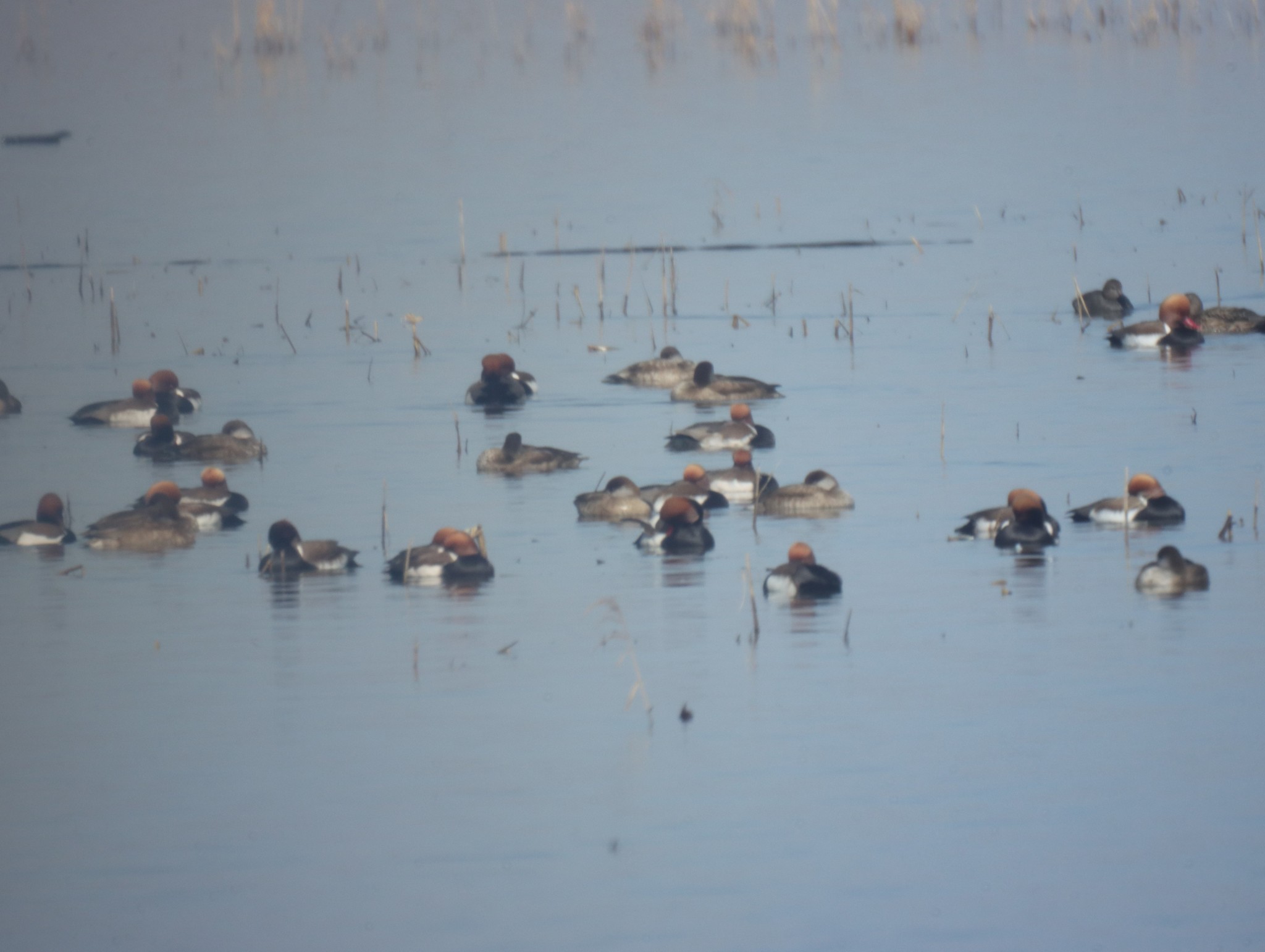
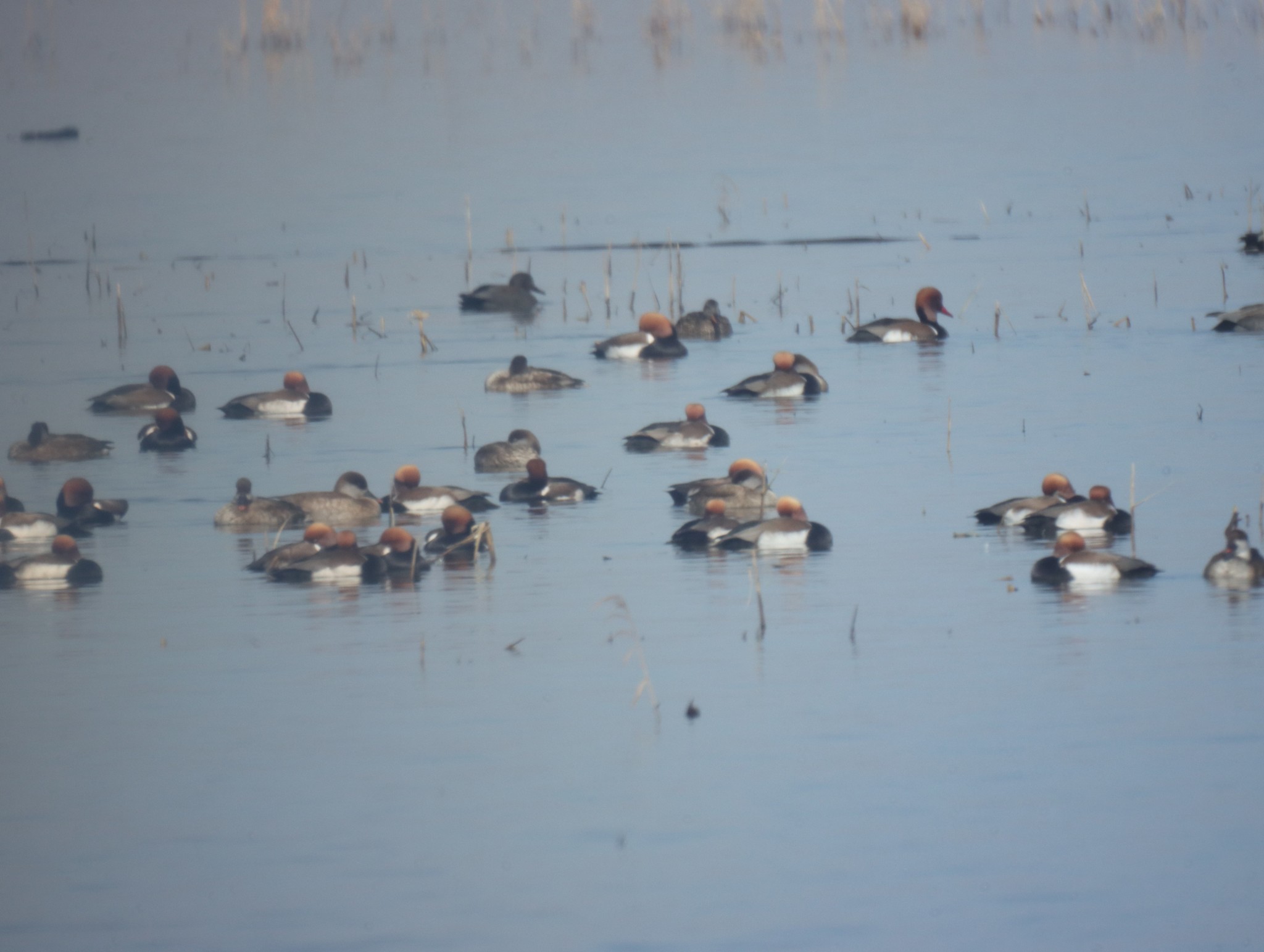
Gregarious, forming large flocks in winter, often mixed with other diving ducks. Feeds mainly by diving or dabbling on aquatic plants, typically upending for food more than most diving ducks. Nests by lakesides among vegetation, laying 8–12 pale green eggs.
Conservation
One of the species to which the Agreement on the Conservation of African-Eurasian Migratory Waterbirds (AEWA) applies.
Source: Wikipedia · CC BY-SA 3.0
Taxonomy
- Order
- Anseriformes
- Family
- Anatidae
- Genus
- Netta
Distribution
breeds from Europe (Iberian Peninsula northward to southern Denmark and Poland) eastward to central Asia (northwestern China and western Mongolia); somewhat local in Europe, more widespread to east; resident in southwestern Europe; elsewhere, winters from eastern Mediterranean eastward to northern India, south-central China, and northern Myanmar
Vocalizations
Data Sources
Species description from Wikipedia, licensed under CC BY-SA 3.0.
Bird images and sounds sourced from GBIF, contributed by citizen scientists worldwide under Creative Commons licenses.
Taxonomy data from AviList 2025.