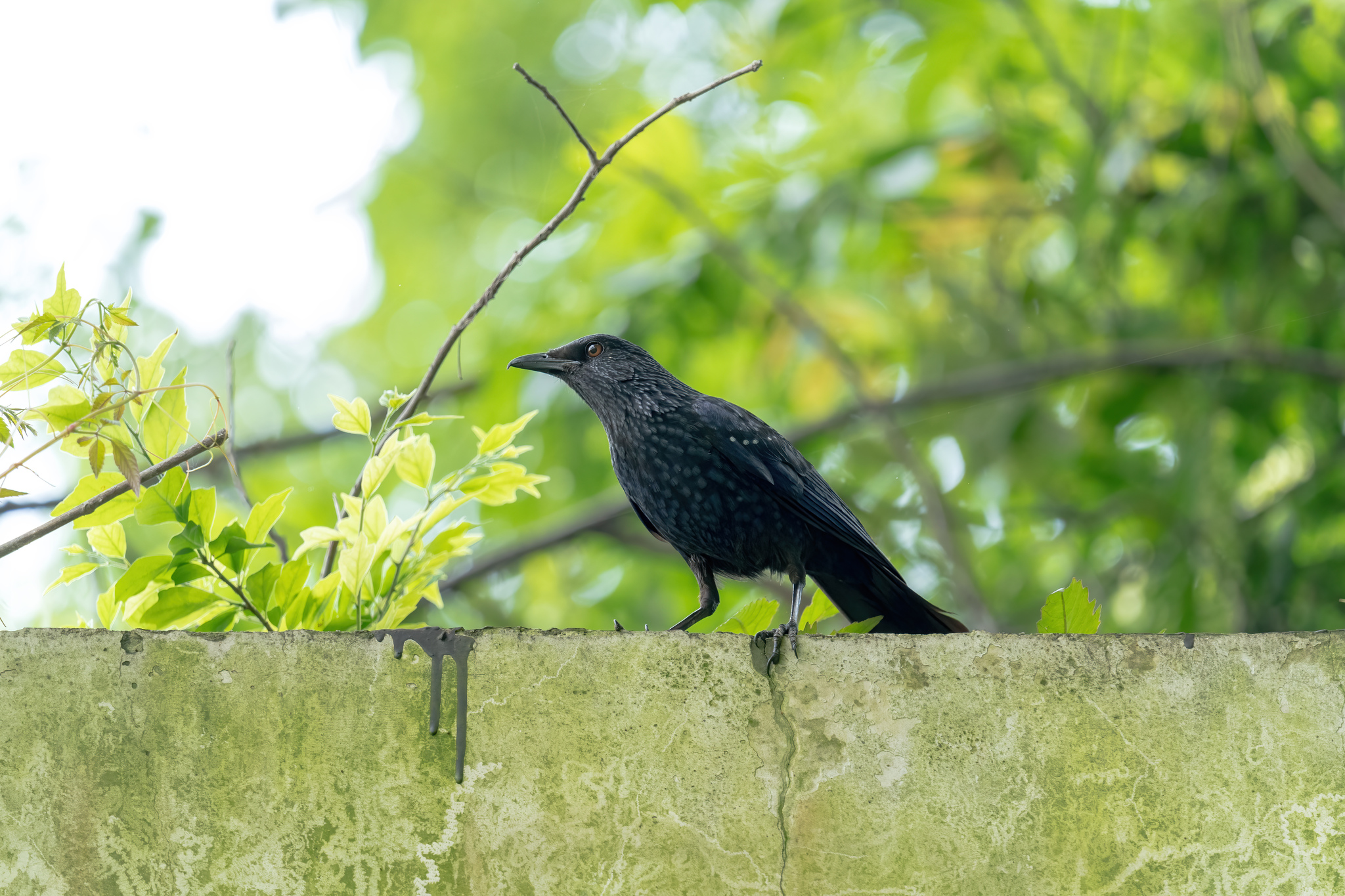
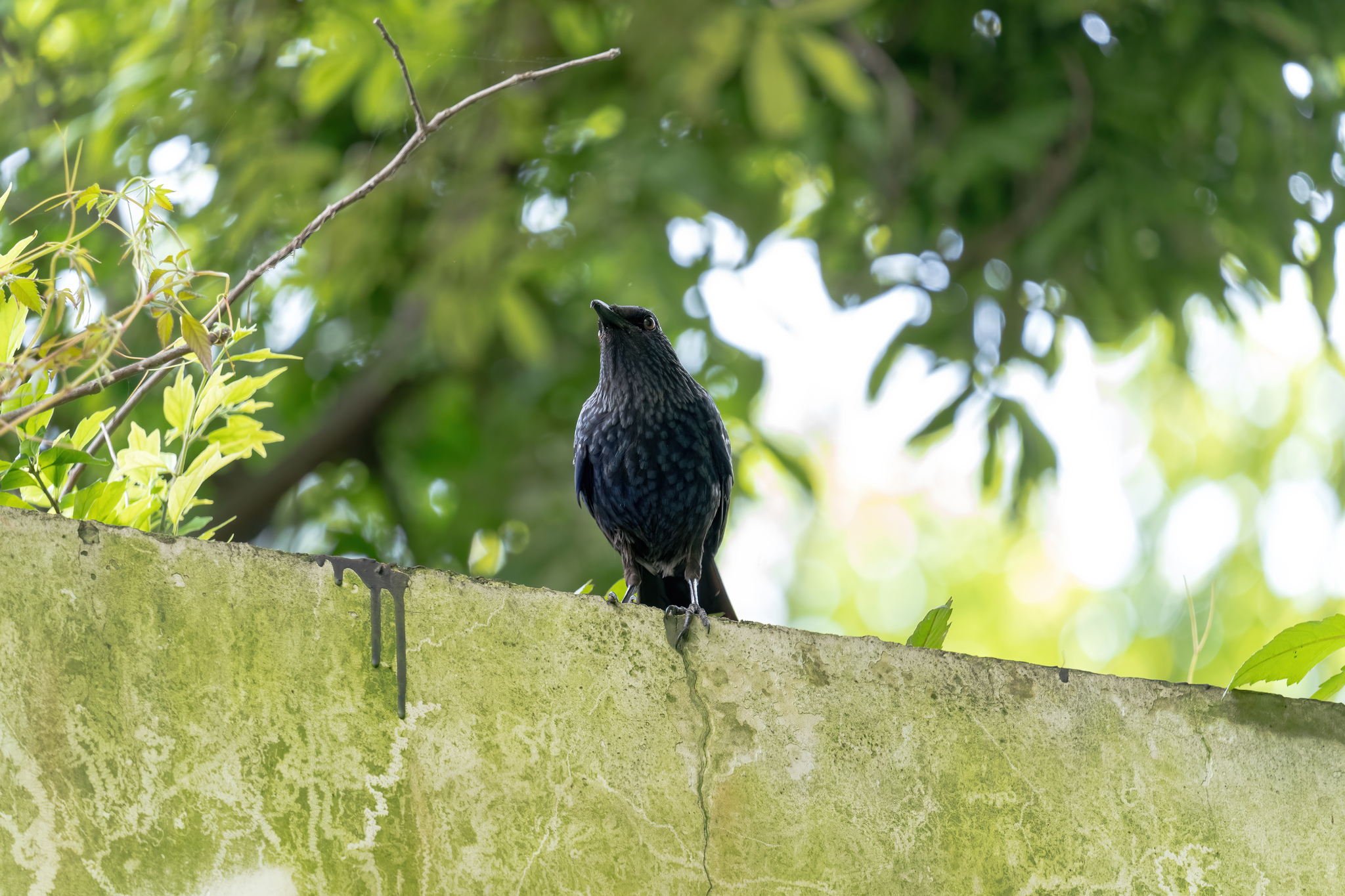
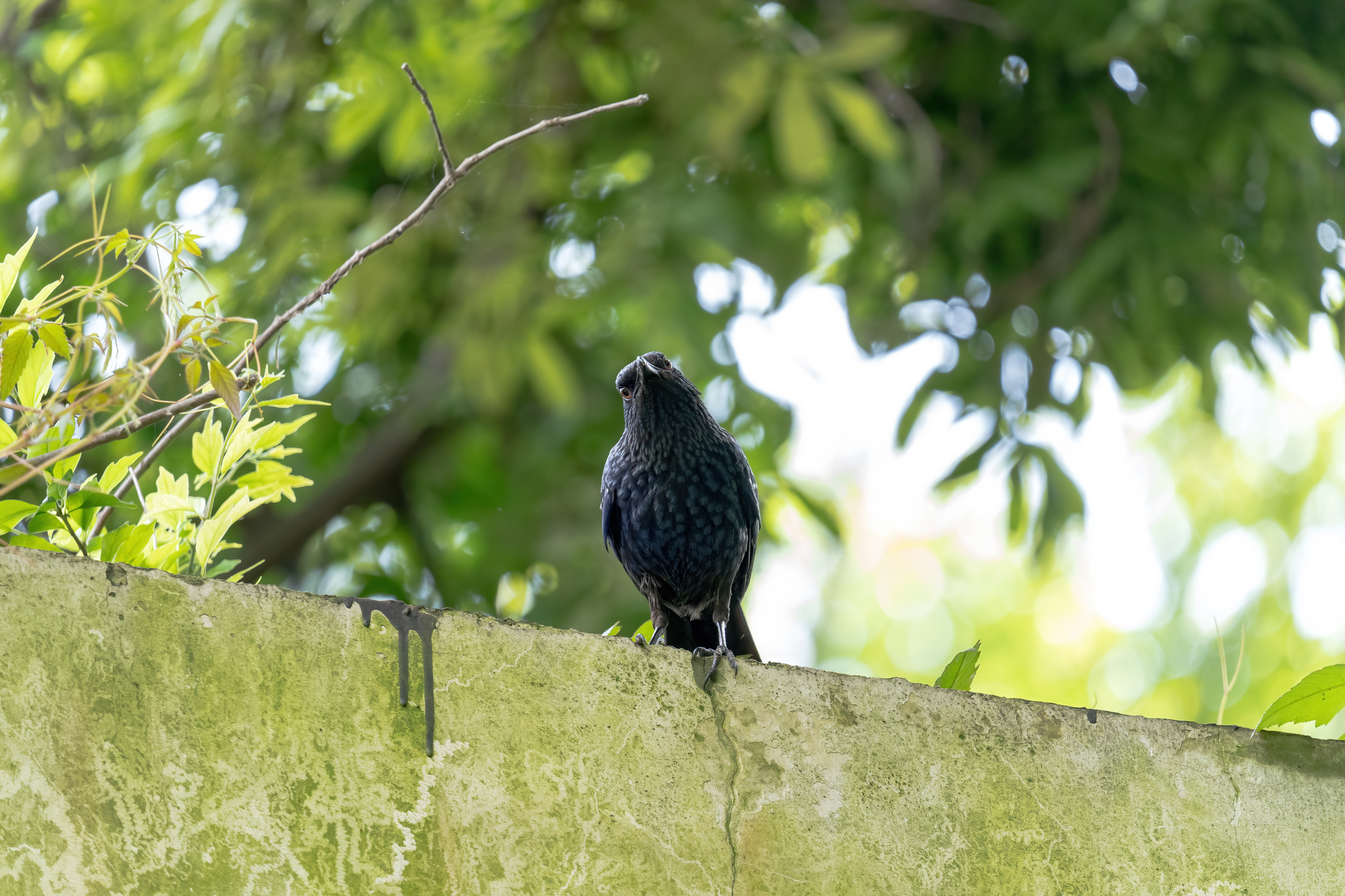
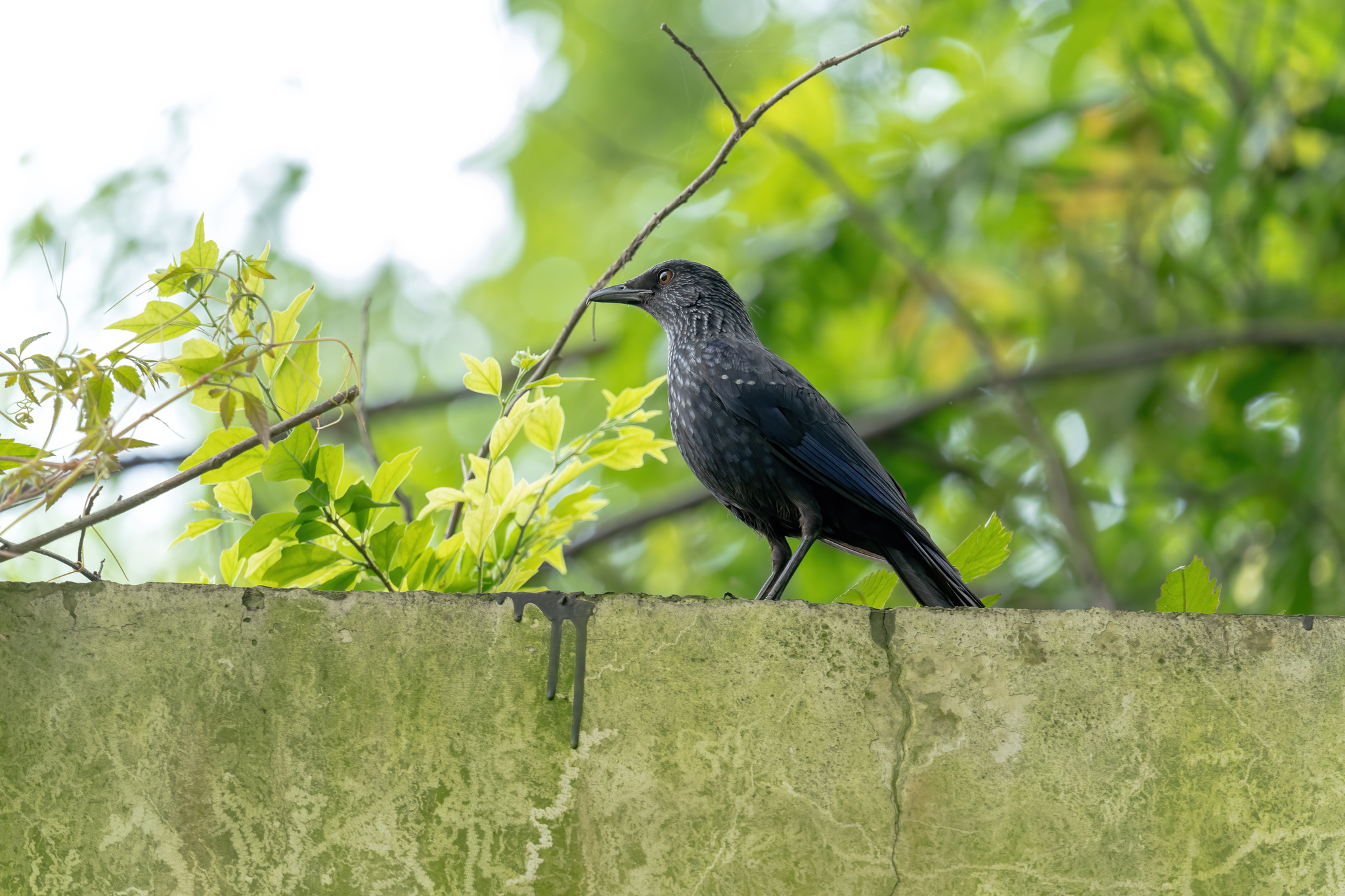
Blue Whistling Thrush
Myophonus caeruleus
紫啸鸫
Introduction
A member of the Old World flycatchers family (Muscicapidae). Inhabits mountain regions across Central Asia, South Asia, China, and Southeast Asia. Occurs along mountain streams, in wooded ravines, and humid forest understories. Ground forager feeding on invertebrates and fruit. Produces a loud, whistling song, most vocal at dawn and dusk during the breeding season. Several subspecies are recognized across its range.
Description
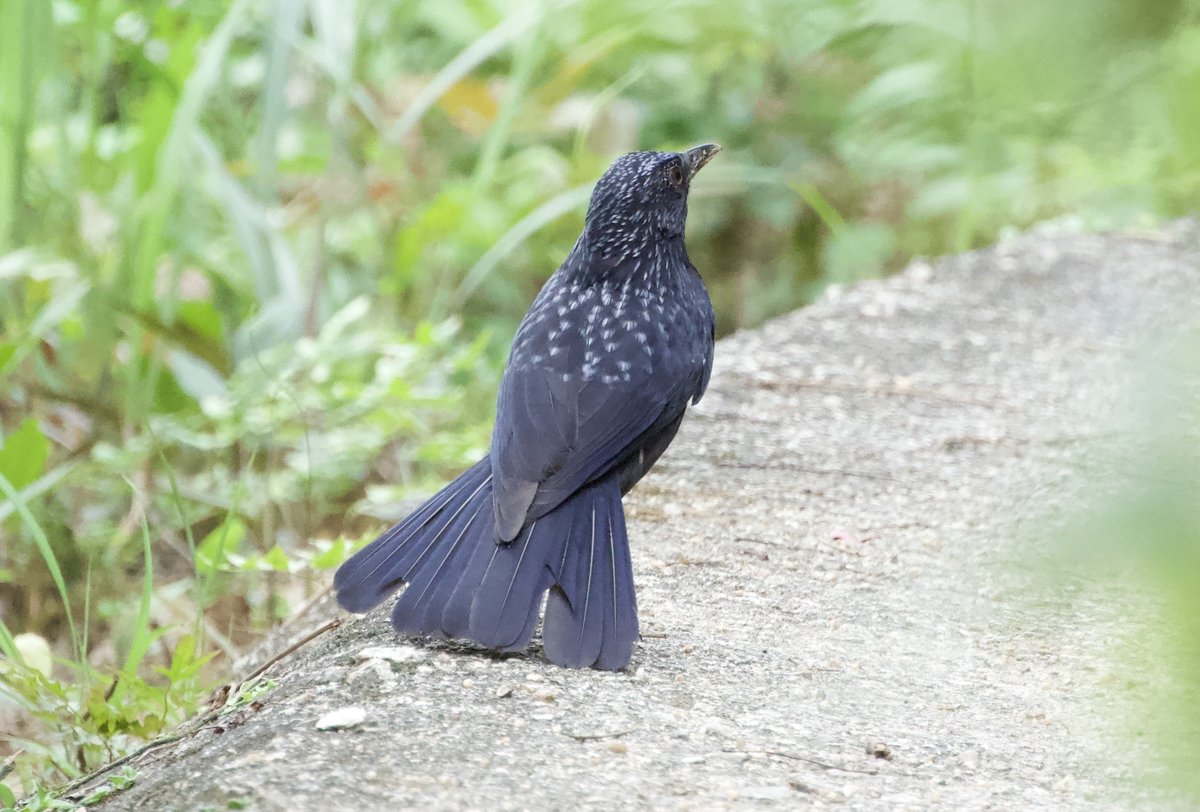
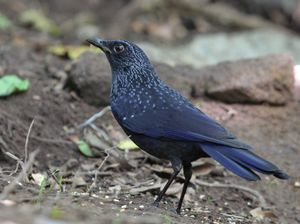
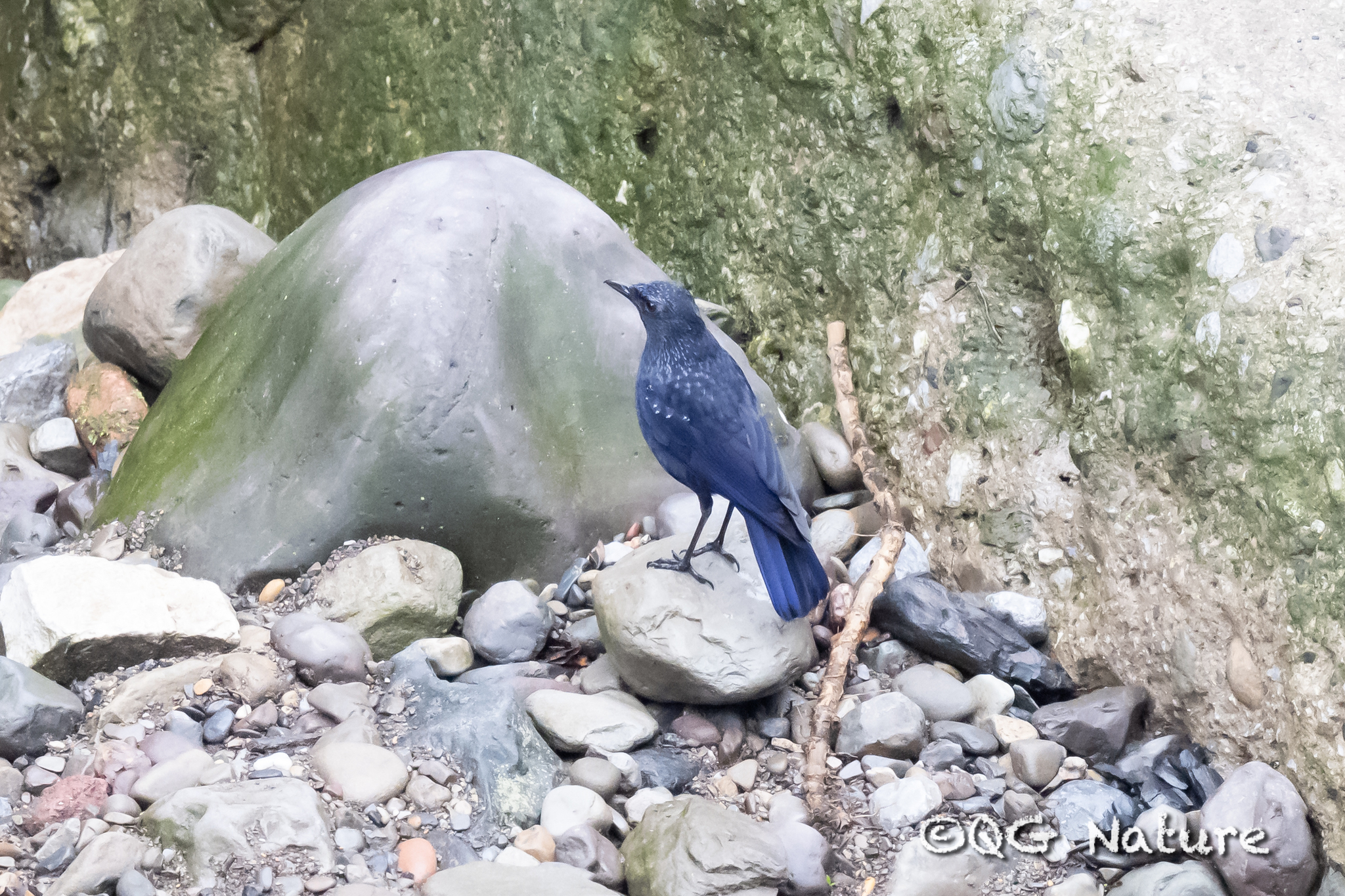
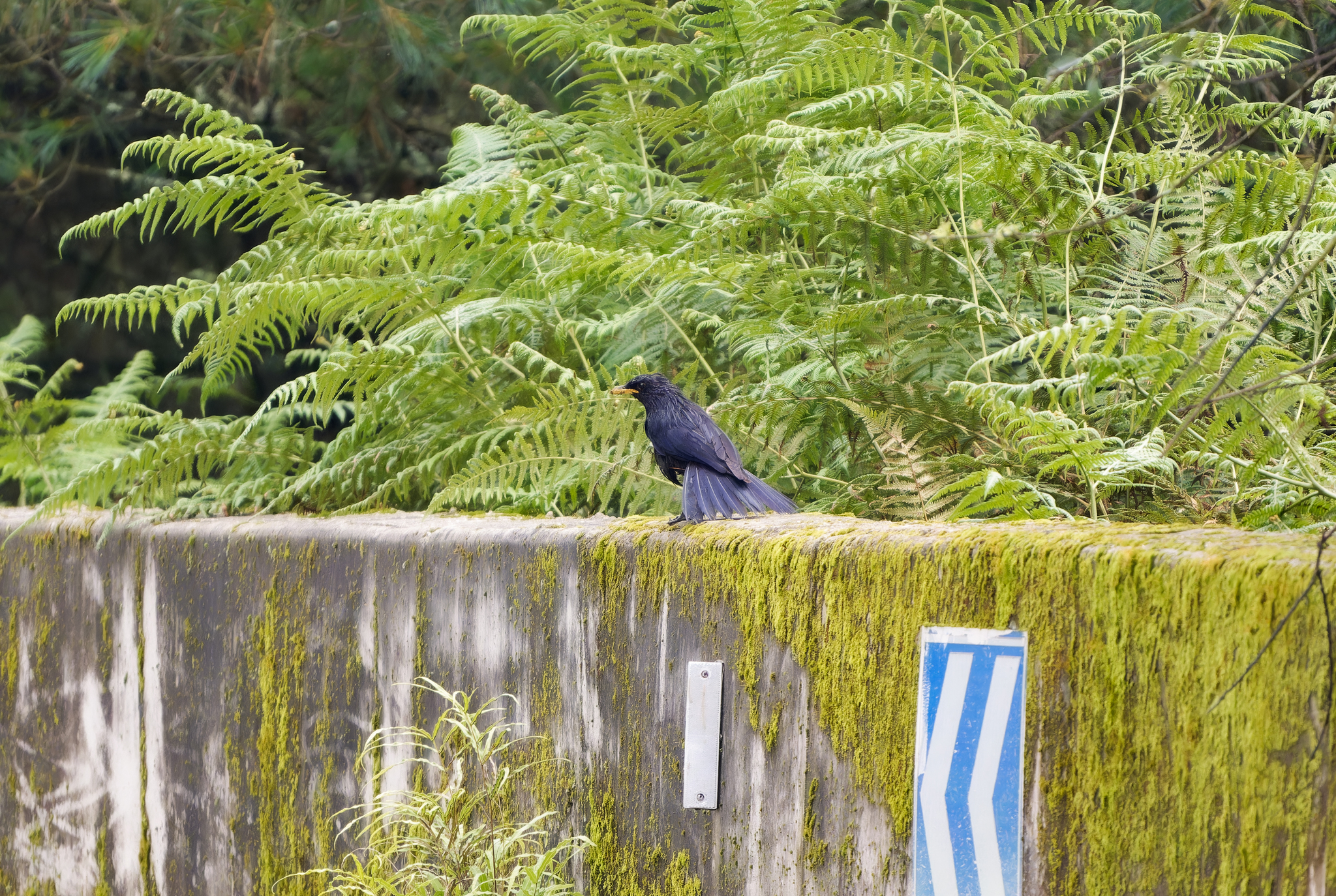
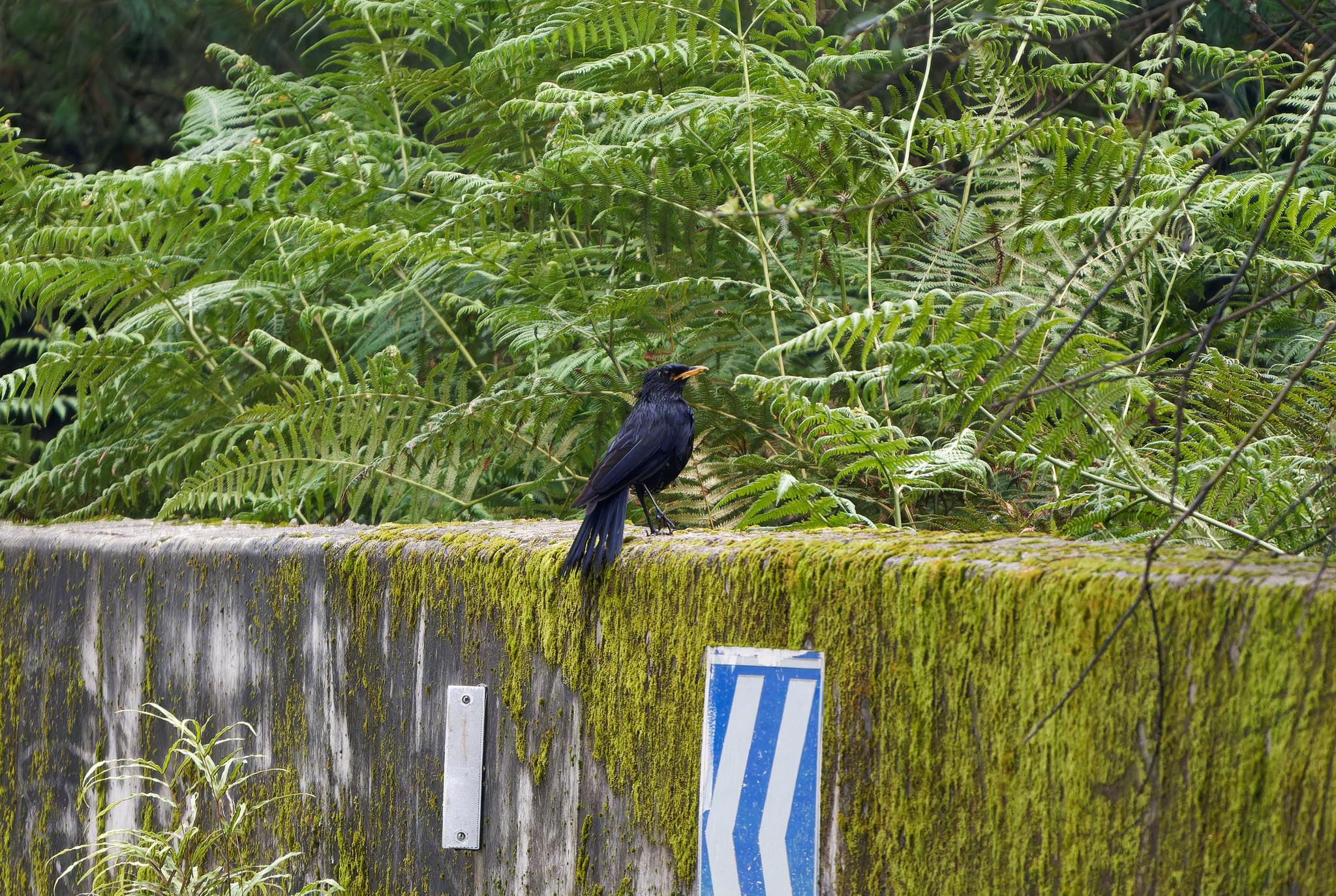
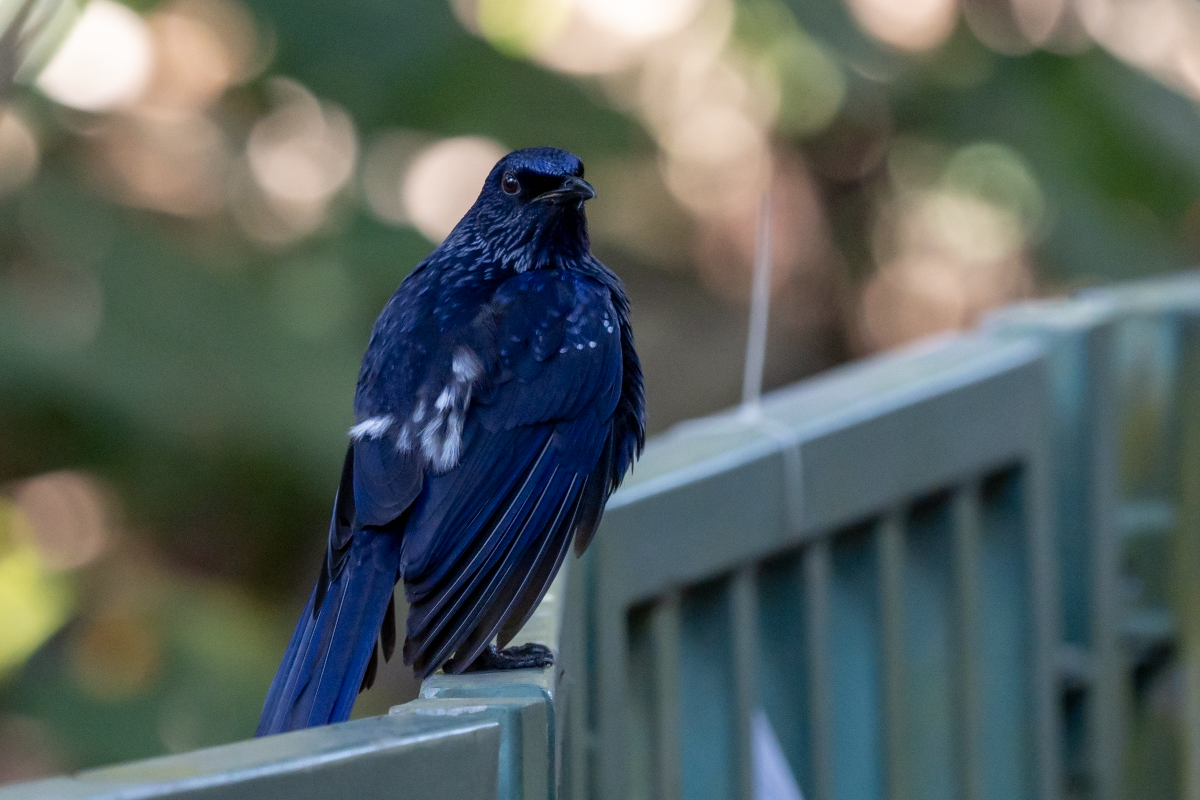
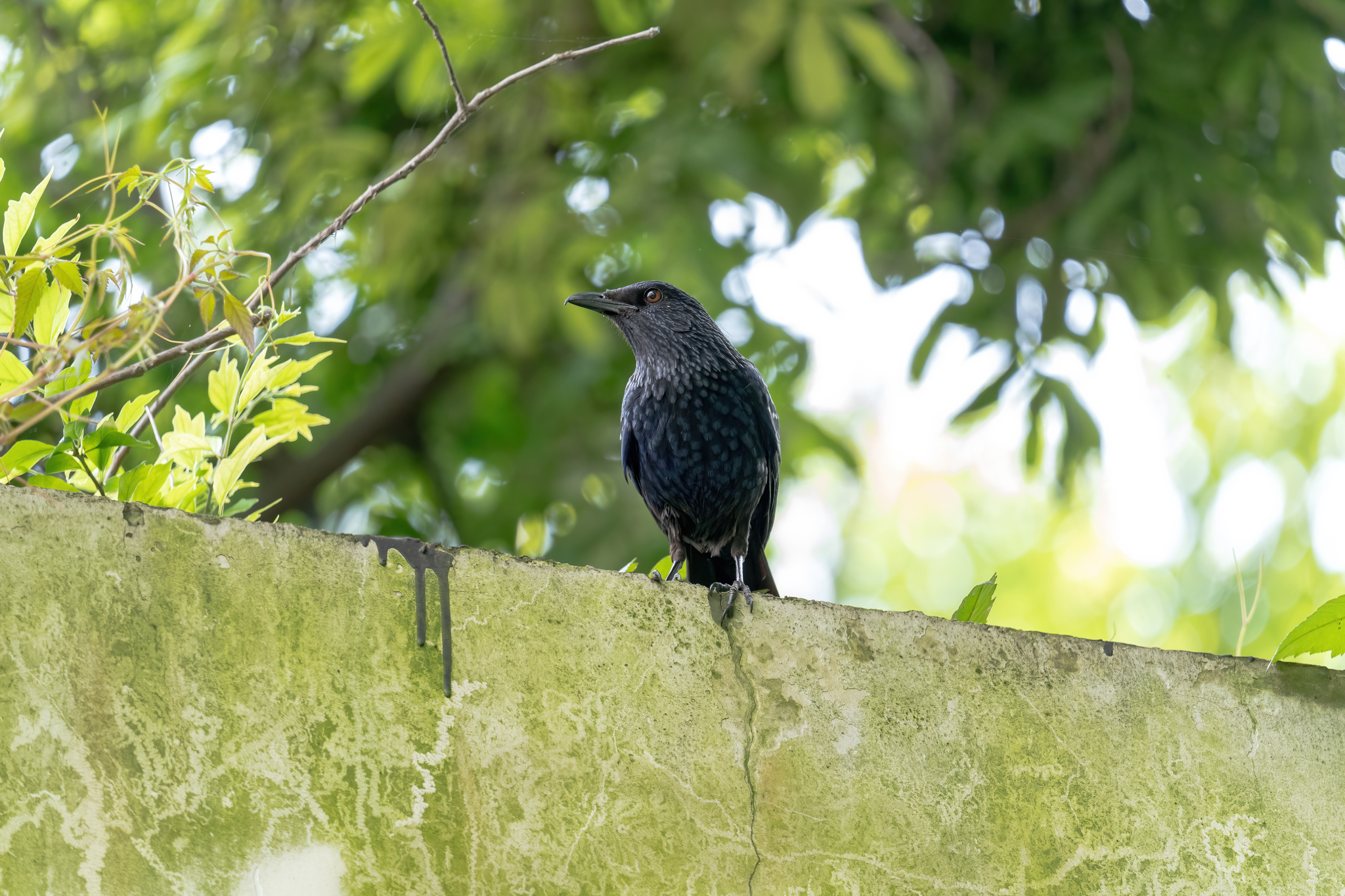
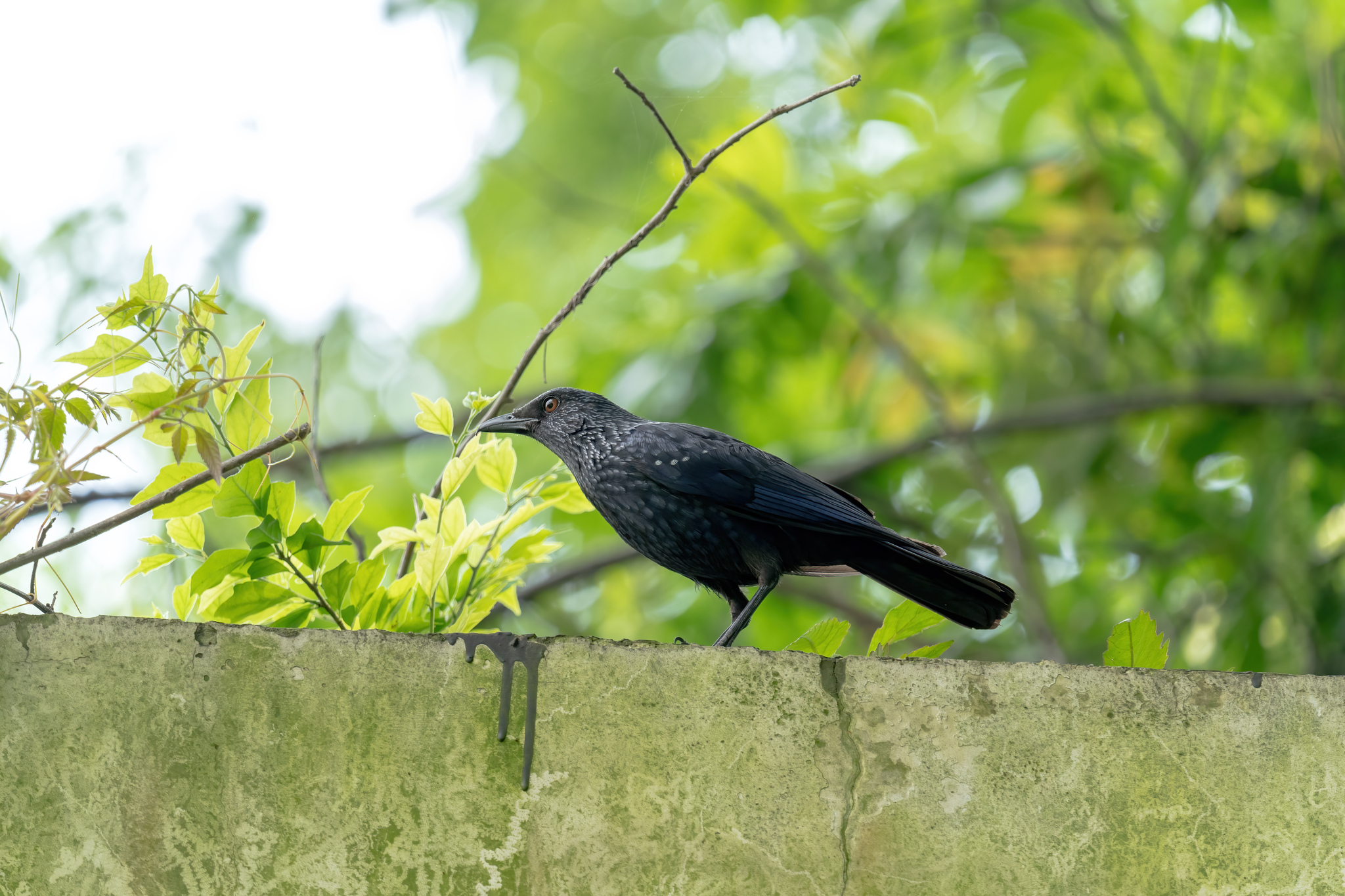
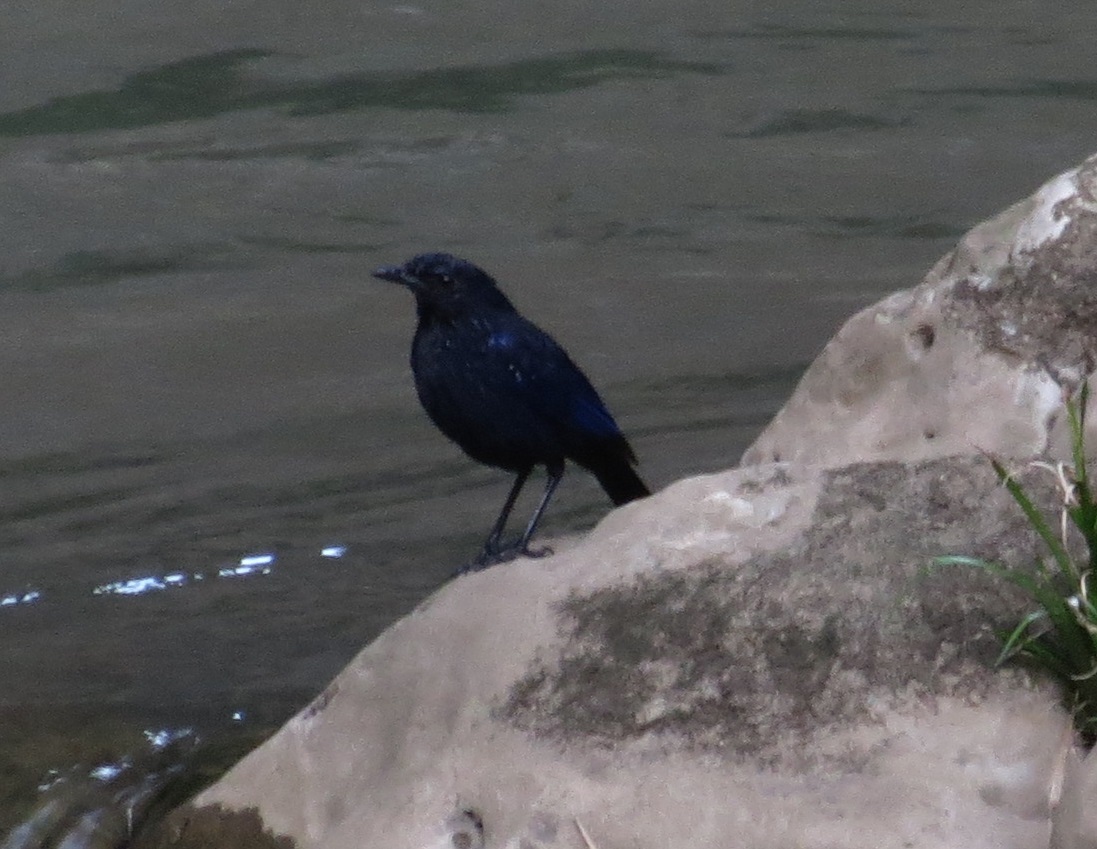
This is a large, dark passerine with striking plumage. The entire upperparts and breast are dark violet-blue, adorned with glossy spangling on feather tips that catches light beautifully. The wing coverts display a slightly different blue hue, while the median coverts feature distinctive white spots at their tips in most populations. The bright yellow bill provides a vivid contrast against the dark plumage. The inner webs of the flight and tail feathers appear black in flight. The sexes are identical in appearance. Measuring 31-35 cm in length and weighing 136-231 g, it is substantially larger than many comparable songbirds. Subspecies show considerable variation: some have black bills while others have yellowish or thicker bills, and certain populations lack the white wing spots entirely.
Identification
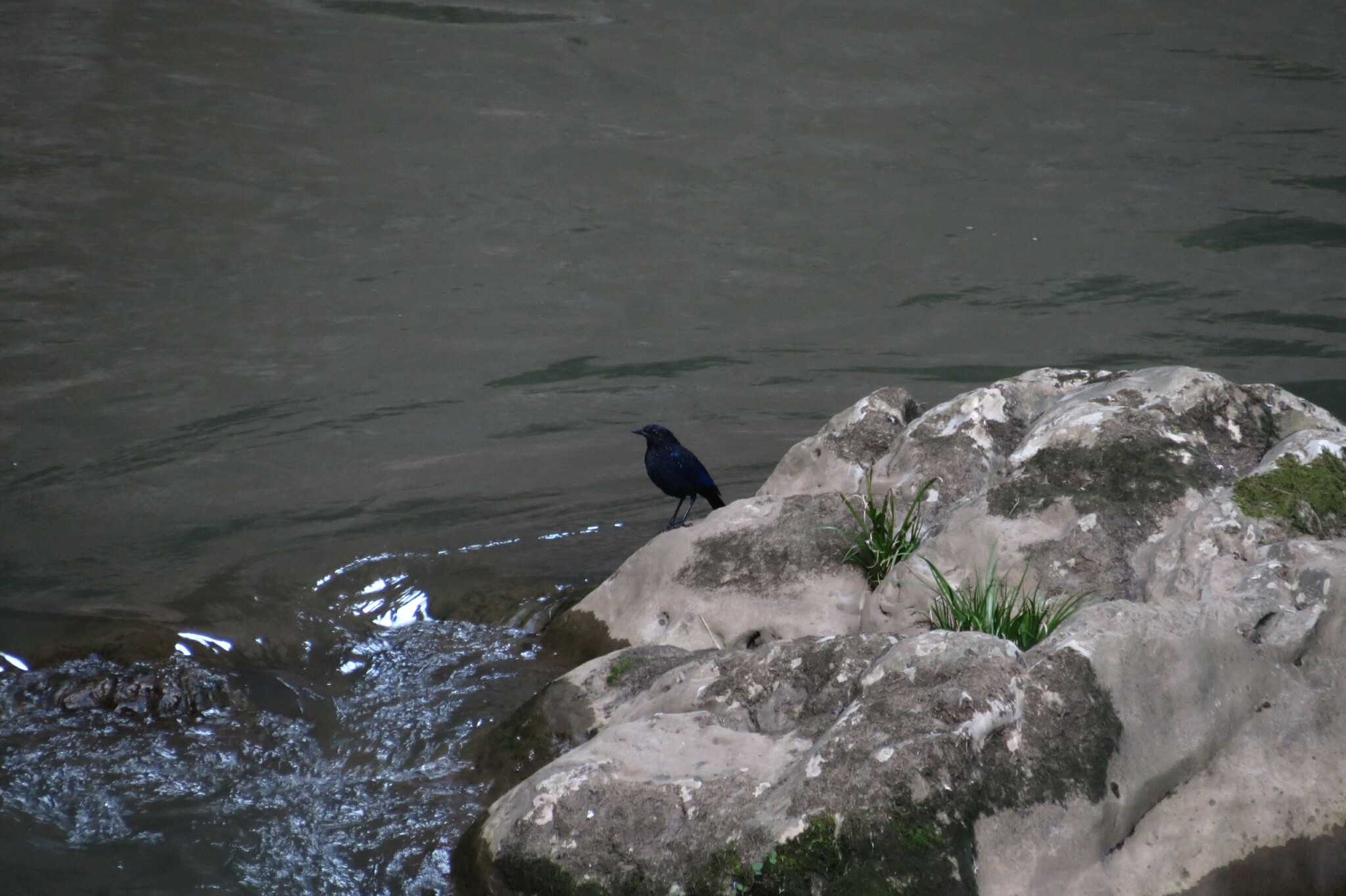
The combination of large size, dark violet-blue plumage with spangling, yellow bill, and white-spotted wing coverts makes this species distinctive within its range. The black inner webs of the flight and tail feathers are visible when the bird is in flight or when wings are spread. The bright yellow bill is perhaps the most reliable field mark, particularly when foraging birds are seen on streams. Larger northern populations can weigh nearly twice as much as southern birds, following Bergmann's rule. In the Himalayas, watch for birds near fast-flowing streams and mossy rocks, where they often perch prominently before dropping to the ground to forage.
Distribution & Habitat
The species occupies mountain ranges across Central Asia, South Asia, China, and Southeast Asia, including the Tian Shan and Himalayas. It inhabits temperate forests and subtropical or tropical moist montane forests throughout Afghanistan, Bangladesh, Bhutan, Cambodia, China, Hong Kong, India, Indonesia, Kazakhstan, Laos, Macau, Malaysia, Myanmar, Nepal, Tajikistan, Thailand, Tibet, Turkmenistan, Pakistan, and Vietnam. Populations in the Himalayas make altitudinal movements, descending to lower elevations during winter.
Behavior & Ecology
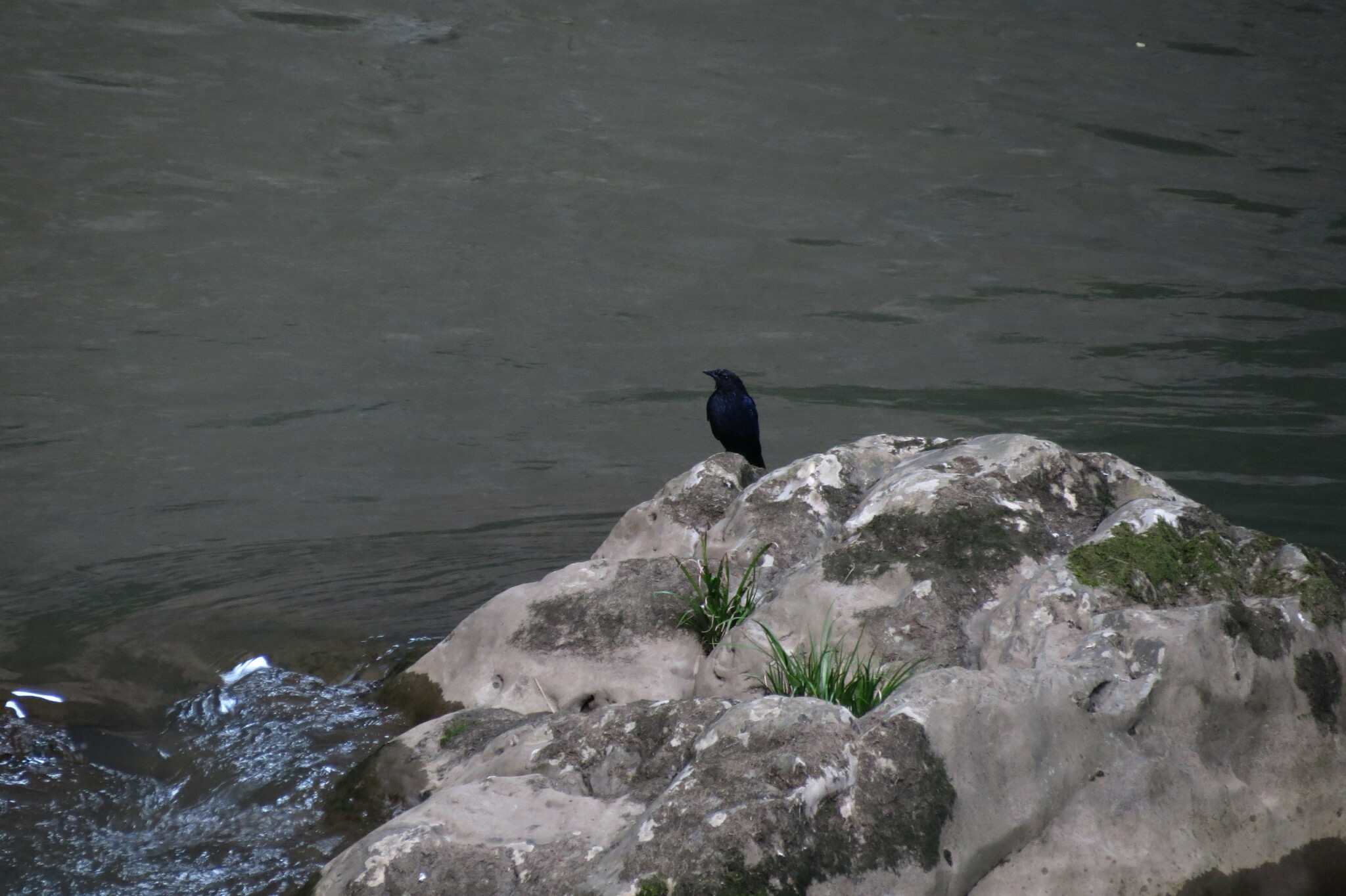
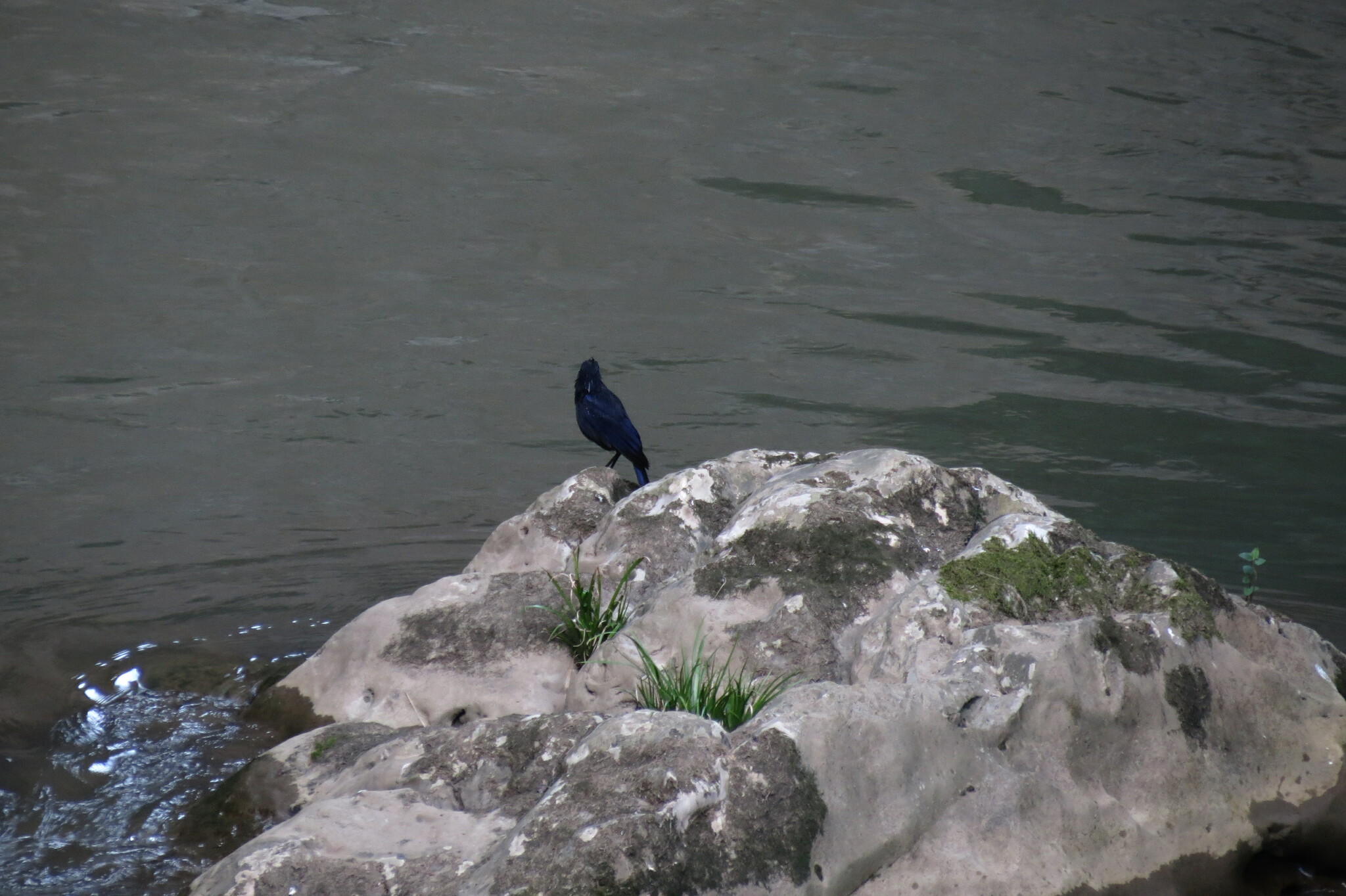
This bird is typically found singly or in pairs, hopping across rocks and moving in quick spurts while foraging on the ground. It turns over leaves and small stones to find prey including fruits, earthworms, insects, crabs, and snails—often battering hard-shelled prey on rocks. During breeding season (April to August), it sings its loud whistling song at dawn and dusk. The nest is a cup of moss and roots placed in ledges beside streams, with 3-4 eggs per clutch. The alarm call is a shrill 'kree'.
Source: Wikipedia · CC BY-SA 3.0
Taxonomy
- Order
- Passeriformes
- Family
- Muscicapidae
- Genus
- Myophonus
- eBird Code
- blwthr1
Vocalizations
Subspecies (6)
-
Myophonus caeruleus caeruleus
western China (Sichuan); winters to southern China and northern Indochina
-
Myophonus caeruleus crassirostris
northern Thai-Malay Peninsula
-
Myophonus caeruleus dichrorhynchus
southern Thai-Malay Peninsula and Sumatra
-
Myophonus caeruleus eugenei
northeastern Assam to southern Myanmar, northern Thailand, southwestern China, and Indochina
-
Myophonus caeruleus flavirostris
foothill and montane forest of Java
-
Myophonus caeruleus temminckii
central Asia to northern India, Pakistan, southeastern Tibet, and Myanmar
Data Sources
Species description from Wikipedia, licensed under CC BY-SA 3.0.
Bird images and sounds sourced from GBIF, contributed by citizen scientists worldwide under Creative Commons licenses.
Taxonomy data from AviList 2025.