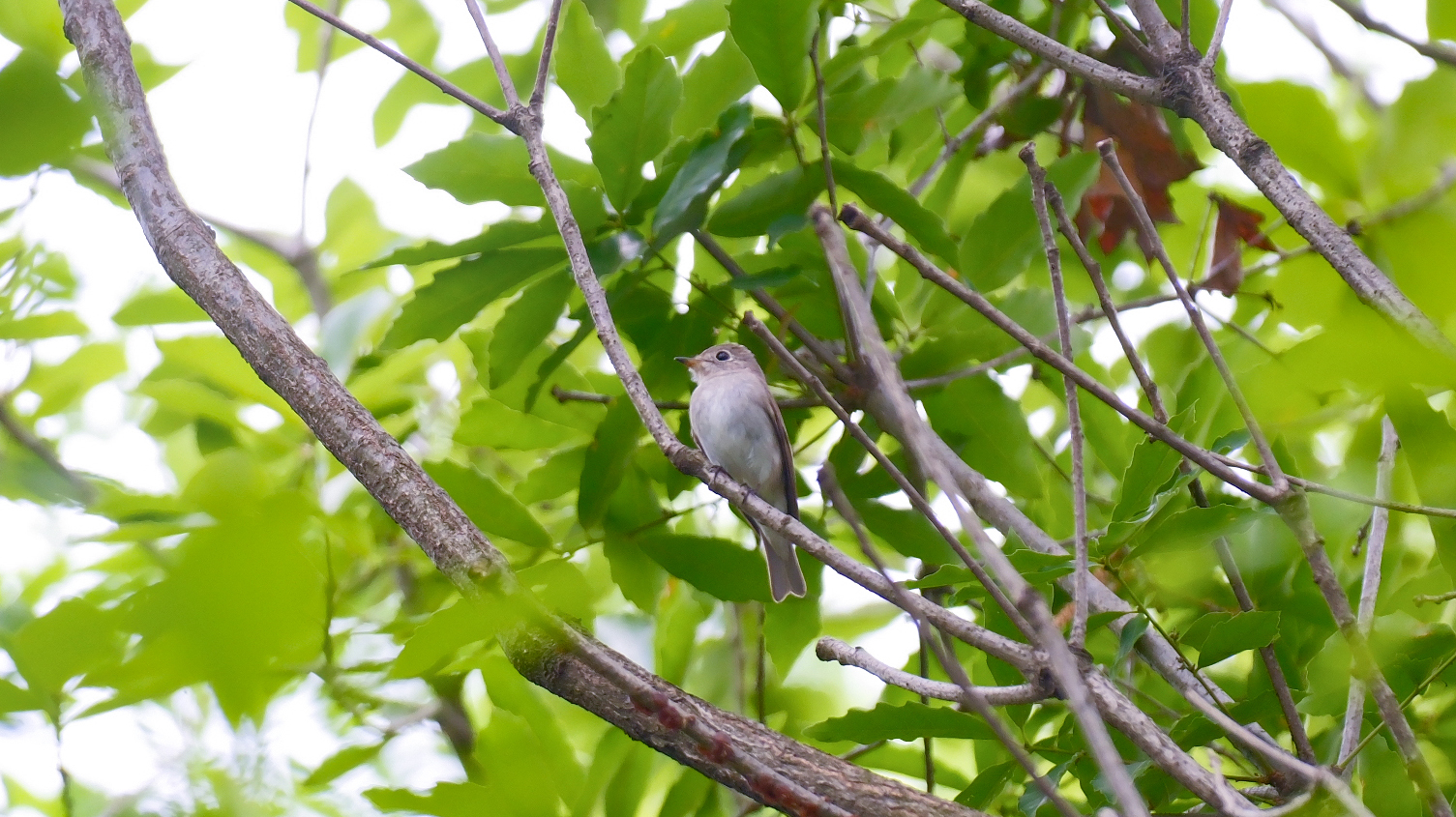
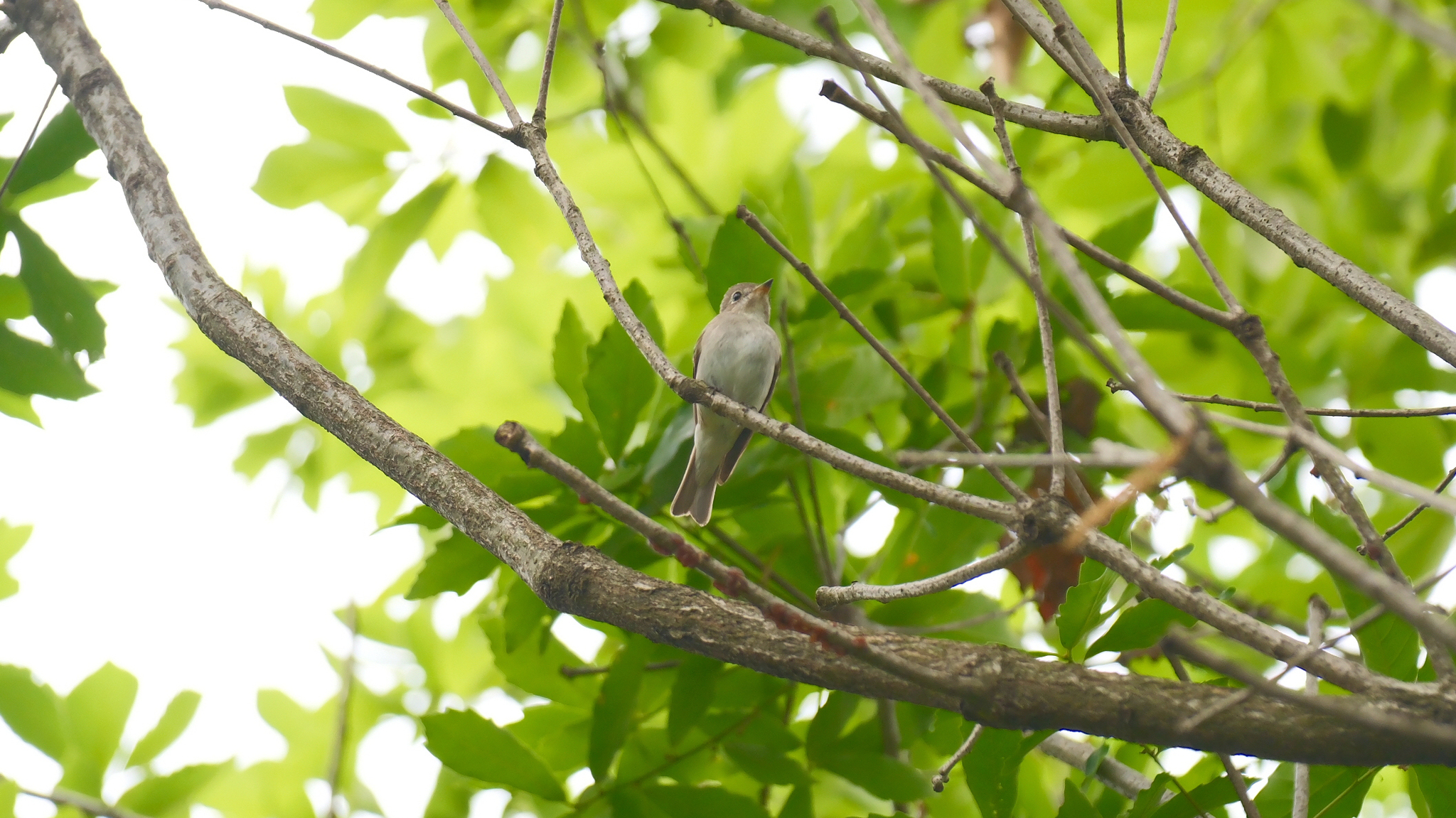
Passeriformes / Muscicapidae / Muscicapa
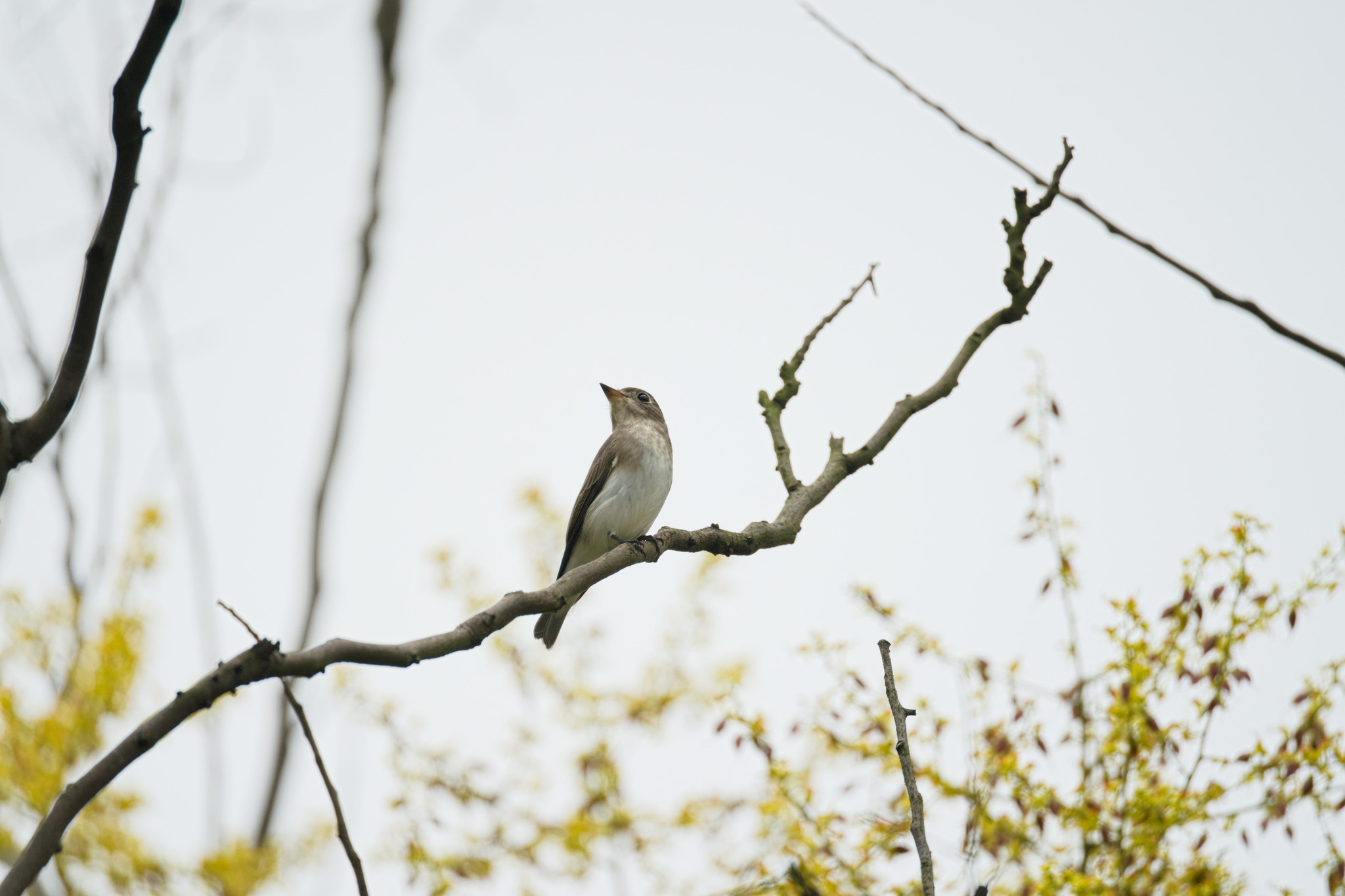
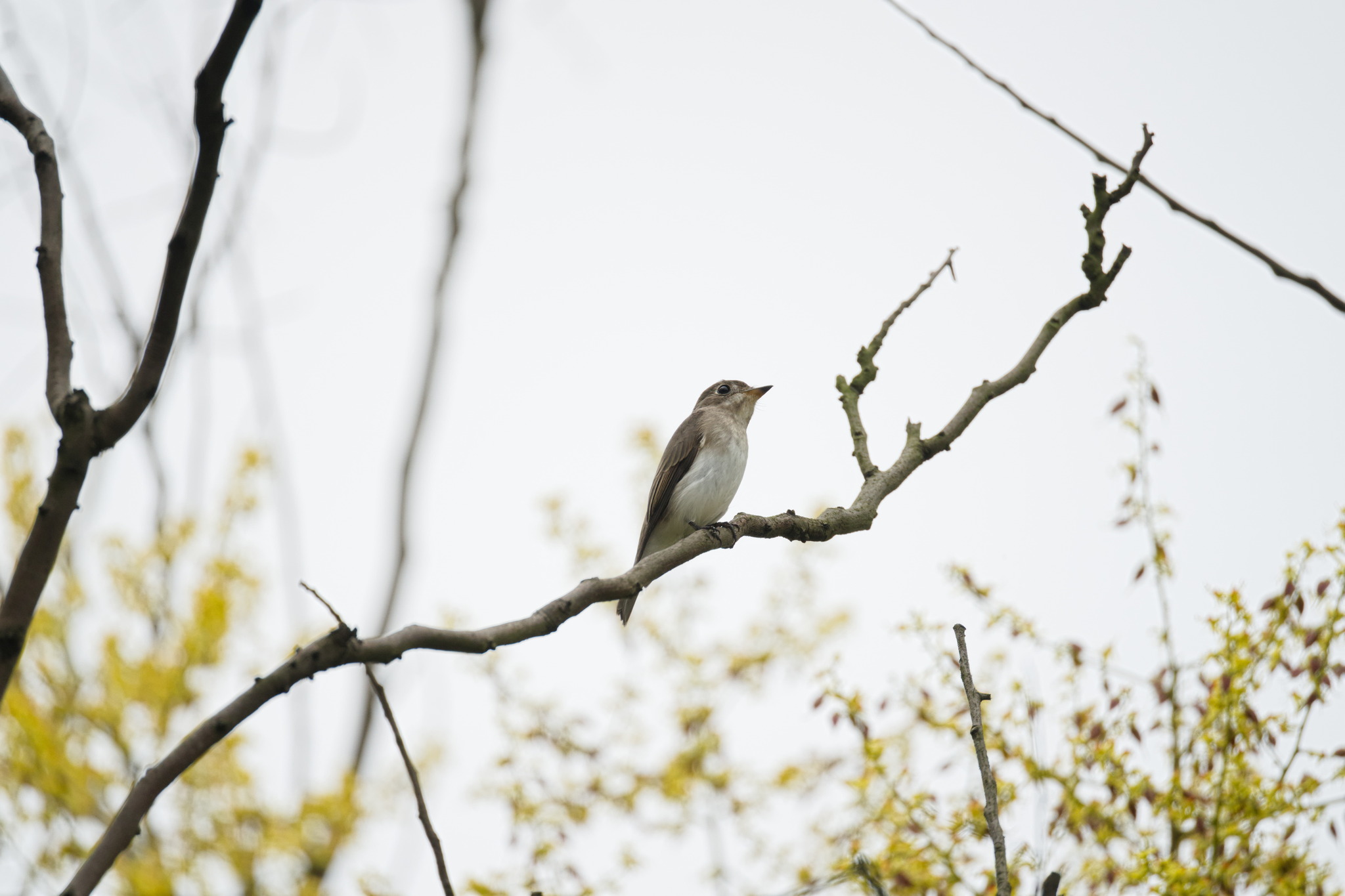
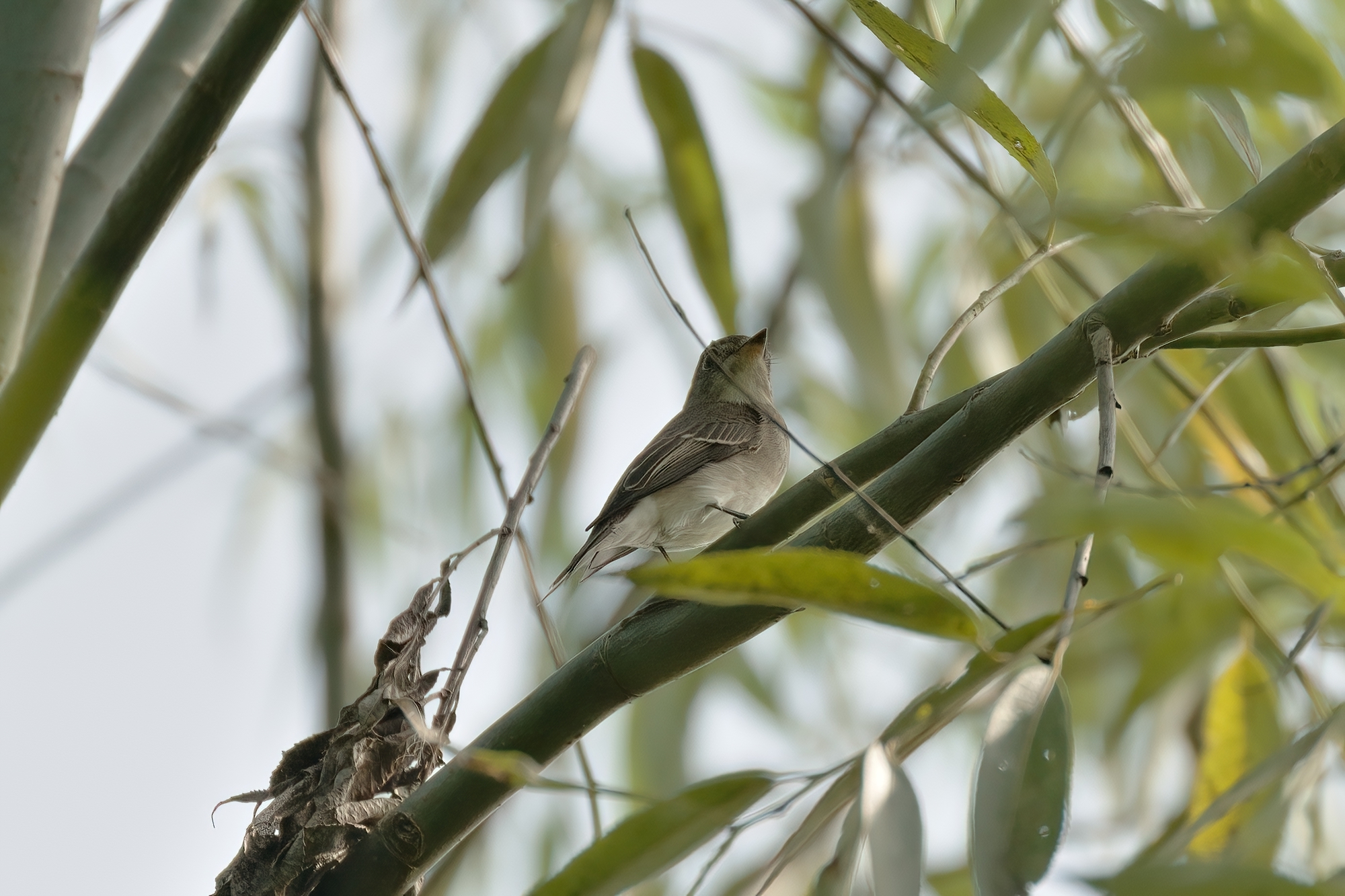
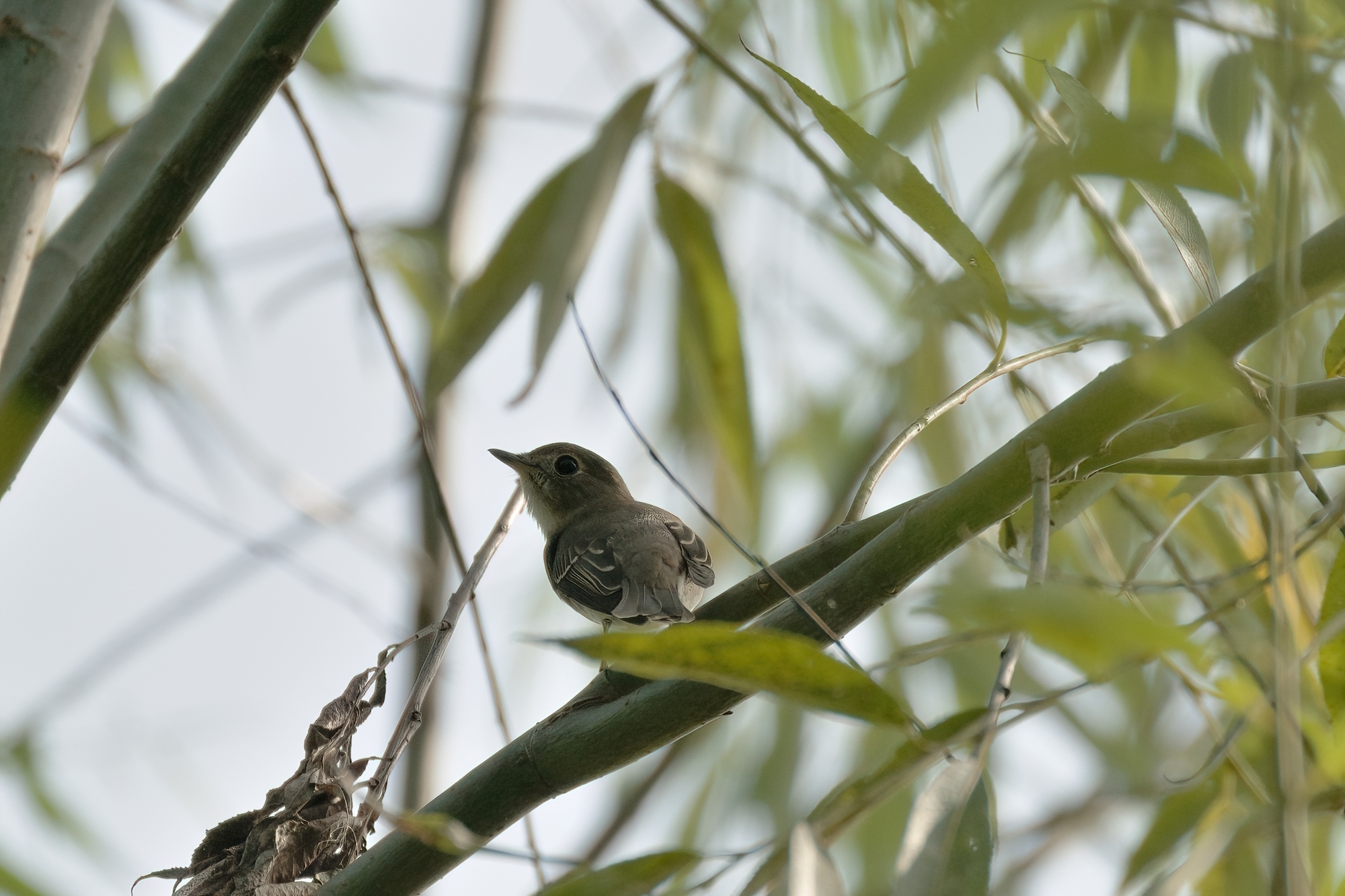
Asian Brown Flycatcher
Muscicapa dauurica · 北灰鹟
Introduction
Small passerine in the flycatcher family Muscicapidae. Insectivorous species breeding in Japan, eastern Siberia, and the Himalayas. Migratory, wintering in tropical southern Asia from southern India and Sri Lanka east to Indonesia.
Description
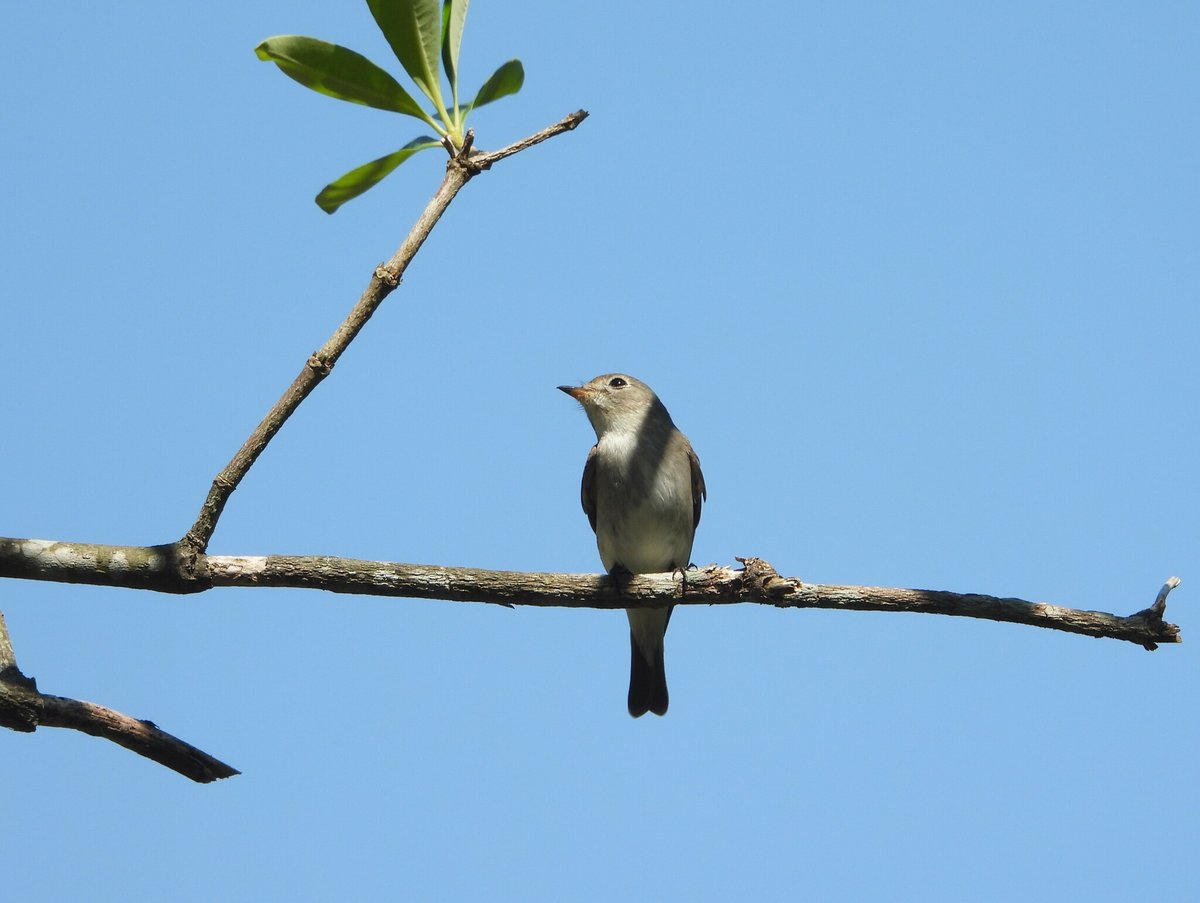
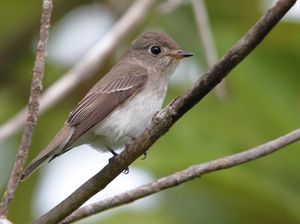
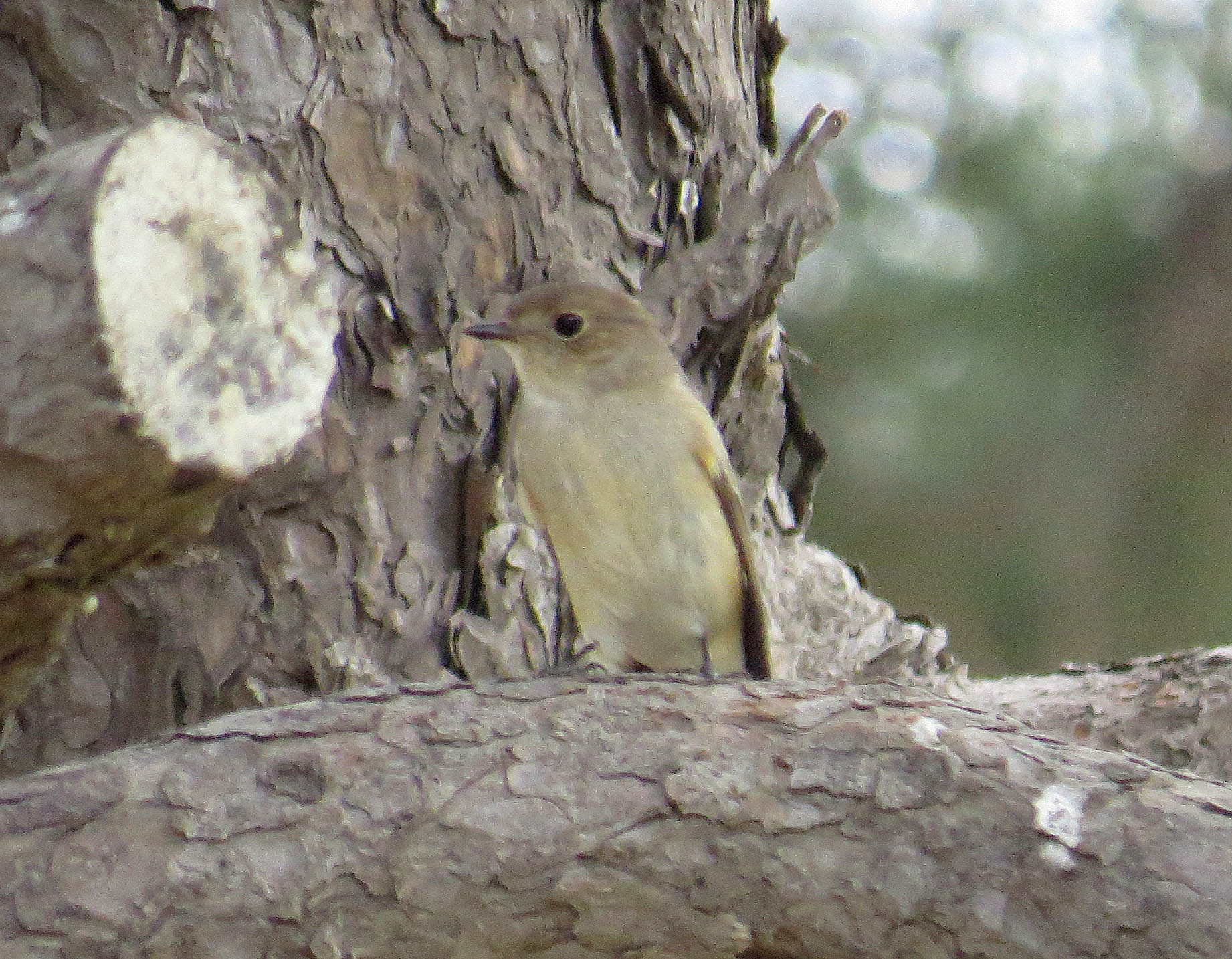
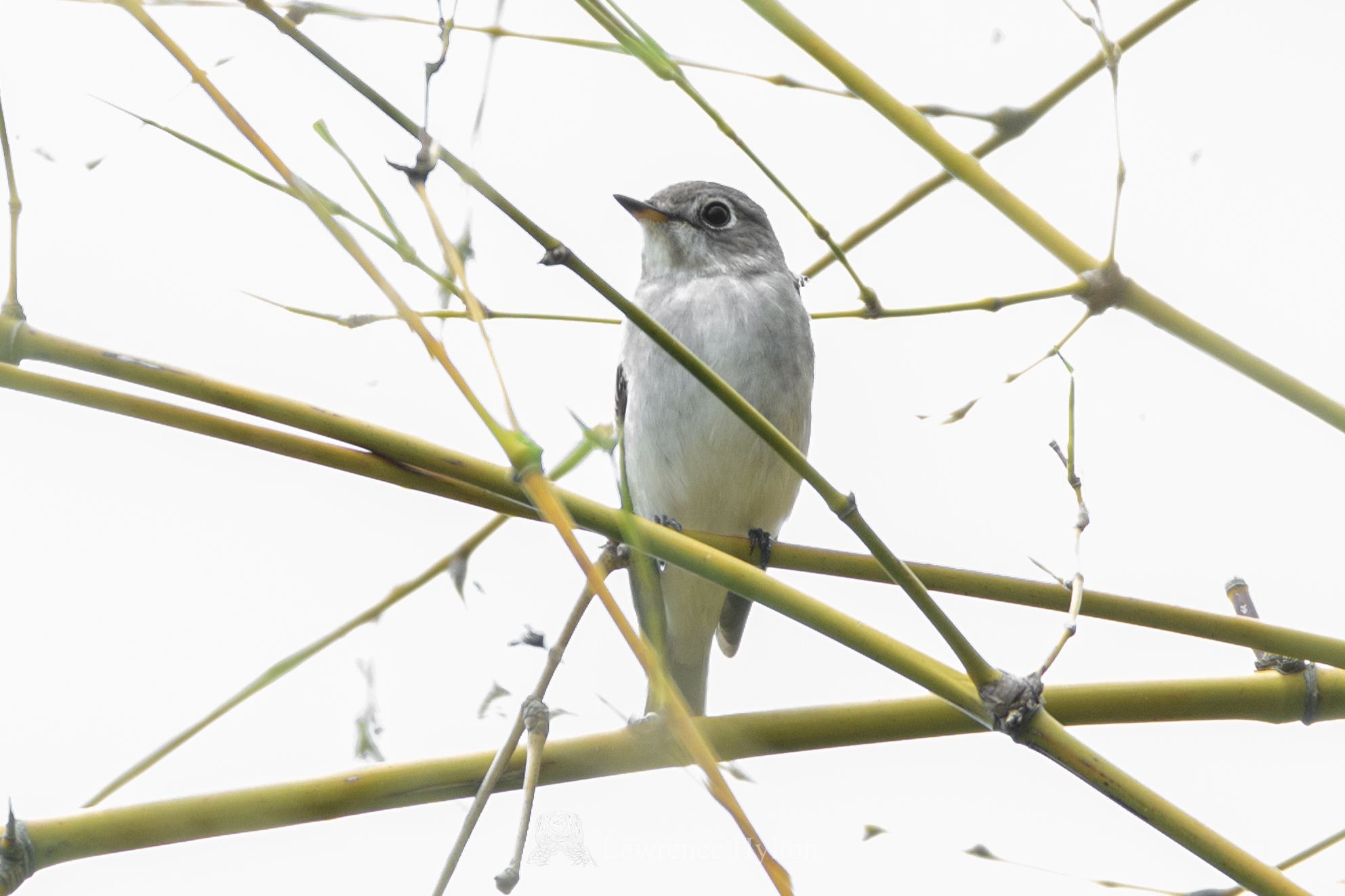
13 cm (5.1 in) long, including the cocked tail. Similar in shape to the larger spotted flycatcher but relatively longer-tailed. Dark bill is relatively large and broad-based. Adult has grey-brown upperparts, becoming greyer as plumage ages, and whitish underparts with brown-tinged flanks. Young birds have scaly brown upperparts, head, and breast.
Identification
Relatively longer-tailed than the spotted flycatcher. Subspecies poonensis described as paler and browner above, with a deeper bill, mostly pale lower mandible, more mottled throat, breast and flanks, less contrastingly white spectacles and throat, and perhaps a more rounded wing.
Distribution & Habitat
Breeds in Japan, eastern Siberia, and the Himalayas. Winters in tropical southern Asia from southern India and Sri Lanka east to Indonesia. Found in open woodland and cultivated areas. Extremely rare vagrant to Western Europe, with records from Britain, Denmark, and Sweden, and unproven claims from Ireland, the Faroe Islands, and Norway.
Behavior & Ecology
Nests in a hole in a tree, laying four eggs which are incubated by the female. Male sings a simple melodic song during courtship. Parasitised by the chewing louse Philopterus davuricae.
Source: Wikipedia · CC BY-SA 3.0
Taxonomy
- Order
- Passeriformes
- Family
- Muscicapidae
- Genus
- Muscicapa
Taxonomy Changes
Muscicapa latirostris → Muscicapa dauurica
Species rename — GBIF Backbone Taxonomy uses the former name; AviList 2025 uses the current name.
Subspecies (3)
-
Muscicapa dauurica dauurica
breeds Siberia and southeastern Russia (from Yenisey River eastward to Amurland and Ussuriland and Sakhalin Island), northern Mongolia, northeastern China, North Korea, the southern Kuril Islands, and Japan; winters in southern China (Yunnan, Guangdong, and Hainan), Taiwan (scarce), southeastern Asia (westward to western Myanmar), Philippines, and the Greater Sundas
Data Sources
Species description from Wikipedia, licensed under CC BY-SA 3.0.
Bird images and sounds sourced from GBIF, contributed by citizen scientists worldwide under Creative Commons licenses.
Taxonomy data from AviList 2025.