Passeriformes / Motacillidae / Motacilla
Western Yellow Wagtail
Motacilla flava · 西黄鹡鸰
Introduction
A small passerine in the wagtail family Motacillidae, breeding across temperate Europe and Asia. Most populations are migratory, wintering in tropical Africa and southern Asia, while a small population in Egypt is resident. It inhabits open country near water and is insectivorous.
Description
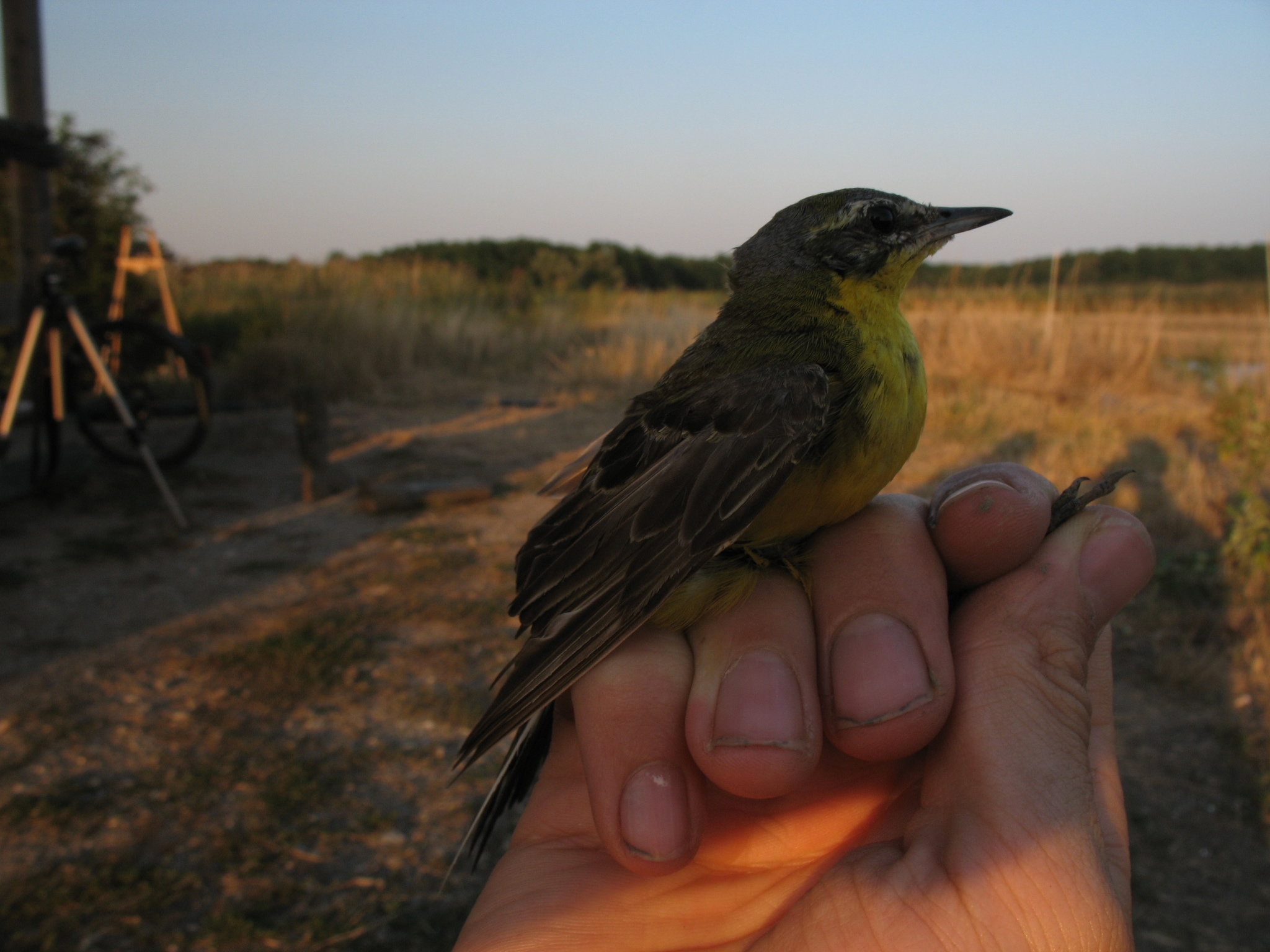
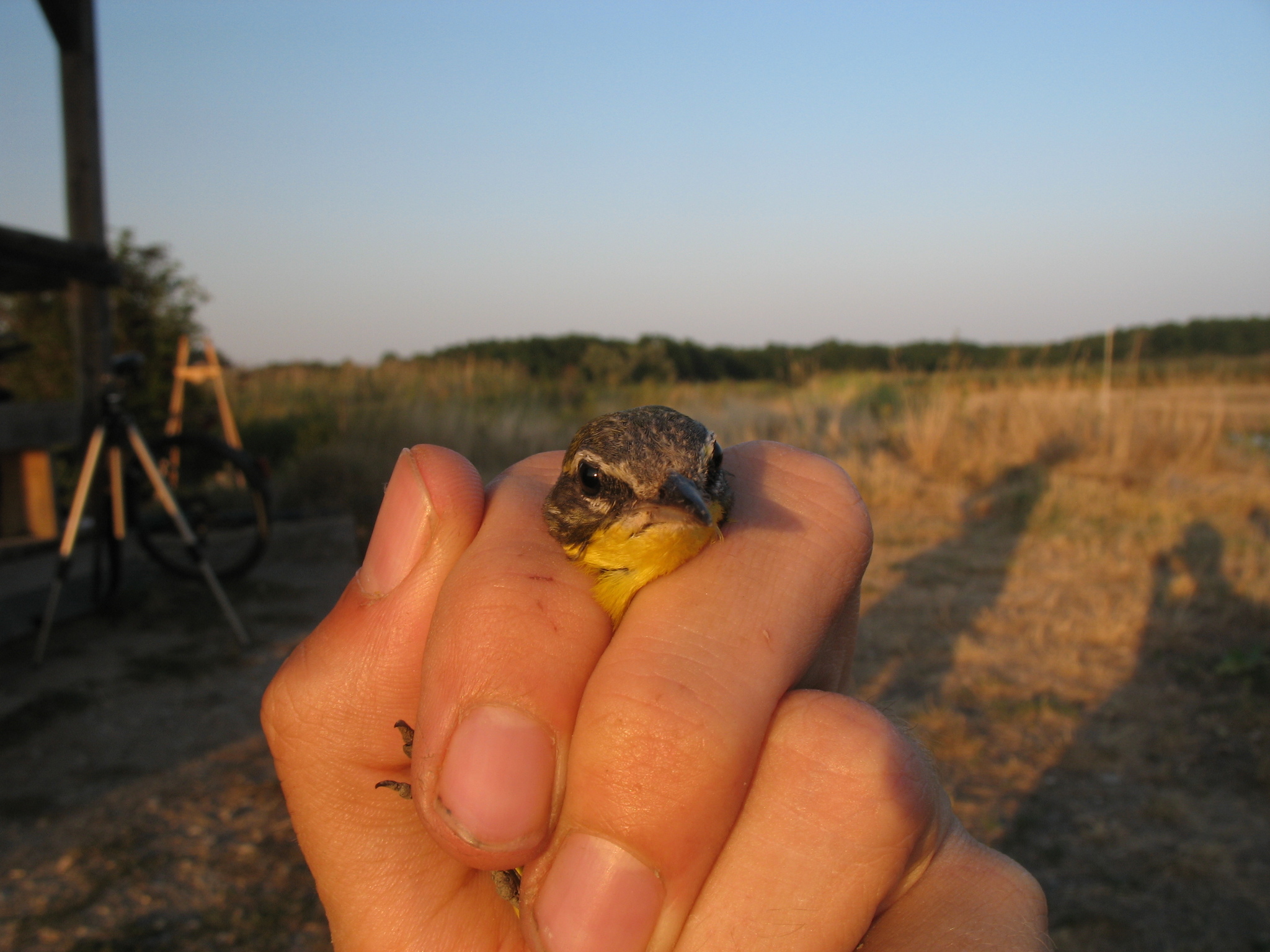
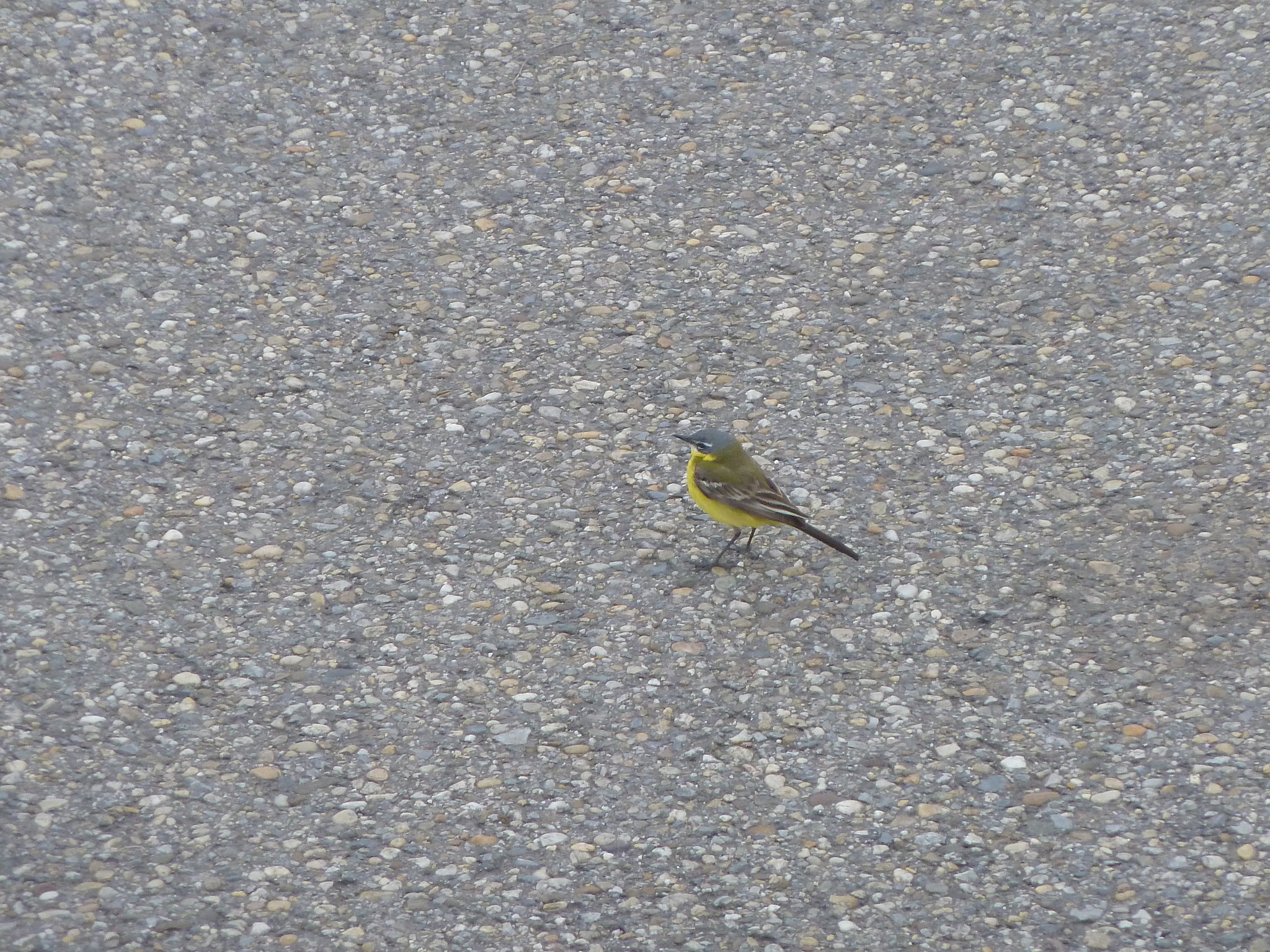
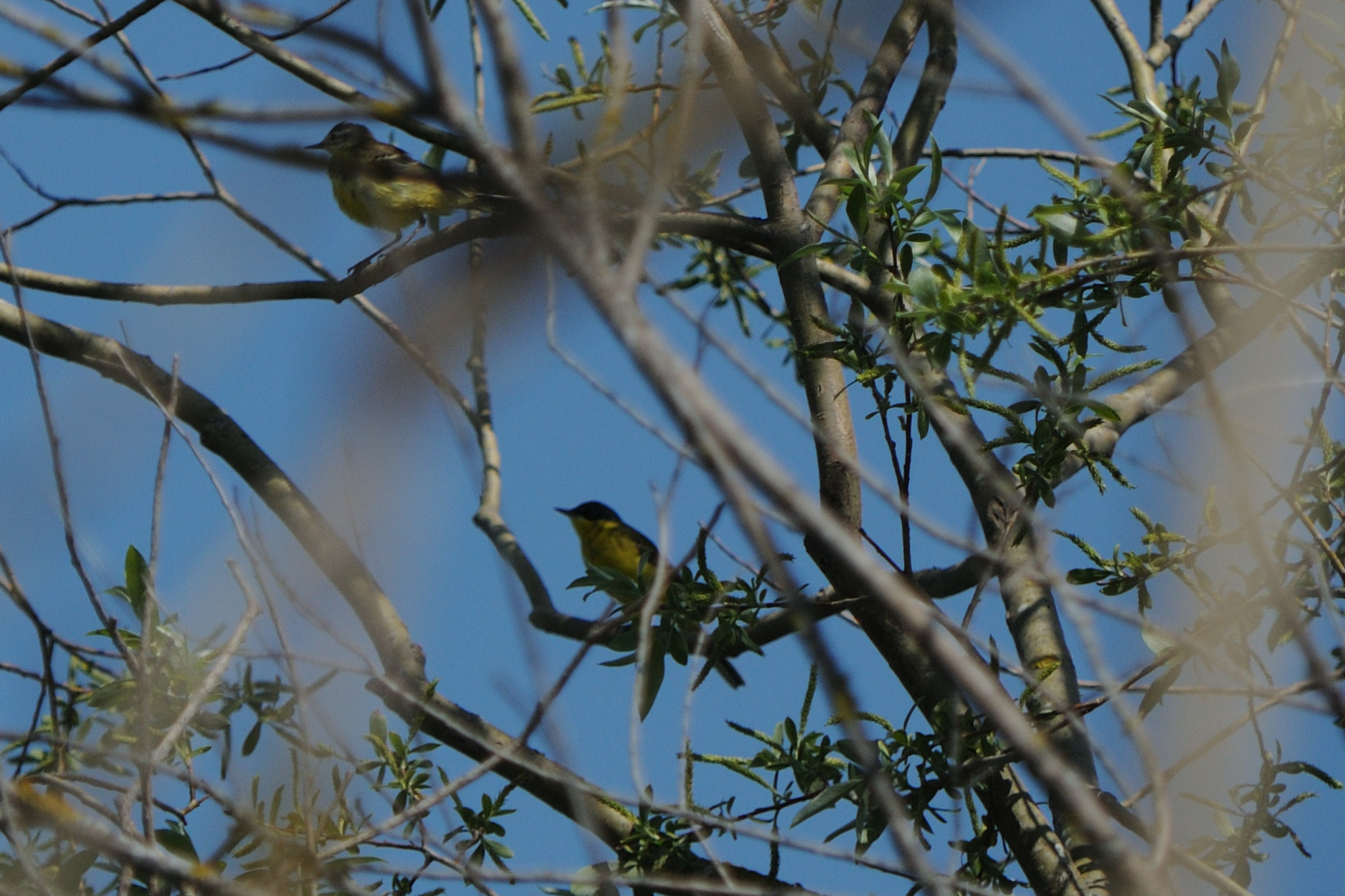
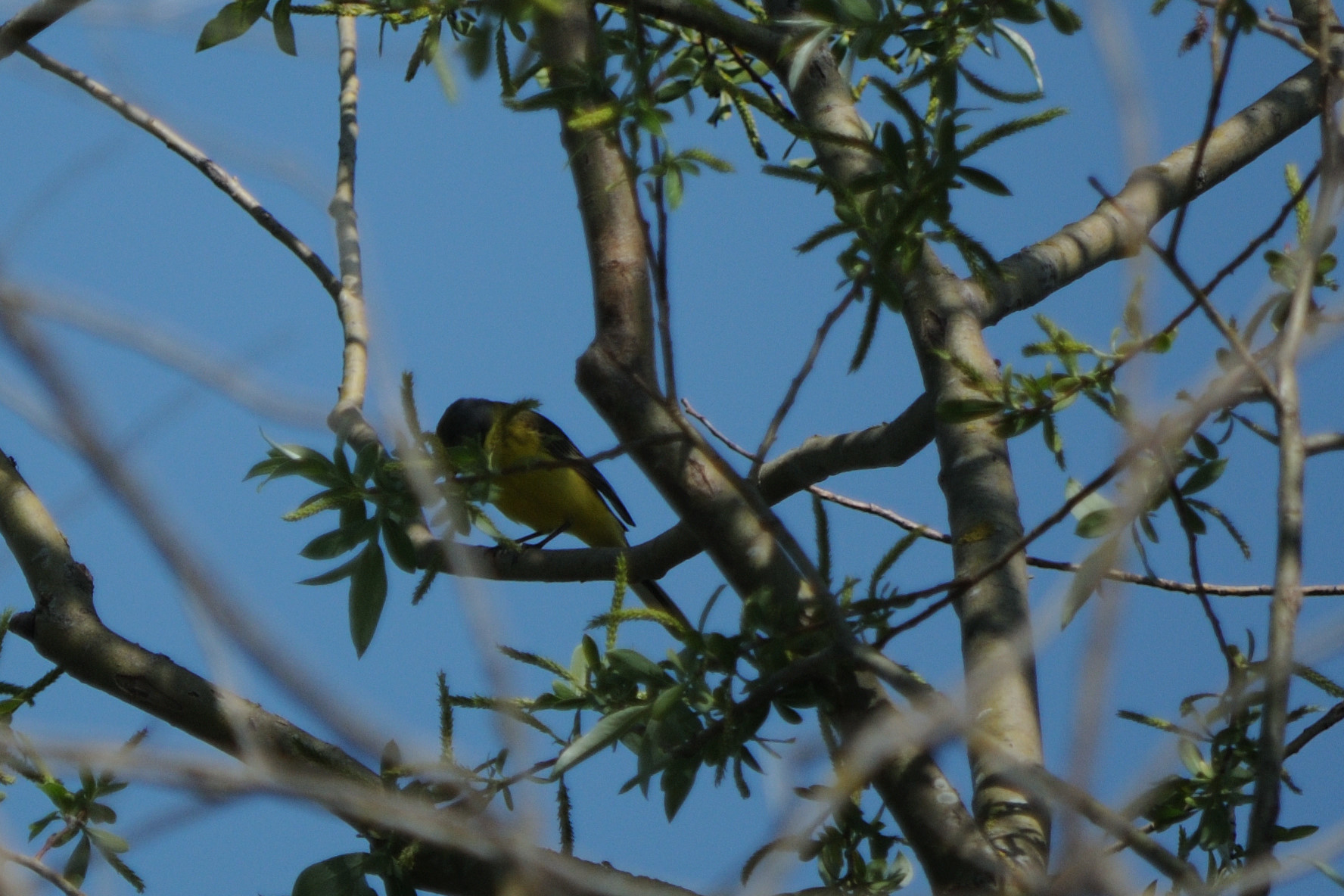
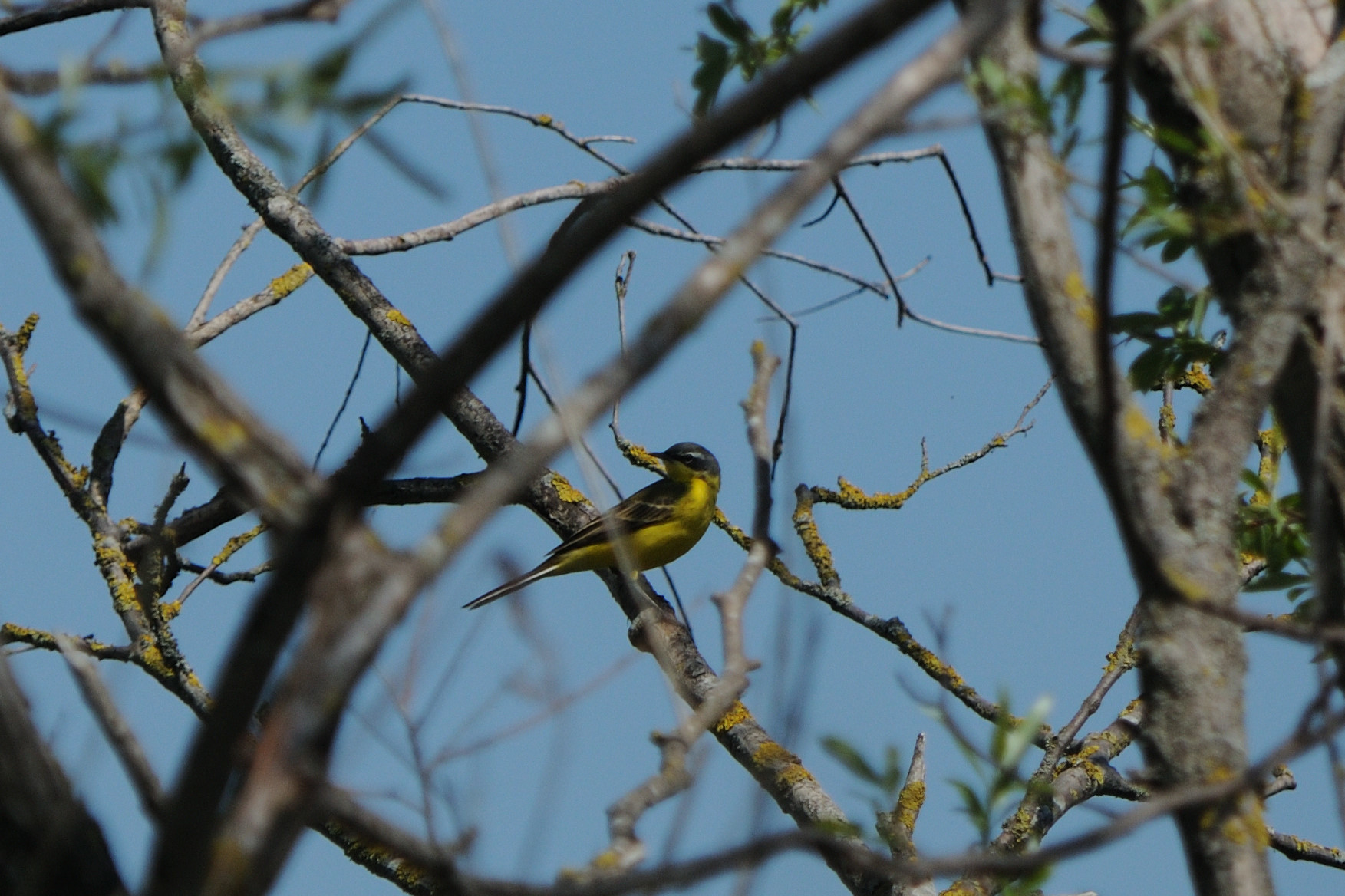
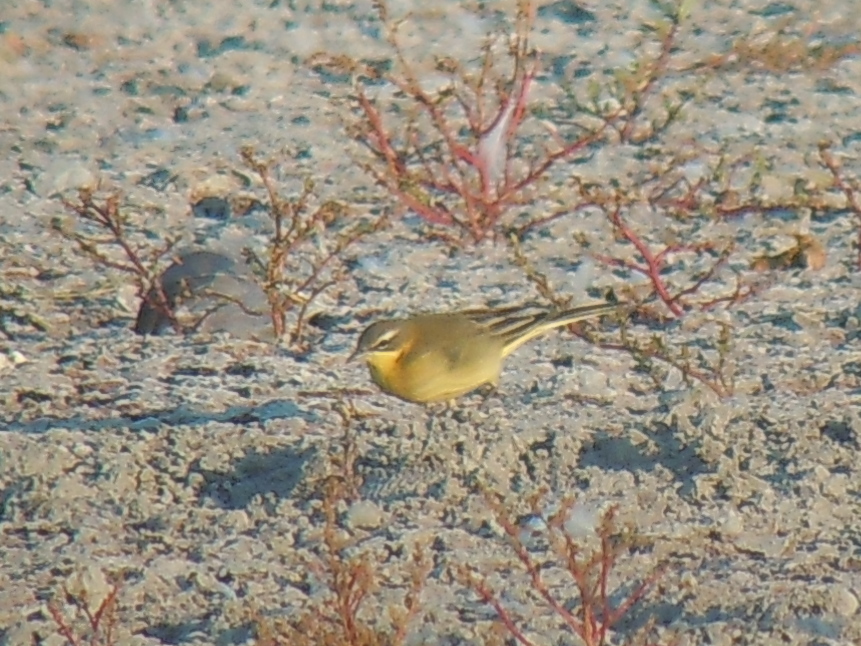
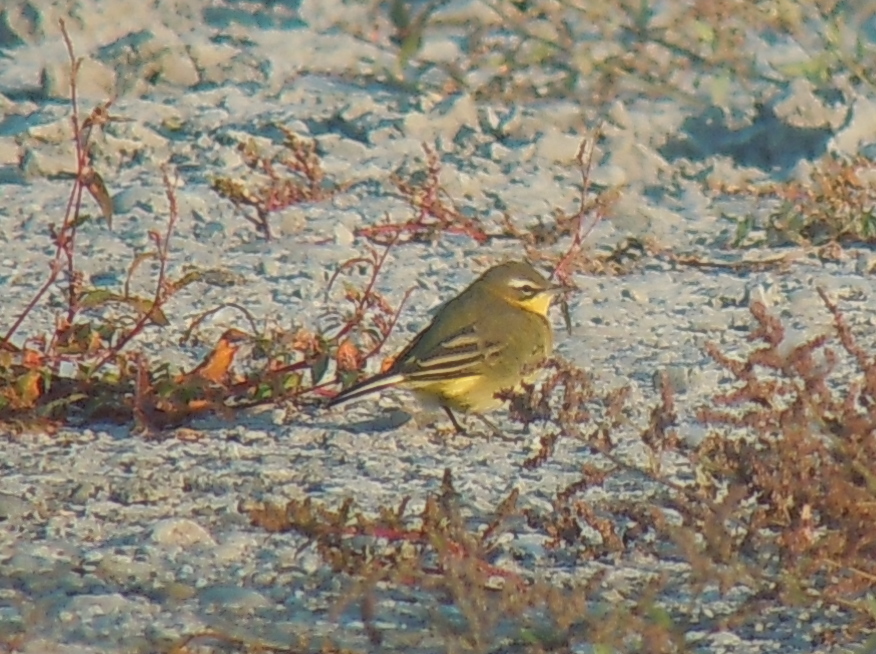
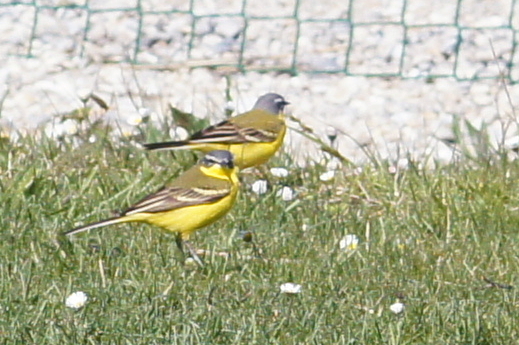
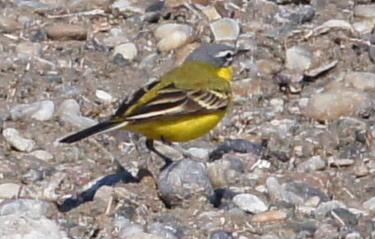
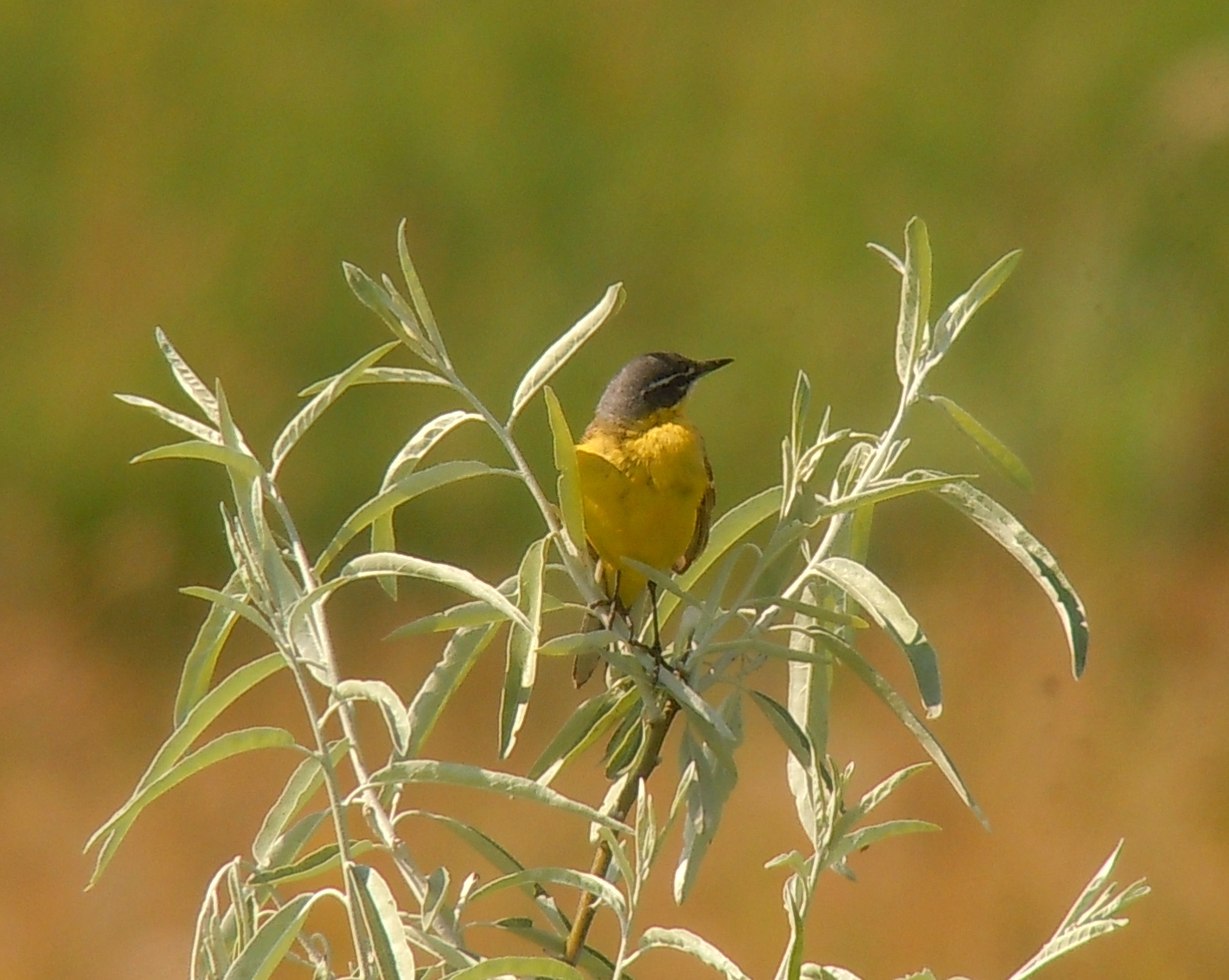
Slender bird, 15–16 cm long, with the shortest tail among European wagtails. Breeding adult males are olive above and yellow below, with head colors and patterns varying by subspecies. In other plumages, particularly juveniles, the yellow may be diluted to whitish.
Identification
Distinguished by a constantly wagging tail and high-pitched 'jeet' call. Breeding males show varied head patterns depending on subspecies; females are often difficult to identify to subspecies. Hybrid zones exist, such as in northern France and Romania, producing variable appearances like paler blue tones or white superciliums.
Distribution & Habitat
Breeds in much of temperate Europe and Asia. Migrates south to tropical Africa and southern Asia for winter, except for a resident population in Egypt. Inhabits open country near water, such as wet meadows. Ten recognized subspecies exist, with hybrid zones in northern France and Romania.
Behavior & Ecology
Insectivorous, foraging in open habitats. Nests in tussocks, laying 4–8 speckled eggs.
Culture
In Old Kingdom Egypt's Pyramid Texts, it represented Atum and may have inspired the Bennu bird, a precursor to the Greek phoenix. It is the subject of a poem in Polly Atkin's 2021 collection Much With Body.
Source: Wikipedia · CC BY-SA 3.0
Taxonomy
- Order
- Passeriformes
- Family
- Motacillidae
- Genus
- Motacilla
Subspecies (10)
-
Motacilla flava beema
breeds Russia to western Siberia, northern Kazakhstan, and Altai; winters to eastern Africa and India
Data Sources
Species description from Wikipedia, licensed under CC BY-SA 3.0.
Bird images and sounds sourced from GBIF, contributed by citizen scientists worldwide under Creative Commons licenses.
Taxonomy data from AviList 2025.