Western Yellow Wagtail
Motacilla flava
西黄鹡鸰
Introduction
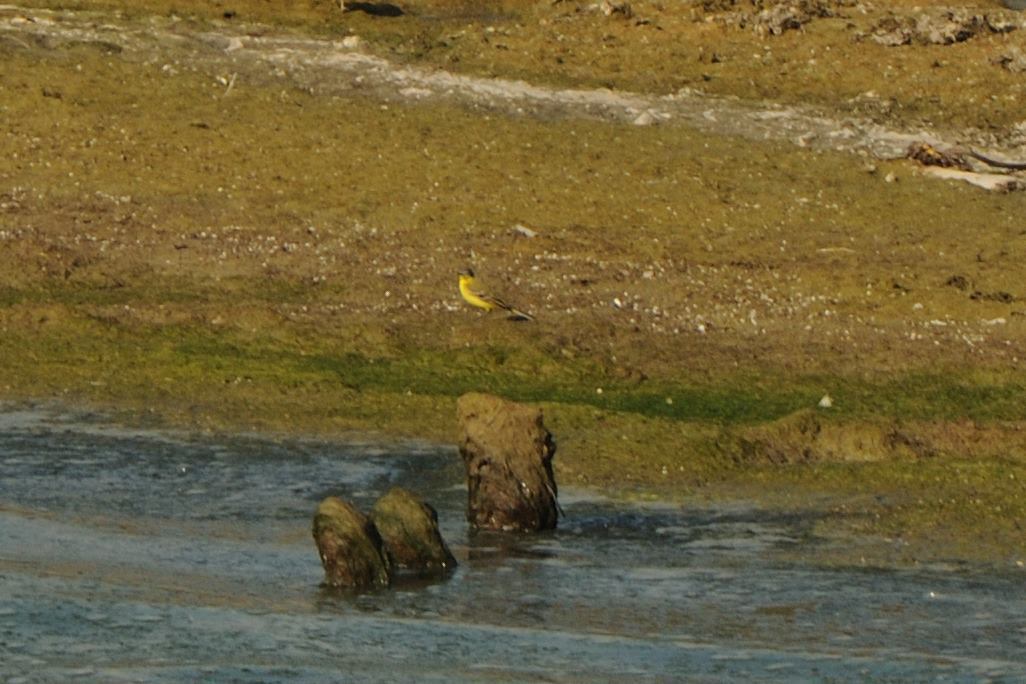
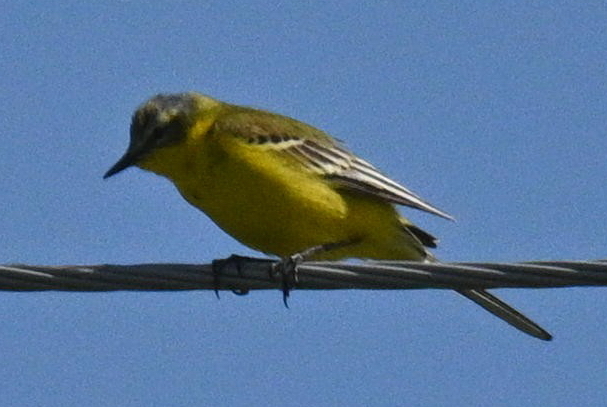
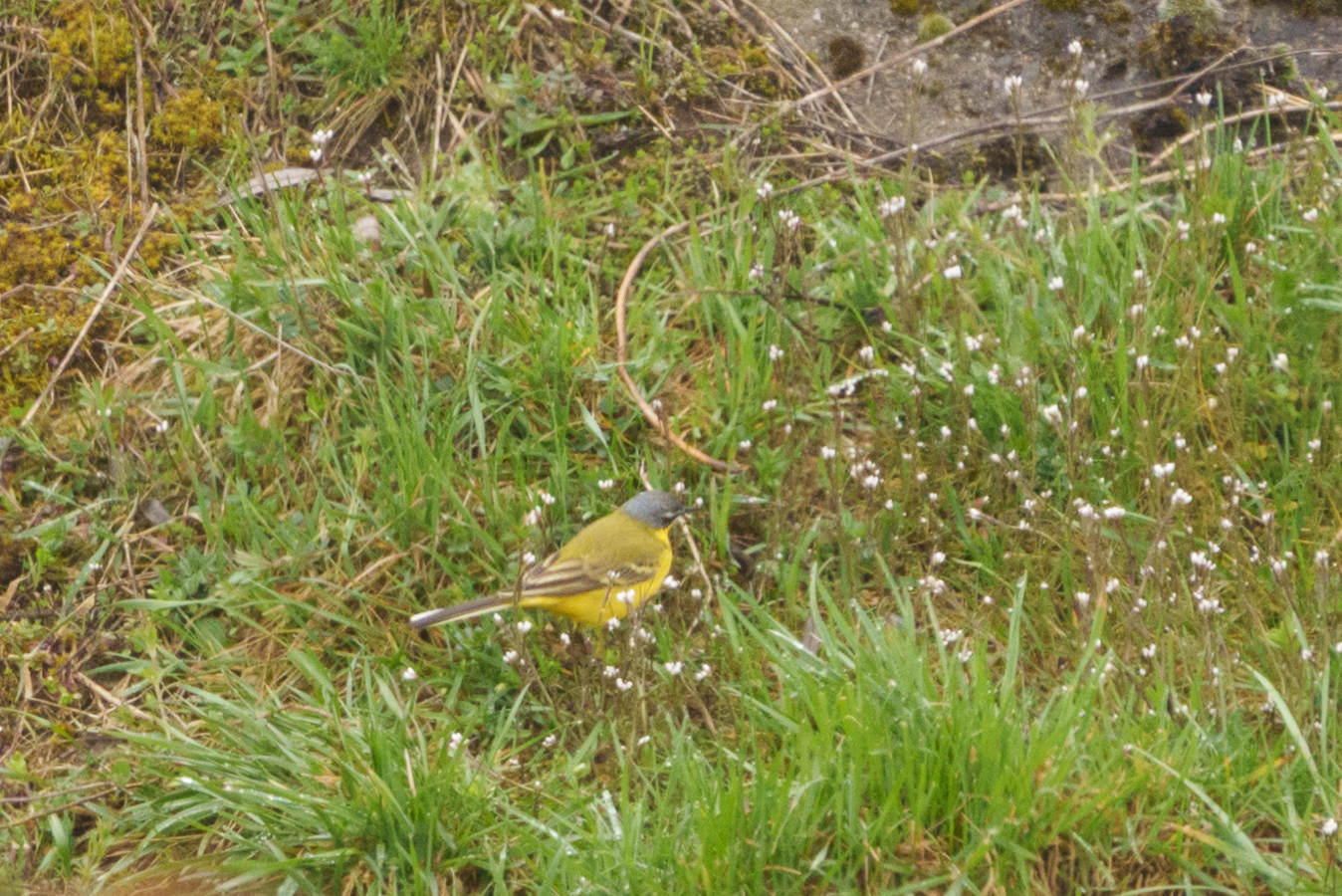
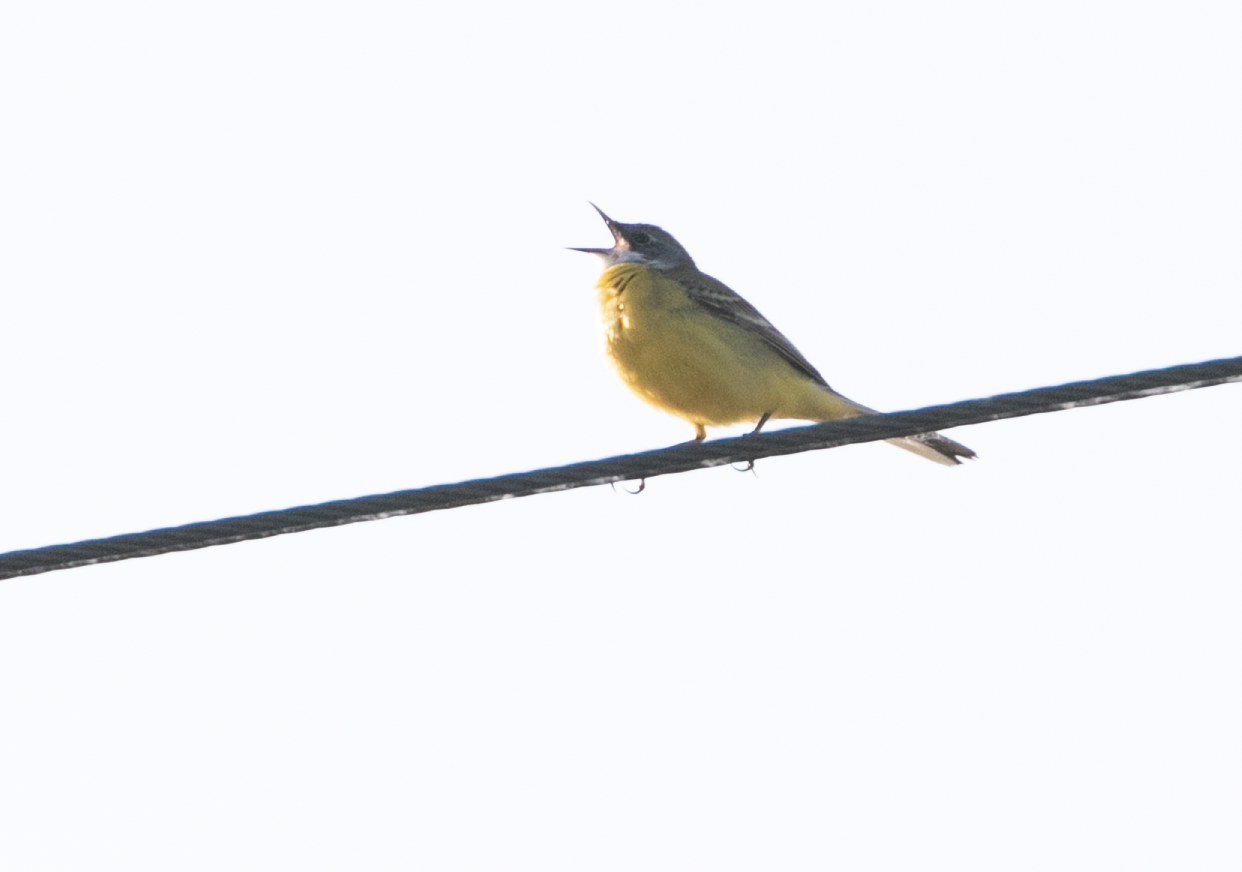
A small passerine bird in the wagtail family Motacillidae, which also includes pipits and longclaws. It breeds across much of temperate Europe and Asia. Most populations are migratory, moving south to tropical Africa and southern Asia for winter; a small population breeding in Egypt is resident. Inhabits open country near water, such as wet meadows. Characterized by a slender 15-16 cm body and the genus's distinctive long, constantly wagging tail—being the shortest-tailed of European wagtails. Breeding males are olive above and yellow below, with head coloration varying by subspecies. Insectivorous. The systematics are complex, with 10-20 subspecies recognized depending on taxonomic treatment, and it forms a cryptic species complex with the citrine wagtail.
Description
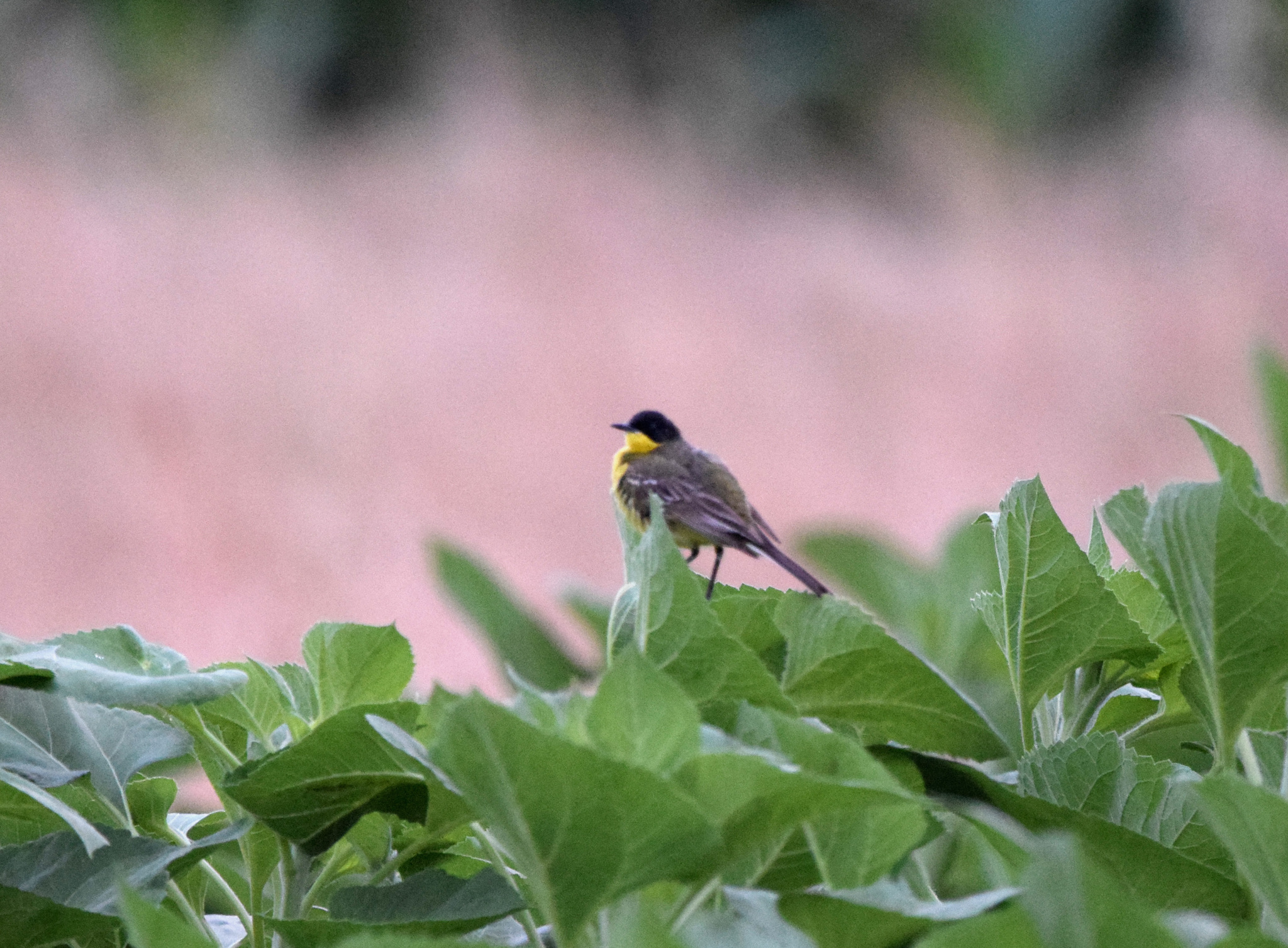
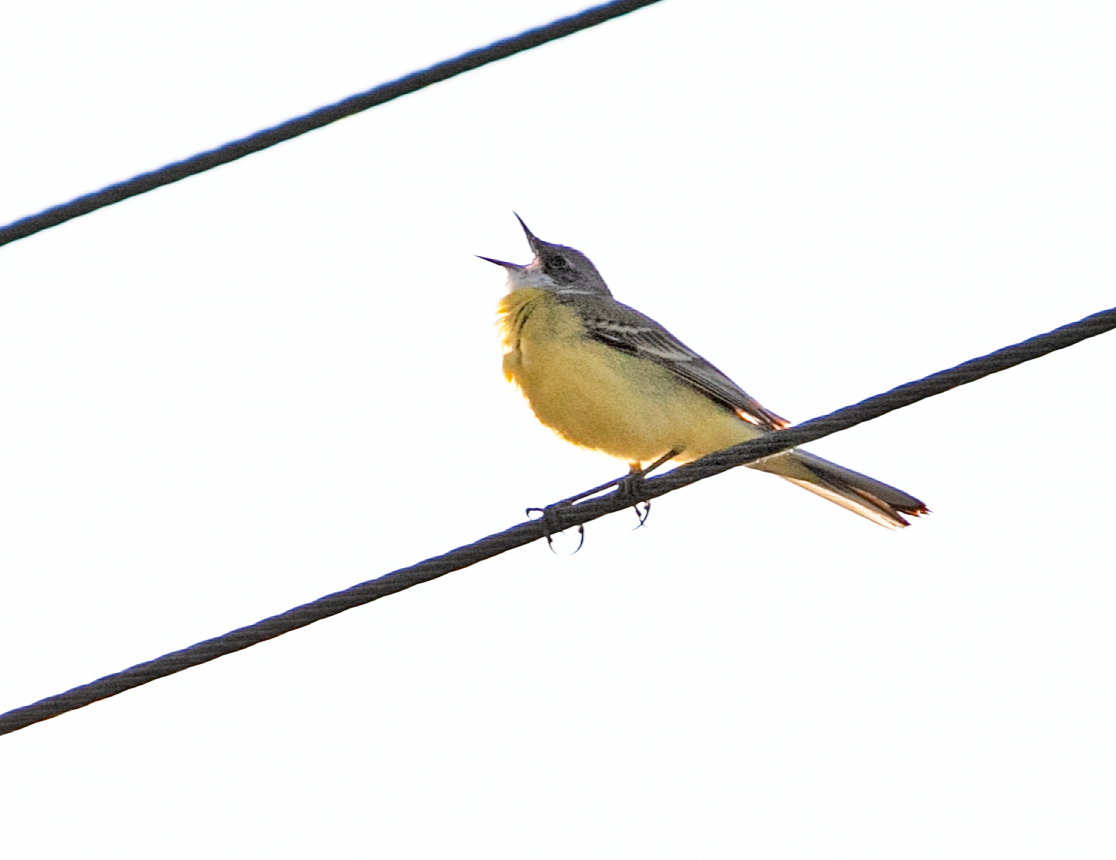
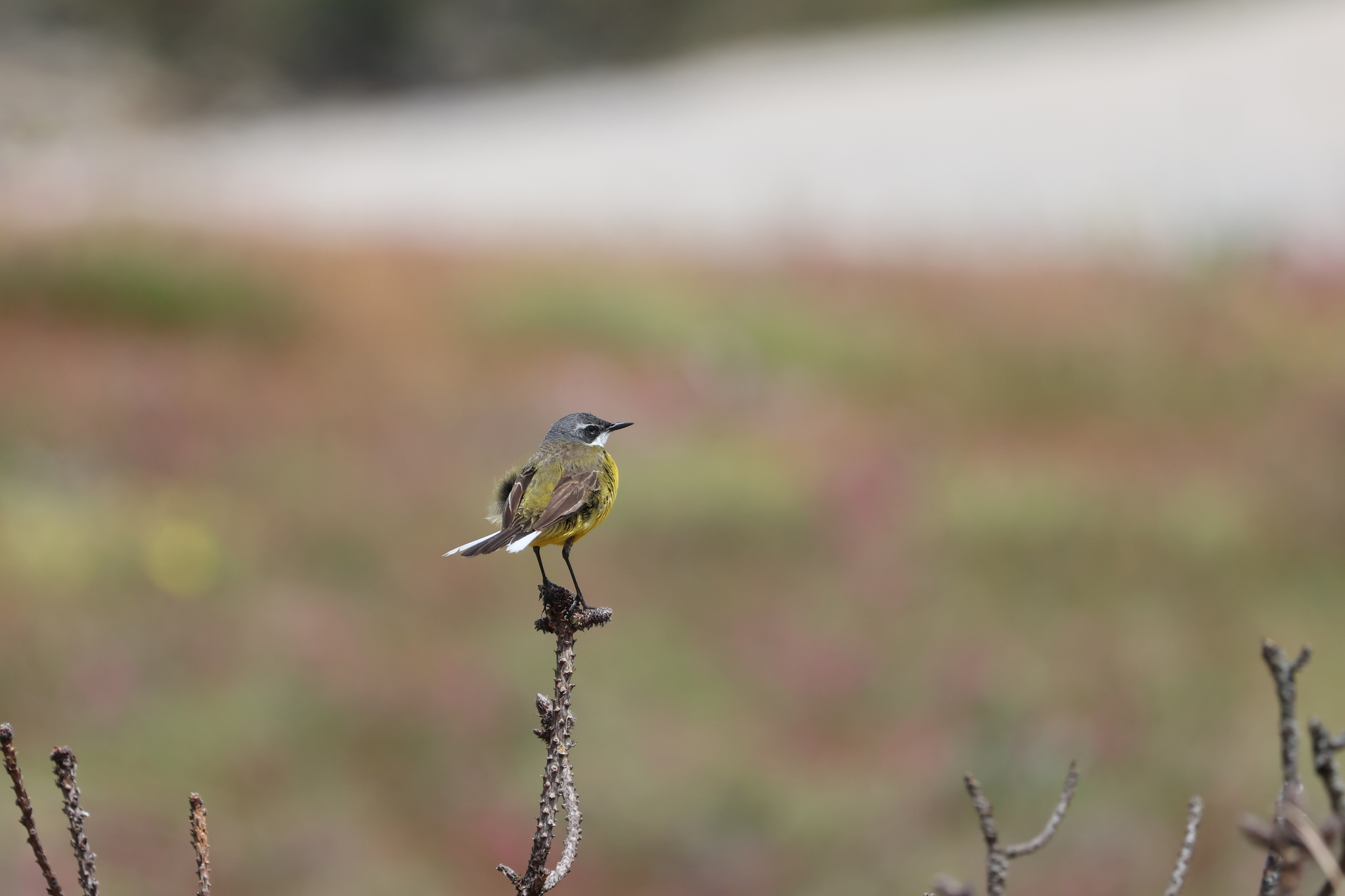
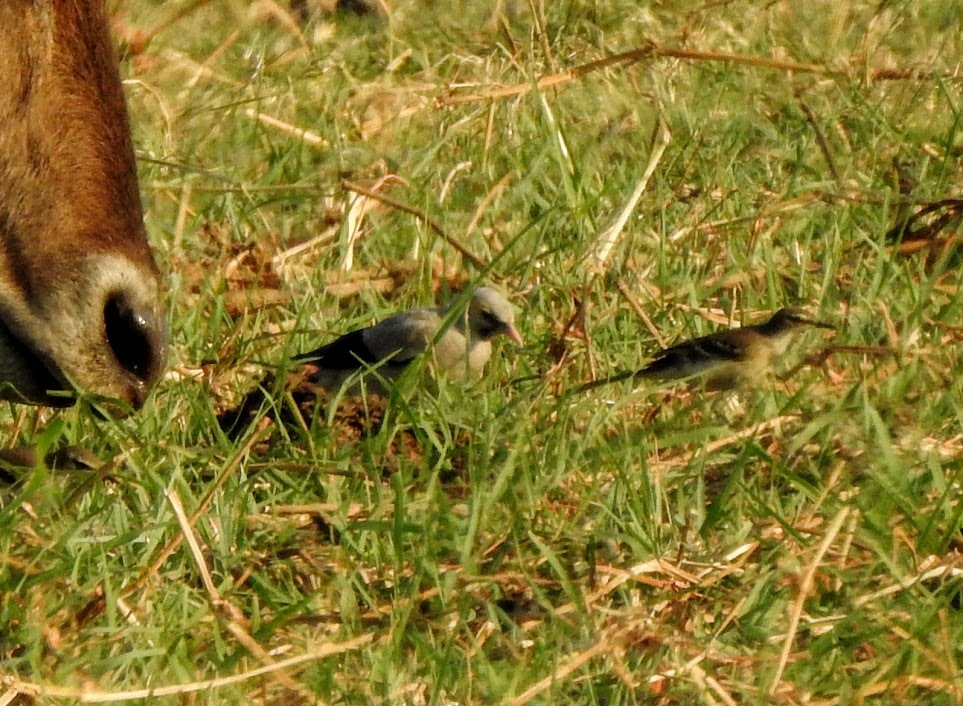
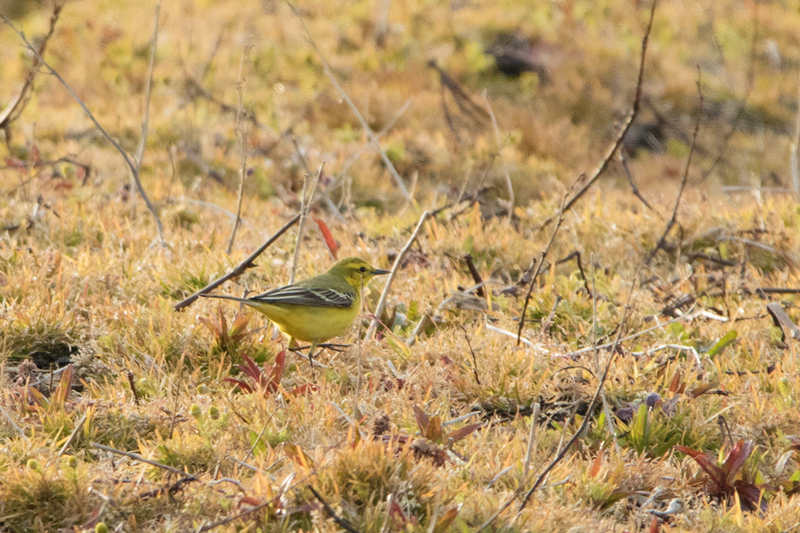
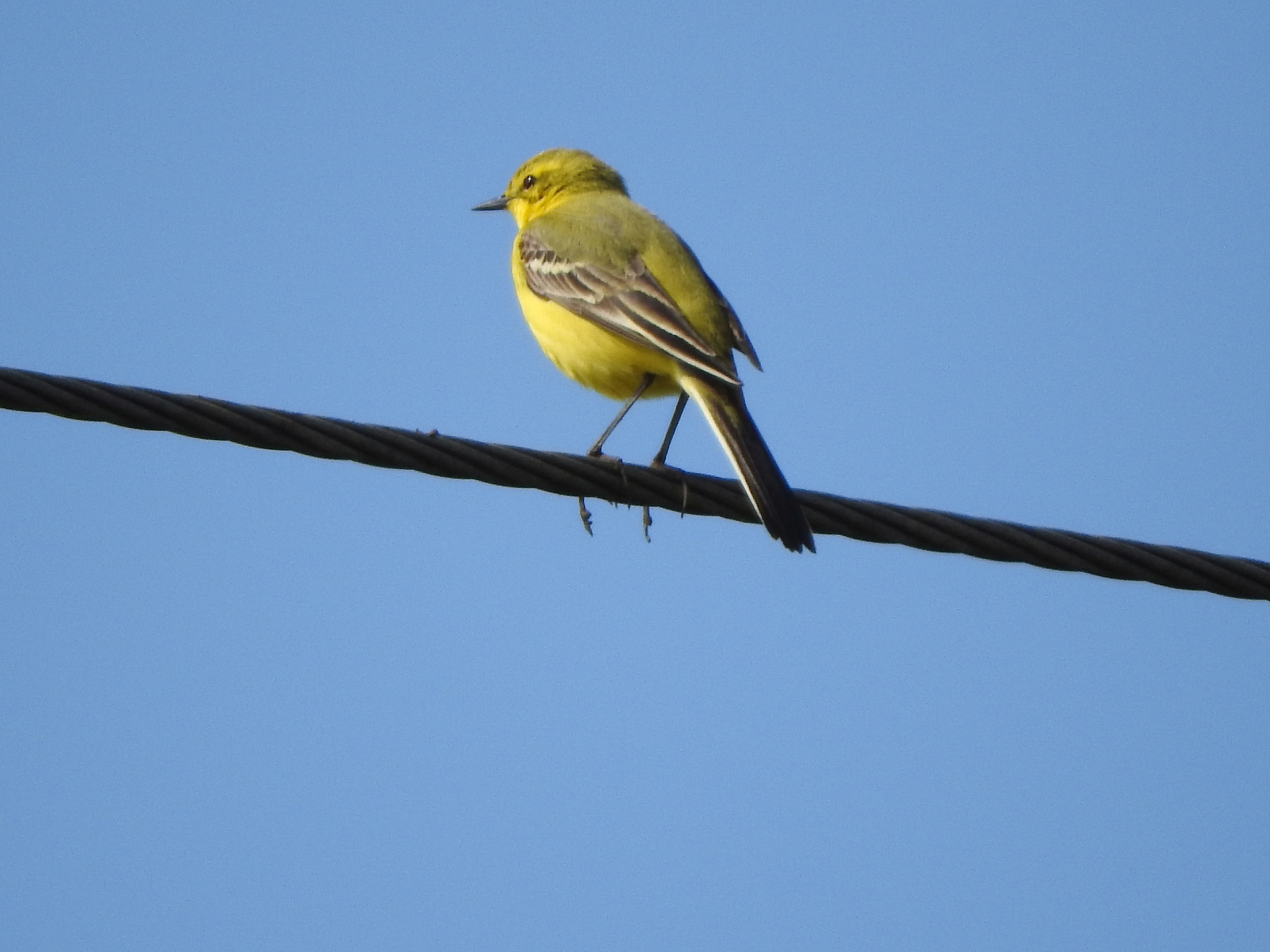
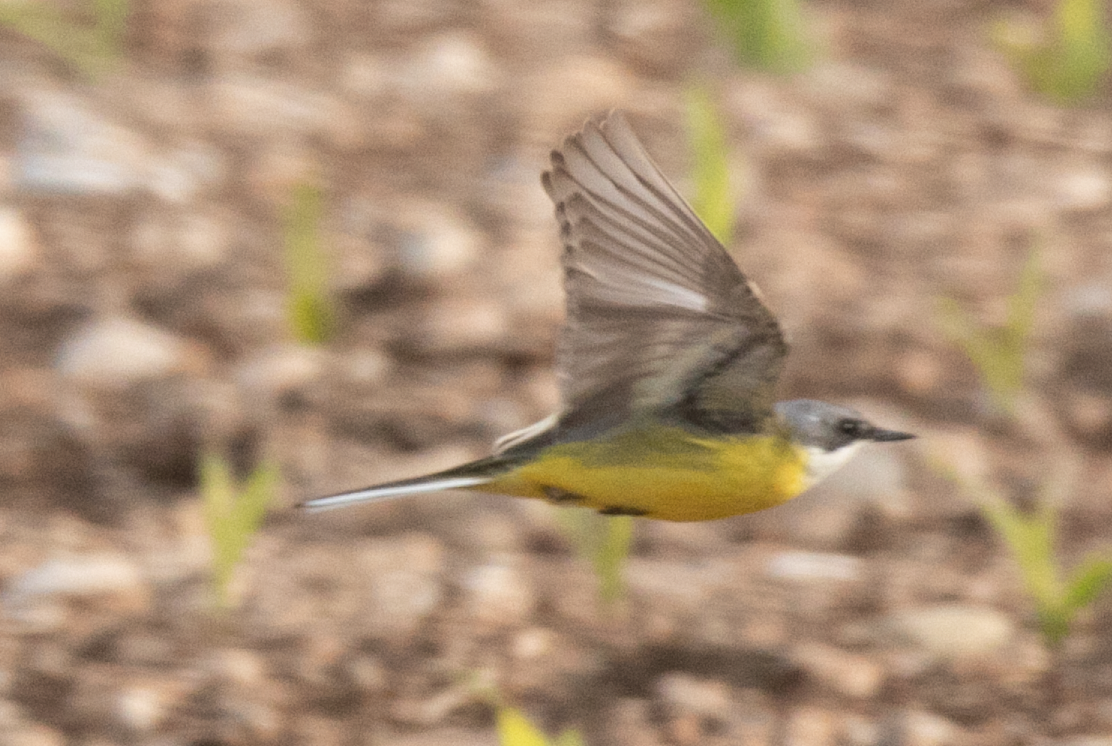
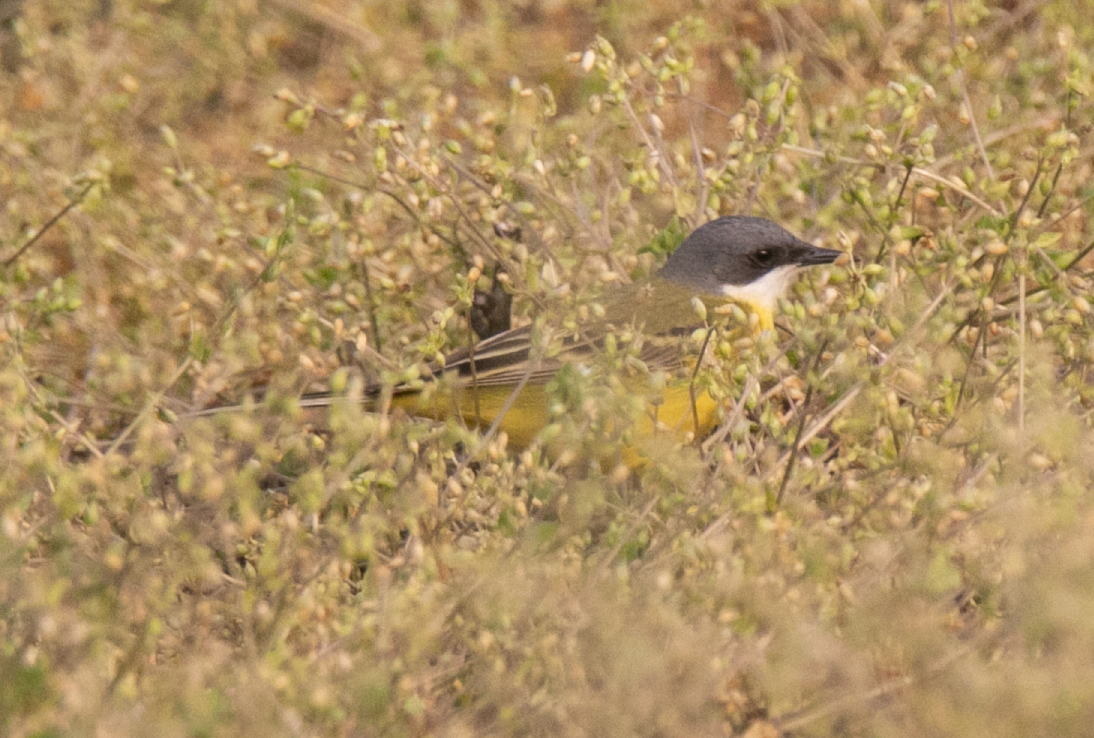
A slender bird measuring 15-16 cm in length with the characteristic long, constantly wagging tail of its genus, making it the shortest-tailed European wagtail. The breeding adult male has olive upperparts and yellow underparts. Head coloration and patterns in breeding males vary considerably across subspecies. In other plumages, particularly juveniles, the yellow coloration may be diluted to whitish. Females are often difficult or impossible to identify to subspecies based on plumage alone.
Identification
Field identification relies on the combination of small size, long wagging tail, and yellow underparts. The high-pitched 'jeet' call is distinctive. Head pattern and color in breeding males are key for subspecies identification; however, hybridization between subspecies (notably between nominate blue-headed wagtail and yellow wagtail in northern France, and between M. f. flava and M. f. feldegg in Romania) creates variable intermediate forms. The Channel wagtail represents one such hybrid type with pale blue-mauve head tones and extensive white on the throat, ear-coverts, and supercilium.
Distribution & Habitat
Breeds throughout much of temperate Europe and Asia. Most populations are migratory, wintering in tropical Africa and southern Asia. A small resident population exists in Egypt. Inhabits open country near water, including wet meadows. The type locality was originally given as Europe but is now restricted to southern Sweden. The species' systematics are complex, with Beringian populations sometimes separated as eastern yellow wagtail.
Behavior & Ecology
Strictly insectivorous. Nests in tussocks, laying 4-8 speckled eggs. Exhibits the characteristic constant tail-wagging behavior of the genus. The vocalization is a high-pitched 'jeet'. Social behavior is not detailed in the source material, though the presence of hybrid zones between subspecies indicates sympatric breeding where ranges overlap.
Conservation
No conservation information provided in the source material.
Culture
In the Pyramid Texts of Old Kingdom Egypt, the yellow wagtail was considered a representation of the god Atum and may have been the first inspiration for the Bennu bird, which in turn influenced the phoenix of Greek mythology. The species is also the subject of a poem, 'Motacilla flava flavissima', in Polly Atkin's 2021 poetry collection Much With Body.
Source: Wikipedia · CC BY-SA 3.0
Taxonomy
- Order
- Passeriformes
- Family
- Motacillidae
- Genus
- Motacilla
- eBird Code
- eaywag1
Subspecies (10)
-
Motacilla flava beema
breeds Russia to western Siberia, northern Kazakhstan, and Altai; winters to eastern Africa and India
-
Motacilla flava cinereocapilla
breeds Italy, Sicily, Corsica, Sardinia, and Slovenia; winters to west-central Africa
-
Motacilla flava feldegg
breeds Balkans to Türkiye, Iraq, Iran, and Afghanistan; winters to eastern Africa and southern Asia
-
Motacilla flava flava
breeds southern Scandinavia to central Europe and Ural Mountains; winters to sub-Saharan Africa
-
Motacilla flava flavissima
breeds Britain and adjacent coastal Europe; winters to Africa
-
Motacilla flava iberiae
breeds southwestern France, Iberian Peninsula, and northwestern Africa; winters to western and north-central Africa
-
Motacilla flava leucocephala
breeds northwestern Mongolia, northwestern China, and south-central Siberia; winters mostly in India
-
Motacilla flava lutea
breeds lower Volga River basin to Kazakhstan; winters to Africa and Indian subcontinent
-
Motacilla flava pygmaea
Egypt (delta and south along Nile River)
-
Motacilla flava thunbergi
breeds Scandinavia to northwestern Siberia; winters to sub-Saharan Africa, and southern and southeastern Asia
Data Sources
Species description from Wikipedia, licensed under CC BY-SA 3.0.
Bird images and sounds sourced from GBIF, contributed by citizen scientists worldwide under Creative Commons licenses.
Taxonomy data from AviList 2025.