Passeriformes / Motacillidae / Motacilla
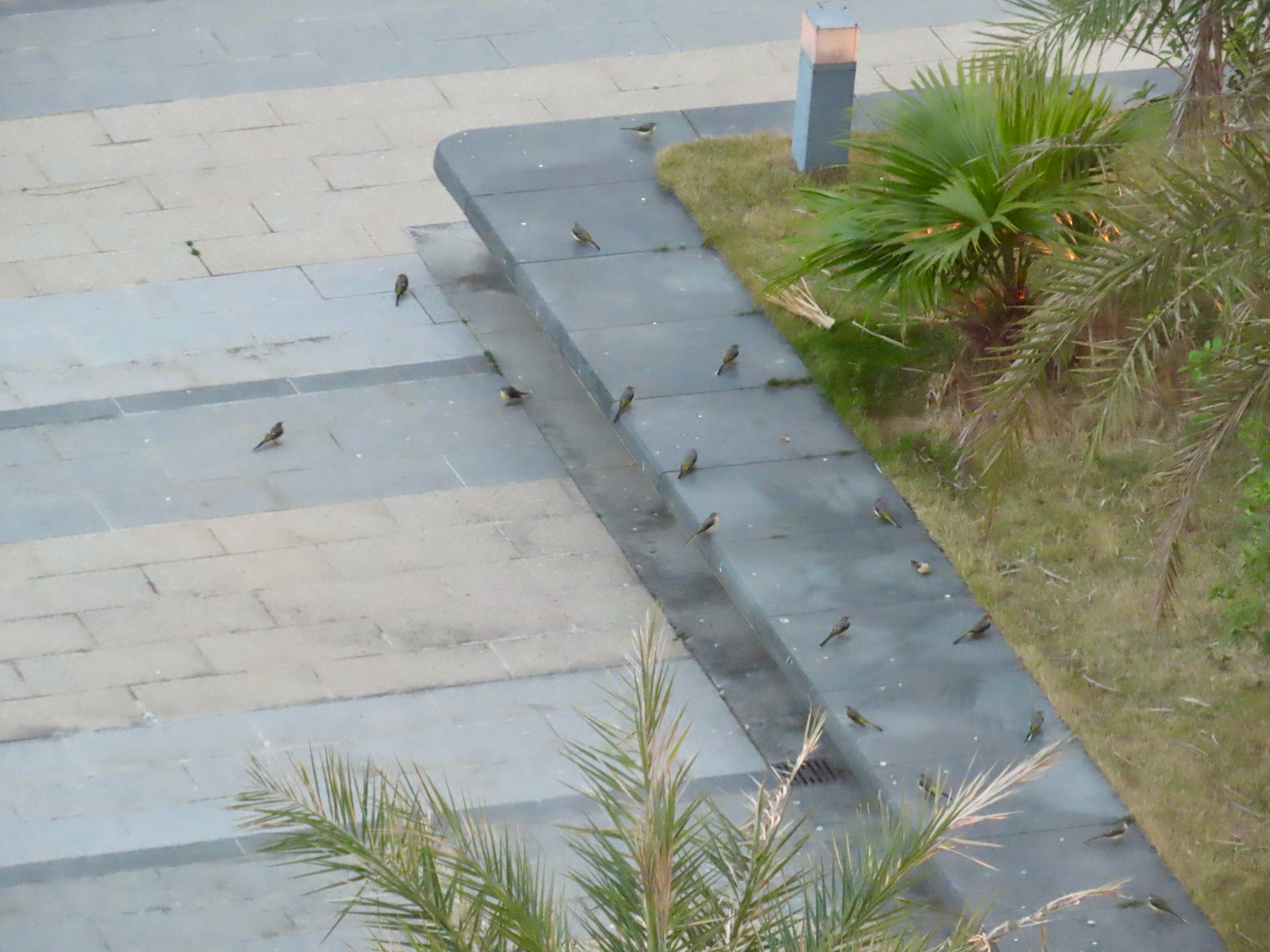
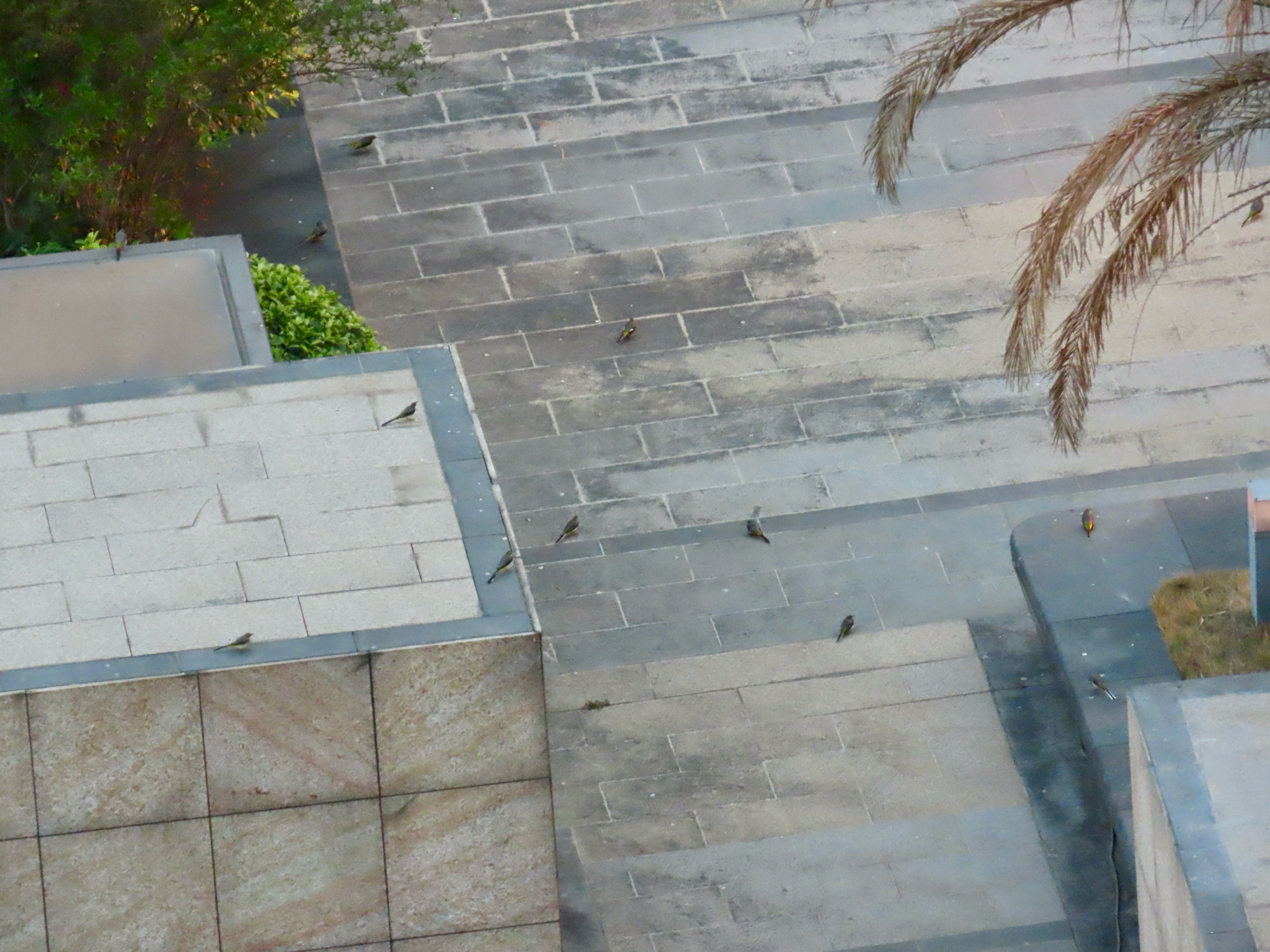
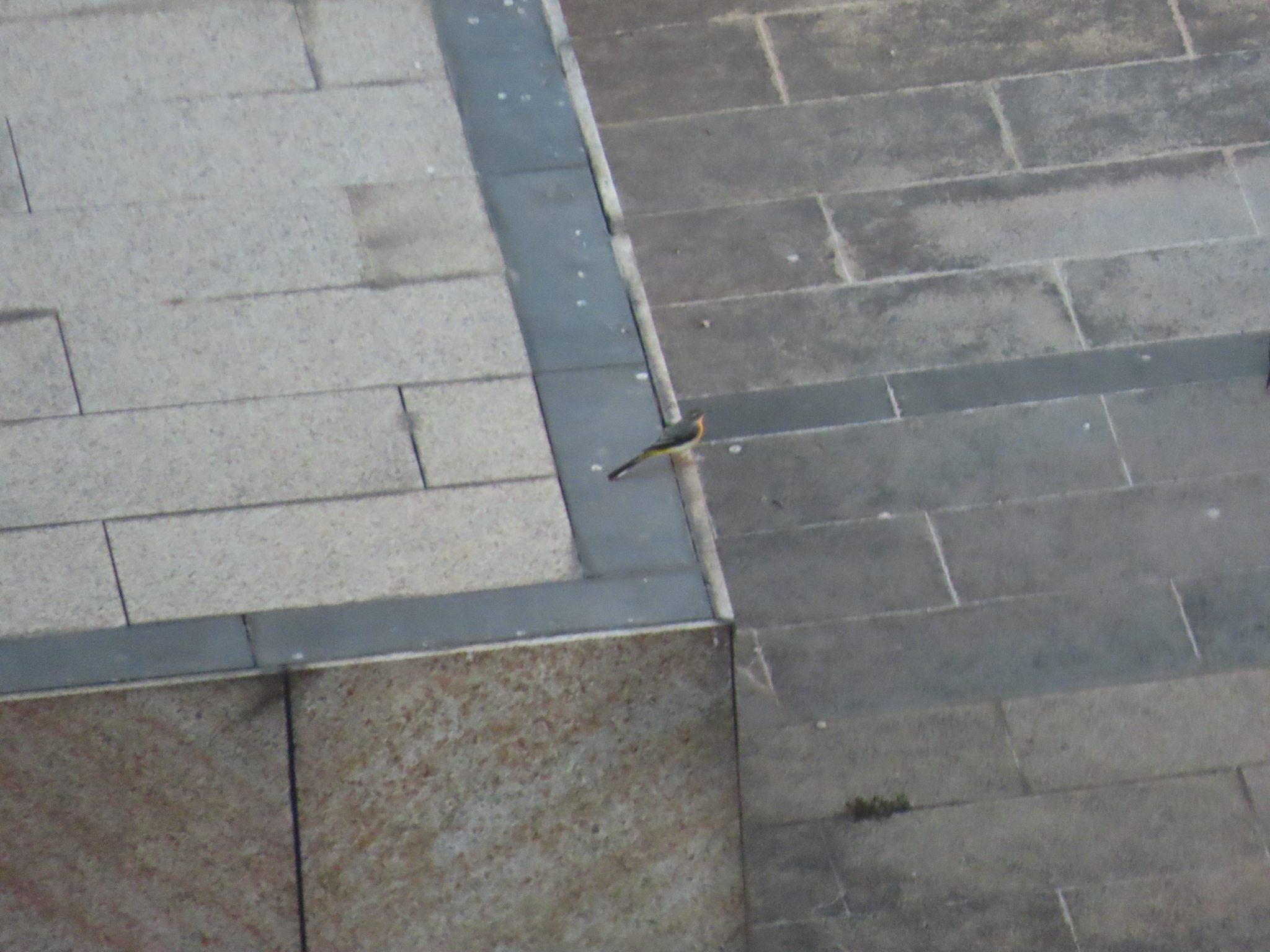
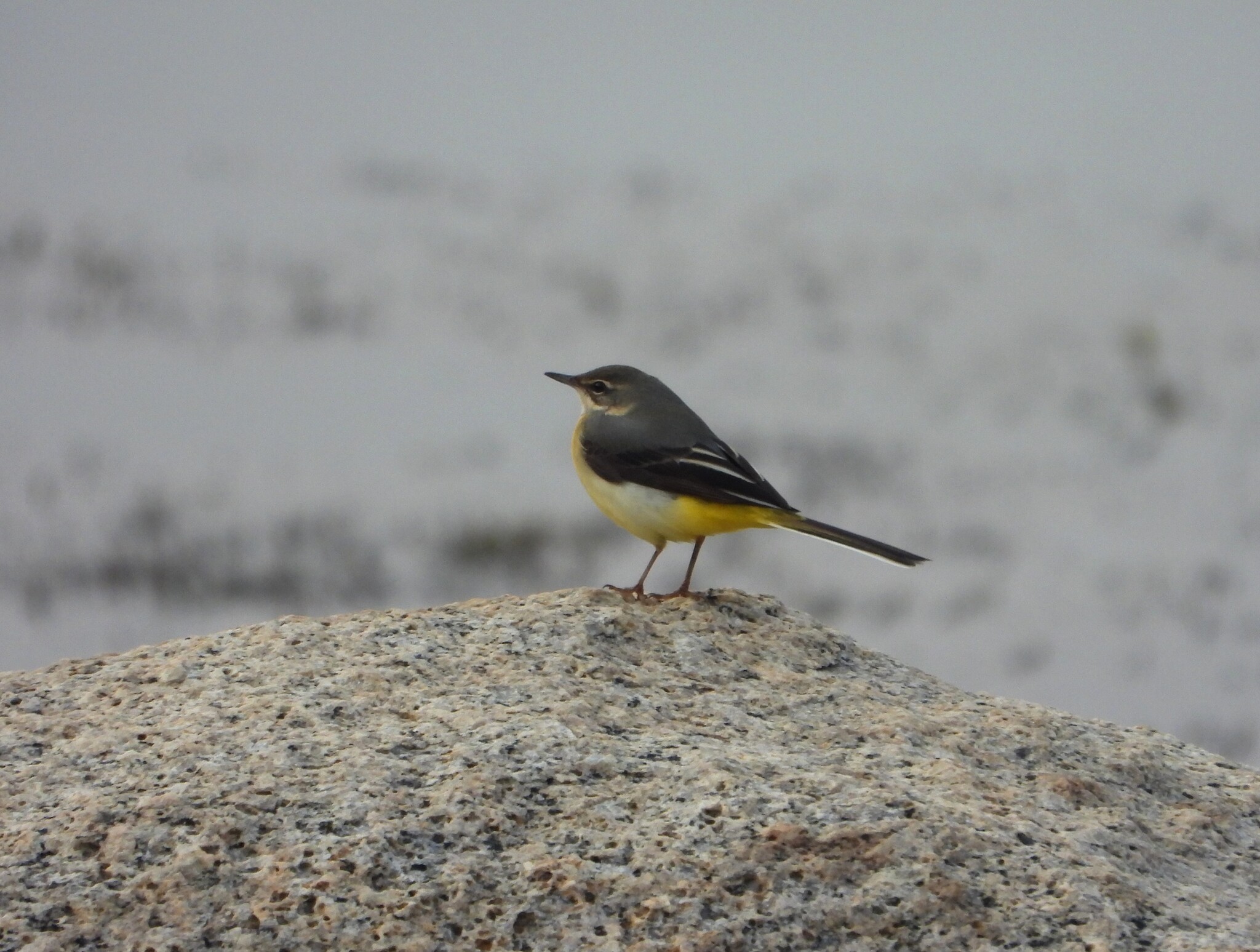
Grey Wagtail
Motacilla cinerea · 灰鹡鸰
Introduction
Member of the wagtail family Motacillidae, measuring 18–19 cm in overall length. Widely distributed across Eurosiberia, with populations migrating to tropical regions in Asia and Africa. Strongly associated with running water during breeding, though it may use man-made structures near streams for nesting. Distinctive for frequently wagging its tail and flying low with undulations.
Description
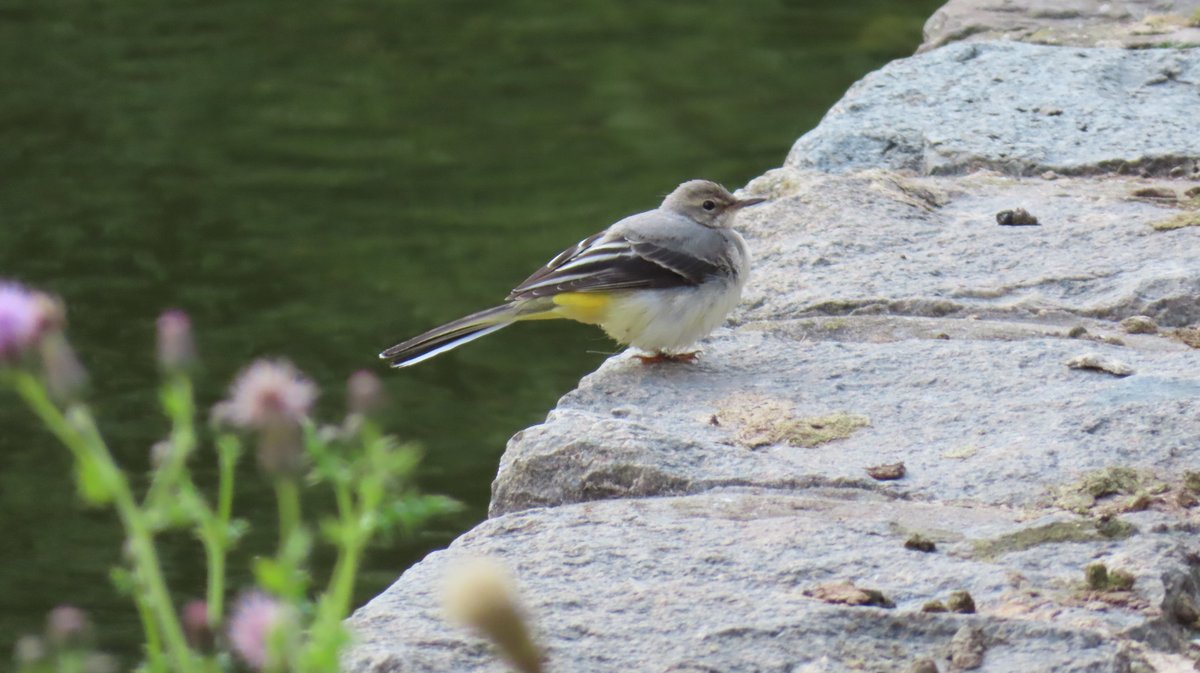
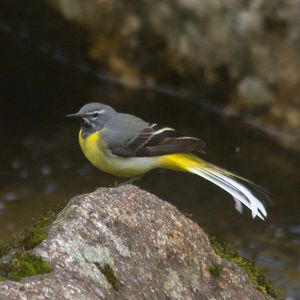
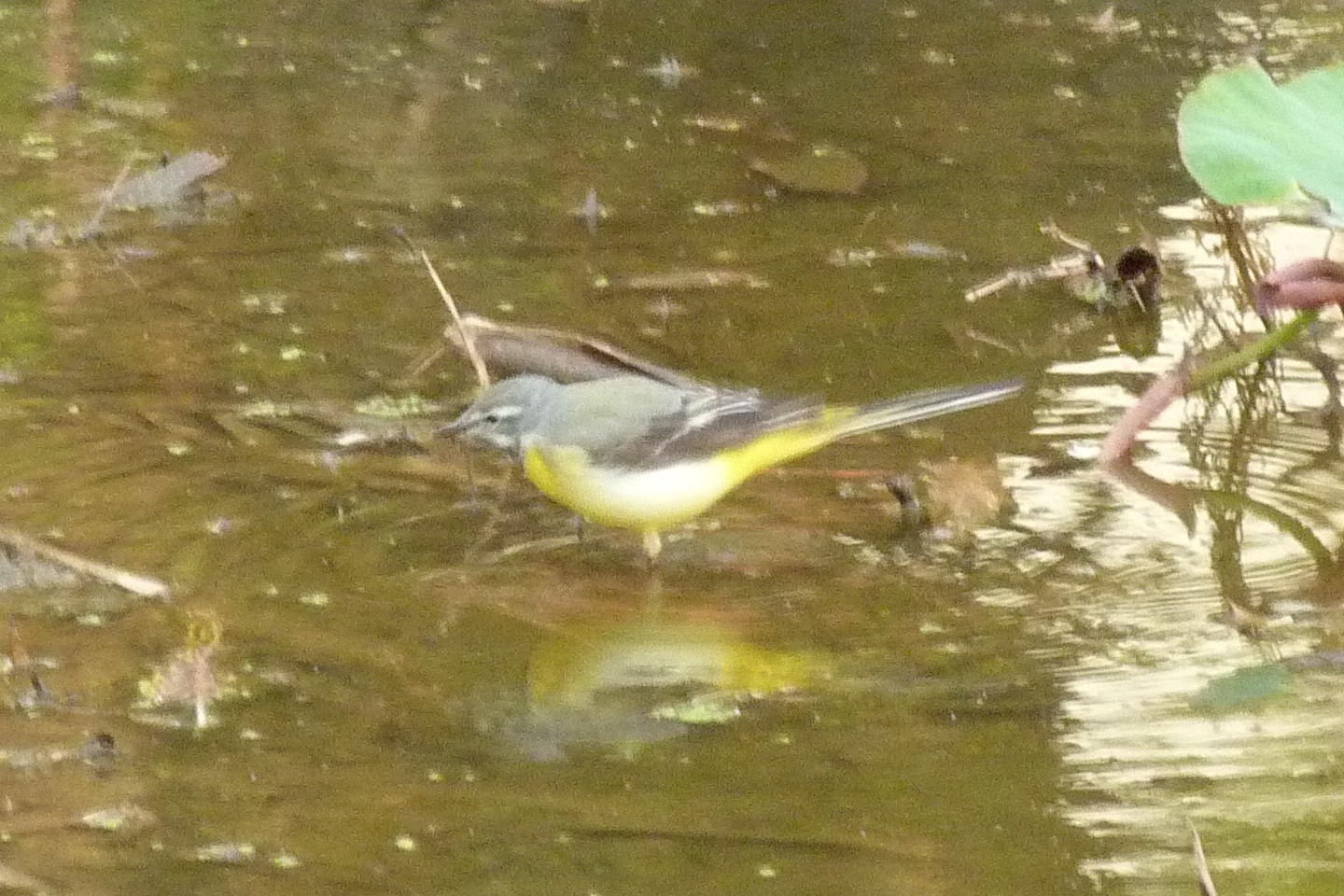
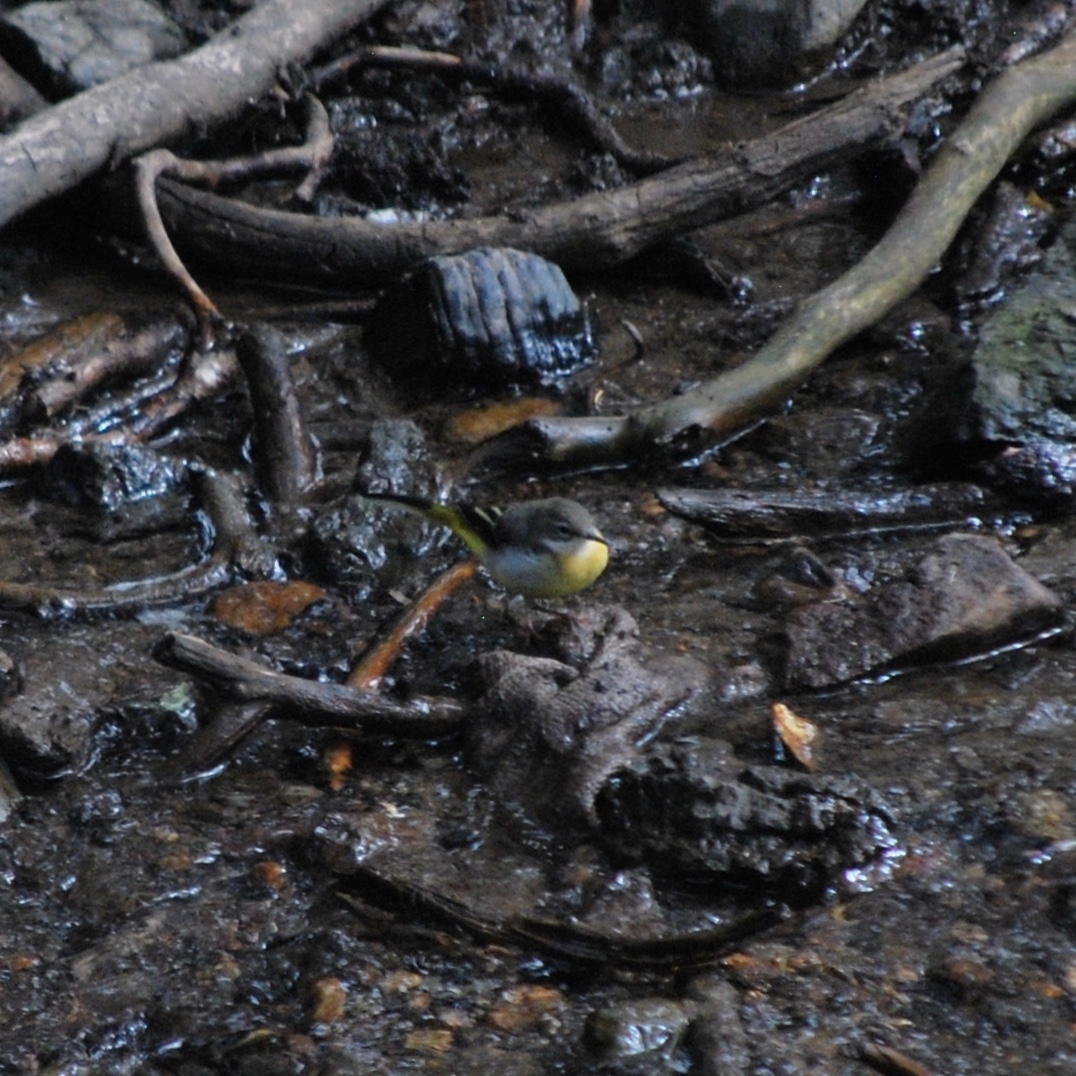
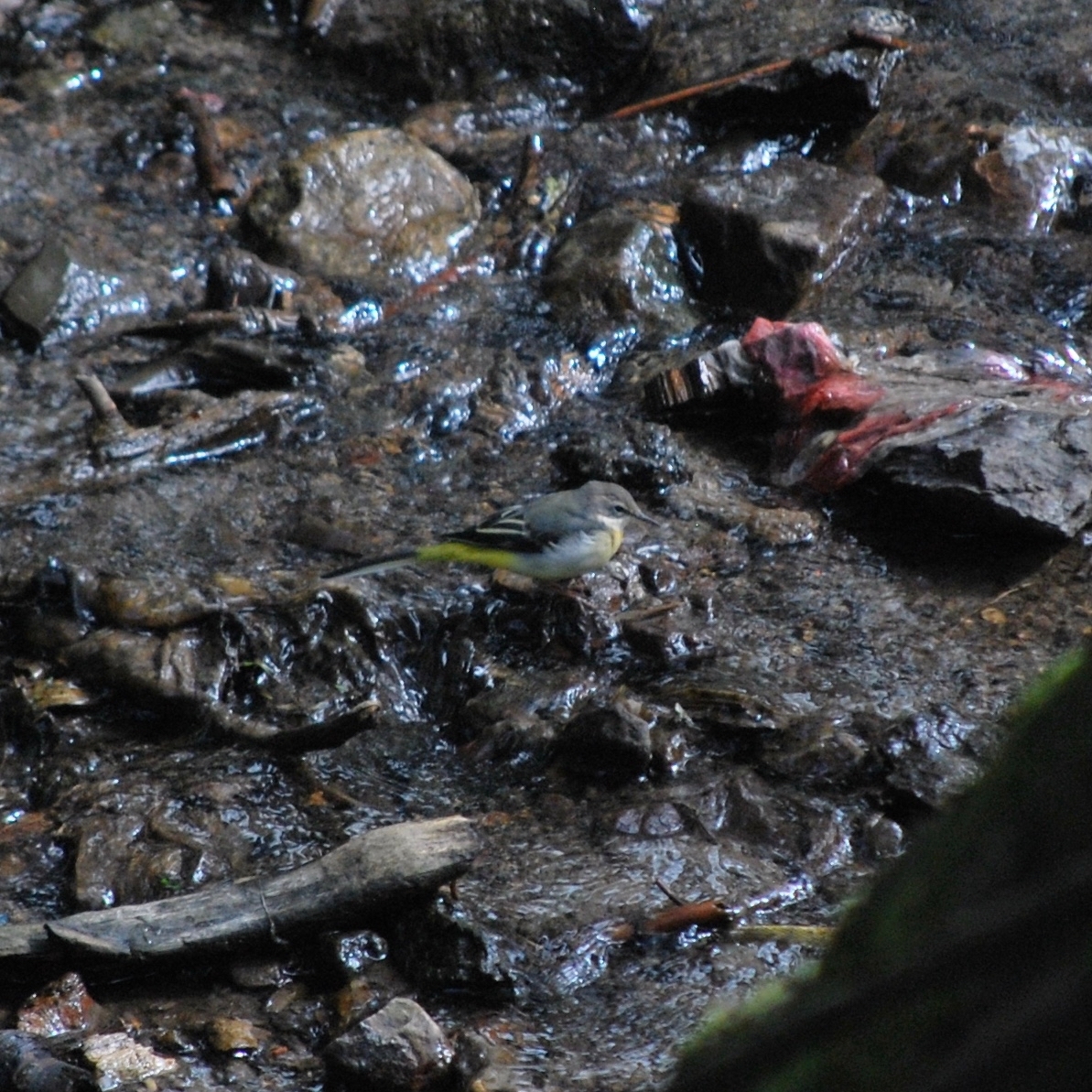
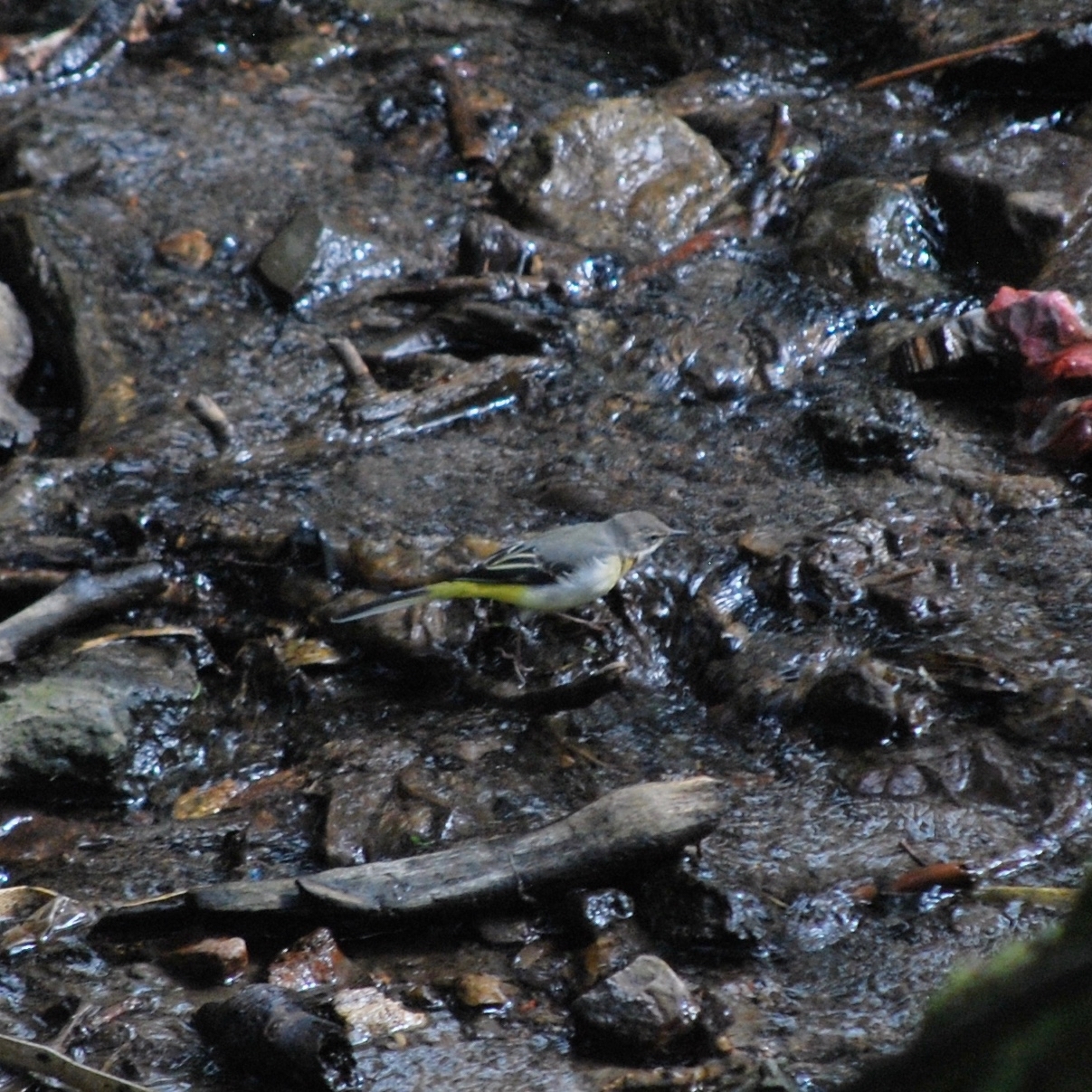
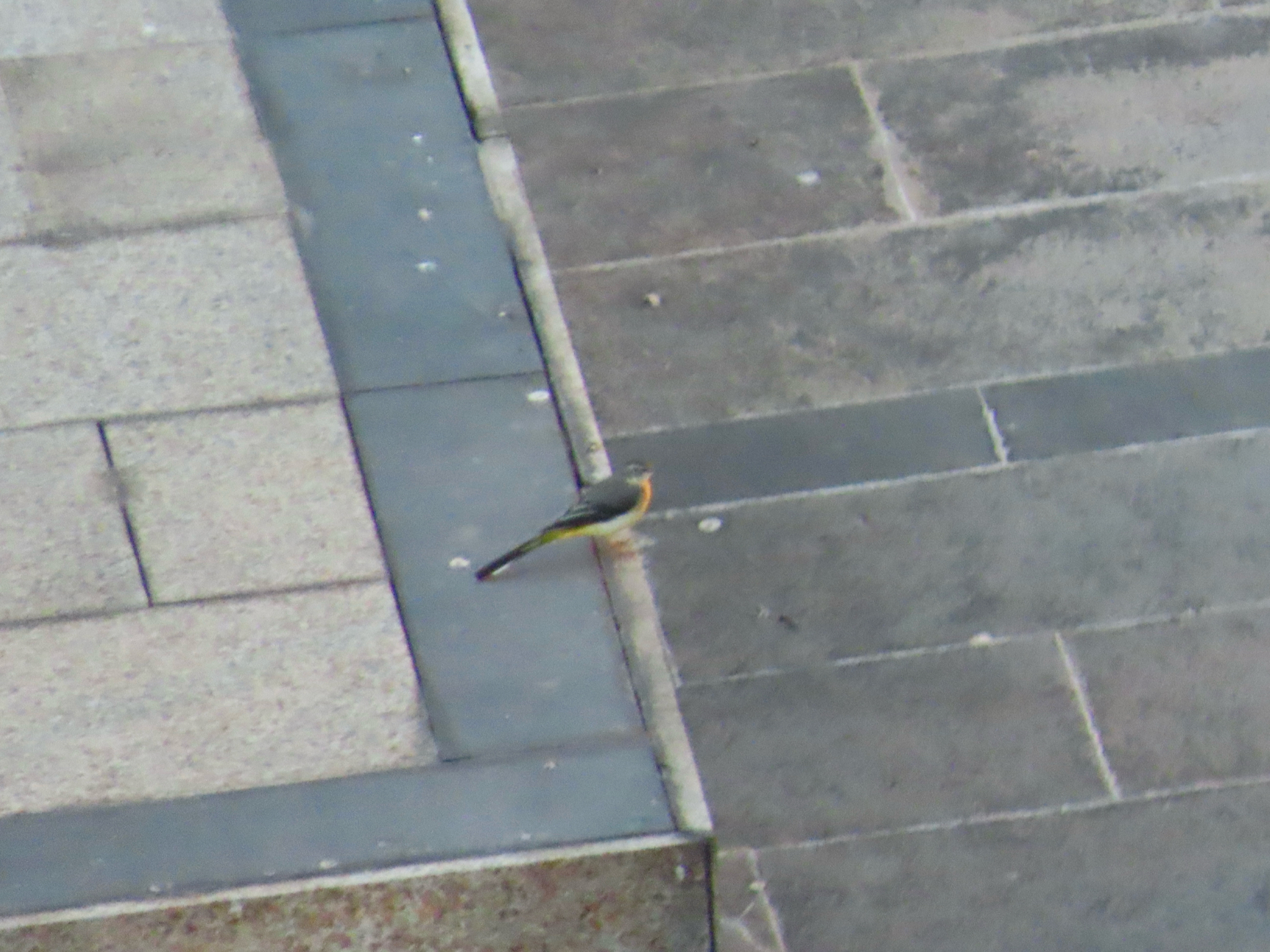
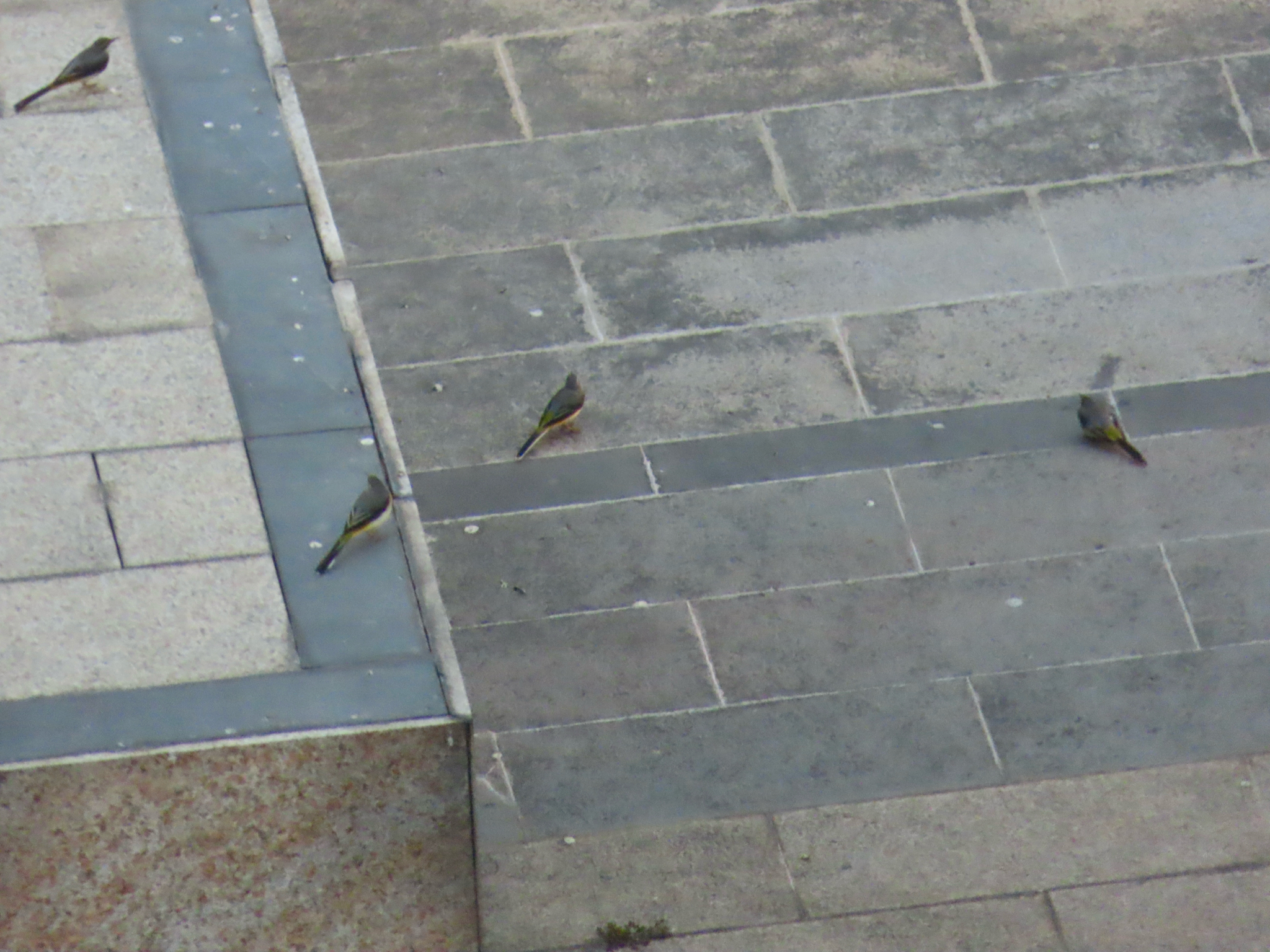
Slim build with a narrow white supercilium and a broken eye ring. Upperparts are grey, while underparts are whitish with yellow restricted to the throat and vent, creating a distinctive contrast. Breeding males feature a black throat edged by whitish moustachial stripes.
Identification
Resembles the yellow wagtail but distinguished by yellow coloring limited to the throat and vent rather than the entire underside. Key field marks include the grey upperparts, narrow white supercilium, and broken eye ring. In flight, exhibits low, undulating patterns and emits a sharp 'chi-cheep' call.
Distribution & Habitat
Widely distributed across the Palearctic region. The nominate subspecies breeds in western Europe, including the British Isles, Scandinavia, and the Mediterranean, extending to central, east, and northeast Asia. Subspecies melanope breeds in eastern Europe and central Asia along mountain chains like the Urals, Tien Shan, and Himalayas. Subspecies robusta breeds in northeastern Asia, Siberia, Korea, and Japan. Island forms exist in the Azores, Madeira, and Canary Islands. Winters in Africa and Southeast Asia. Vagrants have been recorded in California and islands west of Alaska.
Behavior & Ecology
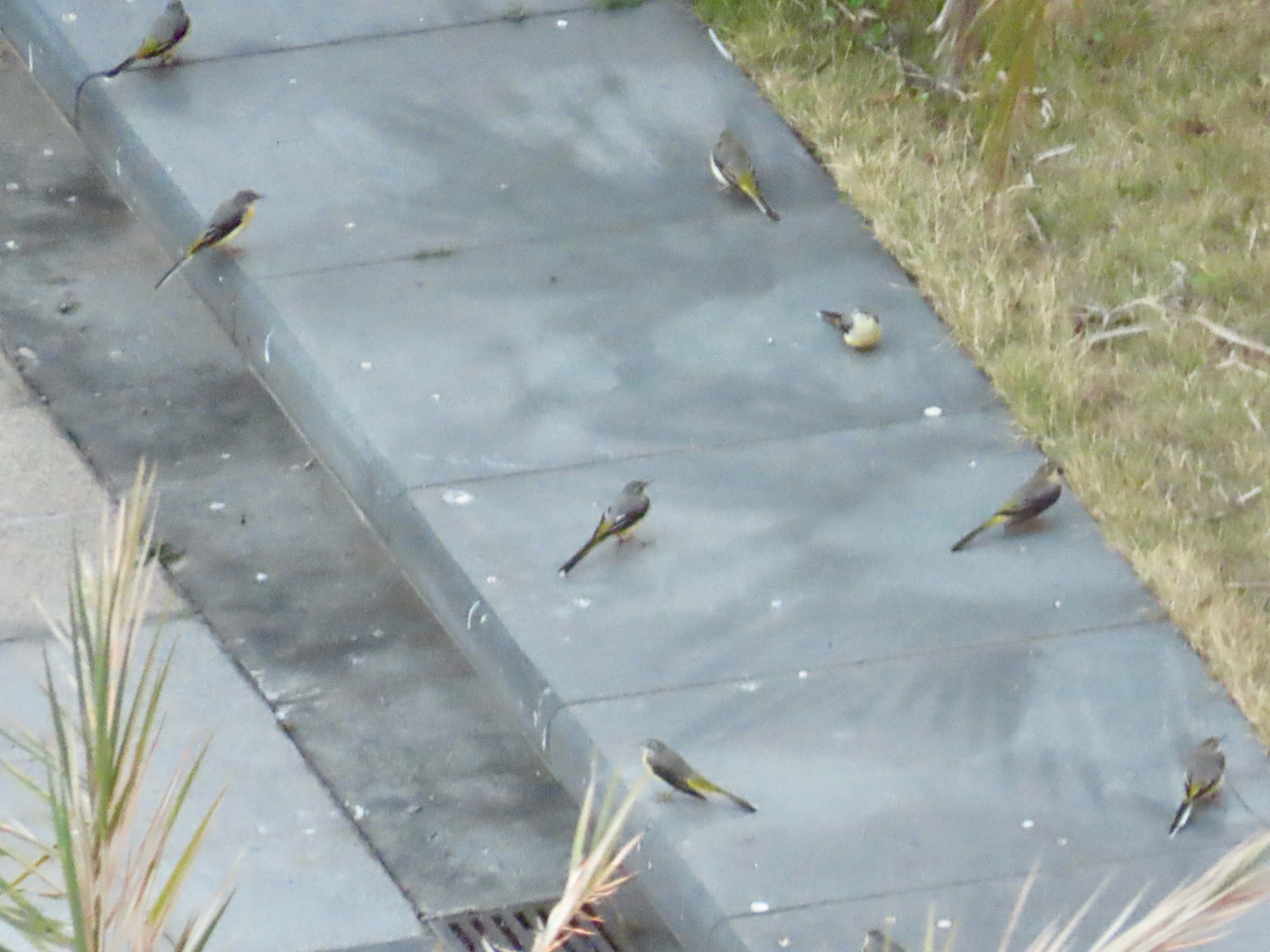
Breeds from April to July, placing nests near fast-running streams on embankments among stones and roots, or in holes in man-made structures. Clutch size is 3–6 speckled eggs, typically five in Ireland, with incubation lasting about two weeks and fledging within a fortnight. Multiple broods may be raised. Feeds on aquatic invertebrates such as flies, mayflies, beetles, crustacea, and molluscs. Displays involve short flights up into the air followed by slow descents with fluttering and high-pitched chipping notes. Wintering birds roost in small groups and often return to specific sites annually. Maximum lifespan in the wild is 8 years. Subject to brood parasitism by the common cuckoo and predation by kestrels.
Culture
The binomial name Motacilla cinerea was introduced by Marmaduke Tunstall in 1771. Motacilla is Latin for pied wagtail, derived from motare ('to move about'), while cinerea means 'ash-grey'.
Source: Wikipedia · CC BY-SA 3.0
Taxonomy
- Order
- Passeriformes
- Family
- Motacillidae
- Genus
- Motacilla
Subspecies (3)
-
Motacilla cinerea cinerea
breeds in Eurasia, from the Canary Islands, Europe, and northern Africa (Atlas Mountains) eastward to Siberia and Japan; winters to northern and eastern Africa, southern Asia, and southeastern Asia
Data Sources
Species description from Wikipedia, licensed under CC BY-SA 3.0.
Bird images and sounds sourced from GBIF, contributed by citizen scientists worldwide under Creative Commons licenses.
Taxonomy data from AviList 2025.