

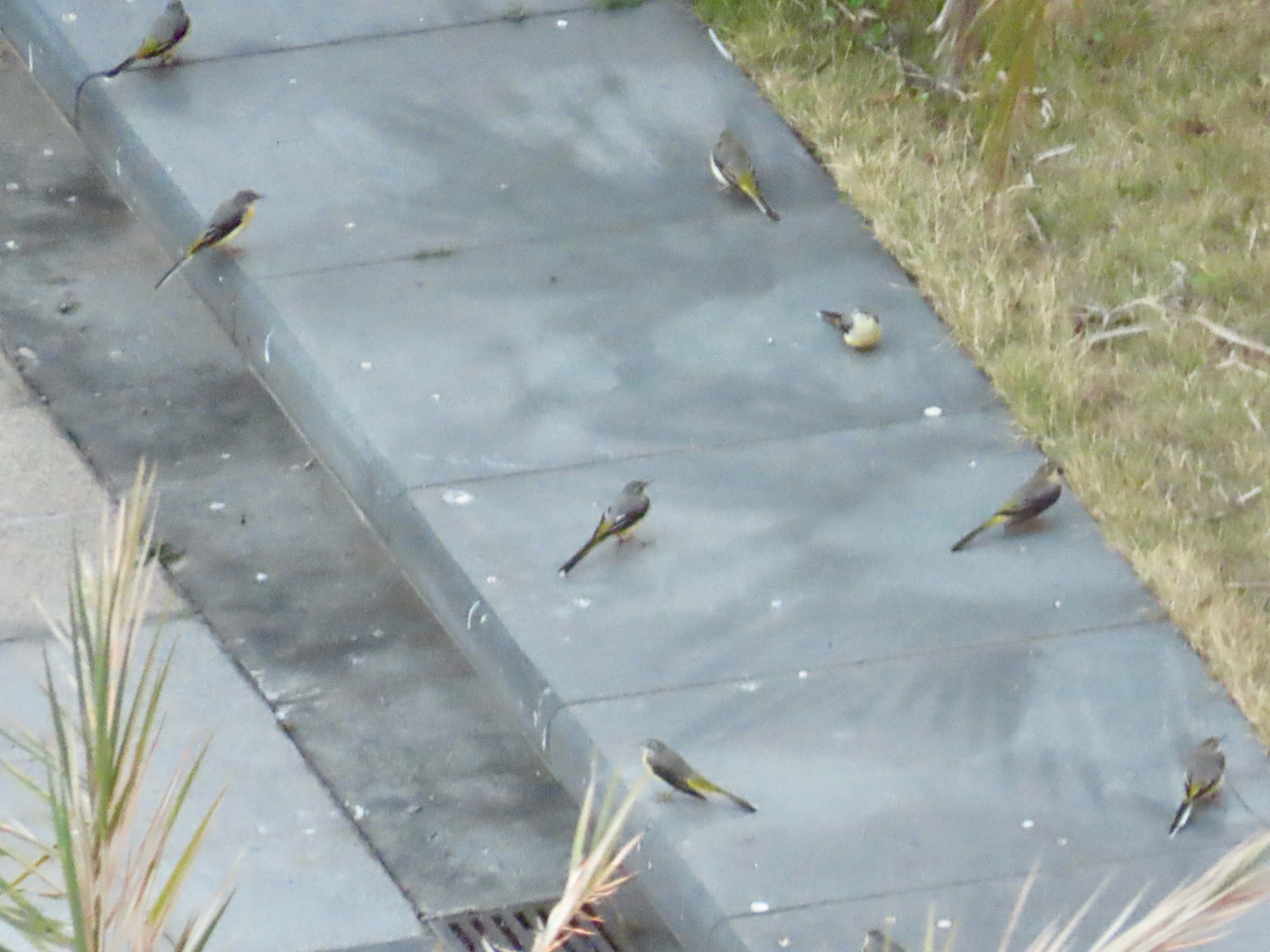
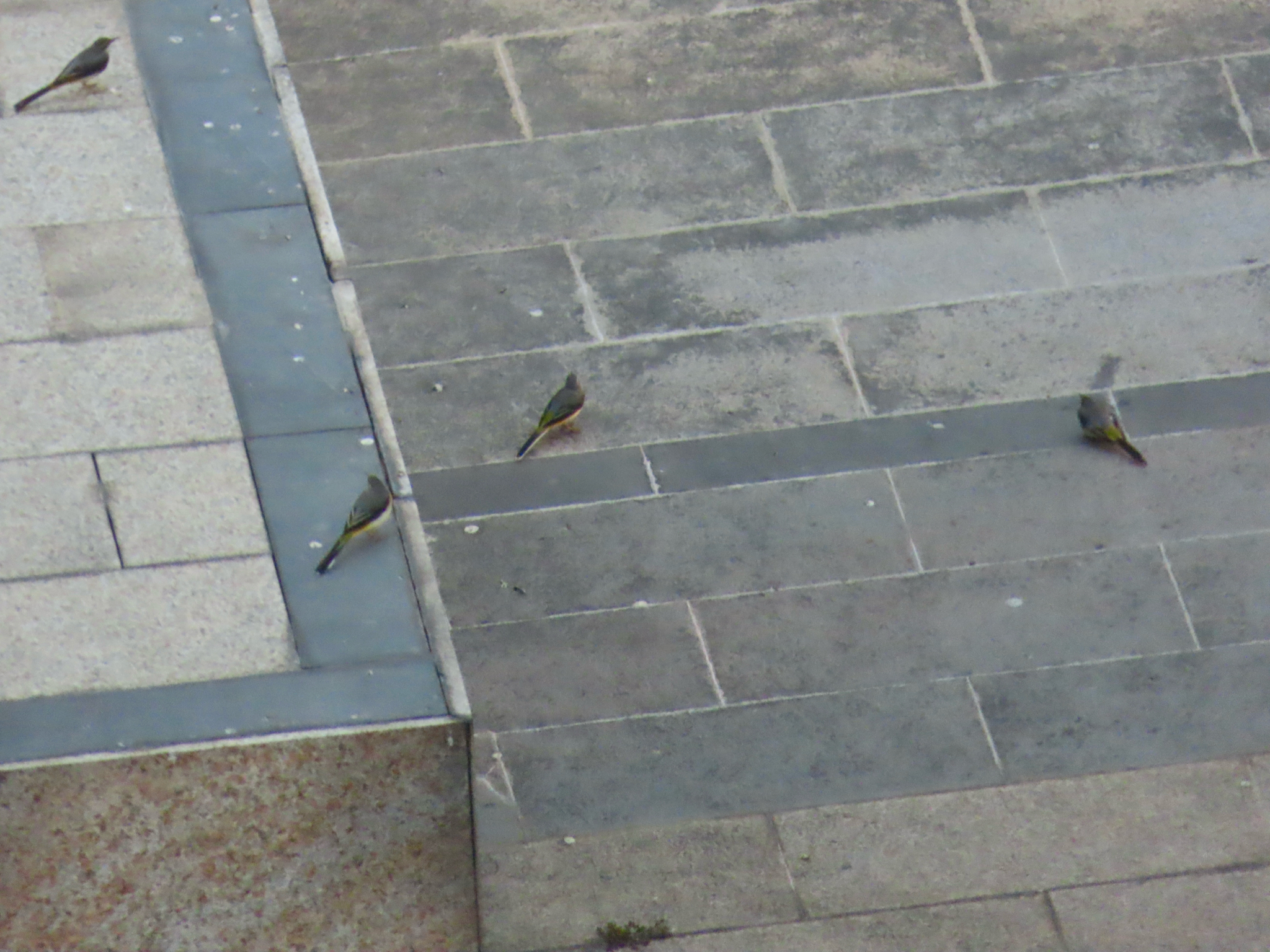
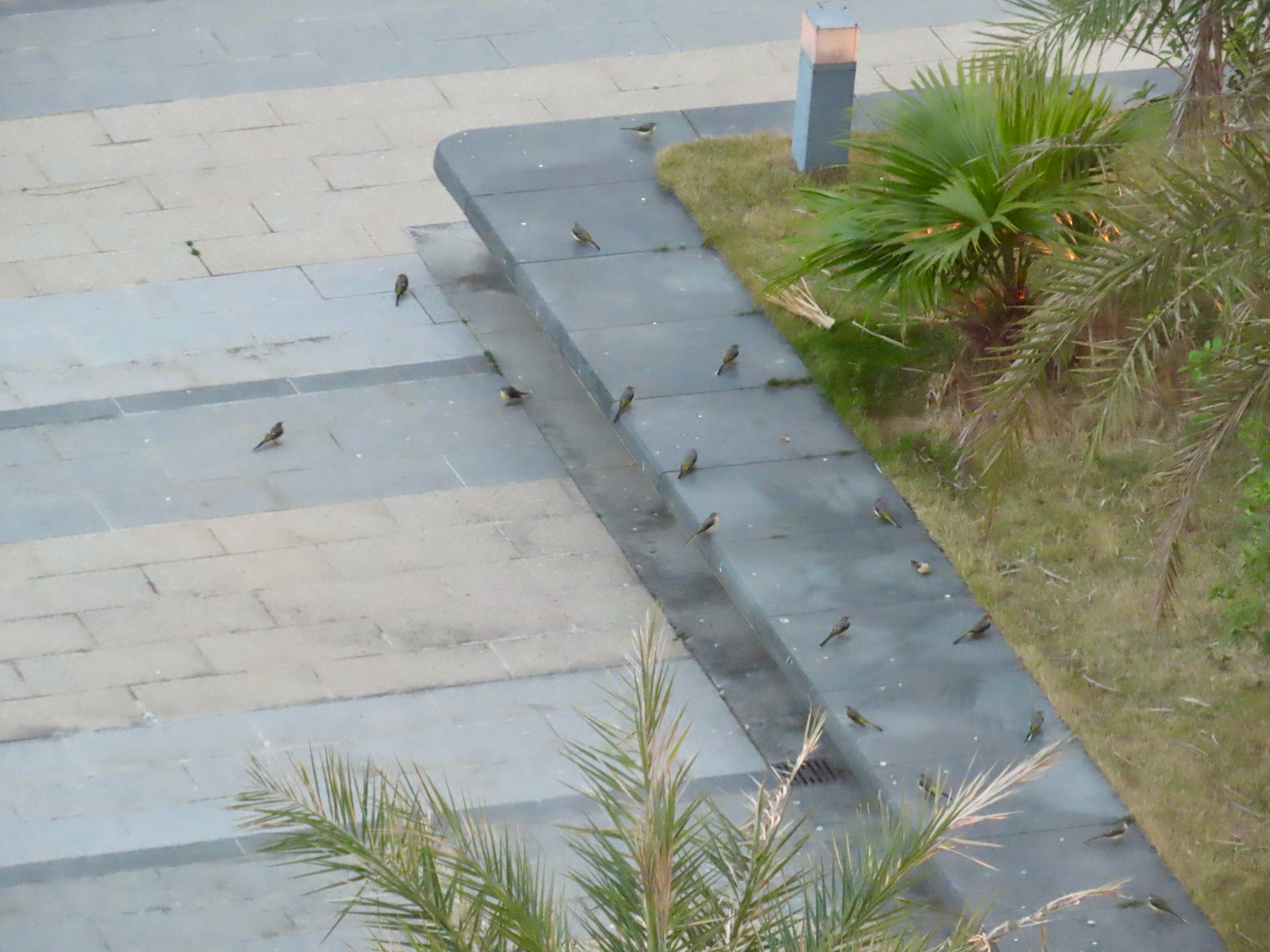

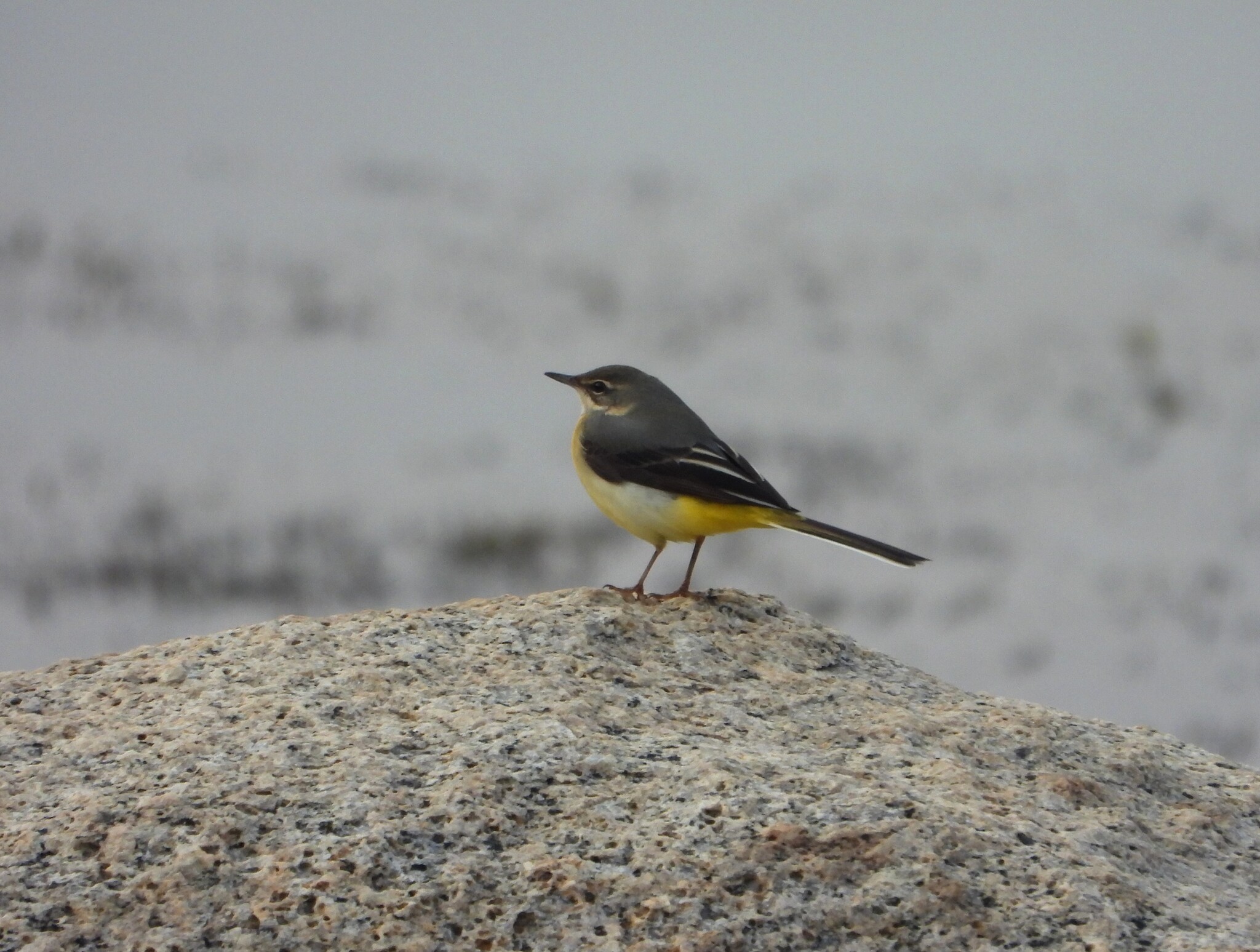
Grey Wagtail
Motacilla cinerea
灰鹡鸰
Introduction
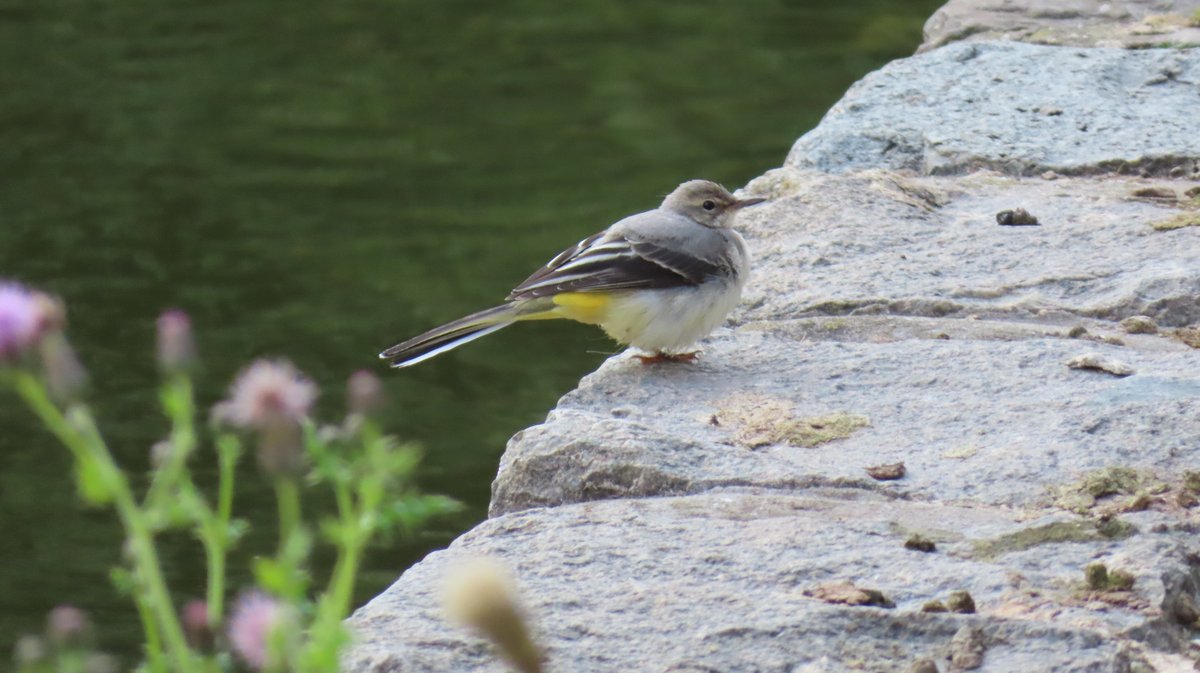
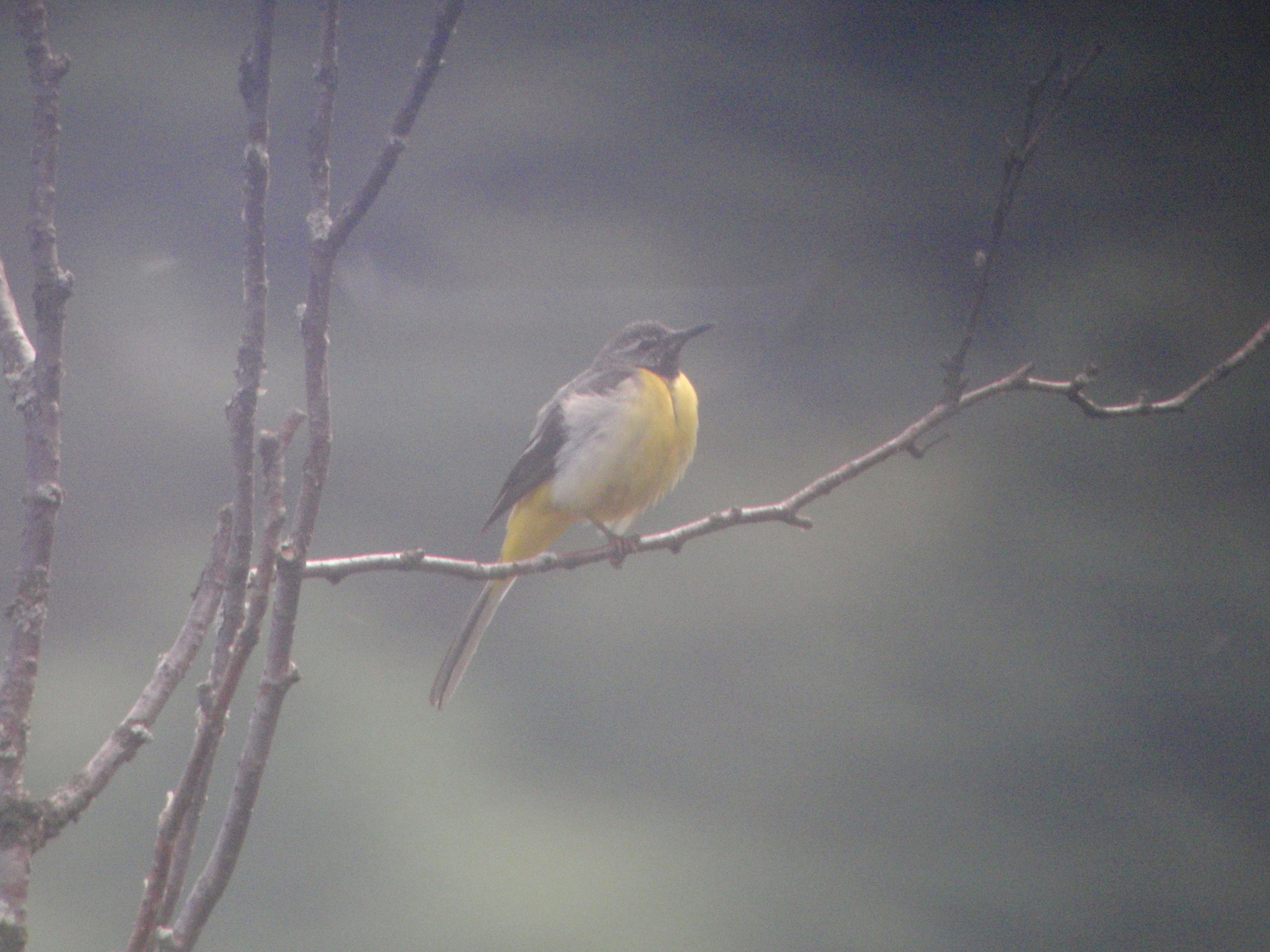
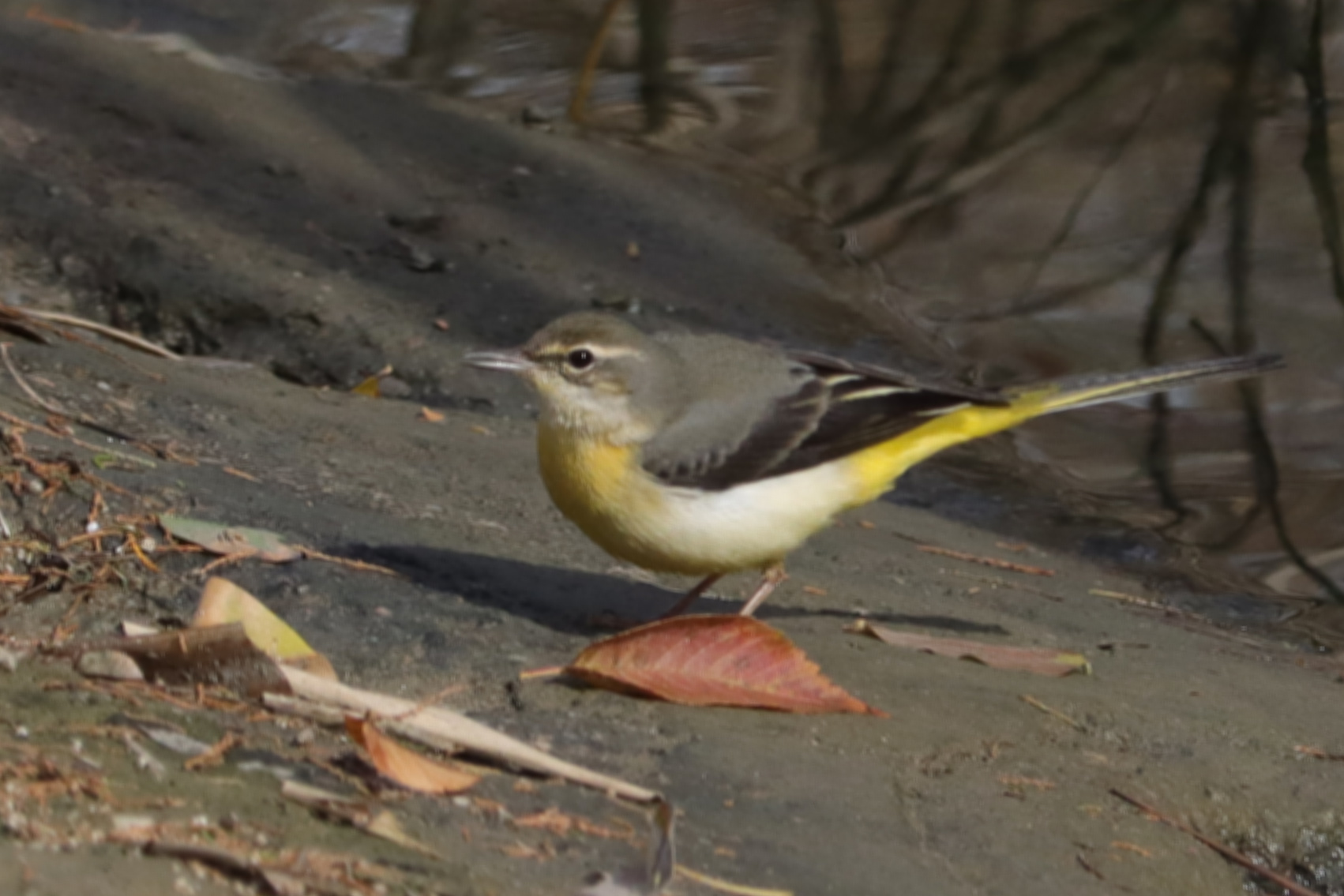
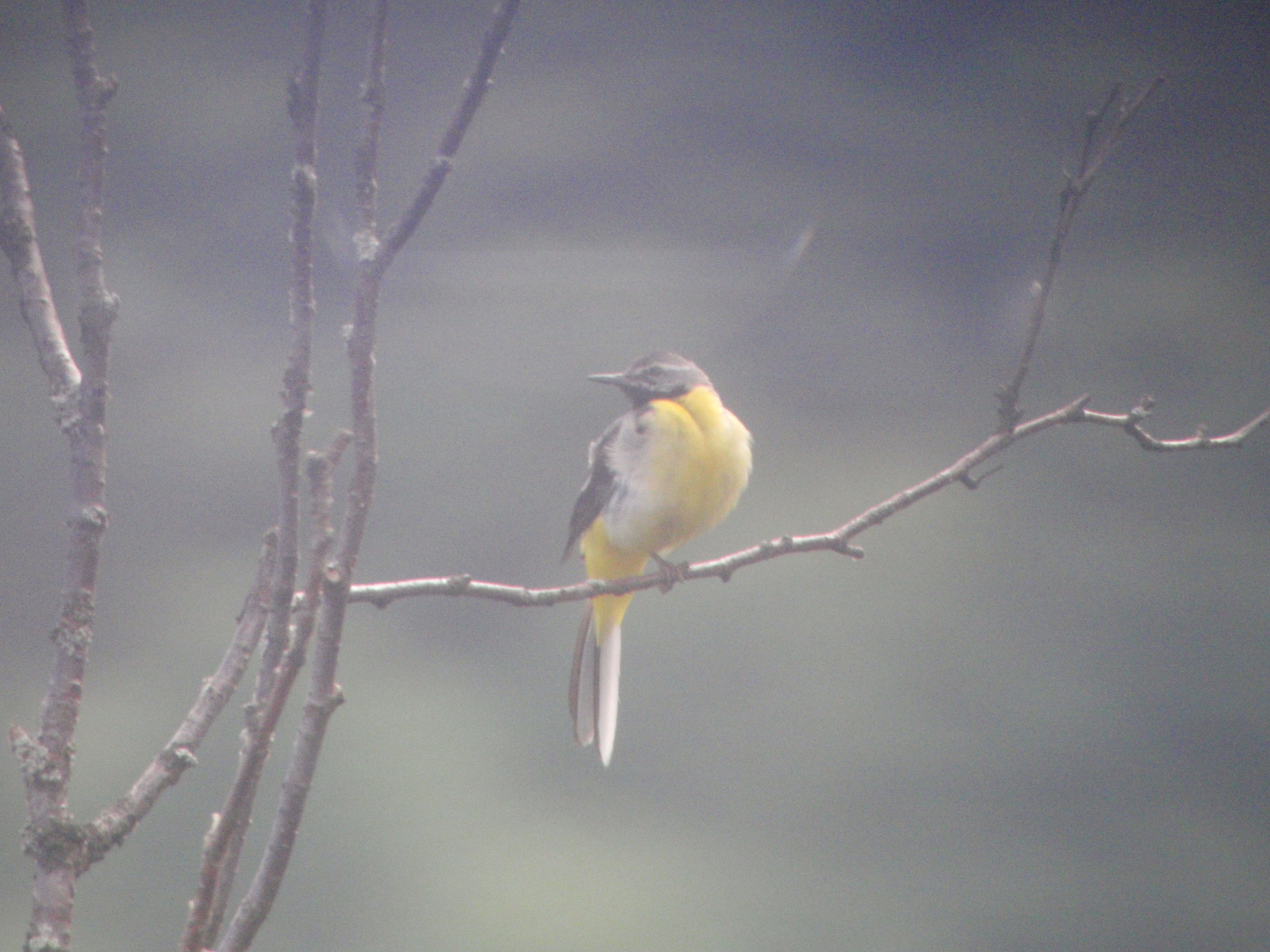
The grey wagtail (Motacilla cinerea) is a small passerine bird found throughout Europe. It inhabits fast-flowing streams and rivers, particularly in upland areas. During non-breeding seasons, it expands its habitat to include lakes, coastal areas, and urban gardens. The species is characterized by grey upperparts, a yellow vent, and a long tail that it wags constantly up and down—the behavior from which wagtails derive their common name. Adults exhibit sexual dimorphism: breeding males display a black throat patch, while females and non-breeding birds lack this feature. The species performs a distinctive undulating flight pattern low over water and produces a sharp call note, typically given in flight.
Description
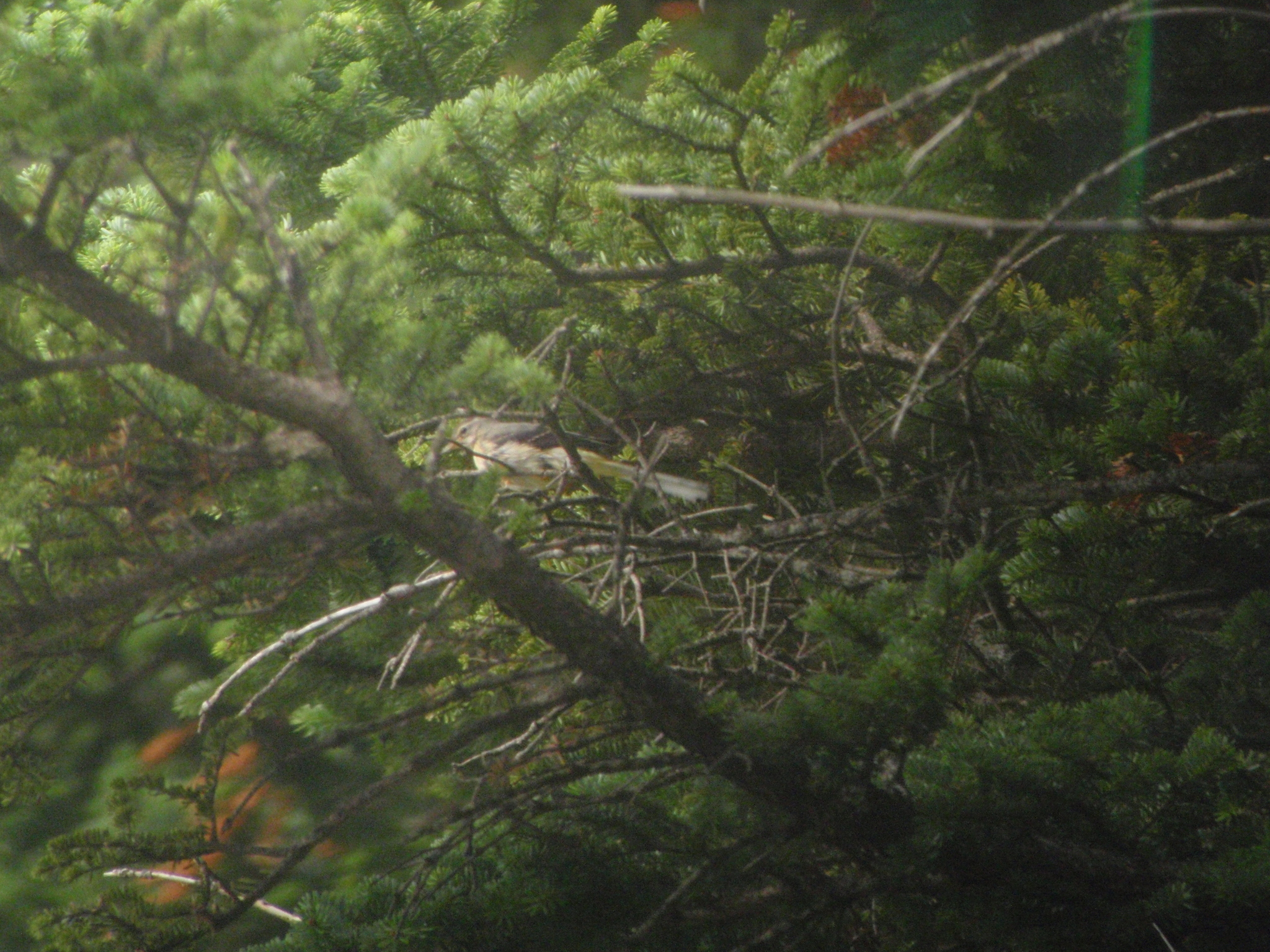
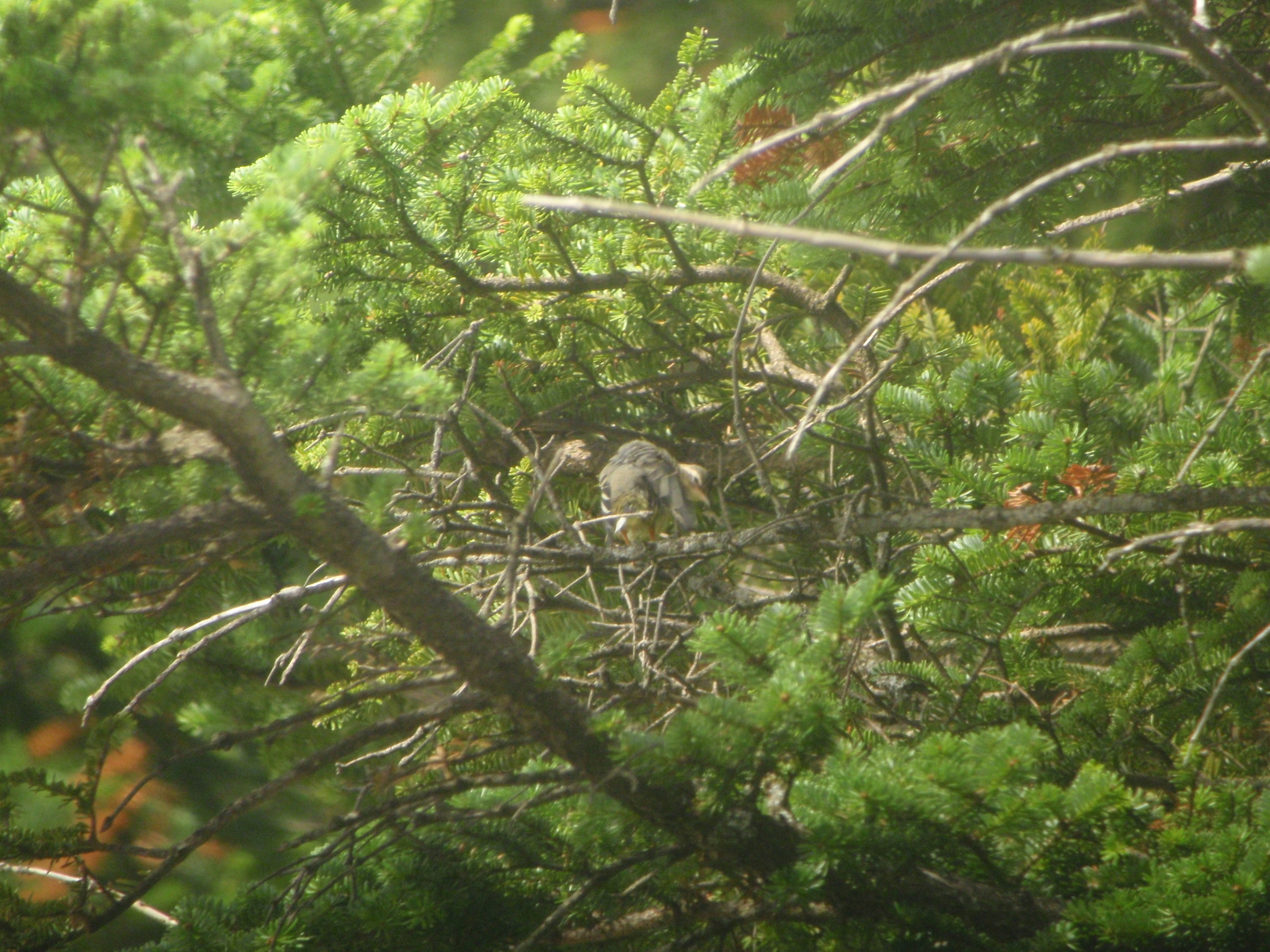
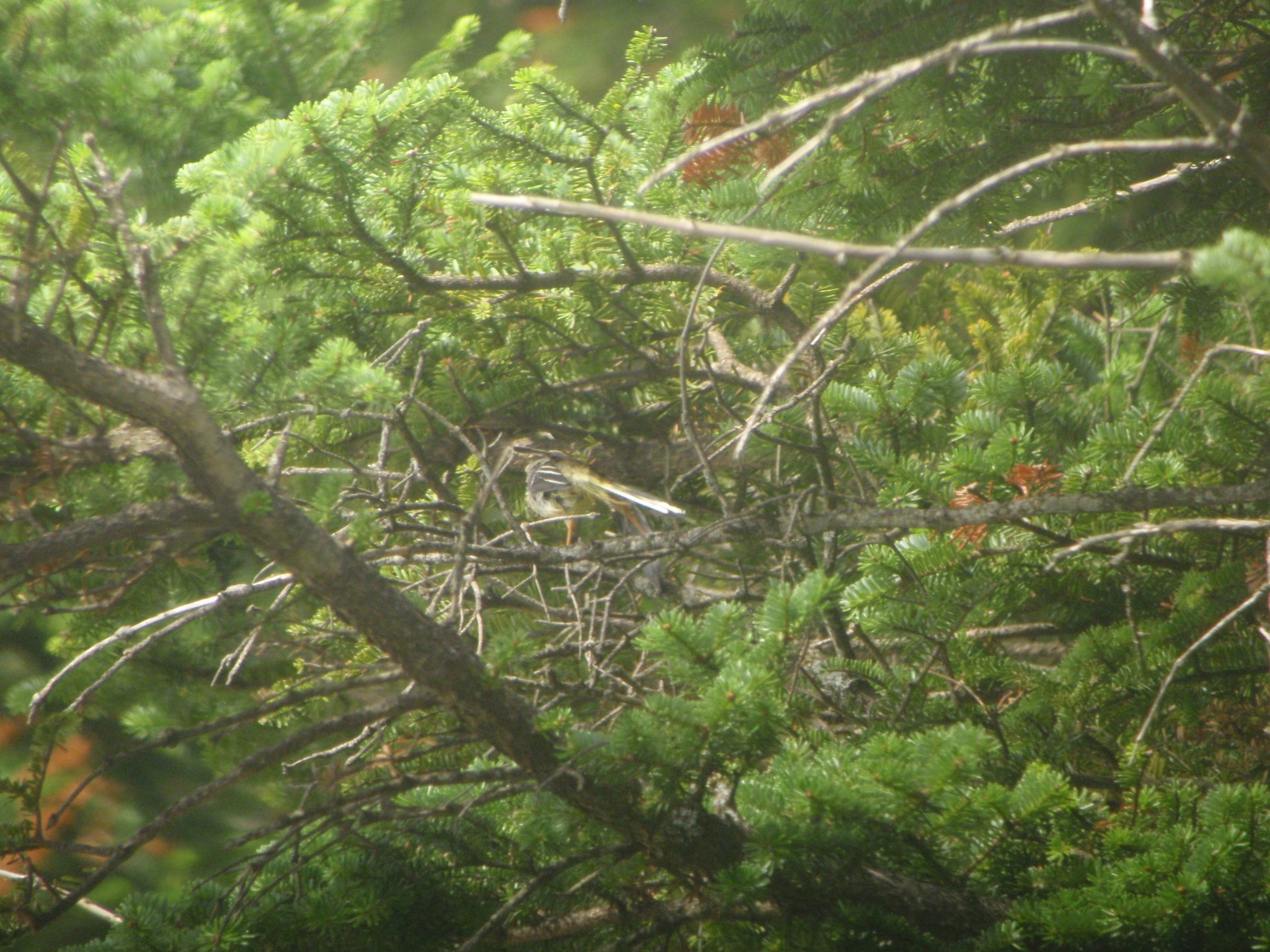
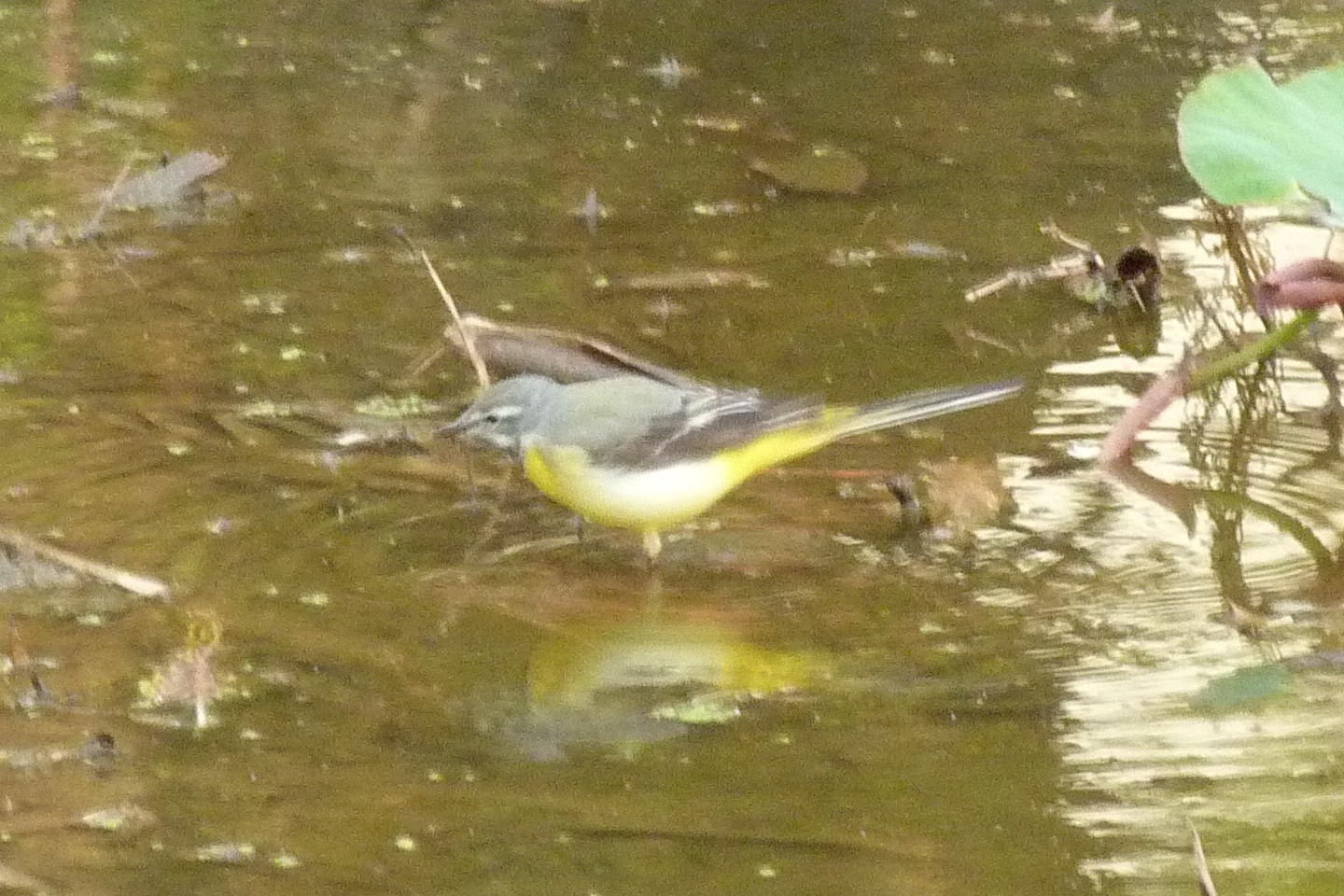
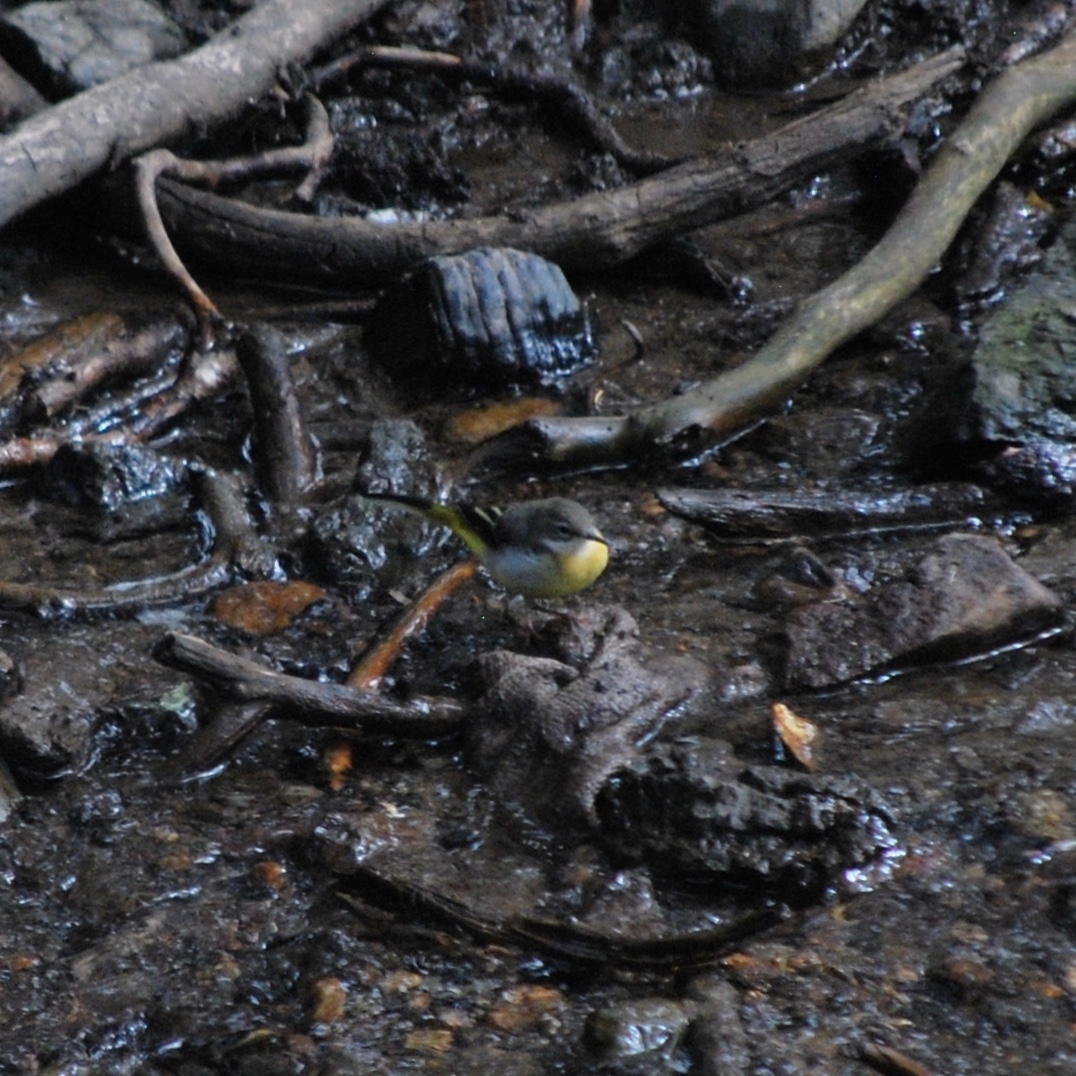
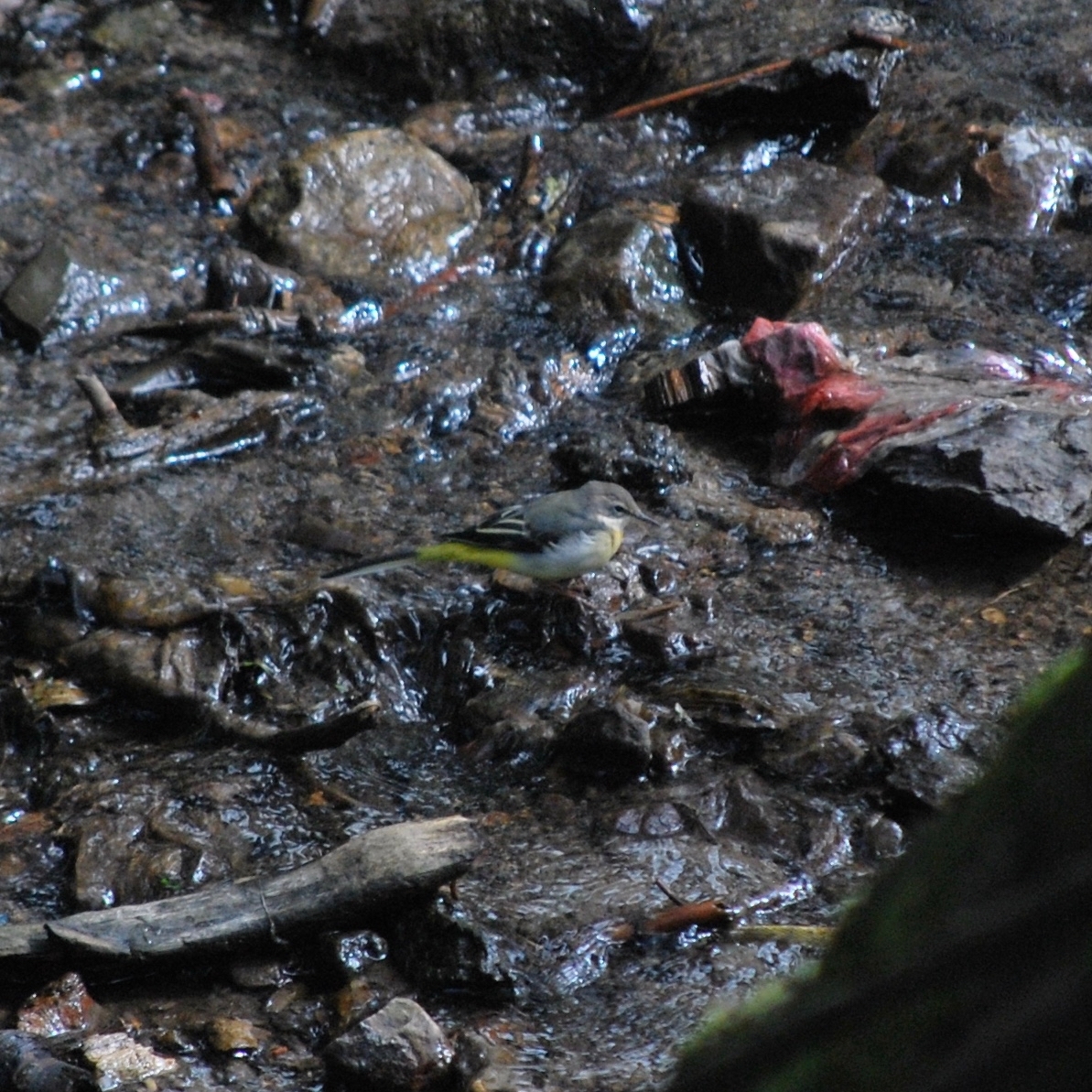
This slim wagtail measures 18-19 cm in length with an elegant, elongated appearance. The upperparts are plain grey, while the underparts are whitish with a diagnostic yellow vent that contrasts sharply with the surrounding plumage. The head features a narrow white supercilium and a broken eye ring. Breeding males develop a striking black throat bordered by whitish moustachial stripes, which distinguishes them from females and juveniles. The tail is long and blackish with white outer feathers. They forage singly or in pairs, moving deliberately on rocks in water, perching in trees, or hunting in shallow water marshes. Their vocalizations include a clear, sharp call note and a song composed of trilled notes.
Identification
This species is most likely to be confused with the yellow wagtail, but key differences make identification straightforward with practice. The grey wagtail shows yellow confined to the throat and vent area, whereas yellow wagtails have more extensive yellow plumage on the underparts. The breeding male's black throat is a definitive field mark when present. The combination of grey upperparts, yellow vent, and whitish underparts is distinctive at any age. In flight, watch for the white outer tail feathers and the characteristic low, undulating flight path. Their association with running water during breeding and their sharp, high-pitched call notes also aid identification.
Distribution & Habitat
This species has a broad Palearctic distribution with several recognized populations. The nominate subspecies breeds across western Europe including the British Isles, Scandinavia, and the Mediterranean region, extending east through Iran, Turkey, and the Caucasus. A central Asian population breeds along mountain chains including the Urals, Tien Shan, and Himalayas. A northeastern Asian race breeds in Siberia, Korea, and Japan, wintering in Southeast Asia. Island populations include forms in the Azores, Madeira, and Canary Islands. Migrant populations winter throughout Africa and Asia. Vagrant individuals occasionally reach western Alaska and have been recorded further south in California. Breeding habitat is strictly tied to fast-flowing streams and rivers, while wintering birds use a wider range of aquatic habitats including lakes, coasts, and wetlands.
Behavior & Ecology
These birds feed primarily on aquatic invertebrates including adult flies, mayflies, beetles, crustaceans, and molluscs, foraging along water margins, rocks in streams, and occasionally roadside verges. The breeding season spans April to July, with nests placed near fast-running streams on embankments among stones and roots, sometimes in holes of man-made structures. Courtship involves the male making short aerial displays, rising up and descending slowly with fluttering flight accompanied by rapid chipping notes. Clutches typically contain 3-6 speckled eggs, with multiple broods possible. Incubation lasts about two weeks with chicks fledging within a fortnight. They maintain territories during breeding but become more social in winter, roosting in small groups and often returning to the same wintering sites annually. The white-throated dipper sometimes shares the same stream habitats.
Conservation
The grey wagtail is currently listed as Least Concern by the IUCN, indicating that it does not face immediate significant threats across its extensive range. However, breeding success varies, with predation of eggs or chicks being the primary cause of failure. The common cuckoo occasionally parasitizes their nests, and kestrels may prey on adults. Despite these pressures, populations appear stable, aided by the species' adaptability to man-made structures near water and its varied winter habitat use.
Culture
No specific cultural or folklore traditions are documented for this species in the available sources.
Source: Wikipedia · CC BY-SA 3.0
Taxonomy
- Order
- Passeriformes
- Family
- Motacillidae
- Genus
- Motacilla
- eBird Code
- grywag
Subspecies (3)
-
Motacilla cinerea cinerea
breeds in Eurasia, from the Canary Islands, Europe, and northern Africa (Atlas Mountains) eastward to Siberia and Japan; winters to northern and eastern Africa, southern Asia, and southeastern Asia
-
Motacilla cinerea patriciae
Azores (Furnas and São Miguel)
-
Motacilla cinerea schmitzi
Madeira
Data Sources
Species description from Wikipedia, licensed under CC BY-SA 3.0.
Bird images and sounds sourced from GBIF, contributed by citizen scientists worldwide under Creative Commons licenses.
Taxonomy data from AviList 2025.