Passeriformes / Motacillidae / Motacilla
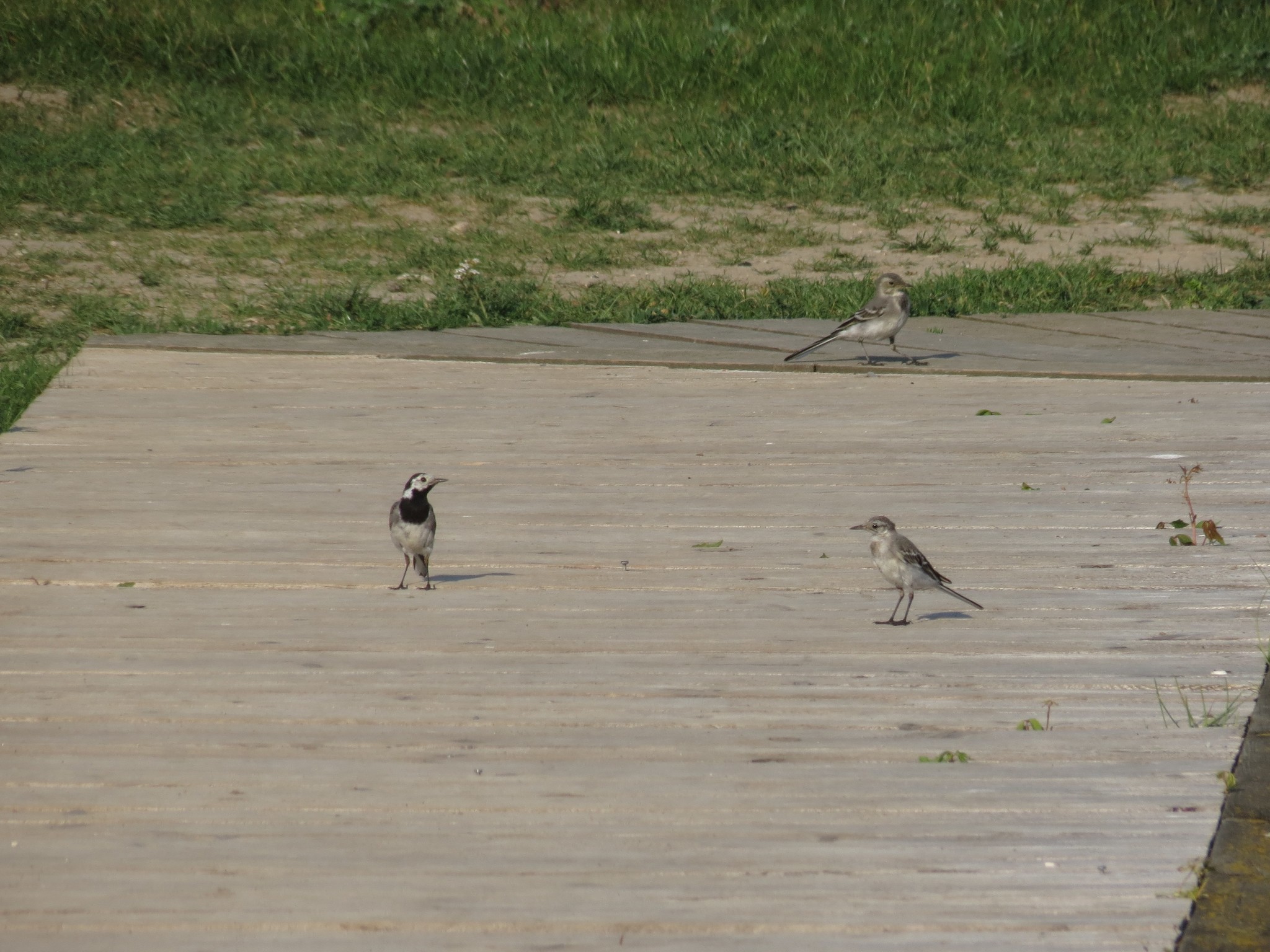
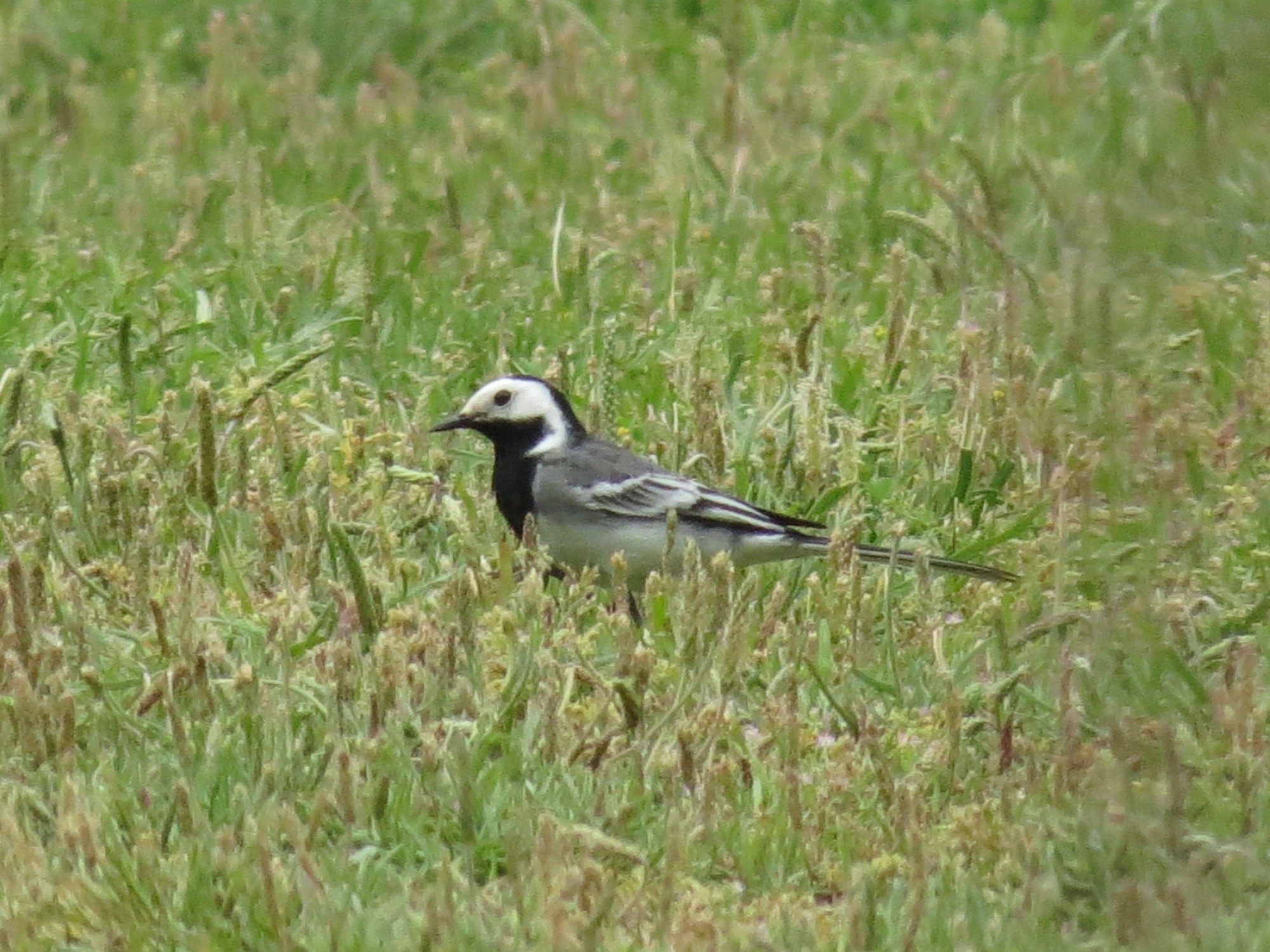
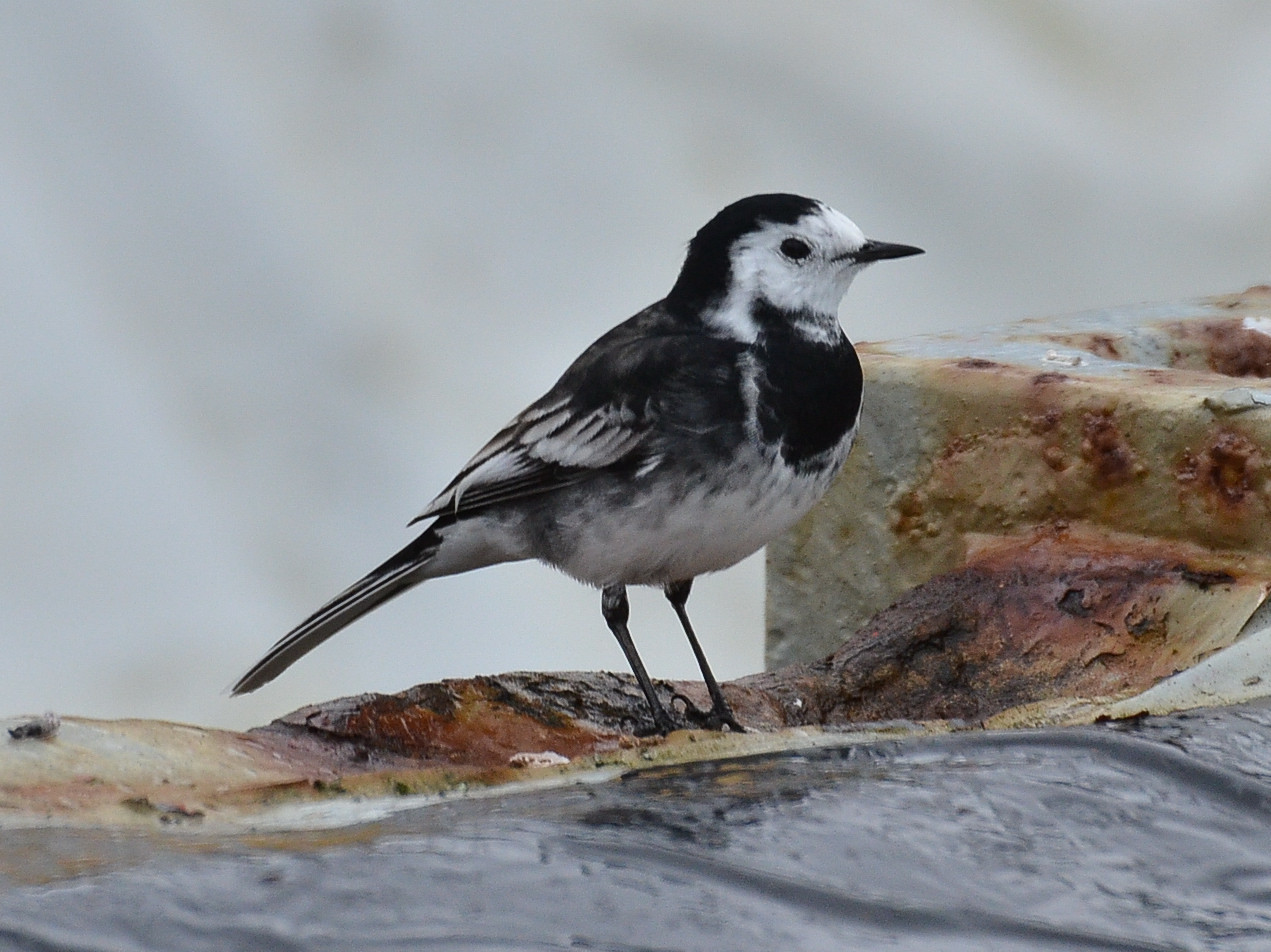
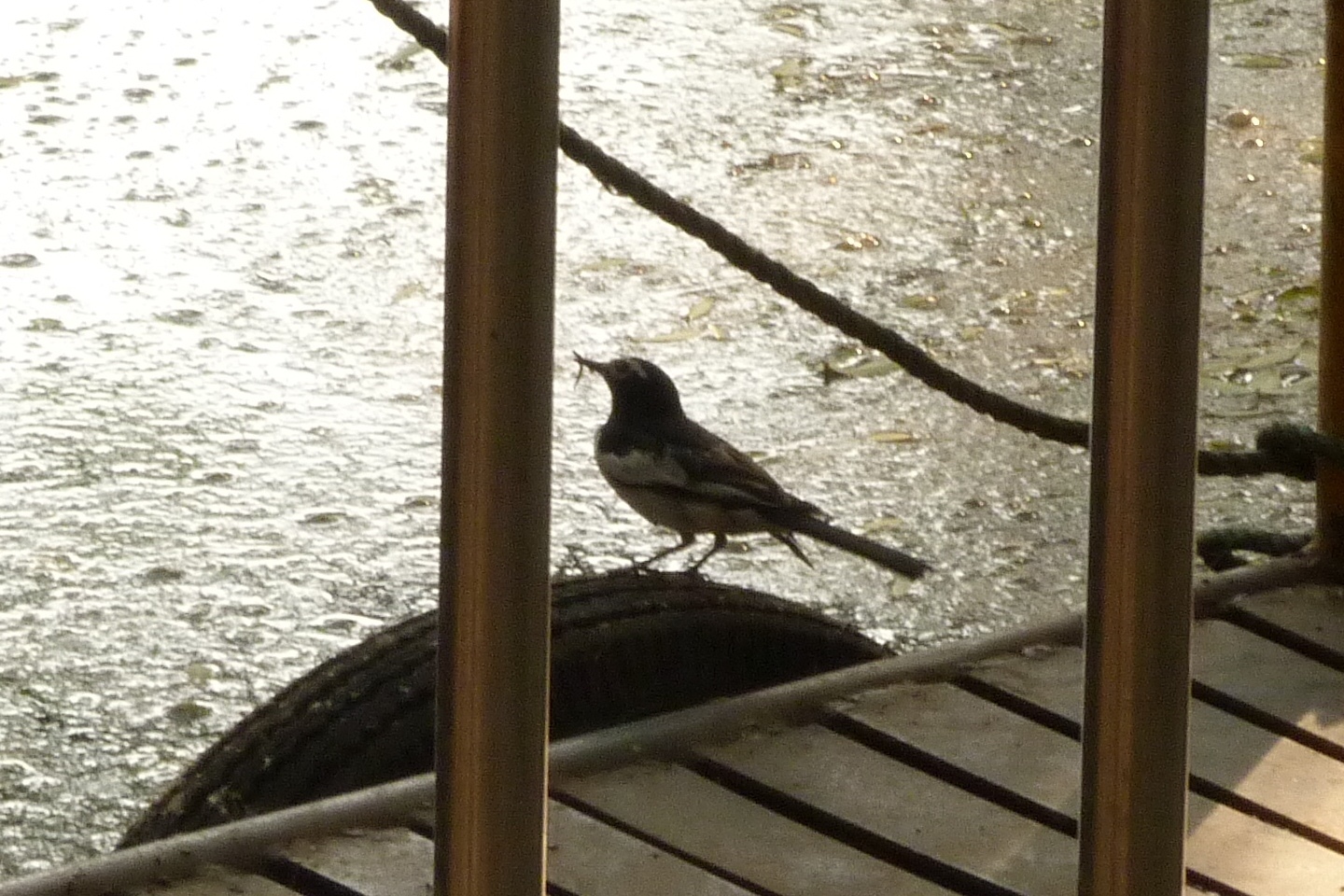
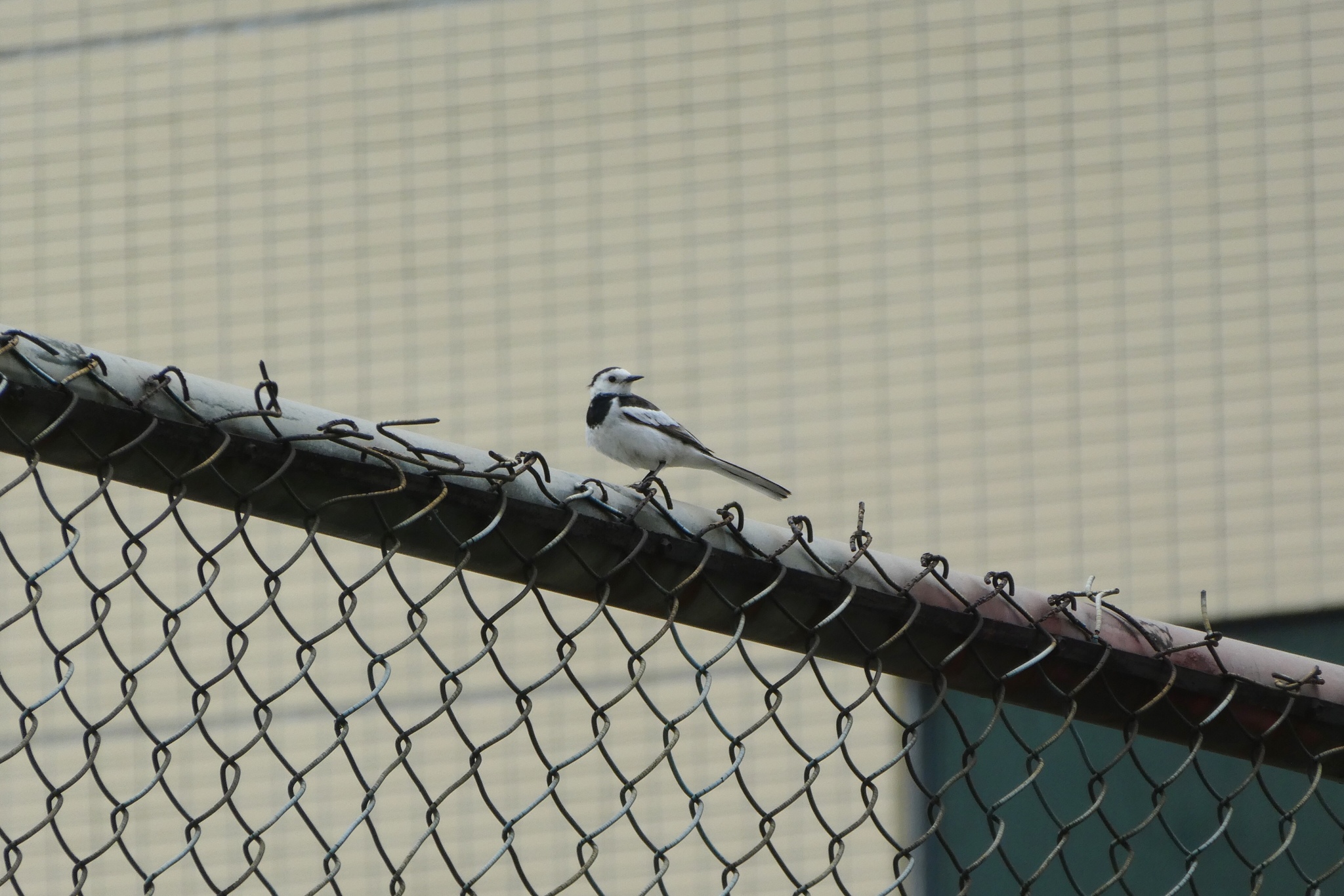
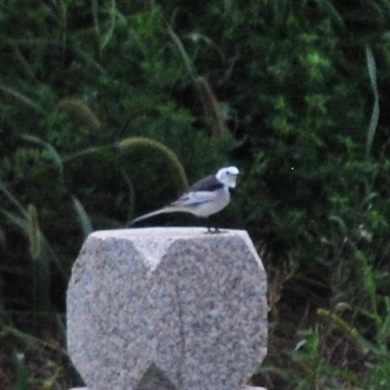
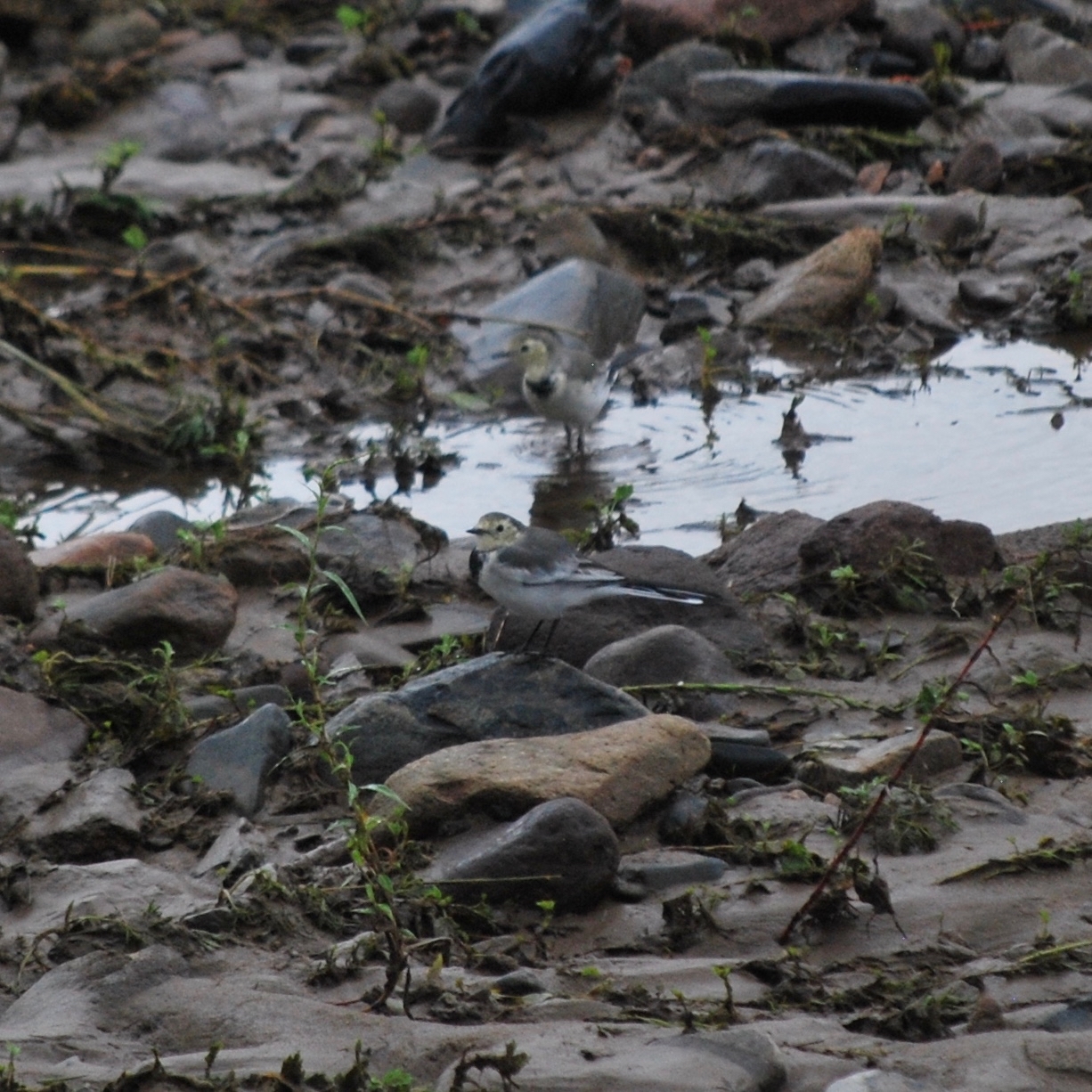
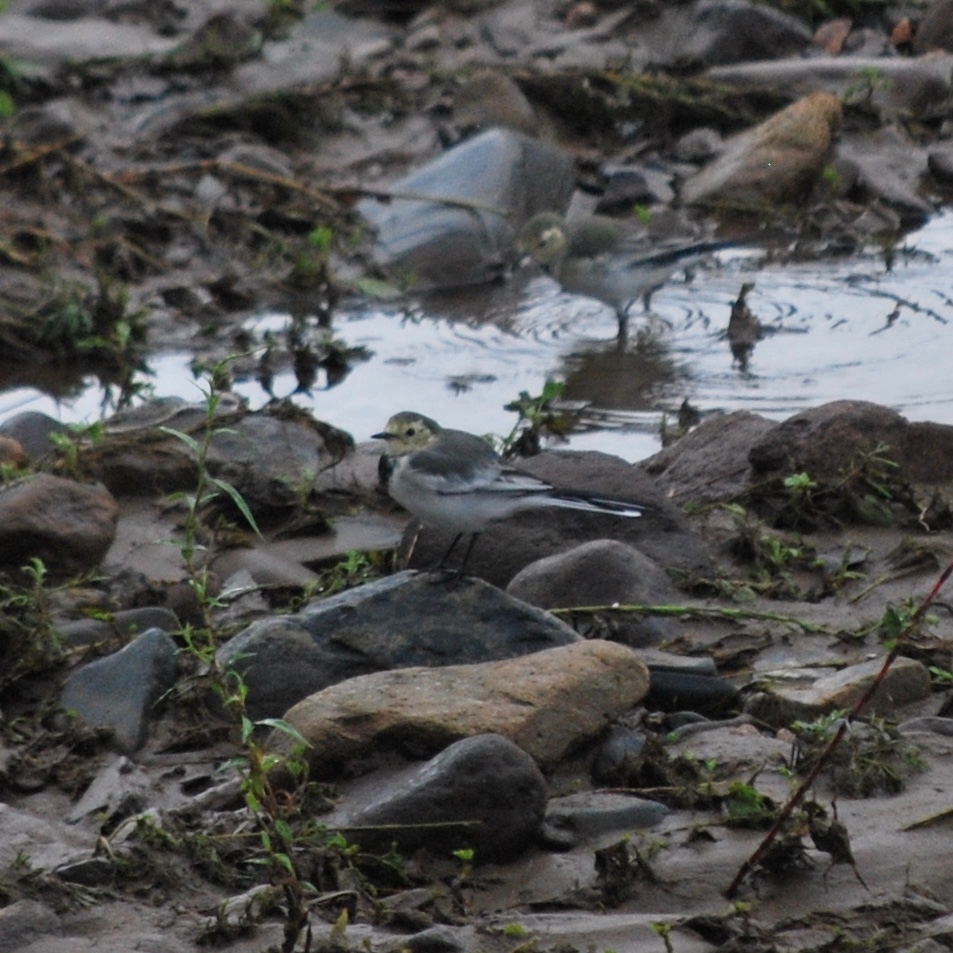
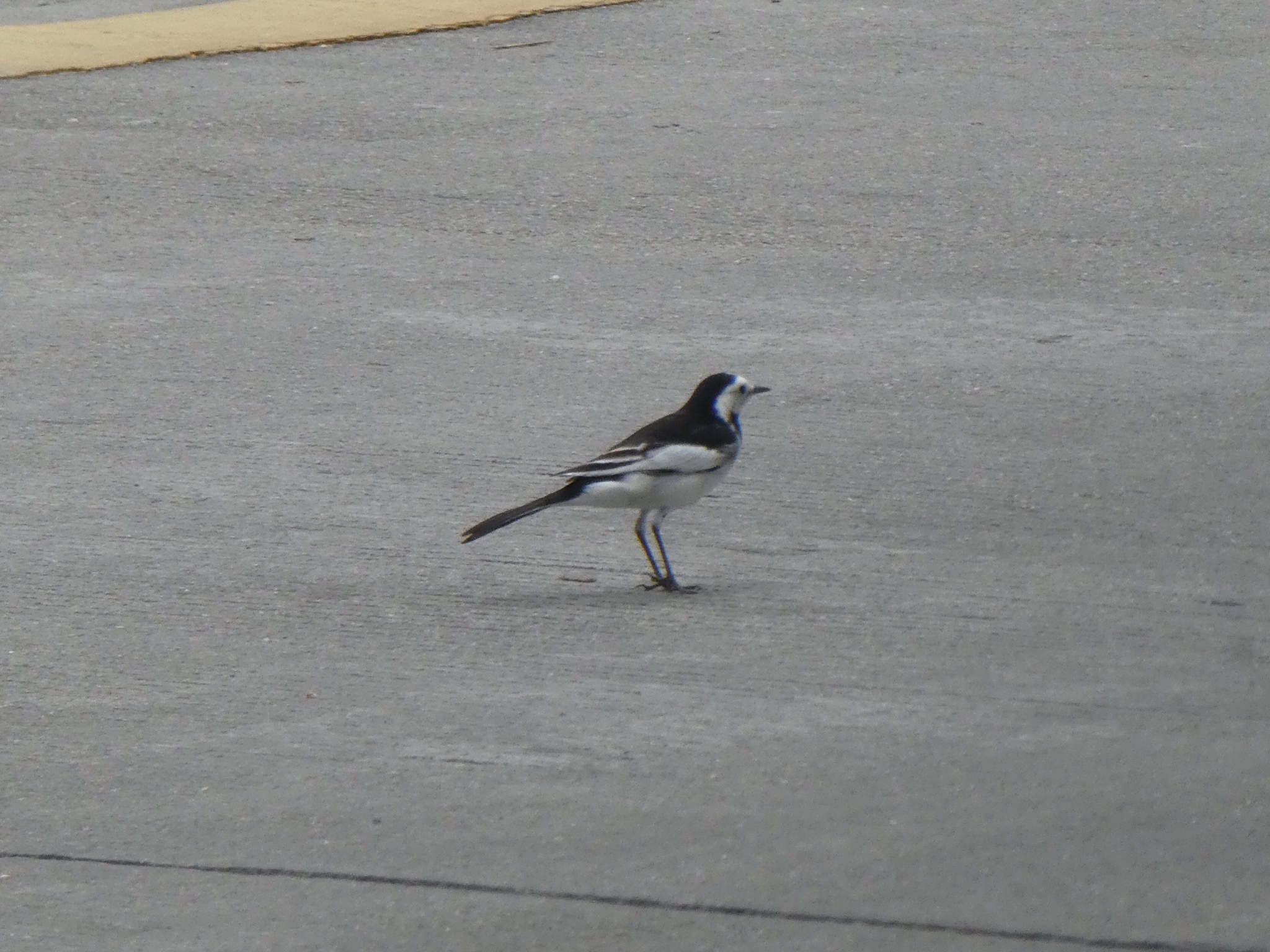
White Wagtail
Motacilla alba · 白鹡鸰
Introduction
A small passerine in the family Motacillidae, breeding across the Palearctic zone in Europe, Asia, parts of North Africa, and western Alaska. It inhabits open country, often near habitation and water, preferring bare areas for feeding. The species is resident in mild regions but migrates to Africa and tropical Asia from colder areas. It exhibits a distinctive constant tail-wagging behavior. Listed as 'Least Concern' by the IUCN with a population estimated between 130 and 230 million.
Description
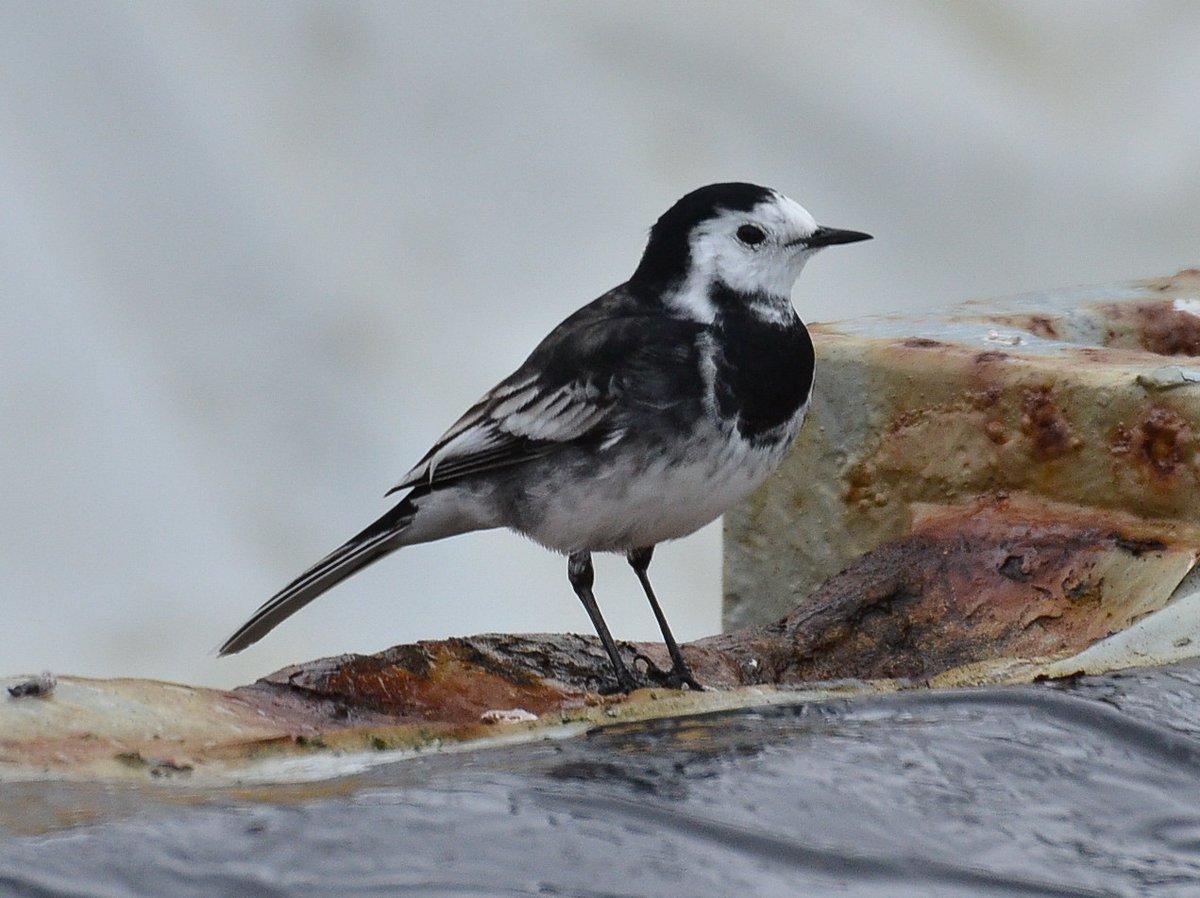
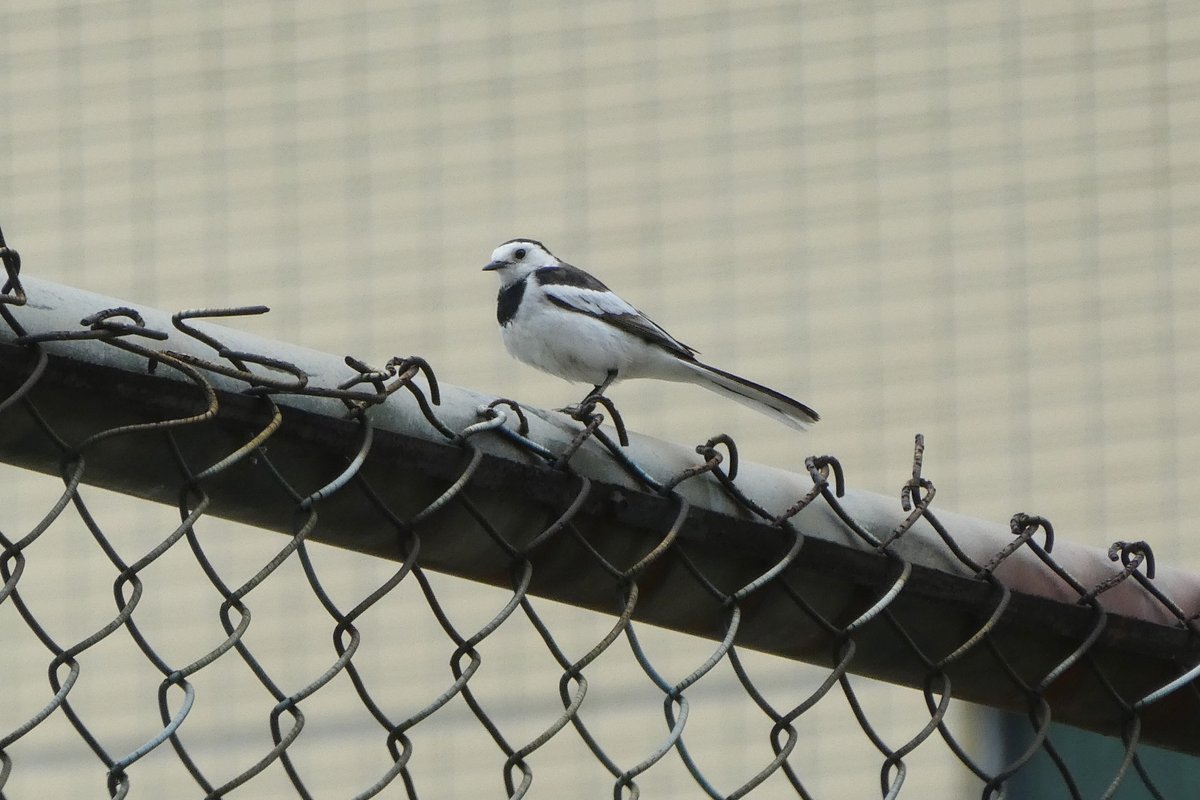
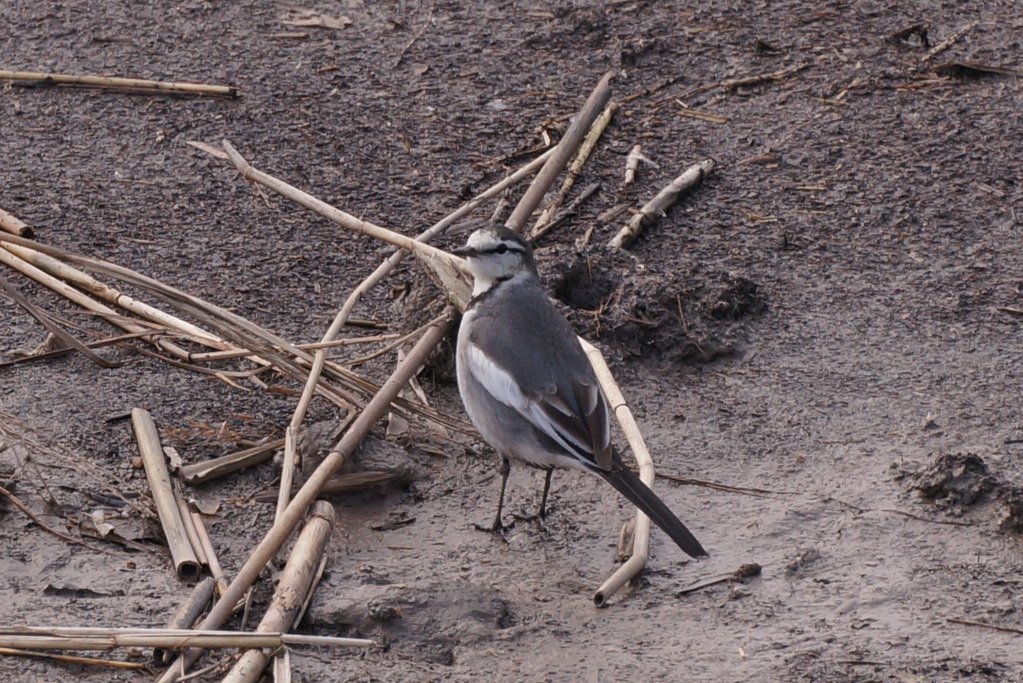
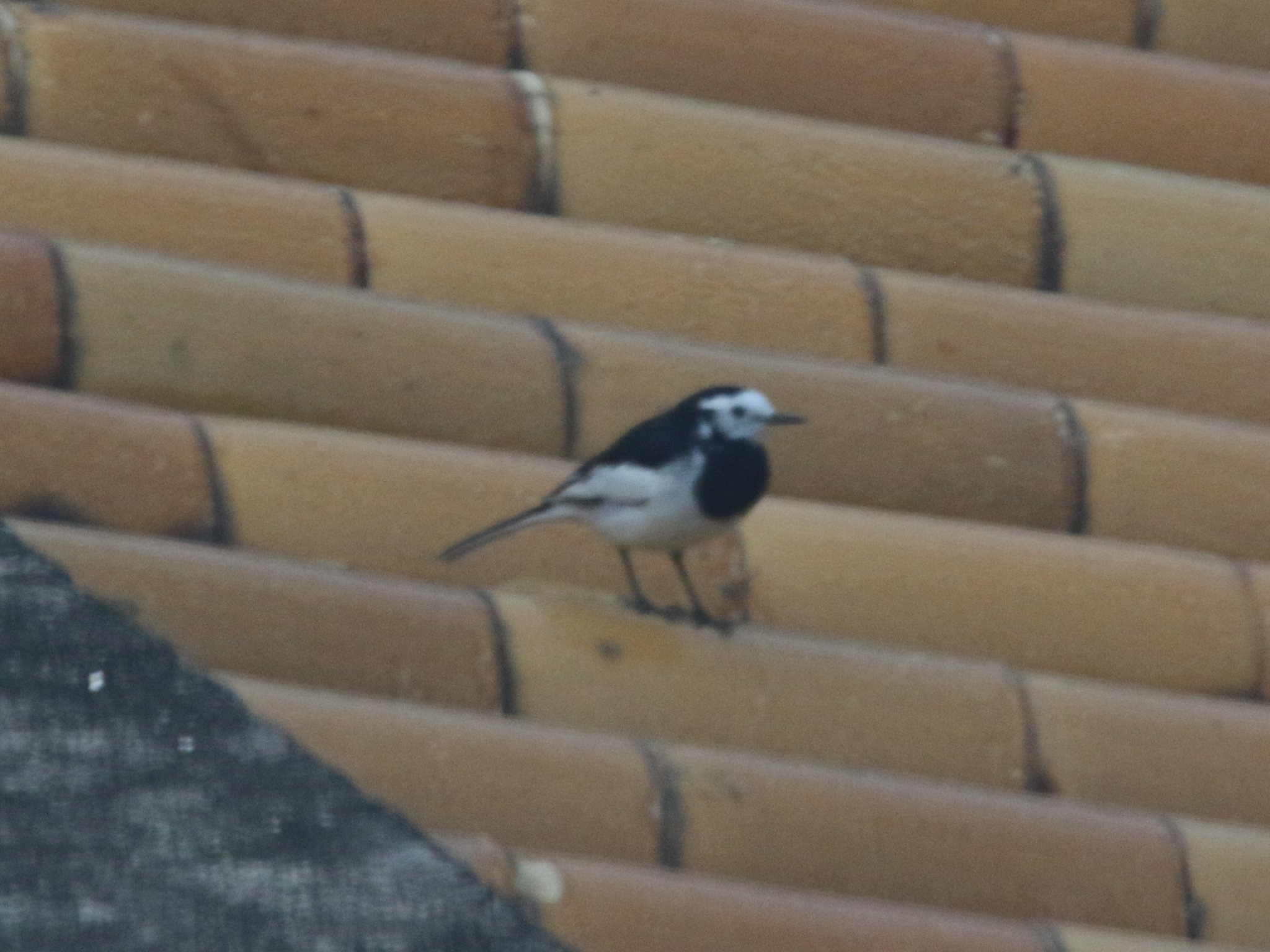
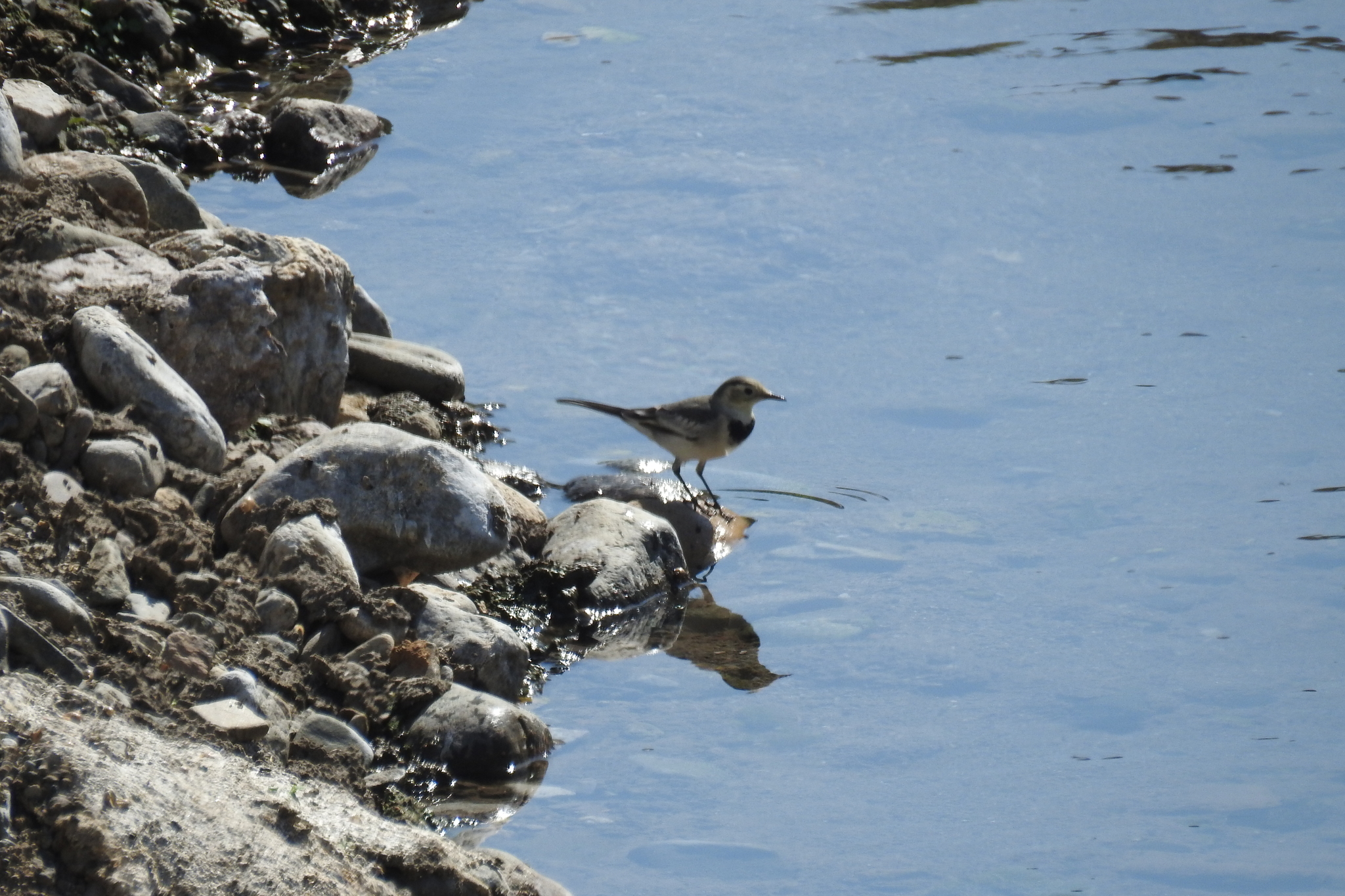
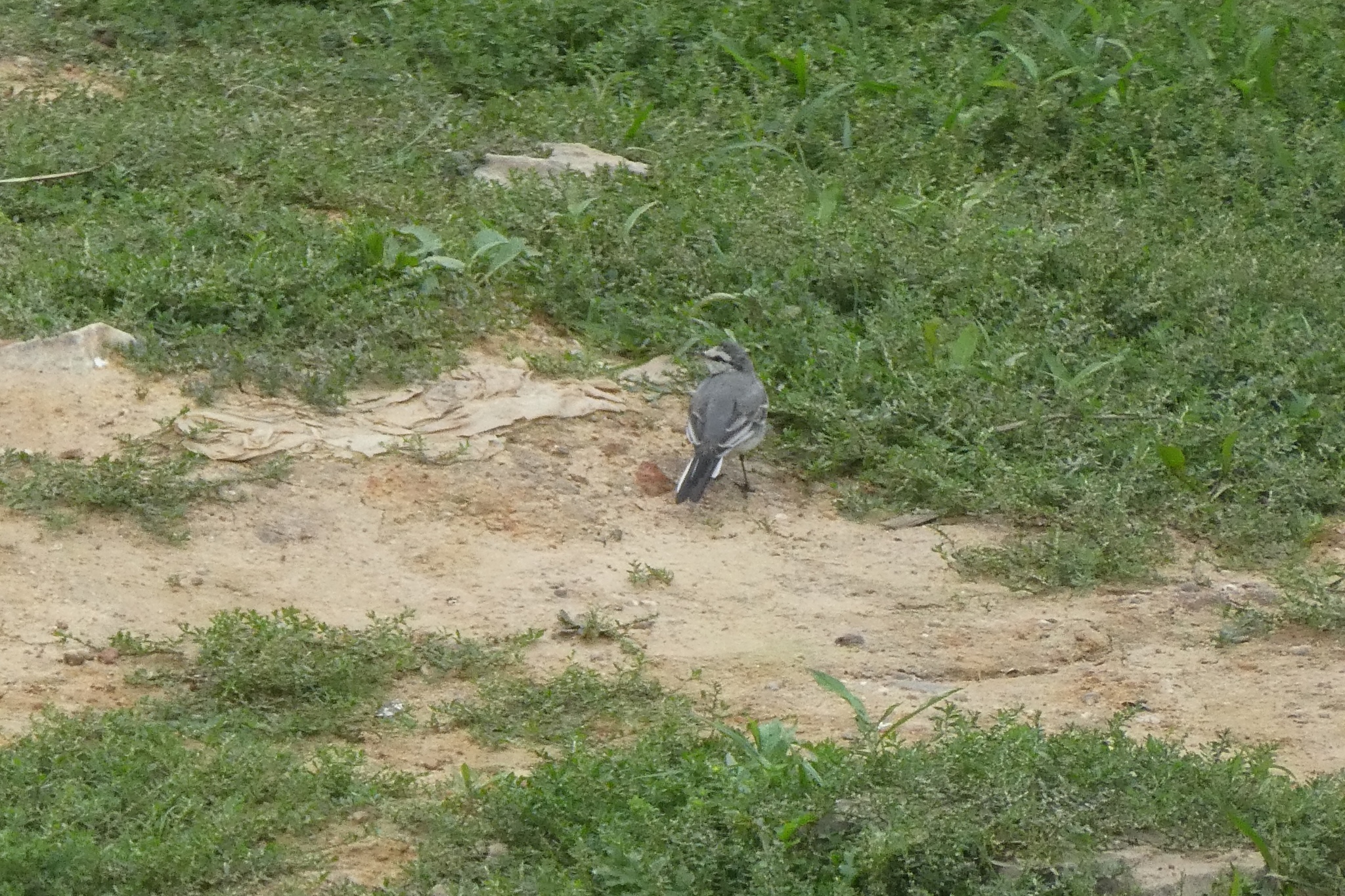
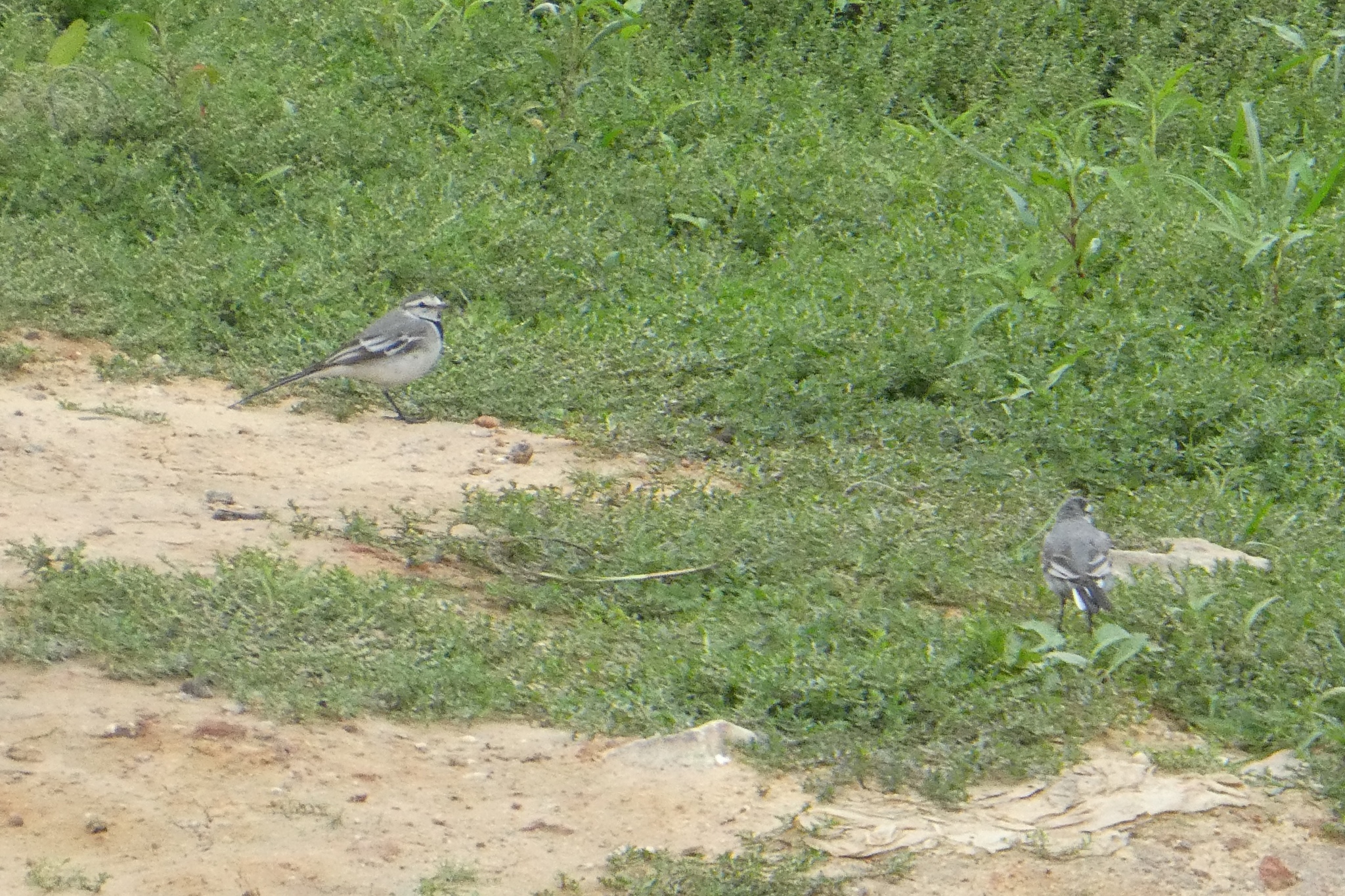
This slender bird measures 16.5 to 19 cm (6.5 to 7.5 in) in length, with East Asian subspecies reaching up to 21 cm (8.3 in). It weighs approximately 25 g (0.88 oz) and has a maximum wild lifespan of about 12 years. The nominate subspecies features pale grey upperparts, while the British and Irish subspecies (pied wagtail) displays a black back in males and dark grey in females and juveniles. Plumage varies among the 9 to 11 subspecies, with differences in wing, back, and head coloration. Sexual dimorphism occurs in some races during breeding season. Notably, black-throated subspecies develop white chins and throats in winter, and some black-backed birds become grey-backed during the pre-basic moult.
Identification
Identified by its slender build and characteristic long, constantly wagging tail. The call is a sharp 'chissick', slightly softer than that of the pied wagtail subspecies. Differentiation from similar black-and-white wagtails, such as the Japanese wagtail or white-browed wagtail, requires attention to specific plumage details like back and chin color, which can change seasonally. In wintering grounds like India and Southeast Asia, distinguishing between the six potentially present subspecies is difficult due to overlapping morphological features. Flight silhouette is typical of the genus, characterized by undulating flight patterns and active tail movement.
Distribution & Habitat
Breeds throughout Eurasia up to 75°N latitude, excluding Arctic areas where the July isotherm is below 4°C. Also breeds in Morocco mountains and western Alaska. Absent from deserts. Resident in western Europe and the Mediterranean; migratory elsewhere. Northern European breeders winter around the Mediterranean and in tropical/subtropical Africa. Asiatic populations migrate to the Middle East, India, and Southeast Asia. North American populations also winter in tropical Asia. The species occupies a wide range of habitats, including urban areas, provided there are open spaces for foraging.
Behavior & Ecology
Insectivorous, feeding on terrestrial and aquatic insects, spiders, worms, crustaceans, and small fish fry. Flies are a major dietary component. Uniquely, non-migratory populations continue feeding on insects in winter. Monogamous and territorial during breeding (April to August). Nests in crevices in stone walls, banks, bridges, or buildings, sometimes associating with beaver dams or golden eagle nests. The nest is a rough cup lined with soft materials. Clutch size is typically four to six cream-colored, spotted eggs. Both parents incubate for 12–16 days and feed chicks until fledging at 12–15 days. Known host for common cuckoo but often deserts parasitized nests.
Conservation
Evaluated as 'Least Concern' by the IUCN. The species has a large range exceeding 10 million square kilometers and a stable population estimated between 130 and 230 million individuals. It has adapted well to human-modified environments, utilizing man-made structures for nesting and paved areas for foraging. Threats include being caught for sport, kept as cagebirds, or eaten as food in some regions. Climate change may be affecting migration timing. Large winter roosts form in cities like Dublin. No significant population decline approaching IUCN thresholds has been observed.
Culture
The national bird of Latvia, frequently mentioned in Latvian folk songs and featured in the logo of the Latvian Ornithological Society. It has appeared on postage stamps in numerous countries, including Bahrain, Belarus, Belgium, Finland, Georgia, Hong Kong, Hungary, Iceland, Iran, Ireland, Israel, Jersey, Kuwait, Norway, Poland, the United Kingdom, and Vietnam. The pied subspecies is occasionally called 'water wagtail' or 'willie wagtail' in Ireland, distinct from the Australian species of the same name.
Source: Wikipedia · CC BY-SA 3.0
Taxonomy
- Order
- Passeriformes
- Family
- Motacillidae
- Genus
- Motacilla
Subspecies (9)
-
Motacilla alba alba
breeds southeastern Greenland, Iceland, and the Faroe Islands eastward through continental Europe to the Ural Mountains, the Caucasus, Middle East, and central Asia; winters to Africa, Arabia, and southwestern and southern Asia
Data Sources
Species description from Wikipedia, licensed under CC BY-SA 3.0.
Bird images and sounds sourced from GBIF, contributed by citizen scientists worldwide under Creative Commons licenses.
Taxonomy data from AviList 2025.