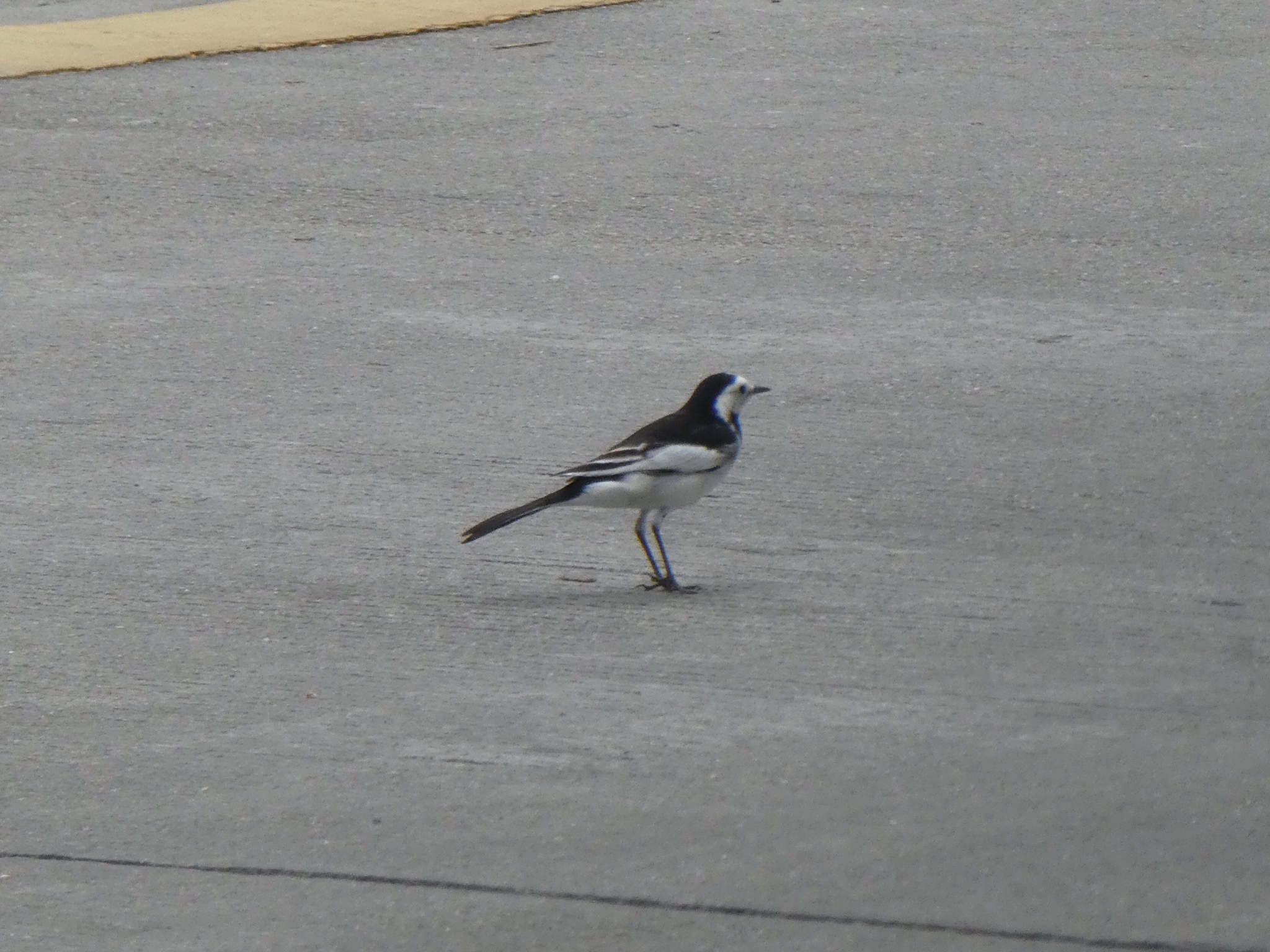
White Wagtail
Motacilla alba
白鹡鸰
Introduction
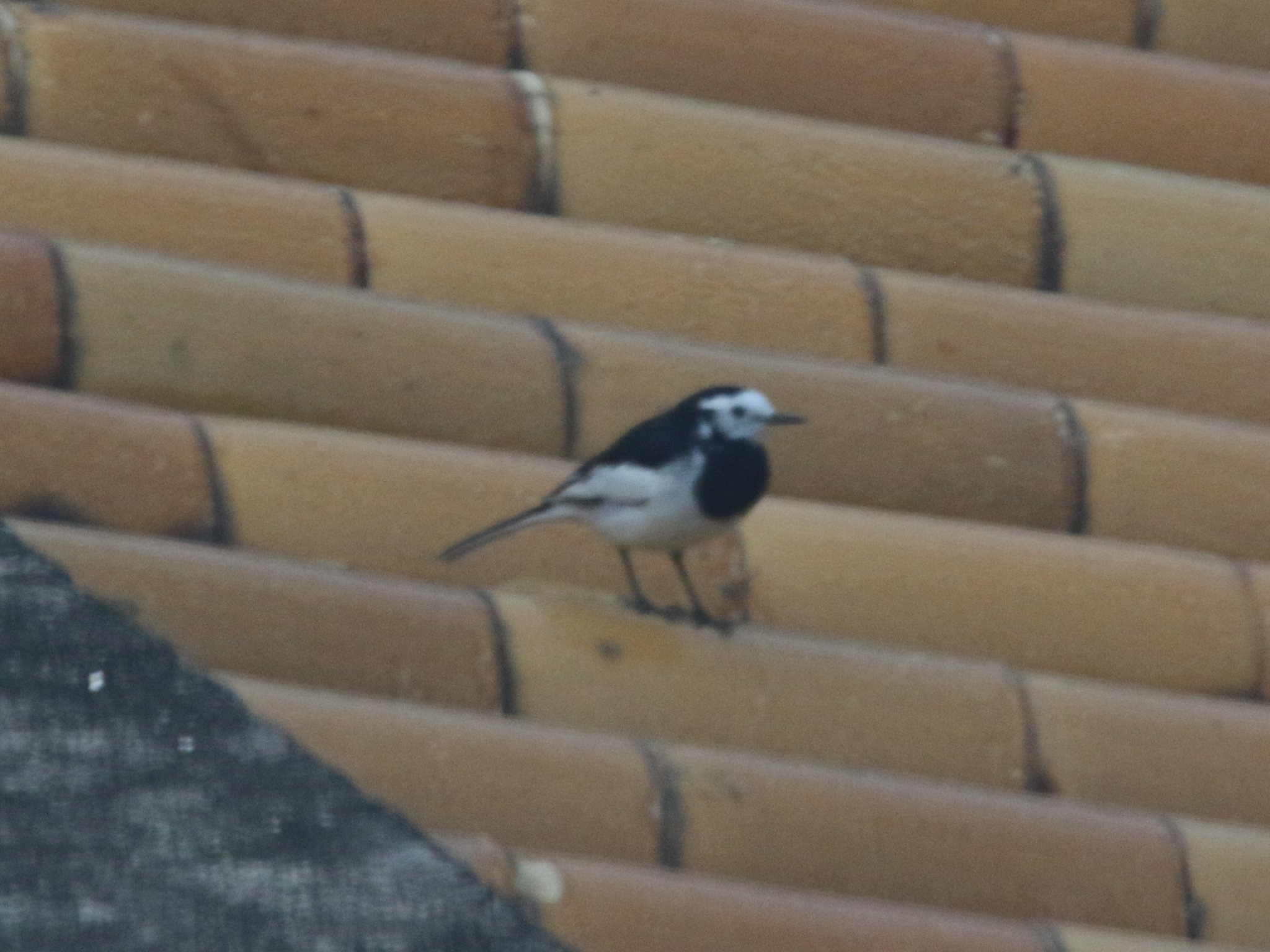
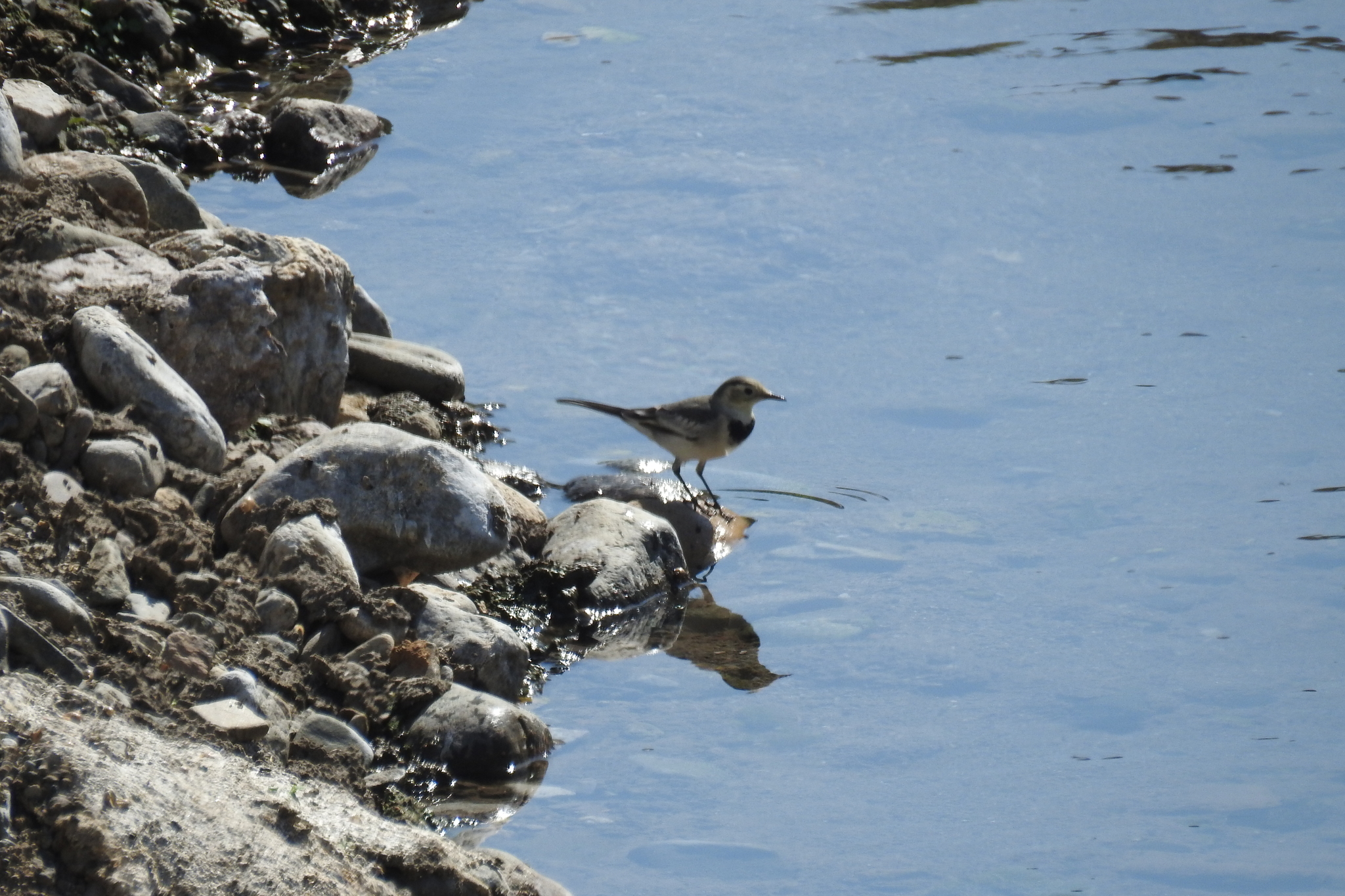
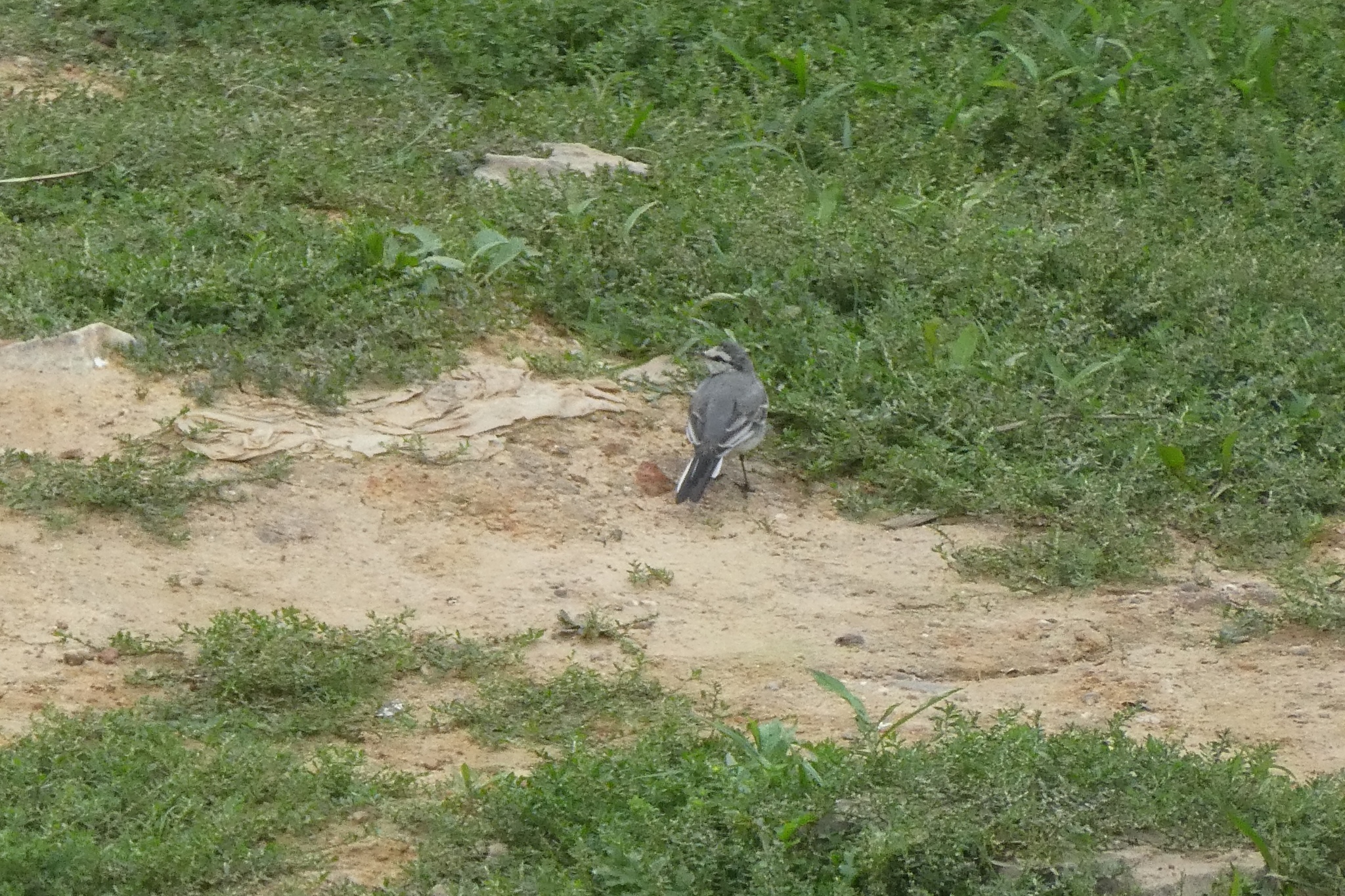
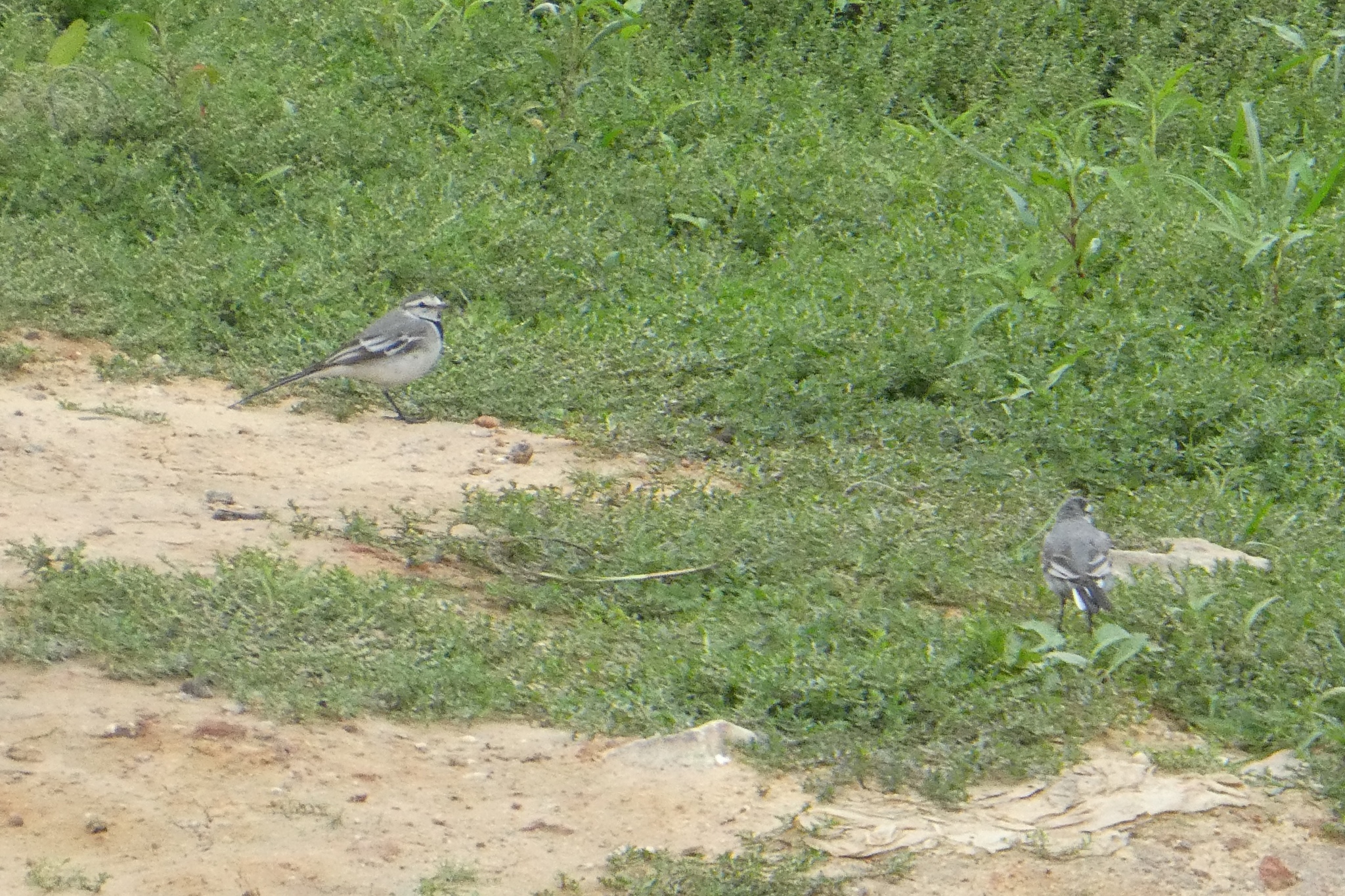
This passerine is distributed across much of Eurasia. It inhabits open country, particularly areas near human settlements and water sources, and has adapted well to urban environments. It forages on the ground in bare areas and paved surfaces, and nests in crevices within stone walls and buildings. The diet is insectivorous. Northern populations are migratory. The species is characterized by tail-wagging behavior and black-and-white plumage.
Description
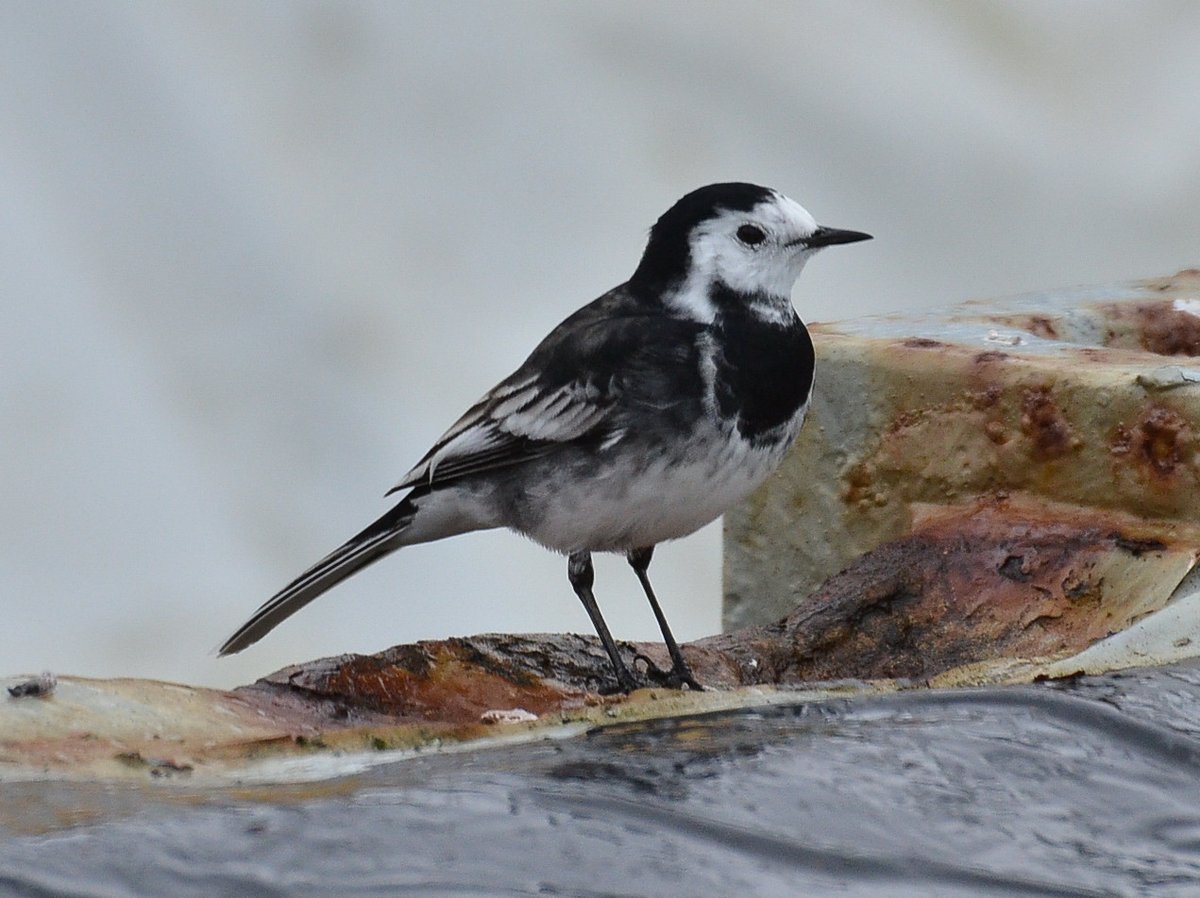
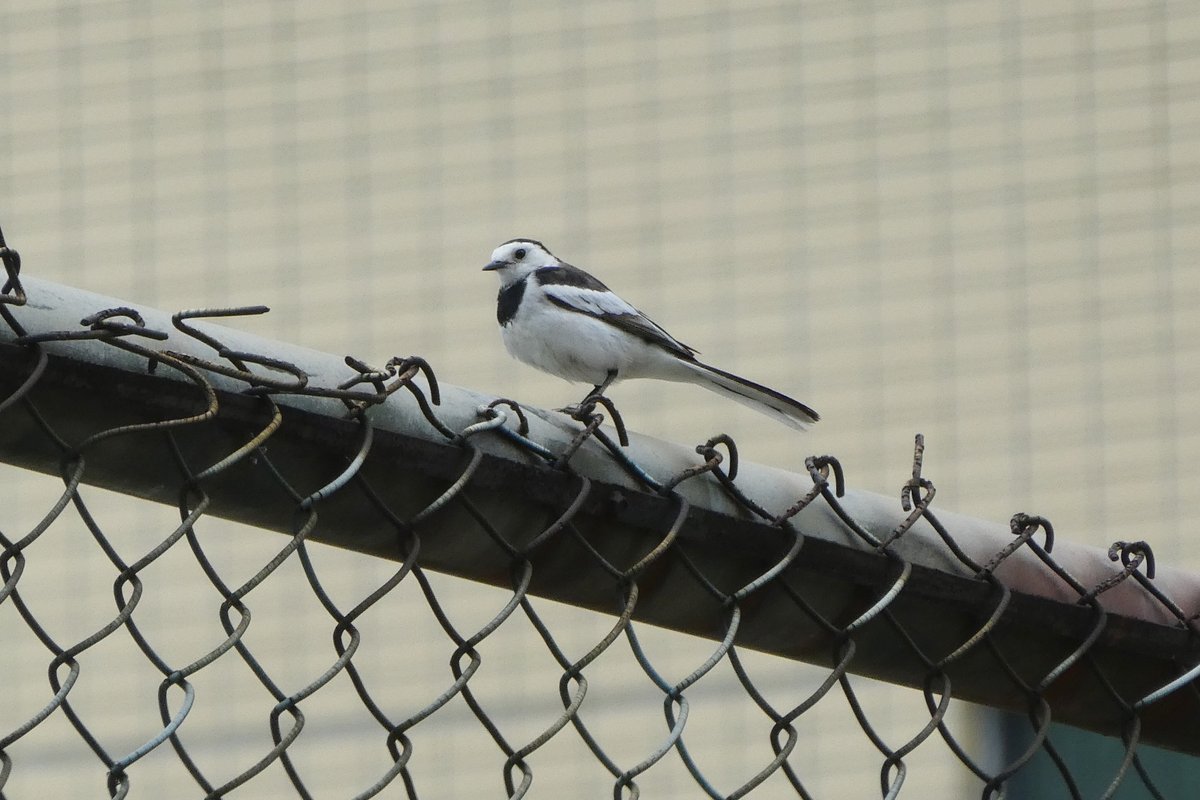
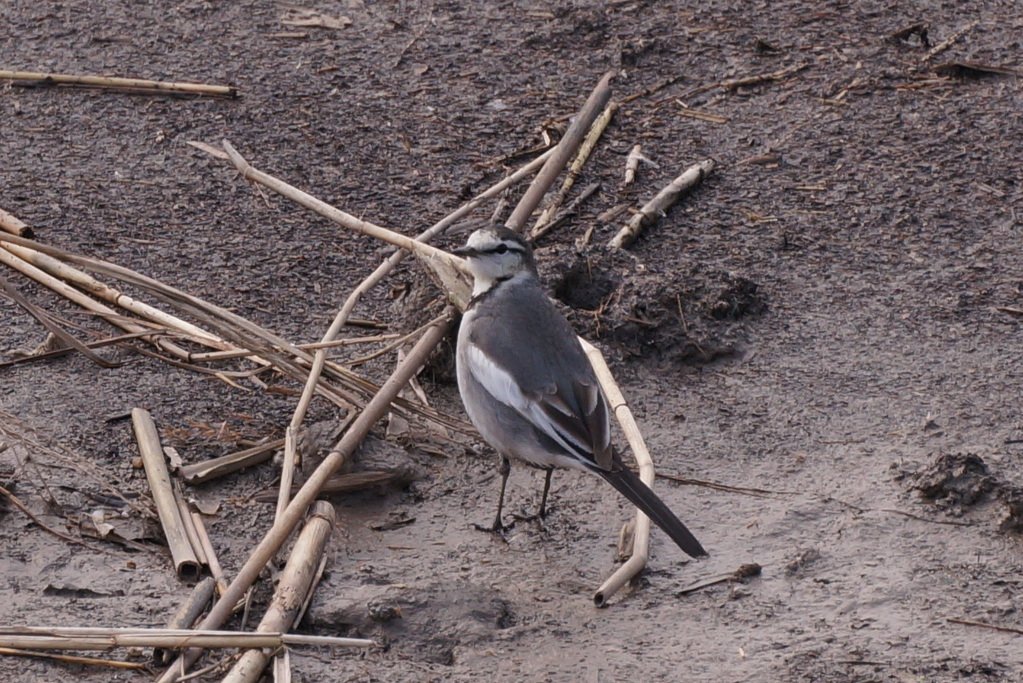
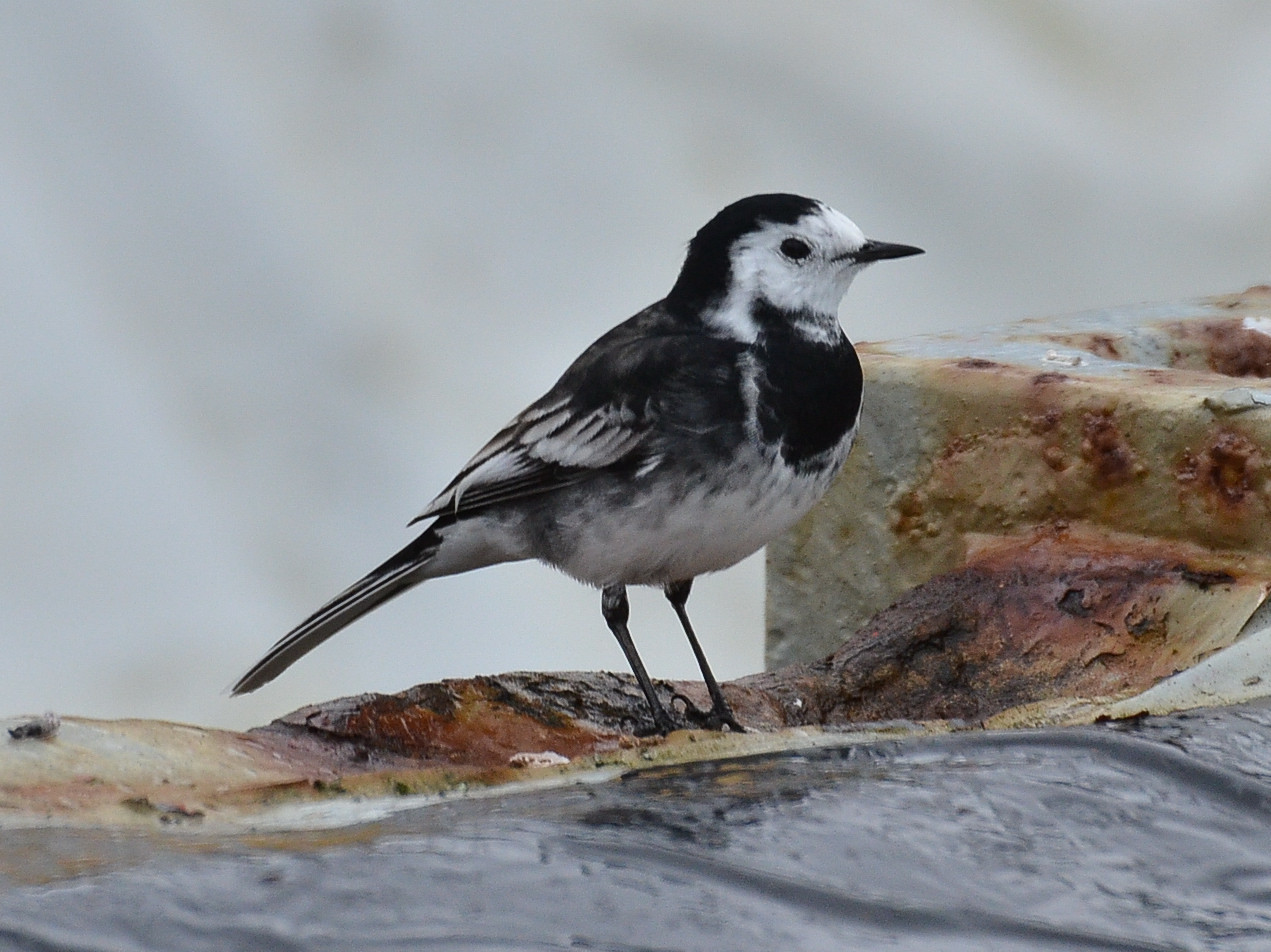
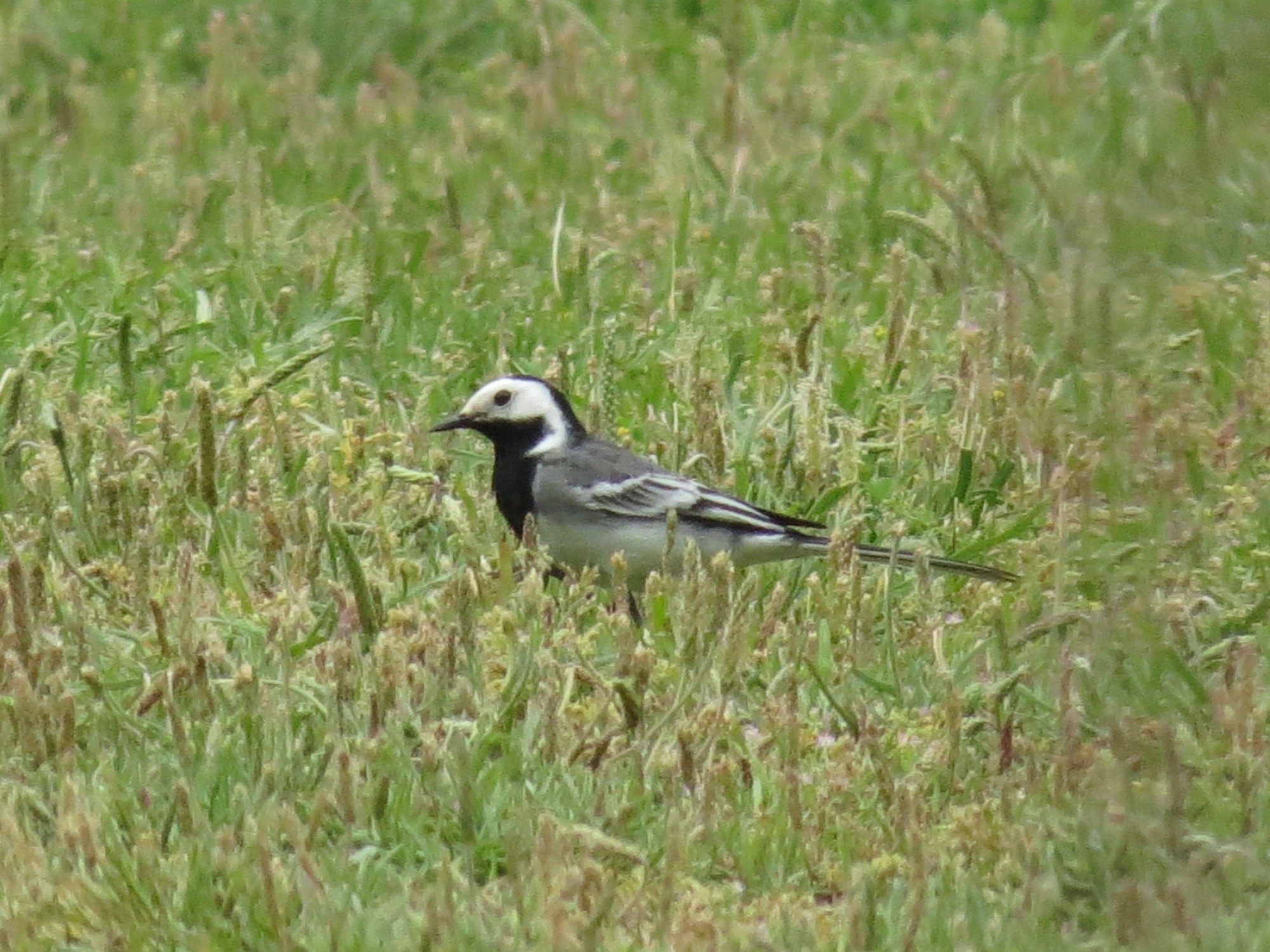
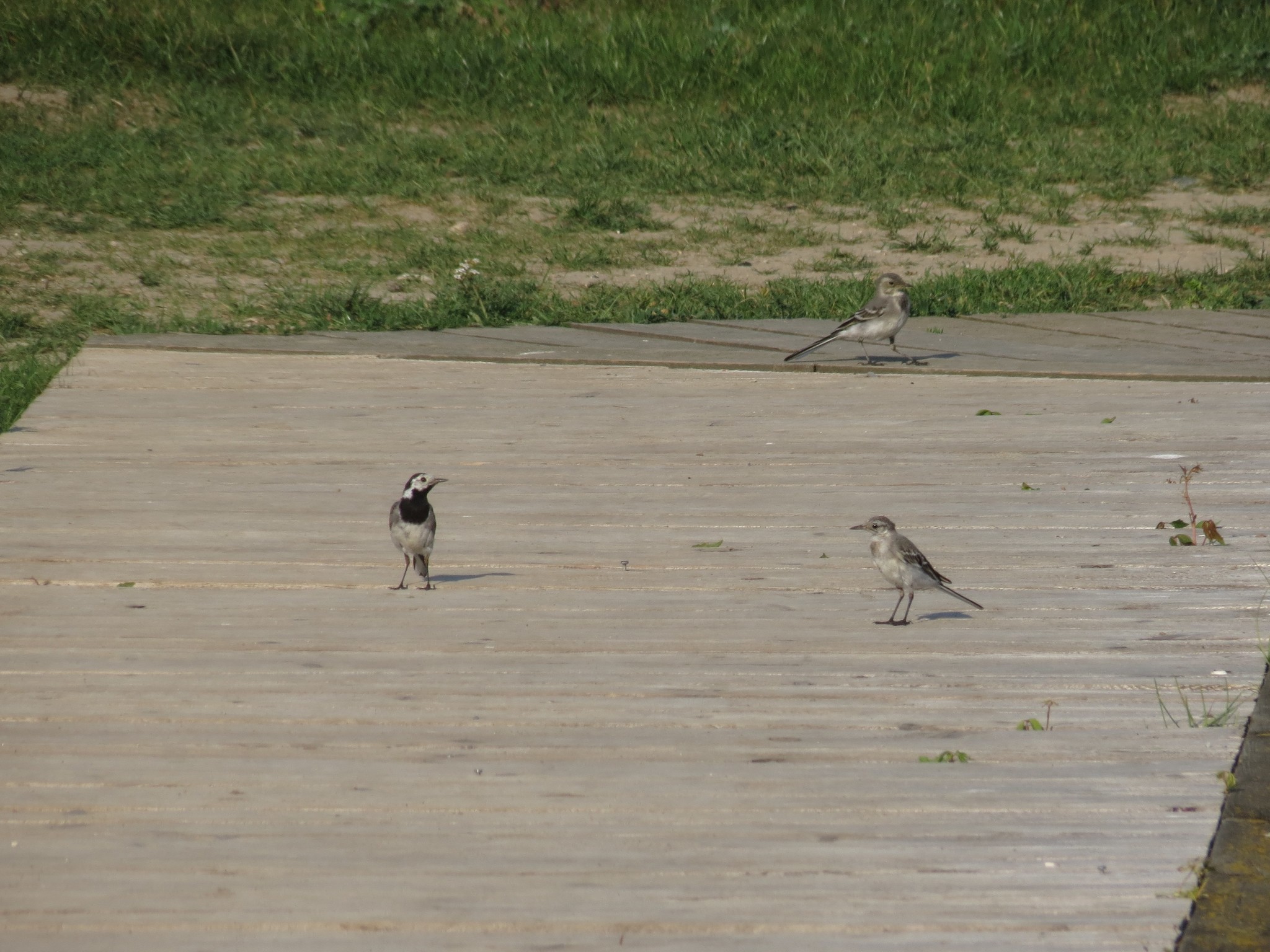
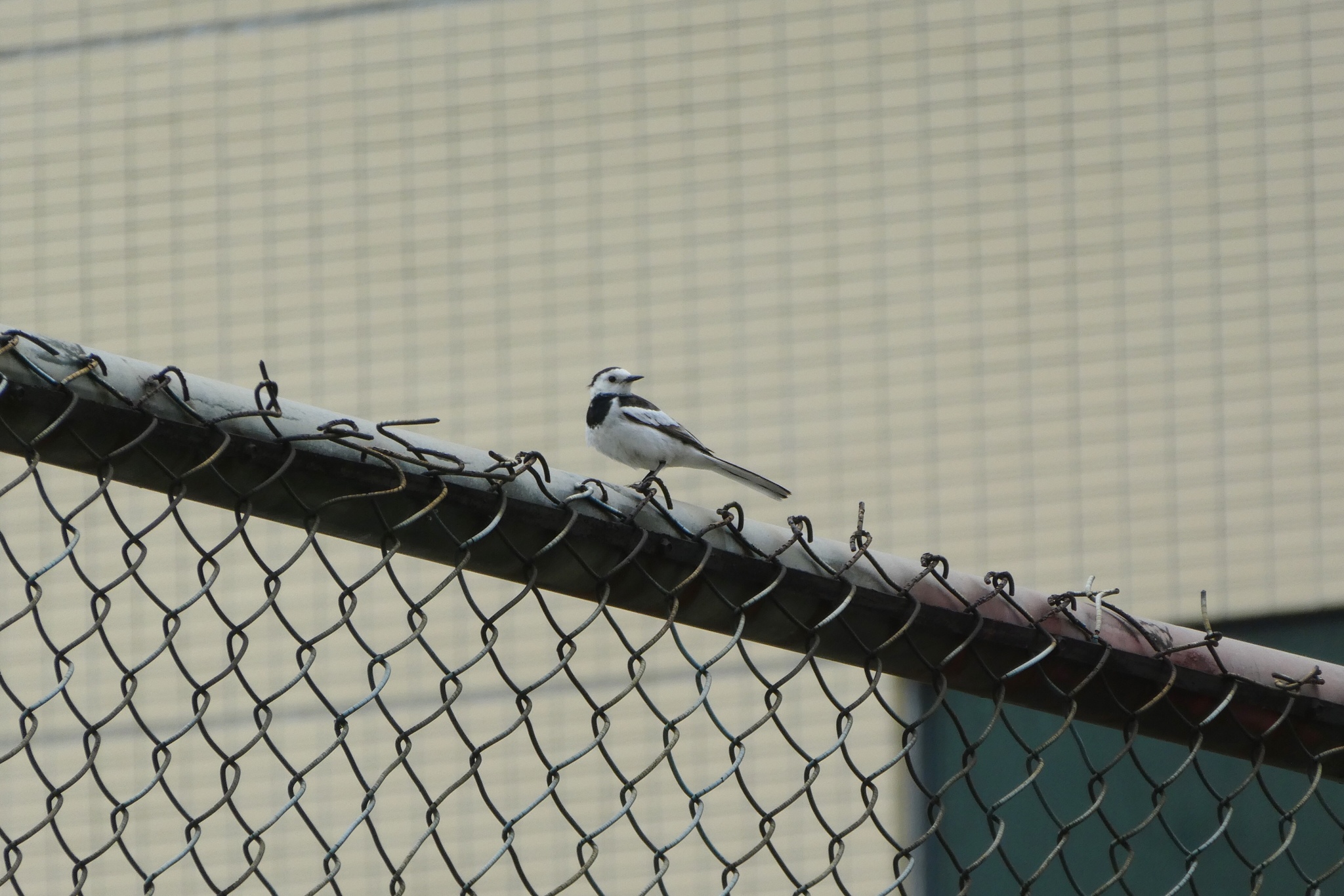
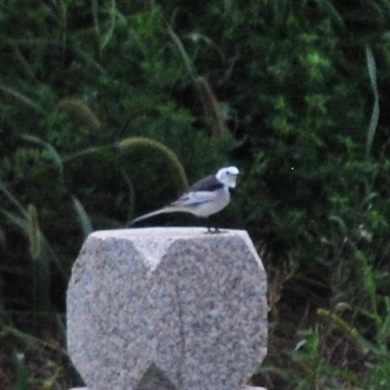
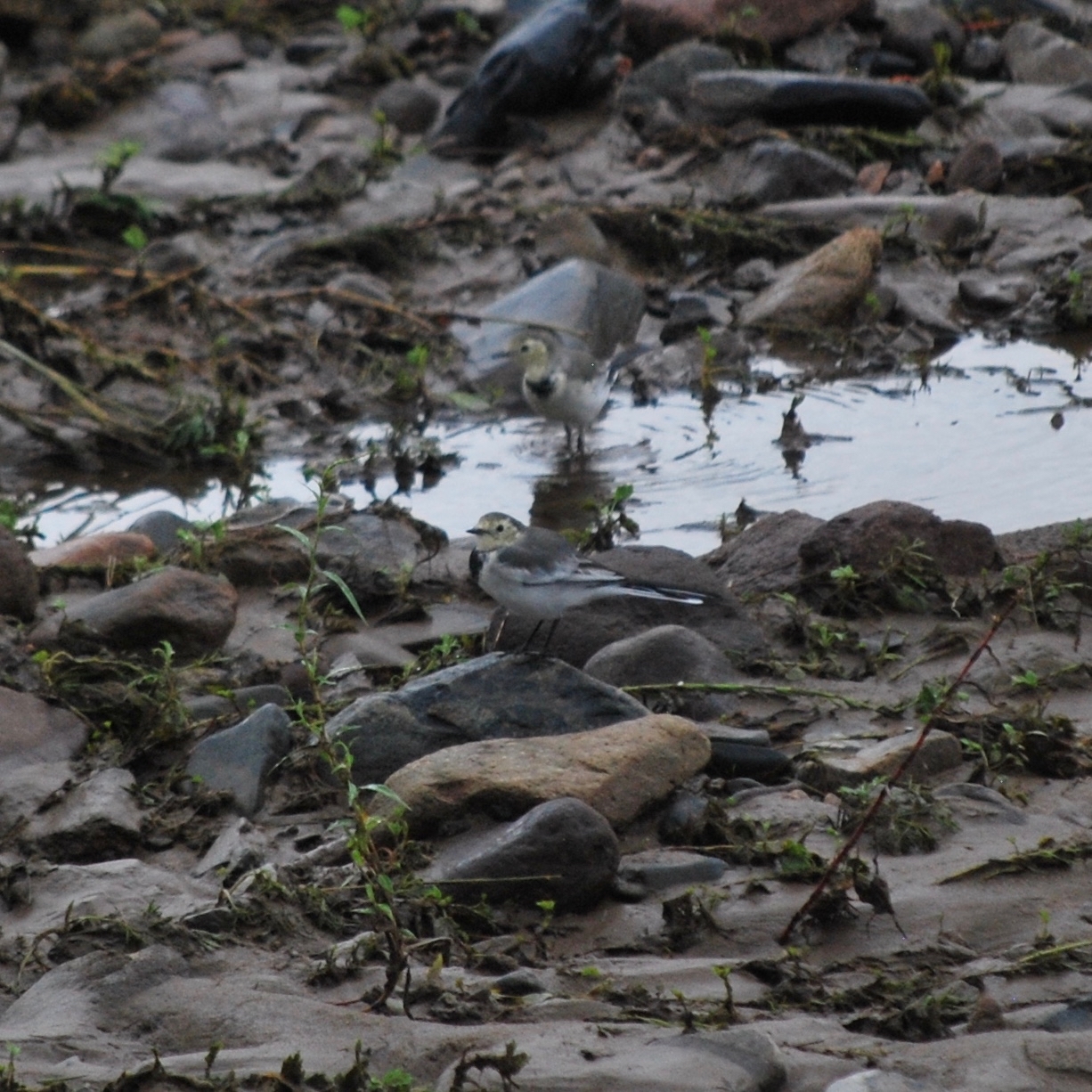
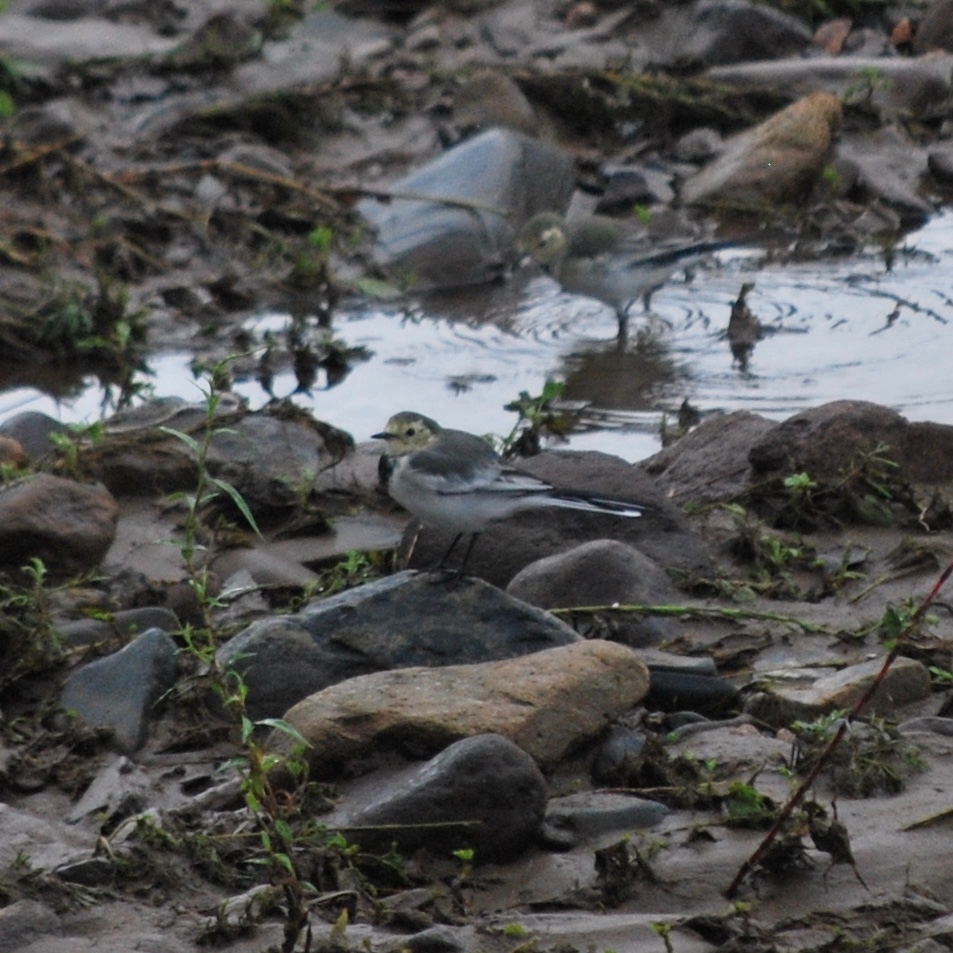
This slender bird measures 16.5 to 19 cm in length, with East Asian subspecies reaching up to 21 cm. It weighs around 25 g on average and can live up to 12 years in the wild. The most distinctive feature is its long, black tail with white outer feathers, which it wags almost constantly. The nominate subspecies shows a pale grey back and wings with a black cap, white face, and black throat and chest. The British and Irish subspecies, the pied wagtail, differs significantly: males have a black back replacing the grey, while females and juveniles show dark grey upperparts. Other subspecies vary in wing, back, and head coloration, with some populations displaying sexual dimorphism during breeding season.
Identification
The sharp chissick call, softer than that of the pied wagtail, is a reliable identifier in the field. The song is more regular than the pied wagtail's but has little territorial significance. During winter, multiple subspecies may congregate in India and Southeast Asia, where identification becomes challenging—up to six different forms may be present. The black-backed wagtail of East Asia may warrant species status and shows distinctive black upperparts. Field marks to focus on include back coloration, throat pattern, and wing panel coloration, though these can be complicated by seasonal plumage changes during the pre-basic moult.
Distribution & Habitat
This species breeds across Eurasia from Ireland and western Europe to the Russian Far East, reaching latitudes of 75°N except in the Arctic where July temperatures stay below 4°C. It also breeds in Morocco's mountains and has a small foothold in western Alaska. While populations in western Europe and the Mediterranean are resident, northern European birds migrate to winter around the Mediterranean and in tropical Africa. Asian populations move to the Middle East, India, and Southeast Asia, with North American breeders wintering in tropical Asia. The species occupies diverse open habitats but avoids deserts, showing particular affinity for areas near water and human settlements.
Behavior & Ecology
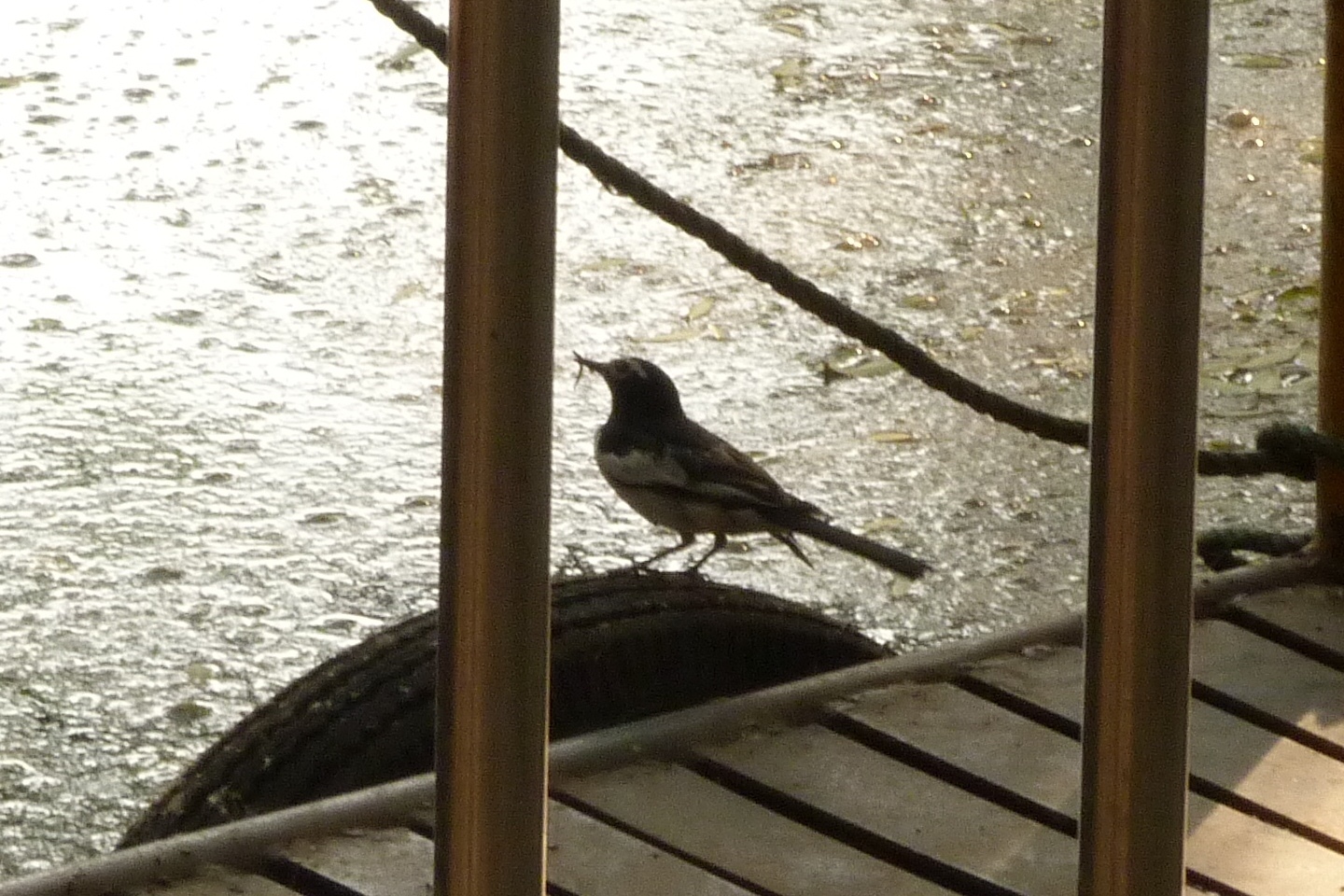
The near-constant tail wagging that gives this bird its name remains somewhat enigmatic, though research suggests it may signal vigilance to predators rather than flush prey. It feeds primarily on terrestrial and aquatic insects including beetles, dragonflies, flies, spiders, worms, and crustaceans, occasionally taking small fish fry. Breeding season spans April to August, with pairs being monogamous and territorial. Both sexes build the nest, a rough cup of twigs, grass, and plant matter lined with soft materials including animal hair, placed in crevices in walls, bridges, or buildings. Three to eight cream-colored eggs, heavily spotted with reddish brown, are incubated by both parents for about 12-16 days, and chicks fledge after 12-15 days.
Conservation
With an estimated global population of 130 to 230 million individuals and a range exceeding 10 million square kilometers, this species is classified as Least Concern by the IUCN. Population trends remain unquantified but are not believed to approach decline thresholds. European populations appear stable. The species has adapted well to human-modified environments, exploiting buildings for nesting and paved areas for foraging. In some areas, however, birds are captured for sport collections, kept as cagebirds, or consumed as food. Climate change may be affecting migration timing, warranting continued monitoring.
Culture
This bird holds national significance for Latvia, where it serves as the national bird and features prominently in folk songs. The Latvian Ornithological Society uses it in their logo. Its image has appeared on postage stamps from numerous countries including Bahrain, Belarus, Belgium, Finland, Georgia, Hong Kong, Hungary, Iceland, Iran, Ireland, Israel, Jersey, Kuwait, Latvia, Norway, Poland, the United Kingdom, and Vietnam.
Source: Wikipedia · CC BY-SA 3.0
Taxonomy
- Order
- Passeriformes
- Family
- Motacillidae
- Genus
- Motacilla
- eBird Code
- whiwag
Subspecies (9)
-
Motacilla alba alba
breeds southeastern Greenland, Iceland, and the Faroe Islands eastward through continental Europe to the Ural Mountains, the Caucasus, Middle East, and central Asia; winters to Africa, Arabia, and southwestern and southern Asia
-
Motacilla alba alboides
breeds Himalayas, southern China, northern Myanmar, northern Laos, and northern Vietnam; winters to northern Thailand
-
Motacilla alba baicalensis
breeds south-central Siberia to Mongolia and northeastern China; winters northeastern India to central Indochina
-
Motacilla alba leucopsis
breeds central and eastern China, Russian Far East, Korea, and southwestern Japan; winters to northern India and southern Asia
-
Motacilla alba lugens
breeds southeastern Russia to northern Korea and Japan; winters Myanmar to southeastern China
-
Motacilla alba ocularis
breeds northern Siberia and western Alaska; winters from northeastern India and China southward to Philippines, the Malay Peninsula, and Borneo
-
Motacilla alba personata
breeds central Siberia to northwestern Mongolia, northern Iran, Afghanistan, and northern India; winters in Iran and Afghanistan eastward to Bangladesh and southern Nepal
-
Motacilla alba subpersonata
western Morocco
-
Motacilla alba yarrellii
breeds Britain, Ireland, and adjacent coastal western continental Europe; winters to northwestern Africa
Data Sources
Species description from Wikipedia, licensed under CC BY-SA 3.0.
Bird images and sounds sourced from GBIF, contributed by citizen scientists worldwide under Creative Commons licenses.
Taxonomy data from AviList 2025.