Passeriformes / Muscicapidae / Monticola
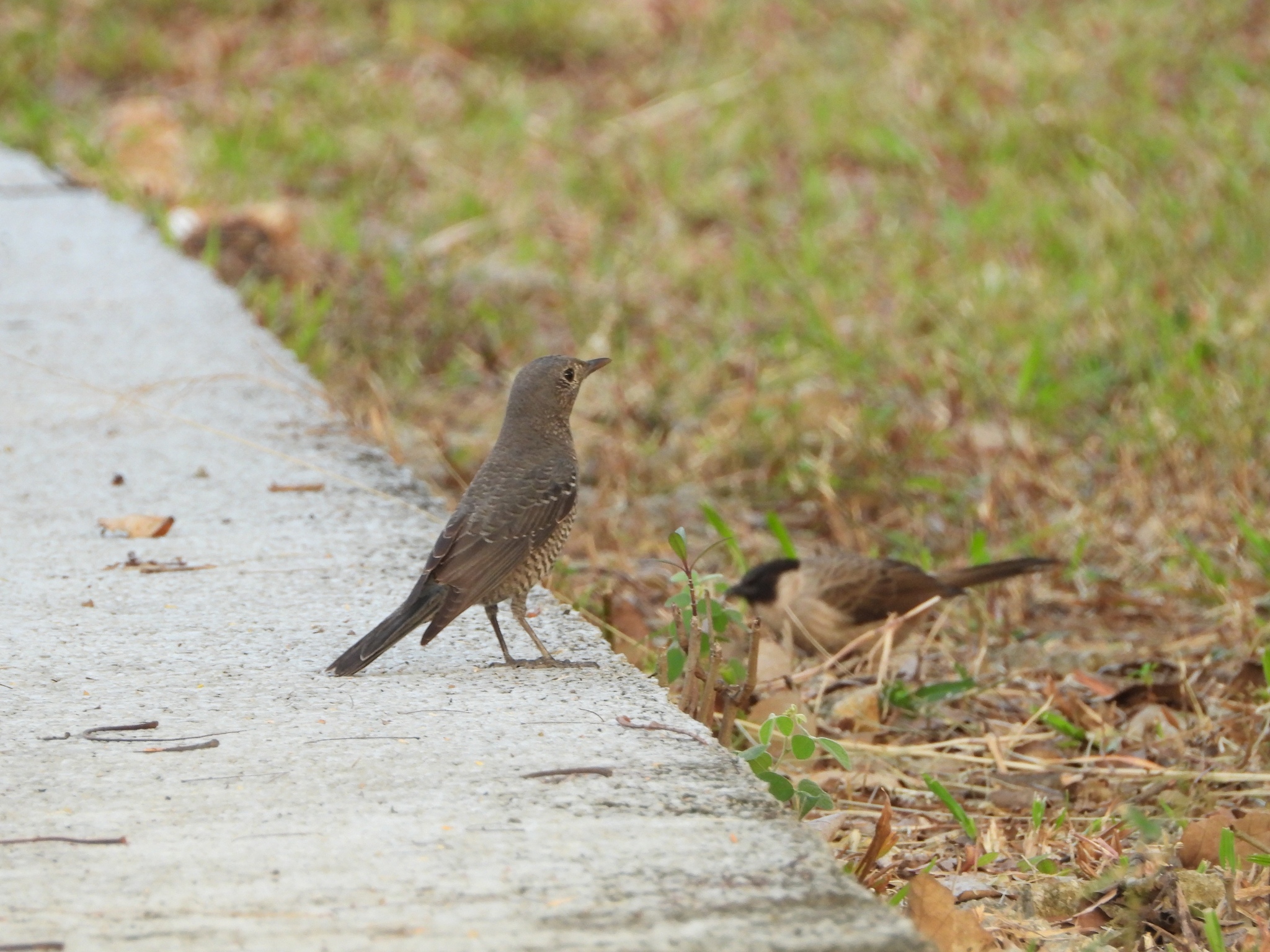
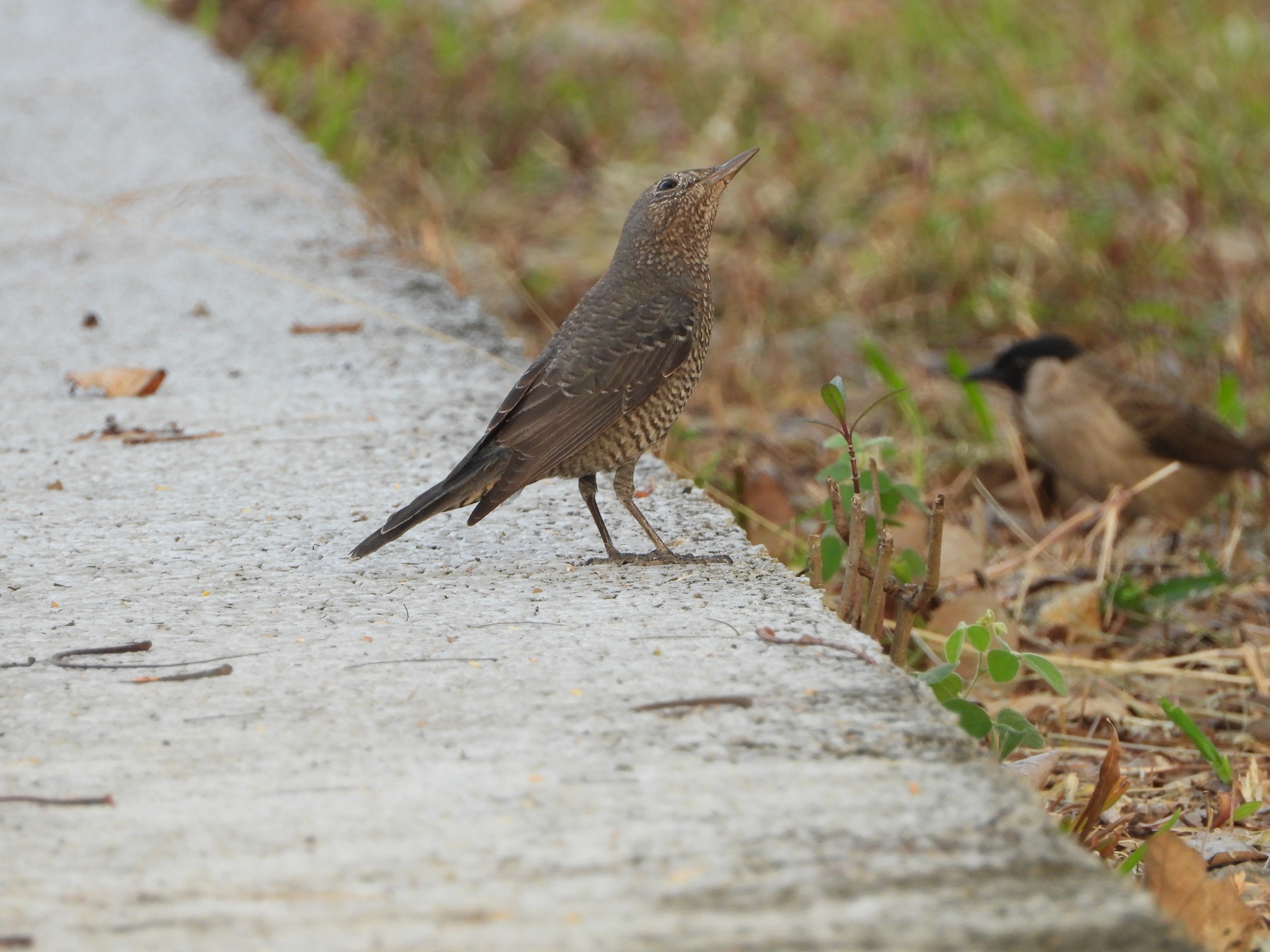
Blue Rock Thrush
Monticola solitarius · 蓝矶鸫
Introduction
A chat-like Old World flycatcher formerly placed in the family Turdidae, now classified within Muscicapidae. It breeds across southern Europe, northwest Africa, Central Asia, northern China, and Malaysia. The species exhibits altitudinal movements in some regions and long-distance migration in others, with a strong preference for rocky habitats though urban nesting has been recorded.
Description
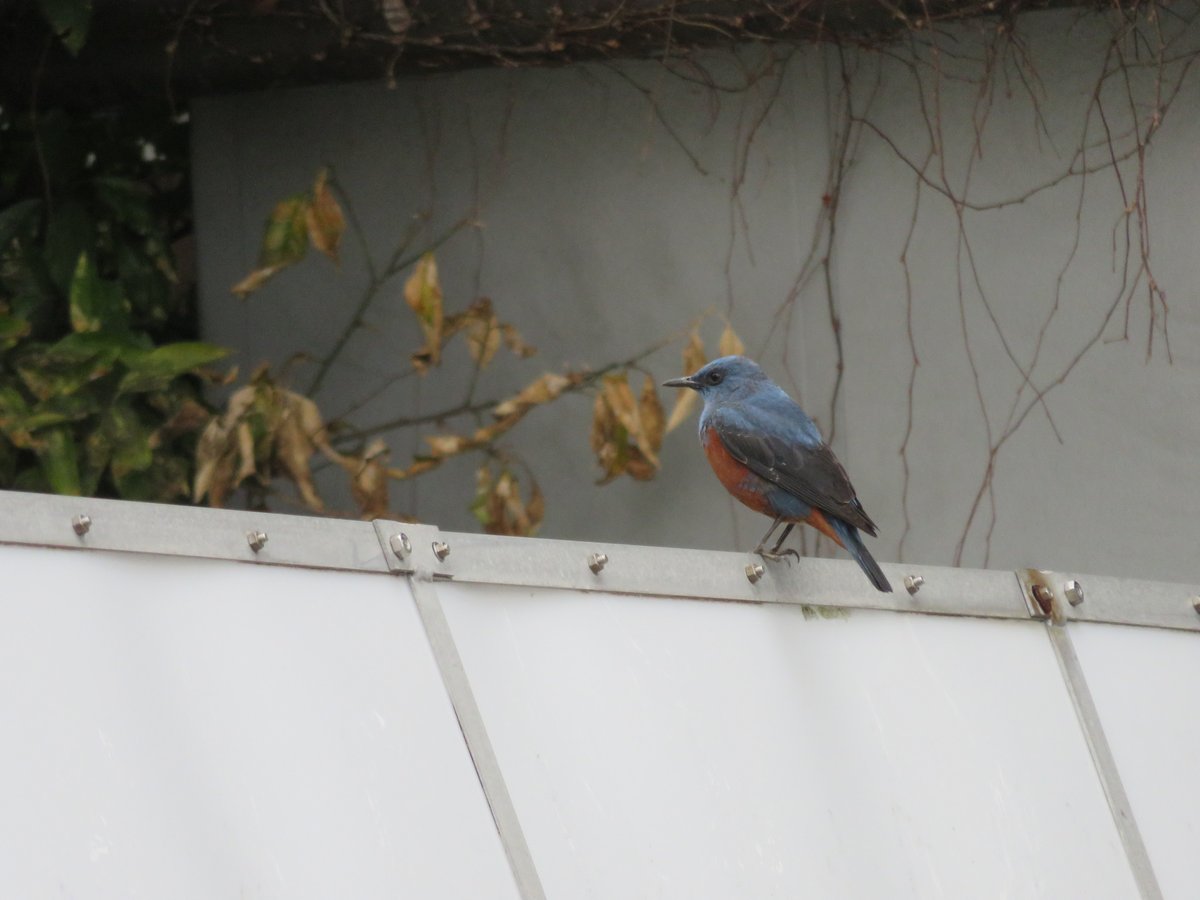
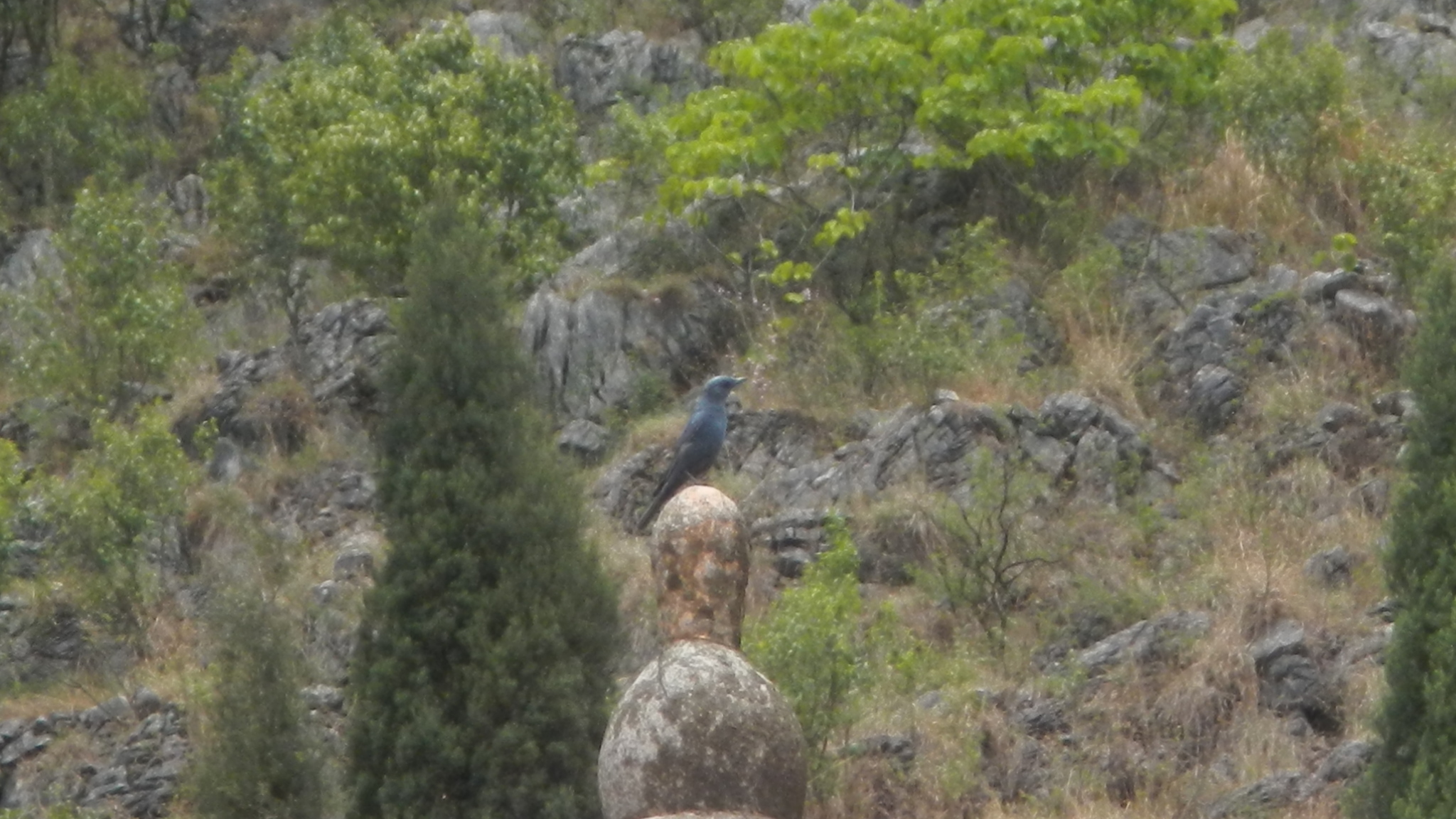
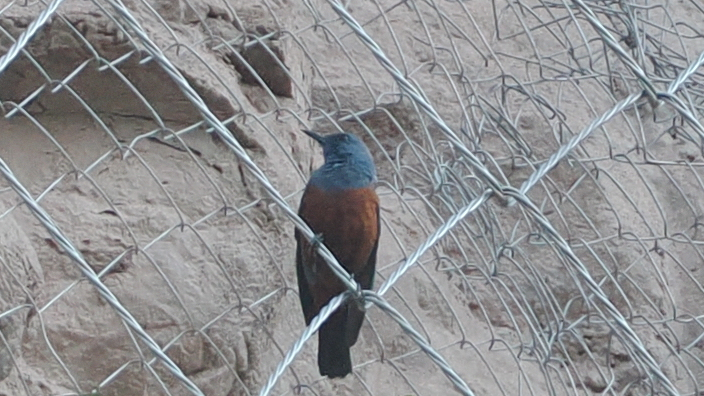
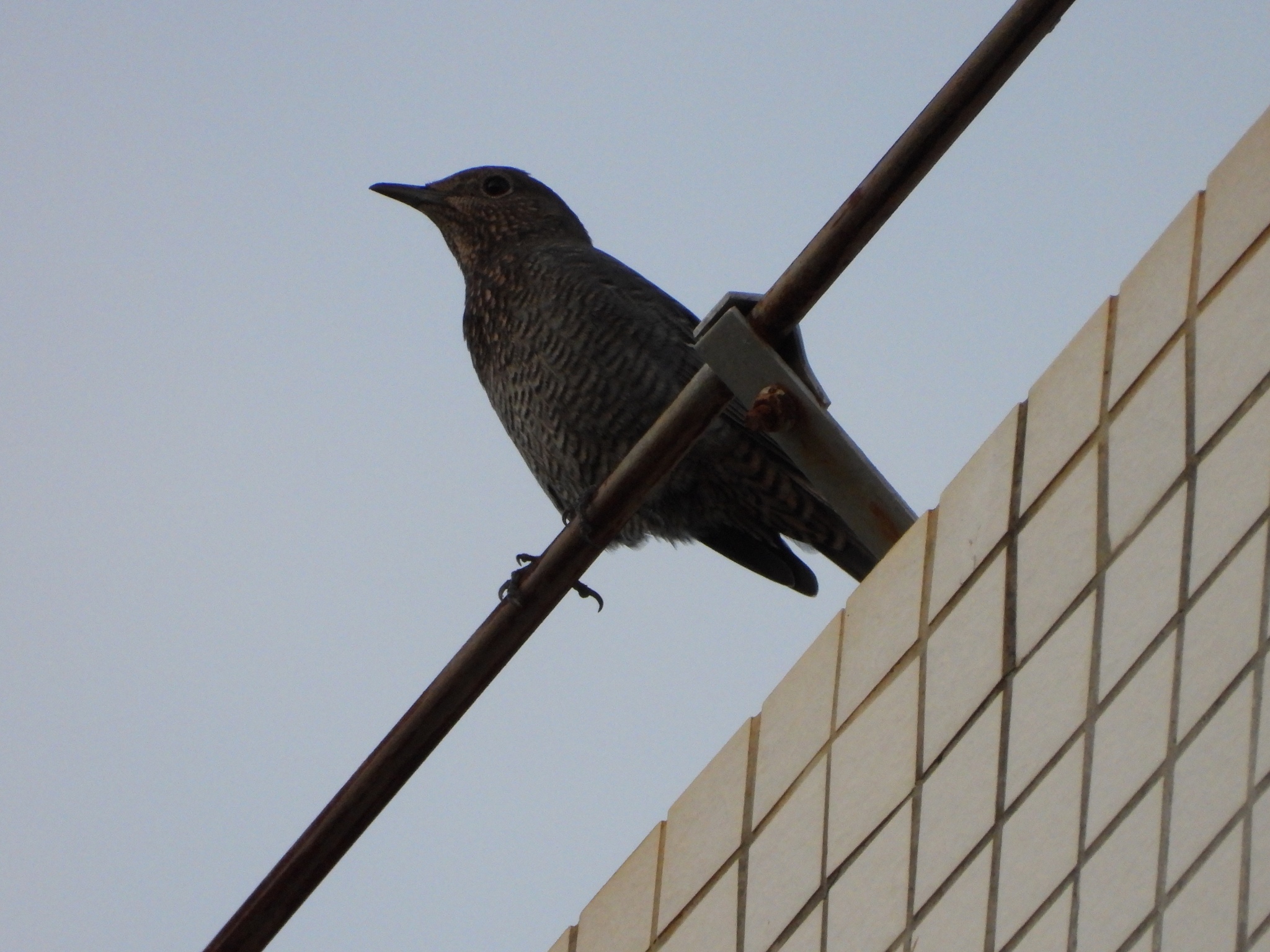
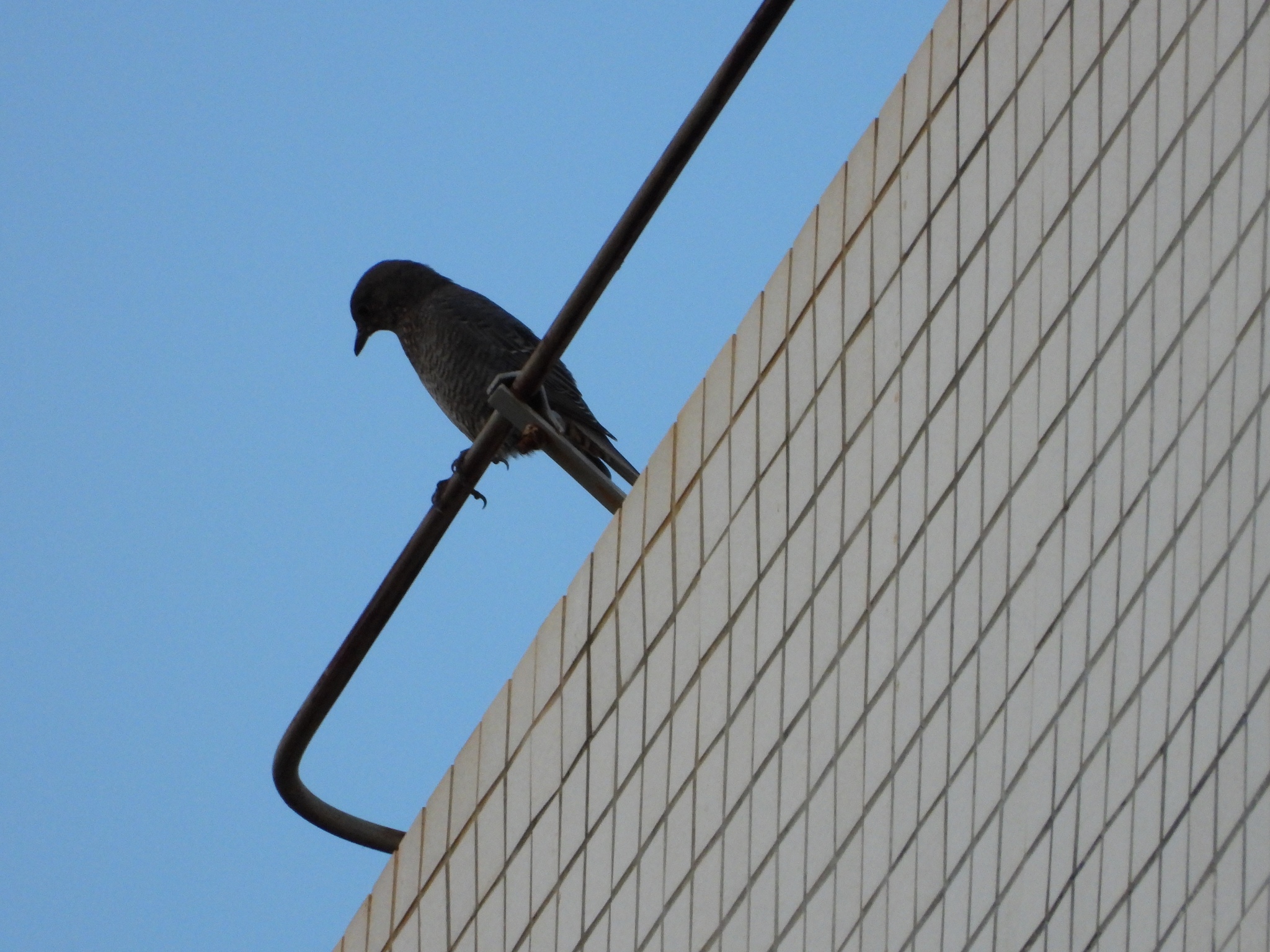
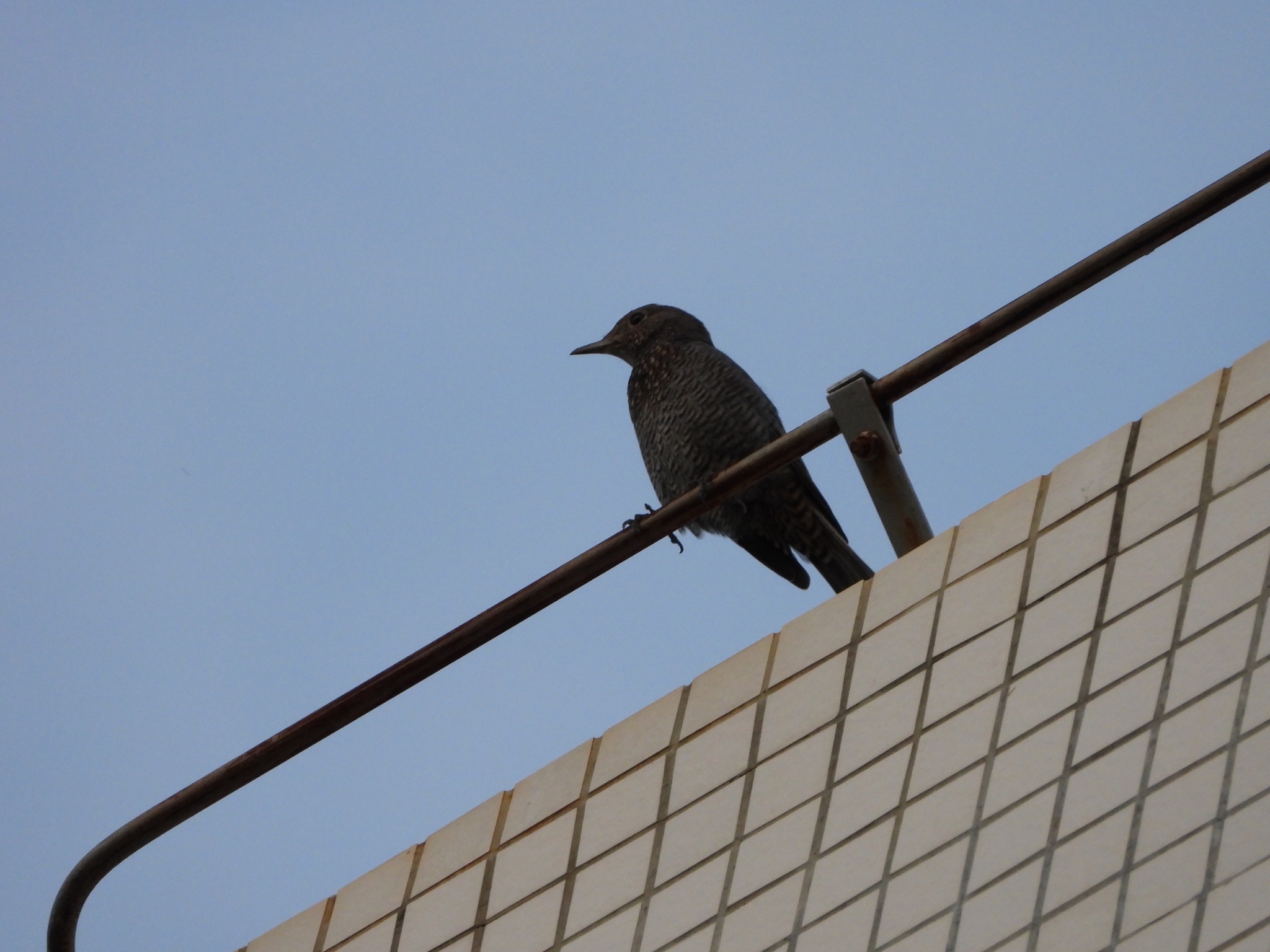
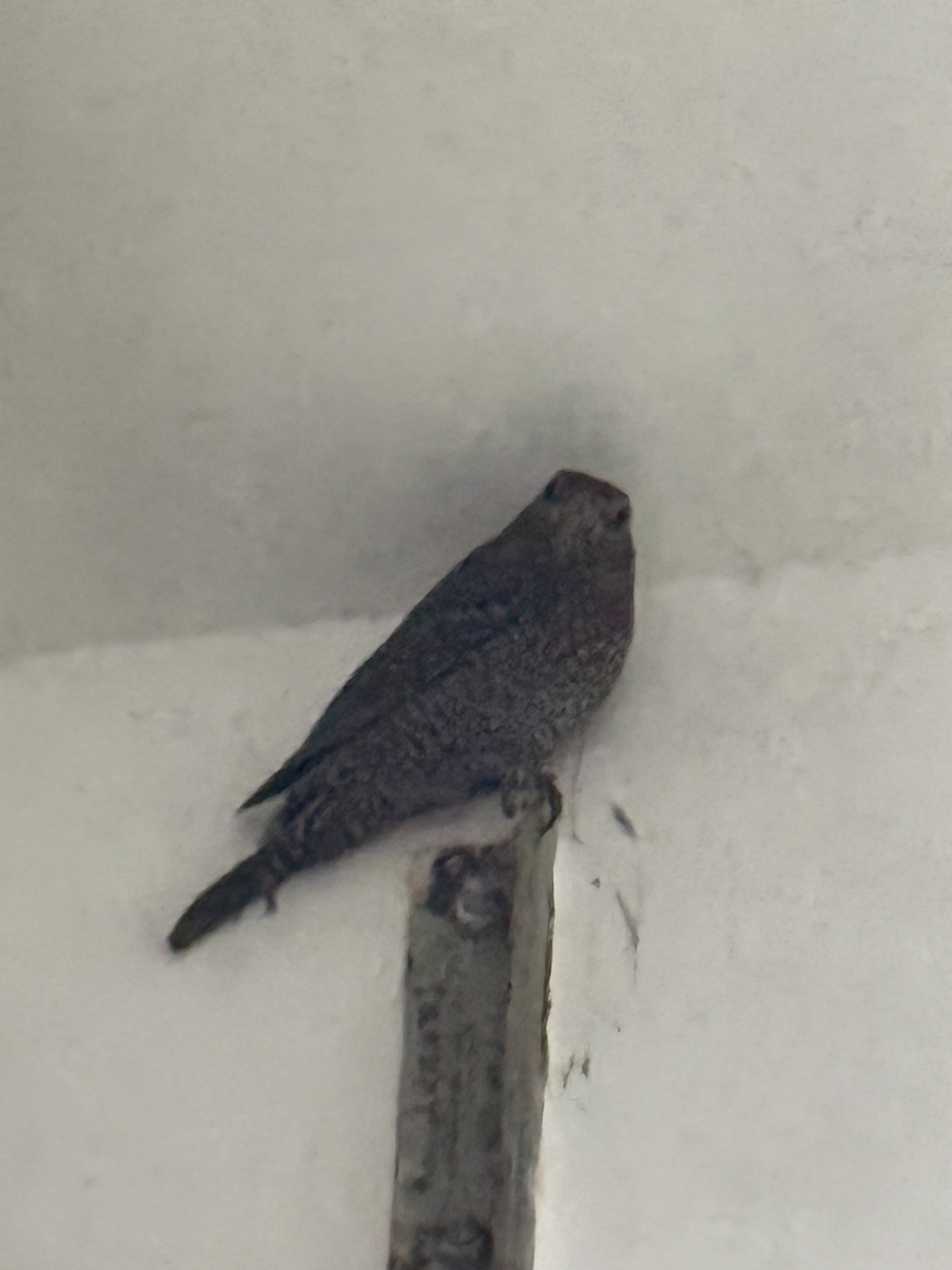
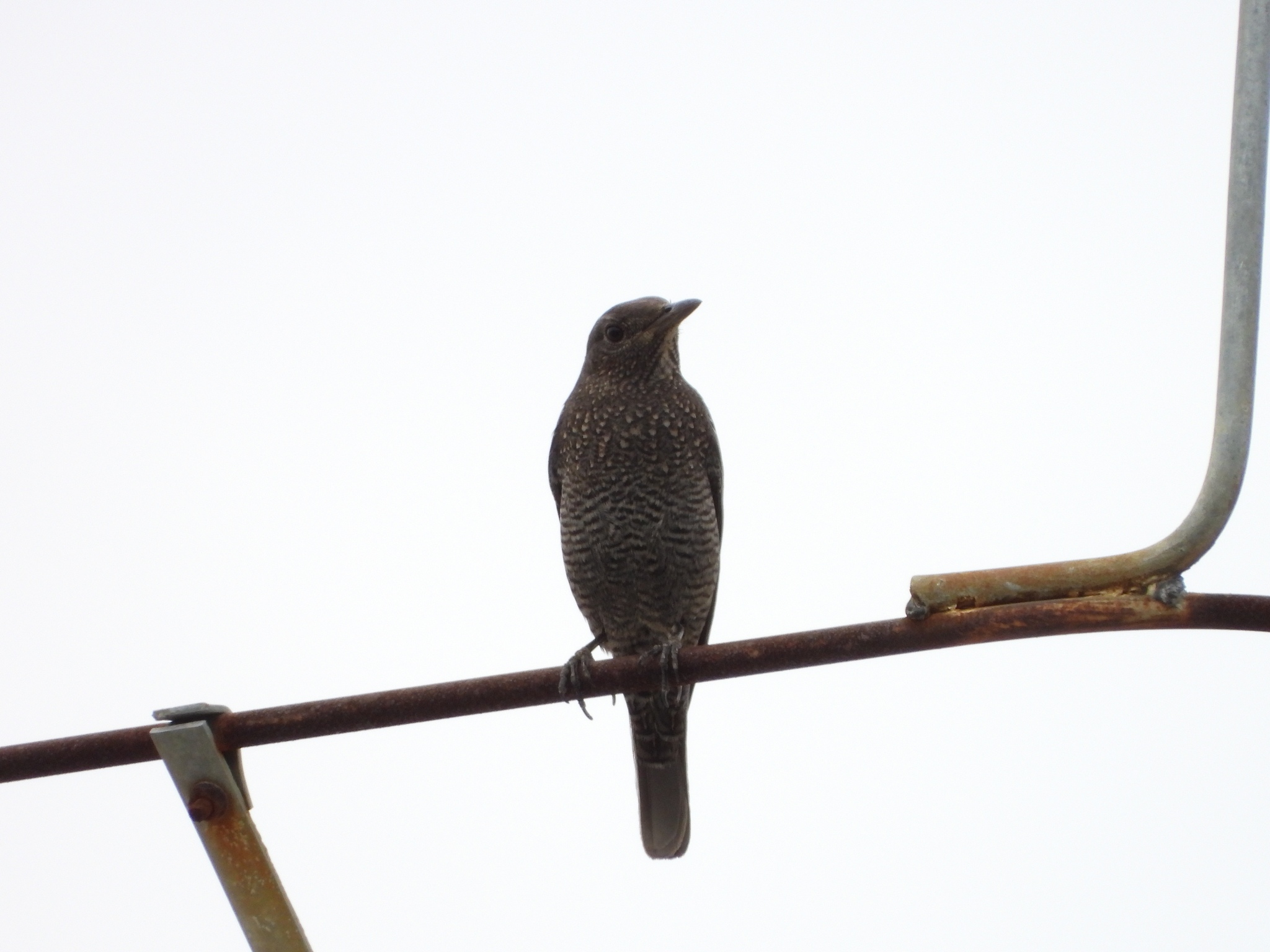
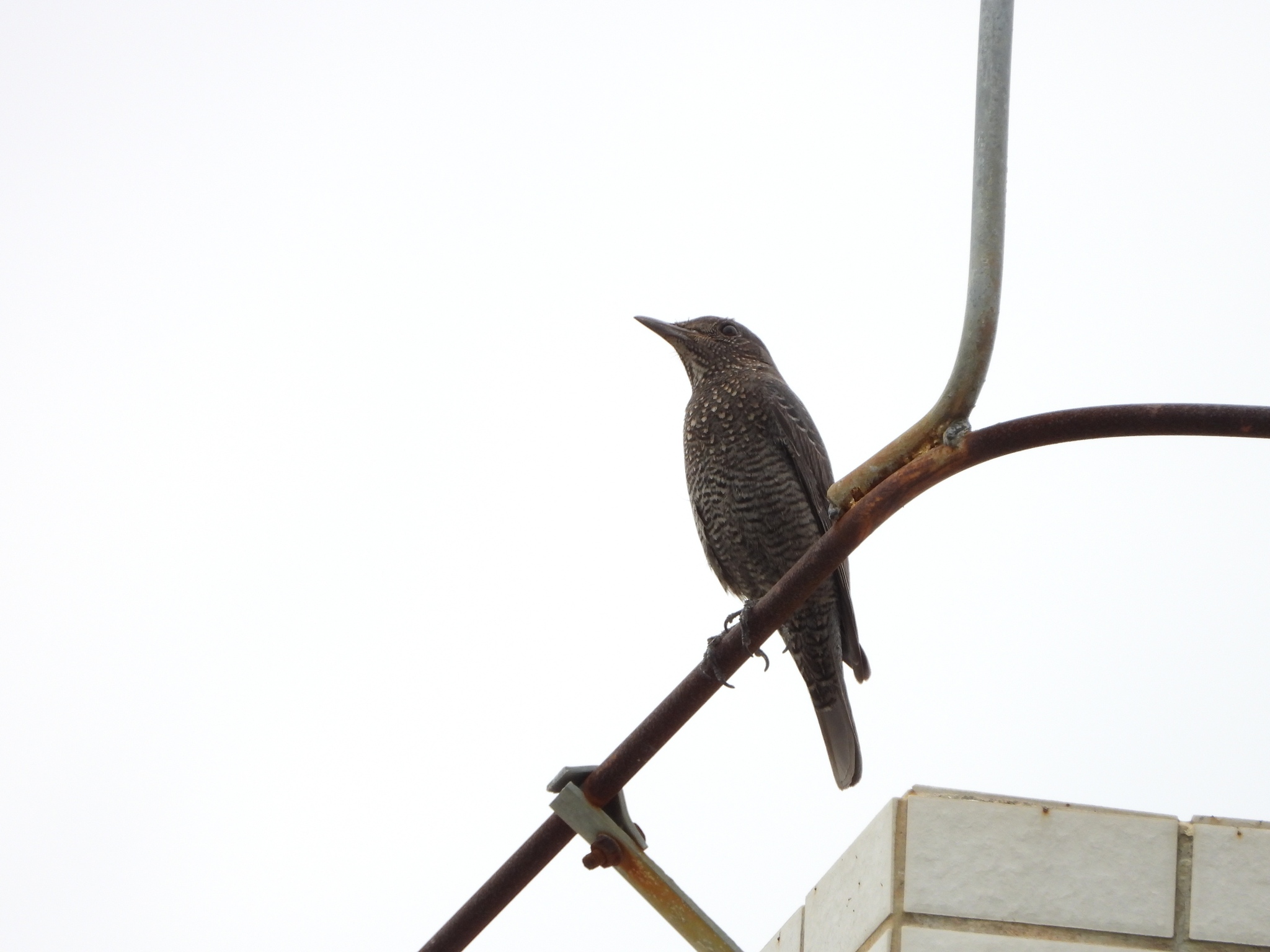
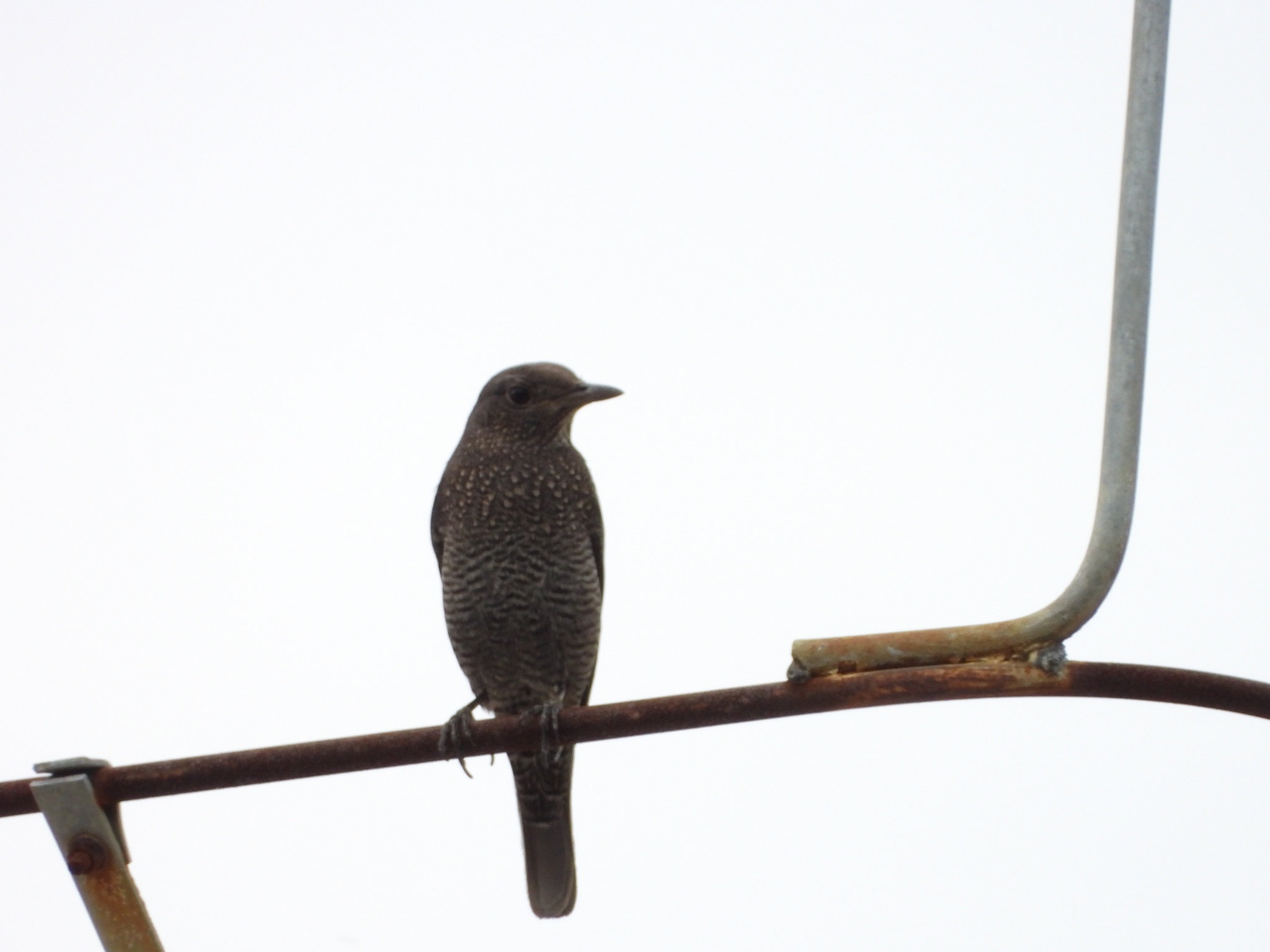
Starling-sized, 21–23 cm (8.3–9.1 in) in length, with a long slim bill. The breeding male of the nominate subspecies features all blue-grey plumage except for darker wings. Females and immatures have dark brown upperparts and paler brown scaly underparts. Males of the subspecies M. s. philippensis display rufous-chestnut plumage from the mid-breast to the undertail. Both sexes lack the reddish outer tail feathers found in the common rock thrush.
Identification
Distinguished from similar species by specific markings: unlike the blue-capped rock thrush, it lacks a bright blue head and chestnut belly; unlike the common rock thrush, it lacks a white back patch and chestnut belly. Vocalizations include a clear, melodious call louder than that of the common rock thrush, consisting of whistles, trills, and burry notes. Indonesian populations produce calls with fundamental frequencies around 1.6 kHz, durations between 200 and 1500 ms, and -10dB bandwidths of 900–1300 Hz.
Distribution & Habitat
Breeds in southern Europe, northwest Africa, Central Asia, northern China, and Malaysia. Five recognized subspecies occupy distinct ranges: M. s. solitarius (northwest Africa, south Europe, north Turkey to Georgia/Azerbaijan); M. s. longirostris (Greece, Turkey, Middle East, Himalayas, northeast Africa, India); M. s. pandoo (central Himalayas, east China, north Vietnam, Greater Sunda Islands); M. s. philippensis (east Mongolia, Sakhalin, Japan, north Philippines, northeast China, Indonesia); and M. s. madoci (Malay Peninsula, north Sumatra). European, north African, and southeast Asian populations are mainly resident with altitudinal movements; other Asian populations migrate to sub-Saharan Africa, India, and southeast Asia. Rare visitor to northern and western Europe. Recorded twice in North America: British Columbia (1997) and Oregon/Farallon Islands (2024).
Behavior & Ecology
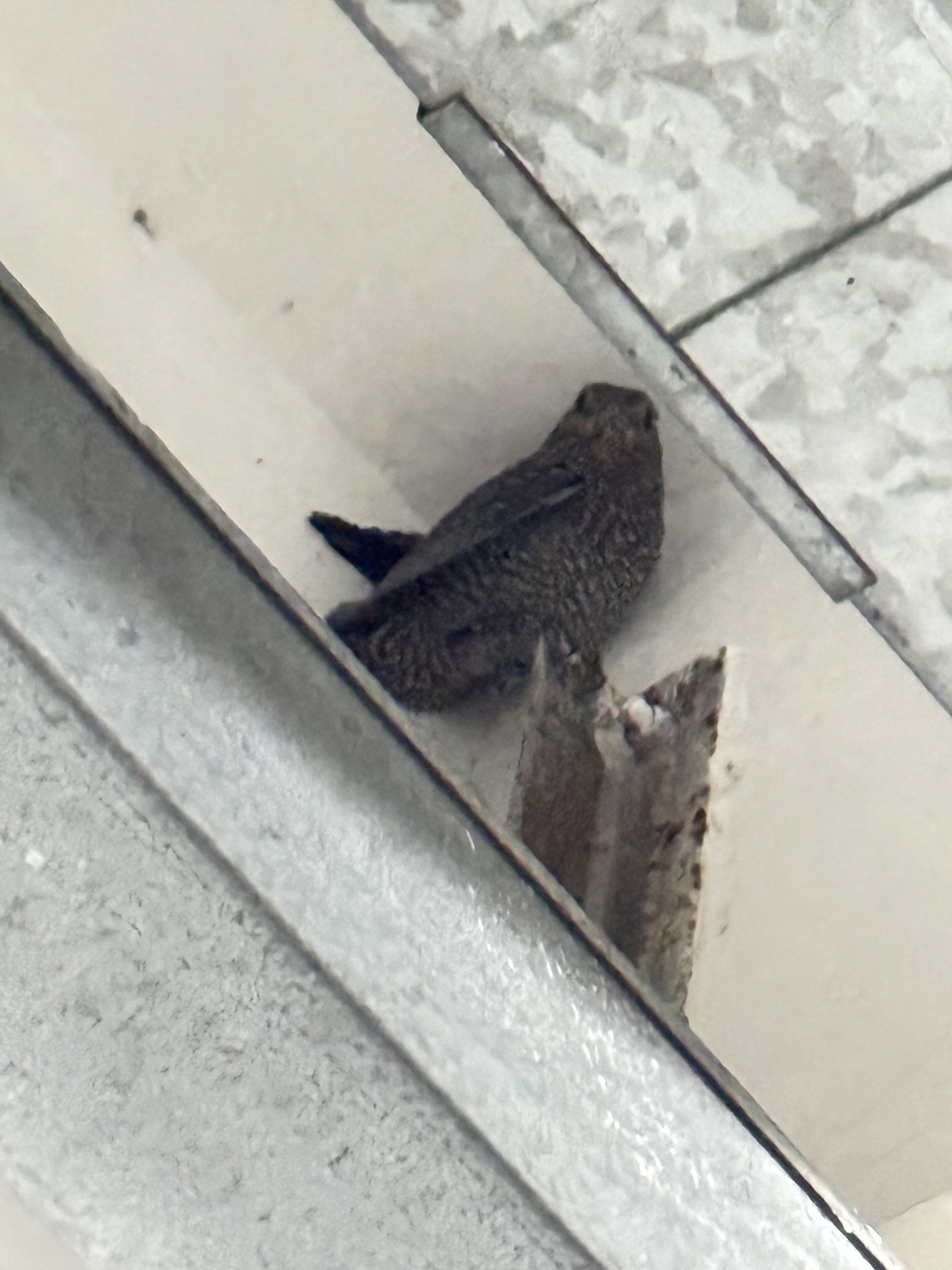
Breeds in open mountainous areas, typically nesting in rock cavities and walls, though urban nesting beneath residential roofs has been documented. Clutch size is usually 3–5 eggs. Omnivorous diet includes insects, small reptiles, berries, and seeds. Migratory populations on Hongdo Island, South Korea, show a breeding density of about 8 pairs per km² with individual territories averaging 2.87 hectares, showing strong preference for exposed rock faces.
Culture
Official national bird of Malta since 1971, known locally as Merill. Featured on former Lm 1 coins. Deeply embedded in Maltese culture, inspiring place names, songs, stamps, cartoons, poems, literature, and expressions regarding talkativeness.
Source: Wikipedia · CC BY-SA 3.0
Taxonomy
- Order
- Passeriformes
- Family
- Muscicapidae
- Genus
- Monticola
Subspecies (5)
-
Monticola solitarius longirostris
breeds northern Iraq and Iran to Pakistan; winters to northern India and northeastern Africa
Data Sources
Species description from Wikipedia, licensed under CC BY-SA 3.0.
Bird images and sounds sourced from GBIF, contributed by citizen scientists worldwide under Creative Commons licenses.
Taxonomy data from AviList 2025.