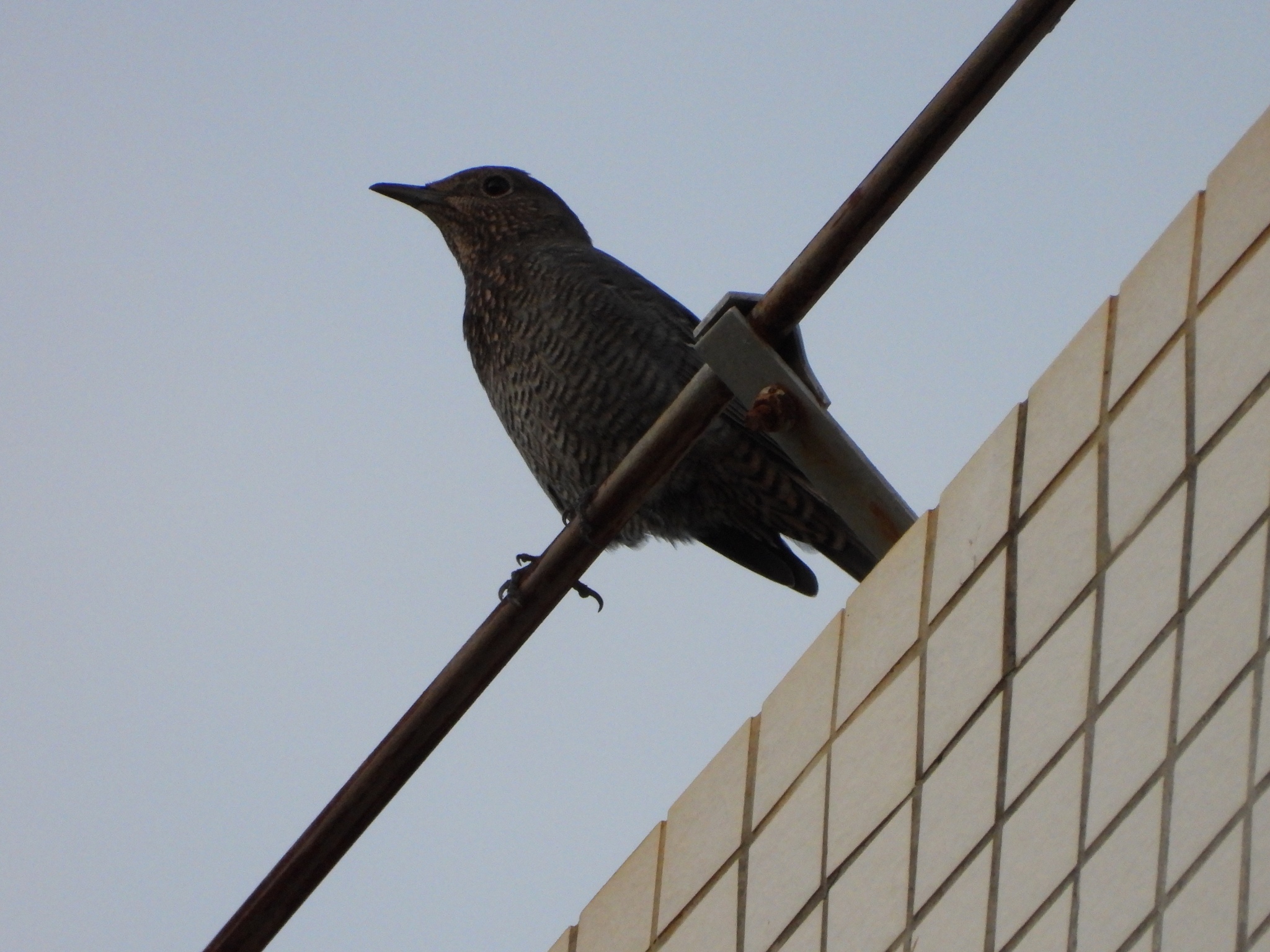
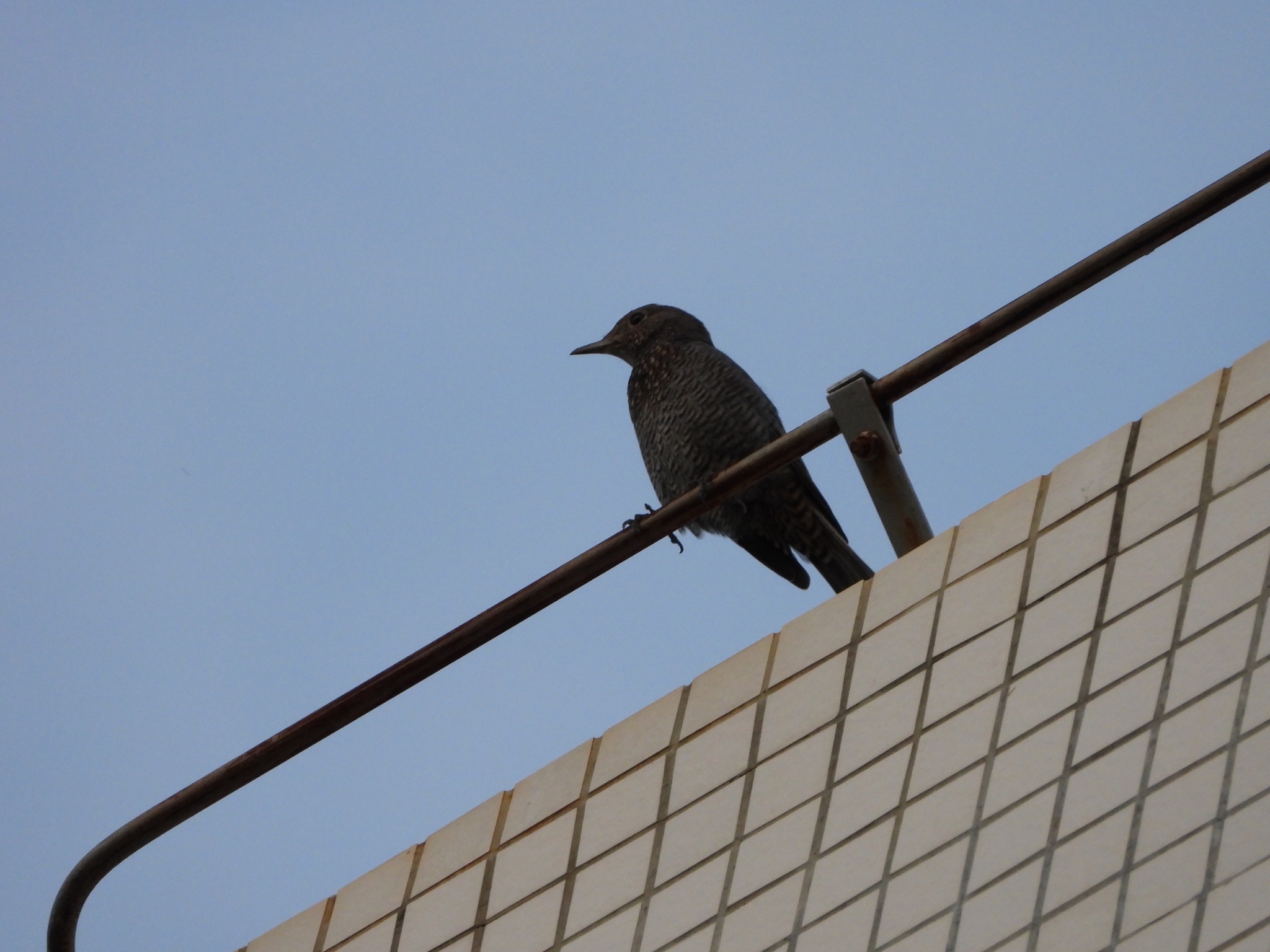
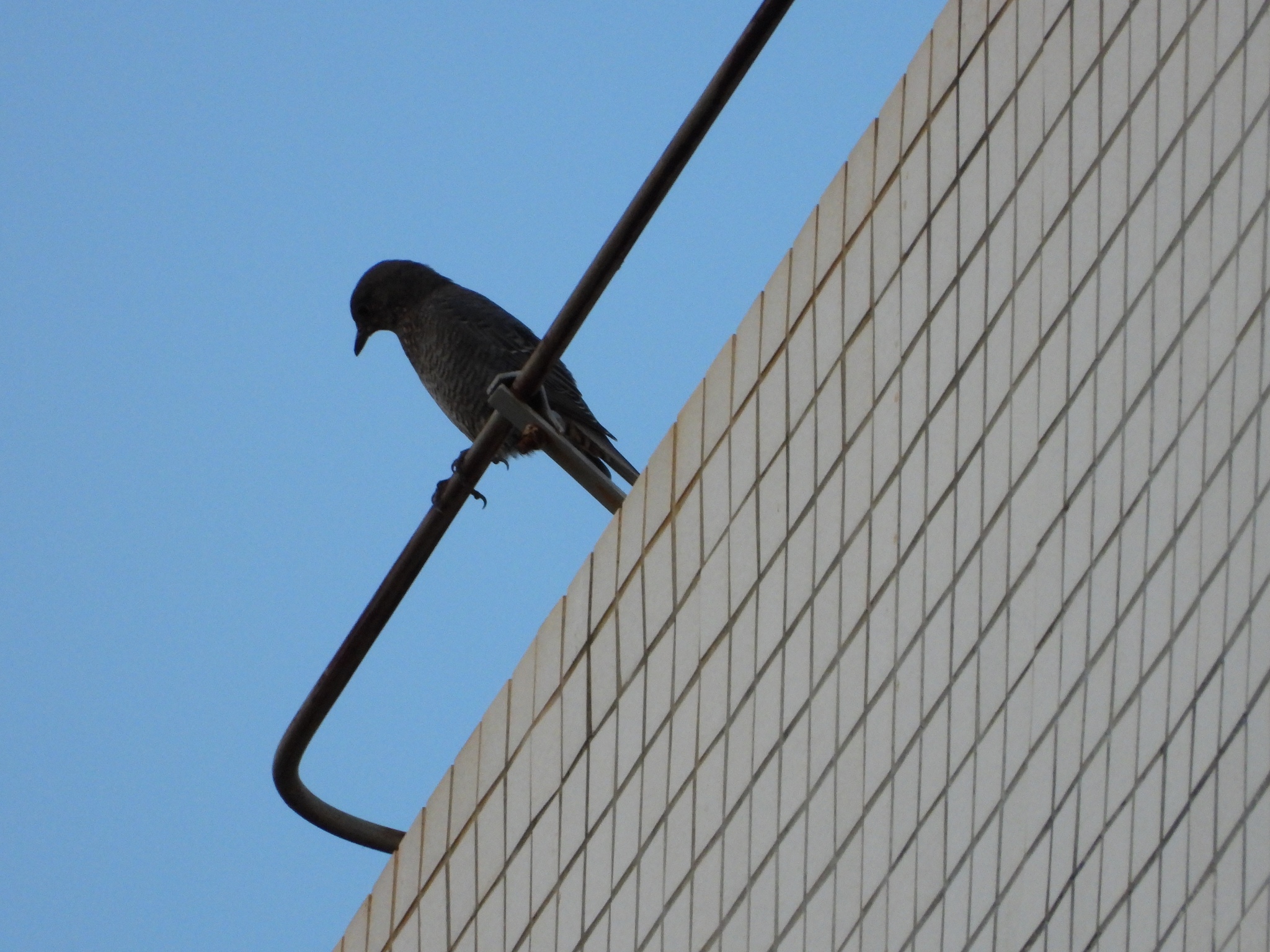
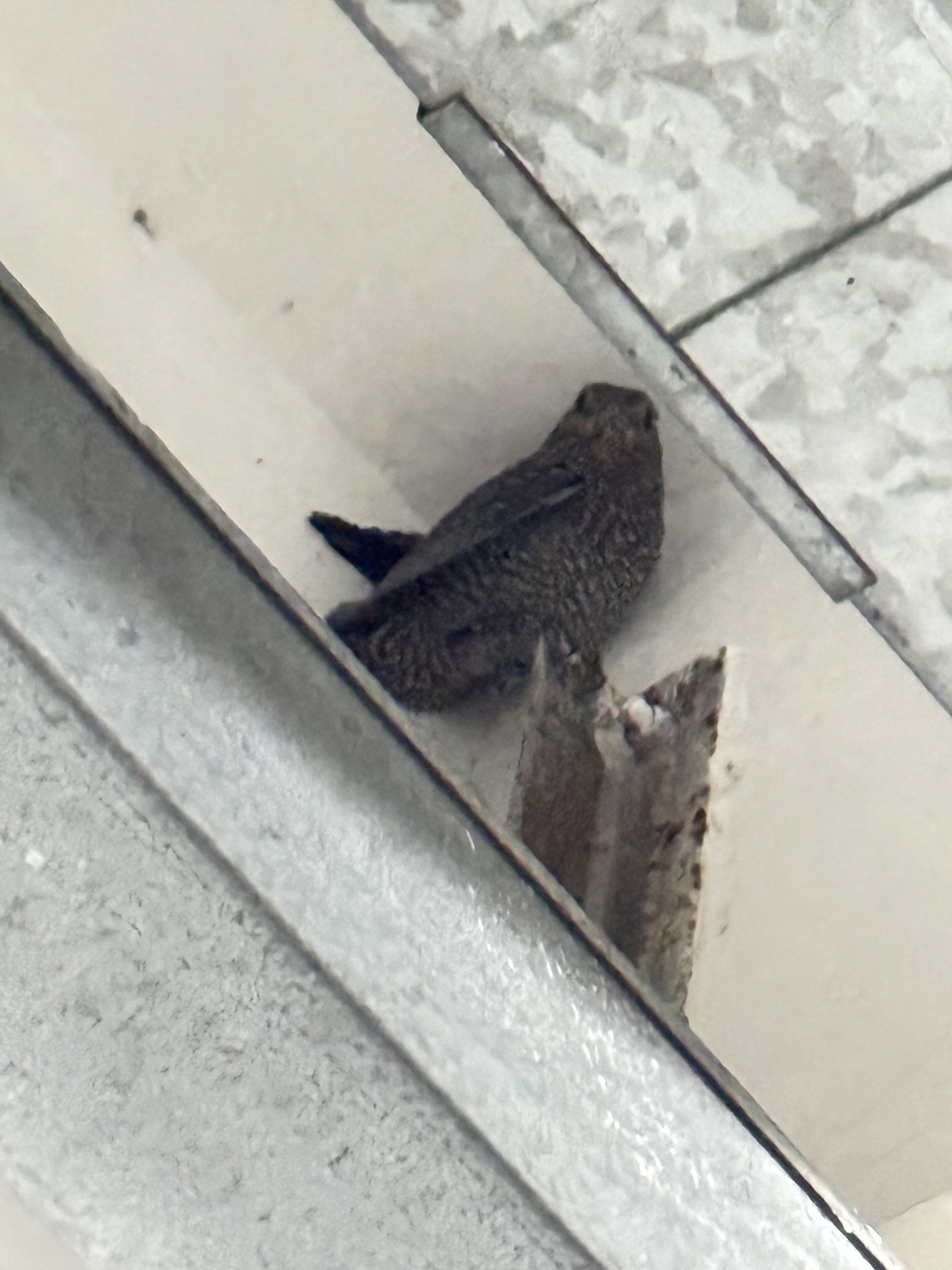
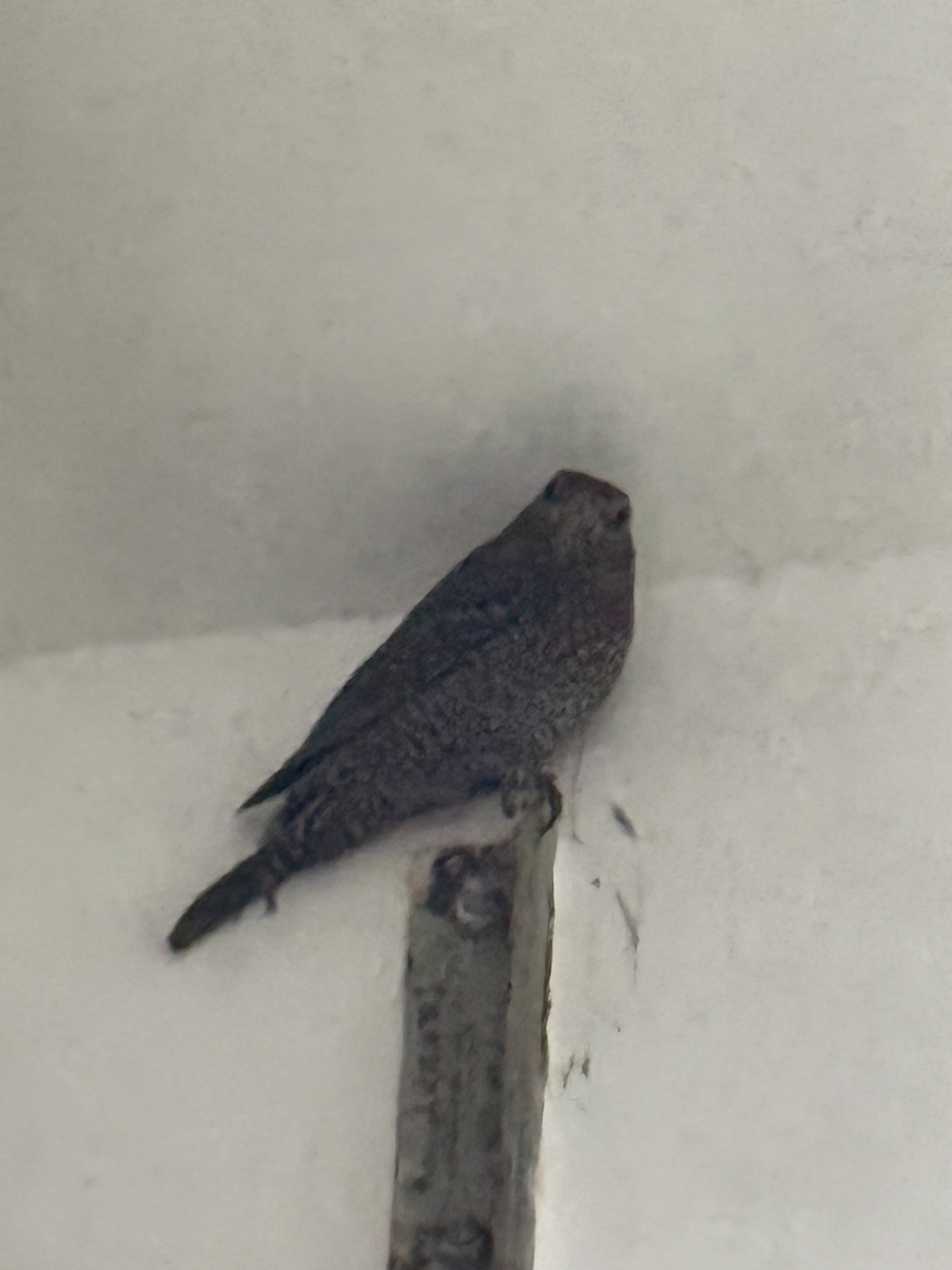
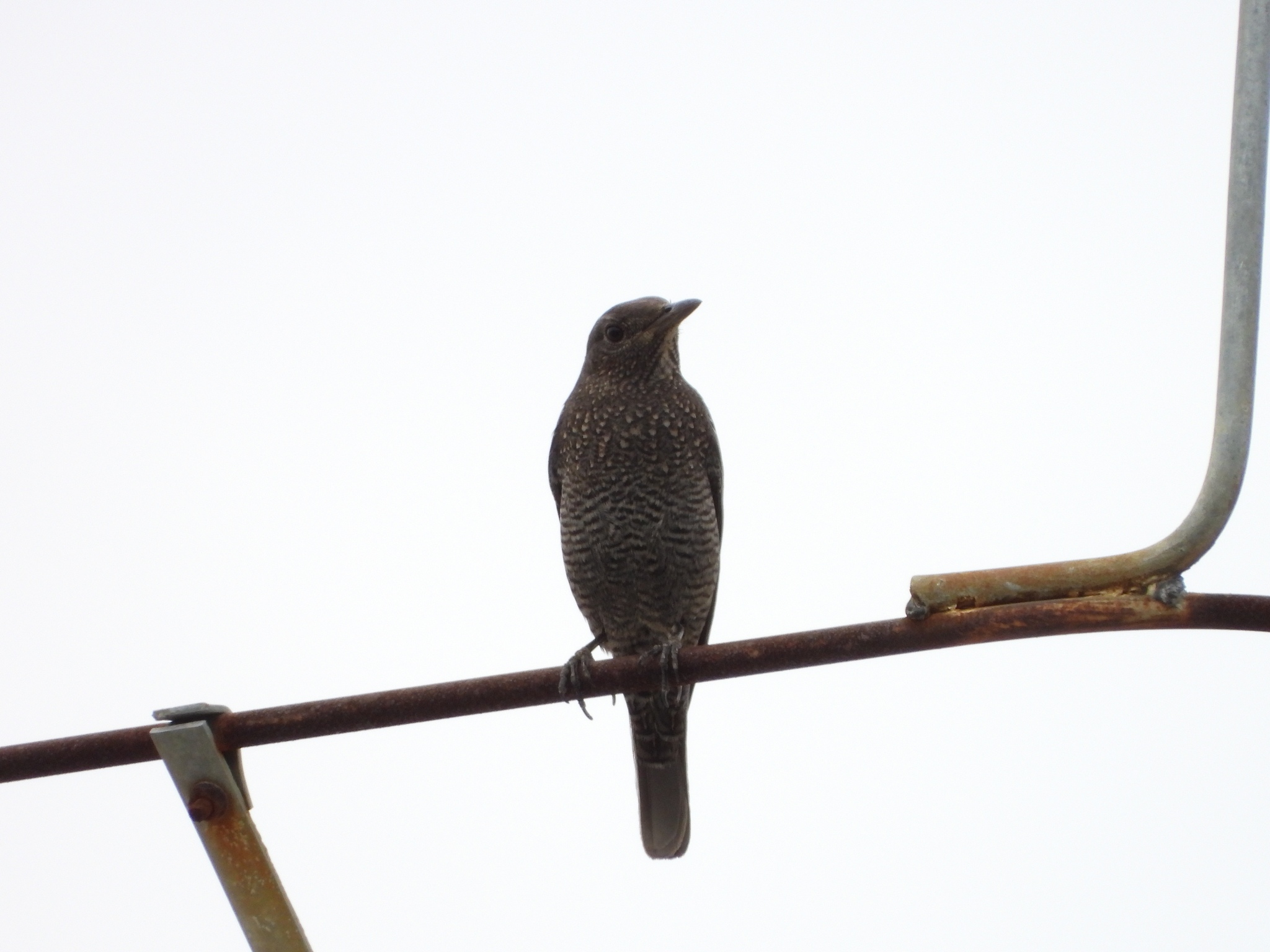
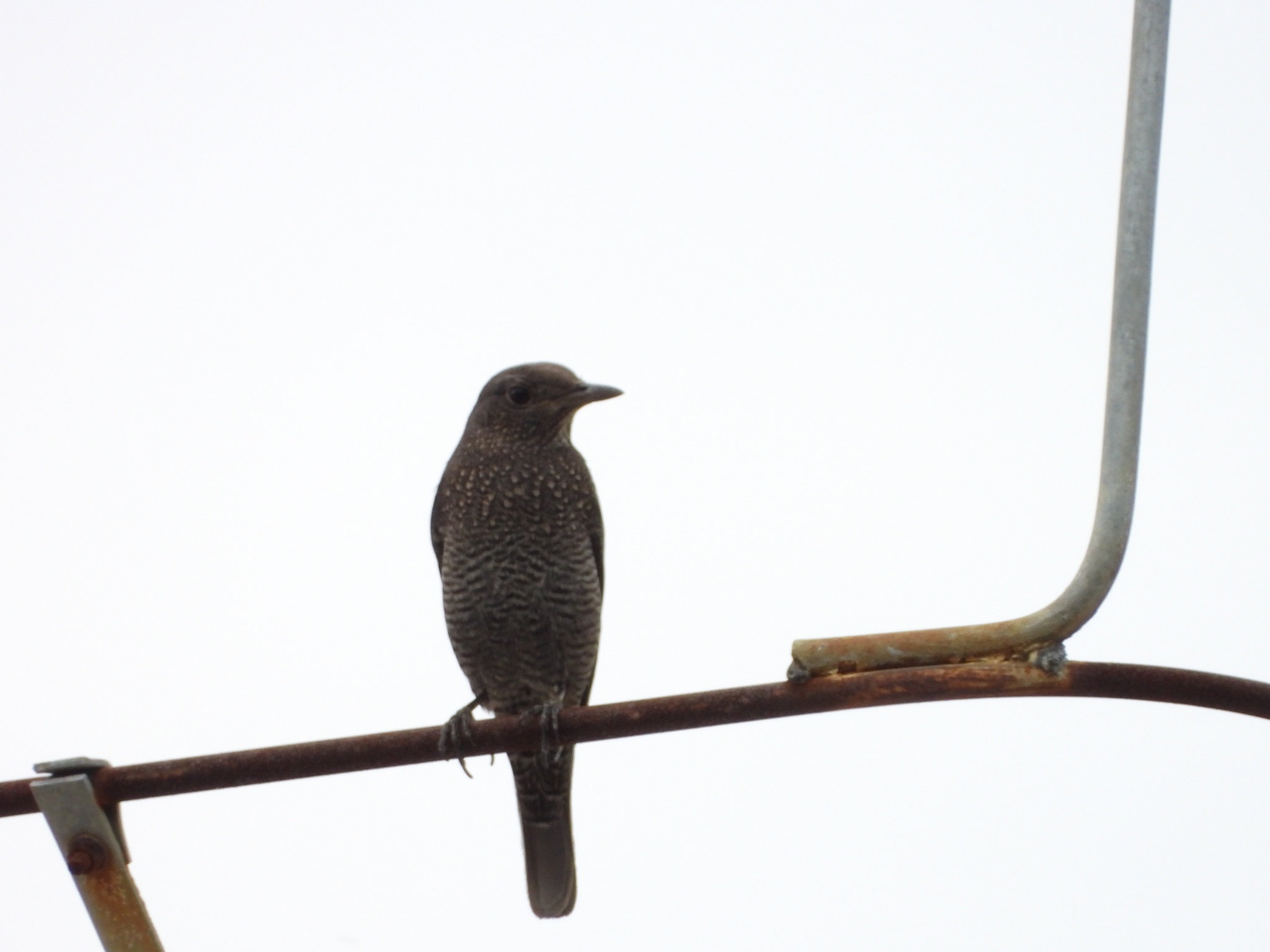
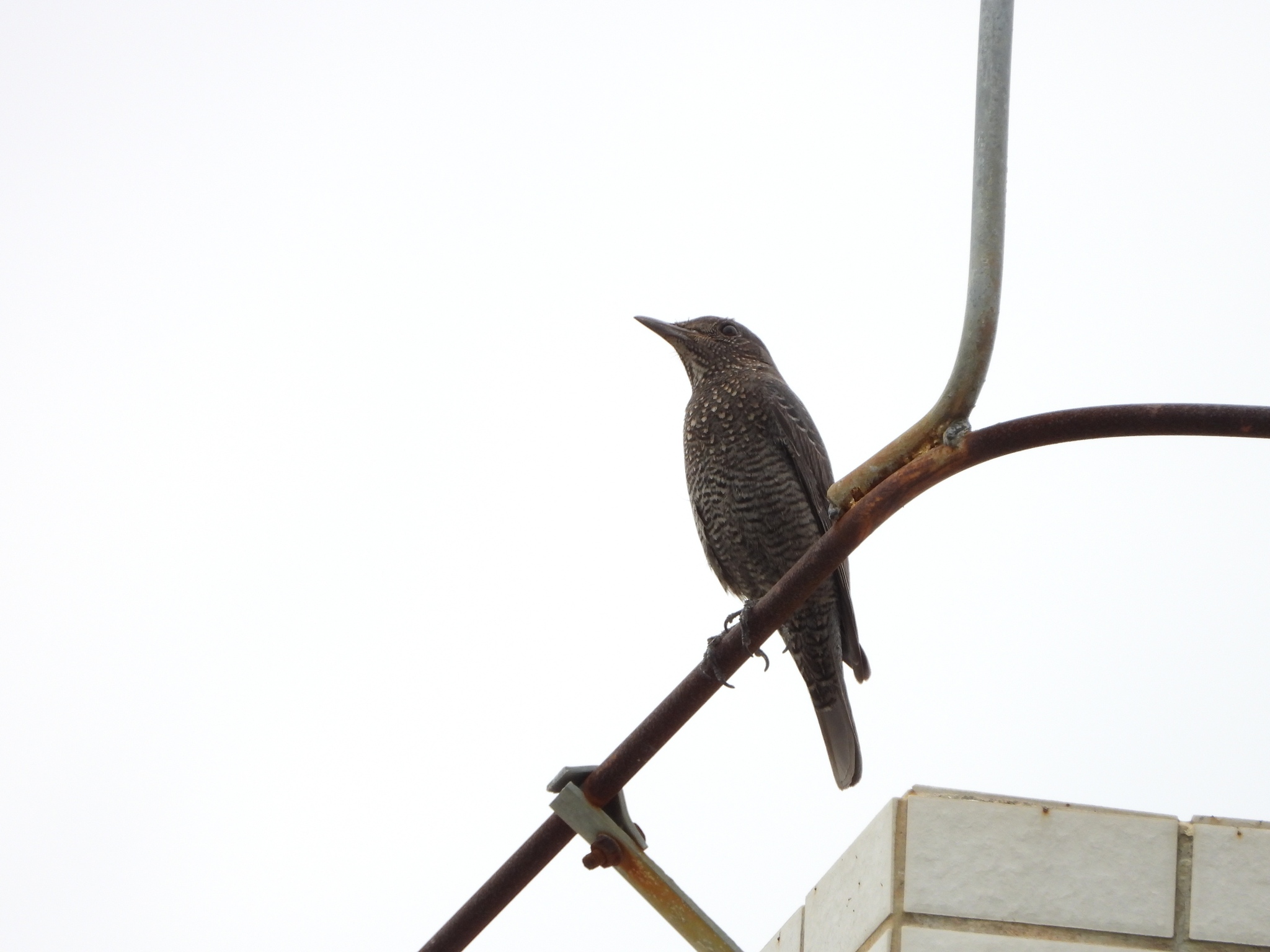
Blue Rock Thrush
Monticola solitarius
蓝矶鸫
Introduction
This chat species occurs across southern Europe, northwest Africa, and through Central Asia to northern China and Malaysia. It occupies rocky habitats including coastal cliffs, mountain escarpments, rock faces, and ancient ruins. The male has blue-grey plumage; females and immatures have brown plumage with scaly underparts. The species has a loud song that carries across rocky terrain. It typically perches prominently before dropping to the ground to capture prey. It has a lifespan of 5-10 years and may return to the same territories annually.
Description
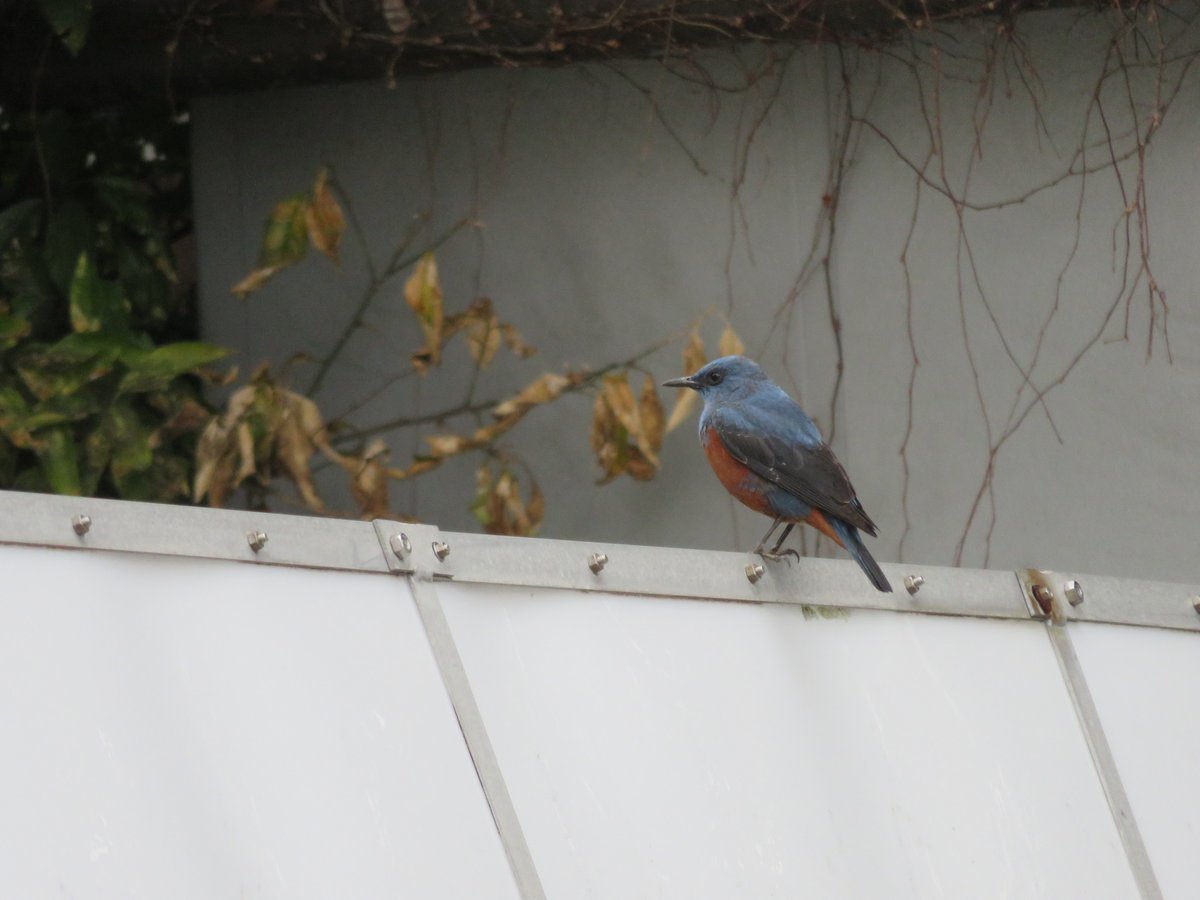
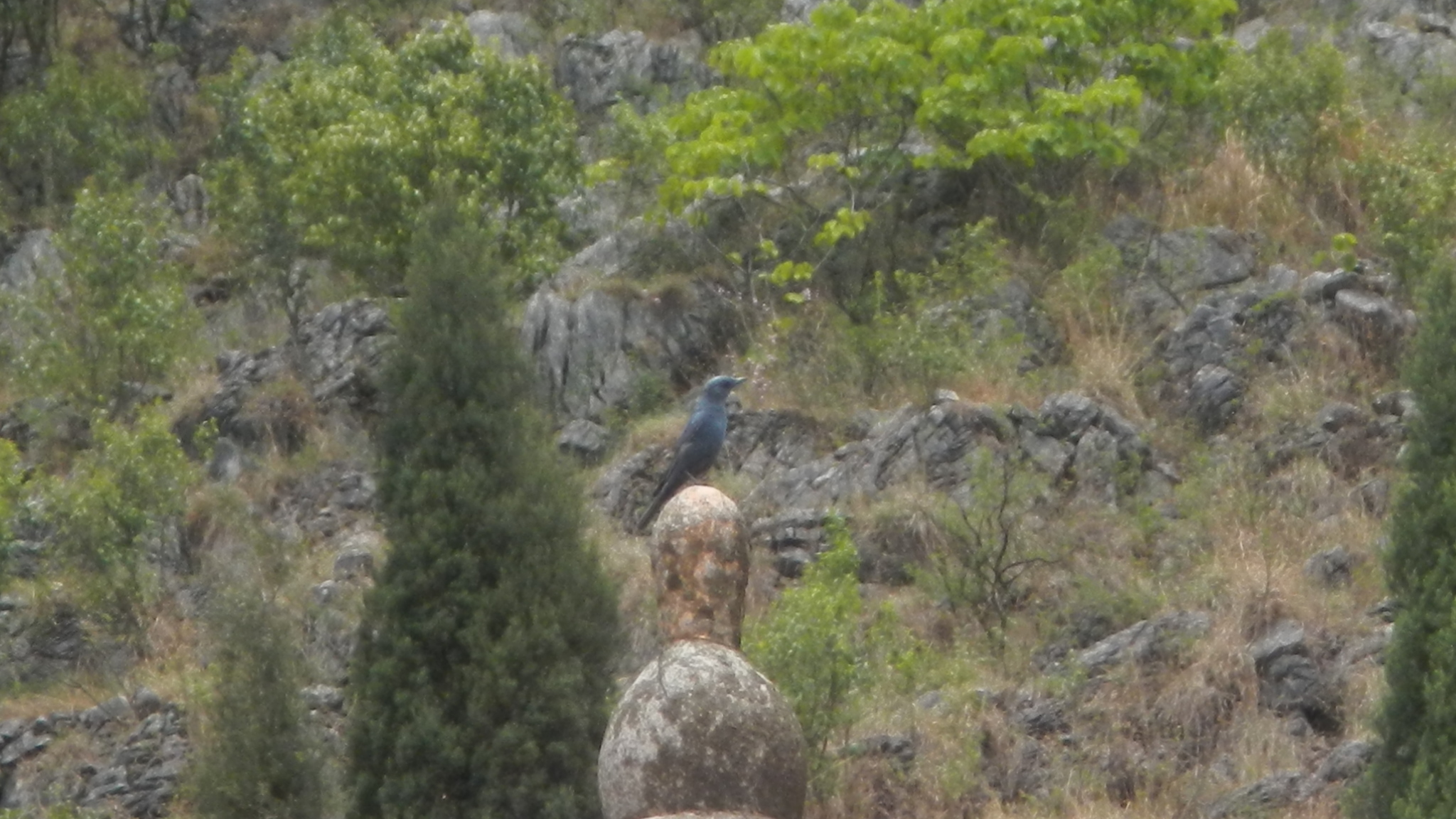
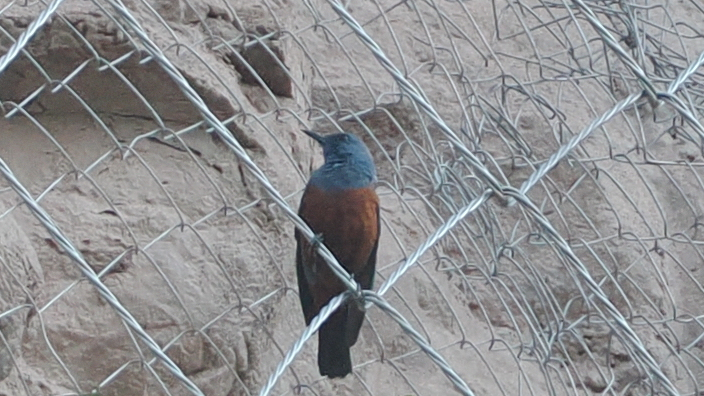
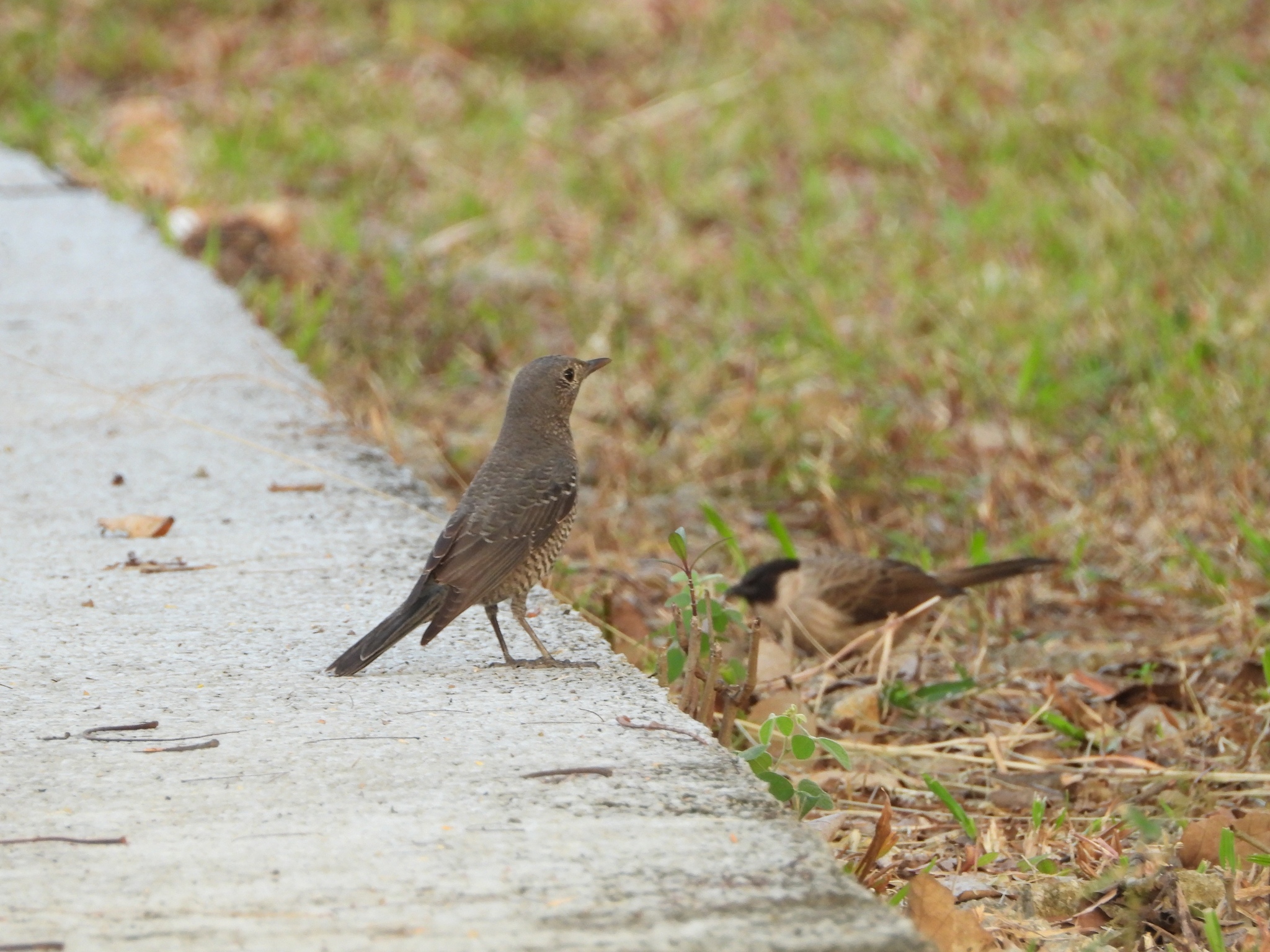
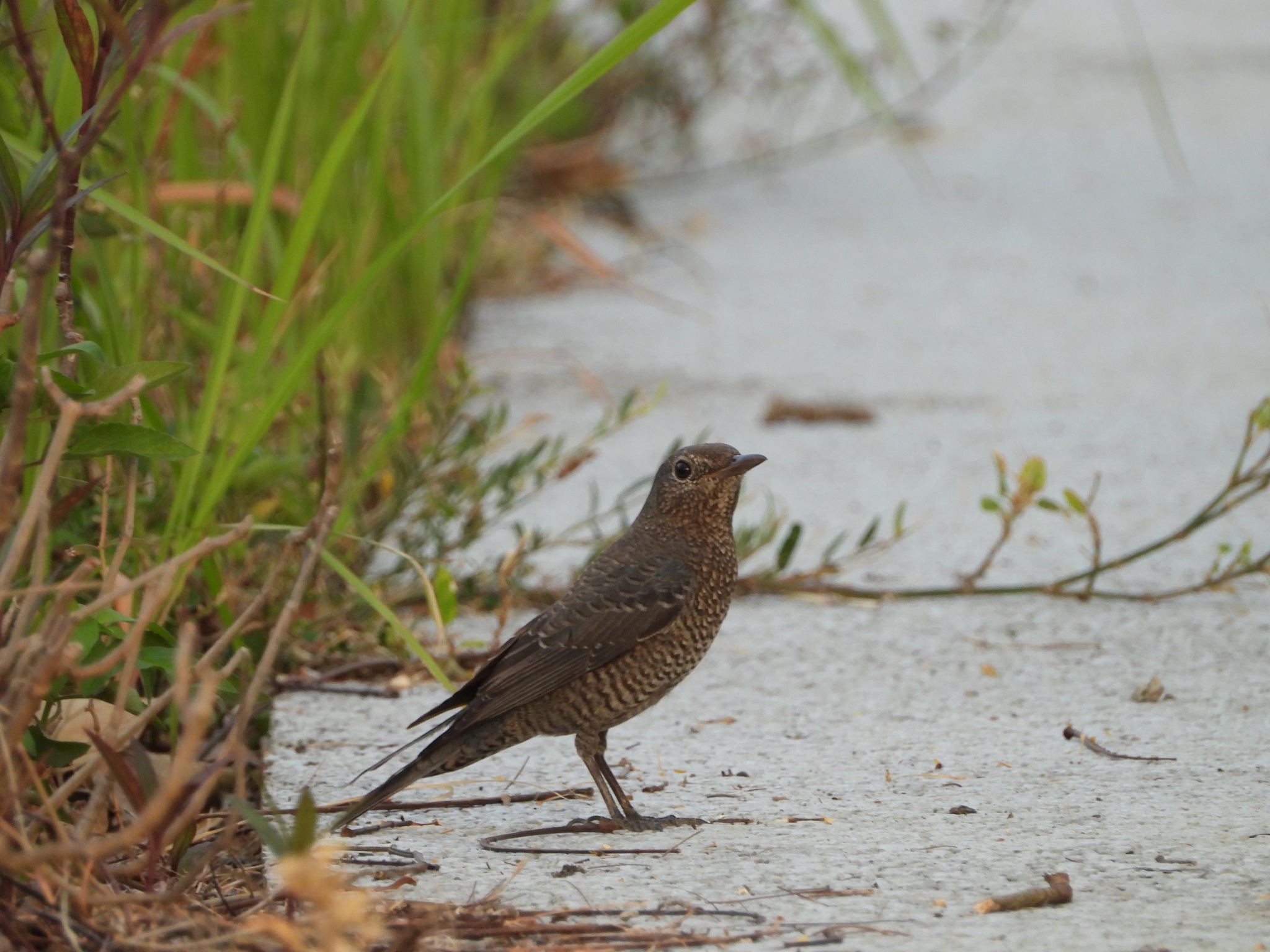
This starling-sized bird measures 21-23 cm (8.3-9.1 in) in length with a distinctive long, slim bill. The breeding male of the nominate subspecies presents unmistakable all blue-grey plumage, with notably darker wings that create a subtle contrast. Females and immatures are altogether different in appearance, wearing dark brown upperparts and paler brown scaly-patterned underparts that provide excellent camouflage against rocky terrain. Males of the subspecies M. s. philippensis stand out with rufous-chestnut plumage extending from the mid-breast to the undertail. A key field characteristic is the absence of reddish outer tail feathers, which helps distinguish this species from other rock thrushes. The overall silhouette is slim and upright, reminiscent of both thrushes and flycatchers in its posture and behavior.
Identification
The breeding male's uniform blue-grey plumage makes it fairly distinctive across most of its range, though several similar Monticola species require careful differentiation. The blue-capped rock thrush displays a bright blue head contrasting with a chestnut belly, while the chestnut-bellied rock thrush shows a entirely chestnut belly. The common rock thrush (rufous-tailed rock thrush) exhibits a blue-grey head, distinctive white back patch, and chestnut belly. The little rock thrush presents blue-grey upperparts with an orange belly, and the white-throated rock thrush combines a blue head, orange belly, and a white patch on black wings. Females and immatures are best identified by habitat preference, shape, and the absence of reddish outer tail feathers, combined with the scaly underpart pattern.
Distribution & Habitat
This species breeds across southern Europe, northwest Africa, and extends from Central Asia through northern China to Malaysia. Populations in Europe, north Africa, and southeast Asia are largely resident, though they undertake altitudinal movements. Asian populations are more migratory, wintering in sub-Saharan Africa, India, and southeast Asia. The species is a very rare visitor to northern and western Europe, with only two North American records: British Columbia in 1997 and Oregon/Farallon Islands in 2024. It demonstrates strong preference for rocky cliffs and exposed rock faces, though it has adapted to urban environments including residential buildings in Algeria and Malta. The Hongdo Island, South Korea population shows migratory behavior with breeding density around 8 pairs per square kilometer.
Behavior & Ecology
Breeding occurs in open mountainous areas where pairs nest in rock cavities and walls, typically laying 3-5 eggs. The species is opportunistic and omnivorous, consuming a varied diet of insects, small reptiles, berries, and seeds. Males deliver a clear, melodious song that carries well across rocky terrain—louder than that of the common rock thrush. Both European and Asian populations exhibit short and long songs consisting of melodious whistles, trills, and some burry notes, with vocal characteristics generally overlapping between groups. Notably, this species has shown remarkable adaptability, with the first confirmed case of successful urban nesting documented in Algeria beneath residential building roofs, diverging significantly from its traditional rocky cliff habitat.
Conservation
The article does not provide specific IUCN assessment, population trends, or detailed threat information.
Culture
This species holds profound significance in Maltese culture, where it is known locally as 'Merill.' It was officially designated Malta's national bird in 1971, appearing prominently on the Lm 1 coins of the former national currency. The bird has inspired extensive cultural output including place names, songs, stamps, cartoons, poems, and literature. Traditional expressions about talkativeness reference this species, reflecting its deep integration into linguistic heritage. Its cultural presence extends to modern applications, serving as the namesake for both a high-income fund and a child care center, demonstrating how this national symbol continues to influence contemporary Maltese society beyond its ecological importance.
Source: Wikipedia · CC BY-SA 3.0
Taxonomy
- Order
- Passeriformes
- Family
- Muscicapidae
- Genus
- Monticola
- eBird Code
- burthr
Subspecies (5)
-
Monticola solitarius longirostris
breeds northern Iraq and Iran to Pakistan; winters to northern India and northeastern Africa
-
Monticola solitarius madoci
Malay Peninsula and Sumatra
-
Monticola solitarius pandoo
breeds from northeastern Afghanistan and western China eastward through Himalayas to central and southeastern China; winters to India and southeastern Asia, southward to the Thai-Malay Peninsula and Sumatra
-
Monticola solitarius philippensis
breeds eastern Mongolia, northeastern China, Korea, Sakhalin, southern Kuril Islands, Japan including Ryukyu Islands (southern Japan), coastal Taiwan, and northern Philippines (Batanes Islands); non-breeding to southeastern China (including Hainan and Taiwan), southeastern Asia, and Philippines southward to Sundas, Moluccas, and Palau
-
Monticola solitarius solitarius
breeds southern Europe, northwestern Africa and Middle East; winters to central Africa
Data Sources
Species description from Wikipedia, licensed under CC BY-SA 3.0.
Bird images and sounds sourced from GBIF, contributed by citizen scientists worldwide under Creative Commons licenses.
Taxonomy data from AviList 2025.