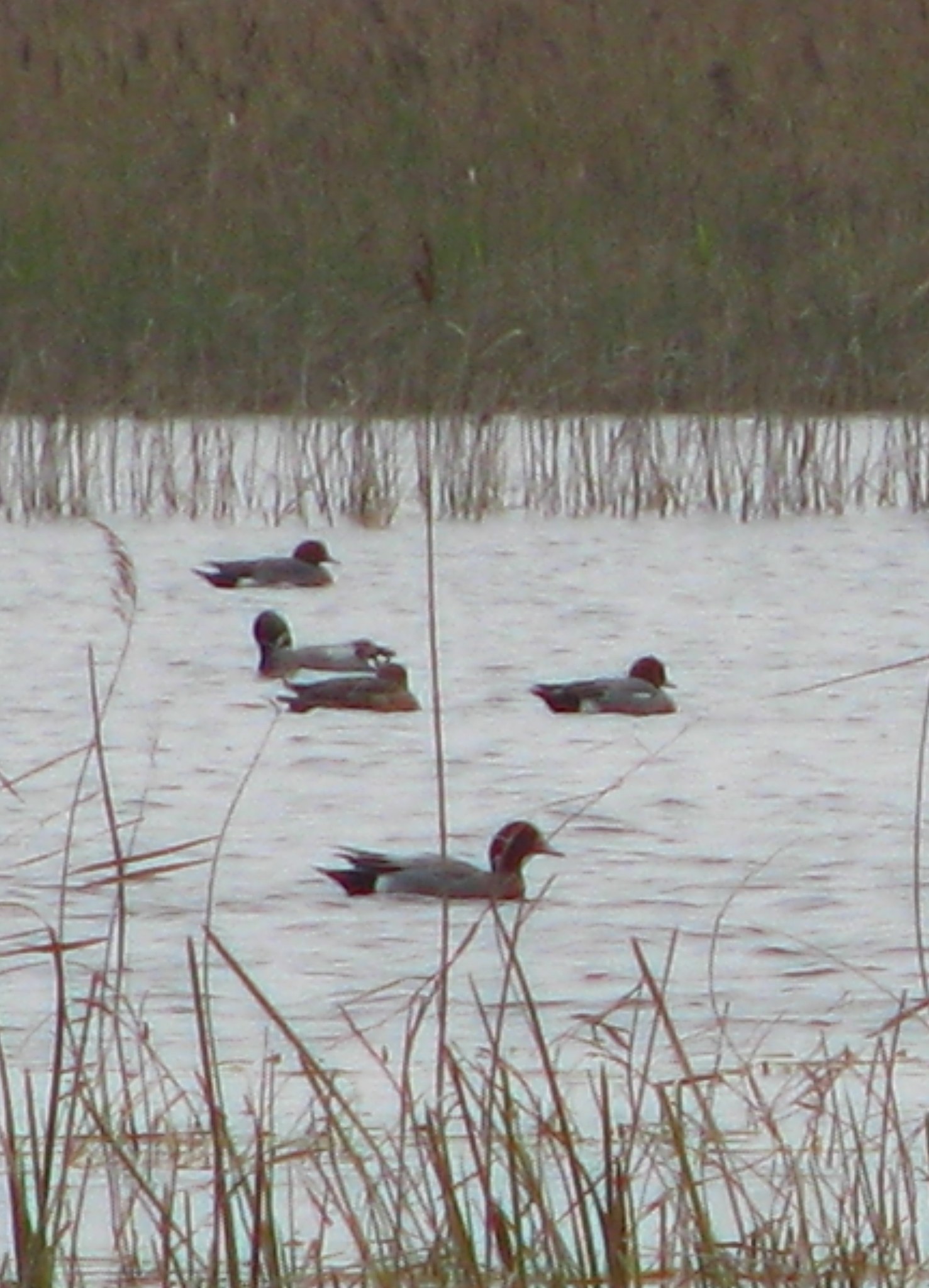
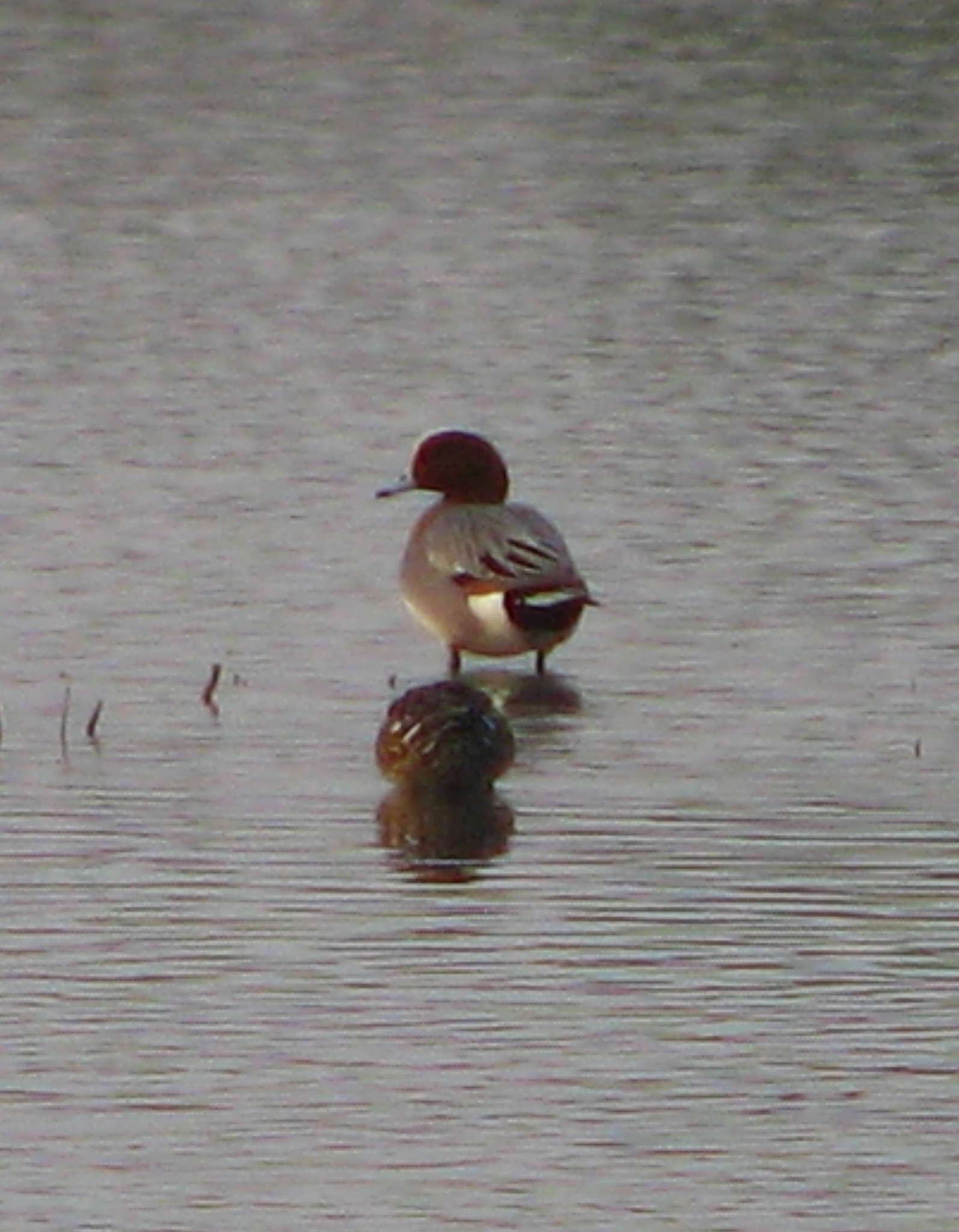
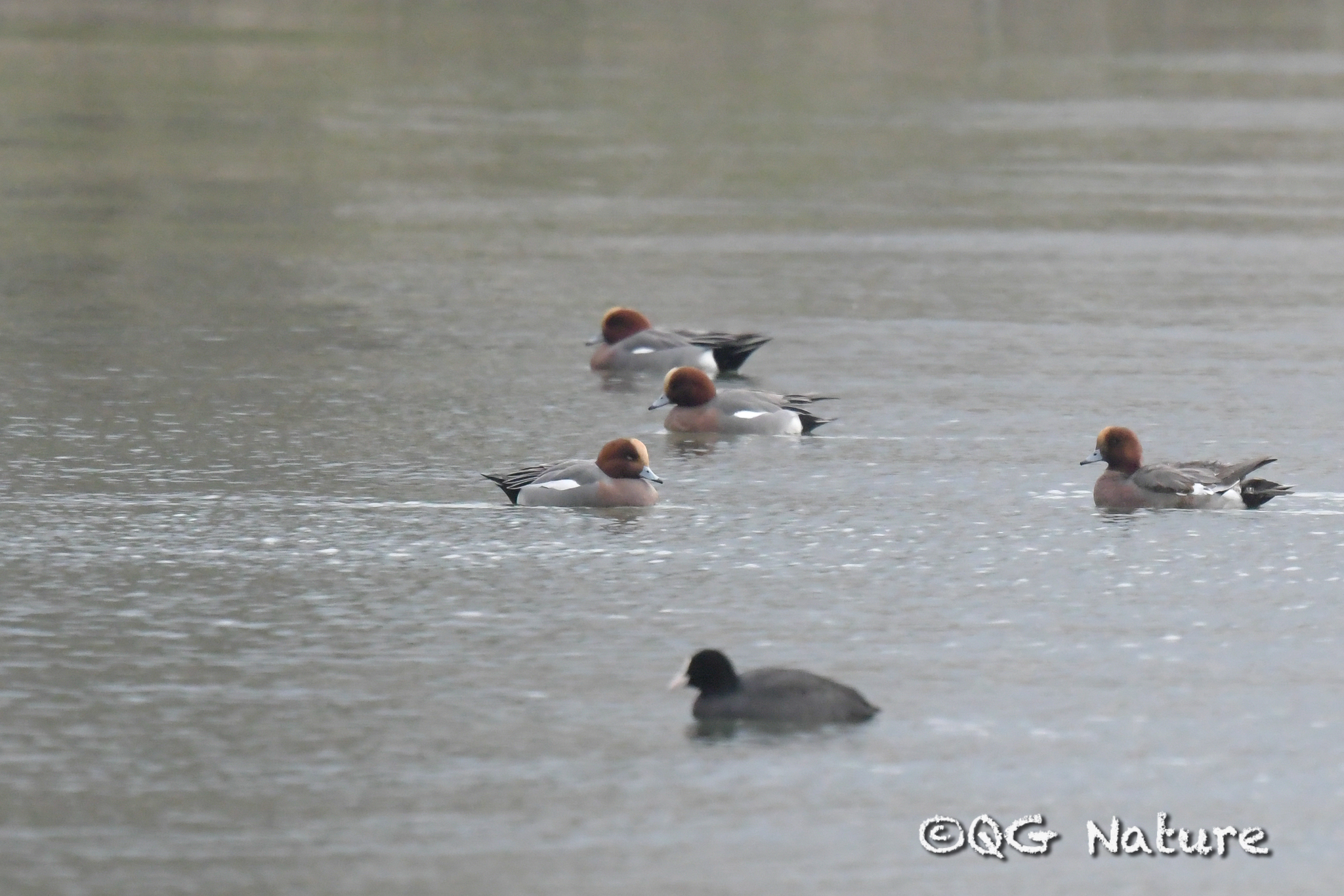
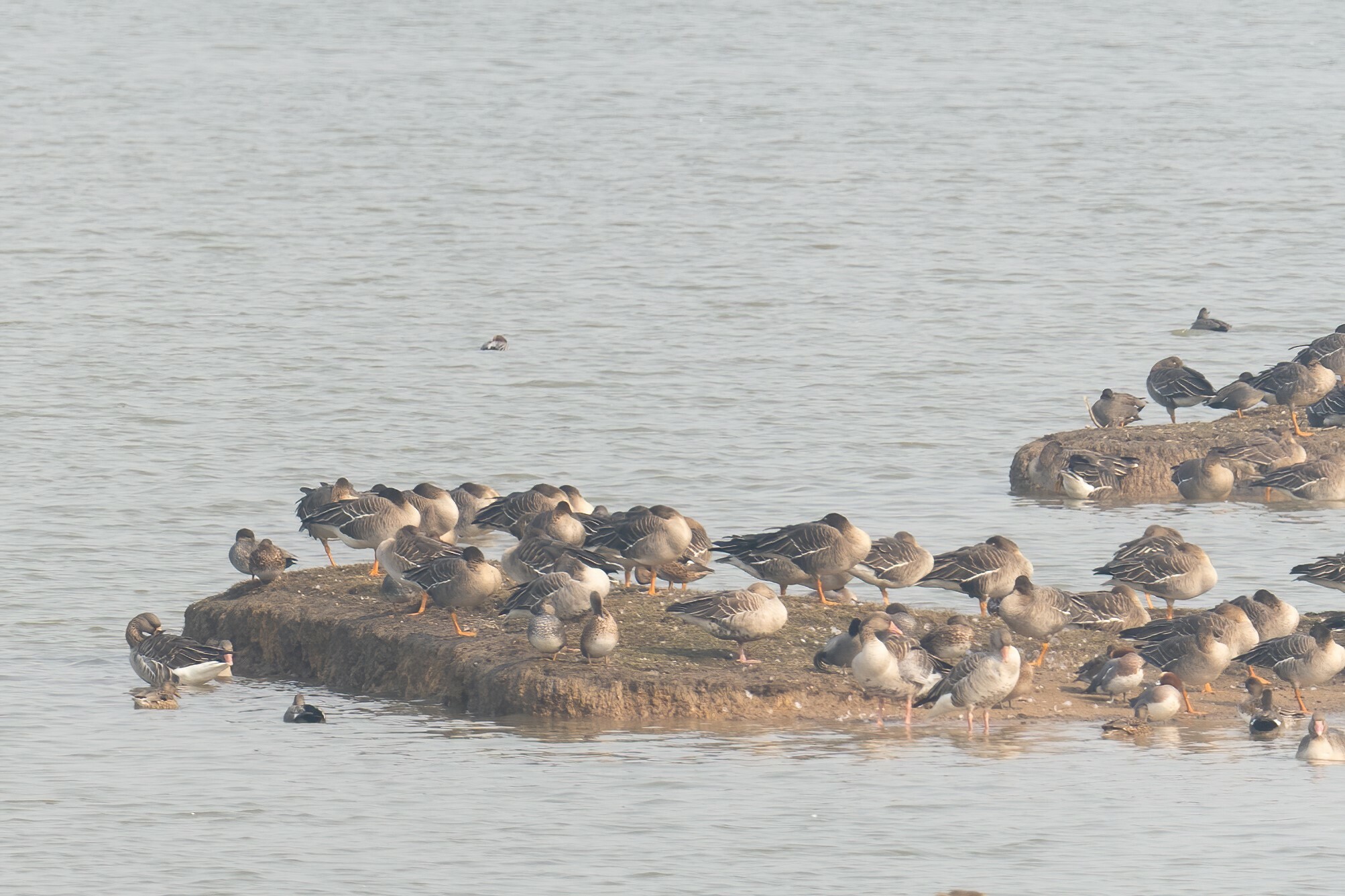
Eurasian Wigeon
Mareca penelope
赤颈鸭
Introduction
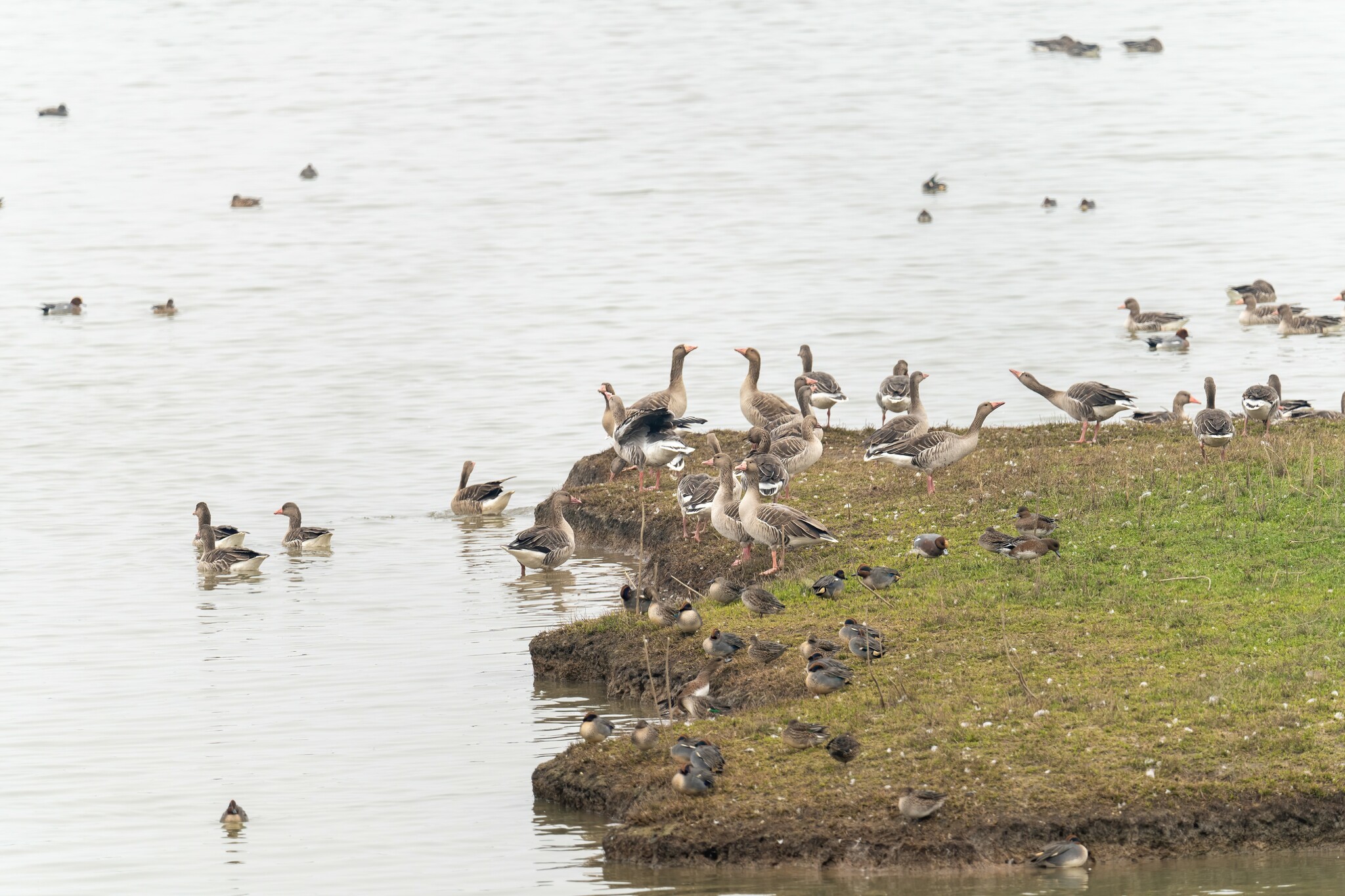
The species occurs across much of Eurasia during winter, with populations in Europe, southern Asia, and Africa. It inhabits wetlands, coastal marshes, flooded grasslands, and inland lakes. During winter, it forms large flocks. Males produce a whistling call. Breeding populations occur in temperate regions. In traditional wintering areas, it may occur in thousands.
Description
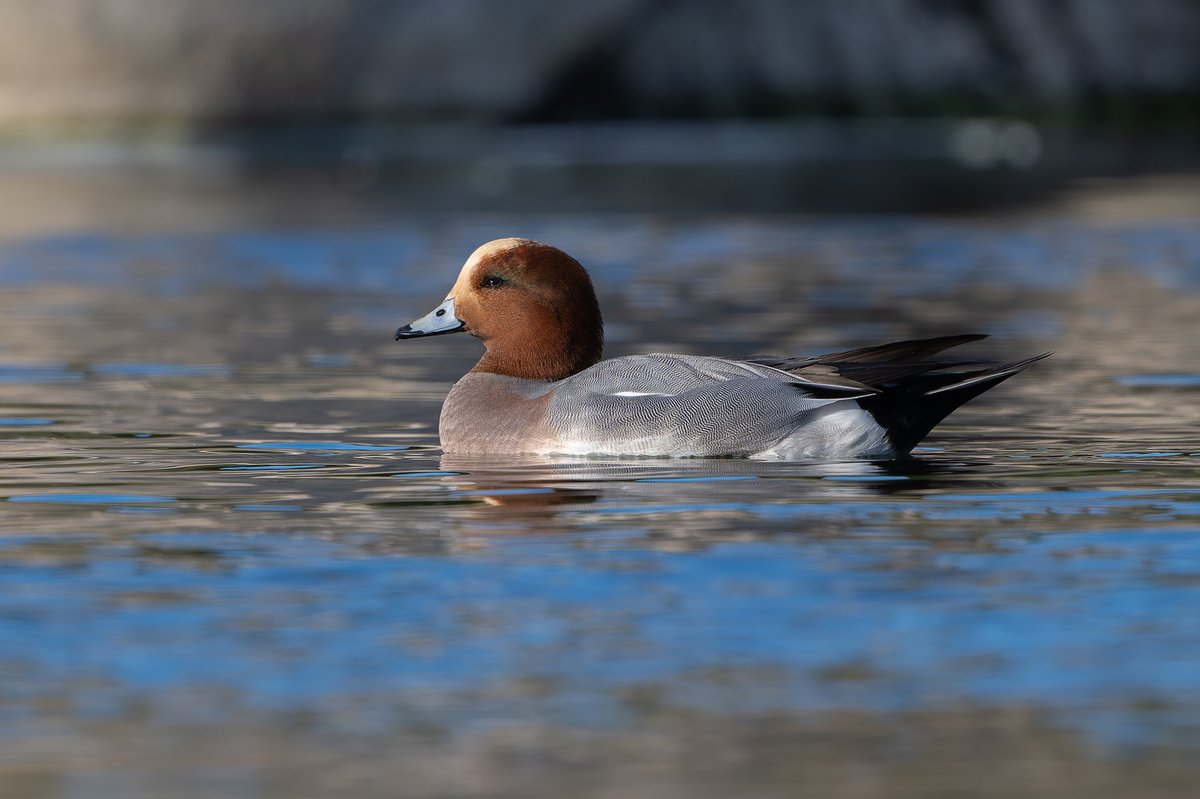
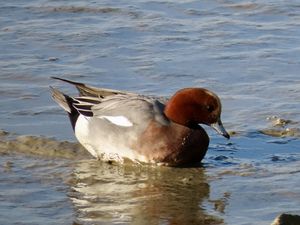
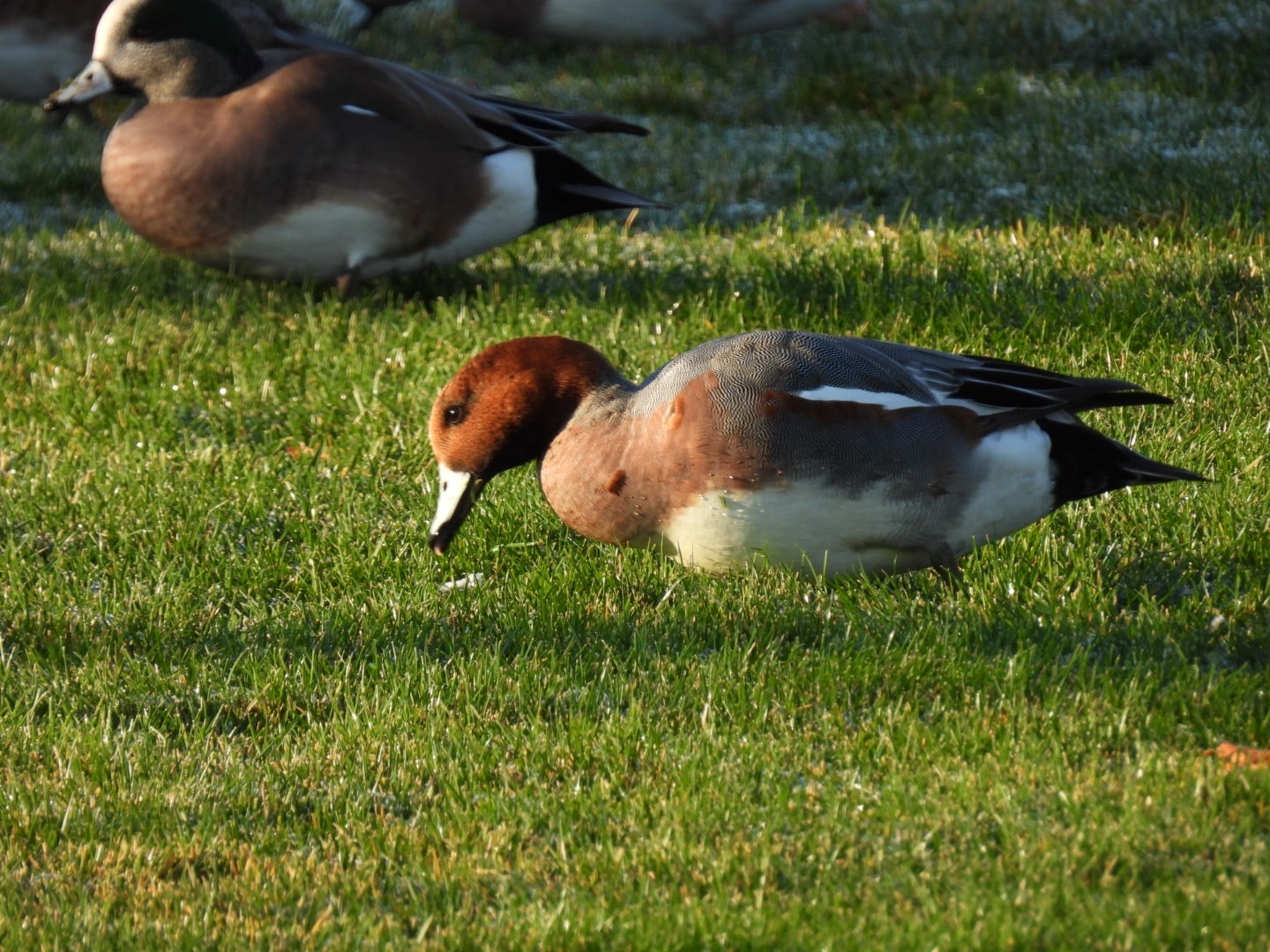
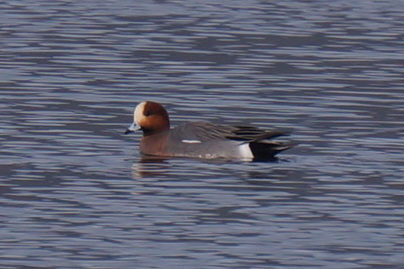
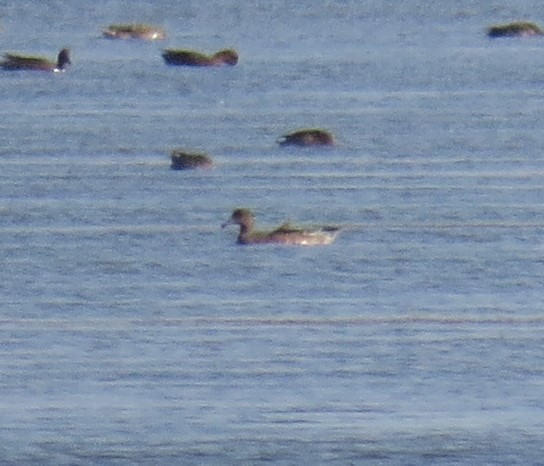
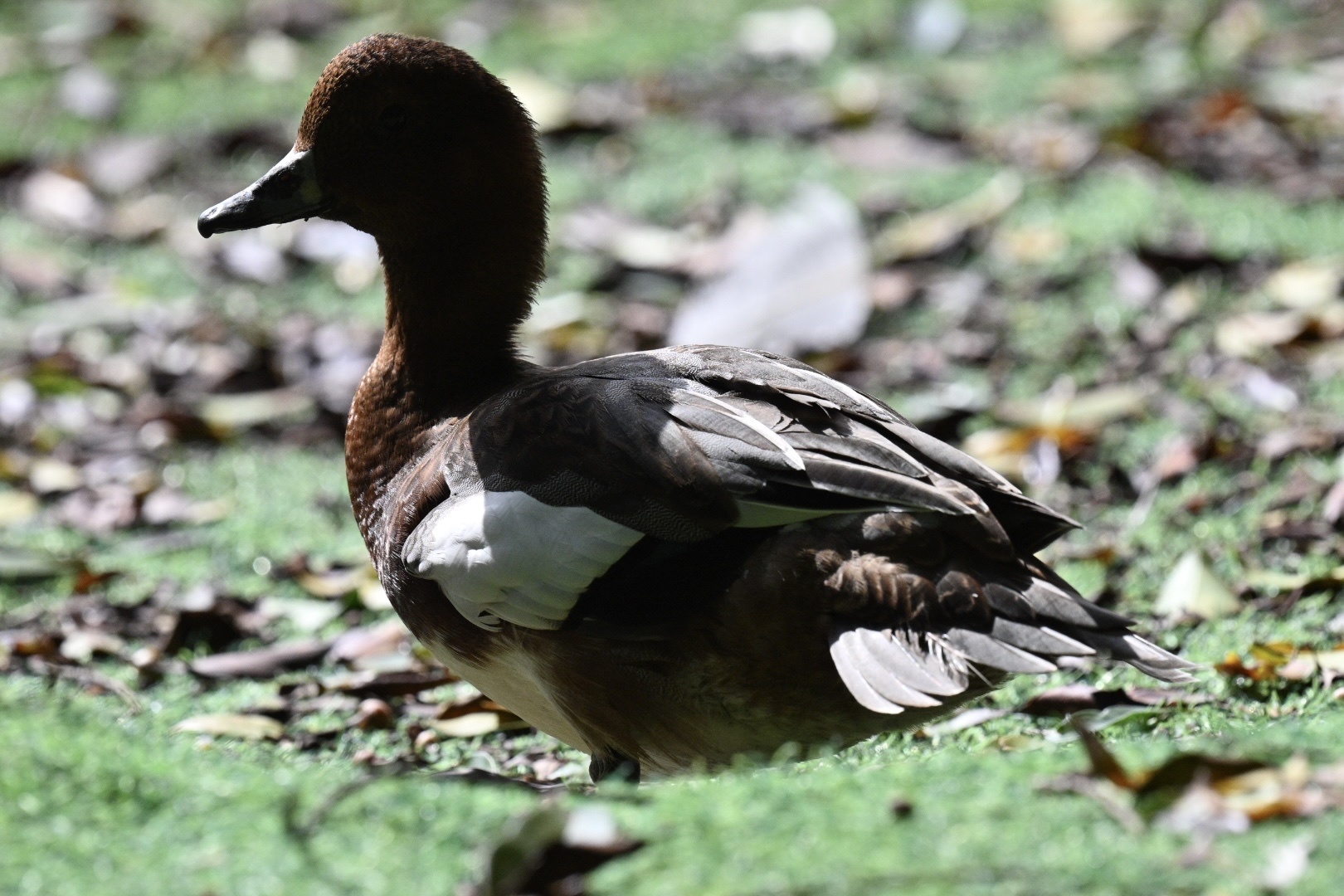
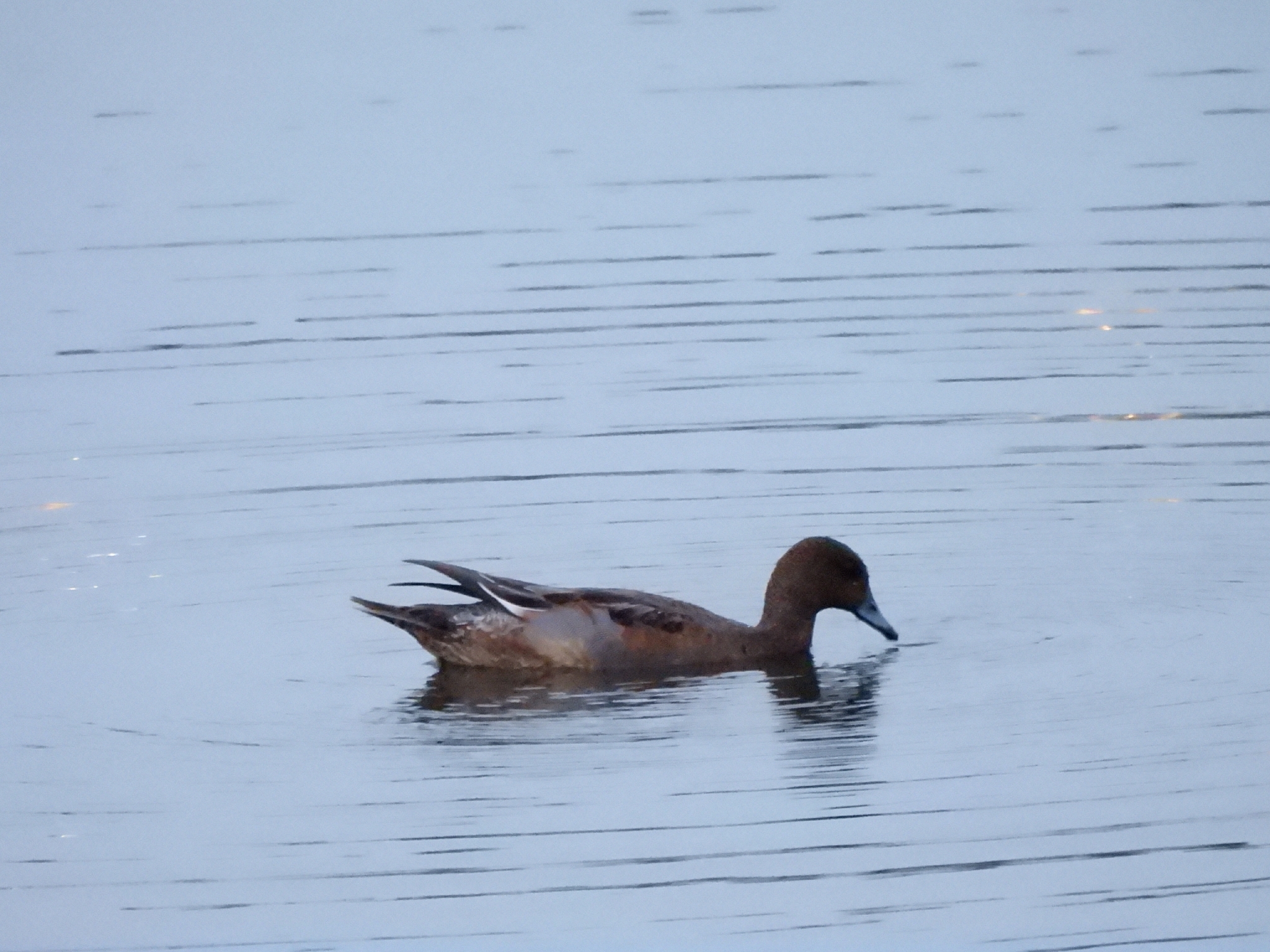
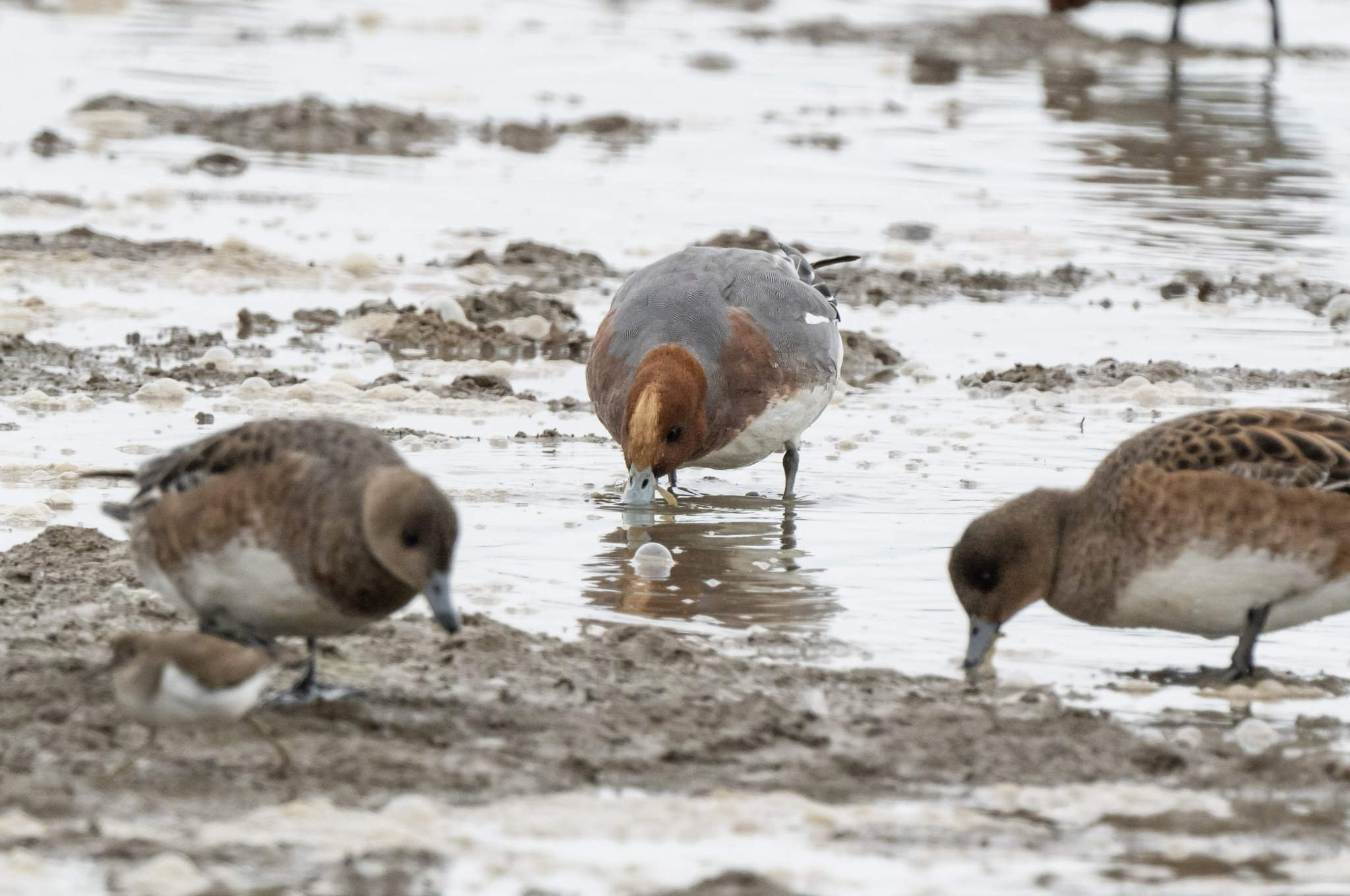
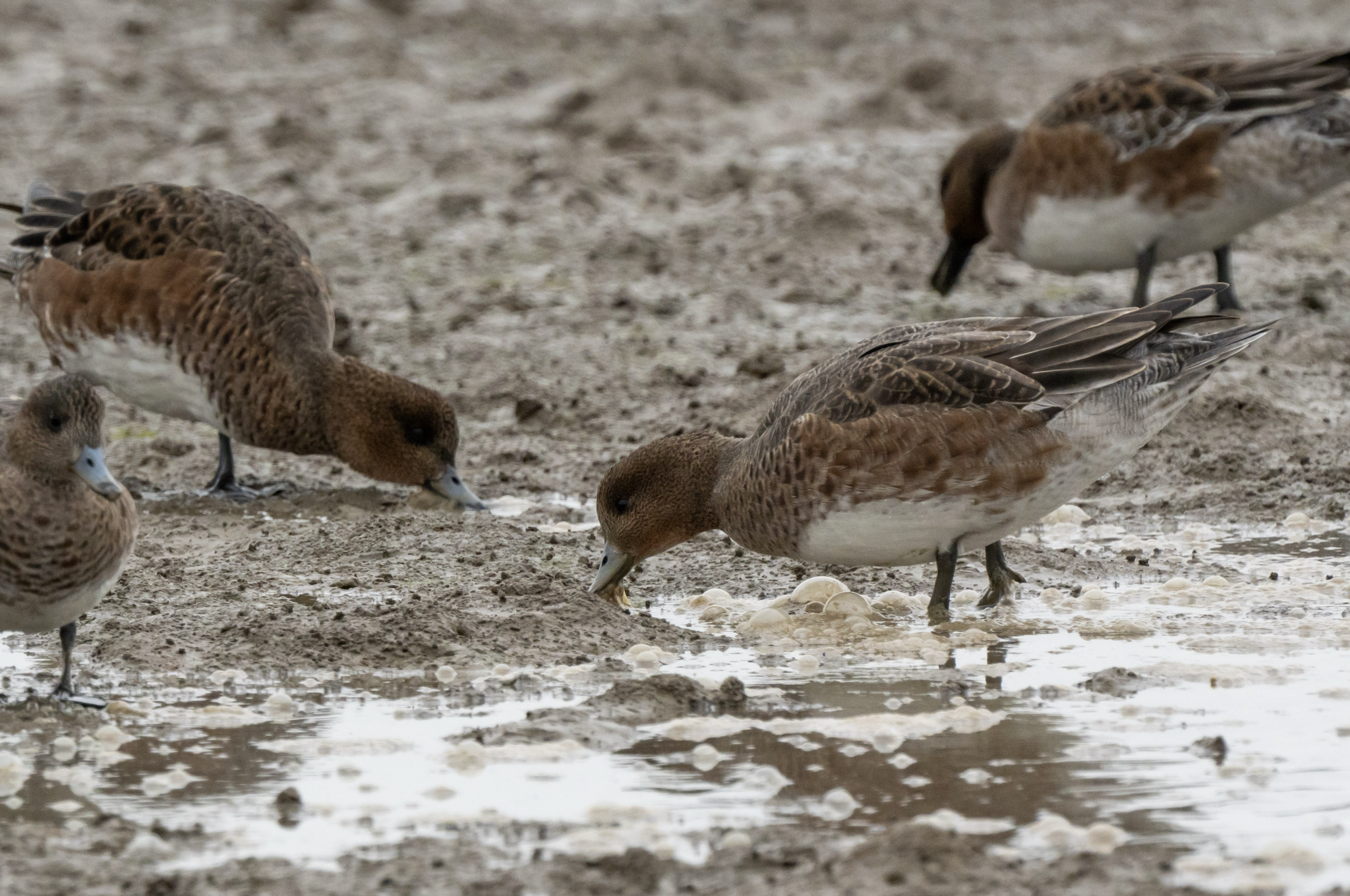
A medium-sized dabbling duck measuring 42–52 cm in length with a wingspan of 71–80 cm and weighing 500–1,073 g. Breeding males display grey flanks and back, black undertail coverts, and a dark green speculum bordered by a brilliant white patch visible in flight or at rest. The underparts show pink breast and white belly, while the head features chestnut plumage with a creamy-yellow crown stripe. Non-breeding males transition to more muted eclipse plumage resembling the female. Females are light brown overall, resembling female American wigeon but can be distinguished by underwing coloration. Females occur in two color morphs: a rufous morph with reddish head tones and a gray morph with more neutral head coloration.
Identification
The most reliable identification feature is the combination of body shape and wing pattern. The species appears chunky with a round head and steep forehead. Males in breeding plumage are unmistakable with their chestnut head, pink breast, and white wing patch. Females are most easily confused with American wigeon, but can be separated by their darker head coloration and the absence of white axillaries on the underwing. The rufous and gray female morphs may cause confusion, but the overall brown plumage with darker secondary feathers helps distinguish them. In flight, both sexes show the distinctive white wing patch and dark green speculum.
Distribution & Habitat
Breeds across the northernmost regions of Europe and throughout the Palearctic east to Siberia. Strongly migratory, with populations moving south to winter in southern Asia, Africa, and throughout Europe. In the British Isles, it is a common winter visitor but a scarce breeder restricted to Scotland, the Lake District, Pennines, and occasional southern locations. In North America, it occurs as an uncommon winter visitor along the mid-Atlantic and Pacific coasts, with rare appearances elsewhere. Inhabits open wetlands including wet grasslands, marshes with emergent vegetation, flooded fields, and coastal estuaries.
Behavior & Ecology
Occupies open wetland habitats from wet grasslands to marshes with taller emergent vegetation. Feeds primarily by dabbling in shallow water and grazing on land, readily consuming aquatic plants, grasses, and agricultural crops. Nests on the ground near water under protective vegetation cover. Highly gregarious outside the breeding season, forming enormous flocks that may contain thousands of individuals. Regularly associates with American wigeon in North America, where hybridization occasionally occurs. Males produce a distinctive two-note whistle often transcribed as 'pjiew pjiew', while females give a low growling call rendered as 'rawr'.
Conservation
Classified as Least Concern on the IUCN Red List, with a large and stable global population. The species benefits from international protection under the Agreement on the Conservation of African-Eurasian Migratory Waterbirds (AEWA). While some localized declines have occurred due to habitat loss and degradation of wetland areas, particularly in wintering grounds, the overall population remains robust. Conservation efforts focus on protecting critical wetland habitats throughout the species' extensive migratory range.
Culture
This species has long been valued by hunters across its range, contributing to its cultural recognition in various European and Asian traditions. The distinctive whistling call of the male has made it a recognizable bird in wetland soundscapes. No significant folklore or mythological associations beyond the etymology of its scientific name are prominent in the cultural record.
Source: Wikipedia · CC BY-SA 3.0
Taxonomy
- Order
- Anseriformes
- Family
- Anatidae
- Genus
- Mareca
- eBird Code
- eurwig
Distribution
breeds northern and central Eurasia; winters to northern Africa and southern and southeastern Asia; frequent vagrant to North America
Data Sources
Species description from Wikipedia, licensed under CC BY-SA 3.0.
Bird images and sounds sourced from GBIF, contributed by citizen scientists worldwide under Creative Commons licenses.
Taxonomy data from AviList 2025.