Falcated Duck
Mareca falcata
罗纹鸭
Introduction
The falcated duck (Mareca falcata) is a dabbling duck species. Males in breeding plumage have distinctive long, sickle-shaped tertial feathers, from which the species derives its common name. The species breeds in eastern Siberia, Mongolia, and northern Japan, migrating south to winter in Southeast Asia and India. Population estimates have increased from approximately 35,000 to 89,000 individuals worldwide. Despite this increase, the species maintains a near-threatened conservation status due to ongoing habitat loss and hunting pressures. It occurs in wetlands and is known to hybridize with other duck species.
Description
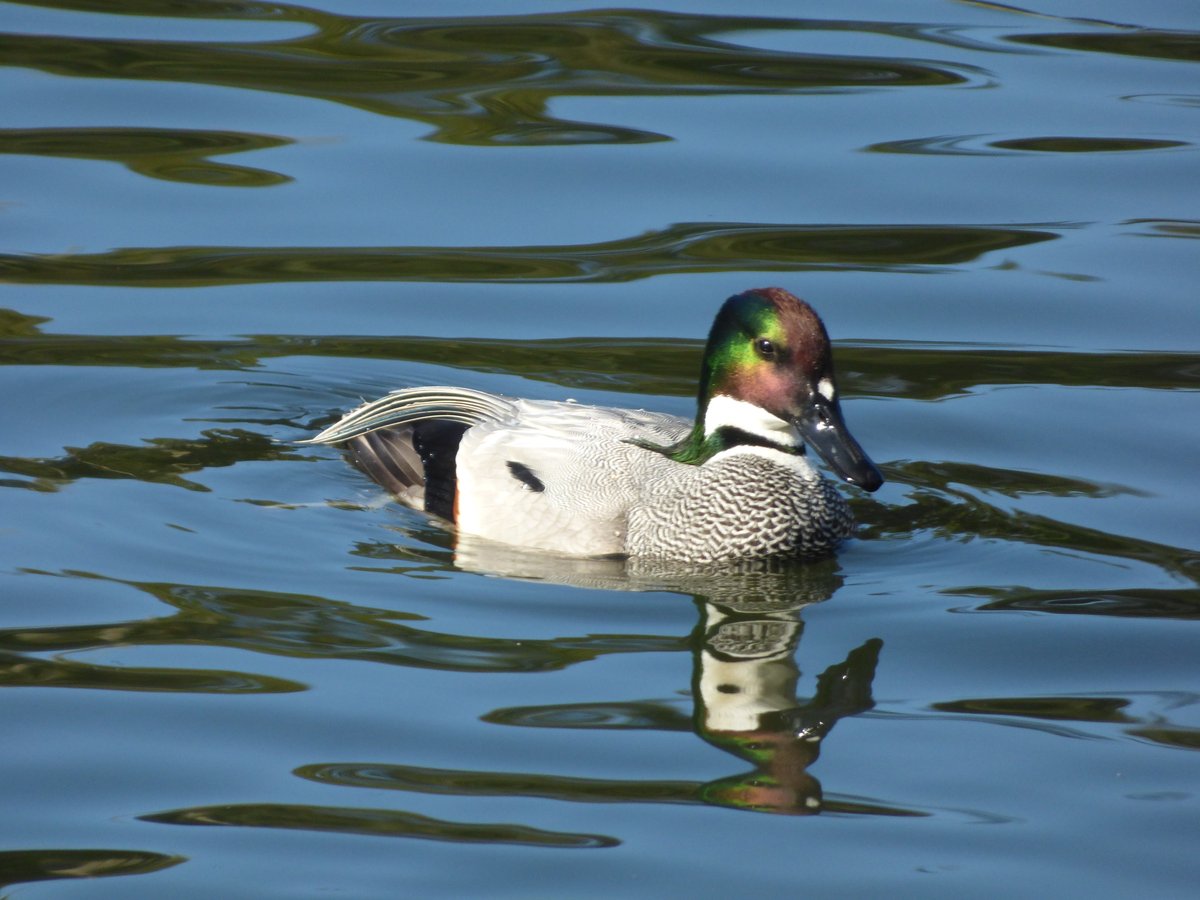
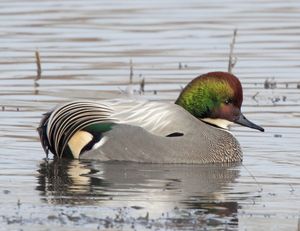
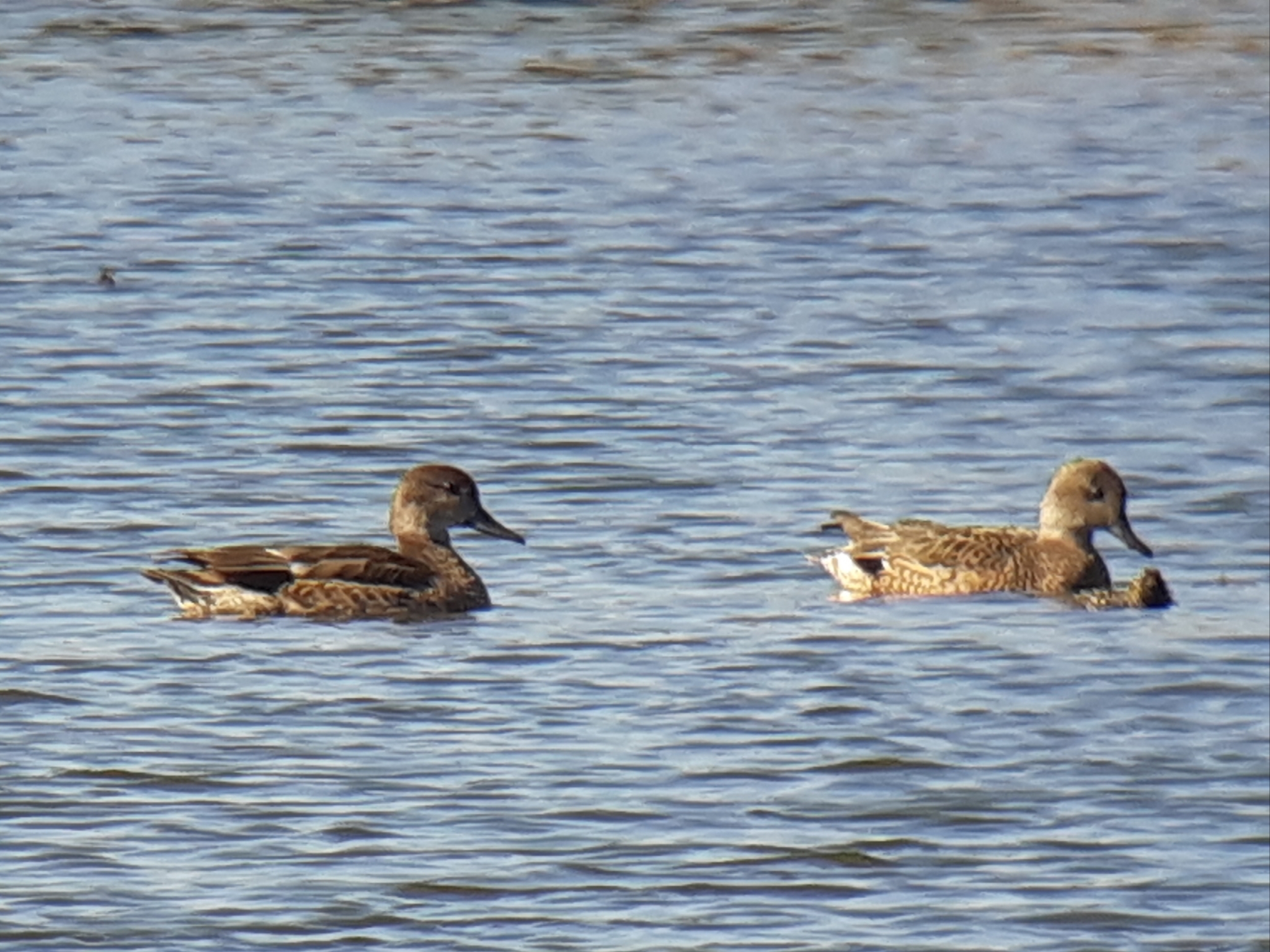
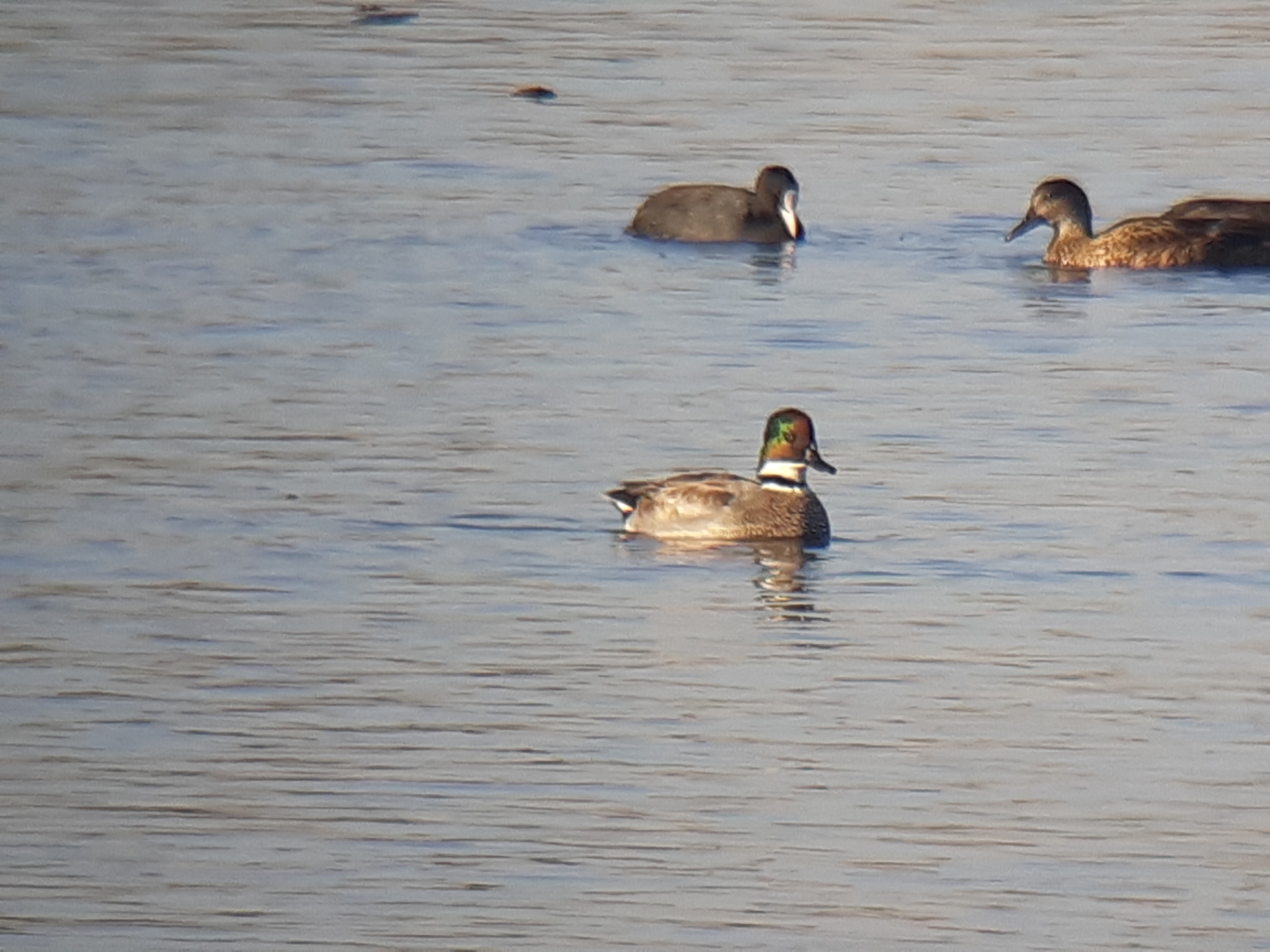
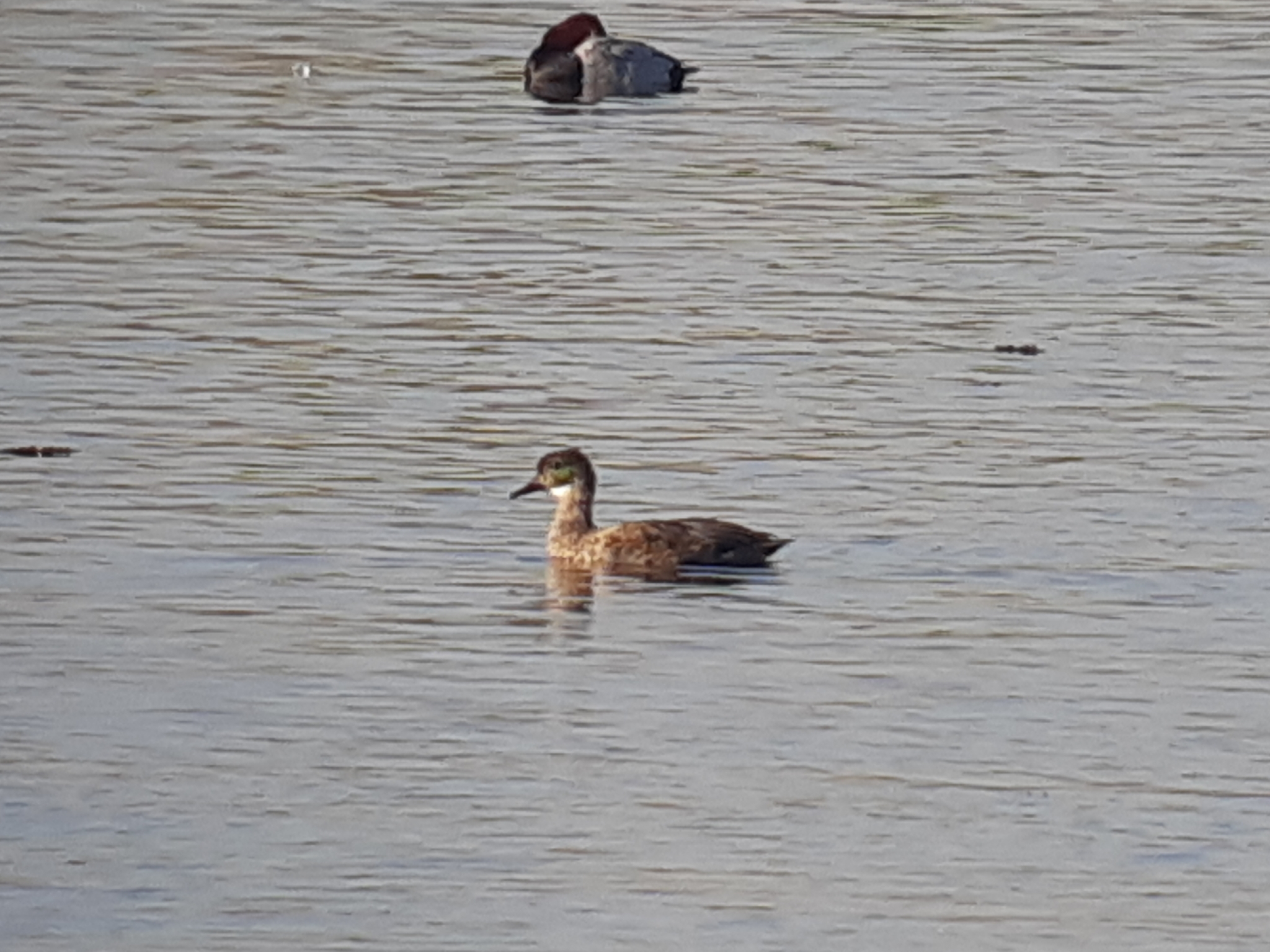
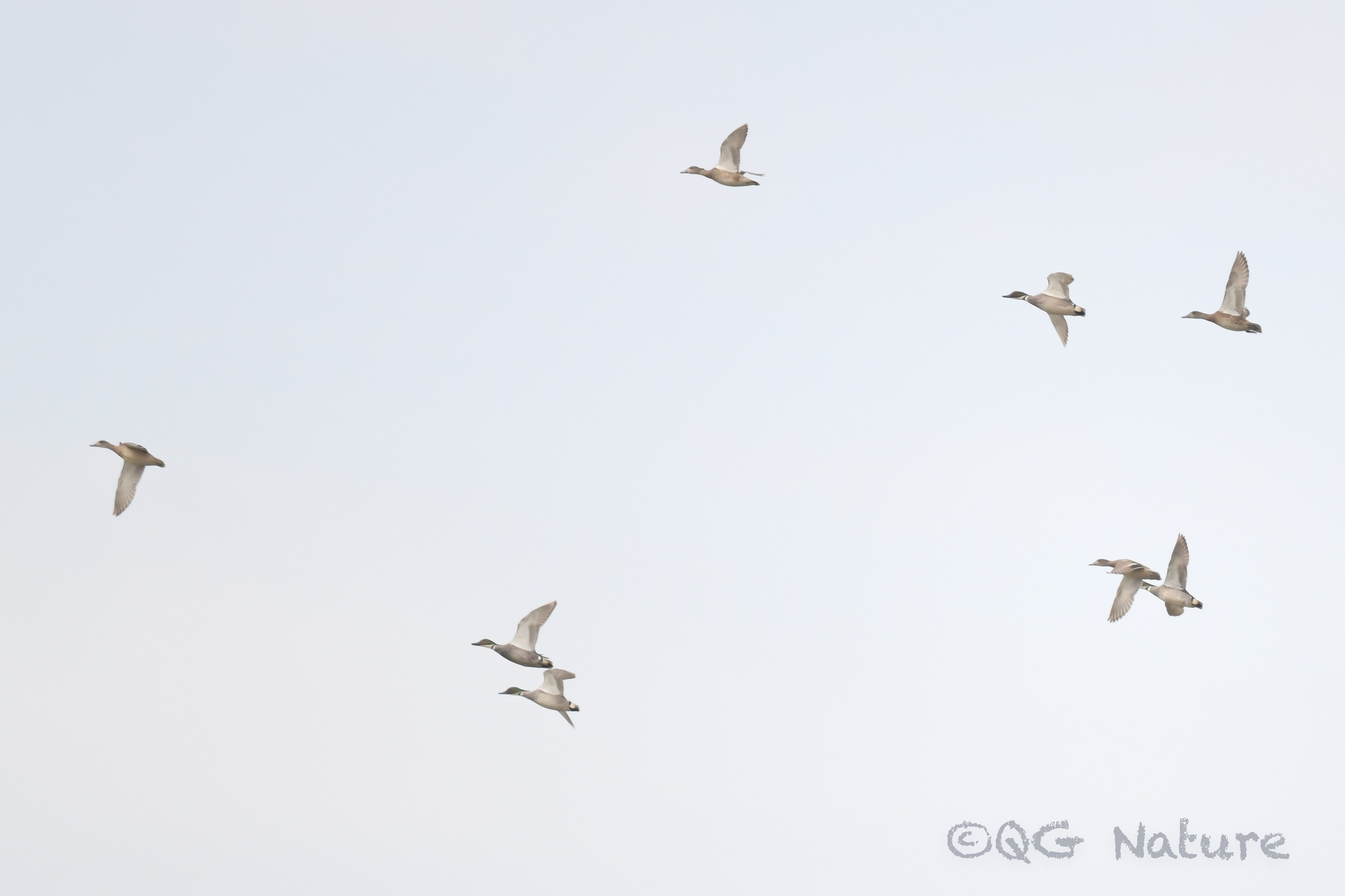
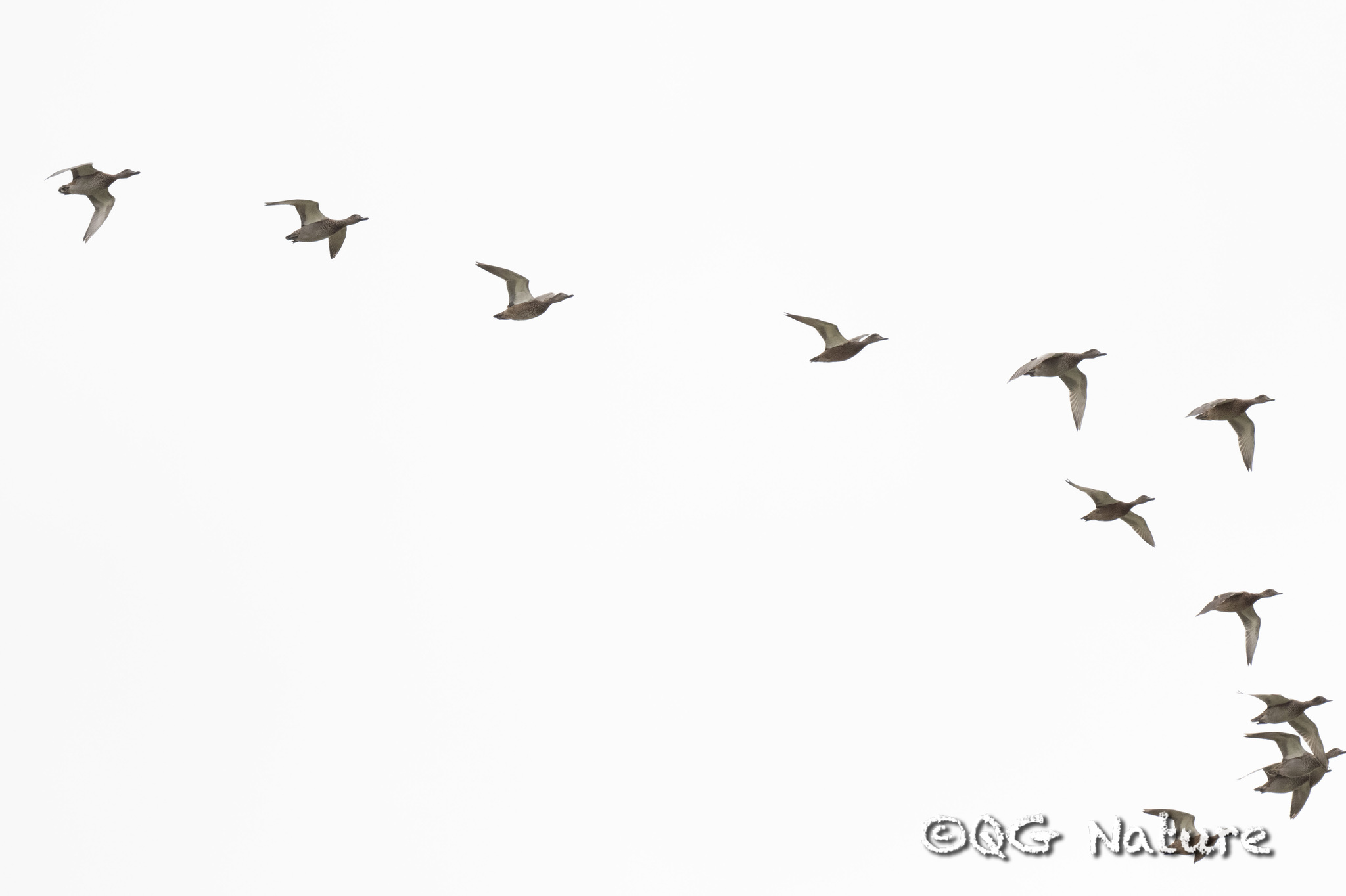
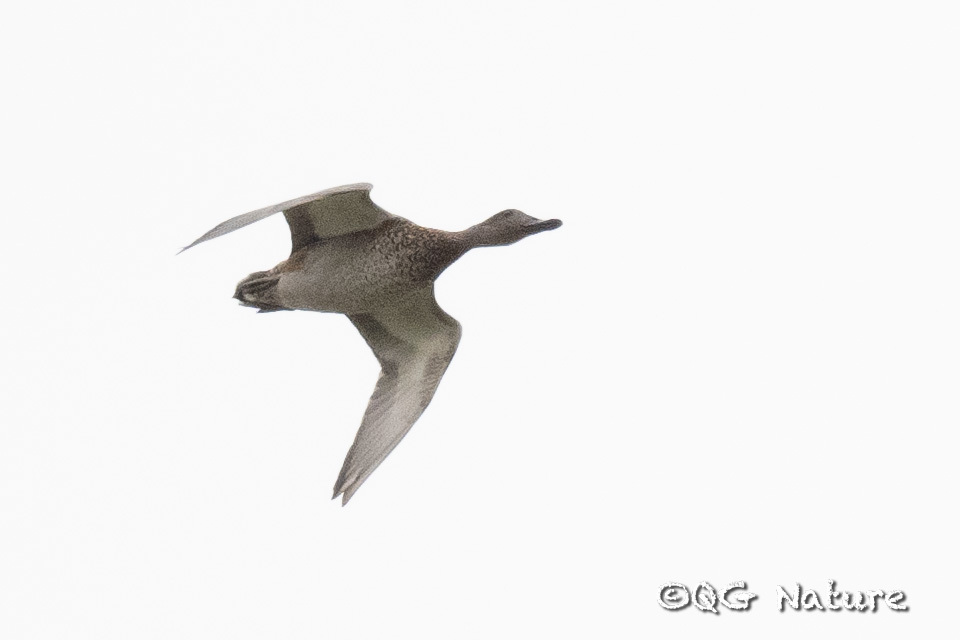
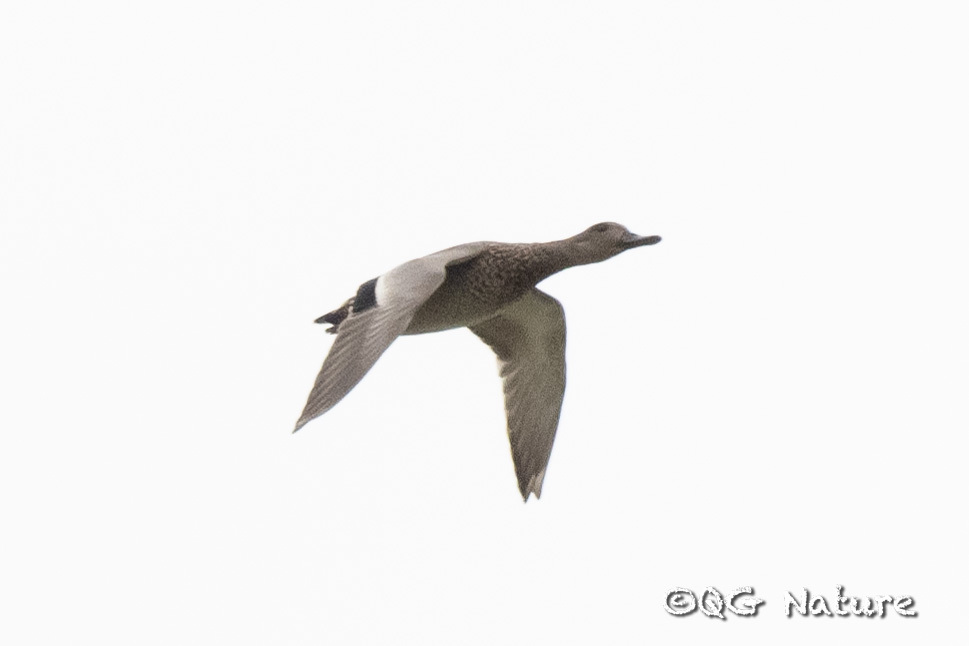
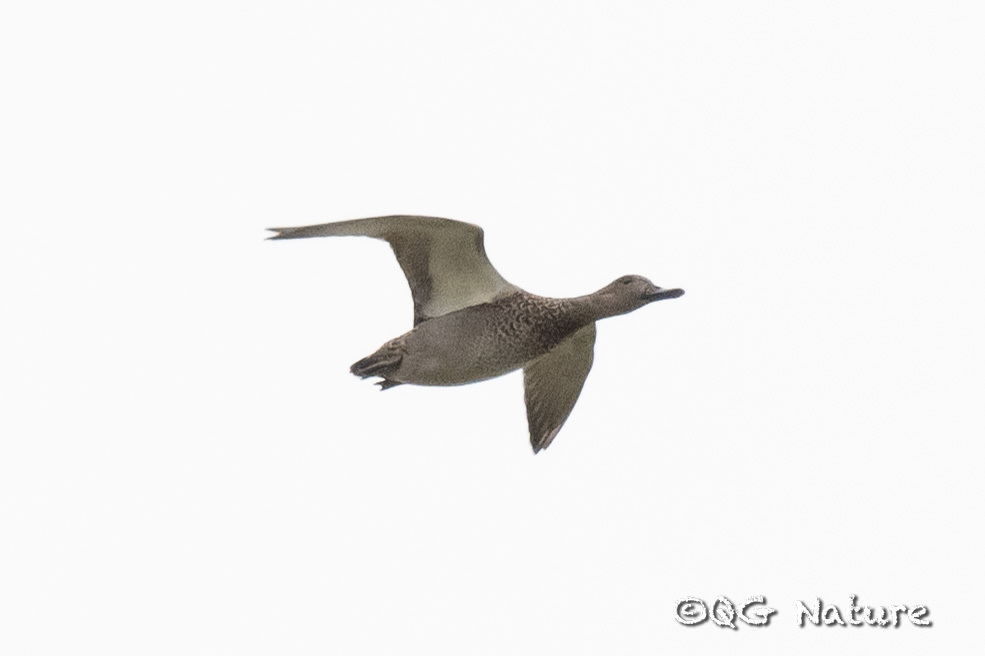
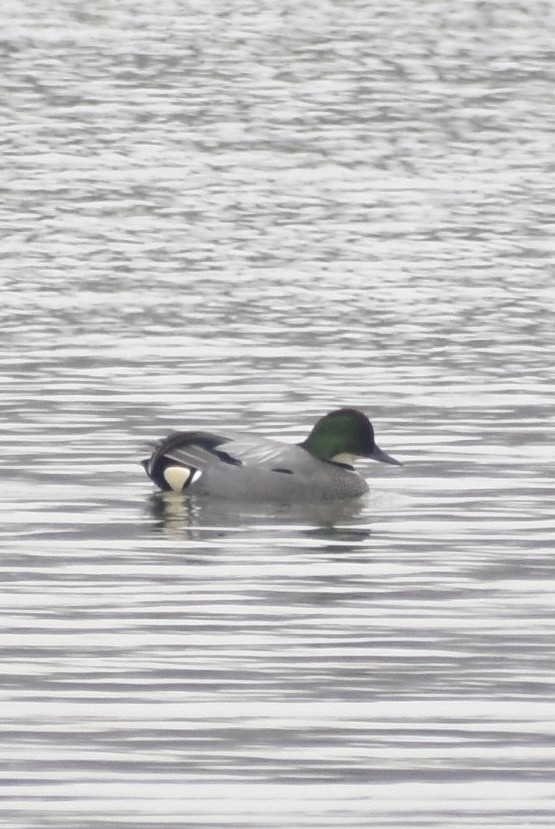
This medium-sized dabbling duck measures 46-53 centimeters in length with a wingspan of 79-91 centimeters. Males weigh 422-770 grams, significantly heavier than females. The breeding male is a striking bird with finely vermiculated grey plumage covering most of the body. Its most distinctive feature is the long sickle-shaped tertial feathers that cascade down its back. The large head displays dark green coloration with a white throat, dark green collar, and bronzed crown. The vent region shows an eye-catching pattern of yellow, black, and white. Females are uniformly dark brown, resembling female wigeons but distinguished by their longer grey bills. Eclipse males resemble females but appear darker on the back and head. In flight, both sexes show pale grey underwings and a blackish speculum bordered with a white bar. Juveniles are buffer than females with shorter tertials.
Identification
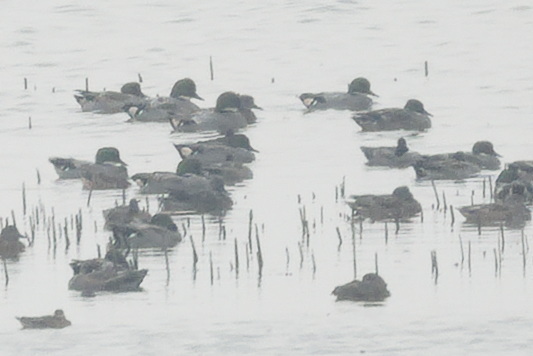
Breeding males are unmistakable in appearance, particularly the sickle-shaped tertials and dark green head pattern. Females closely resemble female wigeons but can be distinguished by their notably longer grey bills. Eclipse males pose the greatest identification challenge, as they resemble females but show darker coloring on the back and head. In flight, the pale grey underwing combined with the blackish speculum edged in white provides reliable field marks. The species is often found in mixed flocks with other dabbling ducks during winter, so observers should pay attention to the distinctive tertial shape and head pattern of any males present. The combination of body size, bill length, and plumage characteristics separates this species from similar ducks in the genus Anas.
Distribution & Habitat
This strongly migratory species breeds across eastern Asia, from eastern Siberia and Mongolia through northeastern China to northern Japan, including Hokkaido, Aomori, and the Kuril Islands. Wintering grounds extend throughout Southeast Asia, reaching northern India and including Bangladesh, Myanmar, Laos, Vietnam, and much of eastern and southern China. The species is gregarious outside the breeding season, forming large flocks at wintering sites. It inhabits lowland wetlands including water meadows and lakes, feeding by dabbling or grazing. Global extent of occurrence is estimated at 1,000,000-10,000,000 square kilometers. Vagrant sightings have occurred in western North America and Poland, though captive origin cannot be ruled out given the species' popularity in waterfowl collections.
Behavior & Ecology
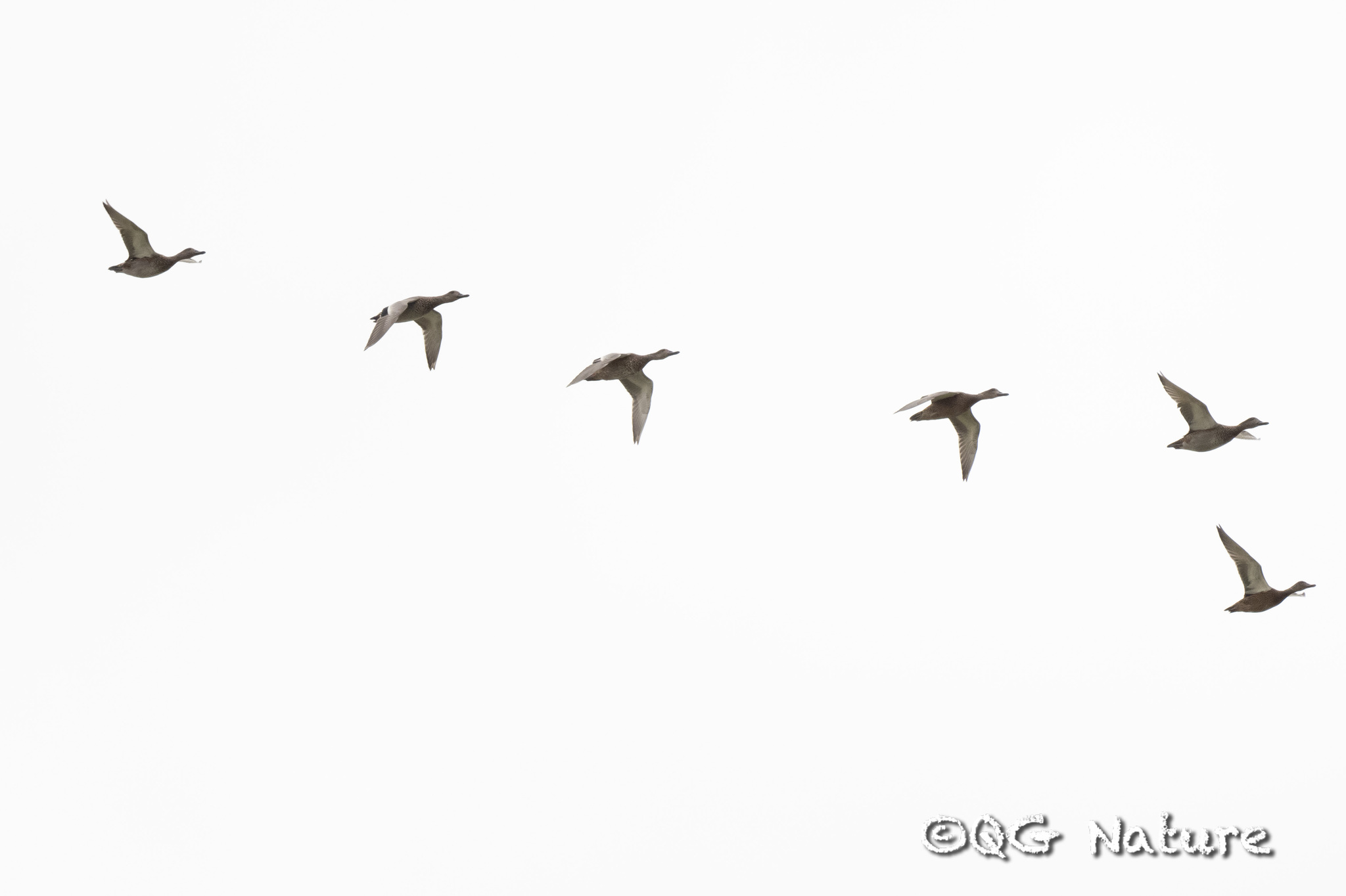
Outside the breeding season, this species is highly gregarious, gathering in large flocks on wetlands. Its diet consists primarily of plant material including leaves, seeds, grains, and nuts, supplemented by small invertebrates, insect larvae, crustaceans, and mollusks. The species serves as a host for various parasites including ticks, fleas, and lice, and may carry diseases such as avian influenza and West Nile virus. Breeding begins with elaborate courtship rituals: females perform inciting calls and preening displays, while males use introductory shakes, burp calls, grunt whistles, and head-up-tail-up displays. Clutches of 6-10 eggs are laid in late May in ground nests hidden in thick vegetation within 80 meters of water. Females incubate alone for 24-25 days. The species forms monogamous pairs during the breeding season. Hybridization with Eurasian wigeon has been documented in Japan.
Conservation
Classified as near-threatened on the IUCN Red List, this species has shown a encouraging population increase from previous estimates of 35,000 to current counts of approximately 89,000 individuals. Primary threats include hunting for food and feathers, along with ongoing wetland drainage and habitat loss from agricultural development and urbanization. The eastern Nanhui area of China represents a critical wintering site where urbanization pressures threaten remaining populations. Artificial wetland creation has not proven as effective as natural habitat for supporting migratory waterbirds. The species receives protection under the Migratory Bird Treaty Act. Conservation priorities include monitoring non-breeding populations, implementing hunting regulations, improving nature reserve management, and developing alternative livelihoods for communities currently dependent on waterfowl hunting. Population trends appear stable to increasing overall.
Culture
The article does not contain information about cultural significance or folklore.
Source: Wikipedia · CC BY-SA 3.0
Taxonomy
- Order
- Anseriformes
- Family
- Anatidae
- Genus
- Mareca
- eBird Code
- falduc
Distribution
breeds Mongolia, eastern Siberia, and northeastern China; winters northern India to southern and eastern China, southern Korean Peninsula, and Japan
Data Sources
CBR Notes: IUCN红色名录等级由NT降为LC
Species description from Wikipedia, licensed under CC BY-SA 3.0.
Bird images and sounds sourced from GBIF, contributed by citizen scientists worldwide under Creative Commons licenses.
Taxonomy data from AviList 2025.