
Galliformes / Phasianidae / Lyrurus
Black Grouse
Lyrurus tetrix · 黑琴鸡
Introduction
A large sedentary bird in the grouse family, spanning the Palearctic in moorland and steppe habitats, often near wooded areas. It winters in dense forests, feeding almost exclusively on conifer needles. The species is one of two in the genus Lyrurus. Global population is estimated at 15–40 million individuals, with a slow rate of decline.
Description
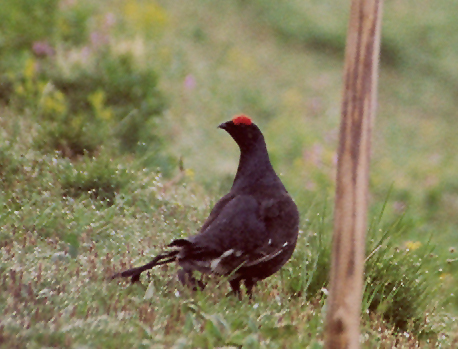
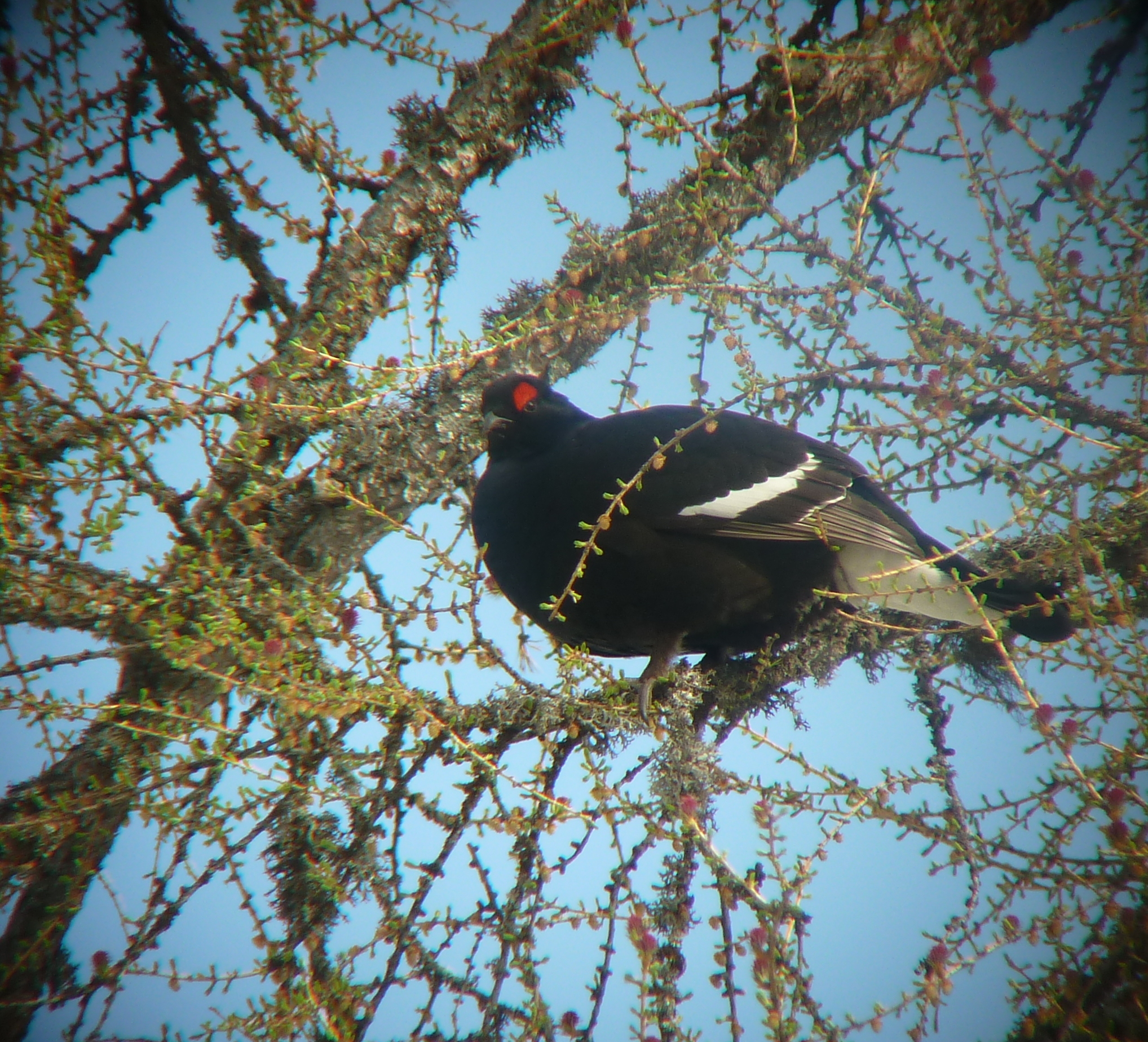
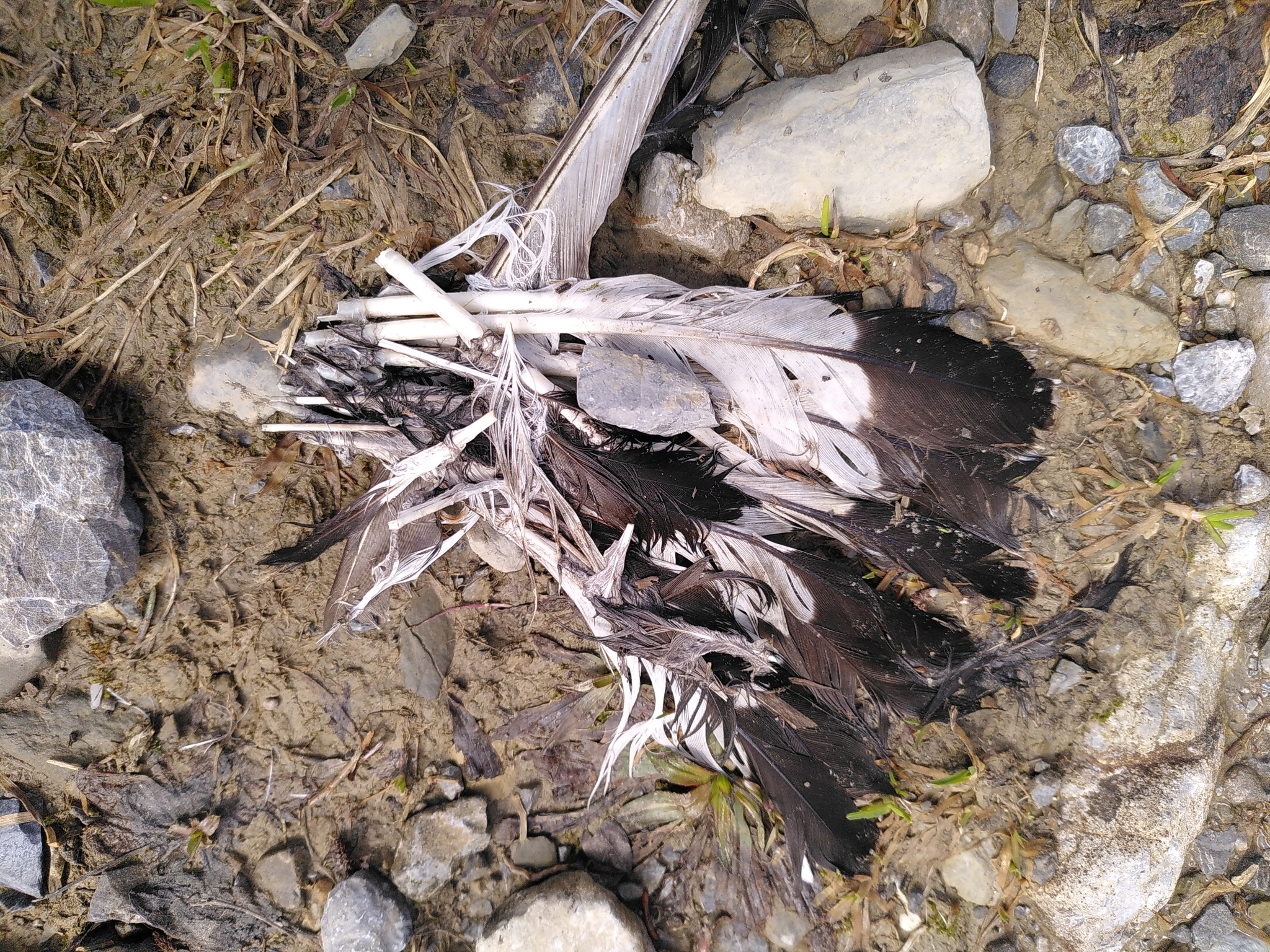
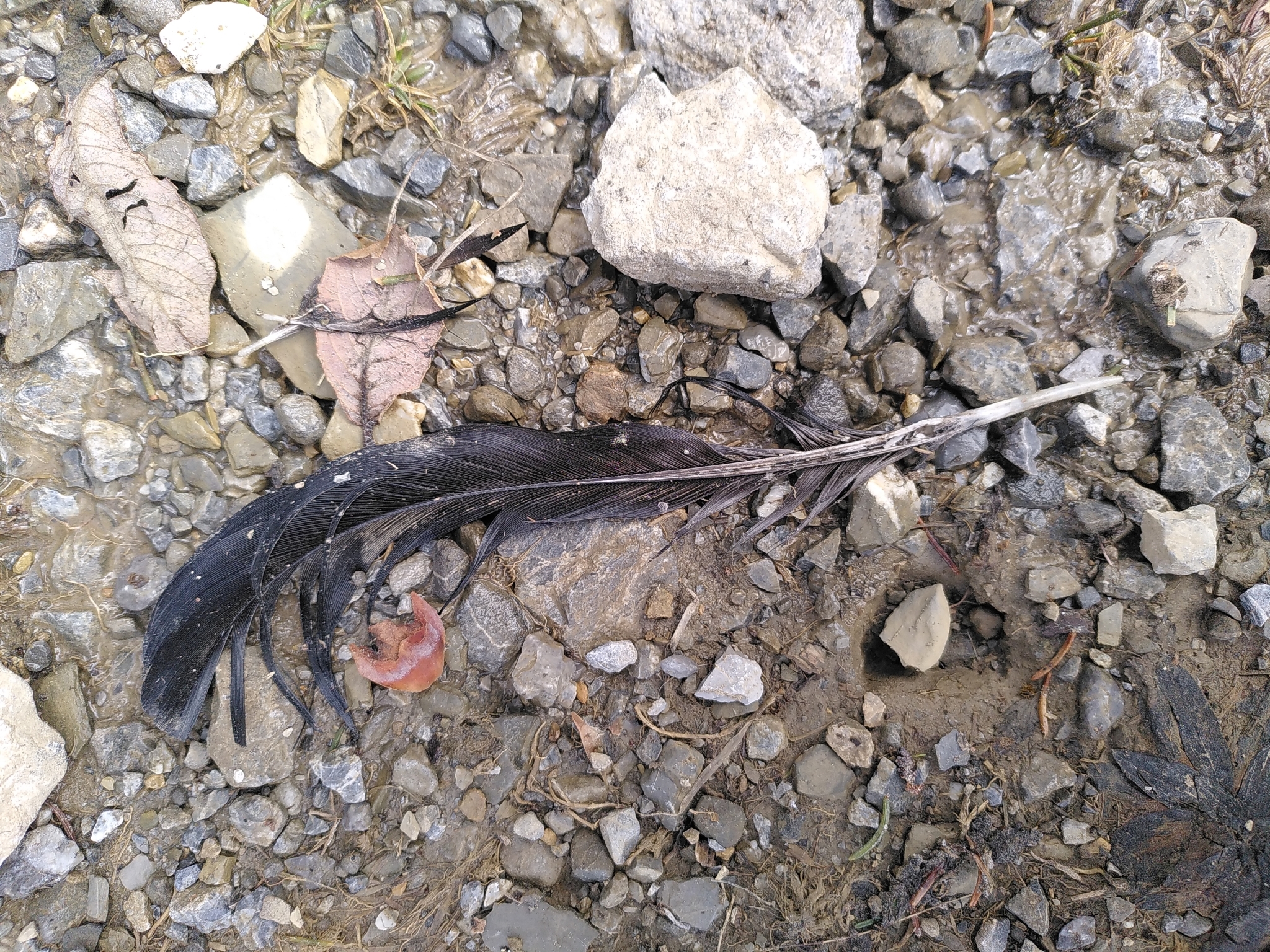
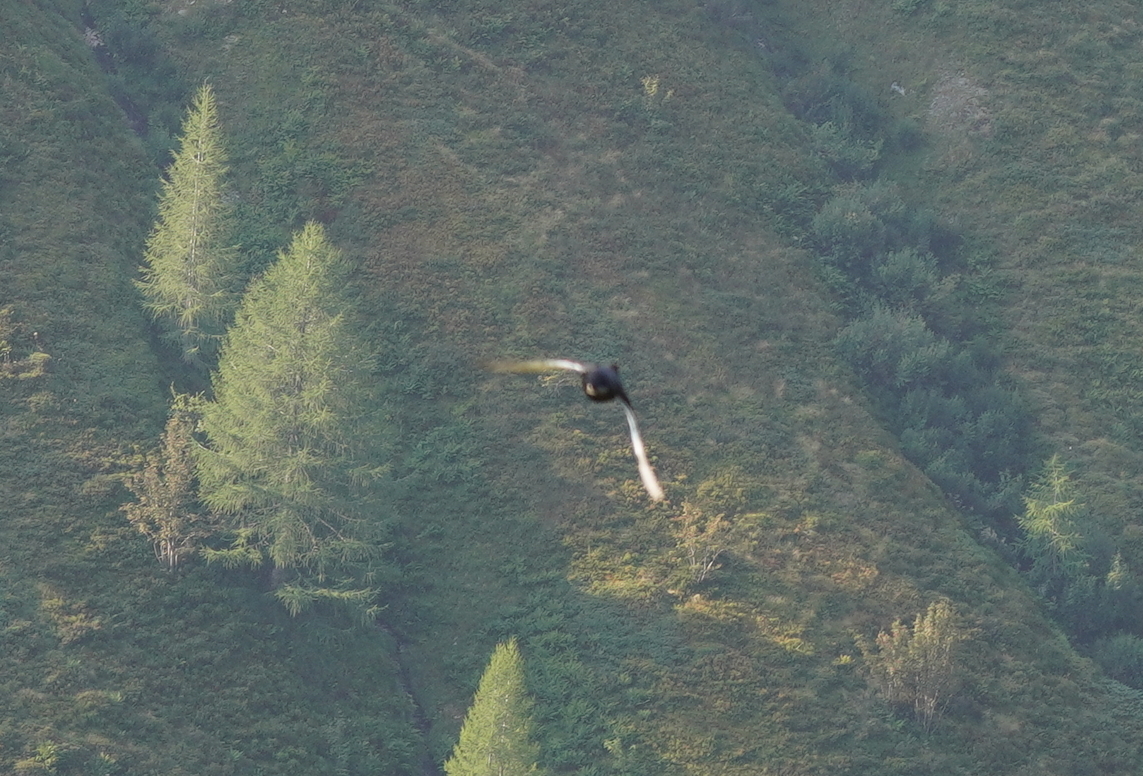
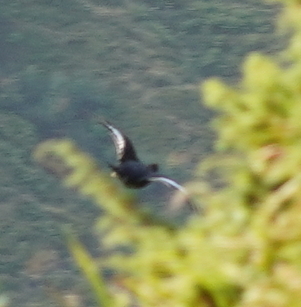
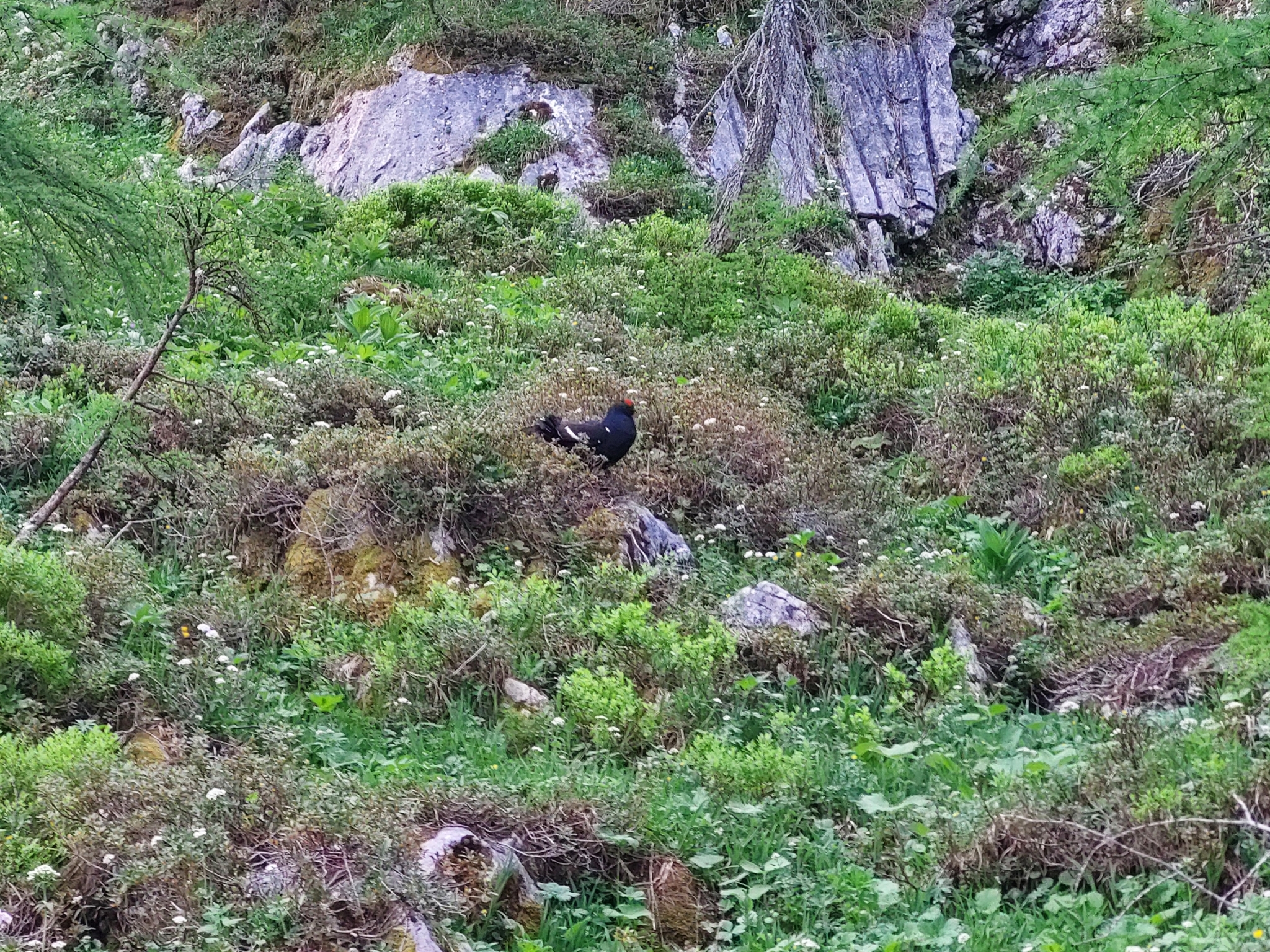
Males measure roughly 60 cm (24 inches) in length and weigh 1,100–1,250 g, sometimes up to 2,100 g. Plumage is predominantly black with deep-blue hues on the neck and back, contrasting with white winglines and undertail coverts, and red bare skin above each eye. Females are greyish-brown, cryptically colored, approximately 45 cm (18 inches) long, and weigh 750–1,100 g. Both sexes have long outer tail feathers that curl outward, resembling a Greek lyre.
Identification
Males are distinctively black with white wing bars and lyre-shaped tails. Females are drab greyish-brown. Males produce a long, dove-like bubbling coo or murmur during display. Females have a cackling or warbling call.
Distribution & Habitat
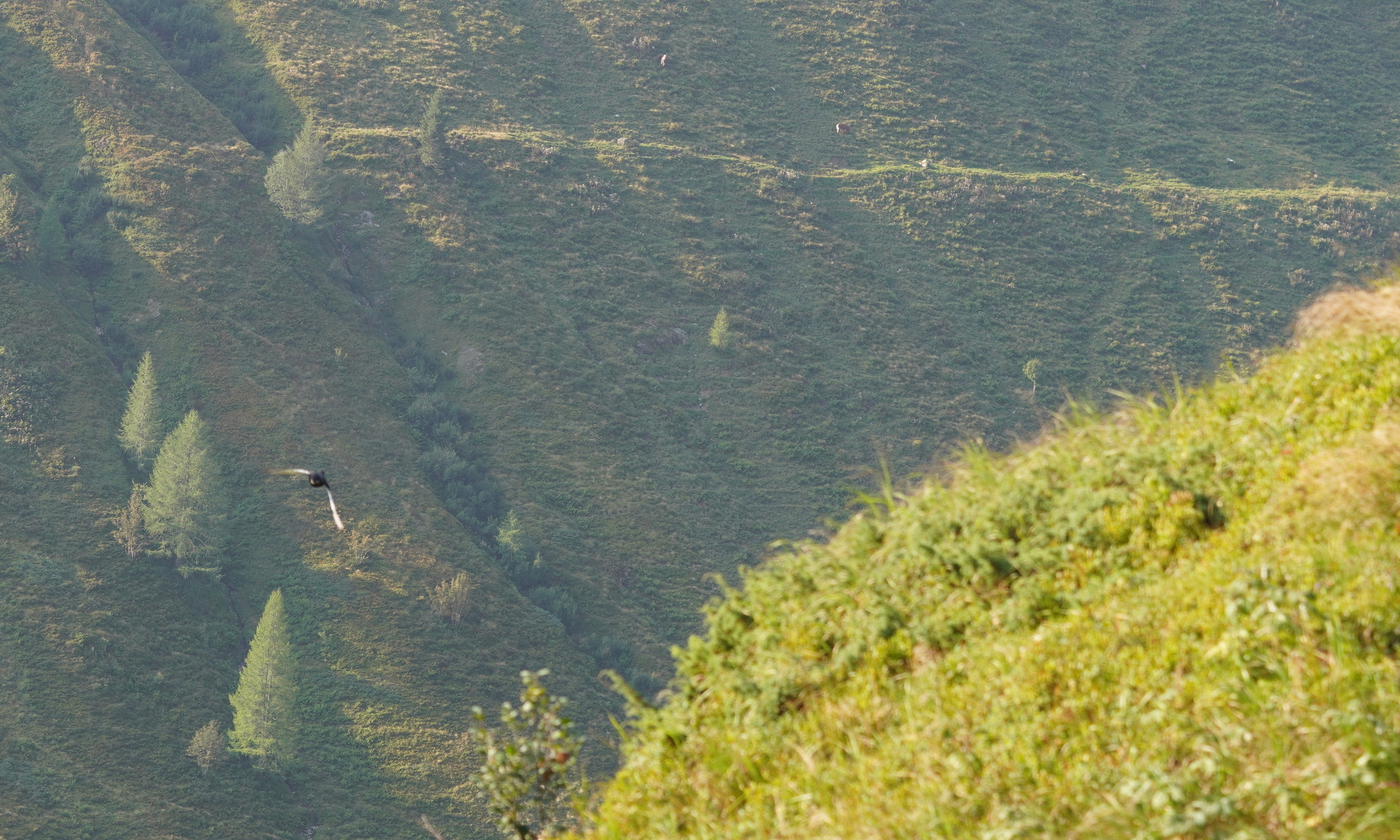
Found across Europe from Great Britain through Scandinavia, Estonia, and Russia, including the Swiss-Italian-French Alps. Present in Eastern Europe (Hungary, Latvia, Lithuania, Poland, Belarus, Romania, Ukraine) with isolated remnants in Germany, France, Belgium, and the Netherlands. Extinct in Denmark since 2001 and disappeared from Bulgaria in the 19th century. In Asia, populations exist in Russia (particularly southern Siberia), Kazakhstan, Mongolia, China, and possibly Korea. Six recognized subspecies include L. t. britannicus in Scotland, Wales, and northern England; L. t. tetrix in Scandinavia to southern France; and L. t. baikalensis in southeastern Siberia to northern Mongolia.
Behavior & Ecology
Sedentary species that overwinters in large flocks in dense forests, feeding on leaves and buds of conifers and broadleaf trees like Scots pine and silver birch. In spring and summer, they favor open spaces for breeding, switching diet to berries and shoots of Vaccinium shrubs. Males perform courtship displays at dawn on leks, fanning lyre-shaped tails and inflating necks while producing bubbling coos. Leks in western Europe seldom exceed 40 birds, while Russian leks may hold 150–200. Females nest in dense shrub or tall vegetation, laying 6–11 pale buff eggs speckled brown, incubated for 23–28 days. Chicks consume invertebrates initially, transitioning to plant matter, and can fly short distances by 10–14 days. Capable of hybridizing with ringneck pheasant, western capercaillie, and other grouse species.
Conservation
Not considered globally vulnerable due to large population (15–40 million) despite declines in western Europe. Threats include habitat loss, disturbance, predation by foxes and crows, and hunting. Local populations face extinction risks, such as in Styria, Austria. In the UK, extirpated from several counties including Lancashire and Cornwall; reintroduction programs began in the Peak District in 2003. In France, mitigation efforts address collisions with ski-lifts. In Manchuria and northeastern China, populations declined by about 39% from 1950 to 2000 due to habitat loss and hunting.
Culture
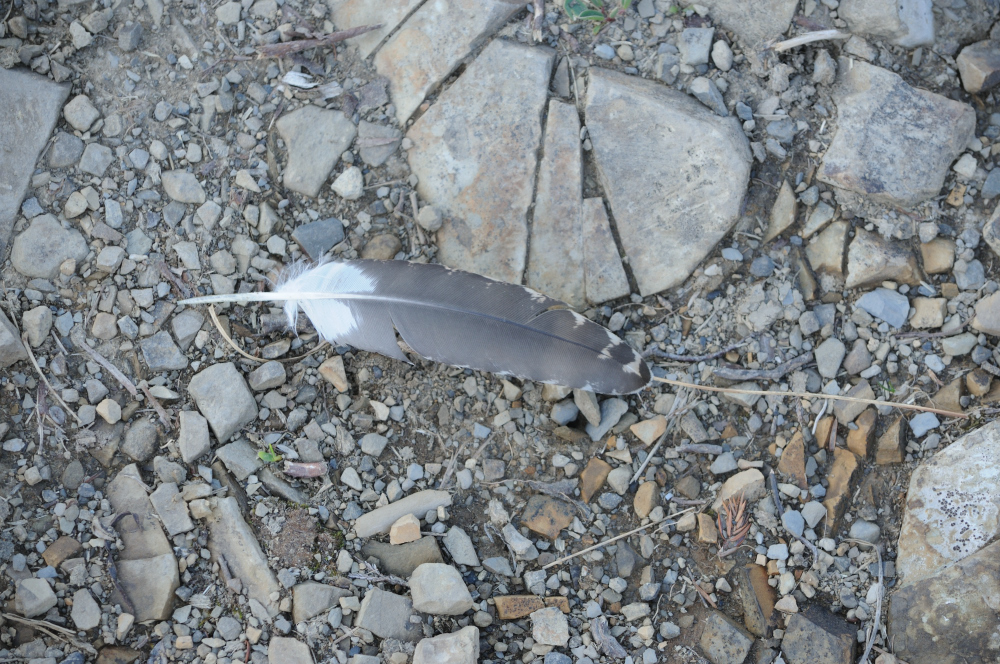
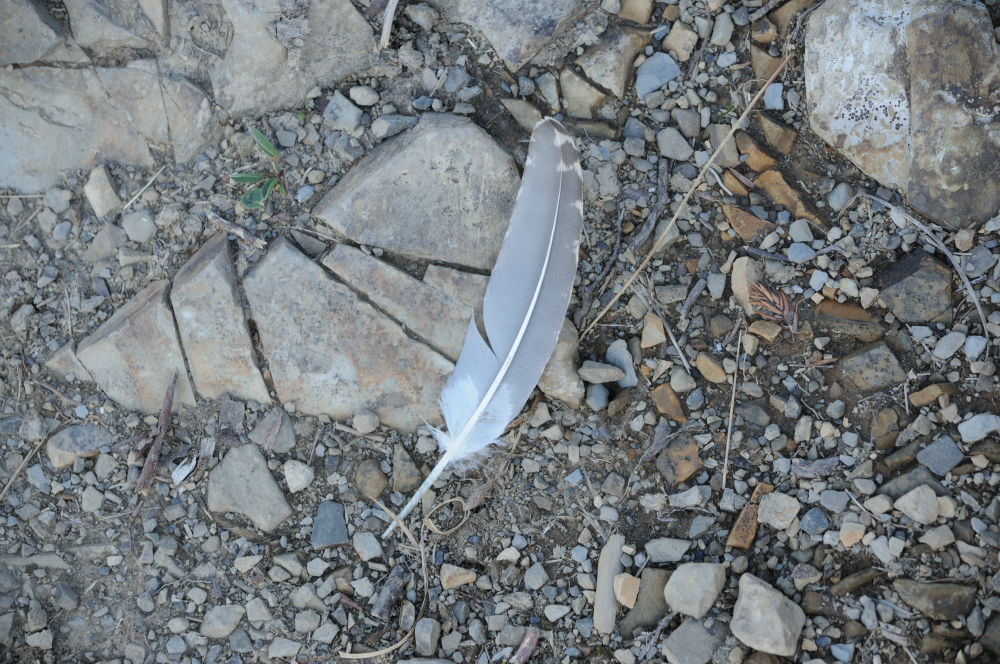
Male tail feathers have been popular adornments for hats worn with Highland Dress since late Victorian times, commonly associated with Glengarry, Balmoral, or Tam o' Shanter caps. Worn by pipers in civilian and military pipe bands. Since 1904, all ranks of the Royal Scots and King's Own Scottish Borderers have worn them in full-dress headgear, a tradition continued by the Royal Regiment of Scotland.
Source: Wikipedia · CC BY-SA 3.0
Taxonomy
- Order
- Galliformes
- Family
- Phasianidae
- Genus
- Lyrurus
Vocalizations
Subspecies (6)
-
Lyrurus tetrix baikalensis
southeastern Siberia to northern Mongolia and northwestern Manchuria
Data Sources
Species description from Wikipedia, licensed under CC BY-SA 3.0.
Bird images and sounds sourced from GBIF, contributed by citizen scientists worldwide under Creative Commons licenses.
Taxonomy data from AviList 2025.