Black Grouse
Lyrurus tetrix
黑琴鸡
Introduction
A large game bird in the grouse family (Tetraonidae), this sedentary species occurs across the Palearctic region. During breeding season, it inhabits moorland and steppe habitats, typically near wooded areas. In winter, it moves to dense conifer forests where it feeds almost exclusively on conifer needles. It is one of two species in the genus Lyrurus, the other being the Caucasian grouse. The genome was sequenced in 2014.
Description
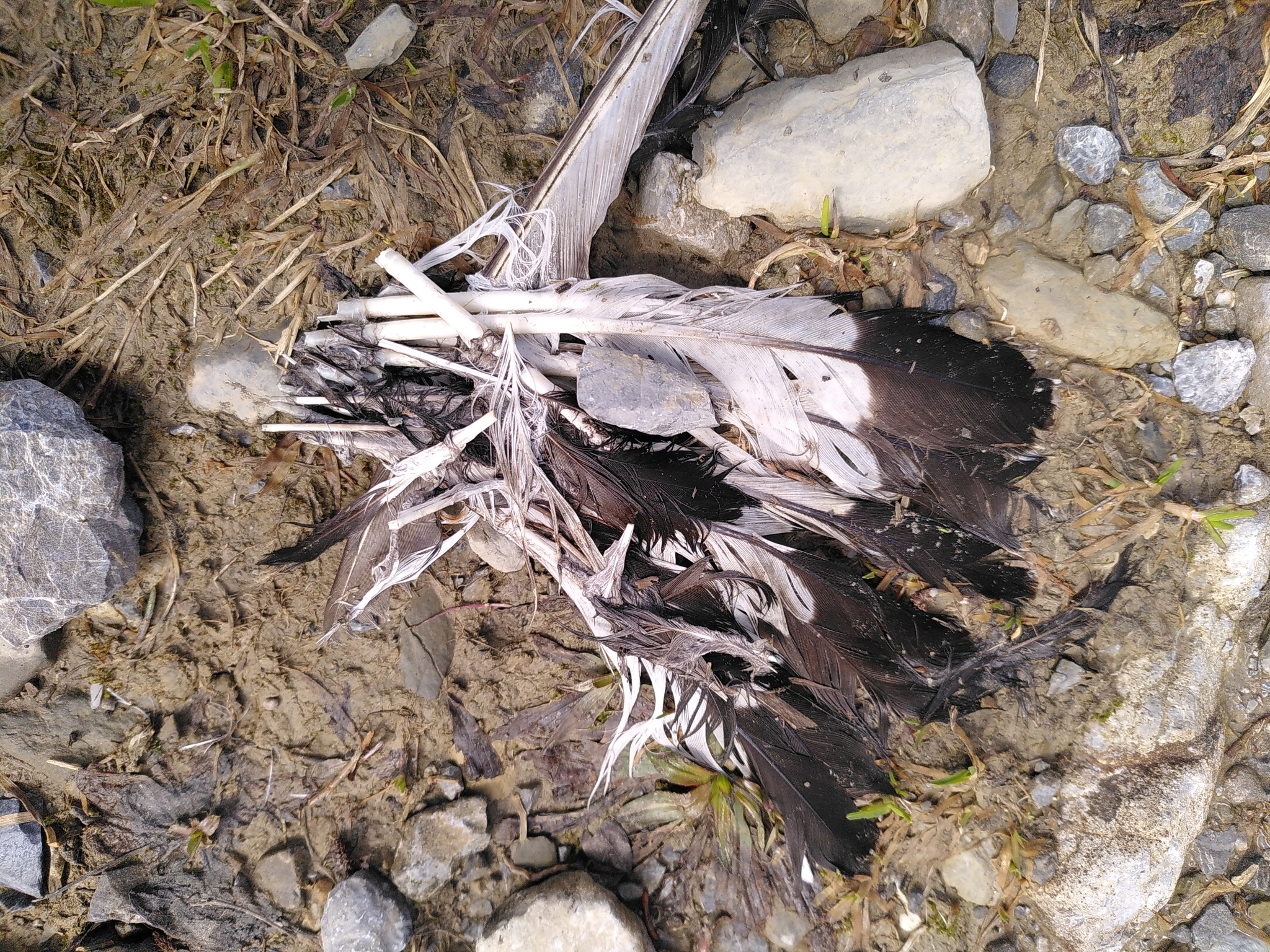
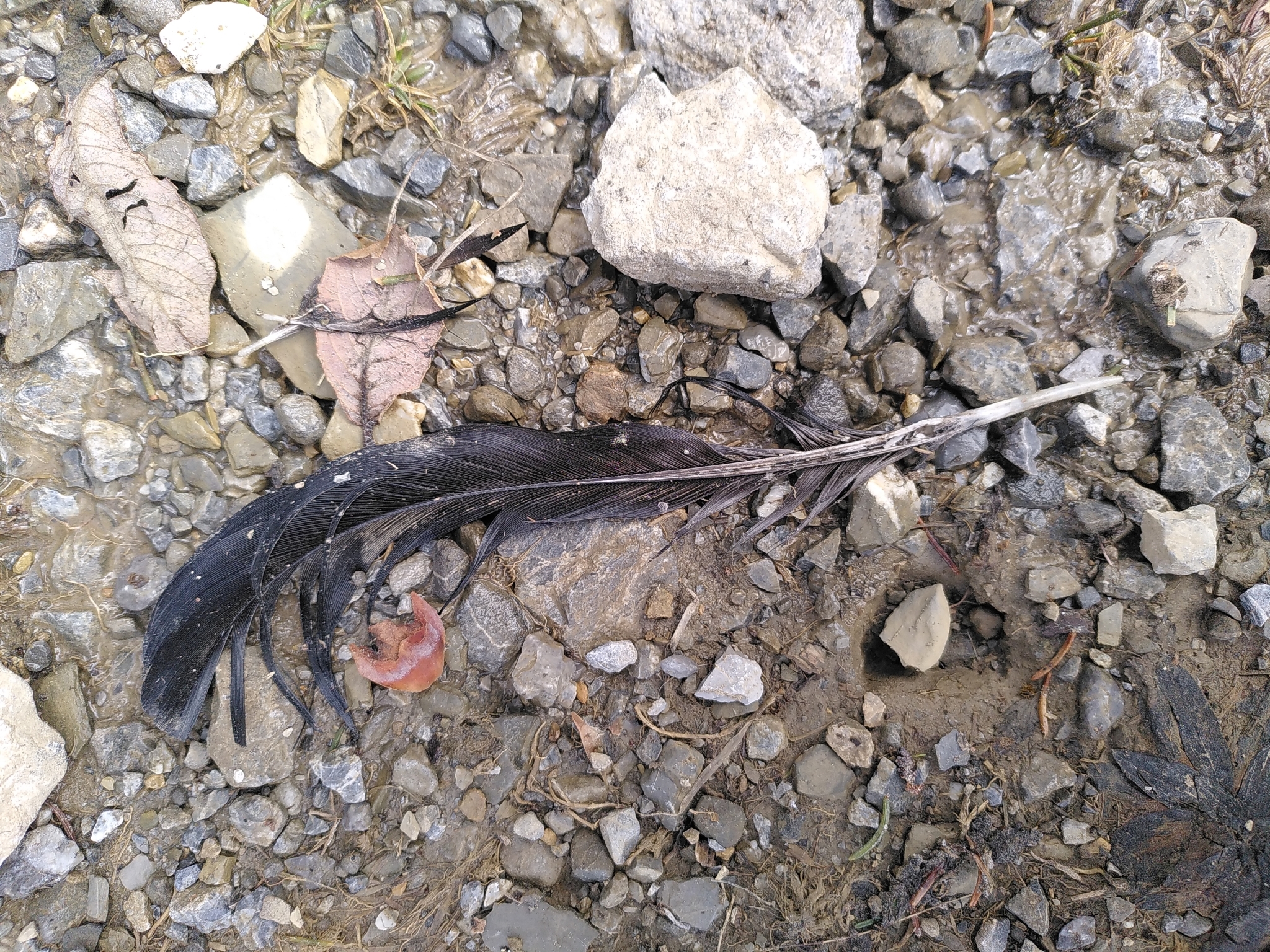
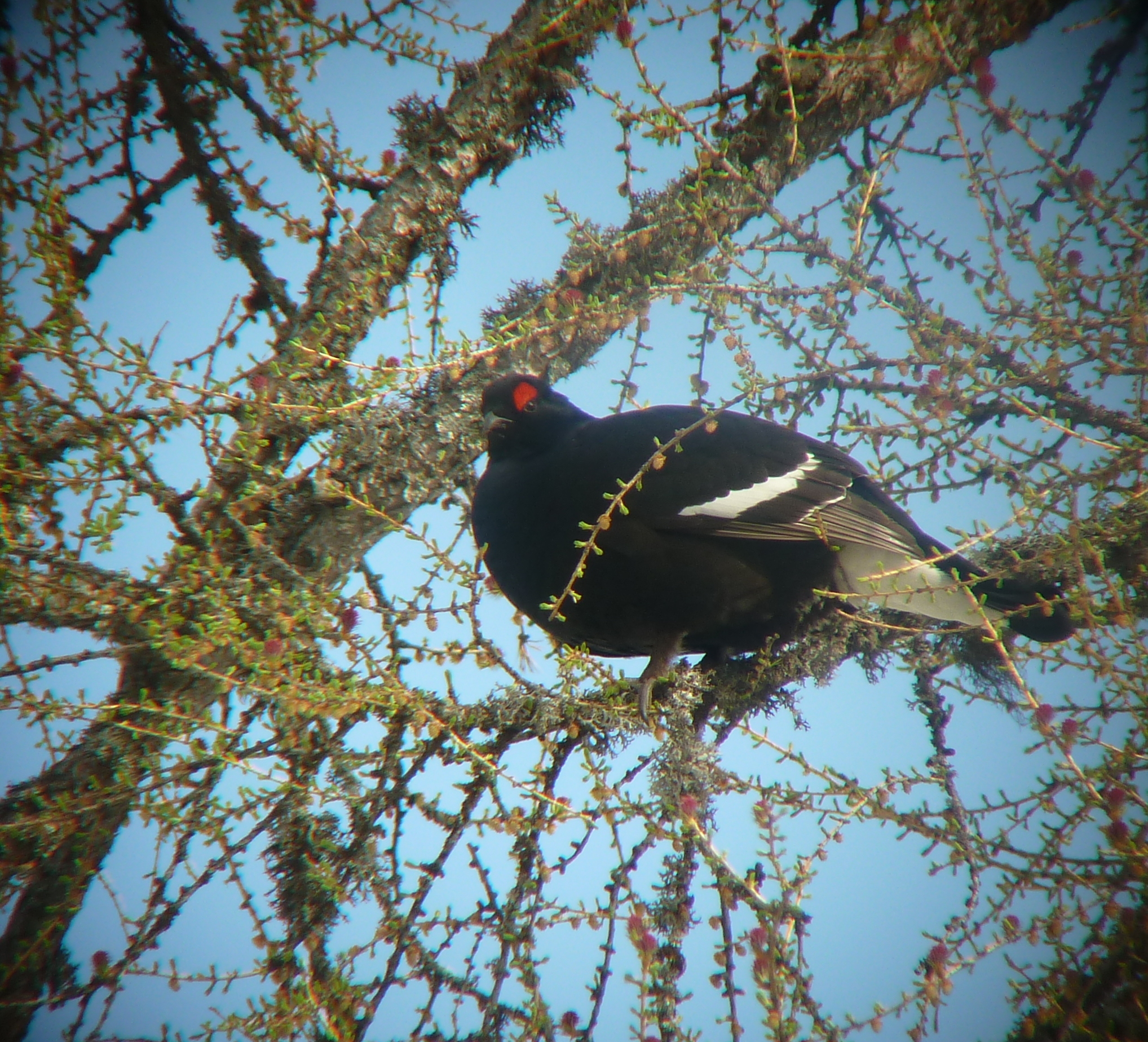
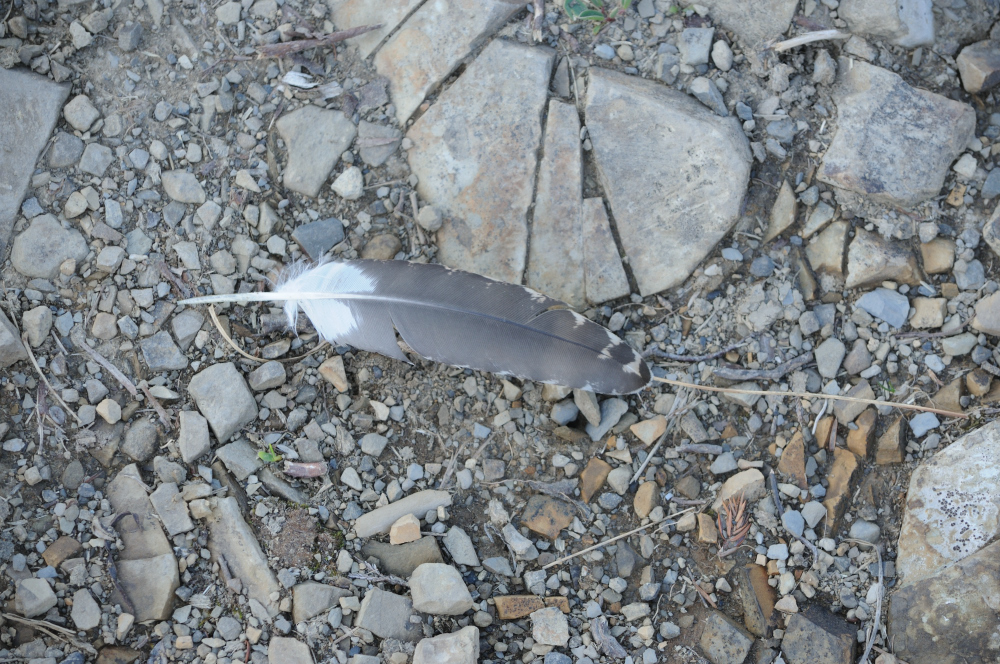
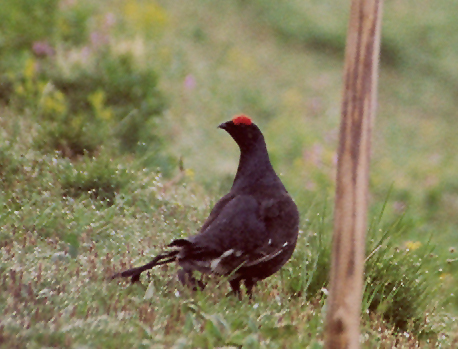
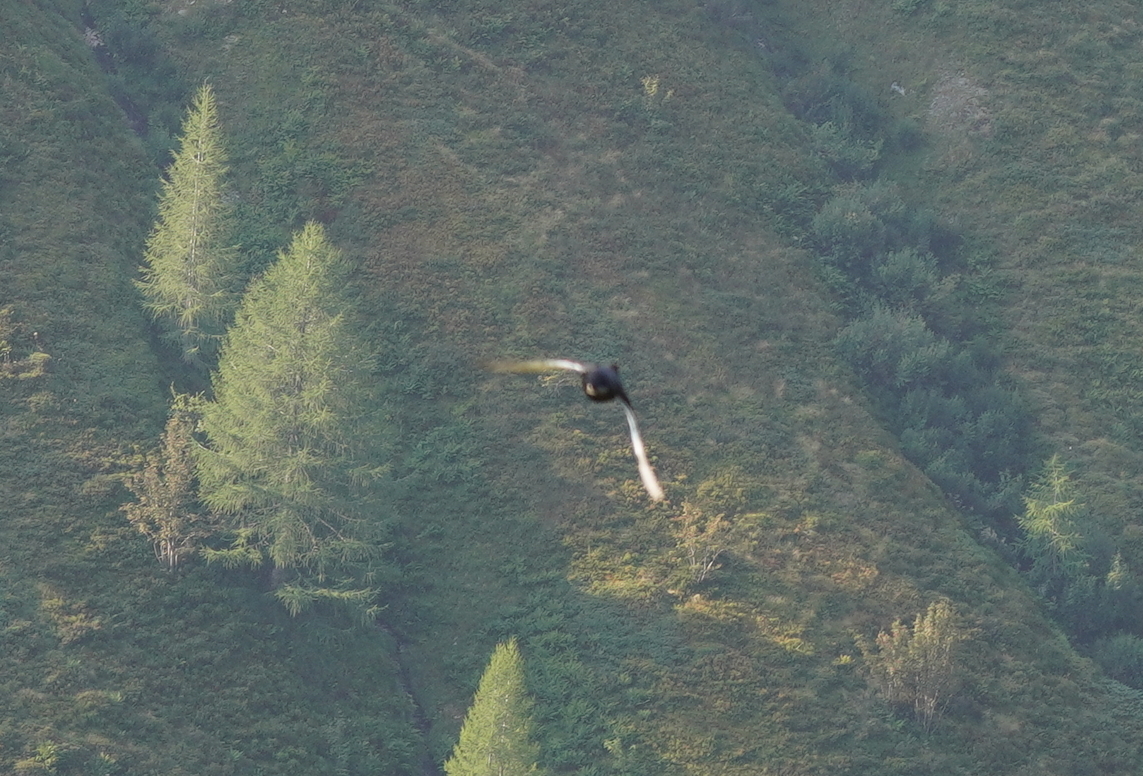
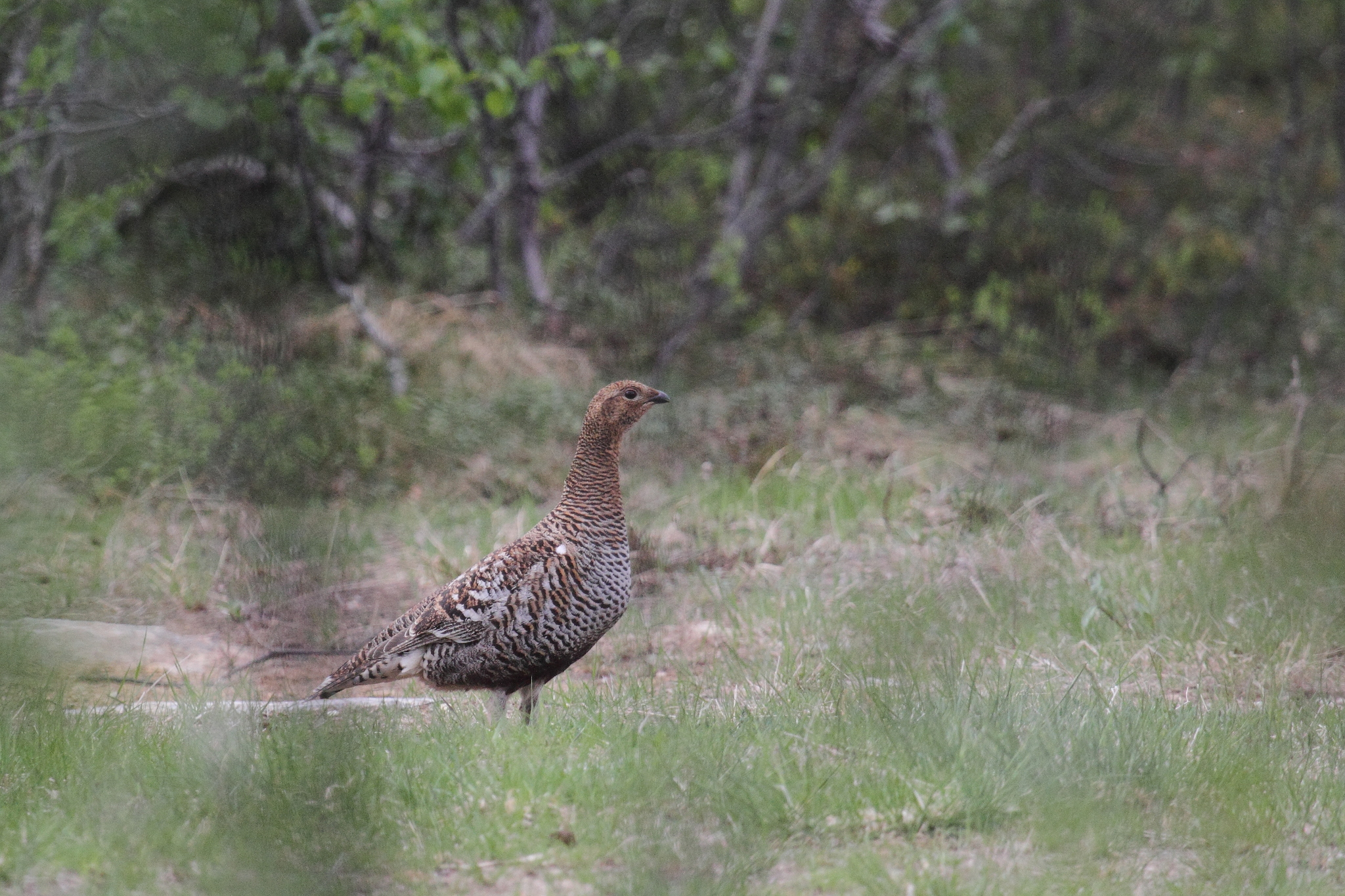
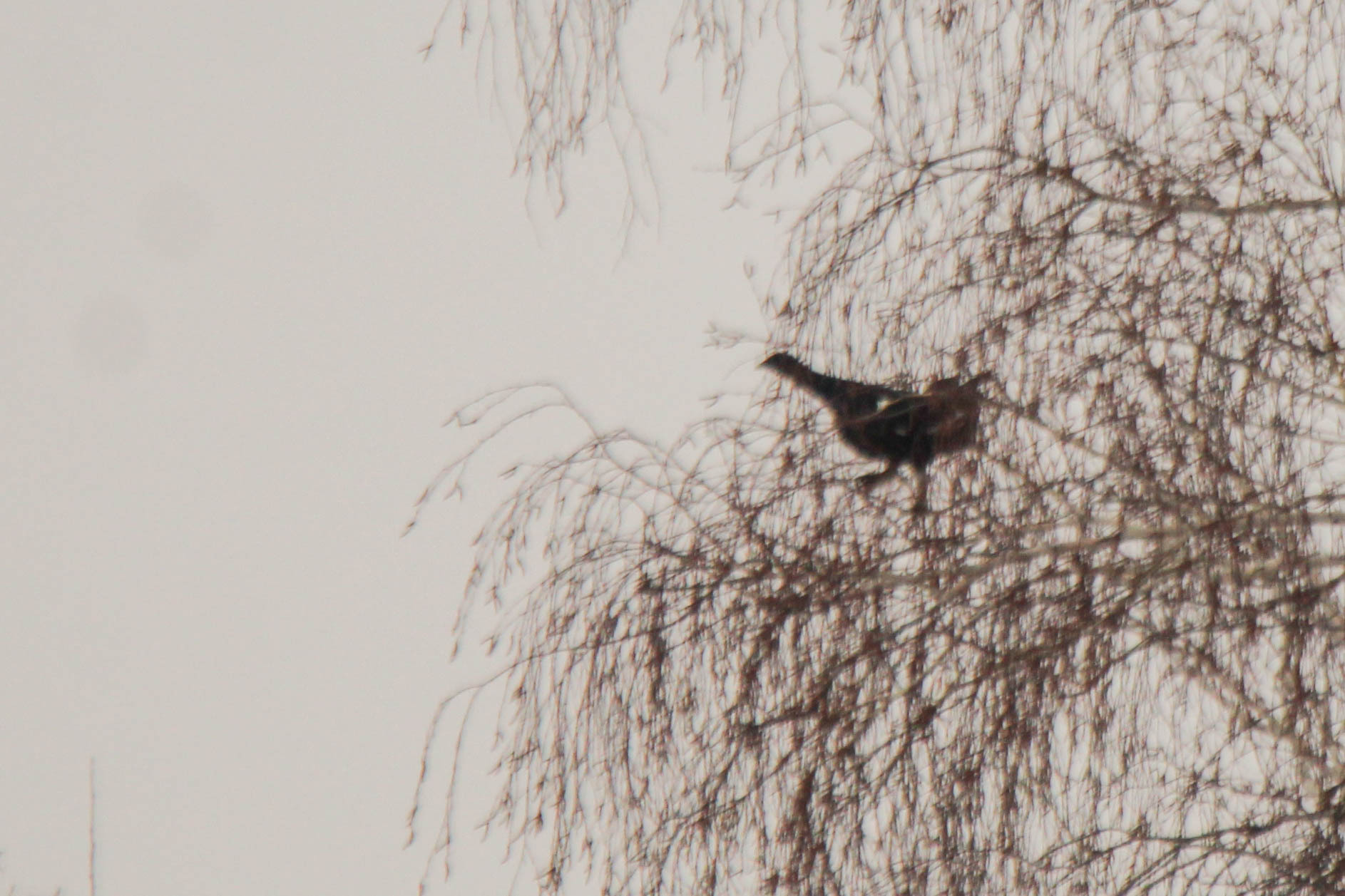
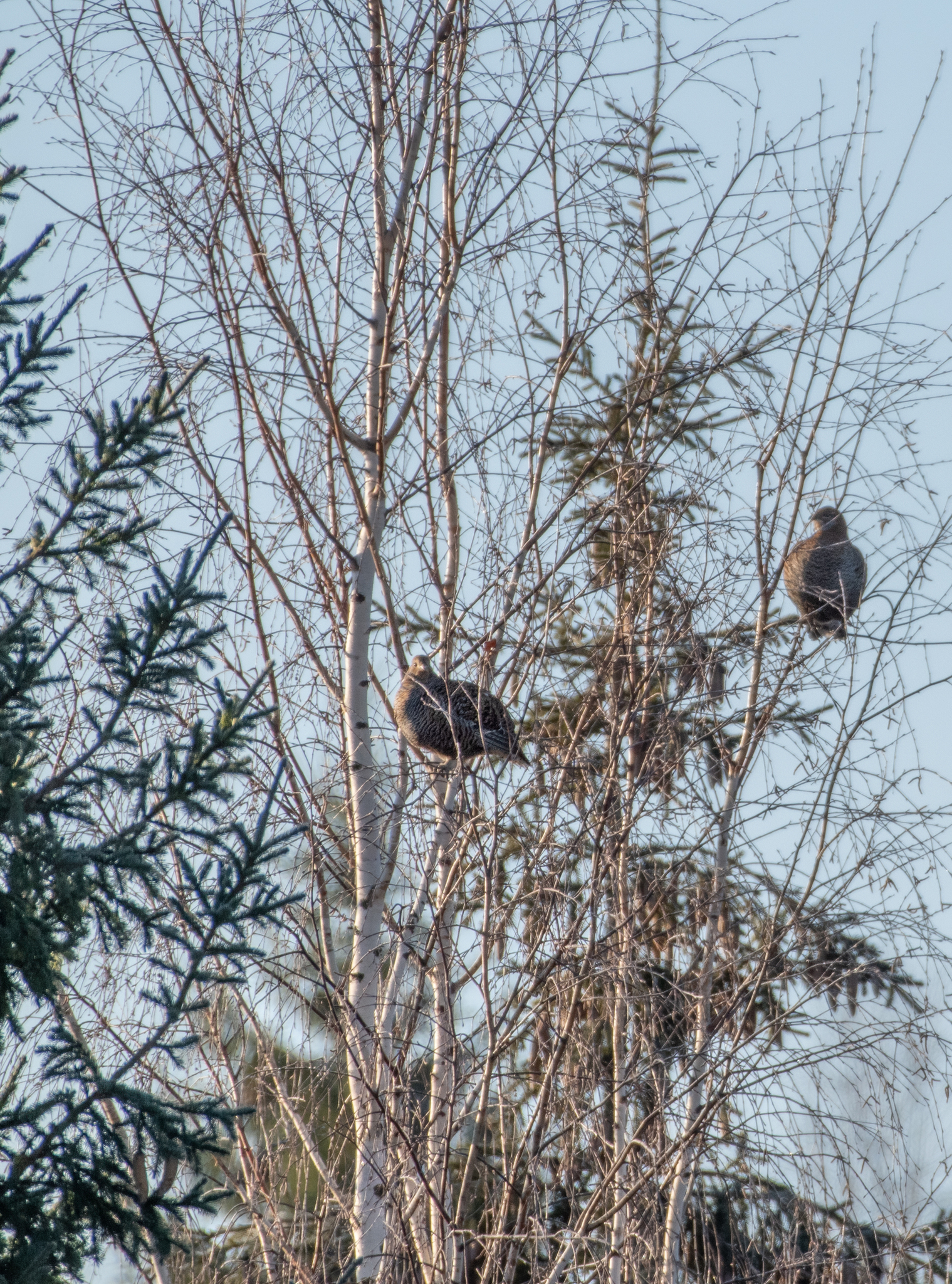
Males measure approximately 60 cm in length and weigh 1,100–1,250 g (sometimes up to 2,100 g), while females are smaller at about 45 cm and 750–1,100 g. The male's plumage is predominantly black with deep-blue hues on the neck and back, contrasting with white winglines and undertail coverts, and distinctive red bare skin above each eye. The female is greyish-brown and cryptically colored for camouflage during nesting. Both sexes have long outer tail feathers that curl outward, arranged in a shape resembling a Greek lyre, giving the genus its name.
Identification
Males are unmistakable with their all-black plumage, white wing and tail markings, and red eye combs. Females are more cryptic, resembling other grouse species with their brown, barred plumage. The lyre-shaped tail is diagnostic when visible. The female produces a cackling or warbling call.
Distribution & Habitat
Occurs across Europe from Great Britain through Scandinavia, Estonia, and Russia, extending east through Kazakhstan, Mongolia, and China to Korea. Absent from Ireland, Denmark (extinct since 2001), and Bulgaria (extinct since 19th century). Inhabits transitional zones between forests and open areas including steppe, heathland, grassland, and pasture near agricultural fields. Overwinters in large flocks in dense forests, avoiding desert and polar extremes.
Behavior & Ecology
Distinctive dawn courtship ritual in spring at traditional lek sites where males display. They fan lyre-shaped tails and inflate necks while producing a dove-like bubbling coo. Western European leks rarely exceed 40 birds, while Russian leks may reach 150-200. Females select the healthiest males. After mating, females nest alone, choosing sites near tree bases or under vegetation. The nest is a scrape lined with vegetation, containing 6-11 speckled eggs incubated for 23-28 days. Chicks eat invertebrates initially, transitioning to plants. Diet varies seasonally: conifer needles in winter; berries, shoots, and stems in summer.
Conservation
Globally secure with an estimated 15-40 million individuals, though declining in western Europe. Threats include habitat loss, human disturbance, predation, and small population extinction vortex. An Action Plan operated from 2007-2010 addressing local vulnerabilities. UK populations have disappeared from multiple counties, prompting reintroduction efforts in the Peak District starting in 2003 (50 birds released through 2005). Manchuria and northeastern China populations declined approximately 39% from 1950-2000, with habitat loss and hunting as primary causes.
Culture
Male tail feathers have been popular adornments for Scottish Highland Dress hats, particularly Glengarry and Balmoral/Tam o' Shanter caps, worn by pipers in civilian and military pipe bands. Since 1904, all ranks of the Royal Scots and King's Own Scottish Borderers have worn them in full-dress headgear, a tradition continued by the Royal Regiment of Scotland.
Source: Wikipedia · CC BY-SA 3.0
Taxonomy
- Order
- Galliformes
- Family
- Phasianidae
- Genus
- Lyrurus
- eBird Code
- blagro1
Vocalizations
Subspecies (6)
-
Lyrurus tetrix baikalensis
southeastern Siberia to northern Mongolia and northwestern Manchuria
-
Lyrurus tetrix britannicus
Great Britain (northern England and Scotland, including the Inner Hebrides)
-
Lyrurus tetrix mongolicus
eastern Kyrgyzstan and northwestern China to eastern Kazakhstan, south-central Siberia, and western Mongolia
-
Lyrurus tetrix tetrix
Scandinavia to France and northern Italy eastward to Siberia
-
Lyrurus tetrix ussuriensis
southeastern Siberia (Lake Baikal) to northwestern Korea and northern Mongolia
-
Lyrurus tetrix viridanus
southeastern Russia to southwestern Siberia, southward to northwestern Altai and Sayan mountains
Data Sources
Species description from Wikipedia, licensed under CC BY-SA 3.0.
Bird images and sounds sourced from GBIF, contributed by citizen scientists worldwide under Creative Commons licenses.
Taxonomy data from AviList 2025.