Caprimulgiformes / Caprimulgidae / Lyncornis
Great Eared Nightjar
Lyncornis macrotis · 毛腿夜鹰
Introduction
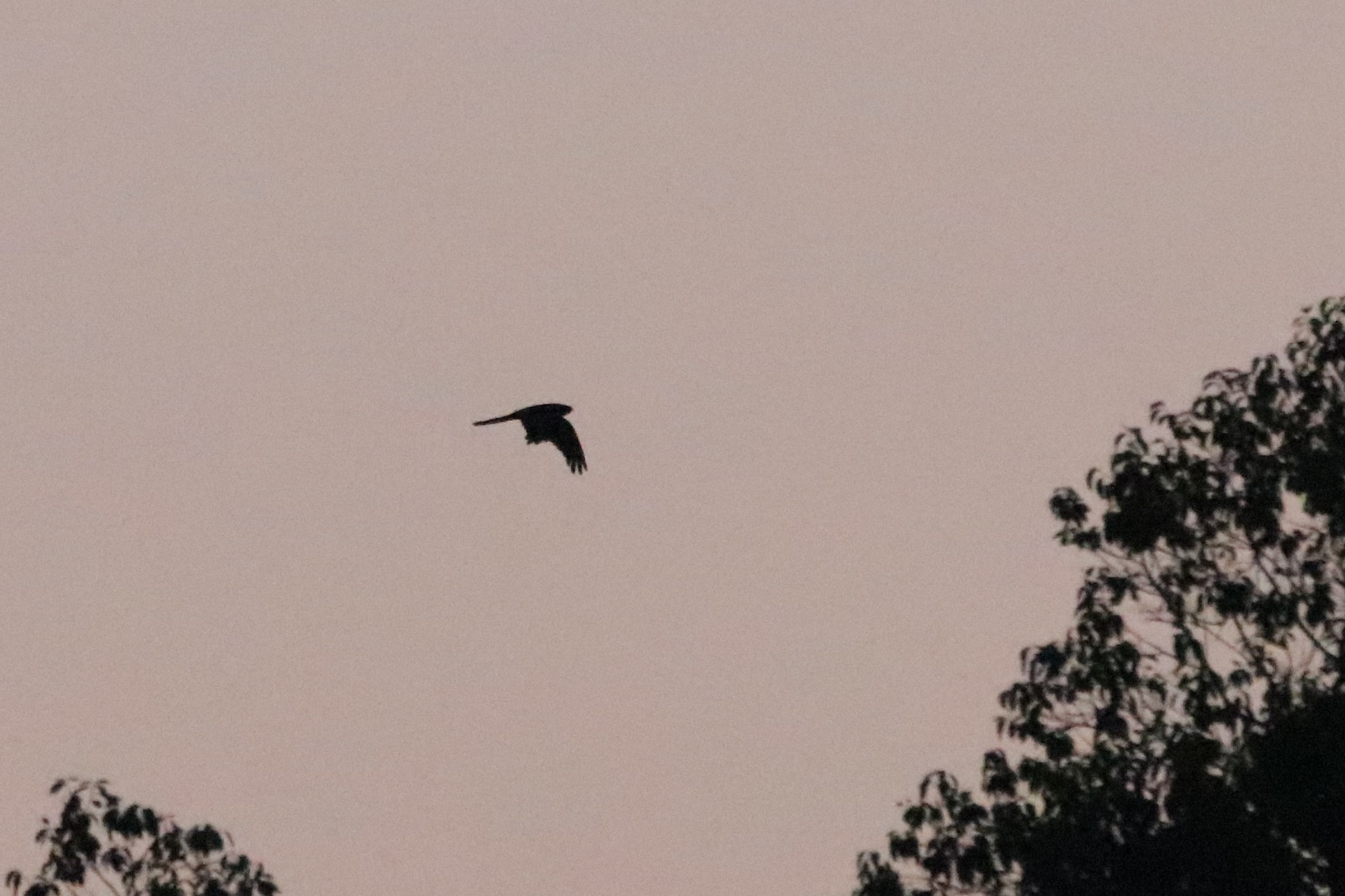
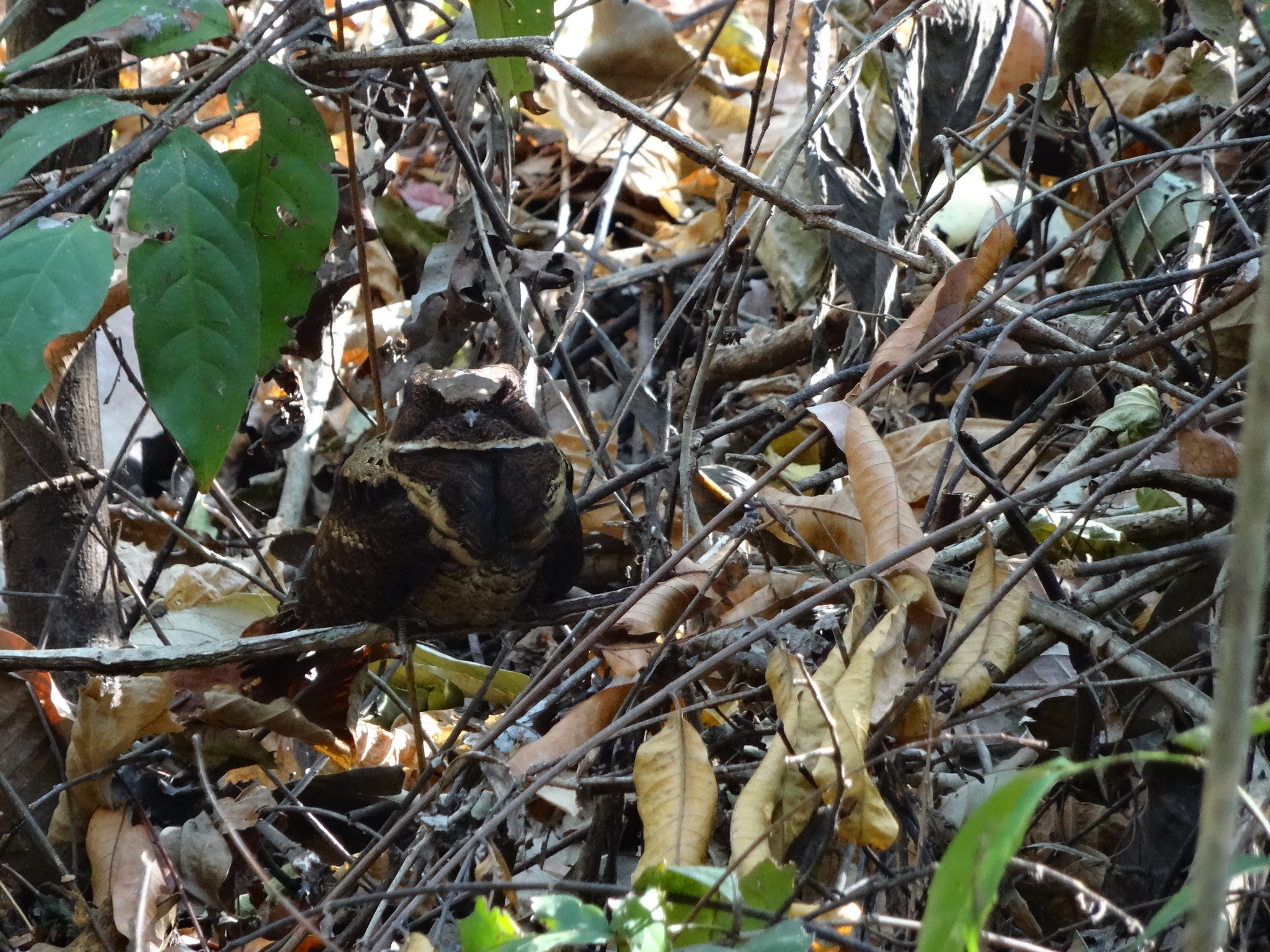
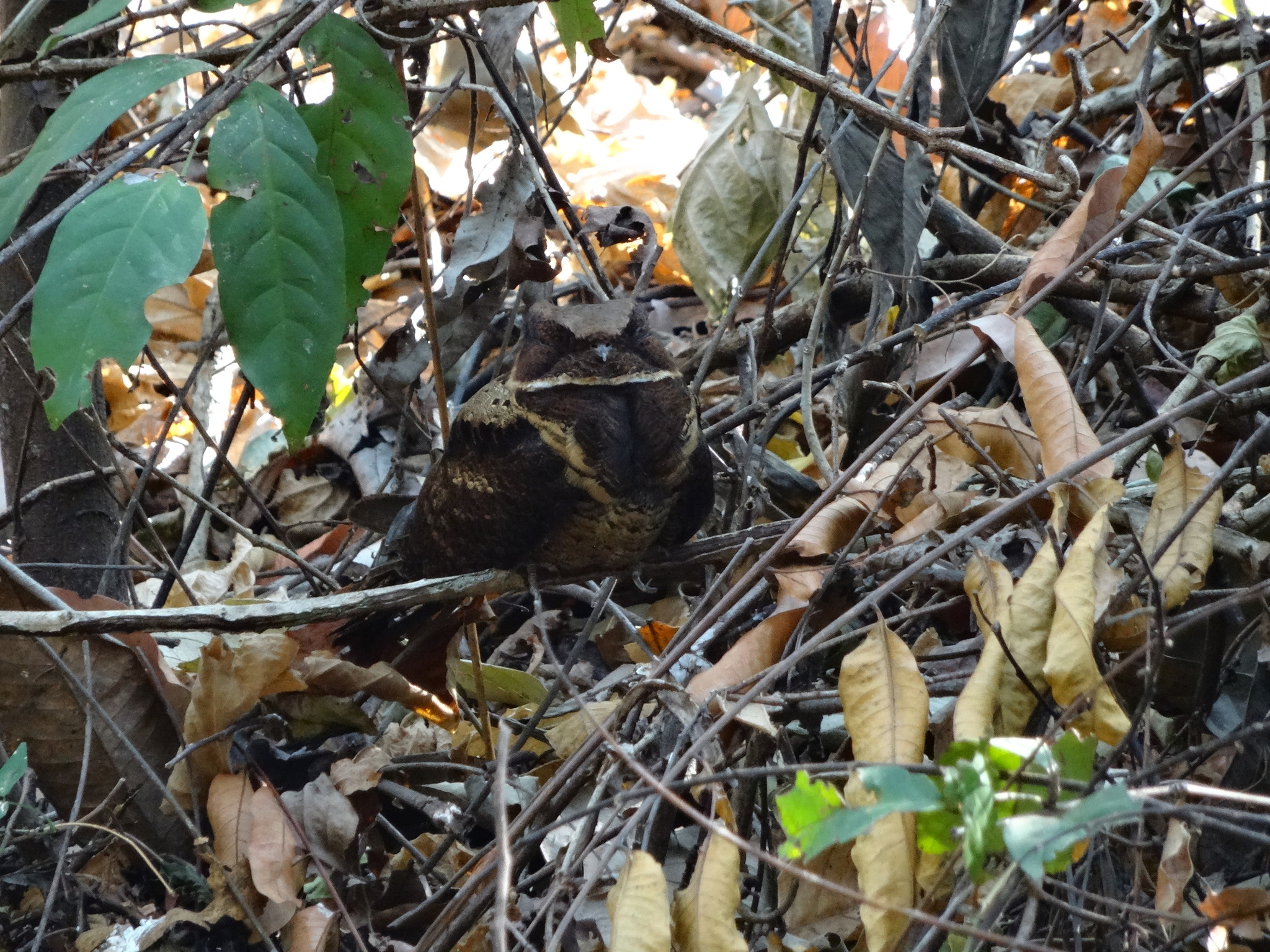
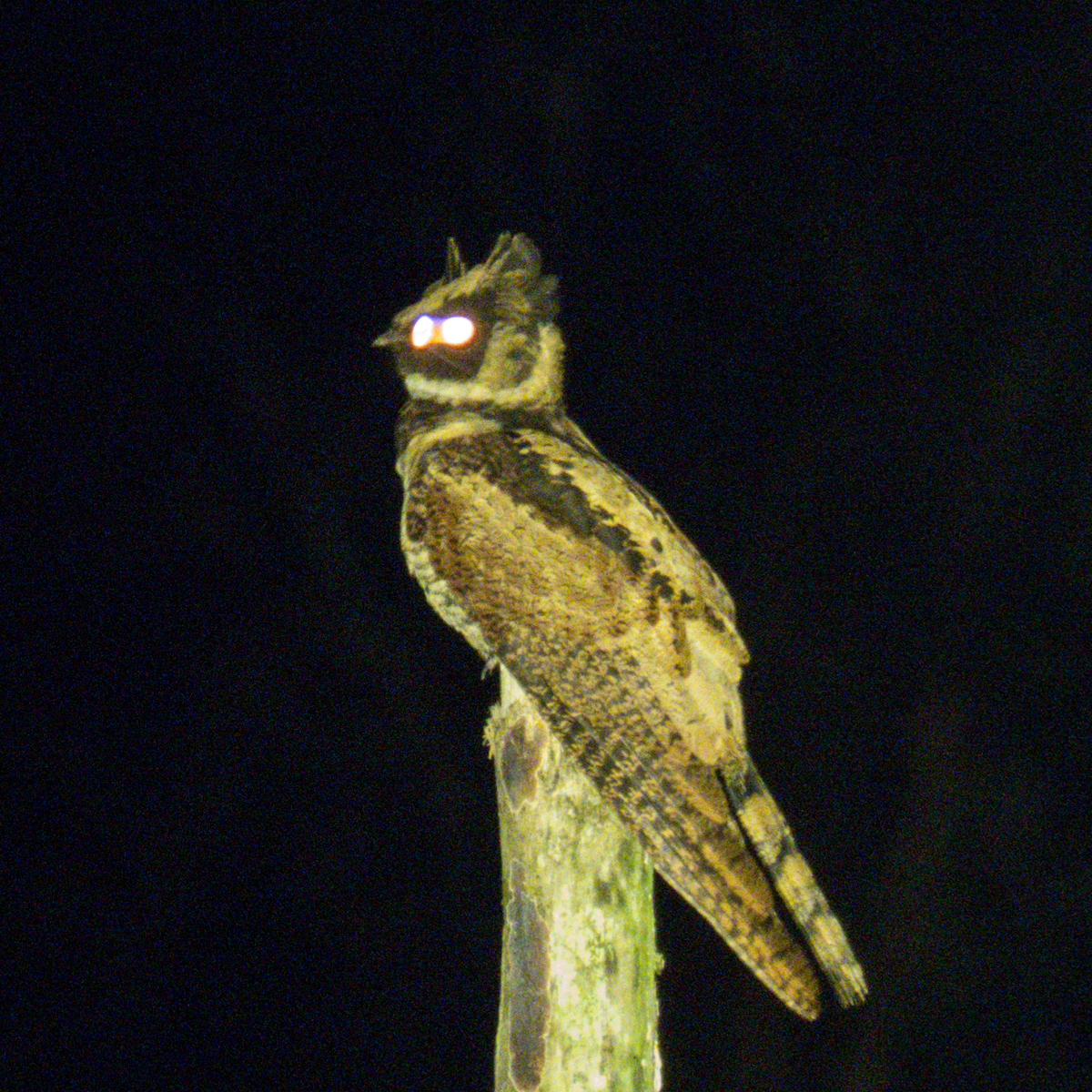
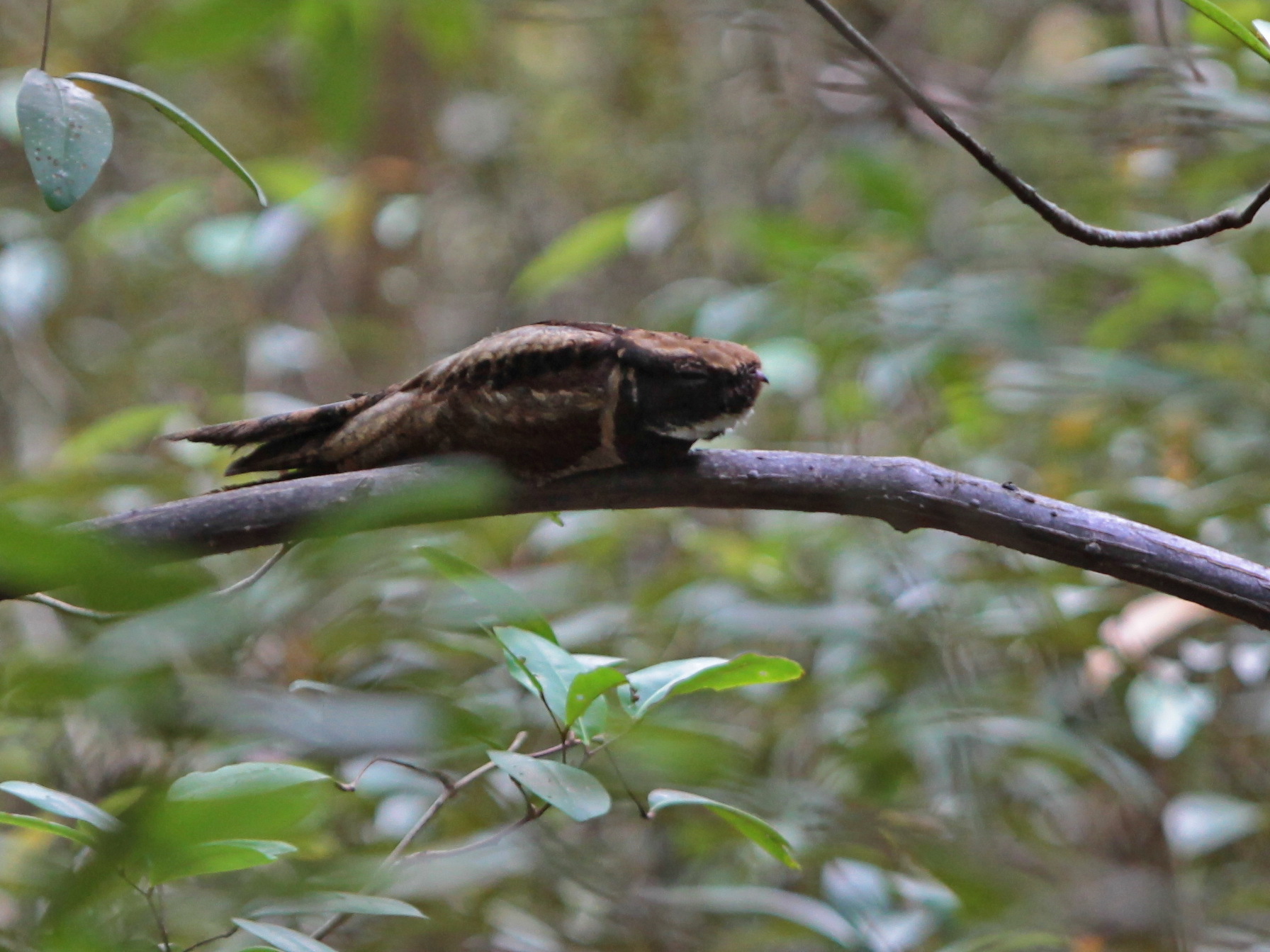
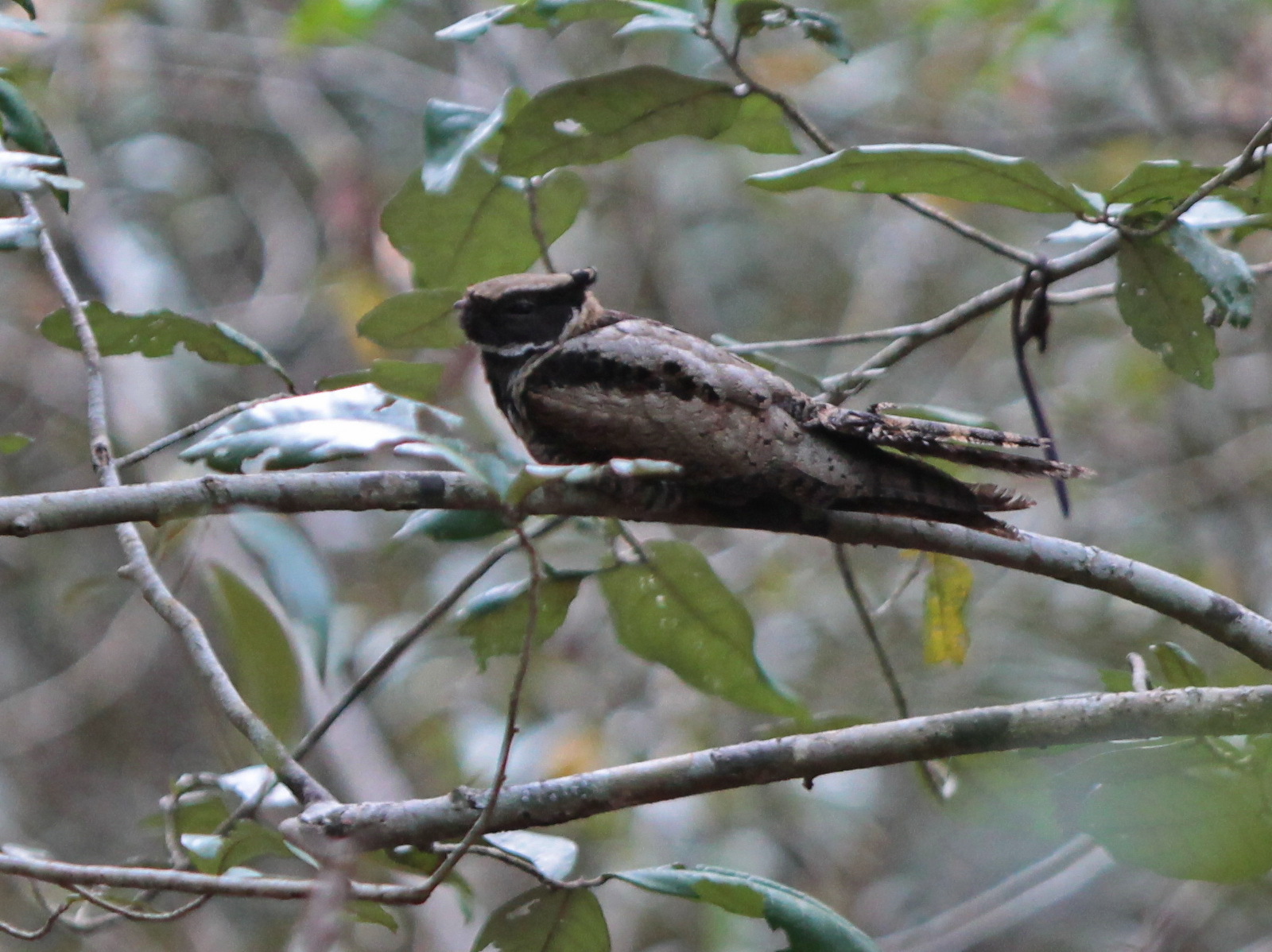
A large nightjar in the family Caprimulgidae. Found in southwest India and across Southeast Asia including Sri Lanka, Bangladesh, Indonesia, Laos, Malaysia, Myanmar, China, the Philippines, Thailand, and Vietnam. Inhabits subtropical and moist lowland tropical forests. Distinguished by its very large size, long ear-tufts that are often recumbent, barred wings and tail, and a white throat band. Unlike many nightjar species, it lacks white markings on the wings and tail.
Description
The largest nightjar species by length, measuring 31-41 cm. Males average 131 g and females 151 g, making it the second heaviest nightjar after the nacunda nighthawk. Plumage is grey-brown with mottled, streaked, and stripey patterns. Features include pointed wings, a long tail, and a short wide beak that opens to approximately 120 degrees. The species possesses prominent ear-tufts and shows barring on the wings and tail, with a distinctive white throat band.
Identification
Very large size combined with long ear-tufts distinguishes this species from other nightjars. The absence of white on the wings and tail separates it from many similar species. The white throat band is a key identifying feature. Ear-tufts are often recumbent and may not always be immediately visible in the field.
Distribution & Habitat
Occurs across South Asia and Southeast Asia, from the Western Ghats through the Indian subcontinent to mainland Southeast Asia, the Philippines, and Indonesian islands. Five subspecies are recognized with distinct geographic ranges. Inhabits subtropical and moist lowland tropical forests throughout its range.
Behavior & Ecology
Strictly nocturnal, active at dusk and throughout the night. Produces a distinctive call consisting of a sharp tsiik followed by a pause and a two-syllable ba-haaww. Nests on the ground in a simple scrape, laying a single egg. Chicks are well camouflaged among leaf litter on the forest floor.
Culture
Featured in a painting by Elizabeth Gwillim circa 1801, depicting the head of L. m. cerviniceps subspecies.
Source: Wikipedia · CC BY-SA 3.0
Taxonomy
- Order
- Caprimulgiformes
- Family
- Caprimulgidae
- Genus
- Lyncornis
Vocalizations
Subspecies (5)
-
Lyncornis macrotis bourdilloni
southwestern India
Data Sources
Species description from Wikipedia, licensed under CC BY-SA 3.0.
Bird images and sounds sourced from GBIF, contributed by citizen scientists worldwide under Creative Commons licenses.
Taxonomy data from AviList 2025.