Passeriformes / Muscicapidae / Luscinia
Common Nightingale
Luscinia megarhynchos · 新疆歌鸲
Introduction
A small passerine bird in the Old World flycatcher family (Muscicapidae), specifically within the chat group. It breeds in Europe and the Palearctic, wintering in Sub-Saharan Africa. The species is best known for the male's powerful song, which includes a distinctive loud whistling crescendo absent in the closely related thrush nightingale. Hybridization with the thrush nightingale has occurred where ranges overlap.
Description
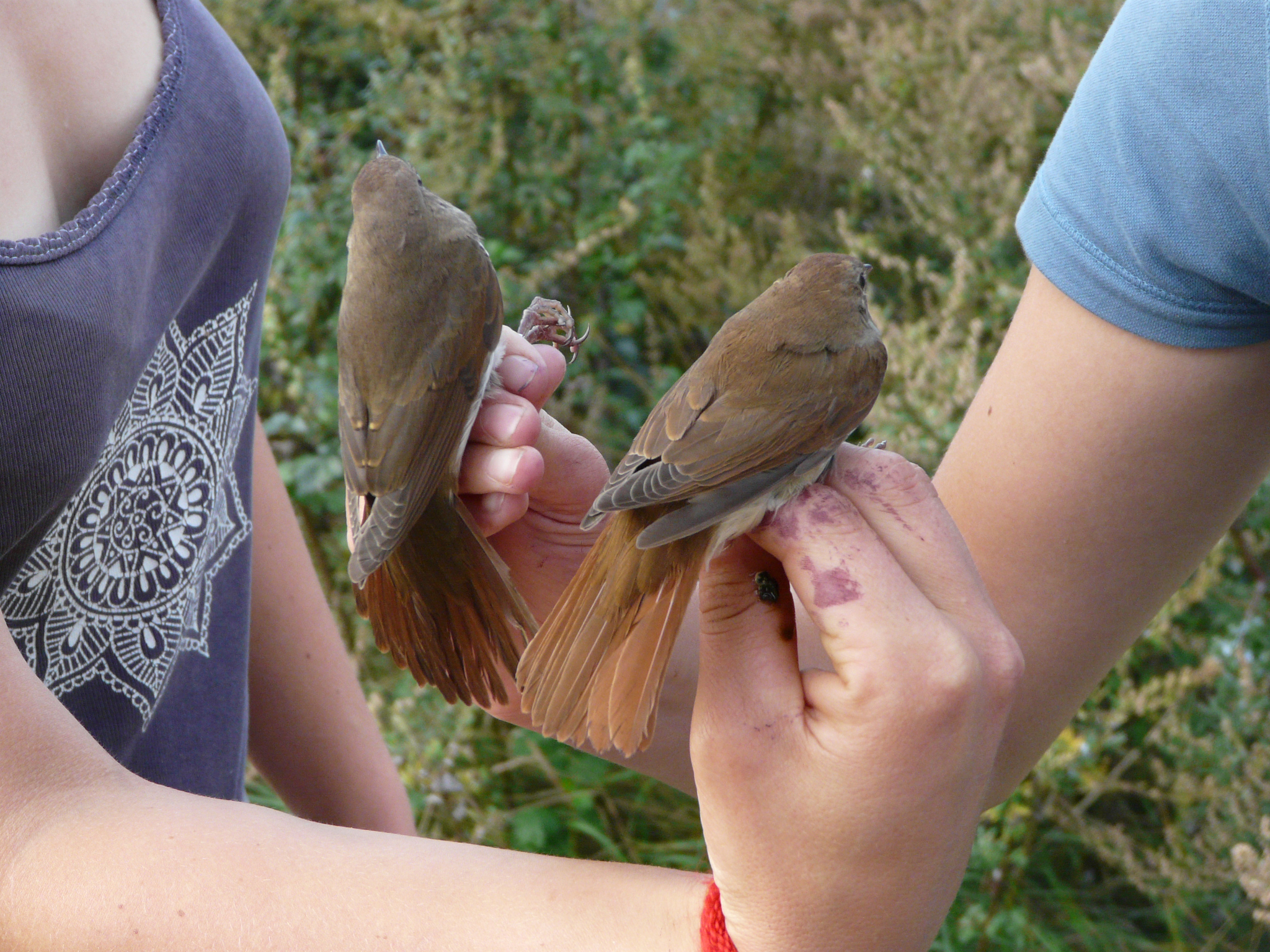
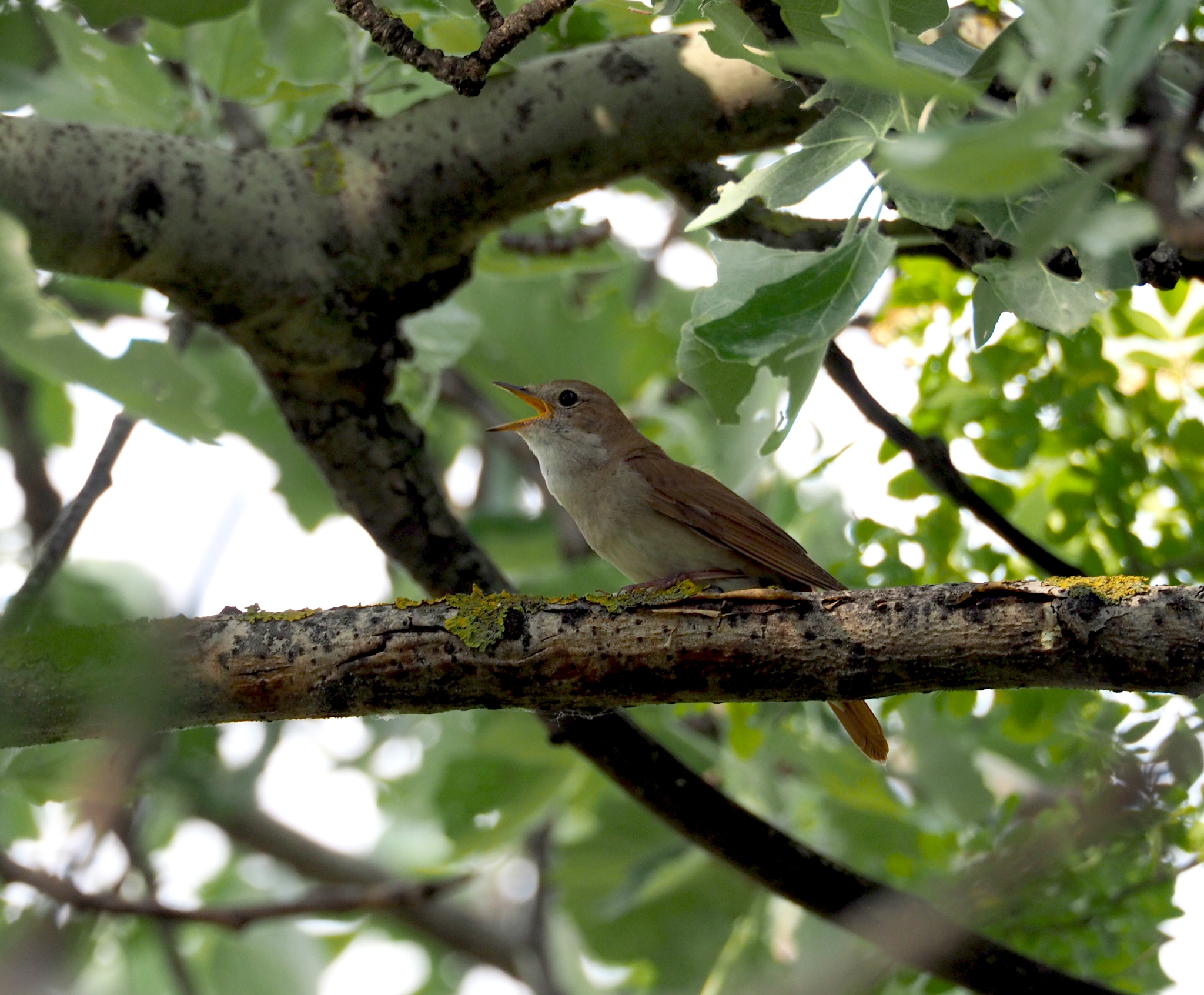
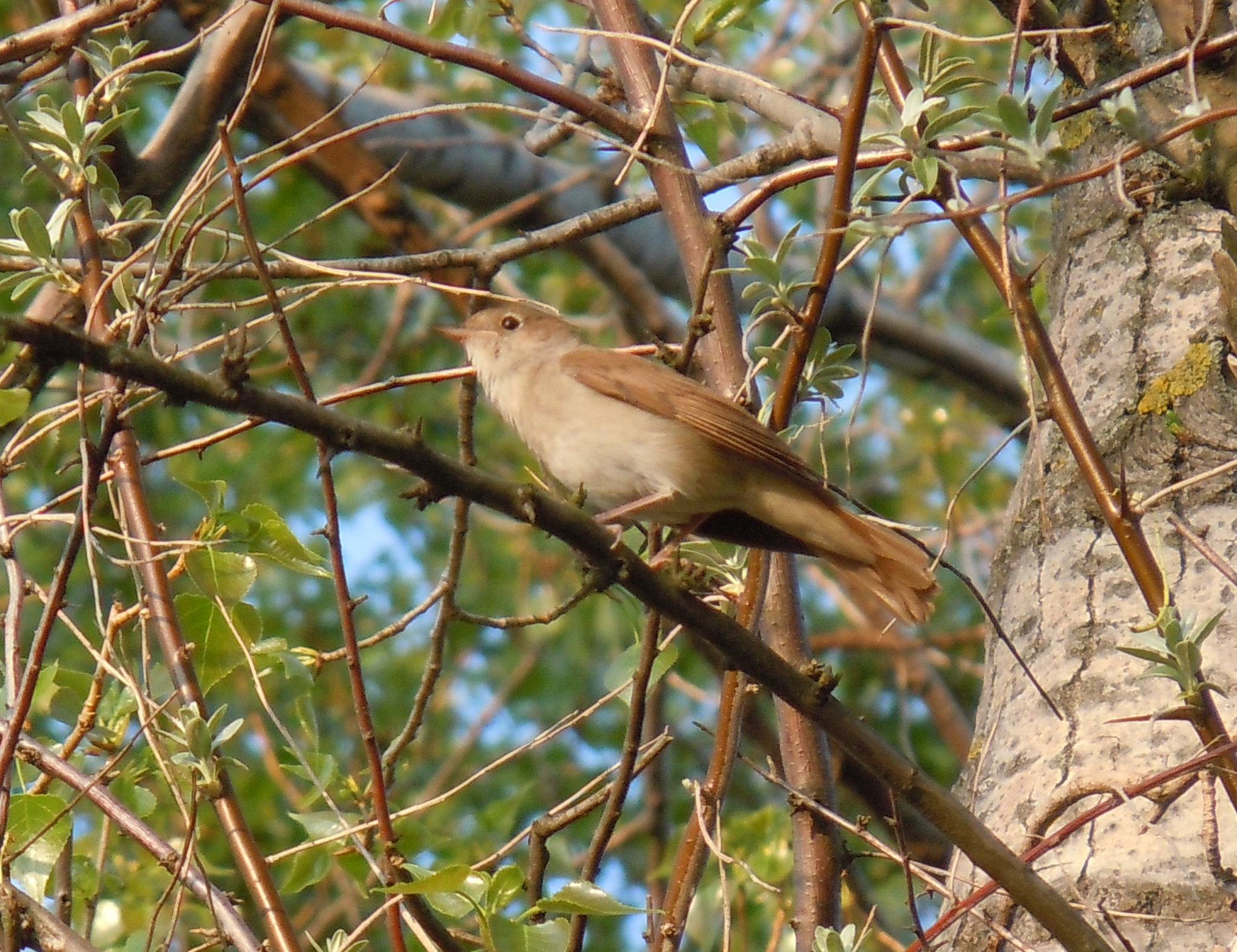
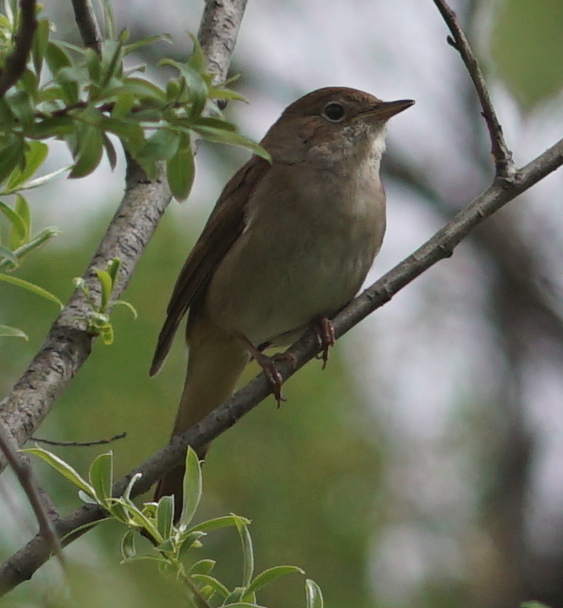
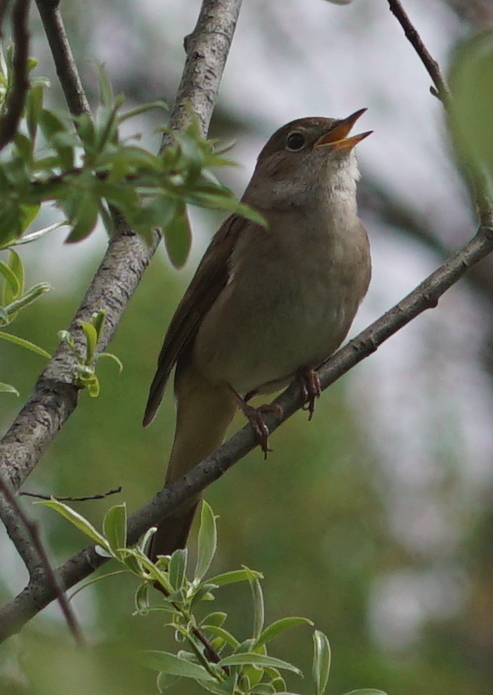
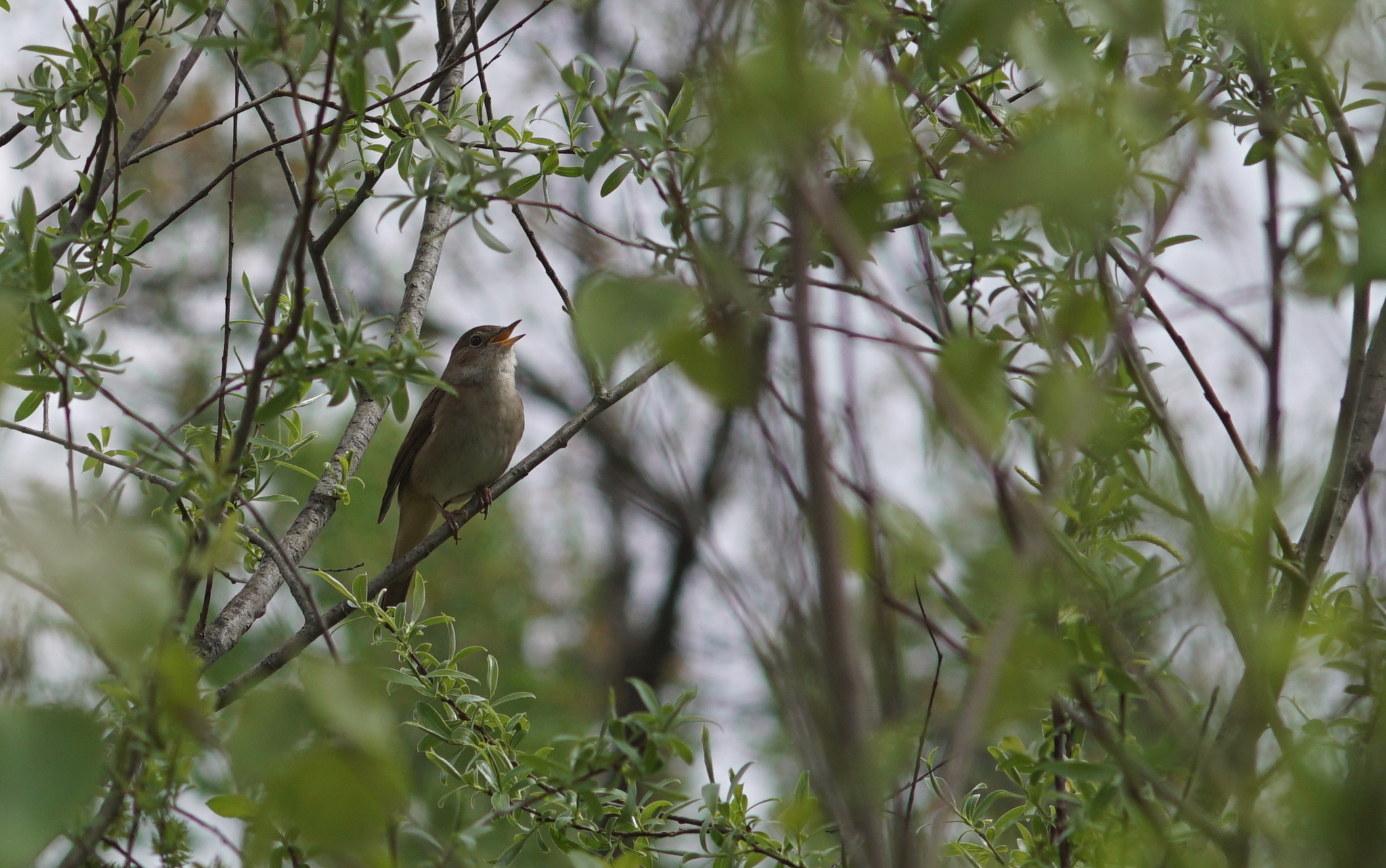
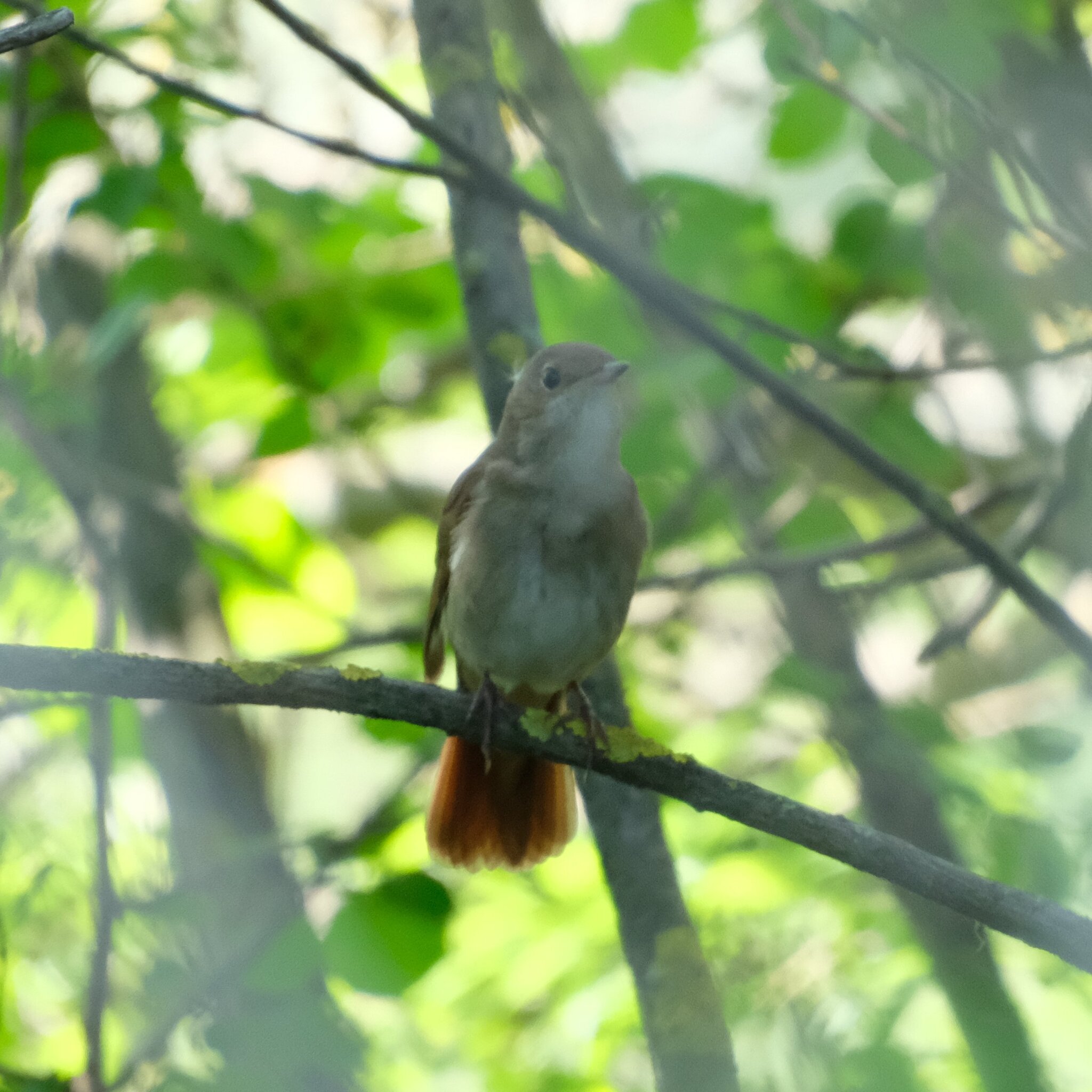
Length 15–16.5 cm (5.9–6.5 in), slightly larger than the European robin. Plumage is plain brown above with a reddish tail, and buff to white below. Sexes are similar. The eastern subspecies (L. m. golzii) and Caucasian subspecies (L. m. africana) exhibit paler upper parts and a stronger face pattern, including a pale supercilium.
Identification
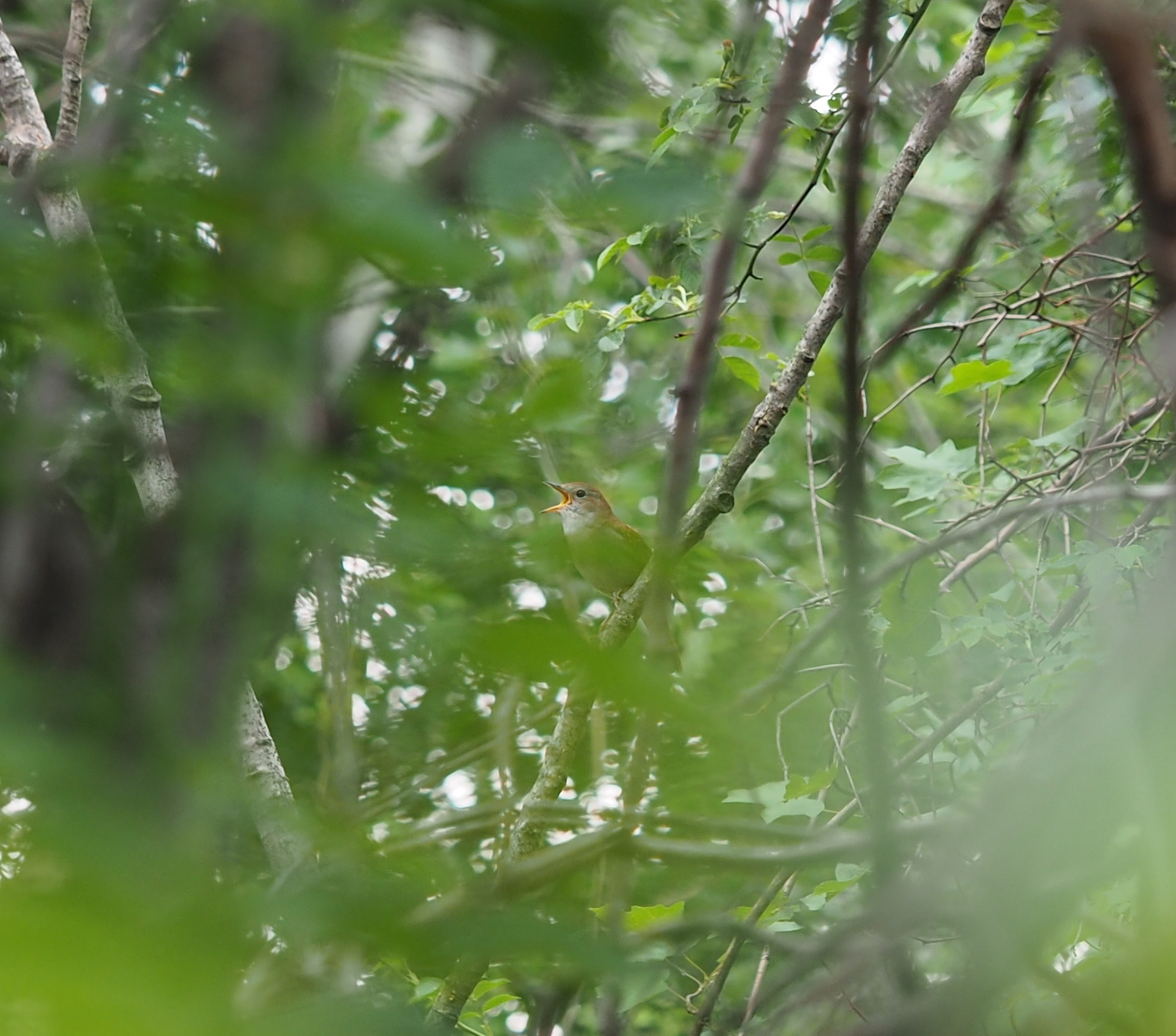
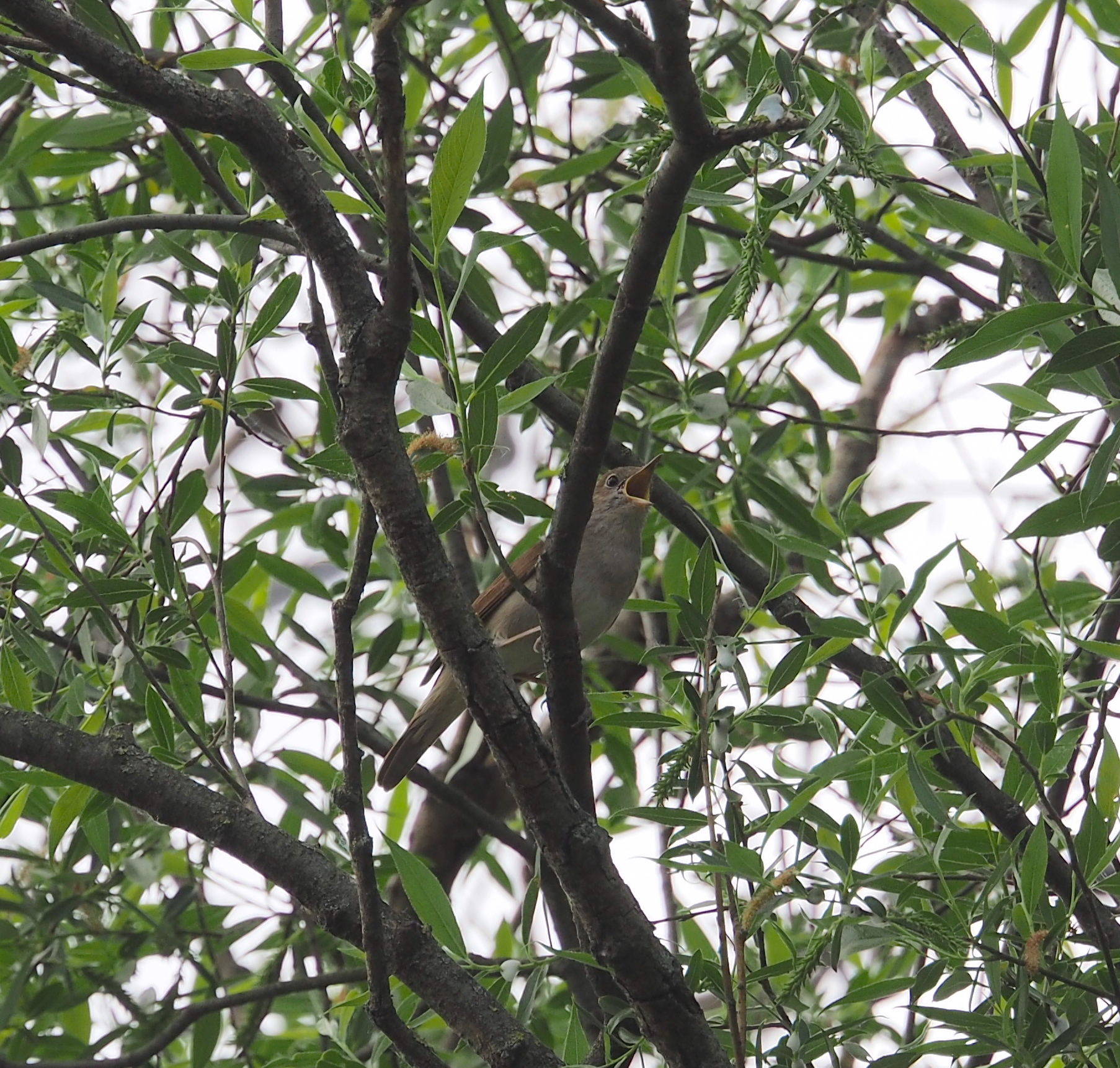
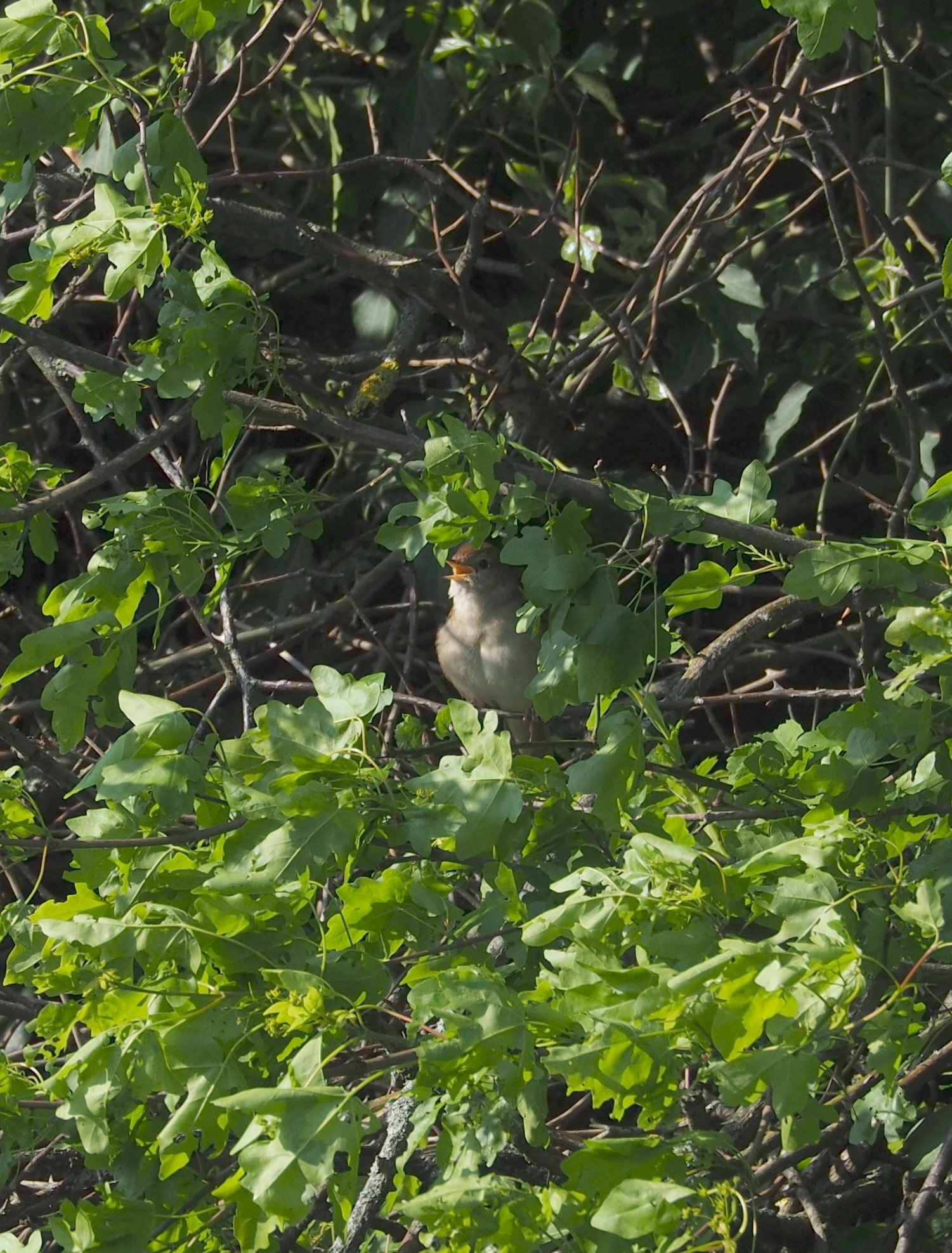
Key identification features include plain brown upperparts, a reddish tail, and buff-to-white underparts. The male's song is a primary identifier, characterized by a loud whistling crescendo not found in the thrush nightingale. Vocalizations also include a frog-like alarm call. Eastern and Caucasian subspecies show a pale supercilium and stronger face pattern.
Distribution & Habitat
Breeds in forest and scrub across Europe and the Palearctic; winters in Sub-Saharan Africa. Three subspecies are recognized: Western (western Europe, North Africa, Asia Minor), Caucasian (Caucasus, eastern Turkey to southwestern Iran and Iraq), and Eastern (Aral Sea to Mongolia). In the UK, the range is at its northern limit, concentrated in South East England and East Anglia. Favoured breeding habitat requires elevation below 400 m, mean growing season temperature above 14°C, more than 20 days/year above 25°C, annual precipitation under 750 mm, aridity index lower than 0.35, and no closed canopy.
Behavior & Ecology
Insectivorous. Nests on or near the ground in dense vegetation. Males sing loudly at night and dawn; nocturnal song likely attracts mates, while dawn song defends territory. Unpaired males sing regularly at night. Song repertoires average 190 distinct types, with a maximum of 250. Birds sing more loudly in urban environments to overcome background noise. The species hosts the intestinal parasite Apororhynchus silesiacus.
Conservation
European breeding population estimated at 3.2–7 million pairs, holding a Least Concern status. However, in the UK, the population fell by 53% between 1995 and 2008, placing it on the red list for conservation. A 2012–2013 survey recorded approximately 3,300 territories, mostly in Kent, Essex, Suffolk, and East and West Sussex.
Culture
National bird of Ukraine and Iran. In Persian literature, it symbolizes the lover devoted to the rose. Greek mythology associates it with Philomela and Procne. Featured prominently in works by Homer, Ovid, Shakespeare, Keats, and Shelley. Musical references include Beethoven's Symphony No. 6, Stravinsky's opera The Nightingale, and the song 'A Nightingale Sang in Berkeley Square'. Depicted on the reverse of the Croatian 1 kuna coin (1993–2009). Symbolically represents Baha'u'llah in the Baha'i Faith.
Source: Wikipedia · CC BY-SA 3.0
Taxonomy
- Order
- Passeriformes
- Family
- Muscicapidae
- Genus
- Luscinia
Subspecies (3)
-
Luscinia megarhynchos africana
breeds Caucasus and eastern Türkiye to southwestern Iran and Iraq; winters to eastern Africa
Data Sources
Species description from Wikipedia, licensed under CC BY-SA 3.0.
Bird images and sounds sourced from GBIF, contributed by citizen scientists worldwide under Creative Commons licenses.
Taxonomy data from AviList 2025.