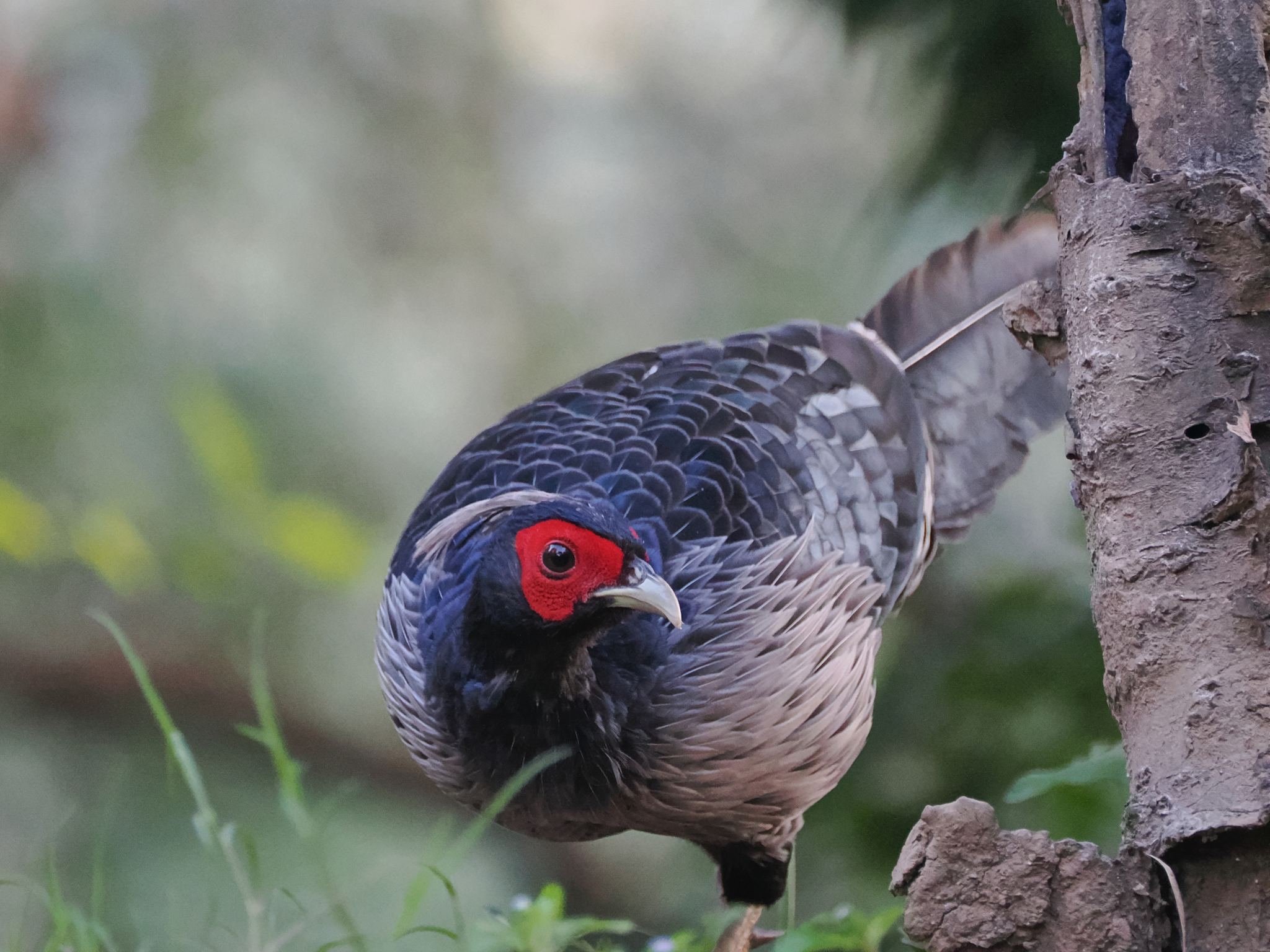
Galliformes / Phasianidae / Lophura
Kalij Pheasant
Lophura leucomelanos · 黑鹇
Introduction
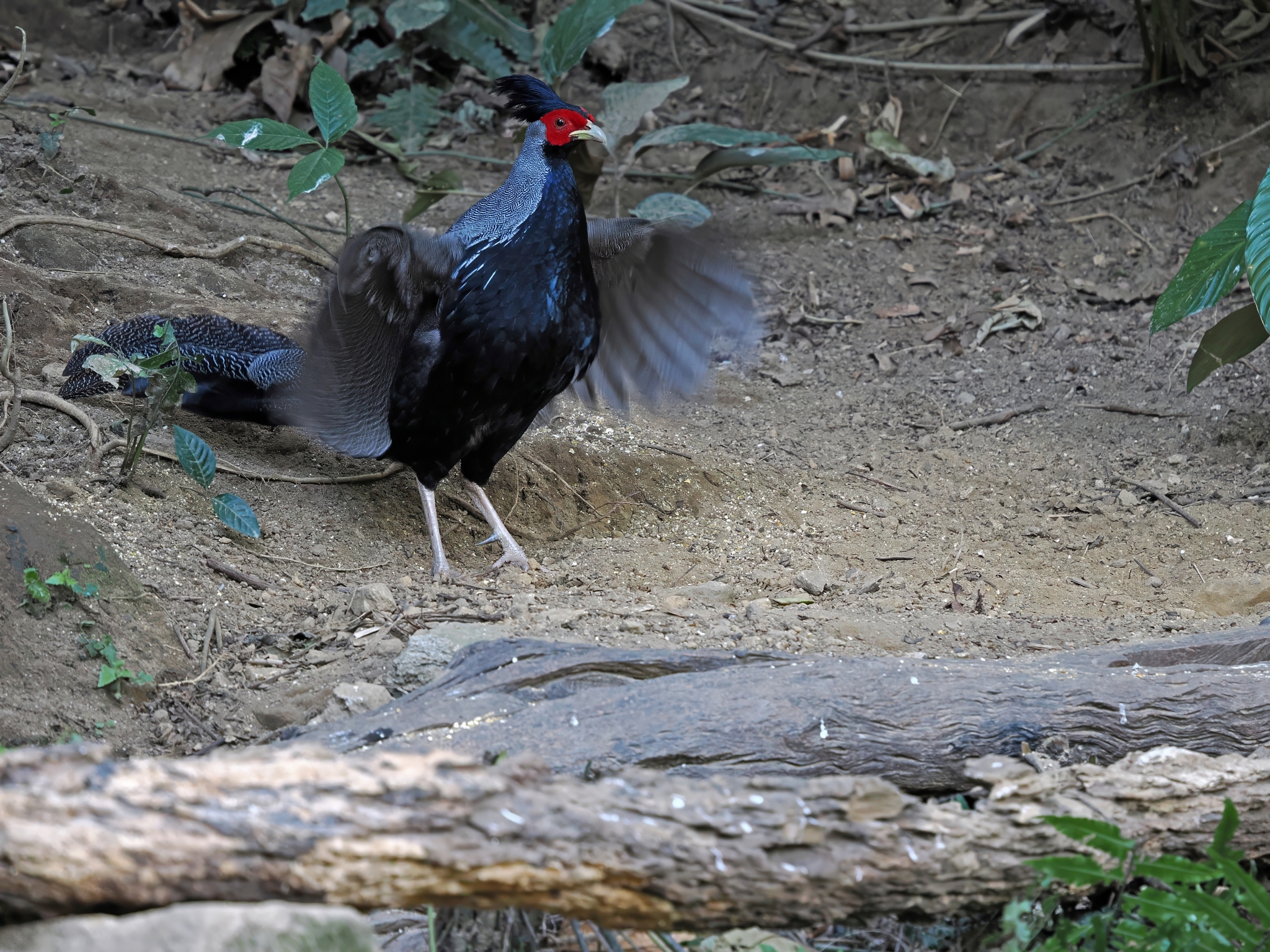
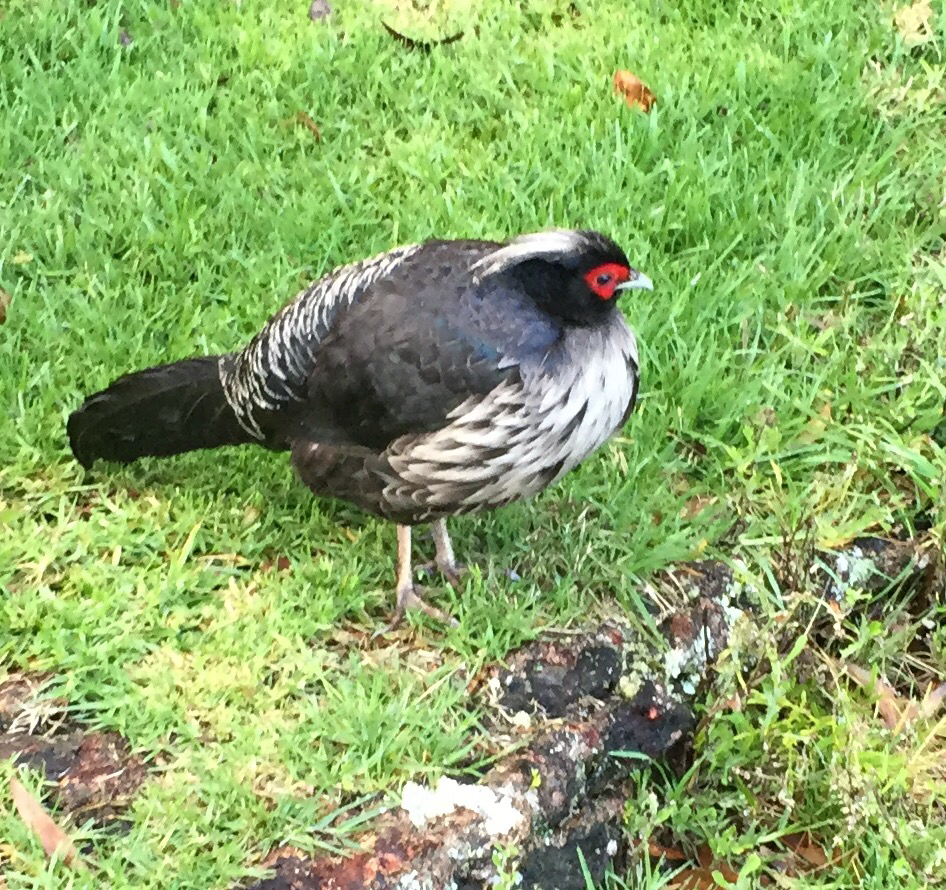
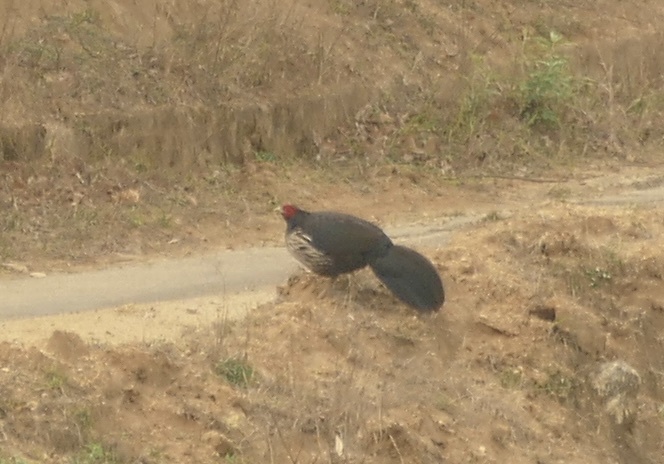
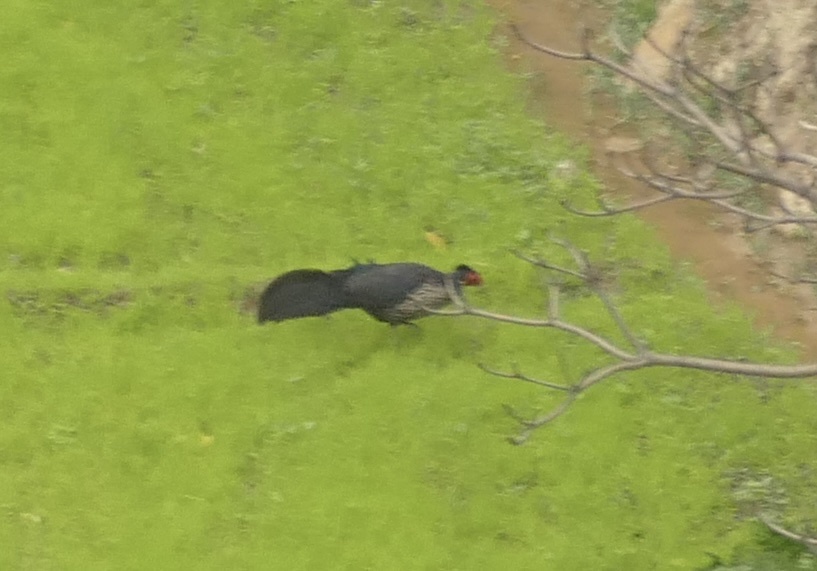
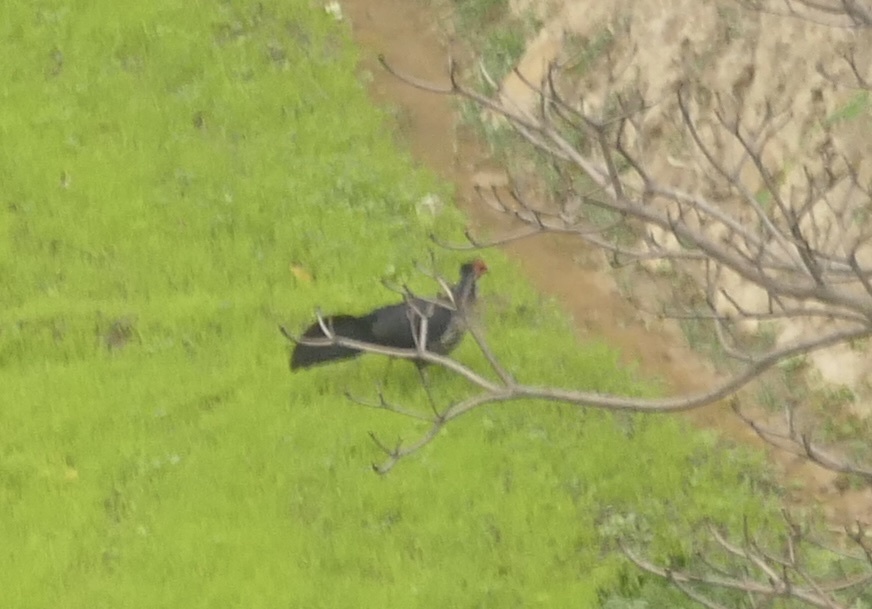
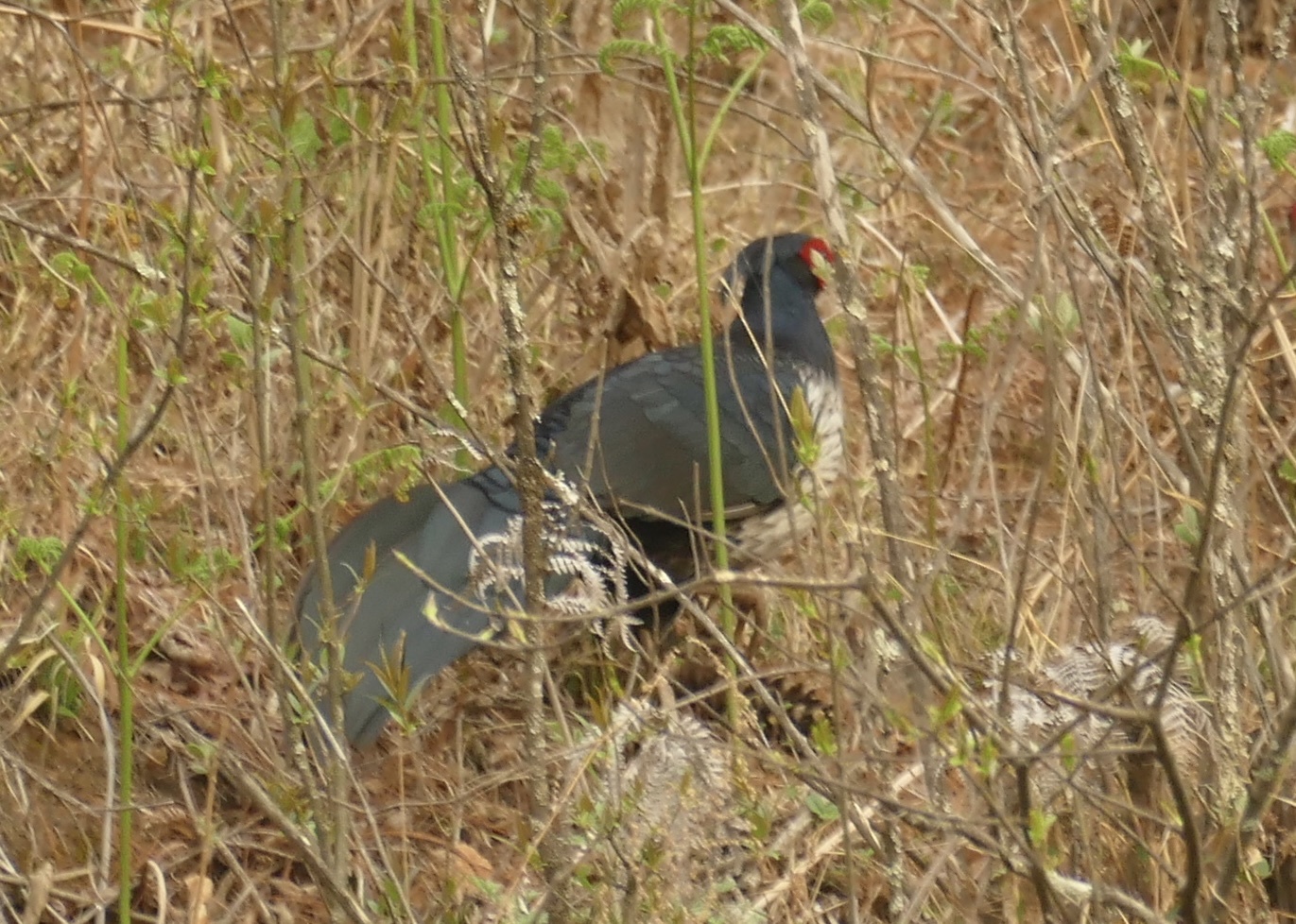
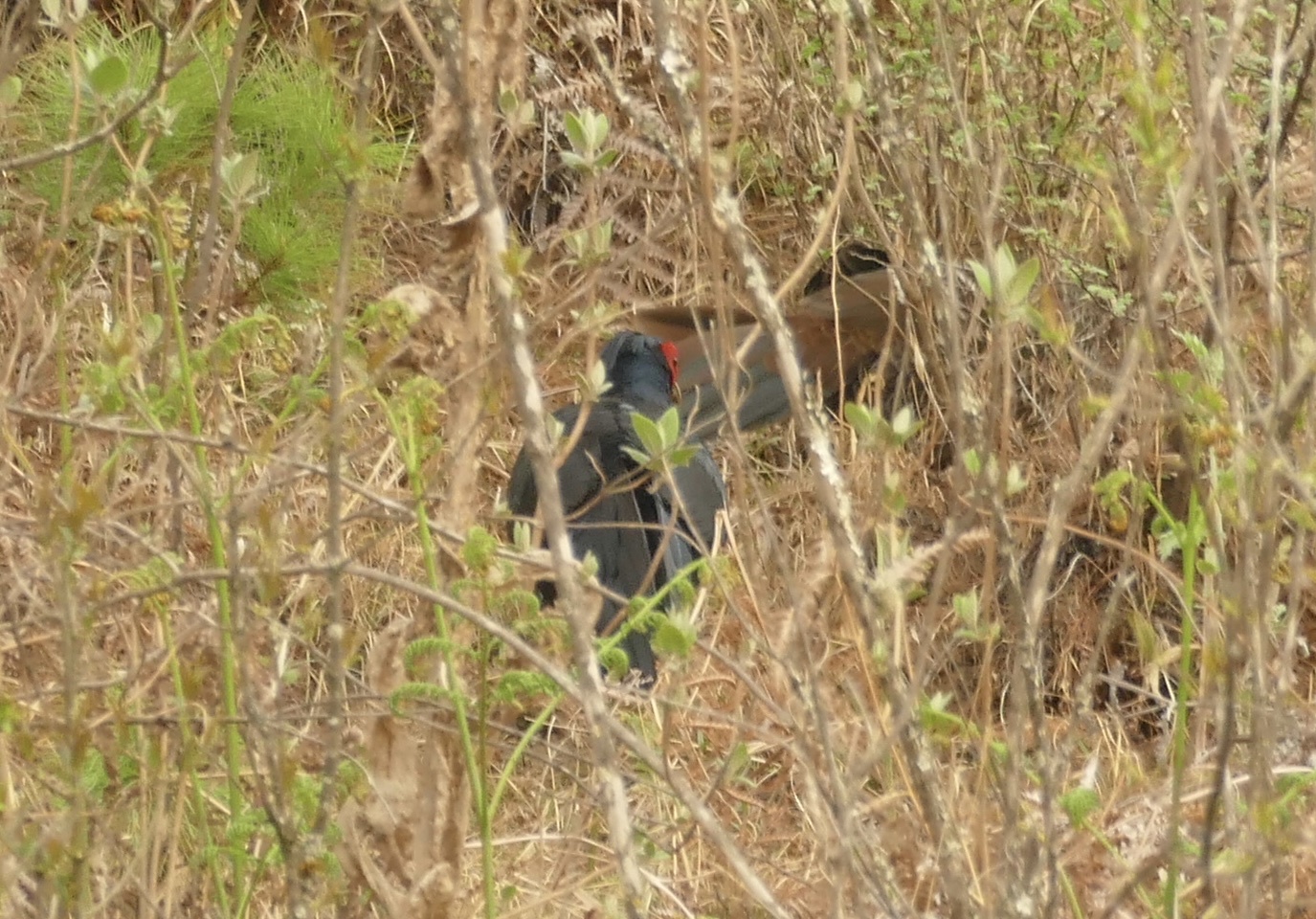
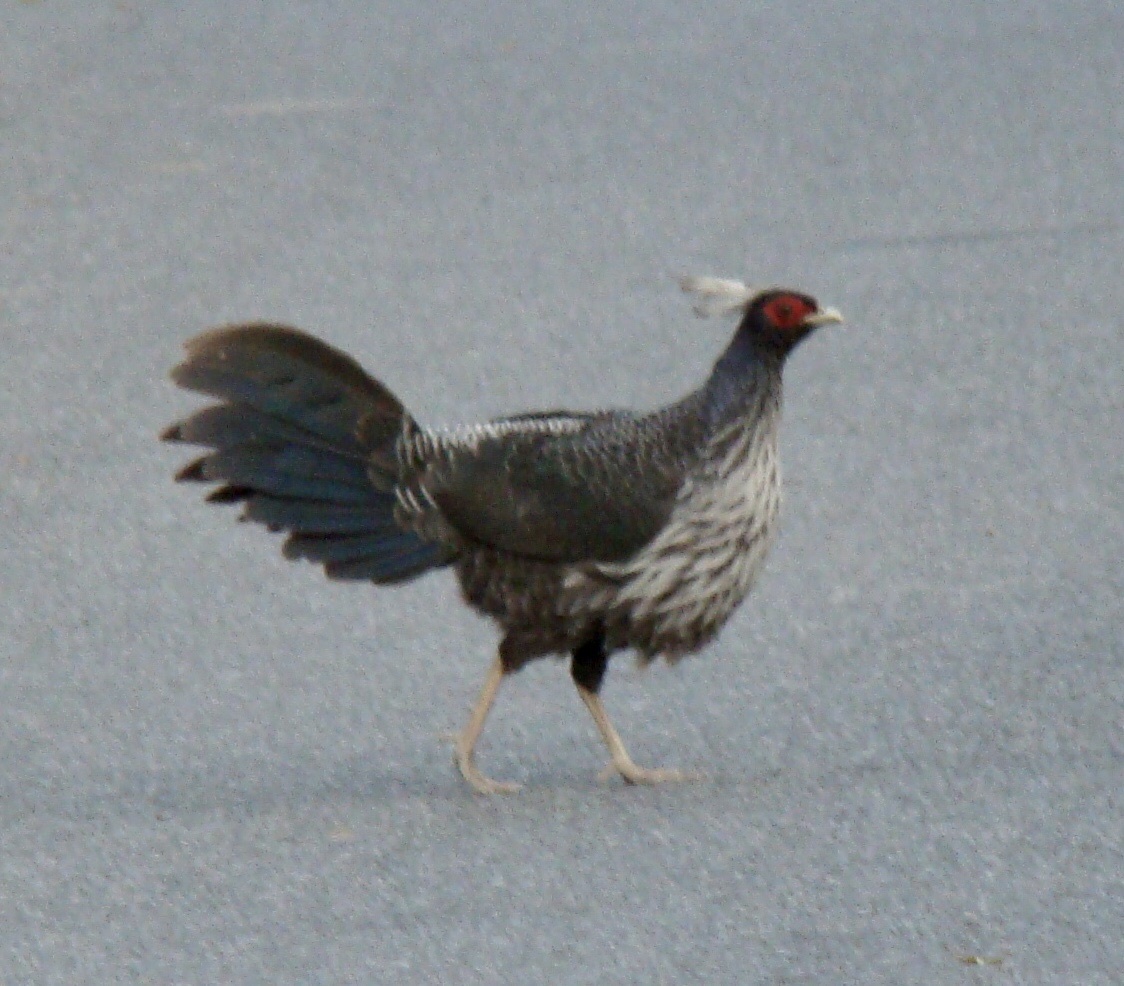
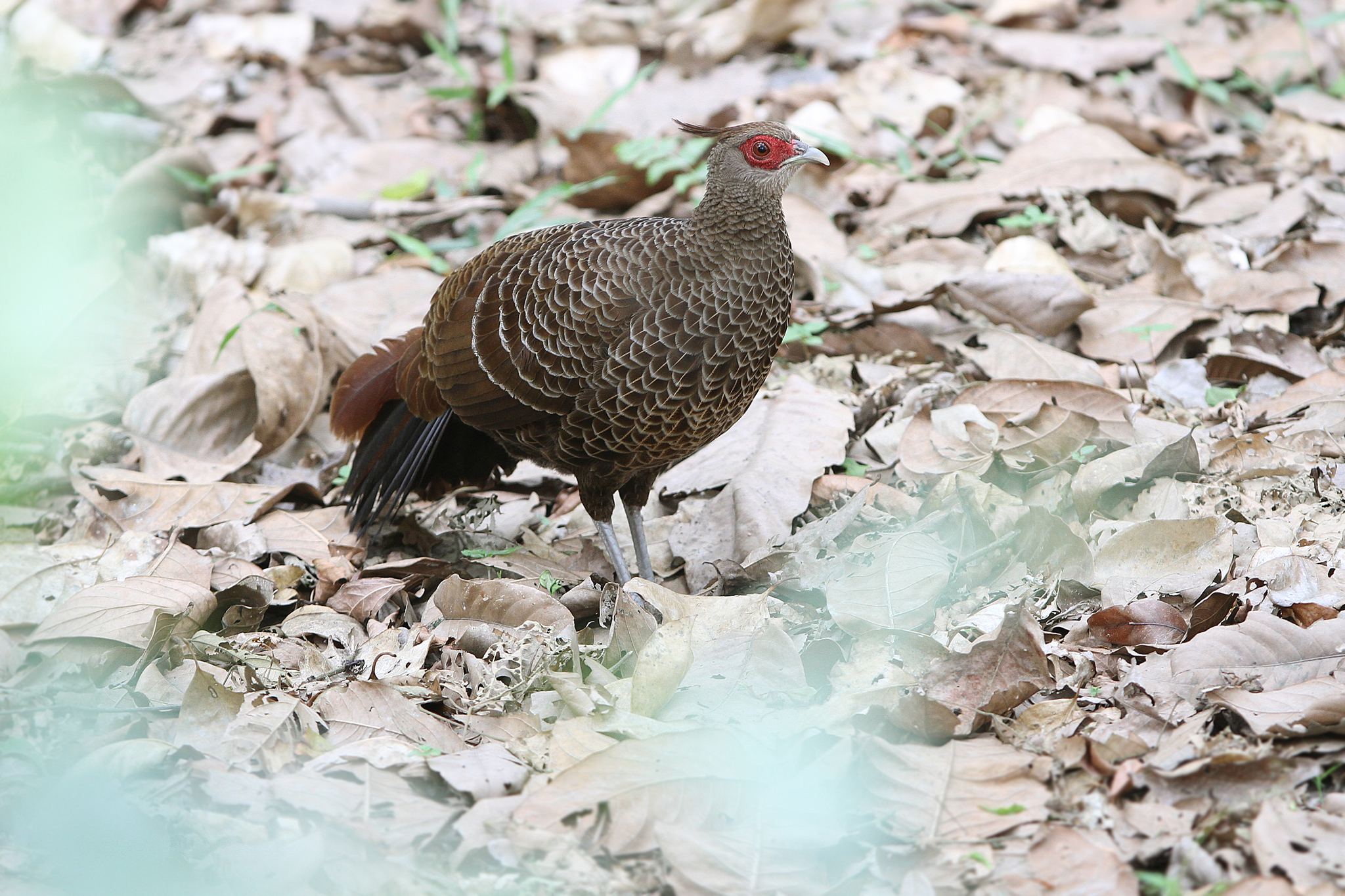
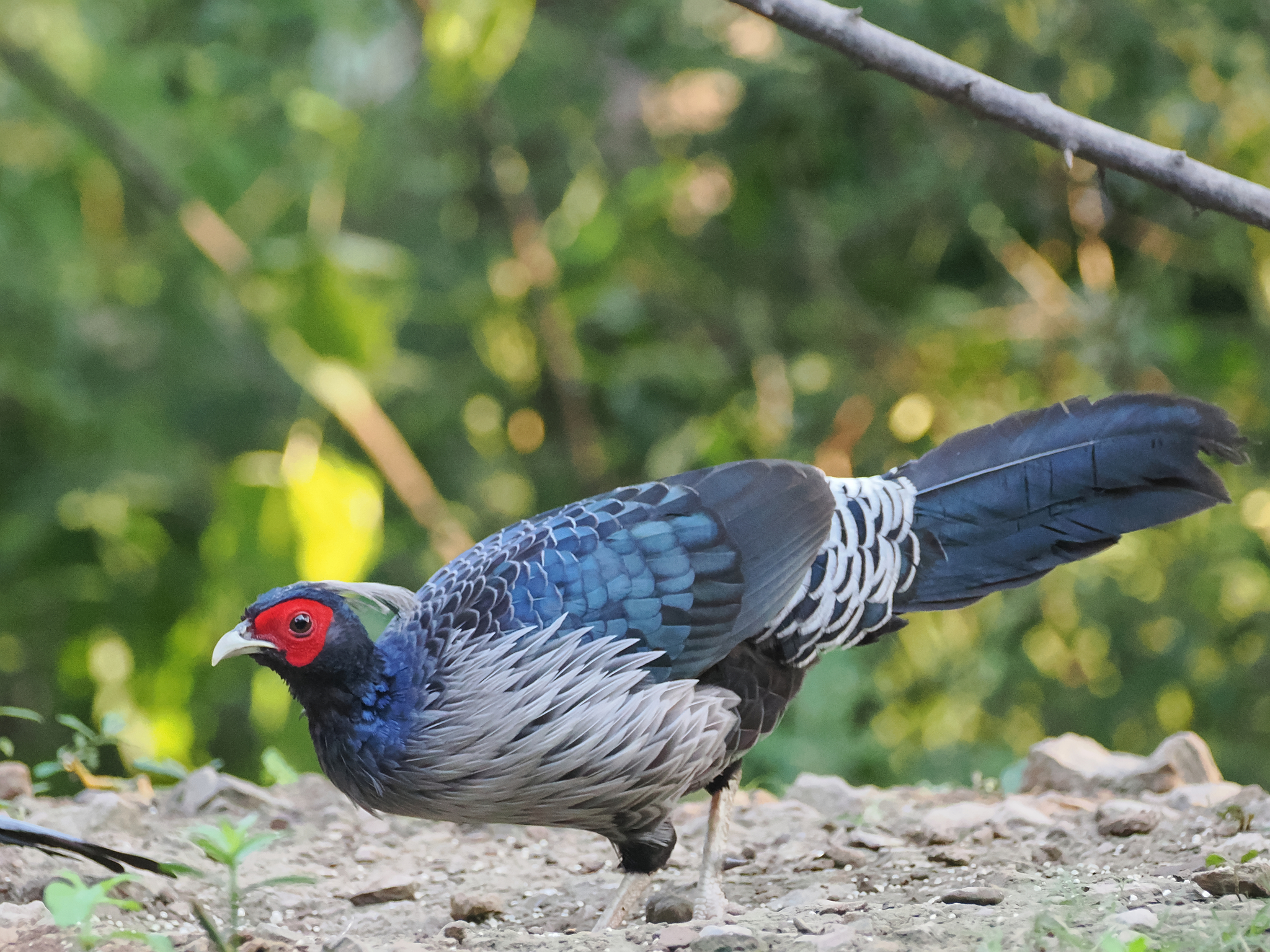
A pheasant species found in forests and thickets, particularly in the Himalayan foothills, ranging from Nepal and Pakistan to western Thailand. Males exhibit variable plumage depending on the subspecies but generally feature glossy bluish-black feathers, while females are brownish. Both sexes possess a bare red face and greyish legs. The species is closely related to the silver pheasant and known to hybridize with it.
Description
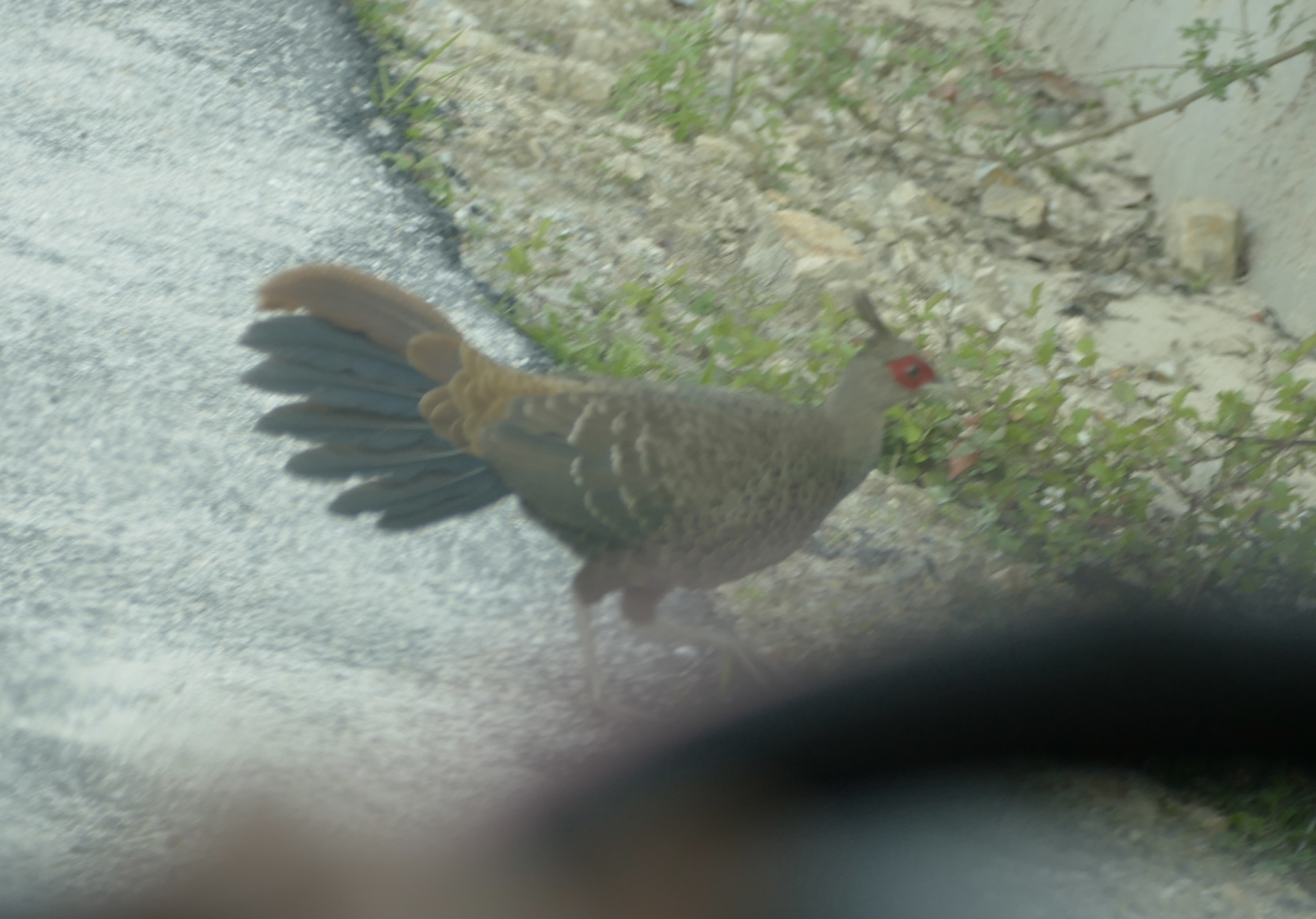
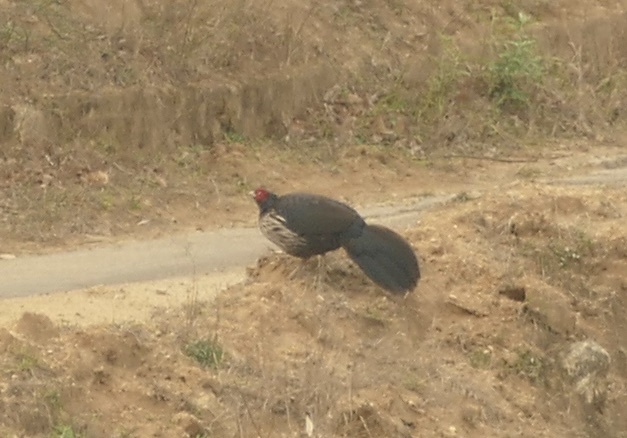
Males measure 63 to 74 cm (25 to 29 in) in total length, while females are 50 to 60 cm (20 to 24 in). Subspecies are divided into two main groups. In the western and central group, male plumage is mostly glossy blue-black, often with white on the rump or underparts; the westernmost subspecies has a white crest, while others have a blue-black crest. In the eastern group, males have glossy blue-black underparts and crests, with white or pale grey tails and upperparts densely vermiculated with black. Females are brownish, with some subspecies showing distinct whitish and black markings on the underparts, and others displaying a scaly appearance due to pale-edged feathers.
Identification
Key identification features include a bare red face and greyish legs, which distinguish it from the red-legged silver pheasant. Males are characterized by glossy bluish-black plumage, varying by subspecies, while females are overall brownish. Eastern subspecies males display white or pale grey upperparts with black vermiculation, contrasting with the predominantly dark plumage of western subspecies.
Distribution & Habitat
Found in forests and thickets in the Himalayan foothills, ranging from Nepal and Pakistan to western Thailand. Nine recognized subspecies occupy specific regions: L. l. hamiltoni in the western Himalayas; L. l. leucomelanos in Nepal; L. l. melanota in Sikkim and western Bhutan; L. l. moffitti in central Myanmar; L. l. lathami in eastern Bhutan, northern India, and Myanmar; L. l. williamsi in western Myanmar; L. l. oatesi in southern Myanmar; L. l. crawfurdi in southeastern Myanmar to peninsular Thailand; and L. l. lineata in southern Myanmar to northwestern Thailand. The species was introduced to Hawaii in 1962.
Behavior & Ecology
Known to hybridize with the silver pheasant. Taxonomic placement of certain eastern subspecies has been disputed due to morphological similarities with the silver pheasant and geographic distribution relative to the Irrawaddy River, though mtDNA analysis confirms their status as subspecies of this bird.
Culture
Declared the bird of the Union Territory of Jammu and Kashmir on 21 October 2021. Known in the Kashmiri language as Wan Kokur, Wan Kokud, or Ban Kokur, translating to 'wild cock'. Historically referred to as 'kaleege' in older texts.
Source: Wikipedia · CC BY-SA 3.0
Taxonomy
- Order
- Galliformes
- Family
- Phasianidae
- Genus
- Lophura
Subspecies (9)
-
Lophura leucomelanos crawfurdii
southeastern Myanmar (Tenasserim) and peninsular Thailand
Data Sources
Species description from Wikipedia, licensed under CC BY-SA 3.0.
Bird images and sounds sourced from GBIF, contributed by citizen scientists worldwide under Creative Commons licenses.
Taxonomy data from AviList 2025.