Lanceolated Warbler
Locustella lanceolata
矛斑蝗莺
Introduction
This small warbler inhabits grassland habitats with scattered shrubs and trees, particularly favoring wet areas such as bogs and clearings. It breeds across a vast range from northeastern European Russia through the Palearctic to northern Hokkaido, Japan, before migrating south to winter in Southeast Asia. It is a rare vagrant to western Europe, with Fair Isle in the Shetland Islands being a known location for sightings. This species has skulking habits, rarely venturing into the open except when singing.
Description
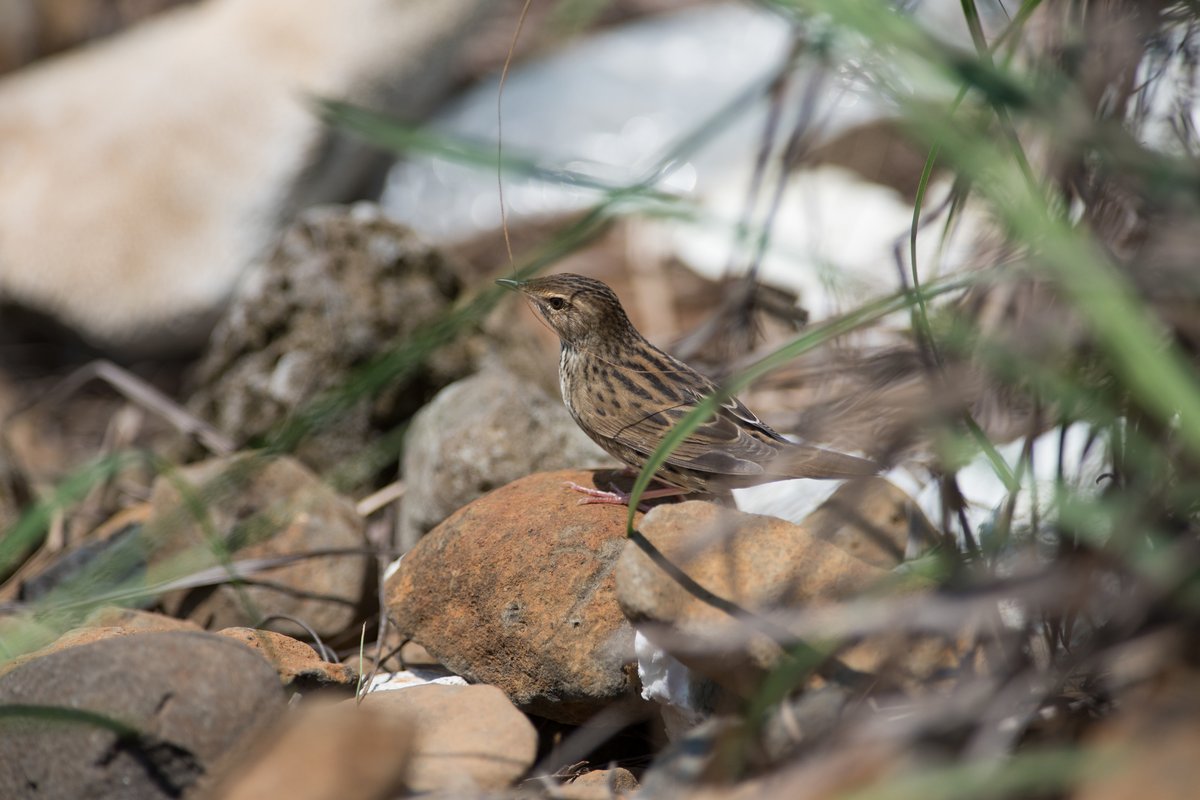
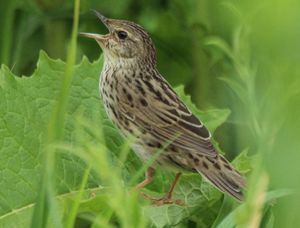
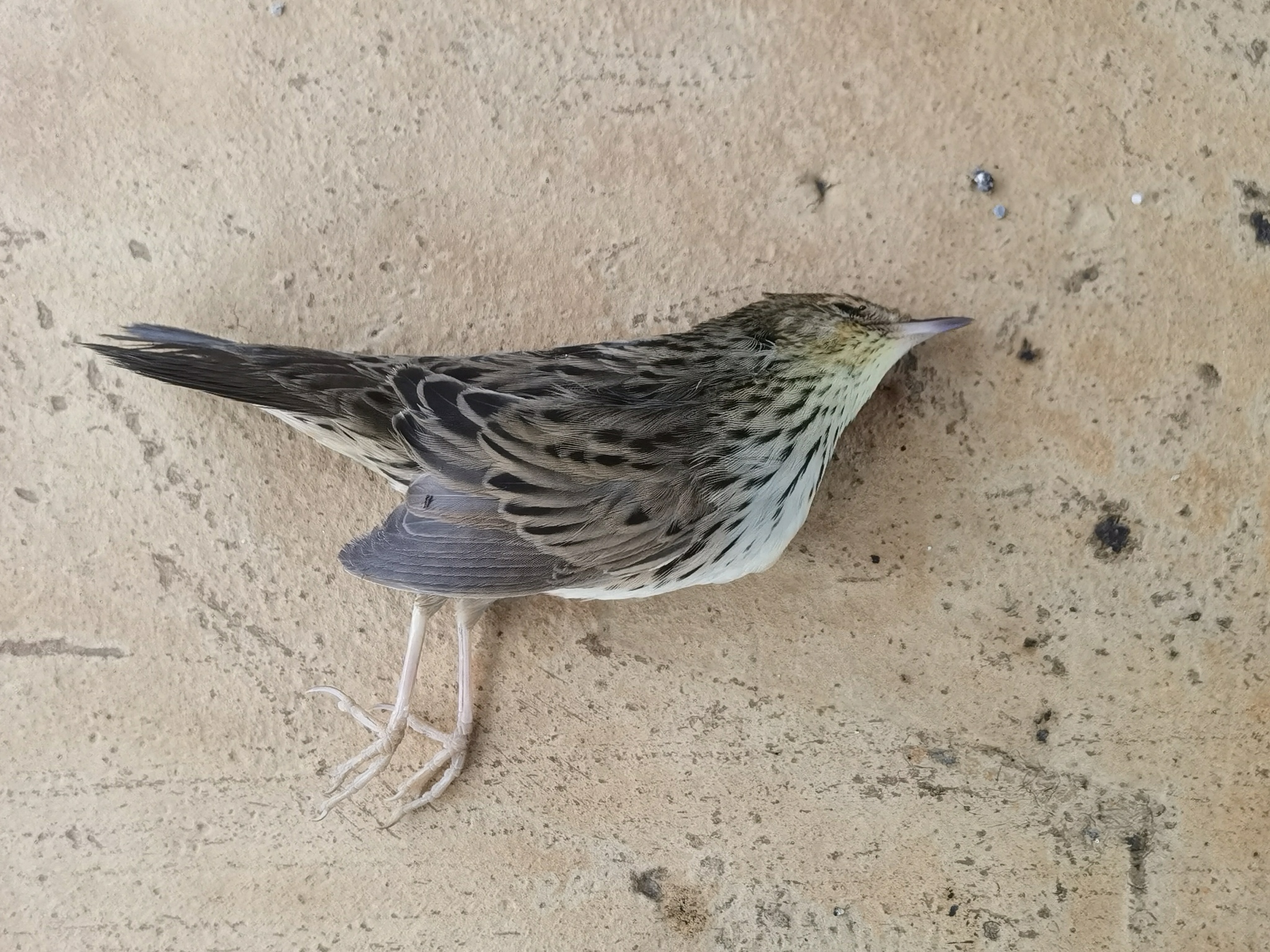
A small warbler with streaked brown upperparts and whitish-grey underparts. The underparts feature distinctive lance-head shaped streaks that extend to the undertail coverts. Adults of both sexes appear similar, while juveniles display yellower underparts. The overall plumage provides excellent camouflage in its grassland habitat.
Identification
The streaked underparts distinguish this species from many other Locustella warblers. Its small size and brown, streaked upperparts are typical of the genus, but the lance-shaped markings on the breast and undertail are key identifying features. Both sexes look alike, with young birds showing yellower tones below.
Distribution & Habitat
Breeds from northeastern European Russia across the Palearctic to northern Hokkaido in Japan. This migratory species spends the winter months in Southeast Asia. Its breeding habitat consists of grassland with scattered shrubs and trees, typically near water in bogs, wet clearings, and similar damp grassland environments.
Behavior & Ecology
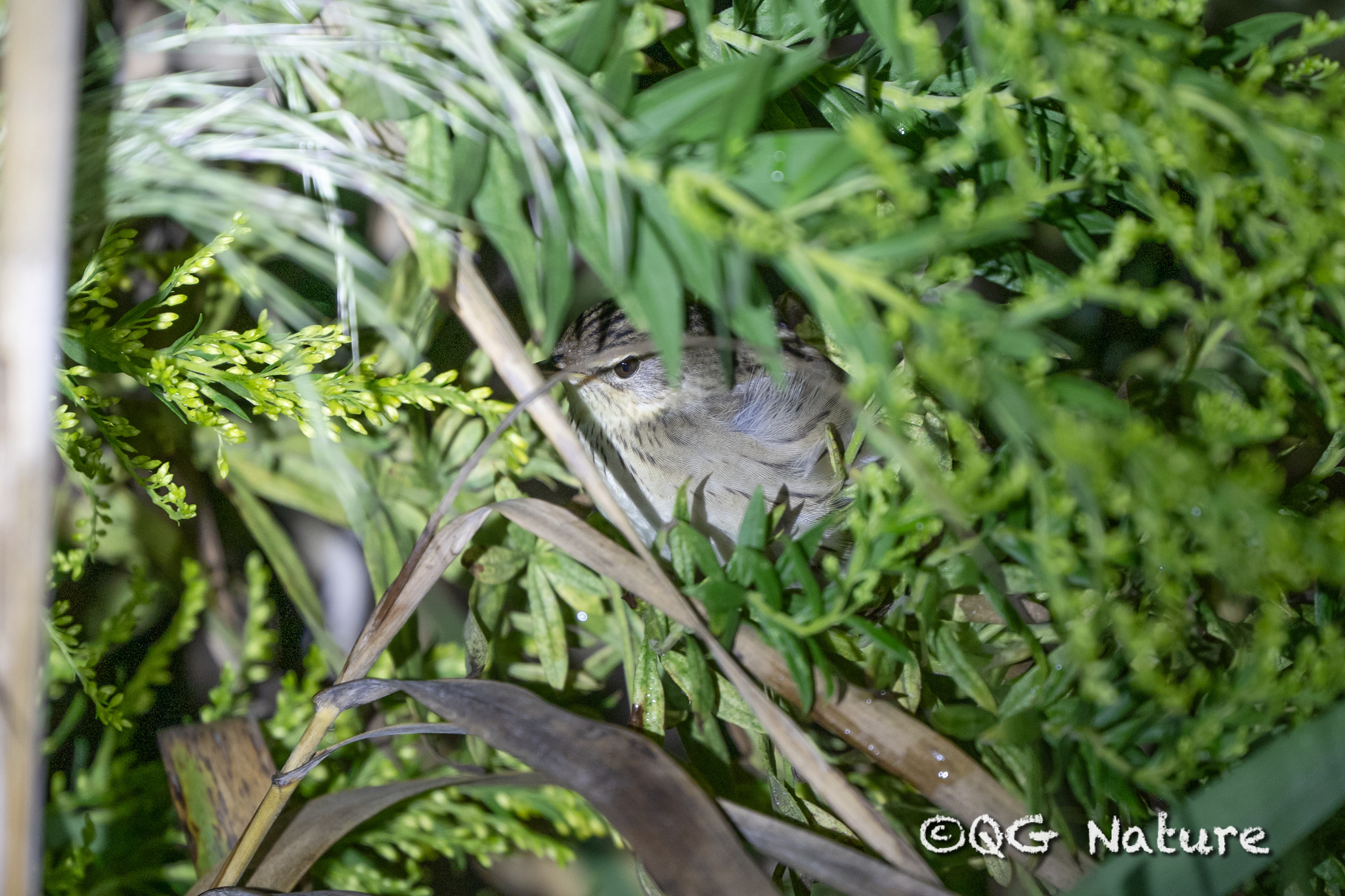
An insectivorous species that forages by creeping through dense grass and low vegetation, rarely emerging into open areas. The song consists of a monotonous, mechanical insect-like reeling sound, typically delivered at dusk. The species is notorious for its skulking behavior, making visual sightings challenging. Breeding biology includes laying five eggs in a nest situated within a grass tussock.
Source: Wikipedia · CC BY-SA 3.0
Taxonomy
- Order
- Passeriformes
- Family
- Locustellidae
- Genus
- Locustella
- eBird Code
- lanwar
Vocalizations
Subspecies (2)
-
Locustella lanceolata hendersonii
breeds Sakhalin Island, southern Kuril Islands, and northern Japan; winters to southeastern Asia
-
Locustella lanceolata lanceolata
breeds northern Europe eastward to eastern Siberia and northeastern China; winters to Philippines and Greater Sundas
Data Sources
Species description from Wikipedia, licensed under CC BY-SA 3.0.
Bird images and sounds sourced from GBIF, contributed by citizen scientists worldwide under Creative Commons licenses.
Taxonomy data from AviList 2025.