Passeriformes / Fringillidae / Linaria
Twite
Linaria flavirostris · 黄嘴朱顶雀
Introduction
A small brown passerine in the finch family Fringillidae, this species exhibits a strongly disjunct distribution across northern Europe and Asian mountains from eastern Turkey to Nepal, western China, and Mongolia. It is partially migratory, feeding mainly on small seeds with occasional insect consumption.
Description
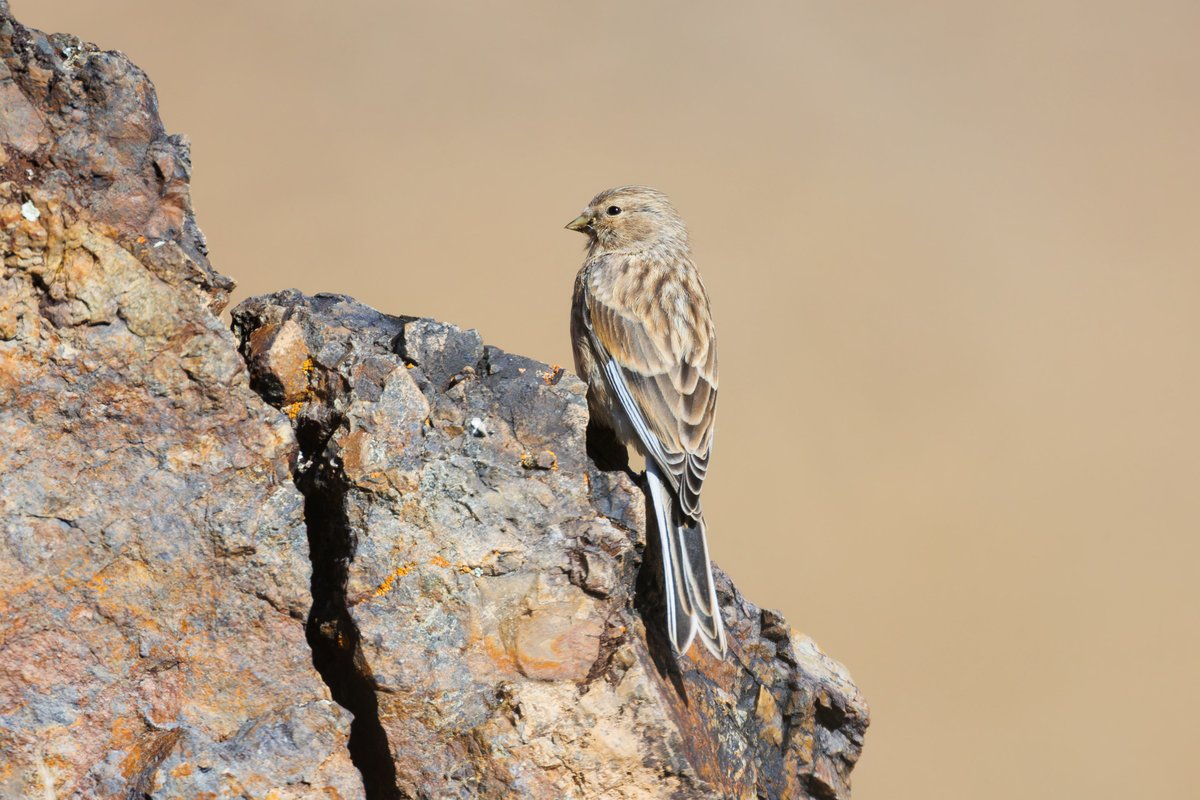
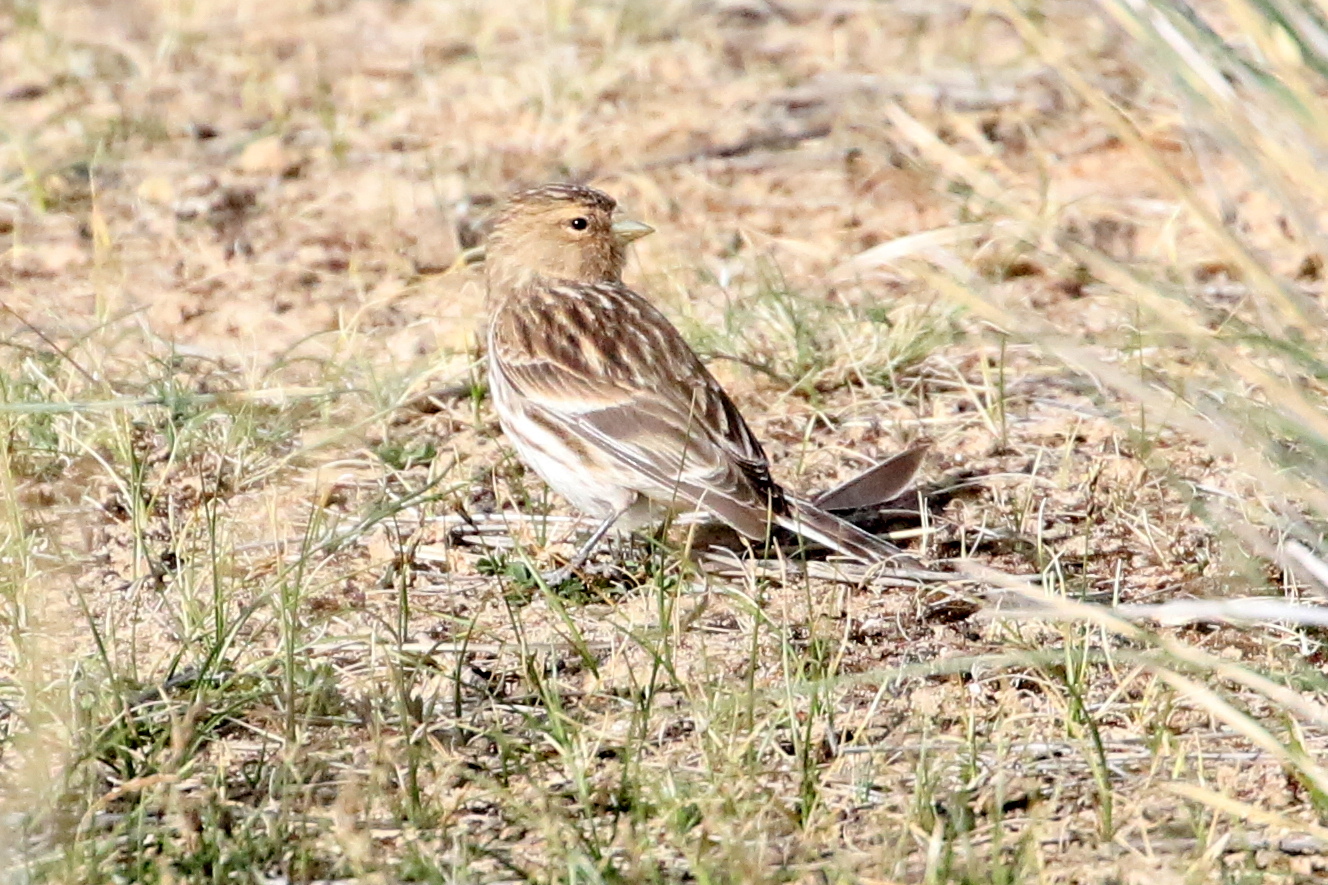
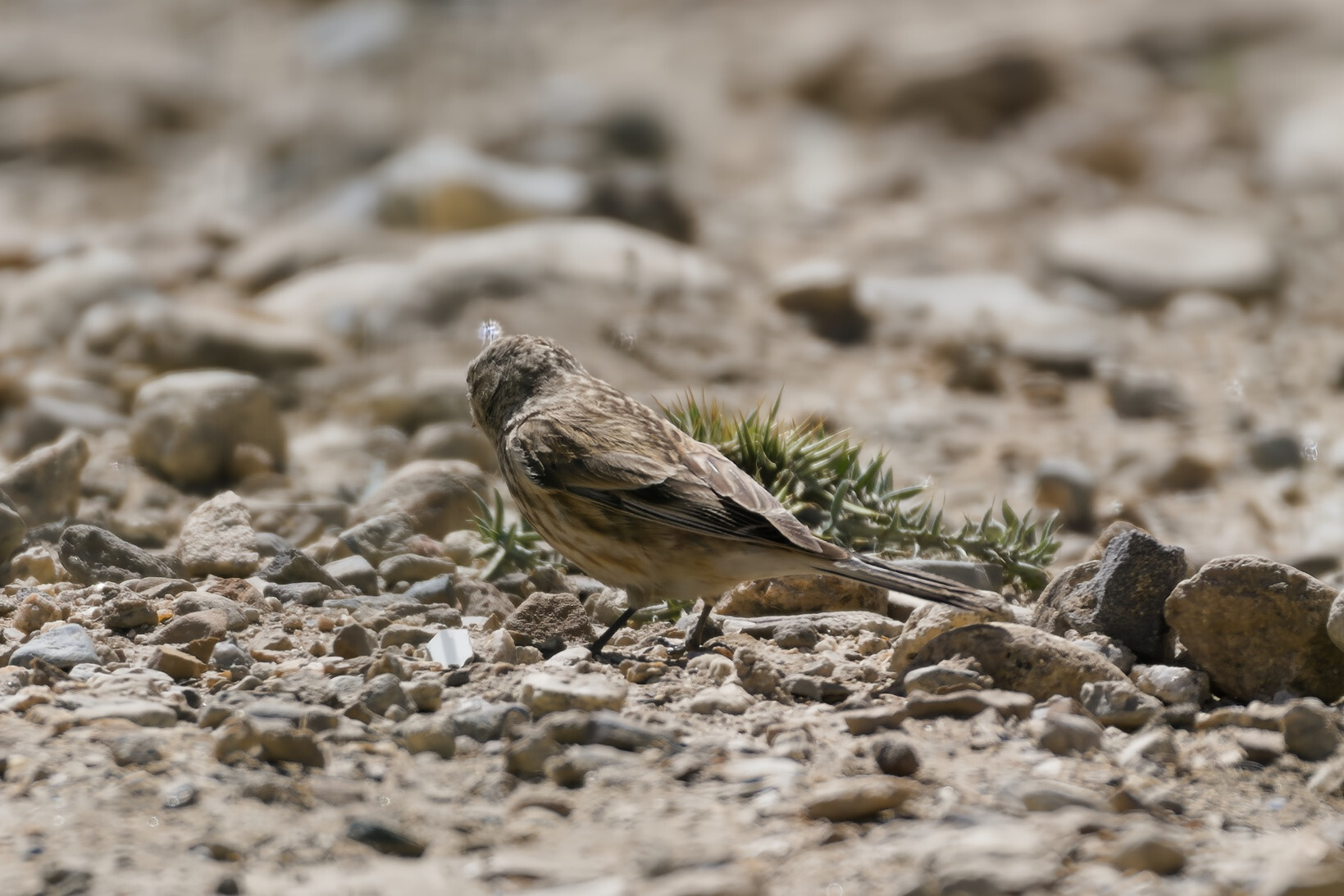
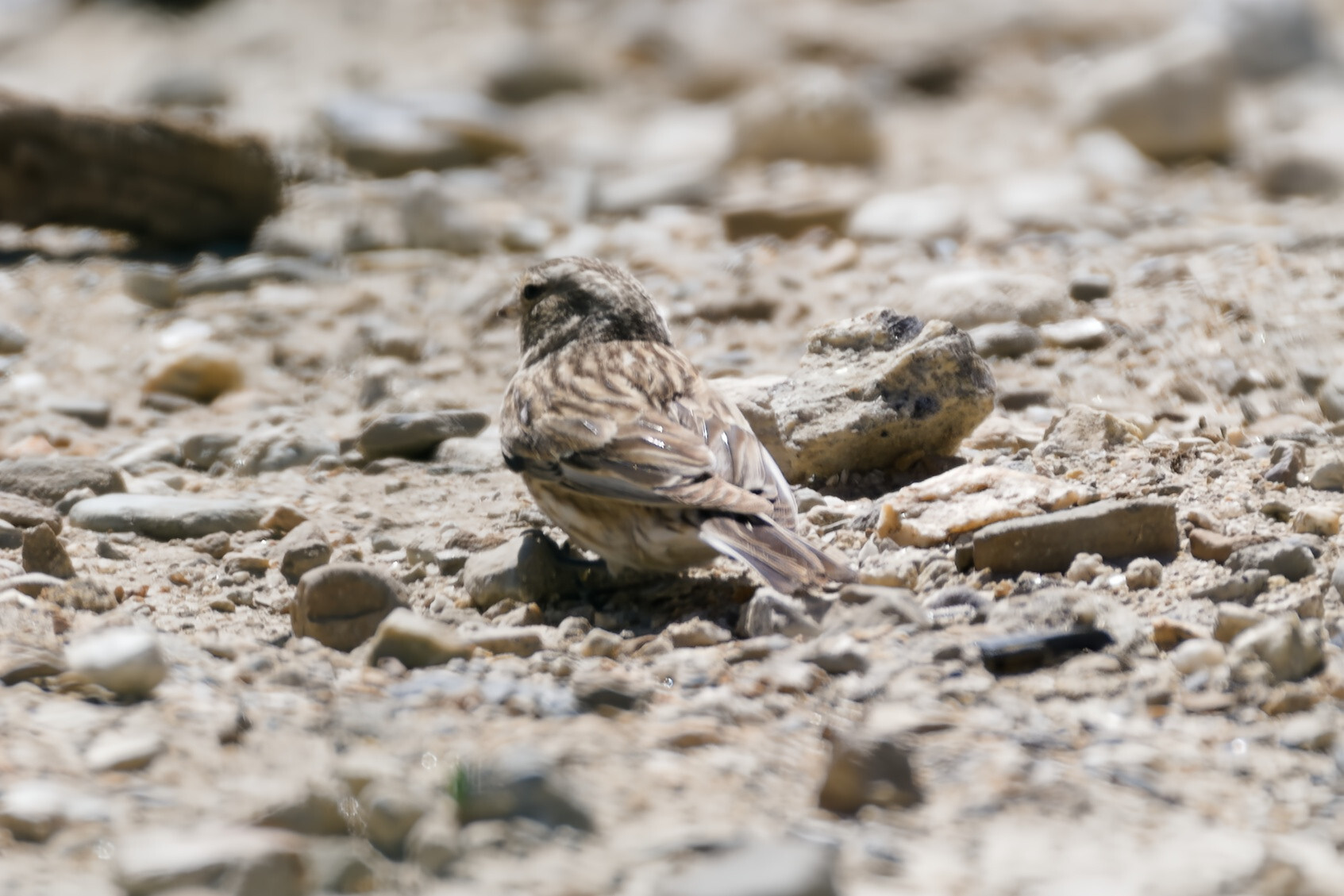
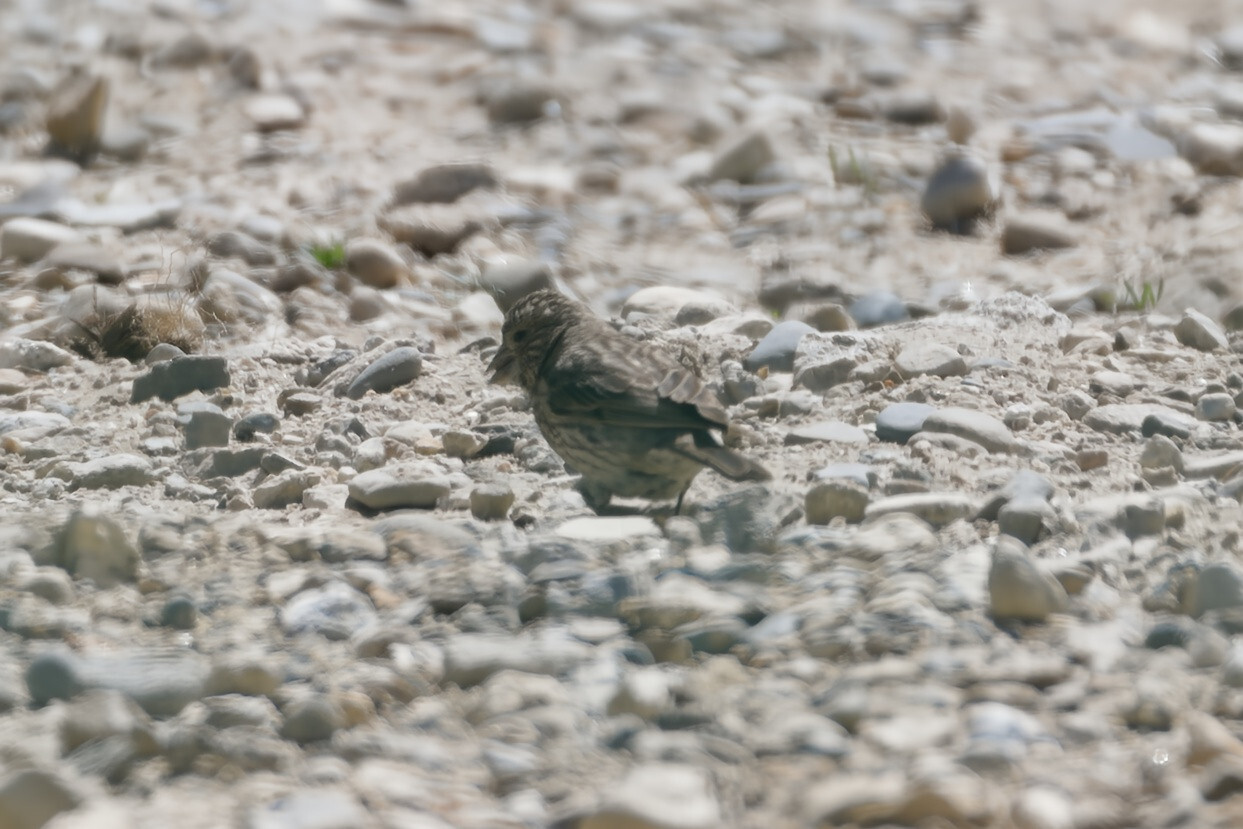
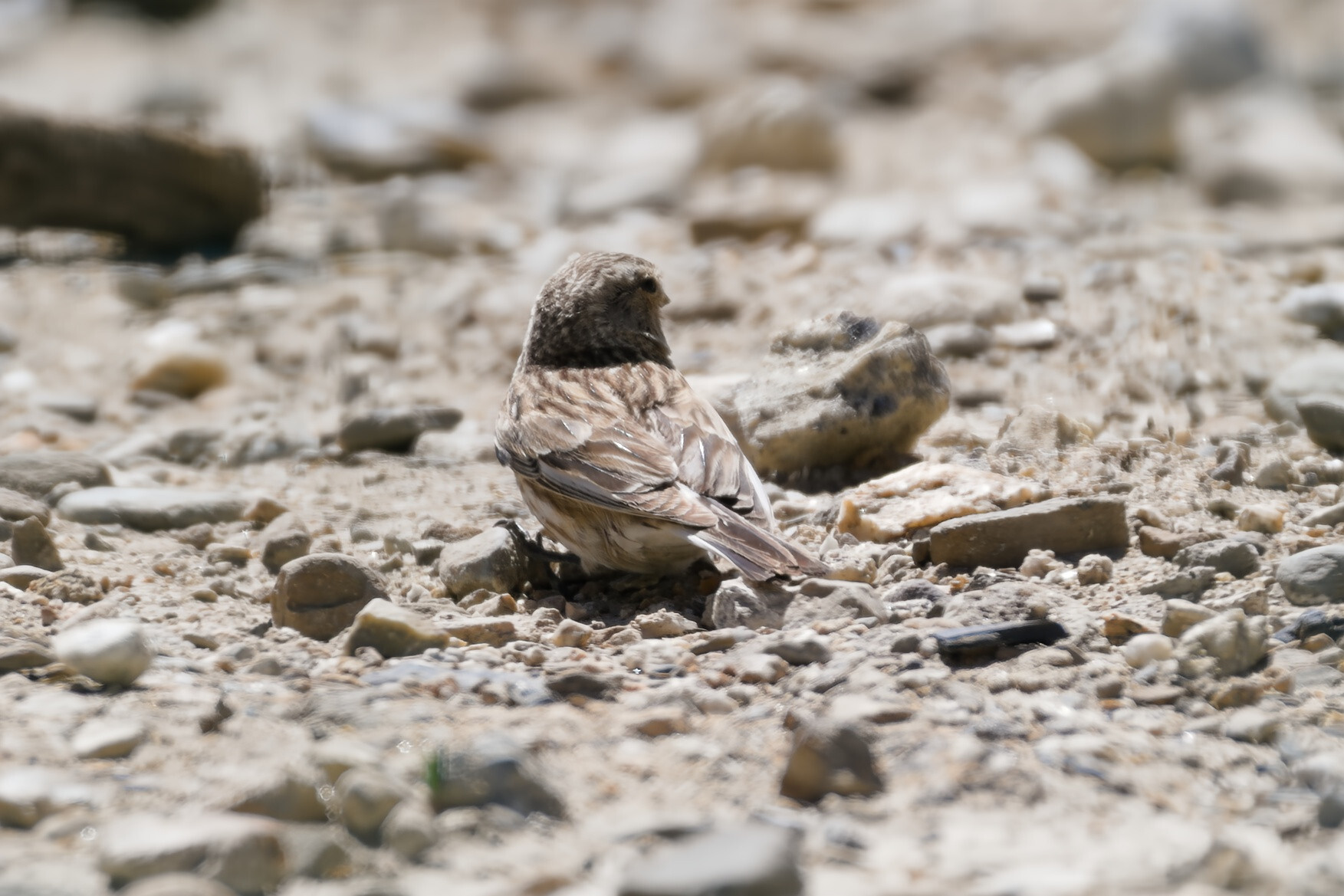
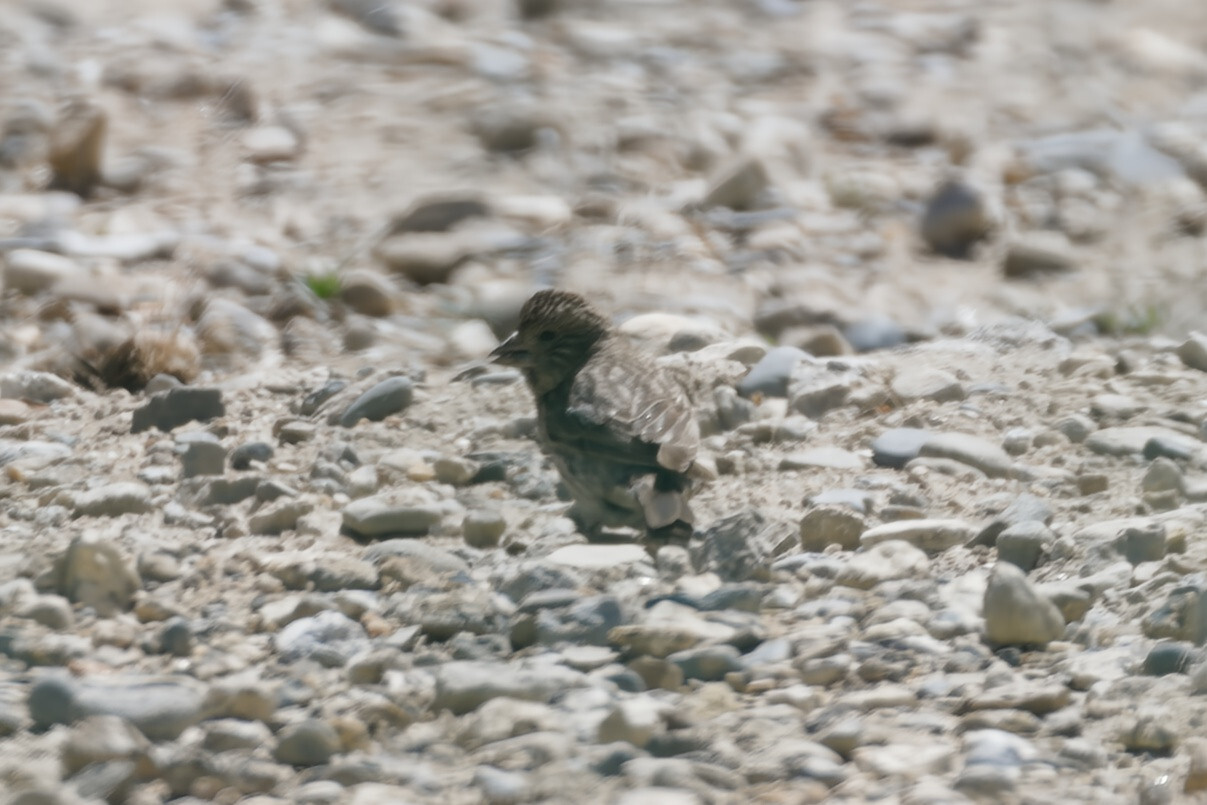
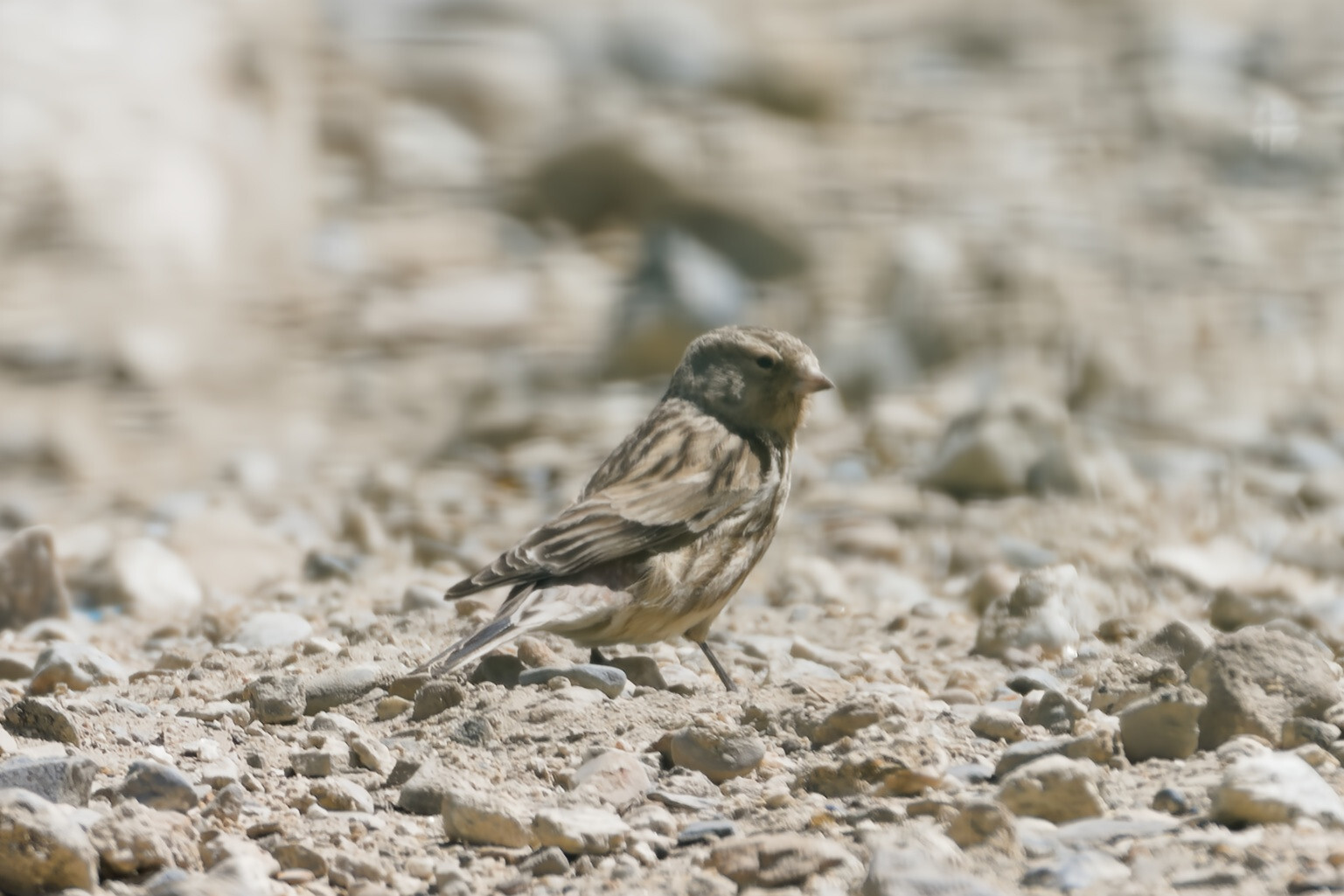
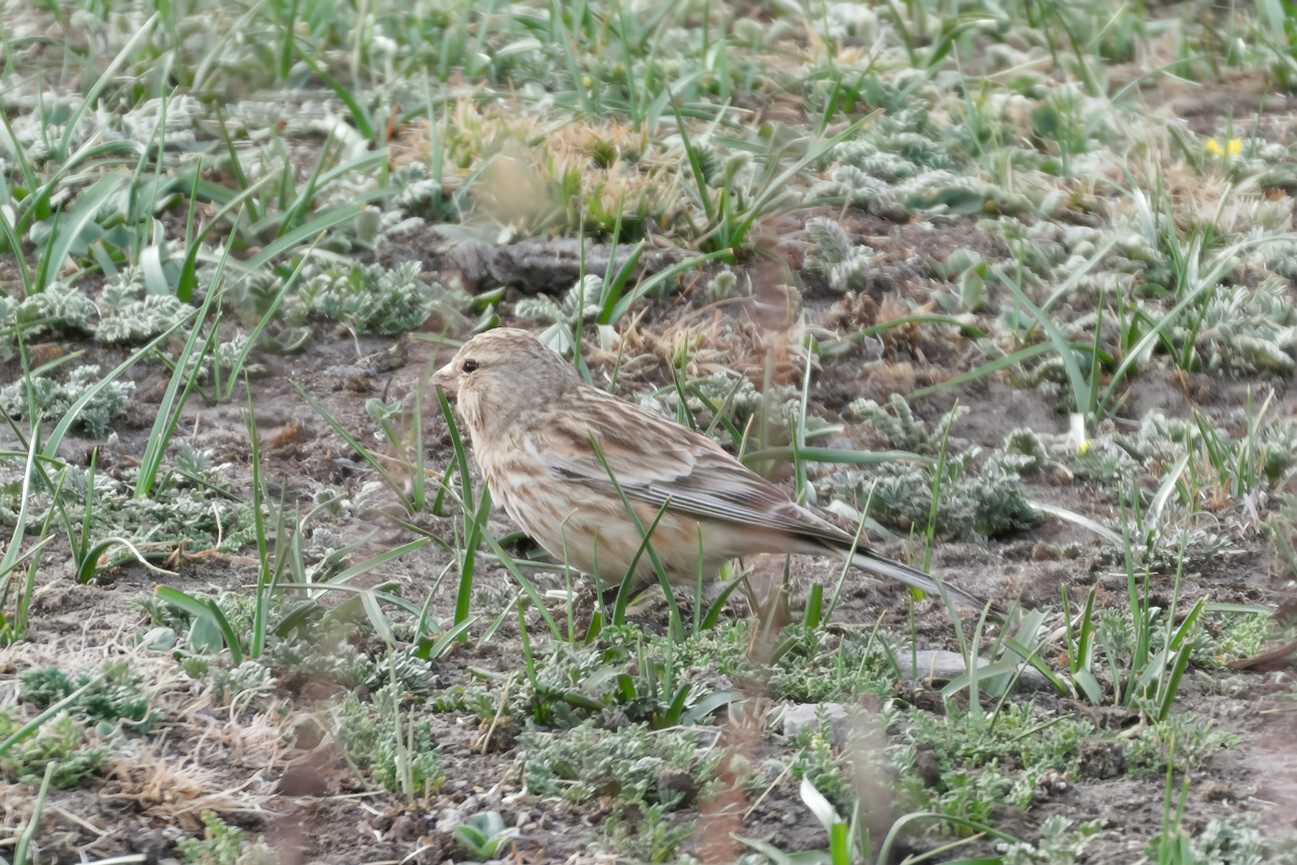
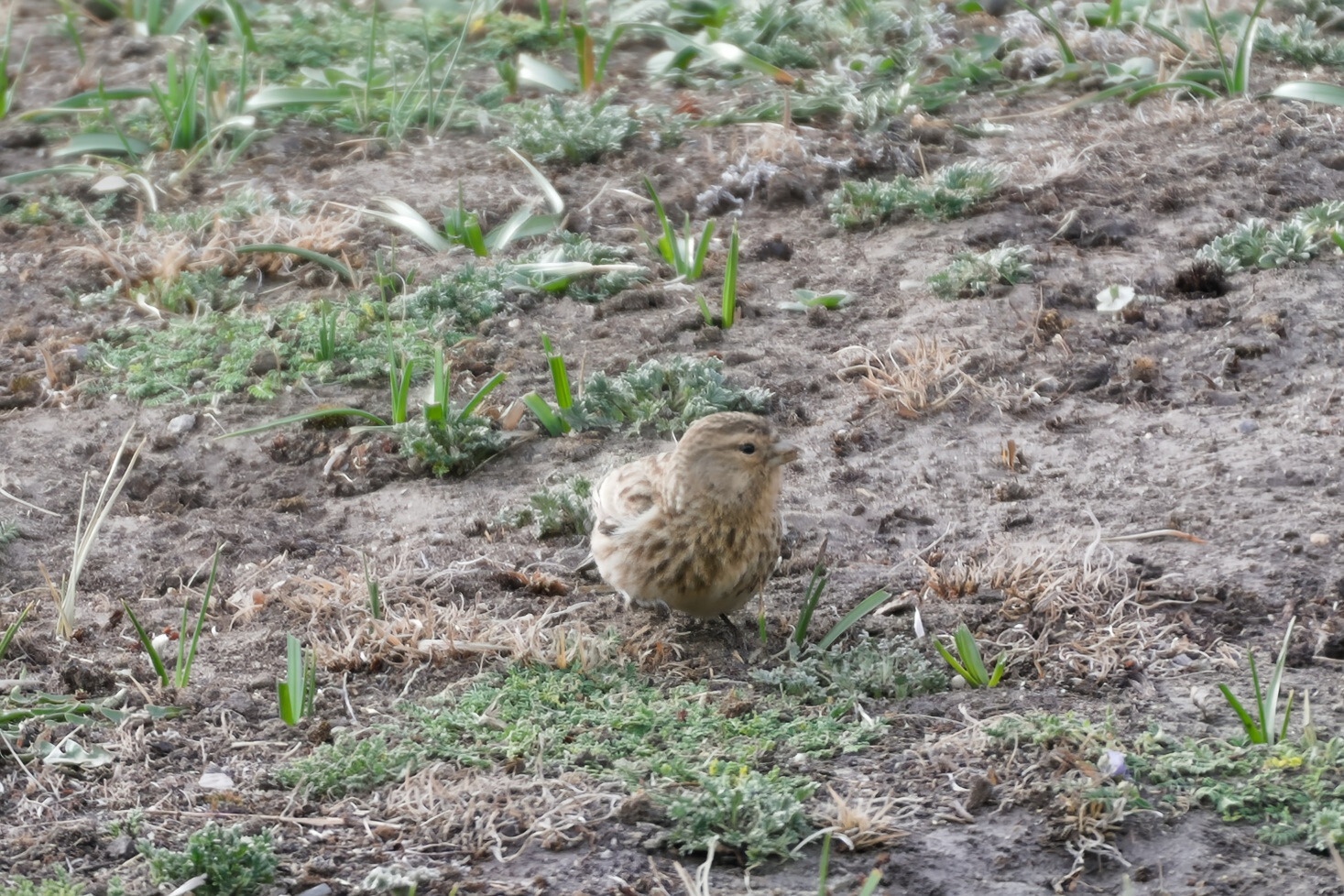
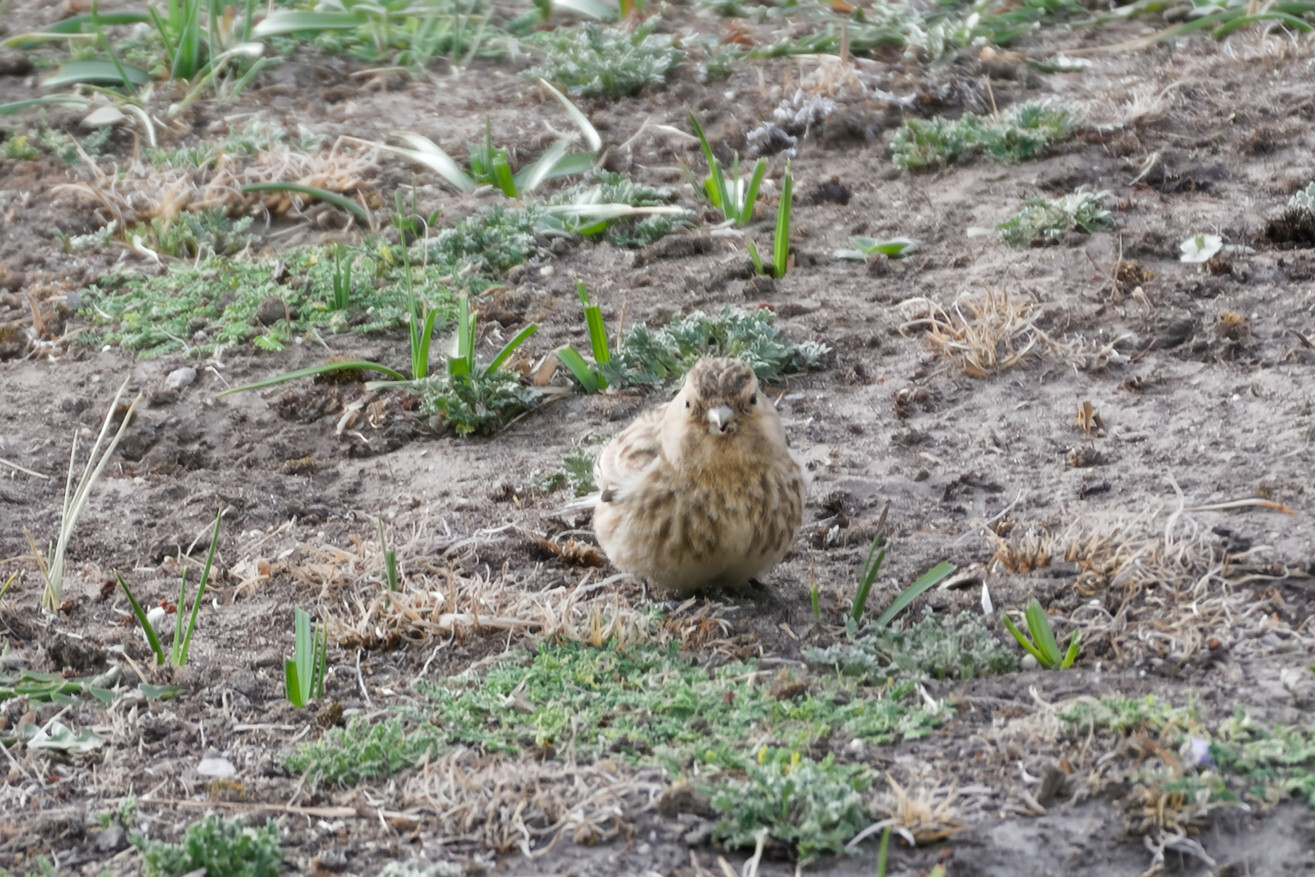
Measuring 13 to 13.5 cm (5.1 to 5.3 in) in length, it resembles a linnet in size and shape but lacks the red head patch and breast. The upperparts are brown streaked with black. Adult males possess a pink rump, while immatures and females have a brown rump. Underparts are buff to whitish, streaked with brown. The conical bill is yellow in winter and grey in summer. Subspecies vary in plumage tone, with British and Irish populations being the darkest and Asian subspecies much paler.
Identification
Distinguished from linnets and redpolls by the absence of red markings on the head and breast. Key field marks include the pink rump in adult males and the yellow bill in winter. The call is a distinctive nasal 'twaa-it', and the song features fast trills and twitters.
Distribution & Habitat
Breeds in northern Europe and across the Palearctic to Siberia and China. In Asia, breeding occurs at high altitudes of 3,600–4,900 m in alpine grassland and low shrubland. In northwestern Europe, it breeds at lower elevations, down to sea level in northwestern Ireland, western and northern Scotland, and Norway, often associated with coastal machair grassland. It is partially resident, with many birds migrating south or to coasts in winter. Nine subspecies are recognized, ranging from north Ireland and Britain to Tibet, Nepal, and Mongolia.
Behavior & Ecology
Outside the breeding season, it often forms large flocks, sometimes mixed with other finches on coasts and salt marshes. The female builds a nest on the ground or low in a bush, laying 3–6 light or dark blue eggs with dark purplish-brown specs. Eggs measure 17.4 mm × 13.2 mm and are incubated by the female for 12–13 days. Both parents feed the young, which fledge at 11 to 12 days and continue to be fed for two weeks post-fledging. In the UK, populations show distinct wintering areas: those east of the Pennines move to the southeast coast, while those west winter between Lancashire and the Hebrides.
Source: Wikipedia · CC BY-SA 3.0
Taxonomy
- Order
- Passeriformes
- Family
- Fringillidae
- Genus
- Linaria
Subspecies (9)
-
Linaria flavirostris altaica
Altai Mountains of central Russia to northwestern Outer Mongolia
Data Sources
Species description from Wikipedia, licensed under CC BY-SA 3.0.
Bird images and sounds sourced from GBIF, contributed by citizen scientists worldwide under Creative Commons licenses.
Taxonomy data from AviList 2025.