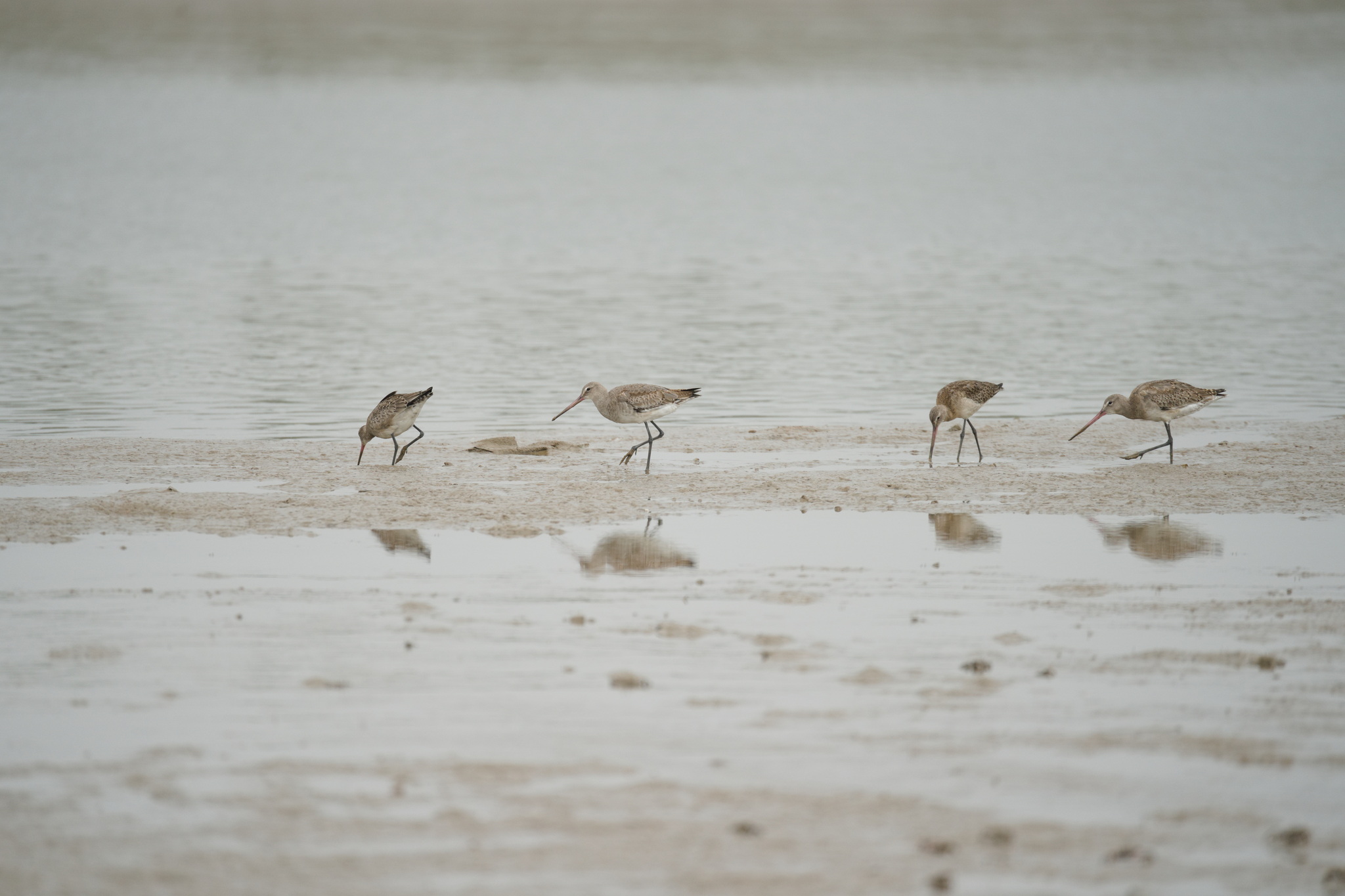
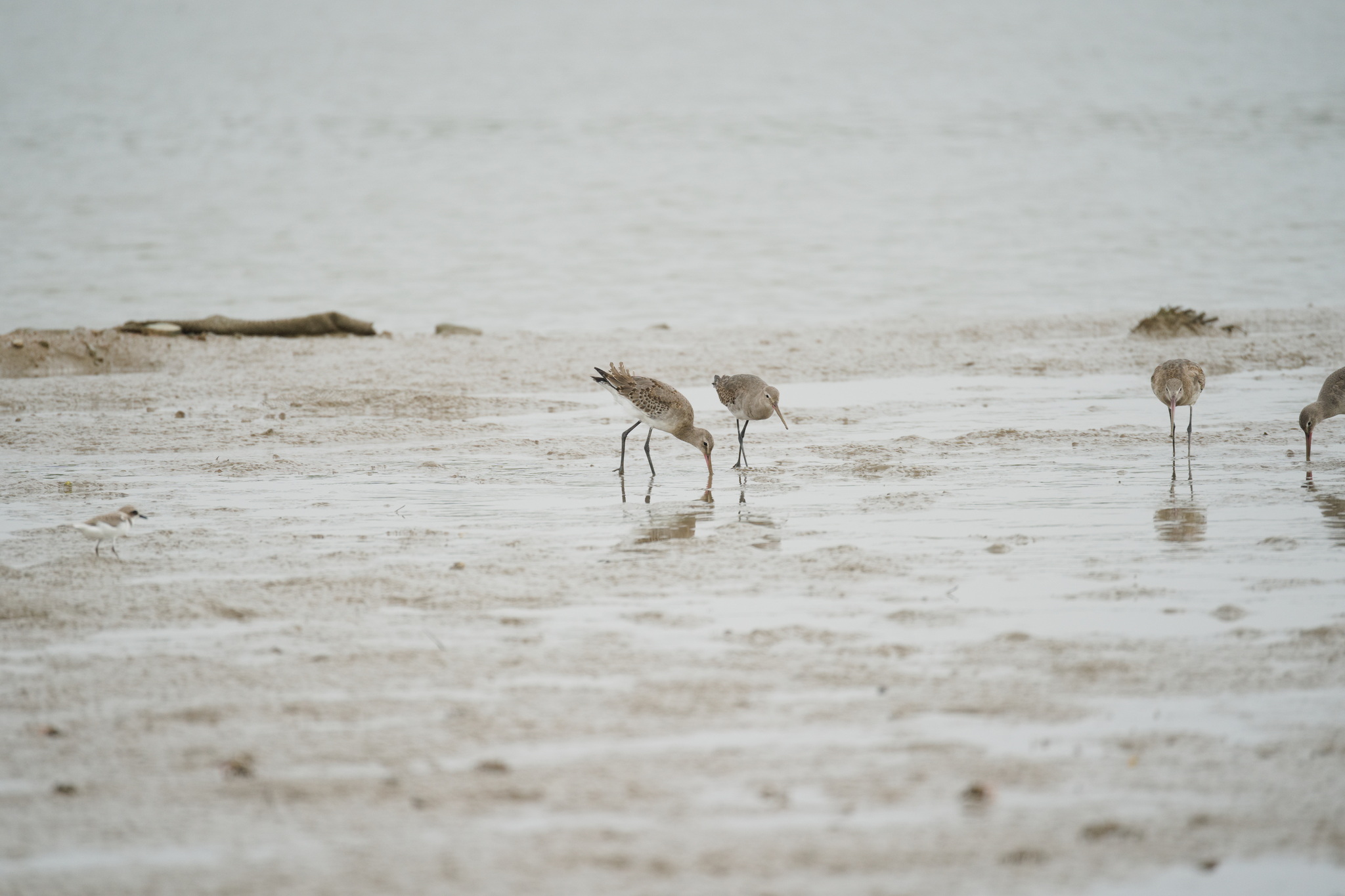
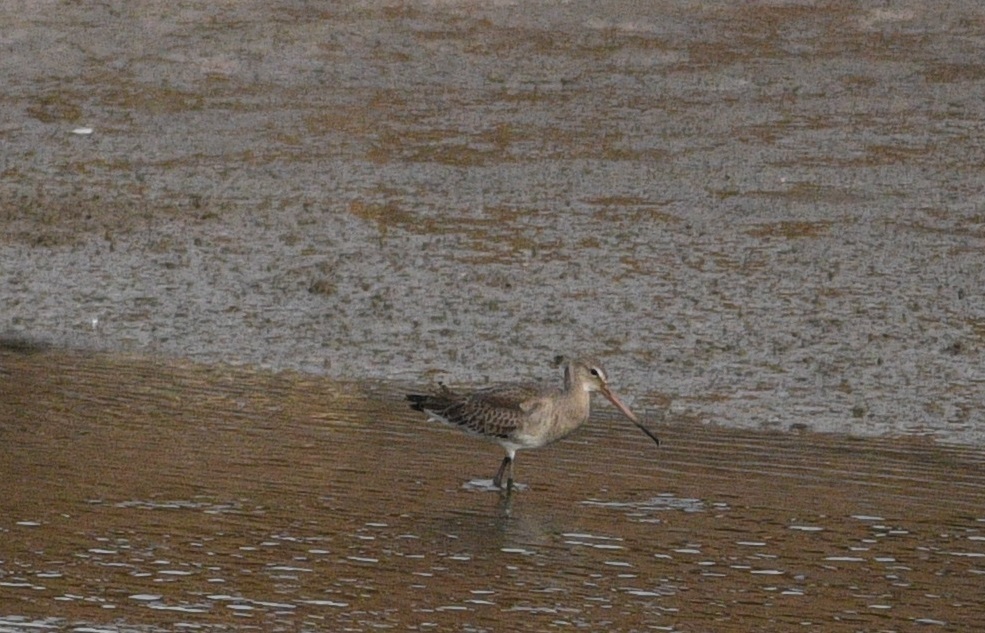
Black-tailed Godwit
Limosa limosa
黑尾塍鹬
Introduction
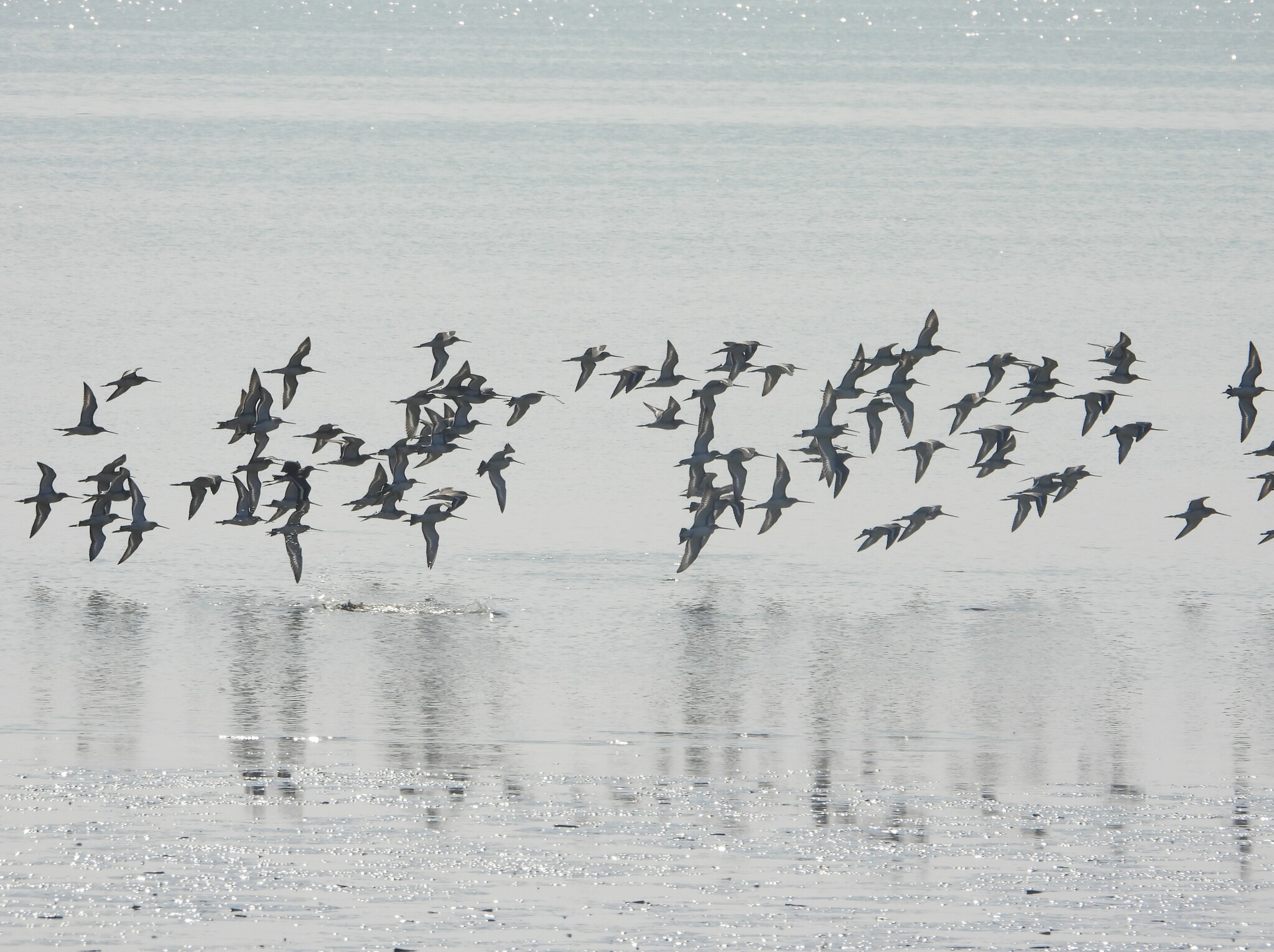
The Black-tailed Godwit (Limosa limosa) is a large migratory shorebird with a global distribution. It breeds across continental Europe and winters from Australia to West Africa. Its preferred habitats include wetlands, fens, meadows, mudflats and shallow waters. Adults measure 36-44 cm in length with a wingspan of 70-82 cm. The species is characterized by a long, straight bill, notably long legs for wading in deeper water than other godwits, and black and white wing patterns visible in flight. Breeding males display orange plumage extending across the head, neck and breast. The species is the national bird of the Netherlands, where significant populations breed in wet grasslands. It has experienced population declines in recent decades. Migratory movements create large flocks at key stopover sites across multiple continents.
Description
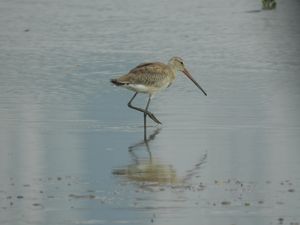
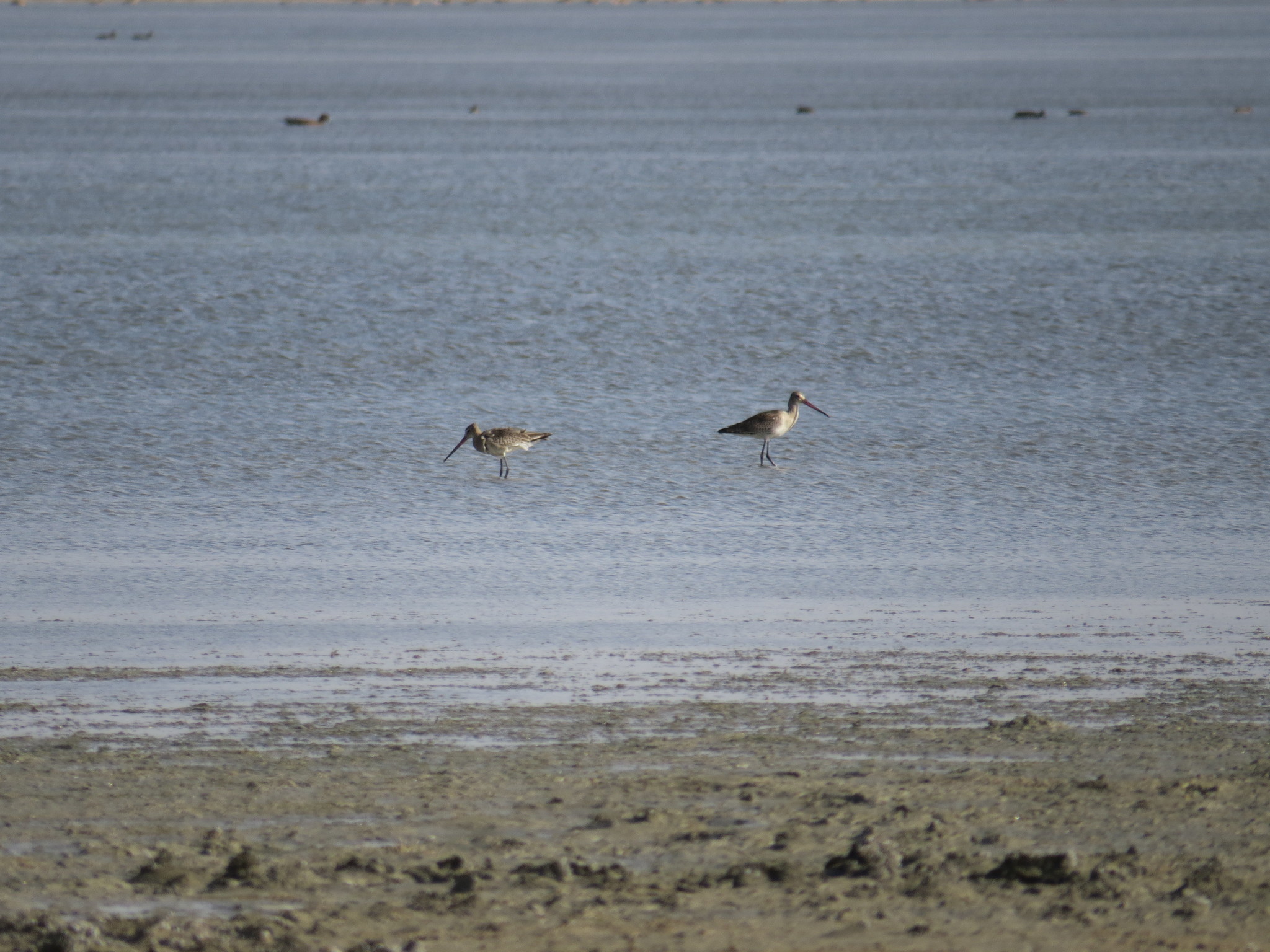
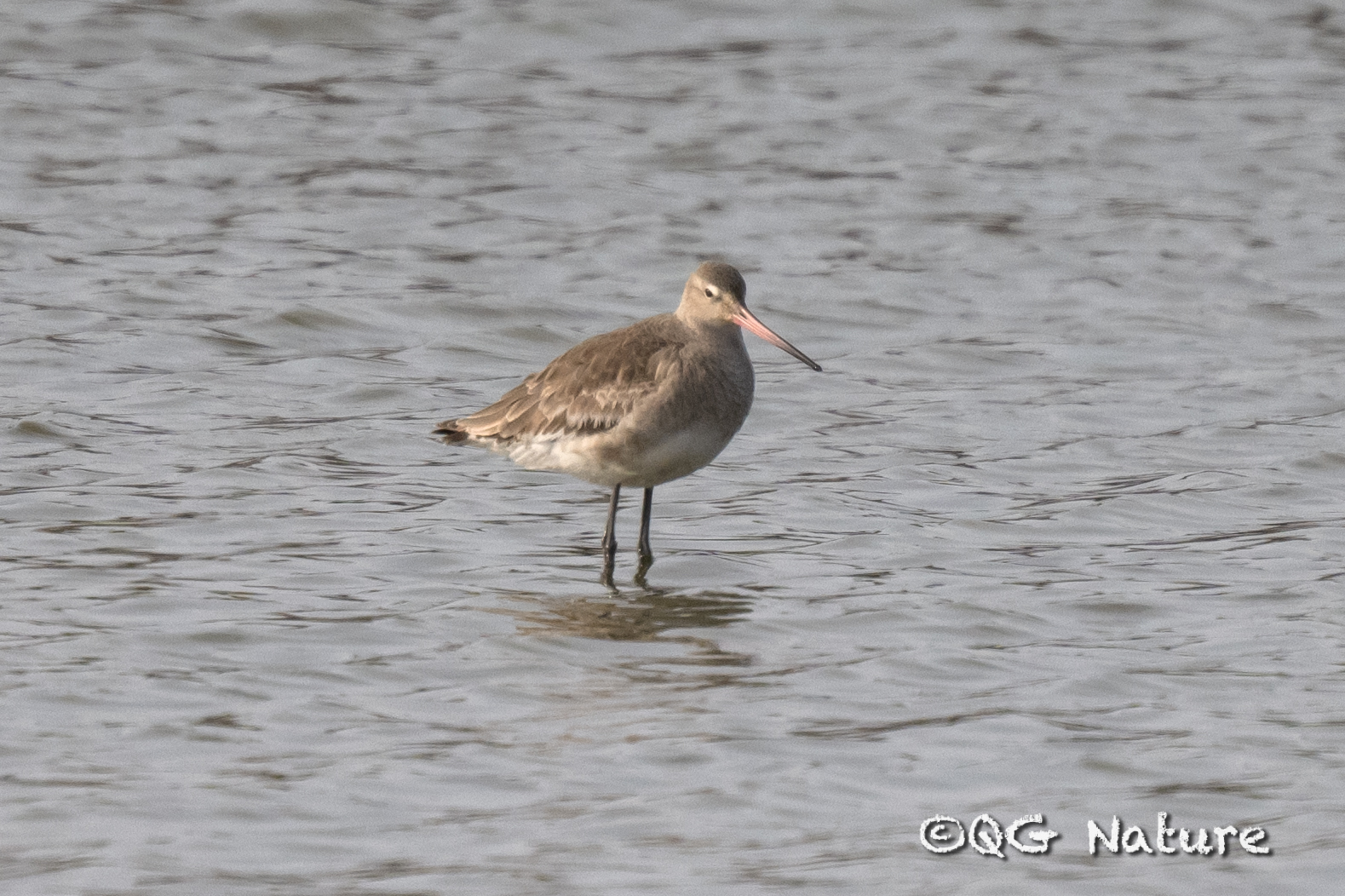
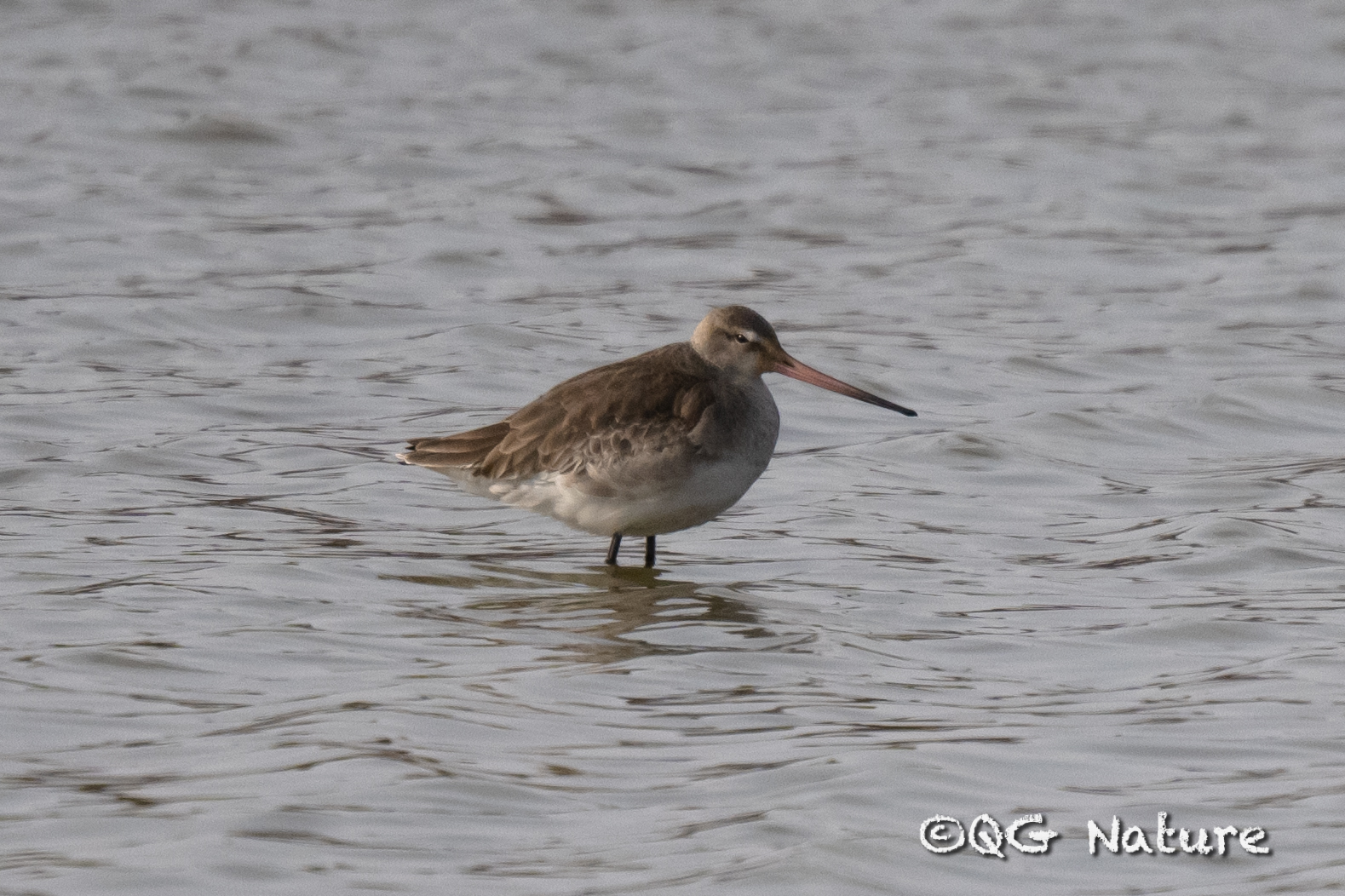
This is a substantial wader with a notably long bill measuring 7.5 to 12 centimeters, an equally long neck, and elongated legs. The bill base is yellowish or orange-pink with a dark tip during breeding season, becoming pink-based in winter. Legs appear in dark grey, brown or black tones. Males in breeding plumage display brighter and more extensive orange coloring on the breast, neck and head compared to females, which are approximately 5% larger with bills 12-15% longer. Winter birds show uniform brown-grey coloration across the breast and upperparts, unlike the streaked appearance of similar species. Juveniles exhibit a pale orange wash on the neck and breast. Body length reaches 42 centimeters from bill to tail, with a wingspan of 70 to 82 centimeters. Males typically weigh around 280 grams while females average 340 grams. In flight, the bold black and white wings and white rump become conspicuous field marks.
Identification
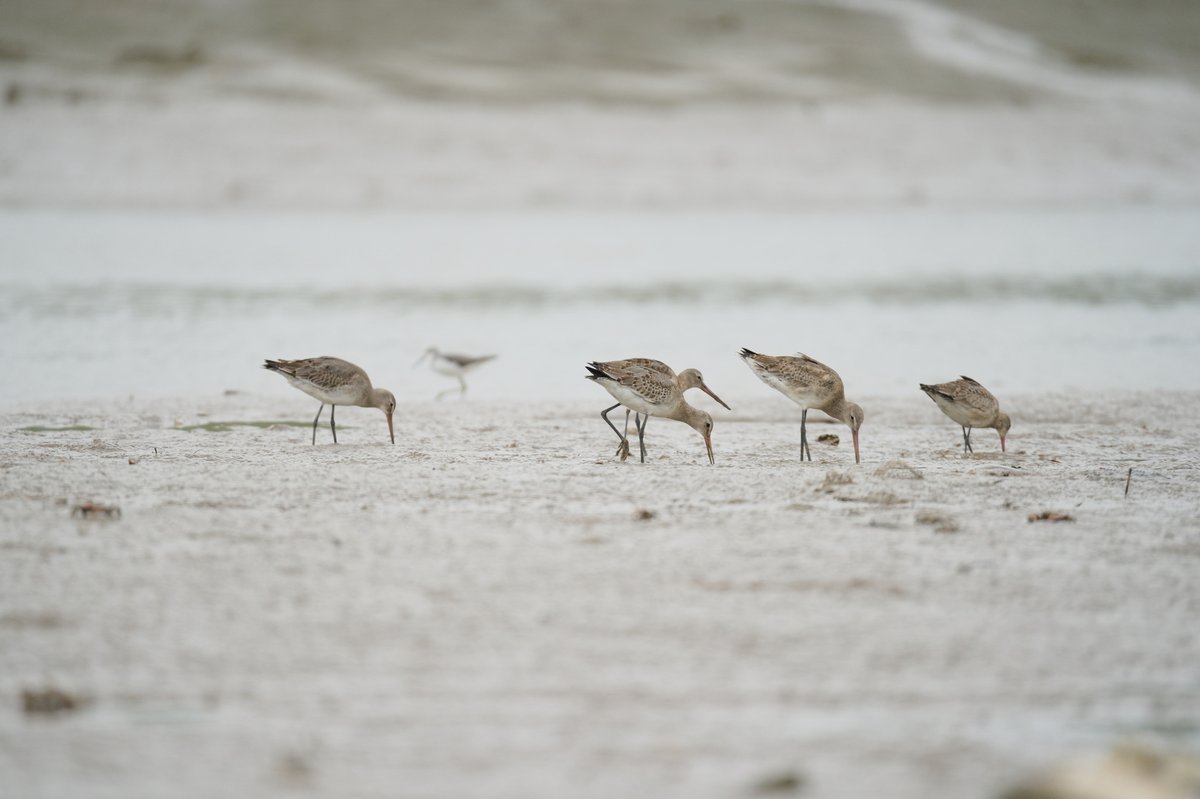
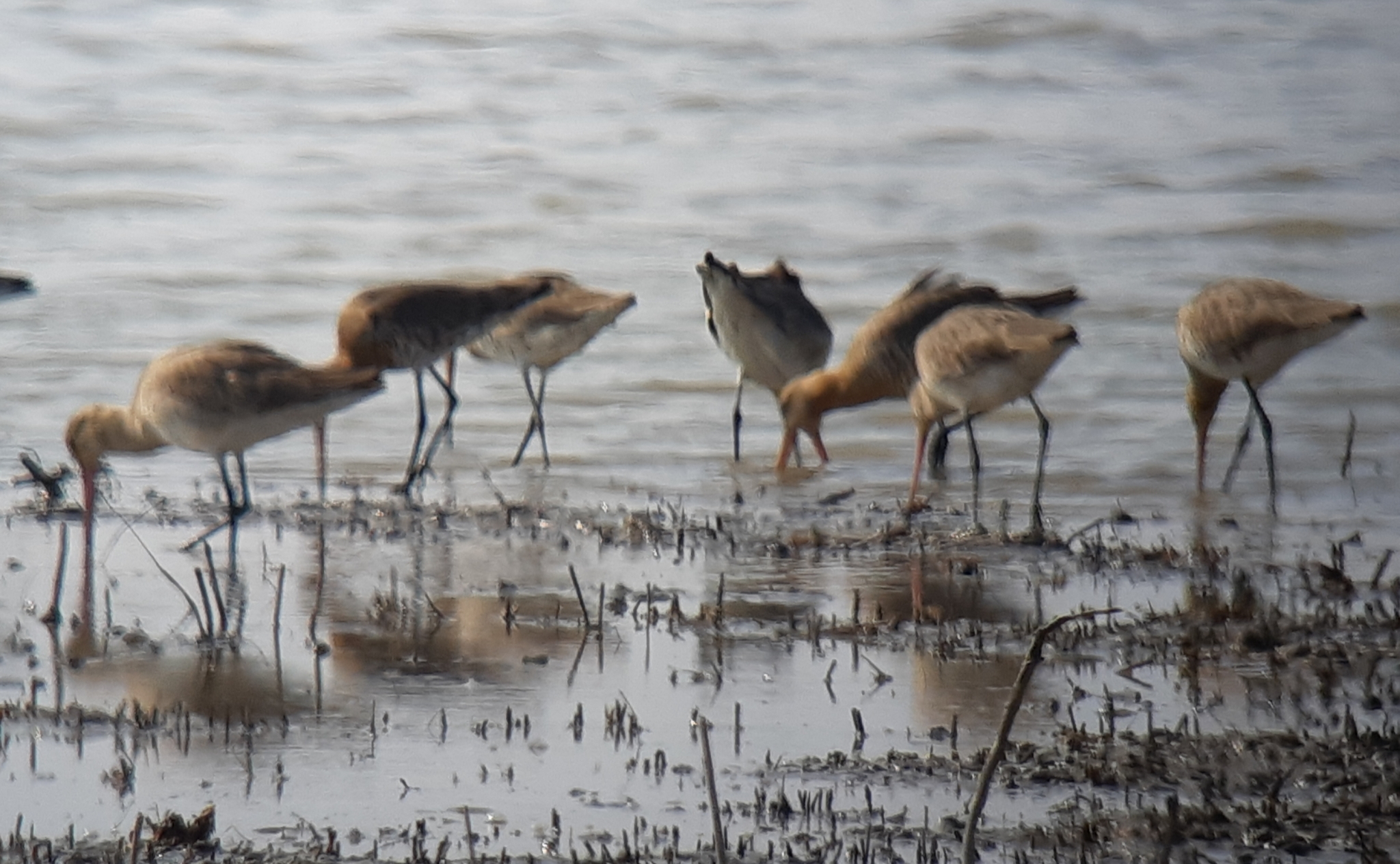
This species appears very similar to the bar-tailed godwit but can be distinguished by its longer, straighter bill and longer legs, which give it a taller stance. In winter plumage, the uniform brown-grey breast and upperparts contrast sharply with the bar-tailed godwit's streaked back. The bold black and white wingbar and white rump are visible in flight at considerable distances. Juveniles can be identified by their pale orange wash on the neck and breast. When observing feeding birds, the species tends to wade in deeper water than similar godwits due to its longer legs, and it often submerges its head completely while probing vigorously in soft mud.
Distribution & Habitat
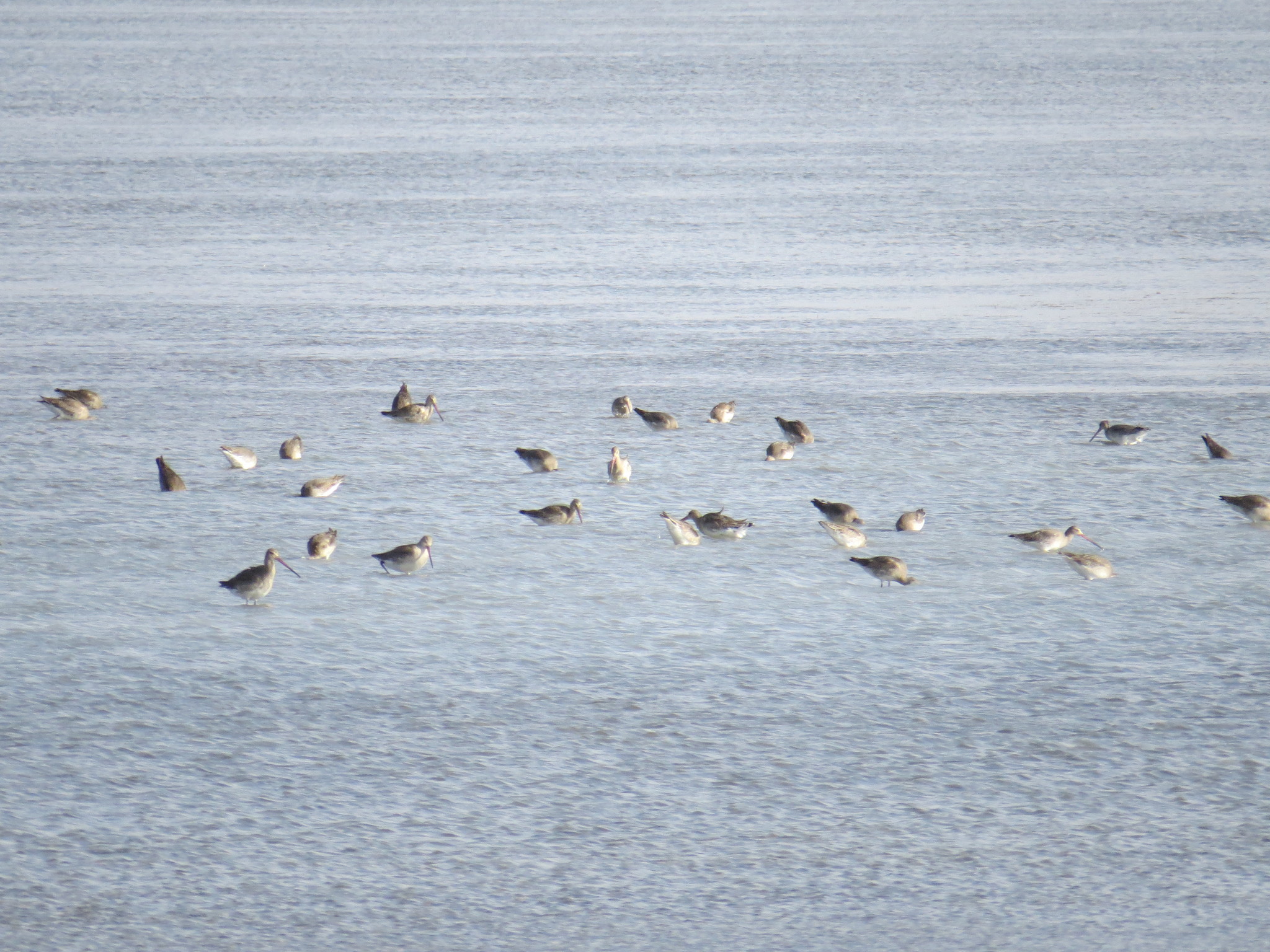
The breeding range stretches discontinuously from Iceland across Europe to the far east of Russia. Breeding habitats include river valley fens, lake edge floods, damp steppes, raised bogs and moorlands, with European populations increasingly using lowland wet grasslands, coastal grazing marshes, pastures and even agricultural fields. Wintering grounds span the Indian subcontinent, Australia, New Zealand, western Europe and west Africa, with the species showing a stronger preference for inland wetlands and freshwater habitats than the bar-tailed godwit. Icelandic populations winter mainly in Britain, Ireland, France and the Netherlands, while European birds migrate to West Africa. Asian populations winter in Australia and Southeast Asia. Migration occurs in flocks, though some birds occur year-round in Britain and Ireland, representing different populations in summer and winter.
Behavior & Ecology
The species is mostly monogamous, with pairs reuniting on breeding grounds within days of each other after winter separation. Divorce occurs if one partner fails to arrive on time. Breeding takes place in loose colonies, where unpaired males perform display flights and defend temporary territories. Several nest scrapes are constructed, with 30-50 meters defended around the final nest site. The shallow scrape nest contains three to six olive-green to dark brown eggs, incubated by both parents for 22-24 days. Chicks are precocial and led to diverse habitats including sewage farms and lake edges, fledging after 25-30 days. Diet consists mainly of invertebrates including beetles, flies, grasshoppers, dragonflies and worms, with aquatic plants taken in winter. Feeding involves vigorous probing up to 36 times per minute, often with the head submerged. The characteristic call is a sharp, strident 'weeka weeka weeka' that carries well across wetlands.
Conservation
The global population is estimated between 634,000 and 805,000 birds across a range of approximately 7.18 million square kilometers. Classified as Near Threatened due to a 25% population decline over 15 years, the species faces ongoing pressures including habitat loss and degradation across its migratory route. Hunting in France claims an estimated 6,000 to 8,000 birds annually, placing additional pressure on western European populations. The European Commission has implemented a management plan to address these concerns. In 2024, the species was listed as Endangered under Australia's EPBC Act. It is protected under the Agreement on the Conservation of African-Eurasian Migratory Waterbirds. Conservation efforts focus on protecting critical wetland habitats at breeding, wintering and stopover sites throughout its extensive migratory range.
Culture
This species holds national significance as the official national bird of the Netherlands, reflecting its importance in Dutch natural heritage and conservation efforts. In England, the species was historically considered an exceptional delicacy, with 17th-century naturalist Sir Thomas Browne declaring it 'the daintiest dish in England and I think, for the bignesse, of the biggest price.' The species acquired various vernacular names including Blackwit, Whelp, Yarwhelp, Shrieker, Barker and Jadreka Snipe, indicating its long recognition in local traditions. The Icelandic name Jaðrakan connects the species to Norse cultural heritage. While no longer hunted for food in most of its range, it remains a symbol of wetland conservation and the delicate ecosystems it inhabits, valued by birdwatchers and nature enthusiasts across the countries it visits throughout its annual cycle.
Source: Wikipedia · CC BY-SA 3.0
Taxonomy
- Order
- Charadriiformes
- Family
- Scolopacidae
- Genus
- Limosa
- eBird Code
- bktgod
Subspecies (4)
-
Limosa limosa bohaii
breeding range not well established, but probably in northeastern Siberia (Sakha Republic); winter range also incompletely known, but reported from Hong Kong and Vietnam to Thailand and Malaysia
-
Limosa limosa islandica
breeds Iceland, Faroe and Shetland islands and northern Norway; winters to southwestern Europe
-
Limosa limosa limosa
breeds Western Palearctic; winters Mediterranean to sub-Saharan Africa and India
-
Limosa limosa melanuroides
breeds disjunctly in Siberia east of the Yenisei River, in eastern Mongolia, and in northeastern China (populations in northeastern Siberia probably are bohaii); winters from India, Indochina, Taiwan, and Philippines southward to Indonesia, New Guinea, Melanesia, Australia, and New Zealand
Data Sources
Species description from Wikipedia, licensed under CC BY-SA 3.0.
Bird images and sounds sourced from GBIF, contributed by citizen scientists worldwide under Creative Commons licenses.
Taxonomy data from AviList 2025.