
Passeriformes / Fringillidae / Leucosticte
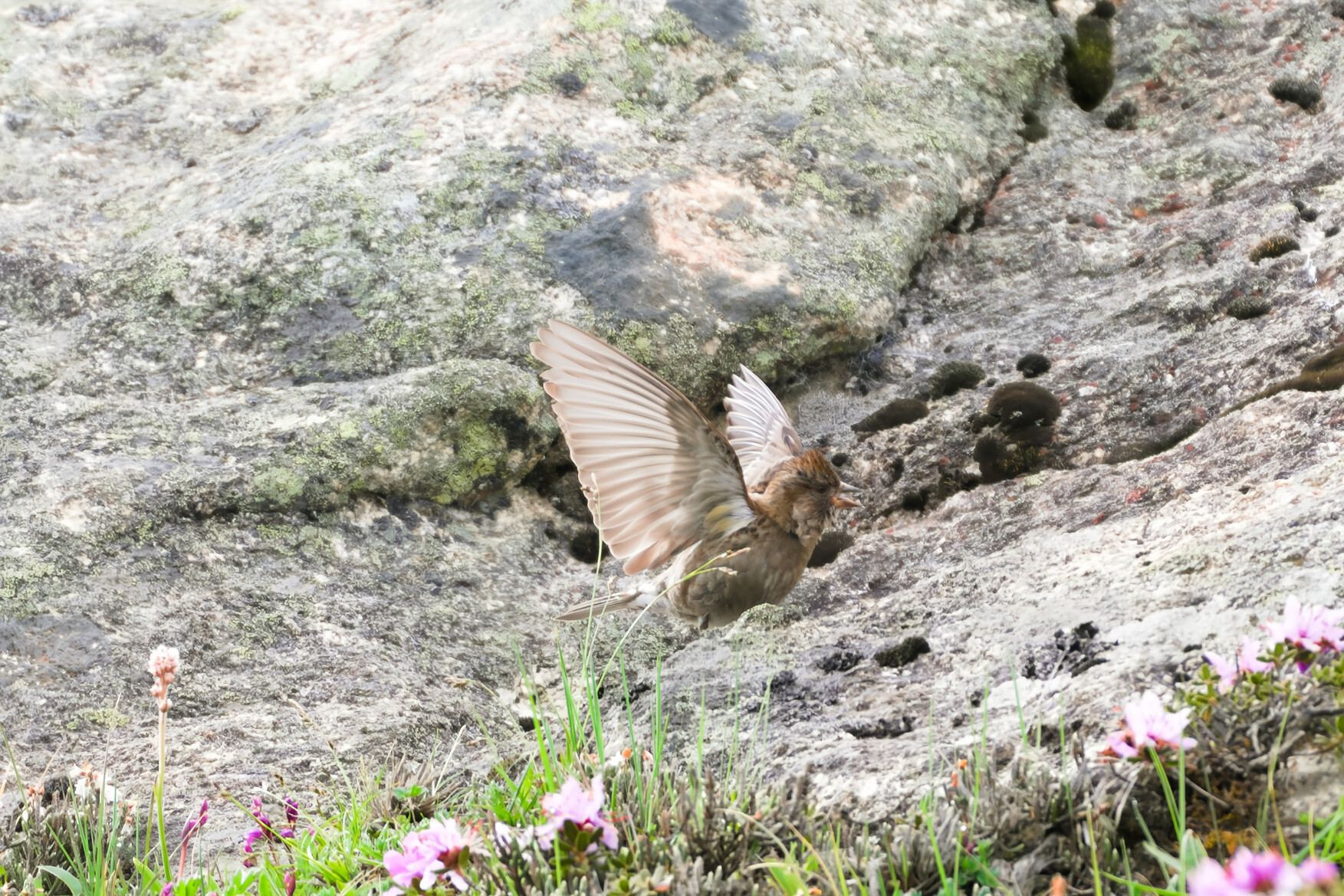
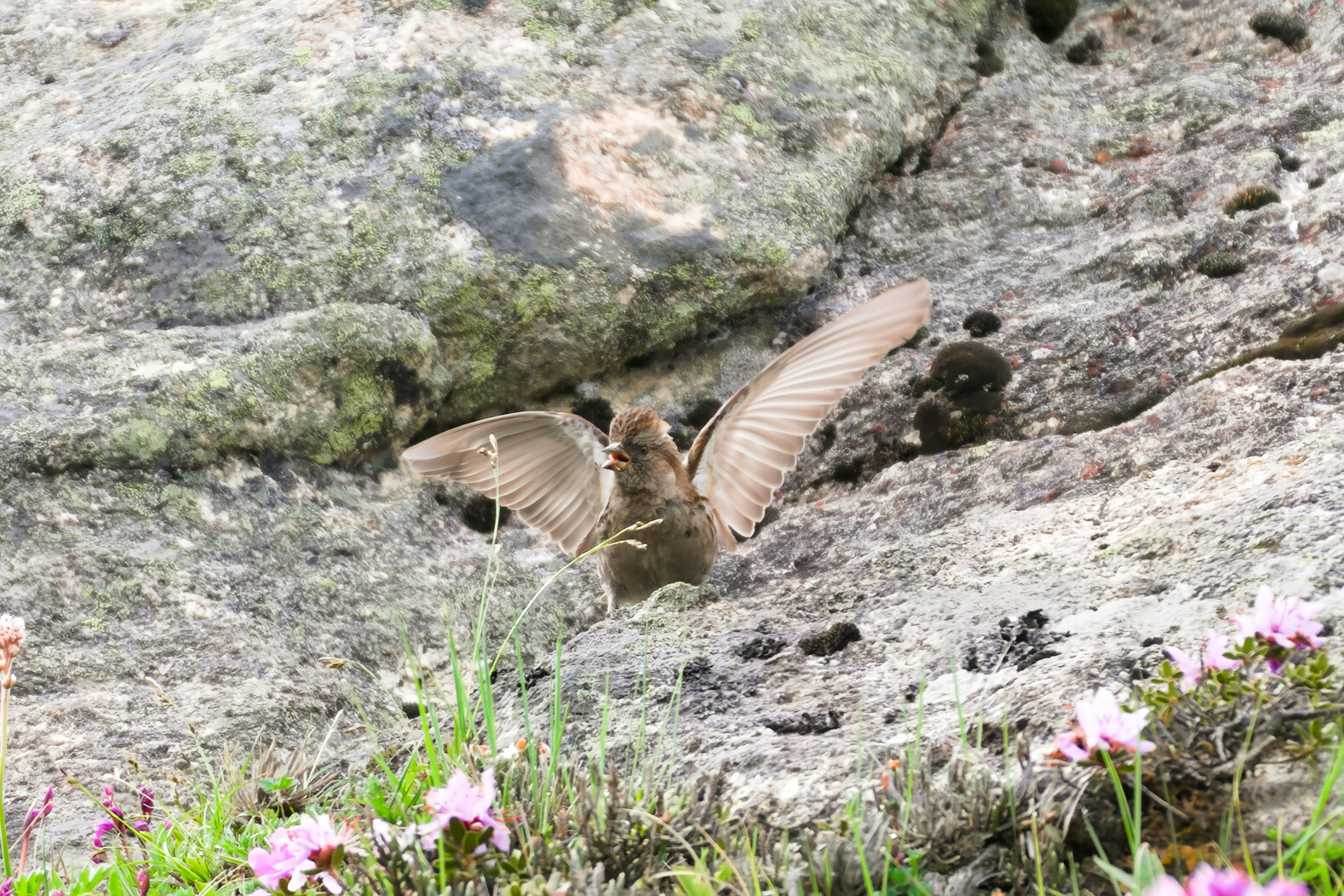
Plain Mountain Finch
Leucosticte nemoricola · 林岭雀
Introduction
A species of finch in the family Fringillidae, native to temperate grasslands, upland forests, and rocky cliffs across the Himalayas. It exhibits altitudinal migration and forms large flocks during the non-breeding season. The population trend is stable and the species is not globally threatened.
Description
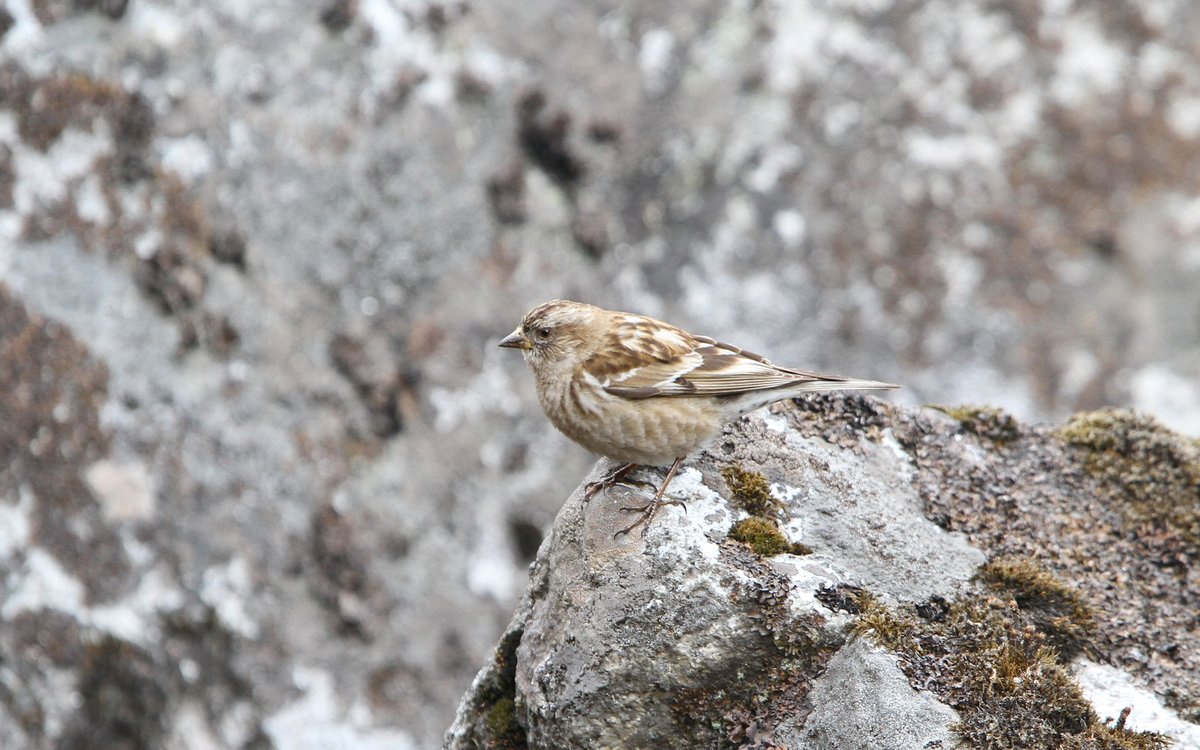
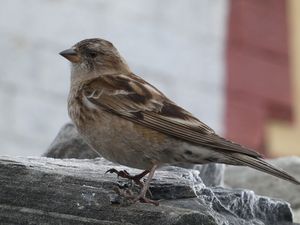
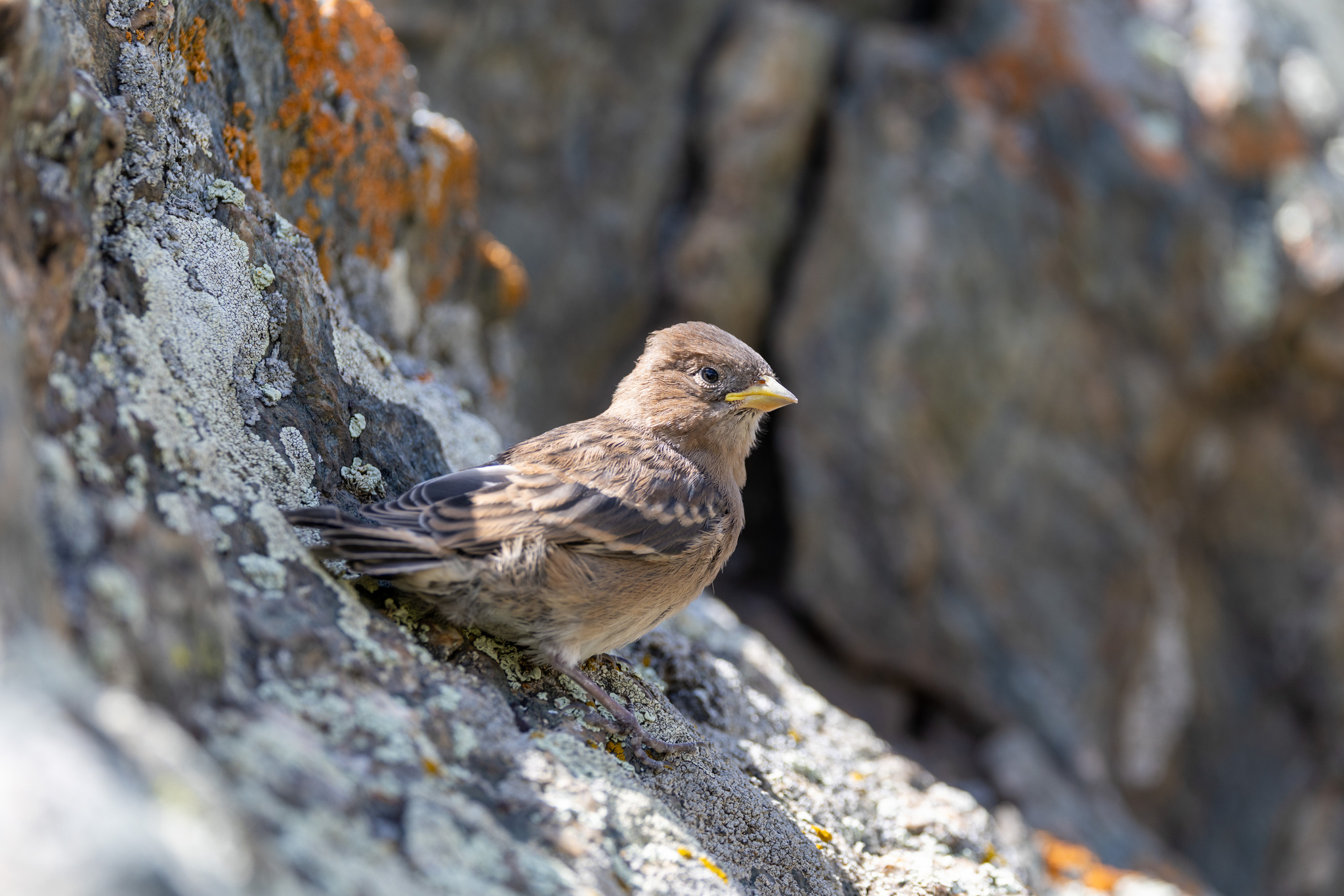
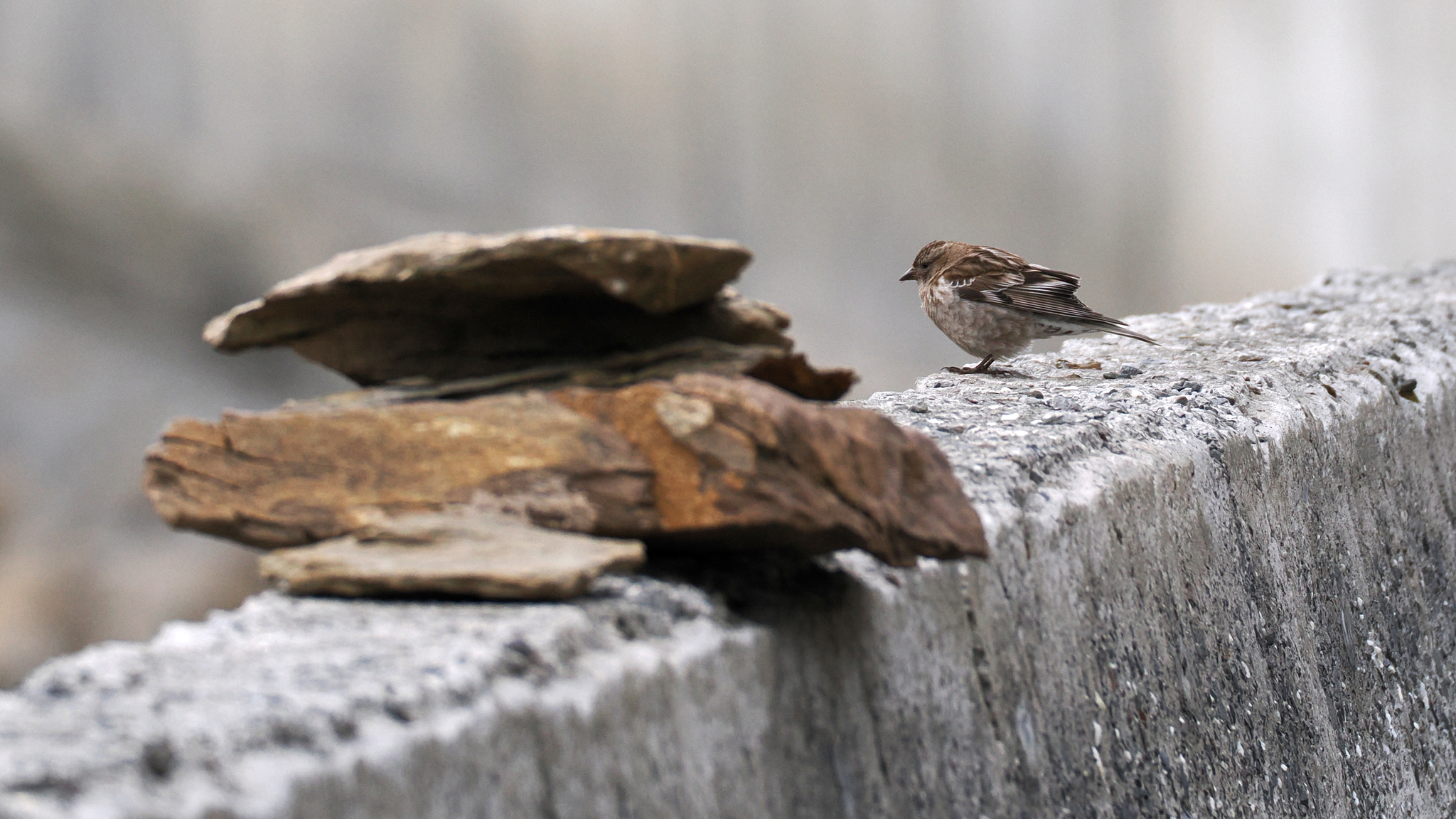
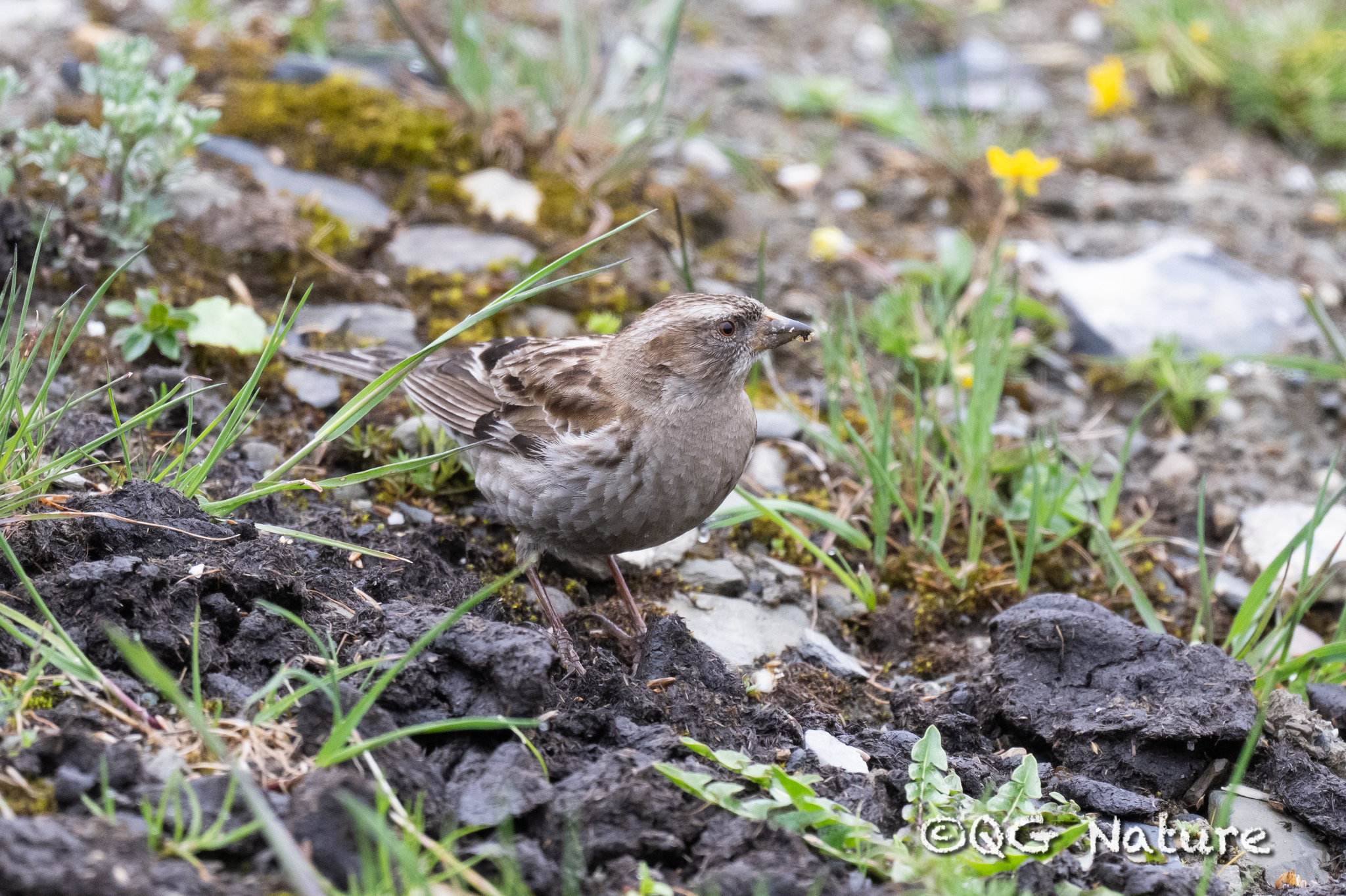
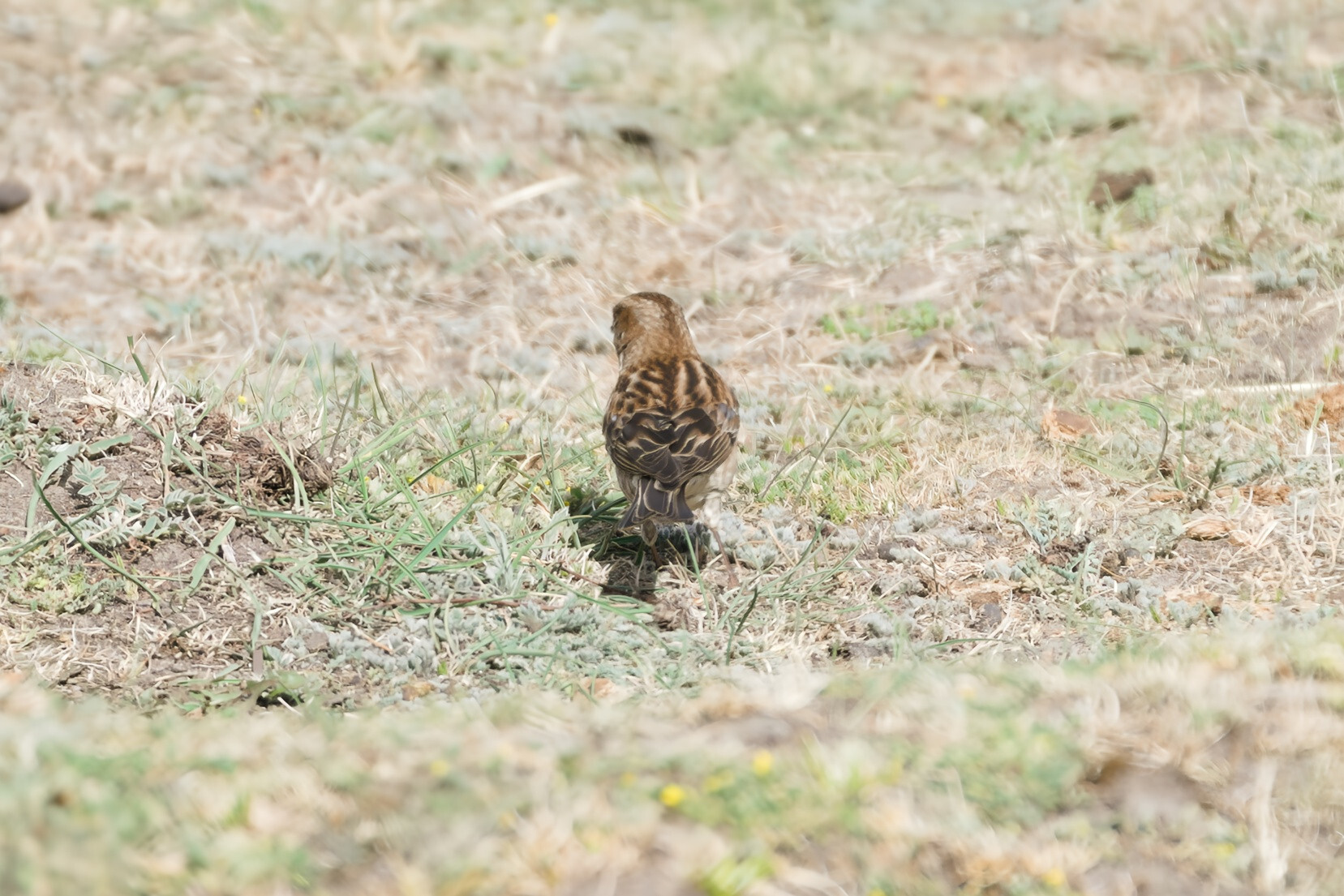
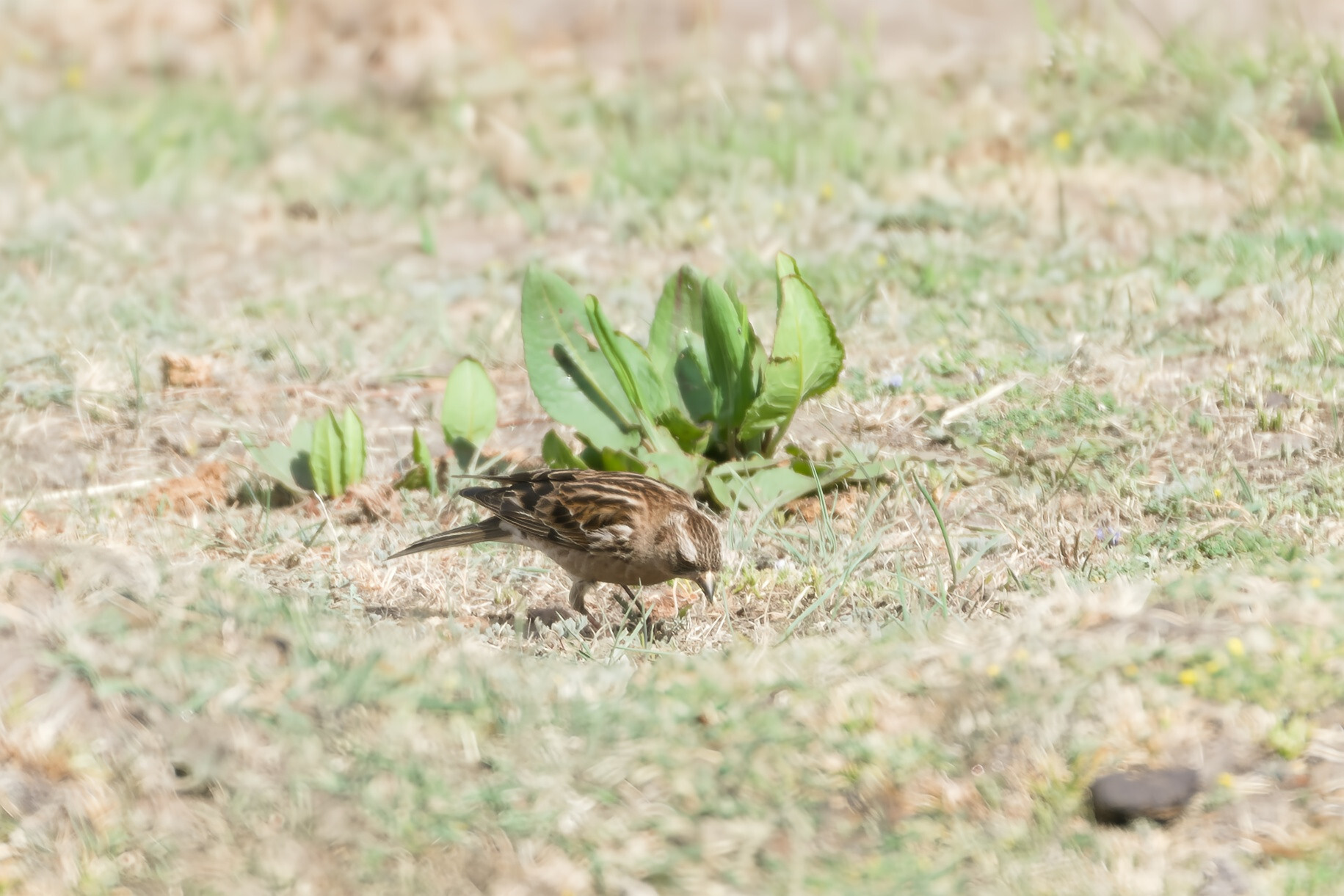
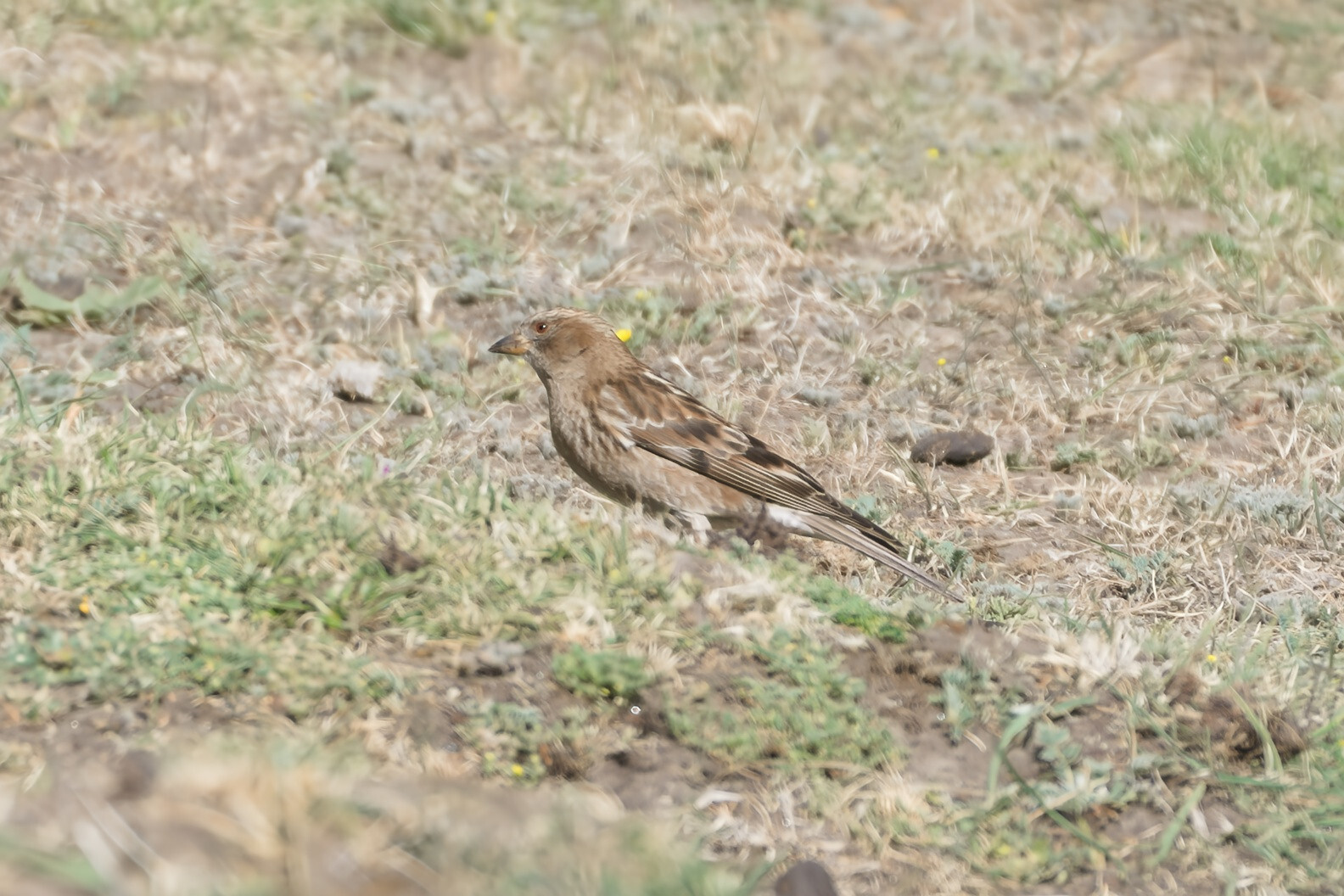
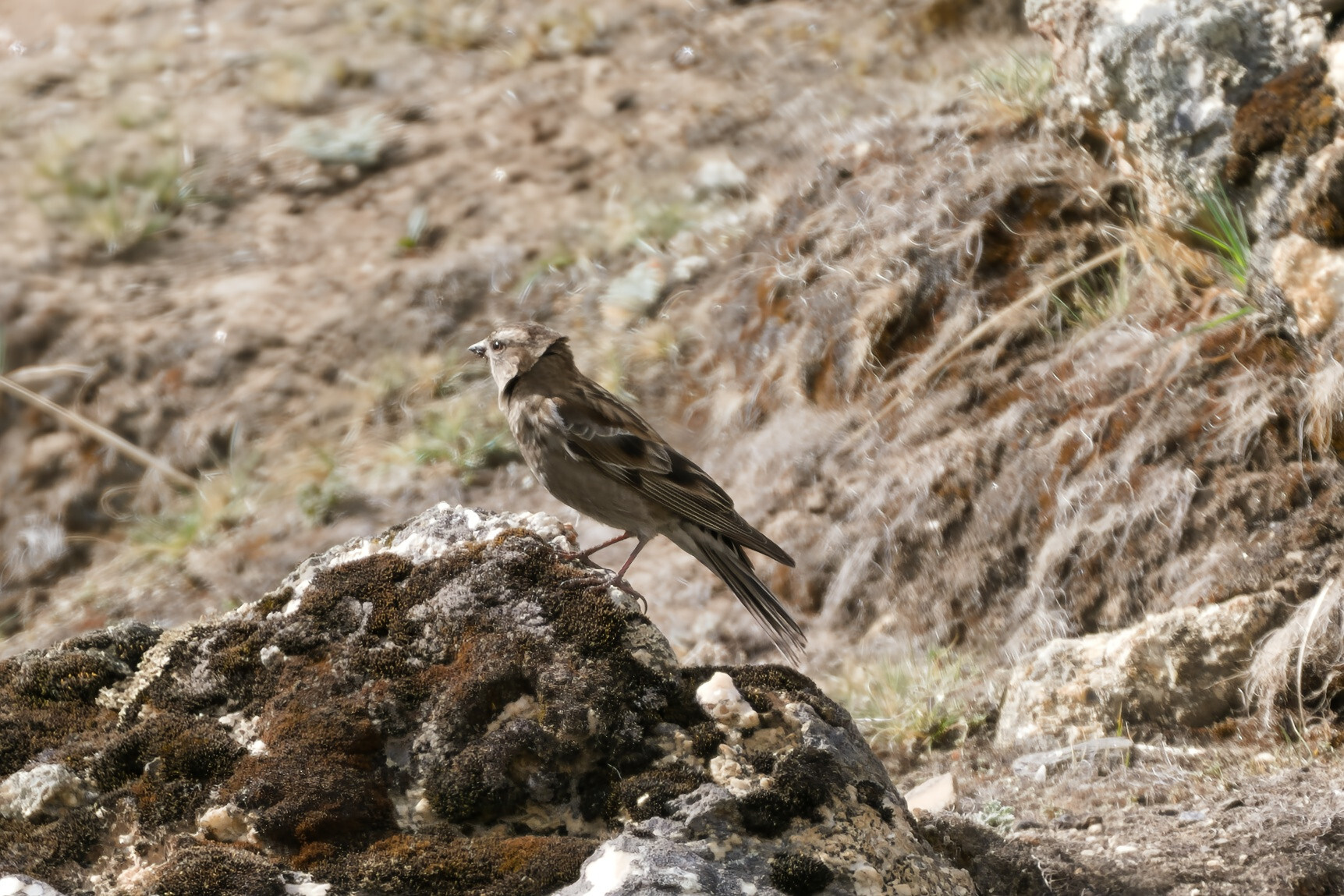
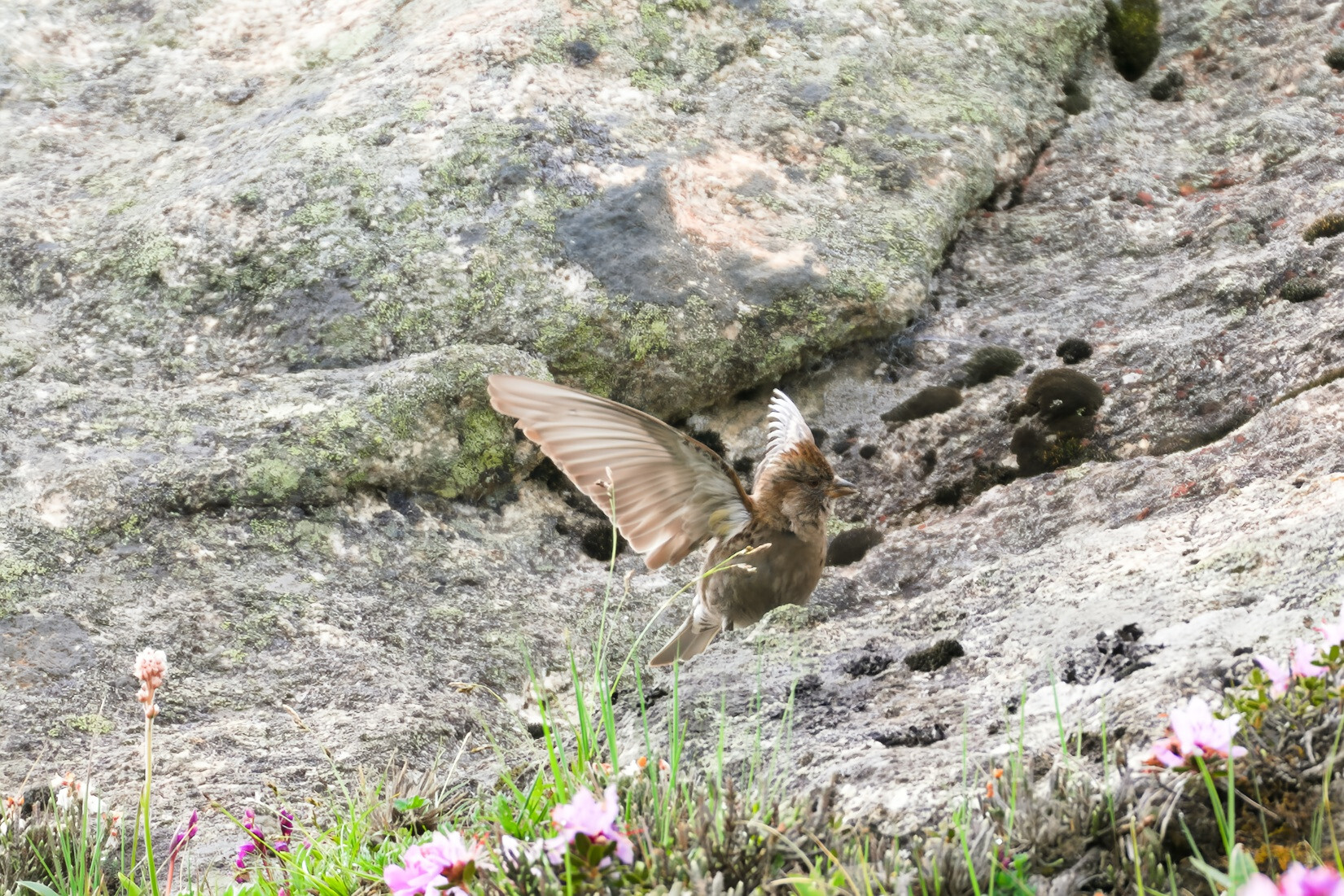
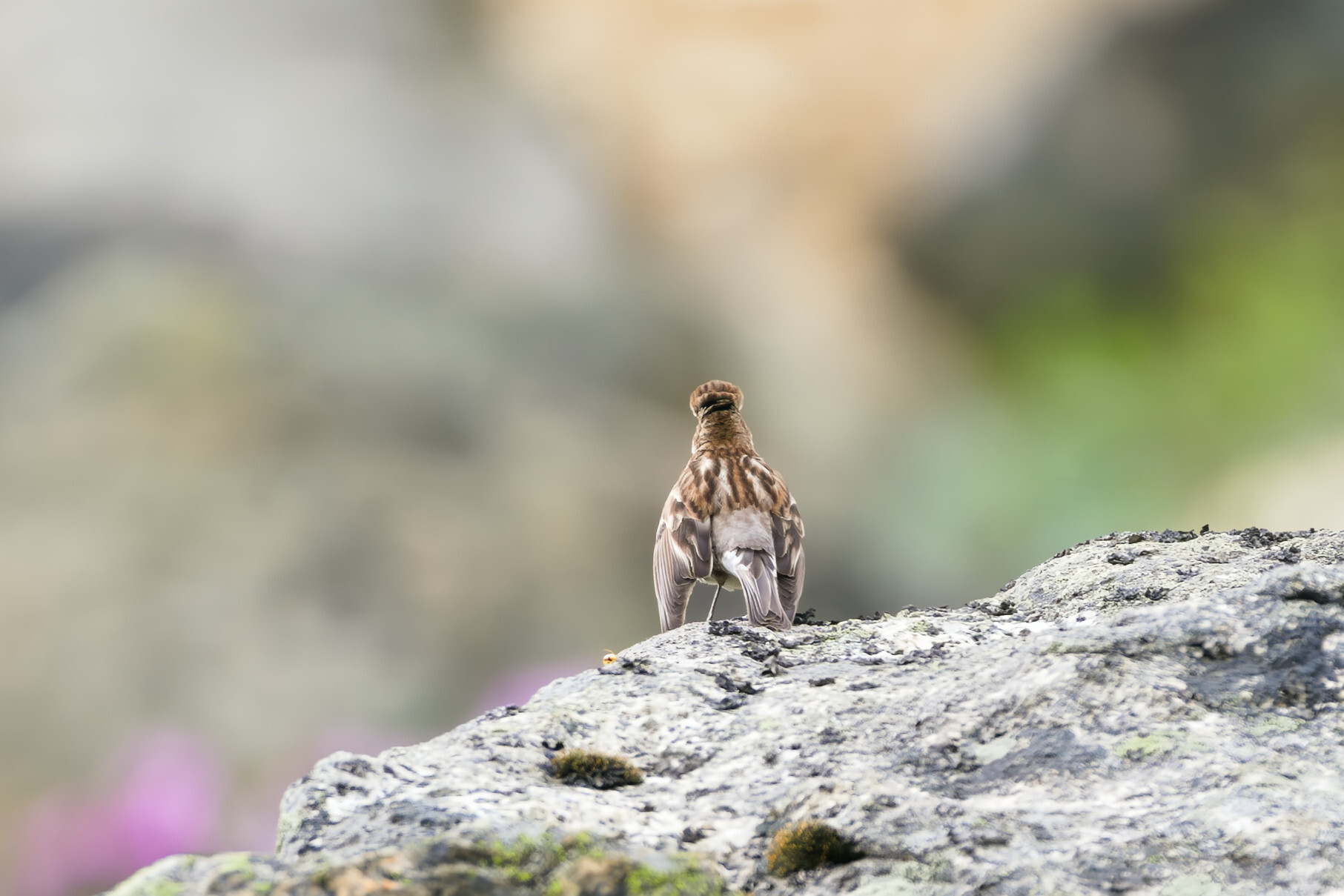
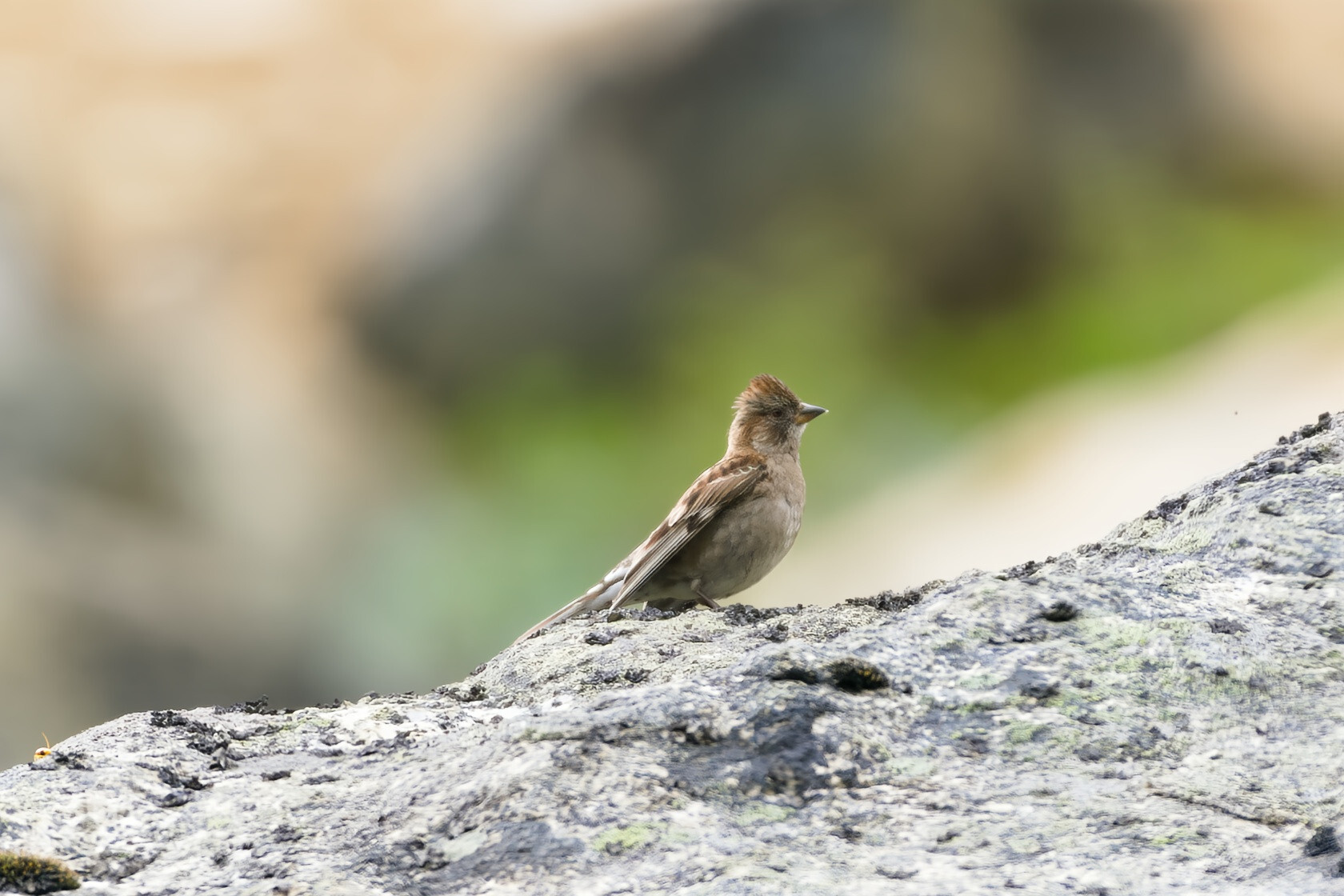
Measures 14–15 cm in length and weighs 18–25 g. It has a slender build with long wings, a notched tail, and a short pointed bill. Plumage features a buff brown head with tawny streaks, a beige neck, and pale brown around the eye and cheek. The mantle and back are dark brown with pale streaks, while the lower back is pale gray. Wings and tail are dark brown with buff-brown and white markings. Males and females are similar, while juveniles are paler with less distinct markings.
Identification
Color and patterns resemble house sparrows. Key field marks include a buff brown head with tawny streaks and a pale gray lower back.
Distribution & Habitat
Found in Afghanistan, Bhutan, China, India, Kazakhstan, Myanmar, Nepal, Pakistan, Russia, Tajikistan, Tibet, and Turkmenistan. A resident breeder across the Himalayas that acts as an altitudinal migrant. Typically seen around 2000 m elevation, occasionally up to 5300 m, and forced down to 450–750 m by severe weather. Non-breeding habitats include high valleys, mountain forests, rocky cliff sides, fields, and towns.
Behavior & Ecology
Diet consists of seeds from grasses and alpine herbs, plus small invertebrates; nestlings receive a mix of plant and animal food. Often forages in small flocks, gathering in groups of 200–1000 birds during the non-breeding season. Frequently desensitized to humans and may take food scraps from encampments. Vocalizations include sharp twittering such as 'trit-tit-tit-tit', 'rick-pi-vitt', or 'dui-dip-dip-dip', mixed with warbling notes. Flight calls include a loud, dry 'tchit-ti-tit' or softer 'chi-chi-chi-chi'. Breeding displays involve males holding wings straight up above the head and running toward females with excited calls. Nests are built in rocky holes, crevices ~2 m above ground, or rodent burrows, using leaves, grasses, fibers, moss, roots, hair, and feathers. Clutches contain 3–6 pure white or pale pinkish eggs. Female incubates for 13–15 days while male feeds her; both parents care for chicks. Predators include foxes, dogs, stoats, copperhead snakes, large snails, and birds of prey.
Conservation
As of 2021, the species is not globally threatened. As of 2024, the population size is unknown and the population trend is stable.
Source: Wikipedia · CC BY-SA 3.0
Taxonomy
- Order
- Passeriformes
- Family
- Fringillidae
- Genus
- Leucosticte
Subspecies (2)
-
Leucosticte nemoricola altaica
mountains of northeastern Afghanistan to southwestern China (western Xinjiang) and Altai Mountains
Data Sources
Species description from Wikipedia, licensed under CC BY-SA 3.0.
Bird images and sounds sourced from GBIF, contributed by citizen scientists worldwide under Creative Commons licenses.
Taxonomy data from AviList 2025.