Gruiformes / Gruidae / Leucogeranus
Siberian Crane
Leucogeranus leucogeranus · 白鹤
Introduction
A member of the family Gruidae, this species breeds in two disjunct populations in the Arctic tundra of western and eastern Russia. It undertakes the longest migrations among cranes, with eastern populations wintering in China and the western population in Iran. The global population was estimated at 3,200–4,000 individuals in recent assessments, with the species classified as Critically Endangered by the IUCN due to drastic declines driven by hunting and habitat degradation.
Description
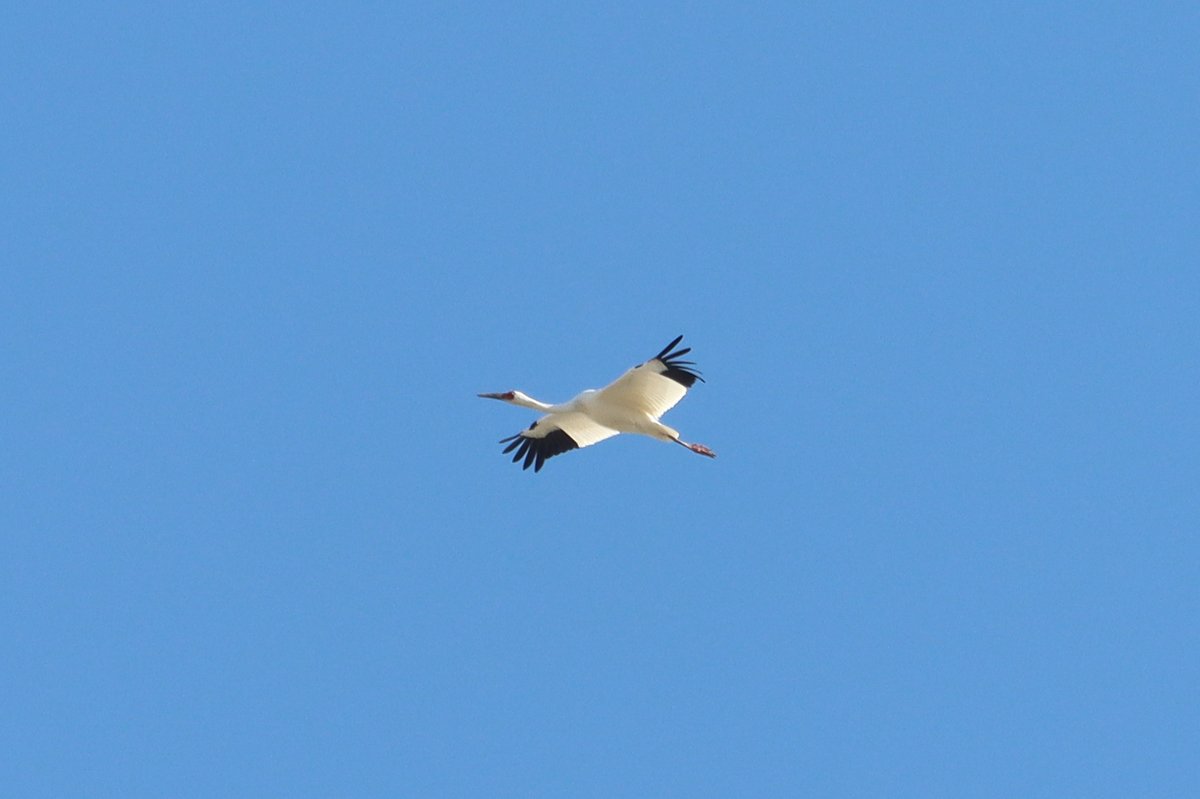
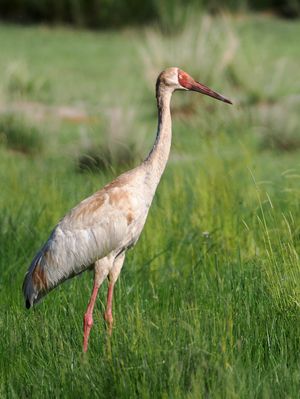
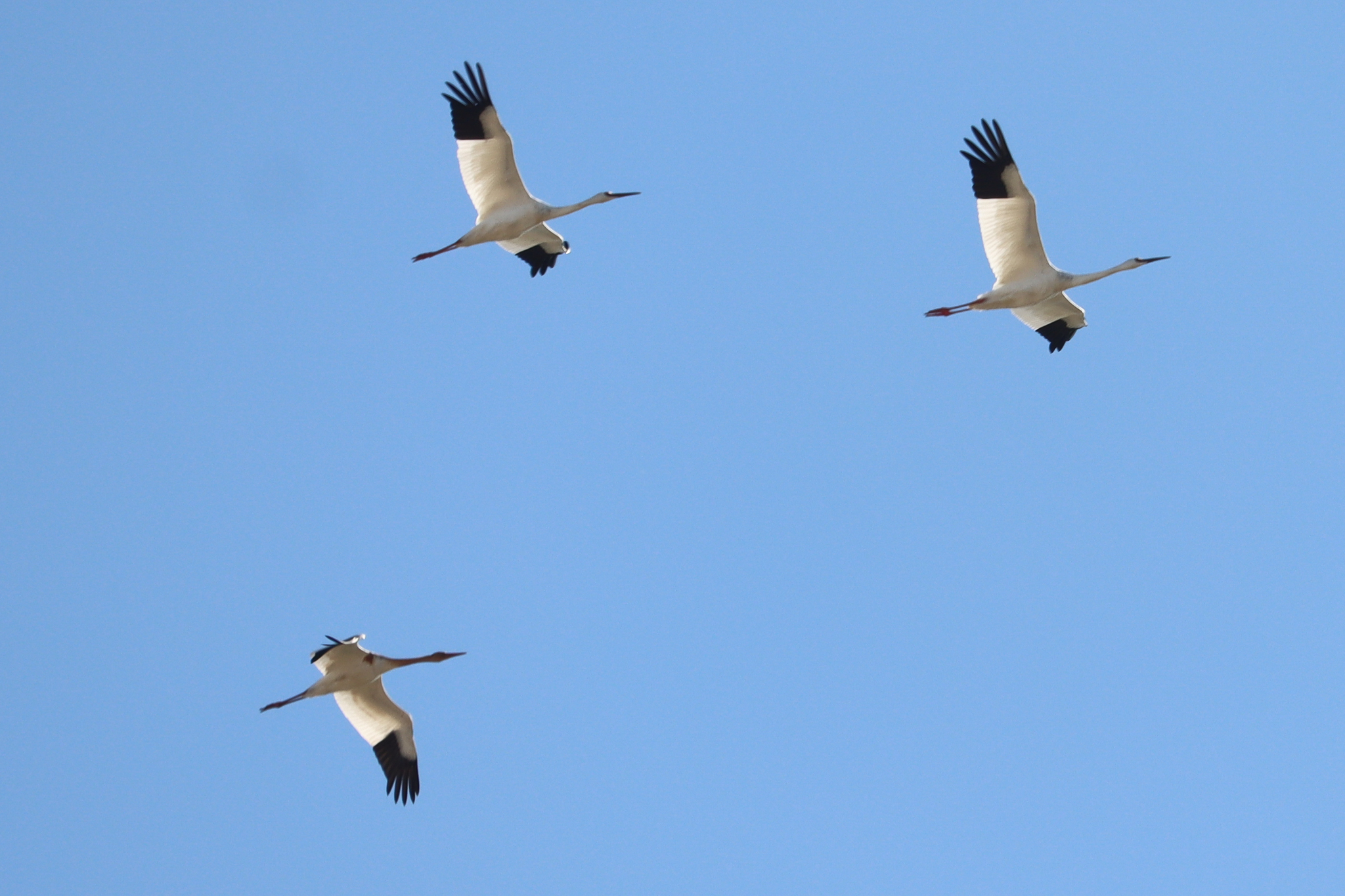
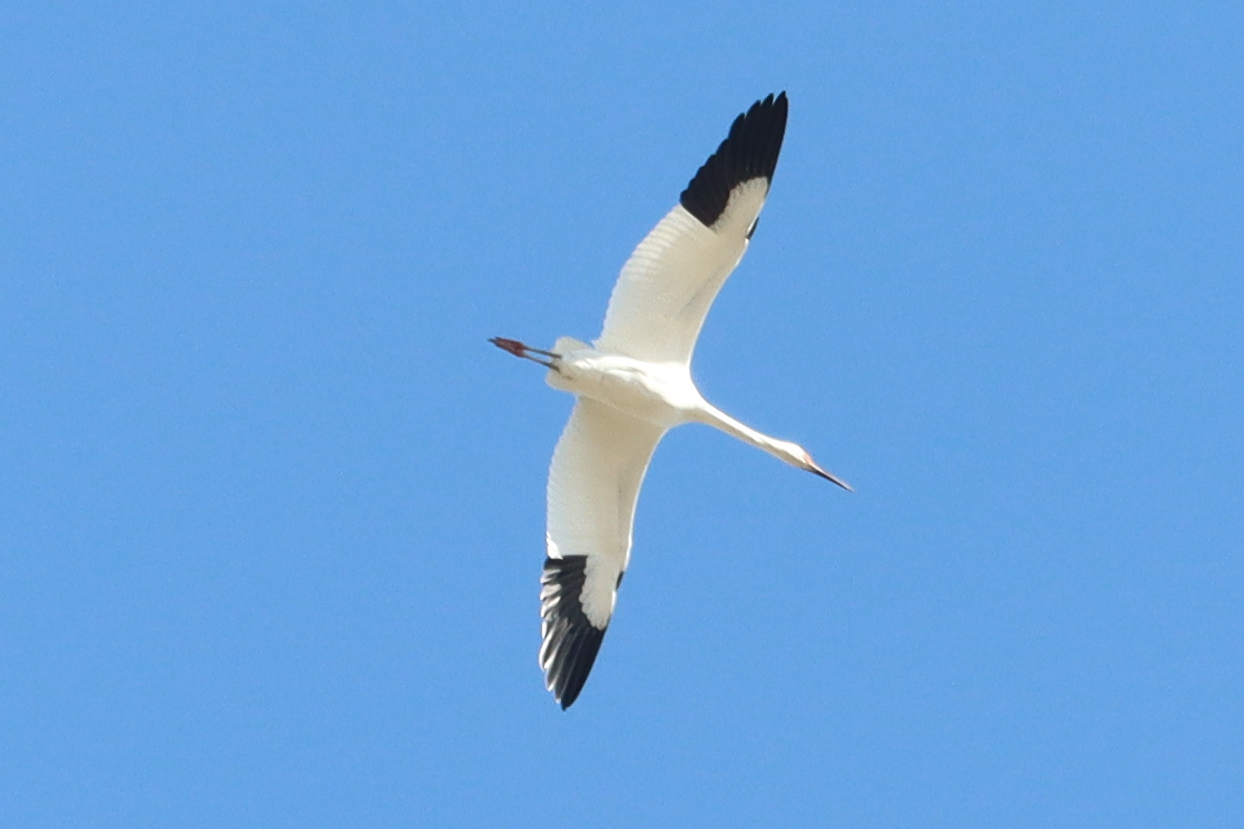
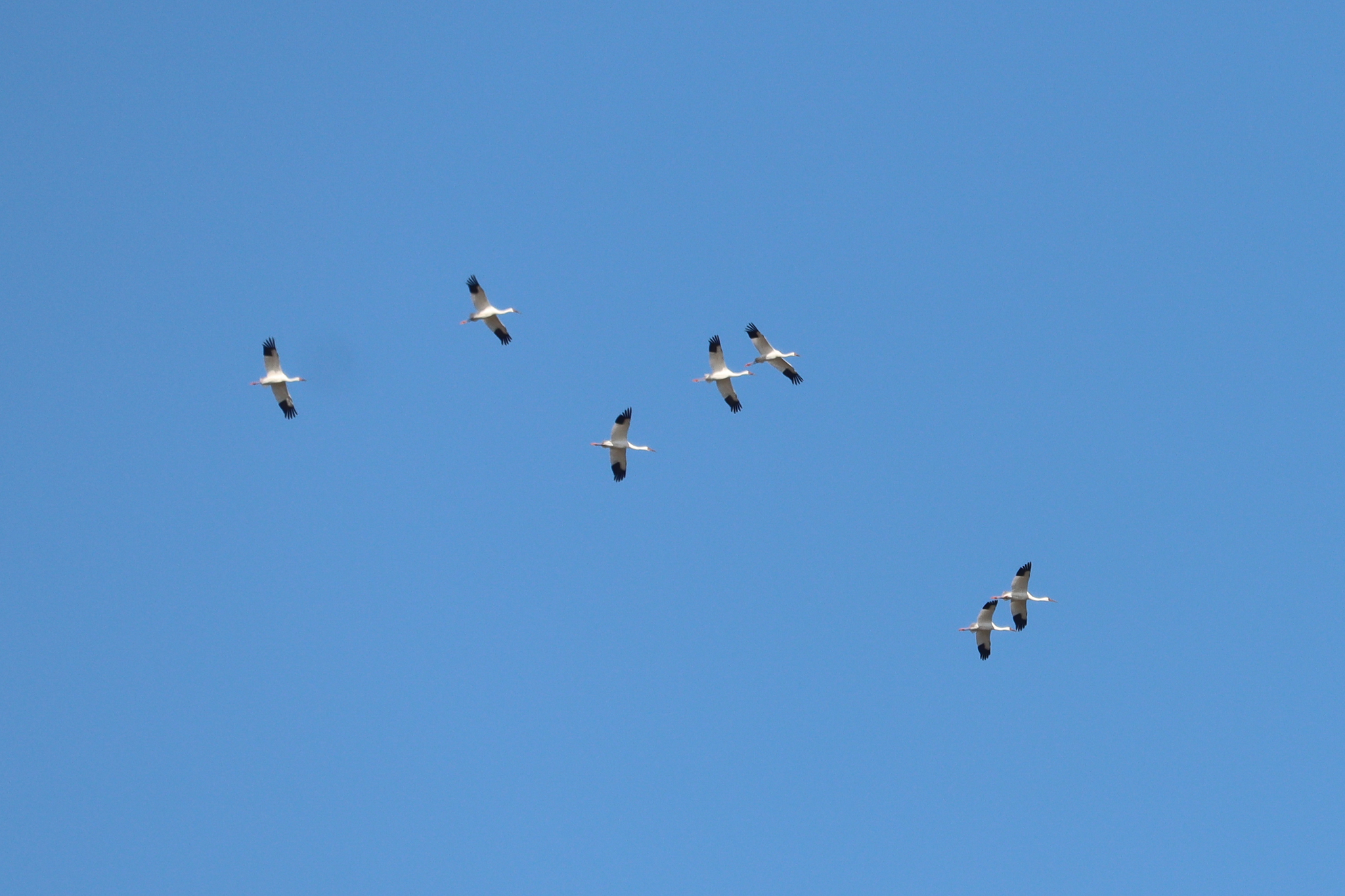
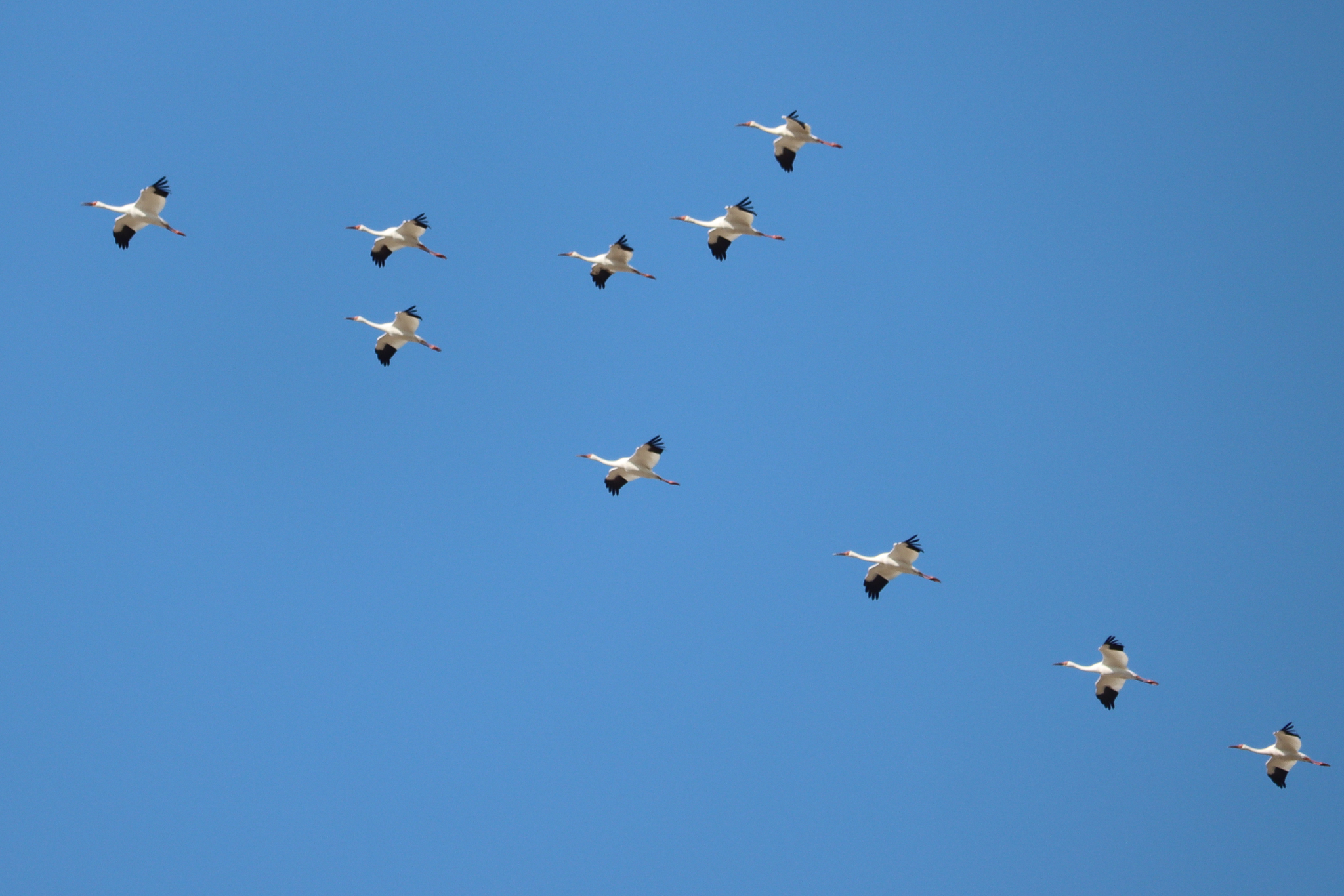
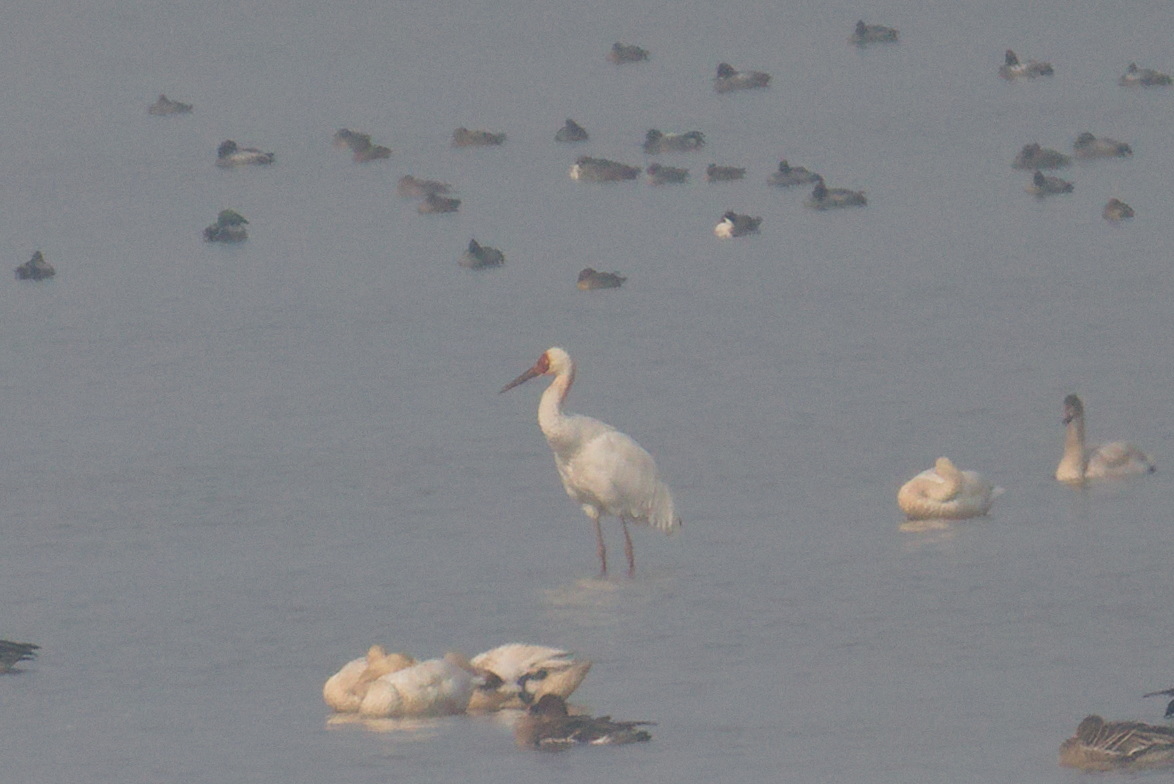
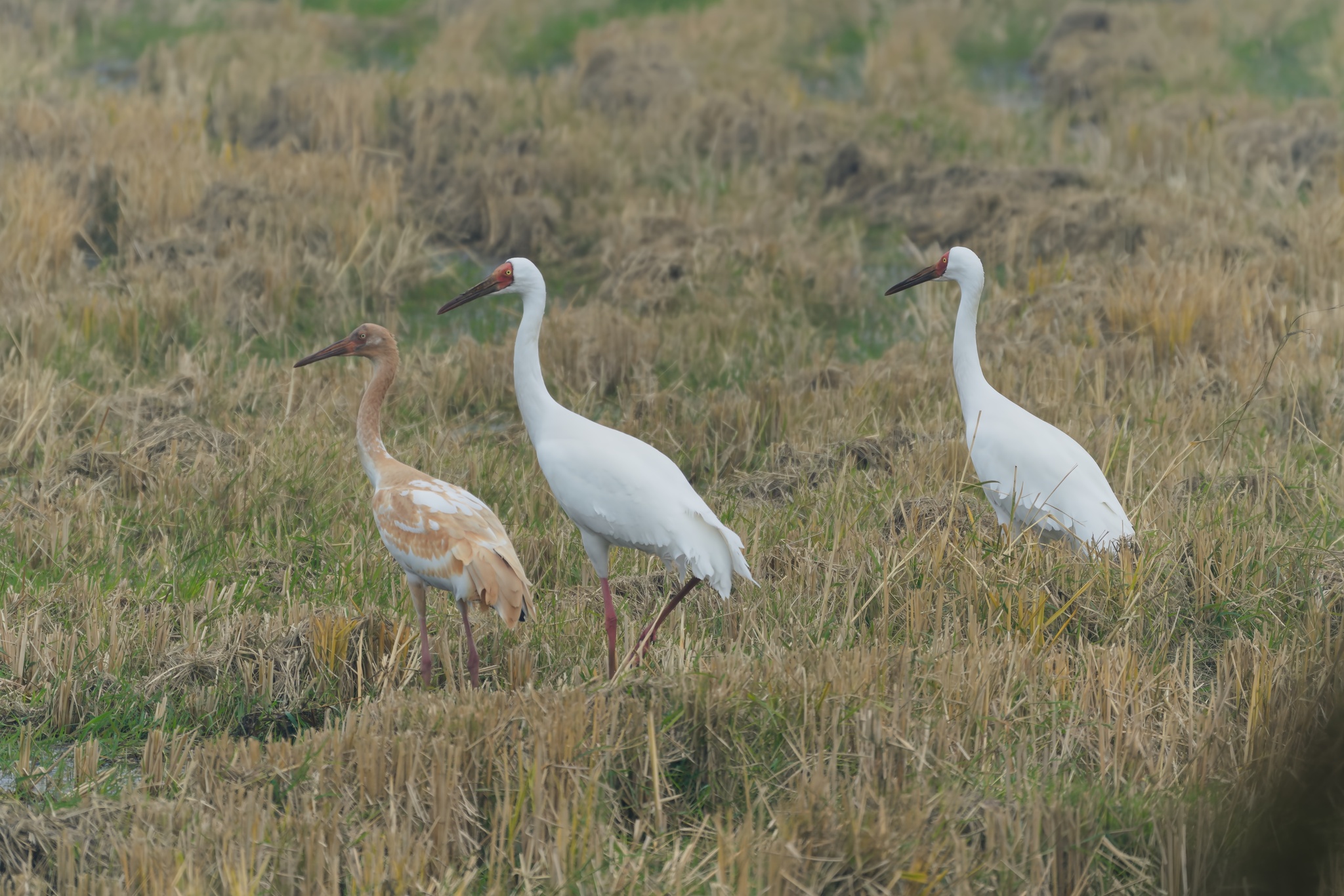
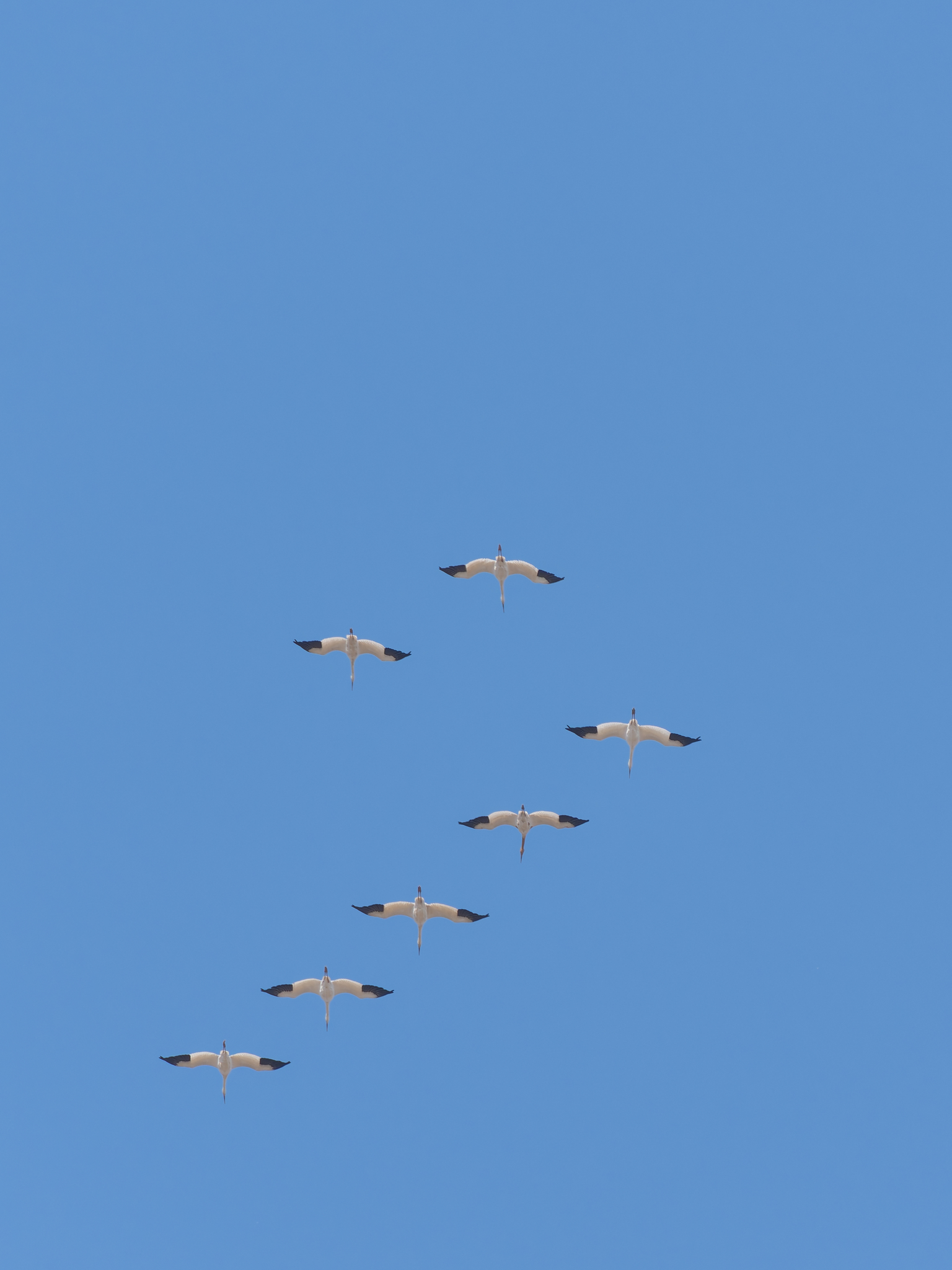
Adults possess pure white plumage, except for black primaries, alula, and primary coverts visible in flight. The fore-crown, face, and side of the head are bare and brick red, with a dark bill, pinkish legs, and yellowish iris. Juveniles have dingy brown plumage and feathered faces. Adults weigh 4.9–8.6 kg (average 6.81 kg), stand about 140 cm tall, and have a wingspan of 210–260 cm. Males are on average larger than females. During breeding, adults may smear mud on their feathers.
Identification
Distinctive among cranes for its nearly all-white adult plumage with black flight feathers. Lacks the elongated tertial feathers seen in some other crane species. The call is a high-pitched, goose-like whistling 'toyoya', differing from the trumpeting of most cranes. In duets, the female produces a higher-pitched 'loo' sound.
Distribution & Habitat
Breeding occurs in two isolated regions: the western area in the Ob, Konda, and Sossva river basins, and the eastern area in Yakutia between the Yana and Alazeya rivers. Eastern populations migrate to winter mainly in the Poyang Lake basin and Yangtze River area in China. The western population winters in Fereydoon Kenar, Iran. A central population that formerly wintered in India is now extinct. The species inhabits shallow marshlands and wetlands, showing high site fidelity.
Behavior & Ecology
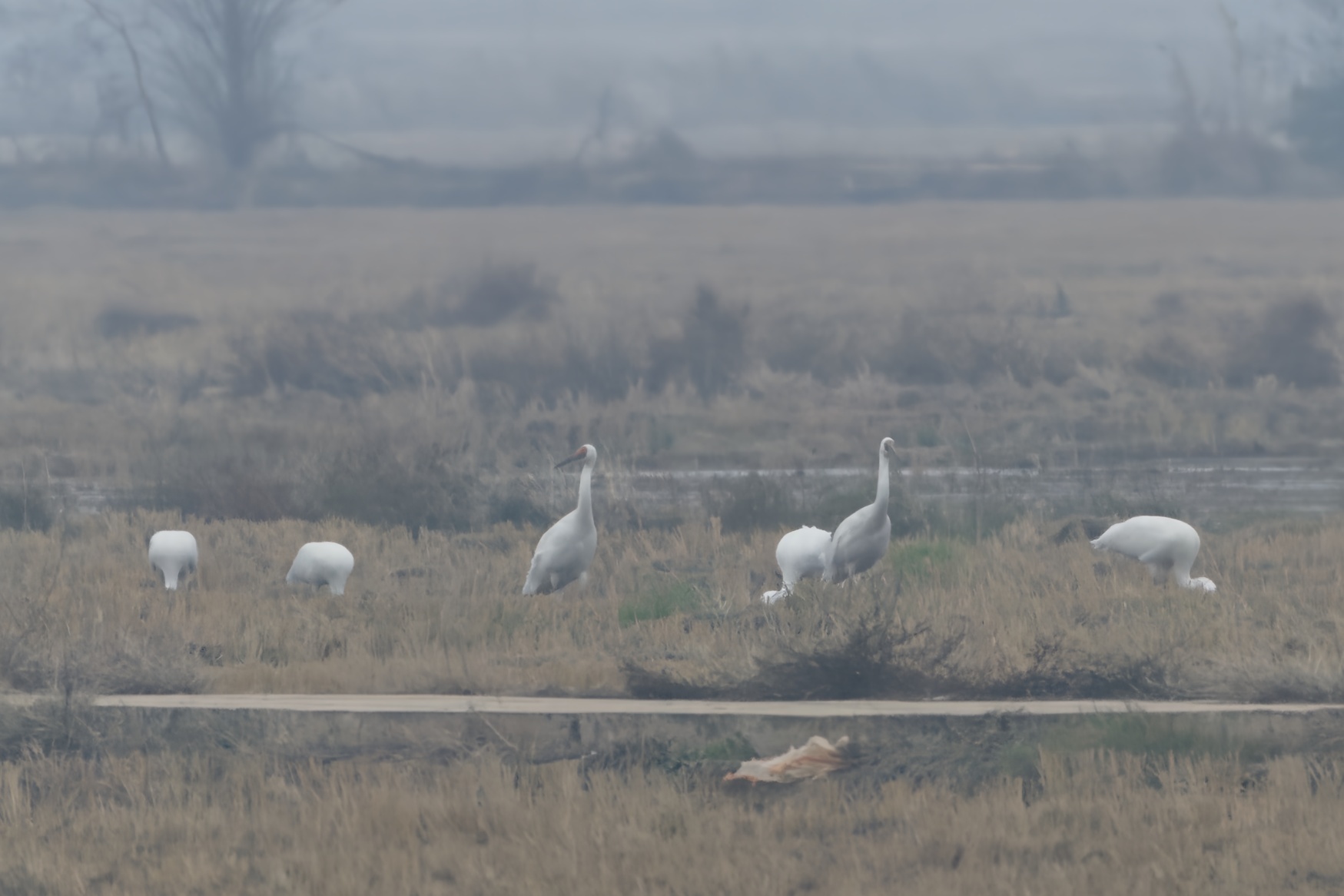
Highly territorial and widely dispersed during breeding; forms loose flocks in winter. Diurnal feeders that often immerse their heads entirely underwater to access submerged vegetation. Omnivorous diet includes roots, seeds, lemmings, voles, earthworms, and fish; animal prey is consumed mainly when vegetation is snow-covered. Swallows pebbles and grit to aid digestion. Breeding pairs perform duet calls. Nests are built on boggy ground near water. Incubation lasts 27–29 days, and chicks fledge in about 80 days. Usually only one chick survives due to sibling aggression. Captive individuals have lived up to 83 years.
Conservation
Classified as Critically Endangered by the IUCN. The world population was estimated at 3,500–4,000 in 2008 and about 3,200 in 2010, with 93–98% belonging to the eastern population. The western population dwindled to a single individual by 2002. Major threats include hunting along migration routes, habitat degradation, and hydrological changes from dams like the Three Gorges Dam affecting wintering sites in China. Conservation efforts include international agreements under AEWA and the Bonn Convention, as well as captive breeding programs using artificial insemination.
Culture
Considered a sacred bird associated with the sun, spring, and celestial spirits by the Yakuts and Yukaghirs. In Yakut epics, shamans transform into white cranes. Historically depicted in 17th-century Mughal art by Ustad Mansur.
Source: Wikipedia · CC BY-SA 3.0
Taxonomy
- Order
- Gruiformes
- Family
- Gruidae
- Genus
- Leucogeranus
Taxonomy Changes
Grus leucogeranus → Leucogeranus leucogeranus
Genus transfer — GBIF Backbone Taxonomy uses the former name; AviList 2025 uses the current name.
Distribution
breeds Arctic Siberia; winters to northern India and China
Data Sources
Species description from Wikipedia, licensed under CC BY-SA 3.0.
Bird images and sounds sourced from GBIF, contributed by citizen scientists worldwide under Creative Commons licenses.
Taxonomy data from AviList 2025.