

White-browed Tit-warbler
Leptopoecile sophiae
花彩雀莺
Introduction
A passerine bird in the family Aegithalidae (bushtit family). It is resident in the Tian Shan and central China, with presence in the Himalayas primarily during winter months. Its natural habitat consists of boreal forests and dry mountainous shrubland at elevations of 2,000–5,000 m. Distinctive traits include extreme sexual dimorphism in plumage—males display vibrant blue-mauve underparts while females are comparatively dull—and an unusually early breeding season, beginning in early April before any other local songbird. The species forms large post-breeding flocks of 25 or more individuals.
Description
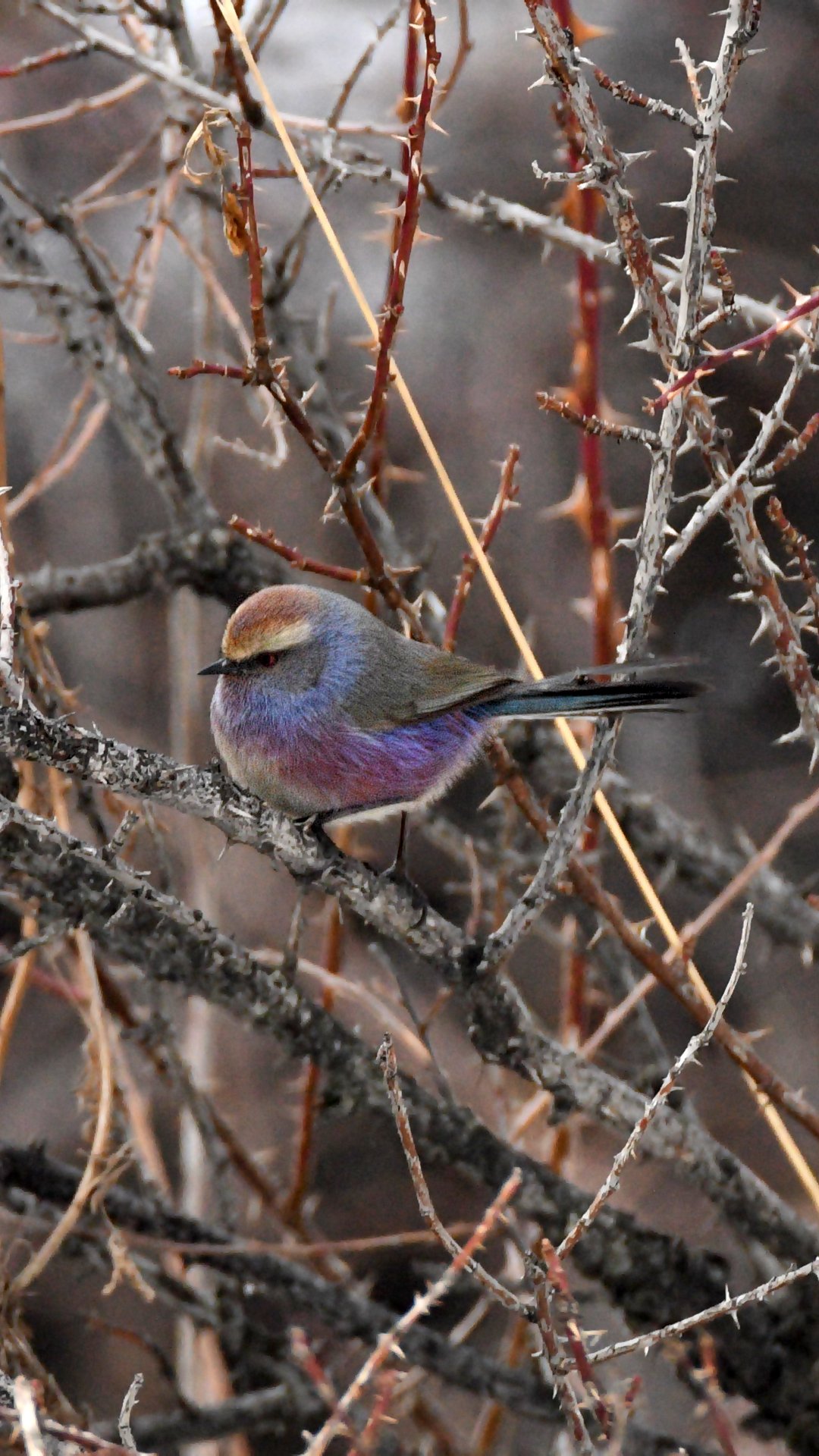
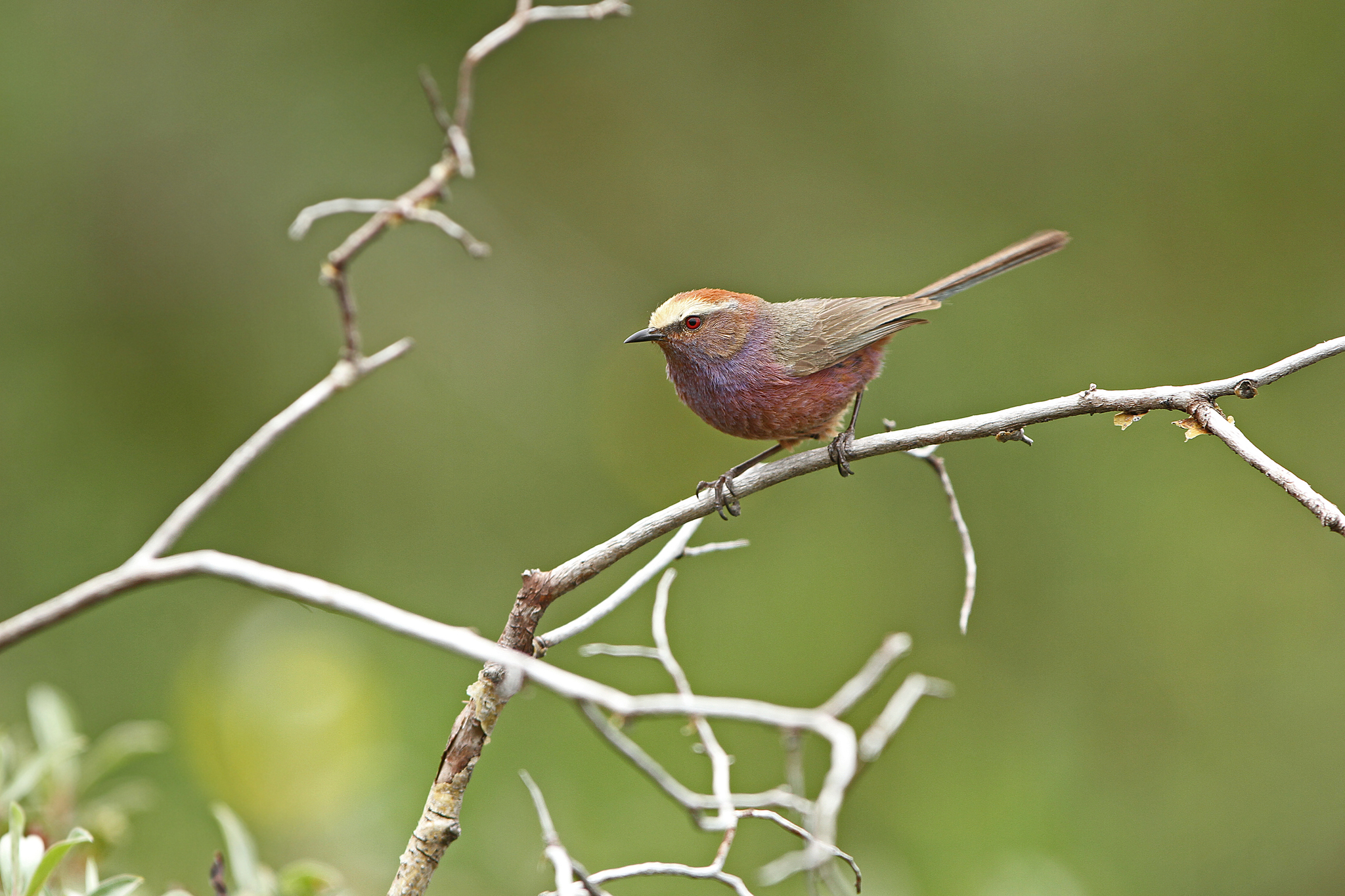
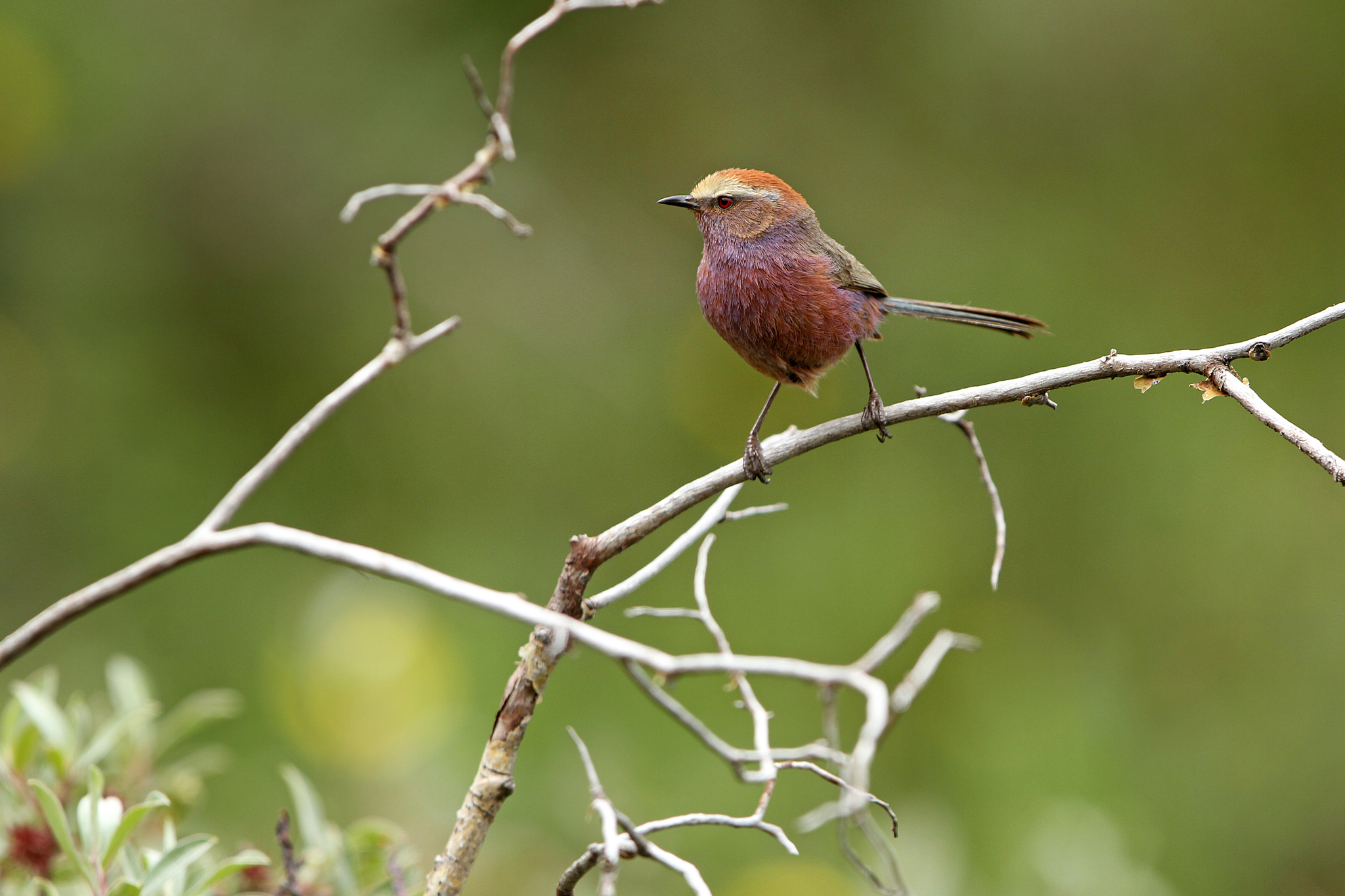
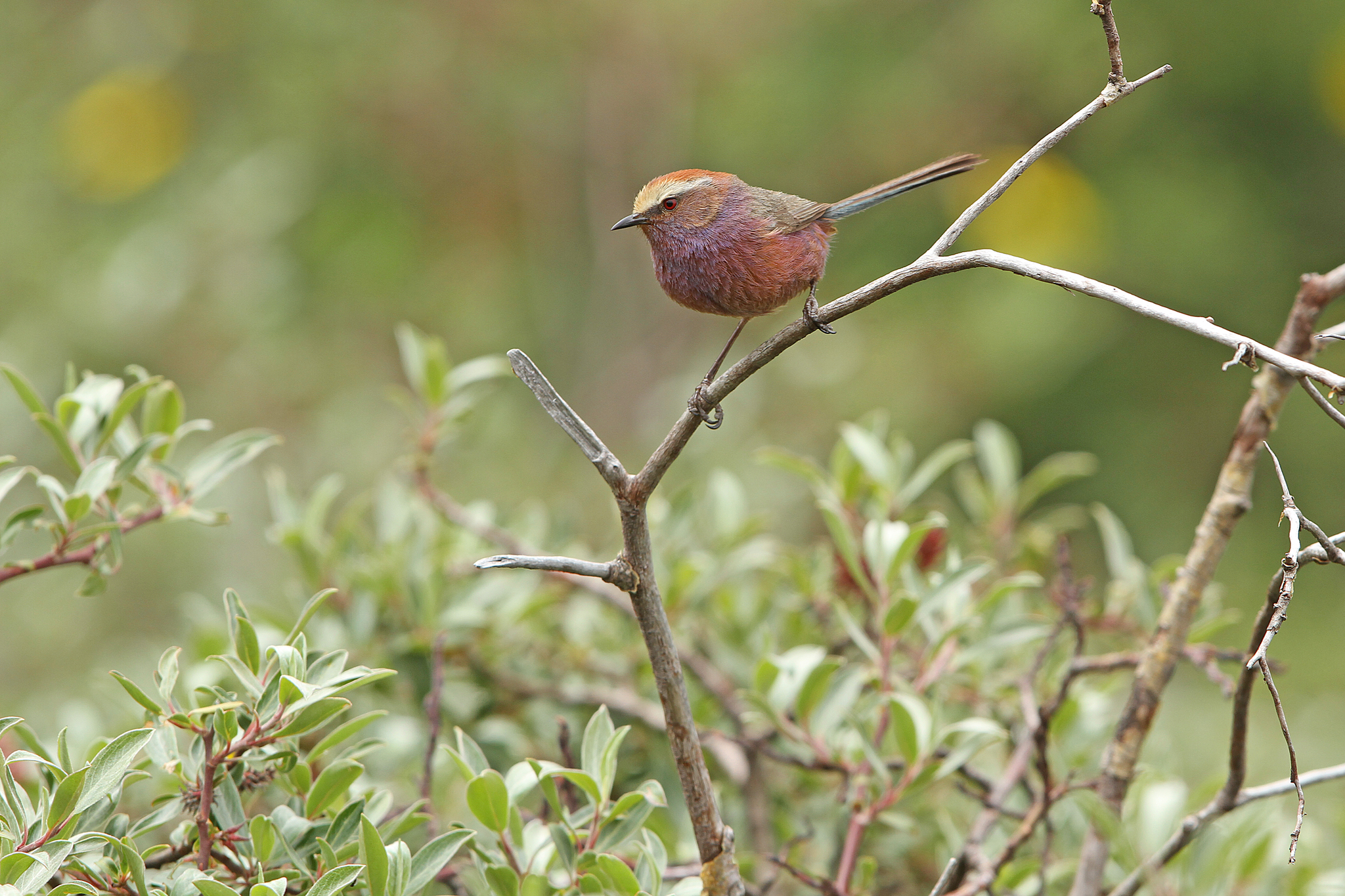
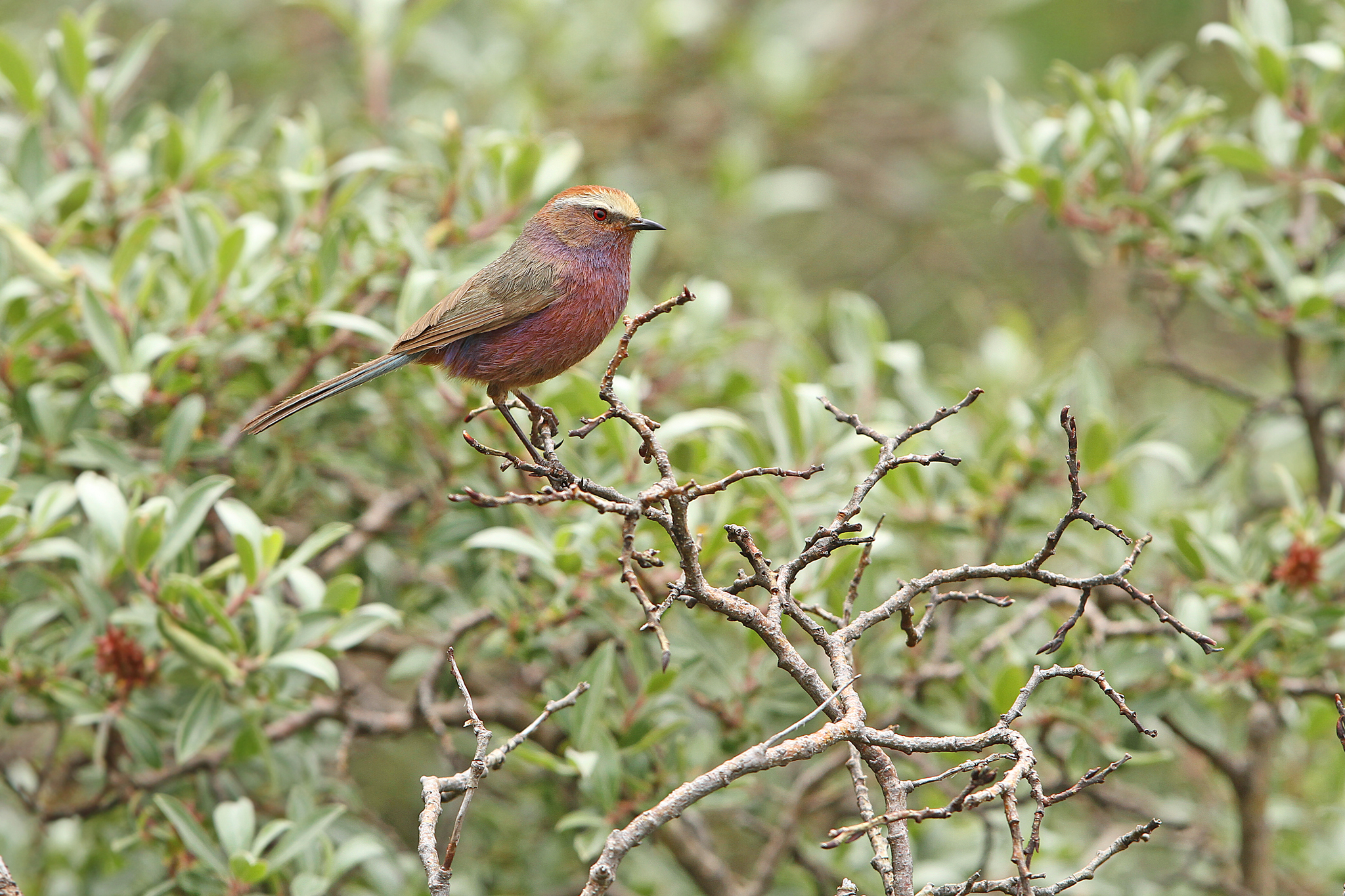
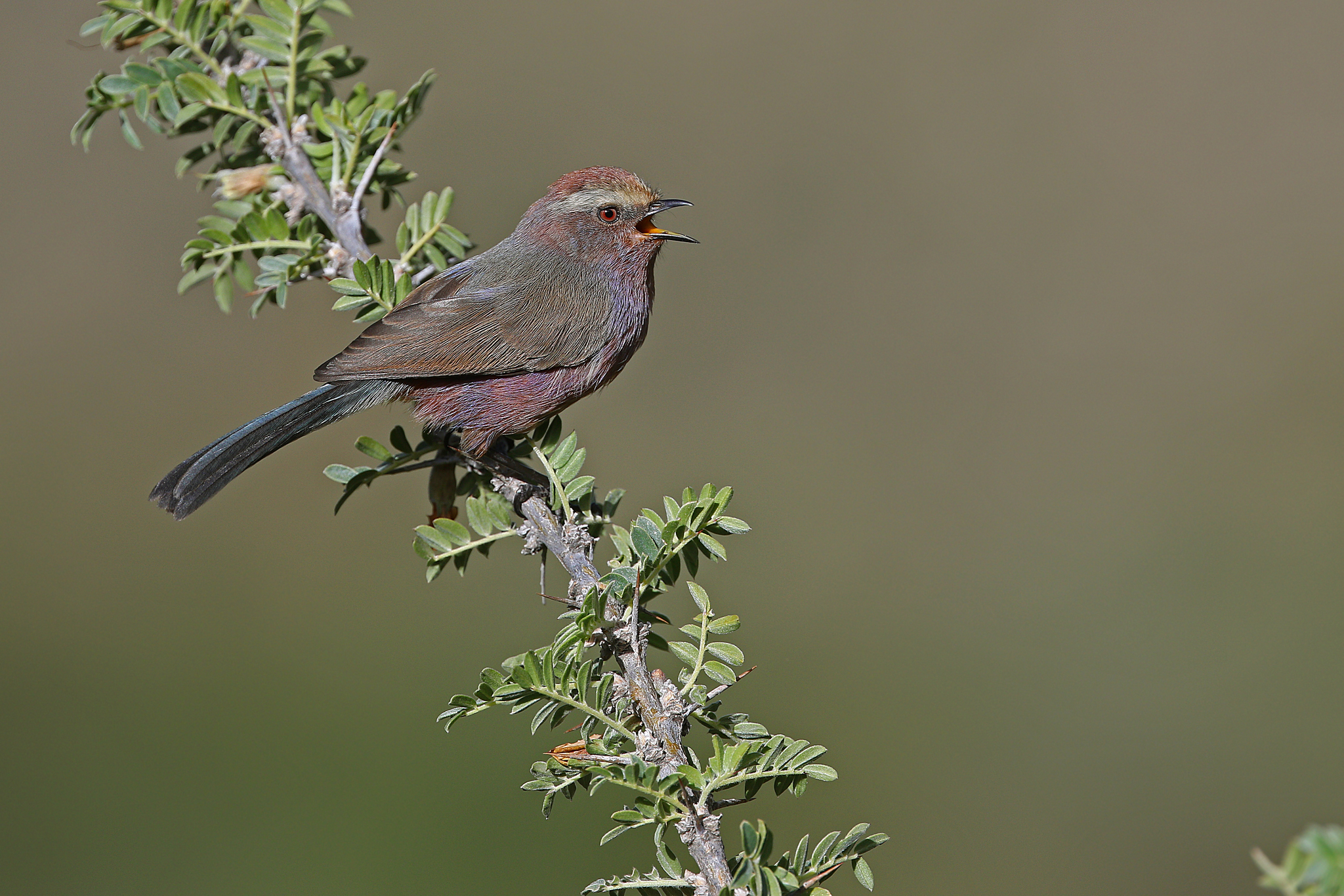
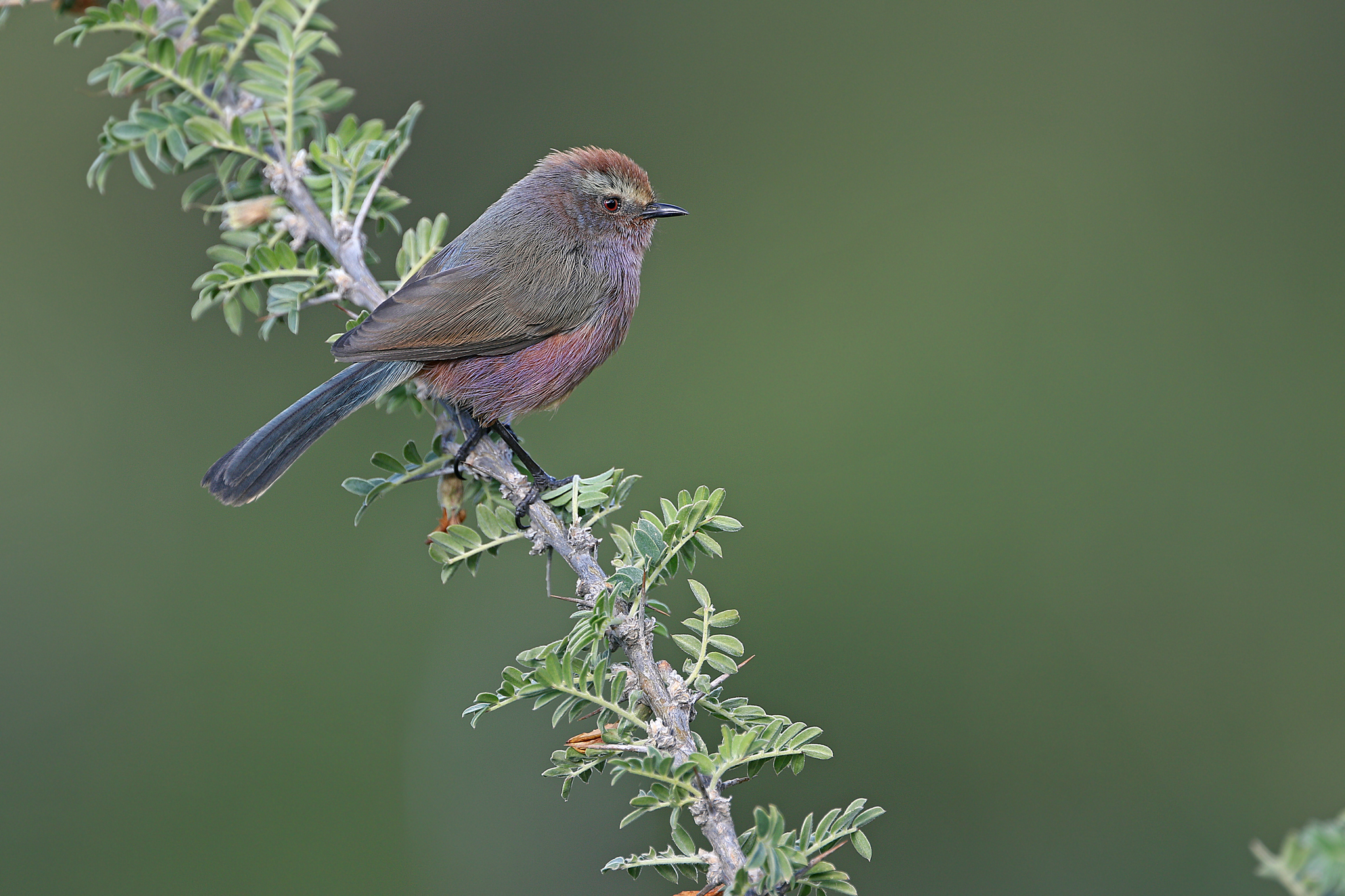
A very small bird weighing 6–8 g (0.21–0.28 oz) with a body length of 8.5–10 cm (3.3–3.9 in). Males are vibrantly colored with distinctive blue-mauve underparts and chest. Both sexes possess a light brown crown and prominent white supercilium (eyebrow). The rump and upper tail-coverts are violet-blue. Females are duller overall with pale underparts, distinguishing them from the colorful males. The tail is relatively long compared to body size.
Identification
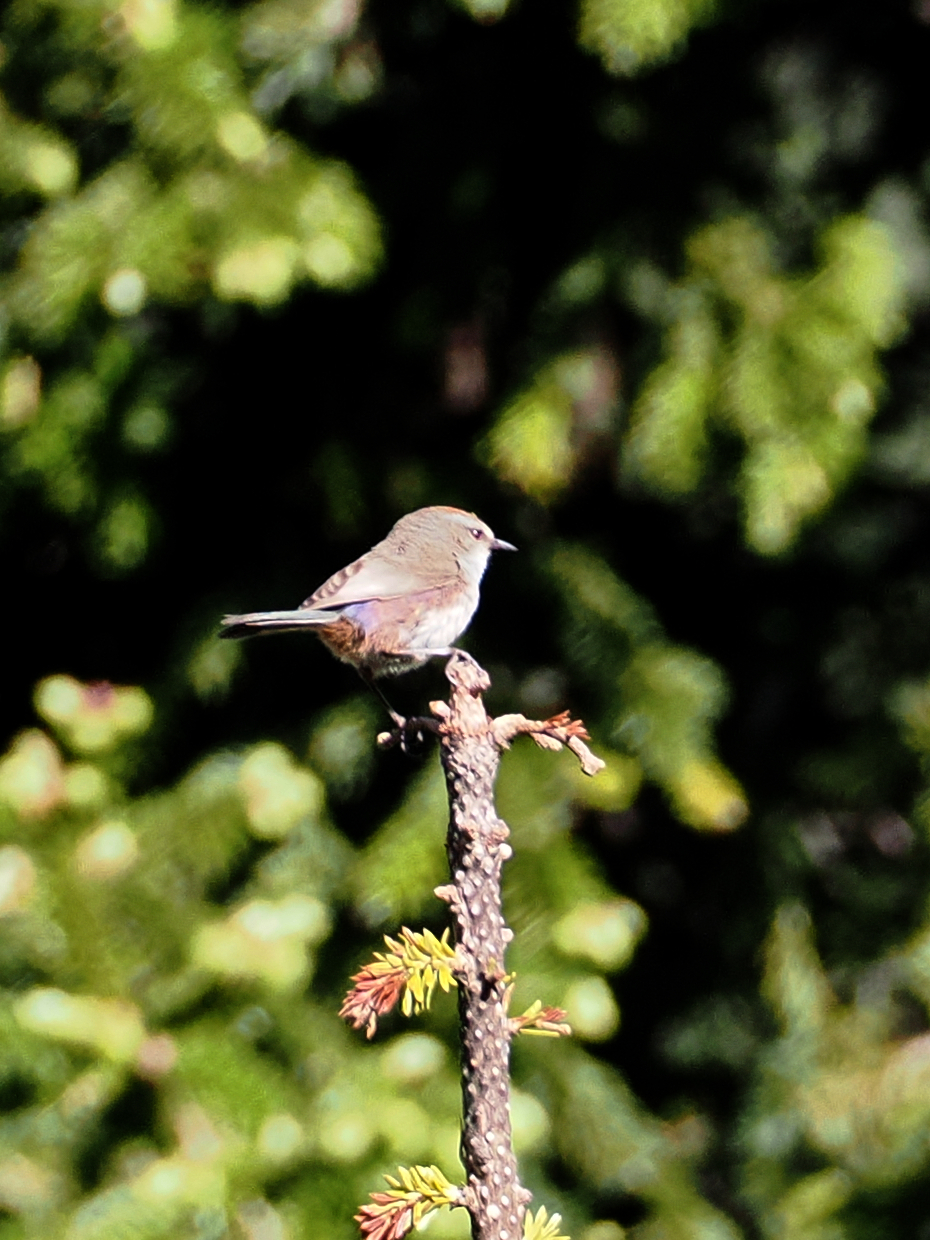
Males are unmistakable with their combination of blue-mauve underparts, white supercilium, and violet-blue rump. Females can be identified by their pale underparts, brown crown, and white eyebrow against an otherwise dull plumage. Subspecies show notable variation: L. s. stoliczkae has the lightest plumage with extensive buff underparts; L. s. major is drab but darker than stoliczkae; L. s. obscurus displays darker overall plumage with a more rufous crown.
Distribution & Habitat
Ranges across the Himalayas, Tibetan Plateau, and much of Northwest China including Xinjiang, Qinghai, Xizang, Gansu, and Sichuan provinces. Also occurs in southeast Kazakhstan, northwest India, north Pakistan, and central Nepal. Inhabits dry mountainous shrubland between 2,000–5,000 m (6,600–16,400 ft). Populations disperse to lower elevations during winter. Found in the Tian Shan mountain range as part of a Middle-mountainous forest steppe community.
Behavior & Ecology
Diet consists chiefly of small insects and spiders caught on the ground, supplemented by seeds and berries in winter. Chicks receive only insect matter. Breeding begins in early April through July, delayed at higher elevations. Pairs are monogamous and share nesting duties. Nests are dome-shaped, placed in shrubs about 0.9 m high, built over two weeks by both sexes. Clutches contain 4-6 eggs (up to 9), averaging 15.6 mm × 11.6 mm. Incubation lasts 20.5 days; fledging occurs at 17.5 days. Rare cooperative breeding observed (less than 1% of nests). Lives in pairs during breeding; joins flocks of 25+ at season's end, often multi-species in winter.
Conservation
No formal IUCN assessment is mentioned. A Tibetan study documented a significant decline in nests between 2005 and 2007, though the cause remains uncertain. Predation accounts for relatively low nest failure (34% compared to 80% average for similar habitats), possibly due to well-camouflaged nests or low predator density.
Source: Wikipedia · CC BY-SA 3.0
Taxonomy
- Order
- Passeriformes
- Family
- Aegithalidae
- Genus
- Leptopoecile
- eBird Code
- wbtwar1
Subspecies (4)
-
Leptopoecile sophiae major
Kazakhstan (eastern Tien Shan Mountains) to western China (Xinjiang)
-
Leptopoecile sophiae obscurus
southeastern Tibet to southern China (southeastern Xinjiang, Sichuan, and southern Gansu)
-
Leptopoecile sophiae sophiae
mountains of central Asia to Pakistan and northwestern India
-
Leptopoecile sophiae stoliczkae
south-central Asia to western Gobi Desert
Data Sources
Species description from Wikipedia, licensed under CC BY-SA 3.0.
Bird images and sounds sourced from GBIF, contributed by citizen scientists worldwide under Creative Commons licenses.
Taxonomy data from AviList 2025.