Passeriformes / Leiothrichidae / Leiothrix
Red-billed Leiothrix
Leiothrix lutea · 红嘴相思鸟
Introduction
Member of the family Leiothrichidae, native to southern China and the Himalayas. Inhabits hill forests, particularly pine forests with bushes, at elevations from near sea level to about 2,300 m. Distinctive for its bright red bill, yellow-orange throat, and complex song. Introduced and naturalized in various regions including Japan, Hawaii, and parts of Europe.
Description
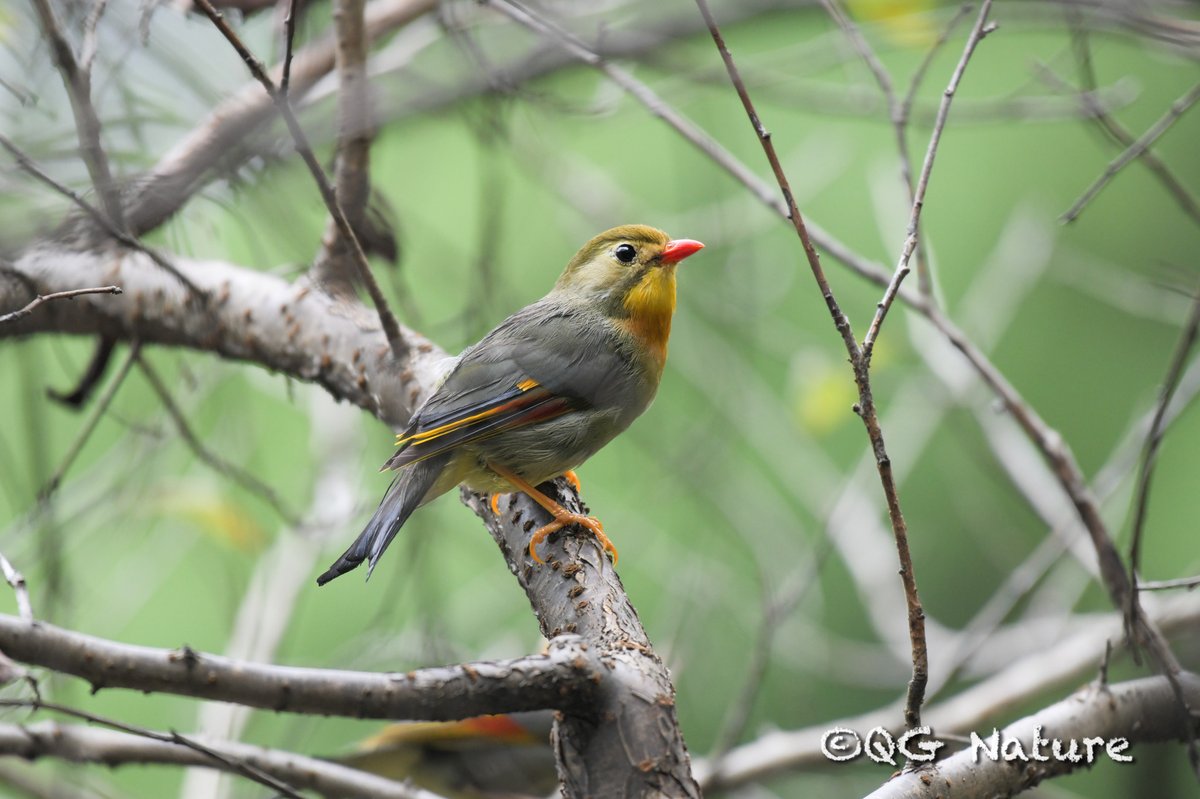
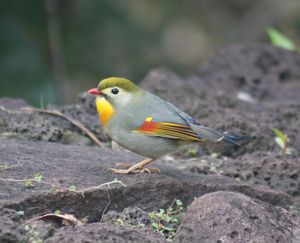
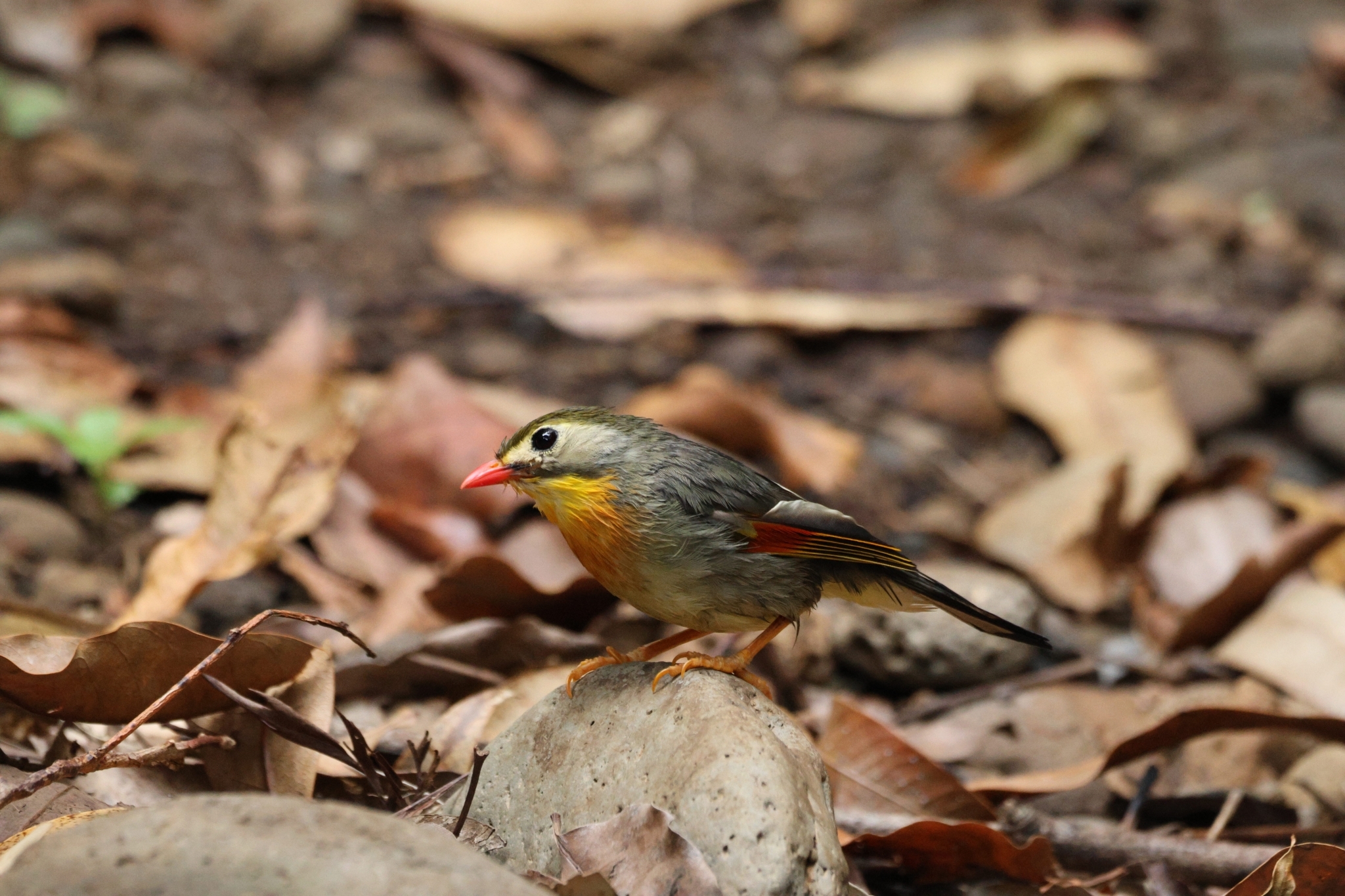
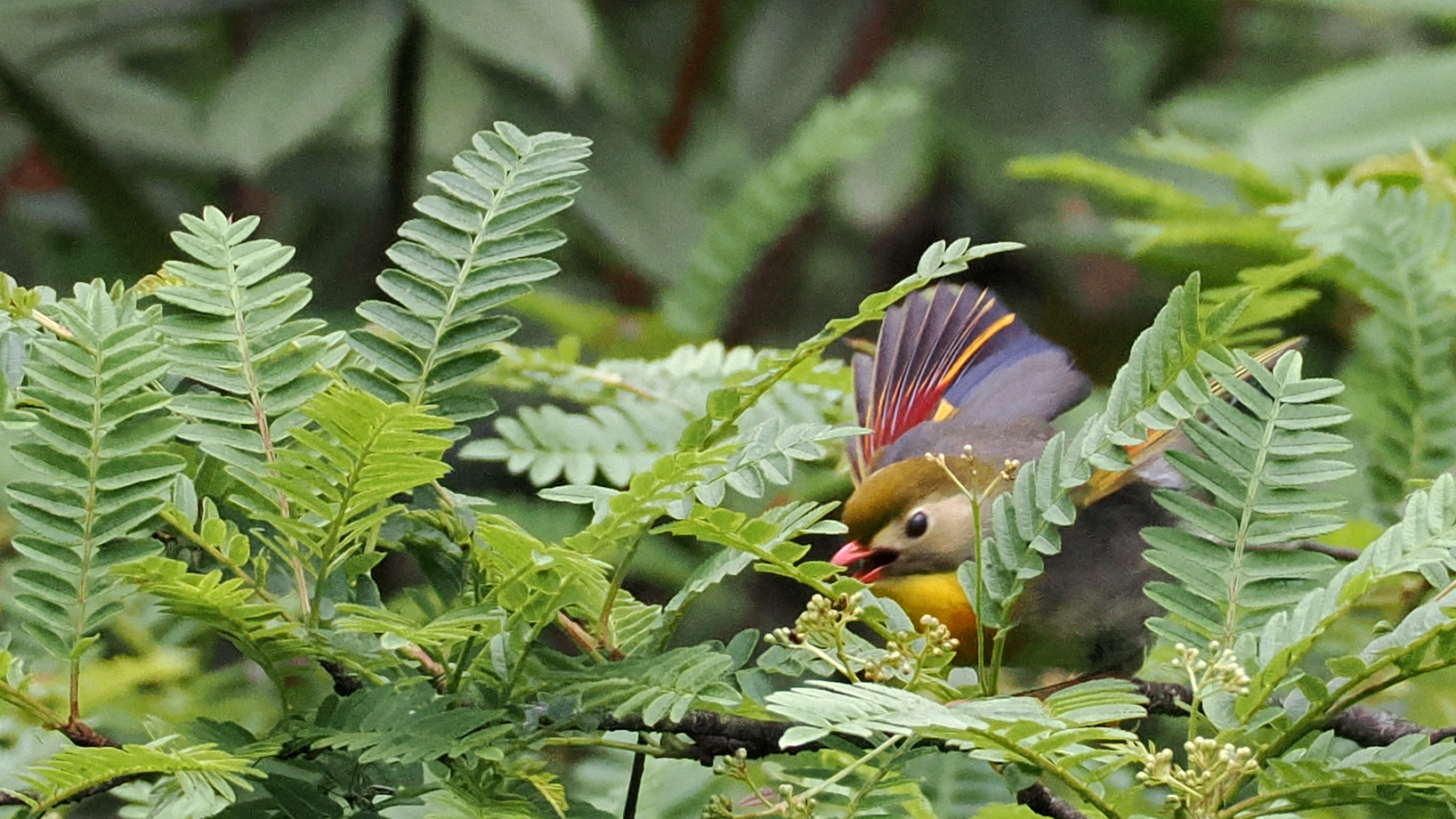
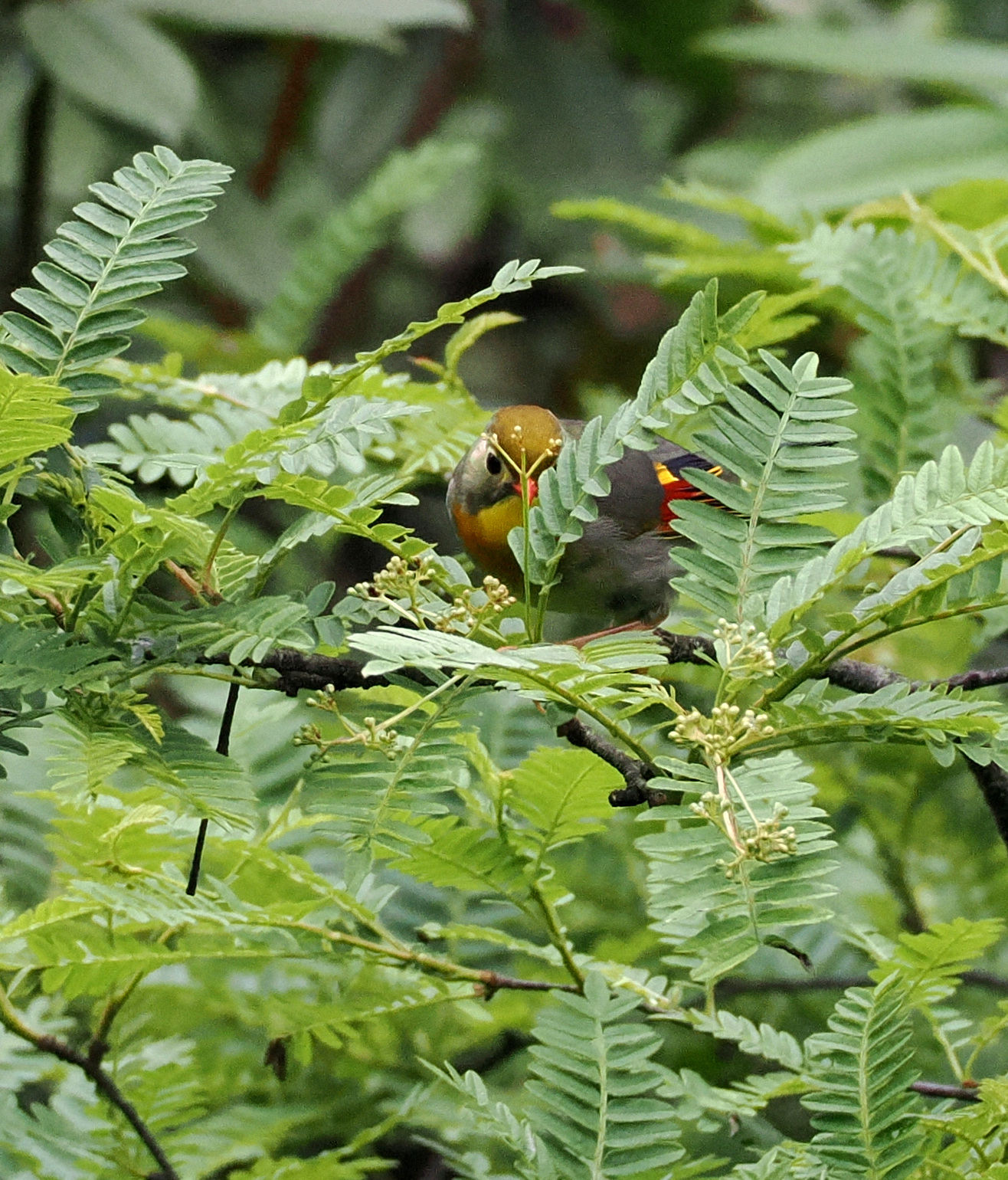
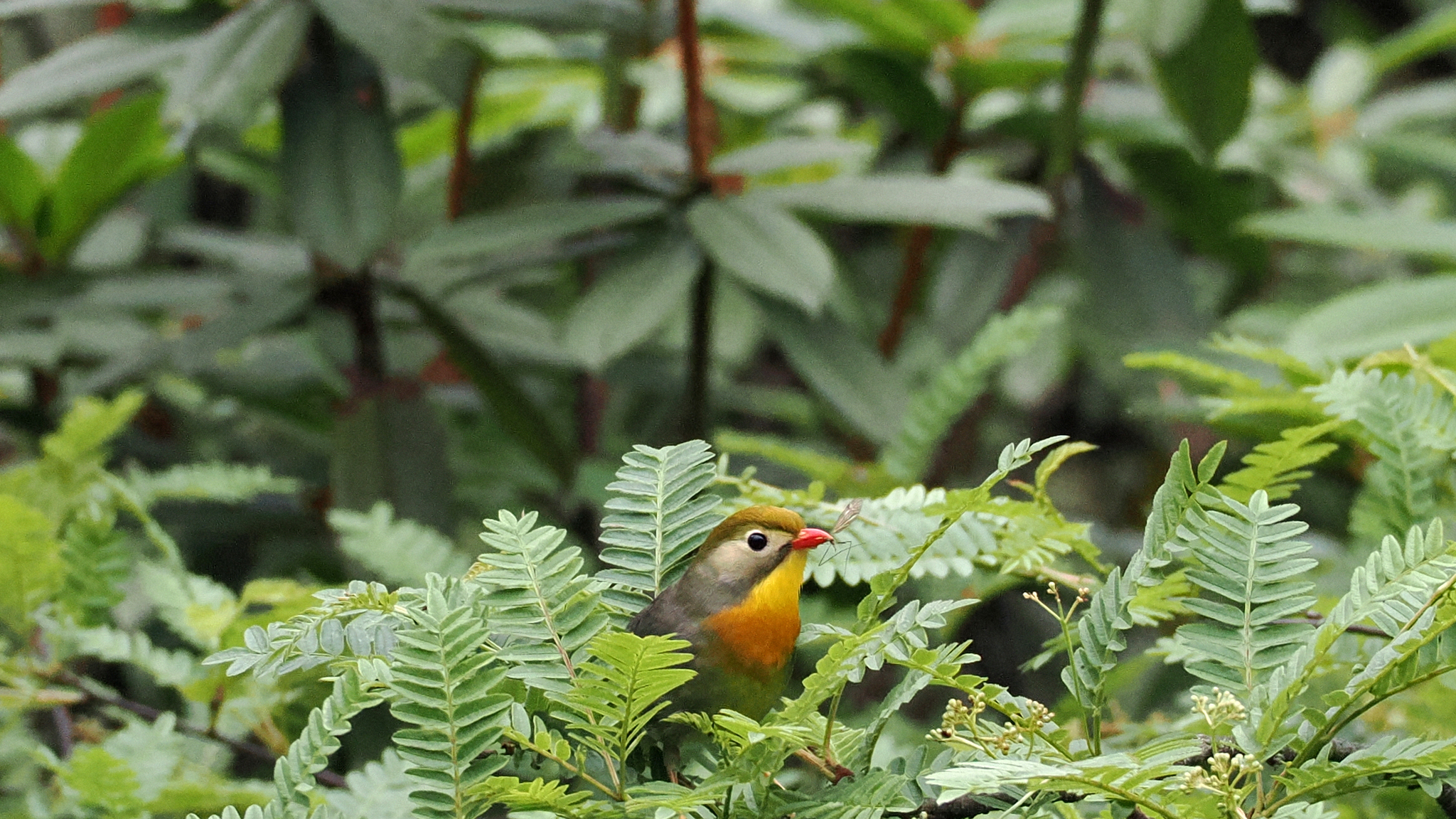
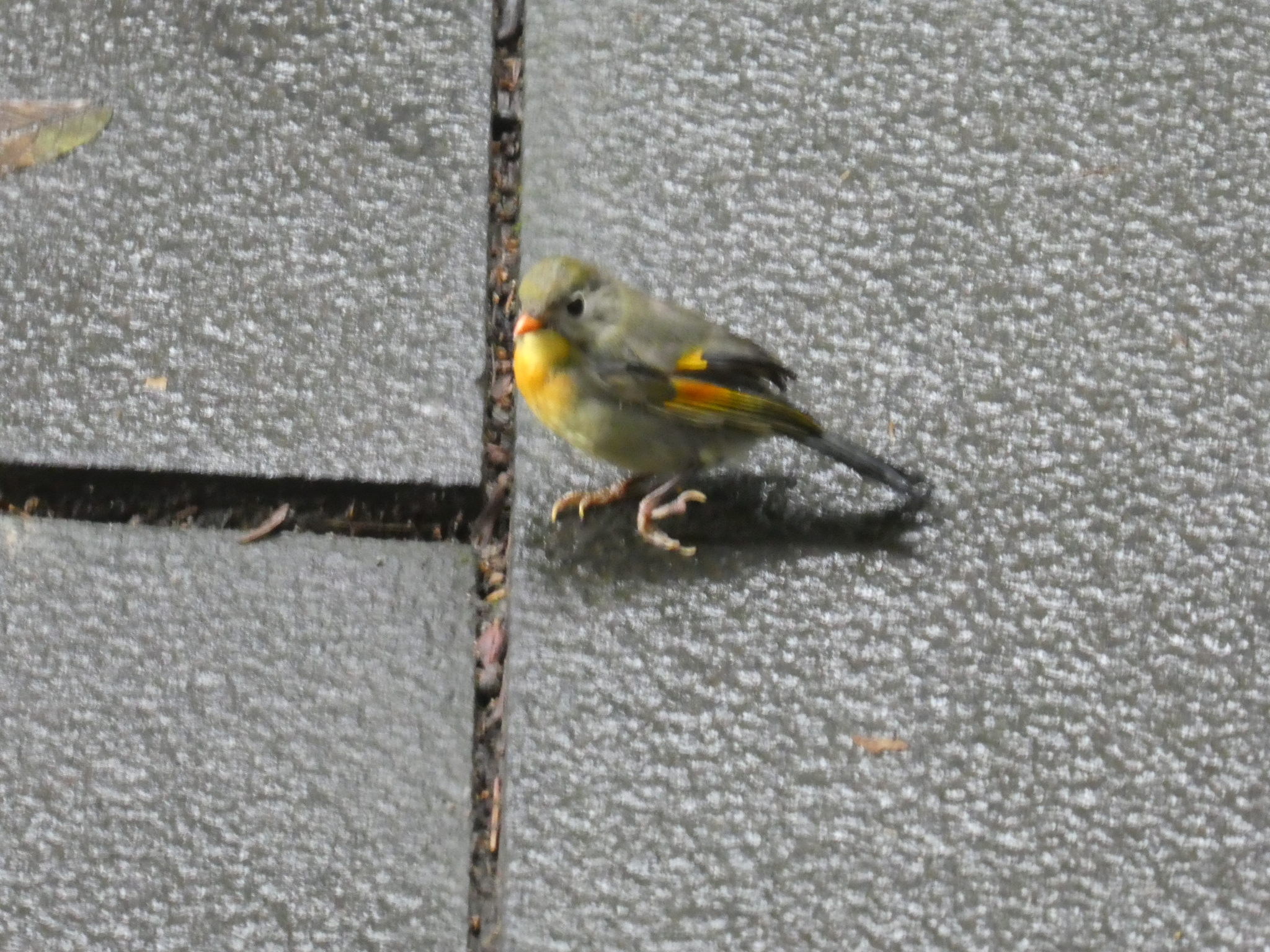
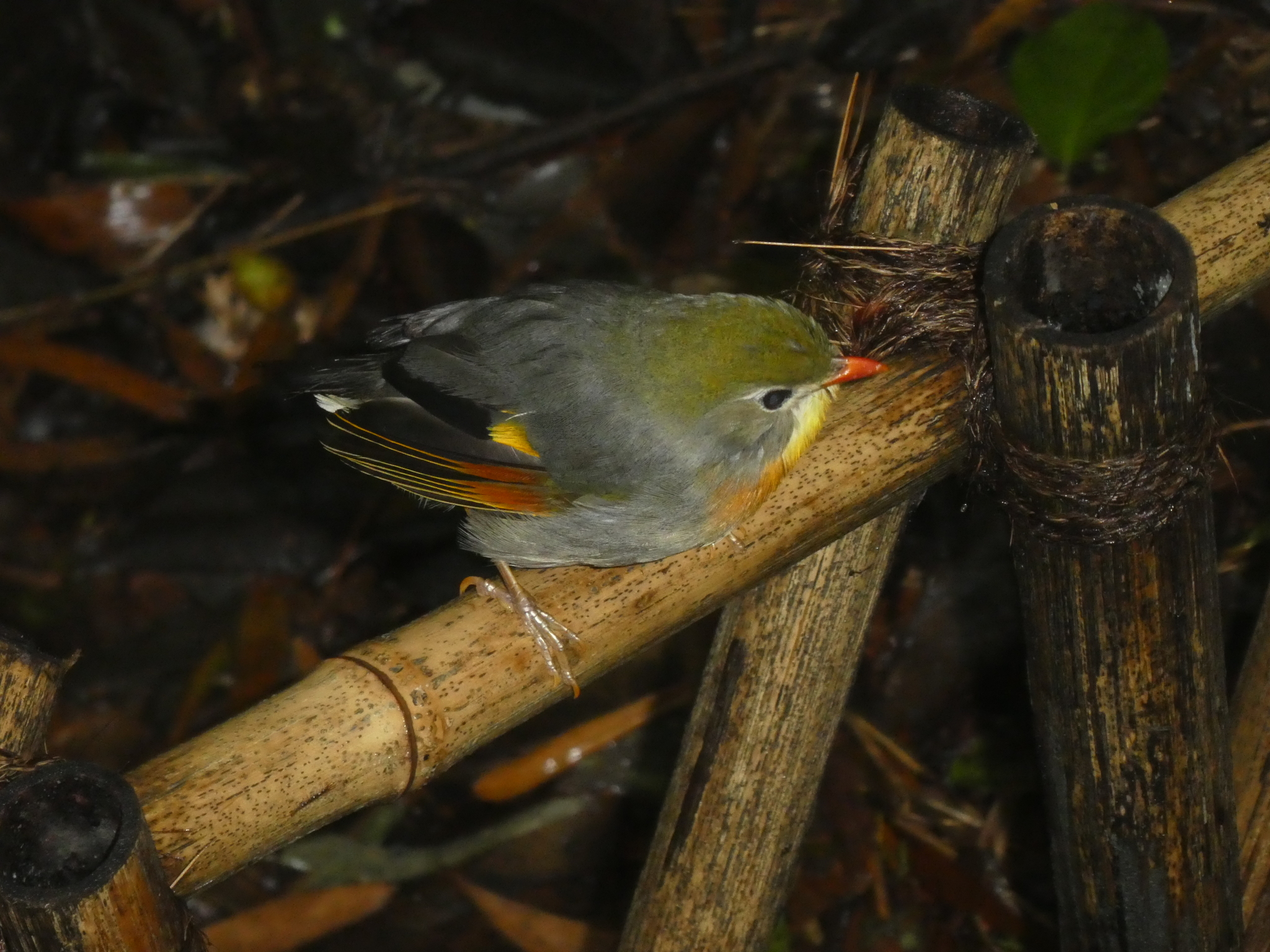
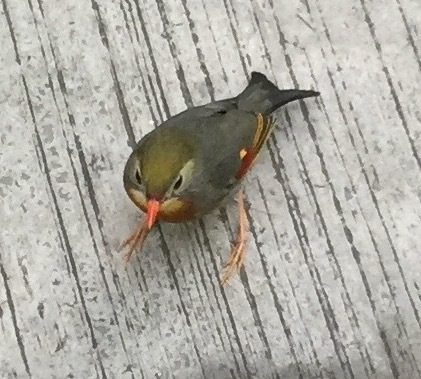
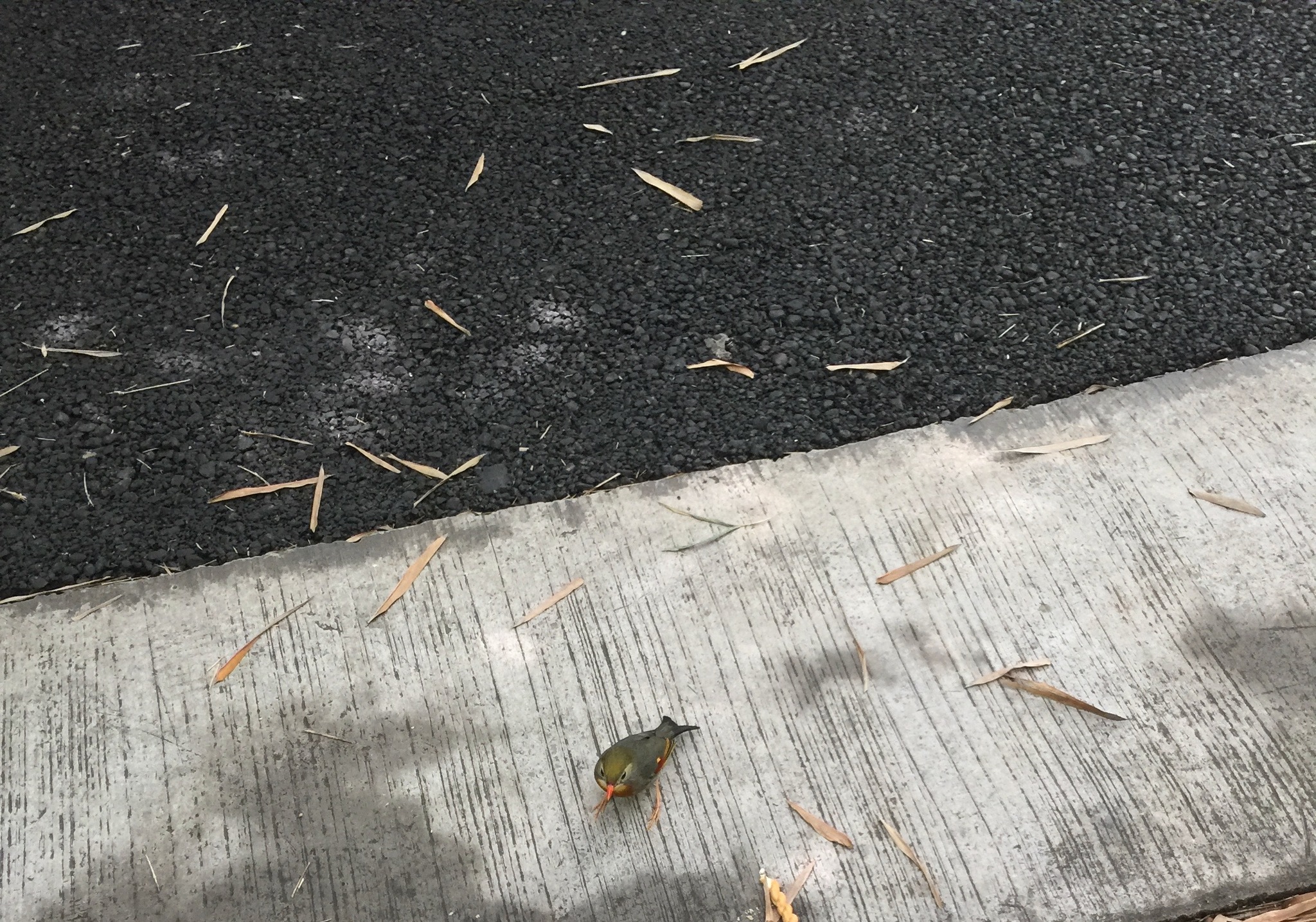
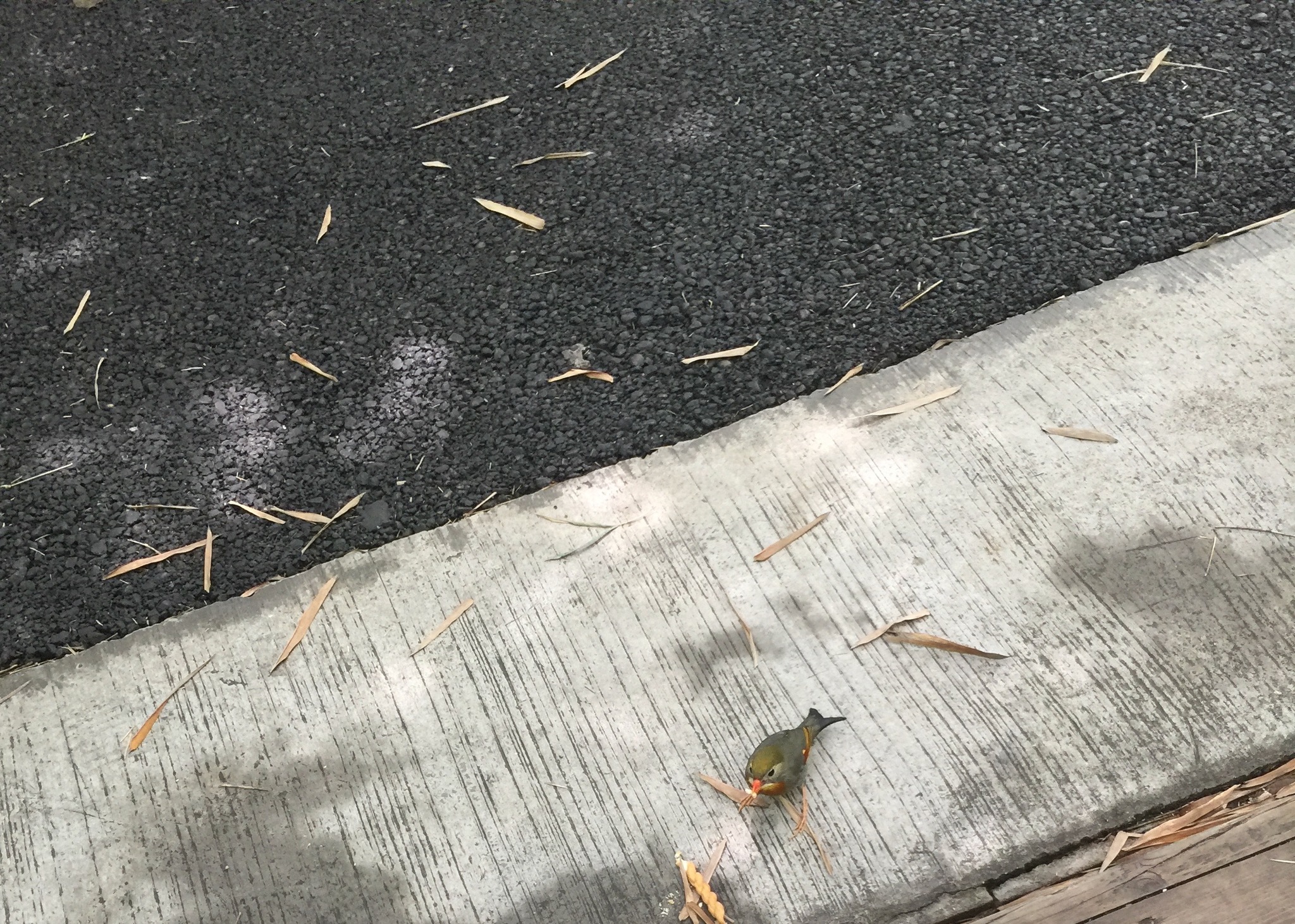
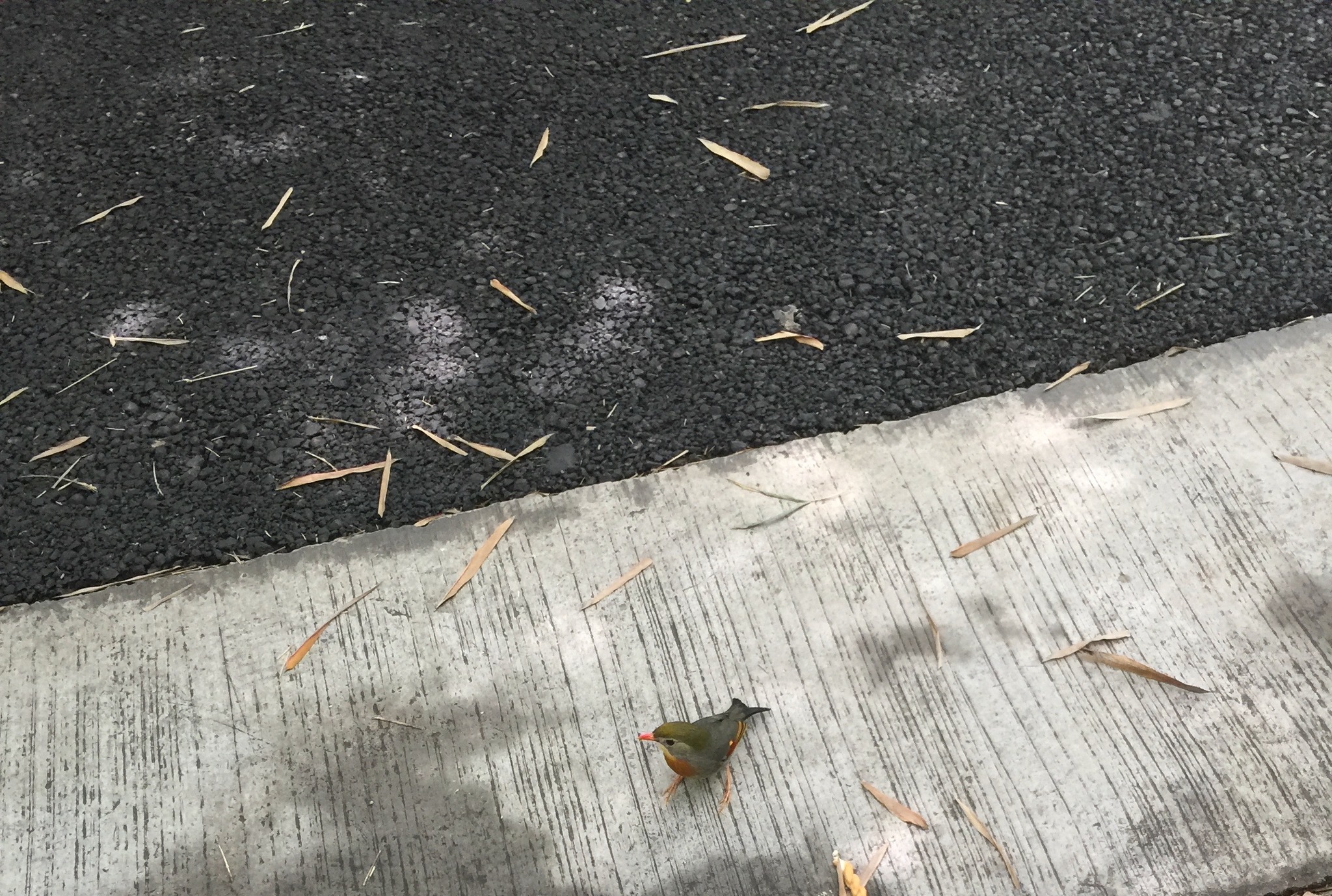
Approximately six inches in length. Adults have bright red bills and a dull yellow ring around the eyes extending to the beak. Backs are dull olive green; cheeks and sides of the neck are bluish grey. Throat is bright yellow-orange with yellow chin and orange shading on the breast. Wing feather edges are brightly colored with yellow, orange, red, and black. Tail is forked, olive brown, and blackish at the tip. Females are paler than males and lack the red patch on the wings. Juveniles have black bills.
Identification
Key marks include the bright red bill, dull yellow eye-ring, and colorful wing patches (yellow, orange, red, black). Males display a red wing patch absent in females. Flight is infrequent except in open habitats. Vocalizations consist of short, powerful notes repeated continuously, with males singing long, complex songs with varied syllables during breeding season.
Distribution & Habitat
Native range includes India, Bhutan, Nepal, Myanmar, Tibet, and southern China. Five subspecies recognized: L. l. kumaiensis (northwest Himalayas), L. l. calipyga (central Himalayas to northwest Myanmar), L. l. yunnanensis (northeast Myanmar and south China), L. l. kwangtungensis (southeast China and north Vietnam), and L. l. lutea (south-central and east China). Introduced populations exist in Japan (since 1980s), Hawaiian Islands (since 1918, common on Oahu), Réunion, France, Spain, Portugal, and Italy. Failed establishment in Western Australia; uncertain status in Great Britain.
Behavior & Ecology
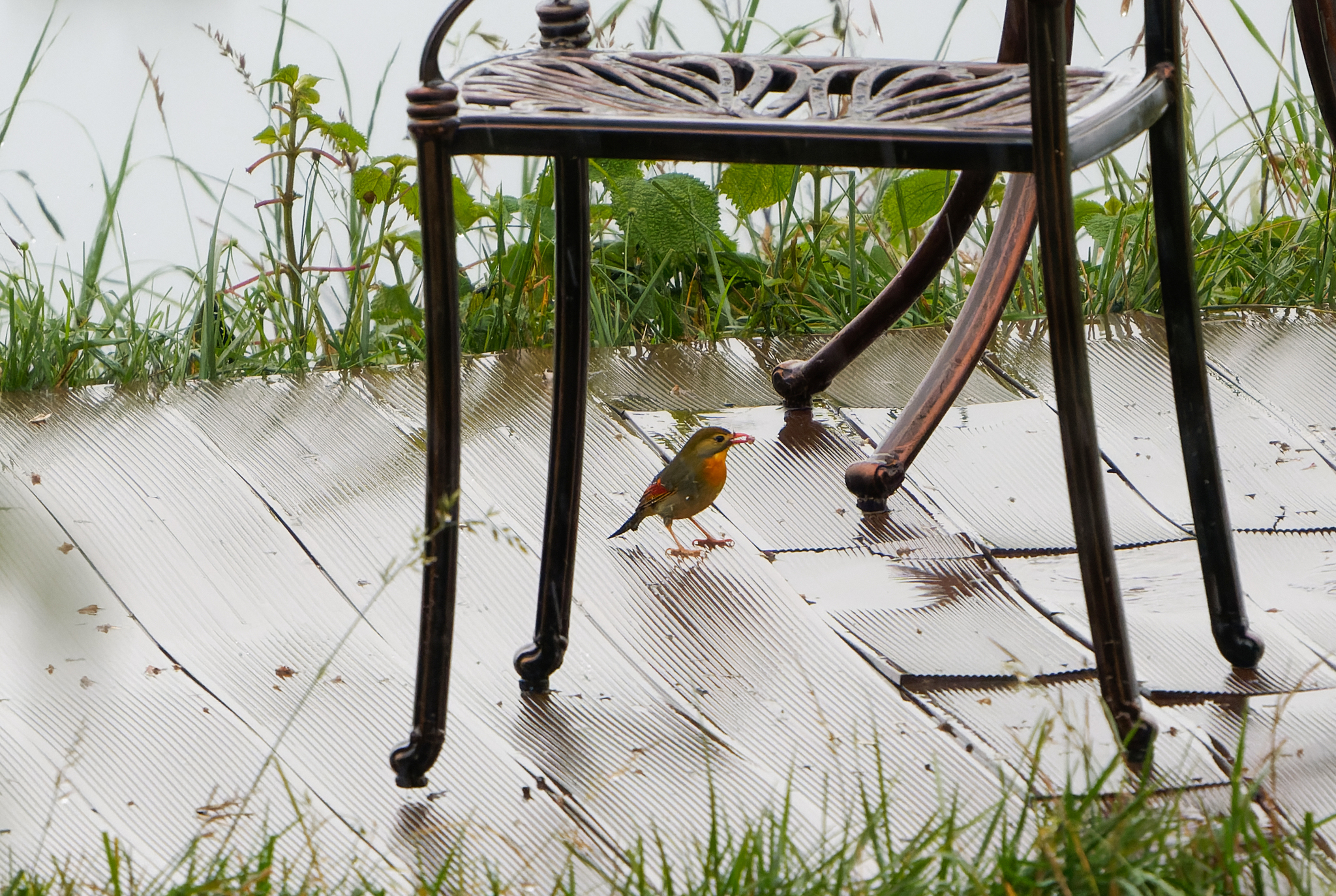
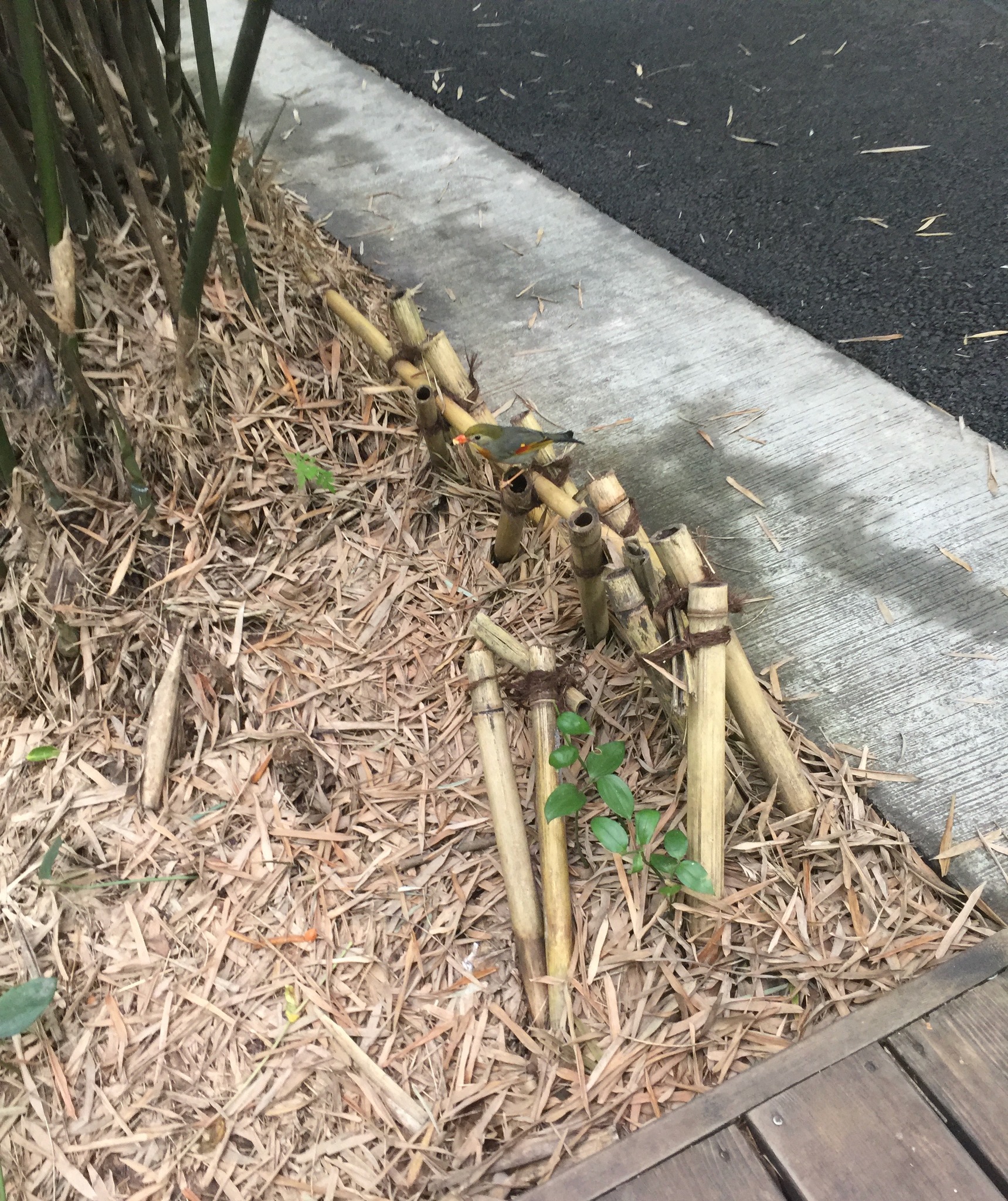
Feeds on fruits (strawberries, papaya, guavas) and animal matter (Diptera, Mollusca, Lepidoptera, Hymenoptera), gathered from foliage and dead wood in lower vegetation strata. Non-breeding groups consist of 10–30 birds; pairs form and become territorial during breeding season (April–September). Nests are open cups made of dry leaves, moss, and lichen, placed within ten feet of the ground in dense vegetation. Clutches contain 2–4 pale blue eggs with reddish-brown spots. Hatchlings have bright red skin and orange-red gapes. Avian malaria parasite has been detected in blood.
Culture
Common cagebird known among aviculturists as Pekin robin, Pekin nightingale, Japanese nightingale, and Japanese (hill) robin.
Source: Wikipedia · CC BY-SA 3.0
Taxonomy
- Order
- Passeriformes
- Family
- Leiothrichidae
- Genus
- Leiothrix
Vocalizations
Subspecies (5)
-
Leiothrix lutea calipyga
Nepal eastward to Bhutan, the northeastern Indian hill states, southern China (southeastern Xizang), and far northwestern Myanmar (possibly southward to the northern Chin Hills)
Data Sources
Species description from Wikipedia, licensed under CC BY-SA 3.0.
Bird images and sounds sourced from GBIF, contributed by citizen scientists worldwide under Creative Commons licenses.
Taxonomy data from AviList 2025.