Passeriformes / Muscicapidae / Larvivora
Rufous-tailed Robin
Larvivora sibilans · 红尾歌鸲
Introduction
A small passerine bird in the genus Larvivora, breeding from southern Siberia and the Sea of Okhotsk to southern China and southeastern Asia. It inhabits coniferous and damp broad-leafed woodlands with thick undergrowth. The species is migratory, insectivorous, and elusive, often remaining stationary among concealing branches. It is classified as Least Concern by the IUCN.
Description
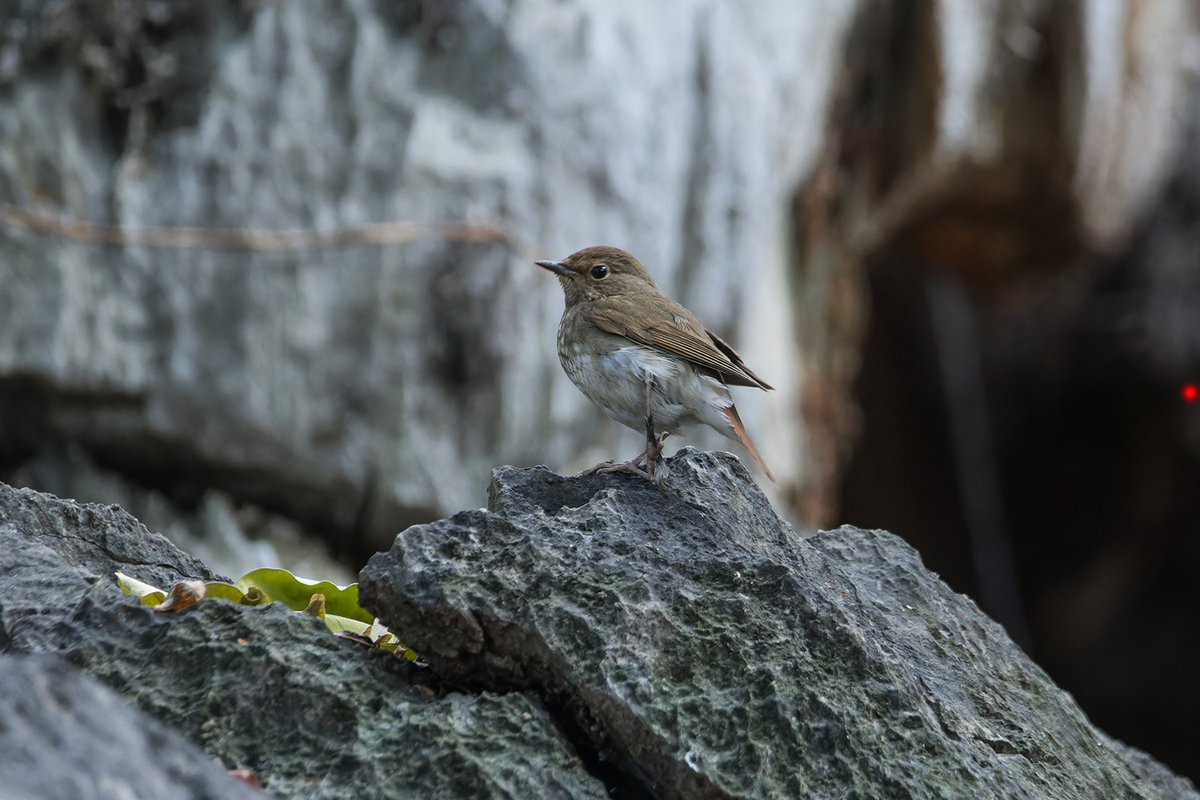
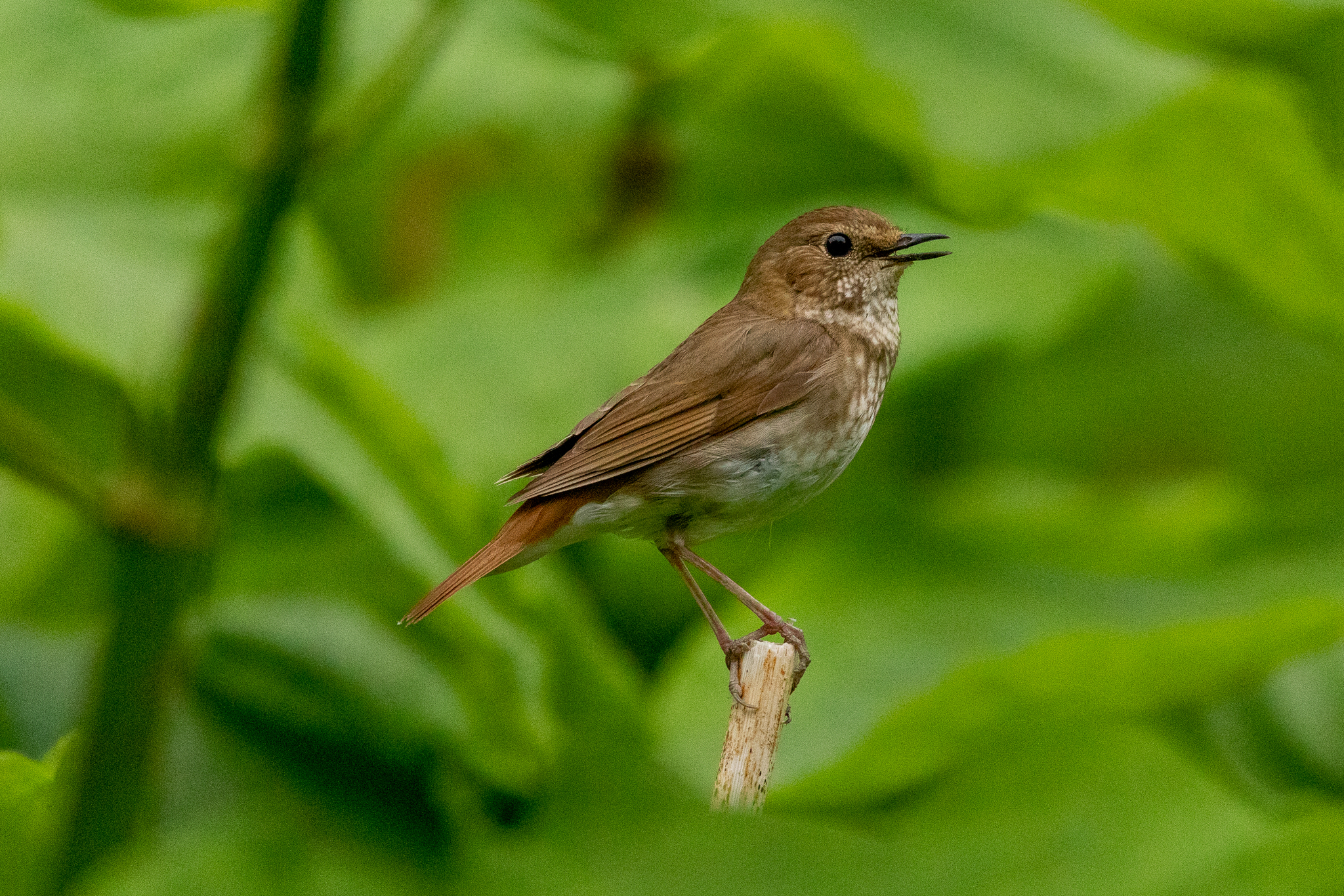
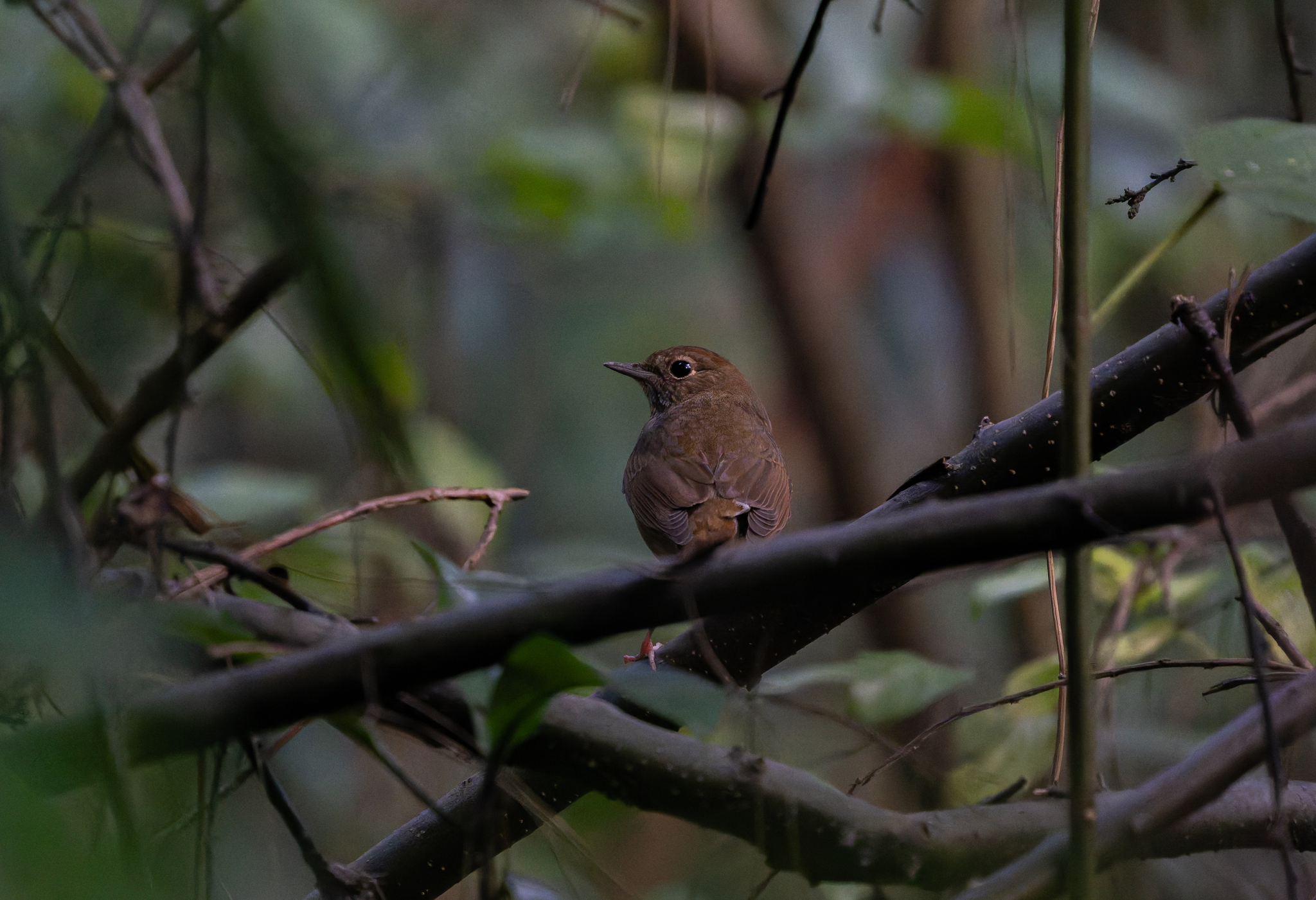
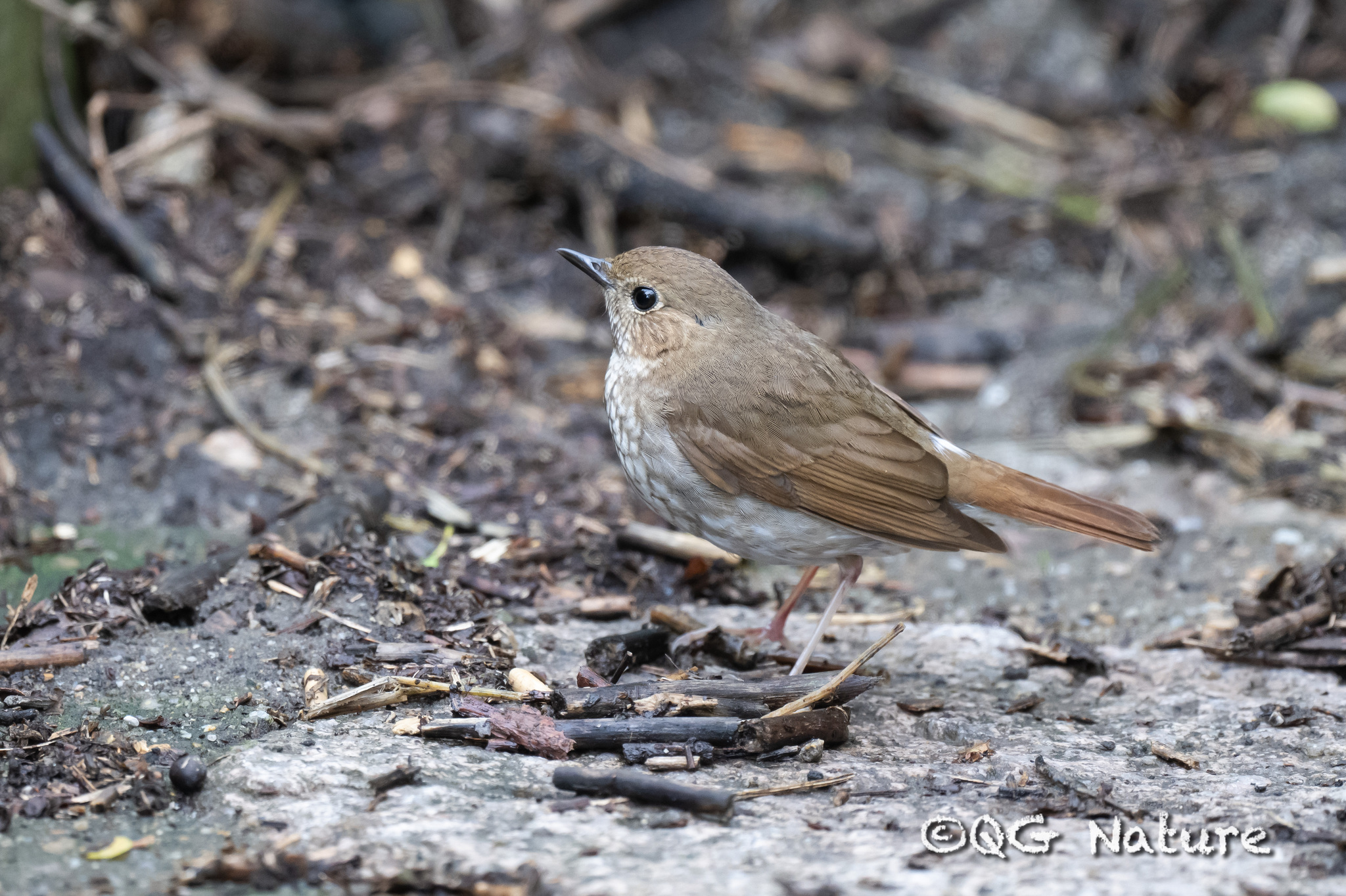
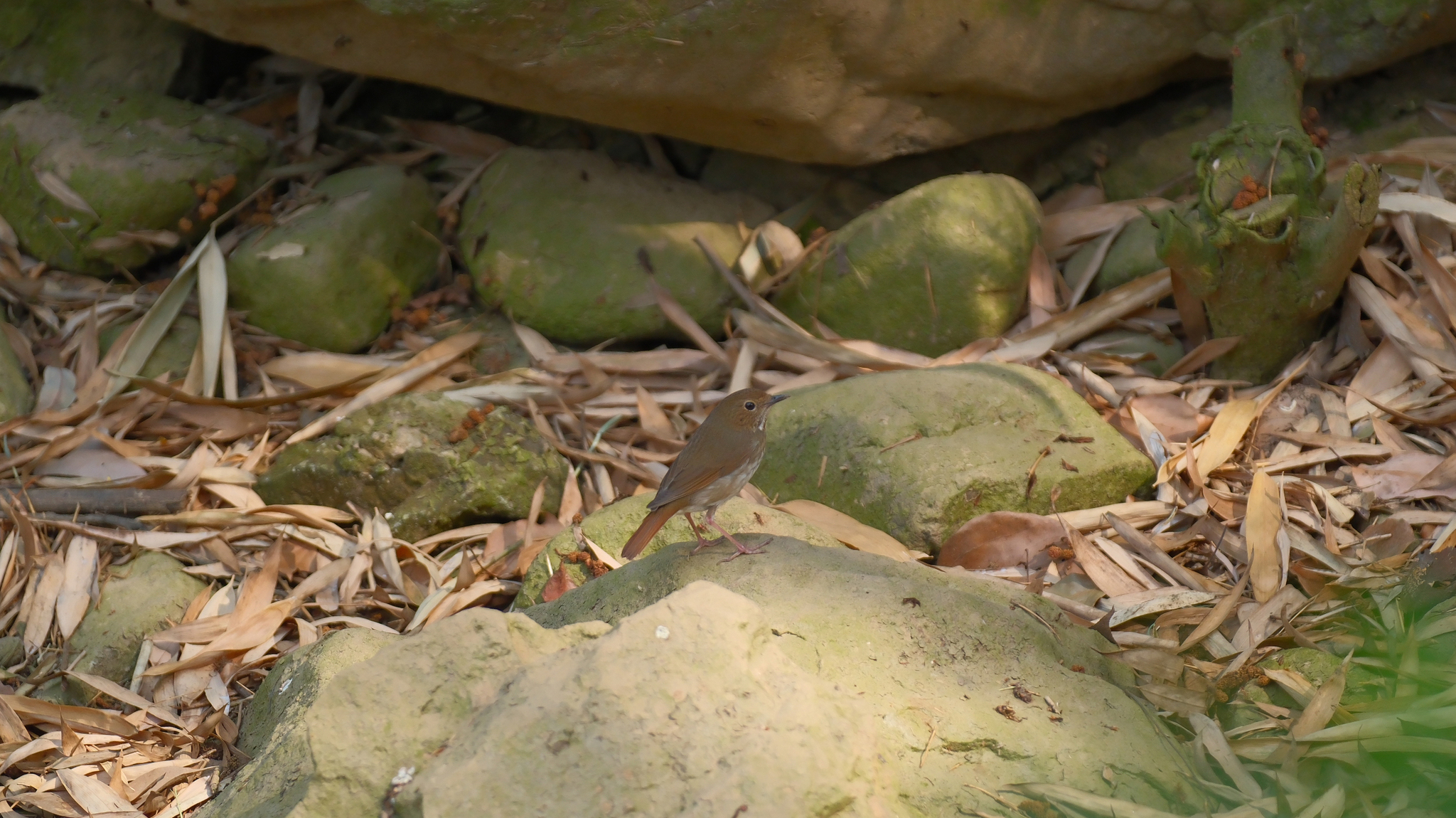
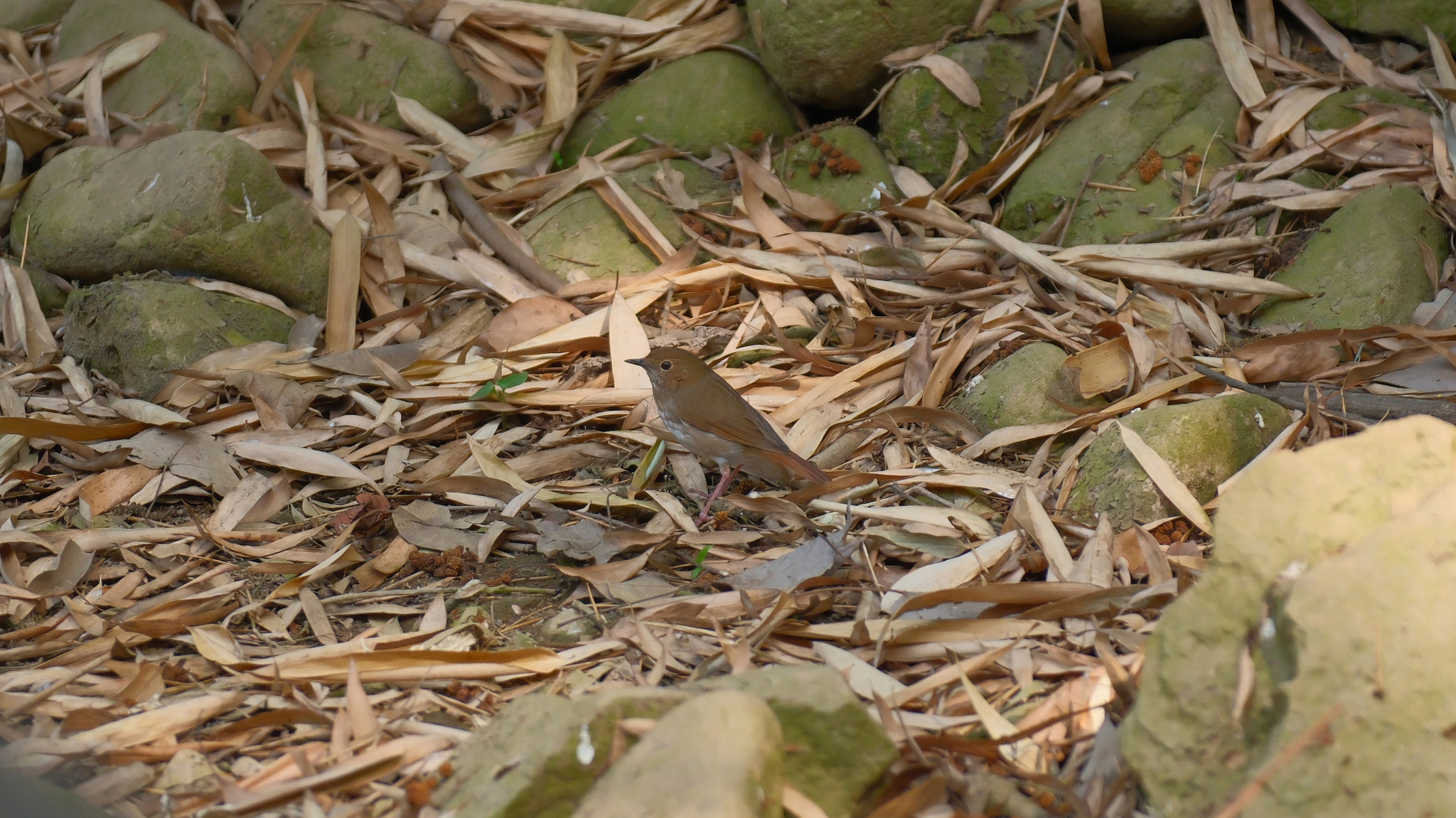
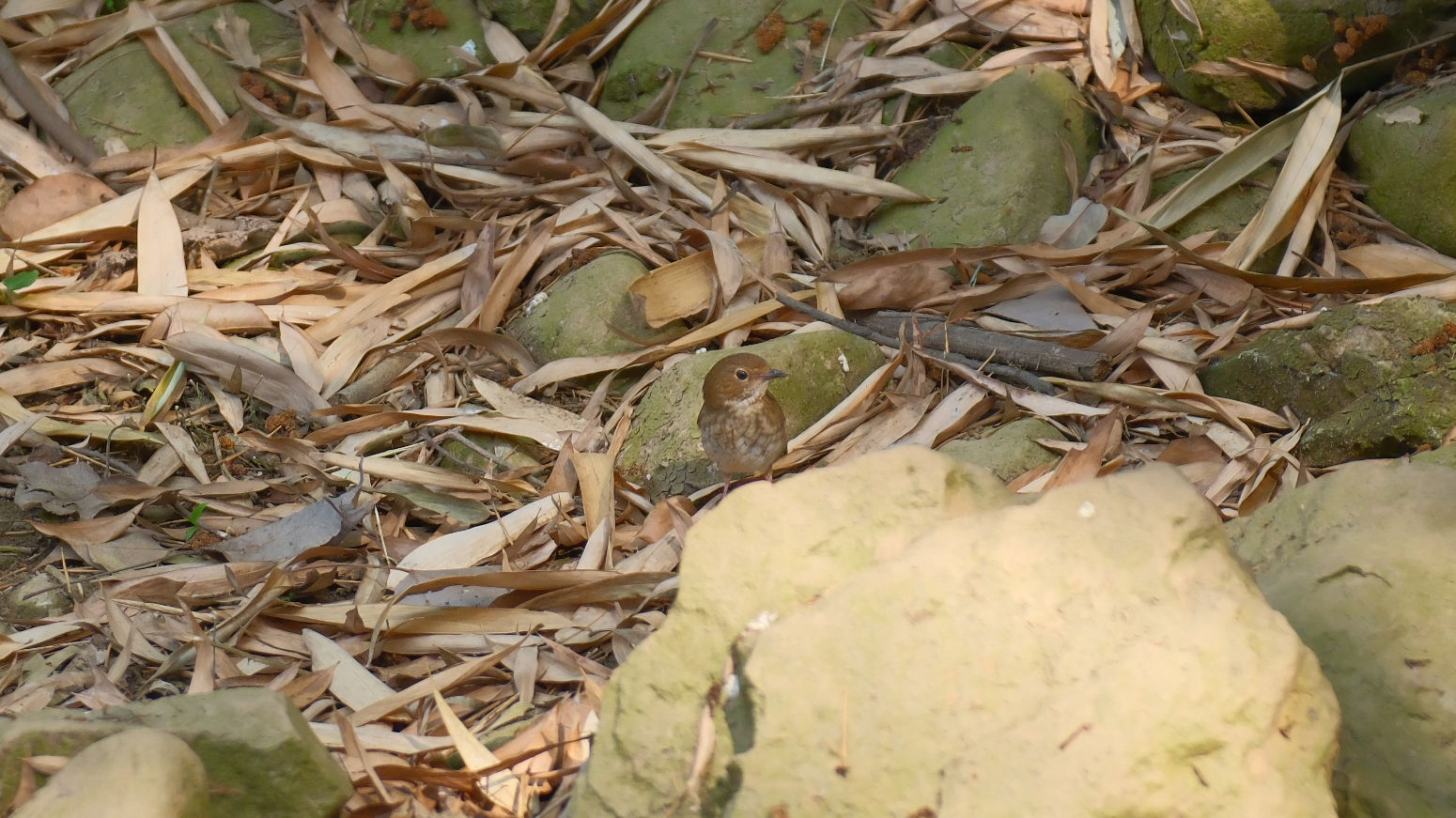
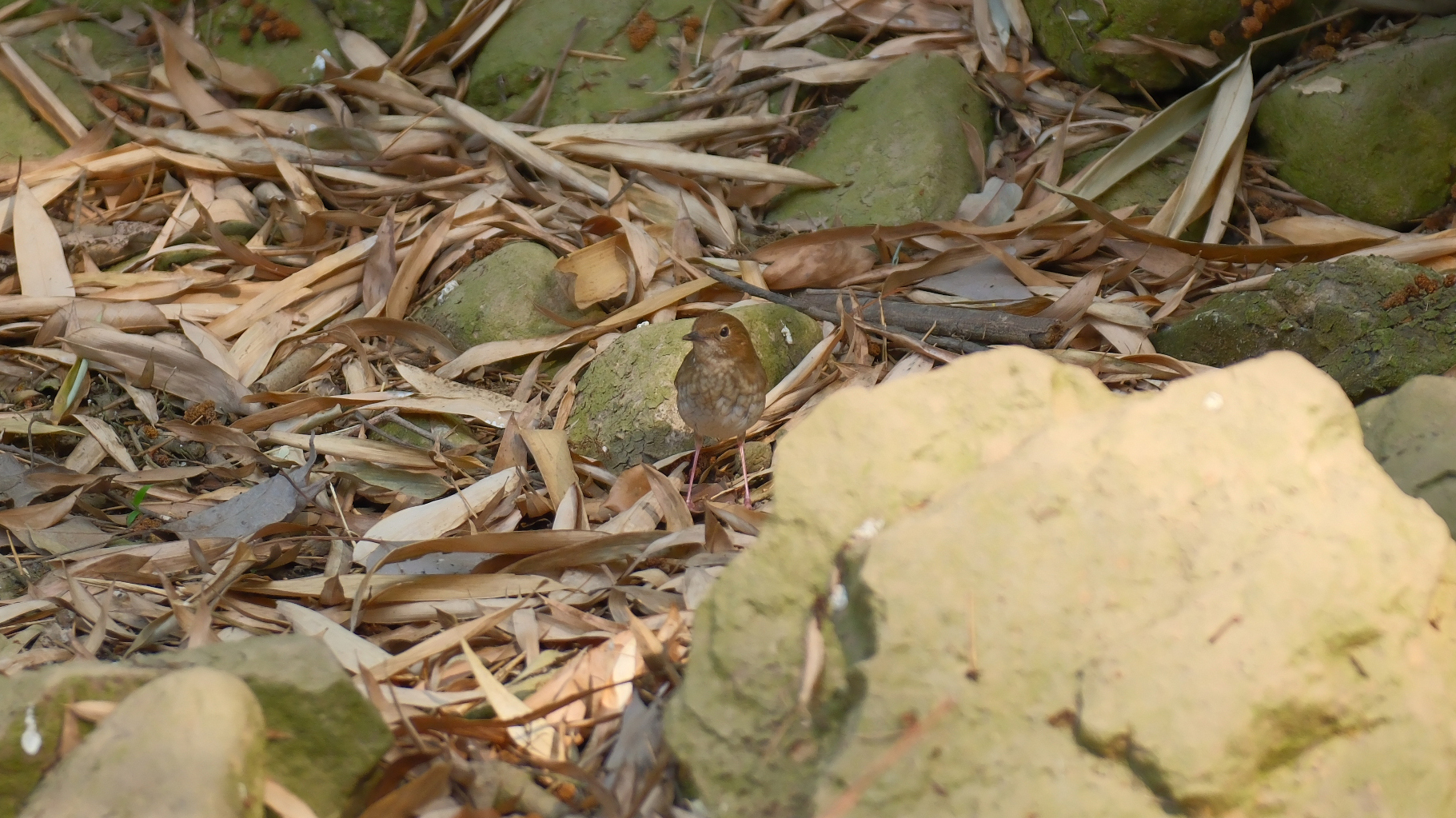
Measures 14 cm (5.5 in) in length. Plumage is plain greyish brown above and grey to white below, featuring circular pale markings on a heavily mottled throat and breast. Distinctive features include a bright rufous rump and tail, buff flanks, a whitish eye ring, and a pronounced buffish cheek stripe. The lower mandible tip is slightly upturned; the beak is brownish-black and legs are pinkish-grey. Sexes are similar, though females may be marginally paler. Juveniles resemble adults but are tinged with ochre and have dark edges to the upper plumage.
Identification
Can be confused with American Catharus thrushes such as veery and hermit thrush. Key field marks include the bright rufous rump and tail, buff cheek stripe, and mottled throat. Vocalizations include loud cascading trills starting high and ending lower, resembling a horse's neigh, sung by day and night during breeding. Alarm calls are whistles, and parents emit a jangling 'chok-chok' when caring for young.
Distribution & Habitat
Breeds in the taiga of northeastern Asia, extending south to Mongolia. Winters in Southeast Asia and southern China. Habitat includes coniferous woodlands (spruce, fir) and damp broad-leafed forests with willow, alder, birch, poplar, and bird cherry, typically in lowlands but up to 1,200 m (4,000 ft). Wintering grounds include forests, scrubland, parks, and gardens. Rare vagrant to Western Europe, with records in Scotland (2004), Poland (2006), England (2011, 2013), and Denmark (2012).
Behavior & Ecology
Elusive and terrestrial, feeding mainly on ants, beetles, spiders, and other invertebrates. Often flicks its tail characteristically. Breeding occurs in June or July; the cup-shaped nest is built from dead leaves, grasses, and moss, lined with finer materials, and placed in tree holes, on stumps, or near the ground. Clutches usually contain five or six eggs, plain pale blue or blueish-grey irregularly blotched with brown. Southward migration begins in late August in Russia and later in Korea; birds arrive in Hong Kong in November. Spring northward movement reaches Korea in May and Russia by early June.
Conservation
Classified as Least Concern by the IUCN due to an extremely large range, common status within that range, and a stable population.
Source: Wikipedia · CC BY-SA 3.0
Taxonomy
- Order
- Passeriformes
- Family
- Muscicapidae
- Genus
- Larvivora
Taxonomy Changes
Luscinia sibilans → Larvivora sibilans
Genus transfer — GBIF Backbone Taxonomy uses the former name; AviList 2025 uses the current name.
Distribution
breeds southern Siberia to Sea of Okhotsk; winters southern China to southeastern Asia
Vocalizations
Data Sources
Species description from Wikipedia, licensed under CC BY-SA 3.0.
Bird images and sounds sourced from GBIF, contributed by citizen scientists worldwide under Creative Commons licenses.
Taxonomy data from AviList 2025.