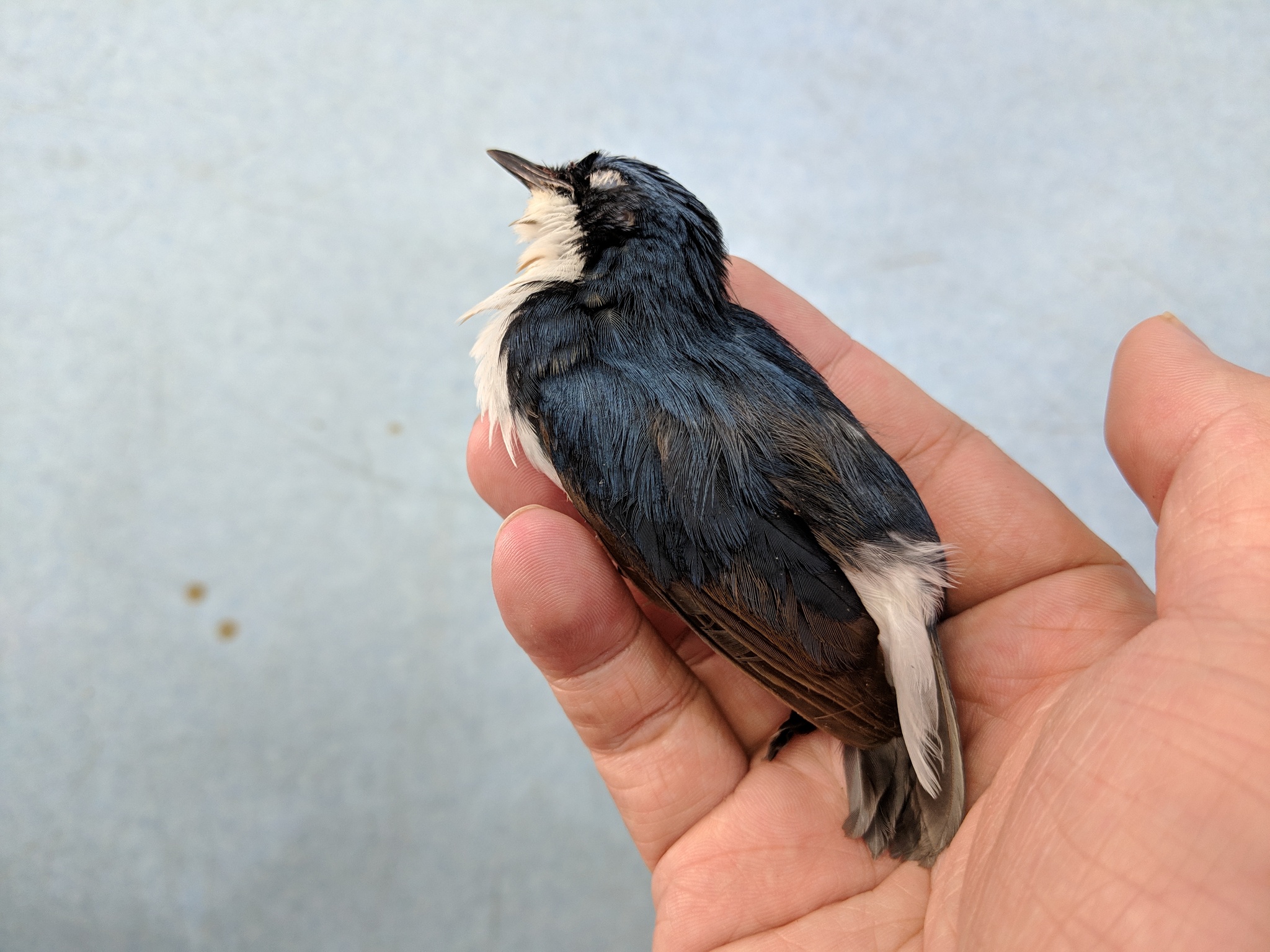

Siberian Blue Robin
Larvivora cyane
蓝歌鸲
Introduction
A small passerine bird (family Muscicapidae, Old World flycatchers), formerly classified in the thrush family Turdidae. Breeds in eastern Palearctic from Siberia and northern Mongolia through northeastern China and Korea to Japan. Winters in southern and south-eastern Asia and Indonesia. Inhabits coniferous forest with dense understory, often near rivers or at woodland edges. Feeds on the ground and is noted for its skulking behavior, remaining hidden in dense vegetation. A very rare vagrant to Europe, with vagrant records as far east as Pakistan.
Description
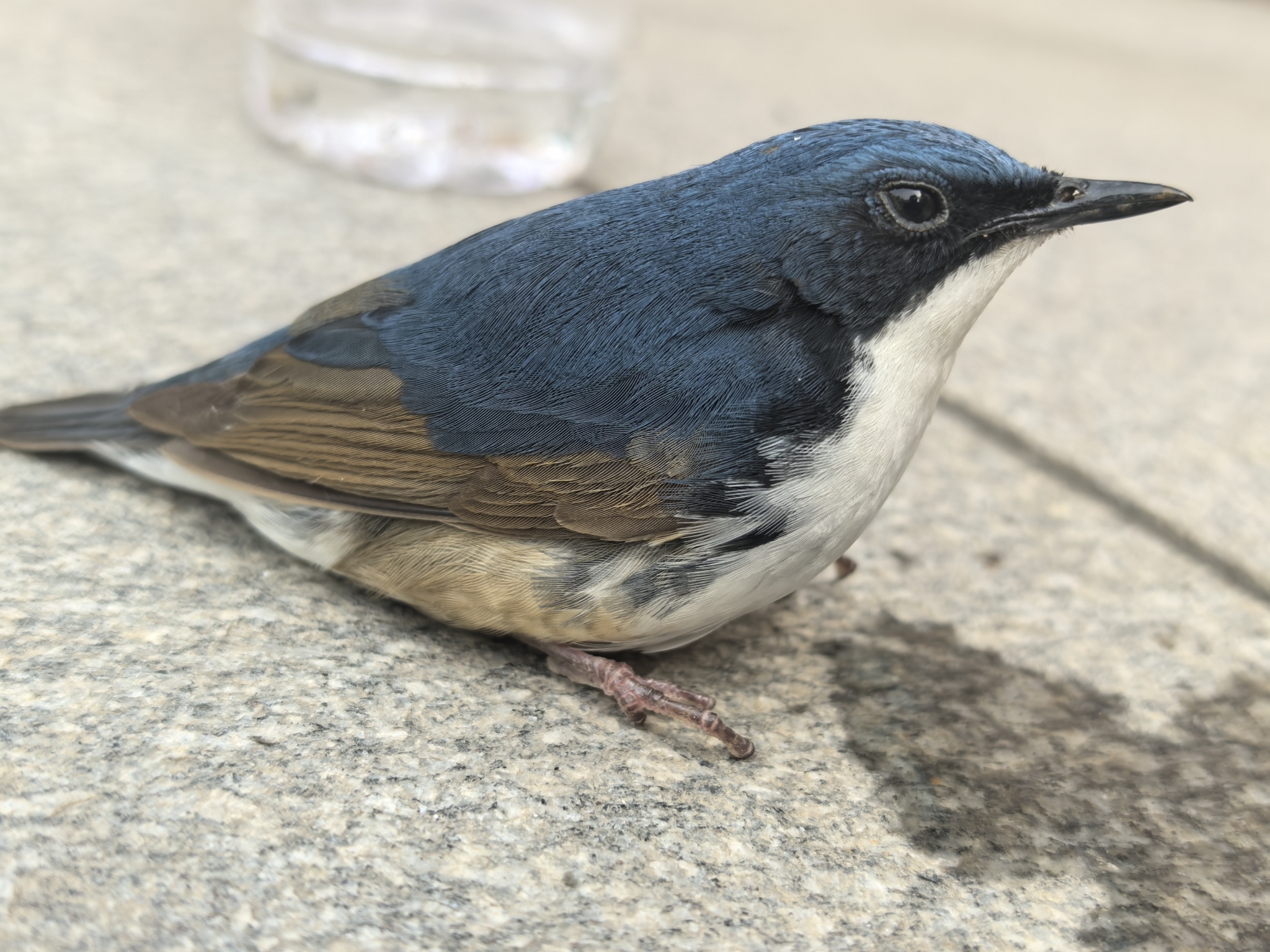
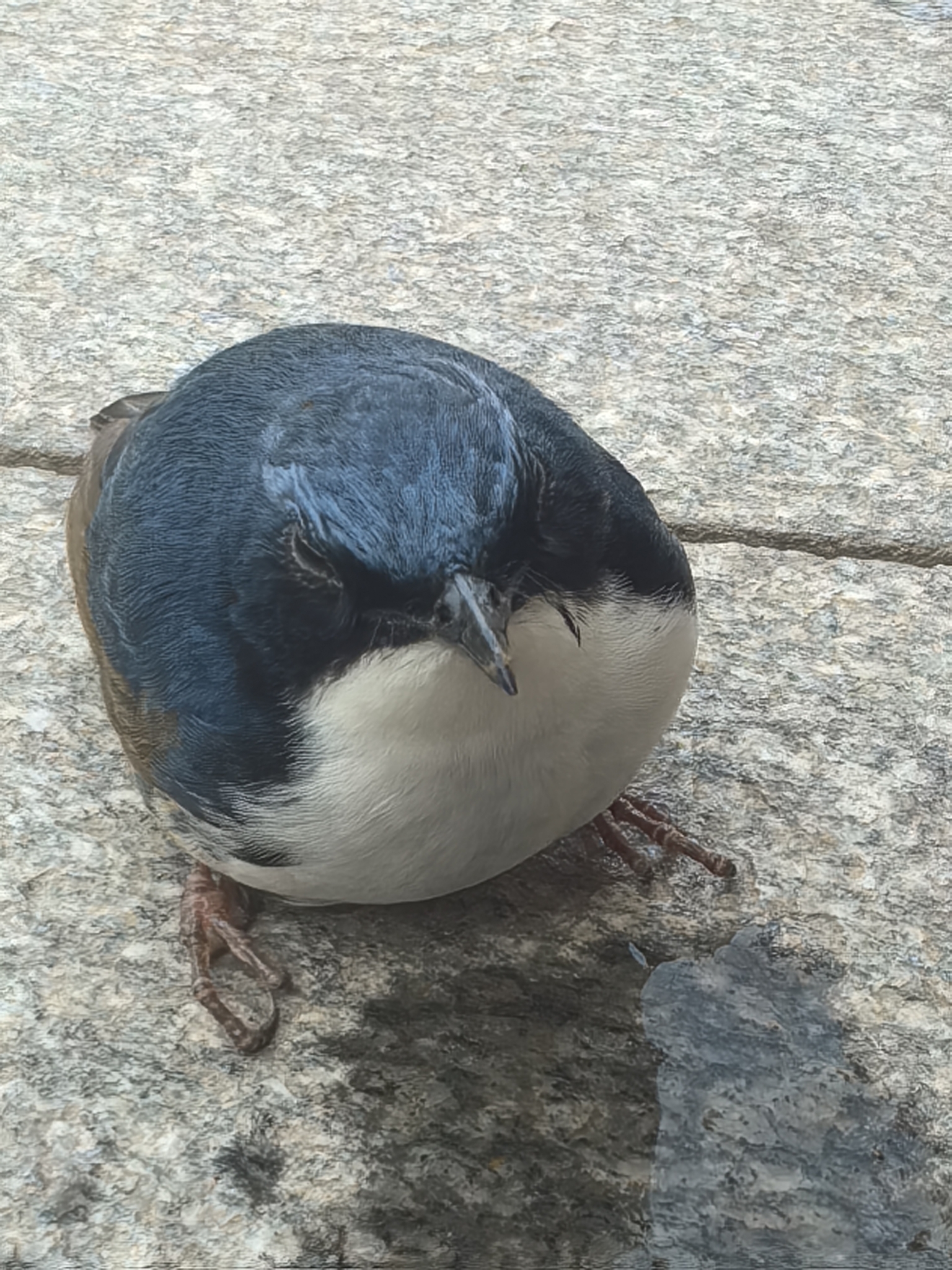
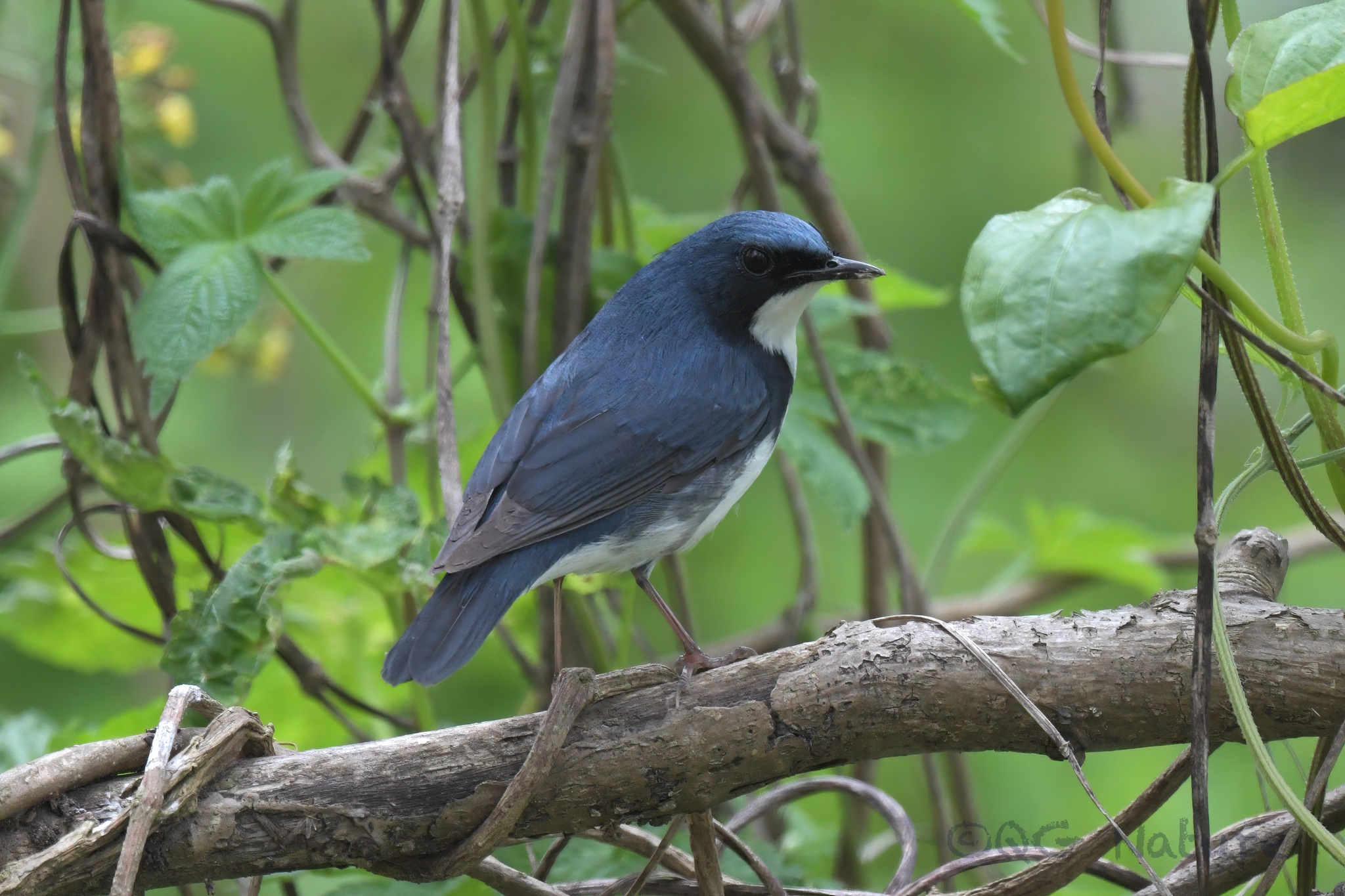
A small, slender robin-like bird with predominantly blue upperparts in males. The genus name Larvivora derives from Neo-Latin 'larva' meaning caterpillar and '-vorus' meaning eating, reflecting its insectivorous diet. The species name 'cyane' is Latin for 'dark-blue', describing the male's coloration.
Identification
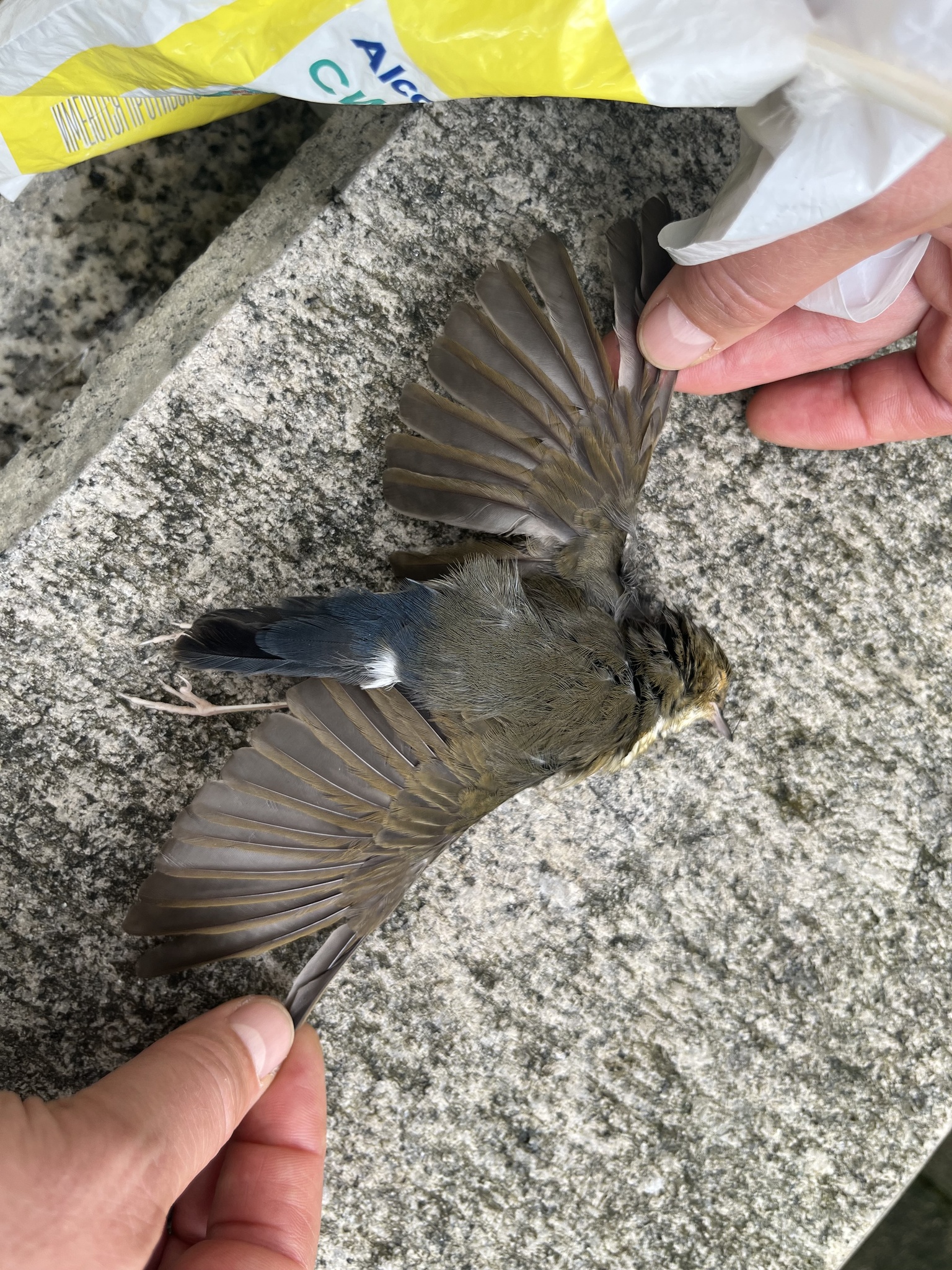
Males are distinctive with blue upperparts, but the species' skulking behavior makes visual identification challenging. Females are more cryptic and brown. The very rare vagrant status in Europe distinguishes it from similar species. Compare with other Luscinia/Larvivora robins; molecular studies in 2010 led to reclassification of this species into the reinstated genus Larvivora.
Distribution & Habitat
Breeds across eastern Palearctic: Siberia, northern Mongolia, northeastern China, Korea, and Japan. Migrates south to winter in southern and south-eastern Asia and Indonesia. Breeding habitat consists of coniferous forest with dense understory, often near watercourses or forest edges. Wintering habitat similarly favors dense vegetation cover.
Behavior & Ecology
Insectivorous species that forages on the ground among leaf litter and undergrowth. Extremely skulking and secretive, rarely emerging into open areas. In winter months, also remains in dense vegetation. Noted for its elusive behavior making observation difficult.
Conservation
Not assessed in the provided article.
Culture
Not addressed in the provided article.
Source: Wikipedia · CC BY-SA 3.0
Taxonomy
- Order
- Passeriformes
- Family
- Muscicapidae
- Genus
- Larvivora
- eBird Code
- sibrob
Vocalizations
Subspecies (3)
-
Larvivora cyane bochaiensis
breeds south-central Siberia and northern Mongolia; winters to southeastern Asia
-
Larvivora cyane cyane
breeds south-central Siberia (and perhaps adjacent northeastern Kazakhastan) and northern Mongolia; the species winters in southern China, Indochina, the Thai-Malay Peninsula, Sumatra, Java, and Borneo, but nonbreeding distributions of the subspecies are not well-differentiated
-
Larvivora cyane nechaevi
breeds Sakhalin, southern Kuril Islands, and Japan; winters probably to southeastern Asia
Data Sources
Species description from Wikipedia, licensed under CC BY-SA 3.0.
Bird images and sounds sourced from GBIF, contributed by citizen scientists worldwide under Creative Commons licenses.
Taxonomy data from AviList 2025.