Charadriiformes / Laridae / Larus
Vega Gull
Larus vegae · 西伯利亚银鸥
Introduction
A large gull of the herring gull/lesser black-backed gull complex breeding in Northeast Asia. Classification is controversial, treated variously as a separate species, a subspecies of the American herring gull, or included with the European herring gull.
Description
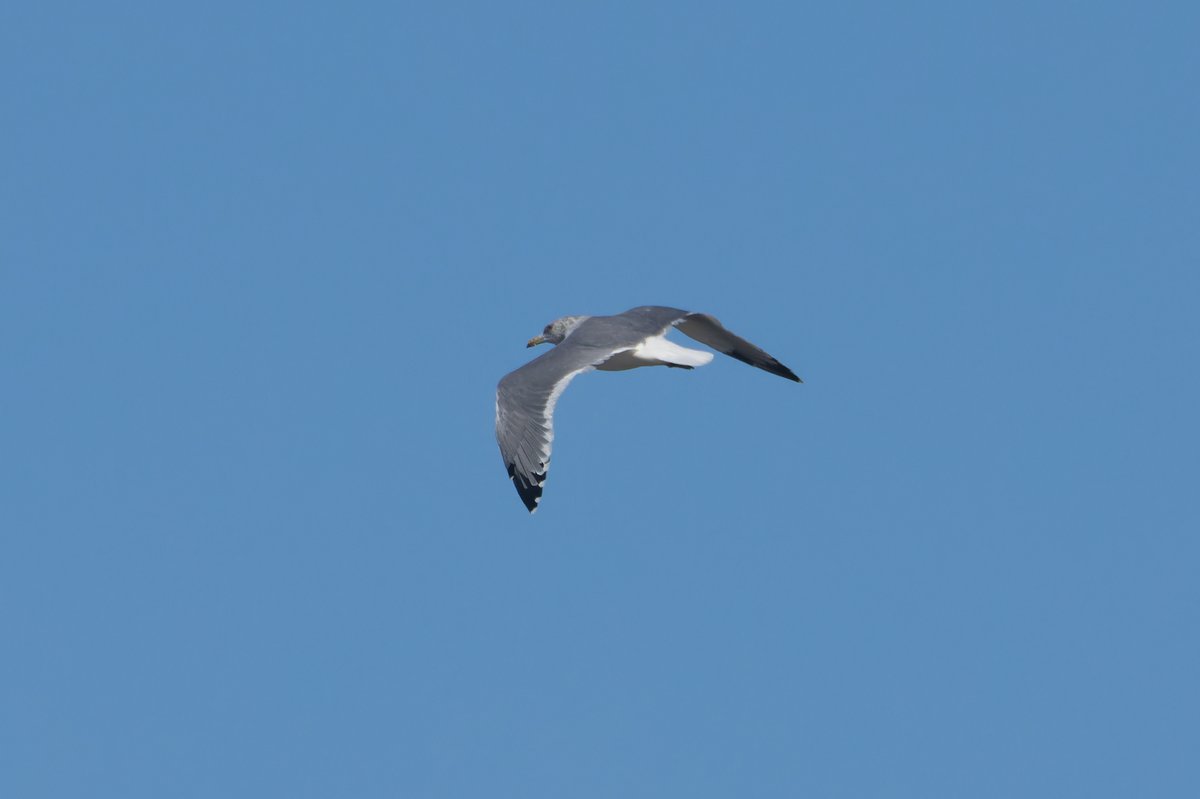
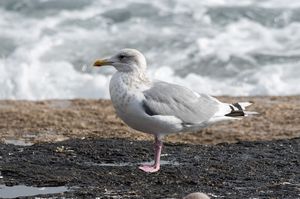
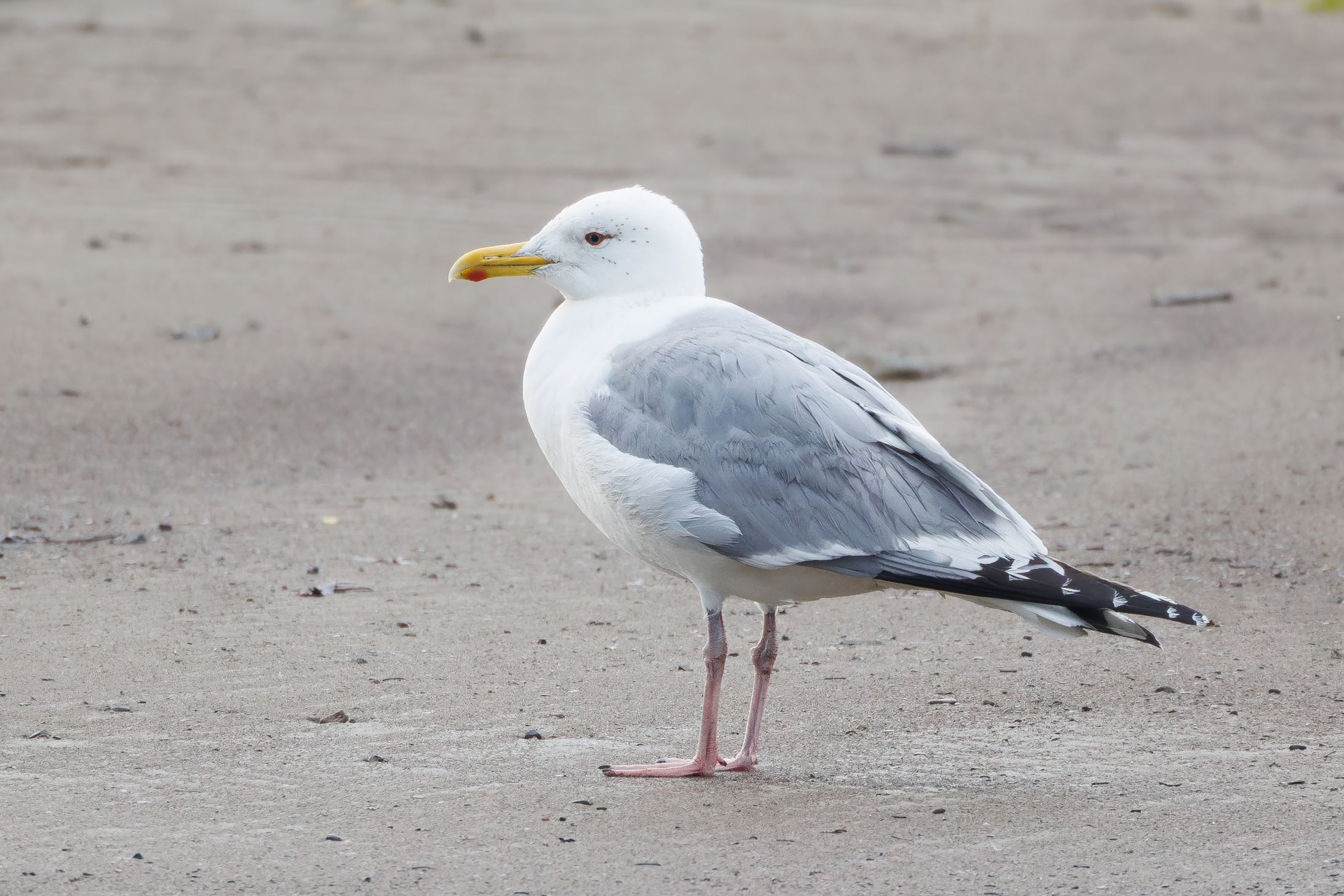
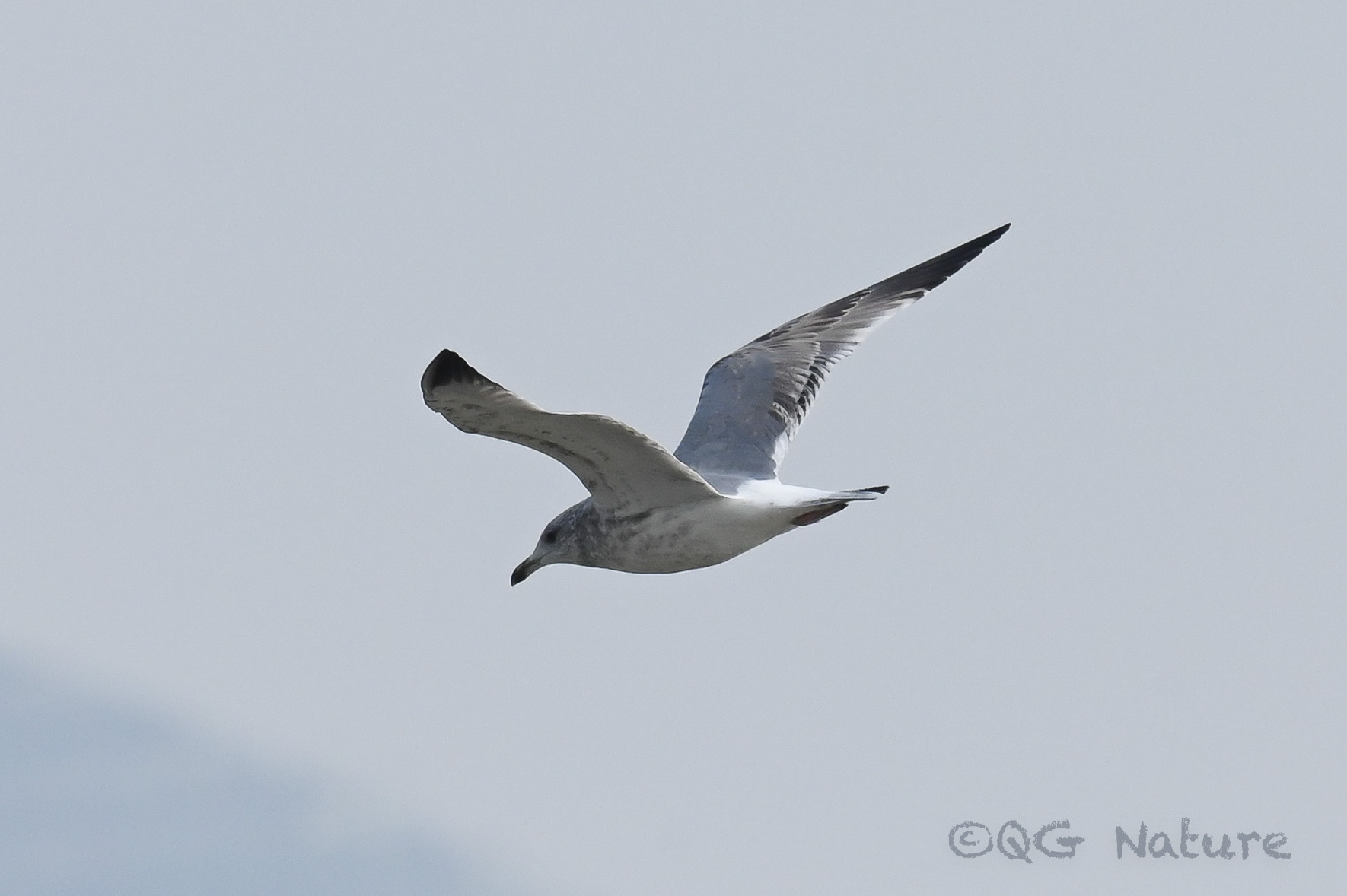
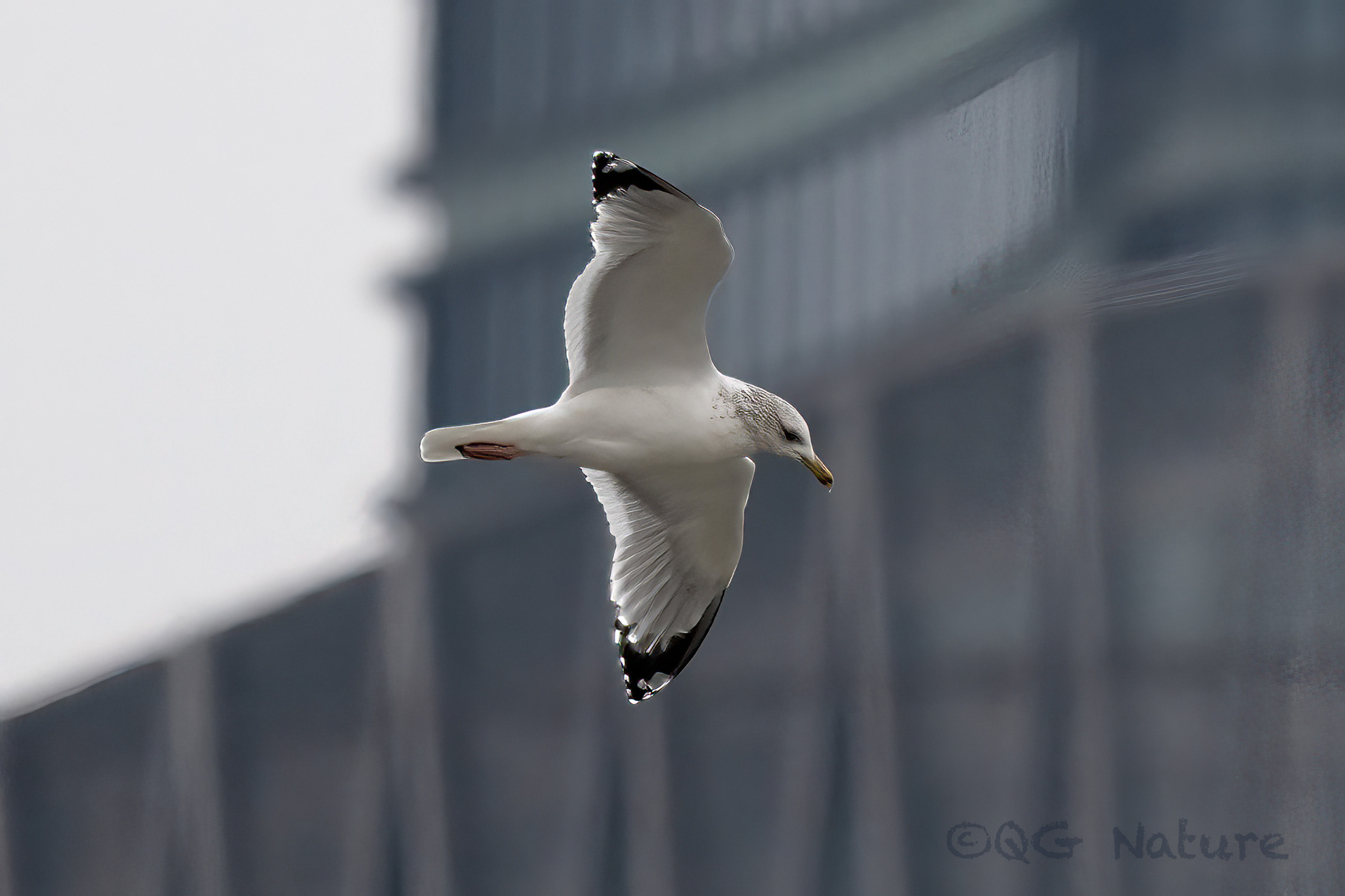
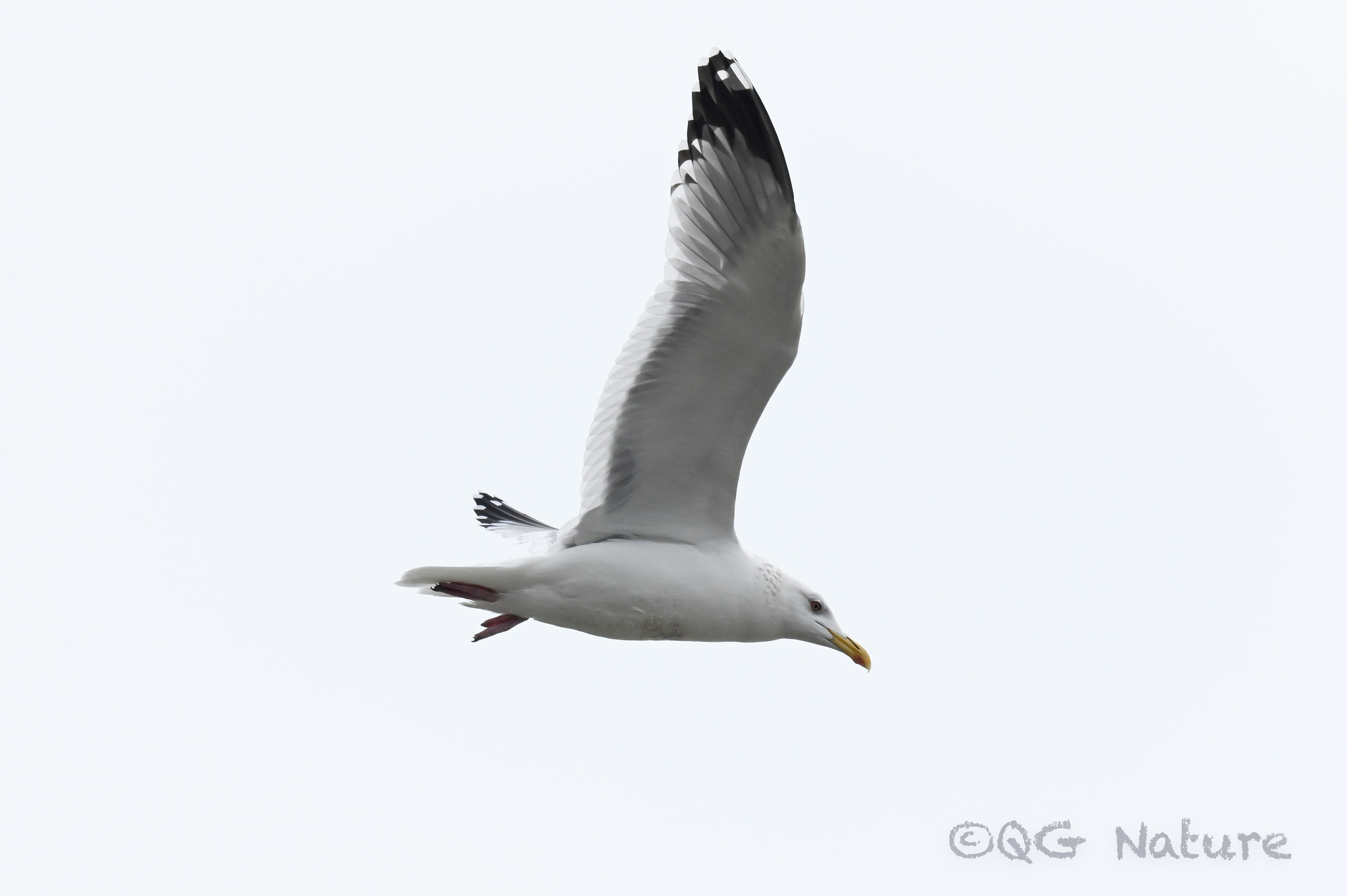
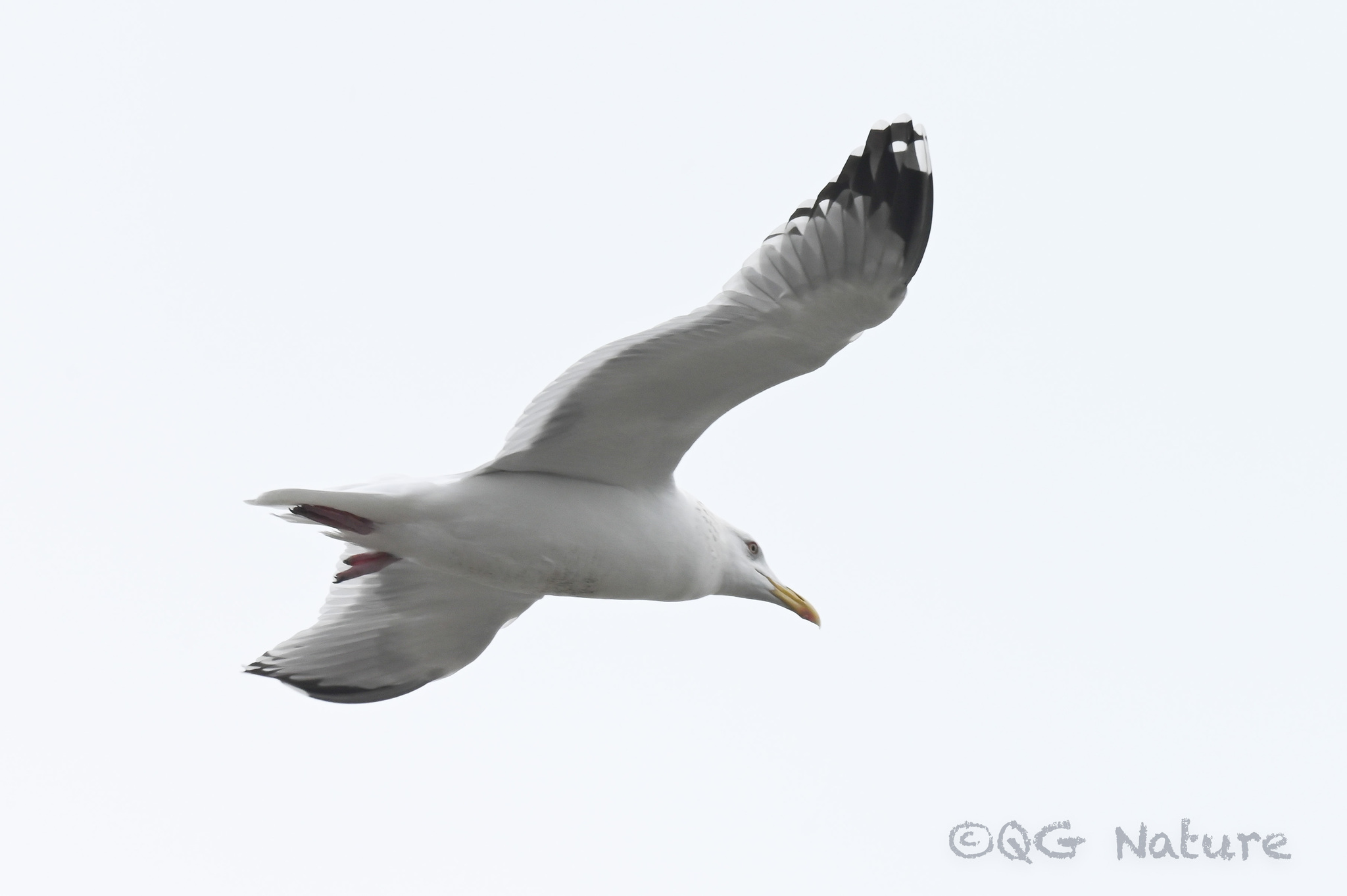
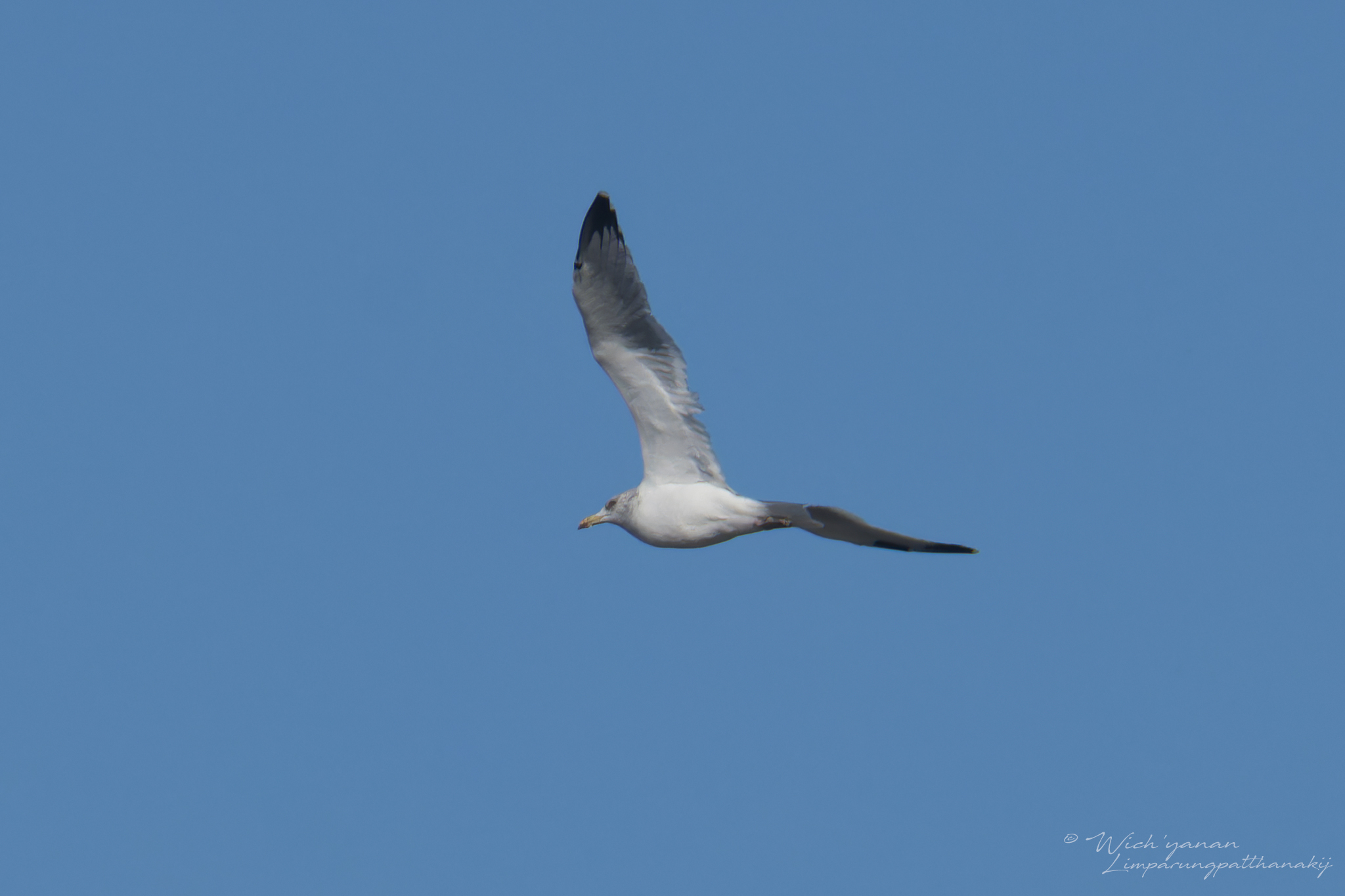
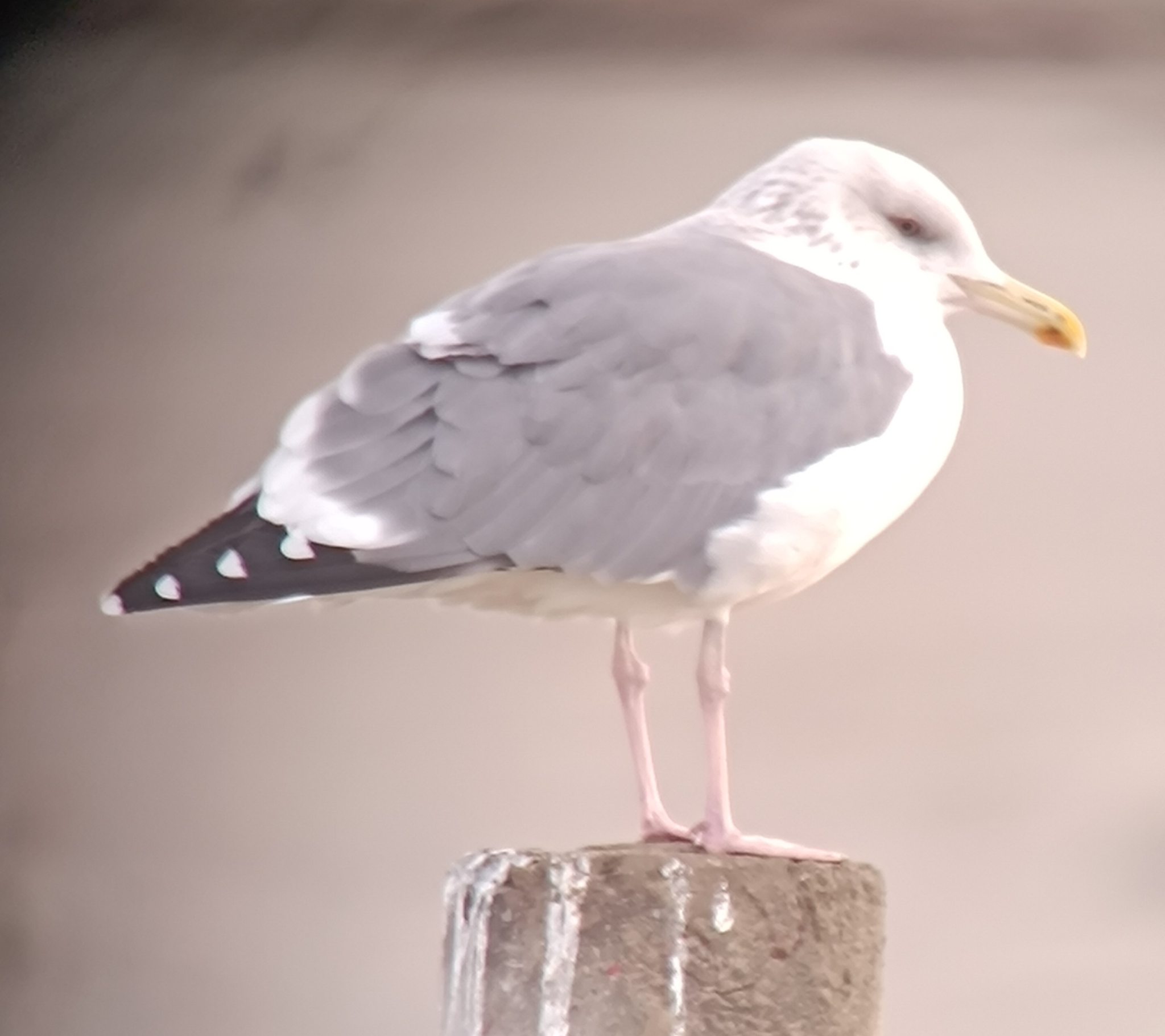
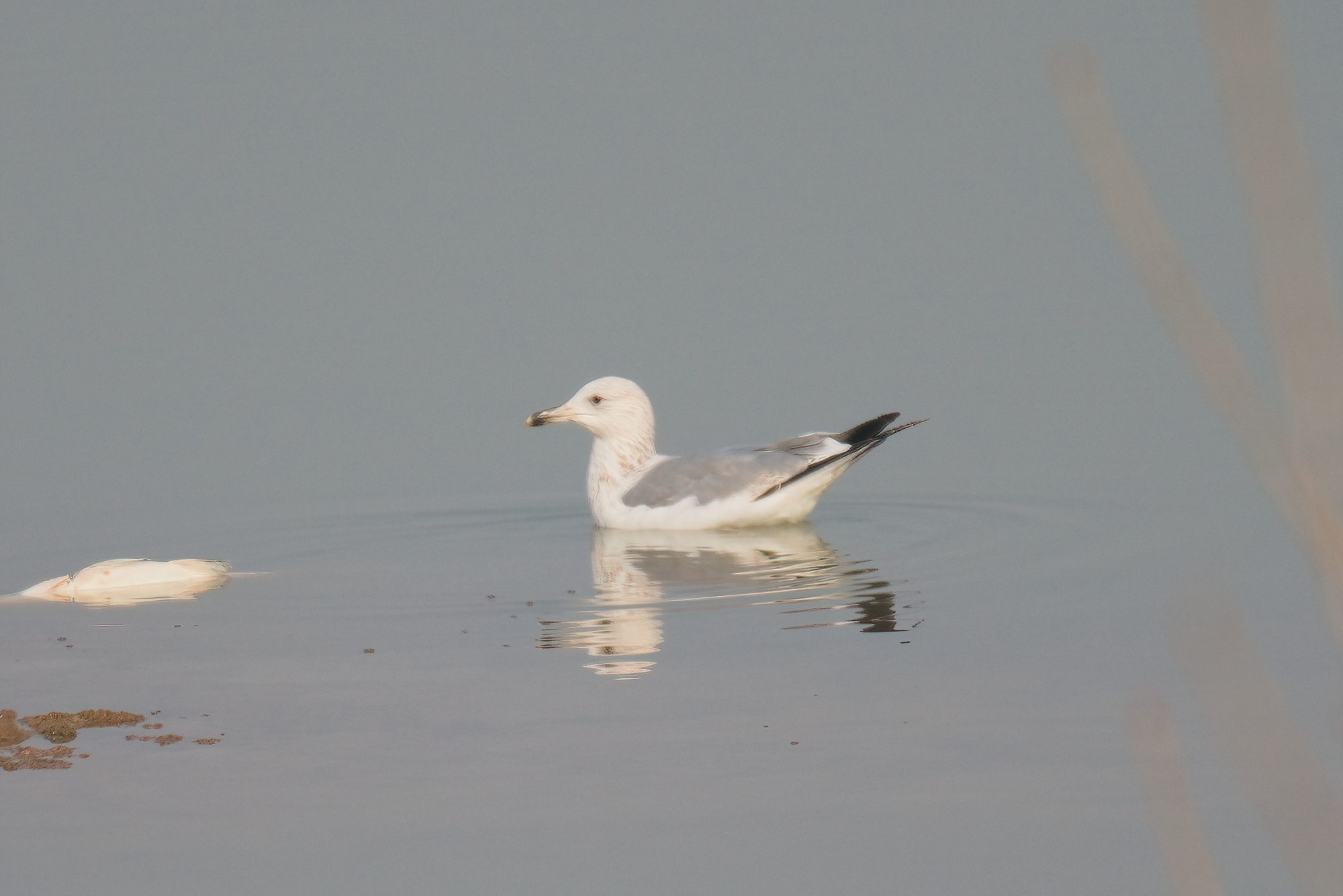
Similar to the herring gull but slightly darker grey above. The head is heavily streaked with brown in winter, especially on the back and sides of the neck forming a collar. Legs are usually bright pink. First- and second-winter birds are darker than the similar Mongolian gull, notably on the crown, with darker brown flecks and streaks over almost the full body. Adult winter plumage can be mistaken for slaty-backed or western gulls, but the grey is lighter. Eye colour is variable but tends to be dark with a red orbital ring. The bill is yellow with a red spot, except in first- and second-winter gulls where it can be almost entirely dark grey to black, shrinking until maturity. Birds in the northwestern part of the breeding range are paler above.
Distribution & Habitat
Breeds in northeastern Siberia and possibly St. Lawrence Island and Nome, Alaska. Migrates south to winter in Japan, Korea, eastern China, and Taiwan. Regularly seen in western Alaska, with few records from Washington and California. Winter habitat includes harbours, rocky shores, and river mouths.
Source: Wikipedia · CC BY-SA 3.0
Taxonomy
- Order
- Charadriiformes
- Family
- Laridae
- Genus
- Larus
Taxonomy Changes
Larus kamtschatschensis → Larus vegae
Subspecies lump — GBIF Backbone Taxonomy uses the former name; AviList 2025 uses the current name.
Distribution
breeds Arctic central and eastern Siberia from Taymyr eastward to Chukotka, New Siberian Islands, and St. Lawrence Island (Bering Sea); winters mostly to rocky coasts of Japan, Korean Peninsula, and eastern China
Data Sources
Species description from Wikipedia, licensed under CC BY-SA 3.0.
Bird images and sounds sourced from GBIF, contributed by citizen scientists worldwide under Creative Commons licenses.
Taxonomy data from AviList 2025.