Vega Gull
Larus vegae
西伯利亚银鸥
Introduction
This species breeds in northeastern Siberia and migrates south to winter along the coasts of East Asia. It belongs to the herring gull complex, which includes herring gulls and lesser black-backed gulls. Its taxonomic status is debated: some authorities recognize it as a distinct species, while others treat it as a subspecies of the American herring gull or include it within the European herring gull. The Mongolian gull was formerly classified as a subspecies but is now considered a separate species. It was first described in 1887 from specimens collected during the Swedish Vega Expedition.
Description
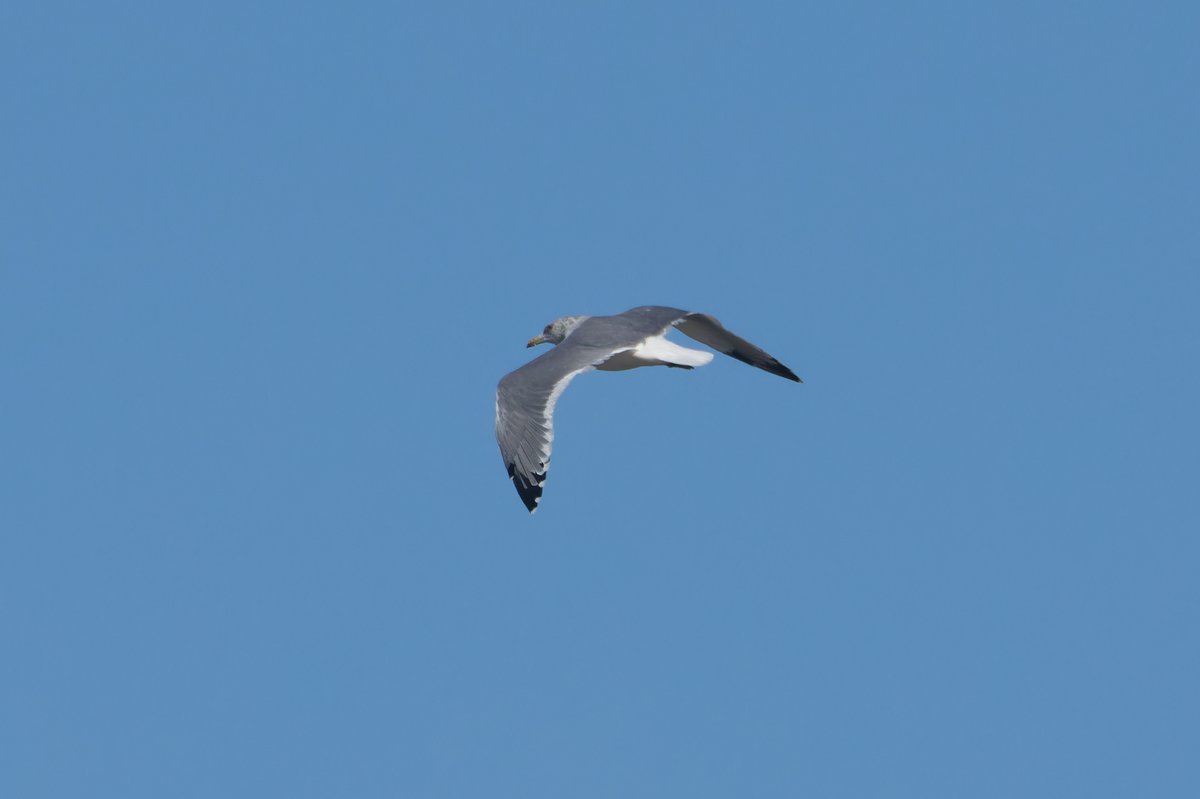
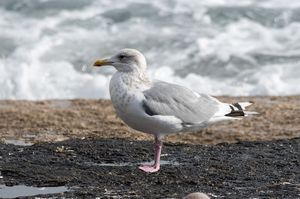
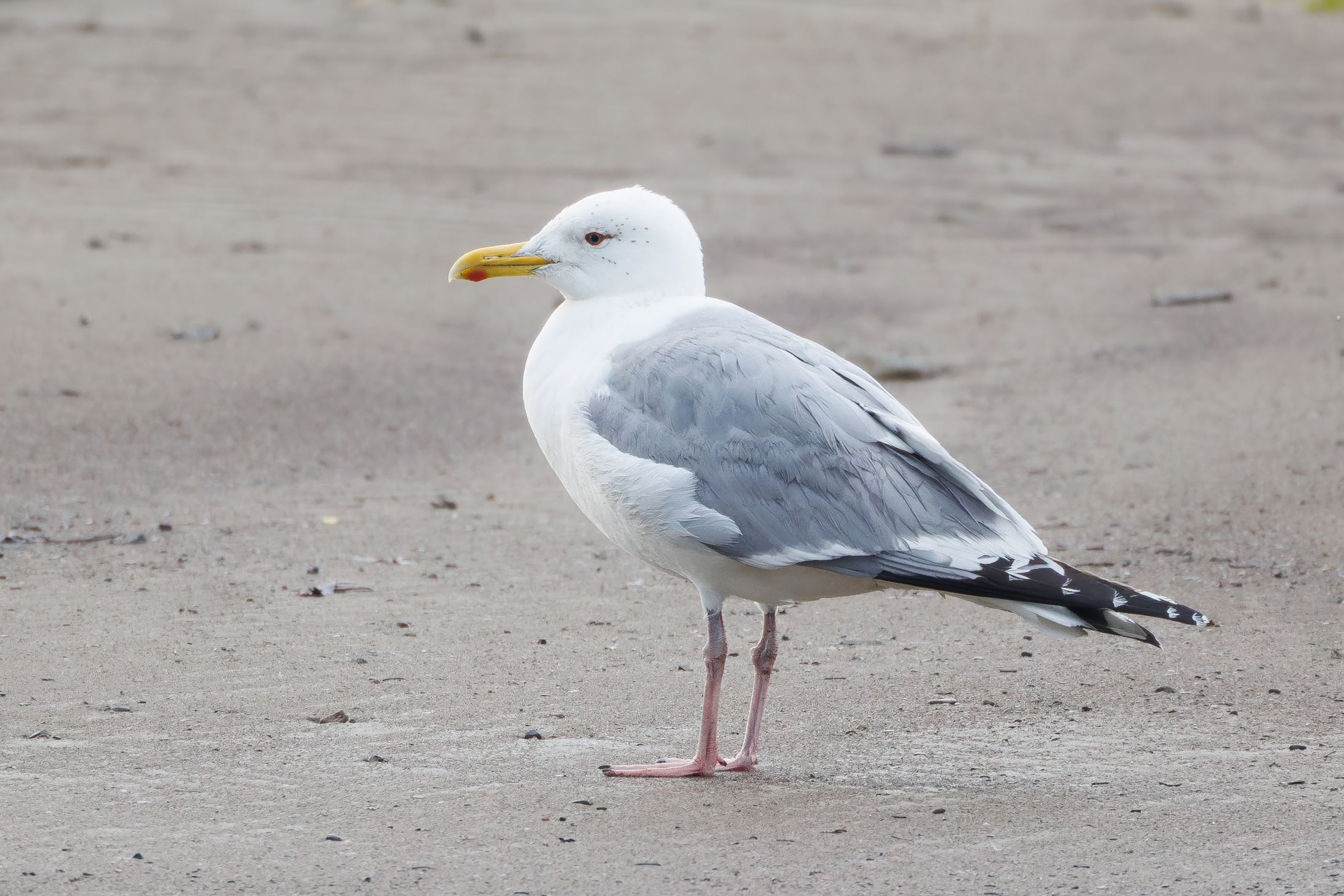
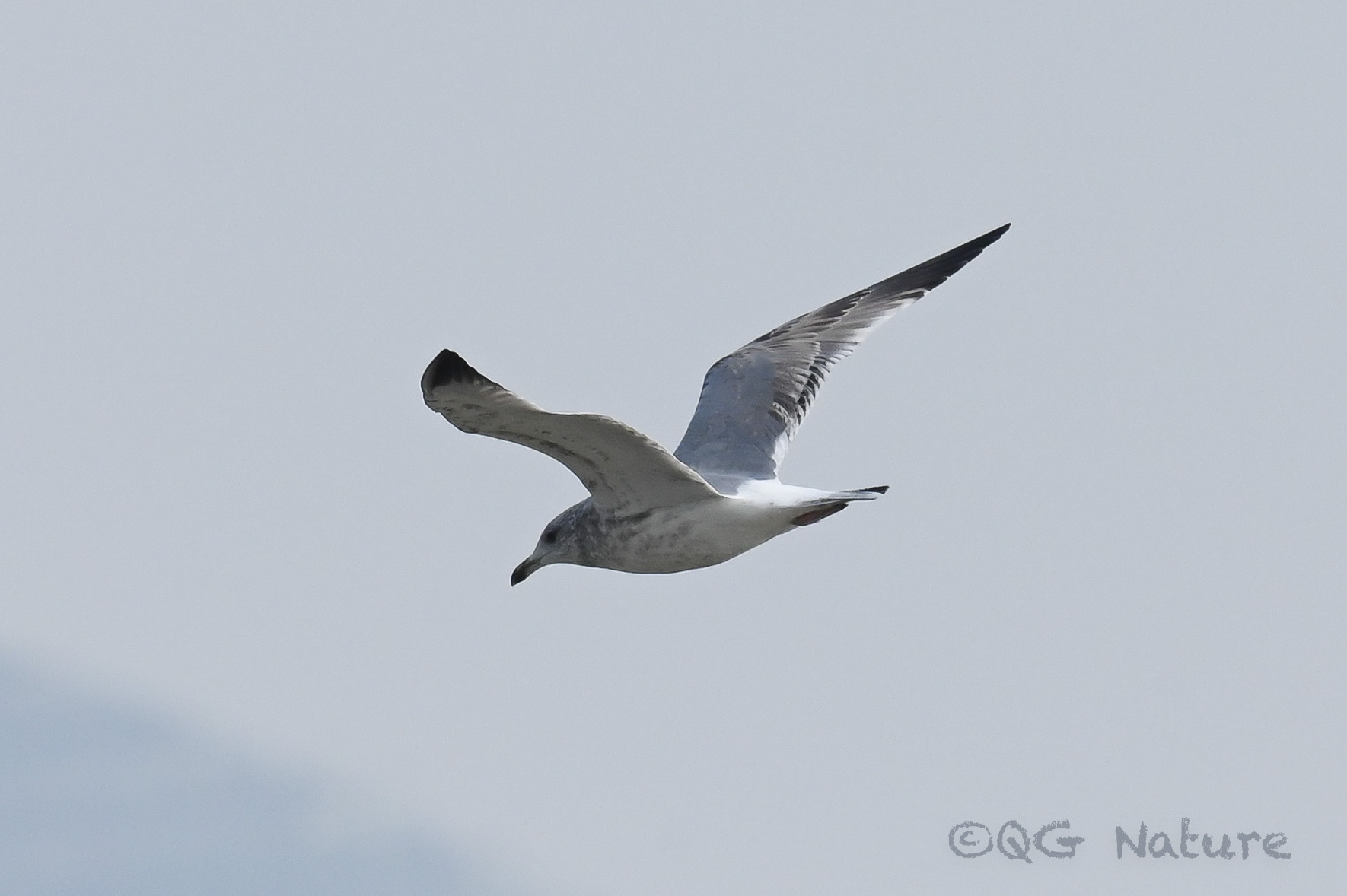
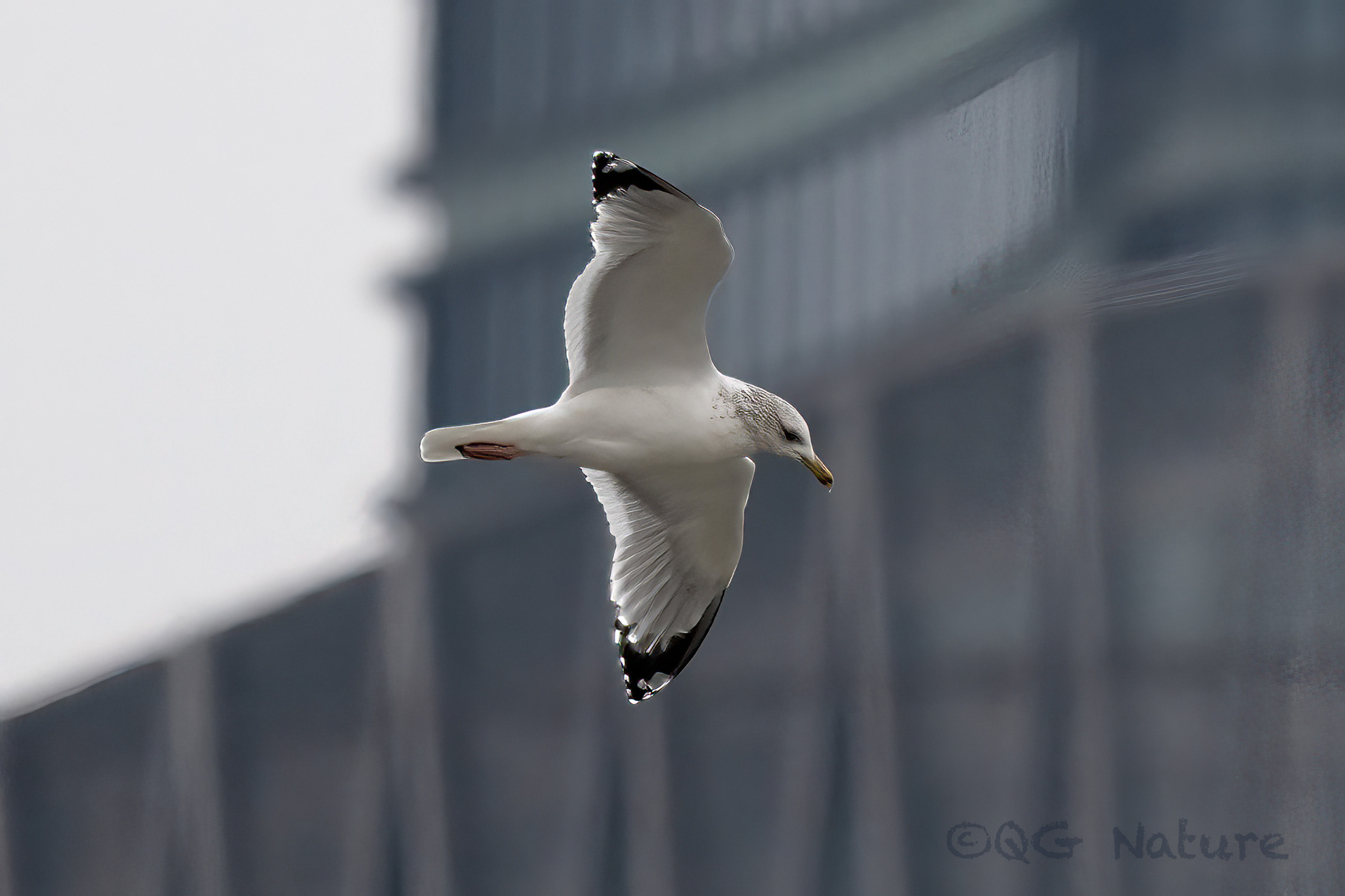
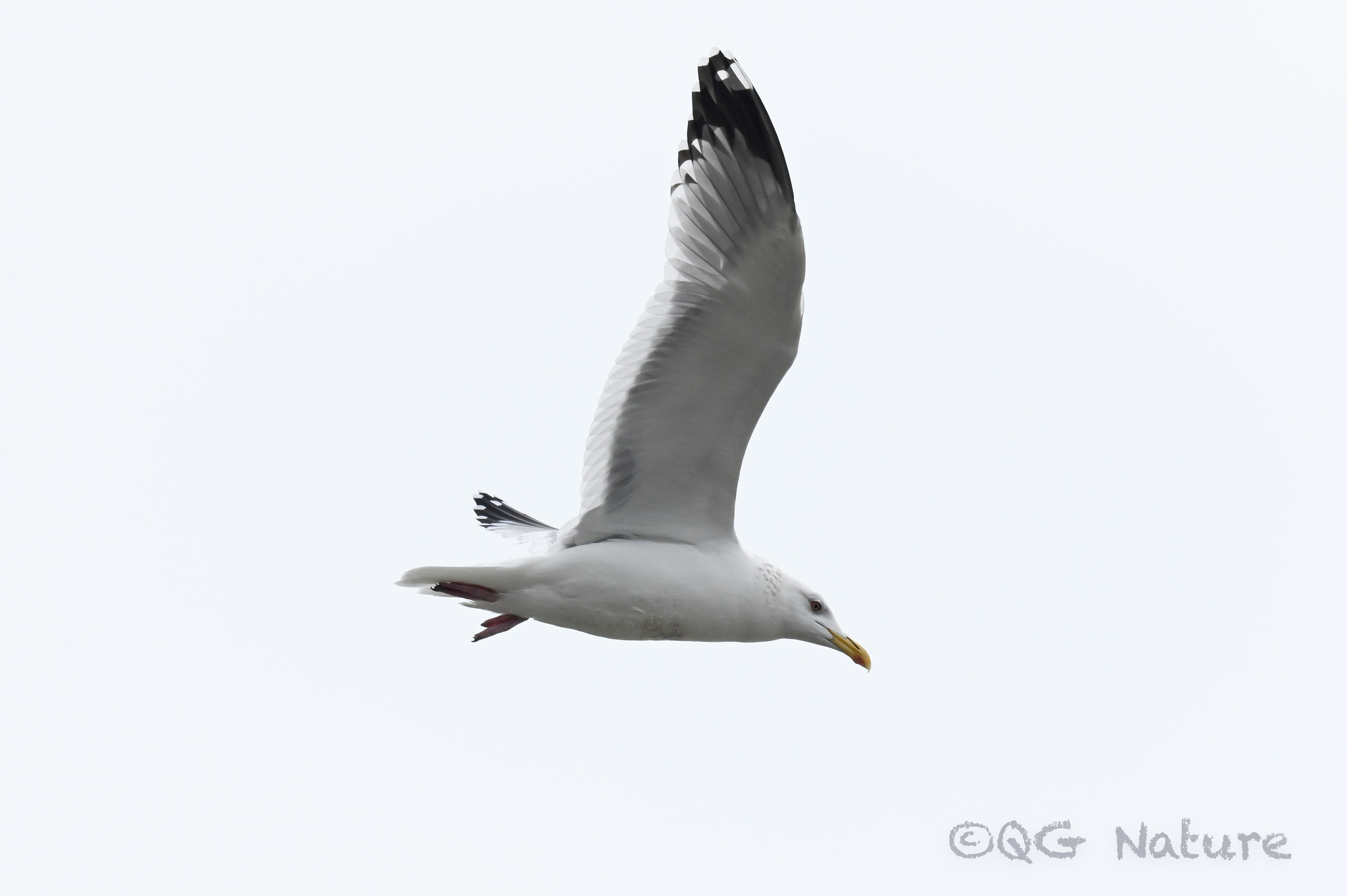
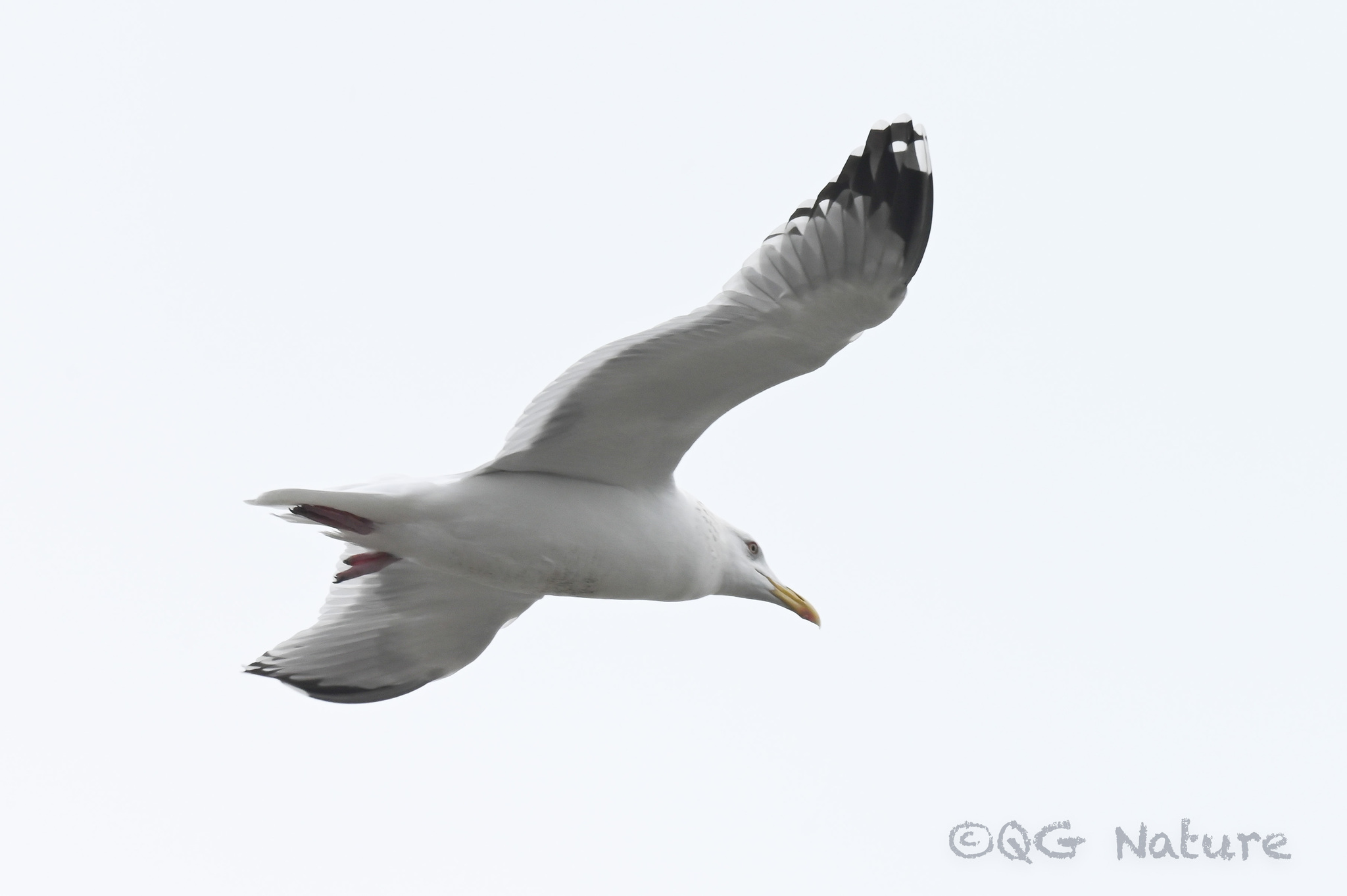
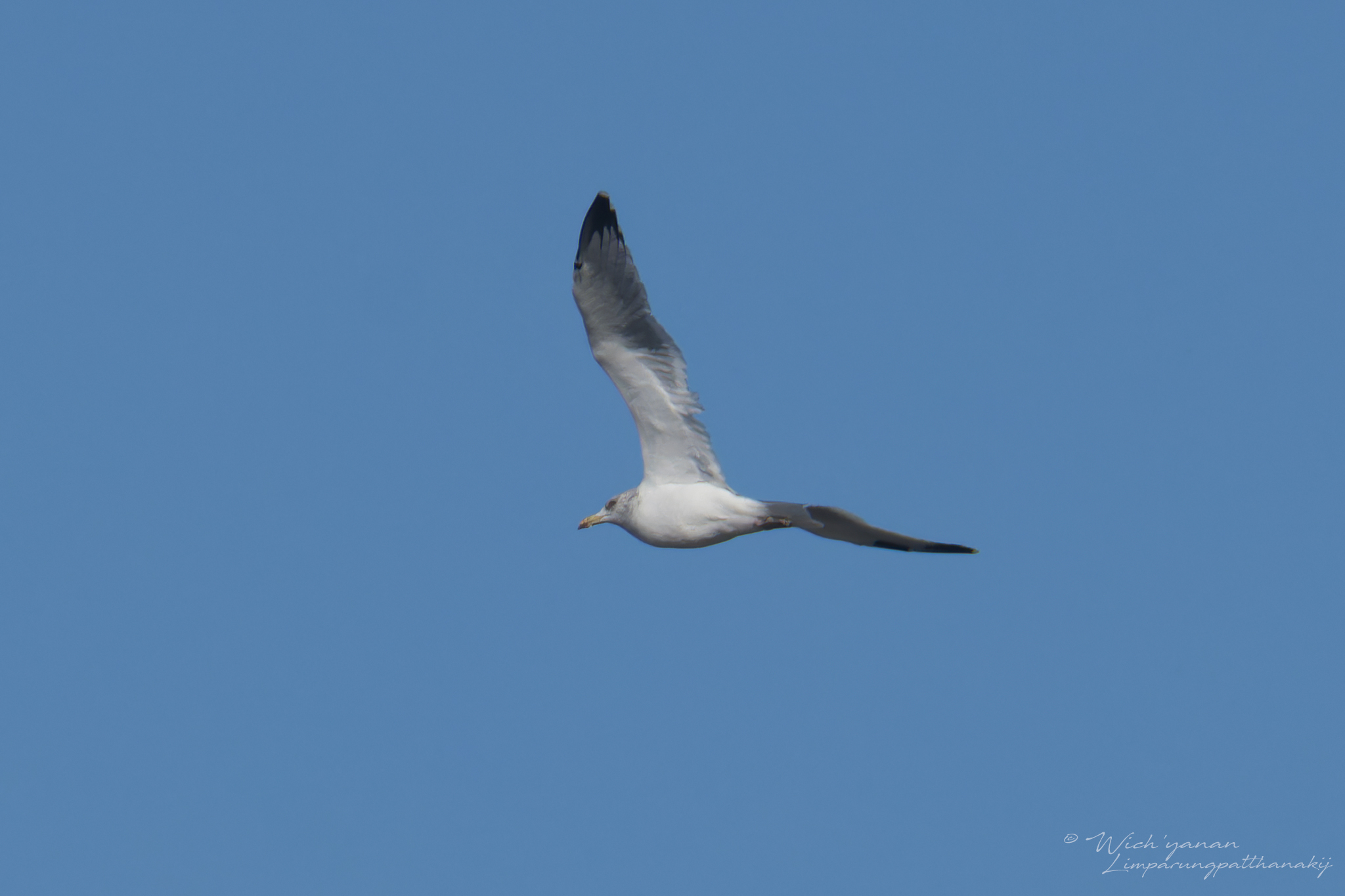
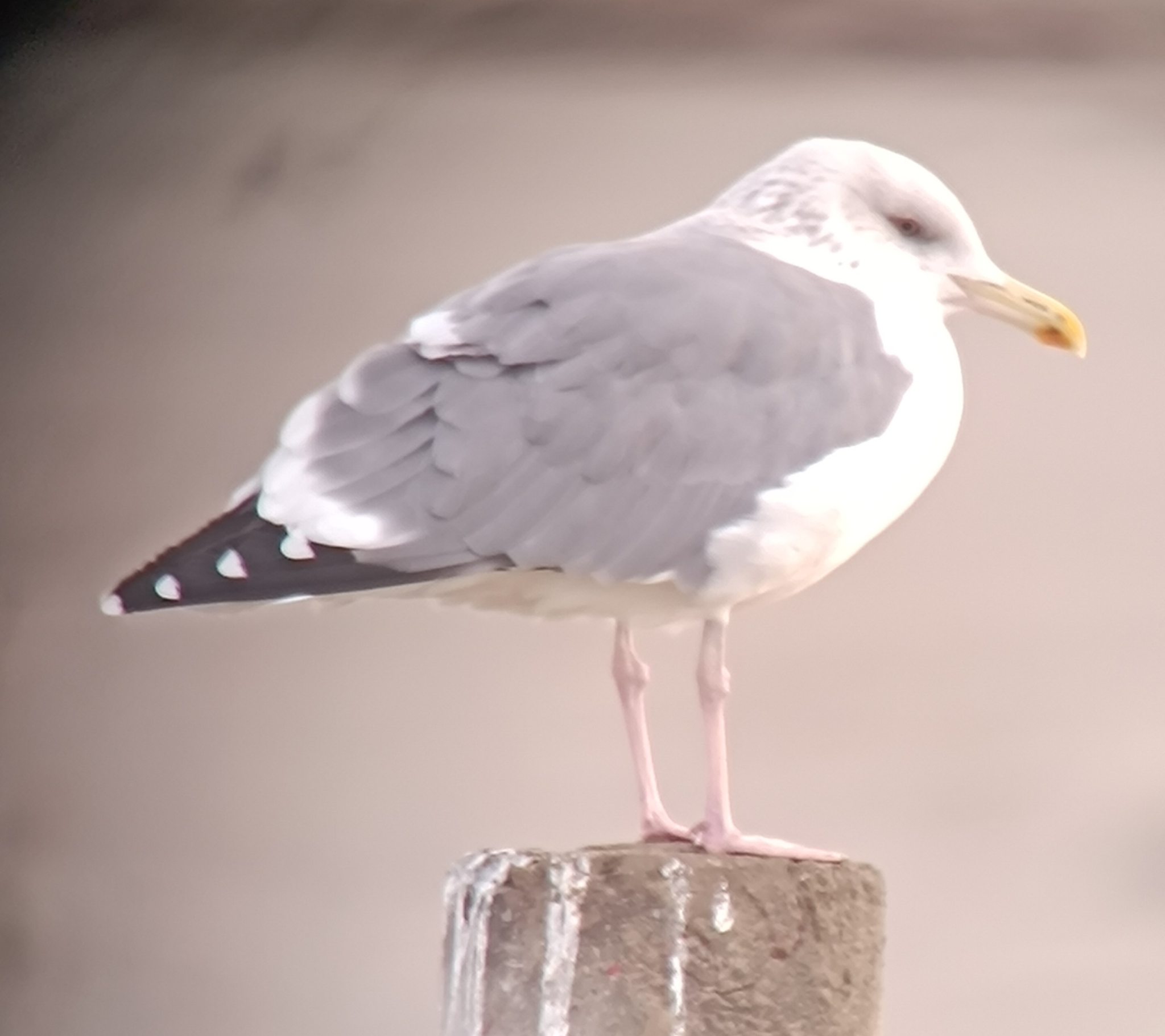
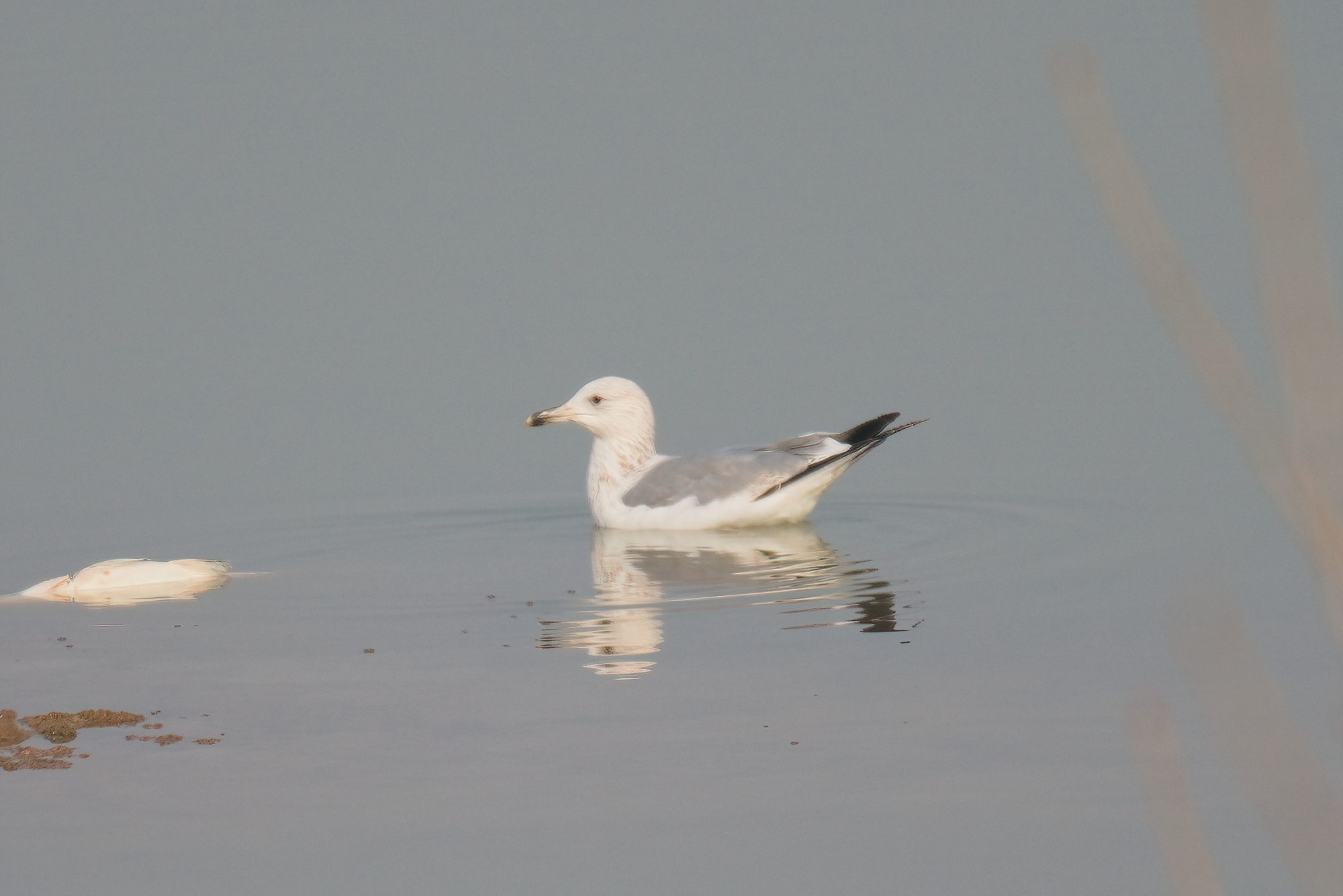
This large gull closely resembles the herring gull but displays slightly darker gray upperparts. Adults in winter show a heavily streaked brown head, with the streaking concentrated on the back and sides of the neck to form a distinctive collar pattern. The legs are characteristically bright pink. First- and second-winter birds are notably darker overall than the similar Mongolian gull, particularly on the crown of the head, and show extensive dark brown flecking and streaking across nearly the entire plumage. The eyes are variable but typically dark, surrounded by a red orbital ring. The yellow bill features a red spot in adults, while first- and second-winter birds may have bills that are almost entirely dark gray to black, with the gray portion gradually shrinking as the bird matures.
Identification
Field identification requires careful attention to several key features. The heavily streaked head forming a collar in winter plumage is a useful mark, as are the bright pink legs. Compared to the similar Mongolian gull, first- and second-winter birds are darker overall, especially on the crown. When distinguishing from the slaty-backed gull and western gull in winter, the Vega gull's upperparts are a noticeably lighter gray. The bill pattern provides age-related clues: dark bills in first- and second-winter birds gradually develop the adult yellow coloration with a red spot. The combination of pink legs, heavily streaked winter head, and medium-dark gray upperparts helps separate it from other large gull species in its range.
Distribution & Habitat
This species breeds across northeastern Siberia in remote Arctic and subarctic regions. Its migration takes it south to winter in Japan, Korea, eastern China, and Taiwan, where it favors coastal habitats including harbors, rocky shores, and river mouths. In North America, it is regularly observed on St. Lawrence Island and around Nome, Alaska, with some evidence suggesting possible breeding there. Additional records exist from other parts of western Alaska, and a handful of photo-documented sightings have occurred in Washington and California, representing the southern edge of its vagrant range.
Behavior & Ecology
Information on specific dietary habits, breeding biology, social behavior, and vocalizations was not provided in the source article.
Conservation
Information on conservation status, population trends, and threats was not provided in the source article.
Culture
Information on cultural significance or folklore was not provided in the source article.
Source: Wikipedia · CC BY-SA 3.0
Taxonomy
- Order
- Charadriiformes
- Family
- Laridae
- Genus
- Larus
- eBird Code
- veggul1
Distribution
breeds Arctic central and eastern Siberia from Taymyr eastward to Chukotka, New Siberian Islands, and St. Lawrence Island (Bering Sea); winters mostly to rocky coasts of Japan, Korean Peninsula, and eastern China
Data Sources
Species description from Wikipedia, licensed under CC BY-SA 3.0.
Bird images and sounds sourced from GBIF, contributed by citizen scientists worldwide under Creative Commons licenses.
Taxonomy data from AviList 2025.