Charadriiformes / Laridae / Larus
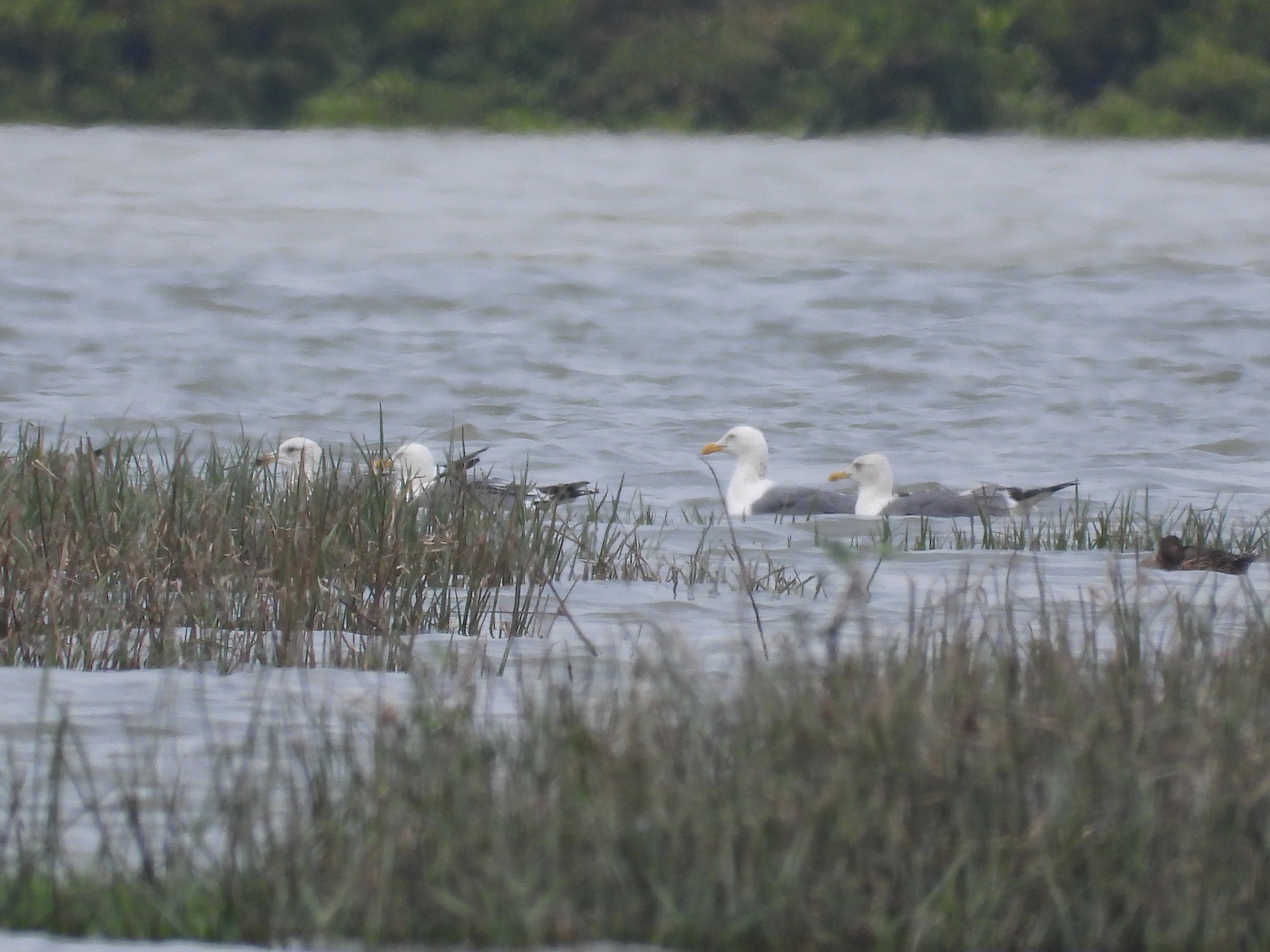
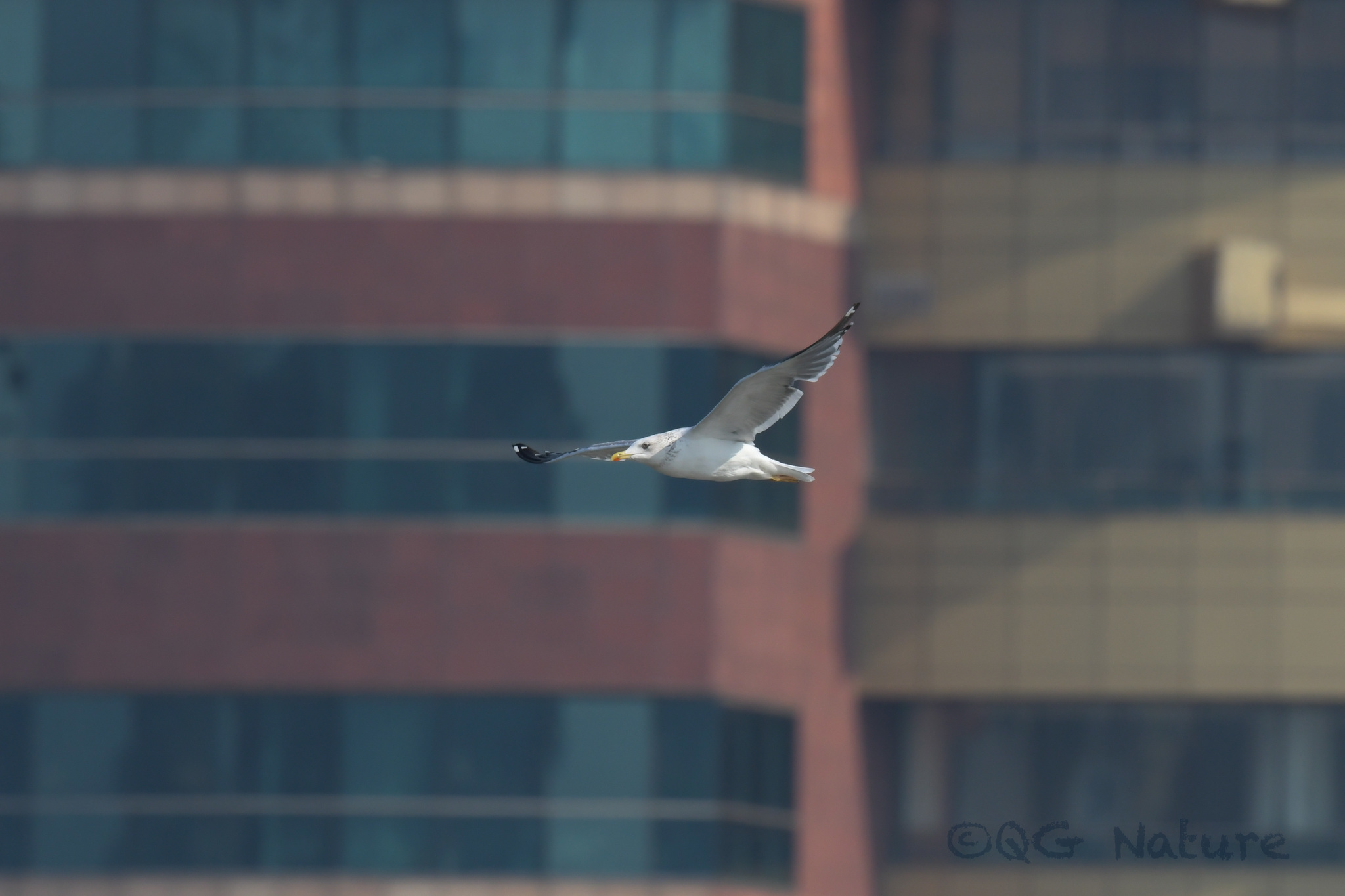
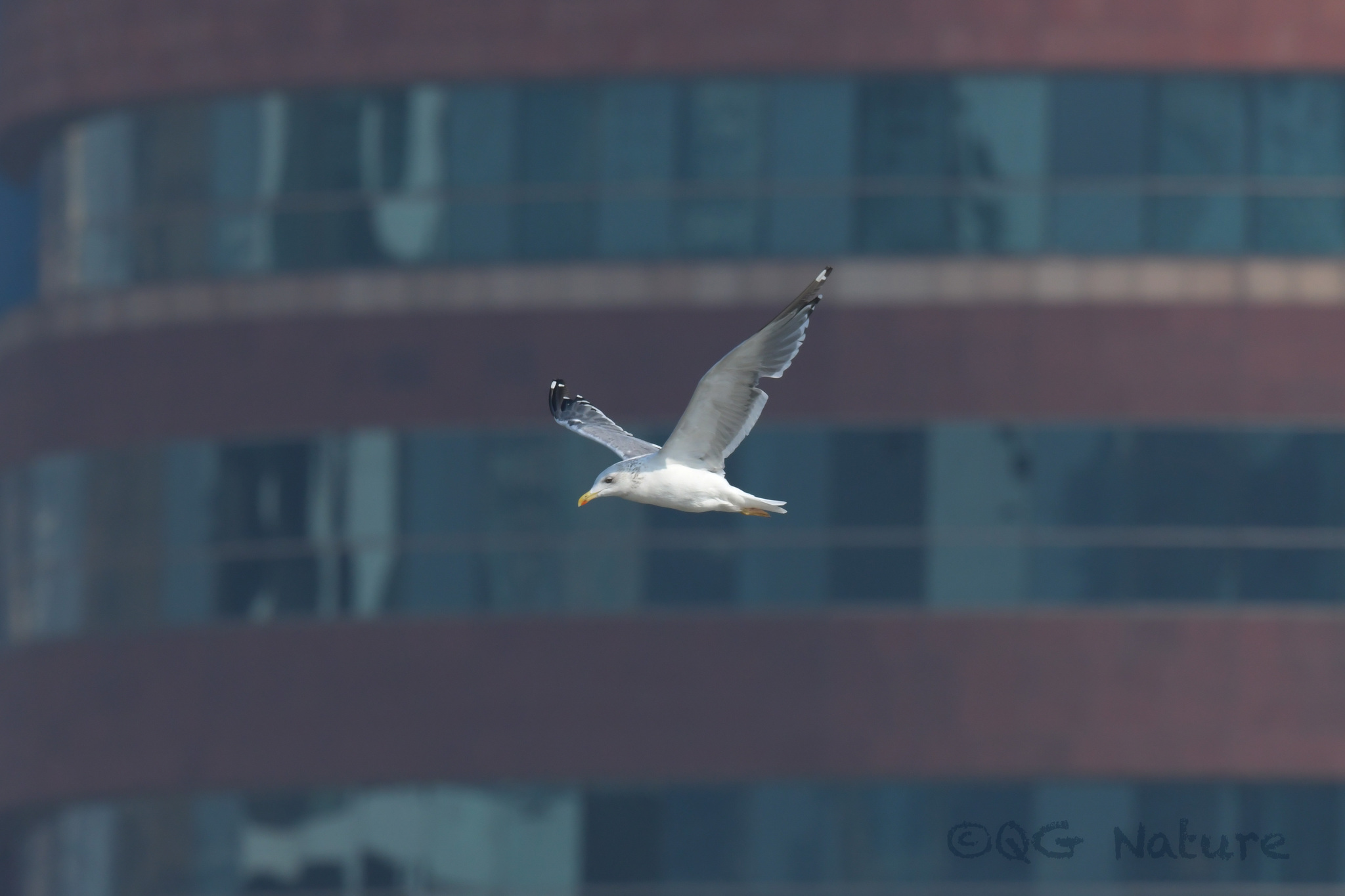
Lesser Black-backed Gull
Larus fuscus · 小黑背银鸥
Introduction
A large gull breeding on the Atlantic and Arctic coasts of Europe. It is migratory, wintering from the British Isles south to West Africa, but has increased dramatically in North America, where it now occurs year-round along the east coast. Serious concern exists regarding population decline in many parts of its range.
Description
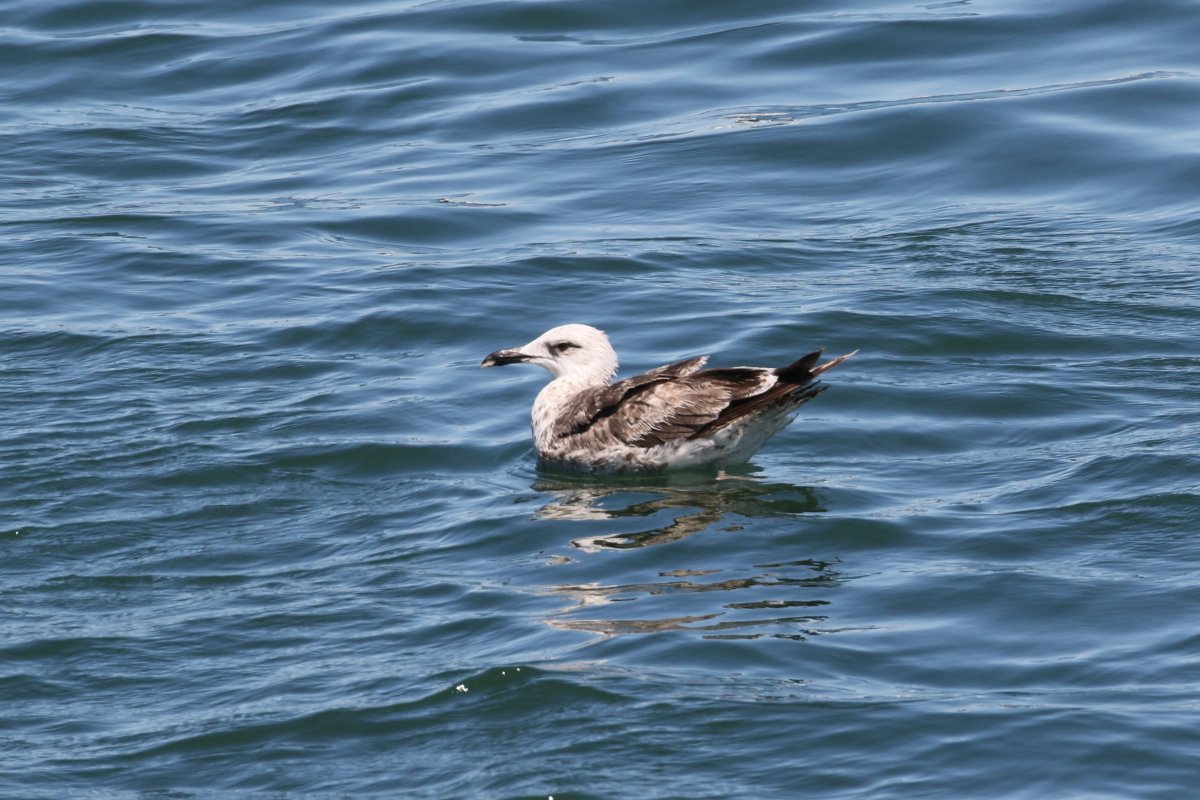
Measures 51–64 cm (20–25 in) in length, with a wingspan of 124–150 cm (49–59 in) and weight of 452–1,100 g (0.996–2.425 lb). Males average 824 g, slightly larger than females at 708 g. Wing chord is 38–45 cm, bill 4.2–5.8 cm, and tarsus 5.2–6.9 cm. Adults have black or dark grey wings and back, depending on subspecies. The bill is yellow with a red spot. Legs are yellow. Juveniles have scaly black-brown upperparts and take four years to reach maturity.
Identification
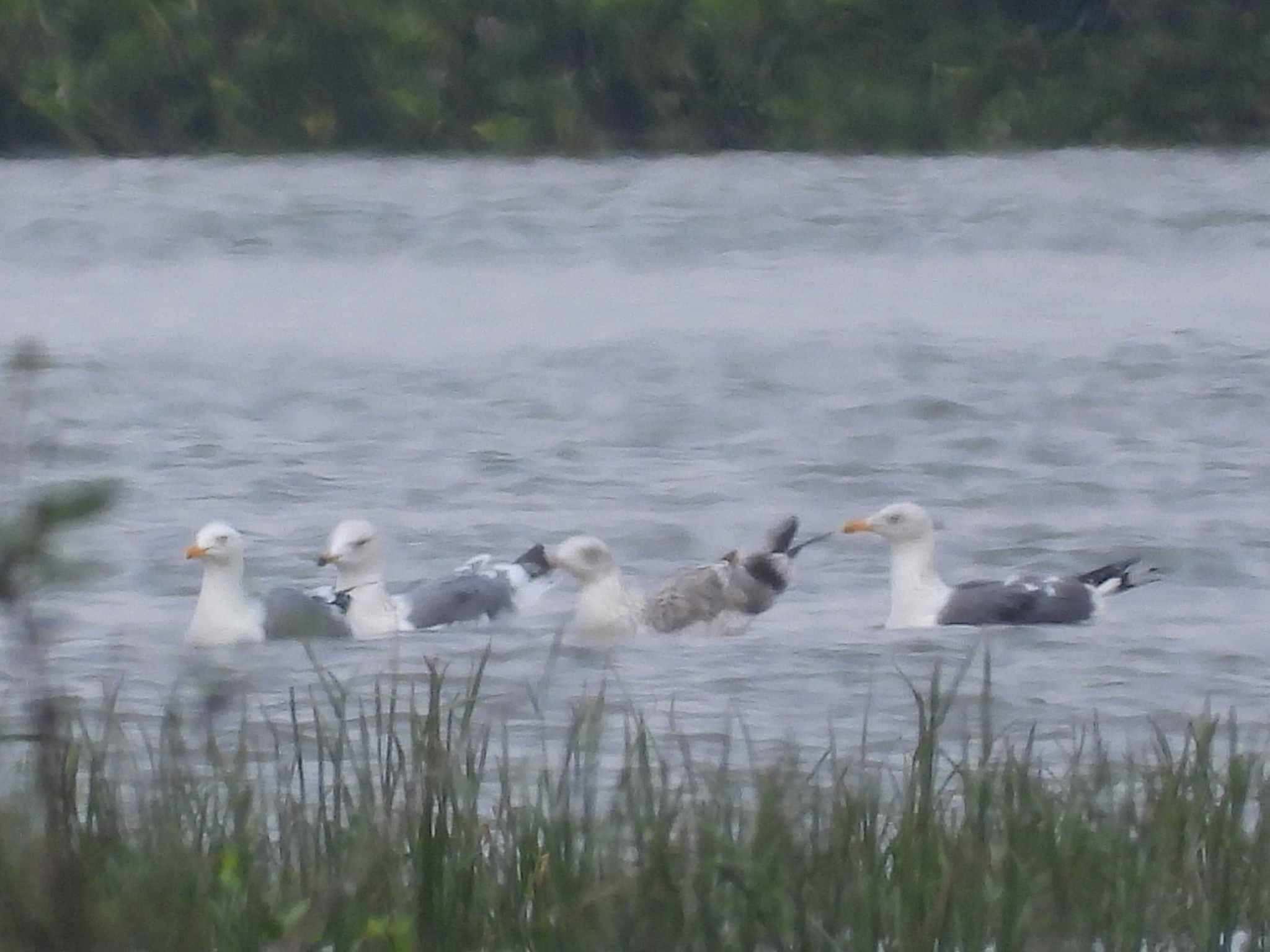
Smaller than the European herring gull with a slimmer build. Distinguished from the great black-backed gull by smaller size, yellow legs (rather than pinkish), smaller white wing-tip mirrors, and greyer head in winter. Juveniles are identified by solidly dark, unbarred tertial feathers. Call is a laughing cry similar to the herring gull but with a markedly deeper pitch.
Distribution & Habitat
Breeds on Atlantic and Arctic coasts of Europe. Migratory, wintering from the British Isles to West Africa. Range has expanded westwards, colonizing Greenland in the 1980s. In North America, formerly just a winter visitor, it now occurs in large numbers some winters and is recorded year-round, especially along the east coast. Has not yet bred in the United States, though hybrid pairs with American herring gulls have been recorded twice.
Behavior & Ecology
Breeds colonially on coasts, lakes, and in urban environments, often associating with herring gulls. Nests are lined and placed on the ground or cliffs; normally three eggs are laid. Omnivorous diet includes fish, insects, crustaceans, worms, starfish, molluscs, seeds, berries, small mammals, eggs, small birds, chicks, scraps, offal, and carrion. Young peck at the red spot on the adult's bill to induce feeding.
Source: Wikipedia · CC BY-SA 3.0
Taxonomy
- Order
- Charadriiformes
- Family
- Laridae
- Genus
- Larus
Vocalizations
Subspecies (5)
-
Larus fuscus barabensis
breeds steppes of west-central Asia from southeastern Ural Mountains to western Siberia and northern Kazakhstan; winters to coasts of Persian Gulf, Gulf of Oman, and Arabian Sea
Data Sources
CBR Notes: 中文名由小黑背银鸥恢复为小黑背鸥
Species description from Wikipedia, licensed under CC BY-SA 3.0.
Bird images and sounds sourced from GBIF, contributed by citizen scientists worldwide under Creative Commons licenses.
Taxonomy data from AviList 2025.