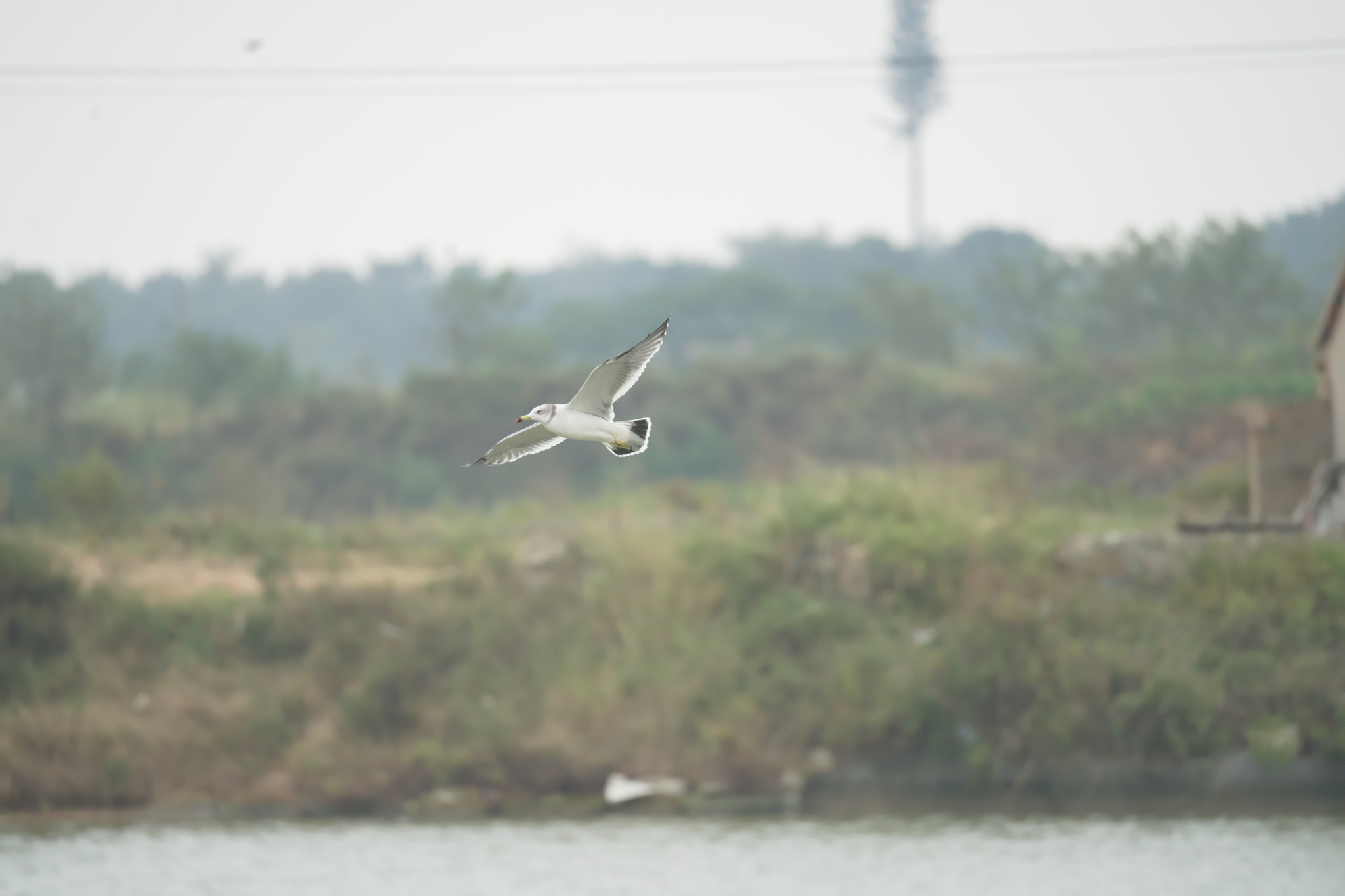
Charadriiformes / Laridae / Larus
Black-tailed Gull
Larus crassirostris · 黑尾鸥
Introduction
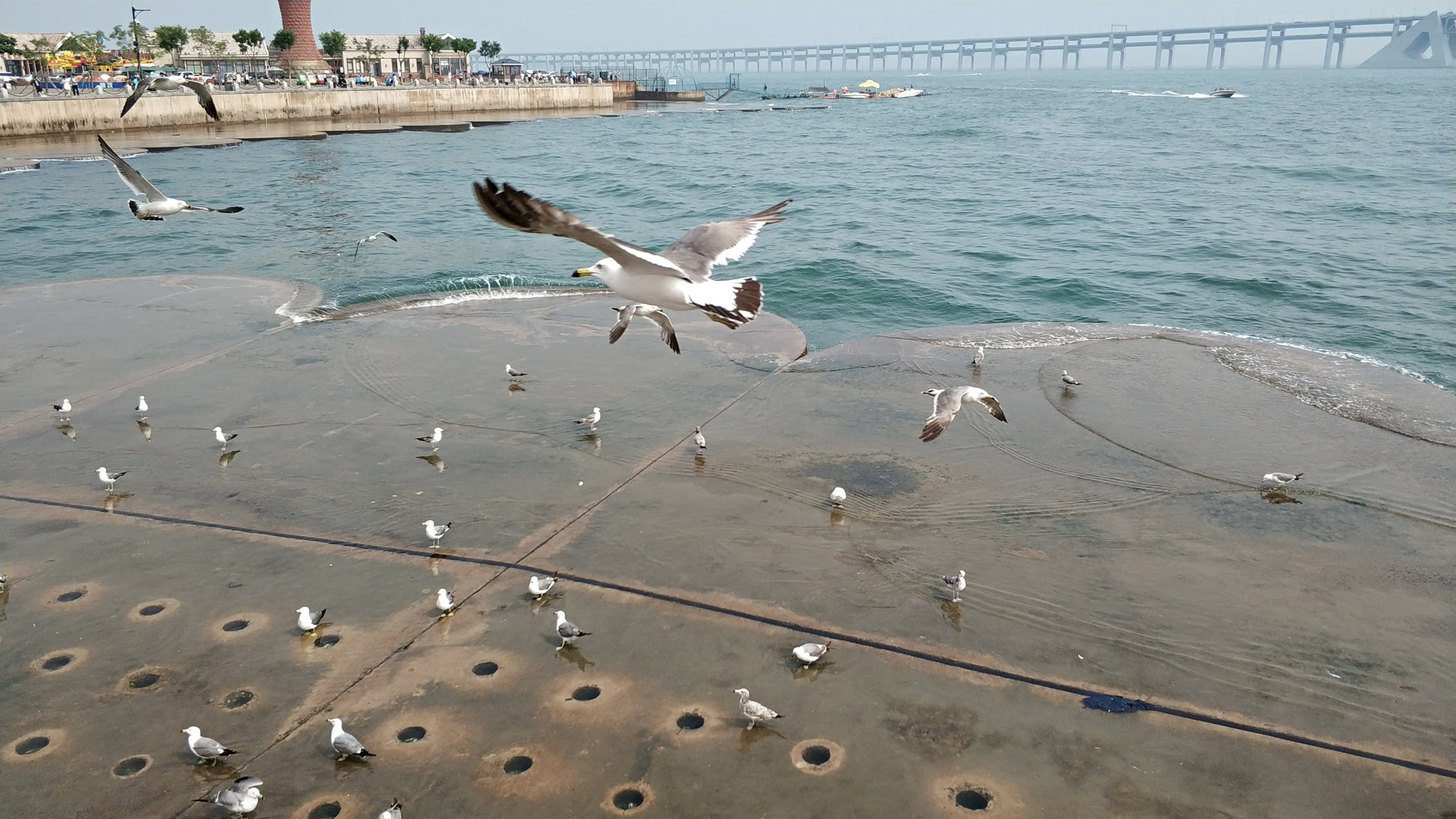
A medium-sized gull native to the shorelines of East Asia. It is a colonial nester that feeds mainly on small fish, molluscs, crustaceans, scraps, and carrion. The species is known for its cat-like call and follows ships and commercial fishing fleets.
Description
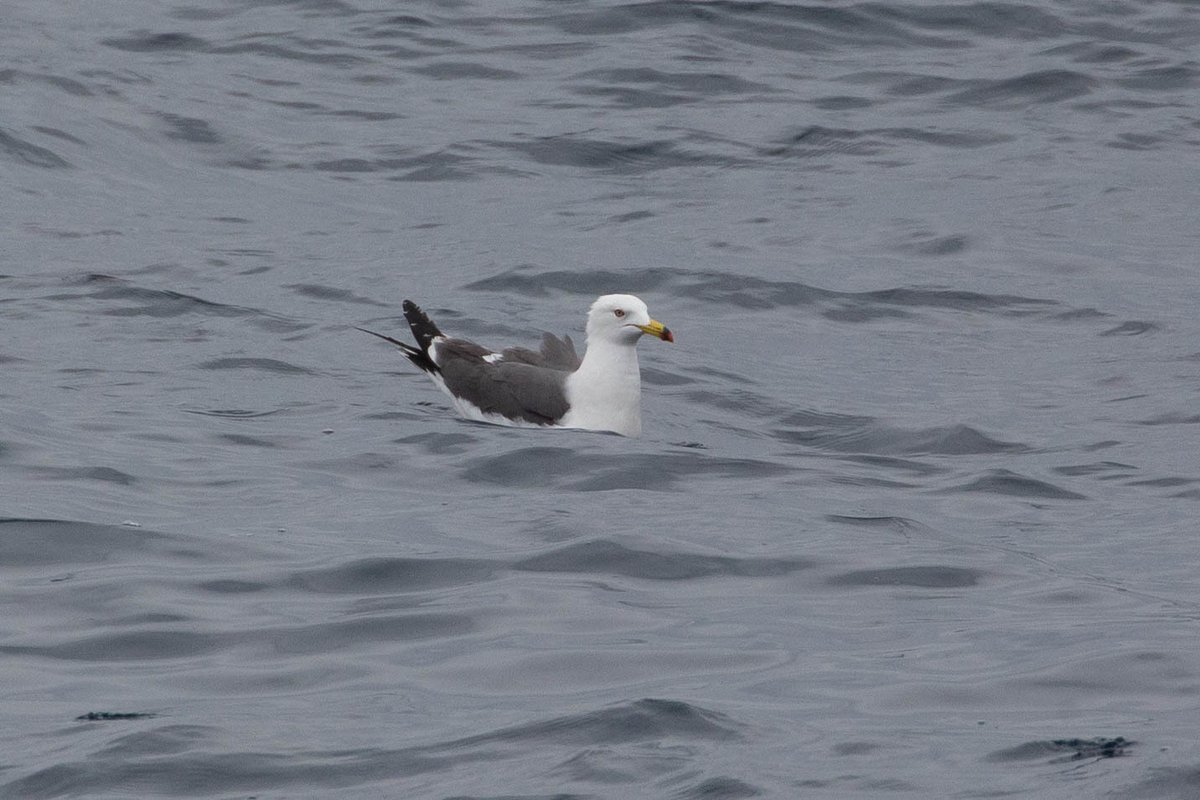
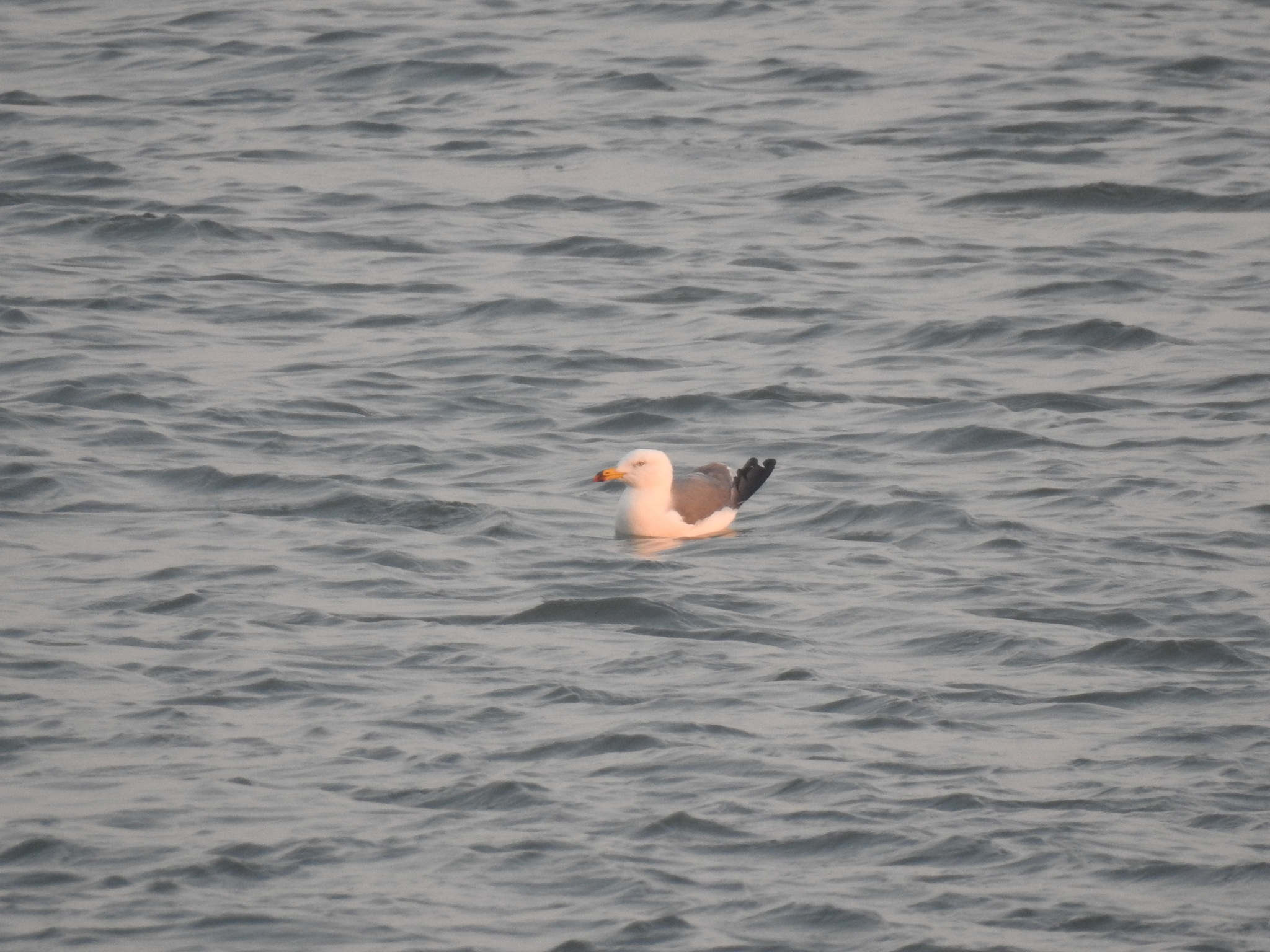
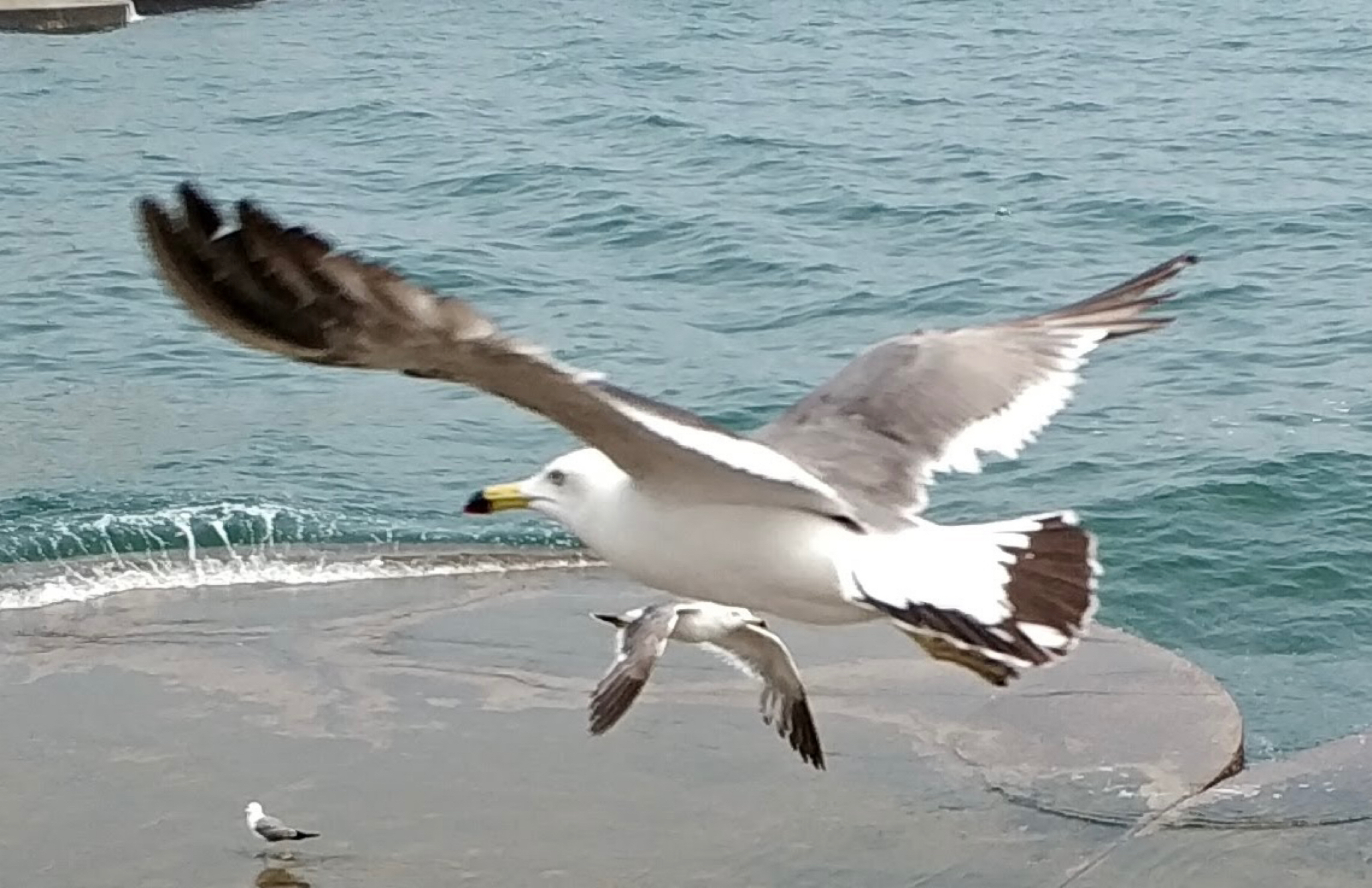
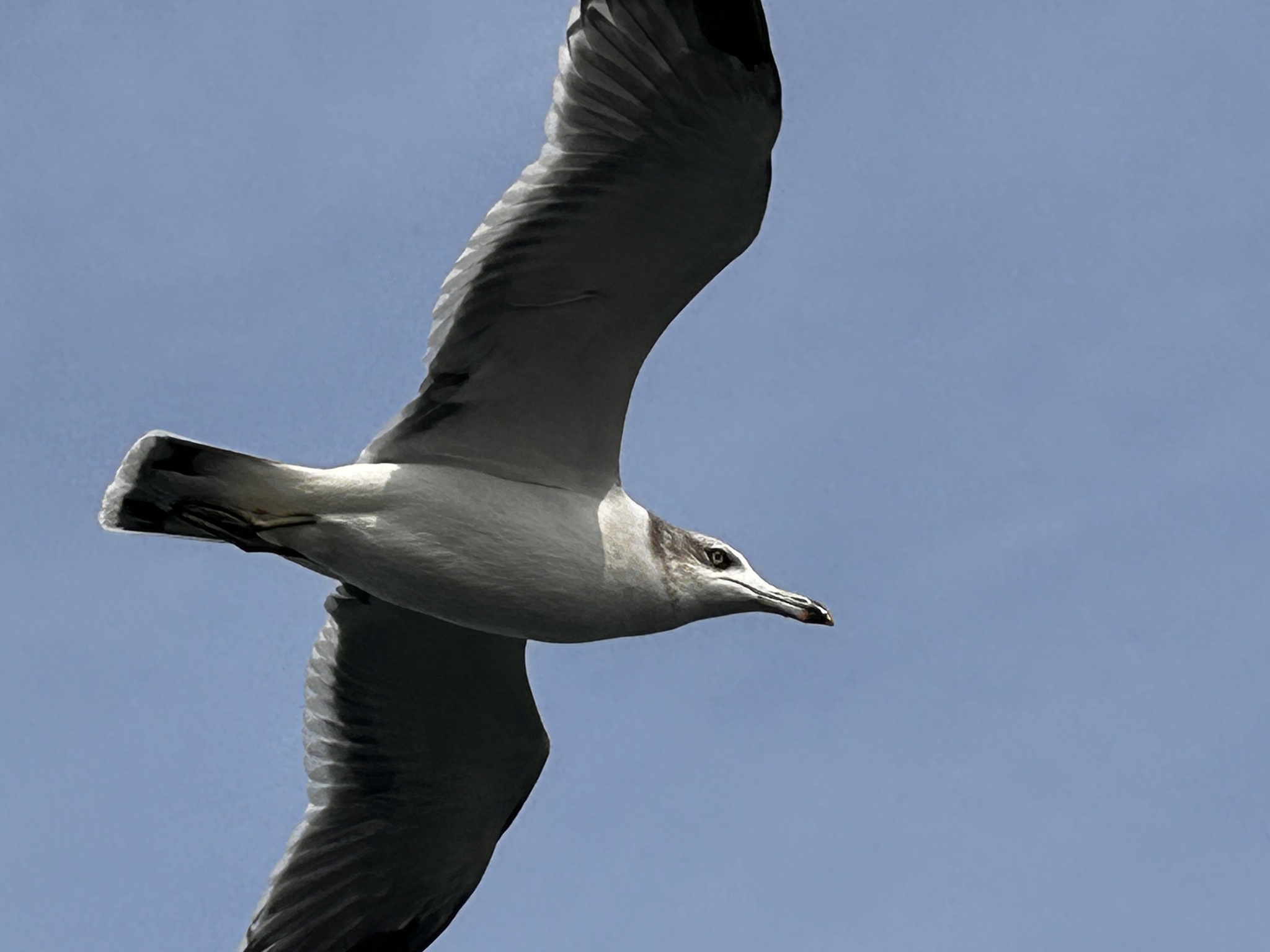
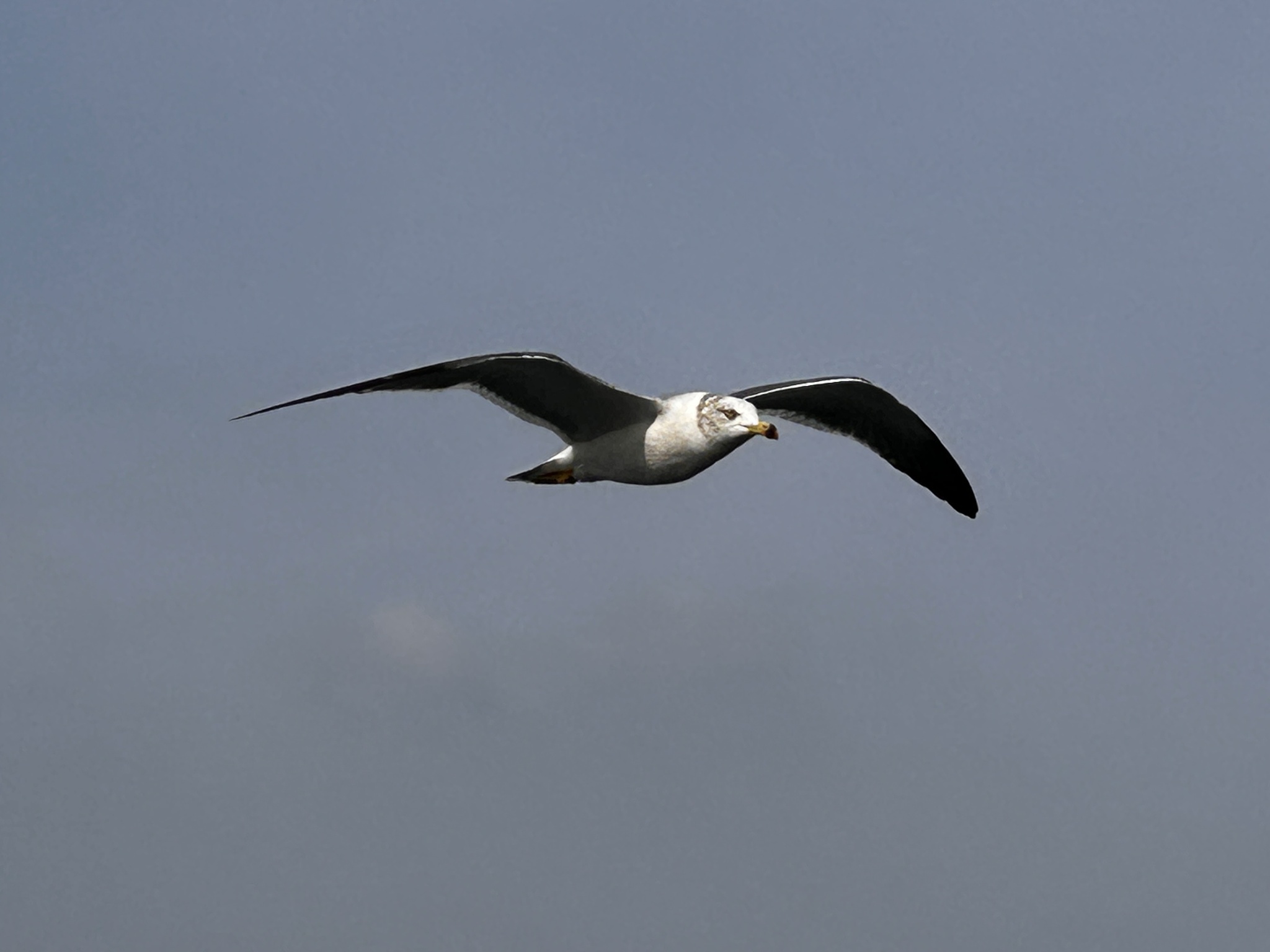
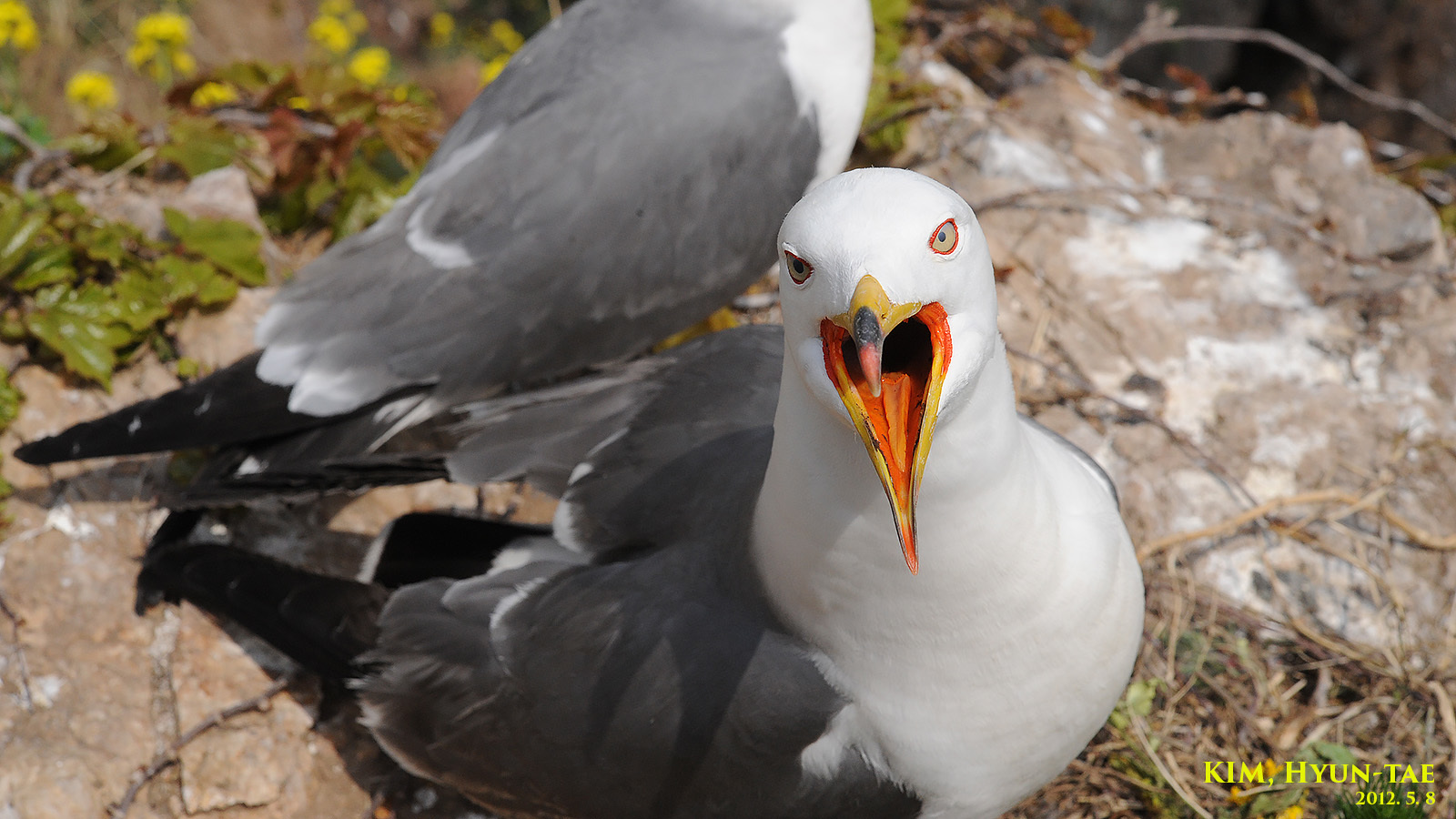
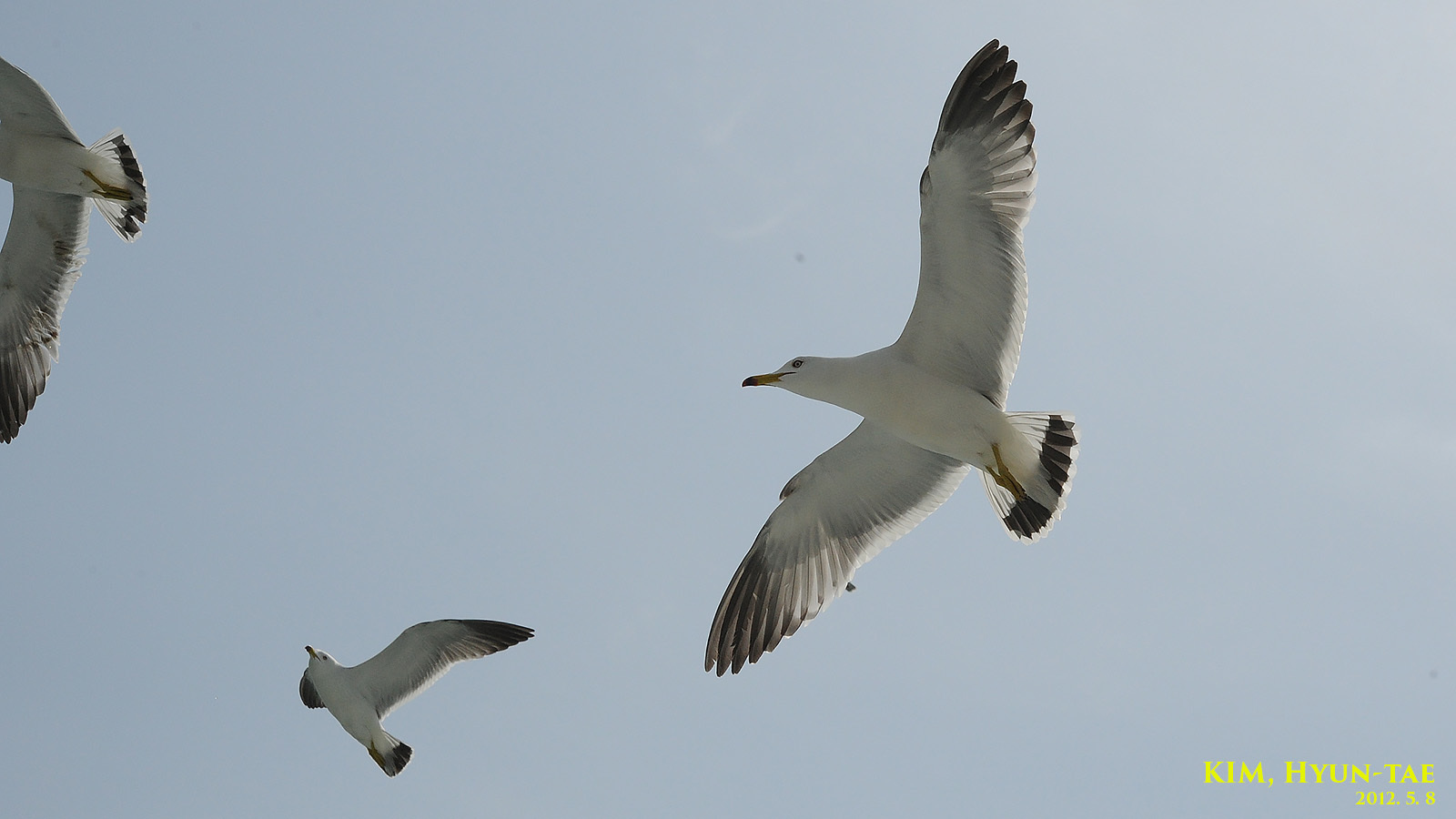
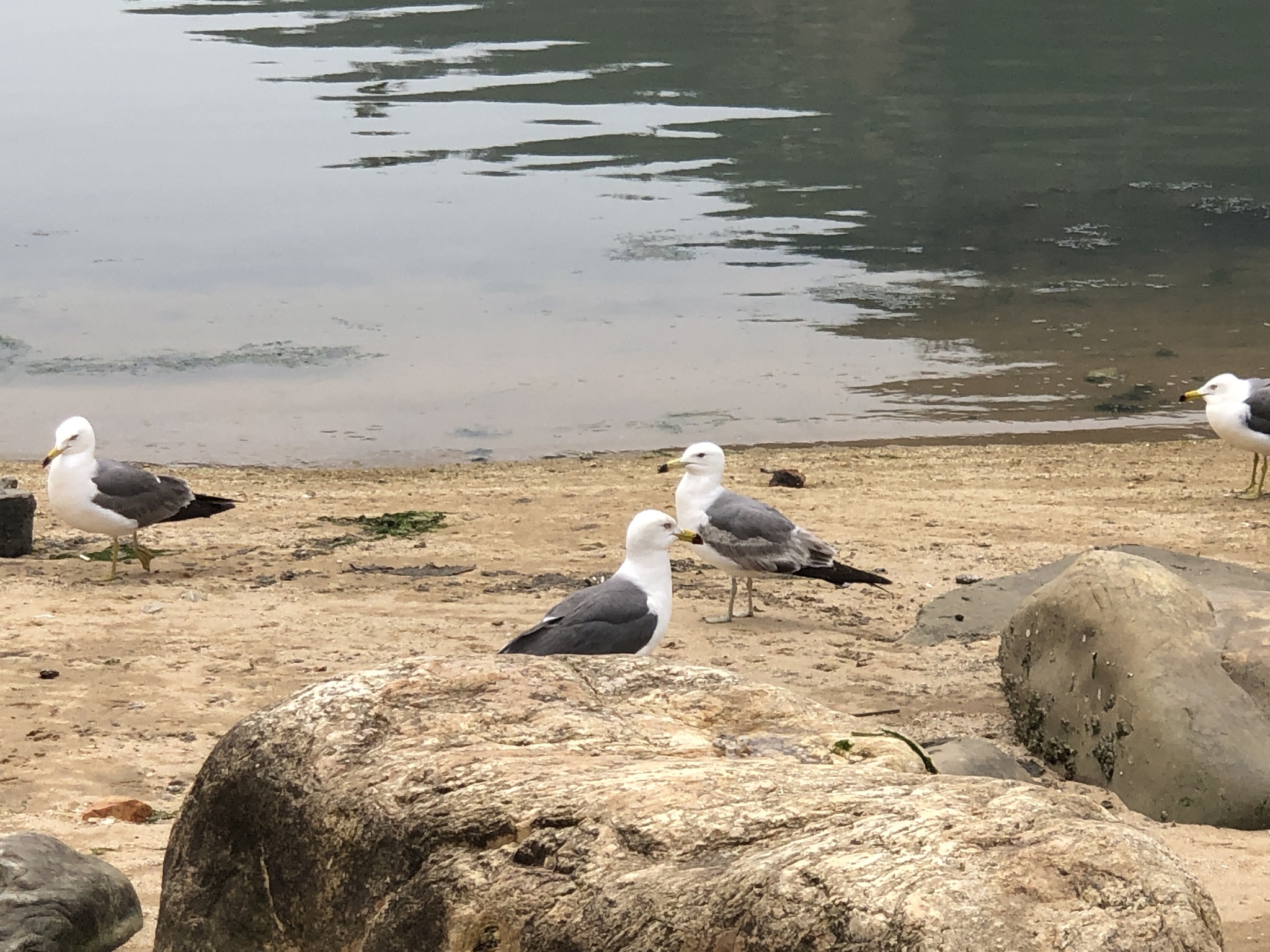
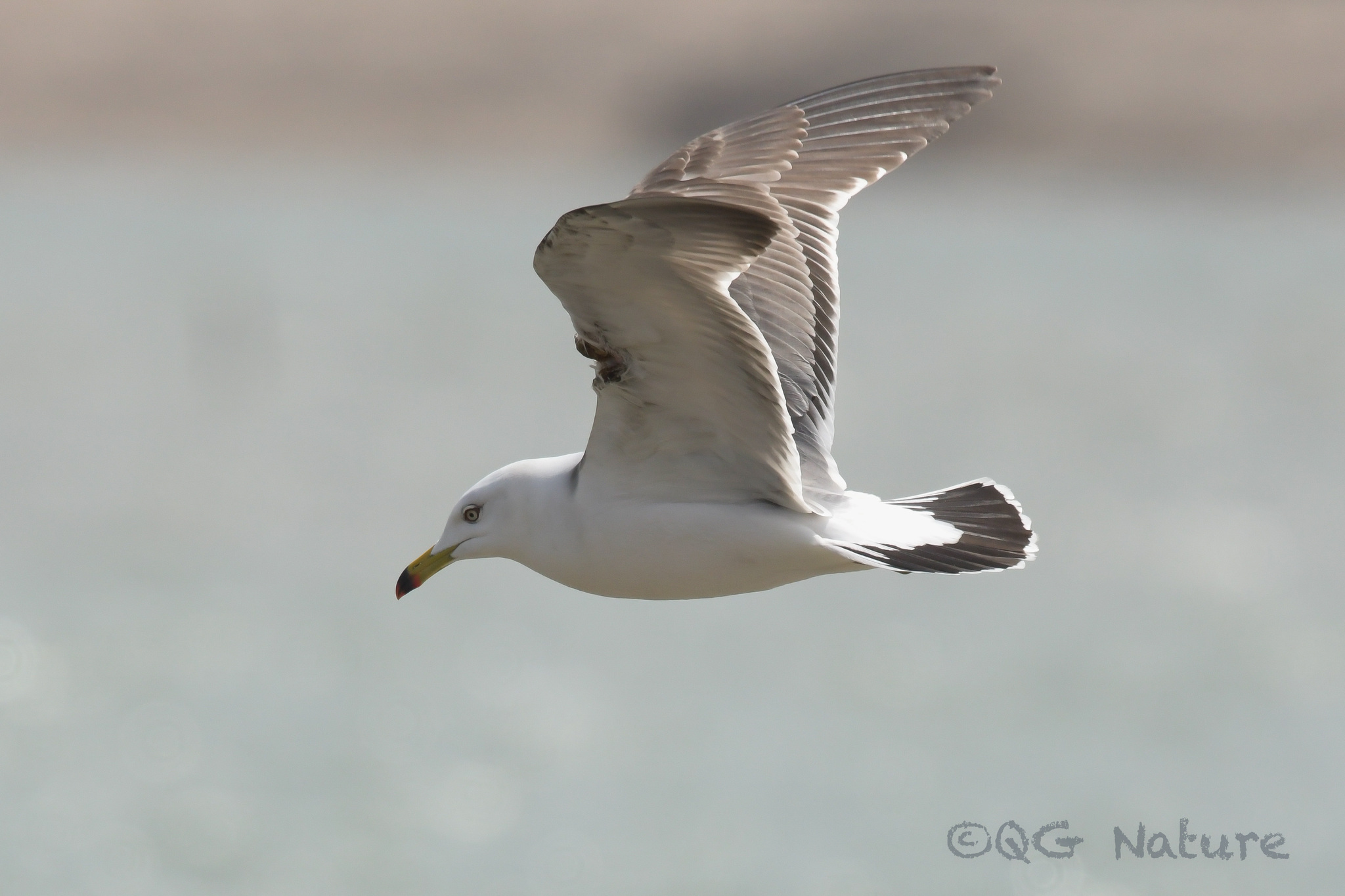
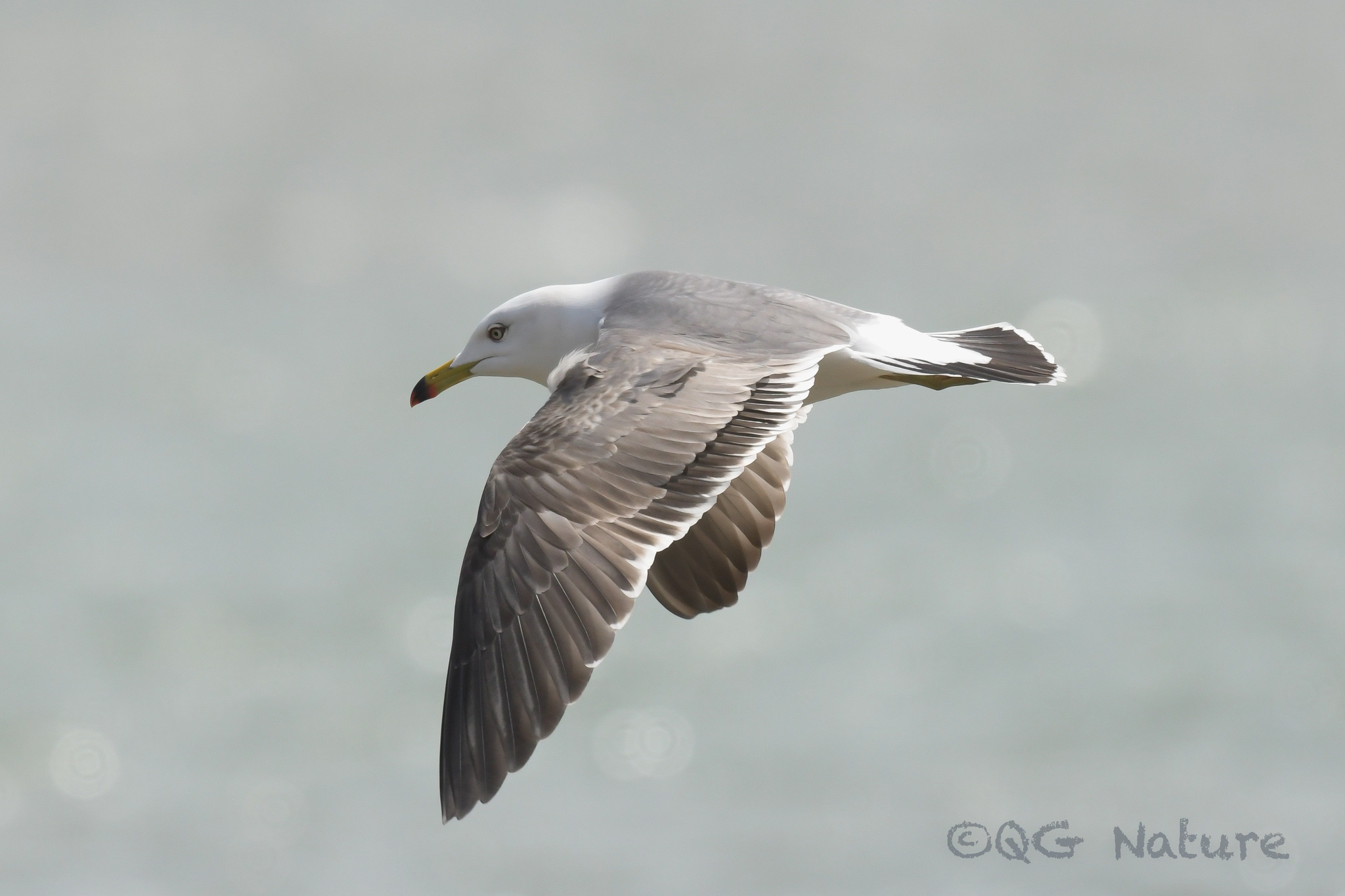
Medium-sized with a body length of 46 cm (19 inches) and a wingspan of 126–128 cm (49.6–50.3 inches). It has yellow legs, a black tail, and a red and black spot at the end of the bill. Males and females have identical plumage, though males are larger. Full adult plumage is reached in four years.
Identification
Distinguished by its black tail and the red and black spot on the bill. Produces a distinctive cat-like call ('mew call') used frequently for contact. Uses more than 10 different sounds for communication, including alarm and aggressive calls.
Distribution & Habitat
Resident to coastlines of the East China Sea, Japan, Manchuria, and the Kuril Islands. Common in Japan, nesting from Hokkaido to Western Kyushu, with large colonies at Kabushima, Fumi-shima, and Teuri Island. Common on Korean shorelines and islands, including Liancourt Rocks, Nando, and Hongdo. Vagrant to Alaska, North America (including Vermont and Illinois), and the Philippines.
Behavior & Ecology
Feeds on small fish, molluscs, crustaceans, scraps, and carrion; diet analysis in Korea showed 19.1% fish, 3.3% crustaceans, and 3.3% land insects. Often follows ships and steals food from other seabirds. Colonial nester forming colonies in mid-April; lays 2–3 eggs by early June with an incubation period of approximately 24 days. Young recognize parents and siblings via voice and visual cues 10–15 days after hatching.
Culture
In Japan, revered as a messenger of the goddess of the fishery at Kabushima Shrine since 1269; the site is a National Natural Monument hosting over 40,000 nesting birds. Its call is one of the 100 Soundscapes of Japan. In Korea, it was chosen as a mascot for Liancourt Rocks in 2008.
Source: Wikipedia · CC BY-SA 3.0
Taxonomy
- Order
- Charadriiformes
- Family
- Laridae
- Genus
- Larus
Distribution
breeds coasts and islets of eastern Siberia to Kuril Islands (southeastern Russia), Hokkaido and Honshu (northern and central Japan), Korean Peninsula, eastern China, and Matsu Island (off Taiwan); winters to southward, some reaching southern Vietnam and Philippines
Vocalizations
Data Sources
Species description from Wikipedia, licensed under CC BY-SA 3.0.
Bird images and sounds sourced from GBIF, contributed by citizen scientists worldwide under Creative Commons licenses.
Taxonomy data from AviList 2025.