Passeriformes / Laniidae / Lanius
Long-tailed Shrike
Lanius schach · 棕背伯劳
Introduction
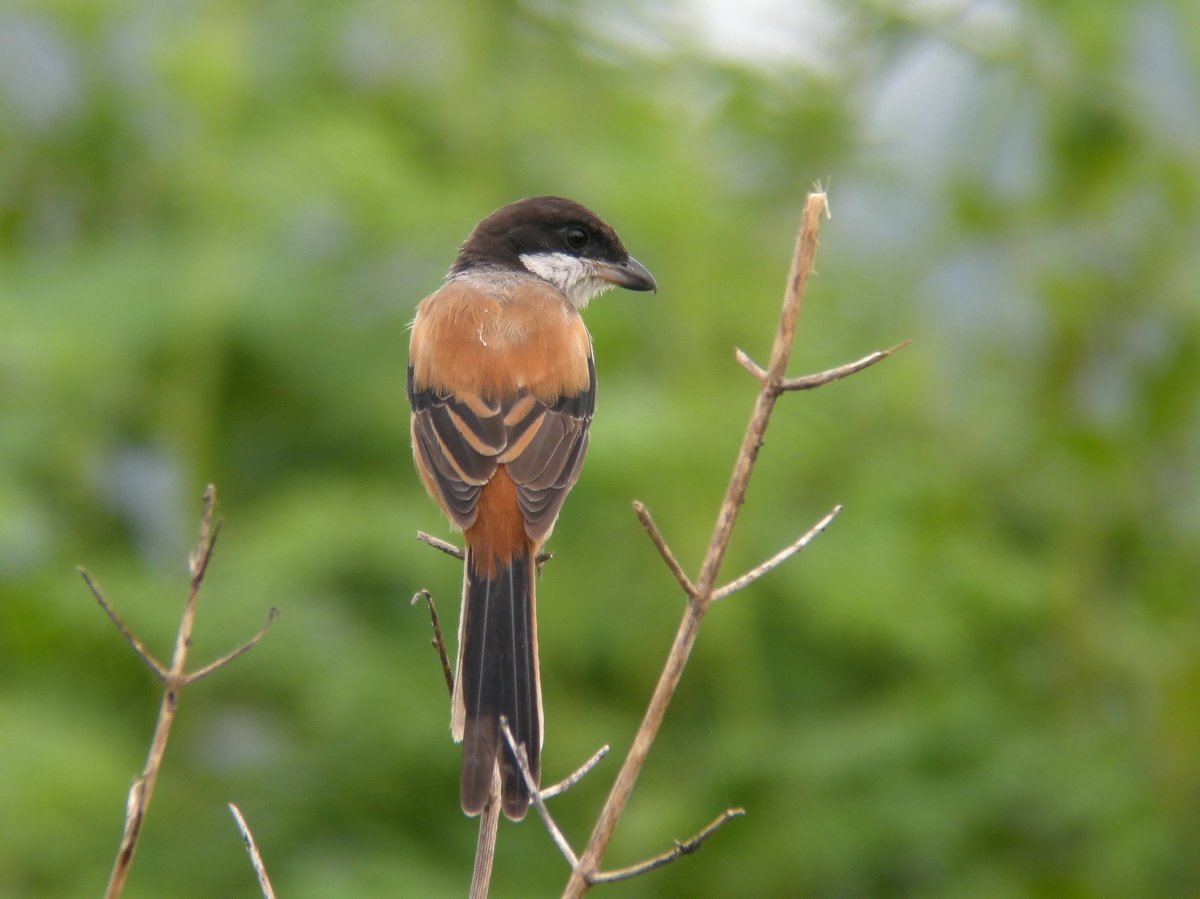
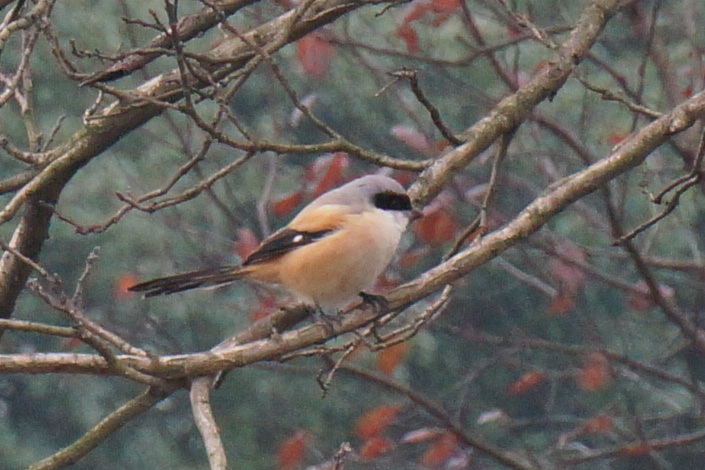
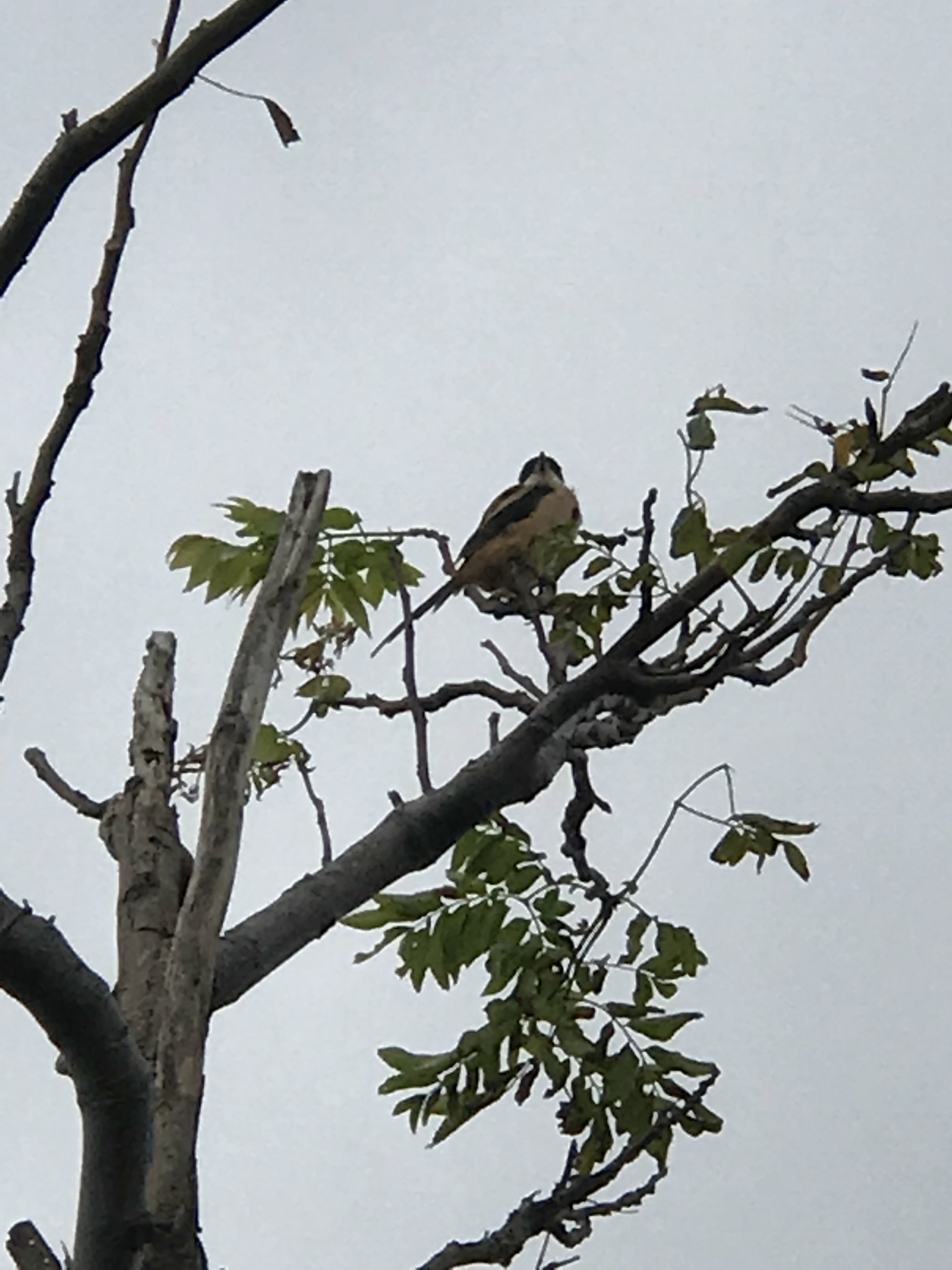
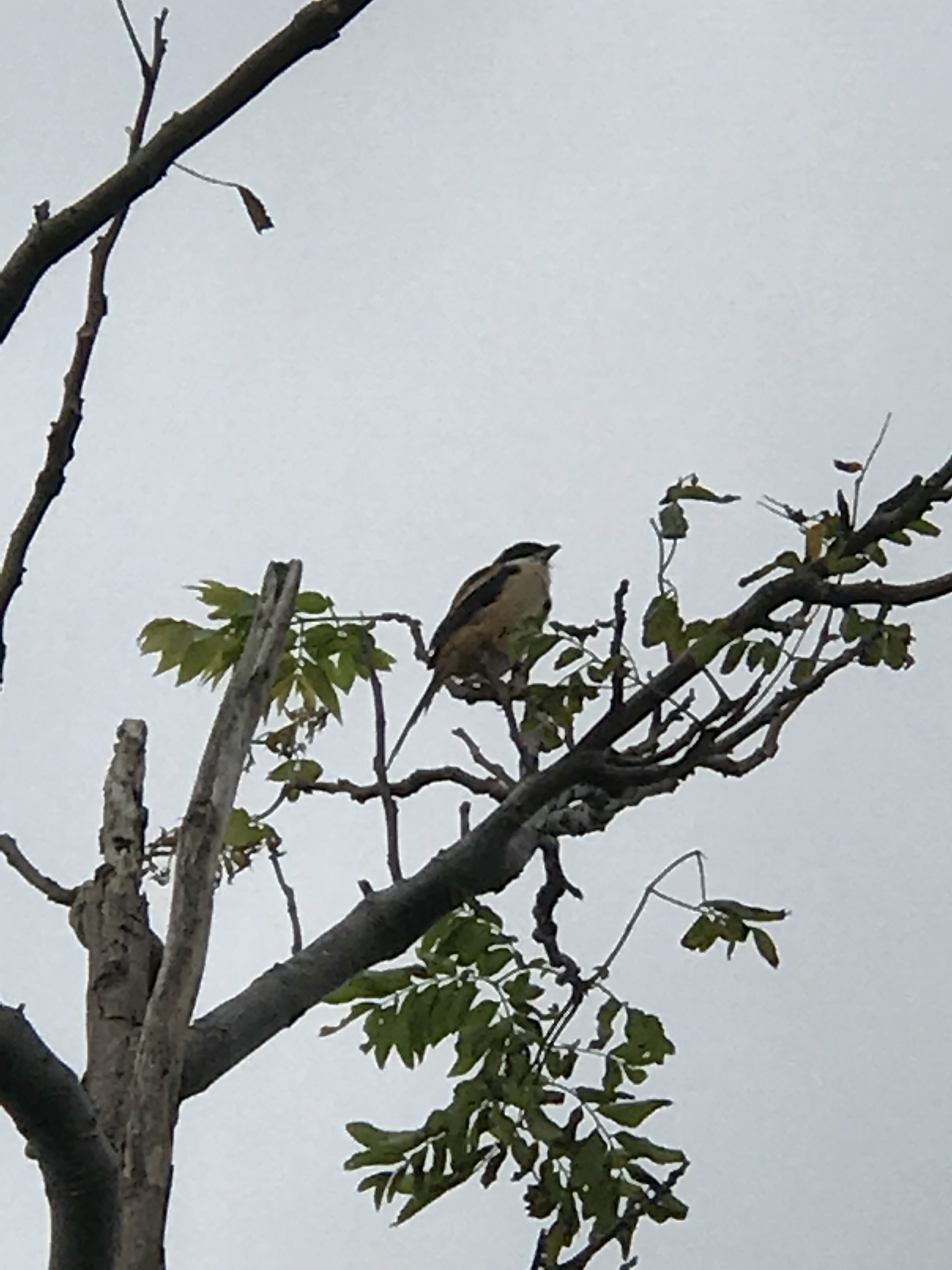
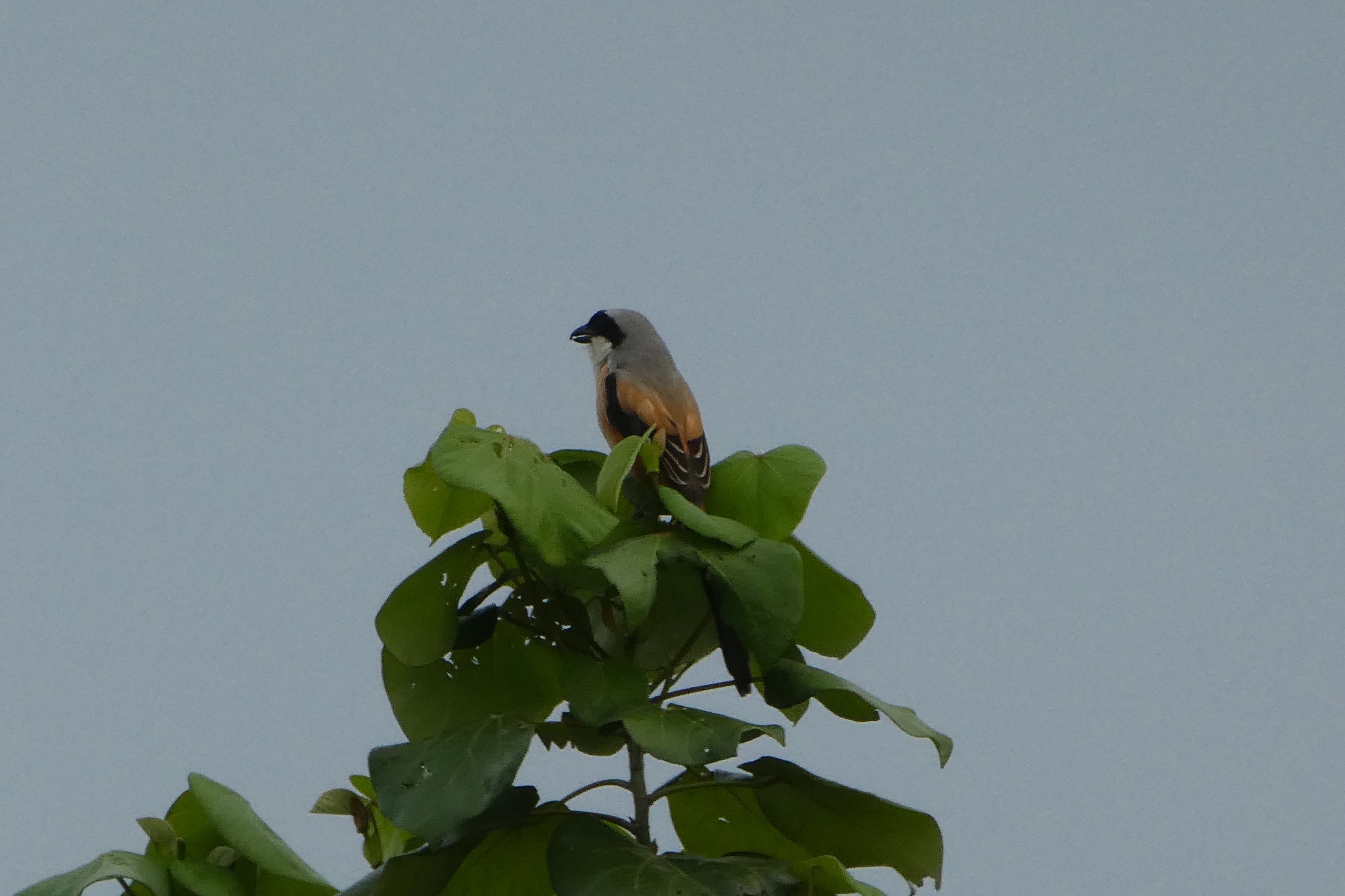
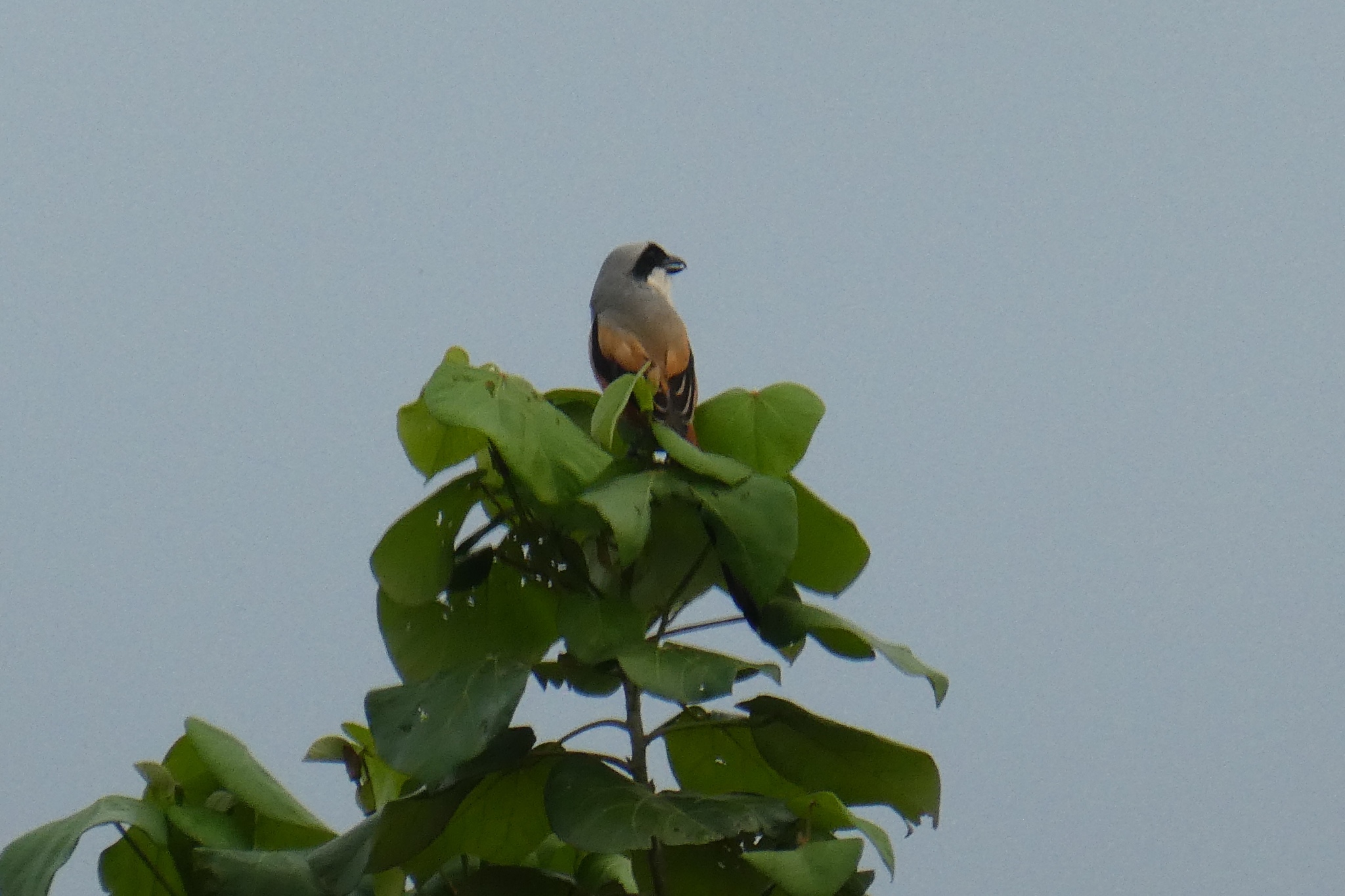
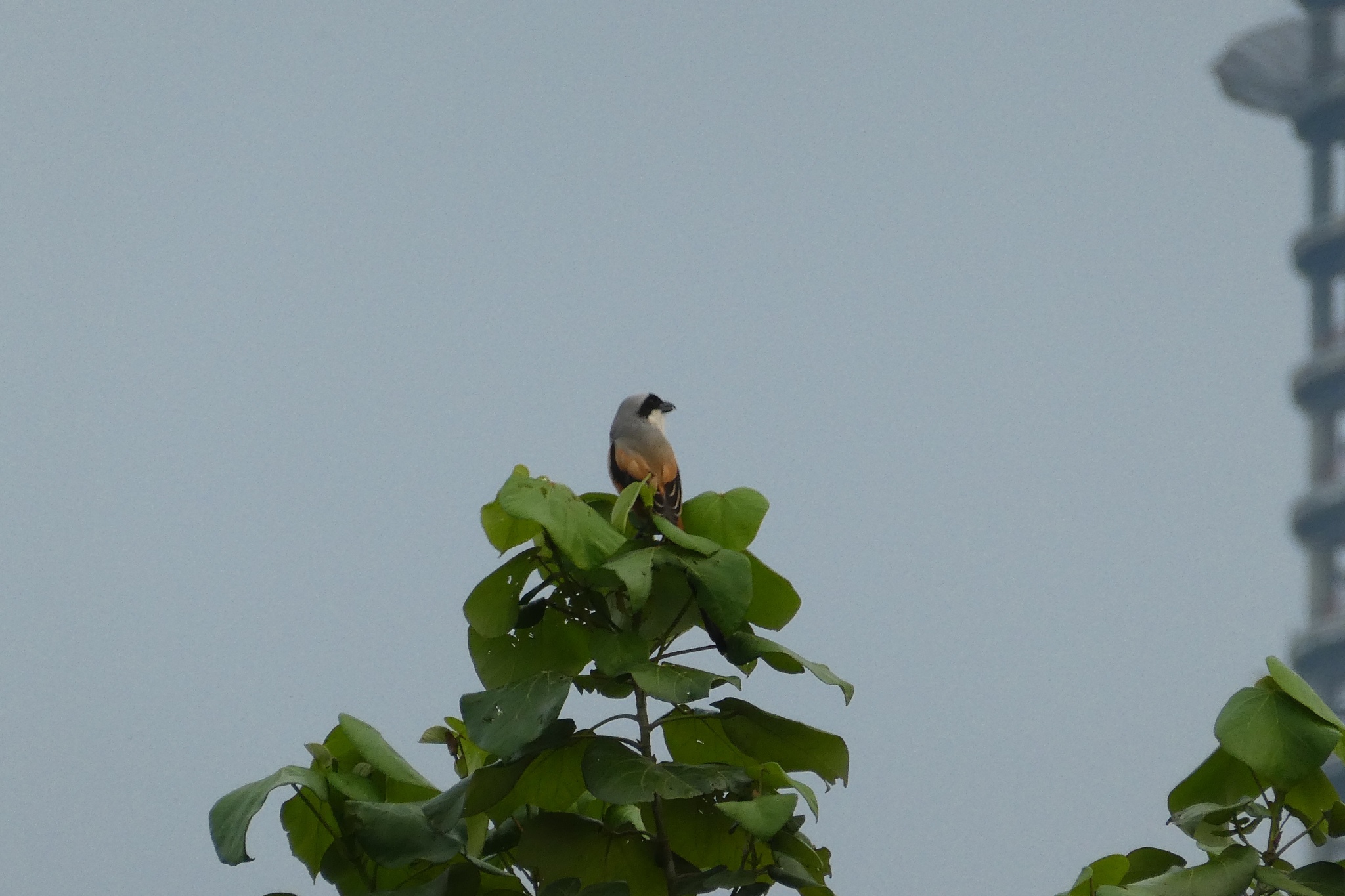
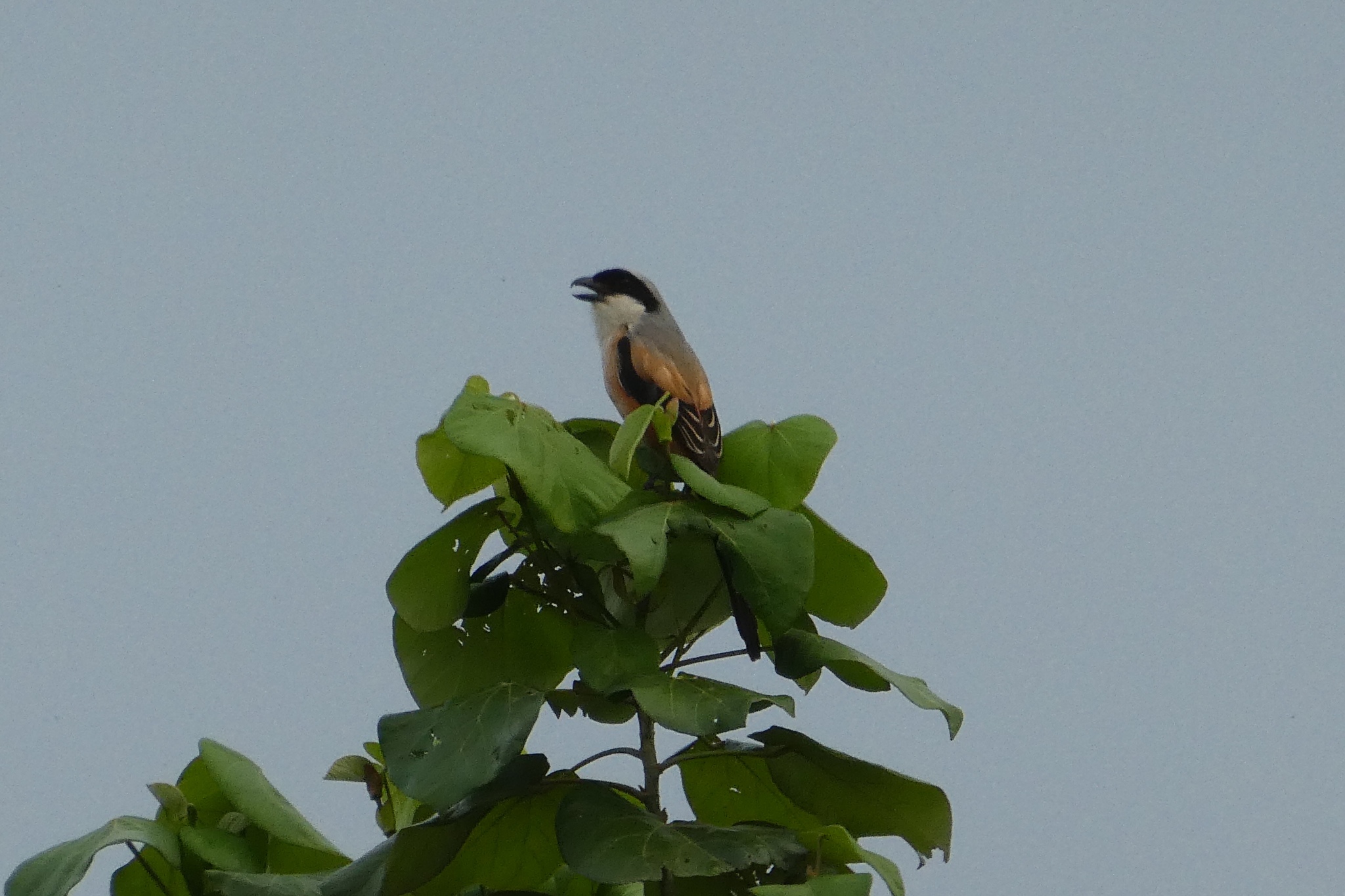
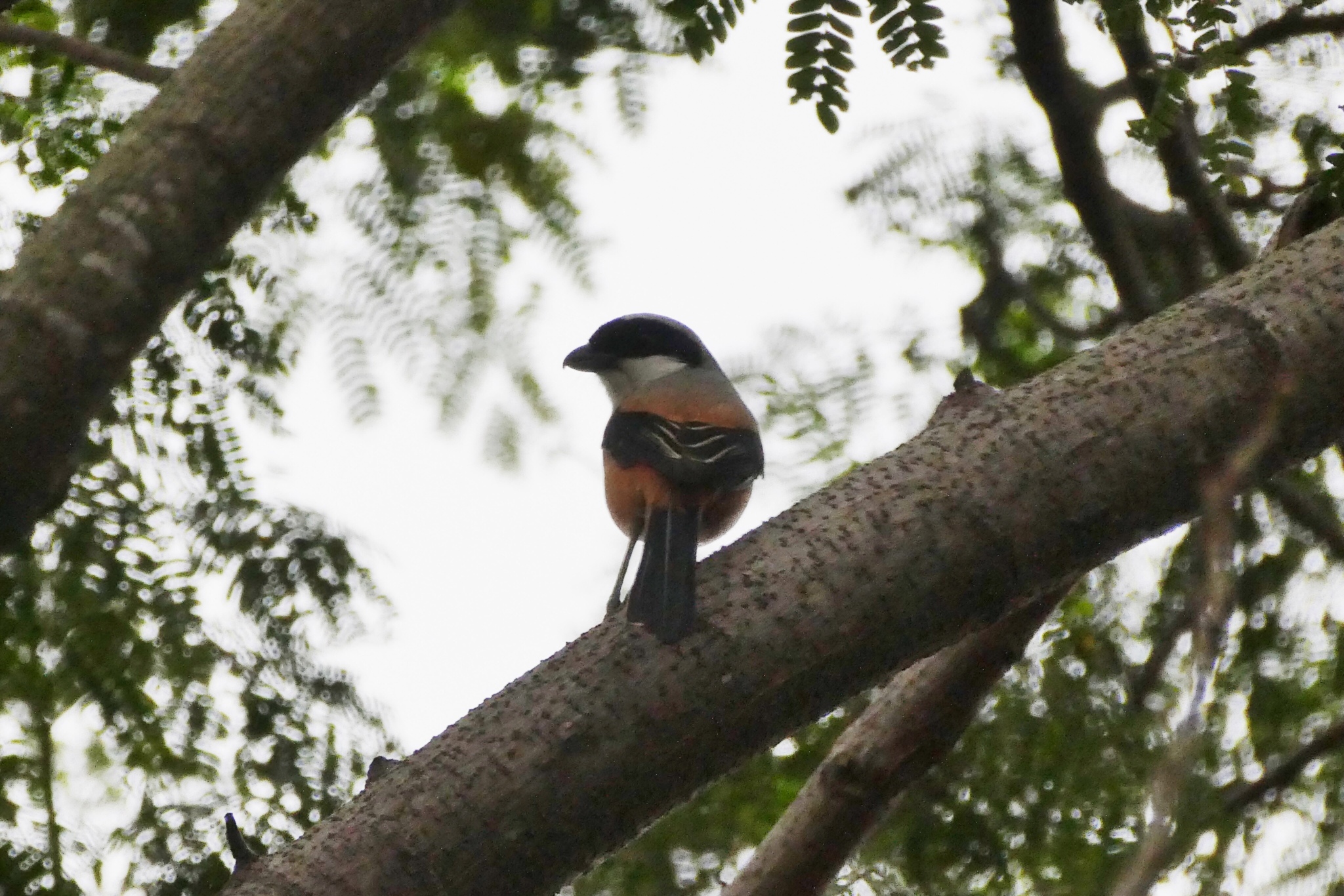
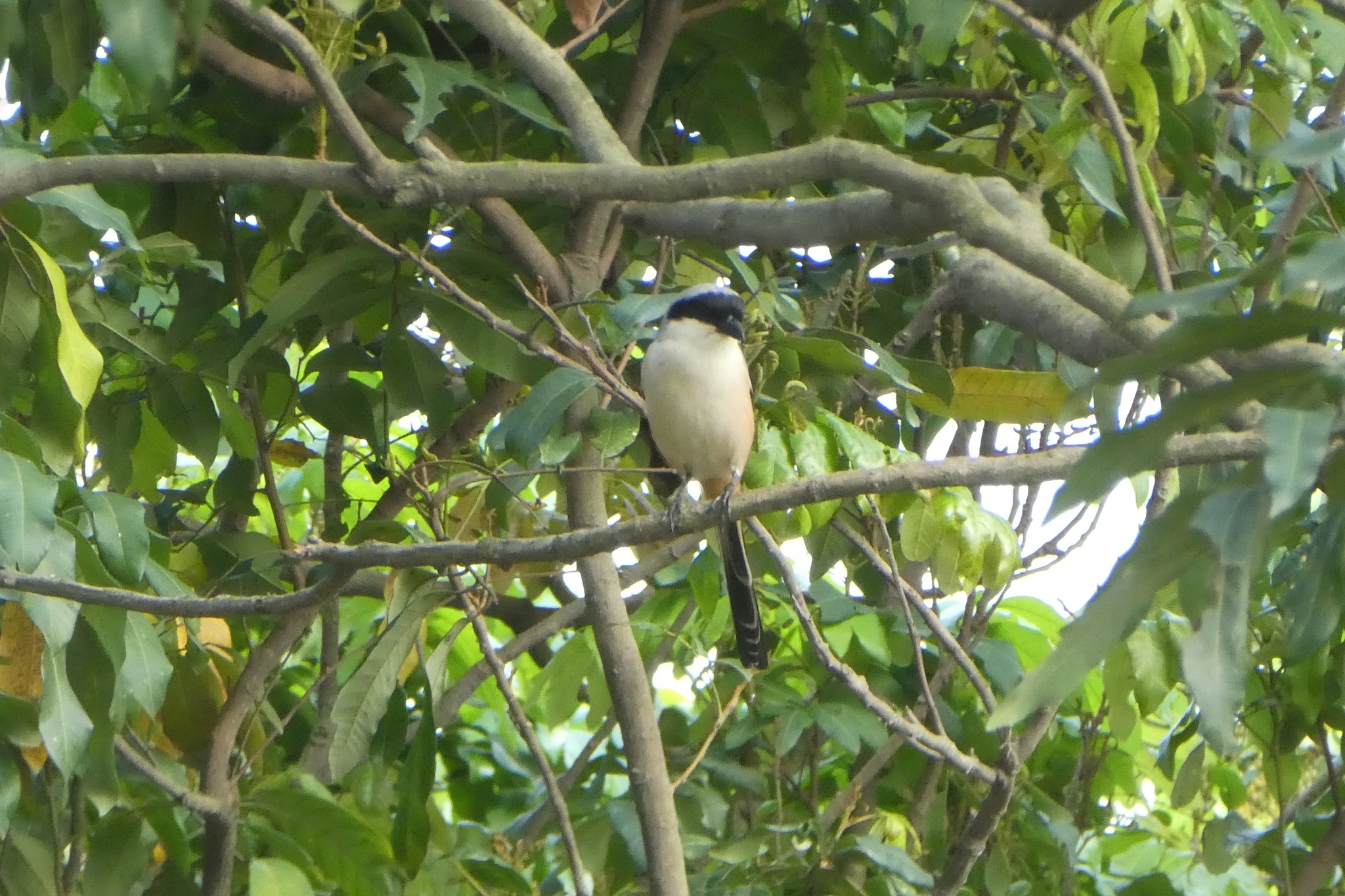
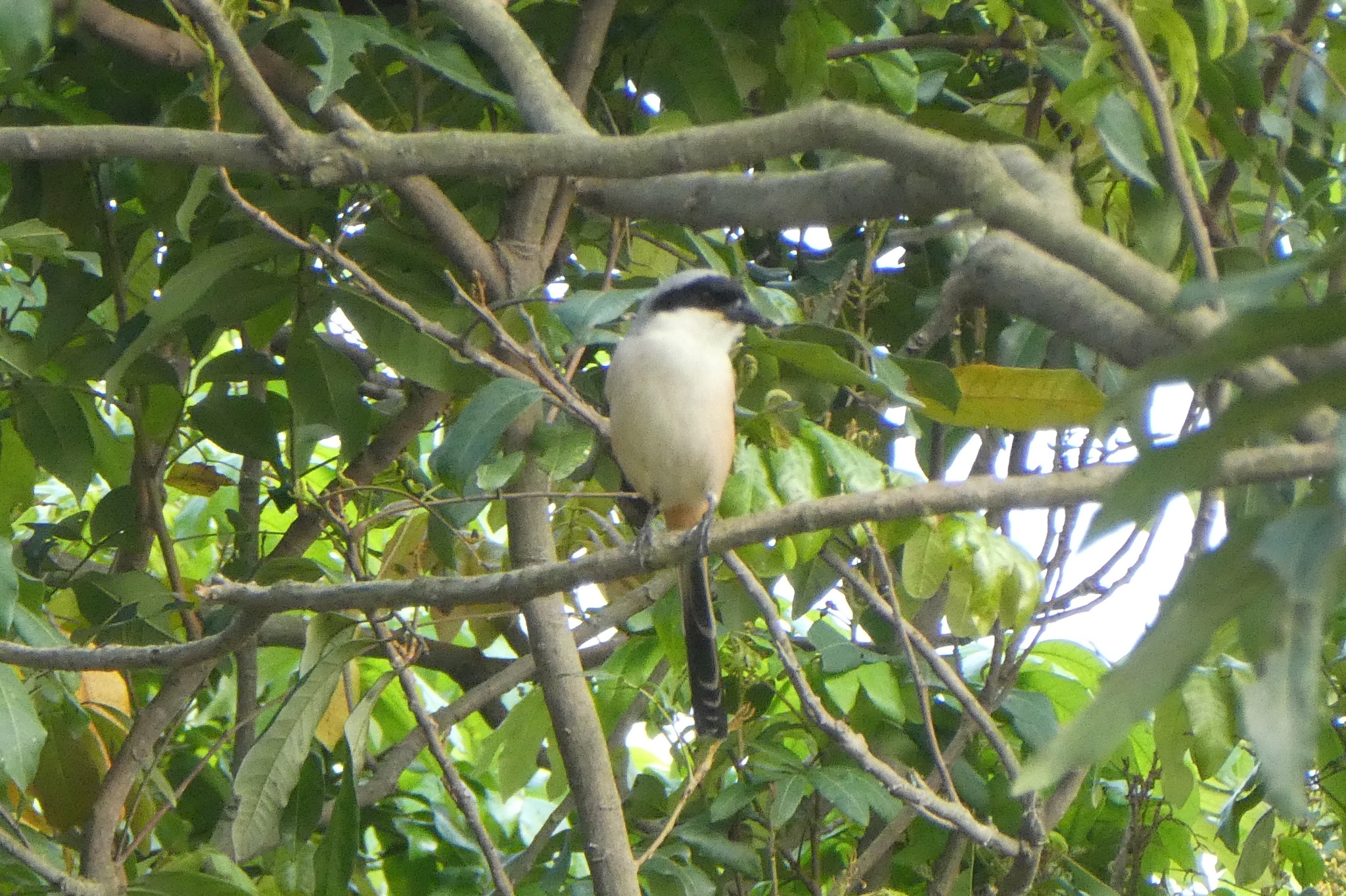
Member of the family Laniidae, widely distributed across Asia from Kazakhstan to New Guinea. Inhabits scrub, grassland, and open cultivated land. Distinctive for a long narrow black tail, black mask, rufous rump and flanks, and a small white shoulder patch. Forms a superspecies with the grey-backed shrike.
Description
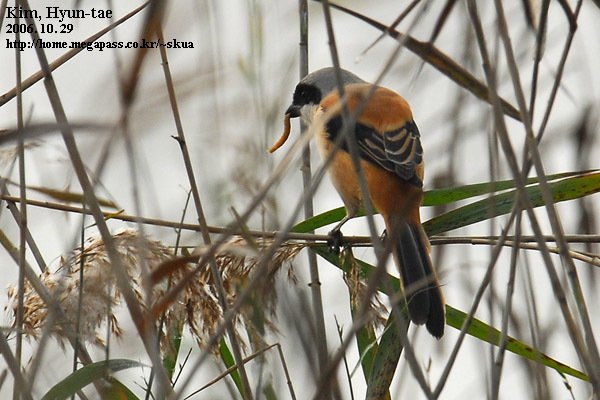
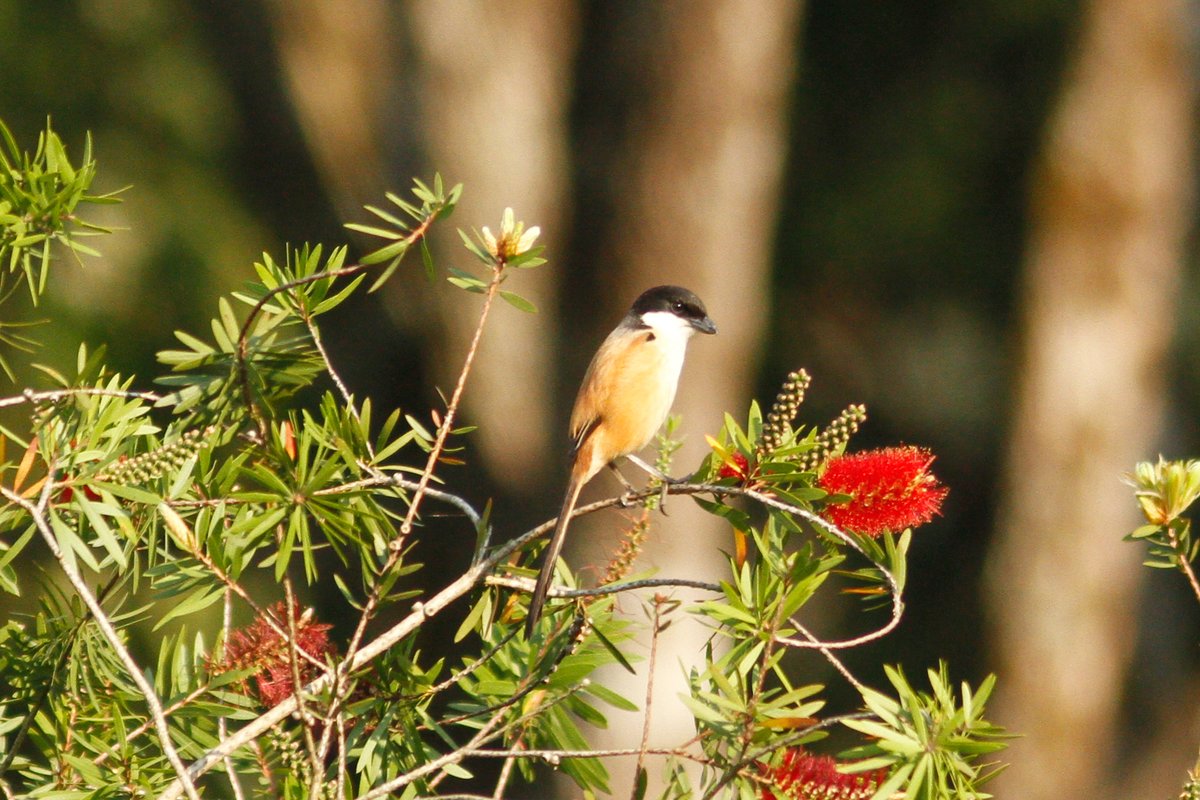
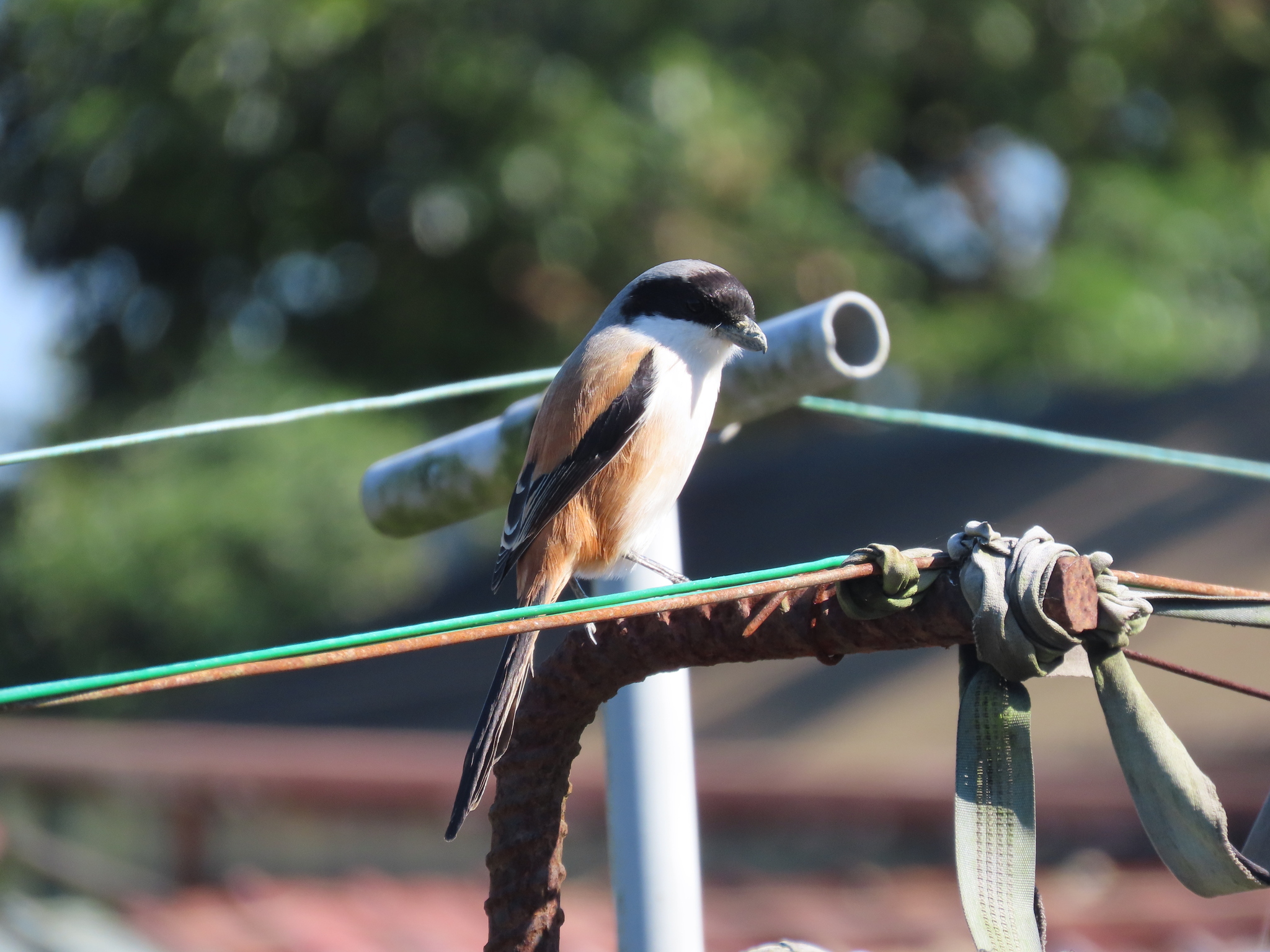
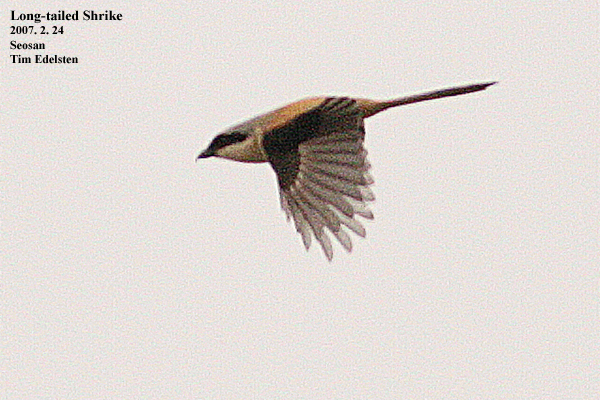
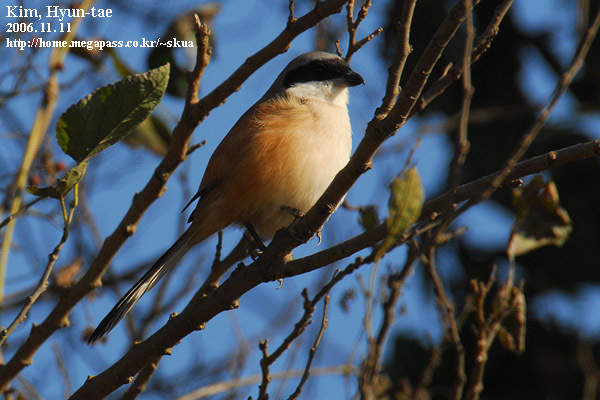
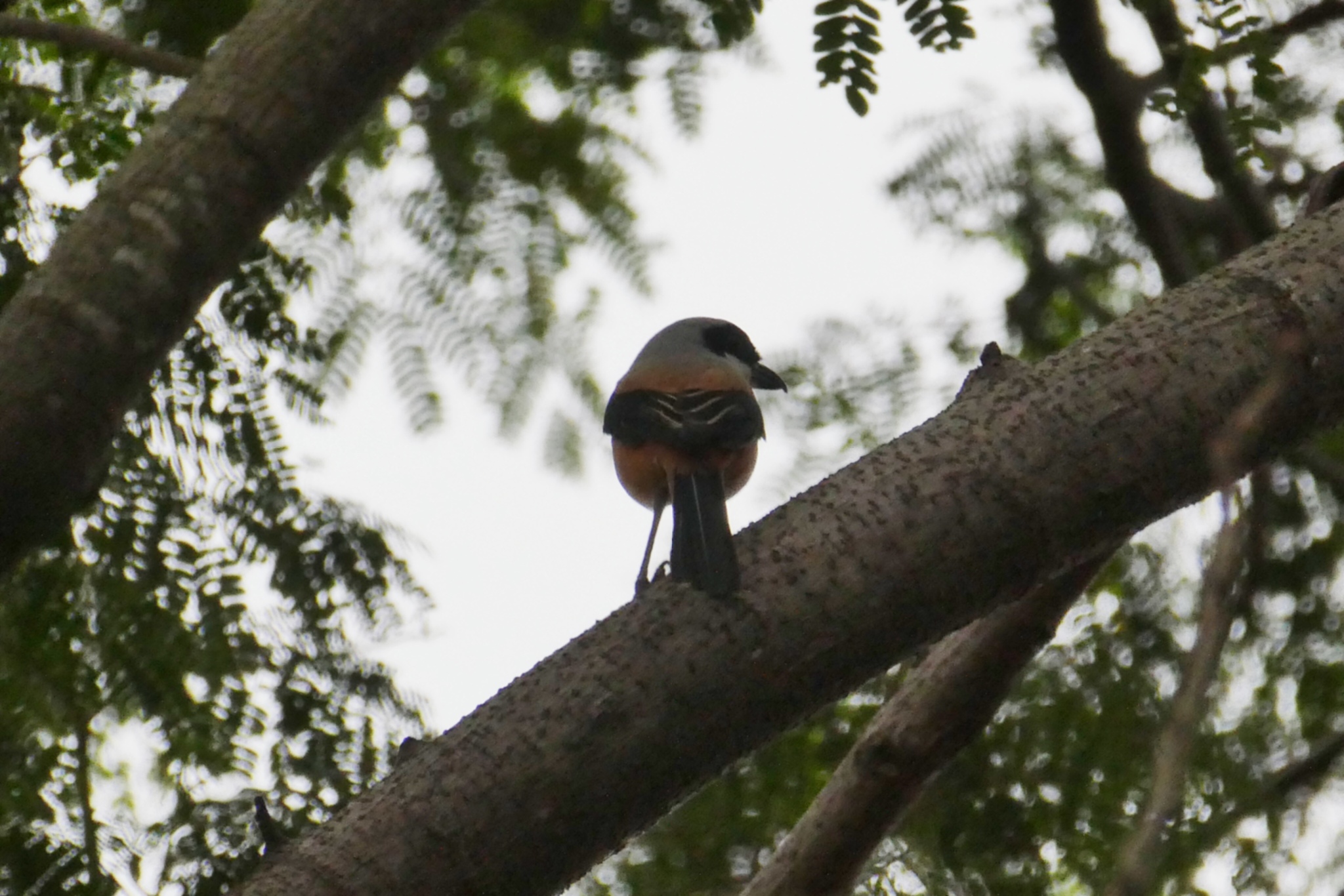
Typical shrike appearance with a broad dark mask through the eye covering the forehead in most subspecies; the whole head is black in subspecies tricolor and nasutus. Tail is narrow and graduated with pale rufous on outer feathers. A small white patch is present at the base of the primaries. Subspecies erythronotus has grey mantle and upper back suffused with rufous, while southern Indian caniceps has pure grey back with rufous restricted to the rump. Sexes are alike in plumage.
Identification
Distinguished by long narrow black tail, black mask, and rufous rump. Smaller and more contrastingly patterned than the bay-backed shrike, which has a more prominent white wing patch. Key vocal cue includes harsh grating and scolding calls, likened to a frog squealing, along with capability for vocal mimicry of species such as lapwings, cuckoos, puppies, and squirrels.
Distribution & Habitat
Range extends across Asia from south Kazakhstan and northeast Iran through India, China, Southeast Asia, Philippines, and montane east New Guinea. Nine recognized subspecies include erythronotus, caniceps, tricolor, schach, longicaudatus, bentet, nasutus, suluensis, and stresemanni. Temperate populations are migratory, moving south in winter, while tropical populations are largely sedentary. Rare vagrant to western Europe, Jordan, Israel, and Turkey.
Behavior & Ecology
Perches prominently atop bushes or wires, gliding down at an angle to capture lizards, large insects, small birds, rodents, fish, and small snakes. Maintains feeding territories and is usually solitary. Exhibits kleptoparasitism and impales prey on thorny bushes. Diet occasionally includes neem fruits. Breeding occurs in summer in temperate zones; nest is a deep loose cup of thorny twigs, rags, and hair placed in thorny bushes or trees. Clutch size is 3 to 6 eggs, incubated by both sexes for 13 to 16 days. Sometimes parasitized by cuckoos.
Culture
Popular as a pet in parts of Southeast Asia due to its singing ability and vocal mimicry.
Source: Wikipedia · CC BY-SA 3.0
Taxonomy
- Order
- Passeriformes
- Family
- Laniidae
- Genus
- Lanius
Vocalizations
Subspecies (9)
-
Lanius schach bentet
Malay Peninsula, Sumatra, Java, Borneo, and Lesser Sundas
Data Sources
Species description from Wikipedia, licensed under CC BY-SA 3.0.
Bird images and sounds sourced from GBIF, contributed by citizen scientists worldwide under Creative Commons licenses.
Taxonomy data from AviList 2025.