Long-tailed Shrike
Lanius schach
棕背伯劳
Introduction
This widespread Asian shrike occurs across much of the continent from the scrublands of Central Asia to the islands of Southeast Asia. The species inhabits open country, agricultural areas, and scrubland. It typically perches in an upright position on bushes, wires, or other elevated vantage points. All subspecies share a distinctive long, graduated tail. The bird is active and vocal, often detected by harsh, grating calls. It has adapted well to human-modified landscapes and remains common across much of its extensive range. In South Asia, it is among the commonest wintering shrikes, with surveys recording it as one of the most numerous wintering shrikes in southern India.
Description
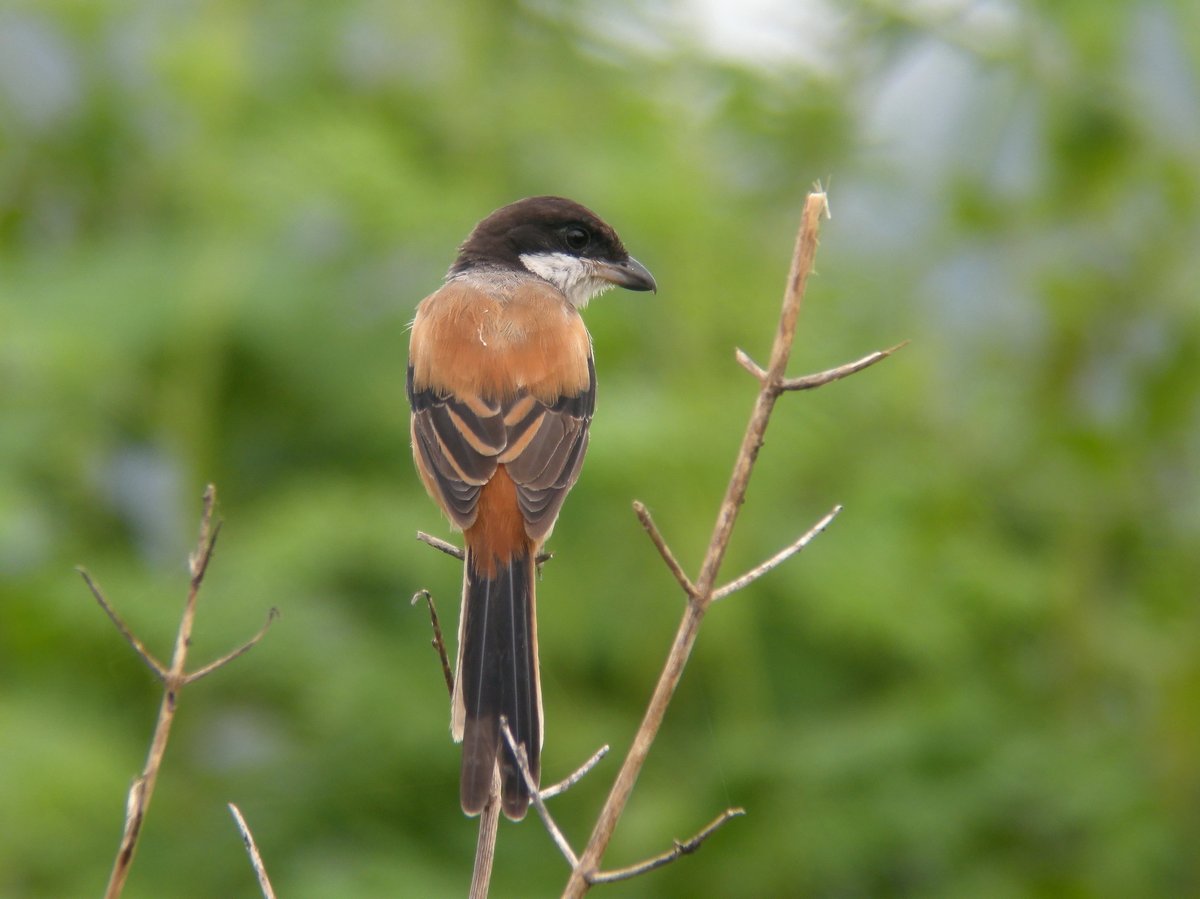
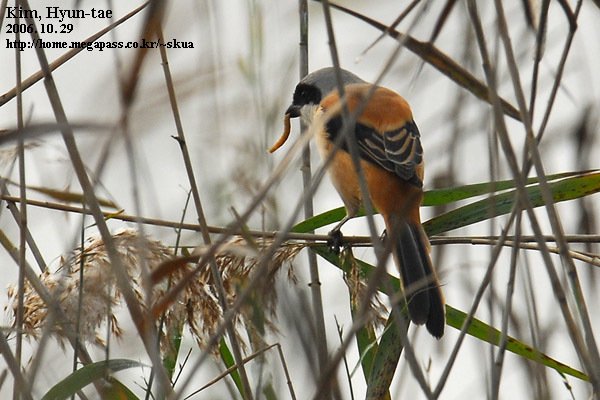
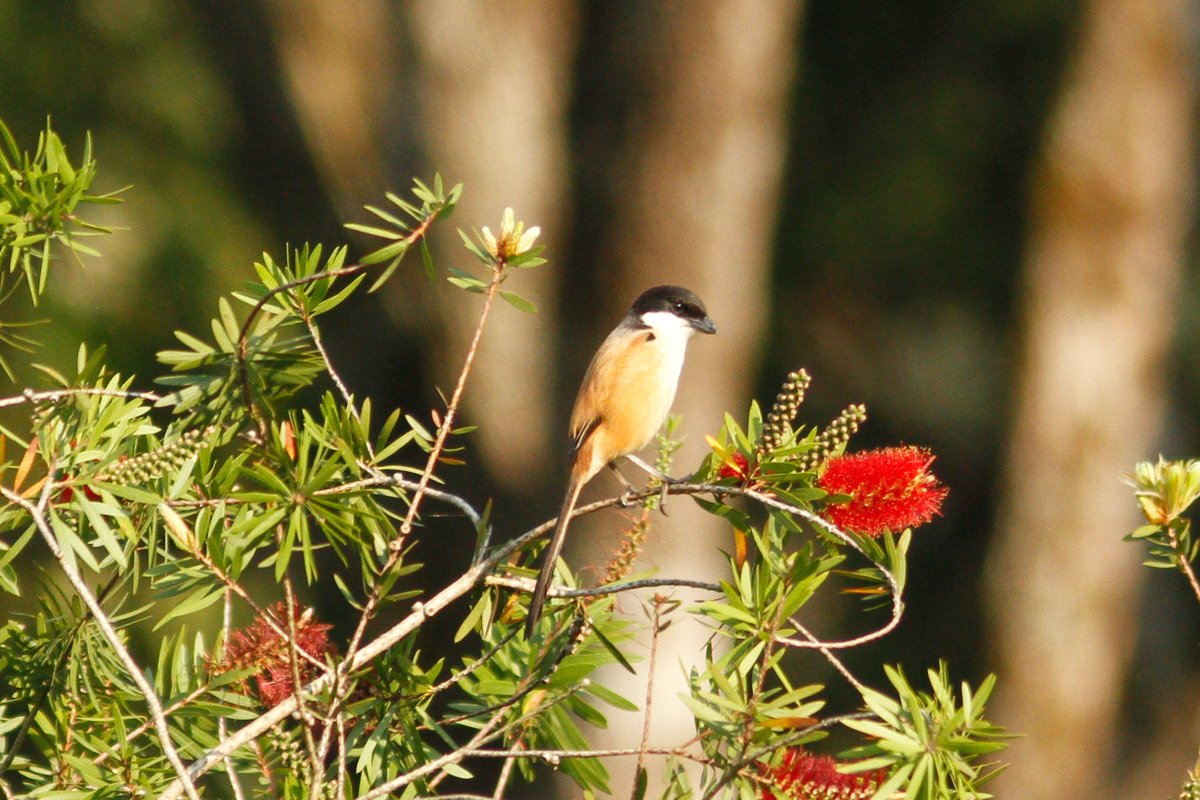
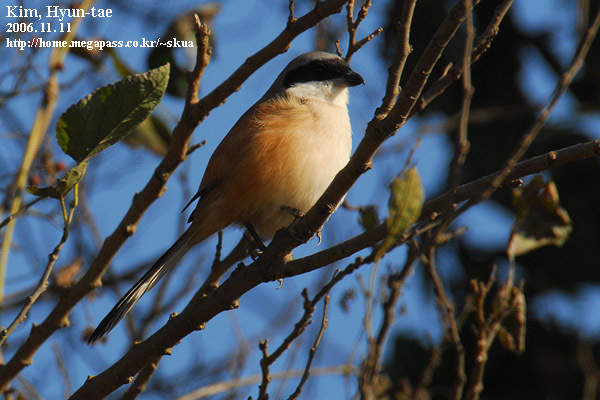
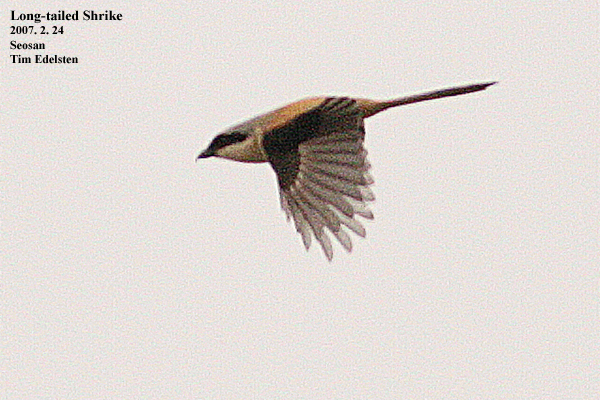
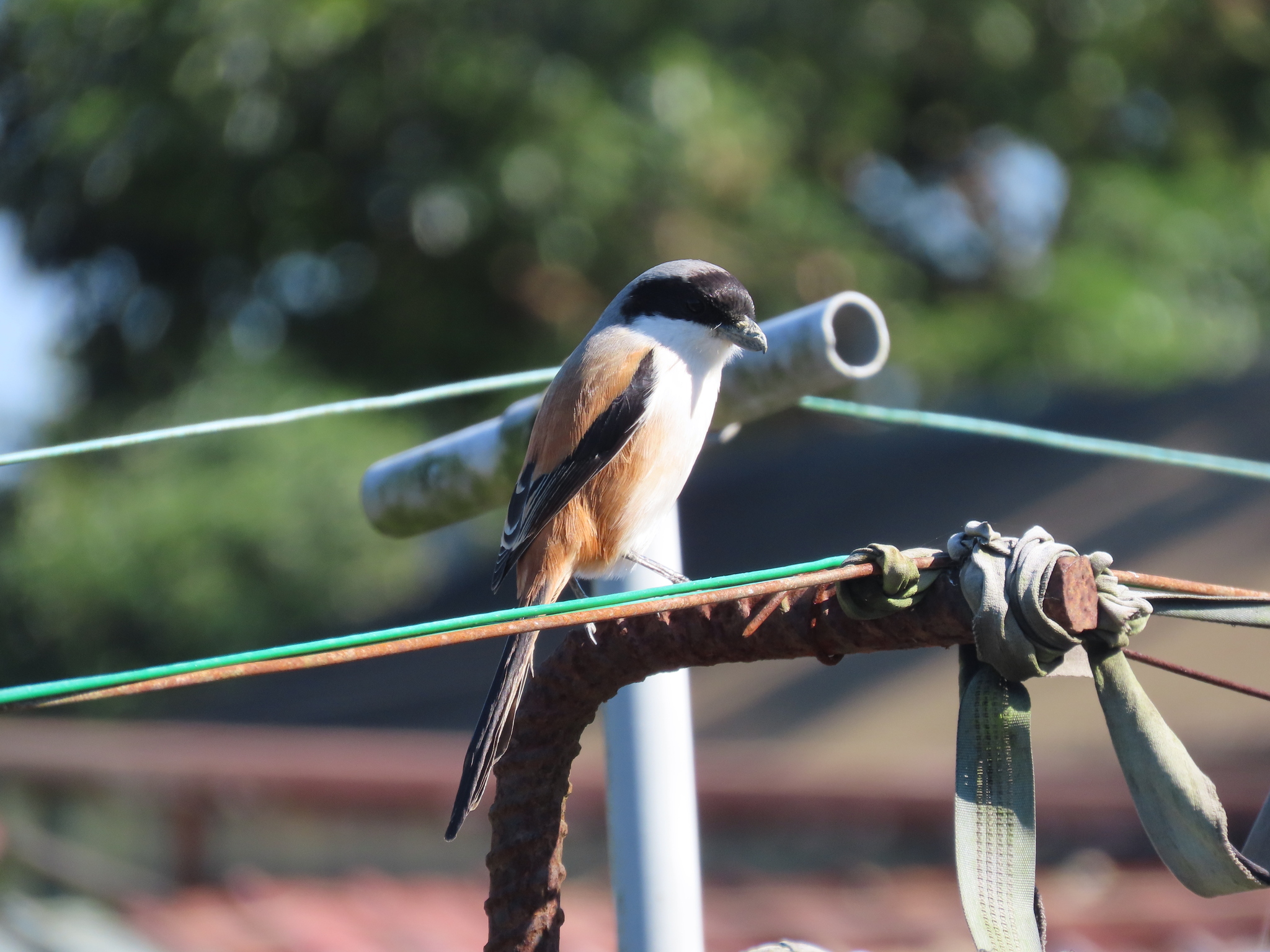
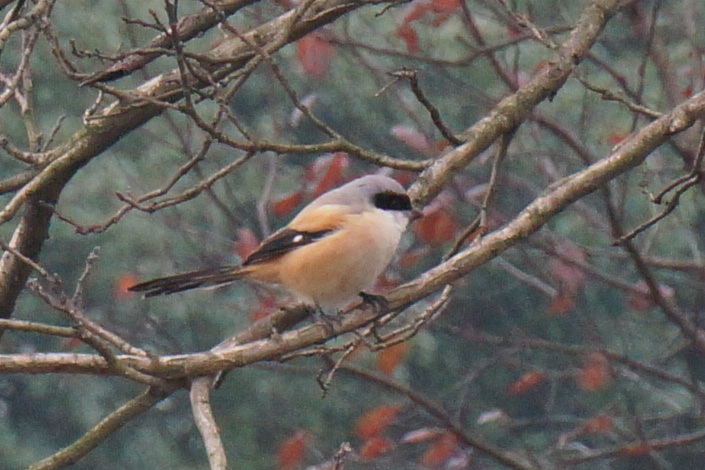
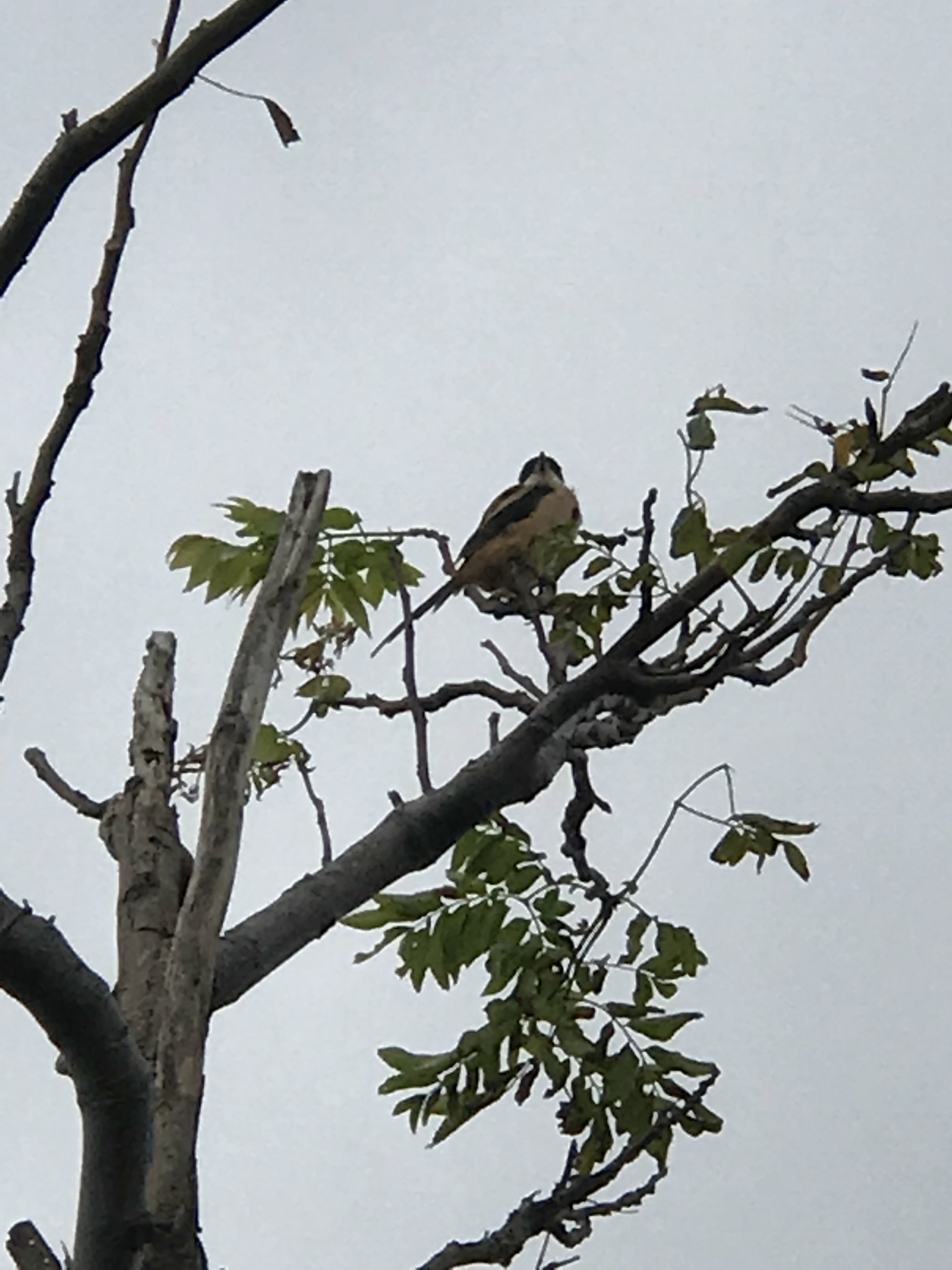
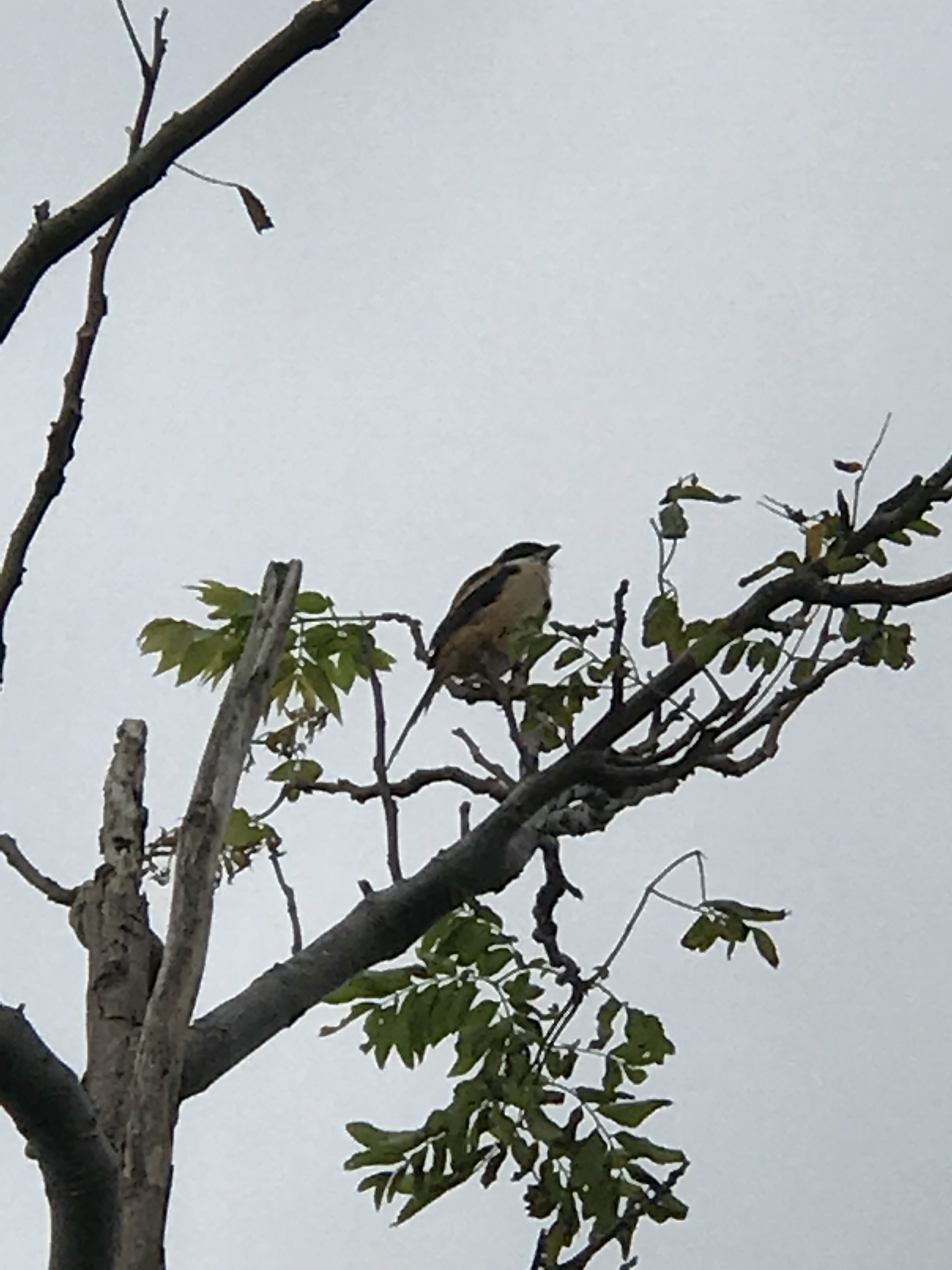
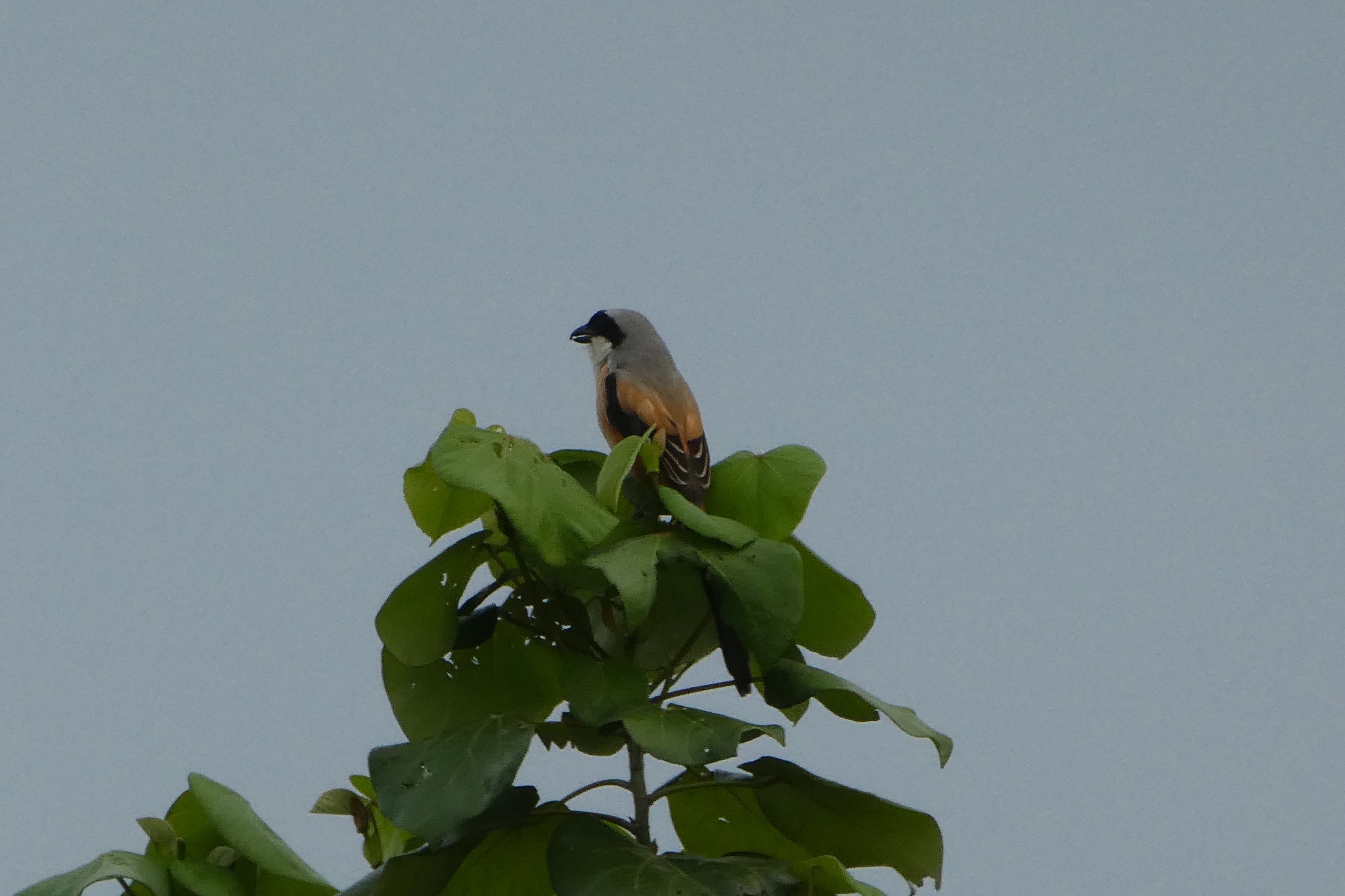
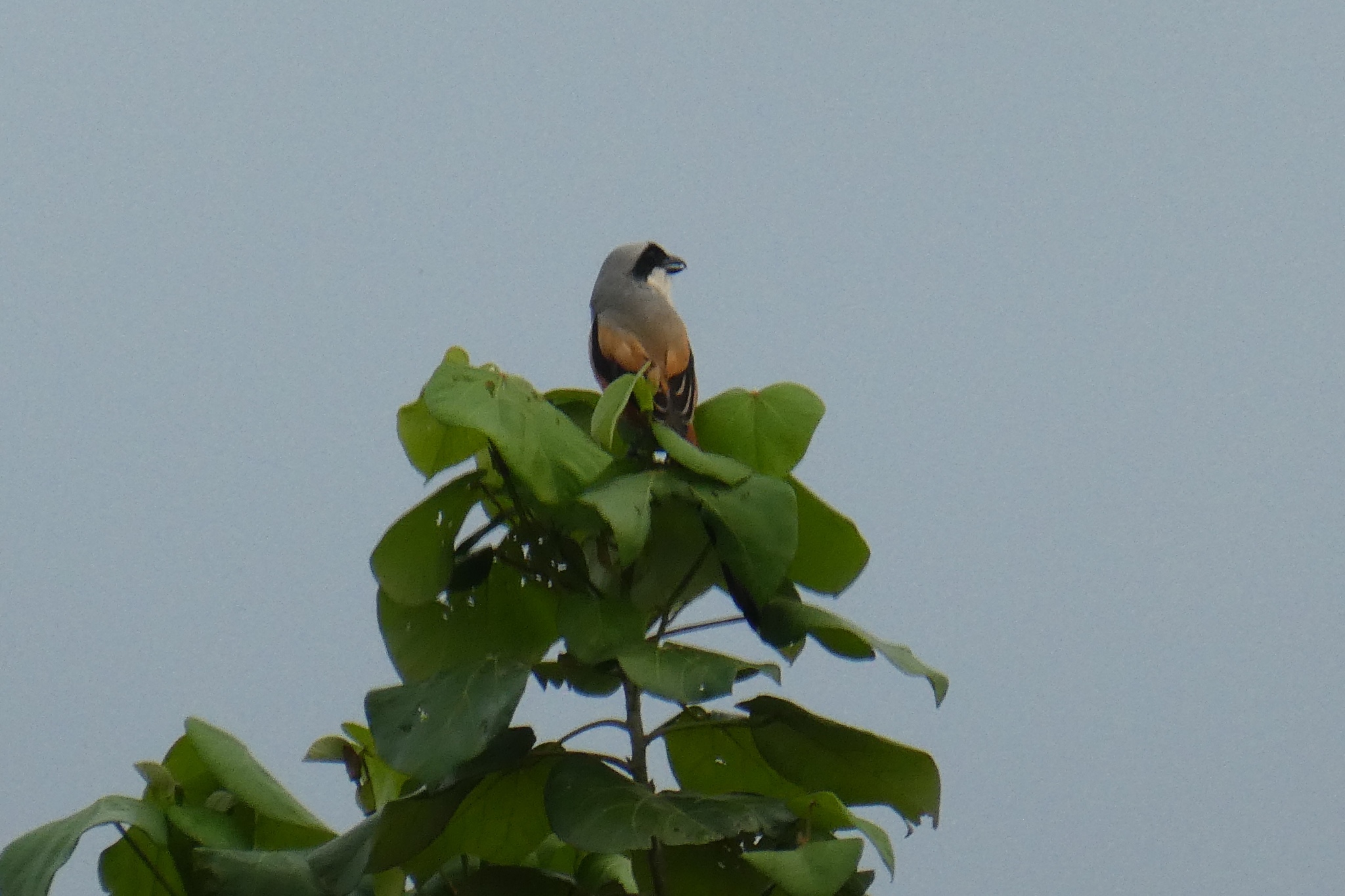
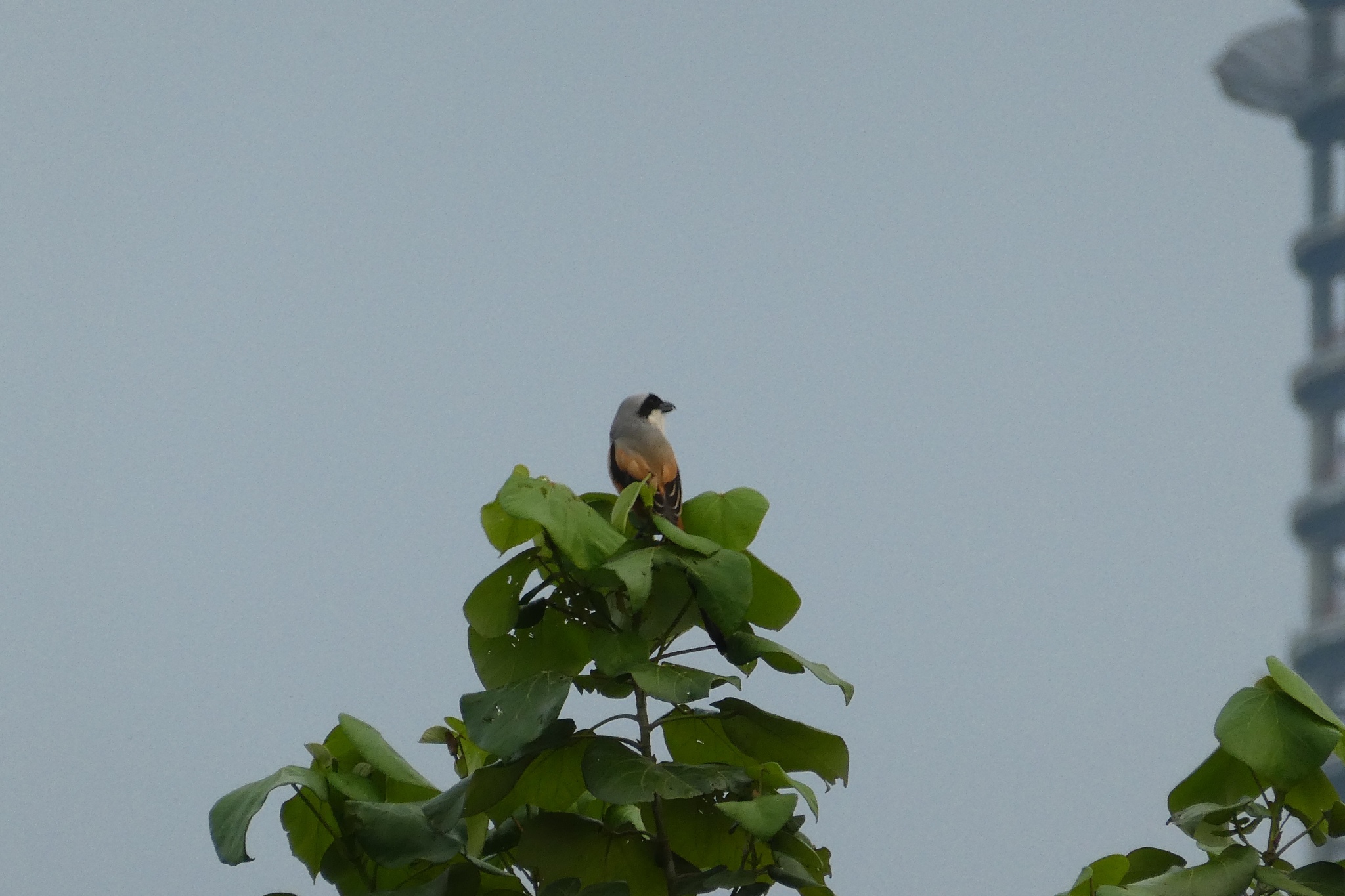
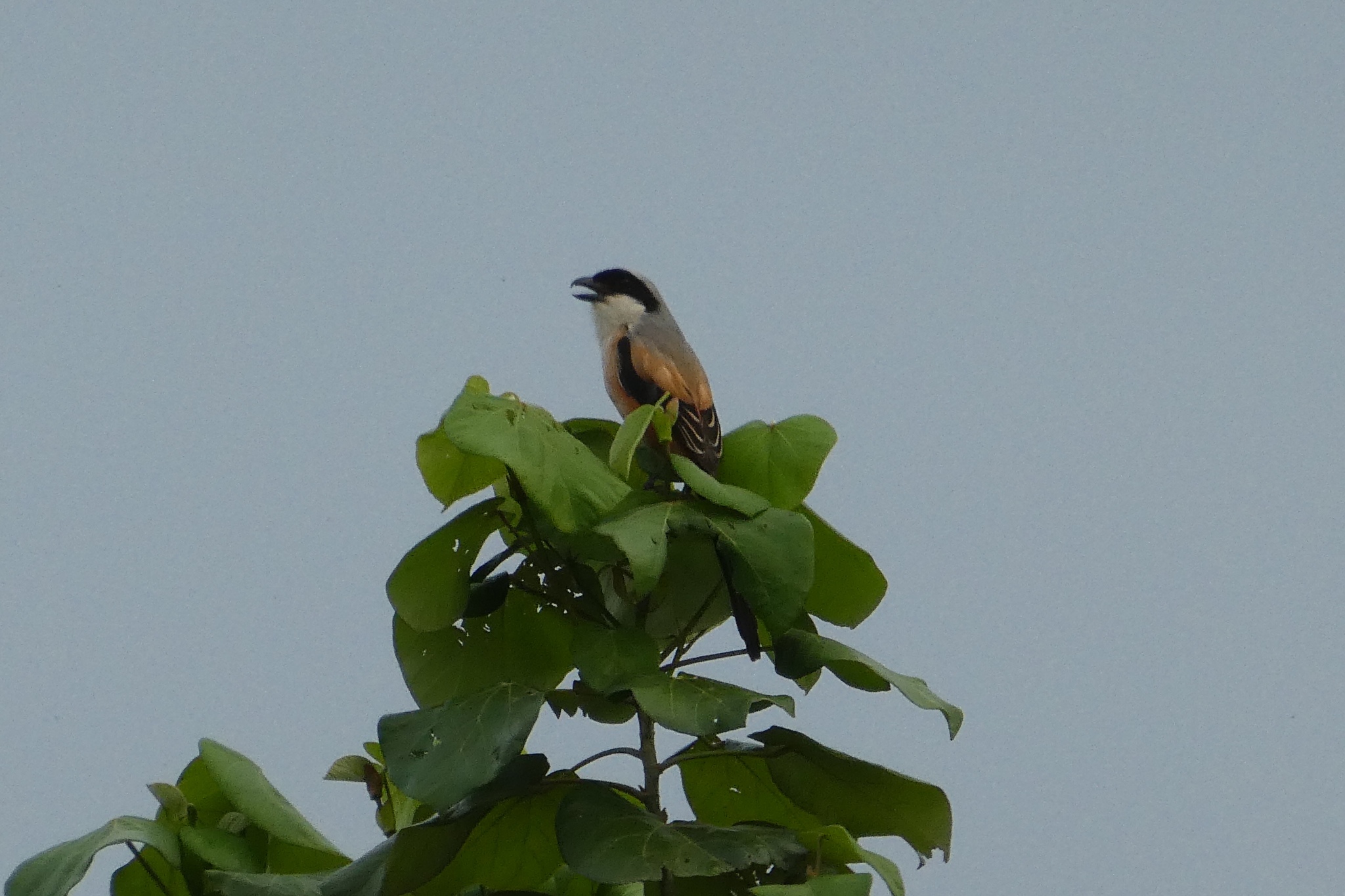
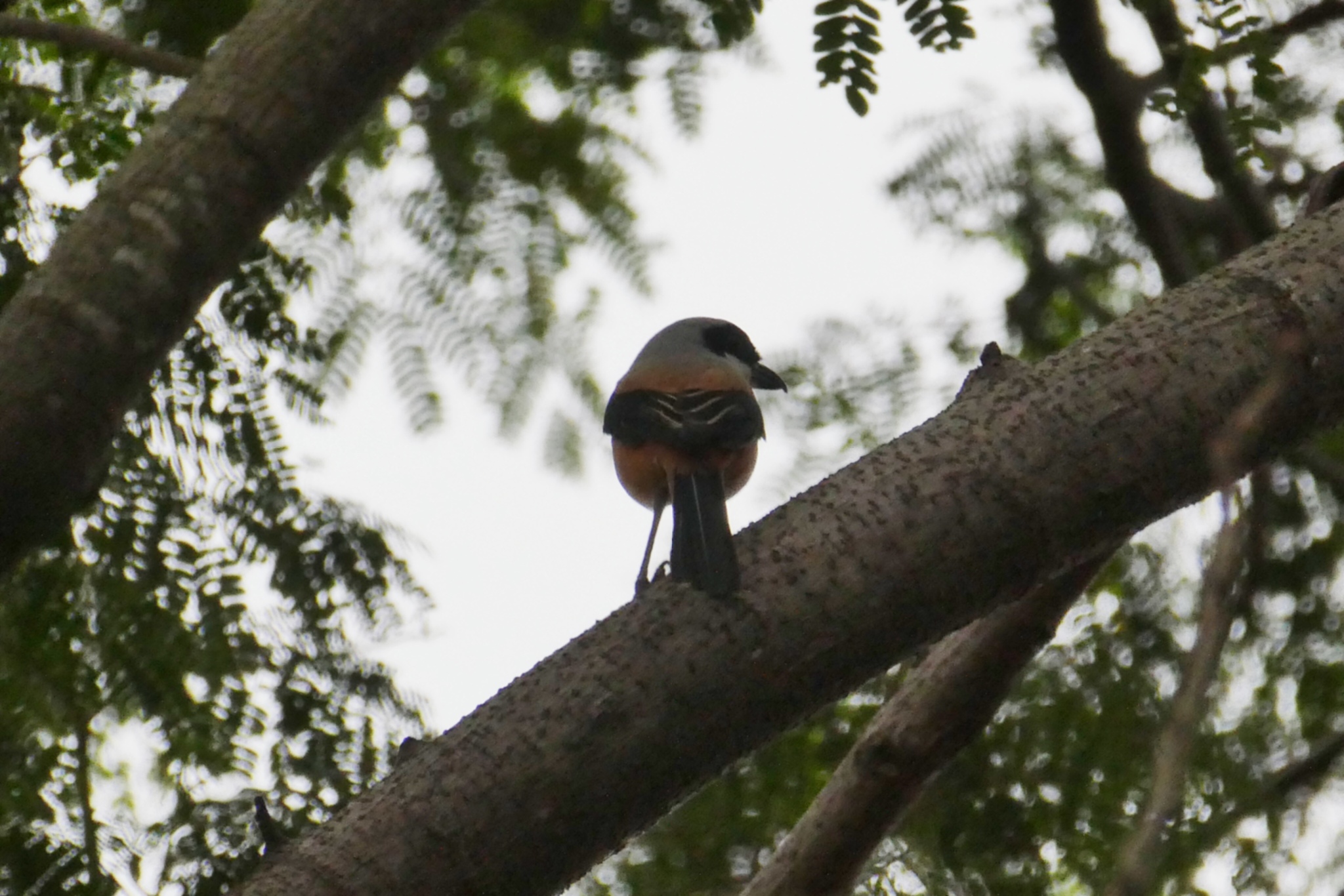
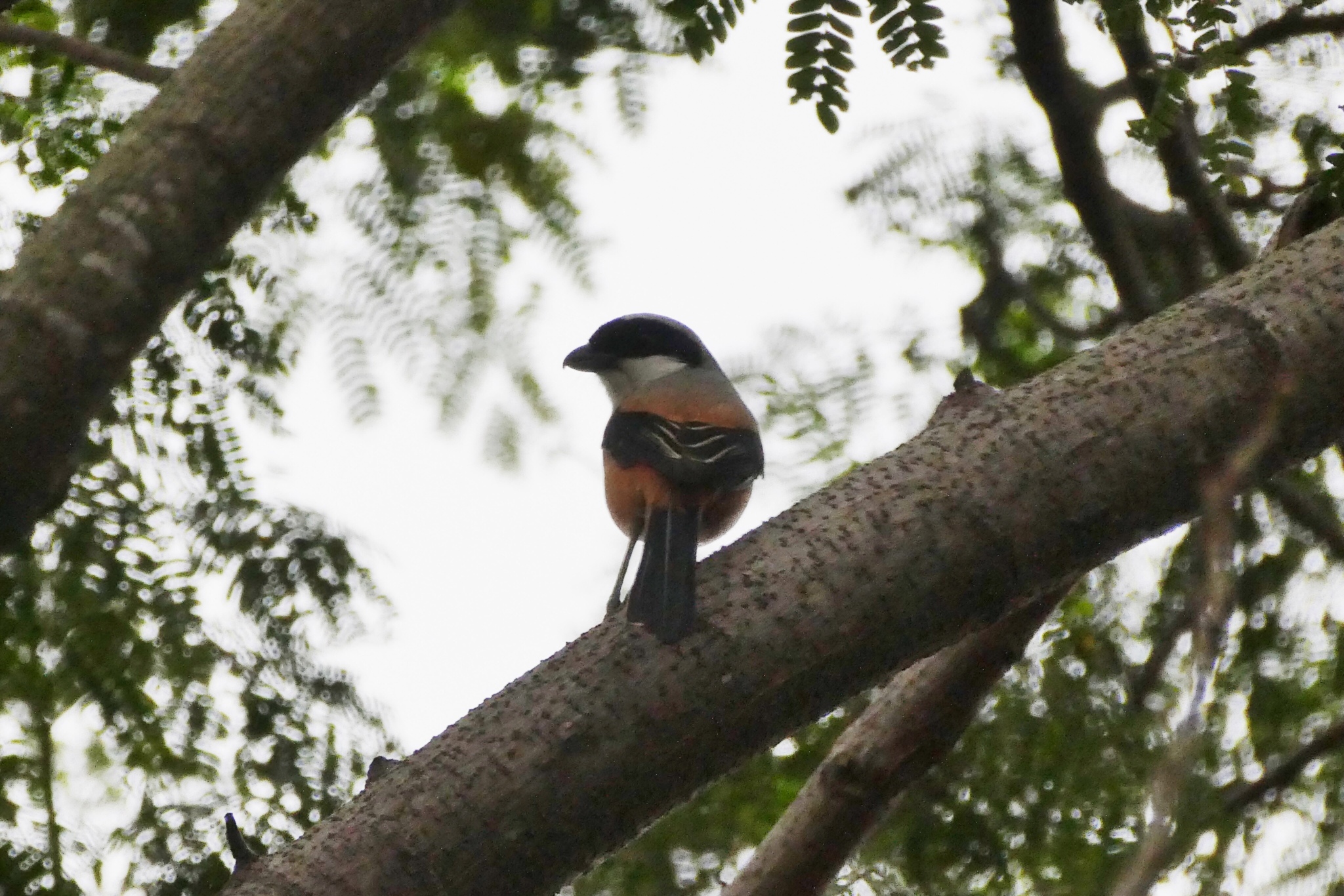
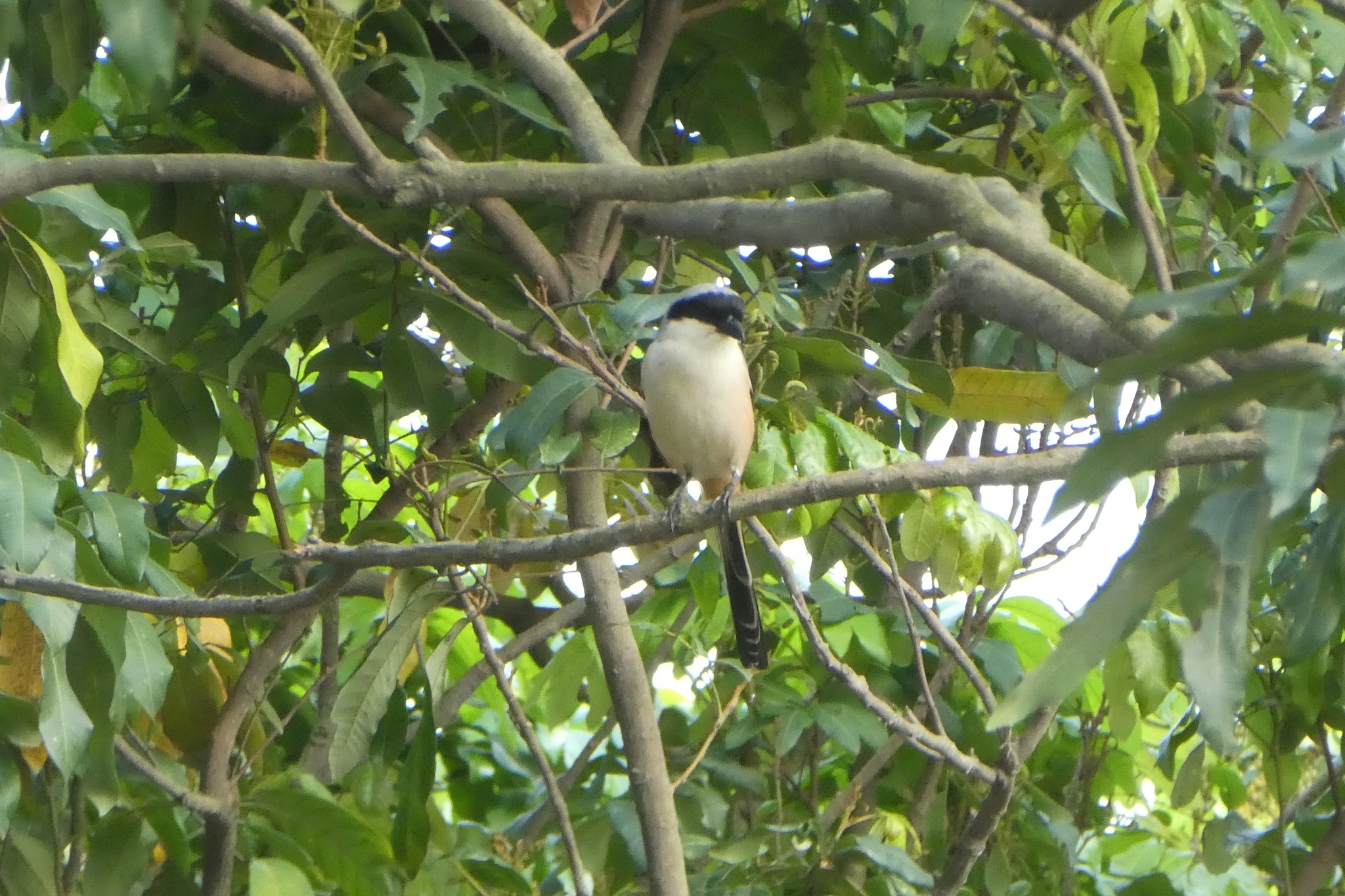
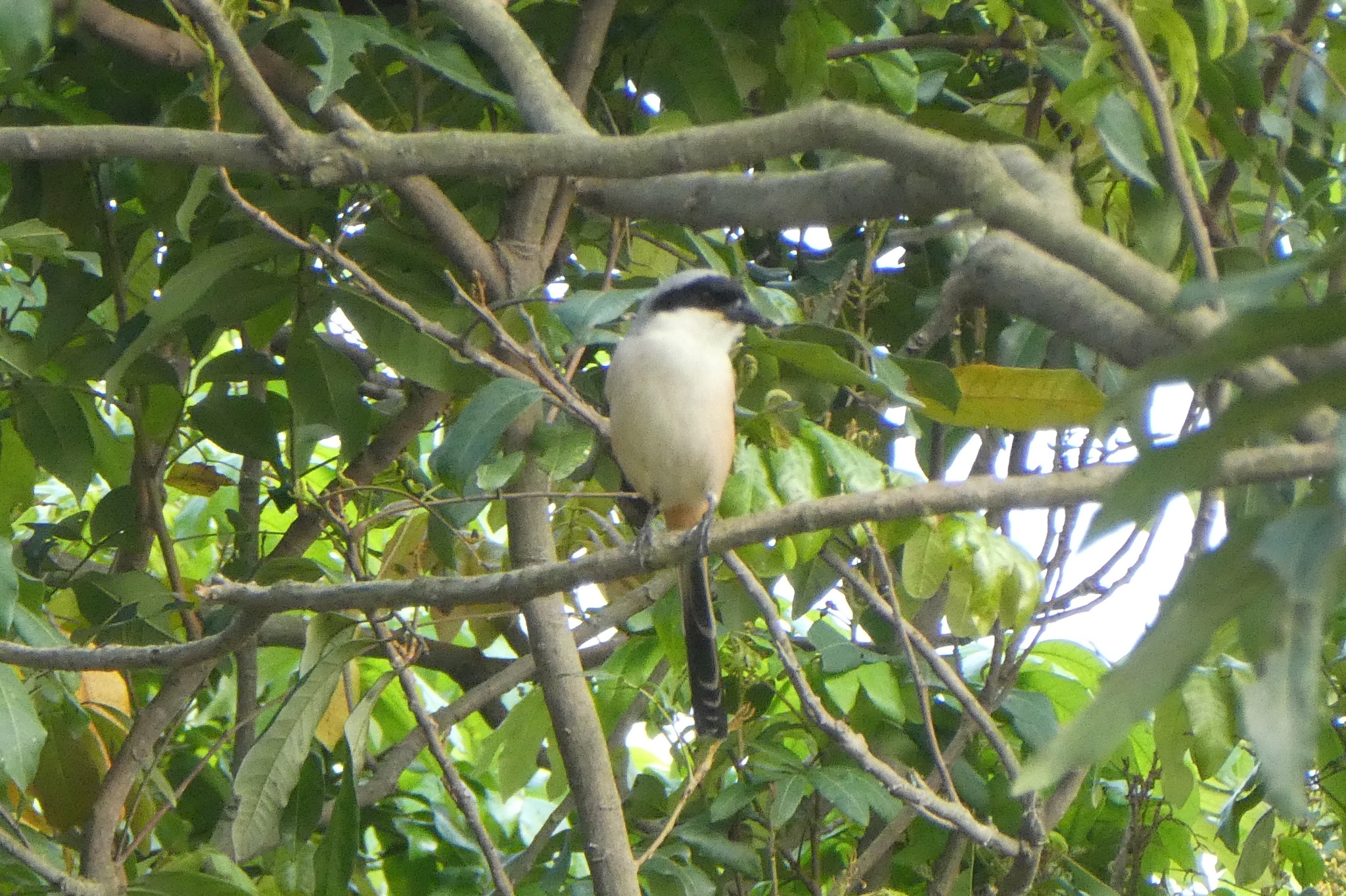
This is a medium-sized shrike with the typical robust, predatory build of the family. The most distinctive feature is the long, narrow, graduated tail, which is black in all subspecies. The head shows a broad black mask running through the eye and covering the forehead in most forms, though the extent of black varies geographically. The upperparts are generally grey, often suffused with rufous on the mantle and upper back, while the rump and flanks are characteristically rufous. A small white patch at the base of the primaries is visible in flight. The sexes are identical in plumage, with no sexual dimorphism. Subspecies vary considerably, with some populations showing darker heads and others displaying paler grey upperparts.
Identification
The long tail immediately distinguishes this species from other shrikes in Asia. It is larger than the bay-backed shrike, which also has a more contrasting pattern with a much more prominent white wing patch. The Himalayan subspecies tricolor is particularly distinctive, with an entirely black head. The grey-backed shrike is similar in size but lacks the extensive rufous on the flanks and has a shorter tail. When perched, the upright 'shrike attitude' combined with the dark mask and long graduated tail provides the best identification clues. The species often glides from its perch at an angle when hunting, a behavior that can help confirm identification.
Distribution & Habitat
This species has an extensive range spanning from Kazakhstan in Central Asia east to New Guinea. It occupies open habitats including scrubland, grassland, and cultivated areas throughout this range. Temperate populations, particularly those in Central Asia and the northern parts of its range, are migratory, moving southward for the winter. Tropical populations are generally sedentary, though they may make short-distance movements. The subspecies show clear geographic partitioning, with caniceps occupying southern India and Sri Lanka, tricolor found from Nepal through Myanmar to northern Thailand and Laos, and the nominate subspecies schach occurring in central and southeast China to northern Vietnam. Island subspecies include nasutus in the Philippines, bentet in the Sundas and Borneo, and stresemanni in montane New Guinea. It is a rare vagrant to western Europe, with accepted records from Britain and the Netherlands.
Behavior & Ecology
This shrike maintains feeding territories and is typically seen alone, with well-spaced pairs during breeding season. It hunts from prominent perches, gliding down at an angle to capture prey including lizards, large insects, small birds, and rodents. It also takes fish from streams and small snakes. The species is known for its harsh, grating calls described as resembling a frog caught by a snake, but it is also an accomplished mimic, incorporating the calls of other birds, mammals, and even mechanical sounds into its song. This vocal talent makes it popular as a pet in parts of Southeast Asia. It sometimes impales prey on thorns after consuming only the head or brain. In the temperate zone, breeding occurs in summer. The nest is a deep, loose cup of thorny twigs, rags, and hair, placed in a thorny bush or tree. Clutches of 3-6 eggs are incubated by both parents for 13-16 days, and a second brood may be raised in the same nest.
Conservation
No information available.
Culture
This species holds cultural significance in parts of Southeast Asia, where its exceptional vocal abilities have made it a popular pet. Its capacity for mimicry allows it to imitate the calls of other birds as well as sounds such as those of lapwings, cuckoos, puppies, and squirrels. This singing talent has made it prized in the bird-keeping culture of the region, though this popularity has not been quantified in terms of conservation impact.
Source: Wikipedia · CC BY-SA 3.0
Taxonomy
- Order
- Passeriformes
- Family
- Laniidae
- Genus
- Lanius
- eBird Code
- lotshr1
Vocalizations
Subspecies (9)
-
Lanius schach bentet
Malay Peninsula, Sumatra, Java, Borneo, and Lesser Sundas
-
Lanius schach caniceps
western and southern India and Sri Lanka
-
Lanius schach erythronotus
northeastern Iran to Pakistan and northern India
-
Lanius schach longicaudatus
central and southeastern Thailand
-
Lanius schach nasutus
Philippines
-
Lanius schach schach
eastern and southern China, Taiwan, and Hainan
-
Lanius schach stresemanni
eastern New Guinea
-
Lanius schach suluensis
Sulu Archipelago
-
Lanius schach tricolor
Nepal to northern Myanmar, Yunnan, northern Laos, and northern Thailand
Data Sources
Species description from Wikipedia, licensed under CC BY-SA 3.0.
Bird images and sounds sourced from GBIF, contributed by citizen scientists worldwide under Creative Commons licenses.
Taxonomy data from AviList 2025.