
Passeriformes / Laniidae / Lanius
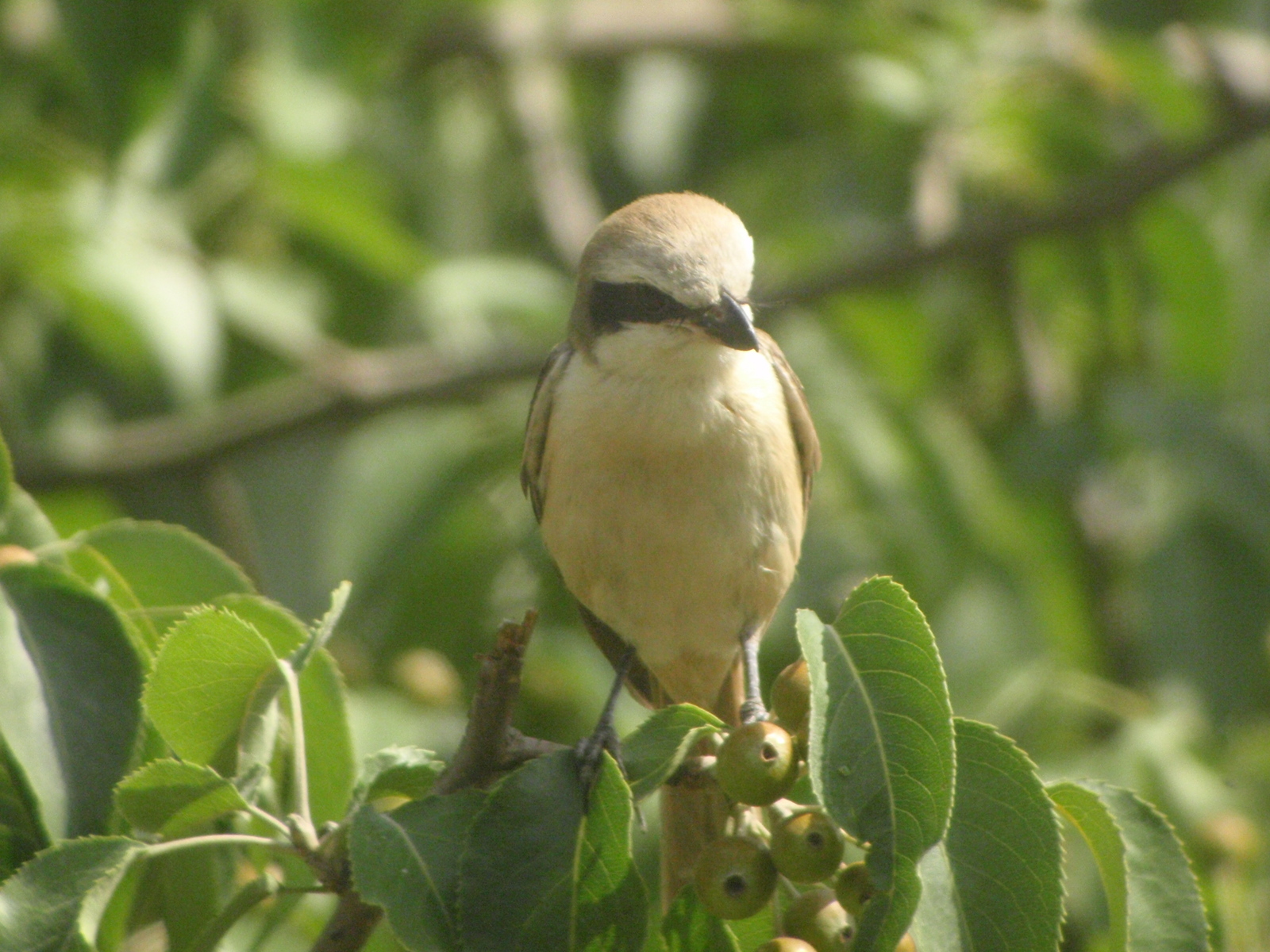
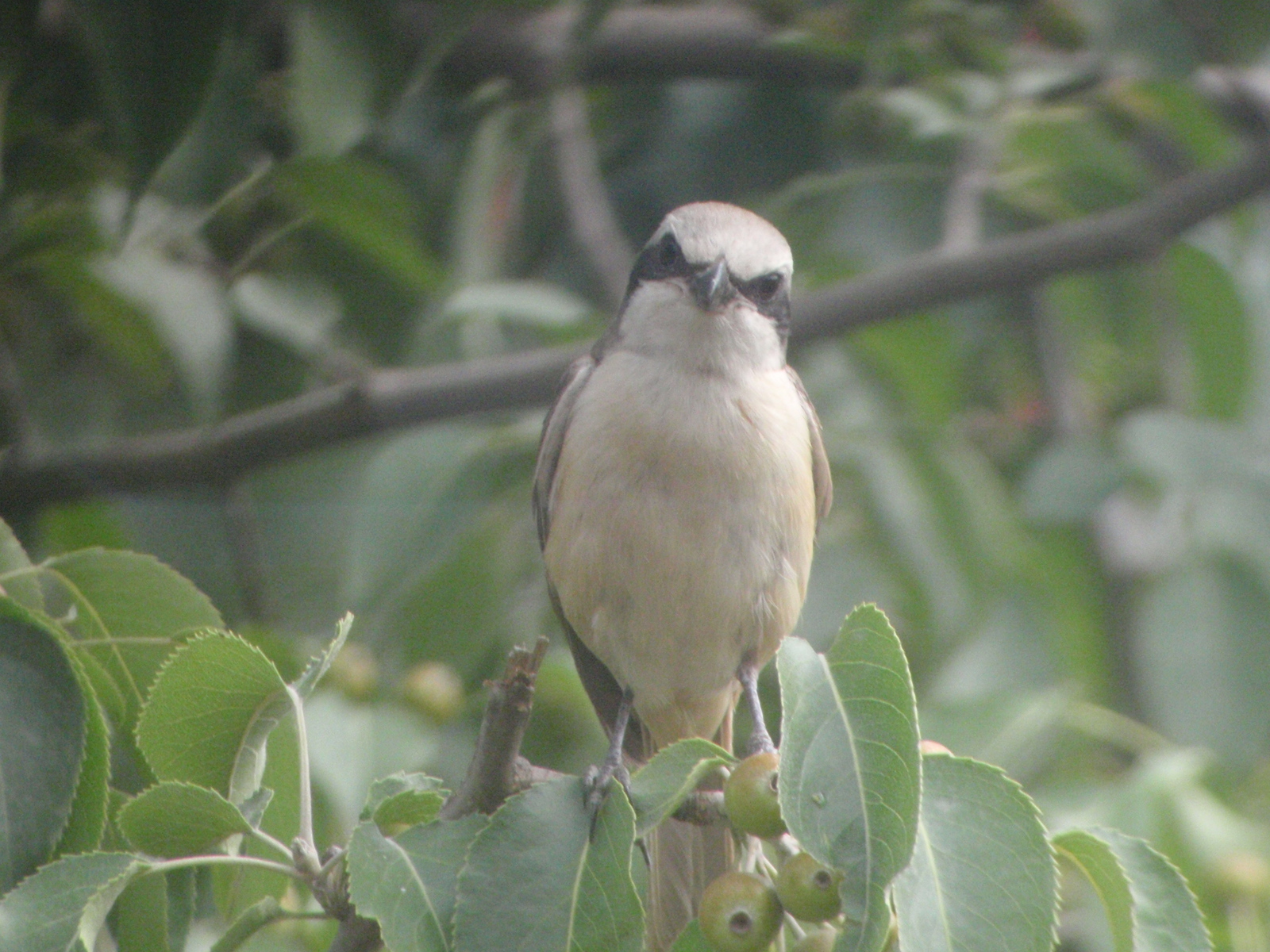
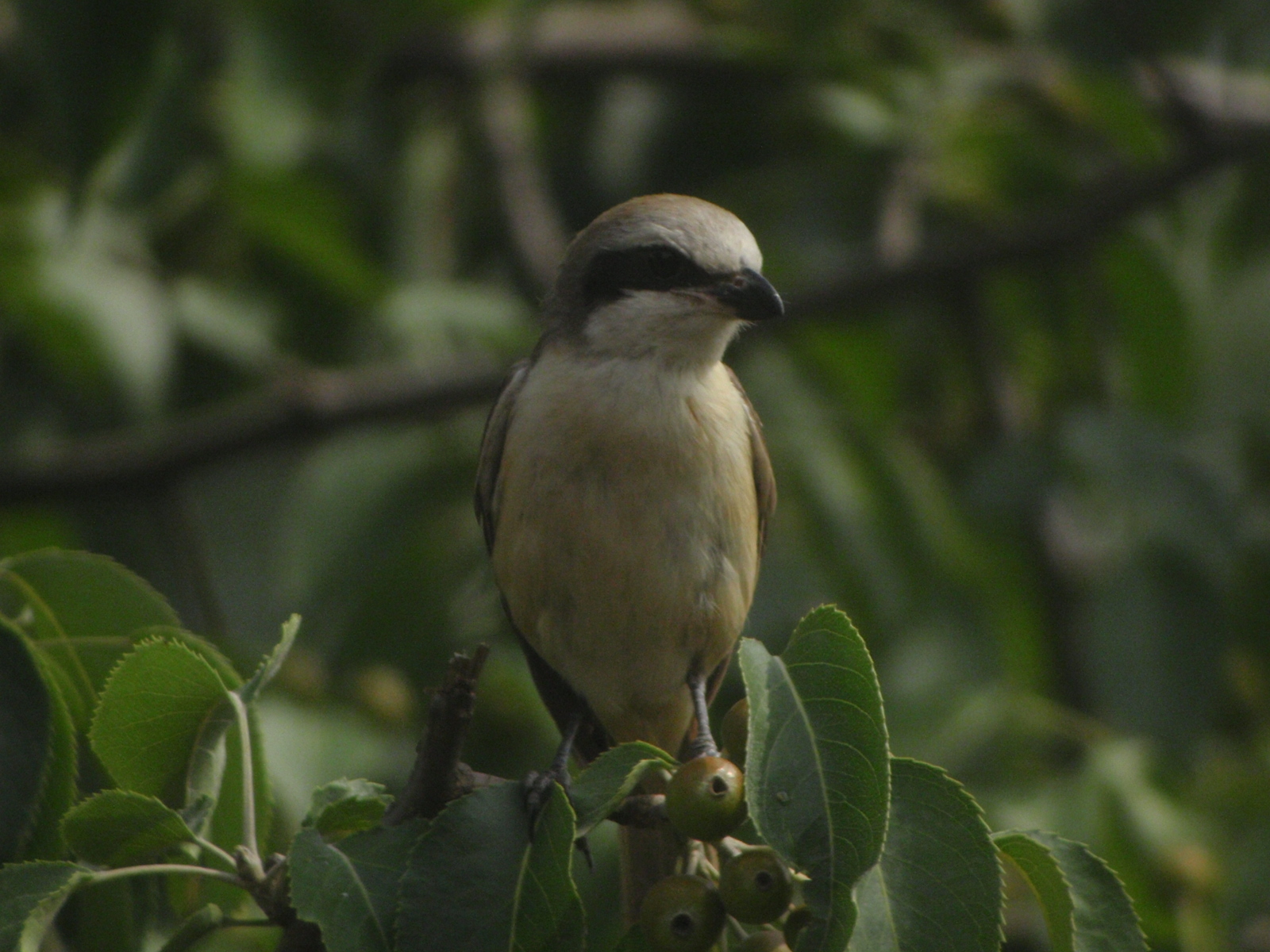
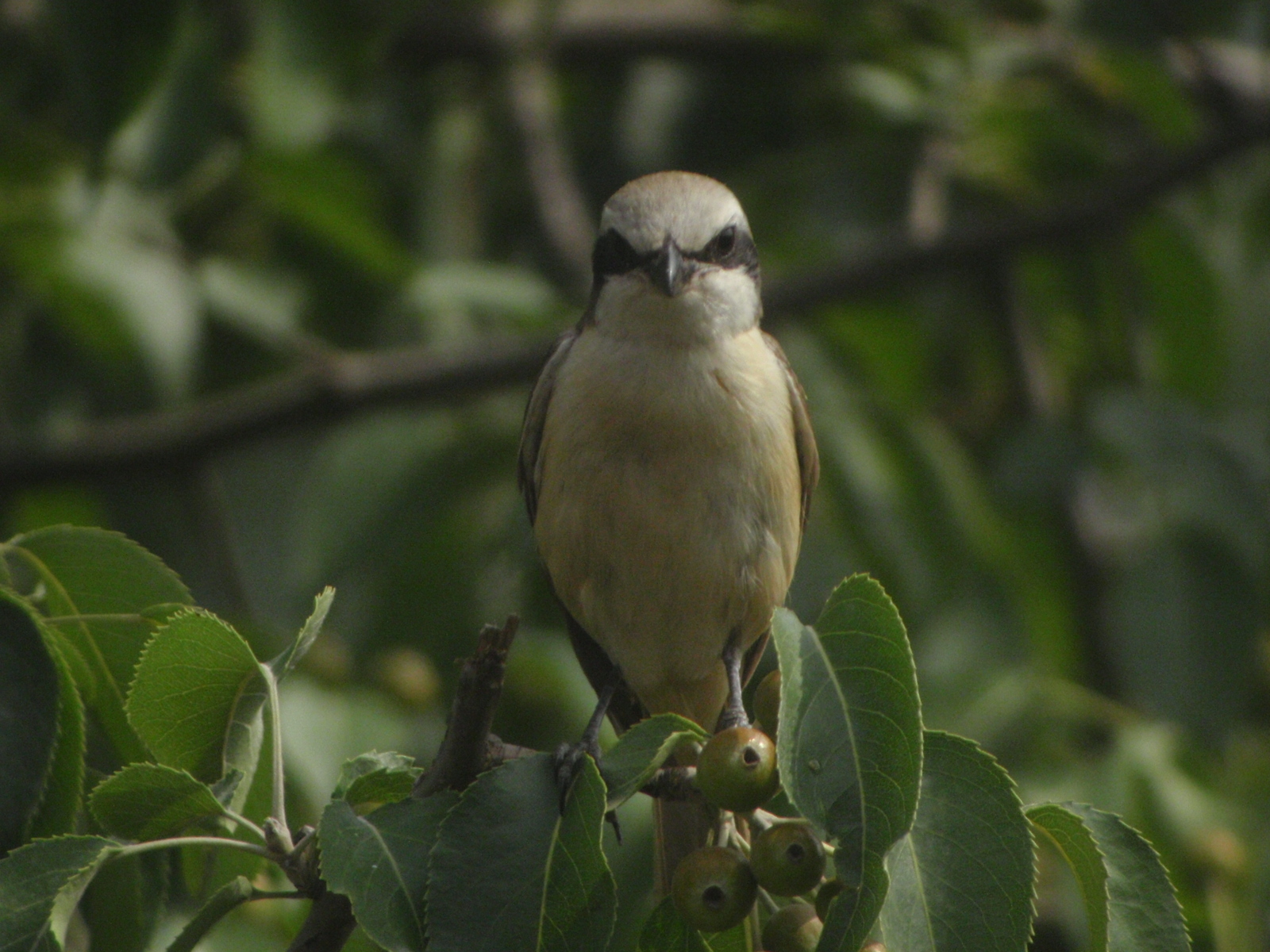
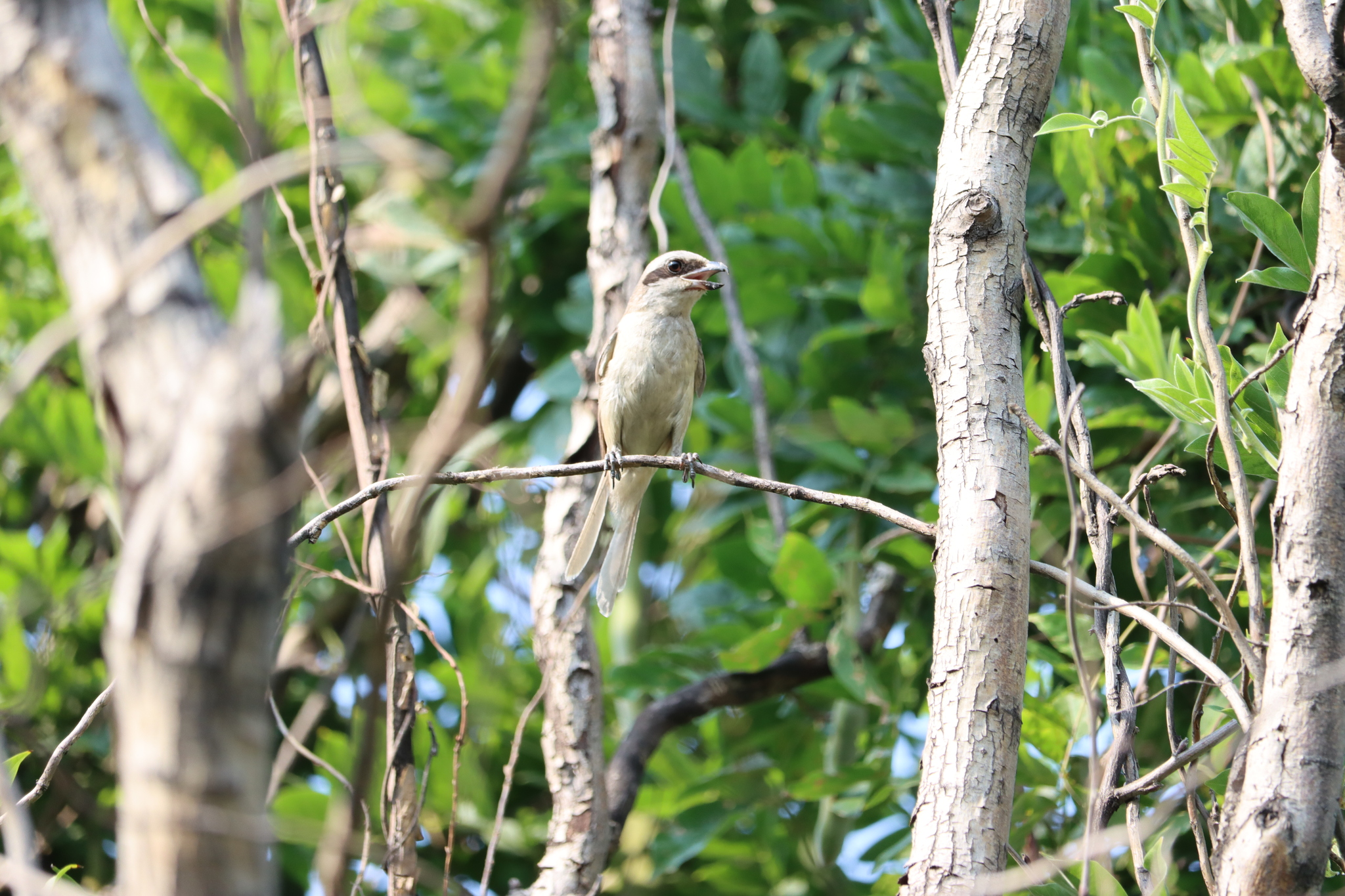
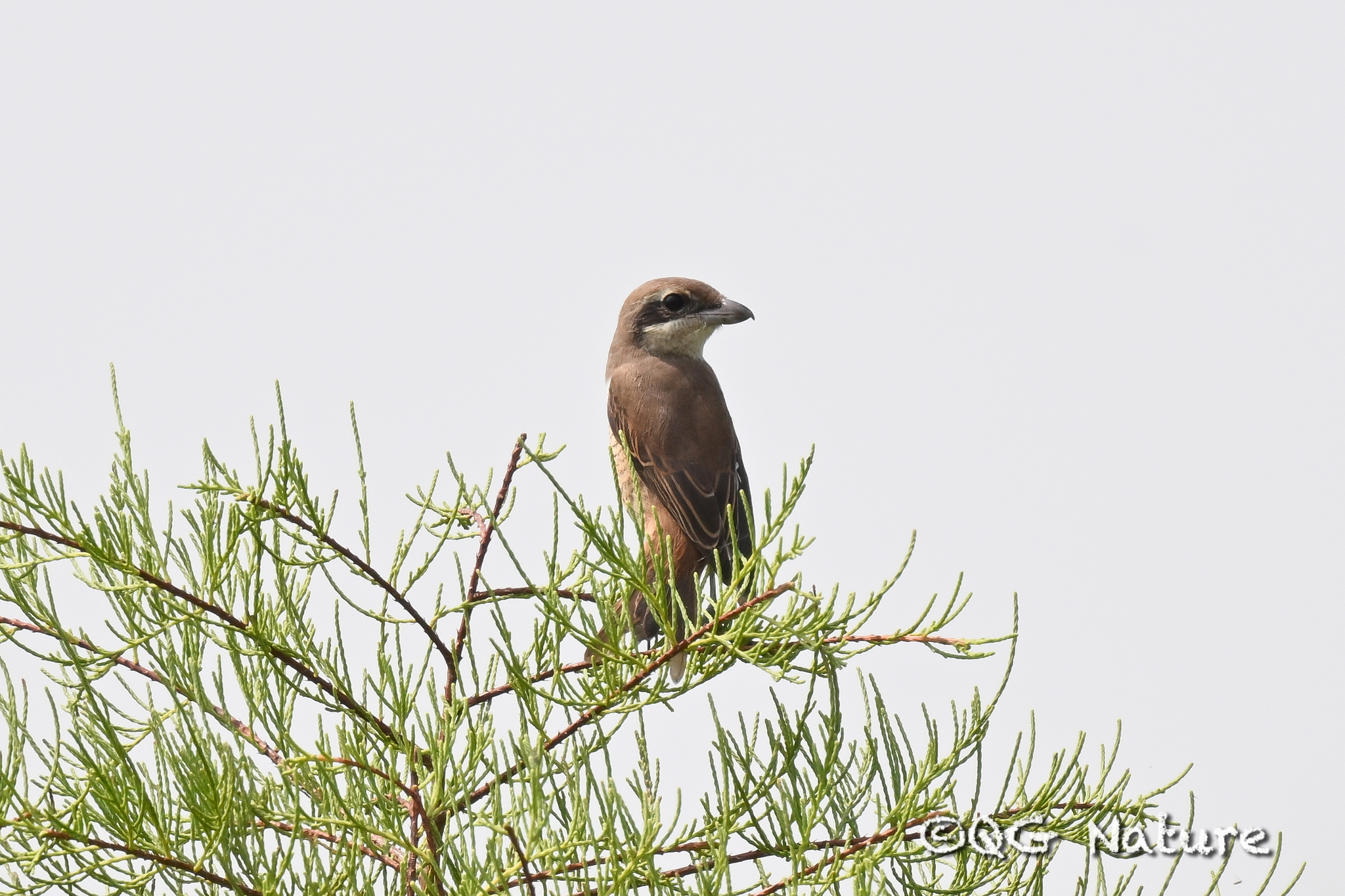
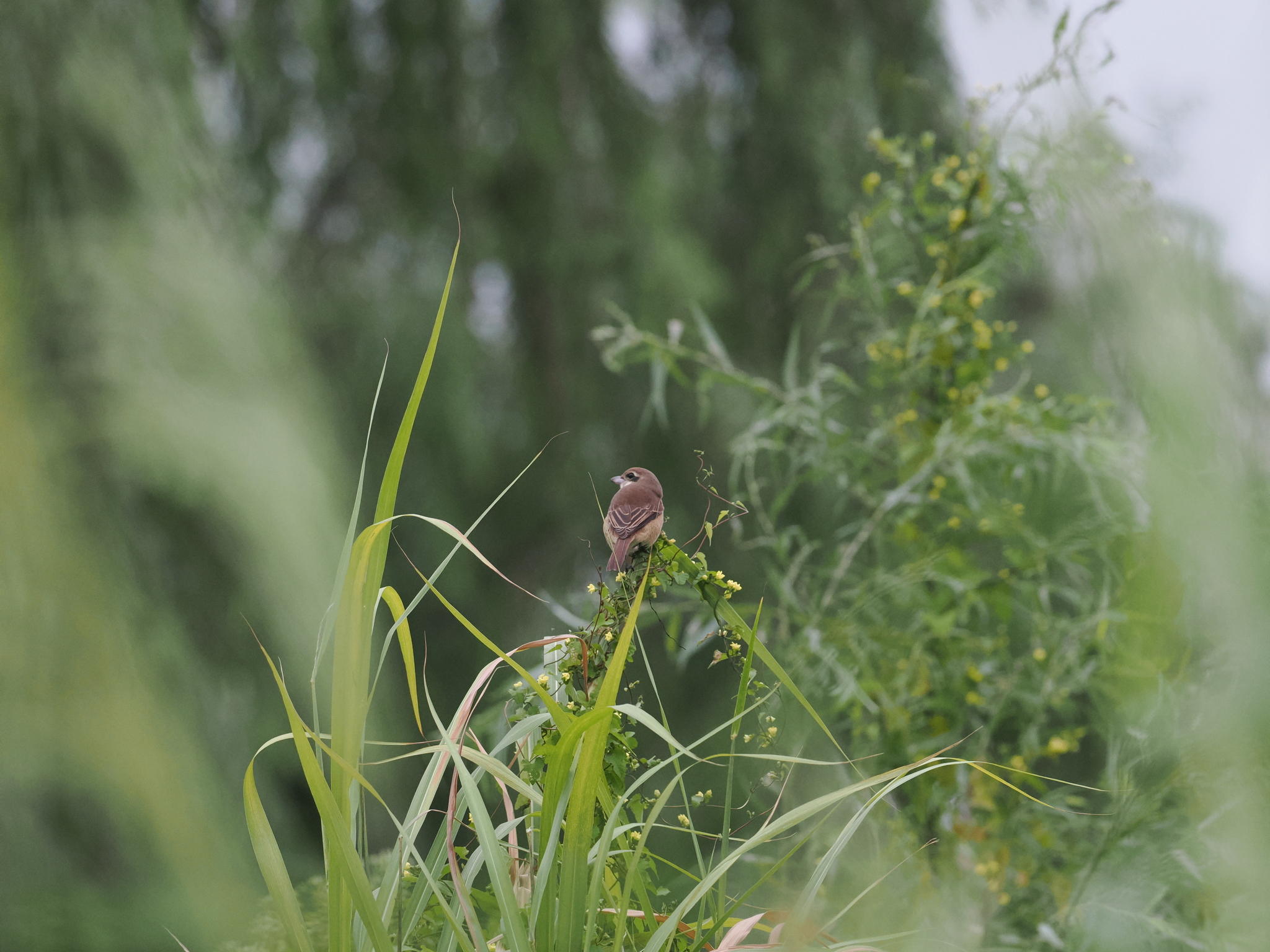
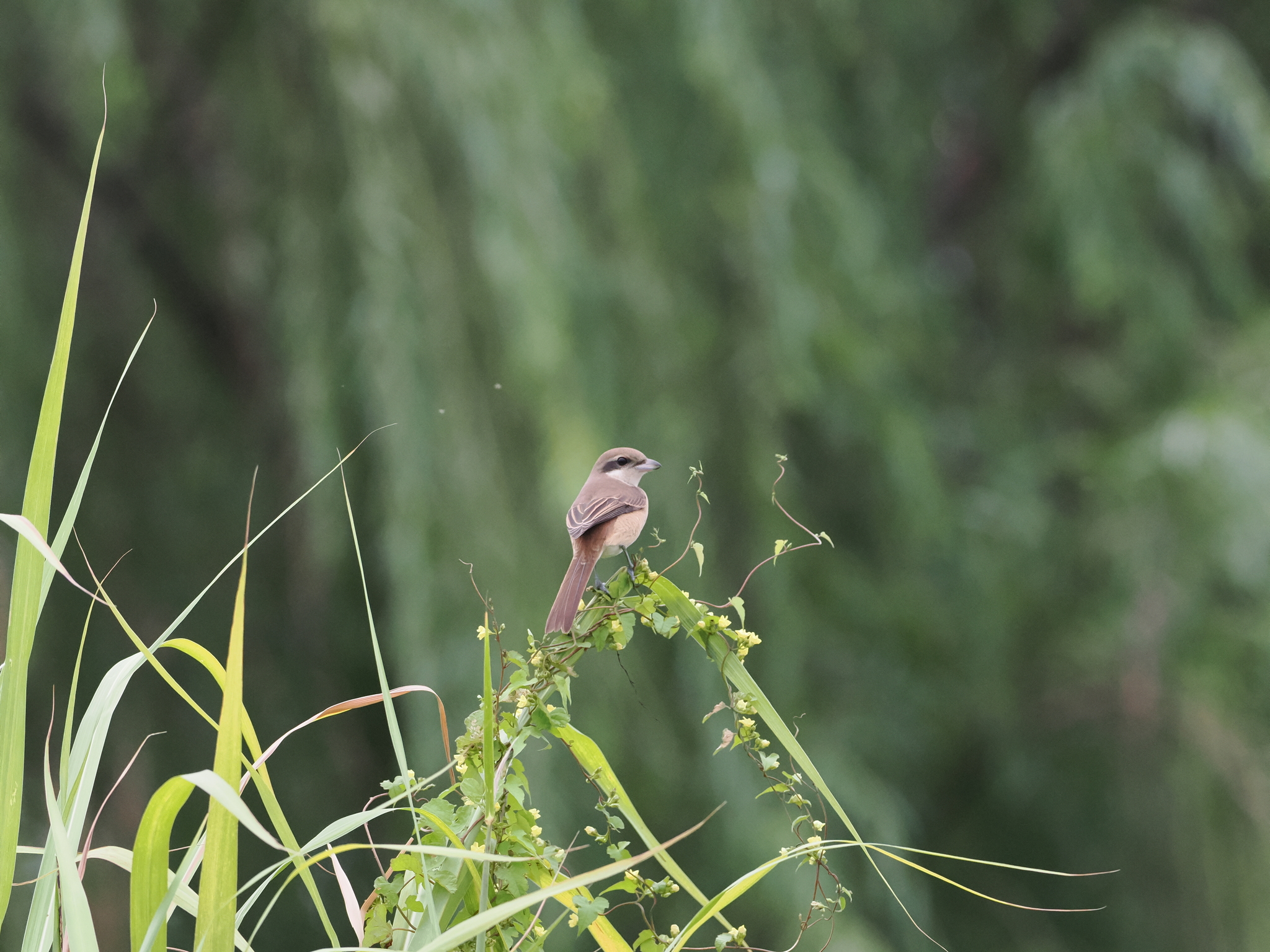
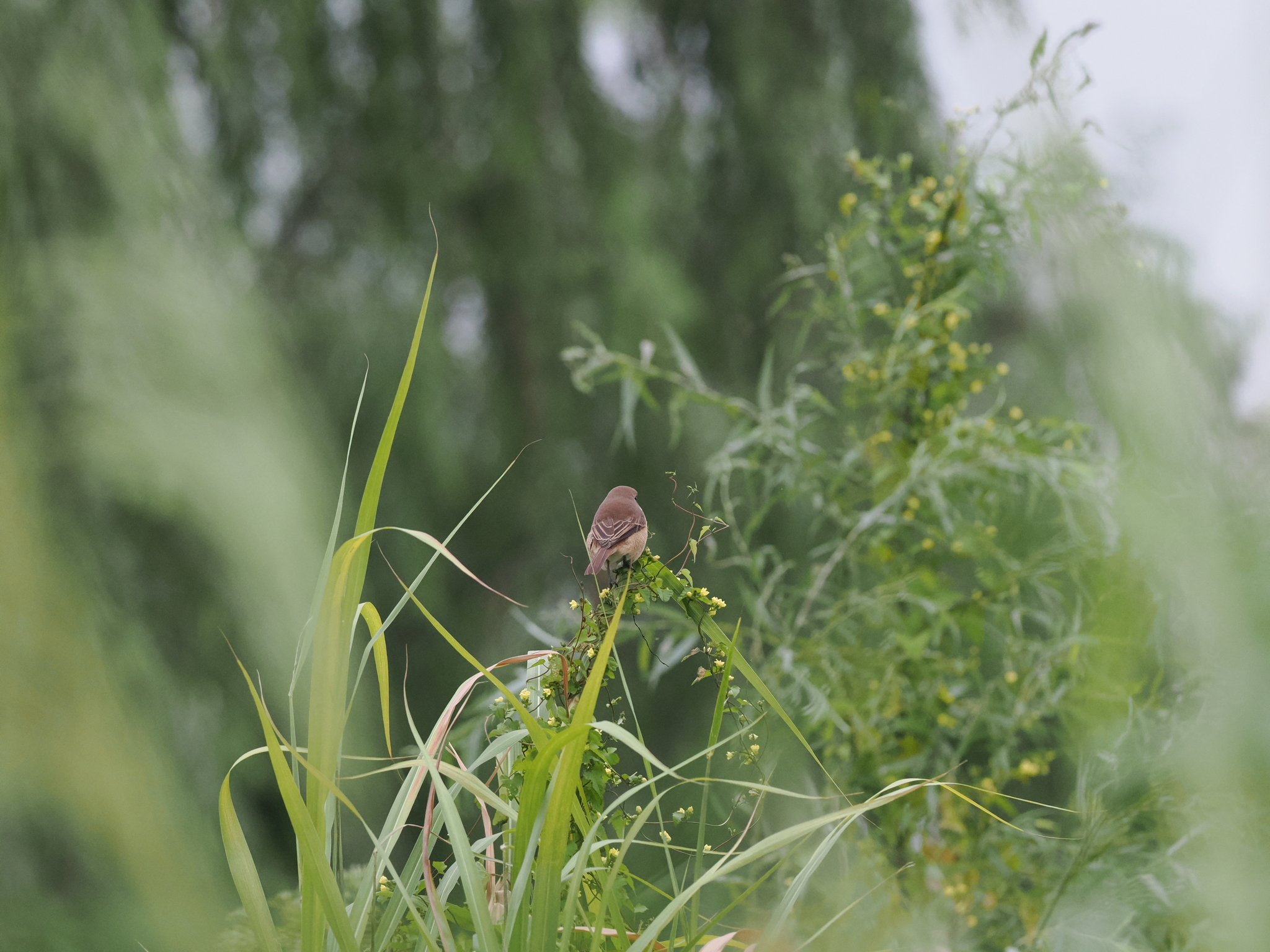
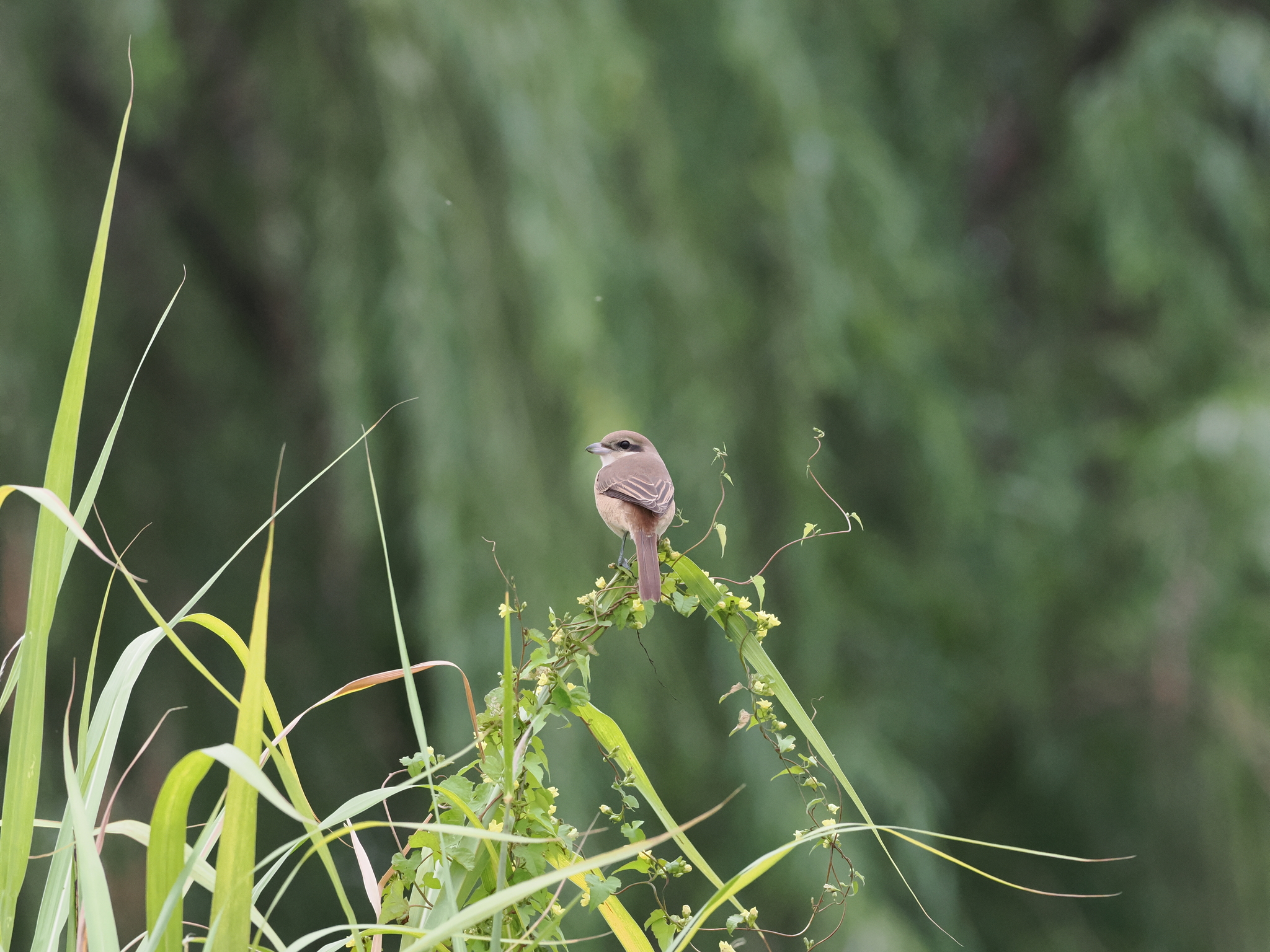
Brown Shrike
Lanius cristatus · 红尾伯劳
Introduction
A member of the shrike family found mainly in Asia, closely related to the red-backed and isabelline shrikes. It inhabits open scrub habitats, perching on thorny bushes to hunt prey. Several populations form distinctive subspecies that breed in temperate Asia and migrate to tropical Asia for winter. It is occasionally recorded as a vagrant in Europe and North America.
Description
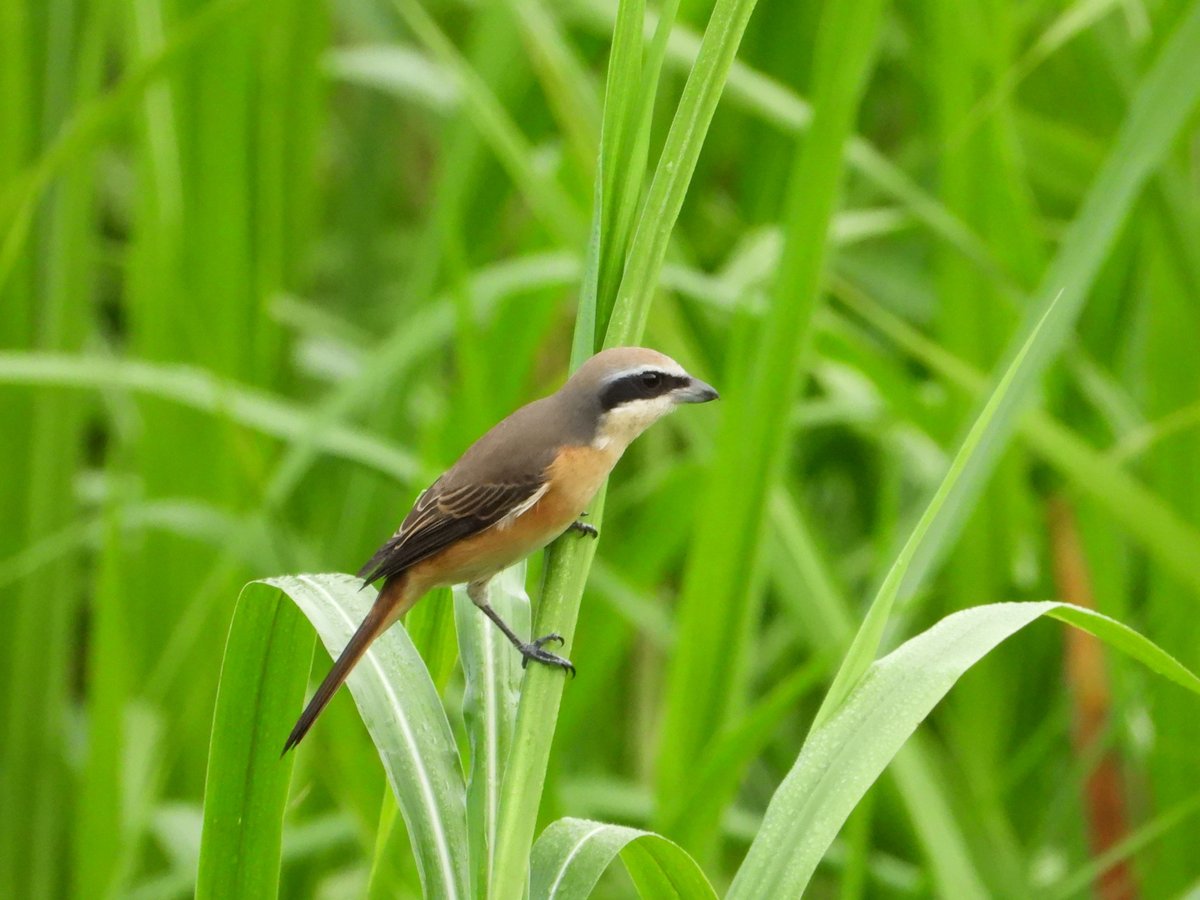
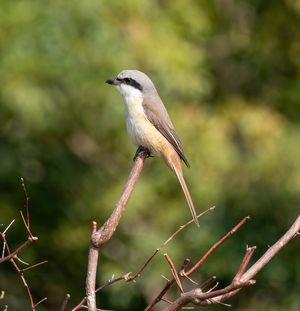
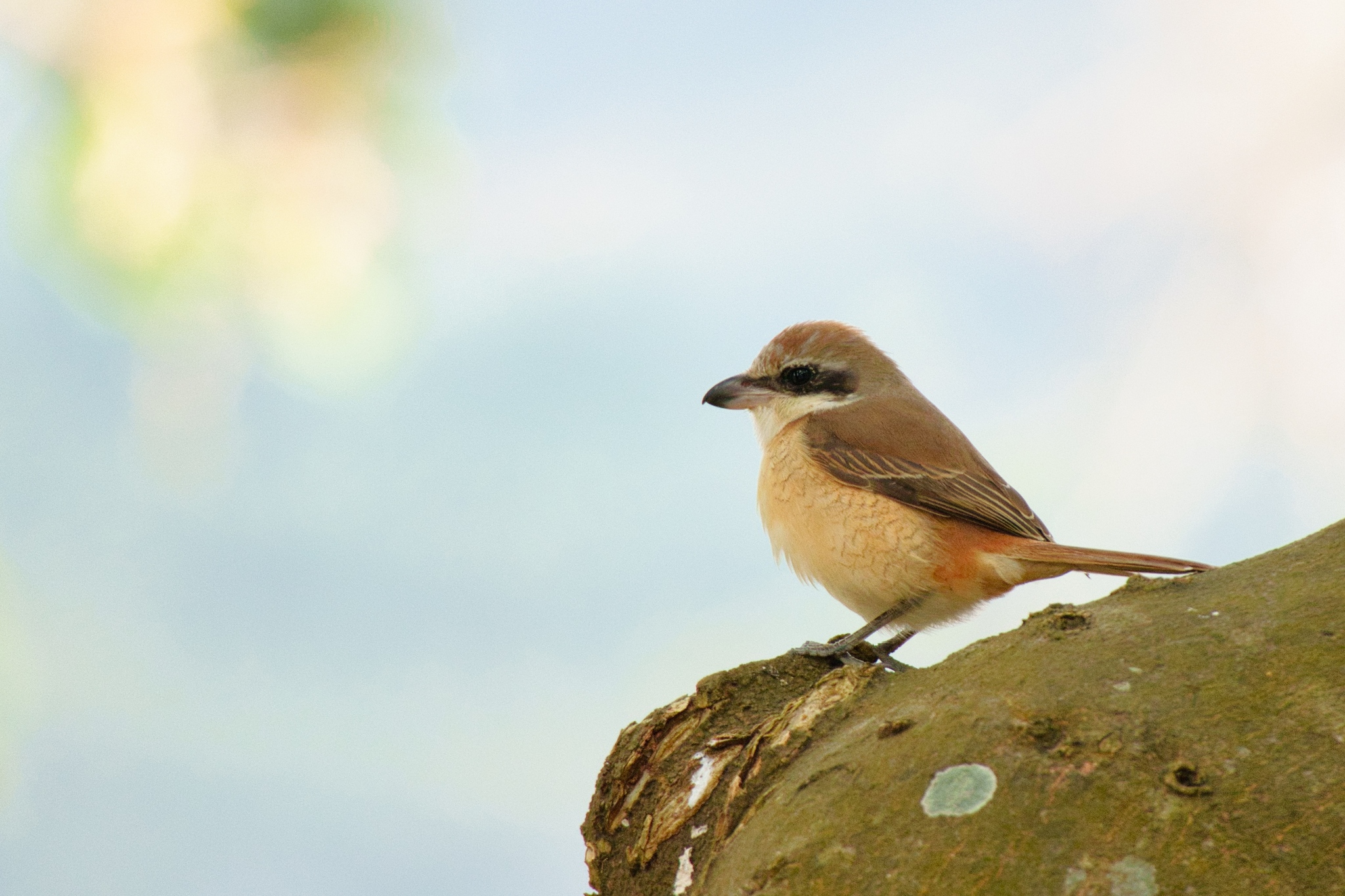
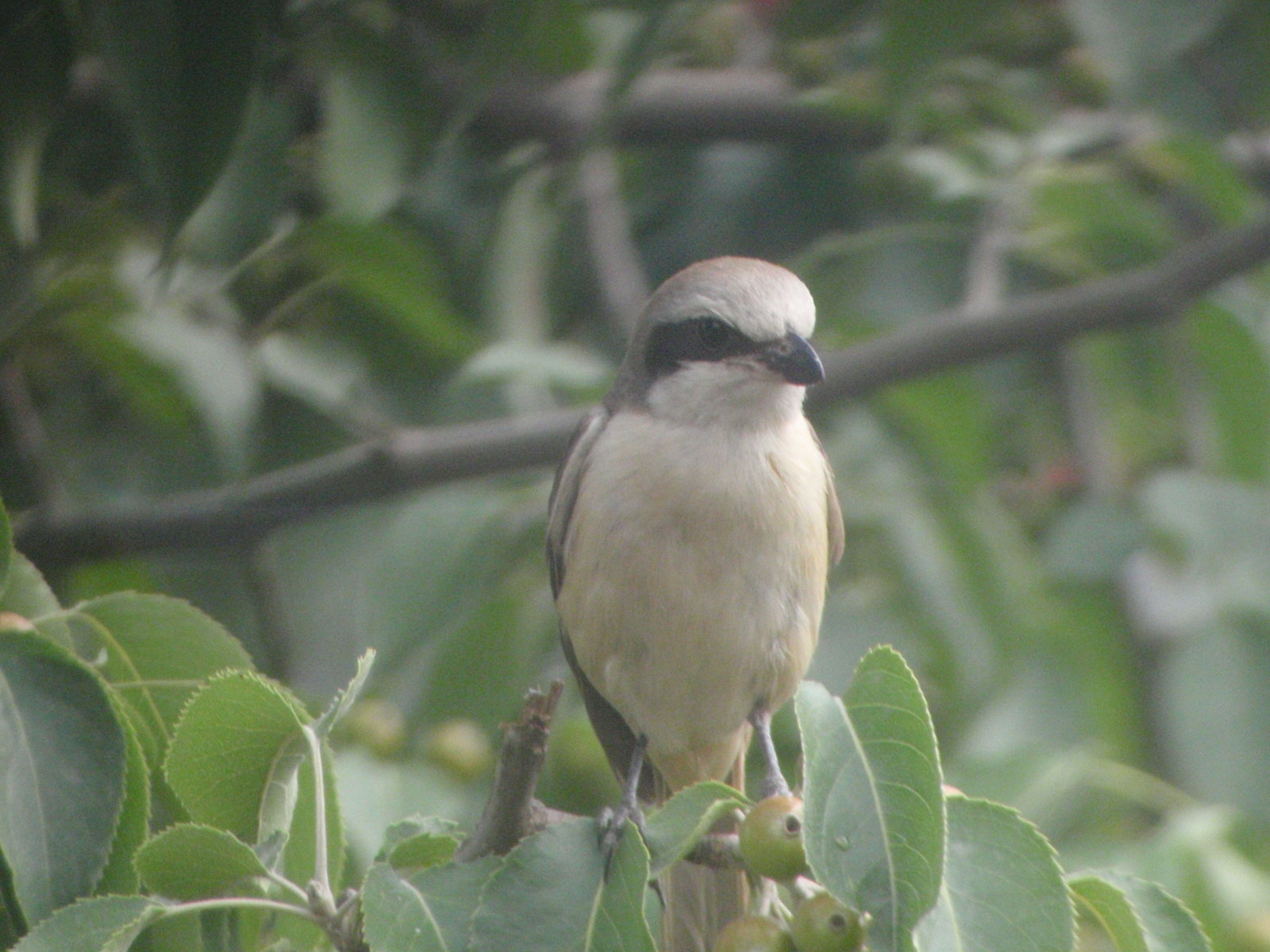
Mainly brown on the upper parts with a rounded tail. Features a black mask through the eye, which can be paler in winter, and a white brow above it. The underside is creamy with rufous flanks and belly. Wings are brown and lack white mirror patches. Females tend to have fine scalloping on the underside, and their mask is dark brown and less distinct than in males. Subspecies lucionensis has a grey crown shading into brown upperparts, a rufous rump, and a brownish tail. Younger birds of this subspecies have a brown crown and lack grey on the head. Subspecies superciliosus has a broad white supercilium, a richer reddish crown, and a redder tail tipped in white.
Identification
Distinguished by a black bandit-mask and white brow. The tail is more brownish and less reddish than in the red-backed shrike. Wings lack white mirror patches. Females show finer scalloping on the underside and a less marked dark brown mask. Subspecies superciliosus is identified by a broad white supercilium and reddish crown. Confusing forms exist in central Asia where populations overlap with isabelline and red-backed shrikes.
Distribution & Habitat
Breeds in temperate Asia, including Siberia, Mongolia, northeast China, Korea, Japan, and Sakhalin. Migrates to winter in tropical Asia, including India, Myanmar, the Malay Peninsula, Sumatra, Java, the Philippines, Borneo, Sulawesi, and the Lesser Sunda Islands. Subspecies cristatus breeds from central and east Siberia to north Mongolia, wintering in India to the Malay Peninsula. Subspecies confusus breeds in east Mongolia, southeast Russia, and northeast China. Subspecies lucionensis breeds in east China, Korea, and south Japan, wintering in southeast China, the Philippines, Borneo, and Sulawesi. Subspecies superciliosus breeds in Sakhalin and Japan, wintering in southeast China and Indochina to the Lesser Sunda Islands. Rare in Europe; vagrants recorded in the United States and Canada.
Behavior & Ecology
Migratory with high fidelity to wintering sites, often returning to the same locations. Arrives in India in August and September, departing in April. Establishes wintering territories shortly after arrival, using loud chattering or rattling calls. Song in winter quarters is faint, resembling the rosy starling, and includes mimicry; the beak remains closed during singing while throat pulsations and tail movements are visible. Undergoes premigratory moult in winter. Breeds in late May or June in taiga, forest, or semi-desert habitats, building nests in trees or bushes and laying two to six eggs. Feeds mainly on insects, especially Lepidoptera, but also takes small birds and lizards. Impales prey on thorns and typically hunts by flying down from a perch.
Source: Wikipedia · CC BY-SA 3.0
Taxonomy
- Order
- Passeriformes
- Family
- Laniidae
- Genus
- Lanius
Vocalizations
Subspecies (4)
-
Lanius cristatus confusus
breeds Manchuria and Amurland; winters to Malay Peninsula and Sumatra
Data Sources
Species description from Wikipedia, licensed under CC BY-SA 3.0.
Bird images and sounds sourced from GBIF, contributed by citizen scientists worldwide under Creative Commons licenses.
Taxonomy data from AviList 2025.