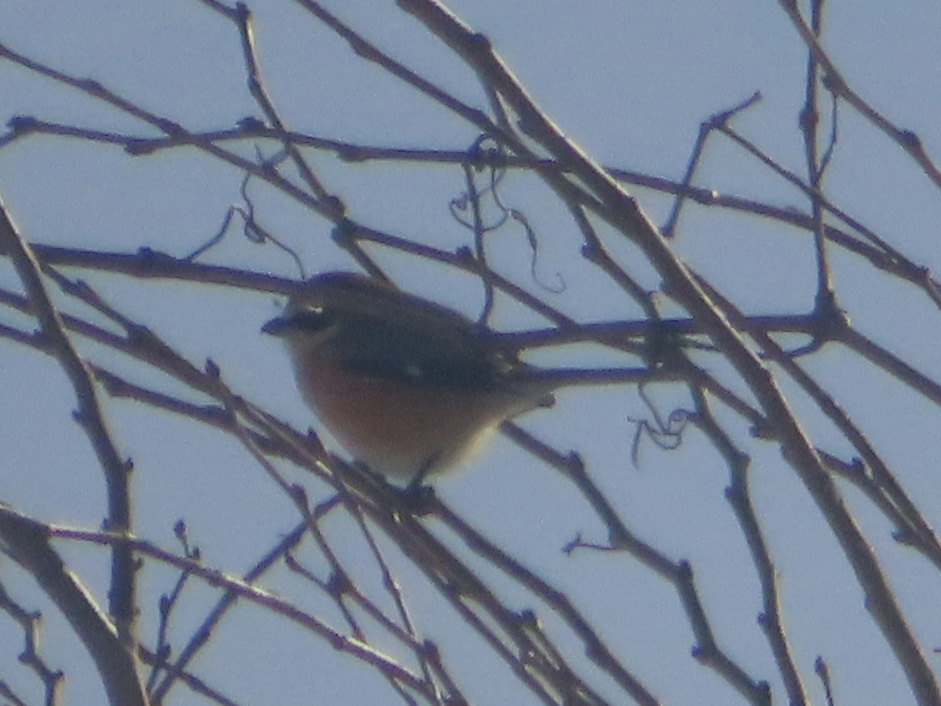
Bull-headed Shrike
Lanius bucephalus
牛头伯劳
Introduction
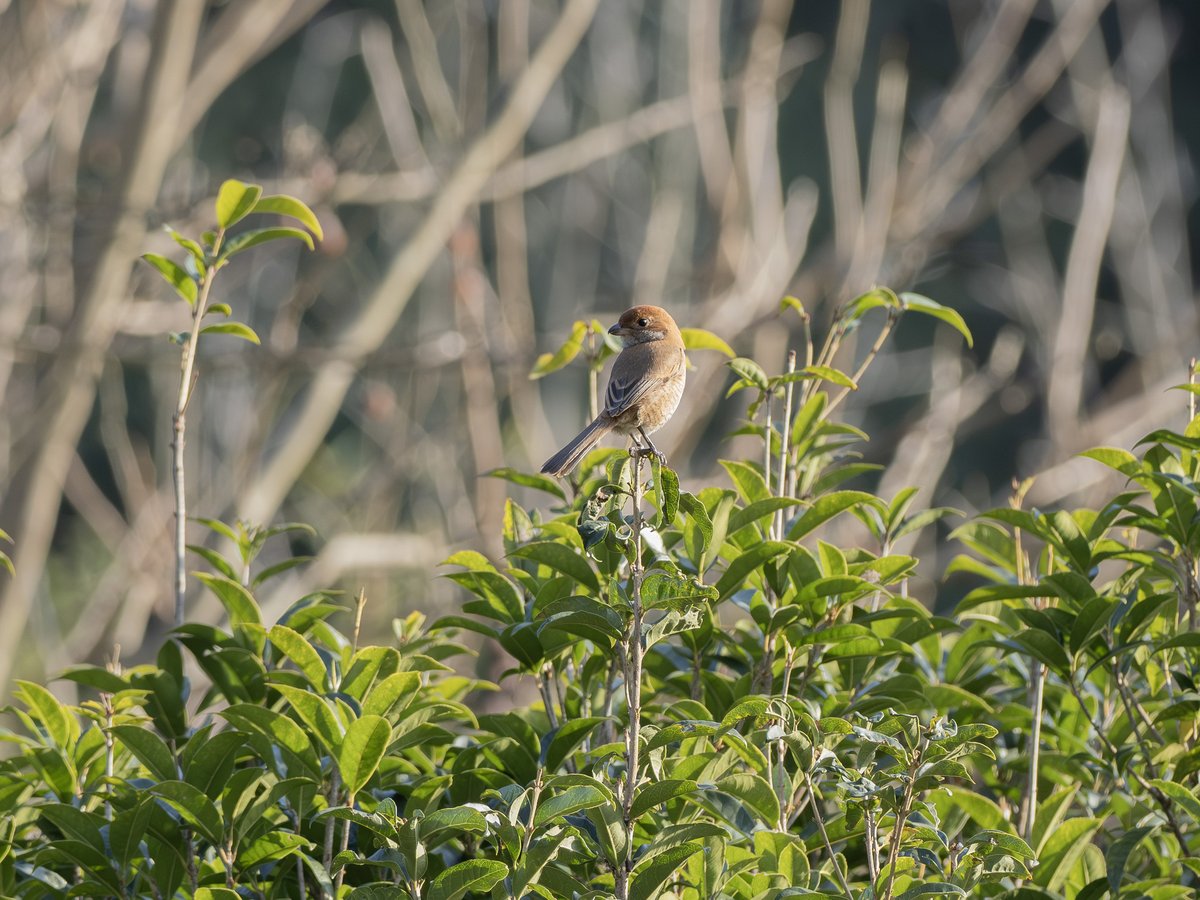
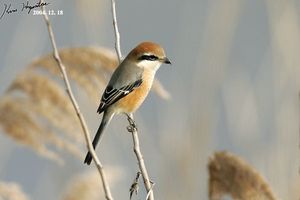
A medium-sized shrike species found across eastern Asia. Inhabits open farmland, woodland edges, and suburban gardens. Males display chocolate-brown crowns, white eyebrows, black masks extending through the eye, grey-brown upperparts, dark wings with a prominent white patch, and warm rufous flanks. Females are browner overall and lack the male's wing patch. Produces harsh, grating calls including chattering notes and mimicry of other bird species. Impales prey on thorns. Active and conspicuous behavior.
Description
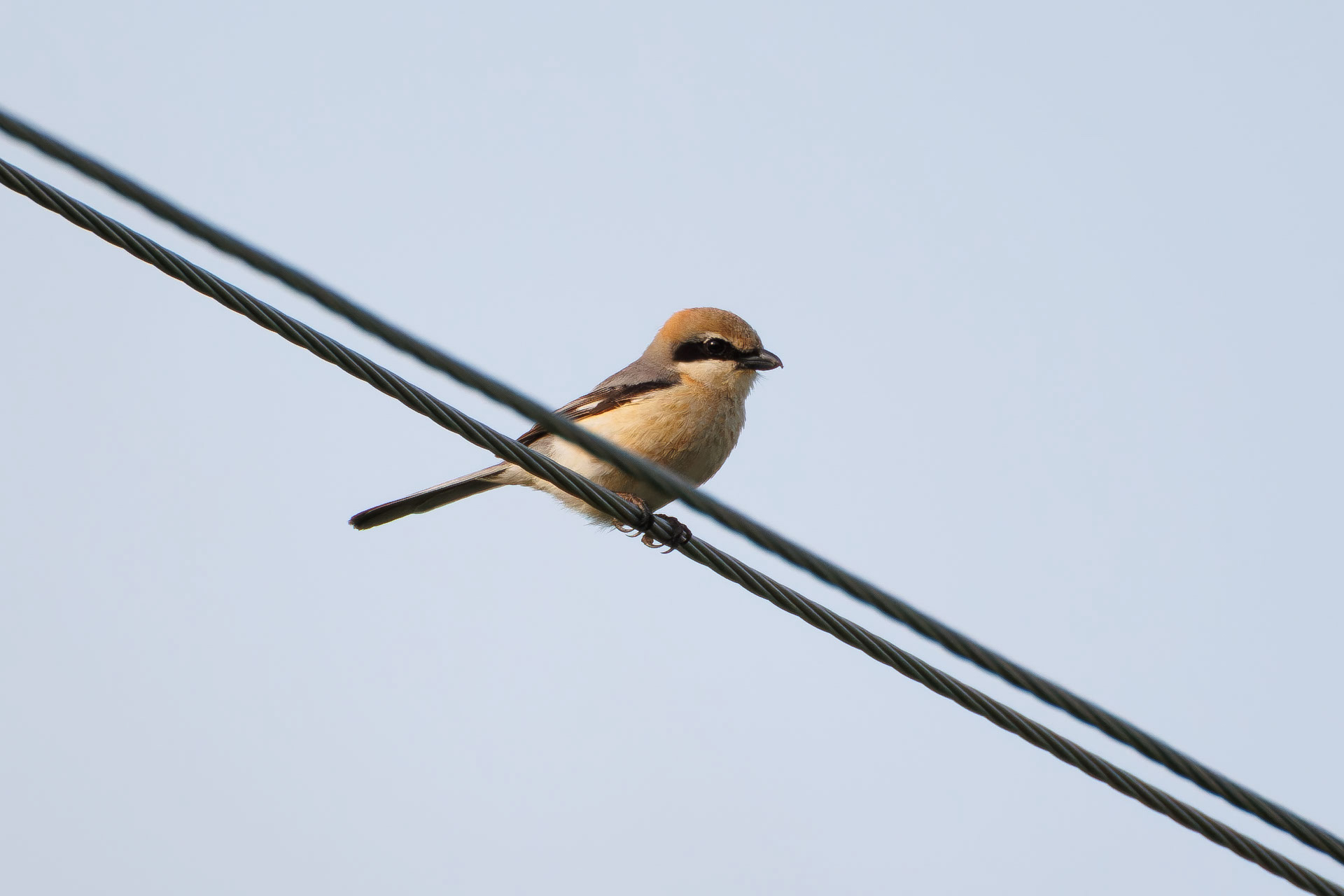
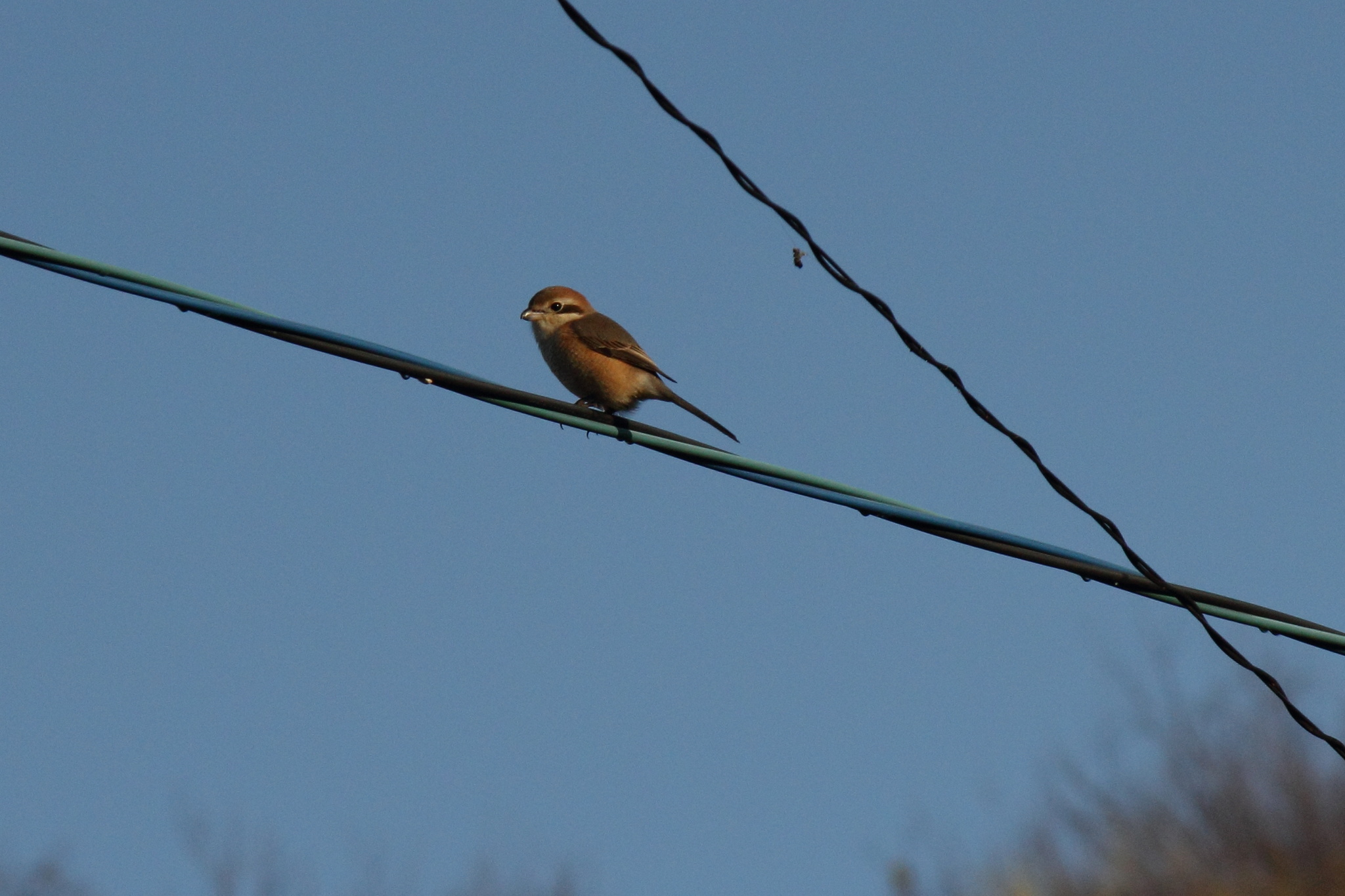
This medium-sized passerine measures 19-20 cm in length with a relatively robust build typical of shrikes. The male displays a chocolate-brown crown, a prominent white supercilium, and a broad black mask extending from the base of the bill through and behind the eye. The upperparts are grey-brown, while the wings are dark brown with a conspicuous white patch visible in flight. The underparts are whitish with fine dark barring on the flanks and lower breast. Females resemble males but appear overall duller and browner, with a brown rather than black mask and lacking the white wing patch entirely. Both sexes show the characteristic hooked bill of predatory shrikes.
Identification
This species is most readily identified by its bold facial pattern combining a brown crown, white eyebrow, and black mask—creating a distinctive 'bull-headed' expression. The white wing patch in males is a key field mark, visible both at rest and in flight. The rufous flanks help distinguish it from similar grey-backed shrikes. Females can be more challenging but are generally warmer brown than males of other shrike species in range. The combination of habitat preference for open agricultural land and woodland edges, plus the species' upright posture on exposed perches, aids identification. Unlike the great grey shrike, this species shows warmer brown tones overall.
Distribution & Habitat
Breeds across a broad swath of eastern Asia including northeastern China, the Korean Peninsula, Japan, and far-eastern Russia—specifically Ussuriland, Sakhalin, and the Kuril Islands. Northern populations are migratory, spending winters in southern parts of the range with some individuals reaching southern China. Vagrant records exist from Taiwan, Hong Kong, and Vietnam. A geographically isolated race (sicarius) is confined to the mountains of Gansu Province in west-central China, representing a disjunct population. Habitats include open farmland, hedgerows, woodland clearings, and the margins of urban areas where parks and gardens provide suitable hunting grounds.
Behavior & Ecology
This predatory songbird employs a sit-and-wait hunting strategy, watching from prominent perches for prey to pass below before dropping to capture it. The diet consists primarily of insects including beetles and crickets, but also includes lizards and crustaceans. Like other shrikes, it impales prey items on thorns or sharp twigs—a behavior that serves multiple purposes including easier food processing and territorial display. The nest is constructed among bushes or bamboo stands where 2-6 eggs are laid. Incubation lasts 14-15 days with fledging occurring approximately 14 days after hatching. Vocalizations are harsh and grating, incorporating chattering notes and the ability to mimic other bird species.
Culture
No significant cultural information available in source material.
Source: Wikipedia · CC BY-SA 3.0
Taxonomy
- Order
- Passeriformes
- Family
- Laniidae
- Genus
- Lanius
- eBird Code
- buhshr1
Vocalizations
Subspecies (2)
-
Lanius bucephalus bucephalus
eastern Asia, Japan, Korea, and northeastern China
-
Lanius bucephalus sicarius
west-central China (Tao Valley of southwestern Gansu)
Data Sources
Species description from Wikipedia, licensed under CC BY-SA 3.0.
Bird images and sounds sourced from GBIF, contributed by citizen scientists worldwide under Creative Commons licenses.
Taxonomy data from AviList 2025.