



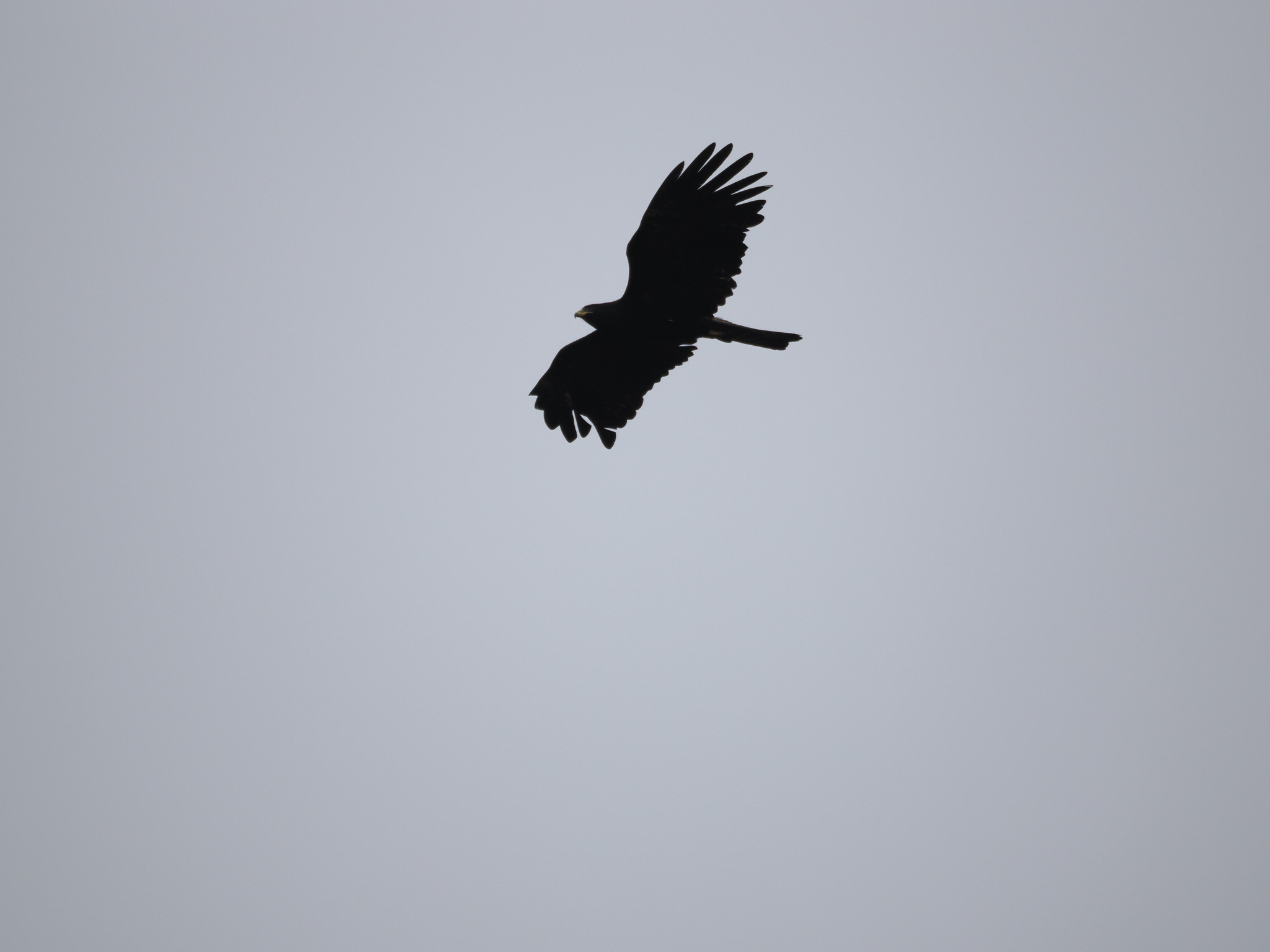
Accipitriformes / Accipitridae / Ictinaetus
Black Eagle
Ictinaetus malaiensis · 林雕
Introduction
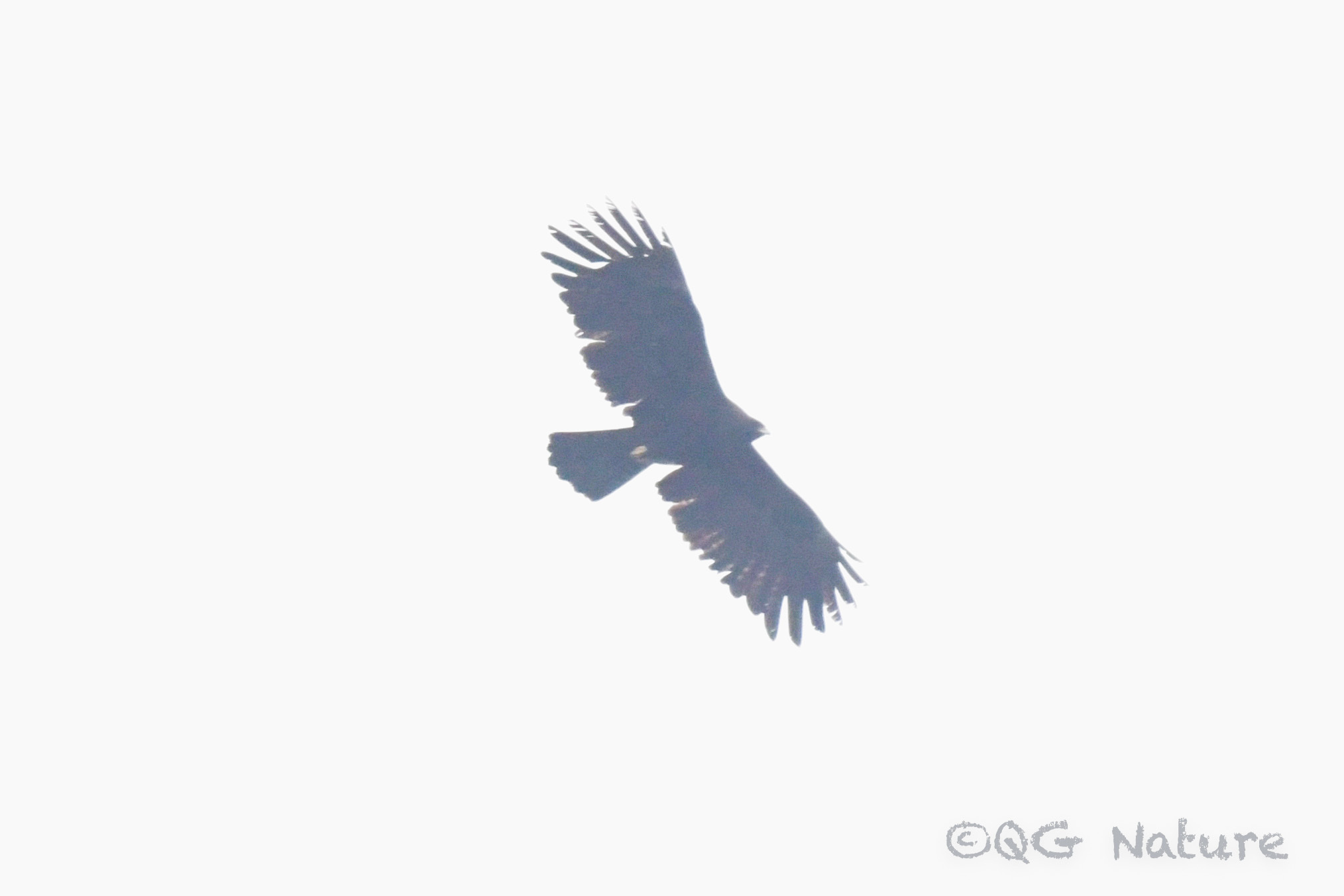
A bird of prey in the family Accipitridae and the only member of the genus Ictinaetus. It soars over forests in hilly regions of tropical and subtropical South and Southeast Asia, as well as southeastern China. Distinctive traits include hunting mammals and birds at their nests and a characteristic slow flight with widely splayed primary feathers.
Description
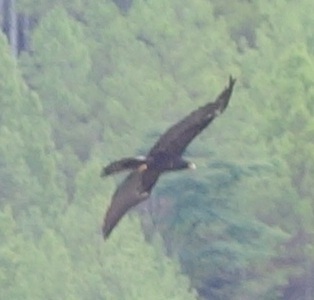
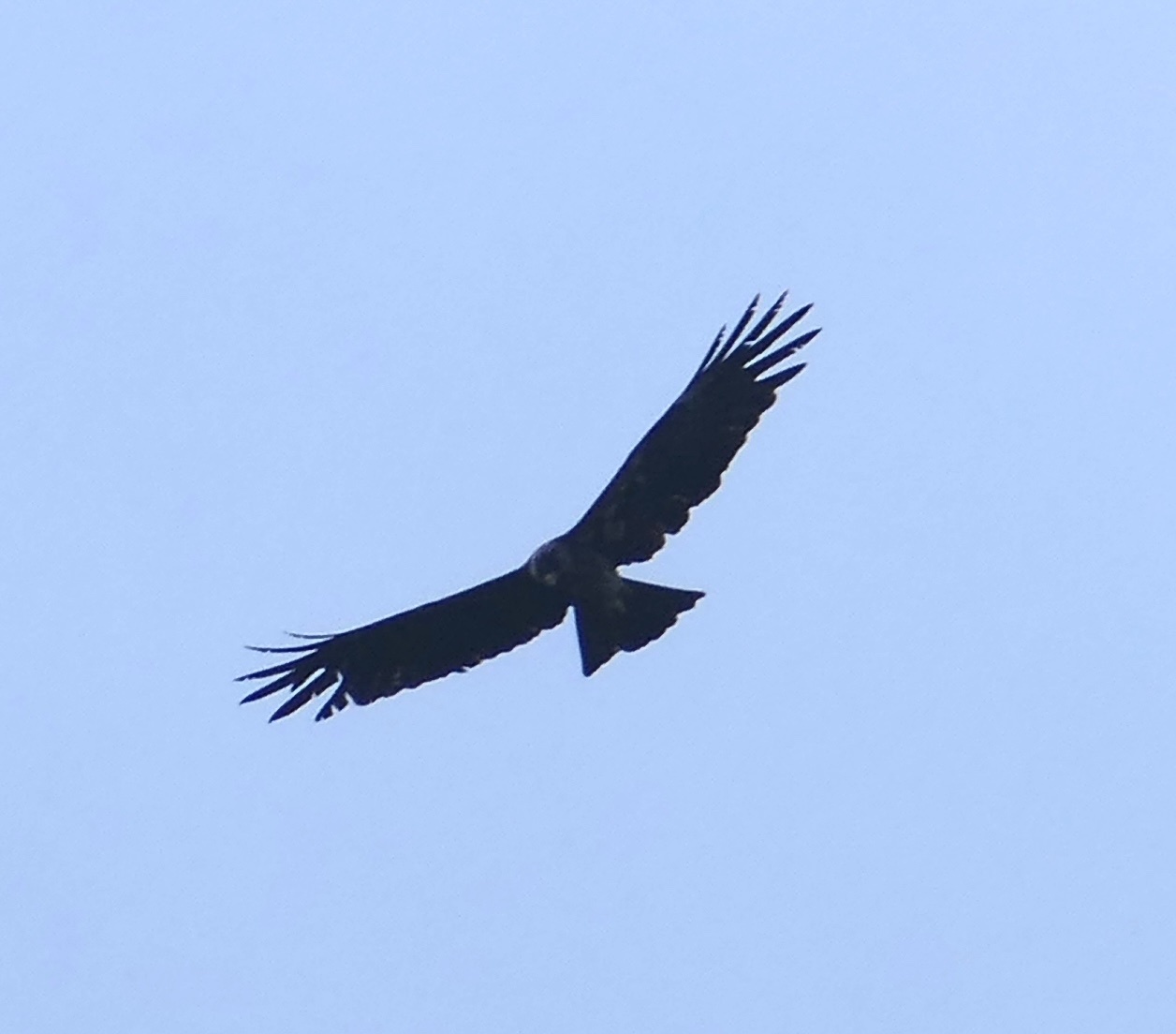
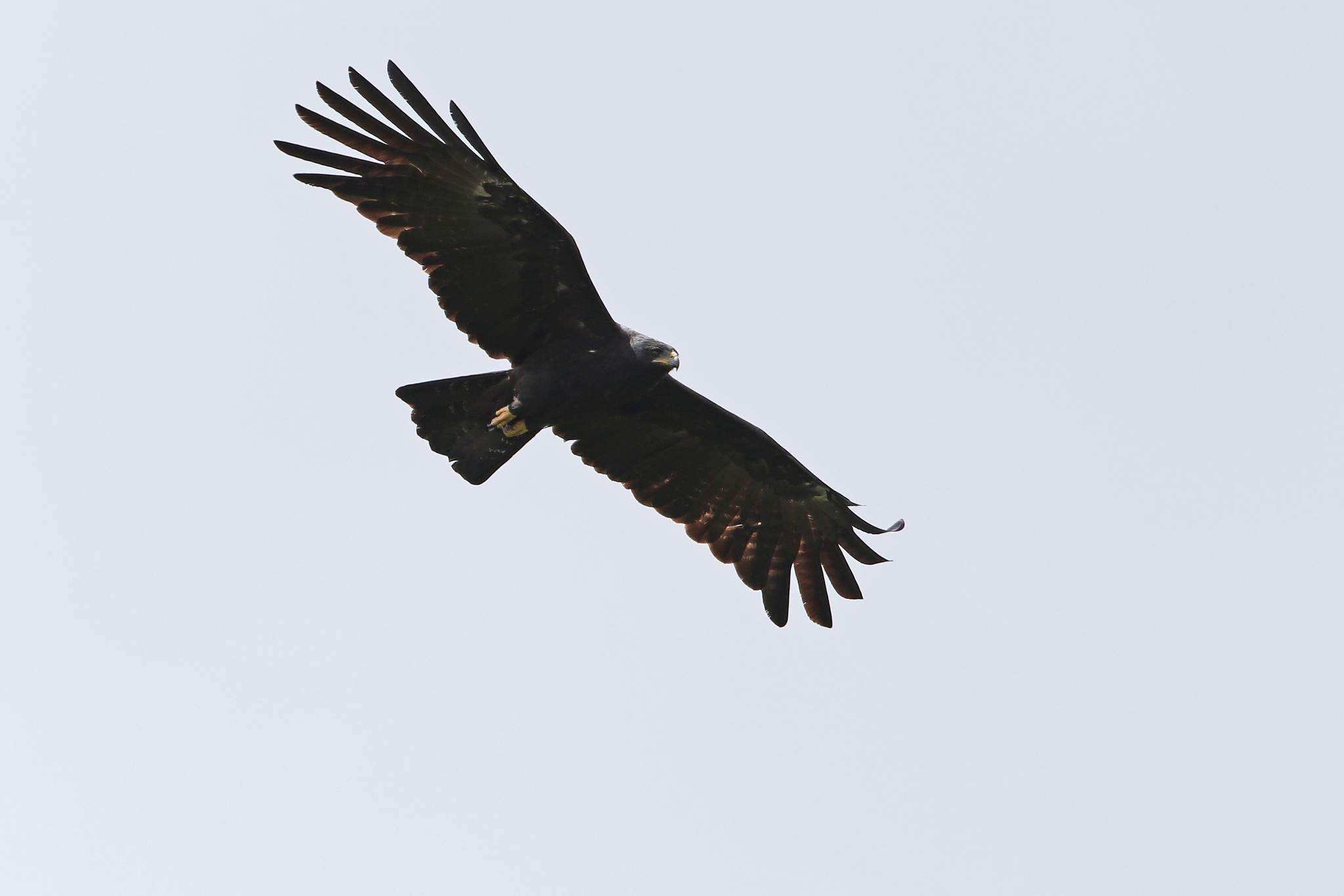
Large but slender, about 75 cm (30 in) in length with a wingspan of 148 to 182 cm (4 ft 10 in to 6 ft 0 in). Weight ranges between 1,000 and 1,600 g (2.2 and 3.5 lb). Adults have all-black plumage, yellow ceres and feet, and faintly barred tails with paler upper tail covers. Wing tips reach or exceed the tail tip when perched. Young birds have a buff head, underparts, and underwing coverts. Tarsi are fully feathered; toes are stout and short with long, less strongly curved claws.
Identification
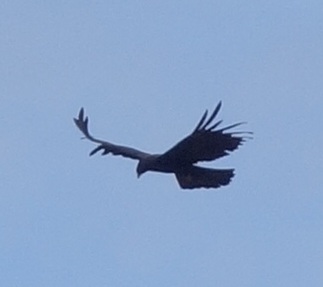
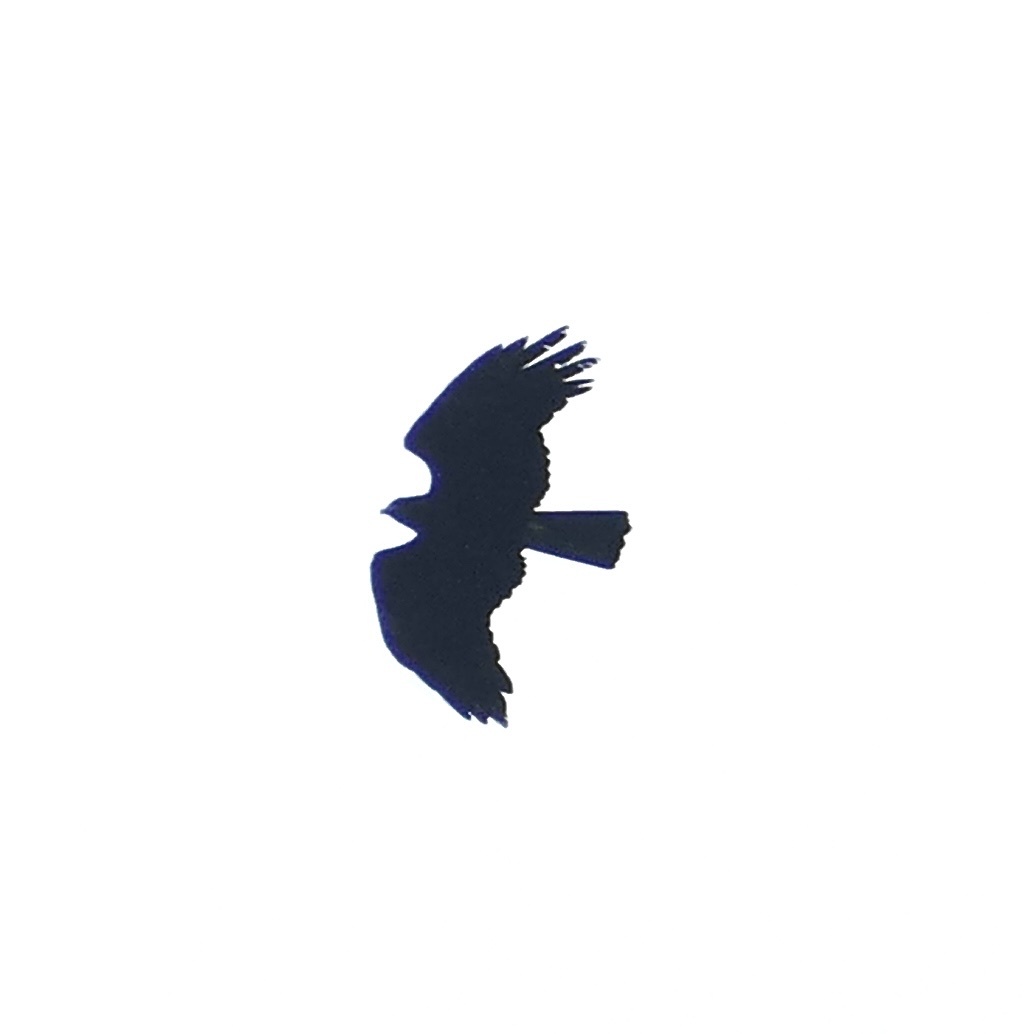
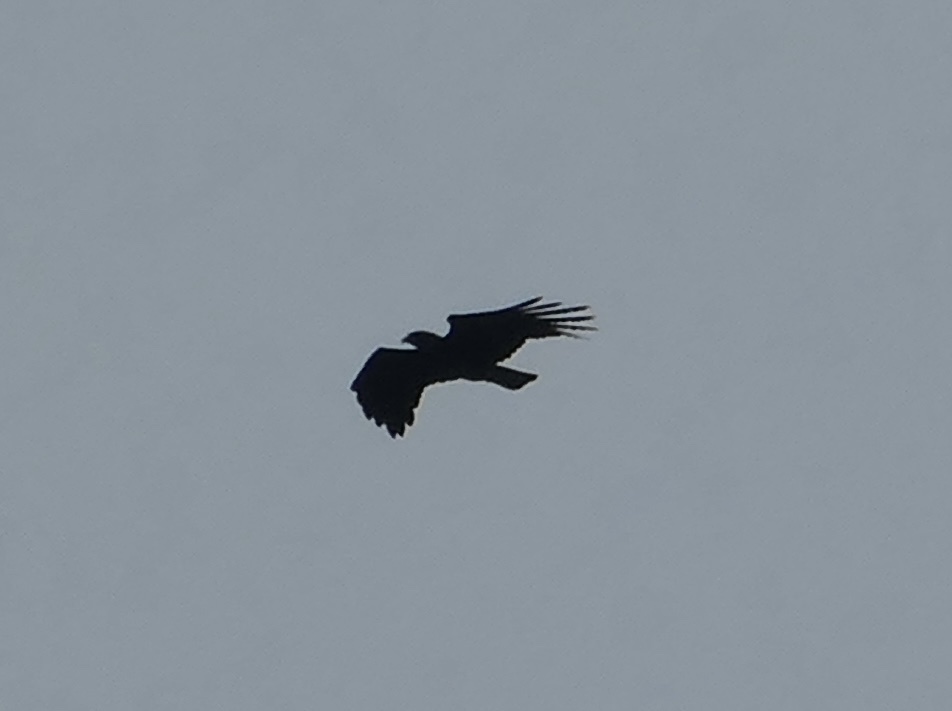
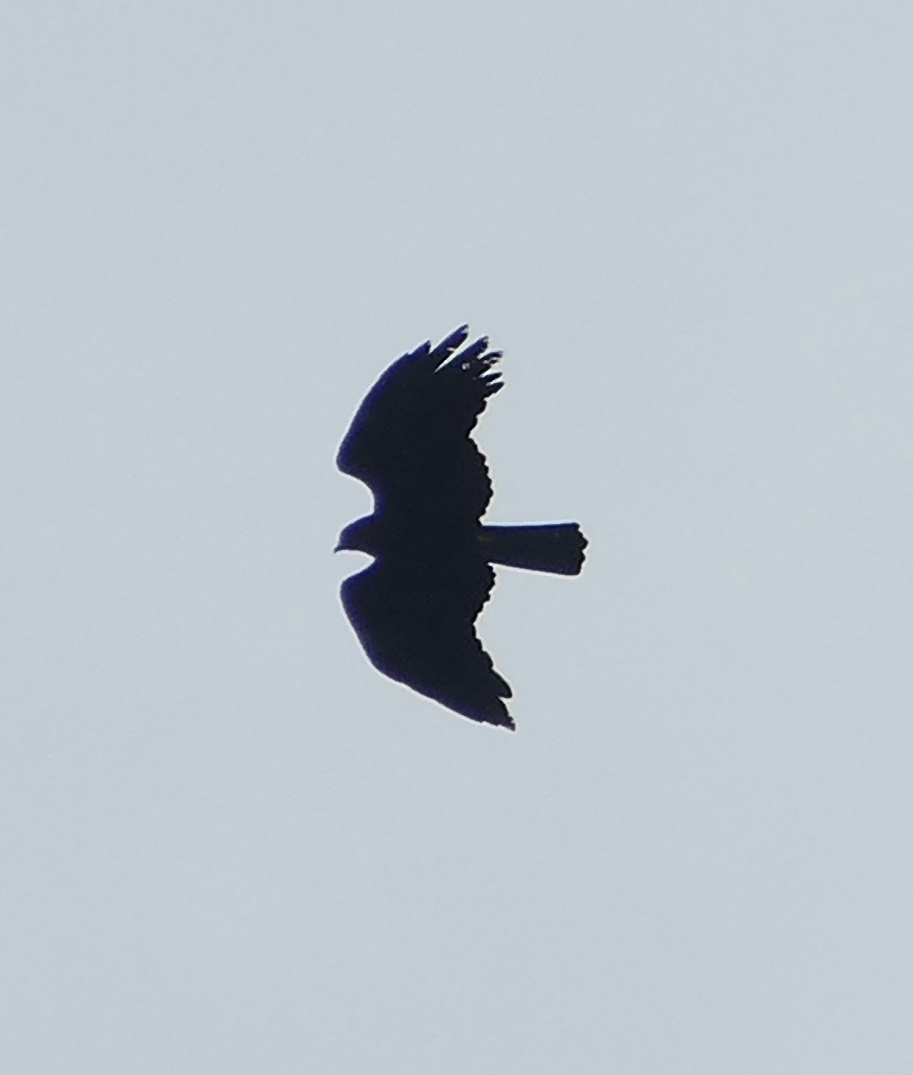
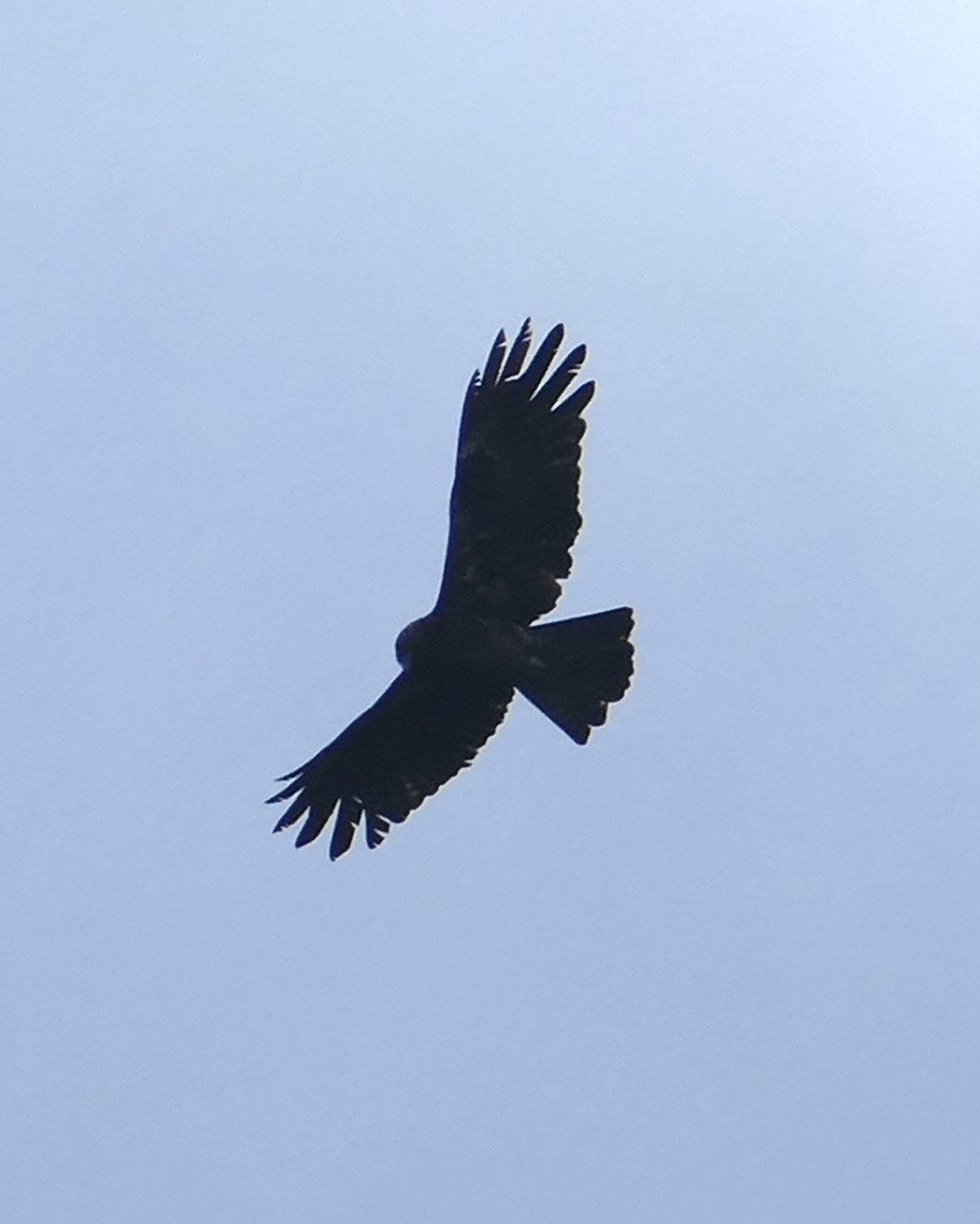
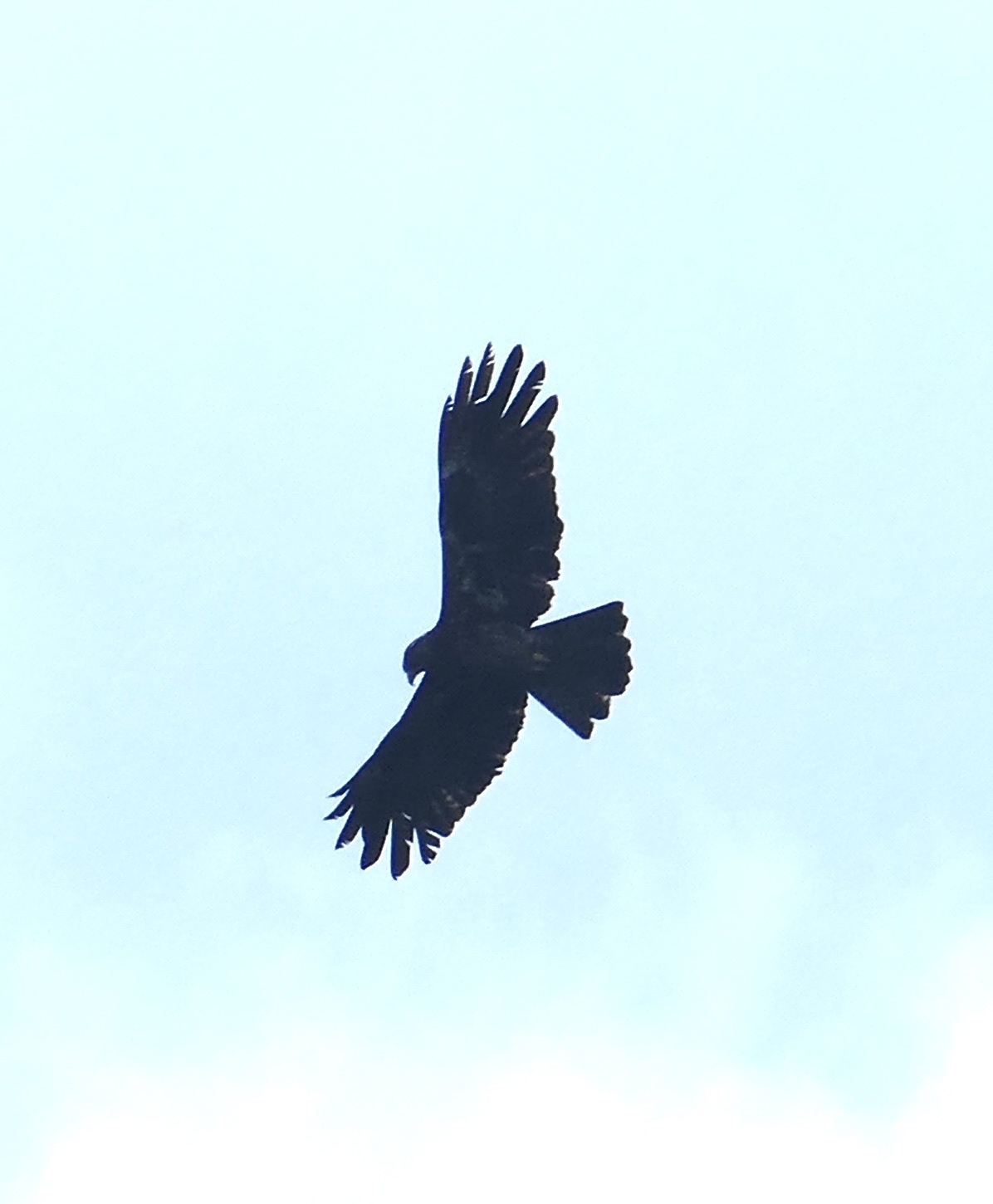
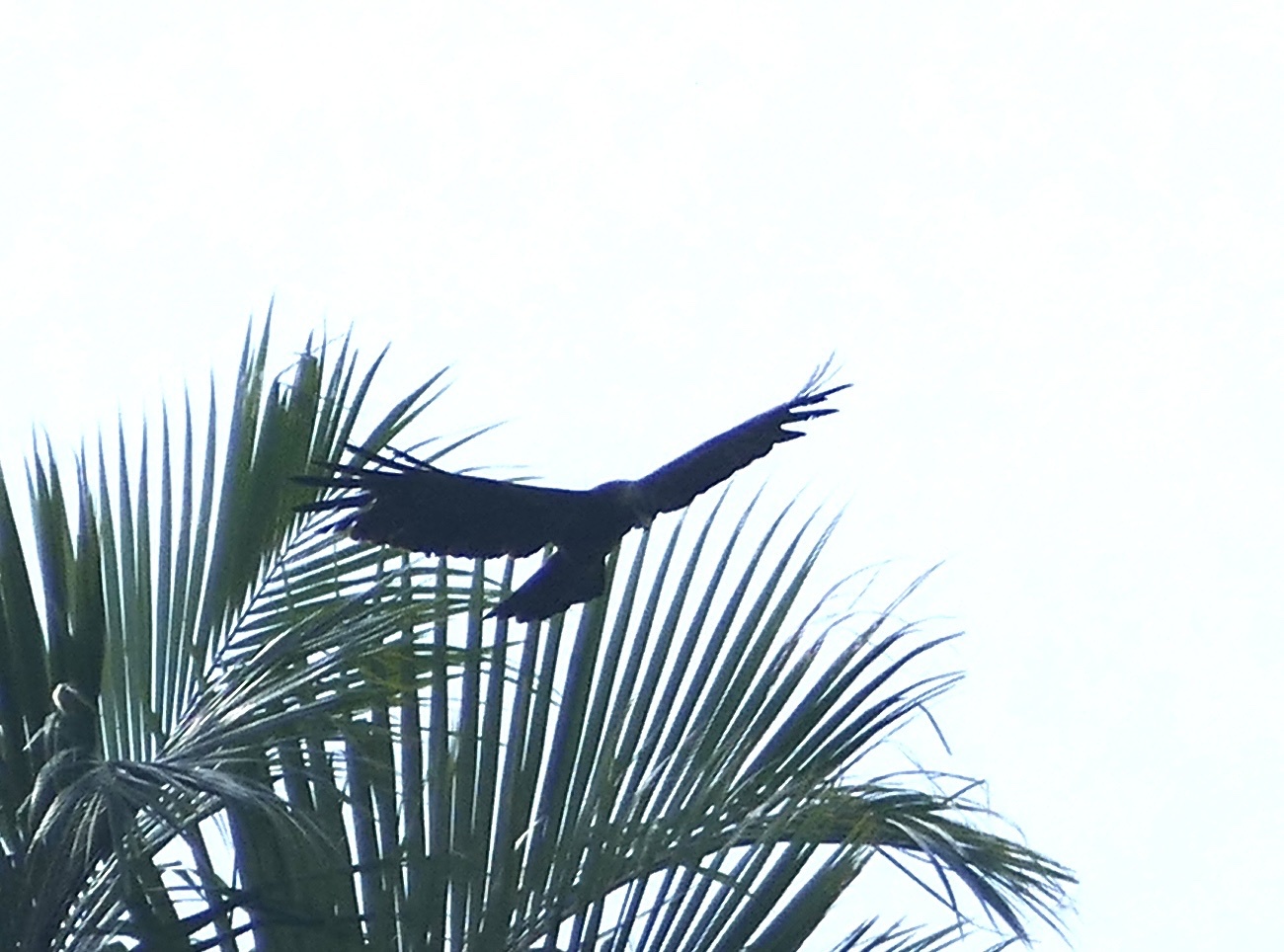
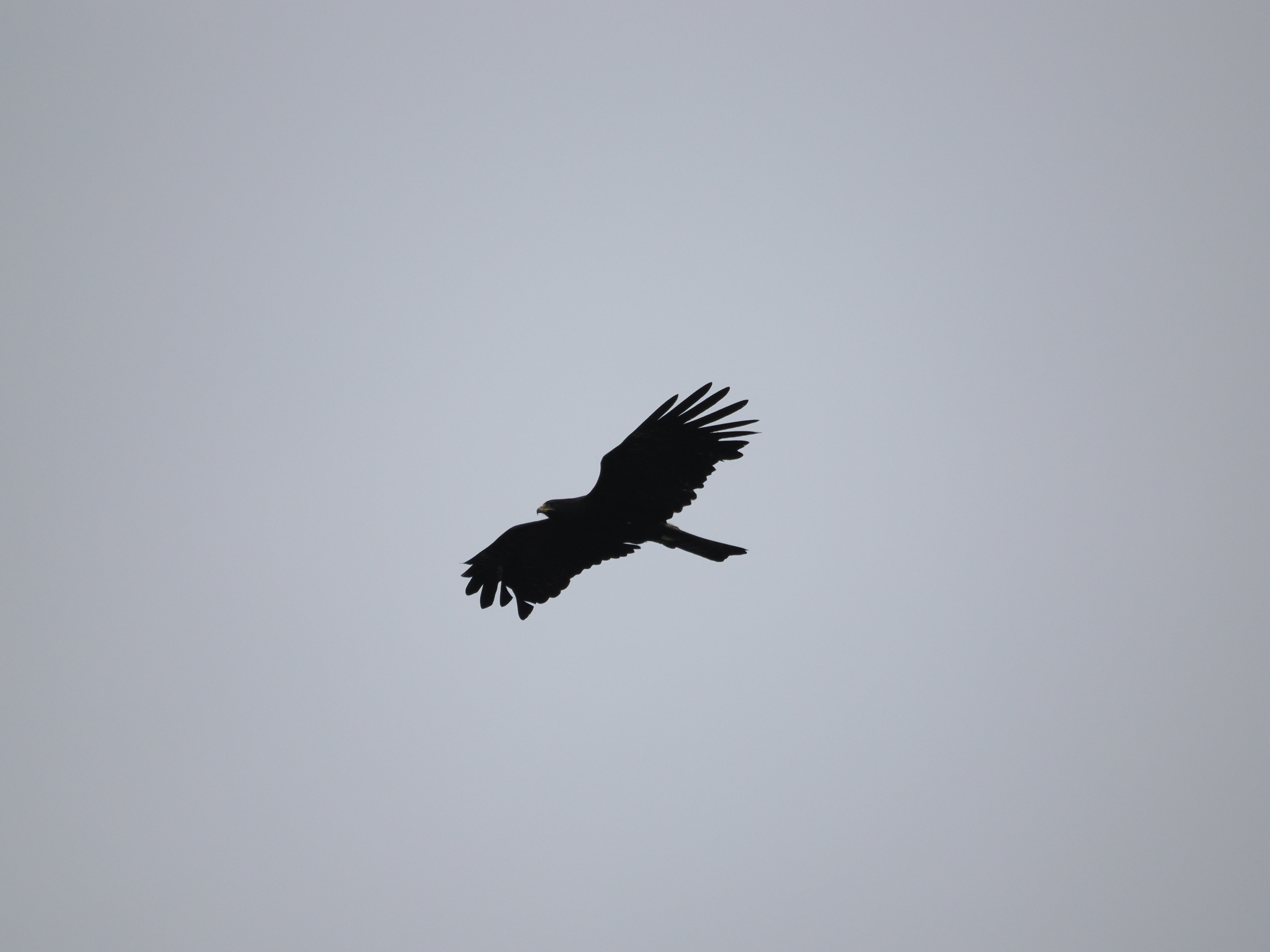
Identified by jet black colour, large size, and characteristic slow flight just above the canopy. Key marks include widely splayed long primary 'fingers', a pinched wing shape at the innermost primaries, and yellow ceres and legs contrasting with dark feathers. Wings are held in a shallow V in flight. Distinguished from the dark form of changeable hawk-eagle by wing shape.
Distribution & Habitat
Breeds in tropical and subtropical Asia. Subspecies I. m. perniger occurs in Himalayan foothills (Nepal, Himachal Pradesh, Jammu & Kashmir), Eastern and Western Ghats of peninsular India, Sri Lanka, Gujarat, and the Aravalli range. Subspecies I. m. malaiensis is found in Myanmar, Bangladesh, southern China (Yunnan, Fujian), Taiwan, Southeast Asia, and the Indonesian Archipelago (except Lesser Sunda Islands). Generally resident with no observed migrations. Favours forests with good cover, absent where cover is less than 50%.
Behavior & Ecology
Courtship involves steep dives with folded wings and swoops up in a U shape into a vertical stall. Builds a platform nest 3 to 4 feet wide on tall trees overlooking steep valleys; sites may be reused annually. Lays one or two white eggs blotched in brown and mauve between January and April. Diet includes mammals (bats, squirrels, Indian giant squirrel, young bonnet macaques), birds, and eggs. Known for nest predation, using curved claws and wide gape to pick up eggs or swiftlets from caves. Shares the habit of carrying entire nests with nestlings to feeding perches. Prey species emit alarm calls when it is spotted.
Conservation
Not threatened but uncommon in large areas of its distribution. Range has reduced due to shrinking forested areas caused by large-scale extraction.
Source: Wikipedia · CC BY-SA 3.0
Taxonomy
- Order
- Accipitriformes
- Family
- Accipitridae
- Genus
- Ictinaetus
Taxonomy Changes
Ictinaetus malayensis → Ictinaetus malaiensis
Spelling correction — GBIF Backbone Taxonomy uses the former name; AviList 2025 uses the current name.
Subspecies (2)
-
Ictinaetus malaiensis malaiensis
Myanmar to southern China, southeastern Asia, and Indonesia
Data Sources
Species description from Wikipedia, licensed under CC BY-SA 3.0.
Bird images and sounds sourced from GBIF, contributed by citizen scientists worldwide under Creative Commons licenses.
Taxonomy data from AviList 2025.