Charadriiformes / Laridae / Ichthyaetus
Relict Gull
Ichthyaetus relictus · 遗鸥
Introduction
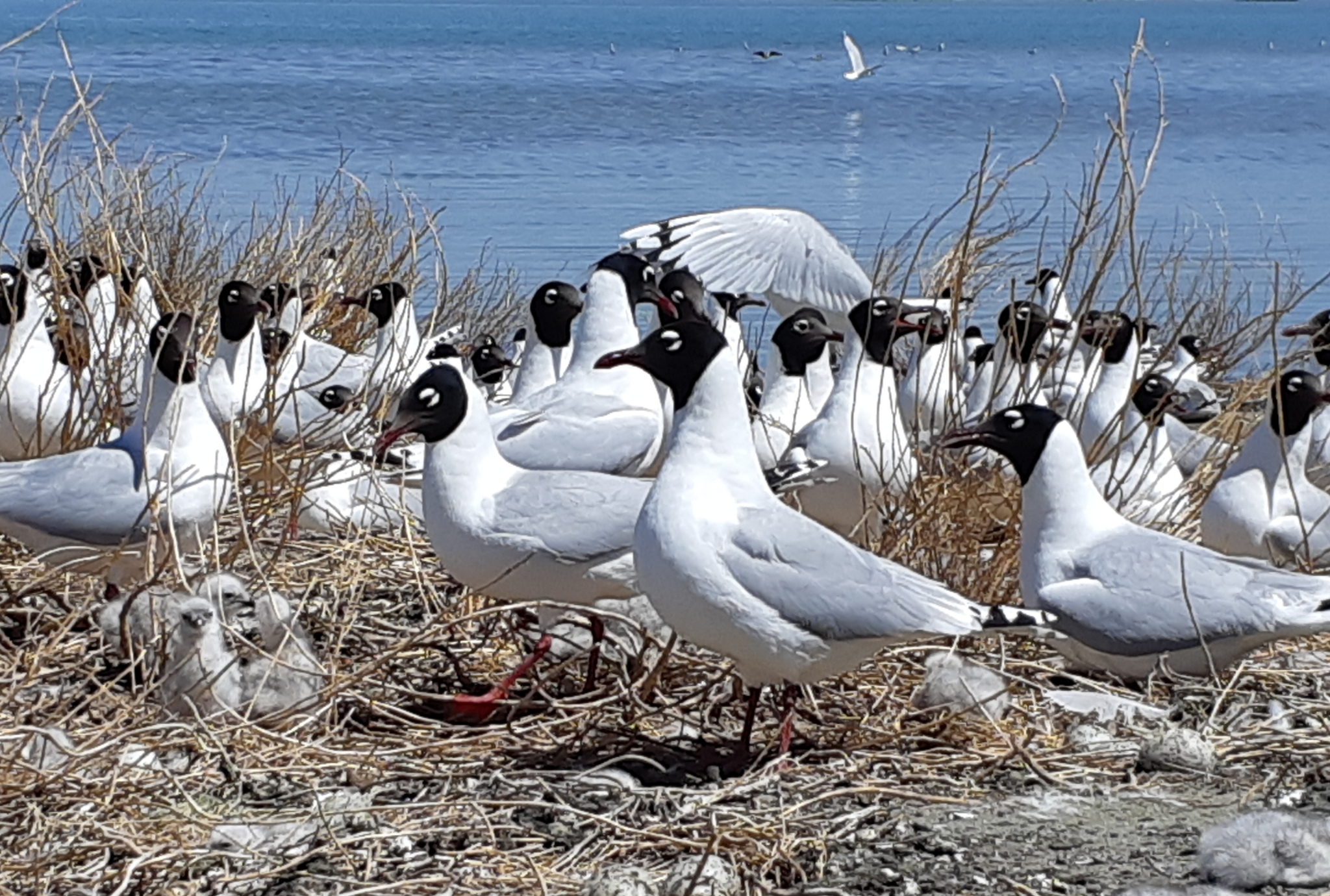
Medium-sized gull, formerly considered an eastern race of the Mediterranean gull and traditionally placed in the genus Larus. Breeds in colonies on islands in saltwater lakes in Mongolia, Kazakhstan, Russia, and China. Classified as Vulnerable on the IUCN Red List.
Description
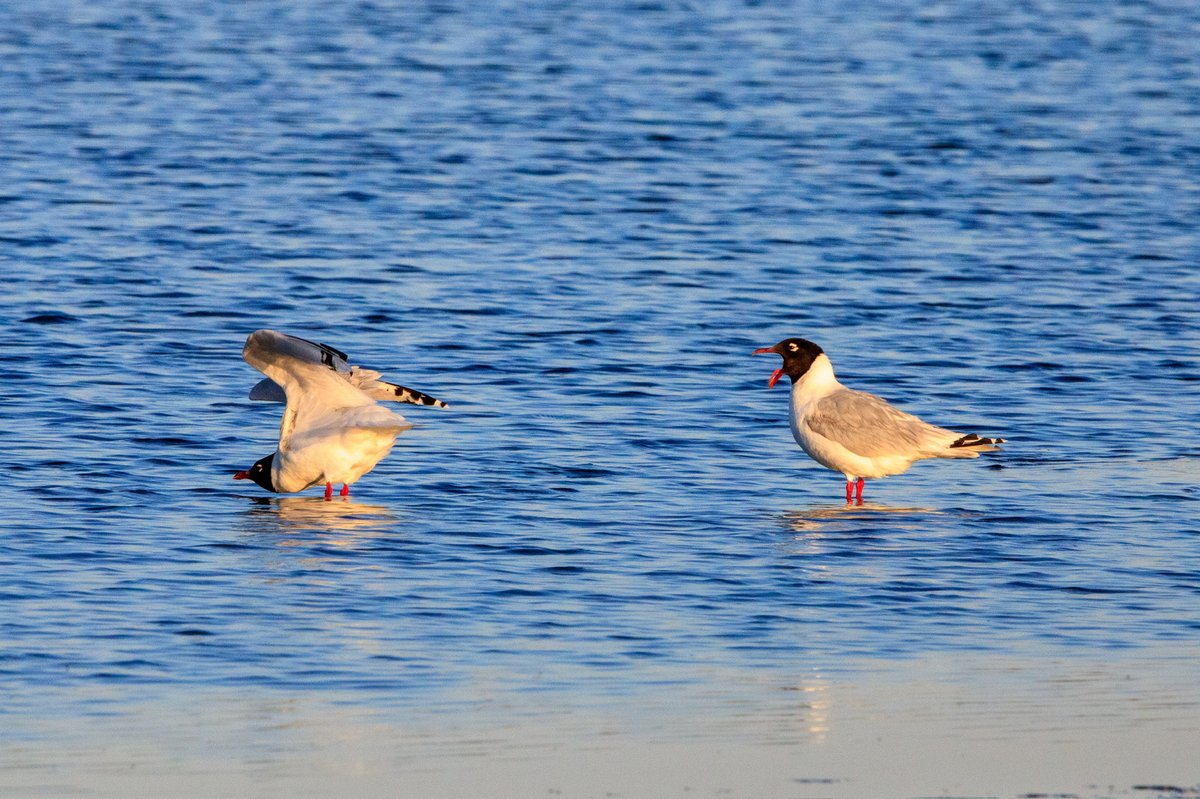
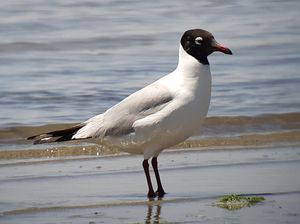
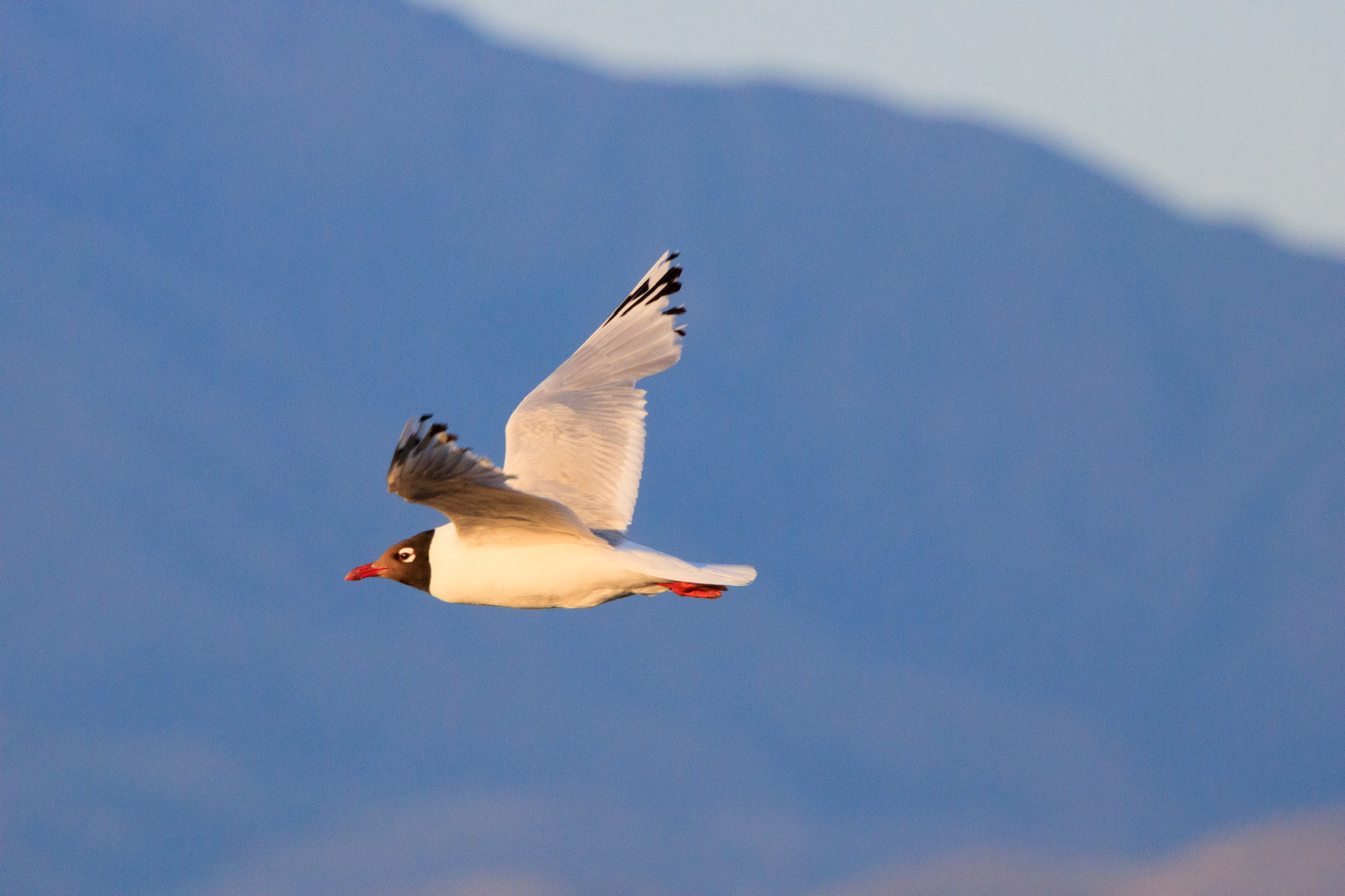
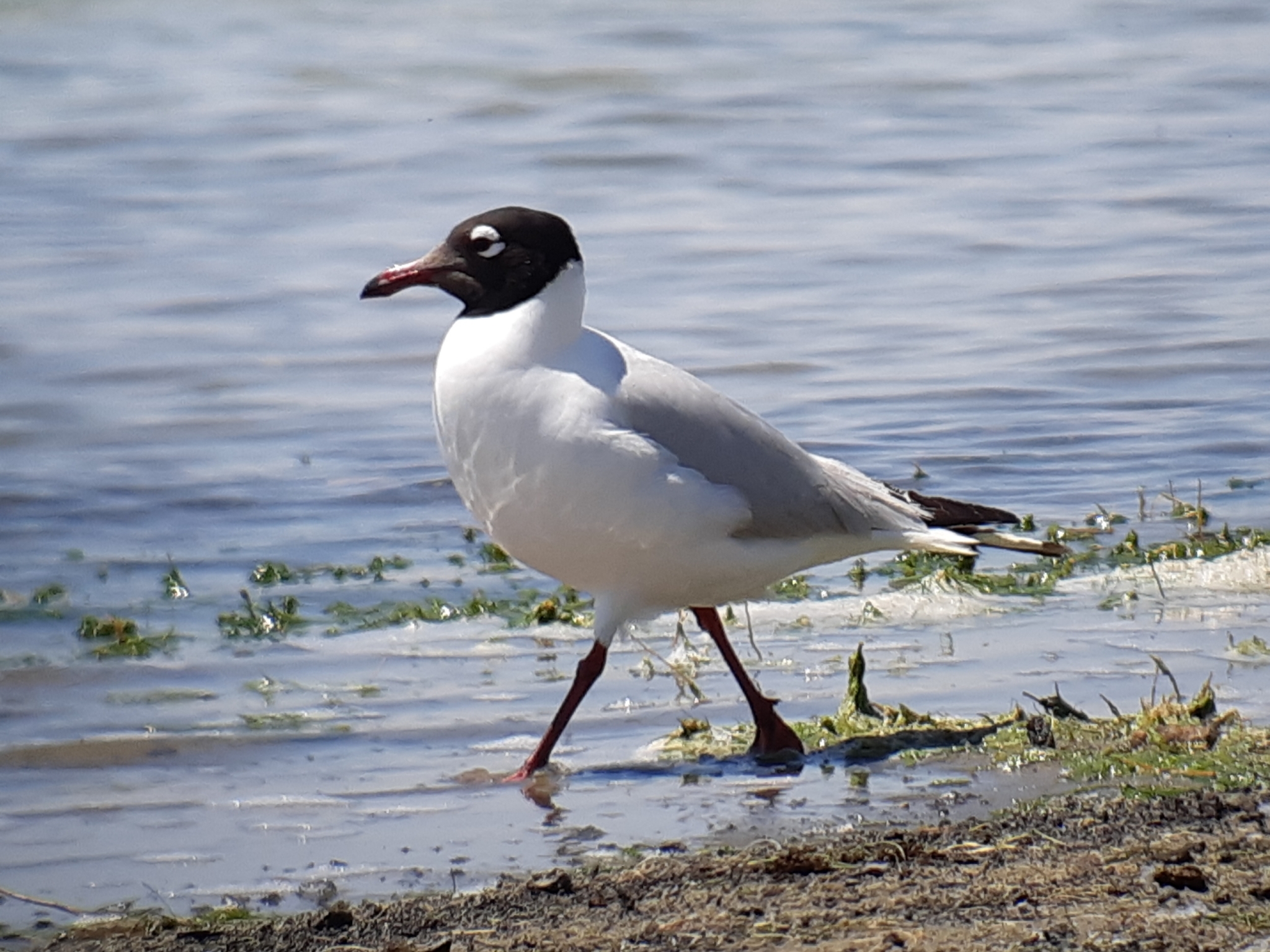
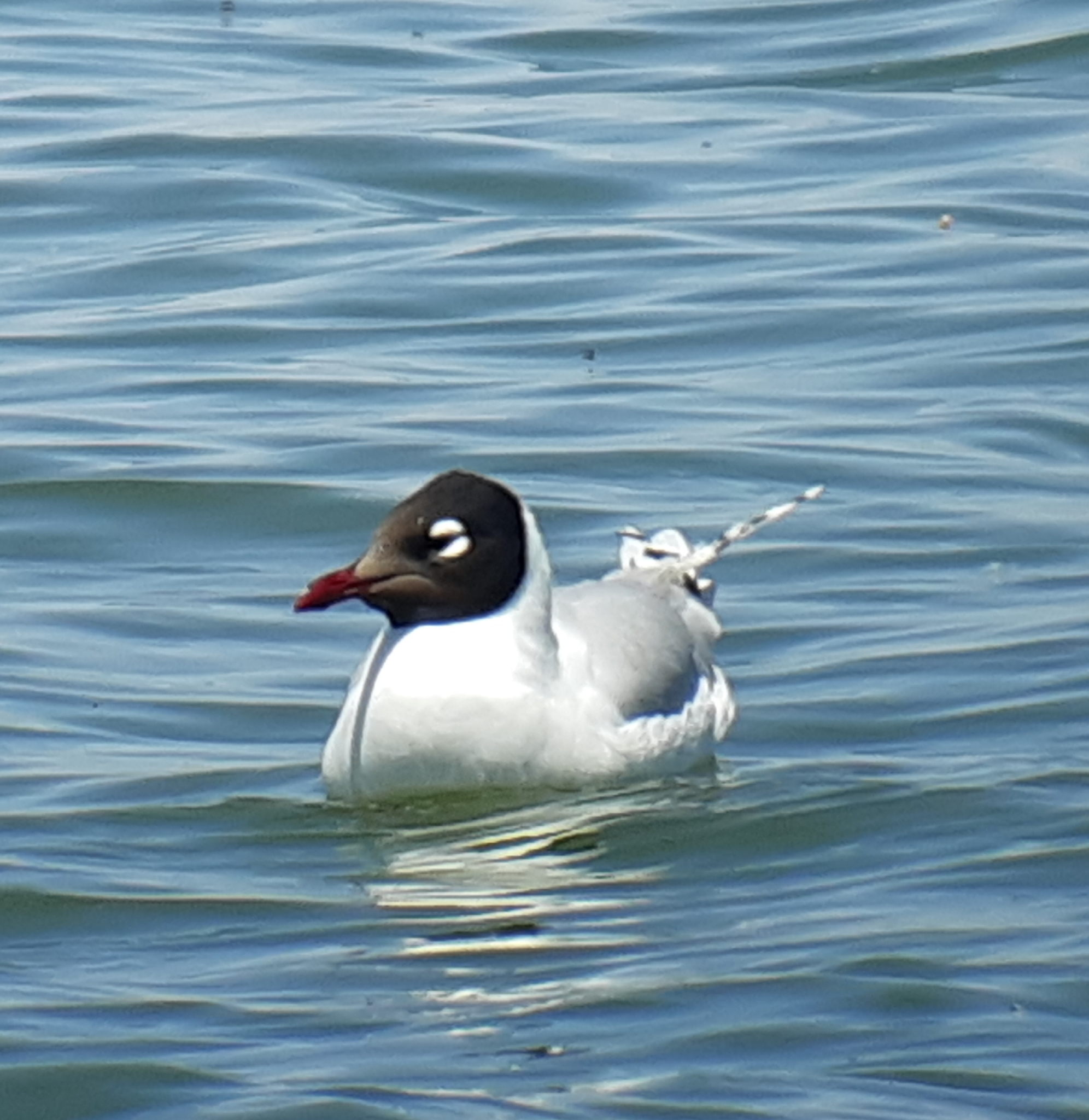
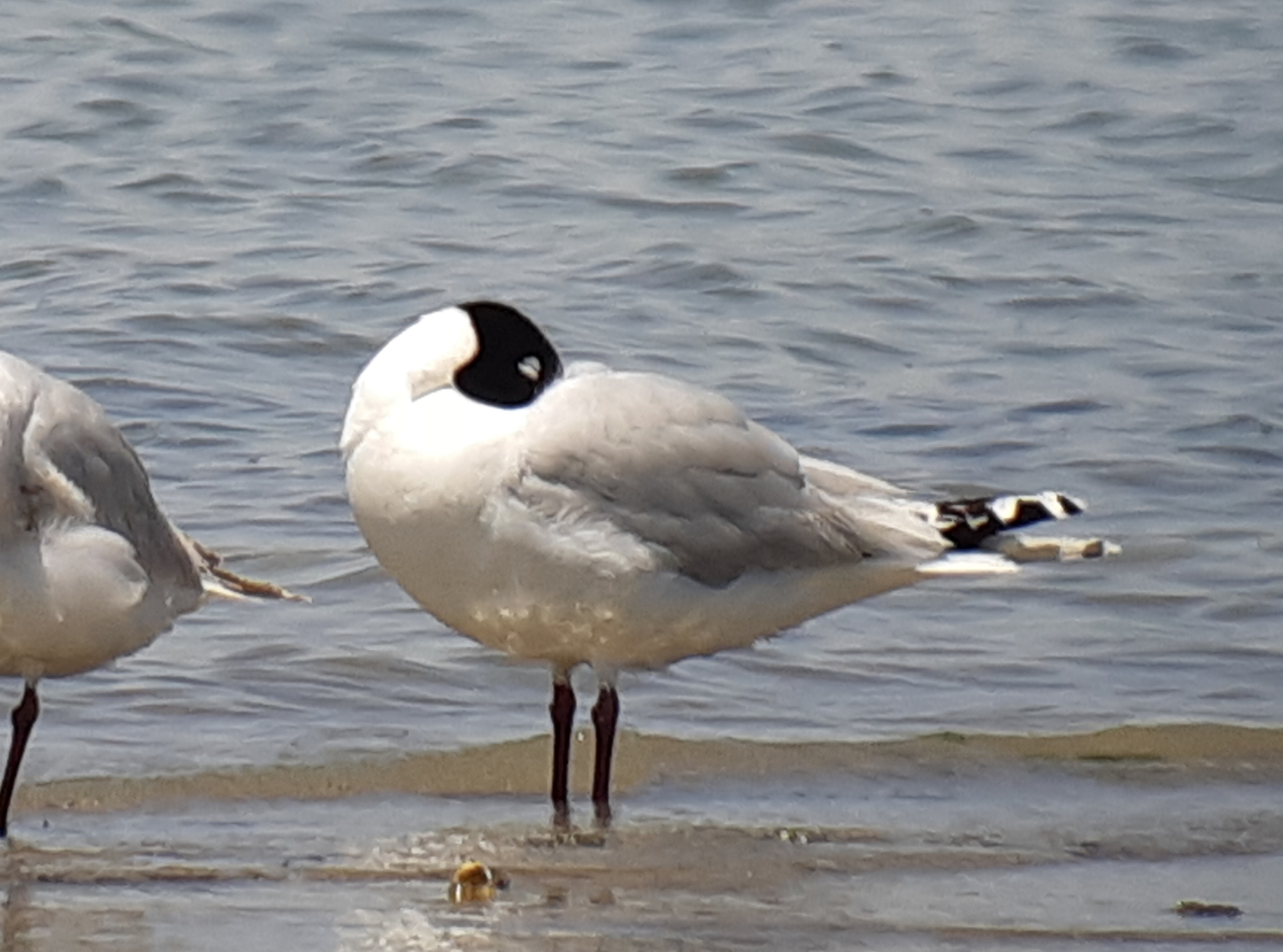
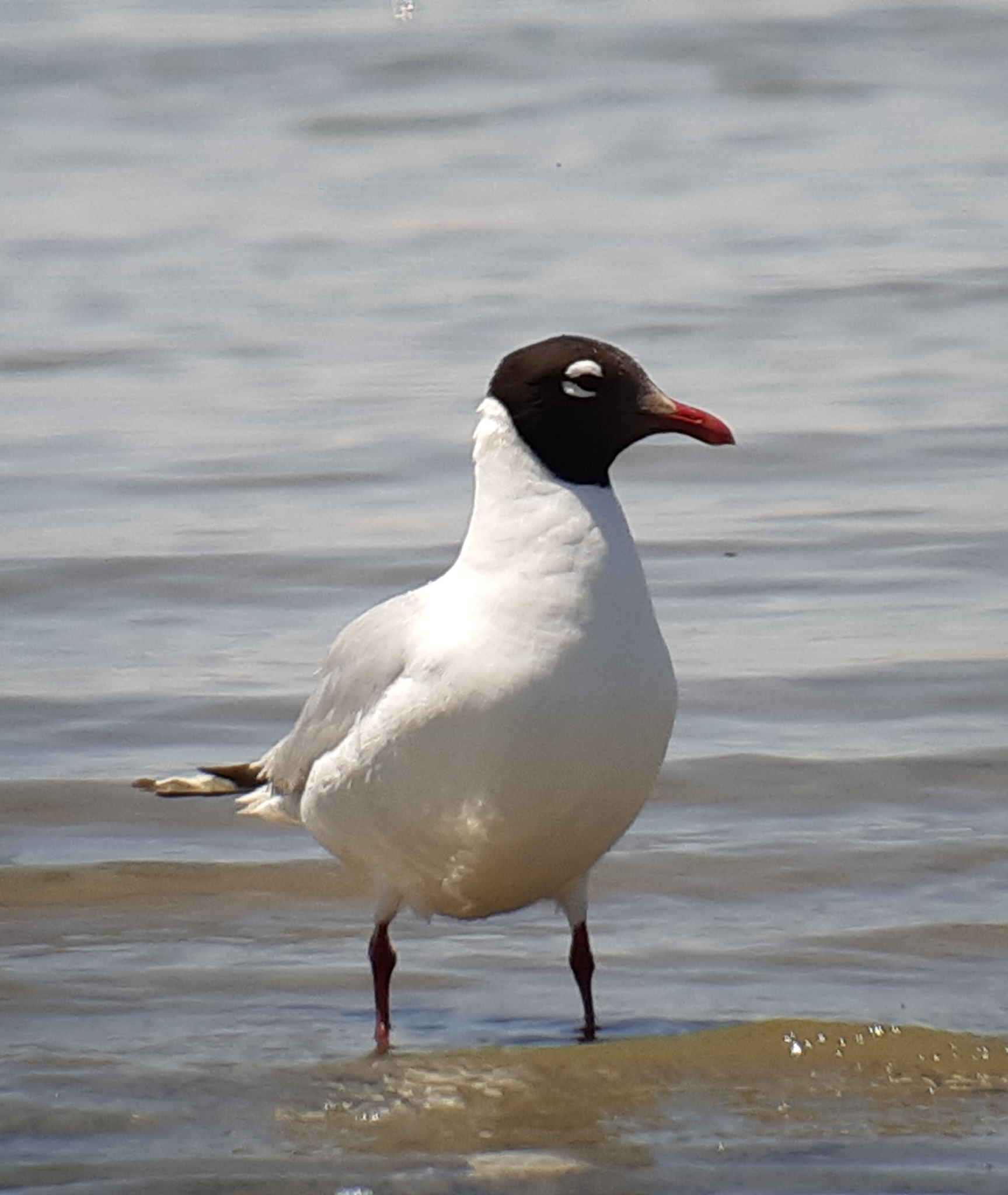
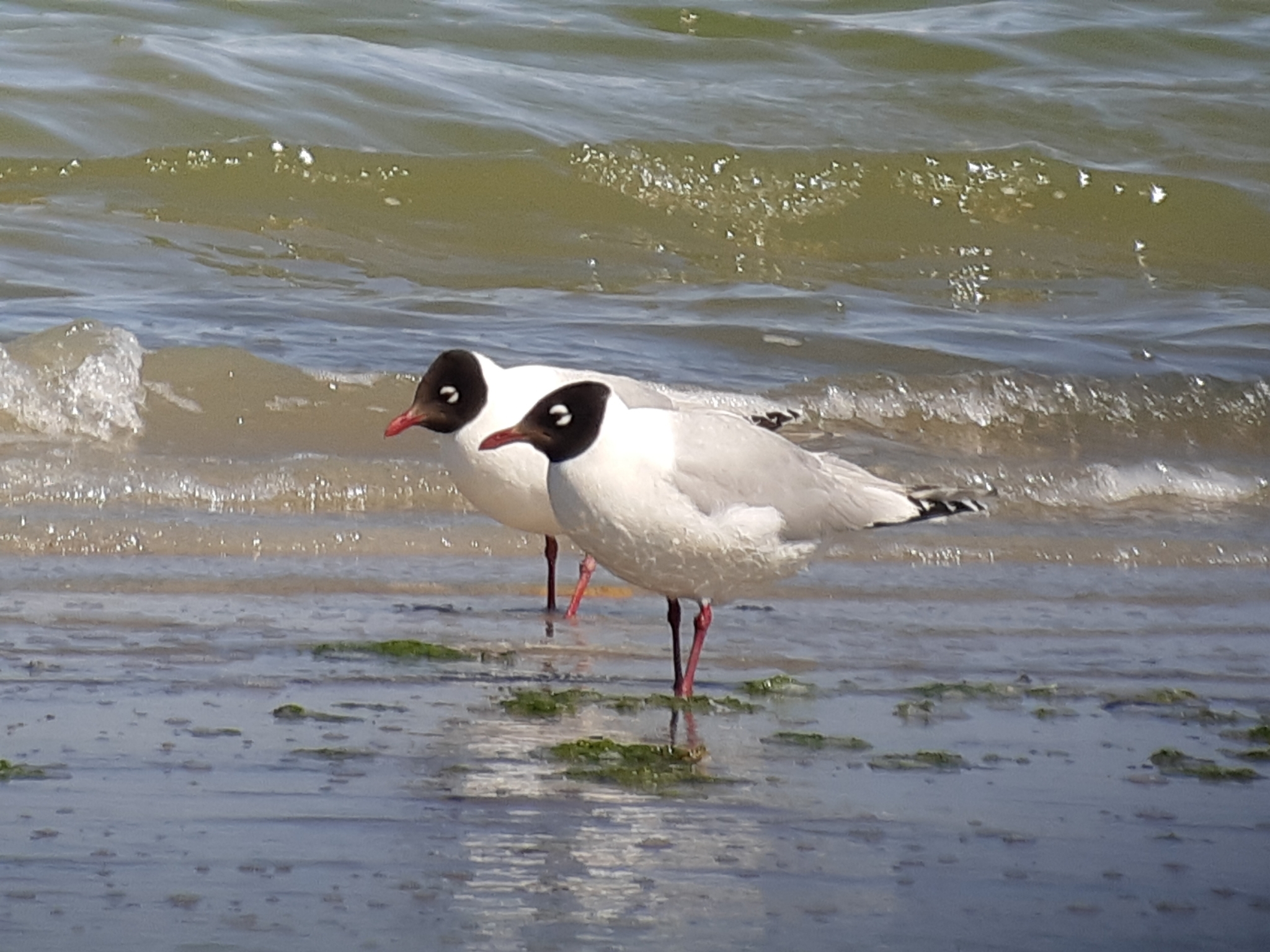
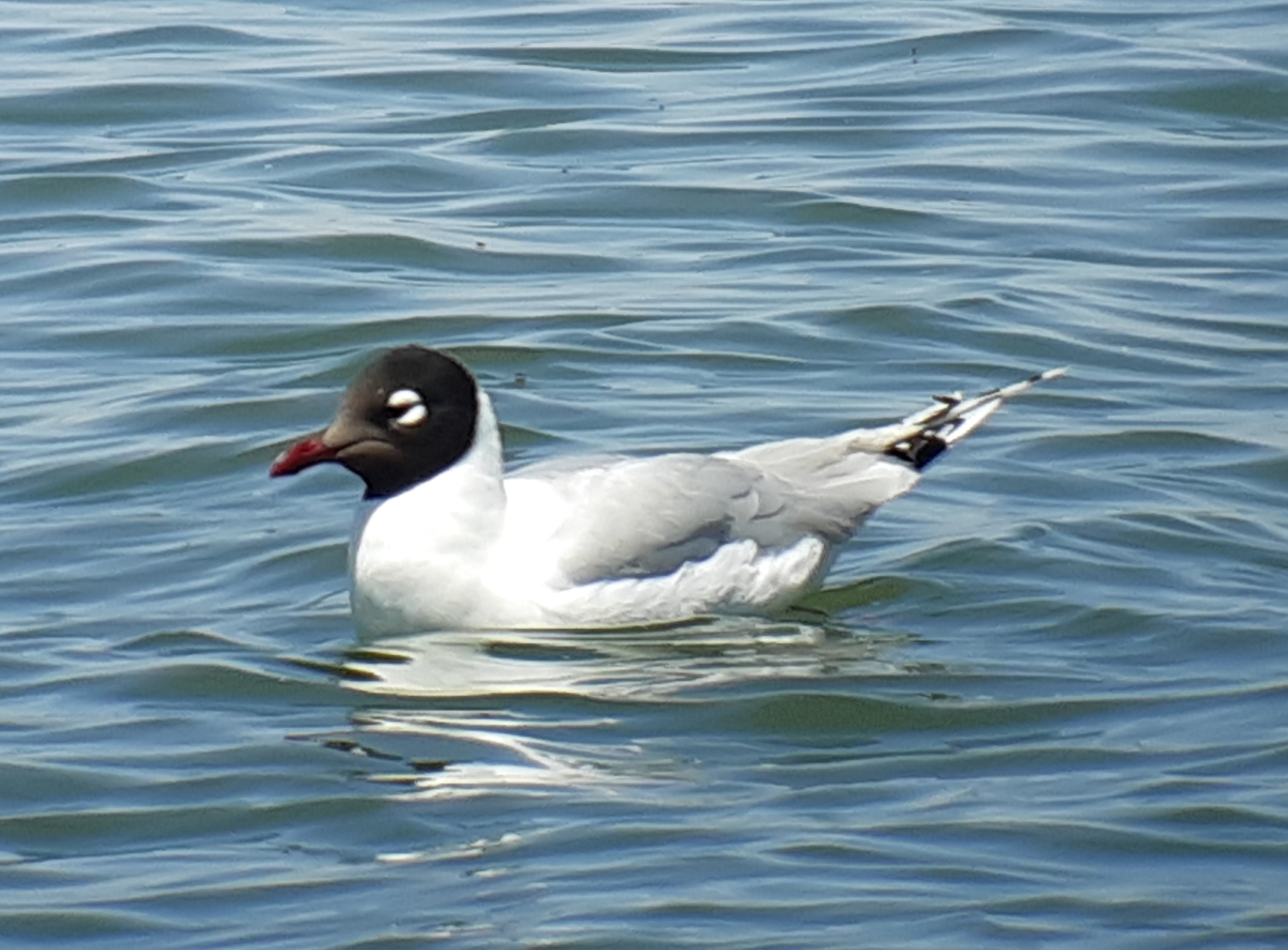
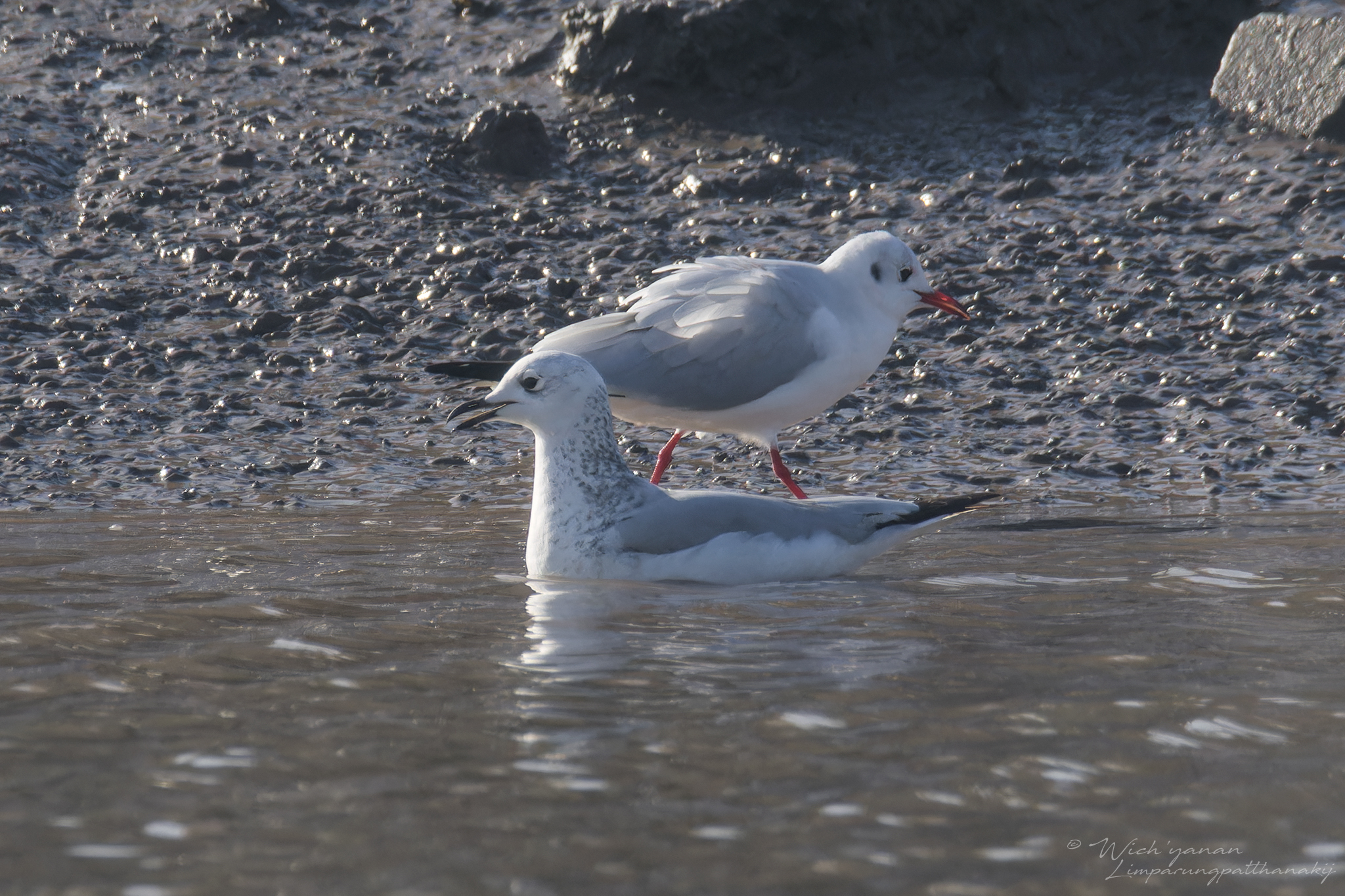
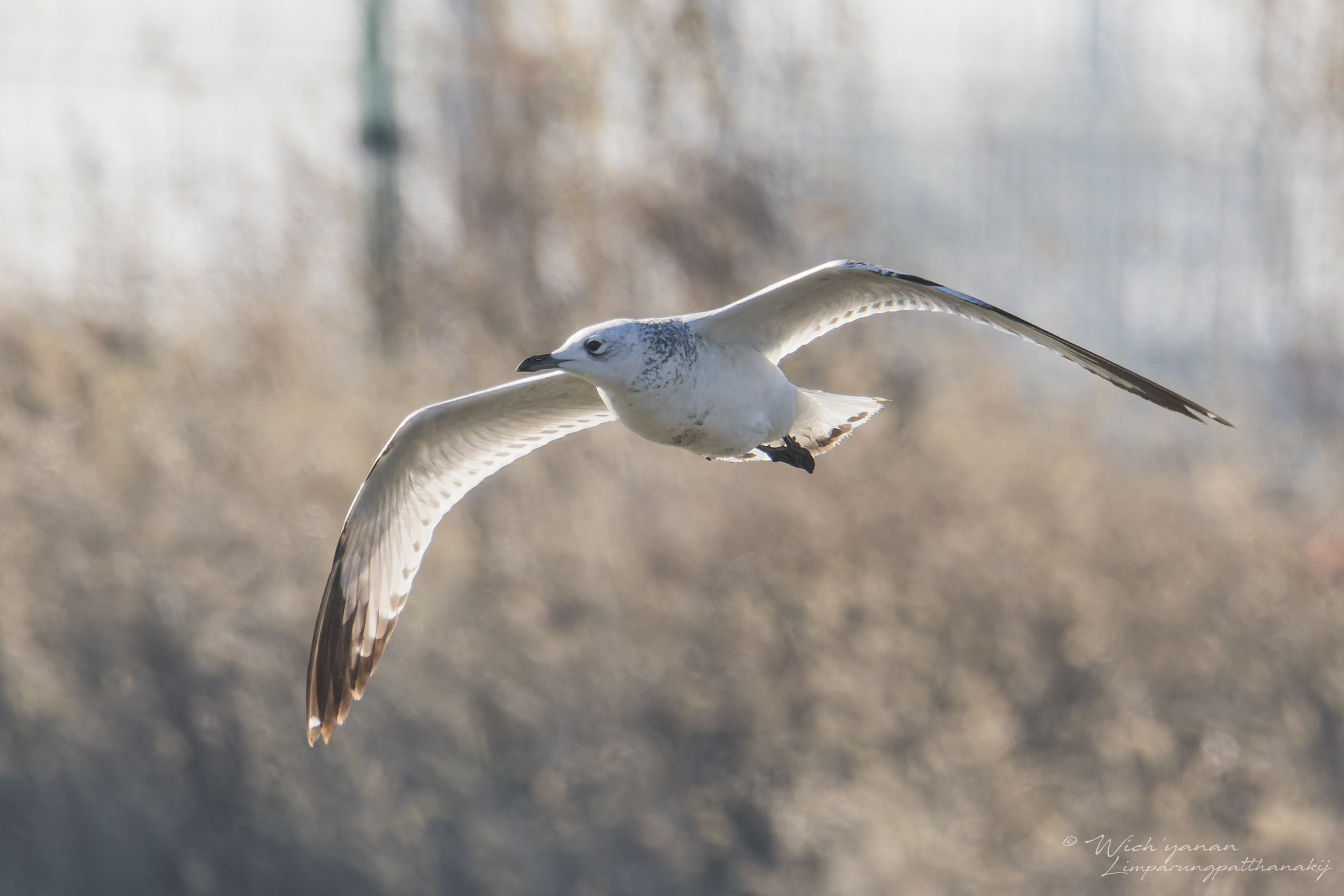
44 to 45 cm long with a stocky, thick body. Non-breeding adults have uniformly dark-smudged ear-coverts and hind crown, white-tipped wings, prominent isolated black subterminal markings on outer primaries, and no white leading edge to the outer wing. Breeding birds have black hoods including napes, grey-brown foreheads, and broad white half-moon colouring behind, below, and above the eyes. Legs are orange and bills are scarlet.
Distribution & Habitat
Breeds in several locations in Mongolia (e.g., Galuut Lake, Khukh Lake, and Chukh Lake), two in Kazakhstan, one in Russia, and one in China (Lake Hongjiannao). Small numbers migrate to South Korea during the nonbreeding period. During non-breeding periods, found on estuarine mud and sandflats.
Behavior & Ecology
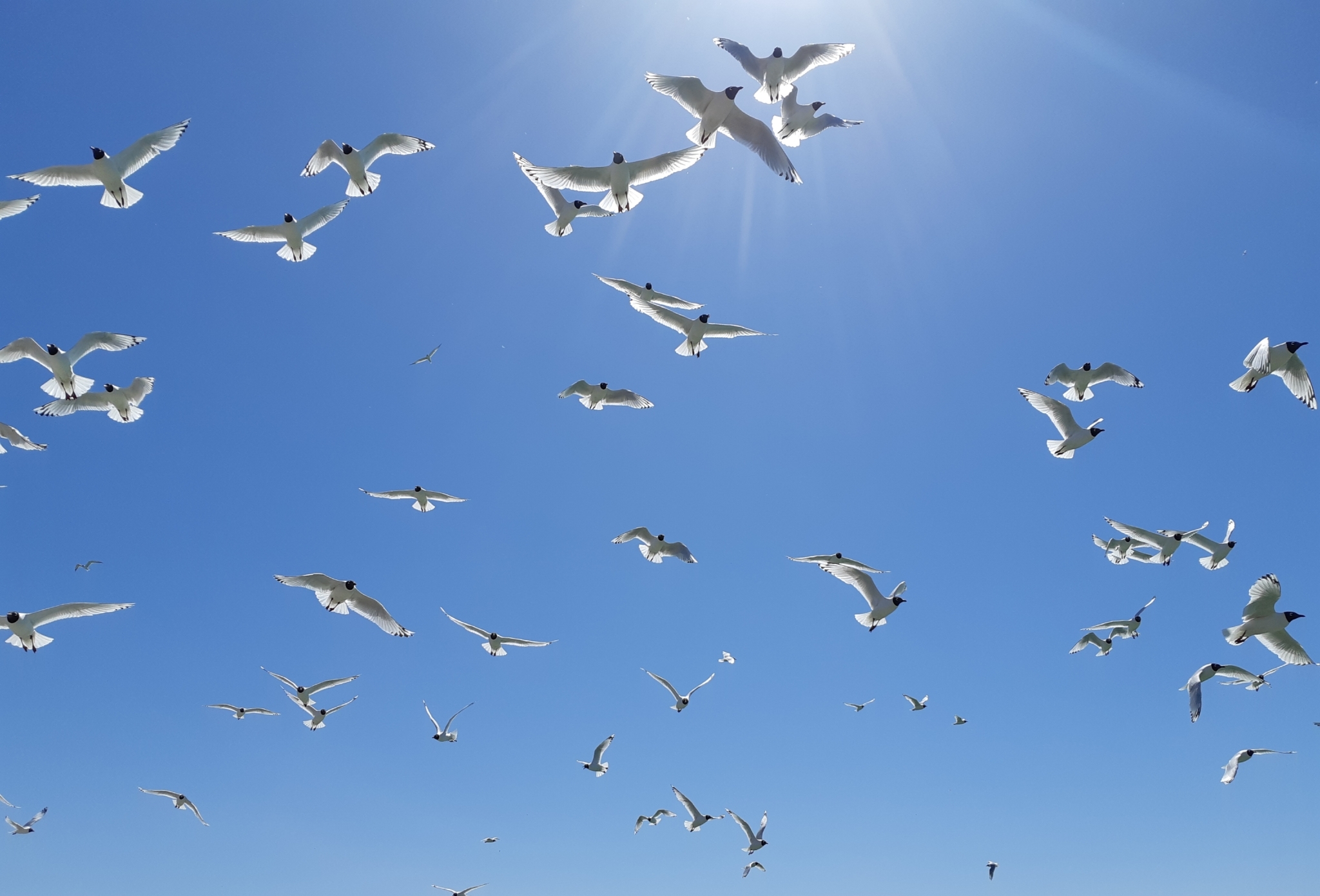
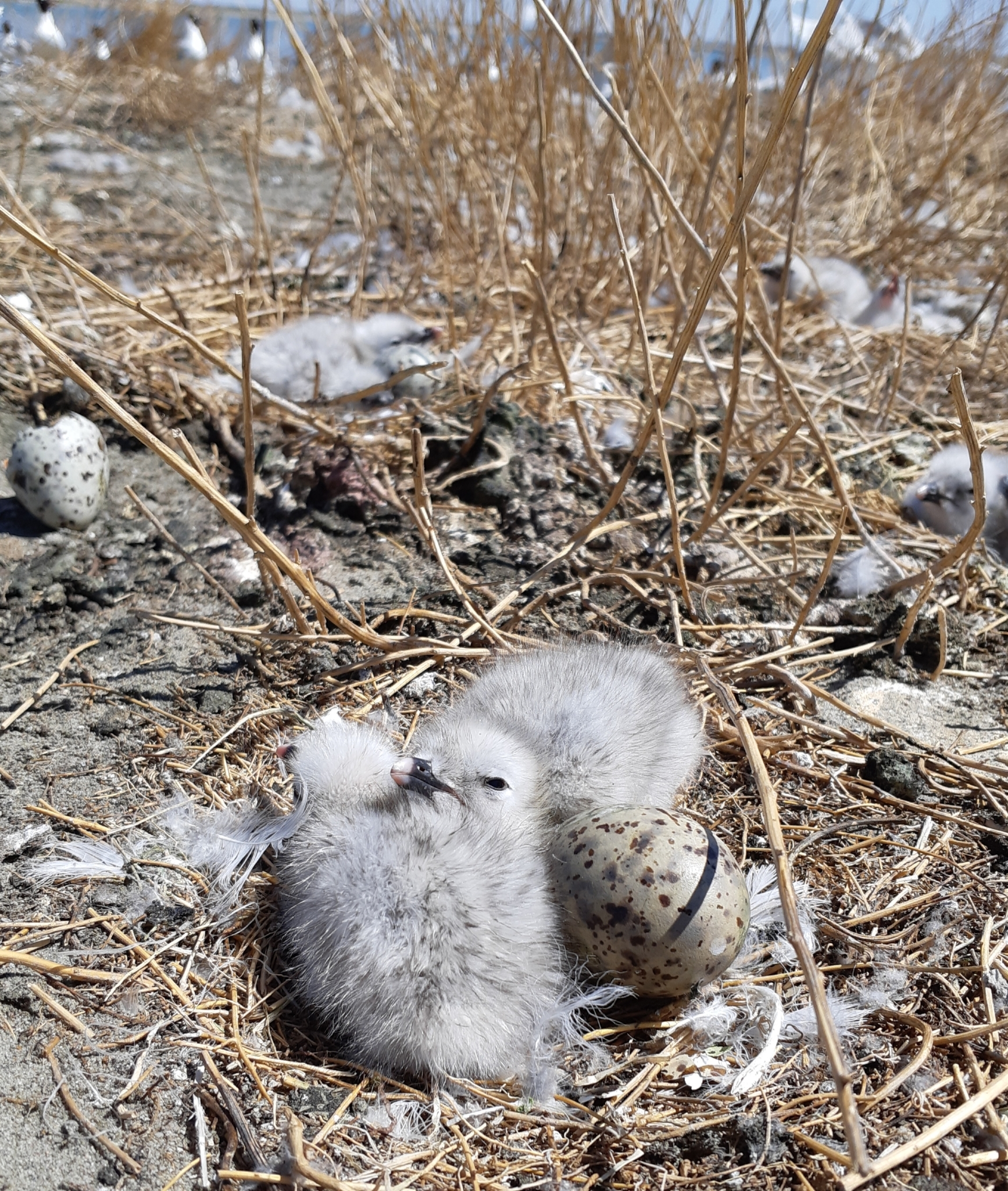
Breeds starting in early June through early August in colonies on islands in saltwater lakes. Nesting does not occur when lakes dry up, water levels are too high, or islands become too small, overgrown with vegetation, or join at the shore.
Conservation
Population estimated at 10,000 or fewer, with numbers dropping. Classified as Vulnerable on the IUCN Red List. Threats include changes in water level in breeding lakes, predation from other gulls, hailstorms, flooding, and human disturbance. Lack of useable stopover locations affects migration. Nature reserves have been established in Mongolia, Kazakhstan, and Russia.
Source: Wikipedia · CC BY-SA 3.0
Taxonomy
- Order
- Charadriiformes
- Family
- Laridae
- Genus
- Ichthyaetus
Distribution
breeds lakes of northeastern Kazakhstan eastward to Transbaikalia (southeastern Russia) and Inner Mongolia (northeastern China); winters coasts of Korean Peninsula, Bohai Bay, Yellow Sea, and East China Sea
Data Sources
Species description from Wikipedia, licensed under CC BY-SA 3.0.
Bird images and sounds sourced from GBIF, contributed by citizen scientists worldwide under Creative Commons licenses.
Taxonomy data from AviList 2025.