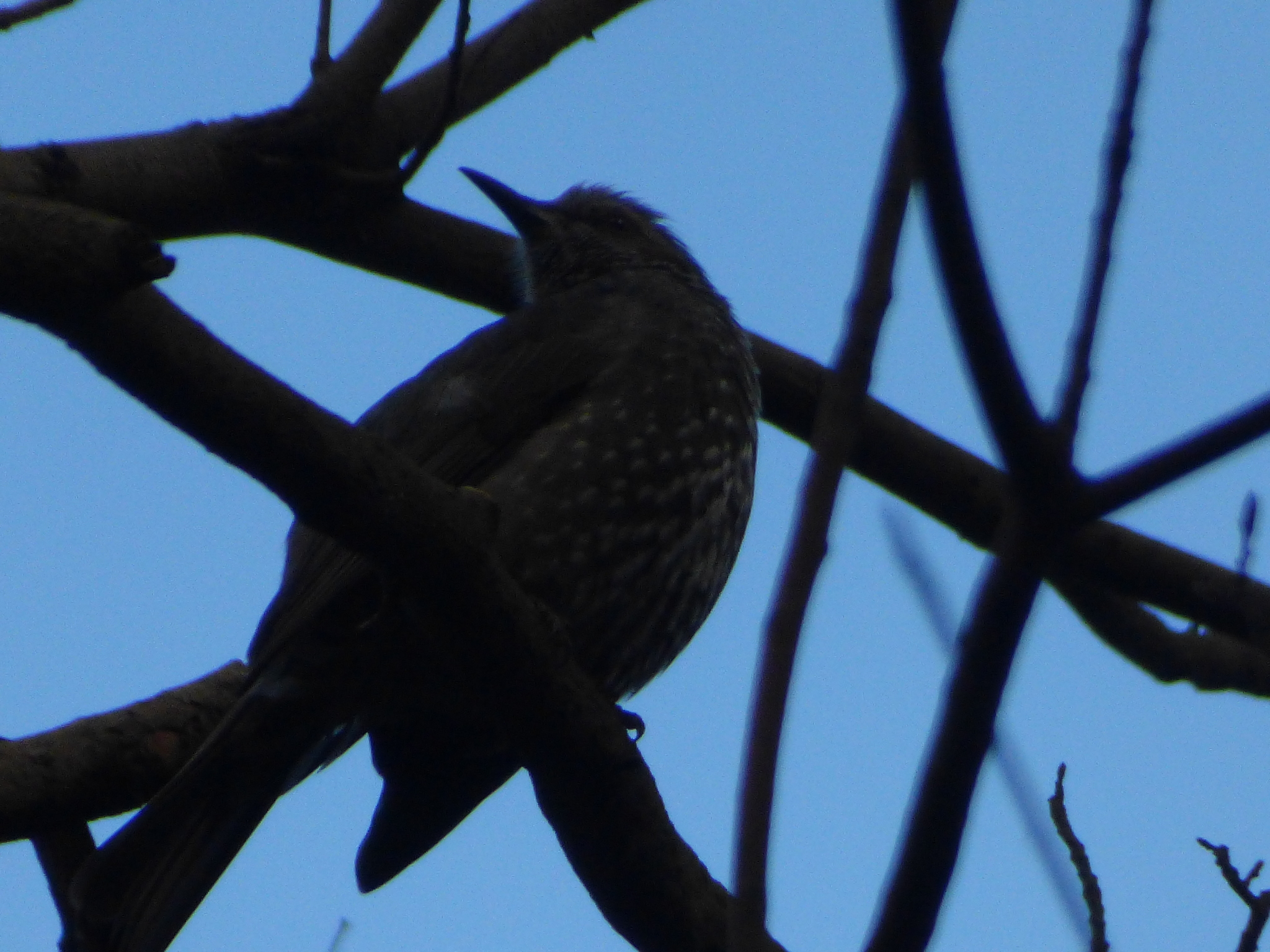
Passeriformes / Pycnonotidae / Hypsipetes
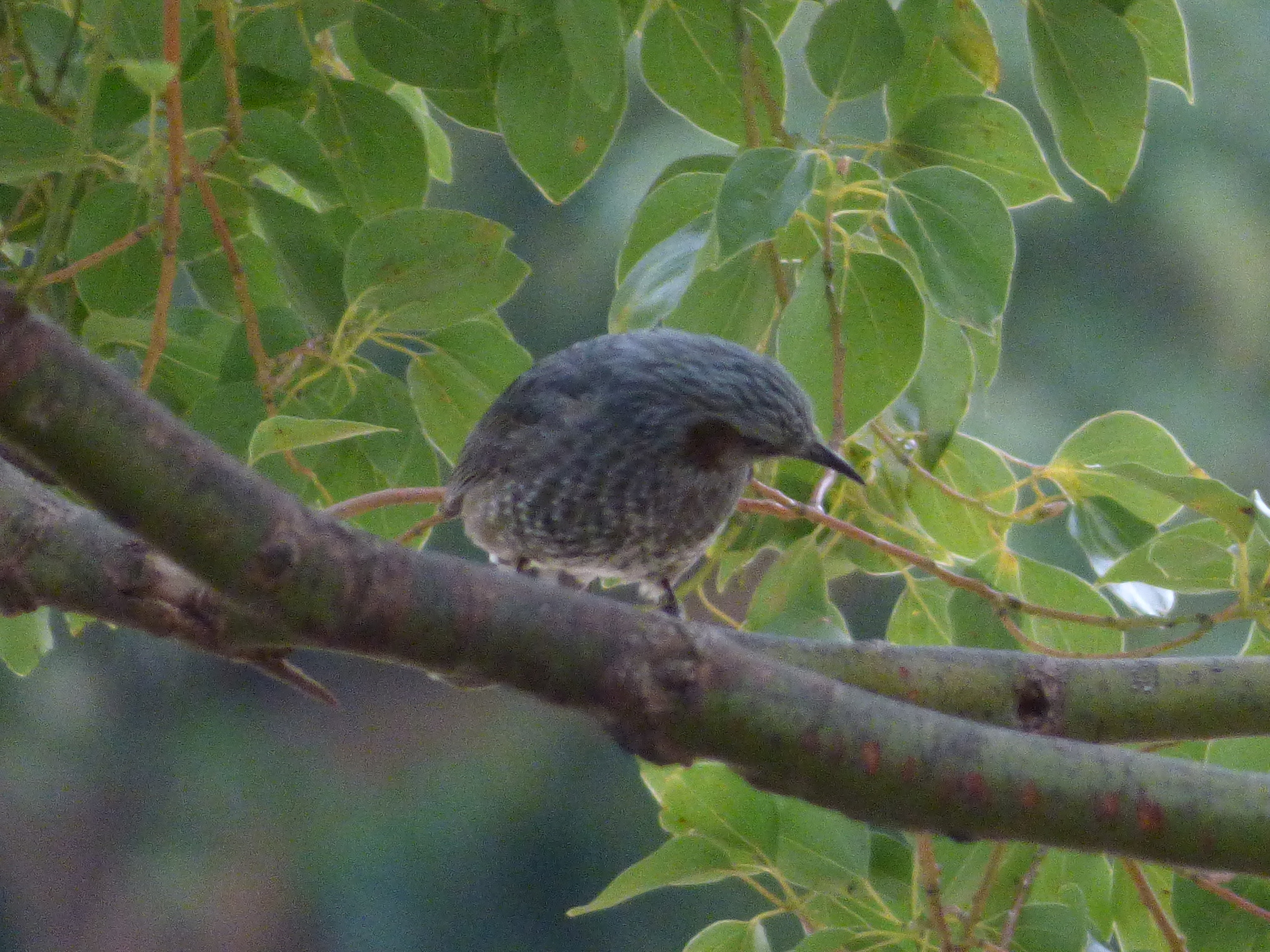
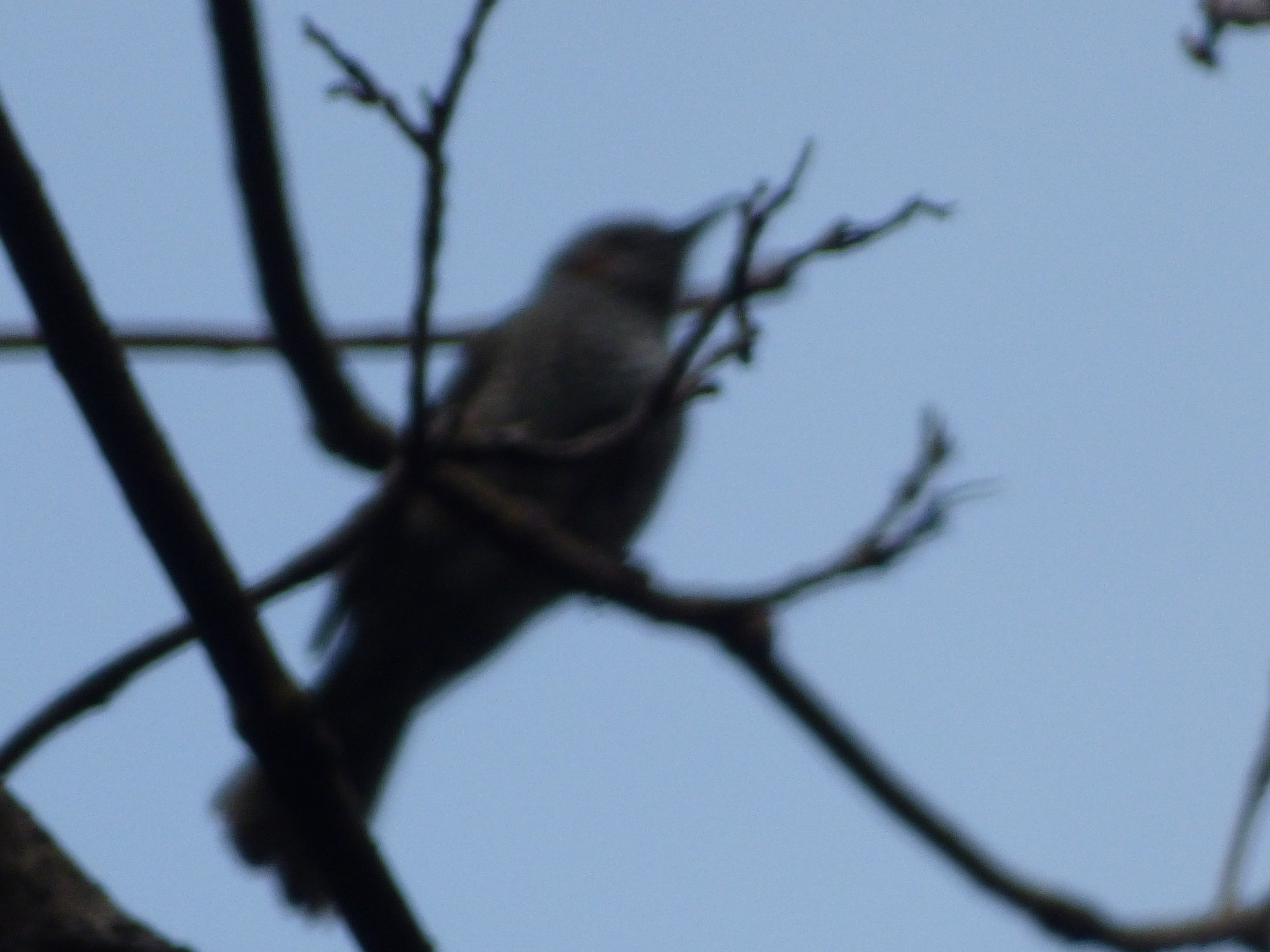
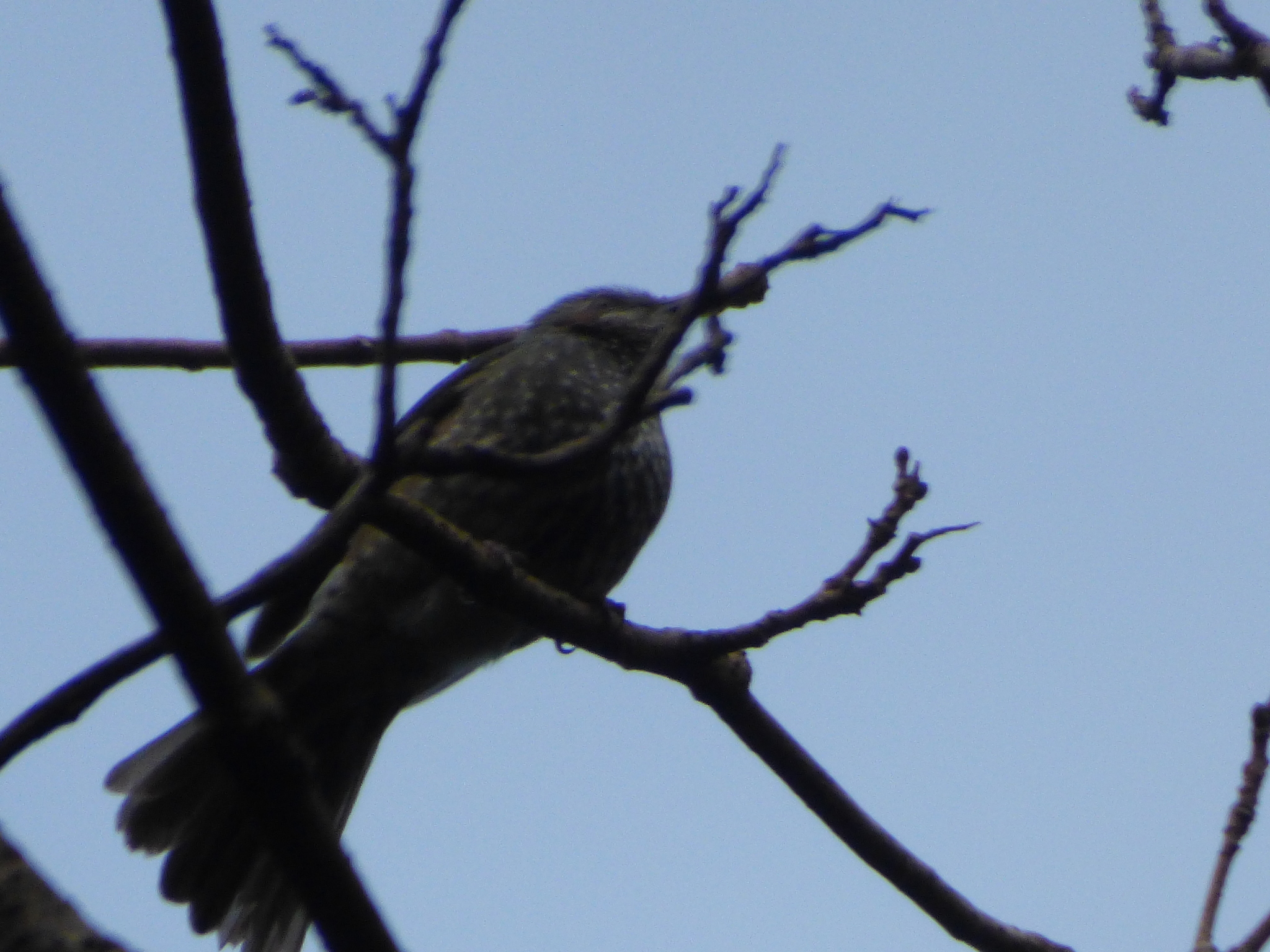
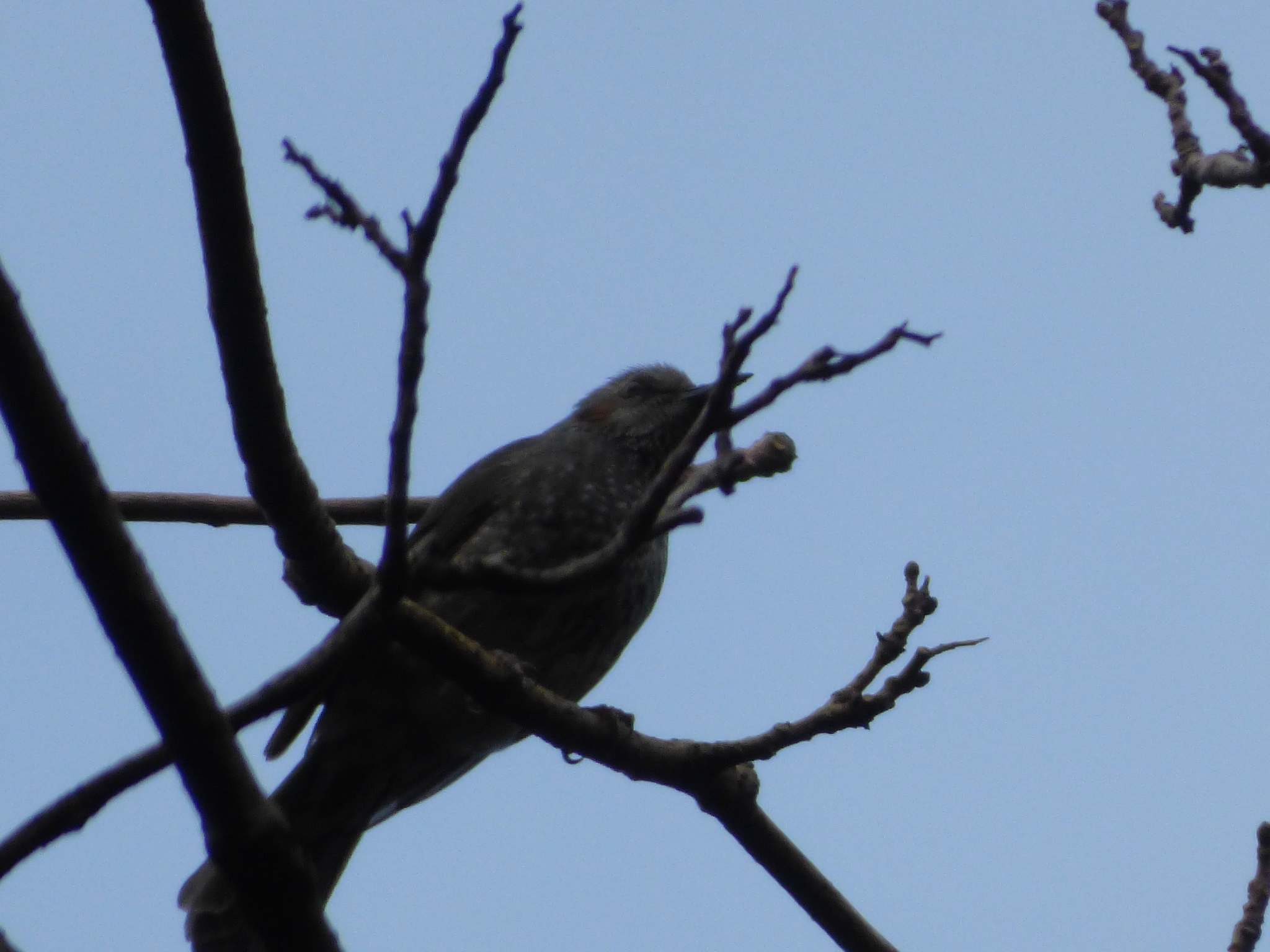
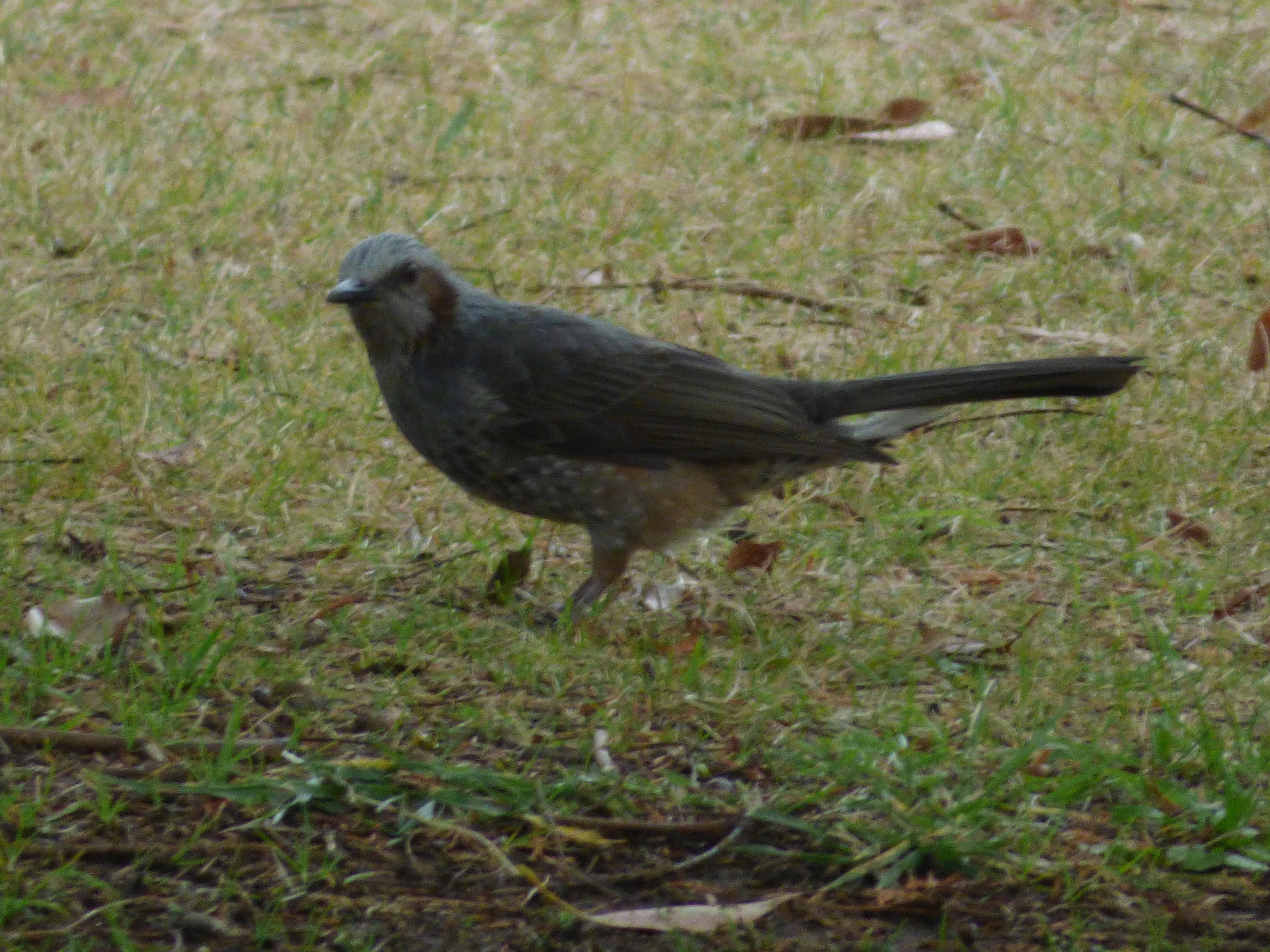
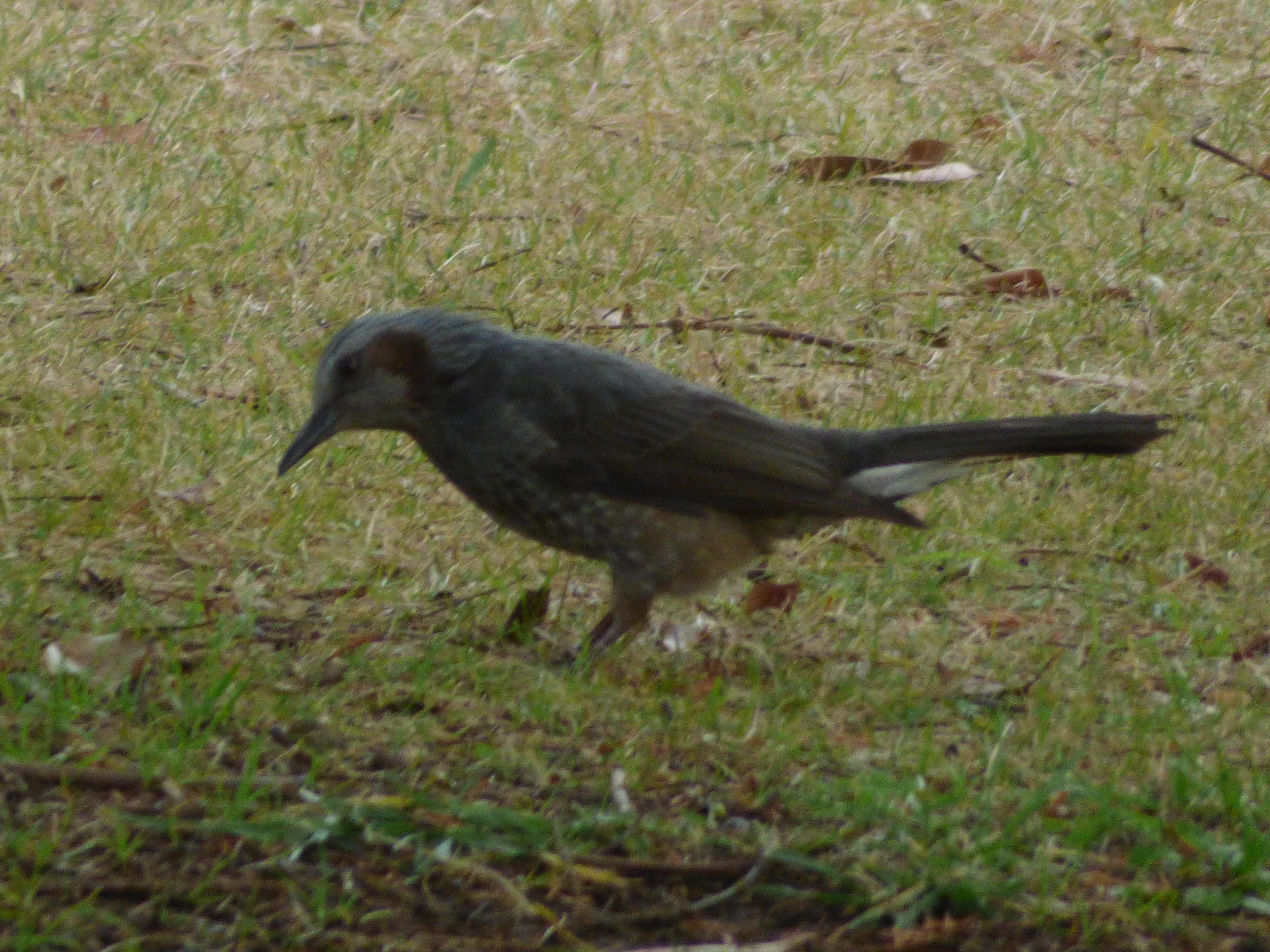
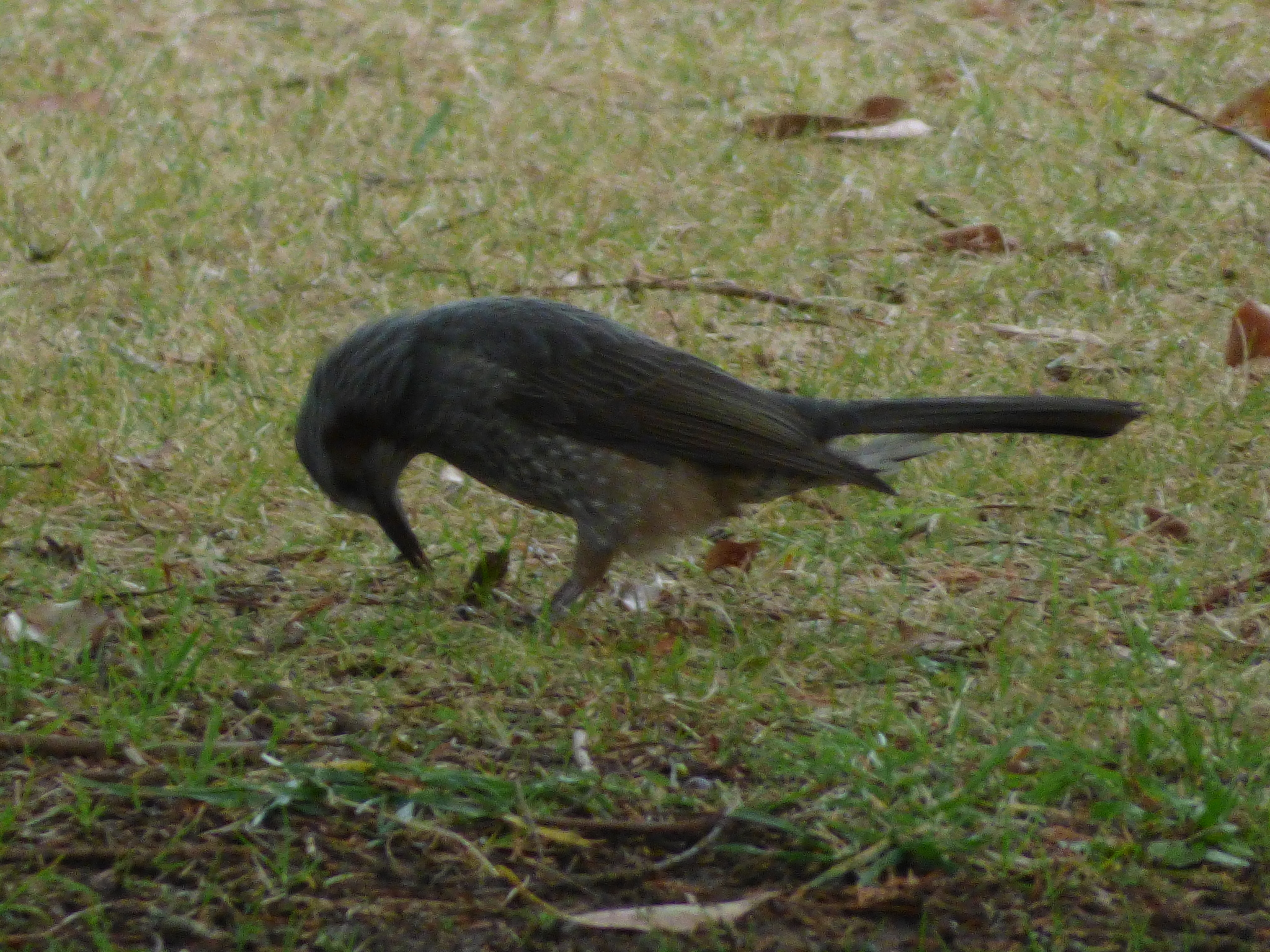
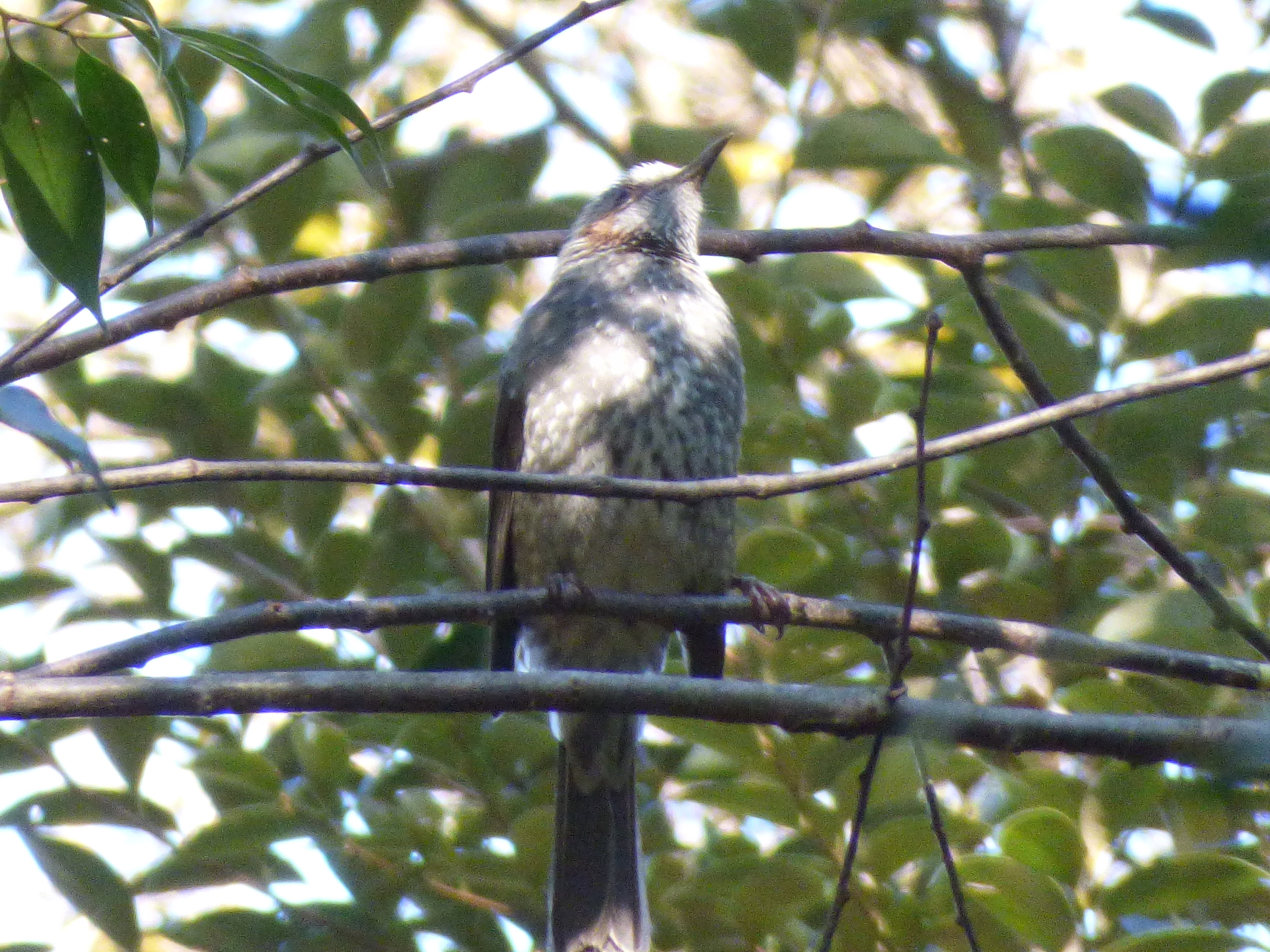
Brown-eared Bulbul
Hypsipetes amaurotis · 栗耳短脚鹎
Introduction
Medium-sized bulbul native to eastern Asia, ranging from southern Sakhalin to the northern Philippines. It is extremely common in the northern parts of its range and readily adapts to urban and rural environments. Distinctive traits include noisy vocalizations and a role in pollinating Camellia flowers during winter.
Description
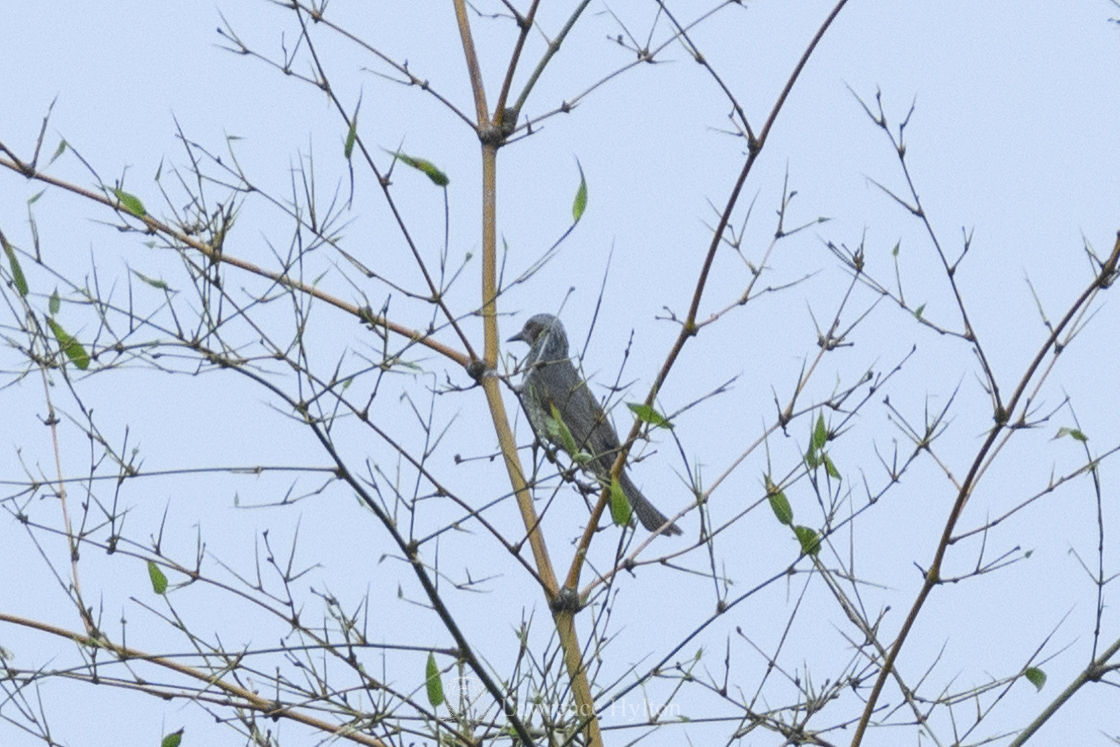
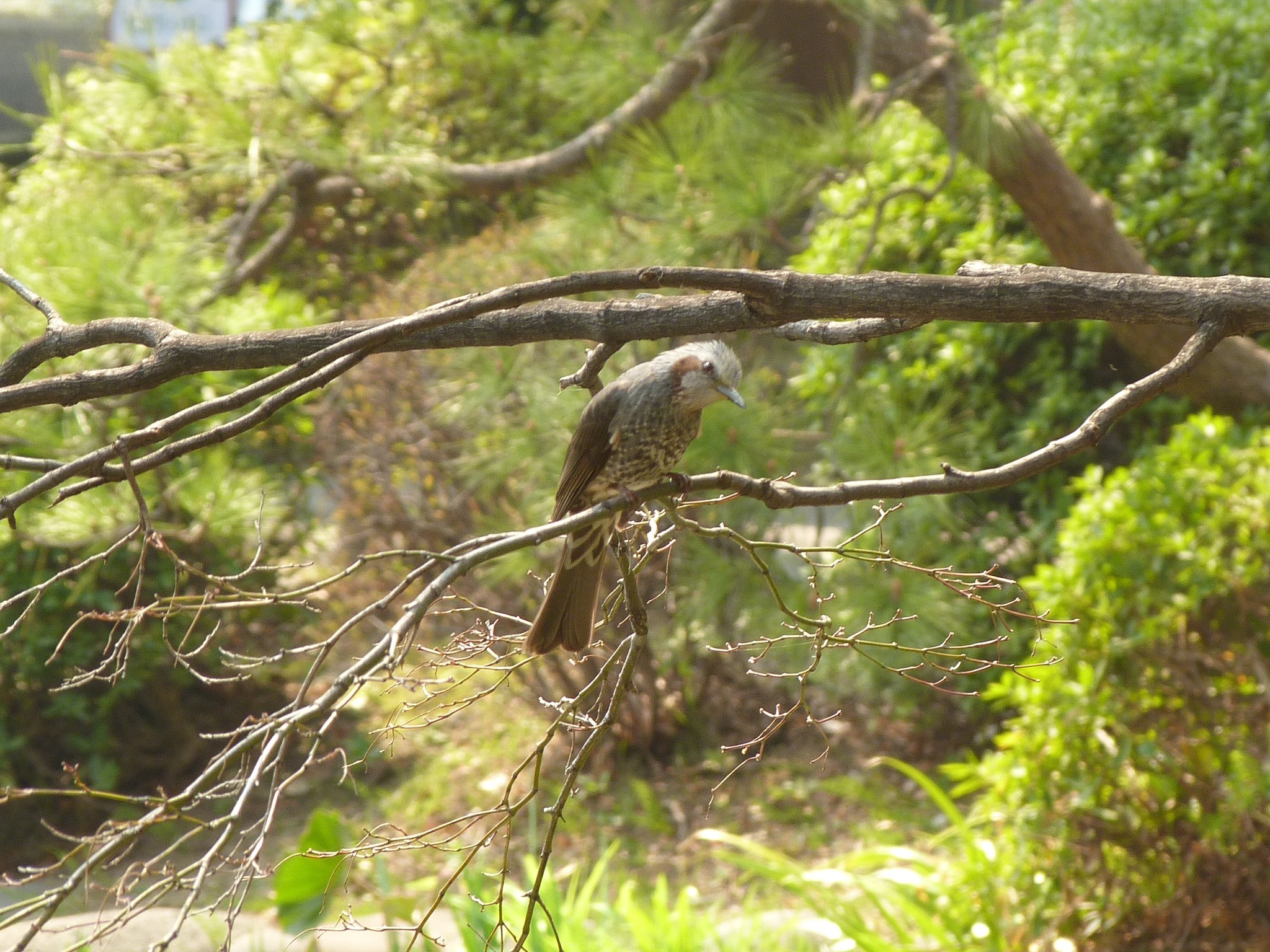
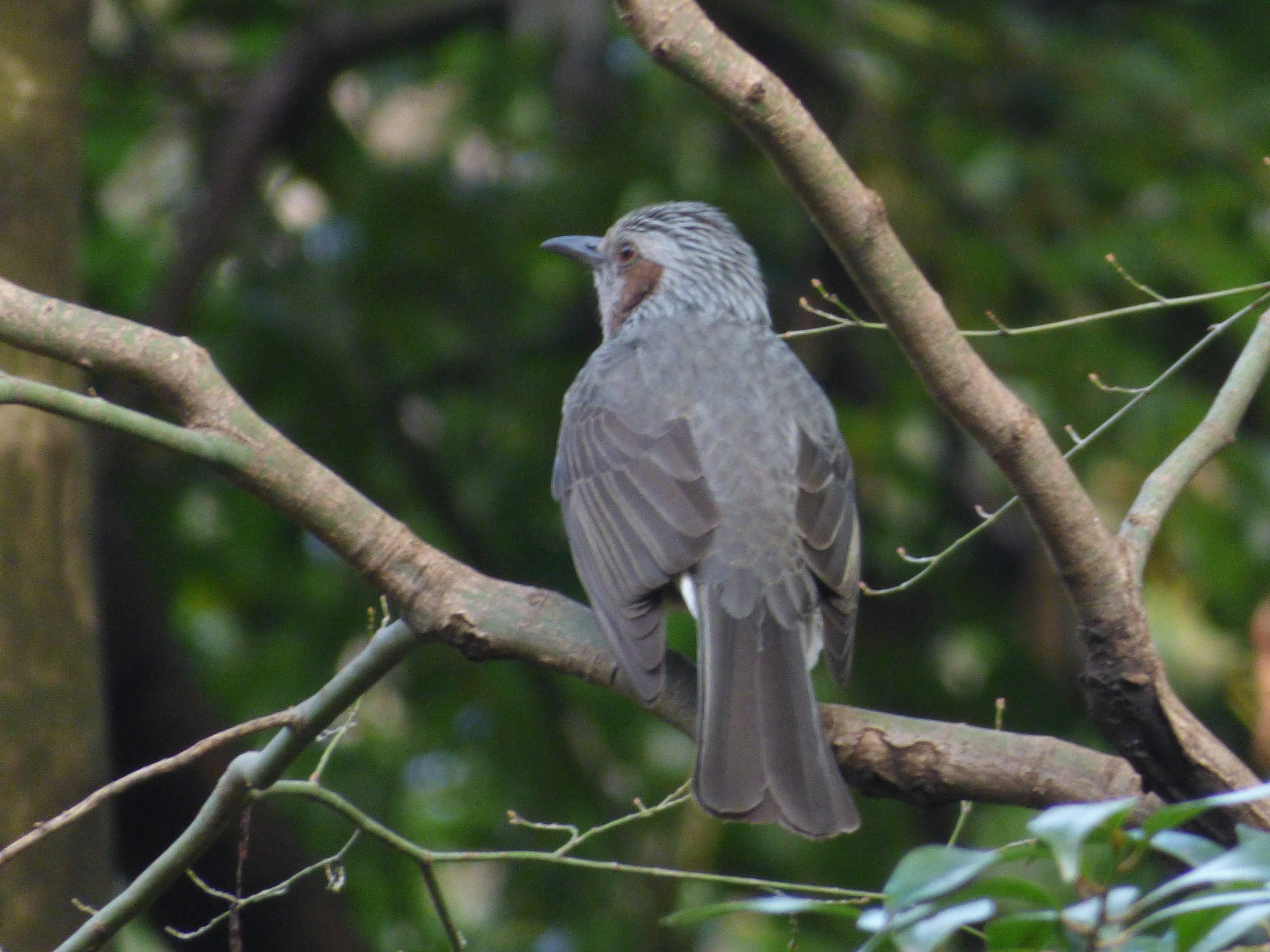
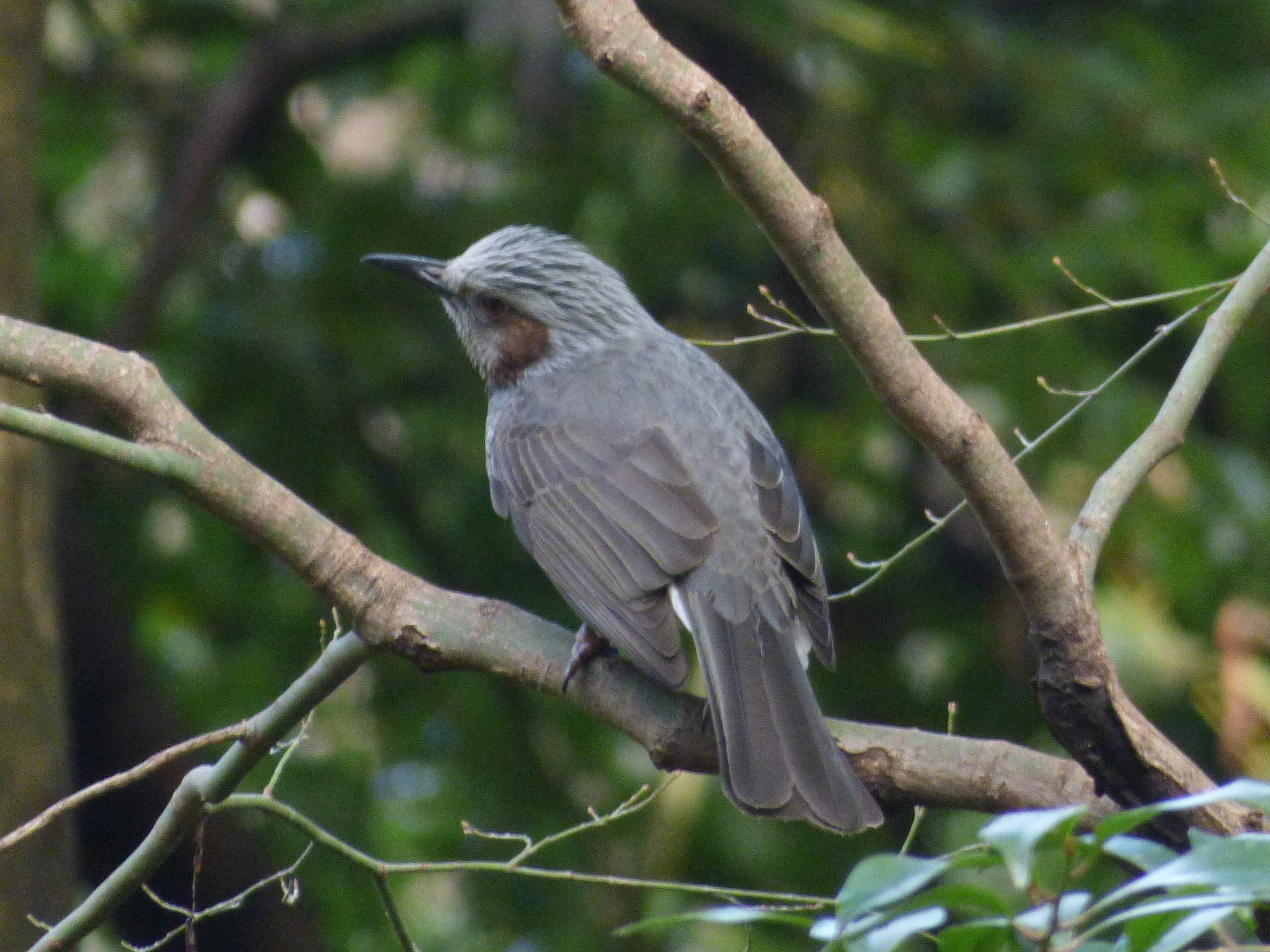
Reaches a length of about 28 cm (11 in). Plumage is grayish-brown with brown cheeks and a long tail.
Identification
Identified by grayish-brown body, distinct brown cheeks, and long tail. Vocalizations include loud 'shreep' and 'weesp' calls produced by flocks throughout the year.
Distribution & Habitat
Range includes the Russian Far East (including Sakhalin), northeastern China, the Korean Peninsula, Japan, Taiwan, and the Babuyan and Batanes island chains in the northern Philippines. Twelve subspecies are recognized, distributed across specific islands and regions such as the Ryukyu Islands, Bonin Islands, and northern Philippines. Historically migratory, moving south in winter, but increasingly overwintering farther north due to changes in farming practices. Forms huge flocks during migration.
Behavior & Ecology
Breeds between April and July, sometimes August. Builds cup-shaped nests in lower tree branches, bushes, or on man-made structures, 1.5–4.5 meters off the ground. The female lays around five eggs and incubates them for 13 to 14 days. Frequently parasitized by cuckoos. Diet shifts seasonally: primarily insects in summer; fruits (berries, citrus), seeds, and Camellia nectar in fall and winter. Pollinates Camellia flowers while feeding on nectar. Host for the haemosporidian disease Haemoproteus philippinensis.
Source: Wikipedia · CC BY-SA 3.0
Taxonomy
- Order
- Passeriformes
- Family
- Pycnonotidae
- Genus
- Hypsipetes
Vocalizations
Subspecies (12)
-
Hypsipetes amaurotis amaurotis
breeds southern Sakhalin Island, Japan, and South Korea; winters to eastern China
Data Sources
Species description from Wikipedia, licensed under CC BY-SA 3.0.
Bird images and sounds sourced from GBIF, contributed by citizen scientists worldwide under Creative Commons licenses.
Taxonomy data from AviList 2025.