Passeriformes / Cettiidae / Horornis
Manchurian Bush Warbler
Horornis canturians · 远东树莺
Introduction
A member of the family Cettiidae, this species breeds in northeastern China and inhabits rich temperate forests across Asian territories. It prefers shrubby forest edges, reedbeds, and gardens, rarely straying from dense undergrowth even when singing. The global population trend appears stable, and it is evaluated as a least concern species.
Description
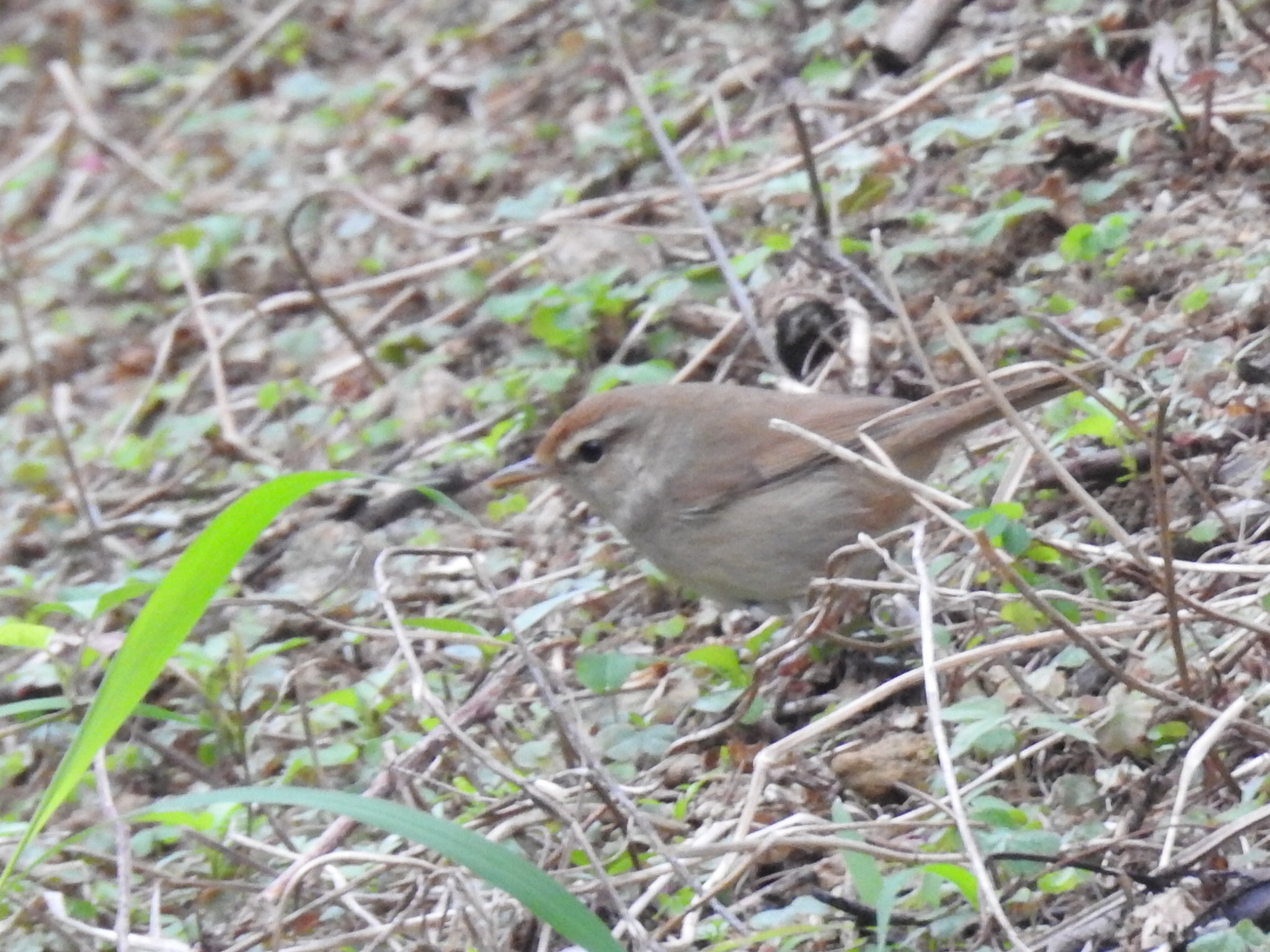
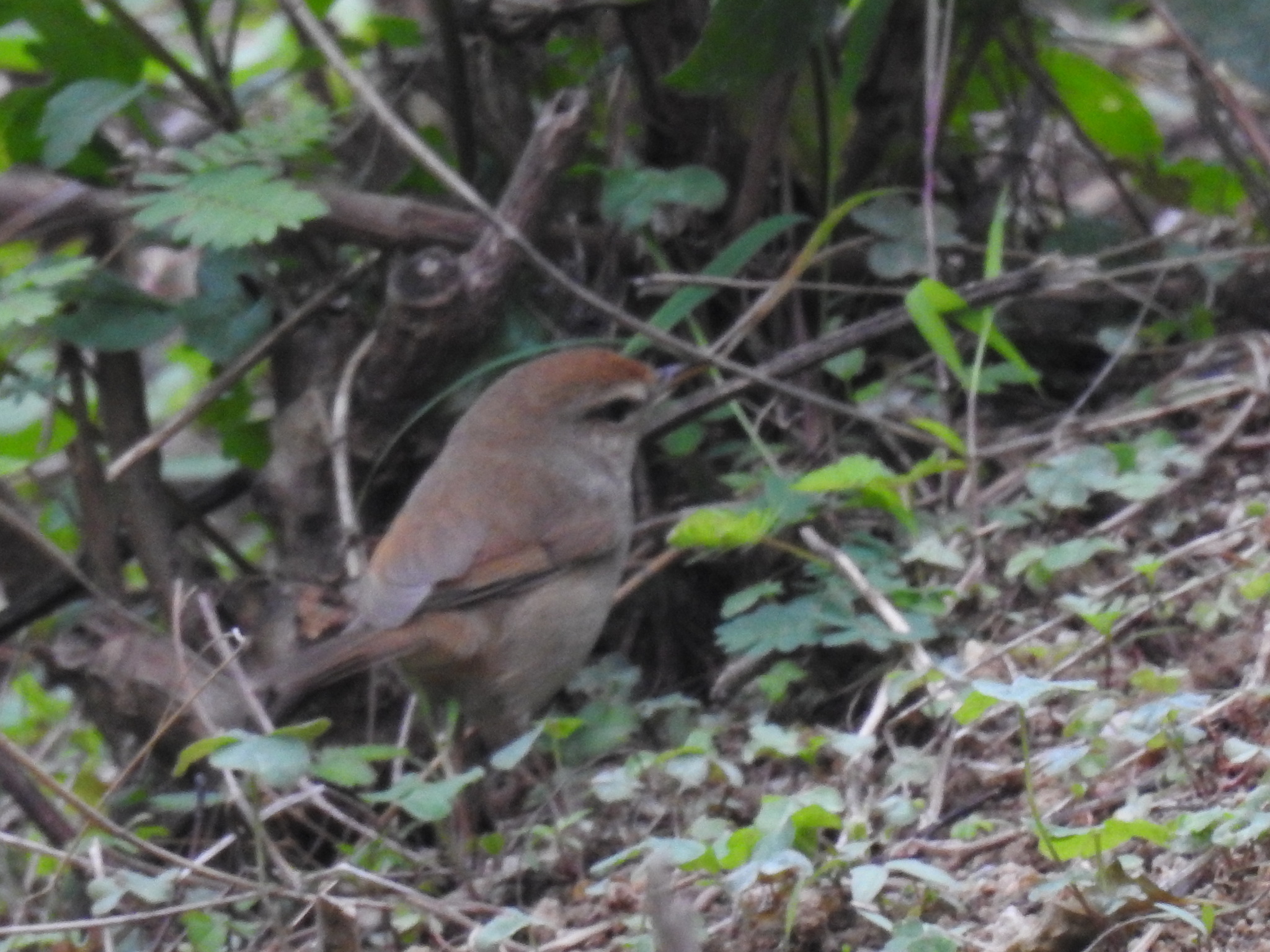
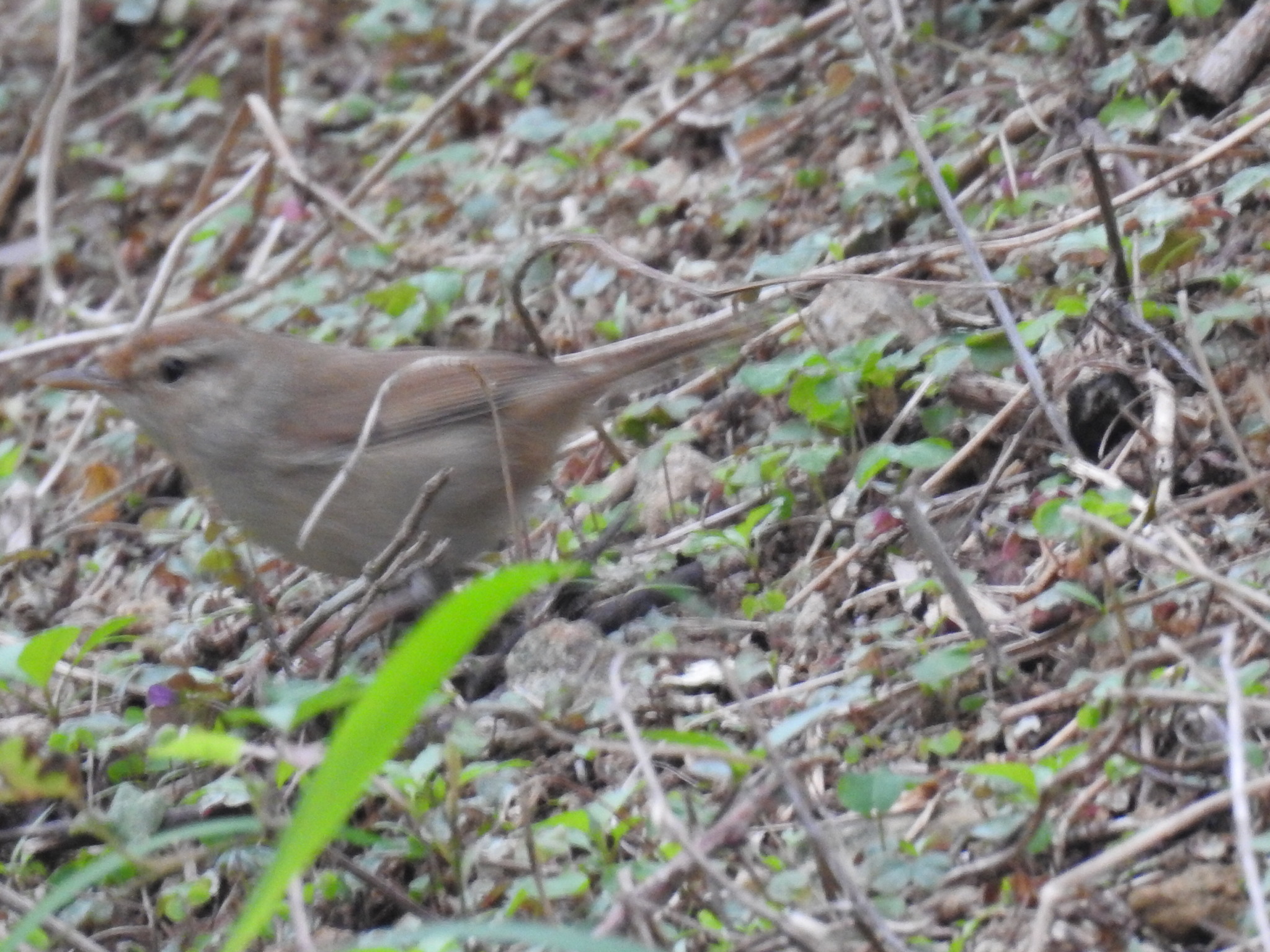
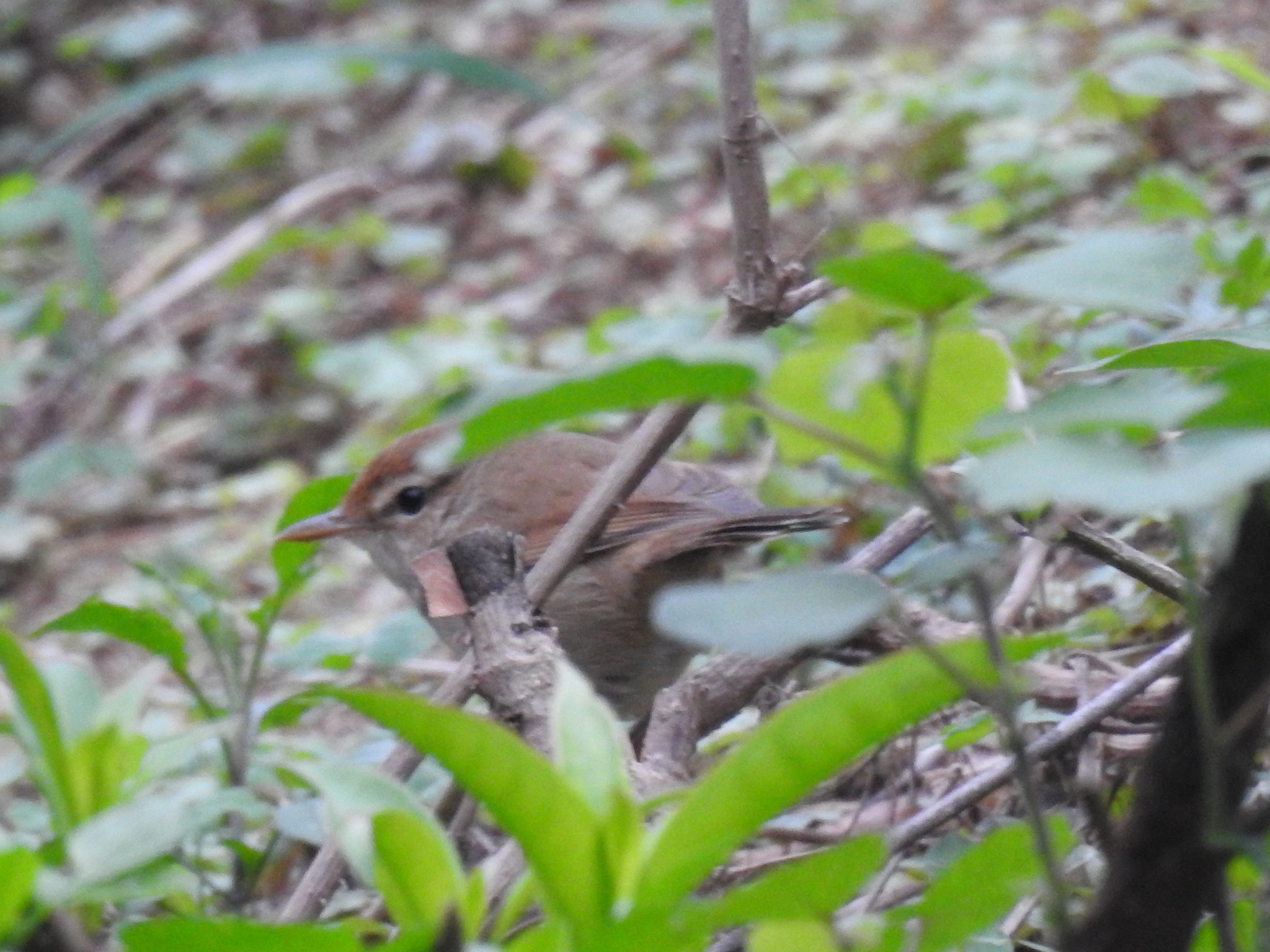
Distinguished by more rufous colors compared to similar species, with dark buff suffusion on the flanks and distinct undertail coverts. It features a pale supercilium, a rufescent crown, and less buffy underparts. The bird has a smaller size and slender build.
Identification
Can be distinguished from the Japanese bush warbler by its more rufous colors, dark buff suffusion on the flanks, and undertail coverts. Differentiated from the Broad-billed warbler by a pale supercilium, smaller size, slender build, rufescent crown, and less buffy underparts. Typically detected by its song rather than sight, as it remains in dense undergrowth.
Distribution & Habitat
Breeds in northeastern China. Range extends to eastern Siberia, Mongolia, Korea, and parts of northern China. The estimated distribution size is approximately 1,610,000 km² (620,000 sq mi). Habitat includes rich temperate forests, scrubs, woodlands, shrubby forest edges, reedbeds, and gardens; it is less common in urban environments.
Behavior & Ecology
Forages alone or in small pairs, most active in the morning. Vocalizations include a long mournful whistle followed by a quick burst of rich bubbly notes, described as explosive and trilling. Males sing during the breeding season to establish territory and attract mates. Nesting occurs from late April to July in low, dense underbrush using grass, leaves, and feathers. The female lays three to five eggs and incubates for about two weeks. Both parents feed the chicks. Natural predators include hawks, snakes, and small mammals.
Conservation
Classified as Least Concern on the IUCN Red List with a stable population trend. Threats include habitat destruction and degradation due to urbanization, agricultural expansion, pollution, deforestation, and land conversion.
Source: Wikipedia · CC BY-SA 3.0
Taxonomy
- Order
- Passeriformes
- Family
- Cettiidae
- Genus
- Horornis
Taxonomy Changes
Horornis borealis → Horornis canturians
Subspecies lump — GBIF Backbone Taxonomy uses the former name; AviList 2025 uses the current name.
Subspecies (2)
-
Horornis canturians borealis
breeds northeastern China, adjacent southeastern Siberia, and Korea; winters to southeastern China
Data Sources
Species description from Wikipedia, licensed under CC BY-SA 3.0.
Bird images and sounds sourced from GBIF, contributed by citizen scientists worldwide under Creative Commons licenses.
Taxonomy data from AviList 2025.