
Barn Swallow
Hirundo rustica
家燕
Introduction
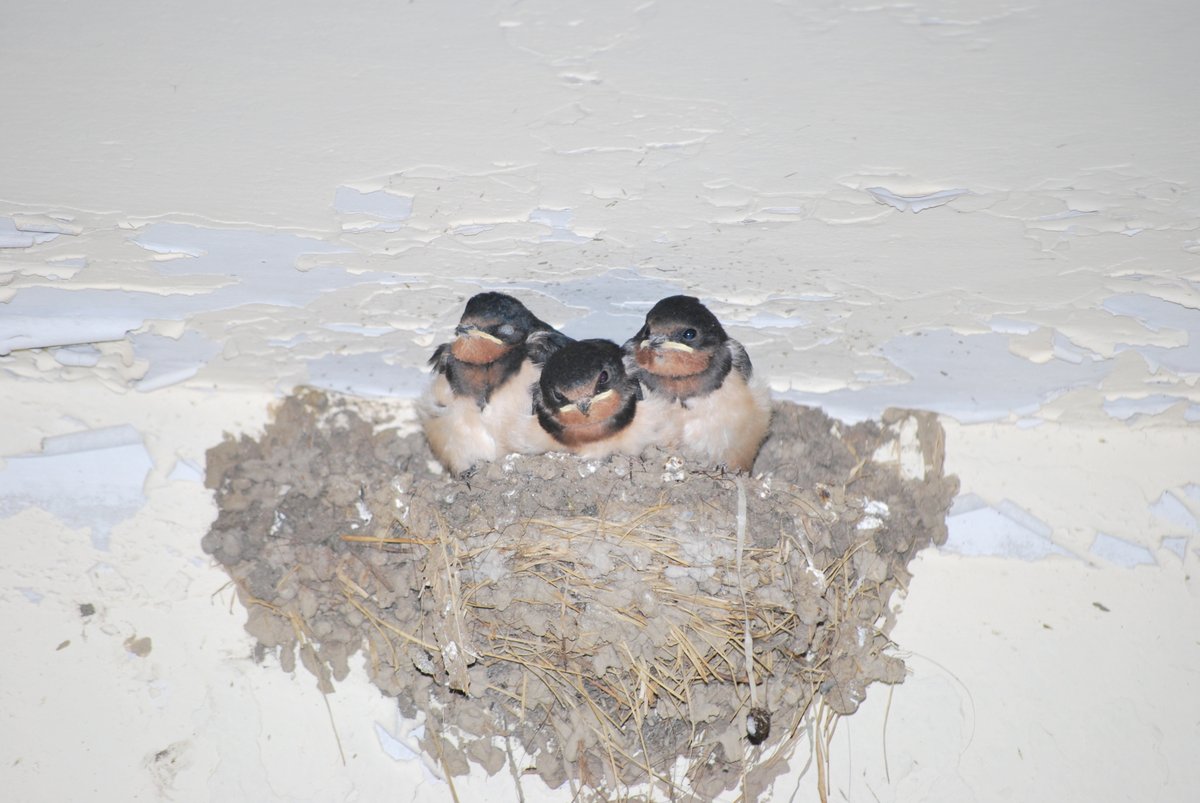
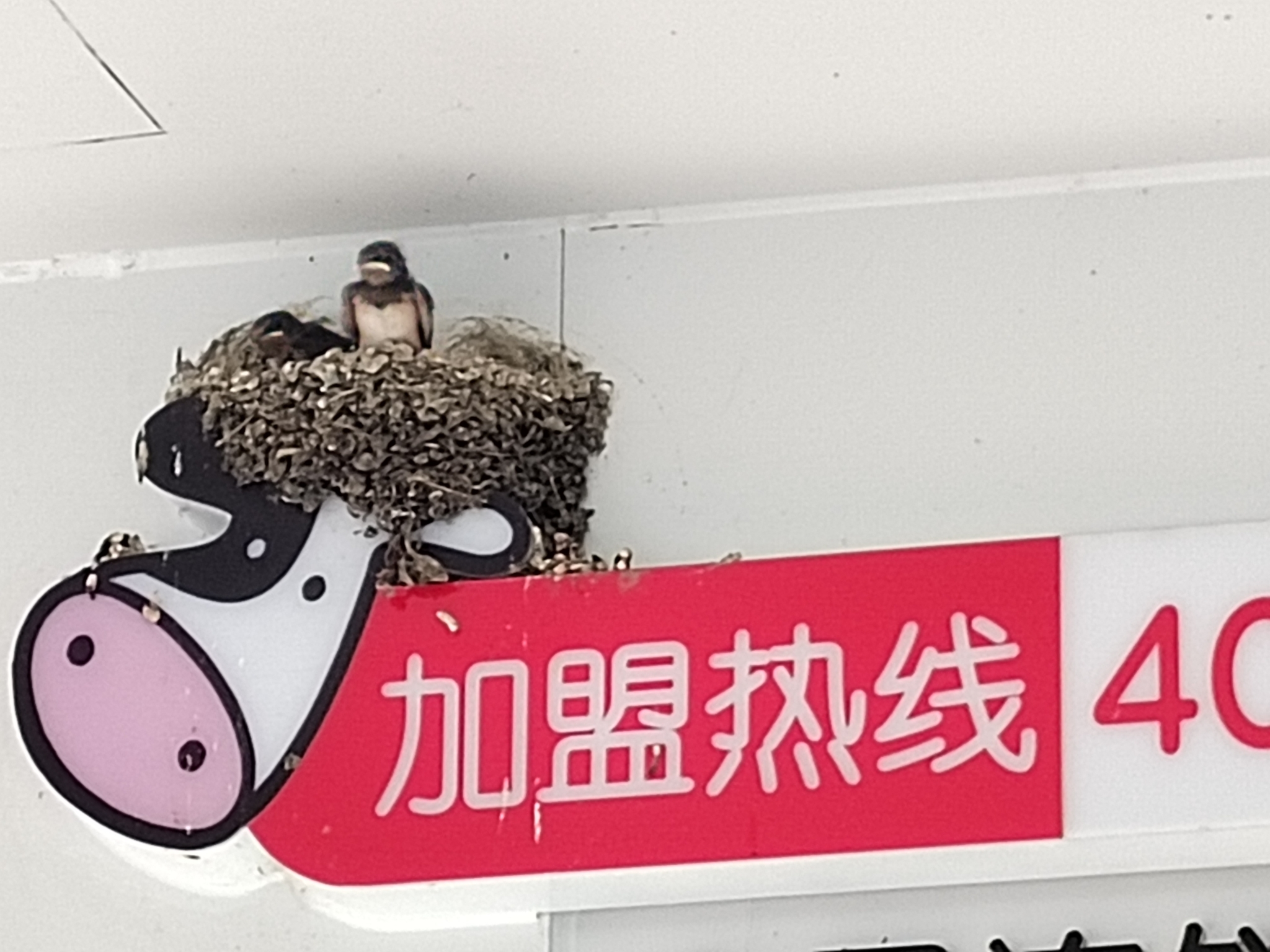
The Barn Swallow (Hirundo rustica) is the most widely distributed swallow species, occurring across all continents with vagrant records from Antarctica. It inhabits open country and human-modified landscapes, commonly nesting in barns, stables, bridges, and similar structures. The species breeds in semi-colonial groups ranging from single pairs to several dozen pairs. It constructs a cup-shaped nest from mud pellets, lined with grasses, feathers, and other soft materials. Foraging occurs exclusively on insects captured in flight, typically at heights of 7-8 meters above ground or water, often following livestock, humans, or vehicles to disturbed prey. Individuals exhibit strong philopatry to both breeding and wintering sites.
Description
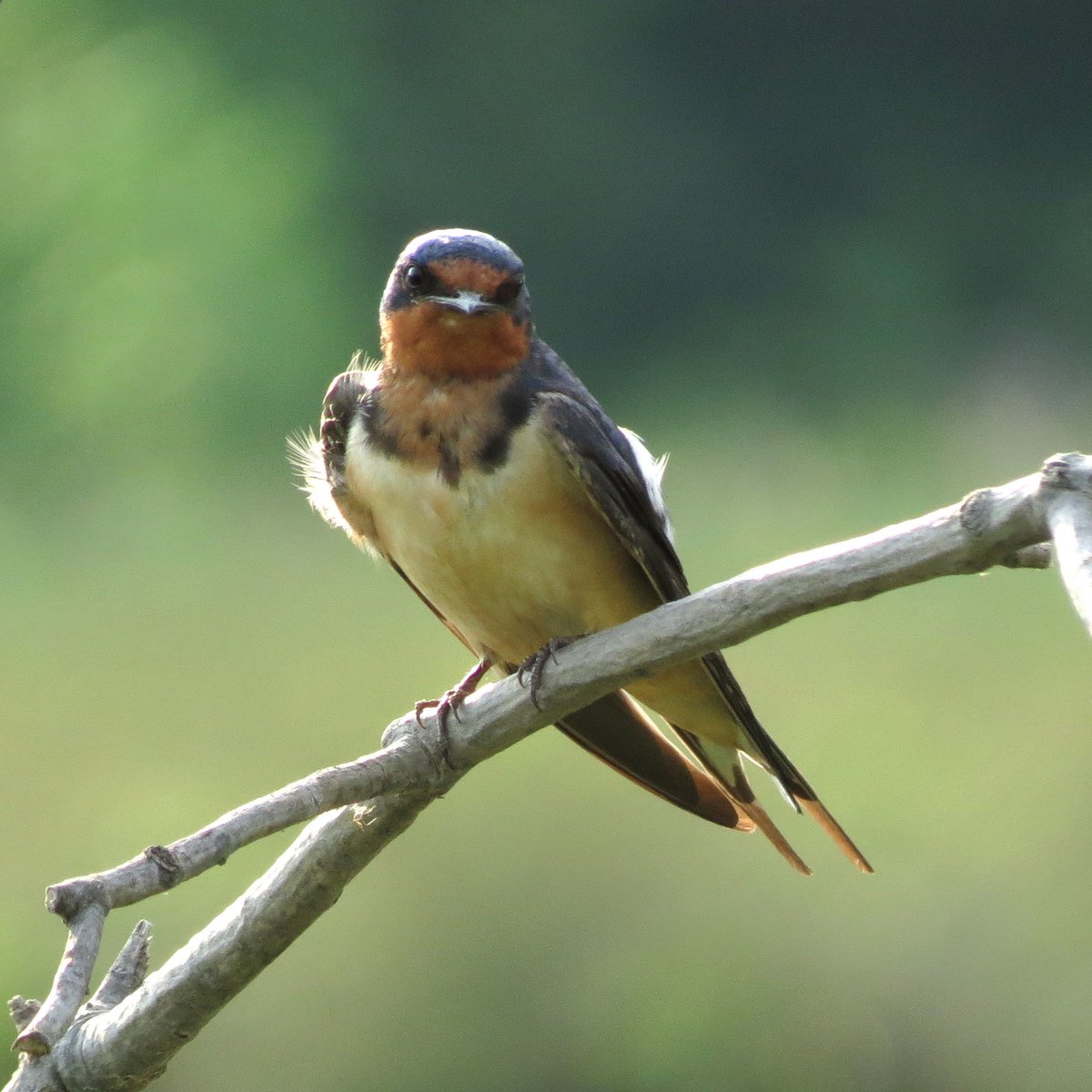
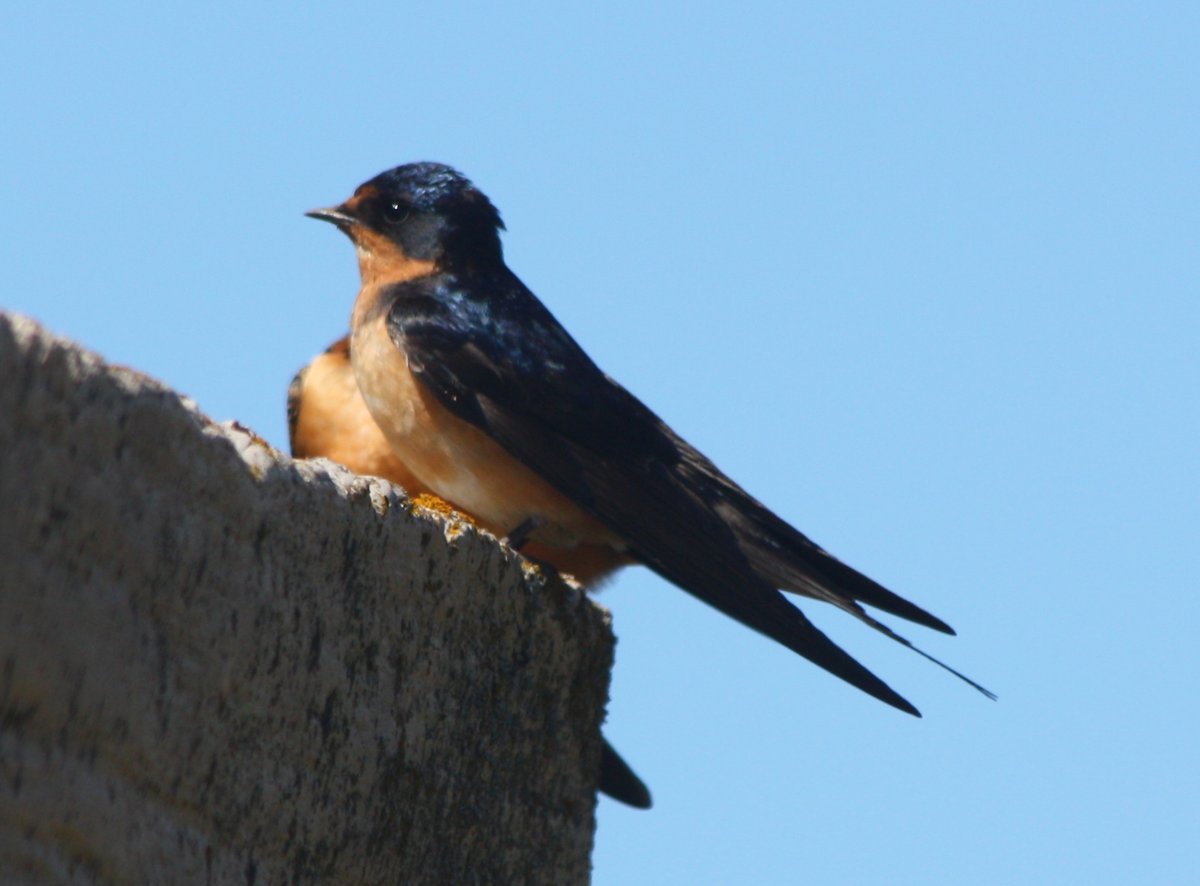
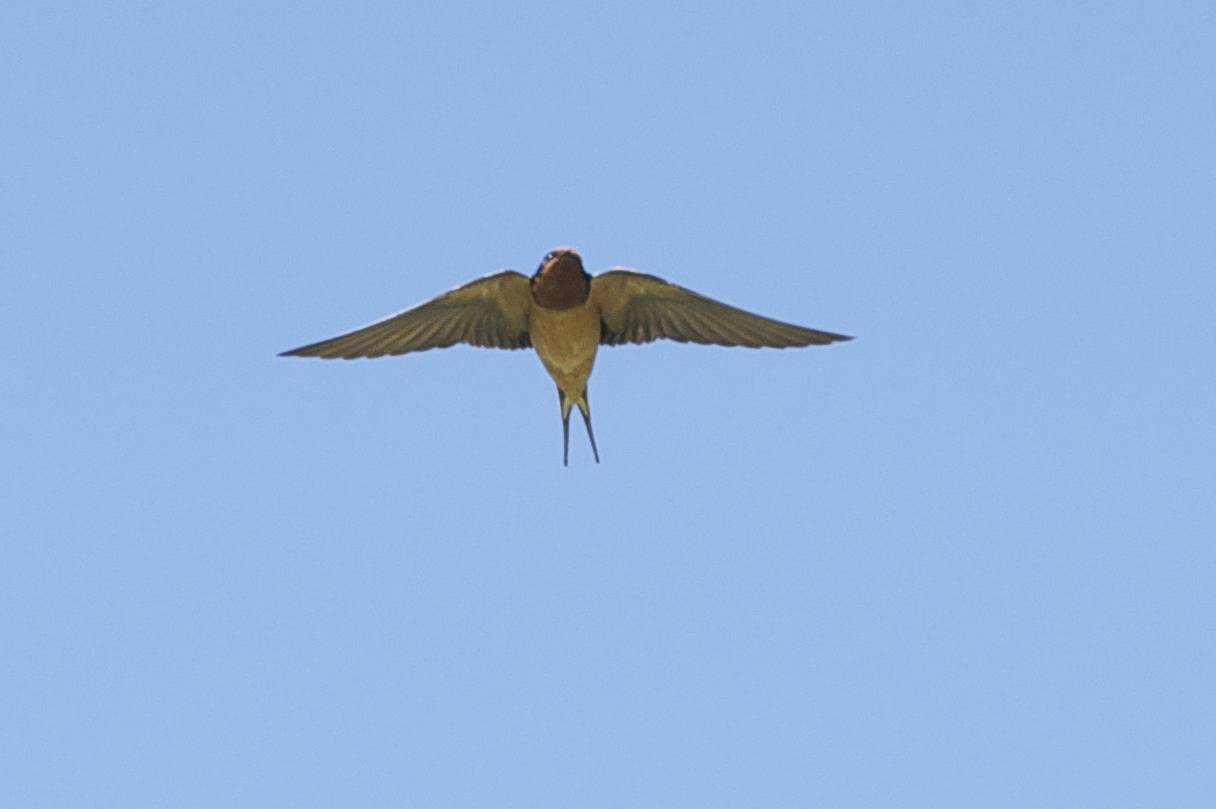
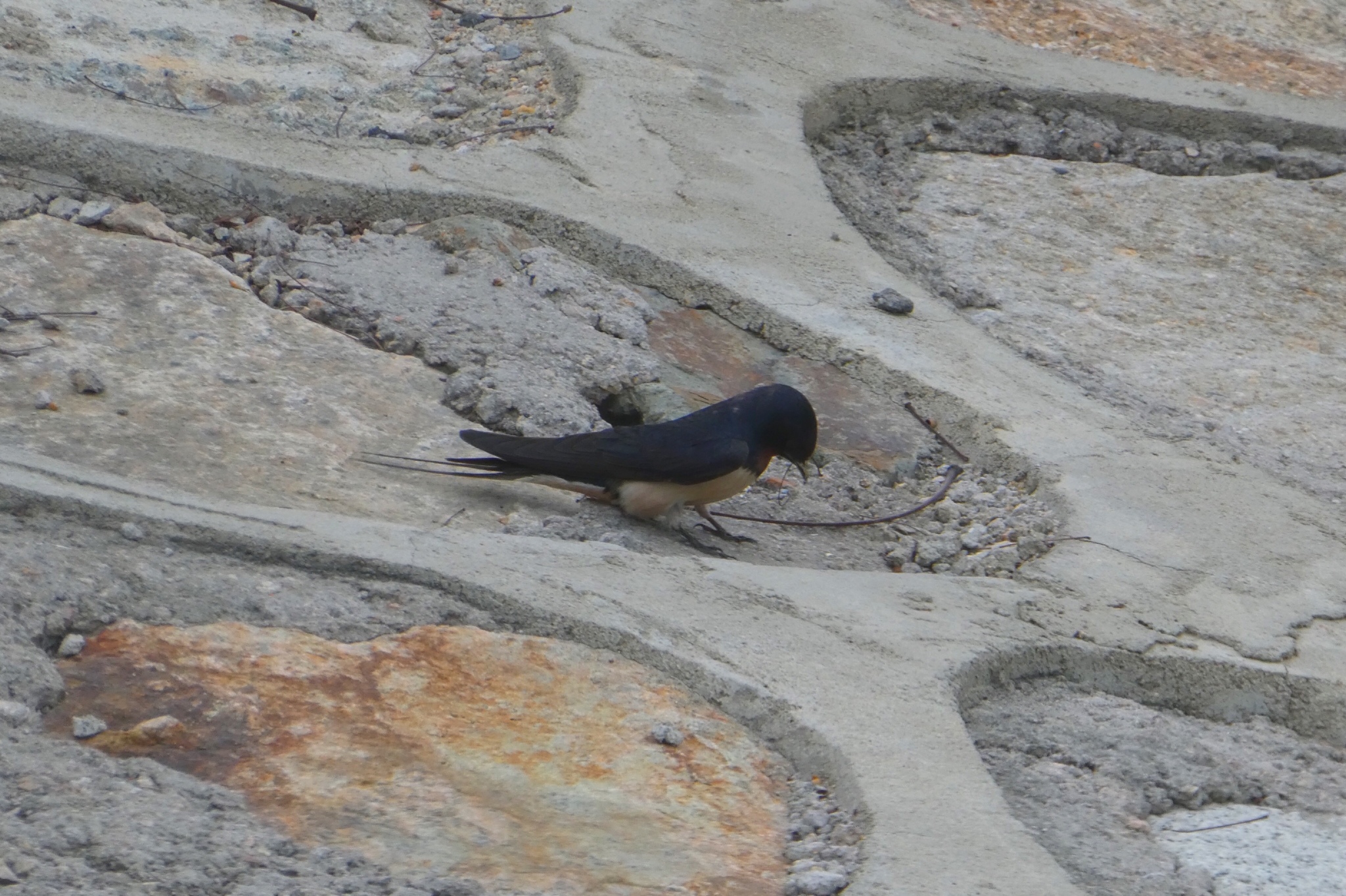
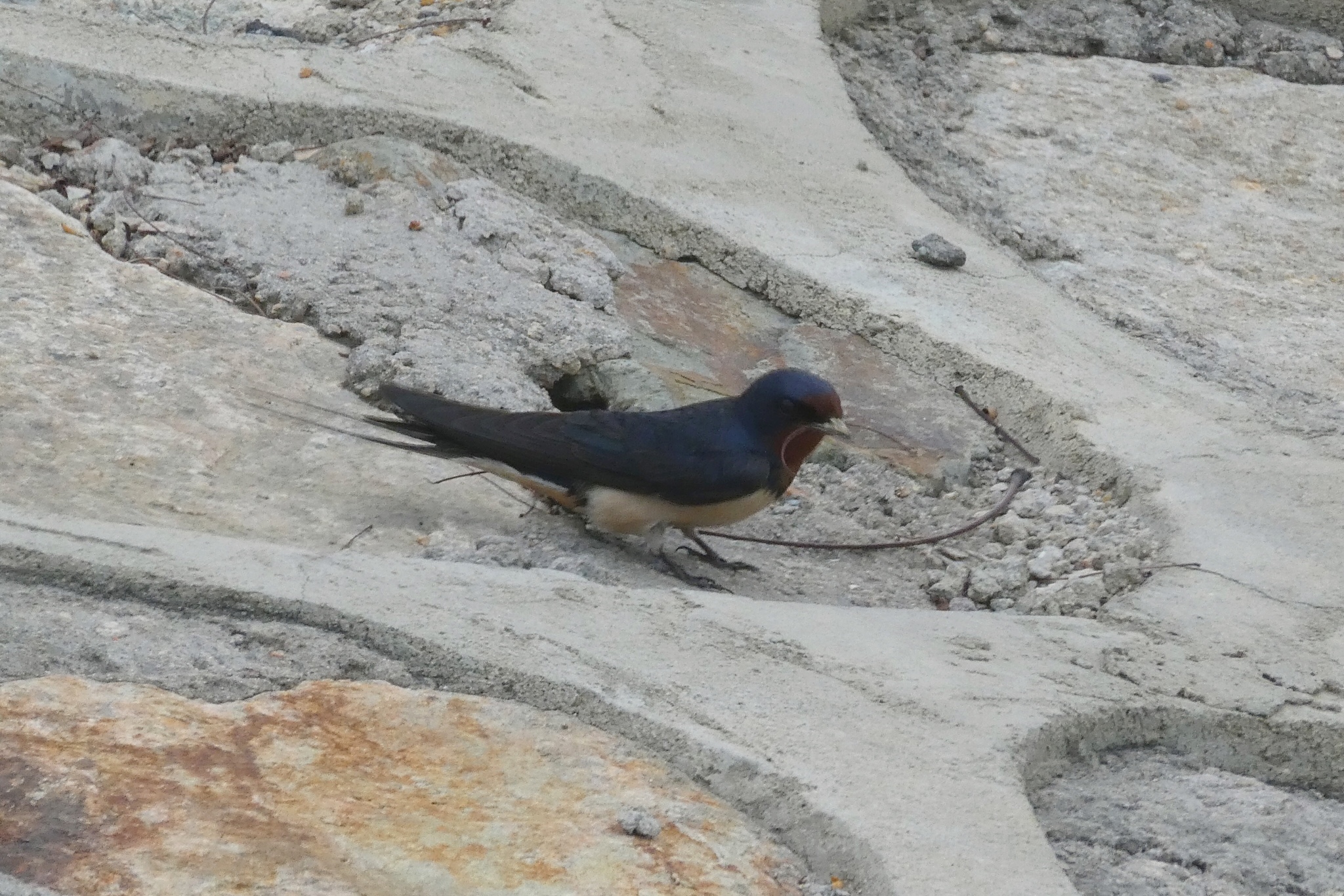
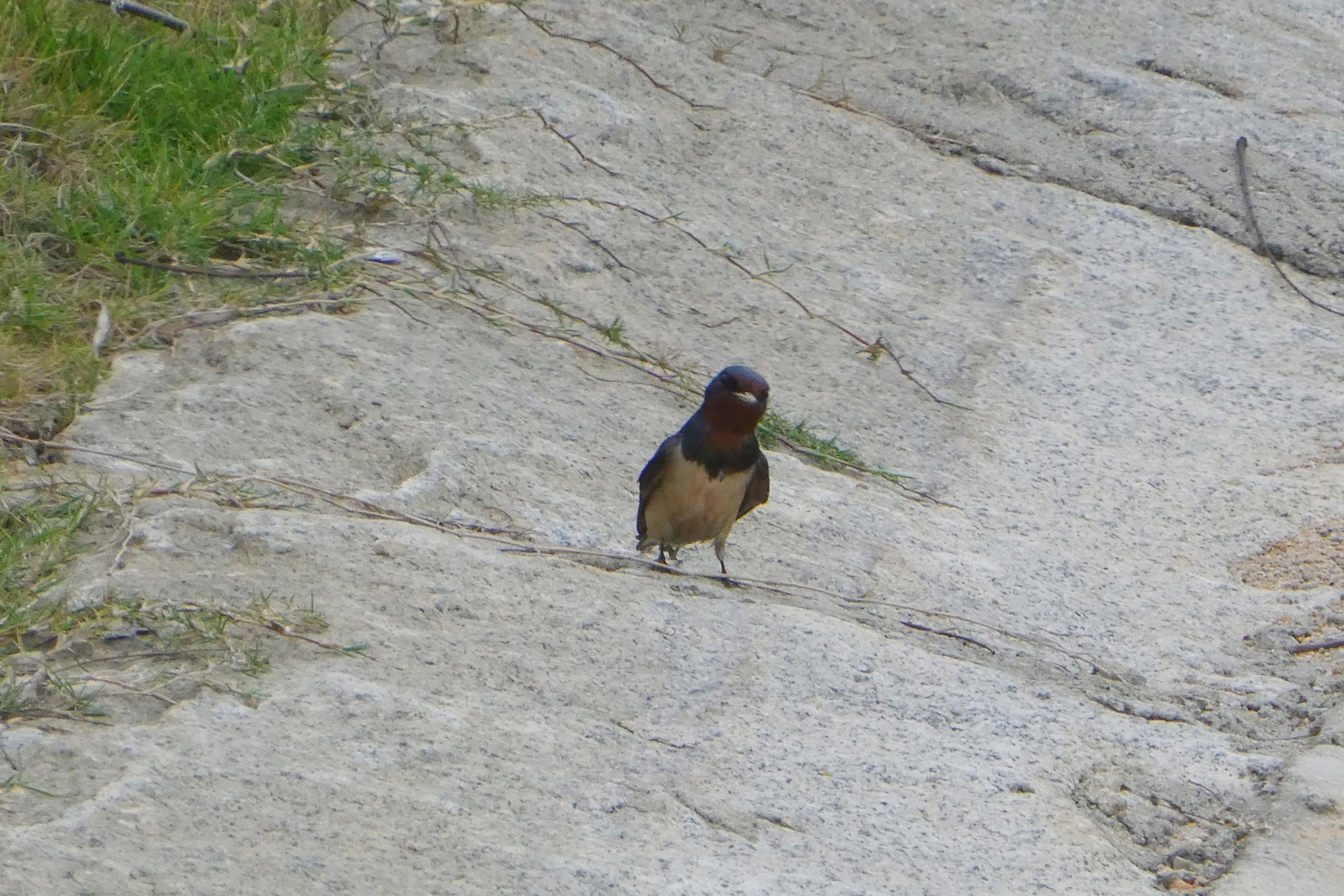
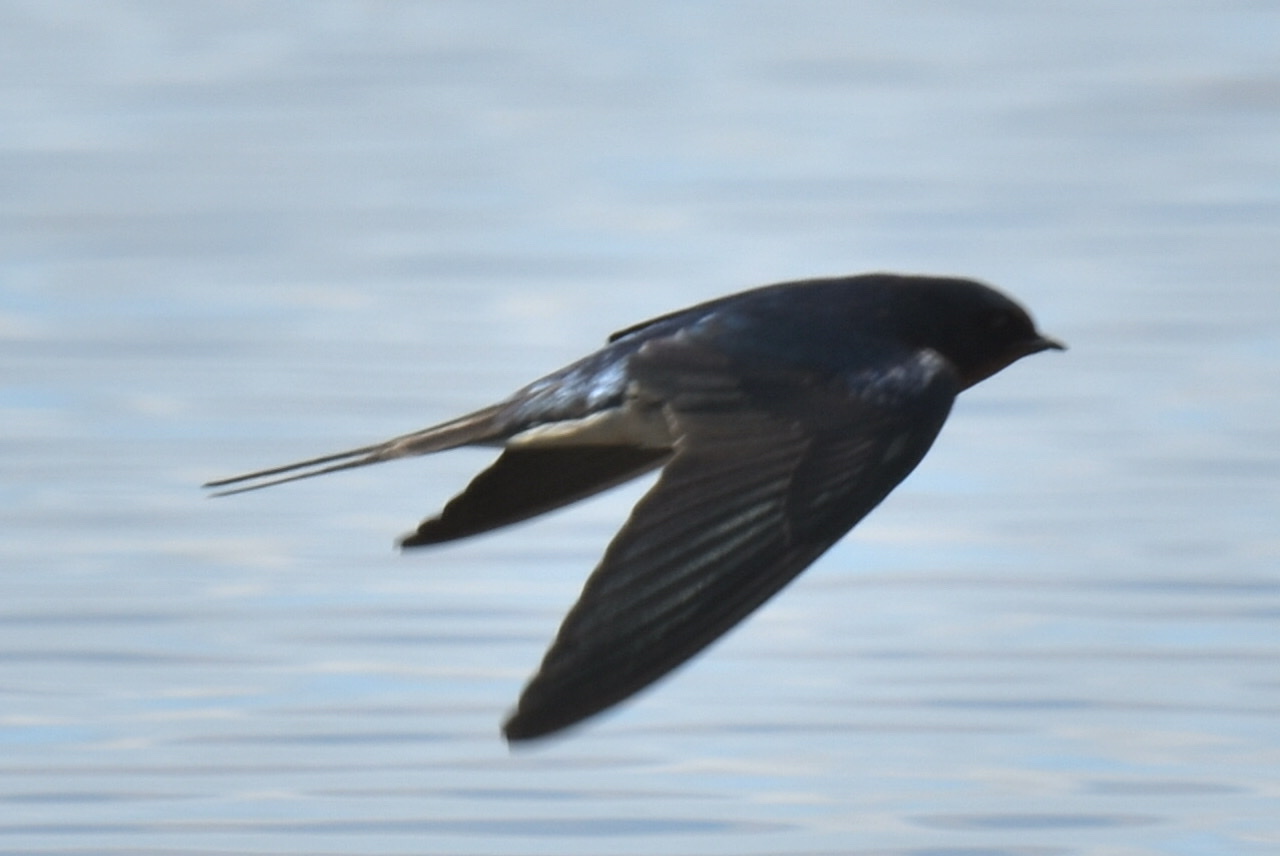
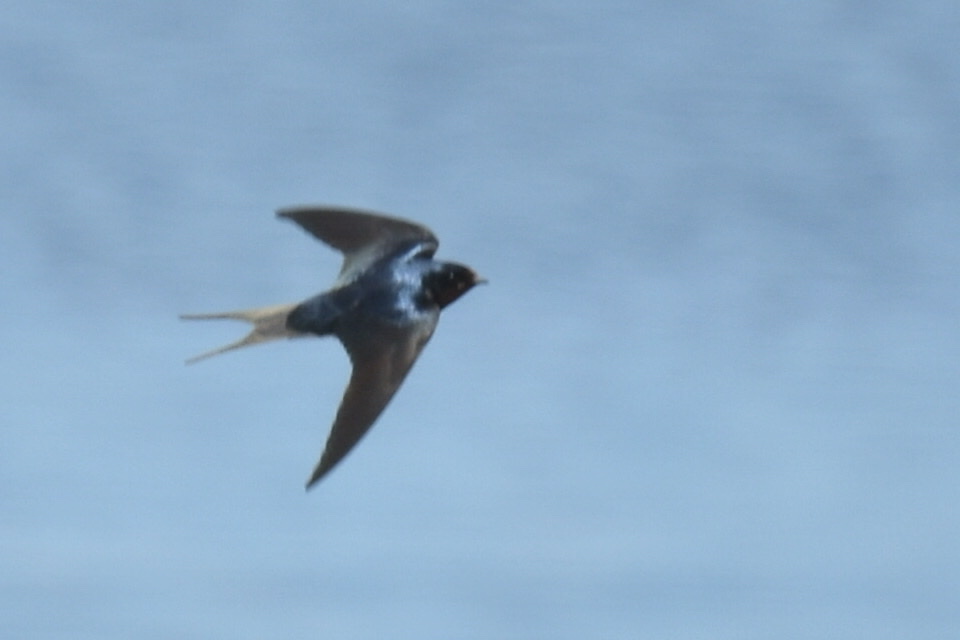
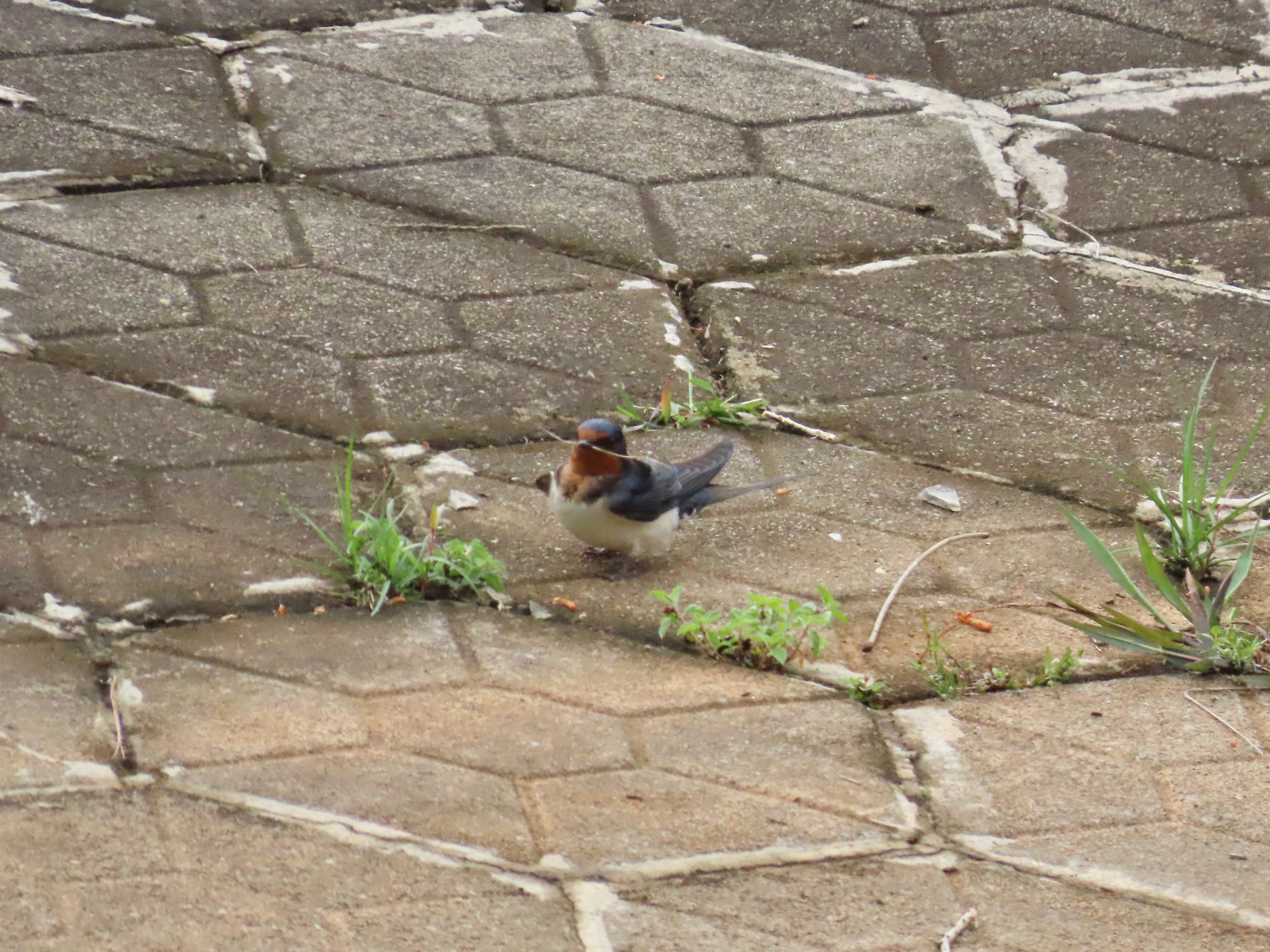
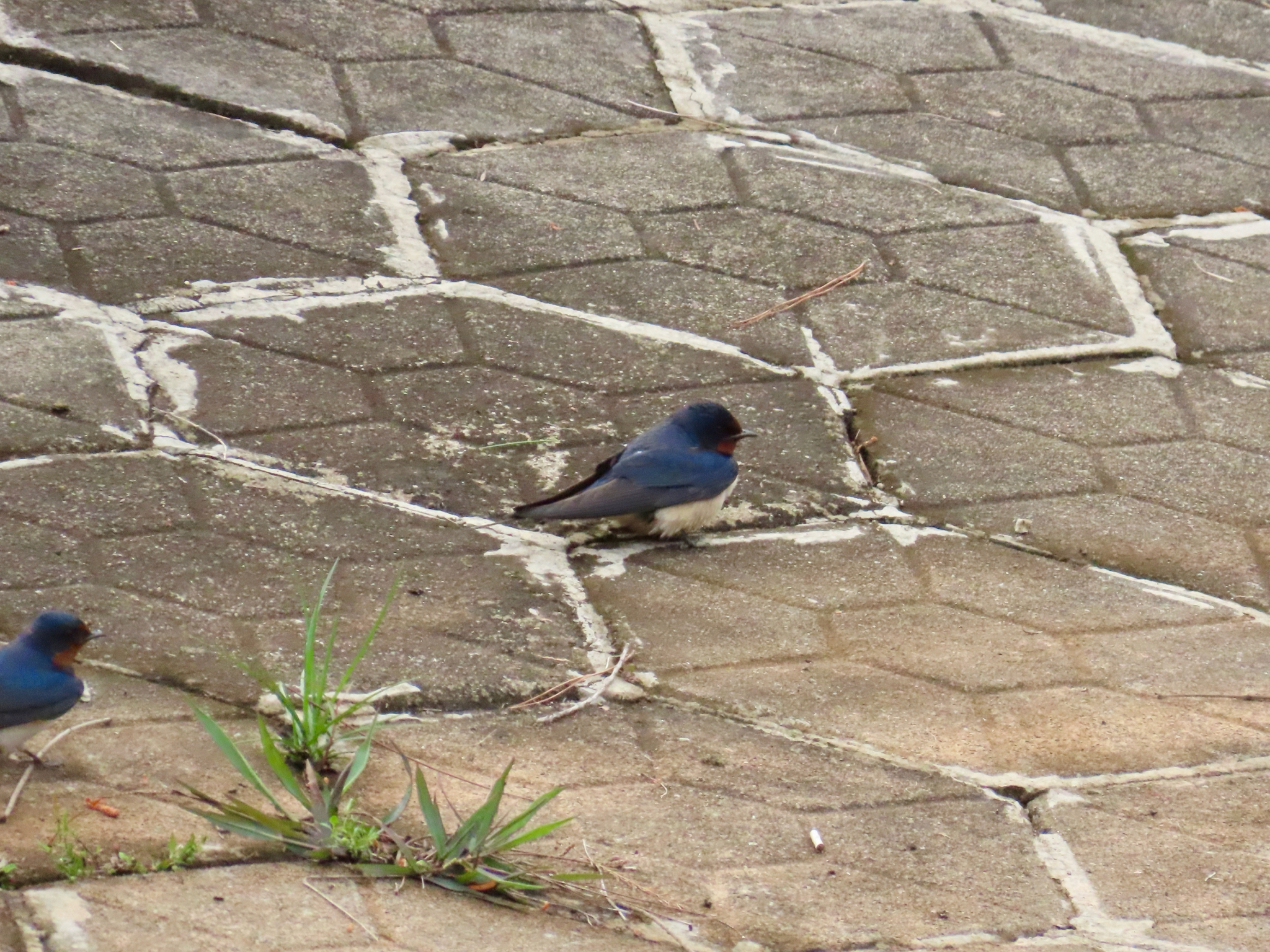
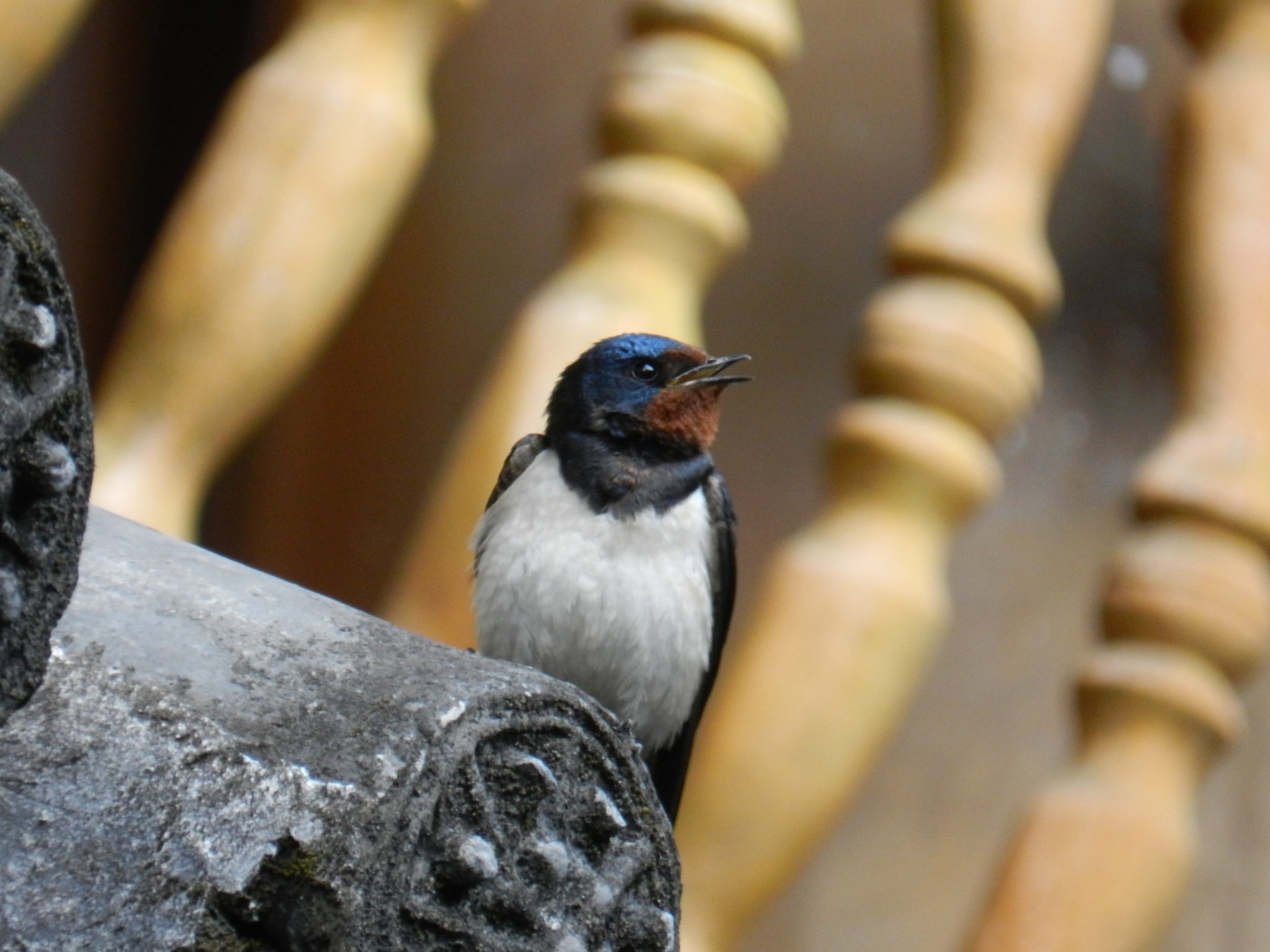
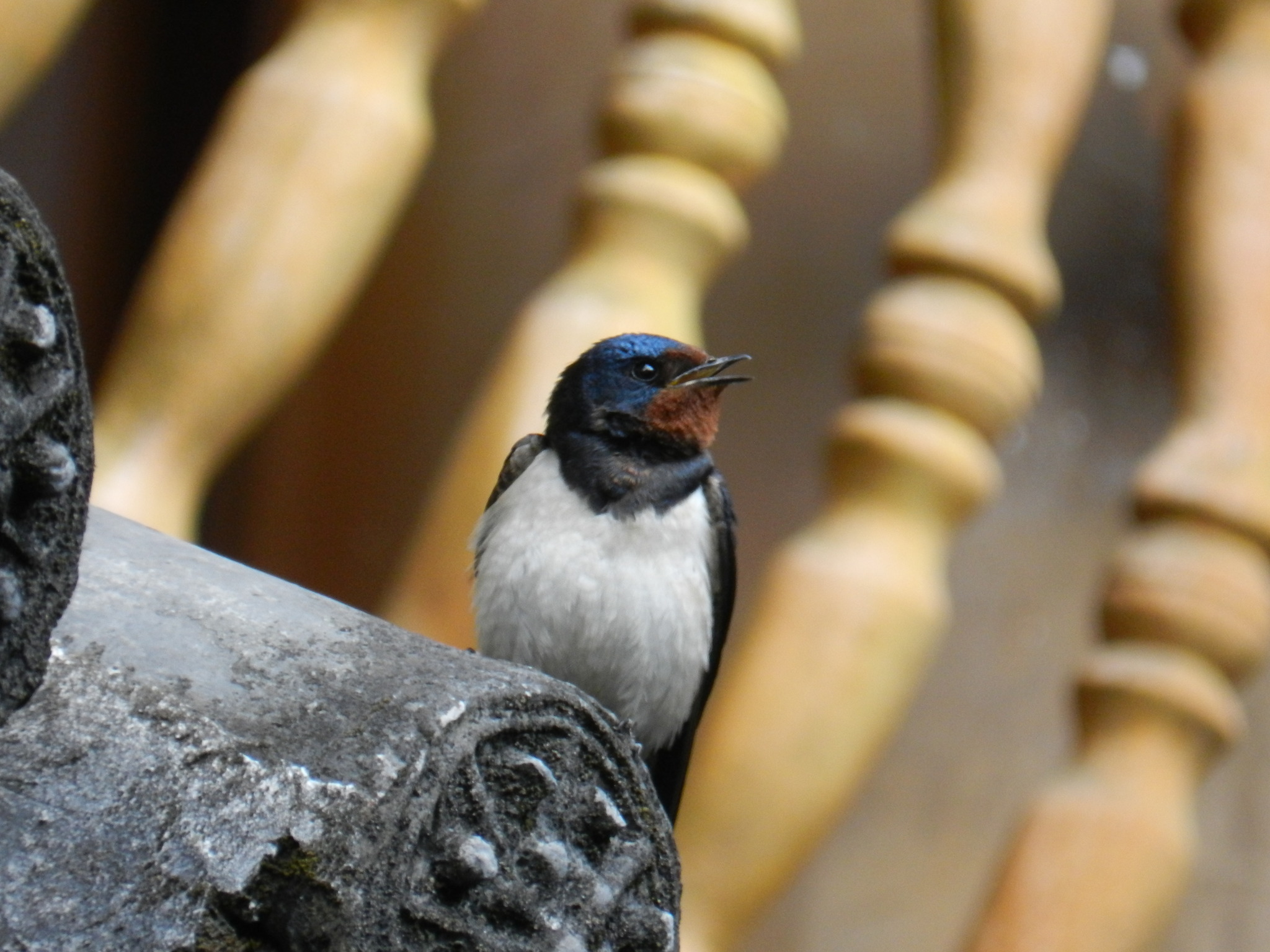
The adult male measures 17-19 cm in length, including 2-7 cm of elongated outer tail feathers, with a wingspan of 32-34.5 cm and weighing 16-22 g. It has steel blue upperparts and a rufous forehead, chin, and throat. The off-white underparts are separated from the rufous face by a broad dark blue breast band. The most distinctive feature is the deeply forked tail with elongated outer feathers, crossed by a line of white spots at the tip. The female resembles the male but has shorter tail streamers, less glossy blue plumage, and paler underparts. The juvenile is browner overall with a paler rufous face, whiter underparts, and lacks the long tail streamers of adults.
Identification
The combination of a rufous face and blue breast band makes the adult distinctive and easy to separate from other Hirundo species in Africa. In Australasia, it is readily distinguished from the welcome swallow by this coloring. In Africa, the short tail streamers of juvenile birds can cause confusion with juvenile red-chested swallows; however, the latter has a narrower breast band and more white in the tail. The red-chested swallow is also slightly smaller with shorter tail streamers. Males can be aged by tail streamer length, which varies geographically—northern European males have longer streamers than those in southern Europe.
Distribution & Habitat
This species breeds across the entire Northern Hemisphere from sea level to 3,000 meters, being absent only from deserts and the coldest northern regions. Its preferred habitat is open country with low vegetation, such as pastures, meadows, and farmland, preferably near water. It avoids heavily wooded areas and densely built-up locations. The six widespread subspecies migrate on a broad front to winter across much of the Southern Hemisphere, including Africa, Arabia, the Indian subcontinent, Southeast Asia, and South America. Some populations are resident, including the Egyptian subspecies and the Middle Eastern H. r. transitiva. Wintering birds congregate in enormous roosts, with some reed bed roosts containing over a million individuals.
Behavior & Ecology
This aerial insectivore feeds primarily on large flies, aphids, and other flying insects, typically hunting 7-8 meters above ground or water. It drinks and bathes by skimming low over water with its open mouth. Breeding males sing to defend territories and attract mates, producing a twitter warble followed by a rising P-syllable and a rattling trill. Males with longer tail streamers and larger white tail spots are more successful at securing mates, as these features indicate genetic quality and disease resistance. The male selects the nest site and advertises it with circling flights and song. Both sexes build the cup-shaped mud nest, and females lay 4-5 reddish-spotted white eggs. Two broods are typical, with the nest often being reused and repaired across multiple years. They mob predators such as cats and accipiters that approach the nest.
Conservation
The species has an enormous global range of approximately 250 million square kilometers and a population of 190 million individuals. It is evaluated as Least Concern on the IUCN Red List and has no CITES restrictions. Historically, it benefited from forest clearance and human habitation. However, agricultural intensification in parts of Europe and Asia has reduced insect food availability and caused local declines. In North America, populations increased during the 20th century due to greater nesting site availability. Specific threats include drought from climate change, expansion of the Sahara making migration more difficult, and potential habitat loss at important winter roost sites. A major roost near Durban, South Africa, containing over 3 million birds representing 1% of the global population, required special airport planning considerations.
Culture
As one of the earliest migrants, this conspicuous bird is seen as a sign of summer's approach in many cultures. Literary references often use its northward migration as a symbol of spring or renewal, a tradition dating back to Aristotle. Sailors traditionally get swallow tattoos as symbols of safe return—one swallow for every 5,000 nautical miles traveled at sea. Past superstitions held that damaging a swallow's nest would cause cows to give bloody milk or stop producing milk entirely, which may explain the remarkable longevity of some nests, with records of nests being occupied for 48 years. In heraldry, the swallow (called martlet or merlette) represents younger sons without land, traditionally depicted without feet. Following ornithologists' campaigns, it became the national bird of Estonia in 1960 and remains Austria's national bird.
Source: Wikipedia · CC BY-SA 3.0
Taxonomy
- Order
- Passeriformes
- Family
- Hirundinidae
- Genus
- Hirundo
- eBird Code
- barswa
Subspecies (8)
-
Hirundo rustica erythrogaster
breeds from southeastern Alaska and Canada southward to southern Mexico; winters from Mexico southward to southern South America (Tierra del Fuego); recently (ca. 1980) also colonized northeastern Argentina, where breeding range continues to expand
-
Hirundo rustica gutturalis
breeds eastern Himalayas to northeastern Myanmar, Japan, and Korea; winters from southern and southeastern Asia eastward to coastal northern Australia
-
Hirundo rustica mandschurica
breeds northeastern China; winters to southeastern Asia?
-
Hirundo rustica rustica
breeds Europe, western Asia, and northern Africa; winters to sub-Saharan Africa and southern Asia
-
Hirundo rustica saturata
breeds eastern Siberia; winters to southeastern Asia
-
Hirundo rustica savignii
Egyptian delta (southward to Luxor)
-
Hirundo rustica transitiva
Lebanon, Syria, Israel, and western Jordan
-
Hirundo rustica tytleri
breeds southern Siberia to northern Inner Mongolia; winters to India and southeastern Asia
Data Sources
Species description from Wikipedia, licensed under CC BY-SA 3.0.
Bird images and sounds sourced from GBIF, contributed by citizen scientists worldwide under Creative Commons licenses.
Taxonomy data from AviList 2025.