Apodiformes / Apodidae / Hirundapus
White-throated Needletail
Hirundapus caudacutus · 白喉针尾雨燕
Introduction
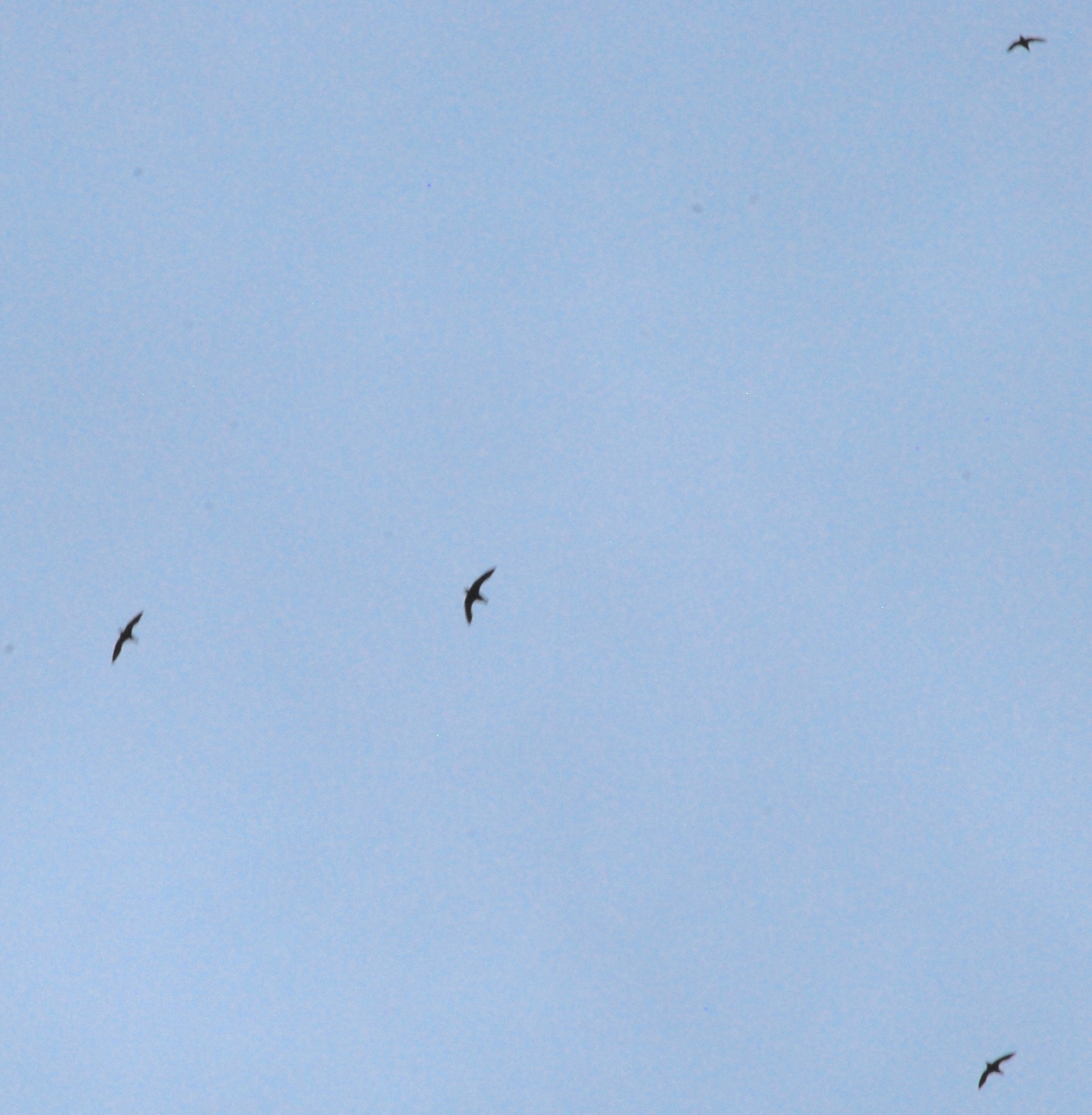
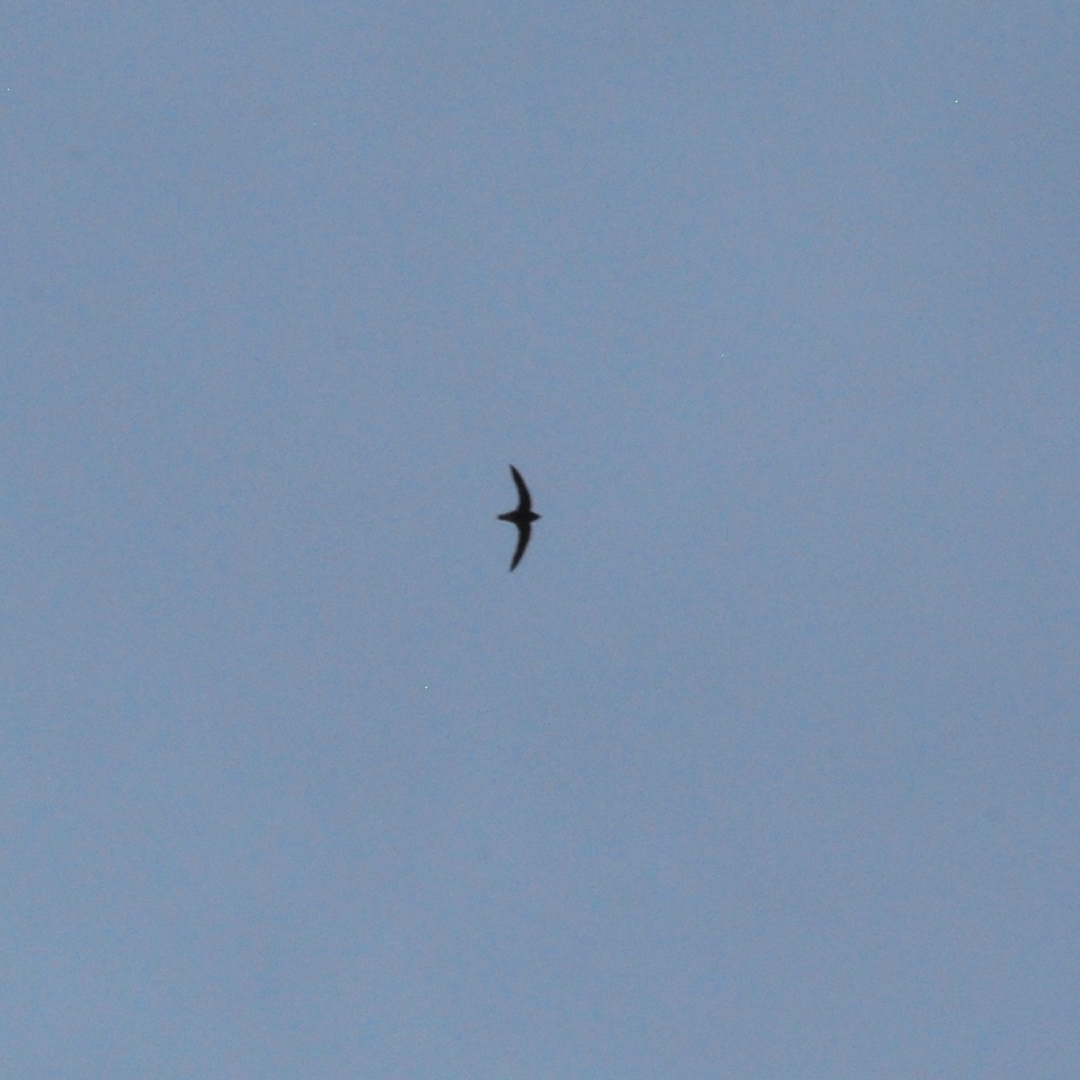
Large swift in the genus Hirundapus. Reputed to reach speeds of up to 170 km/h (110 mph) in horizontal flight, though unverified; 75 km/h (47 mph) is considered more likely. Spends most of its time in the air and avoids sitting on the ground.
Description
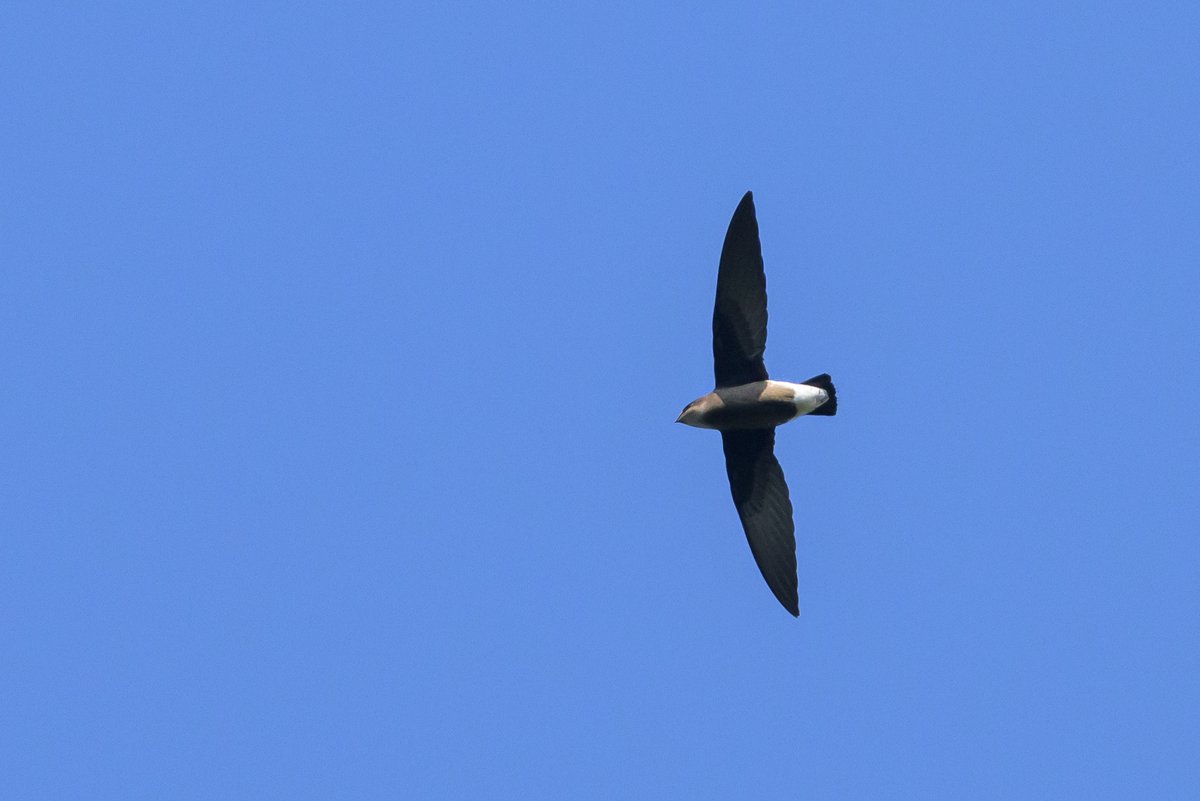
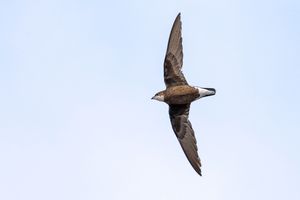
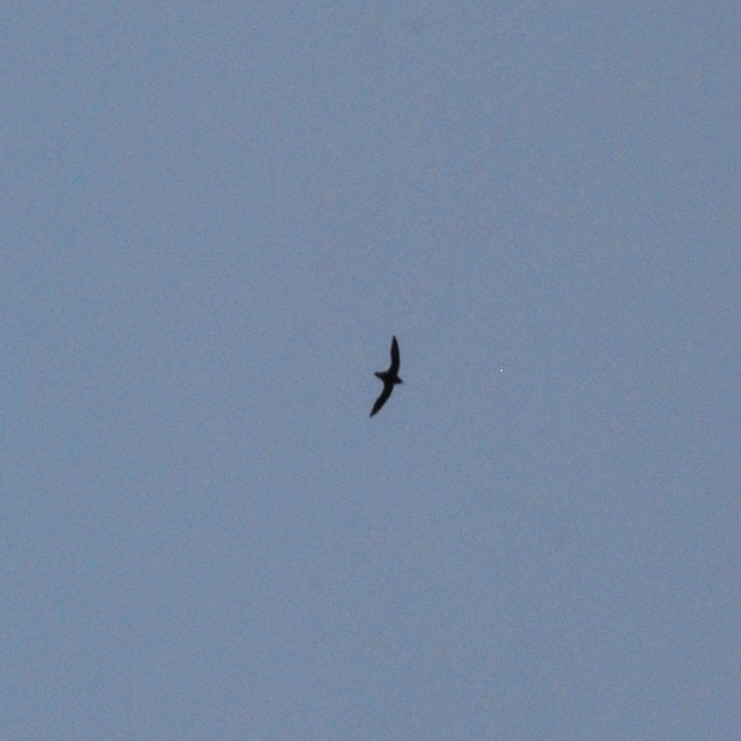
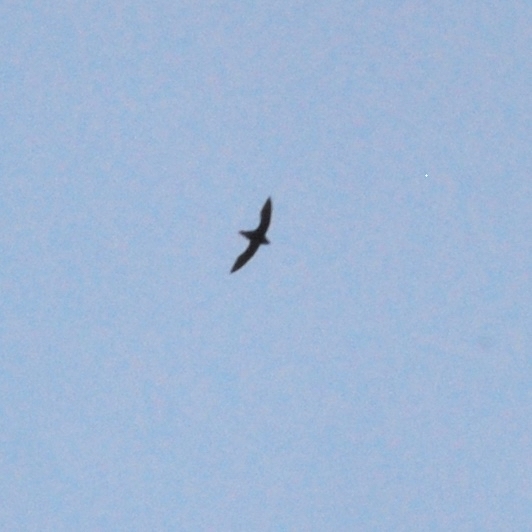
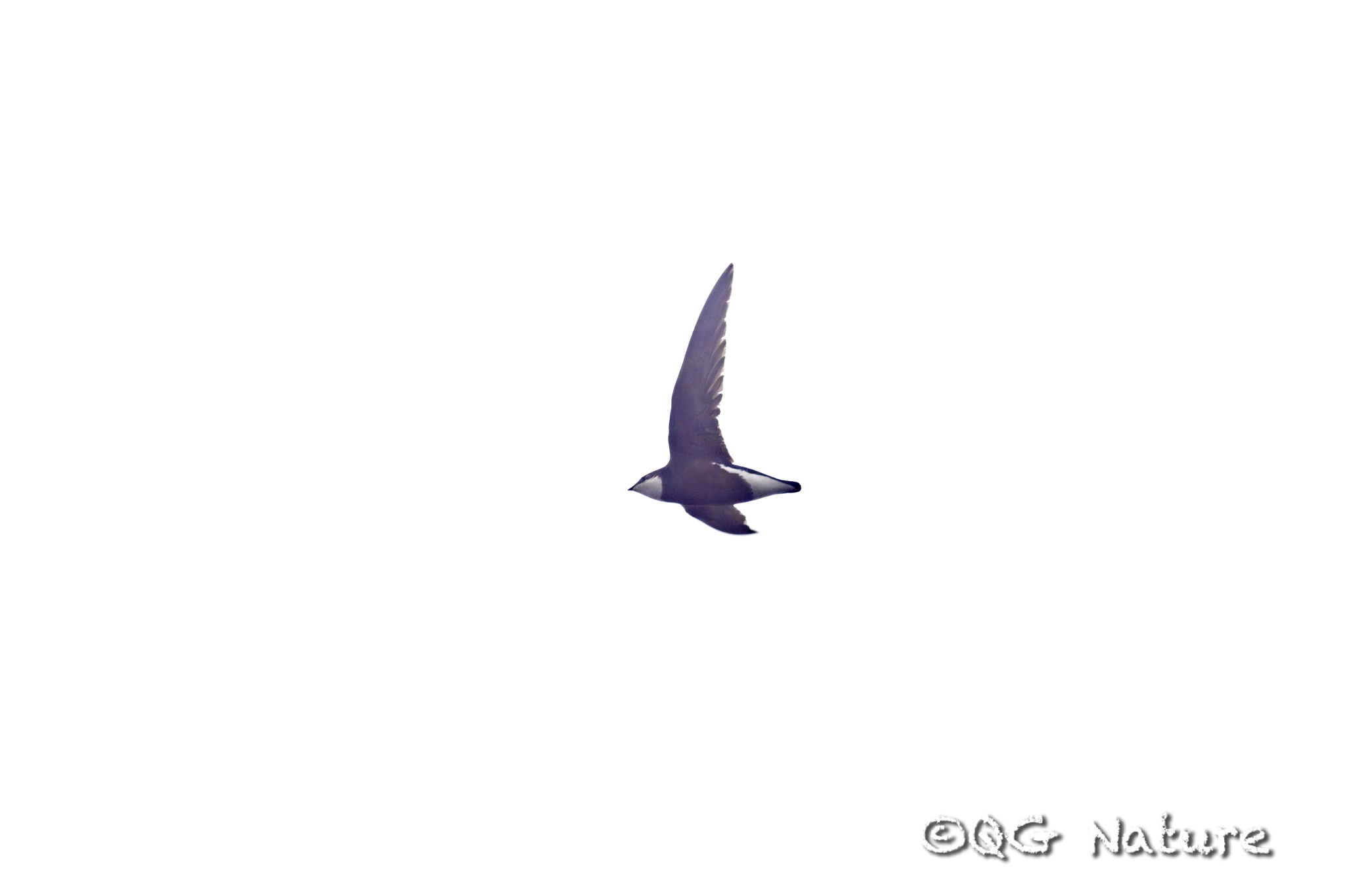
Large swift with a robust, barrel-like body. Measures about 20 cm in length and weighs between 110 and 120 grams. Plumage is greyish-brown except for a white throat and a white patch extending from the base of the tail to the flanks. The tail end is spined rather than forked.
Identification
Distinguished by a spined tail tip, unlike the forked tails typical of the genus Apus. Key markings include a white throat and a white patch extending from the tail base to the flanks against greyish-brown plumage.
Distribution & Habitat
Migratory species breeding in Central Asia and southern Siberia. Winters in the Indian subcontinent, Southeast Asia, and Australia. Rare vagrant in Western Europe, with records in Norway, Sweden, and Great Britain.
Behavior & Ecology
Builds nests in rock crevices in cliffs or hollow trees. Feeds on small flying insects such as beetles, flies, bees, and moths. Avoids landing on the ground, spending the majority of its time in flight.
Source: Wikipedia · CC BY-SA 3.0
Taxonomy
- Order
- Apodiformes
- Family
- Apodidae
- Genus
- Hirundapus
Vocalizations
Subspecies (2)
-
Hirundapus caudacutus caudacutus
breeds south-central eastward to northeastern Russia, Kuril Islands, and Japan, and southward in northern Mongolia, northeastern China, and the Korean Peninsula; winters to New Guinea and eastern Australia (including Tasmania)
Data Sources
Species description from Wikipedia, licensed under CC BY-SA 3.0.
Bird images and sounds sourced from GBIF, contributed by citizen scientists worldwide under Creative Commons licenses.
Taxonomy data from AviList 2025.