Charadriiformes / Recurvirostridae / Himantopus
Black-winged Stilt
Himantopus himantopus · 黑翅长脚鹬
Introduction
A widely distributed, very long-legged wader in the avocet and stilt family Recurvirostridae. The species is monotypic with no recognized subspecies, though taxonomy is contentious and it is sometimes grouped with other stilts as H. himantopus sensu lato. It inhabits marshes, shallow lakes, and ponds.
Description
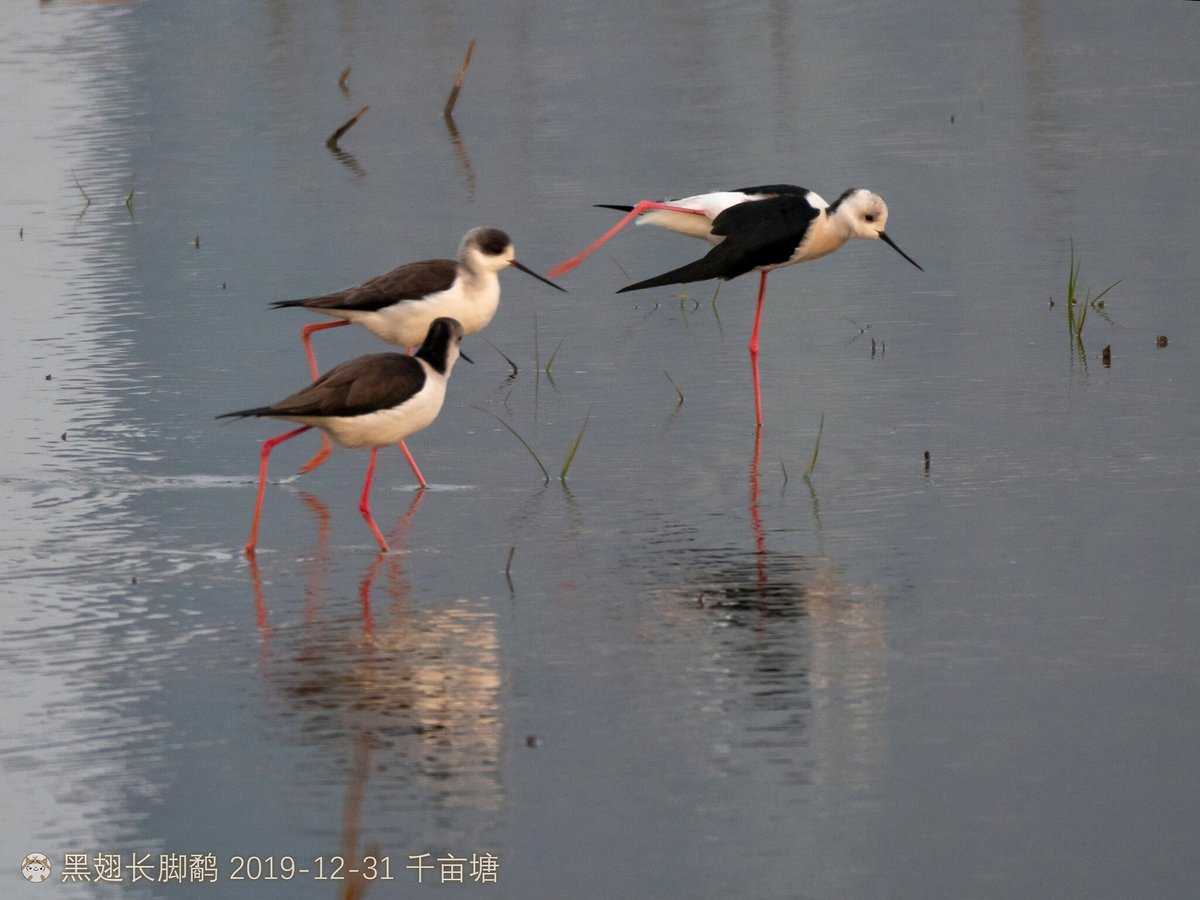
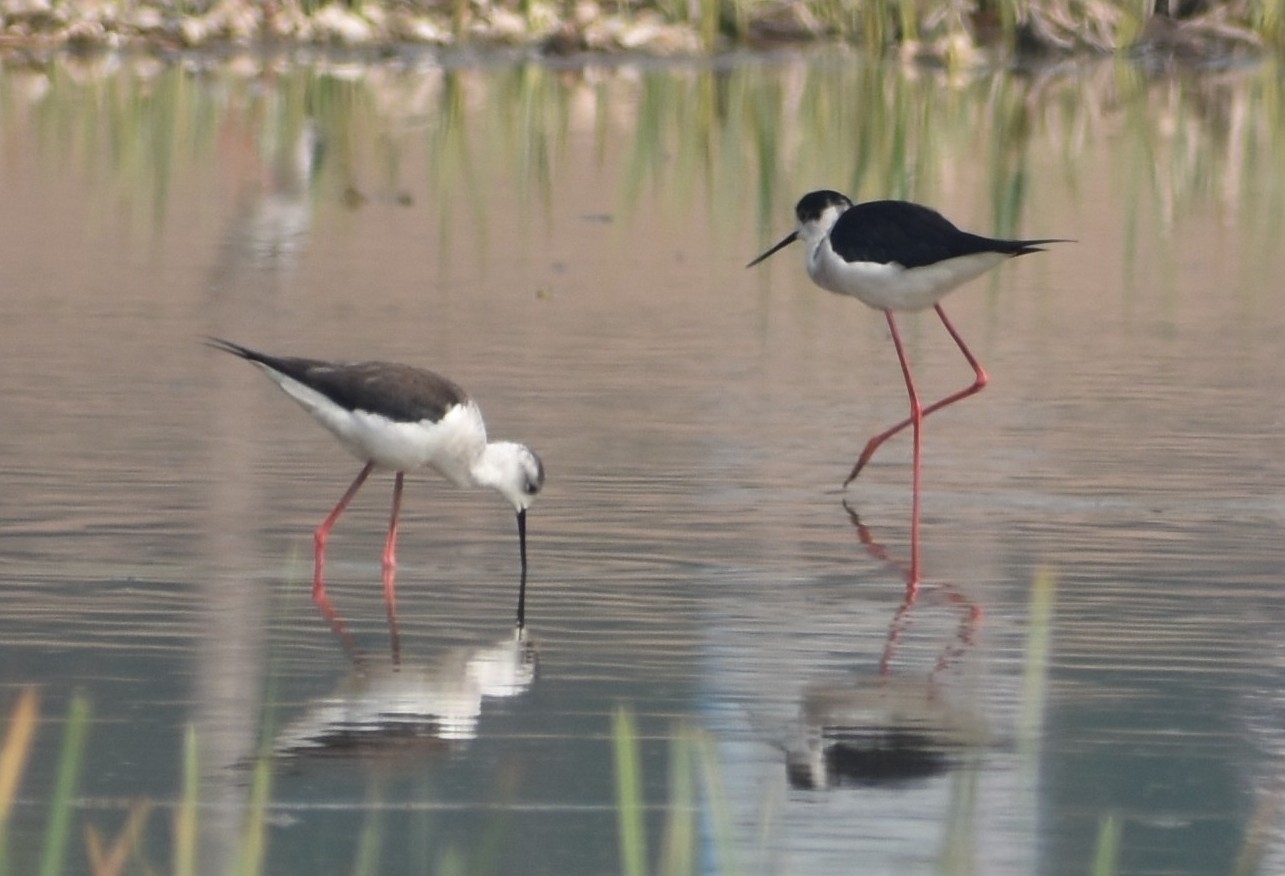
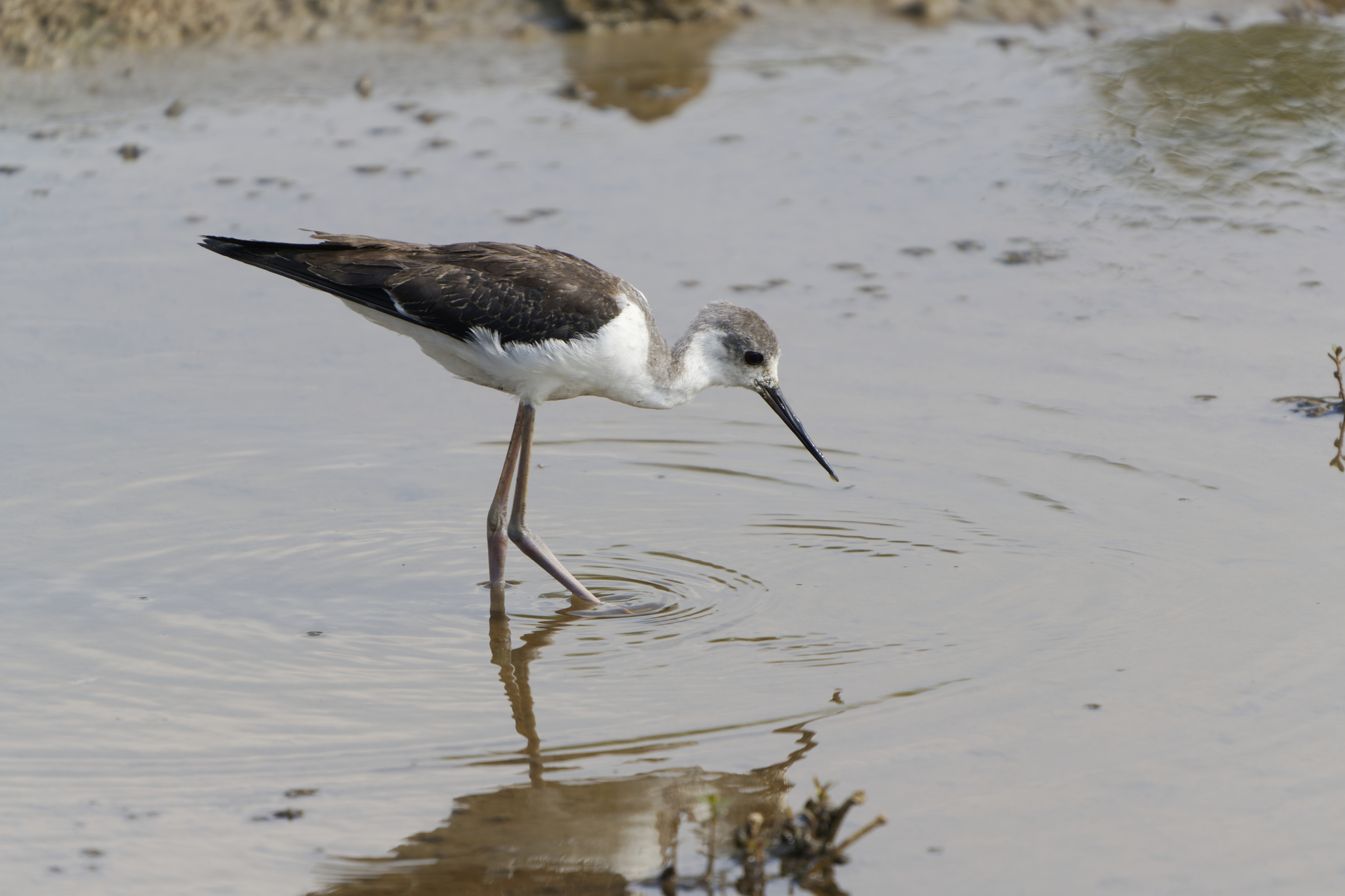
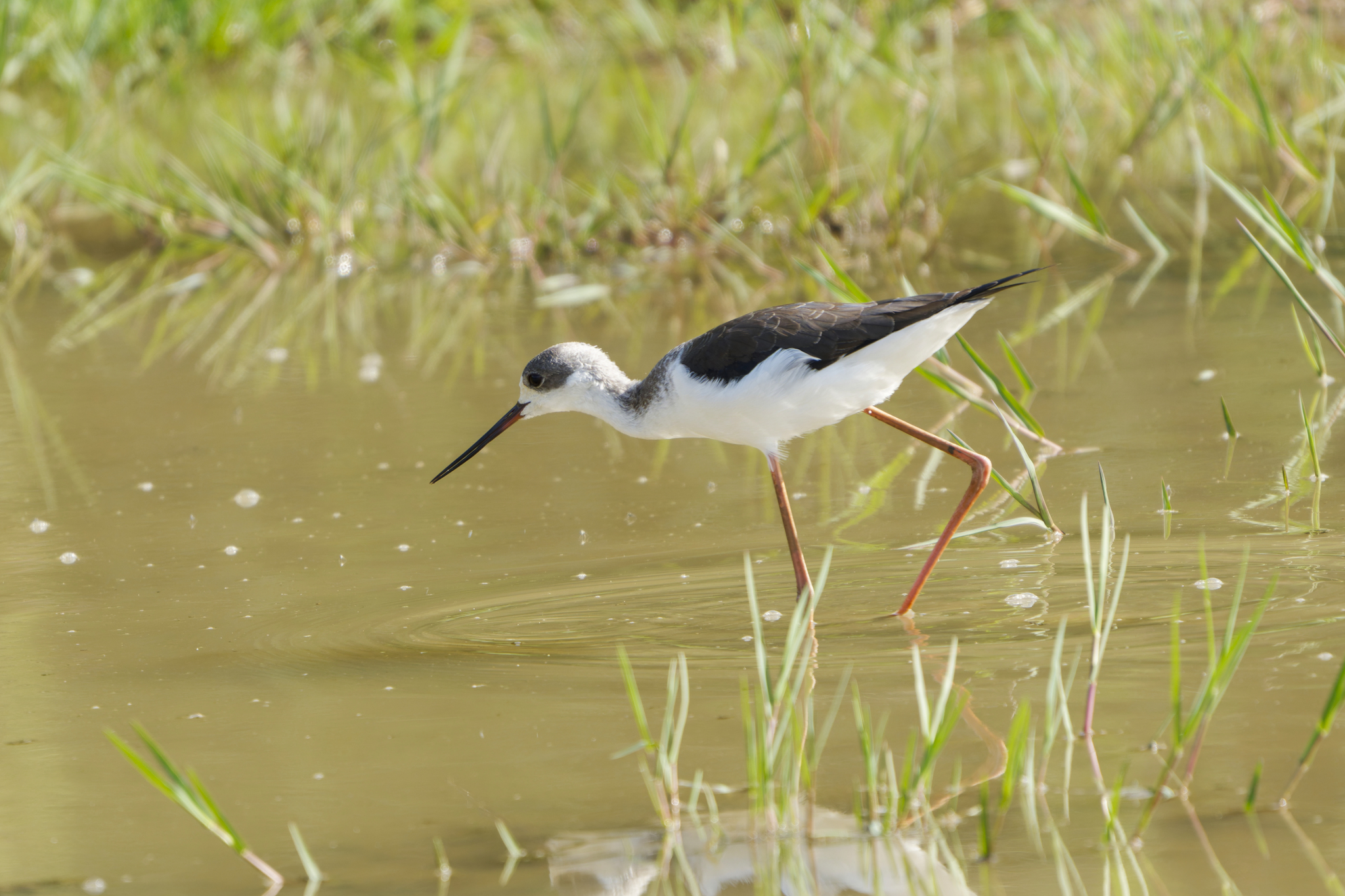
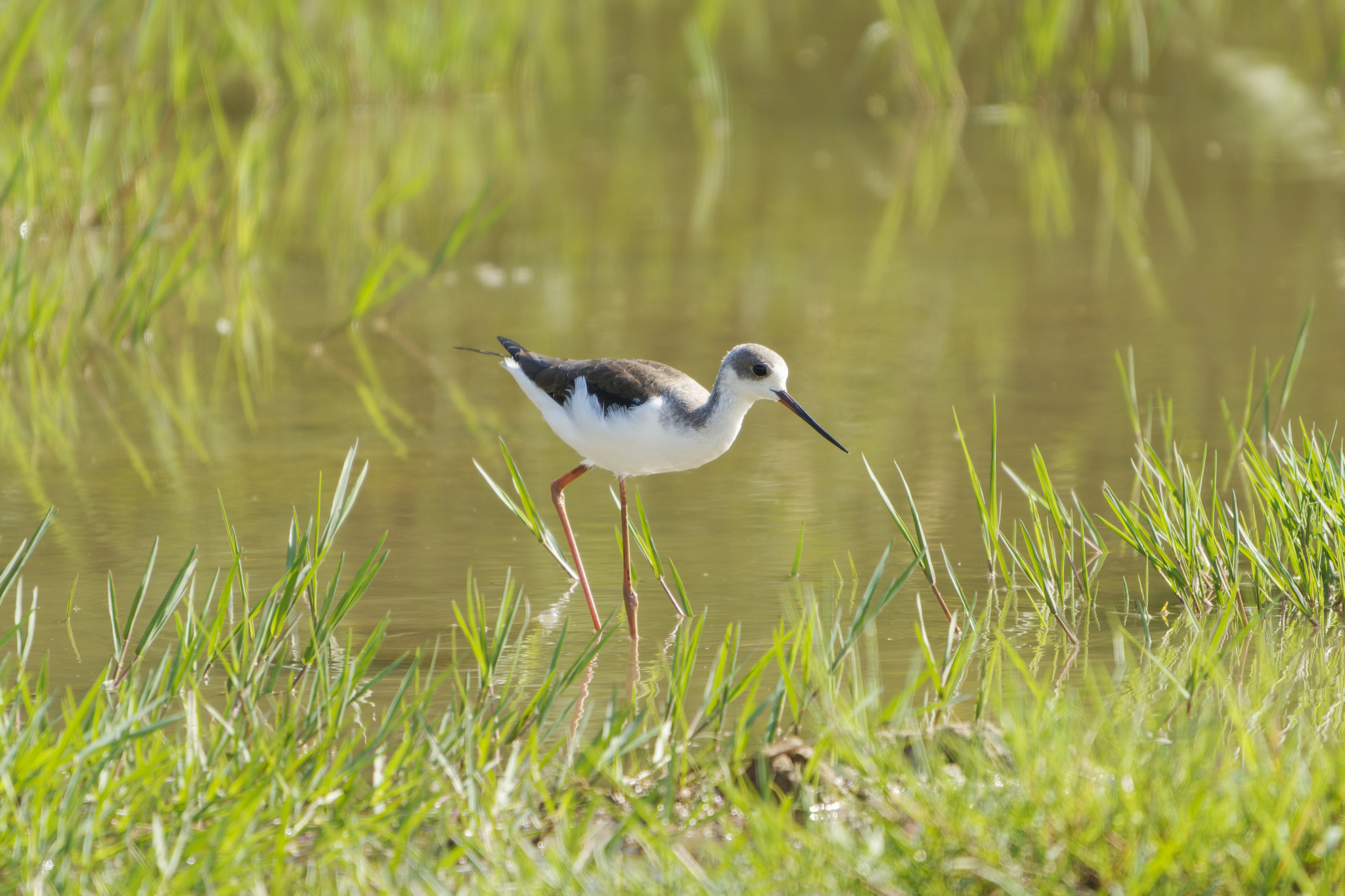
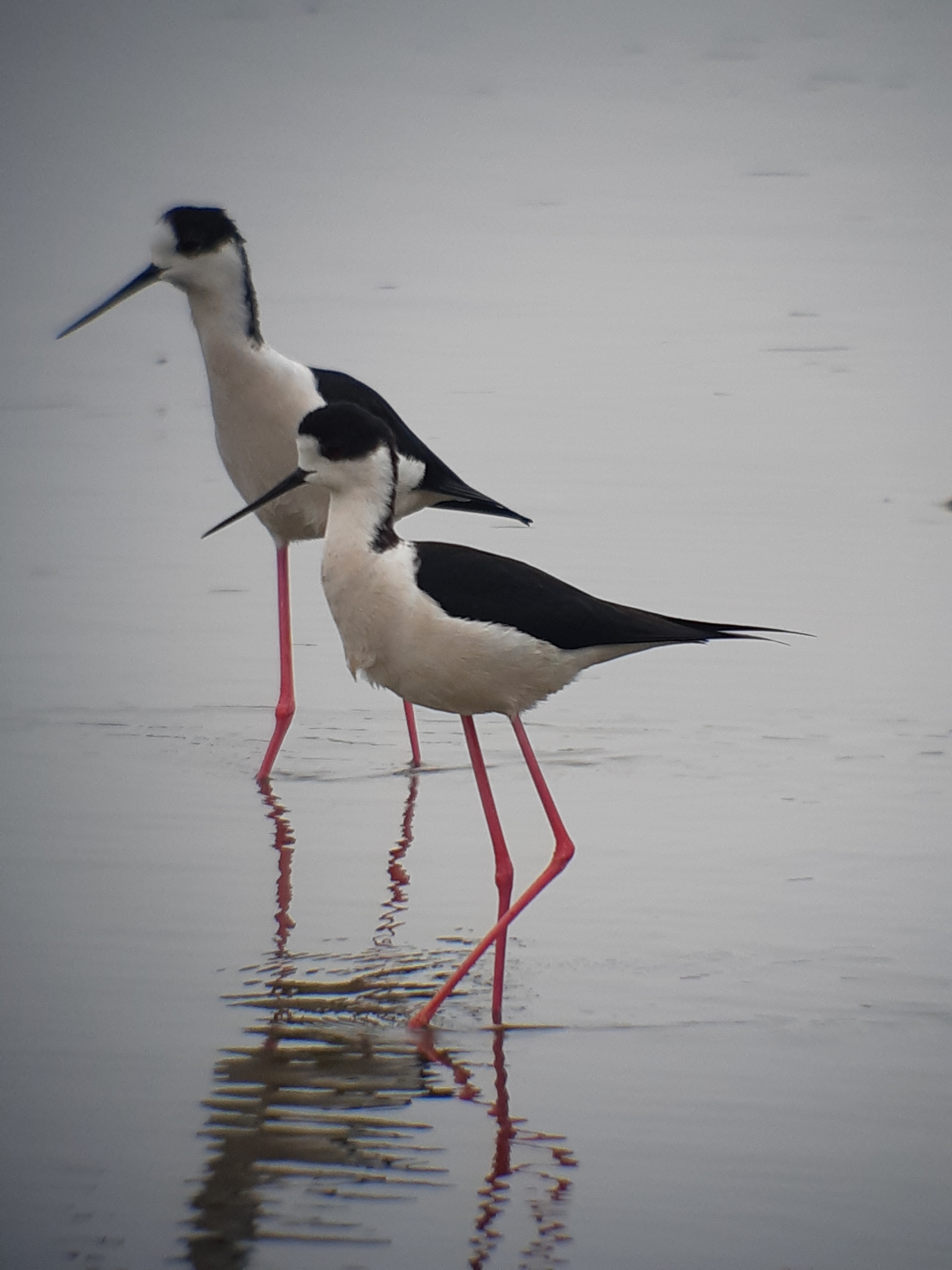
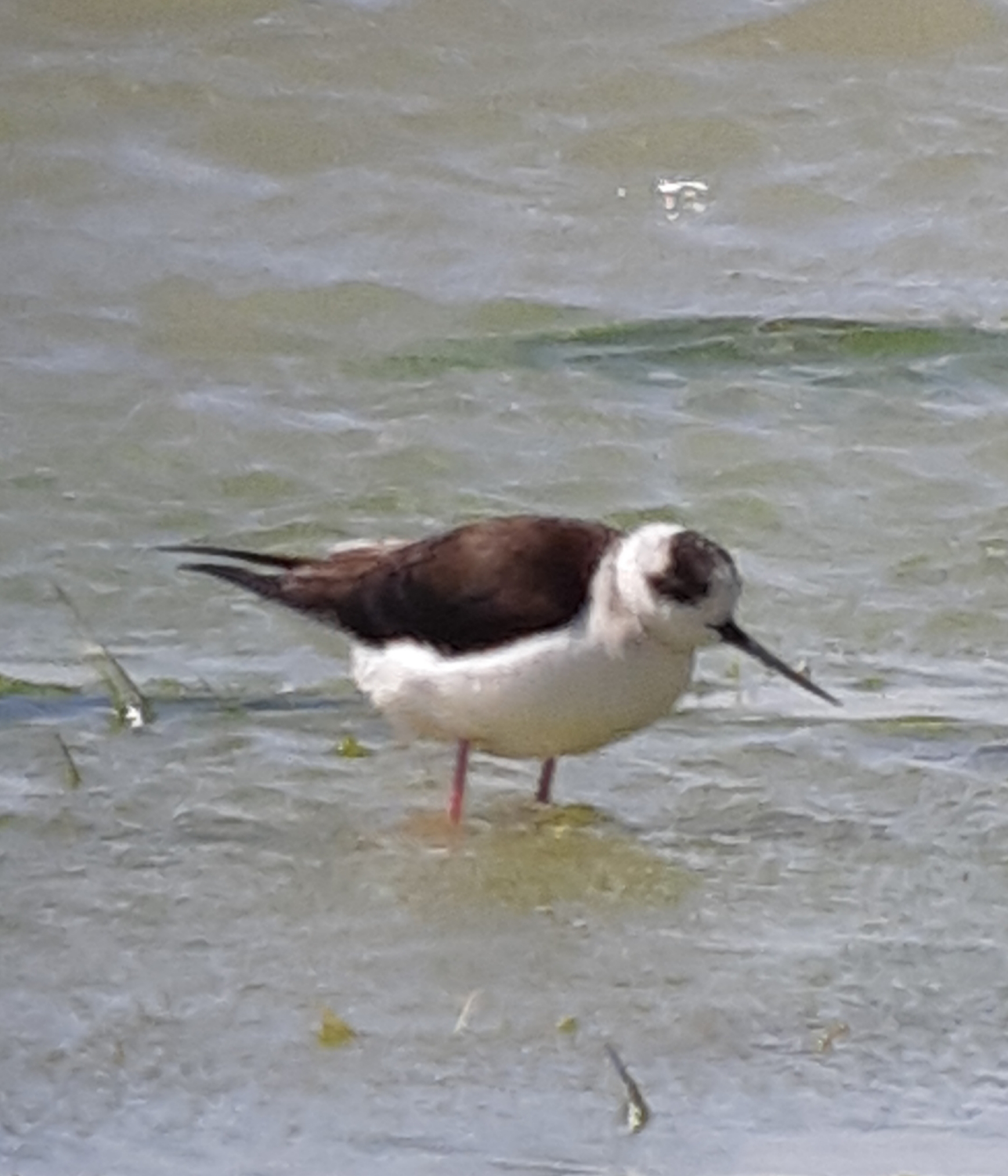
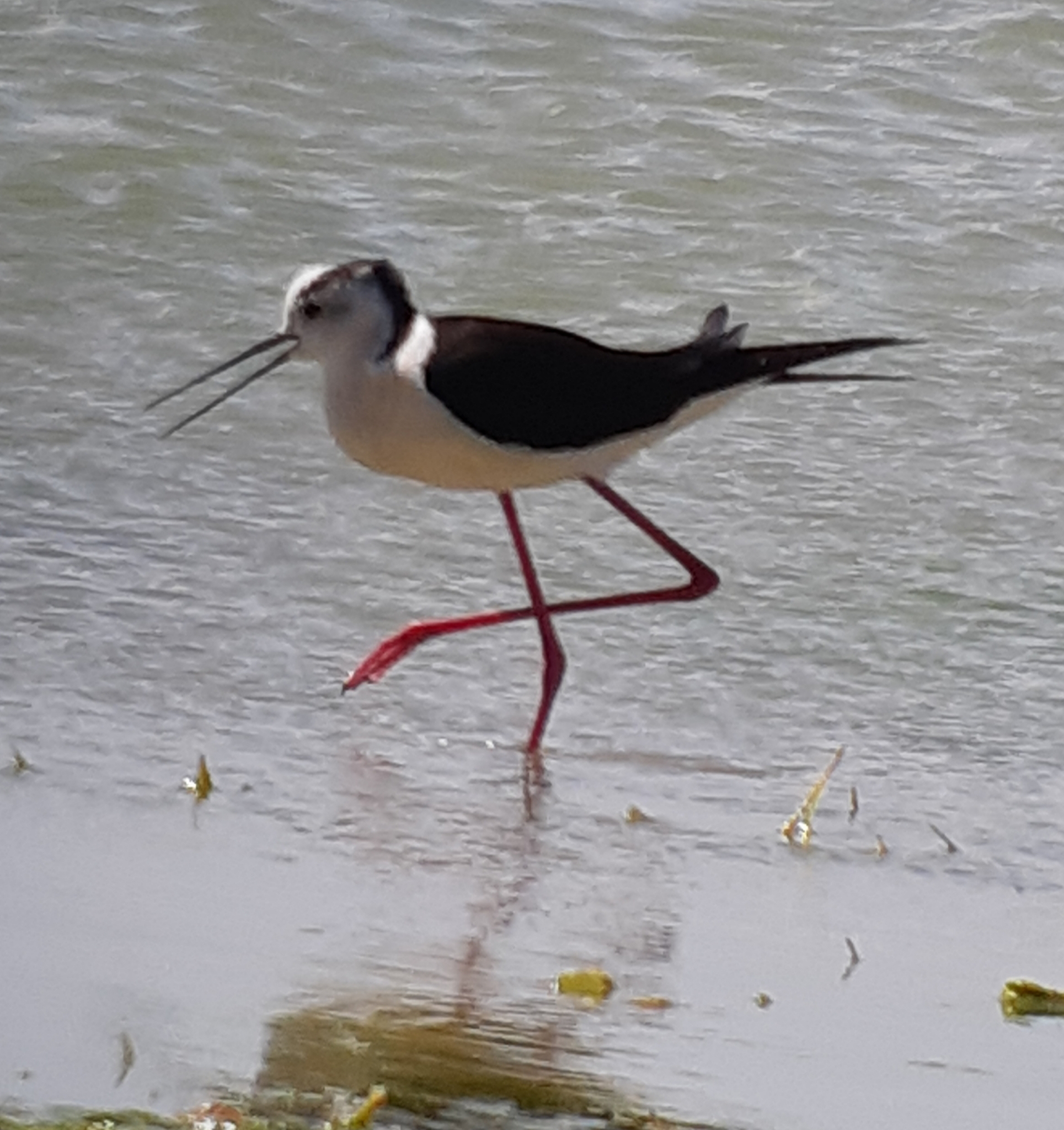
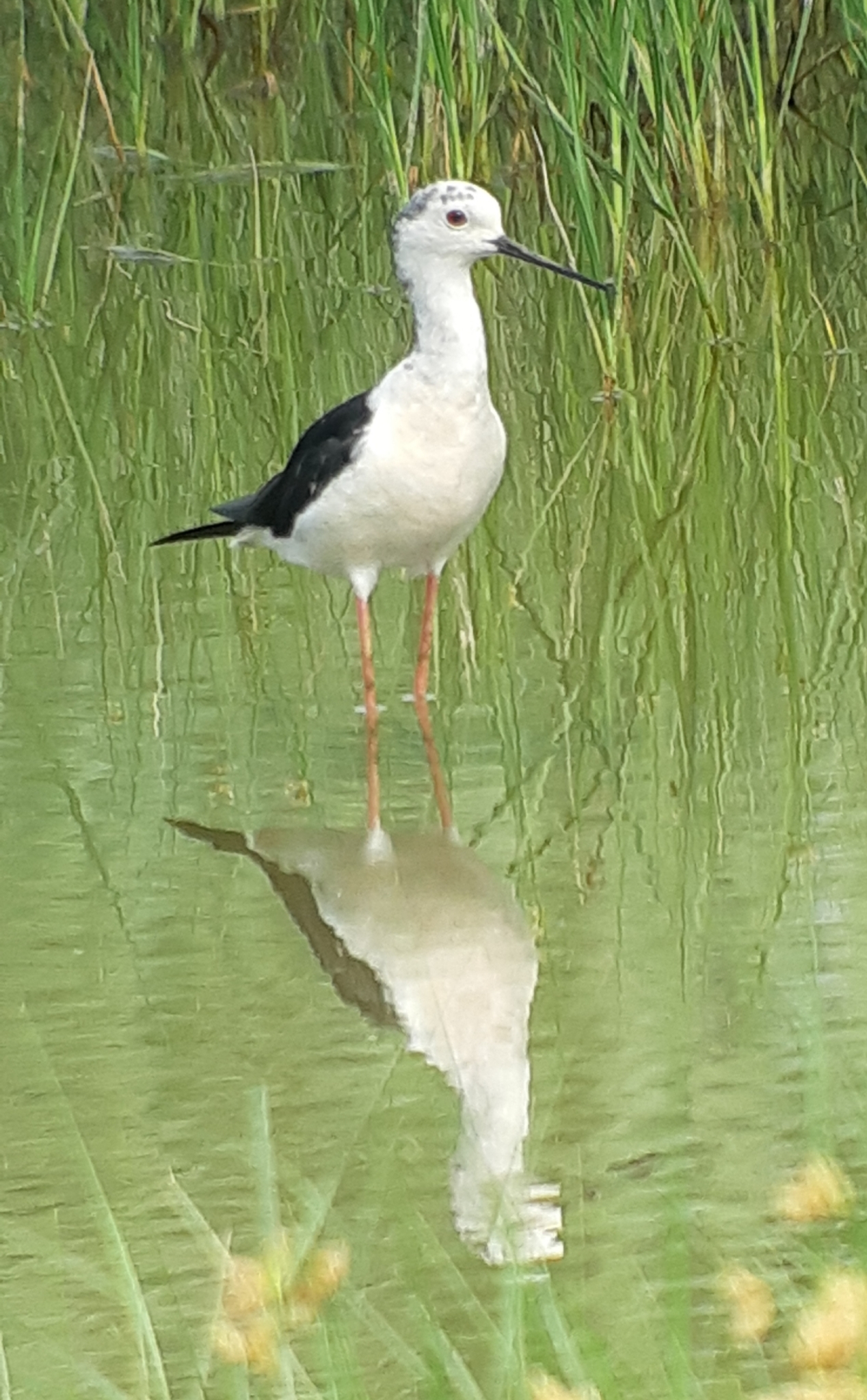
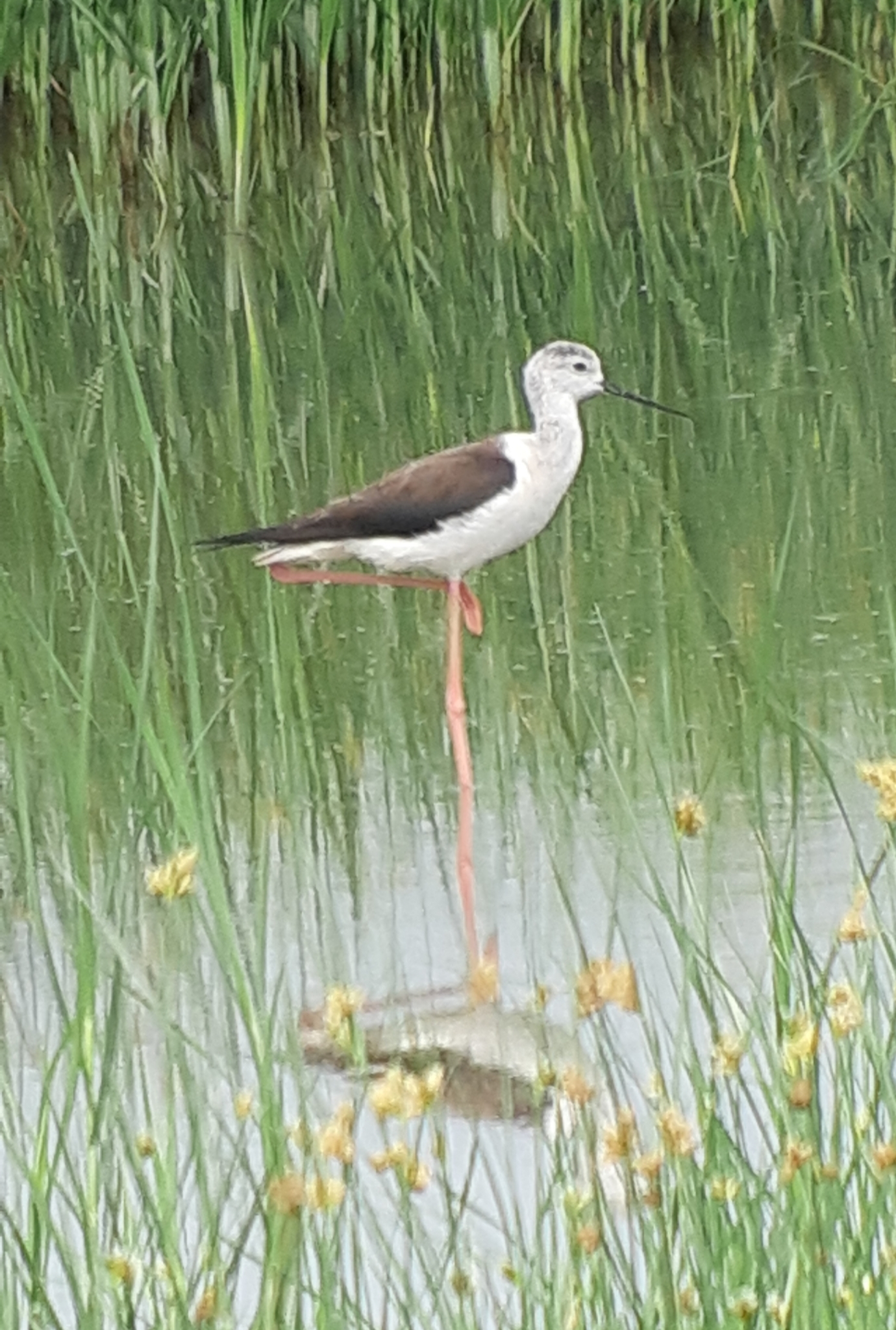
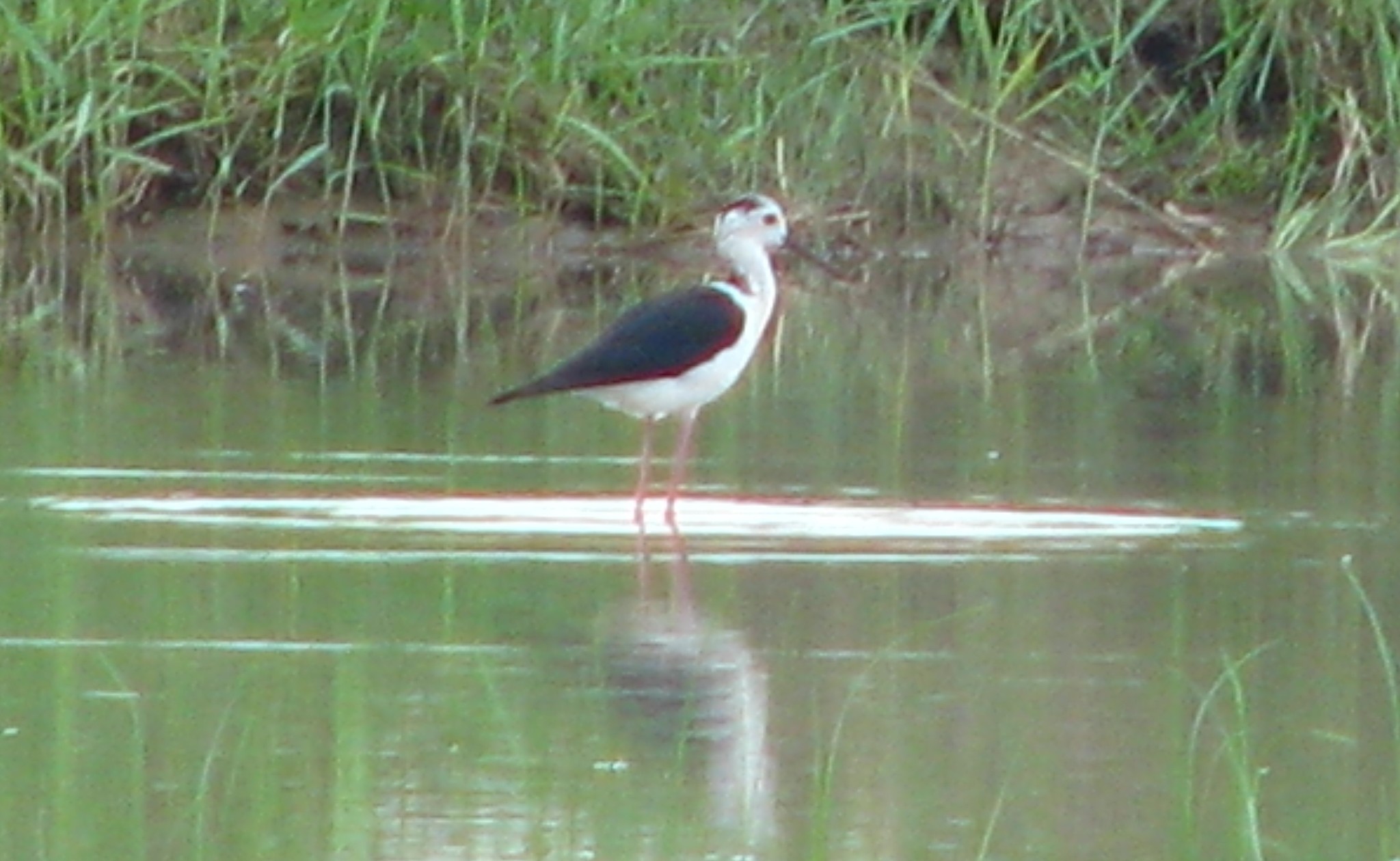
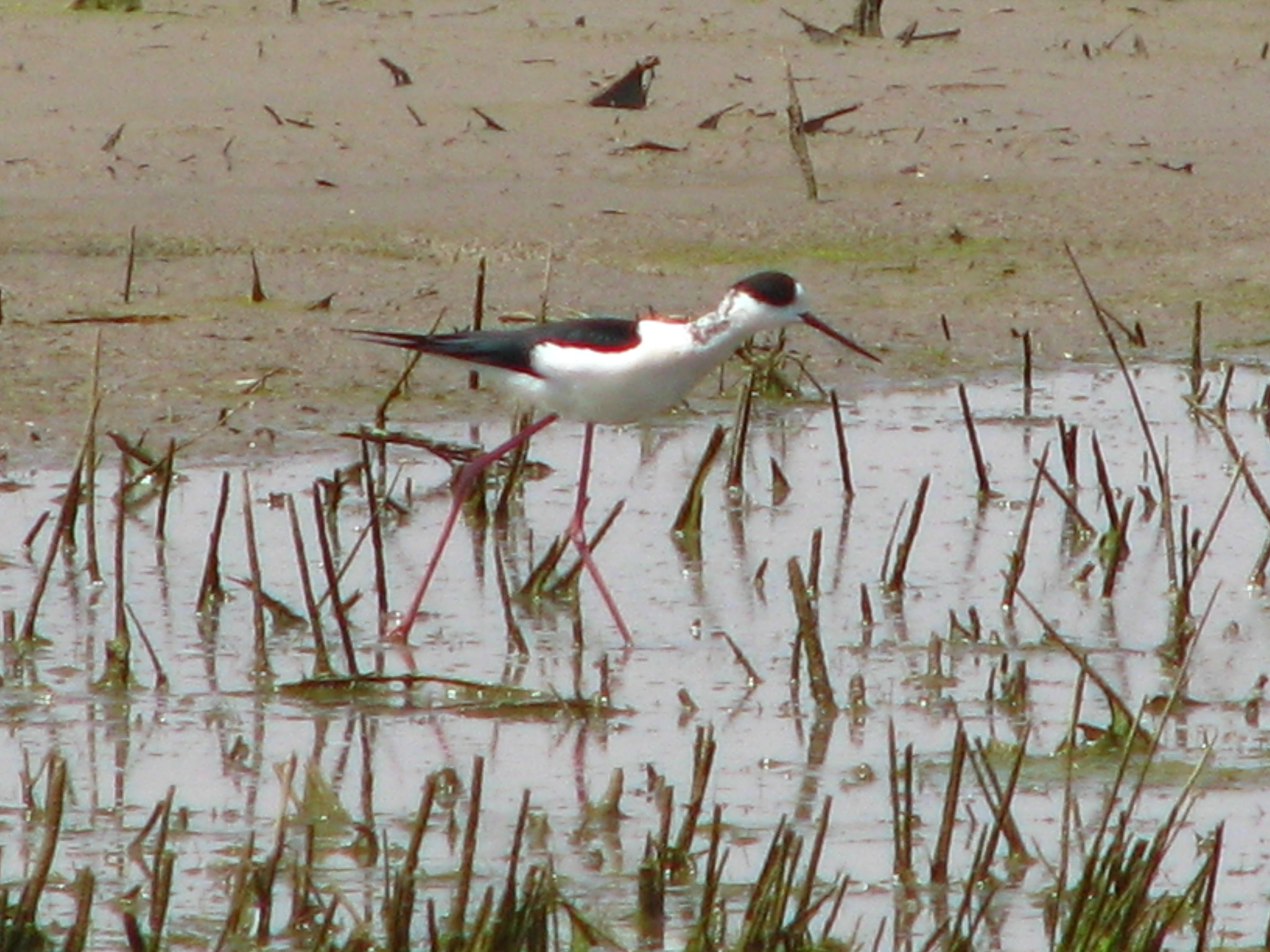
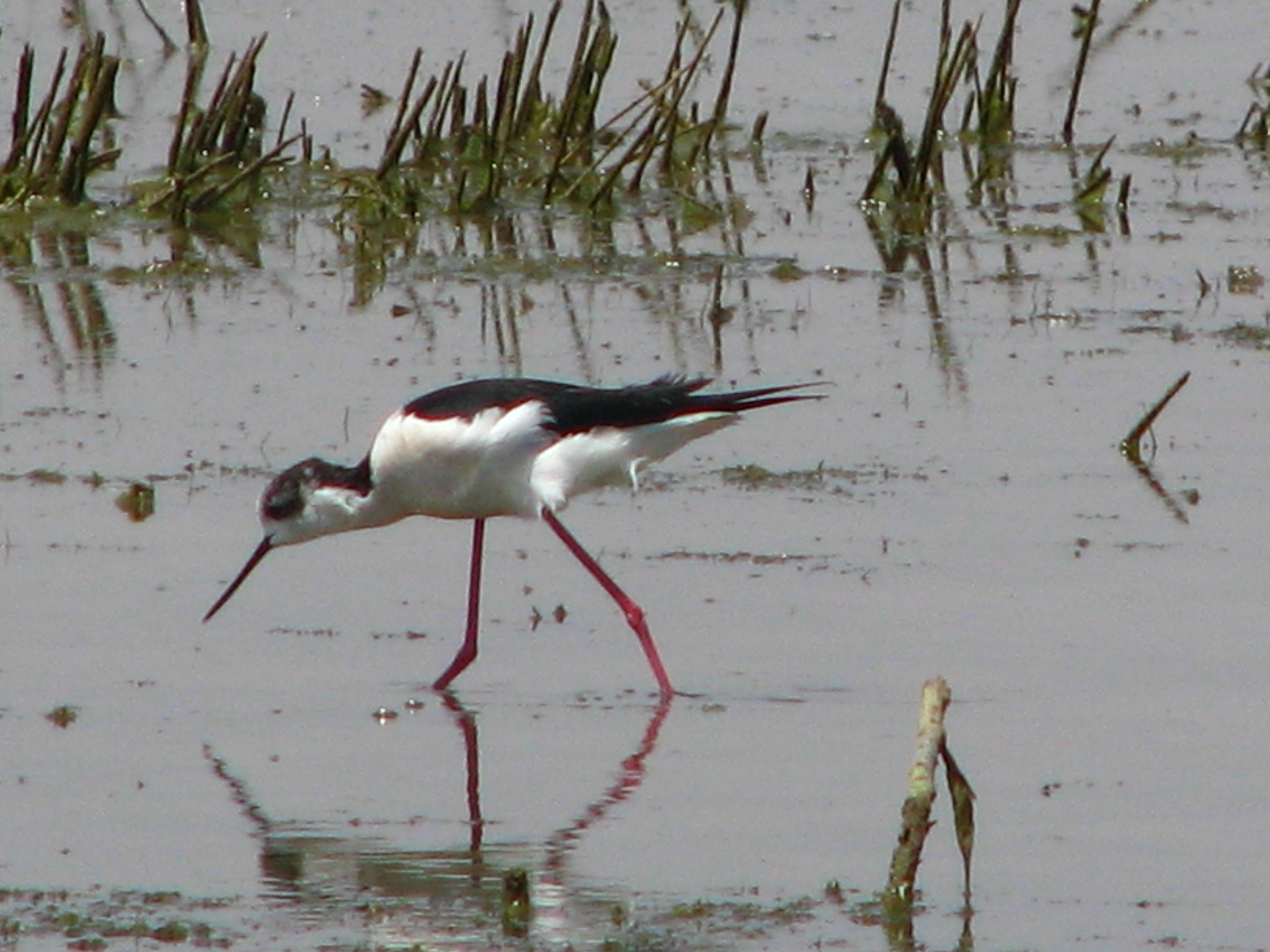
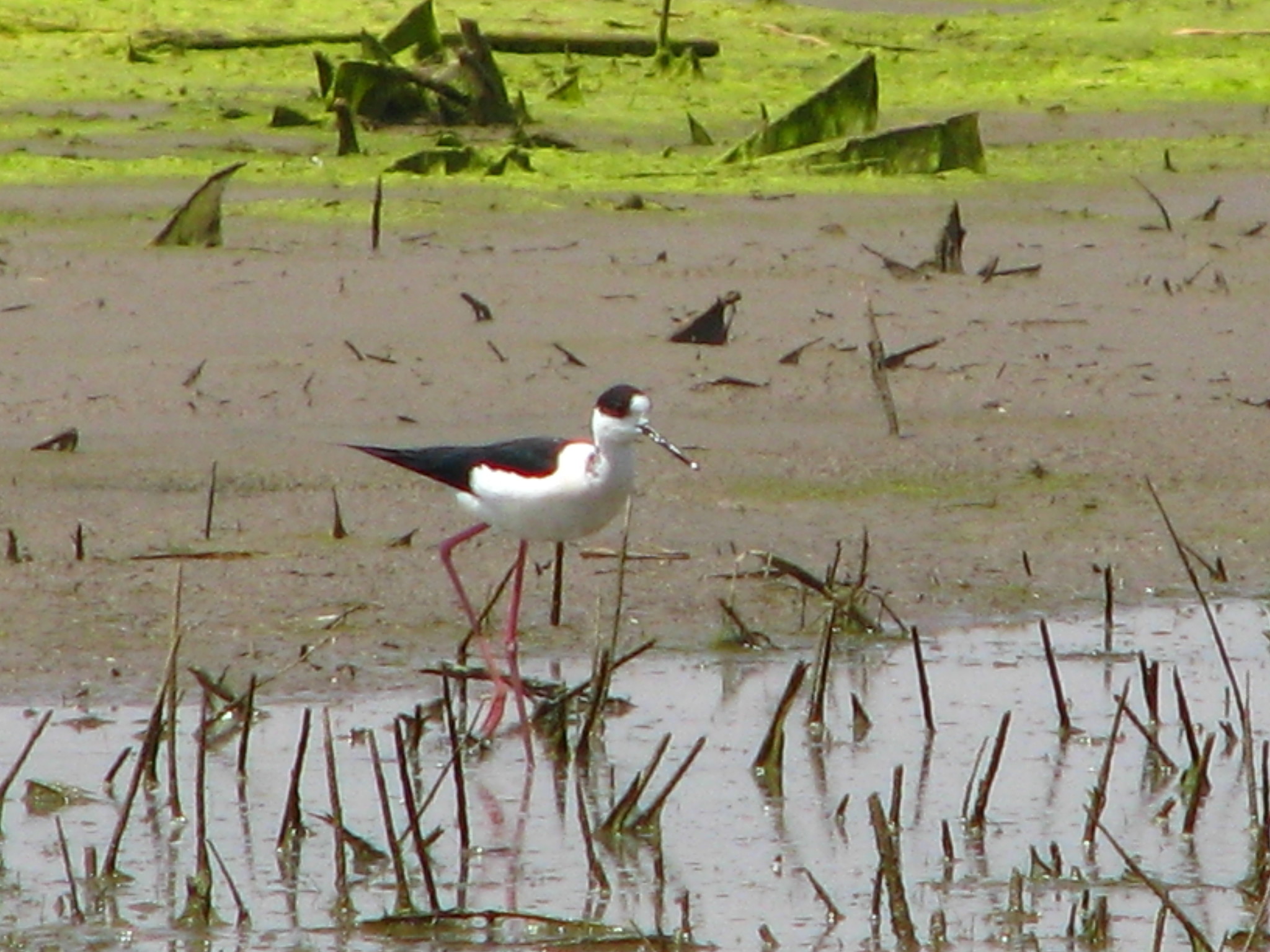
Adults are 33–36 cm (13–14 in) long, with long, pink legs and a long, rather thin black bill. Birds are generally black above and white below, with a white head and neck showing varying amounts of black. Males have a black back, often with a greenish gloss, while females' backs have a brownish hue contrasting with black remiges. In populations where the head top is normally white, females tend to have less black on the head and neck year-round, whereas males often have more black, particularly in summer. Males usually grow all-white head feathers in winter. Immature birds are grey with a markedly sandy hue on their wings, featuring light feather fringes that appear as a whitish line in flight.
Distribution & Habitat
Breeding habitat includes marshes, shallow lakes, and ponds. Some populations are migratory, moving to ocean coasts in winter, while those in warmer regions are generally resident or short-range vagrants. In Europe, it is a regular spring overshoot vagrant north of its normal range. Successful breeding occurred in Britain in 1987, Southern England in 2014, and Northern England in 2022, with 13 young fledged in southern England in 2017.
Behavior & Ecology
Some populations migrate to ocean coasts in winter. Occasional individuals remain to breed in northern European countries outside the typical range.
Source: Wikipedia · CC BY-SA 3.0
Taxonomy
- Order
- Charadriiformes
- Family
- Recurvirostridae
- Genus
- Himantopus
Distribution
breeds from southern Europe, and Cape Verde Islands, northern and sub-Saharan Africa, Socotra, and coastal Madagascar eastward to southeastern Russia, eastern China, south-central Japan, Taiwan, east-central Philippines, southward to northern Middle East, Sri Lanka, Malayan Peninsula, eastward to western Java; winters to Greater Sundas and Philippines
Vocalizations
Data Sources
Species description from Wikipedia, licensed under CC BY-SA 3.0.
Bird images and sounds sourced from GBIF, contributed by citizen scientists worldwide under Creative Commons licenses.
Taxonomy data from AviList 2025.