Black-winged Stilt
Himantopus himantopus
黑翅长脚鹬
Introduction
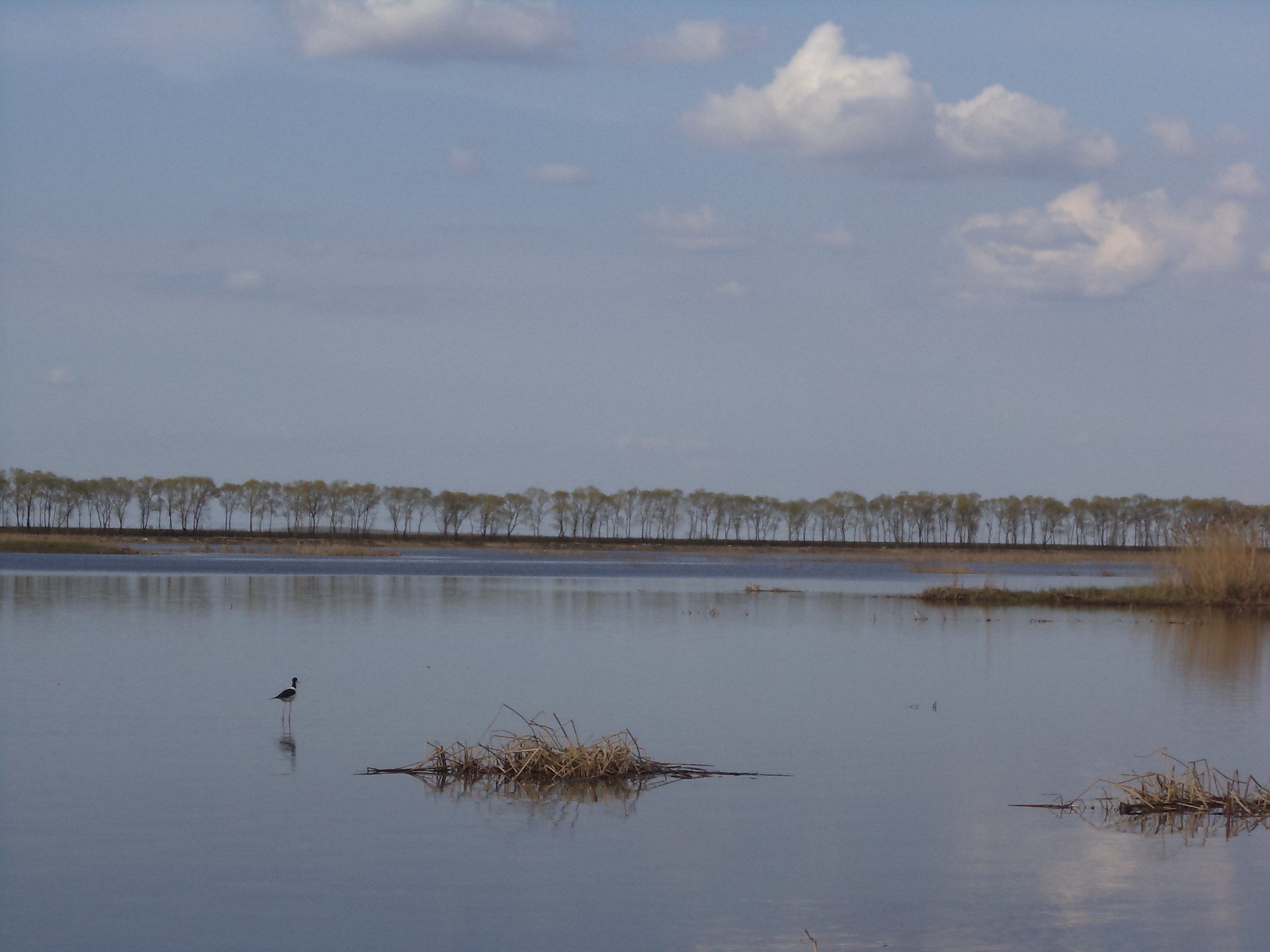
The black-winged stilt belongs to the avocet and stilt family. It inhabits wetlands across Europe, Asia, and Africa, favoring shallow freshwater habitats. Body length is 33-36 cm. It wades in deeper water than most other waders, often appearing to paddle or swim when water is too deep to stand. The species sweeps its long, thin black bills side-to-side through shallow water to detect prey. Related forms exist in the Americas and Australasia, which some authorities consider separate species. The breeding range has expanded northward in Europe, with first successful breeding in Britain recorded in 1987 and several instances since 2014.
Description
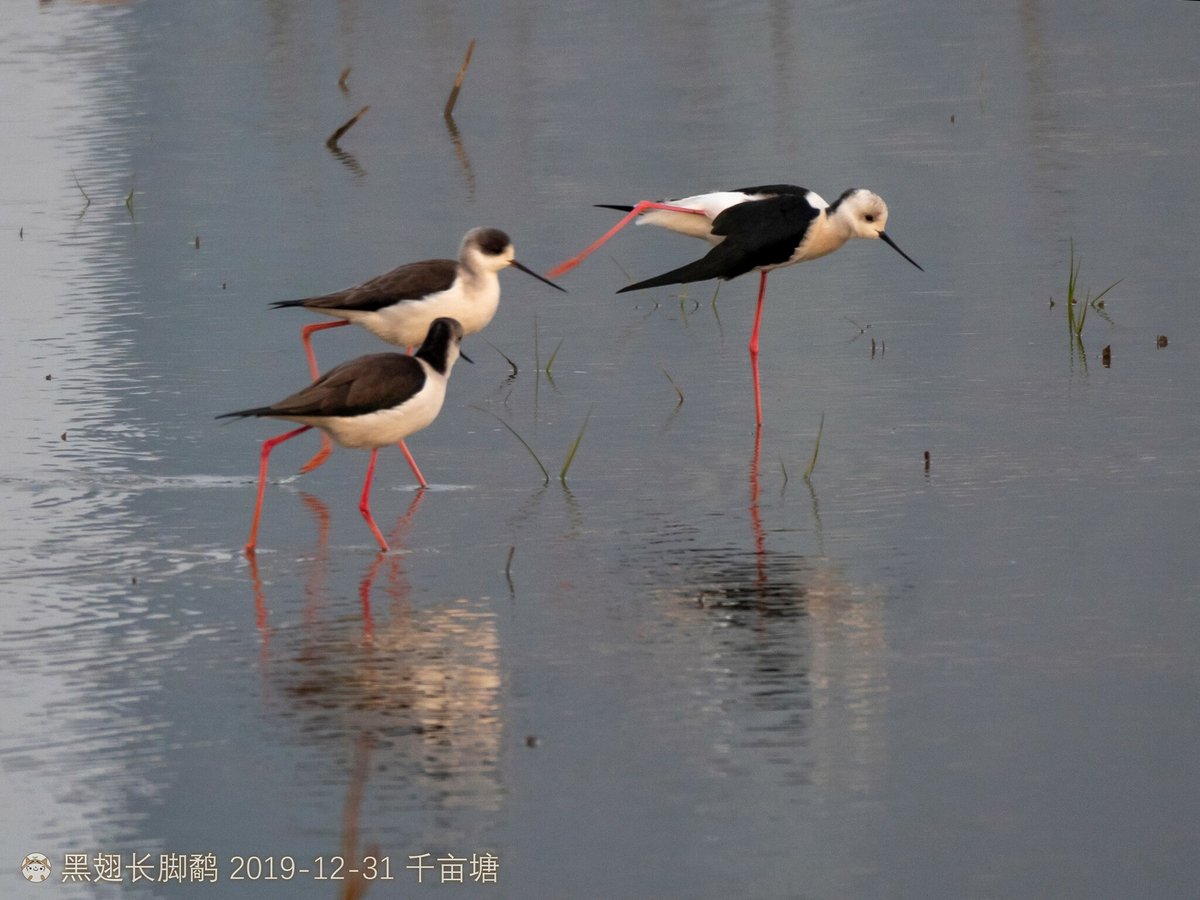
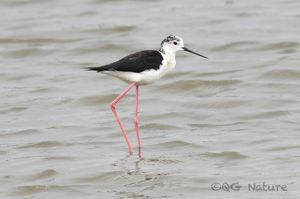
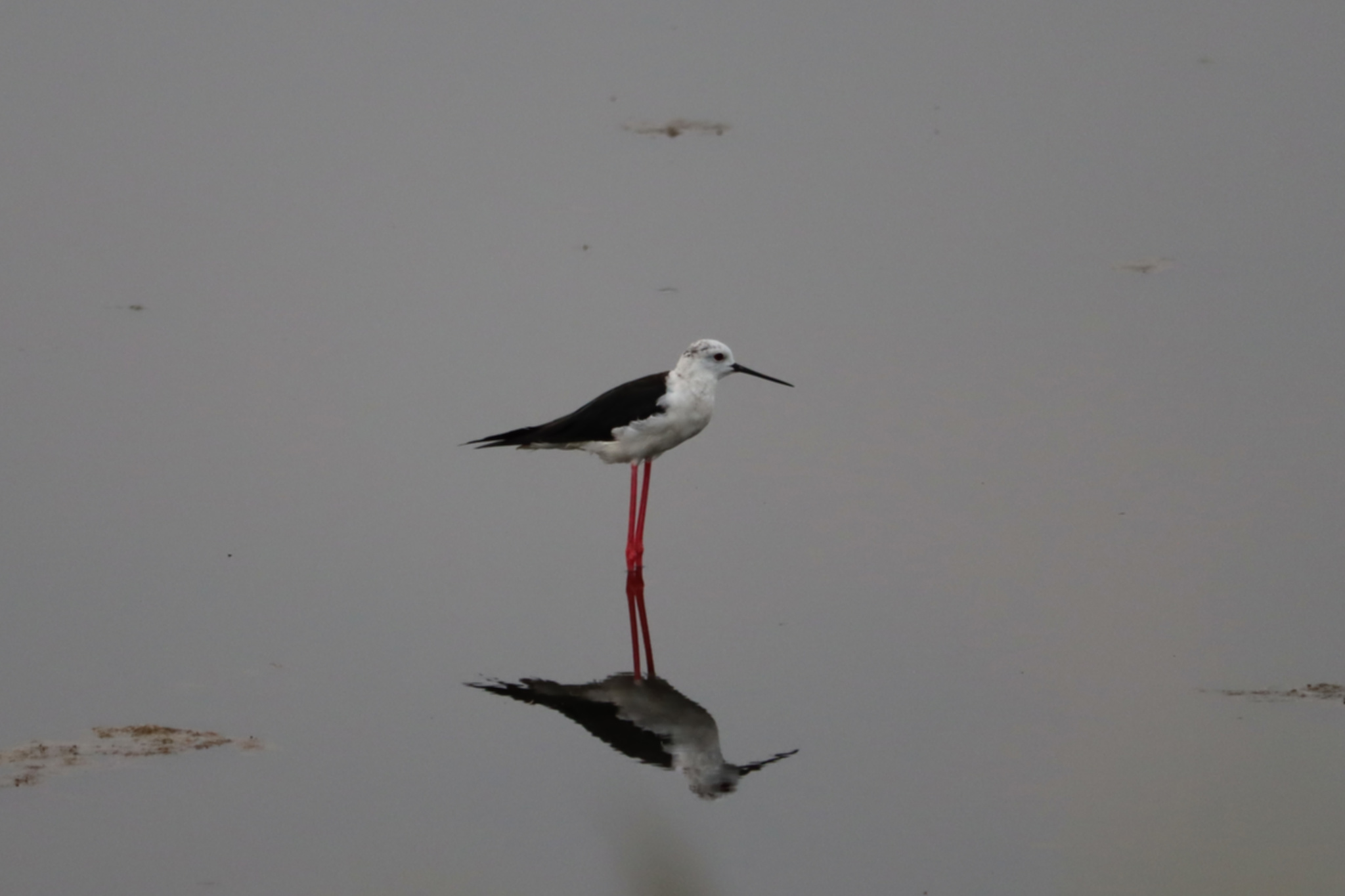
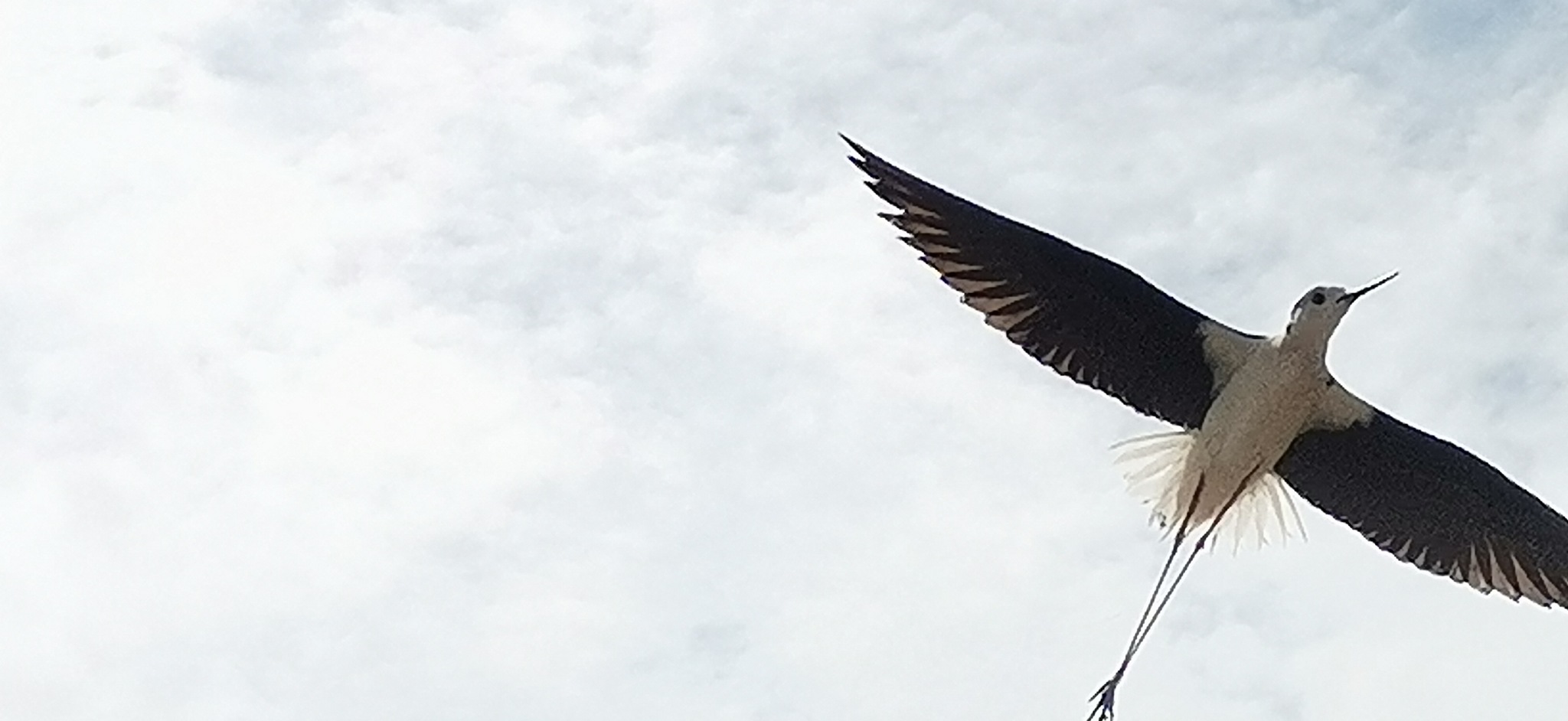
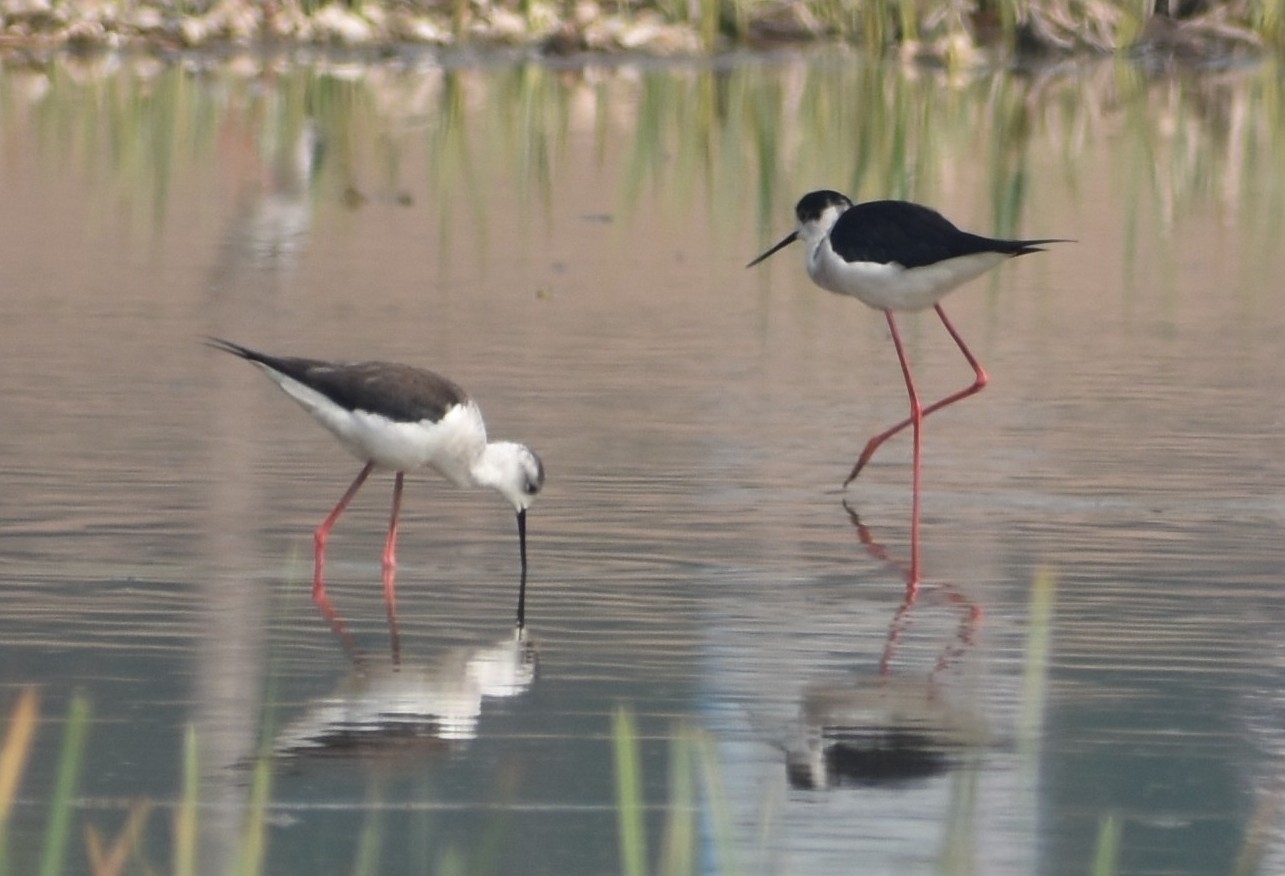
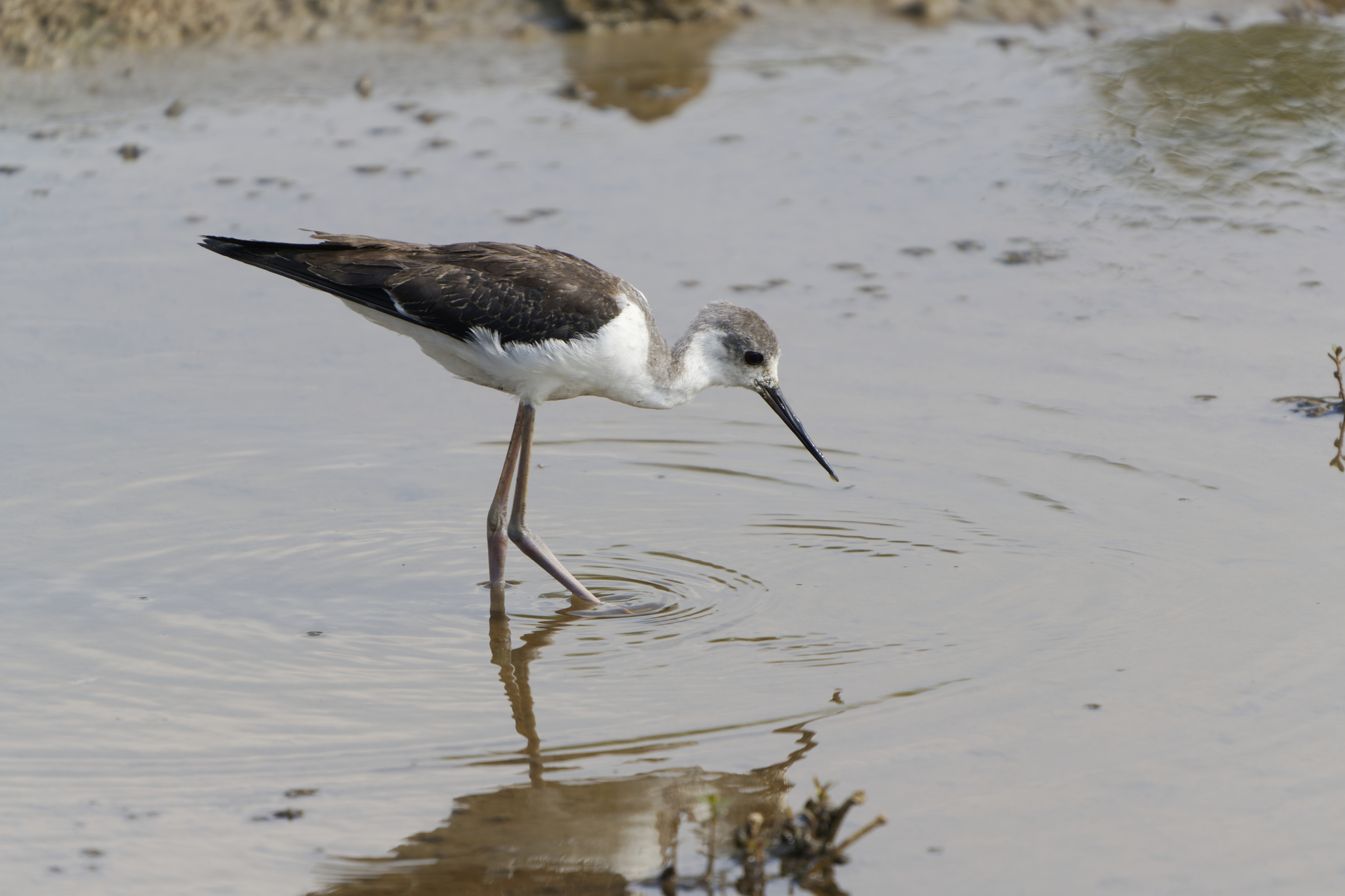
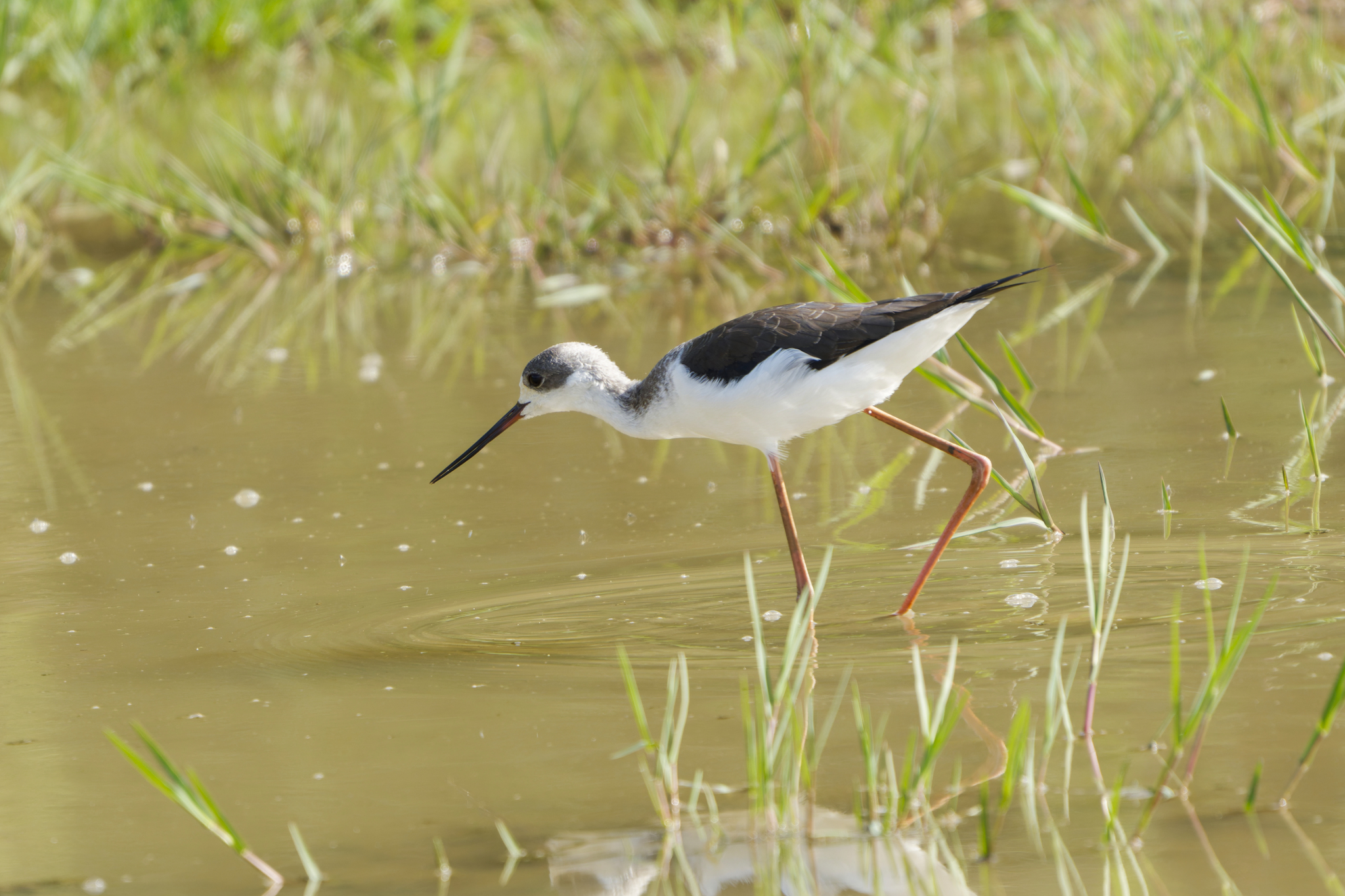
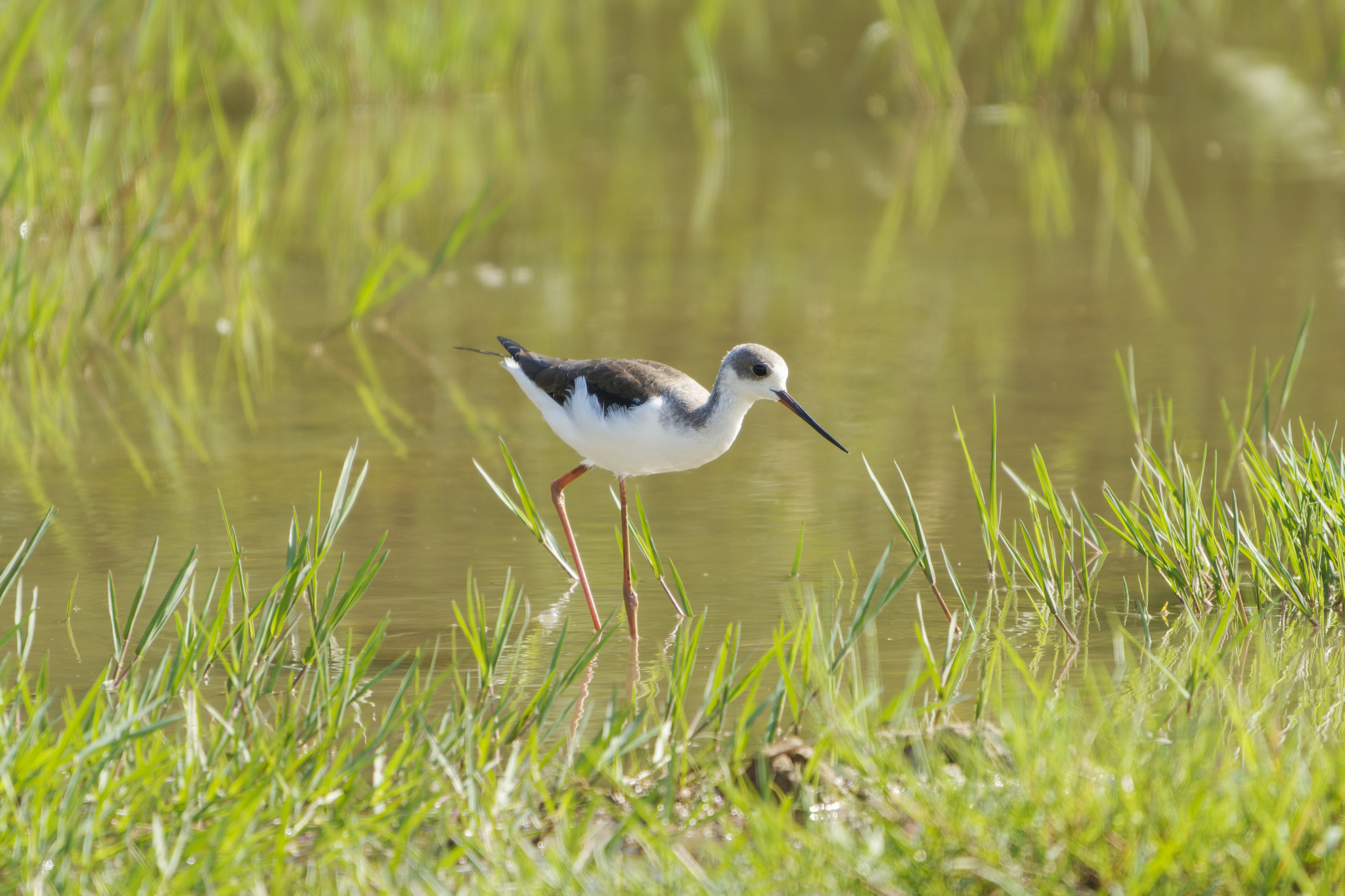
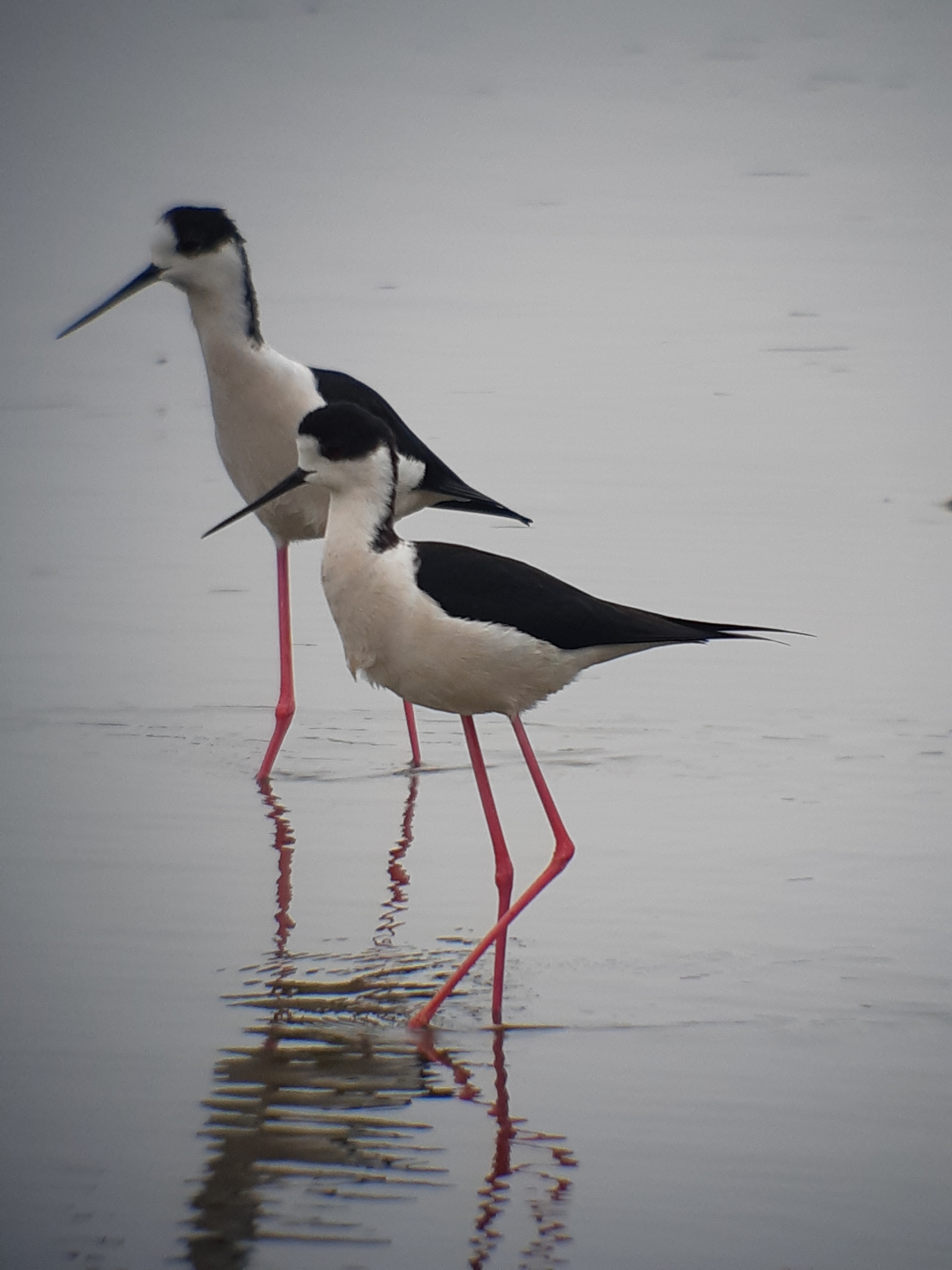
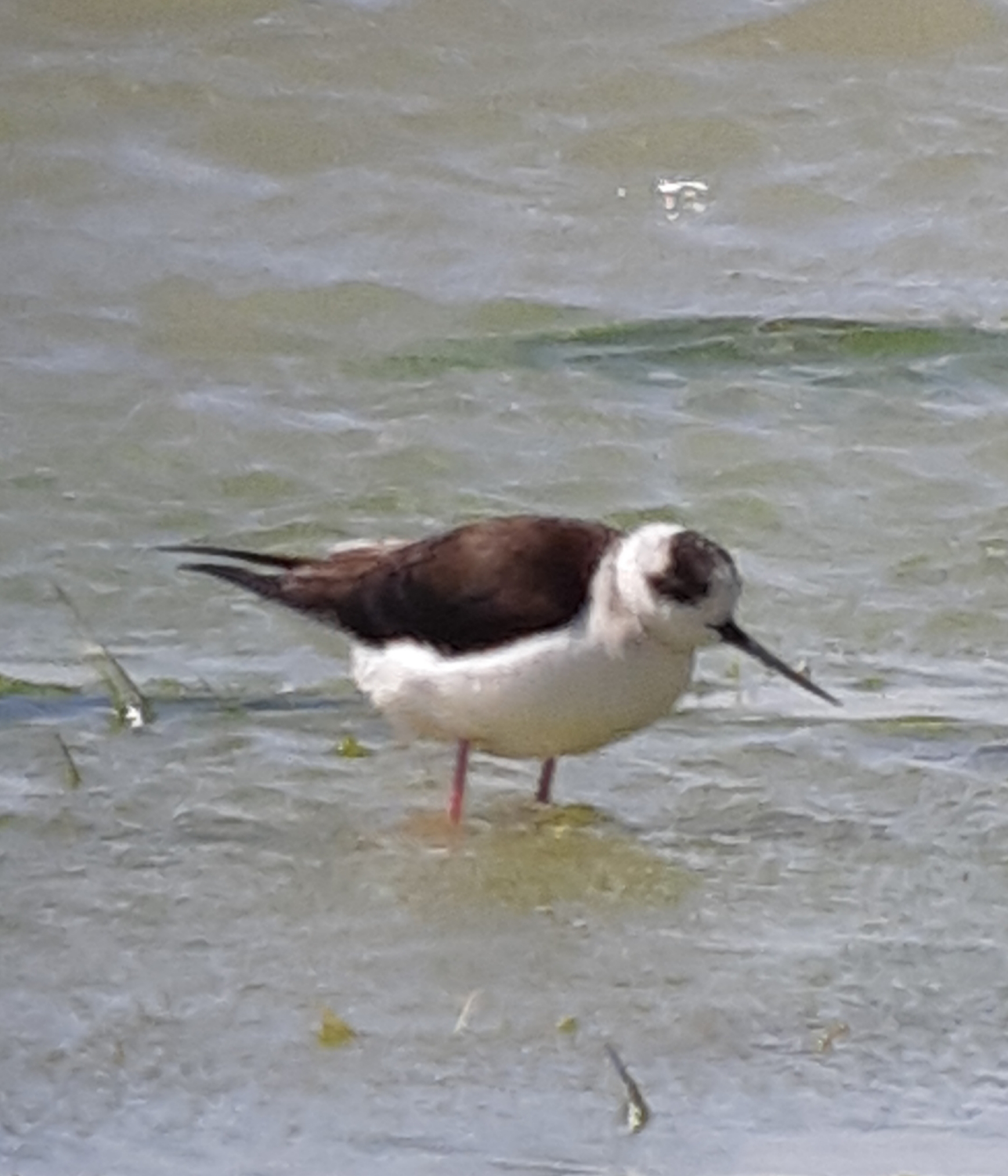
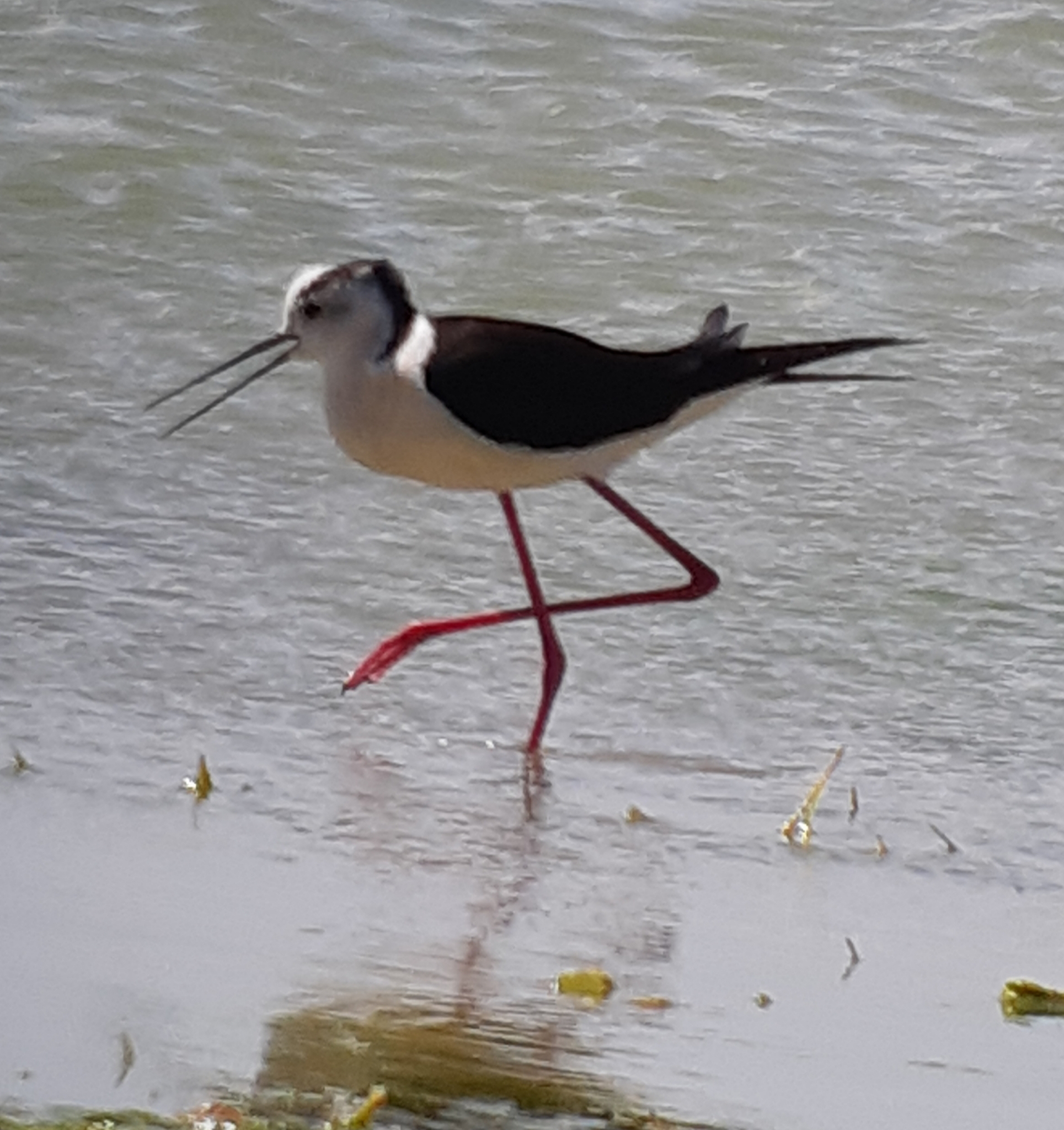
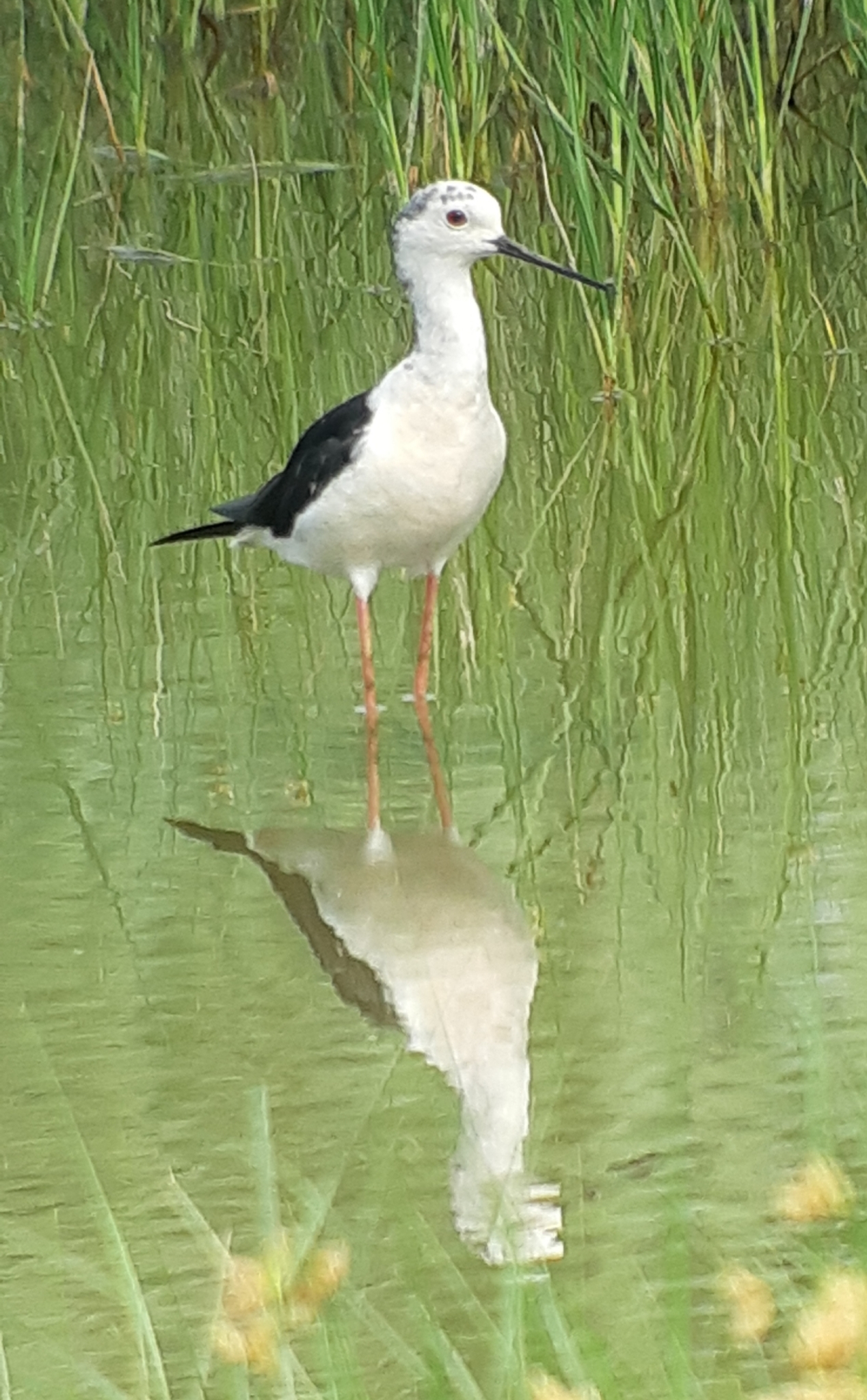
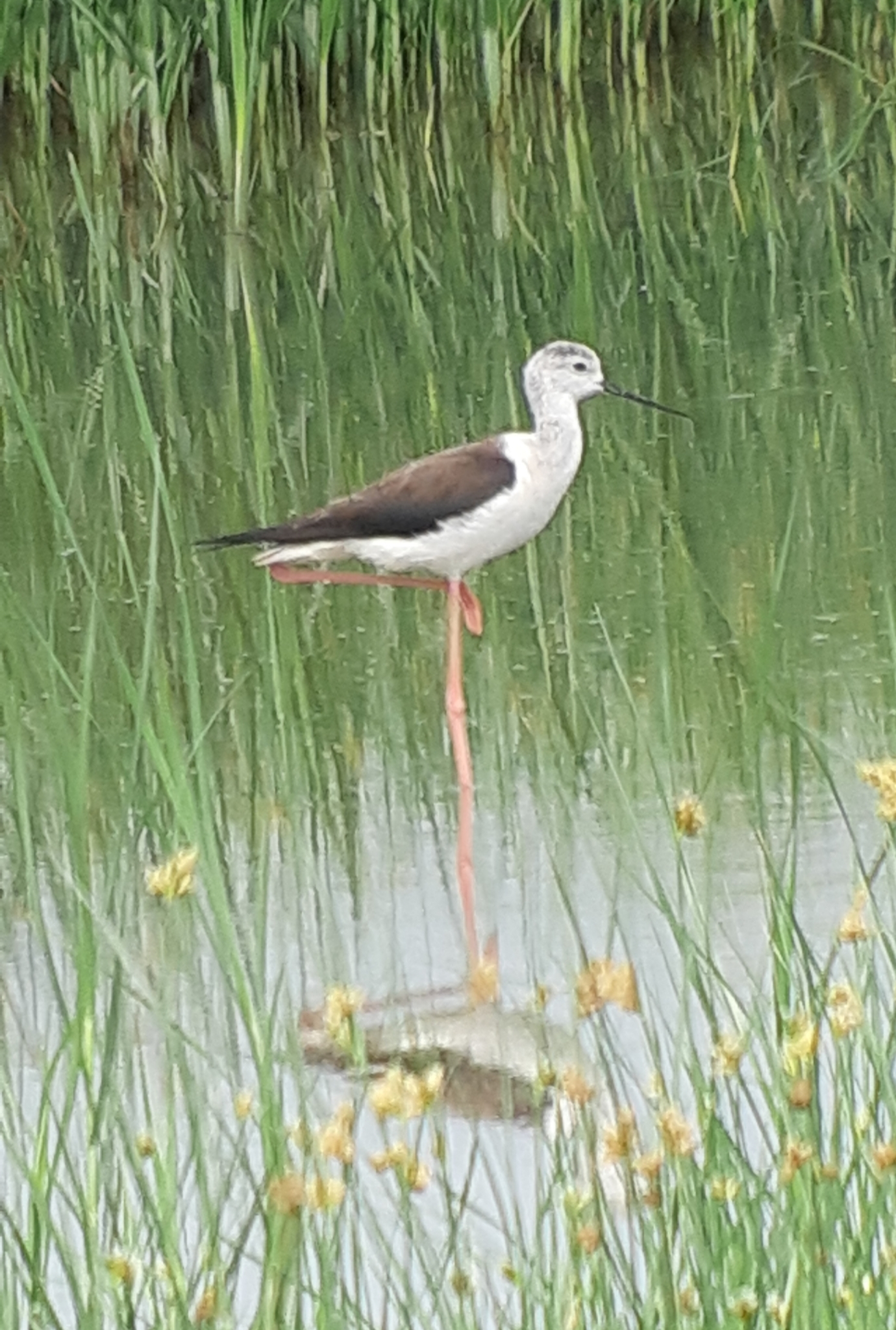
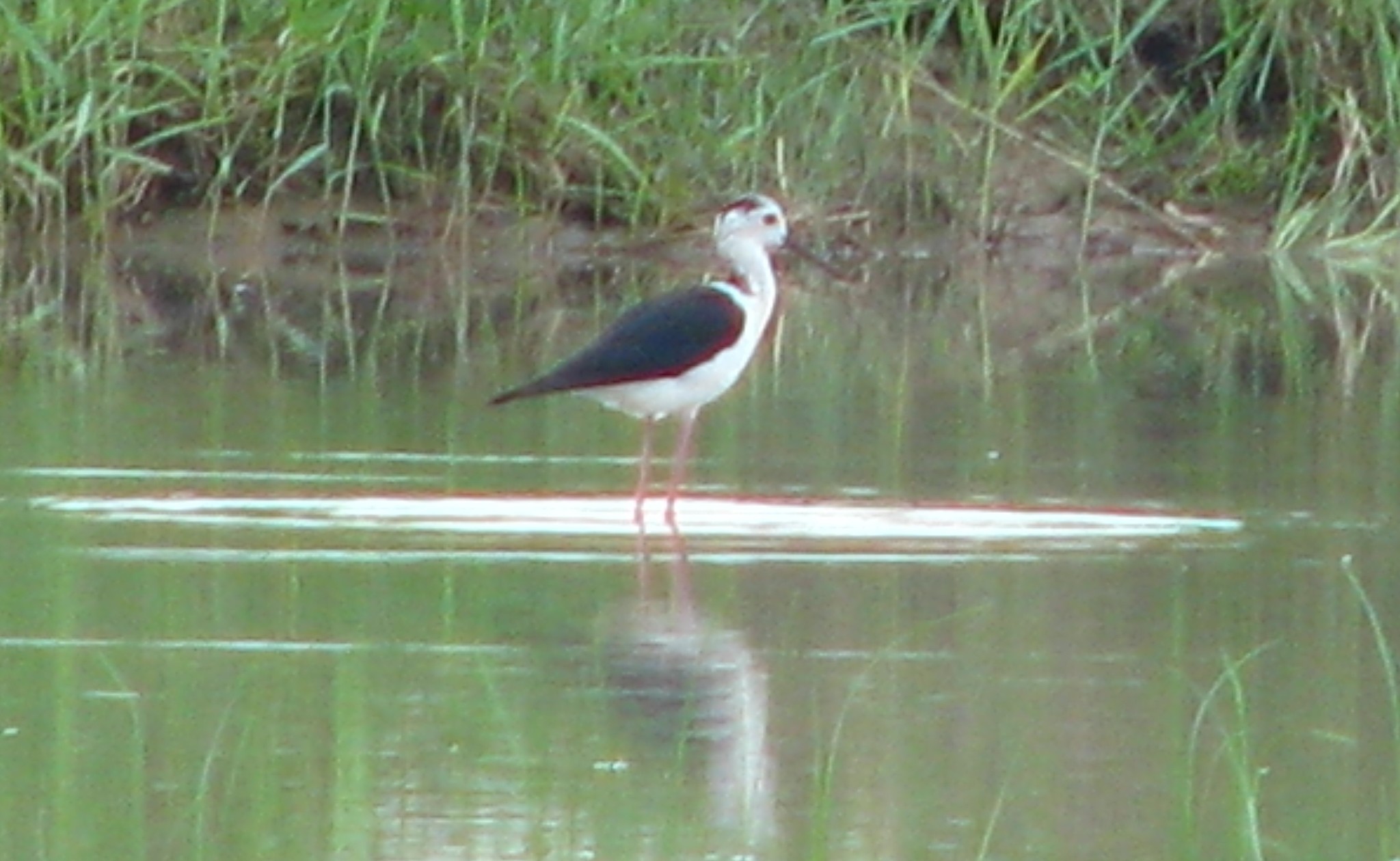
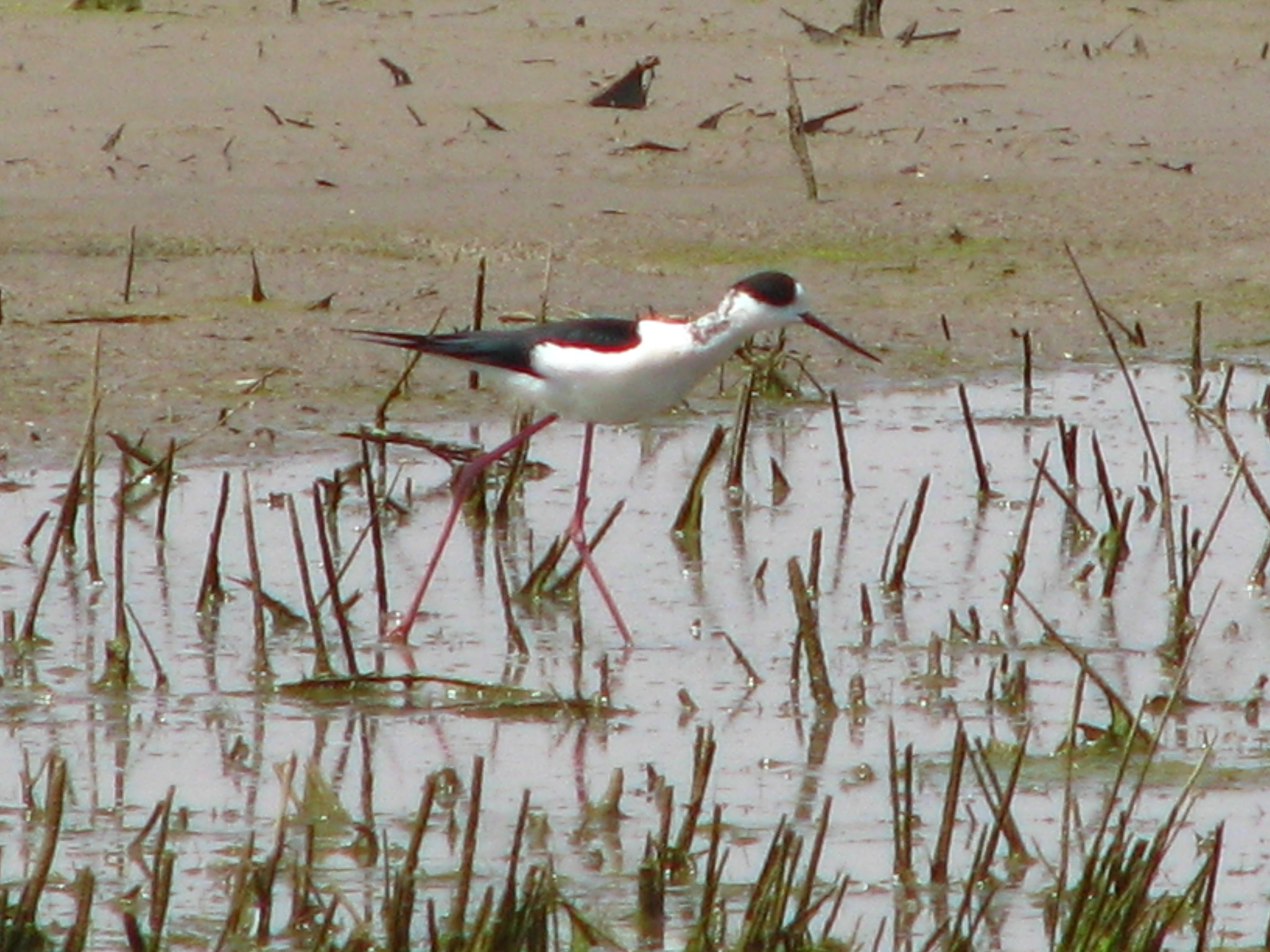
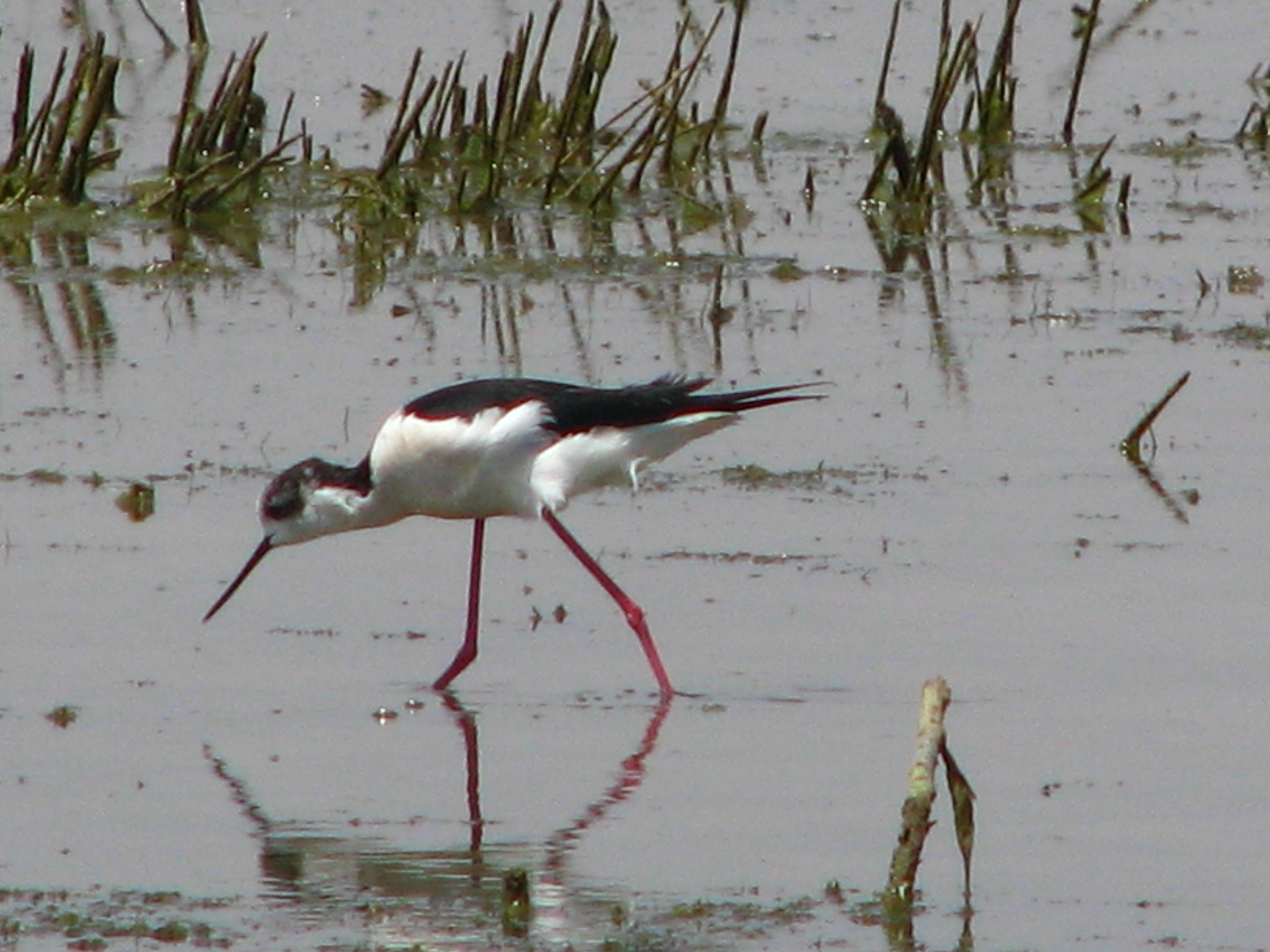
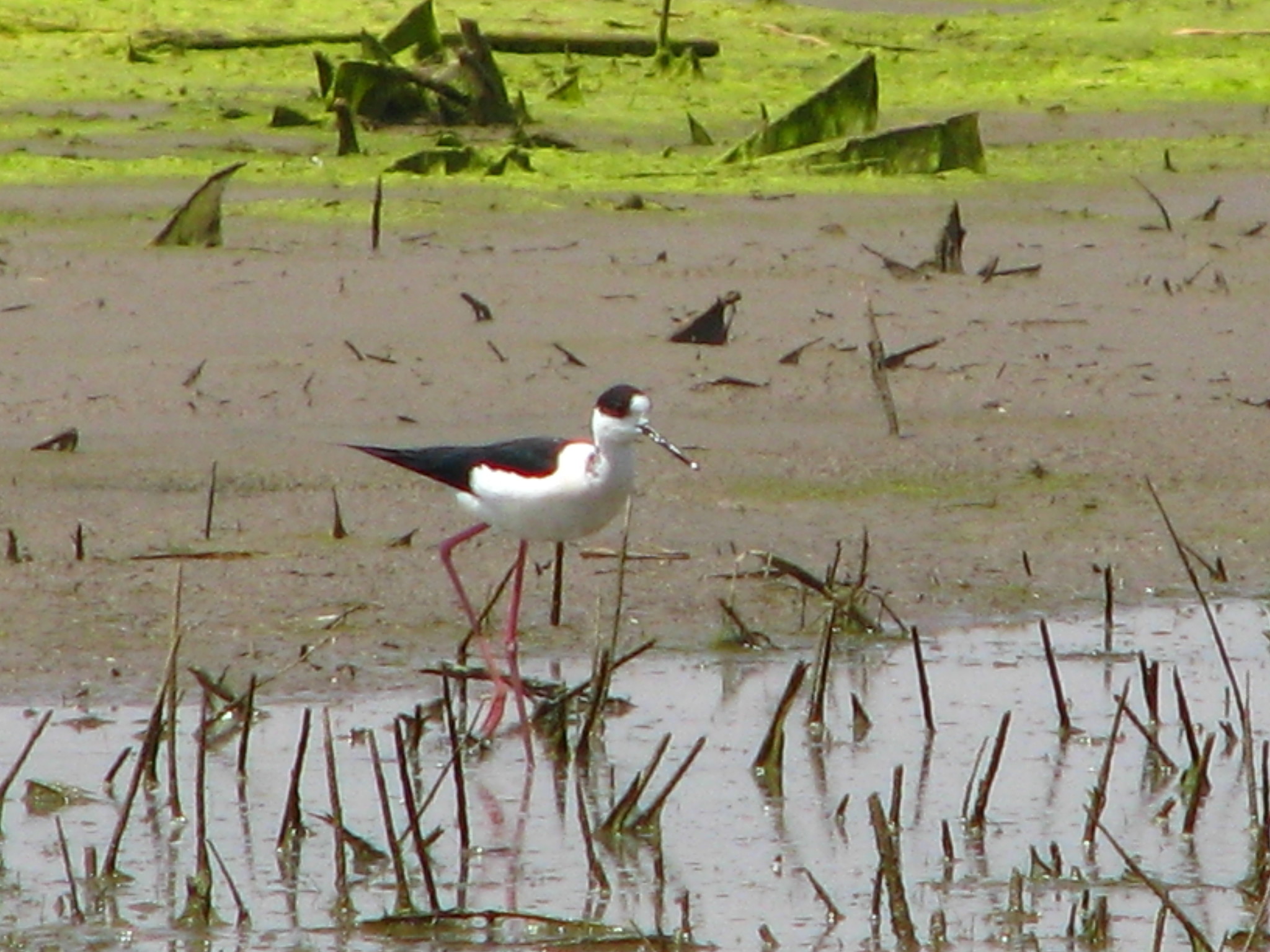
This elegant wader measures 33-36 cm in length with an unmistakably long, slender pink bill and extraordinarily elongated pink legs that can measure nearly as long as the body again. The plumage is sharply defined: black upperparts and white underparts, with a white head and neck that may carry varying amounts of black marking depending on population, sex, and season. Males typically display a black back with an attractive greenish gloss or sheen, while females show a brownish hue on the back that contrasts with the black flight feathers (remiges). Head and neck patterning differs between sexes year-round, with males usually showing more extensive black, particularly during breeding season, though this varies by population. Females generally have less black on the head and neck. Immature birds are grey overall with a sandy or buff tone to their wings, and show light feather fringes that appear as a whitish line when flying.
Distribution & Habitat
The black-winged stilt breeds across much of Europe, Asia, and Africa, occupying a vast range that extends from the Palearctic region through South Asia to the Afrotropical zone. Its breeding habitat consists of marshes, shallow lakes, and ponds with sufficient shallow water for feeding. Populations in temperate regions are migratory, moving to coastal areas during winter, while those in warmer latitudes are largely resident or make only short-distance movements. In Europe, this species regularly appears as a spring overshoot vagrant north of its normal breeding range, with increasing frequency of breeding attempts in northern European countries. Britain recorded its first successful breeding in 1987, followed by successful pairs in southern England in 2014 and 2017 (fledging 13 young), and notably four chicks fledged in northern England in 2022, representing the most northerly breeding success recorded for the species.
Behavior & Ecology
The black-winged stilt breeds in marshes, shallow lakes, and ponds, where pairs establish territories and raise their young. While specific details of diet, social behavior, and vocalizations are not provided in the source material, these stilts are known to feed by sweeping their long bills from side to side in shallow water, detecting invertebrates through touch. They are typically found in small groups during breeding season and may form larger flocks outside the breeding period. The species' breeding behavior includes ground nesting near water, with chicks precocial and able to feed themselves shortly after hatching, though receiving parental care.
Source: Wikipedia · CC BY-SA 3.0
Taxonomy
- Order
- Charadriiformes
- Family
- Recurvirostridae
- Genus
- Himantopus
- eBird Code
- bkwsti
Distribution
breeds from southern Europe, and Cape Verde Islands, northern and sub-Saharan Africa, Socotra, and coastal Madagascar eastward to southeastern Russia, eastern China, south-central Japan, Taiwan, east-central Philippines, southward to northern Middle East, Sri Lanka, Malayan Peninsula, eastward to western Java; winters to Greater Sundas and Philippines
Vocalizations
Data Sources
Species description from Wikipedia, licensed under CC BY-SA 3.0.
Bird images and sounds sourced from GBIF, contributed by citizen scientists worldwide under Creative Commons licenses.
Taxonomy data from AviList 2025.