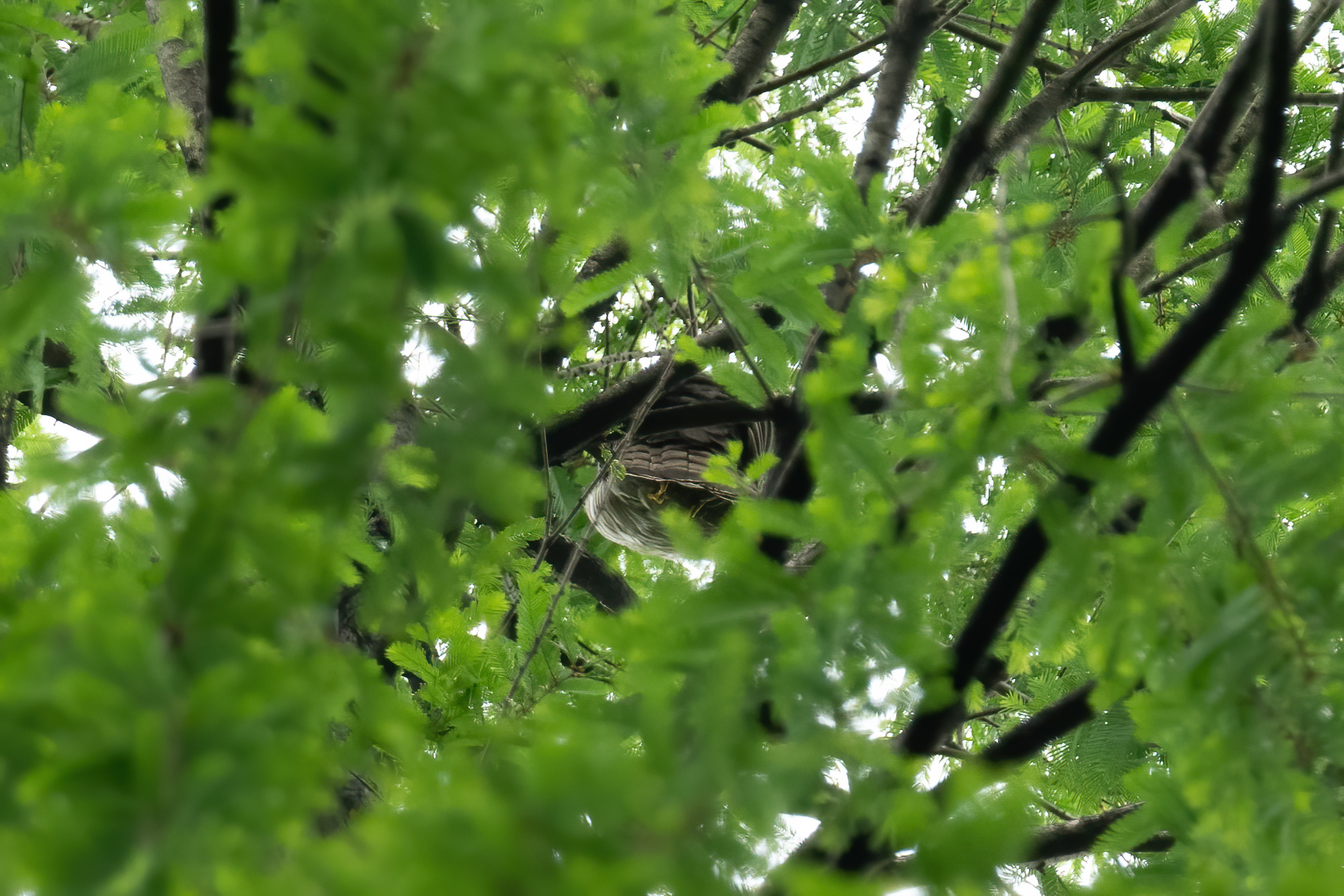
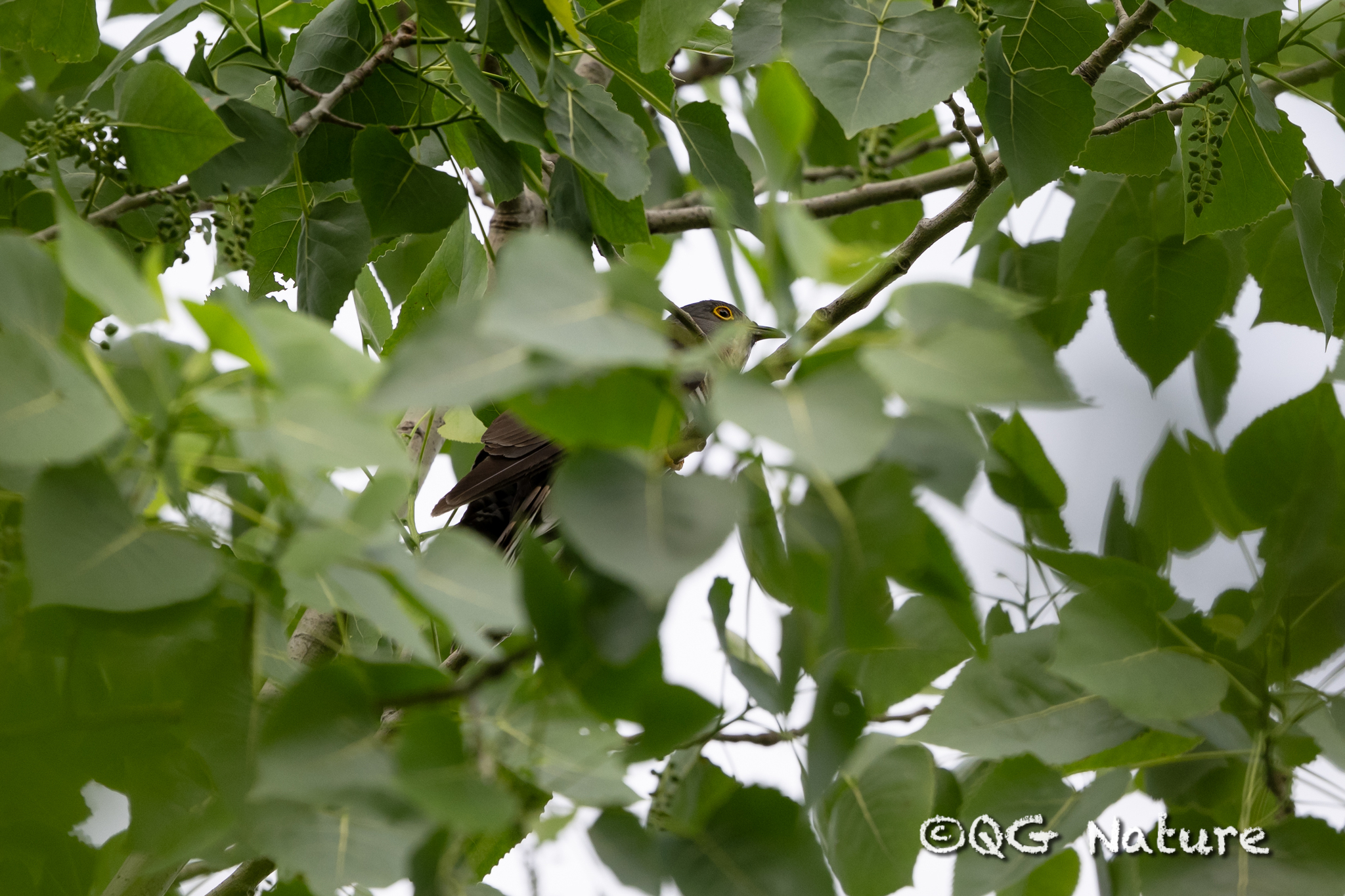
Cuculiformes / Cuculidae / Hierococcyx
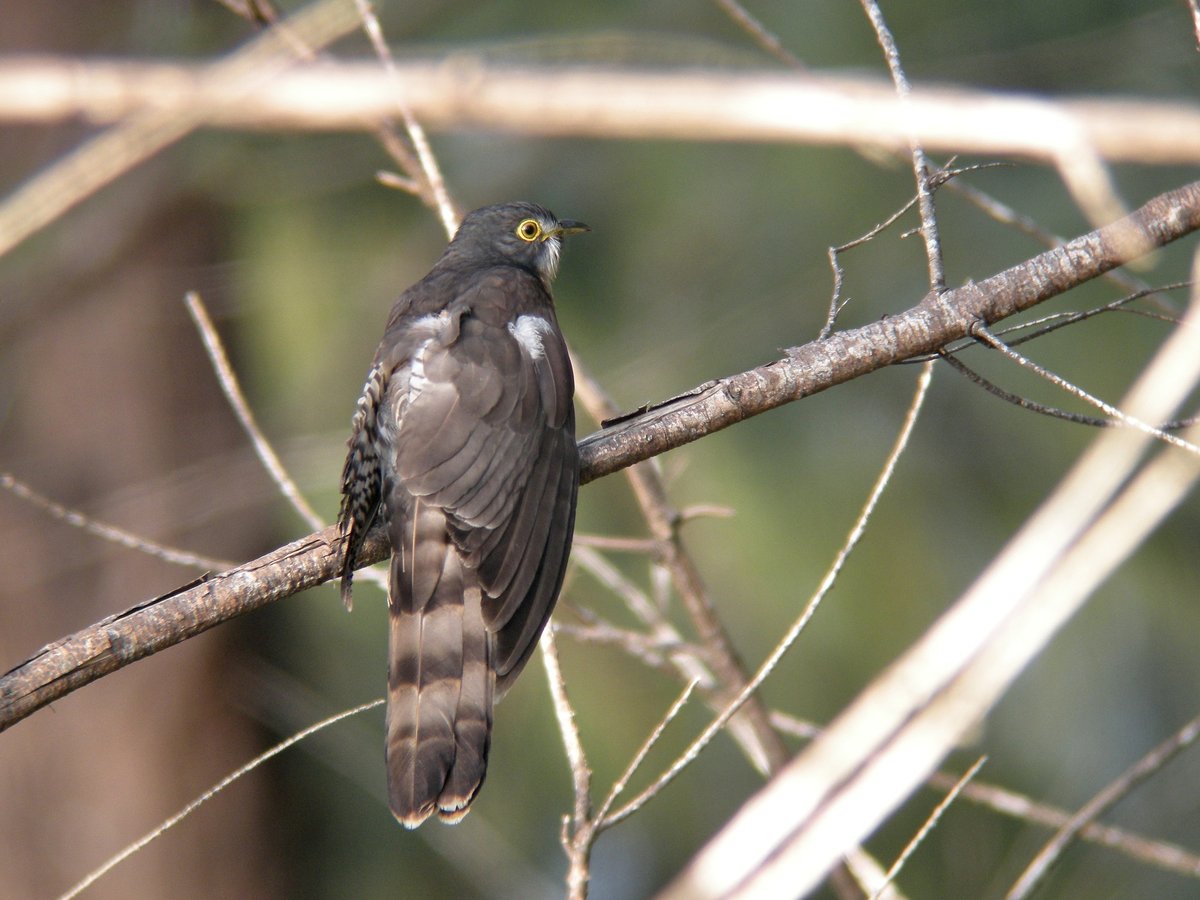
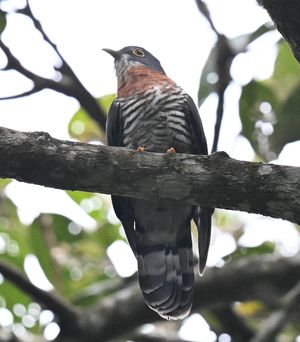
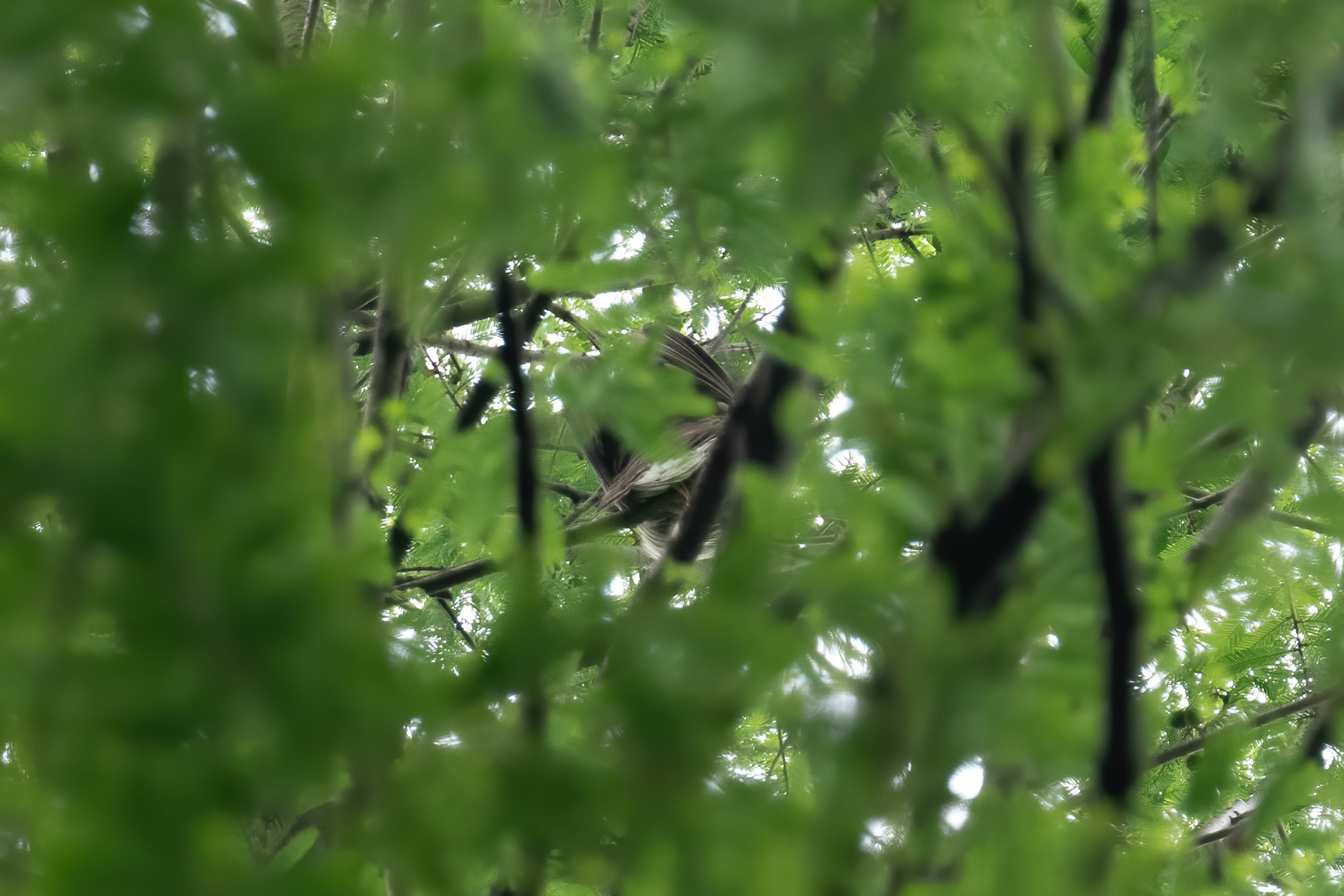
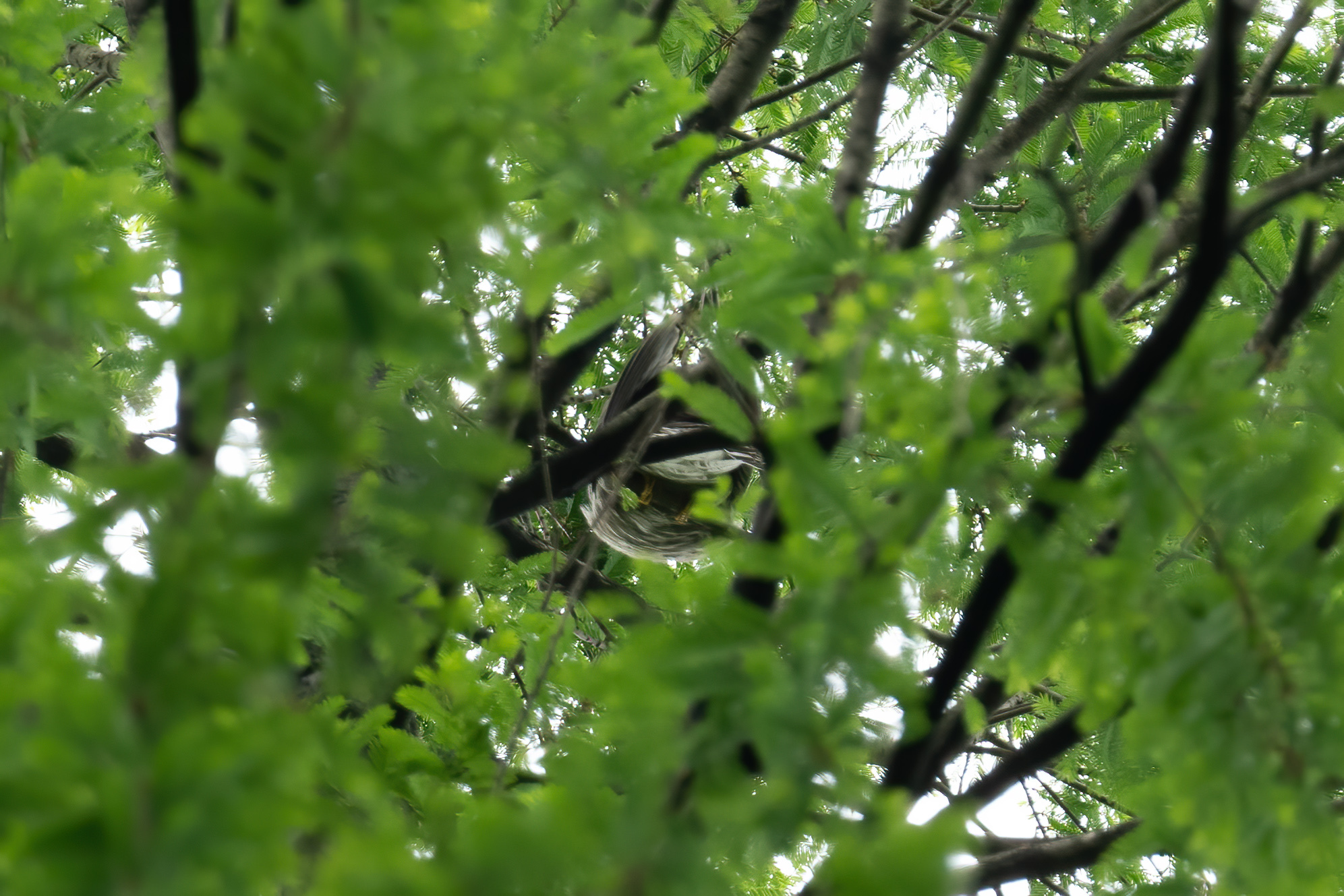
Large Hawk-Cuckoo
Hierococcyx sparverioides · 大鹰鹃
Introduction
A species of cuckoo in the family Cuculidae with a wide breeding distribution from temperate Asia along the Himalayas to East Asia. Many populations winter further south. It is a brood parasite of babblers and laughing-thrushes, known for loud, repetitive calls that do not rise in crescendo.
Description
Adults are somewhat larger than the common hawk-cuckoo and can be distinguished by a black patch on the chin.
Identification
Readily told apart from the smaller common hawk-cuckoo by the black patch on the chin. The call is similar to that of the common hawk-cuckoo but does not rise in crescendo.
Distribution & Habitat
Breeds from temperate Asia along the Himalayas to East Asia, with many populations wintering further south. Found in Bangladesh, Bhutan, Cambodia, China, India, Indonesia, Laos, Malaysia, Myanmar, Nepal, Pakistan, the Philippines, Singapore, Taiwan, Thailand, and Vietnam. Recorded as a vagrant on Christmas Island. Natural habitats include temperate forest and subtropical or tropical mangrove forest. The subspecies H. s. bocki of the Malay Peninsula, Sumatra, and Borneo is usually considered a separate species.
Behavior & Ecology
Calls occur in summer and continue well after dusk; individuals tend to be silent on winter grounds. As a brood parasite, it lays eggs that mimic those of its hosts. Known nest-hosts include various laughing-thrushes, babblers, shrikes, flycatchers, thrushes, and other passerines such as Actinodura nipalensis, Pterorhinus sannio, Lanius cristatus, and Turdus dauma. Some hosts, like certain laughing-thrushes, are capable of detecting and removing cuckoo eggs.
Source: Wikipedia · CC BY-SA 3.0
Taxonomy
- Order
- Cuculiformes
- Family
- Cuculidae
- Genus
- Hierococcyx
Taxonomy Changes
Cuculus sparverioides → Hierococcyx sparverioides
Genus transfer — GBIF Backbone Taxonomy uses the former name; AviList 2025 uses the current name.
Distribution
breeds from Himalayas of northeastern Pakistan eastward to southern China, and southwards to hills south of the Brahmaputra River to Taiwan; winters from southern India (Eastern and Western Ghats) eastwards to lowlands of the Thai-Malay Peninsula
Vocalizations
Data Sources
CBR Notes: 中文名由鹰鹃改为大鹰鹃
Species description from Wikipedia, licensed under CC BY-SA 3.0.
Bird images and sounds sourced from GBIF, contributed by citizen scientists worldwide under Creative Commons licenses.
Taxonomy data from AviList 2025.