
Gruiformes / Gruidae / Grus
Red-crowned Crane
Grus japonensis · 丹顶鹤
Introduction
A large East Asian crane (Grus japonensis) among the rarest in the world. Breeds in Siberia, Northeast China, and occasionally Mongolia; migratory populations winter in Korea and China, while a resident population exists in Hokkaidō, Japan. Nests in wetlands, marshes, and rivers; winters in paddy fields and tidal flats. Monogamous with stable pair bonds, known for duetting and dancing. Listed as Endangered by the IUCN.
Description
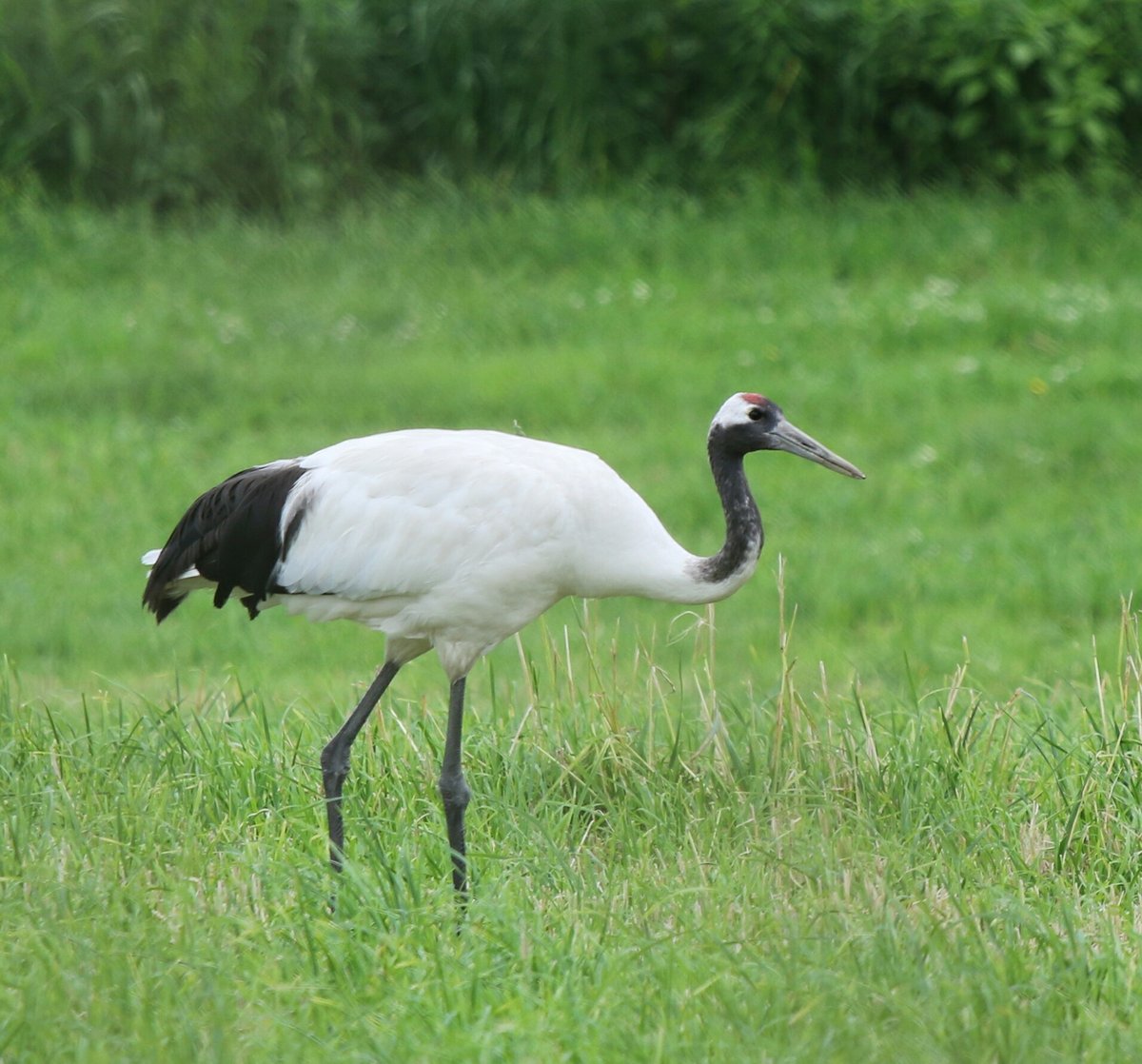
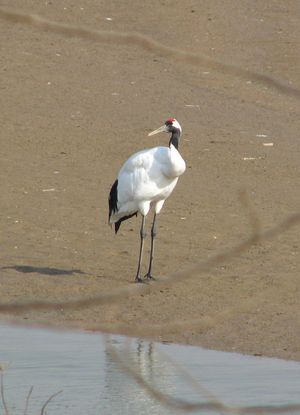
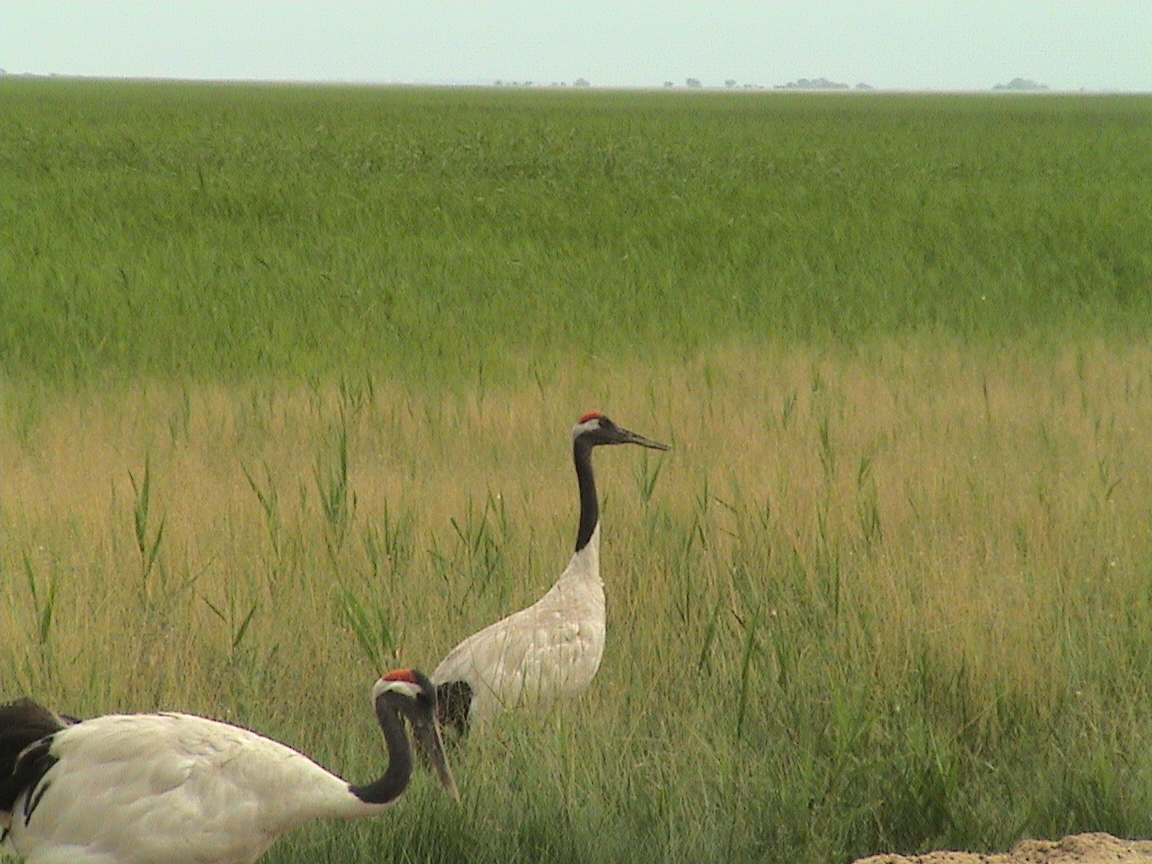
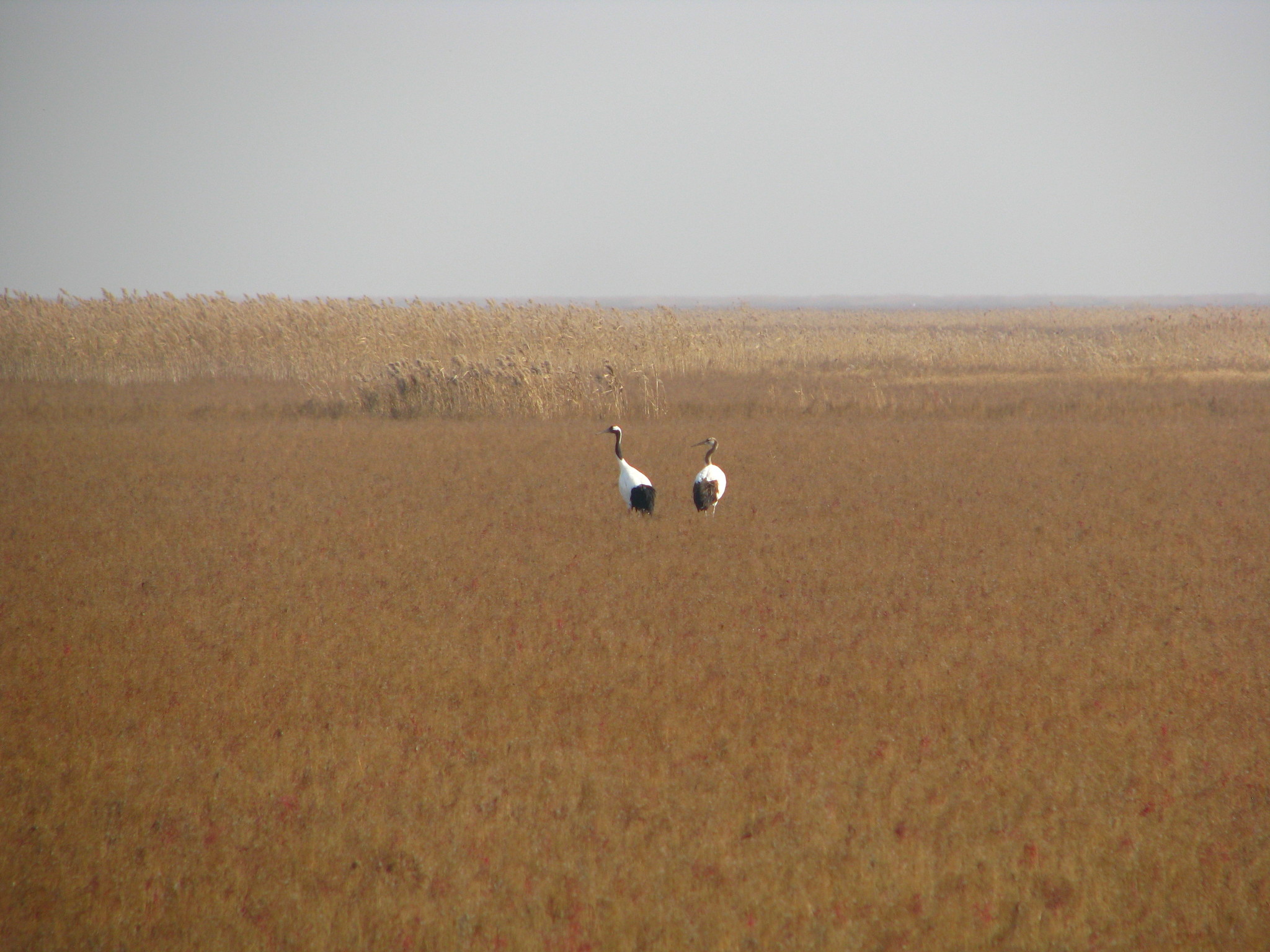
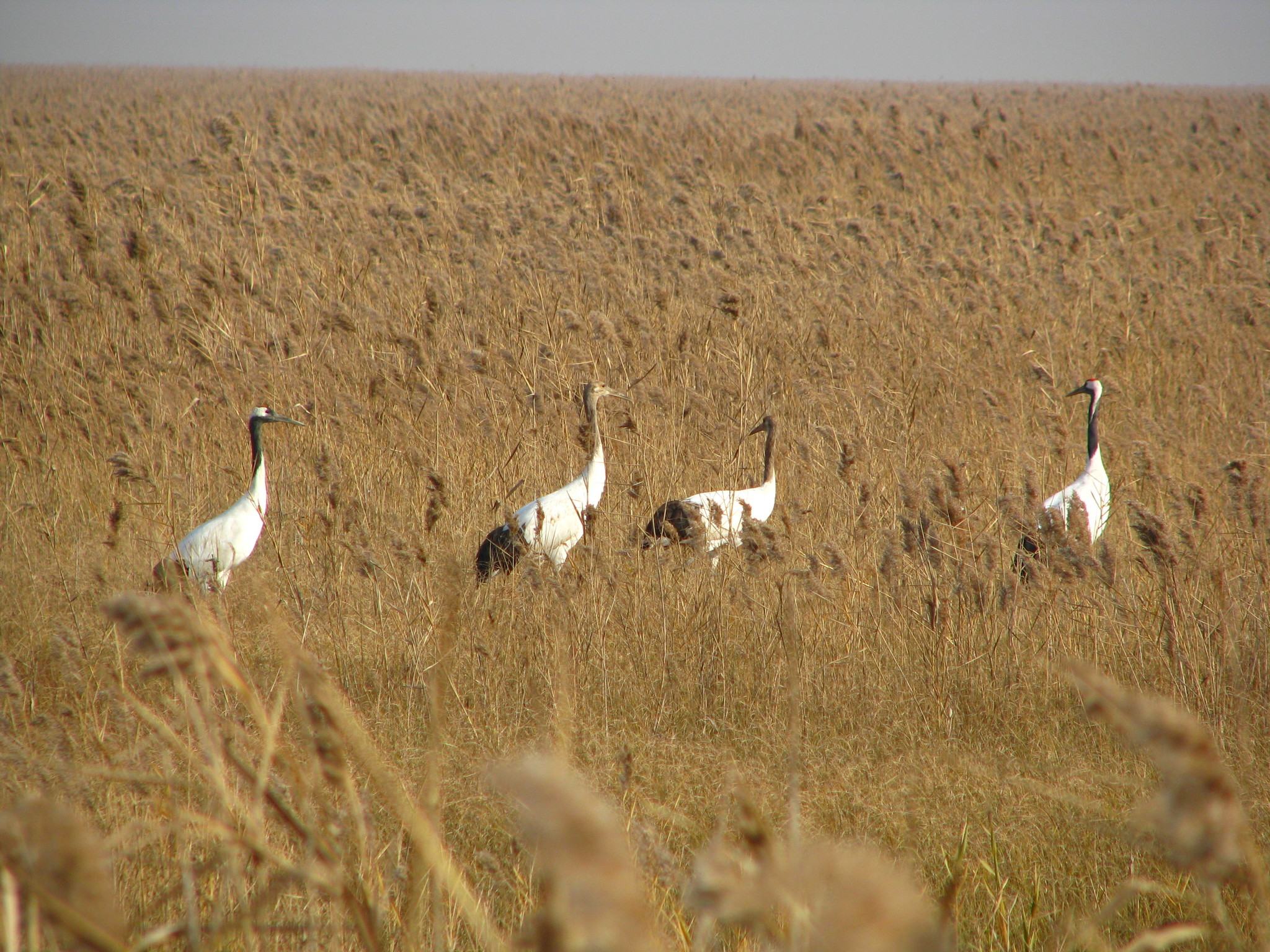
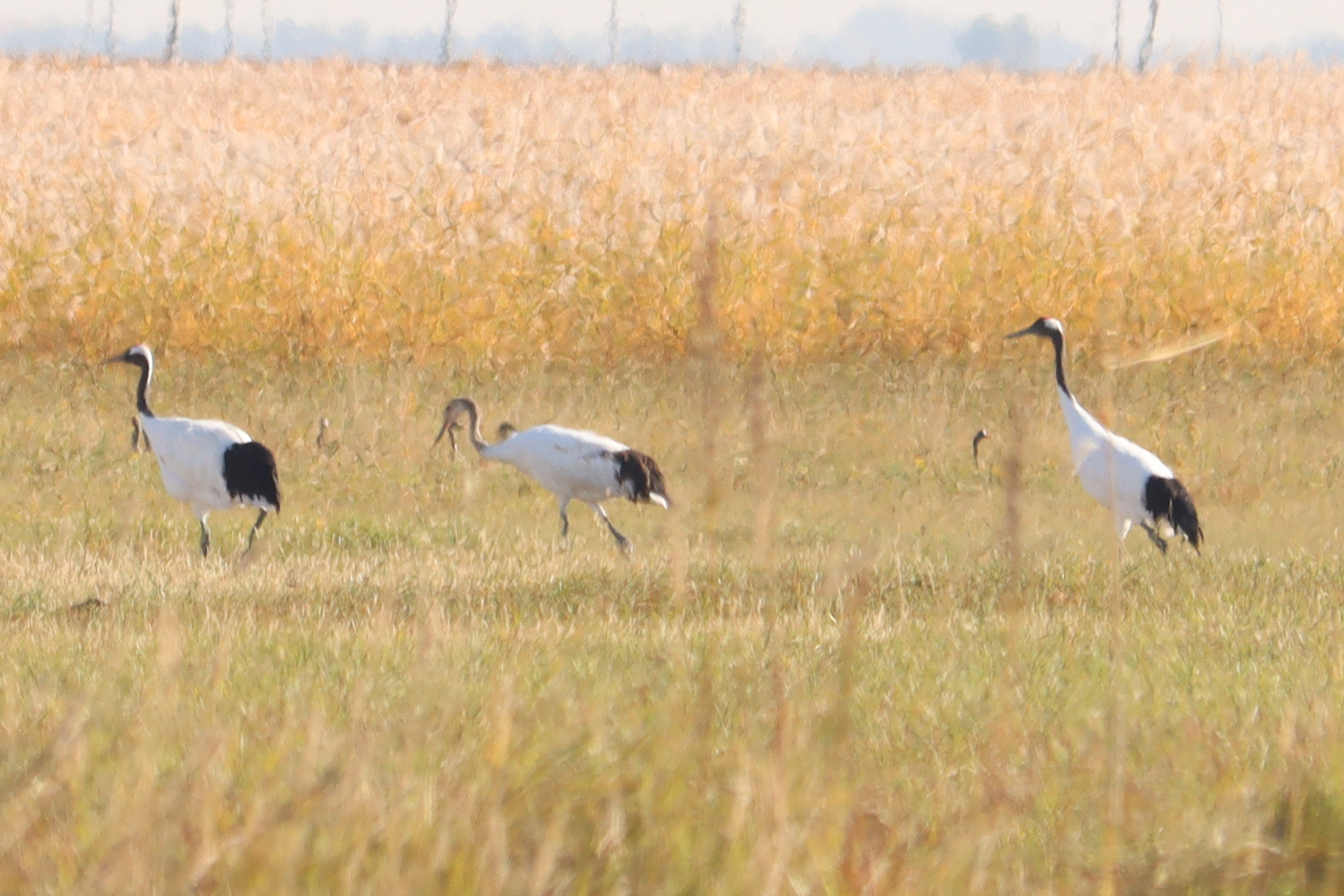
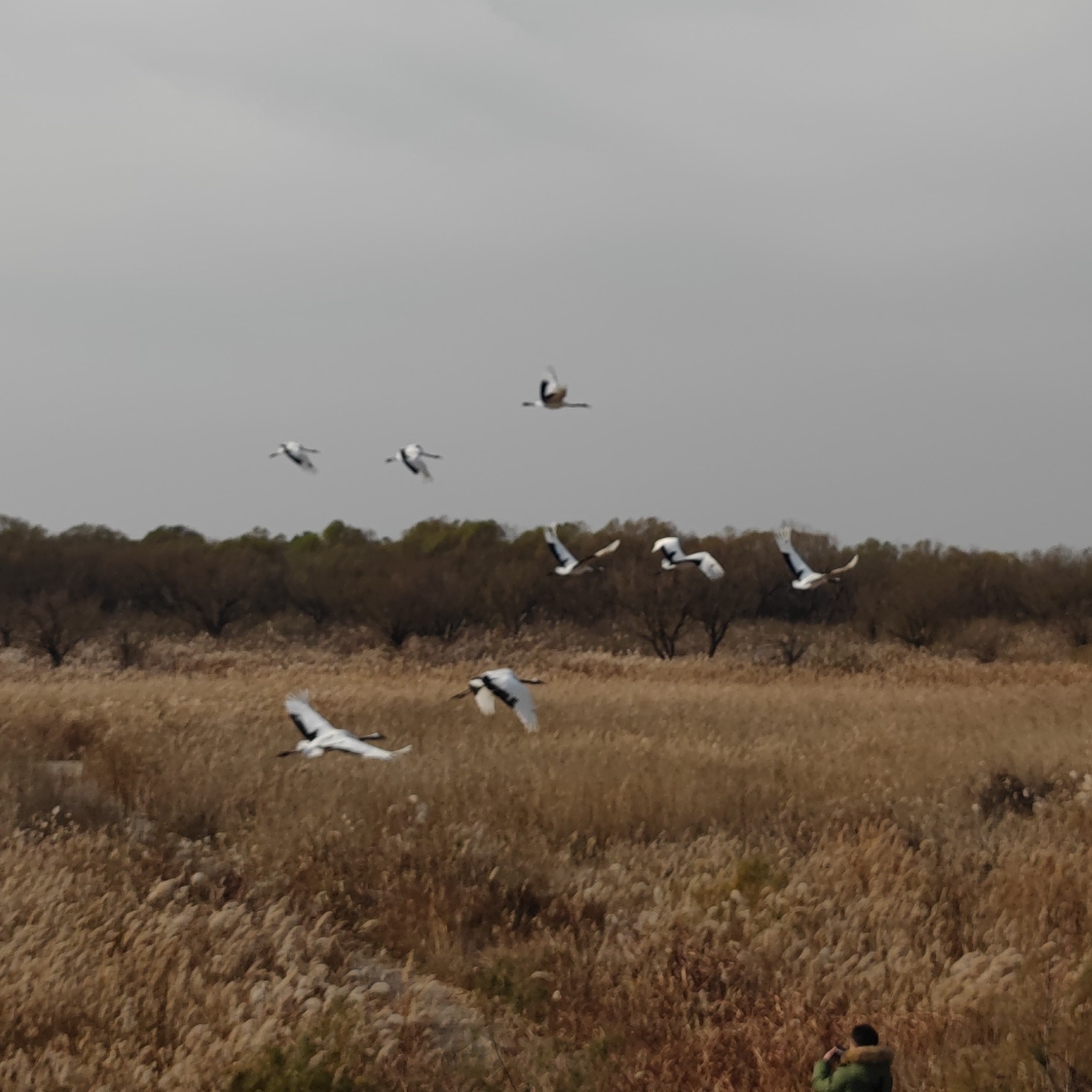
Adults are snow white with black wing secondaries that appear like a black tail when standing, though actual tail feathers are white. Named for a patch of red bare skin on the crown, which brightens during mating season. Males have black cheeks, throat, and neck; females are pearly gray in these areas. Bill is olive green to greenish horn, legs slate to grayish black, iris dark brown. Juveniles are white, tawny, cinnamon brown, and grayish, with gray/tawny crown feathers and dull black/brown secondaries. Height 150–158 cm, length 101.2–150 cm, wingspan 220–250 cm. Weight ranges from 4.8 to 10.5 kg, with a maximum recorded weight of 15 kg.
Identification
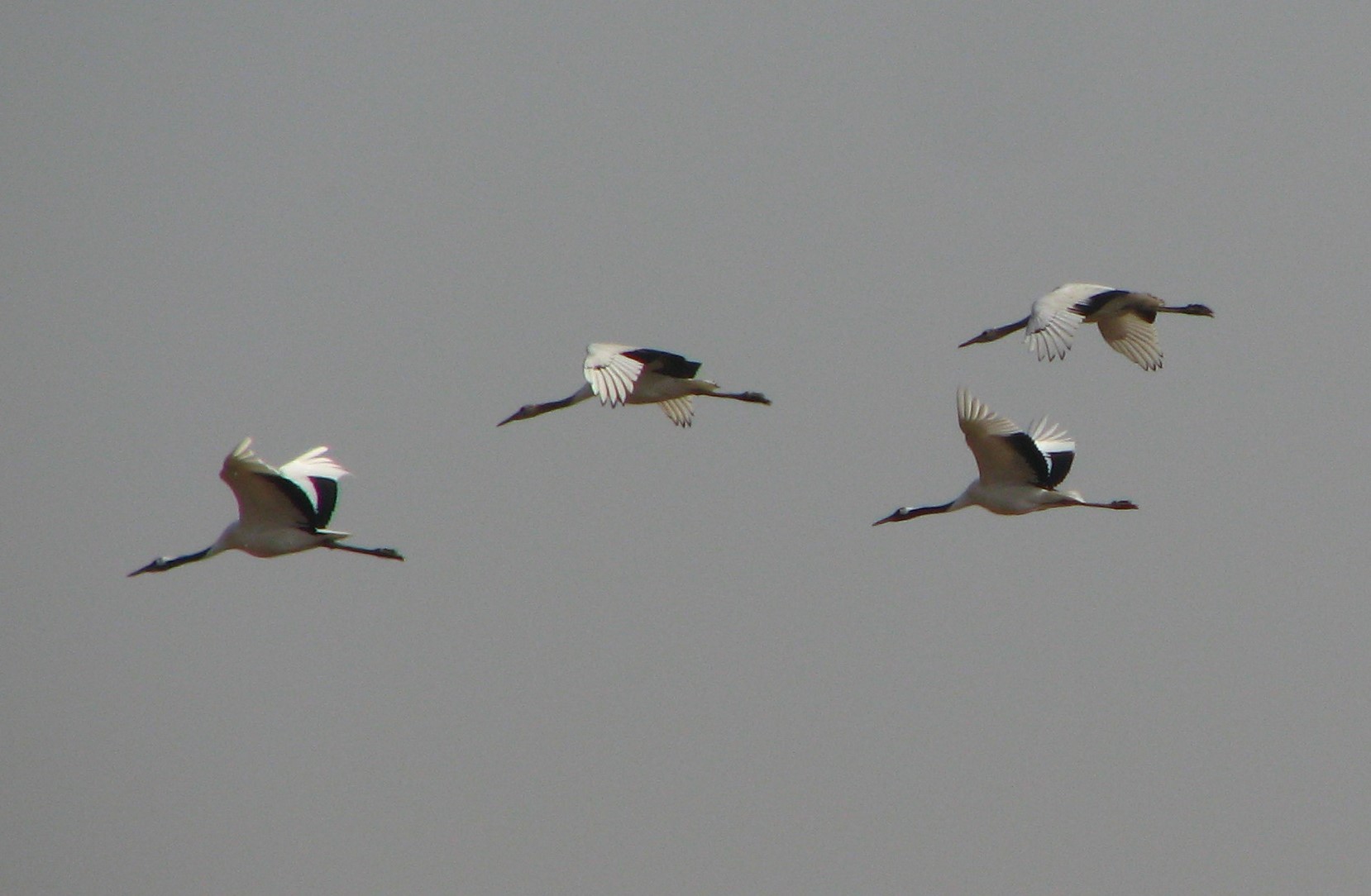
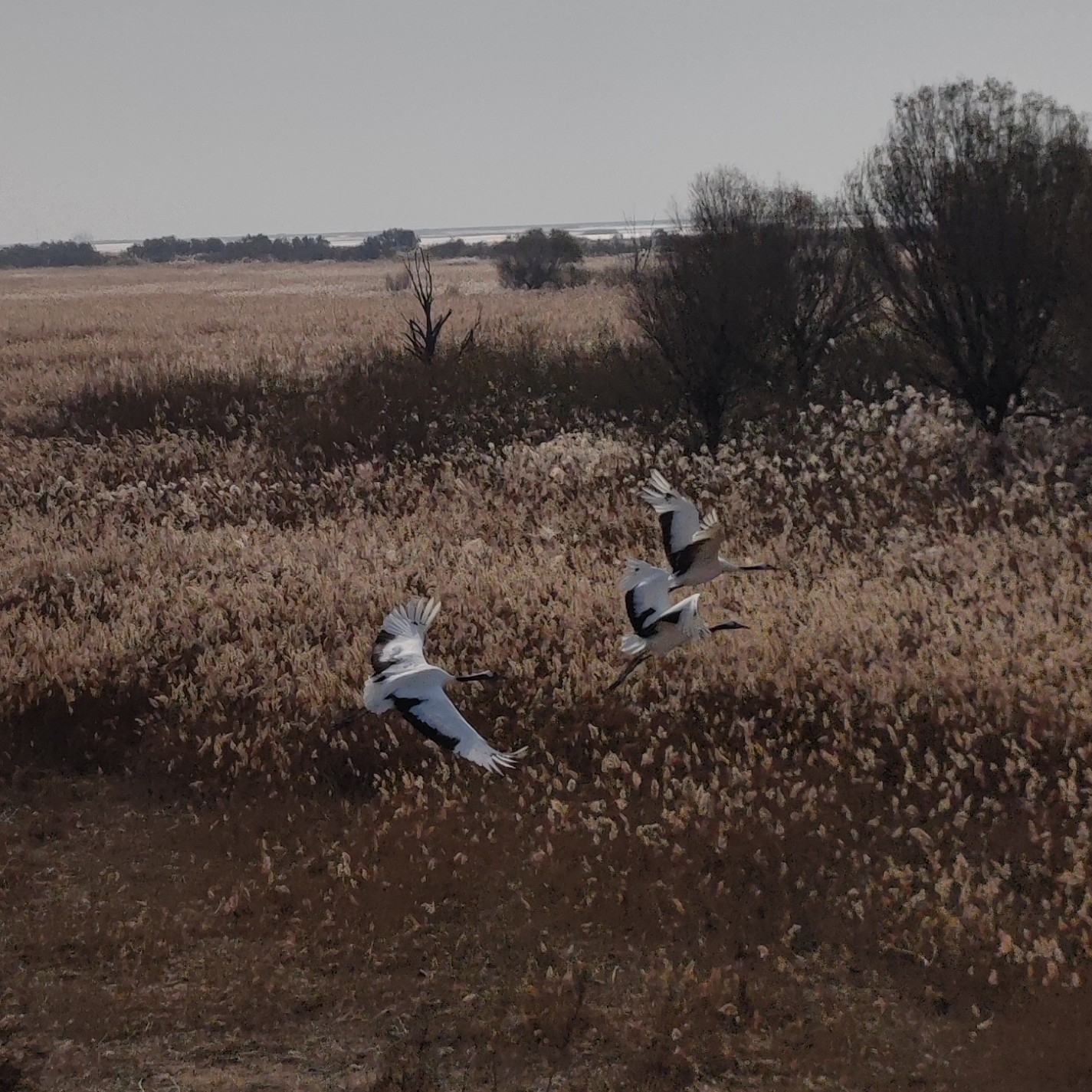
Distinguished by snow-white plumage, black secondary feathers, and a red crown patch. In flight, black secondaries contrast with white body. Juveniles lack the red crown and have mottled brown/gray plumage. Similar to other cranes but larger and heavier on average than most species, except Sarus and Wattled cranes which may be taller.
Distribution & Habitat
Breeds in far eastern Russia (Siberia), Northeast China, and occasionally northeastern Mongolia. Migratory populations winter in the Korean Peninsula and east-central China (coastal mudflats, Yangtze River lakes). A non-migratory resident population exists in eastern Hokkaidō, Japan. Vagrants recorded in Taiwan. Habitats include wetlands, marshes, rivers for breeding, and paddy fields, grassy tidal flats, and mudflats for wintering.
Behavior & Ecology
Omnivorous diet preferring carnivorous items: fish, amphibians, snails, crabs, insects, small reptiles, rodents, and birds, supplemented by rice, grasses, and aquatic plants. Forages by jabbing beaks into mud or striking rapidly at prey. Monogamous, mating for life; breeding maturity at 3–4 years. Duetting and dancing reinforce pair bonds and defend territory. Nests in shallow water or wet ground; both sexes incubate eggs for ~30 days. Chicks fledge by early fall but stay with parents for ~9 months. Aggressive toward conspecifics and potential predators like foxes and eagles; indifferent to smaller raptors.
Conservation
Listed as Endangered by the IUCN and included in CITES Appendix I. Population split into migratory continental and resident Japanese groups. 2020 winter counts recorded >3,800 individuals (~2,300 adults). Threats include habitat loss, fragmentation, human disturbance, poisoning, and poaching. Conservation measures include nature reserves in China (e.g., Zhalong, Yancheng), Special Natural Monument status in Japan, and international cooperation. Russian reintroduction programs released captive-raised birds.
Culture
Symbol of luck, longevity, fidelity, and nobility in East Asia. In China, associated with Taoist immortality ('fairy crane') and high civil rank; candidate for national animal. In Japan, known as tanchōzuru, symbolizing loyalty and strength; featured on 1000-yen notes and as Japan Airlines logo. In Korea, symbolizes purity and peace; depicted on 500-won coin and designated Natural Monument 202. Revered by Ainu people as Sarurun Kamuy (god of the wetland).
Source: Wikipedia · CC BY-SA 3.0
Taxonomy
- Order
- Gruiformes
- Family
- Gruidae
- Genus
- Grus
Distribution
breeds Siberia, Hokkaido and Mongolia; winters eastern China and Korea
Data Sources
Species description from Wikipedia, licensed under CC BY-SA 3.0.
Bird images and sounds sourced from GBIF, contributed by citizen scientists worldwide under Creative Commons licenses.
Taxonomy data from AviList 2025.