

Red-crowned Crane
Grus japonensis
丹顶鹤
Introduction
The red-crowned crane (Grus japonensis) is an endangered species endemic to East Asia. It is among the largest and rarest crane species globally. Adults have white plumage with black markings on the wings and head. A patch of red bare skin on the crown gives the species its name; this patch intensifies in color during the breeding season. Maximum height is 158 cm with a wingspan up to 250 cm. Weight ranges from 4.8 to 10.5 kg, with some individuals reaching 15 kg, making it the heaviest crane species on average.
Description
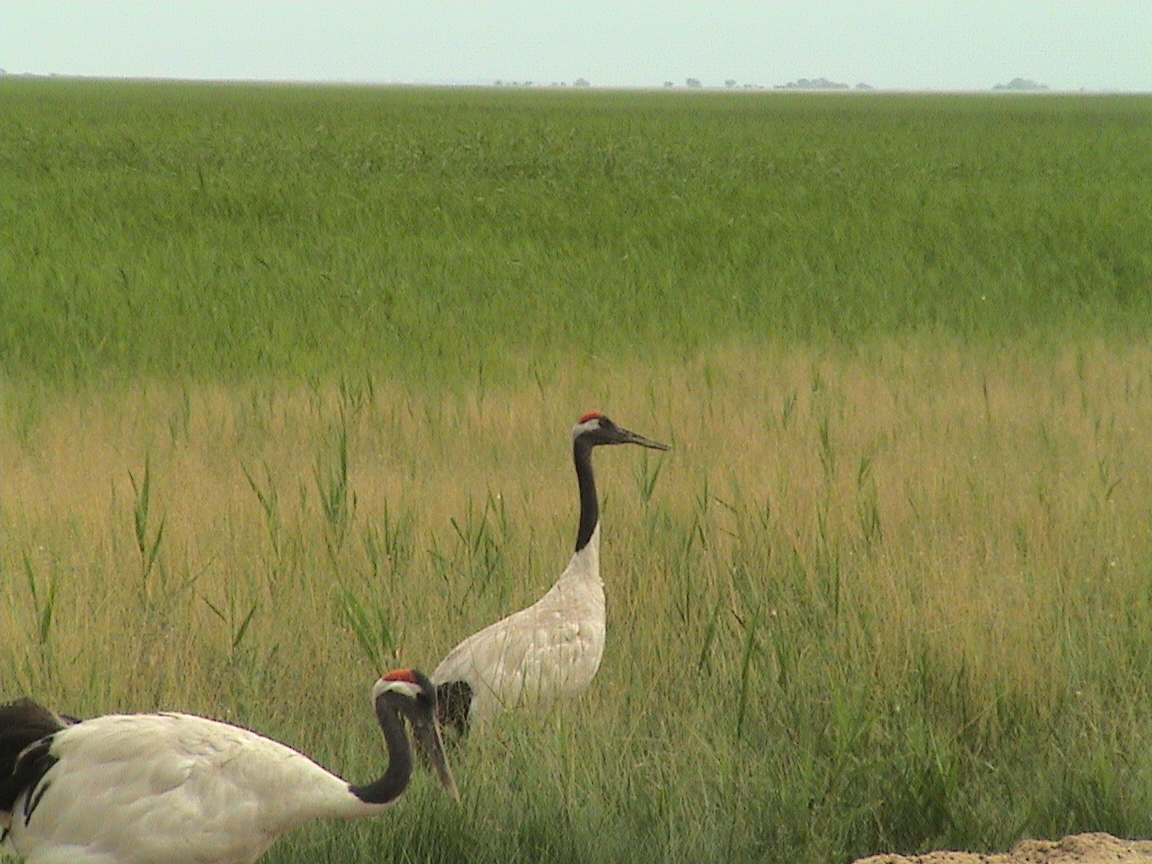
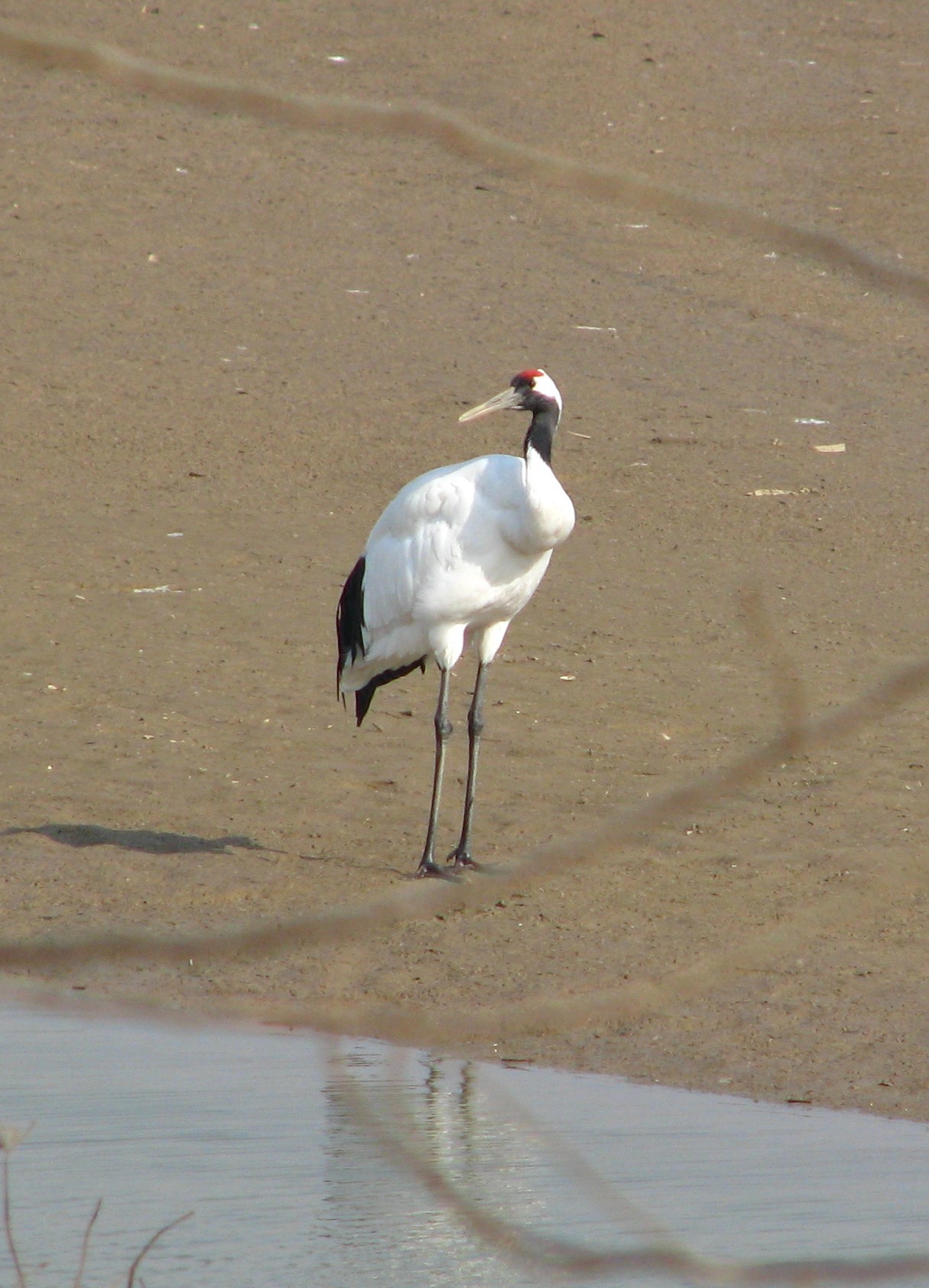
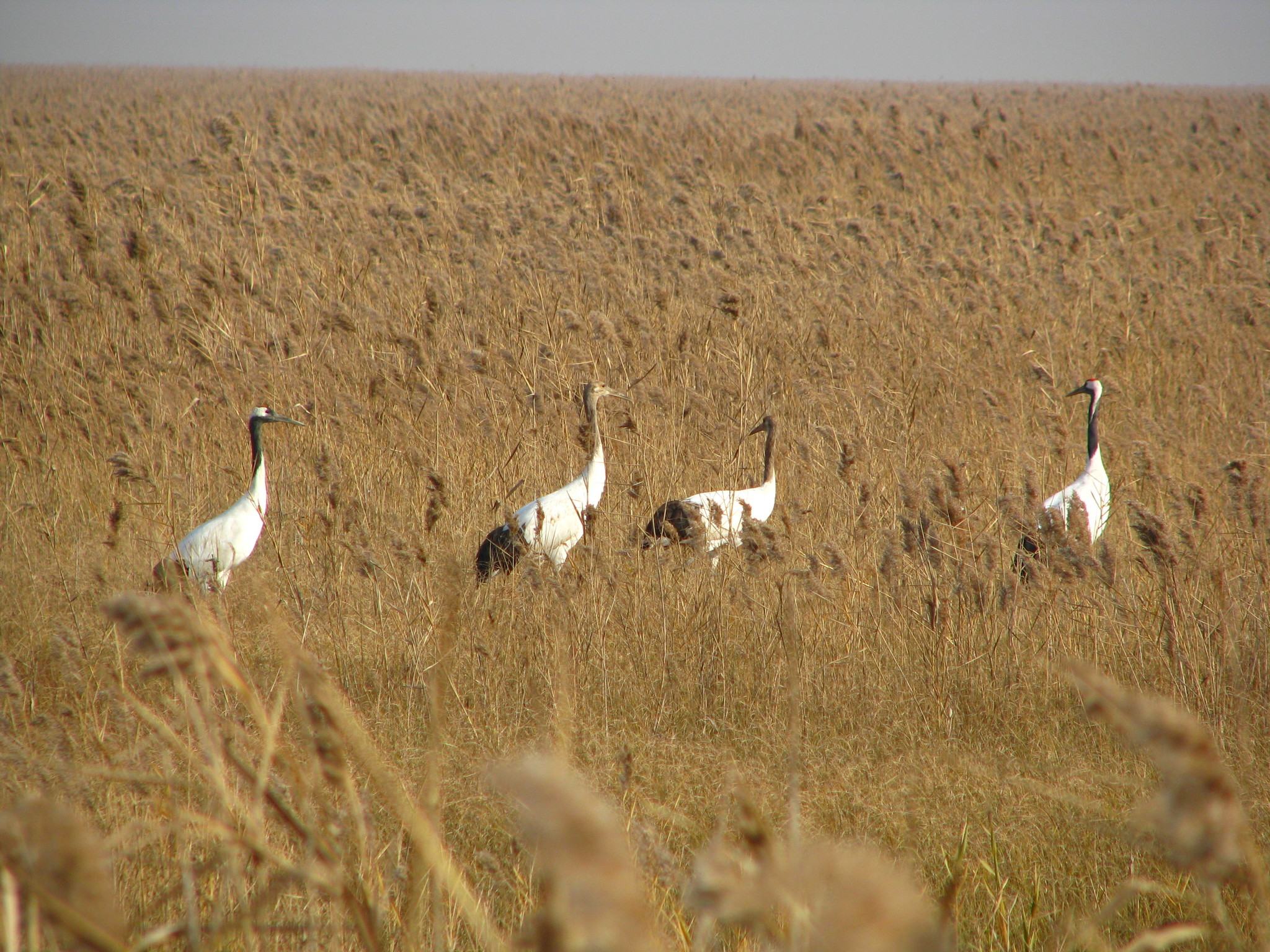
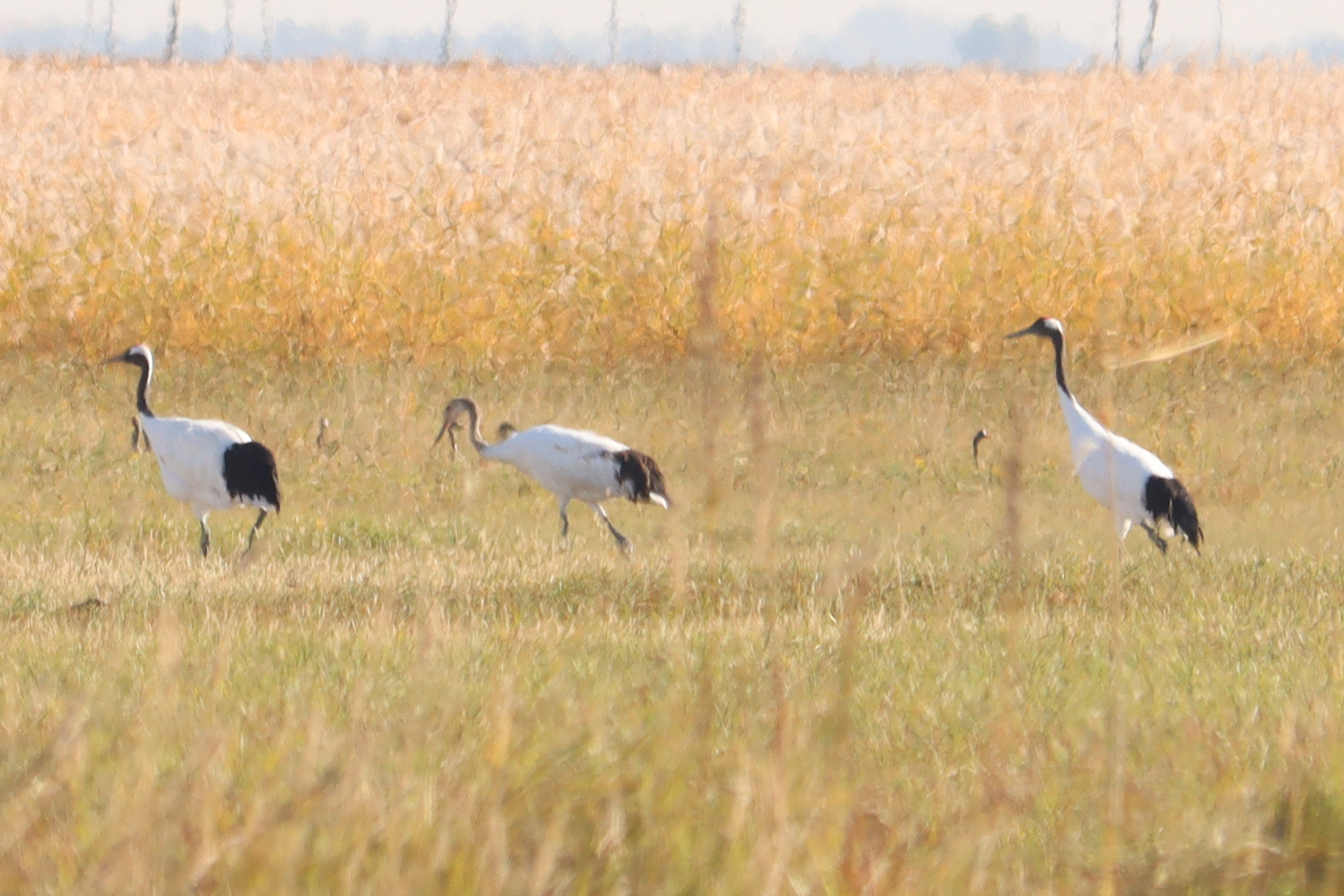
The red-crowned crane presents a striking color pattern with an all-white body contrasted by black on the wing secondaries, which creates the appearance of a black tail when the bird is at rest. The signature red patch on the crown consists of bare skin that brightens significantly during the mating season. Males display black coloring on the cheeks, throat, and neck, while females show a softer pearly gray in these same areas. The bill ranges from olive green to greenish horn, the legs are slate to grayish black, and the eyes feature a dark brown iris. Juveniles have a more muted appearance, combining white feathers with tawny, cinnamon brown, and rusty coloring. They possess a grayish to coffee brown neck collar and duller black and brown secondaries, with gray and tawny feathers covering the crown and forehead.
Identification
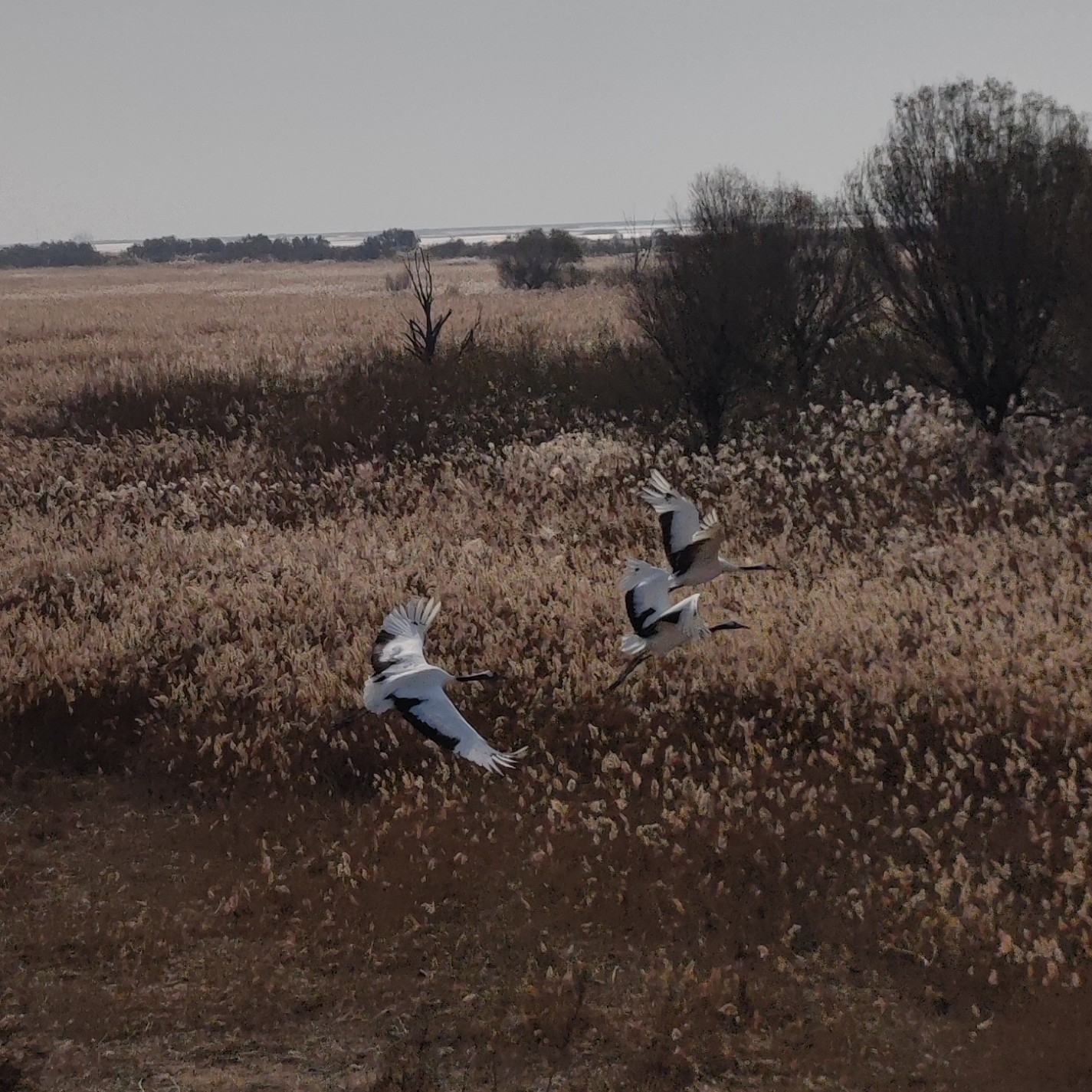
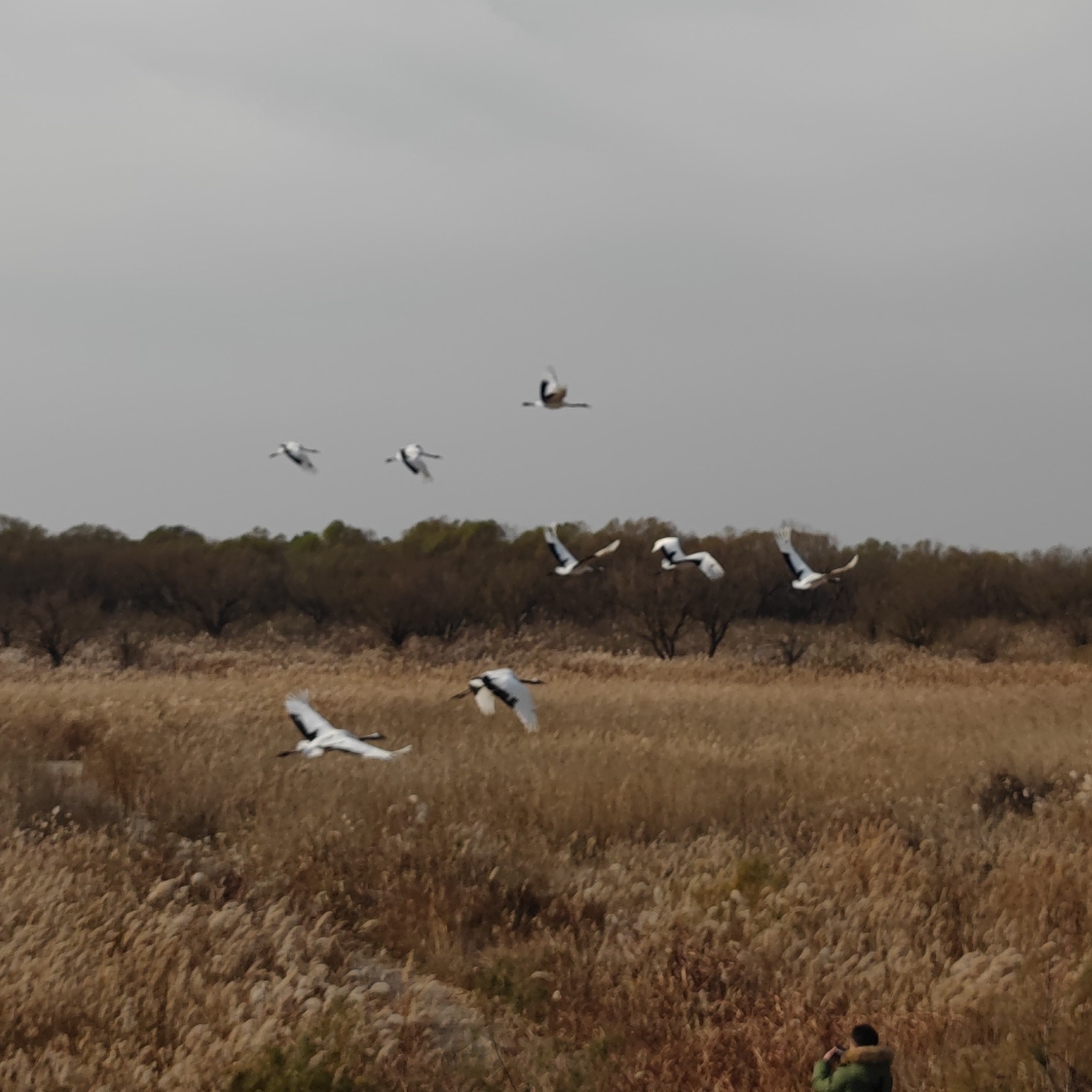
The red-crowned crane is unmistakable when seen well, combining large size with unique coloring. The prominent red crown patch distinguishes it from all other crane species. The black wing secondaries visible in flight or at rest help differentiate it from the white-naped crane, which shares some range in East Asia. The species is significantly larger than other cranes in its range, with males showing more extensive black on the head than females. Its heavy build and substantial bill further aid identification. In flight, the white body with contrasting black wing feathers and white tail feathers create a distinctive silhouette.
Distribution & Habitat
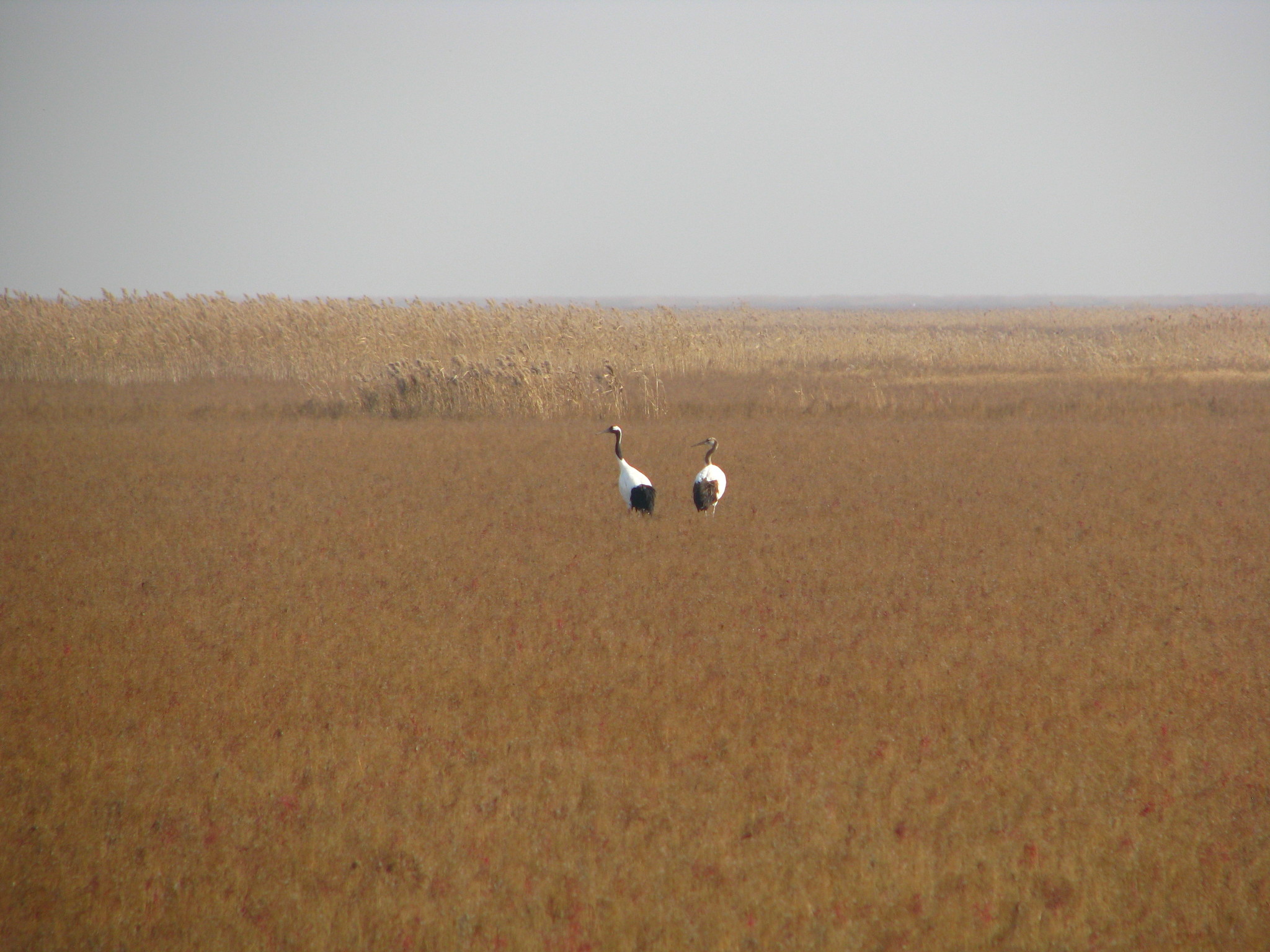
This species inhabits East Asia with populations in China, Russia, Mongolia, Korea, and Japan. Migratory populations breed in Siberia, northeast China, and occasionally northeastern Mongolia, with Lake Khanka serving as a major breeding area. They winter primarily on the Korean Peninsula and in east-central China, including the Yangtze River wetlands. A non-migratory population persists in eastern Hokkaido, Japan. The birds nest in wetlands, marshes, and river systems, while winter habitat includes rice paddies, tidal flats, and mudflats. Vagrant individuals have been recorded in Taiwan.
Behavior & Ecology
Red-crowned cranes maintain a highly omnivorous diet, preferring animal matter including fish, amphibians, snails, crabs, insects, small reptiles, and rodents, supplemented by plant material such as rice, grasses, and aquatic plants. They forage by keeping their heads low and jabbing at mud, striking rapidly when capturing fish. Daily food intake averages around 750 grams. The species is monogamous, forming lifelong pair bonds. Duets and elaborate dancing rituals strengthen pair bonds and defend territories. Breeding occurs from April through early May, with nesting territories ranging from one to seven square kilometers. Both parents share incubation duties for at least 30 days and raise the young together. Flocks of up to 80 birds roost together, though individuals maintain aggressive spacing of two to three meters from others.
Conservation
The red-crowned crane is listed as Endangered by the International Union for Conservation of Nature. The global population numbers around 2,300 adults, with over 3,800 individuals counted during 2020 winter surveys including roughly 1,900 in Japan and more than 1,600 in Korea. While Japanese and Korean populations have increased, the migratory population wintering in China has declined rapidly. Primary threats include habitat loss and fragmentation, human disturbance near nesting grounds, poisoning, and poaching. Conservation efforts span multiple countries, including egg-donation programs, nature reserve establishment, and captive breeding initiatives. China has created 33 nature reserves covering approximately 3.1 million hectares for crane protection.
Culture
Throughout East Asian history, this crane has held profound cultural significance as a symbol of luck, longevity, and fidelity. In Chinese tradition, it represents nobility and immortality, frequently appearing in art, poetry, and ceremonial objects from the Shang and Zhou dynasties. Taoist immortals are depicted riding cranes, and the bird appears on official rank badges. In Japan, known as tanchōzuru and believed to live 1,000 years, it appears on currency and inspired the Japan Airlines logo. Korean culture similarly reveres the bird as a symbol of longevity, purity, and peace, featuring it on currency and as a regional symbol. The crane also featured prominently in Ainu mythology as the god of wetlands in Hokkaido.
Source: Wikipedia · CC BY-SA 3.0
Taxonomy
- Order
- Gruiformes
- Family
- Gruidae
- Genus
- Grus
- eBird Code
- reccra1
Distribution
breeds Siberia, Hokkaido and Mongolia; winters eastern China and Korea
Data Sources
Species description from Wikipedia, licensed under CC BY-SA 3.0.
Bird images and sounds sourced from GBIF, contributed by citizen scientists worldwide under Creative Commons licenses.
Taxonomy data from AviList 2025.