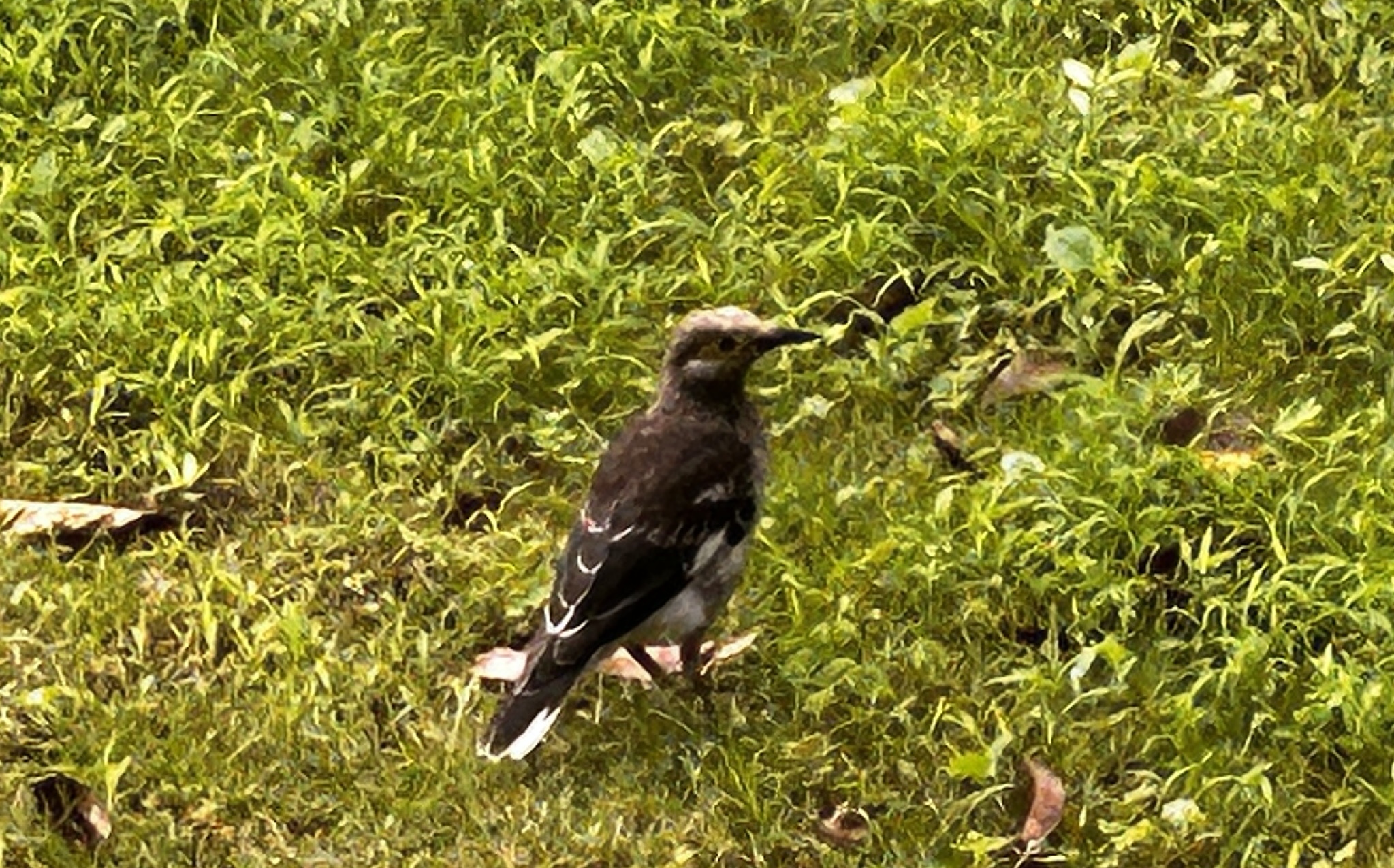
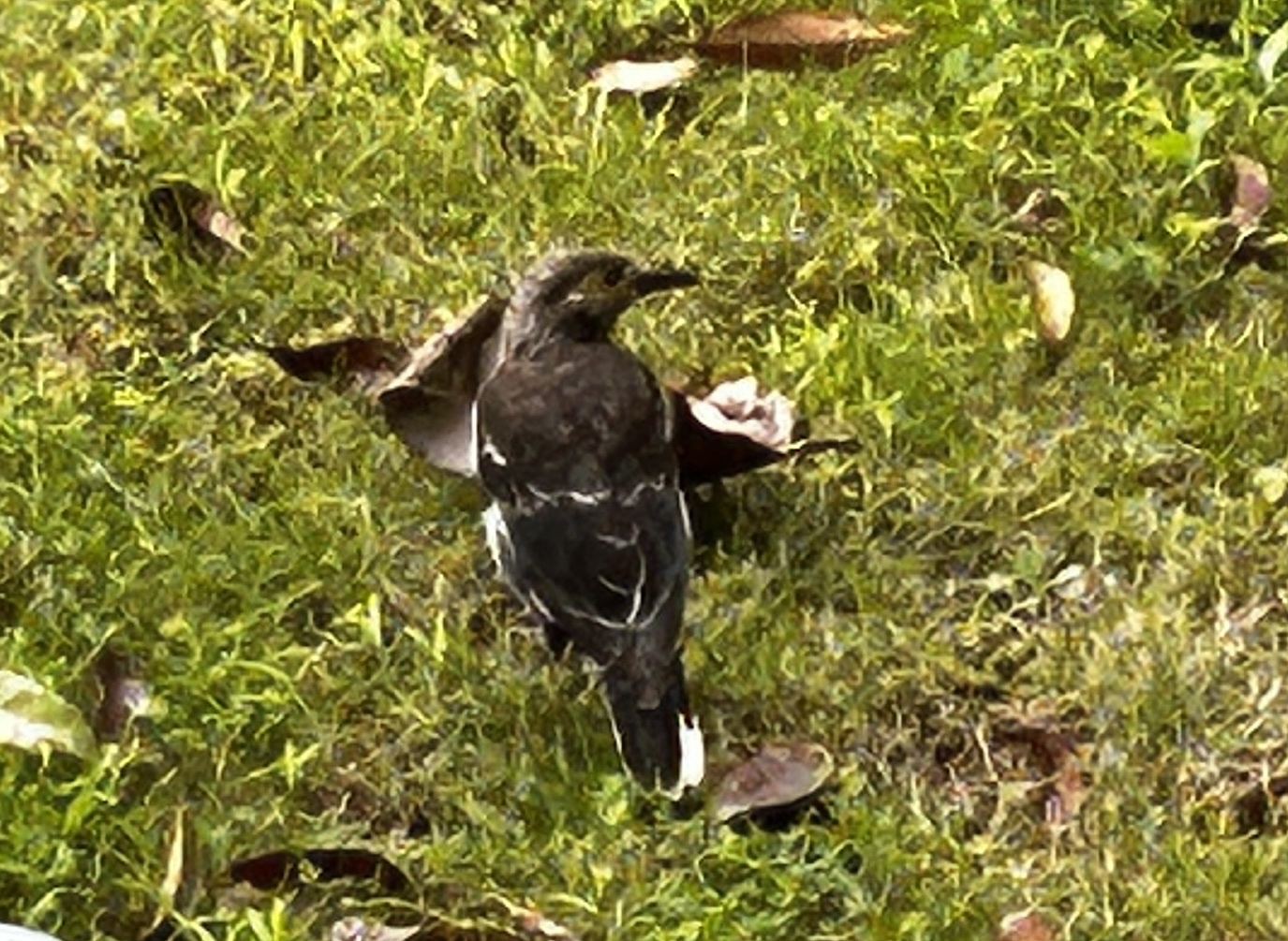
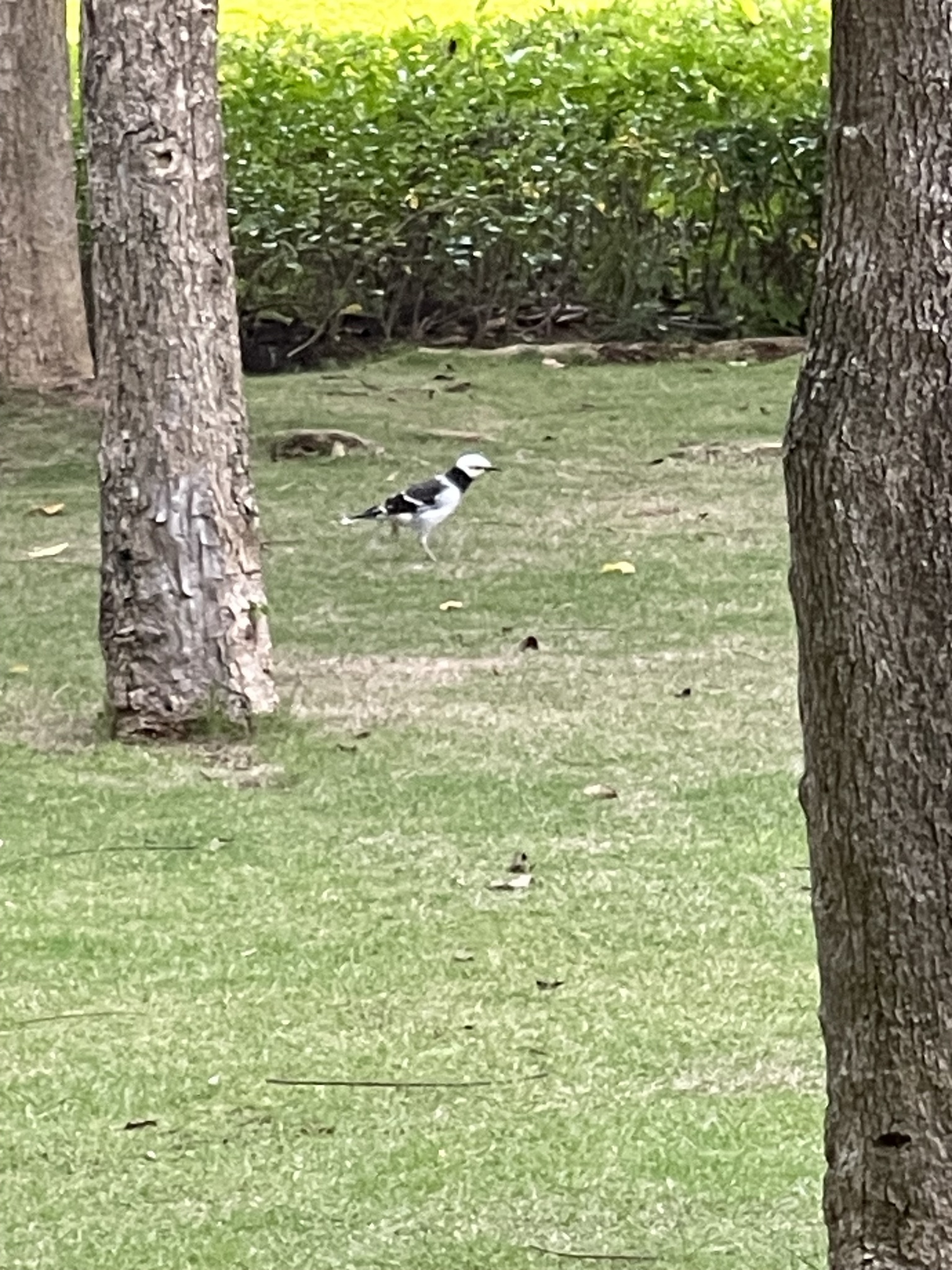
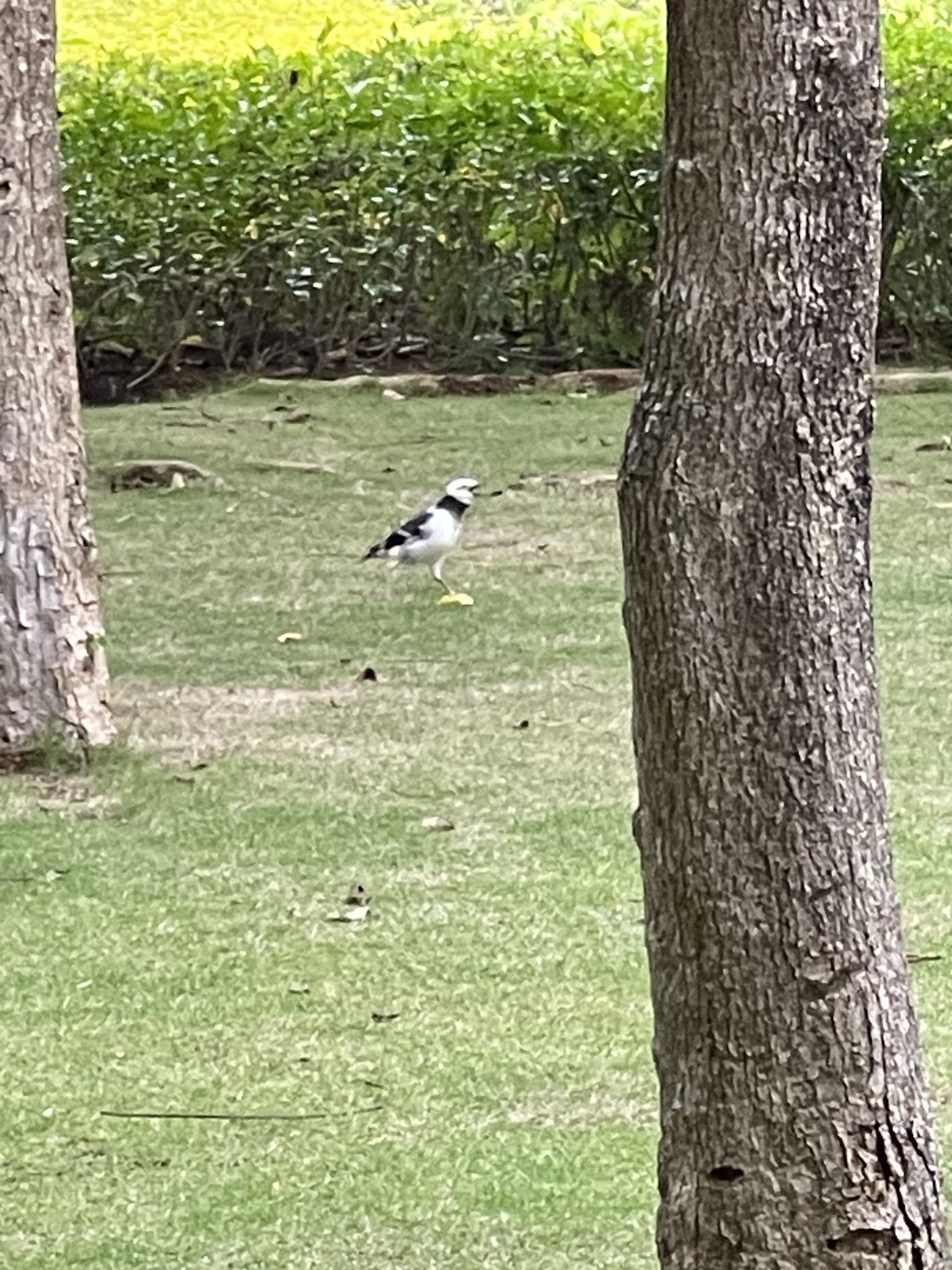
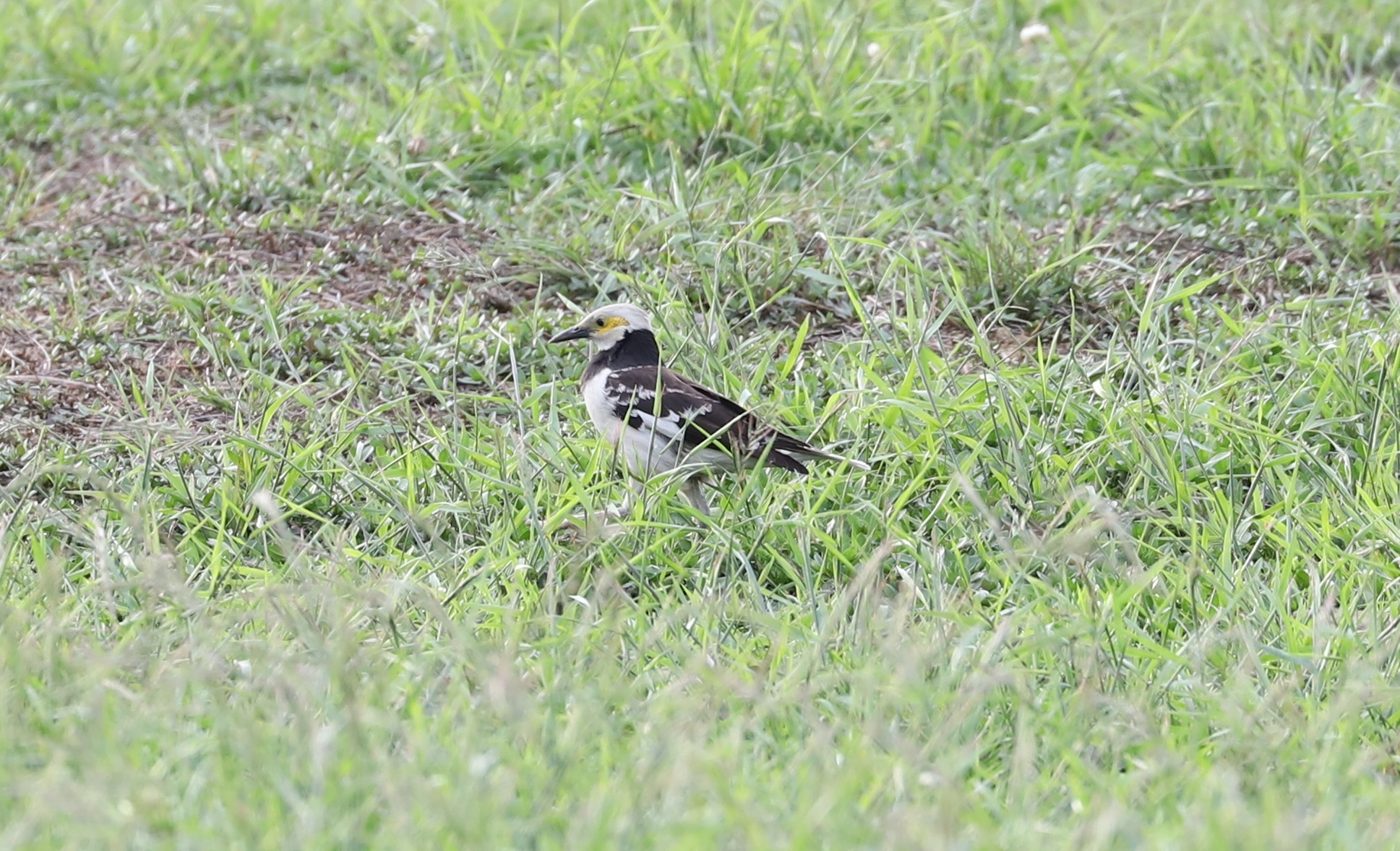
Black-collared Starling
Gracupica nigricollis
黑领椋鸟
Introduction
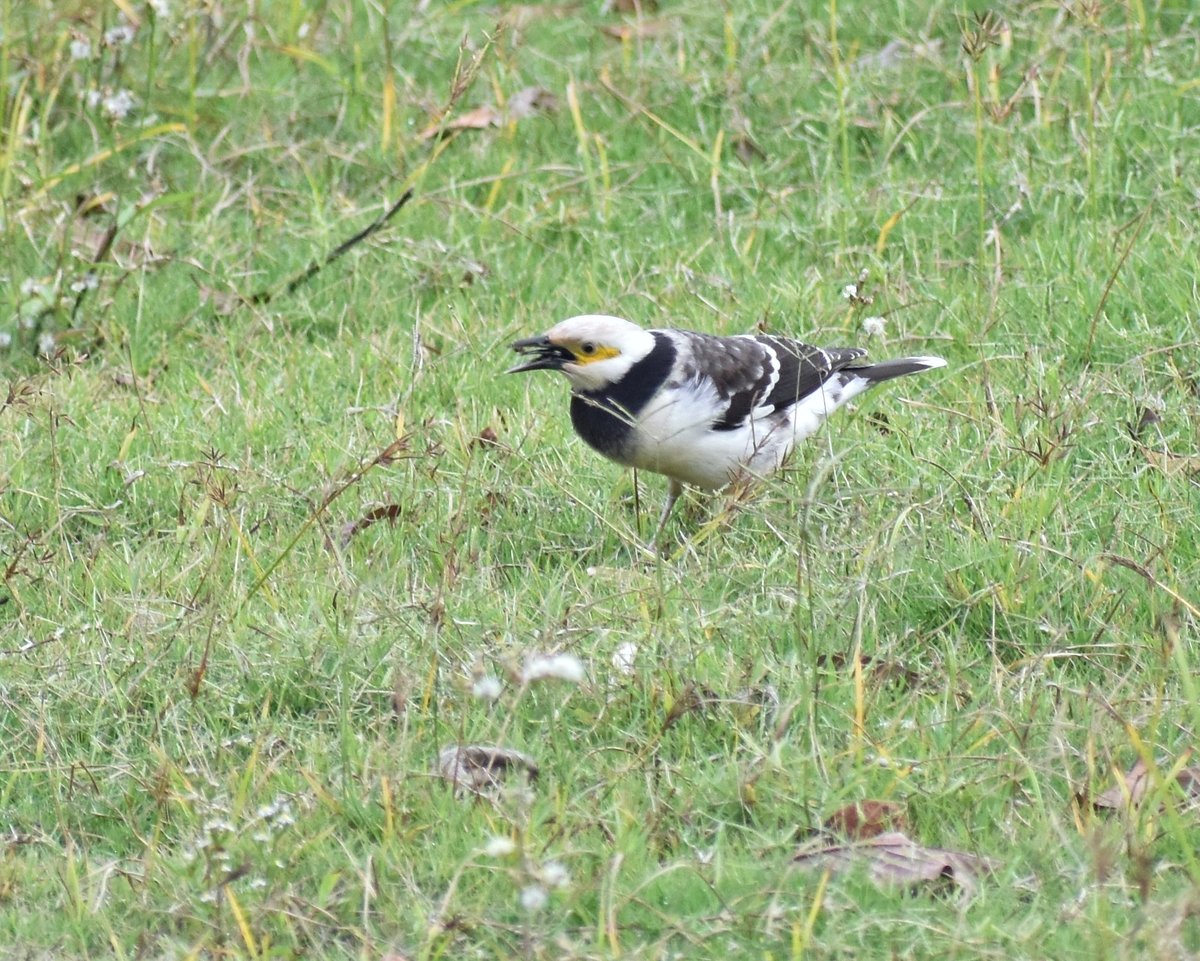
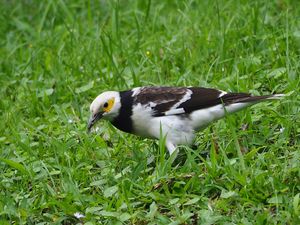
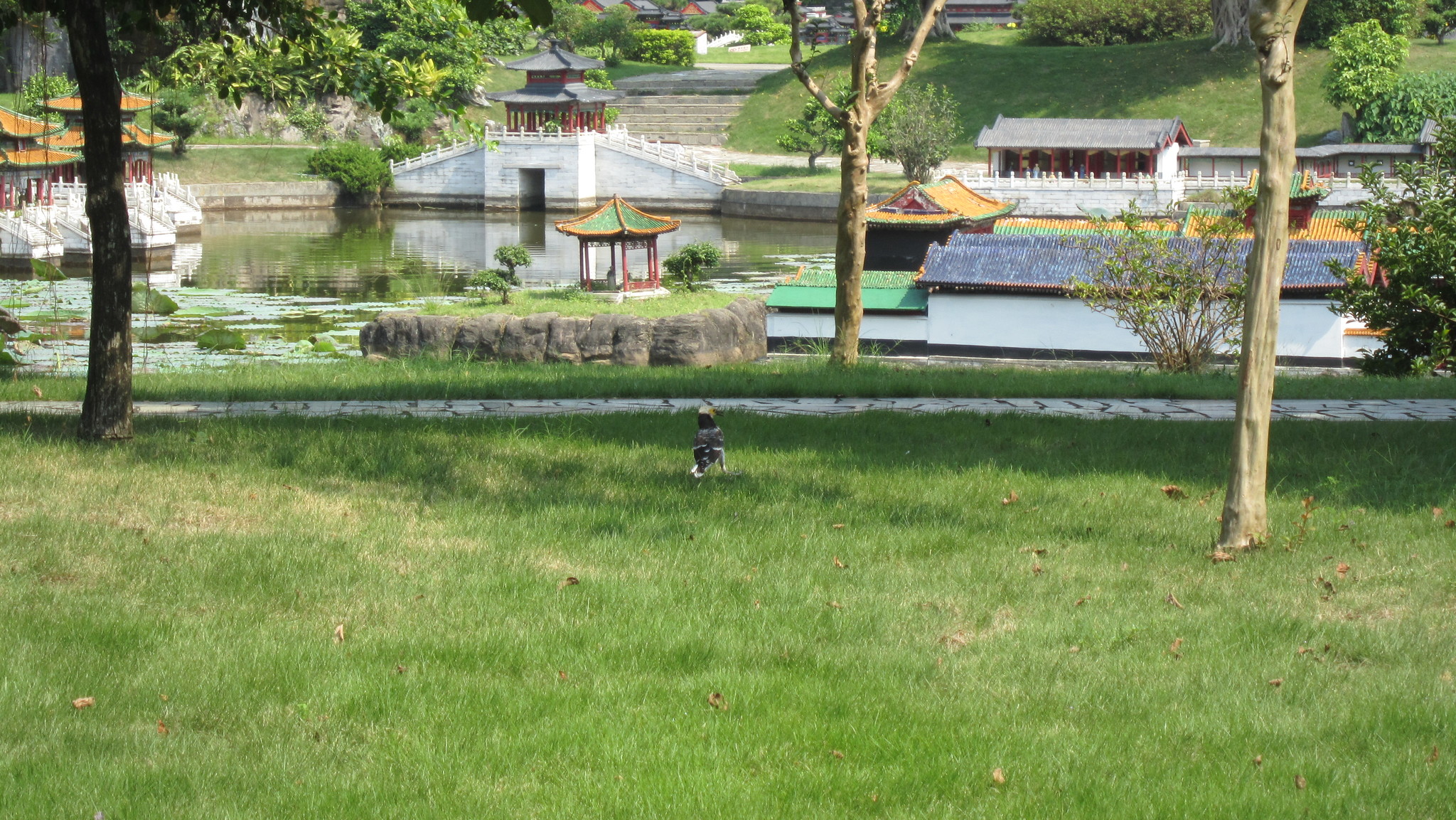
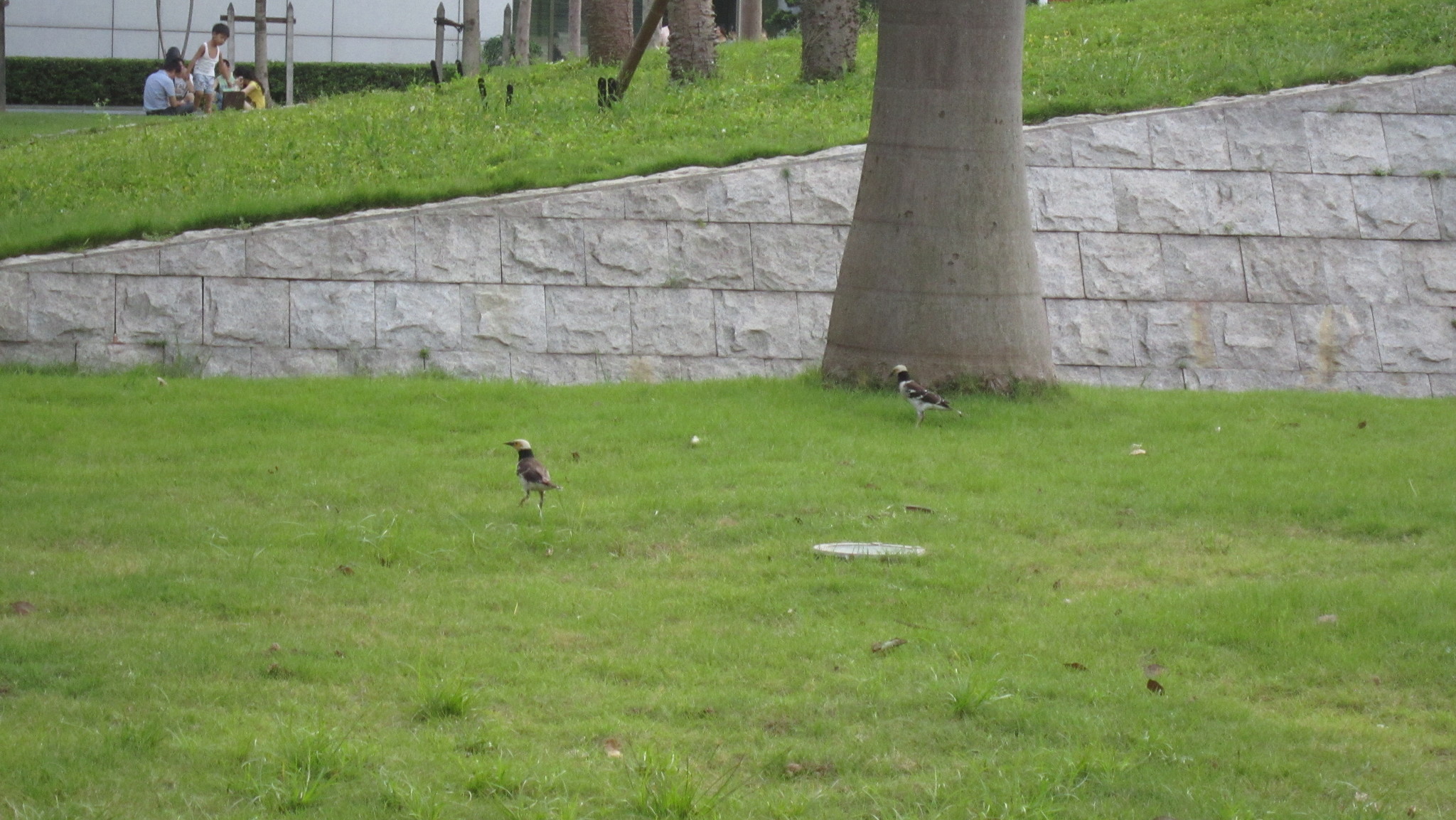
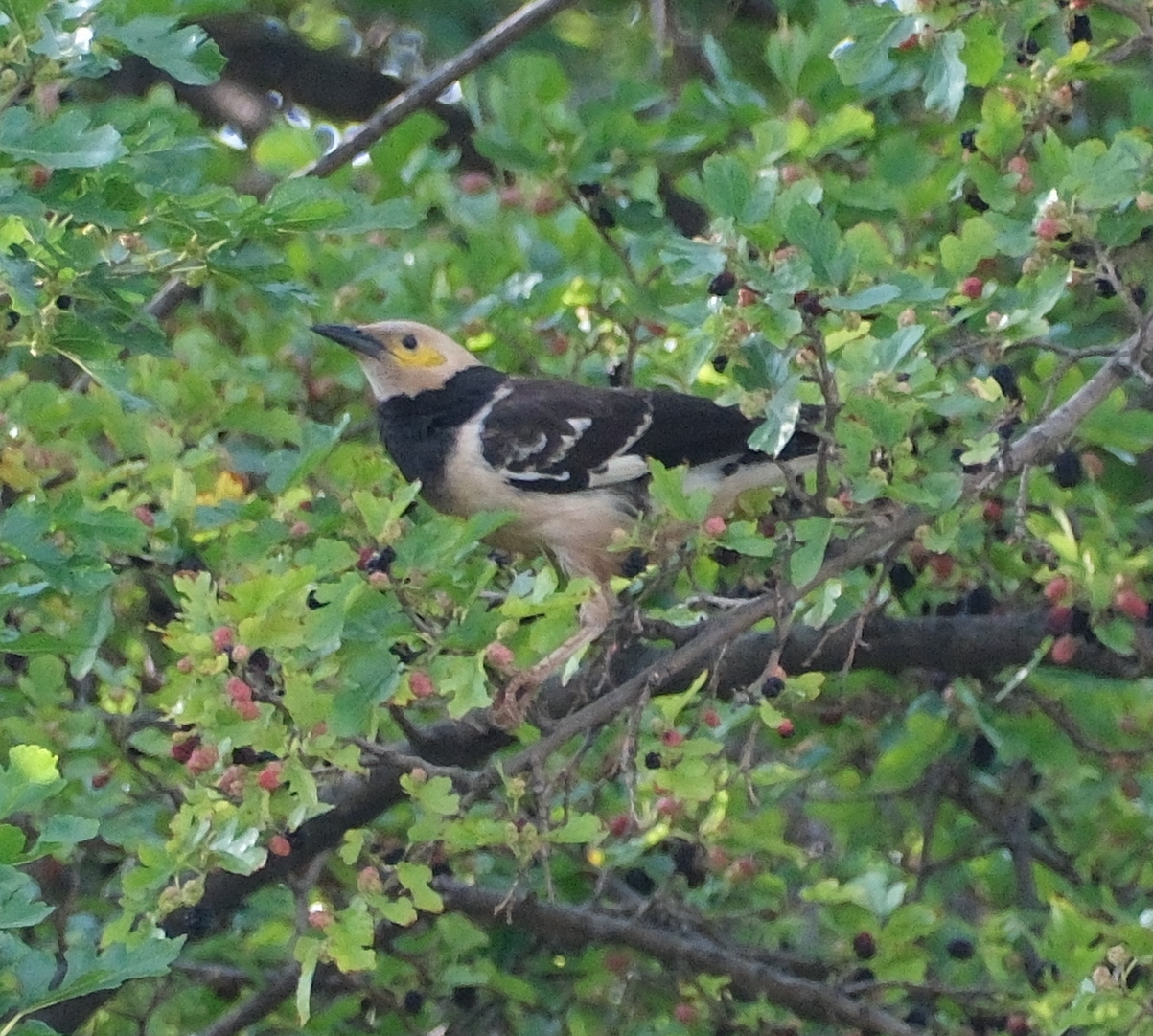
This starling is a species found throughout Southeast Asia. It occurs in open grasslands, cultivated areas, and around human settlements. This species forages on the ground, sometimes associating with livestock. It is vocal and conspicuous. The species has expanded its range in recent decades. It is not globally threatened. Distinctive features include a black collar encircling the neck, a white head, a yellow patch of bare skin surrounding the eye, dark brown to black upperparts, white underparts (sometimes with grey-brown wash), and white-tipped tail and flight feathers.
Description
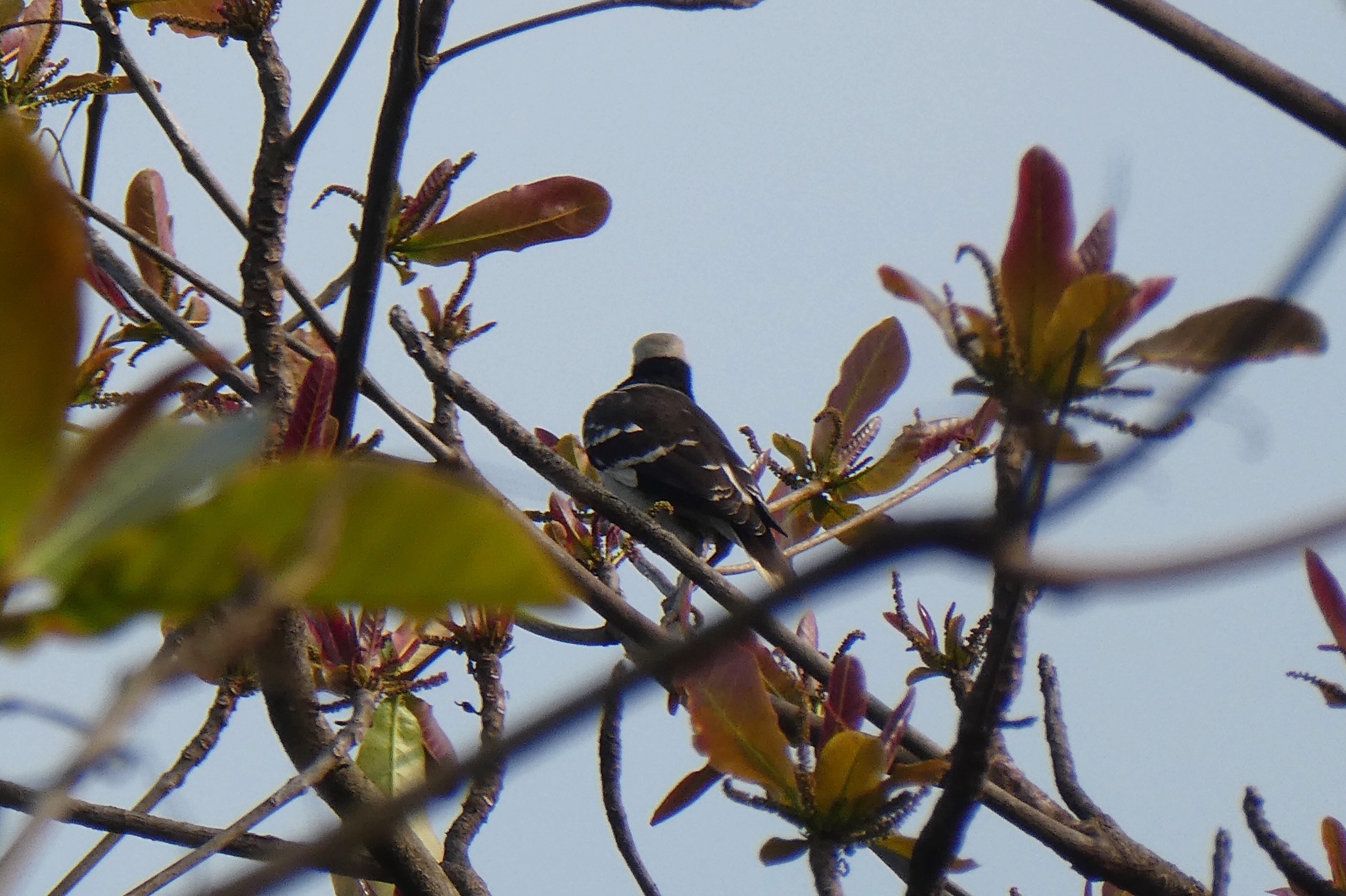
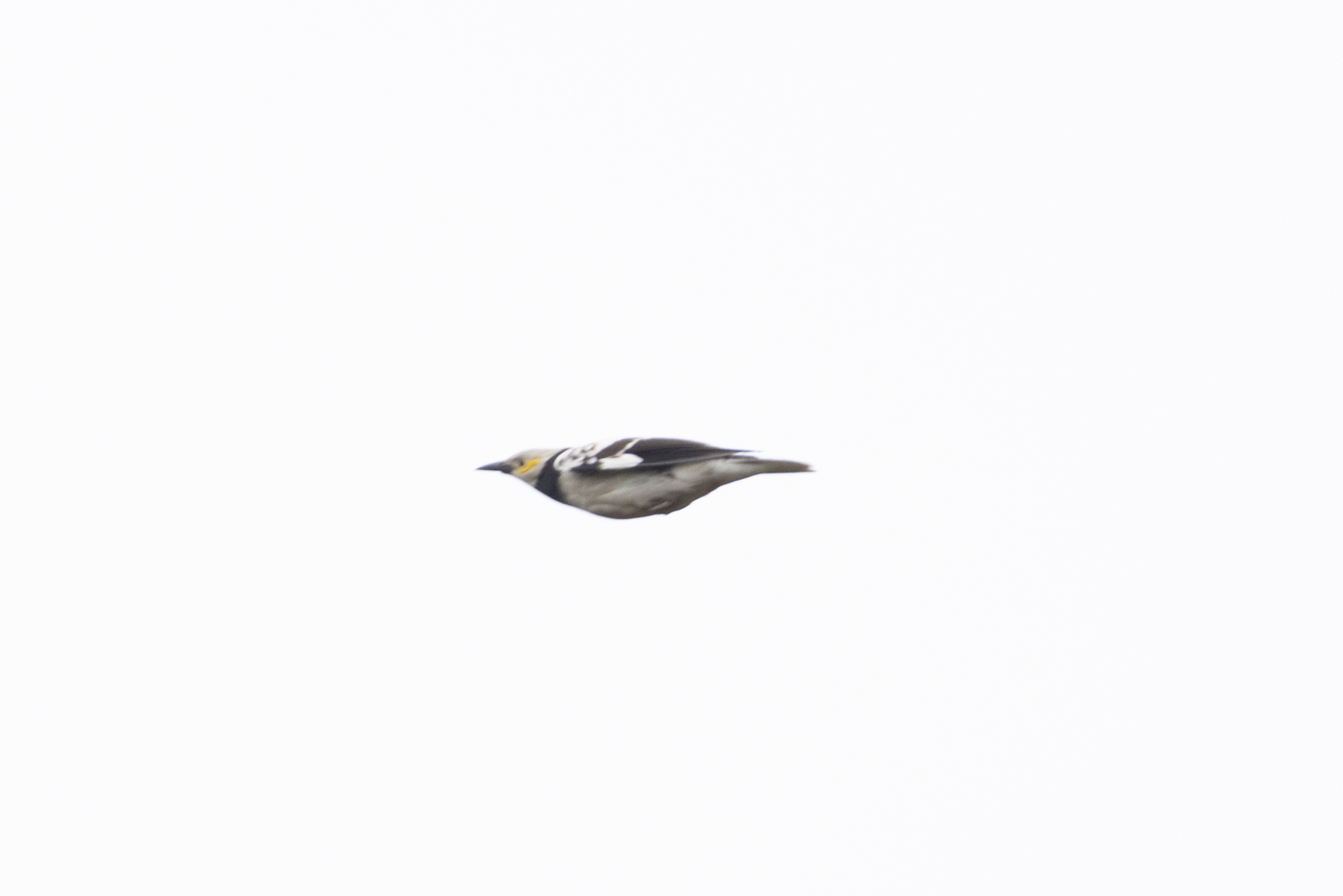
This medium-sized starling measures 26-30 cm in length with a sturdy build. The head is predominantly white, featuring a conspicuous yellow patch of bare skin that encircles the eye. A complete black collar wraps around the neck, creating a striking boundary between the white head and the darker upperparts. The mantle, back, and wings are dark brown, appearing nearly black in poor light. The underparts are white, often showing a grey-brown tinge, particularly on the flanks. The tail and most wing feathers are tipped with white, while the primary coverts are entirely white, creating a distinctive wing pattern in flight. The beak is black, and the legs are pale grey. Males and females are identical in appearance. Juveniles are browner overall, with streaking on the neck and breast, and lack the adult's black collar though they do show the eye patch.
Identification
The combination of a white head with yellow eye-patch, black collar, and dark upperparts makes this species relatively straightforward to identify within its range. The white-tipped wing feathers and tail provide additional identification cues, especially in flight. The overall appearance is quite different from other starlings in the region, though care should be taken to distinguish it from the similar Siamese pied myna, which has a different head pattern and lacks the complete black collar.
Distribution & Habitat
This starling occurs across southern China from Fujian to Yunnan, and southward through Burma, Laos, Cambodia, Vietnam, and Thailand. An individual recorded in Brunei may have been an escaped captive or a genuine vagrant. The species has been introduced to Taiwan, Malaysia, and Singapore, where established populations now exist. It inhabits grassland, dry forest, cultivated areas, and human settlements, occurring mostly at low elevations but ranging up to 2,000 meters.
Behavior & Ecology
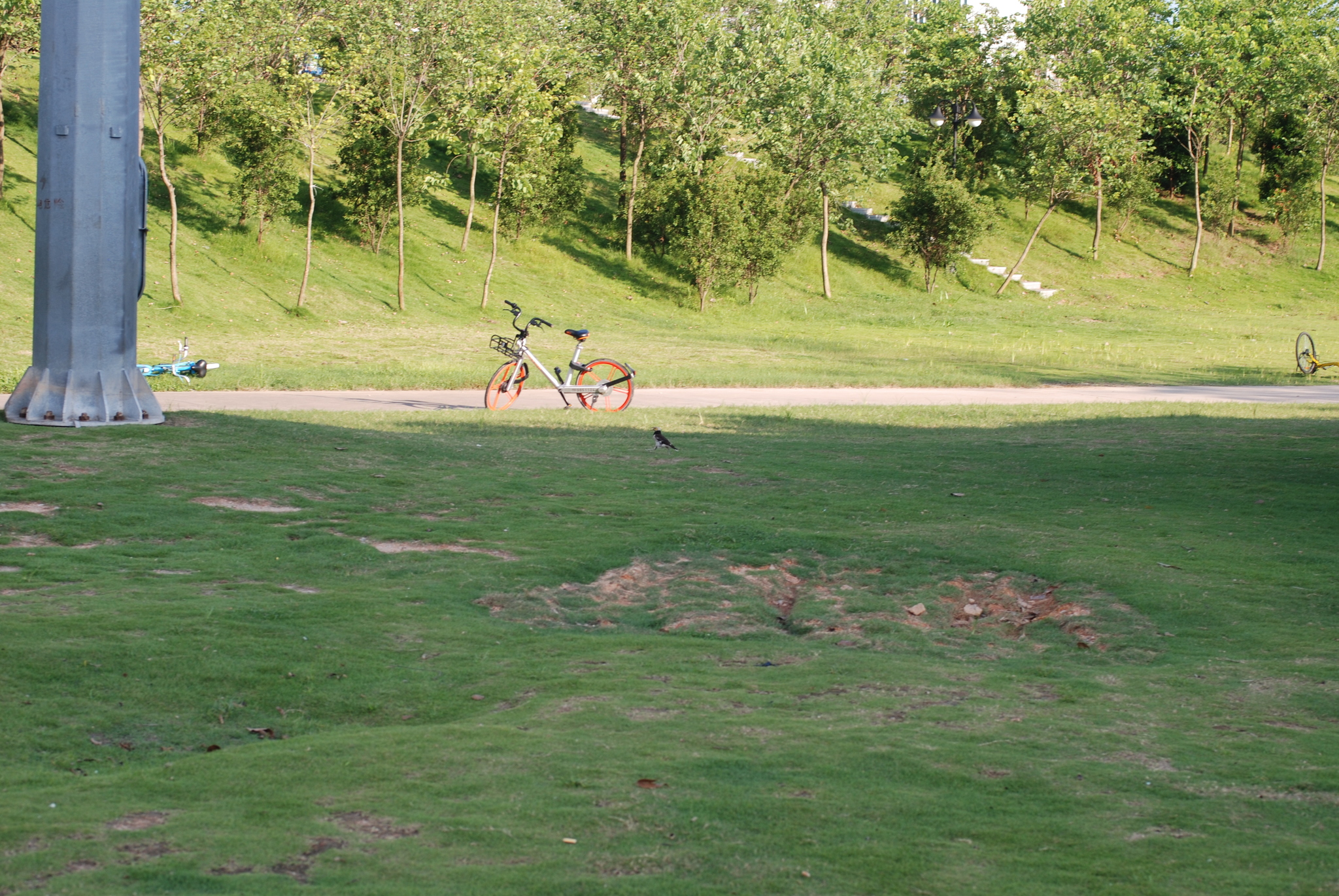
Foraging takes place primarily on the ground, often in open areas and sometimes in association with livestock. The diet consists of insects, earthworms, and seeds. This is a very vocal species producing a range of calls including harsh jay-like kraak notes, whistling prrü sounds reminiscent of bee-eaters, and a hesitant pü-pü-pü-pü call. The song is a loud tcheeuw-tchew-trieuw delivered with the bird puffing out its chest. Courtship displays involve pairs facing each other with ruffled feathers and open beaks, or drooping wings while bowing heads. Pairs also engage in allopreening. The breeding season varies by region, from February to May in Thailand, March to July in China, and April to August in Burma. Nests are large, domed structures built from twigs, grasses, feathers, and flowers, typically in trees and sometimes reused. Nesting colonies have been observed, with clutches of three to five eggs.
Conservation
The IUCN Red List assesses this species as being of Least Concern. Unlike many forest-dependent birds, deforestation has actually benefited this species by creating more open grassland and cultivated habitats suitable for its lifestyle. The population appears to be increasing, and the species has expanded its range as a result of habitat modification. No significant threats have been identified, and the adaptable nature of this starling suggests it will continue to thrive in human-modified landscapes.
Source: Wikipedia · CC BY-SA 3.0
Taxonomy
- Order
- Passeriformes
- Family
- Sturnidae
- Genus
- Gracupica
- eBird Code
- bkcsta1
Distribution
open country and scrub of southern China and southeastern Asia
Vocalizations
Data Sources
Species description from Wikipedia, licensed under CC BY-SA 3.0.
Bird images and sounds sourced from GBIF, contributed by citizen scientists worldwide under Creative Commons licenses.
Taxonomy data from AviList 2025.