Passeriformes / Turdidae / Geokichla
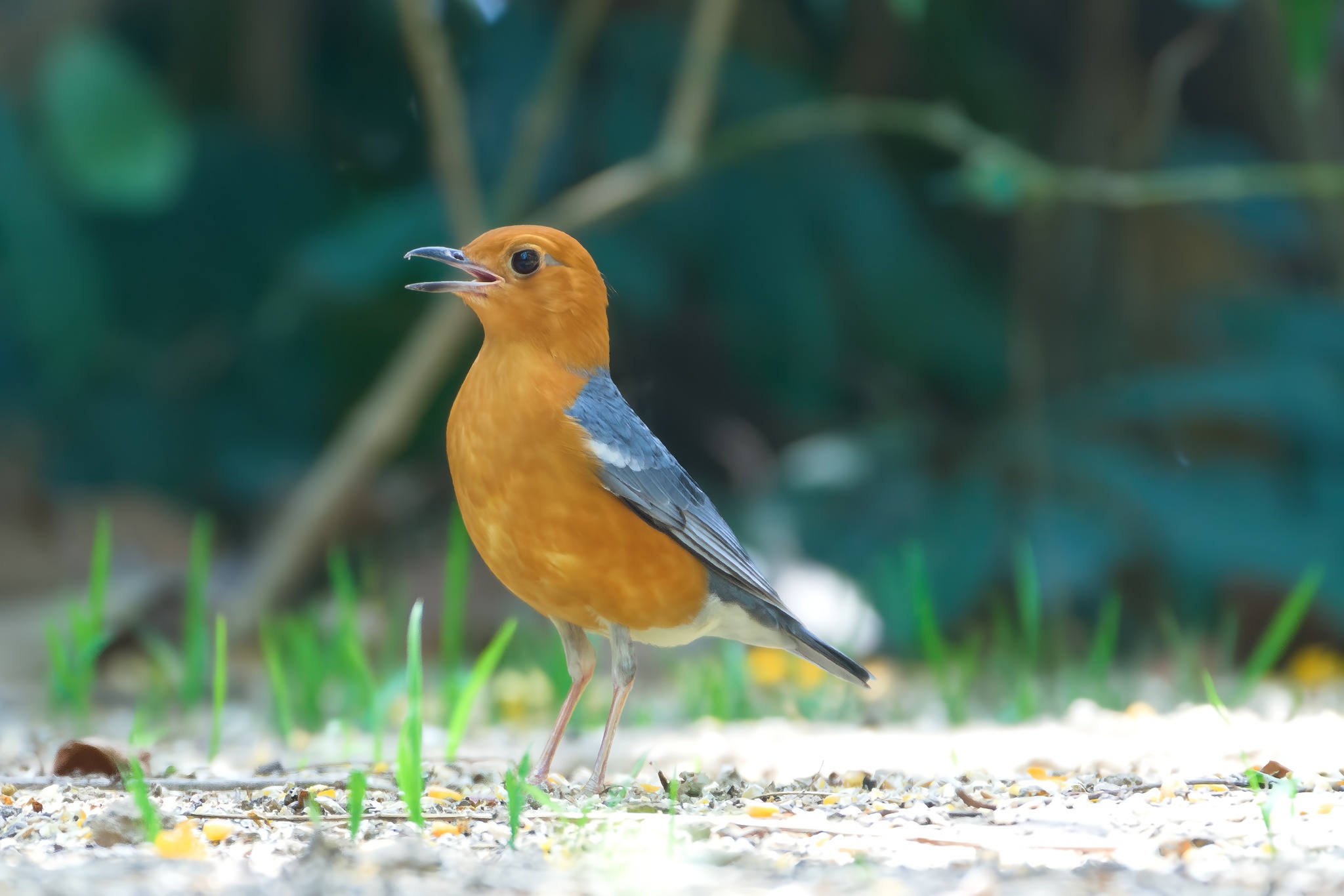
Orange-headed Thrush
Geokichla citrina · 橙头地鸫
Introduction
A member of the thrush family with about 12 subspecies, this species inhabits well-wooded areas of the Indian subcontinent and Southeast Asia. It prefers shady, damp habitats such as moist broadleaved evergreen woodlands and bamboo forests. The bird is omnivorous, secretive, and typically solitary or found in pairs. It is evaluated as Least Concern by the IUCN.
Description
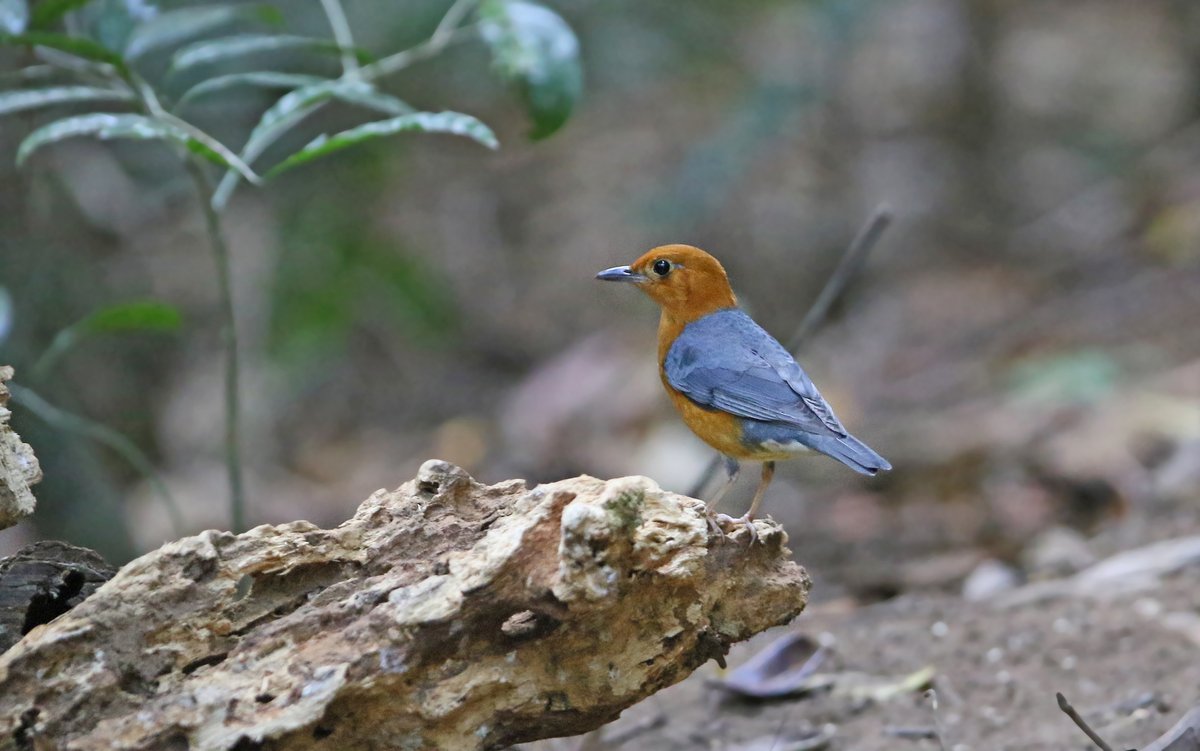
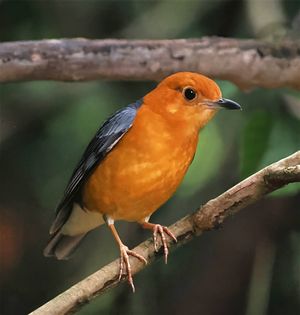
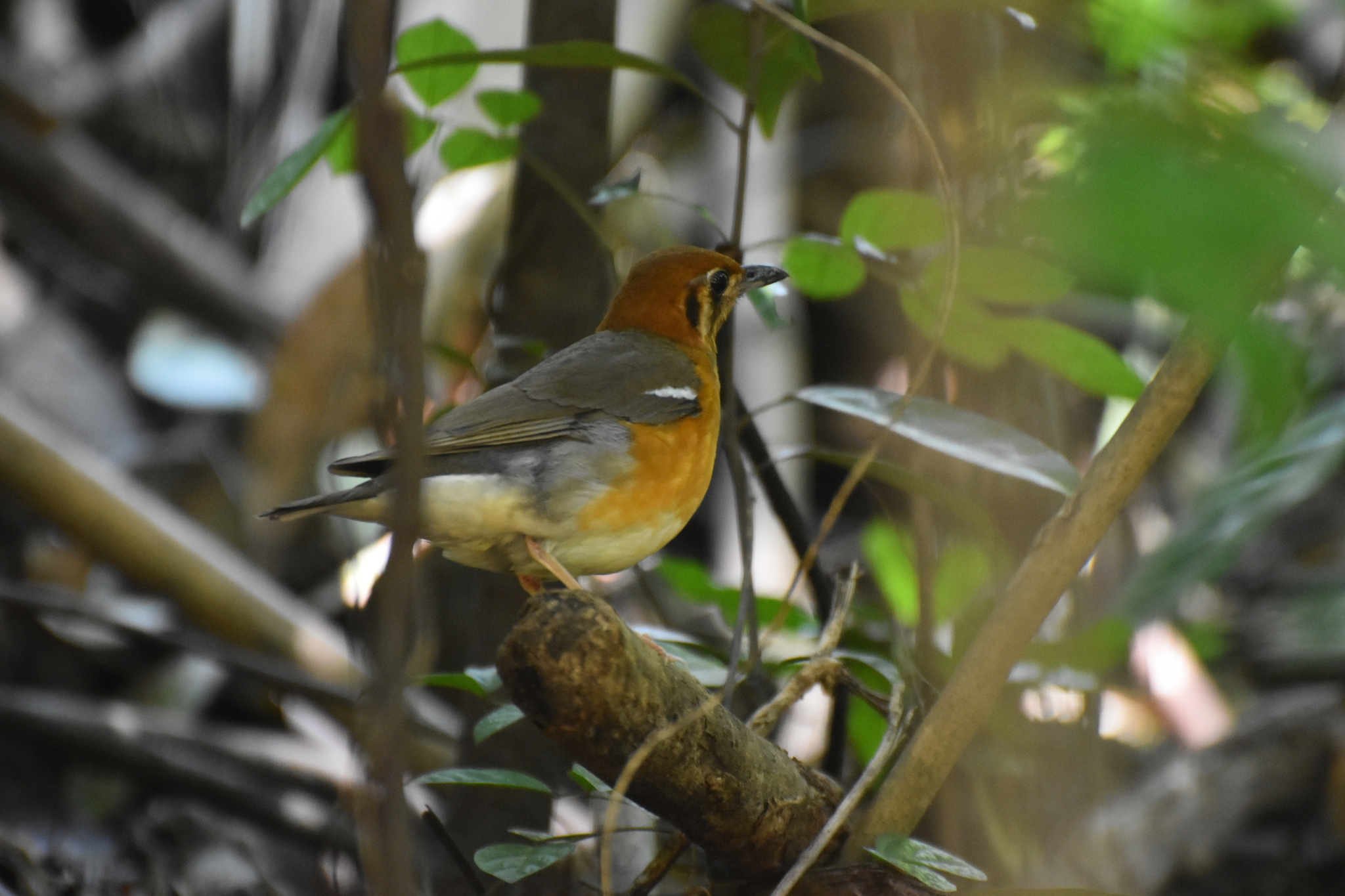
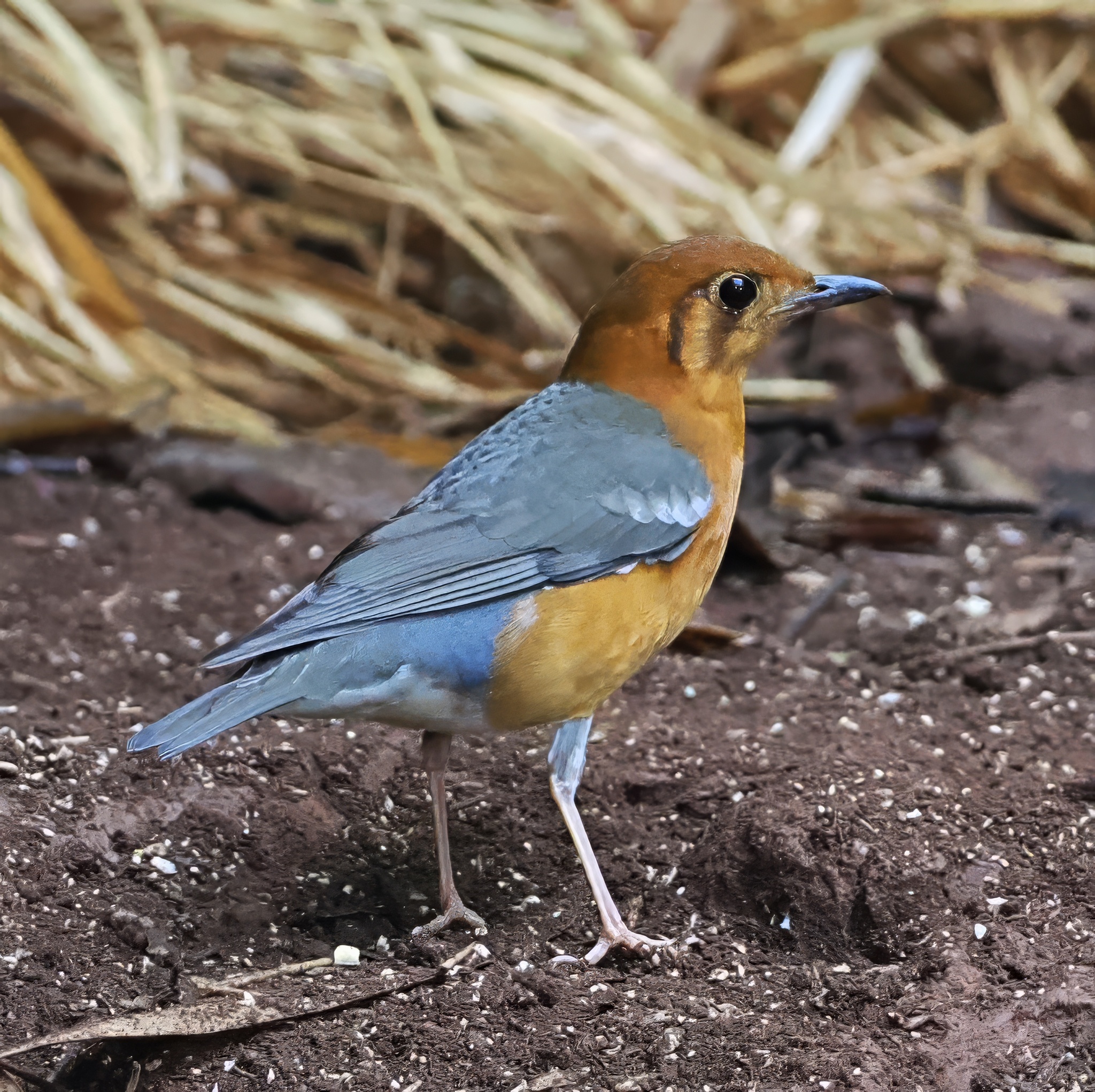
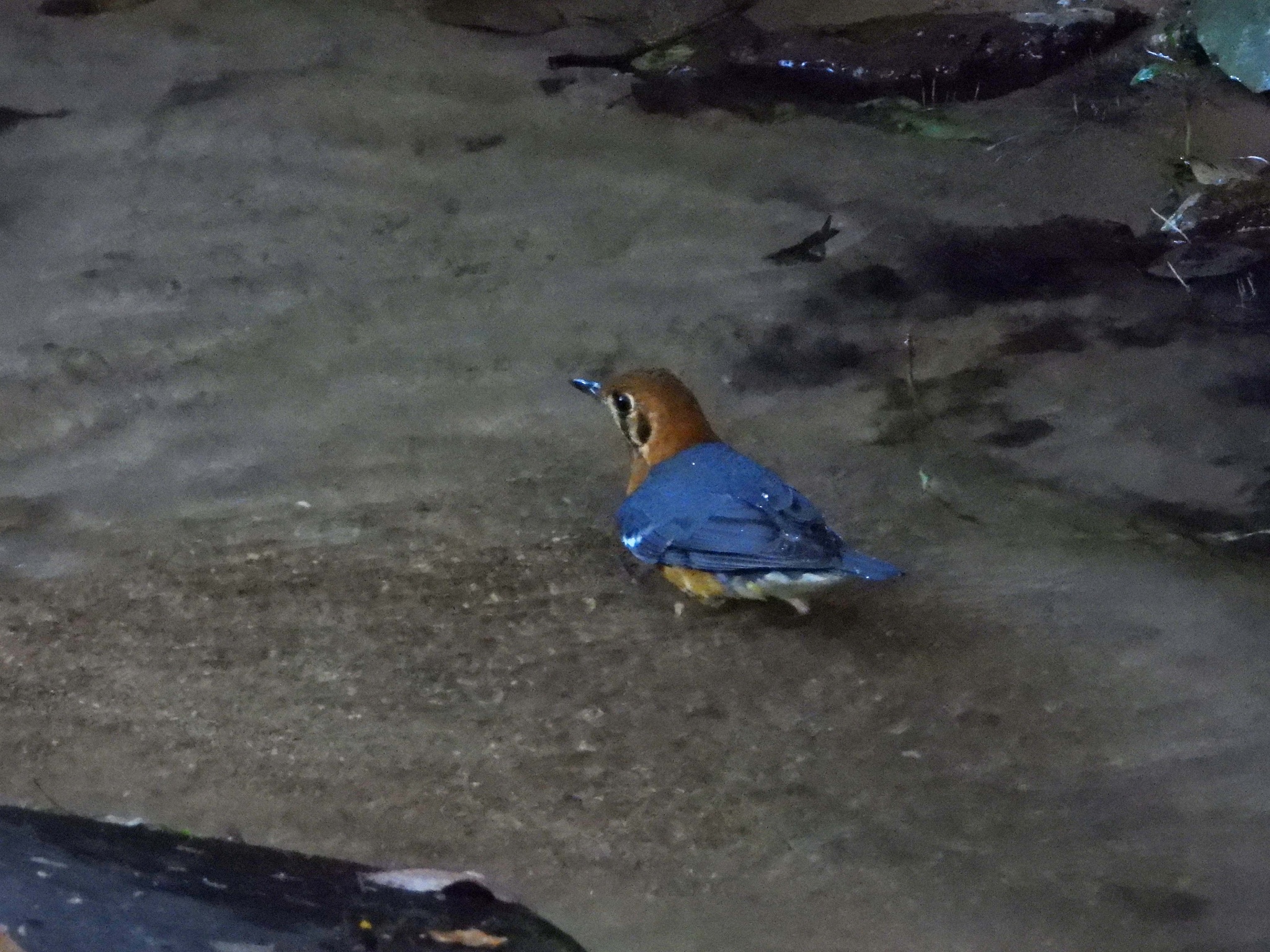
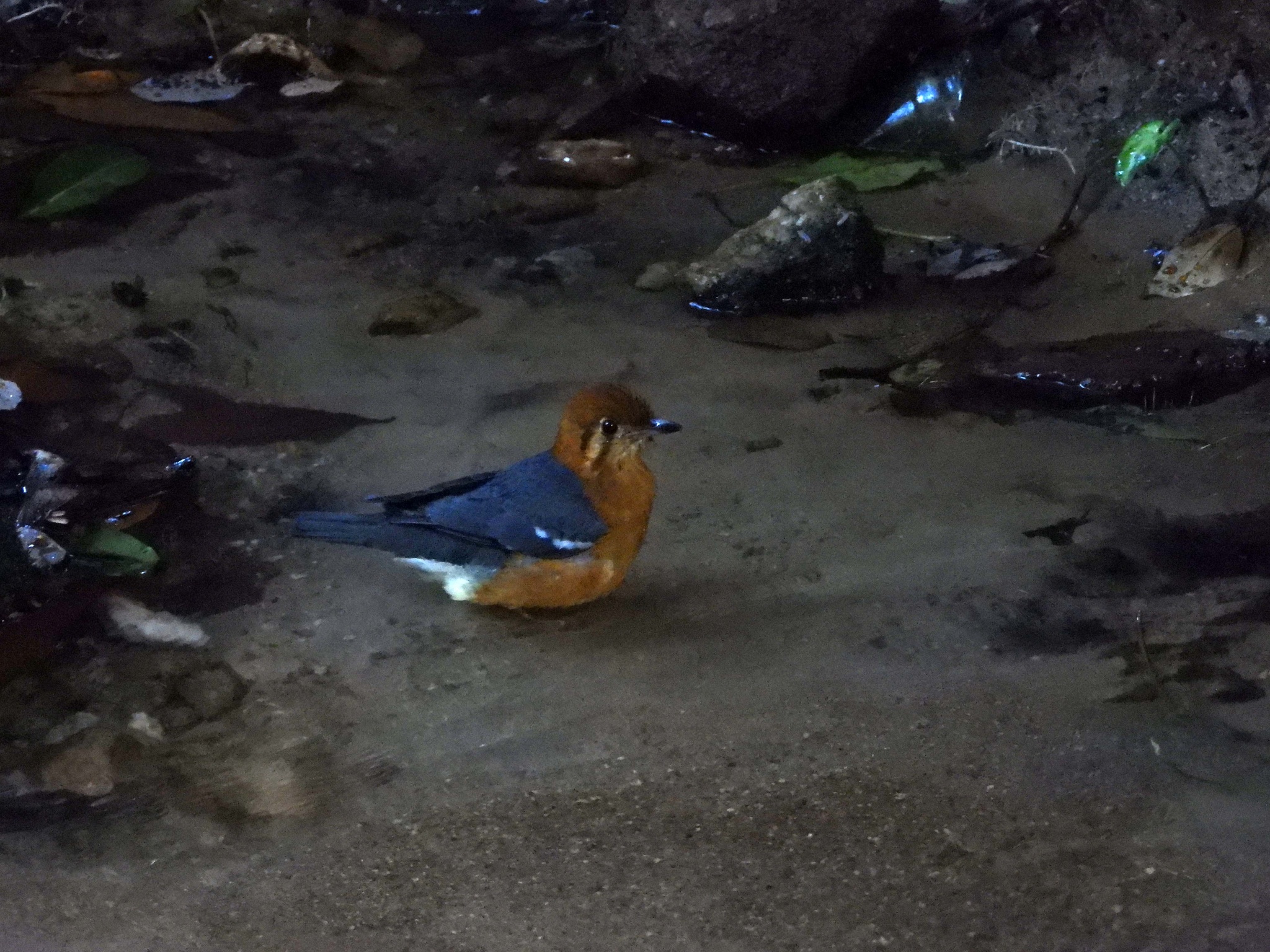
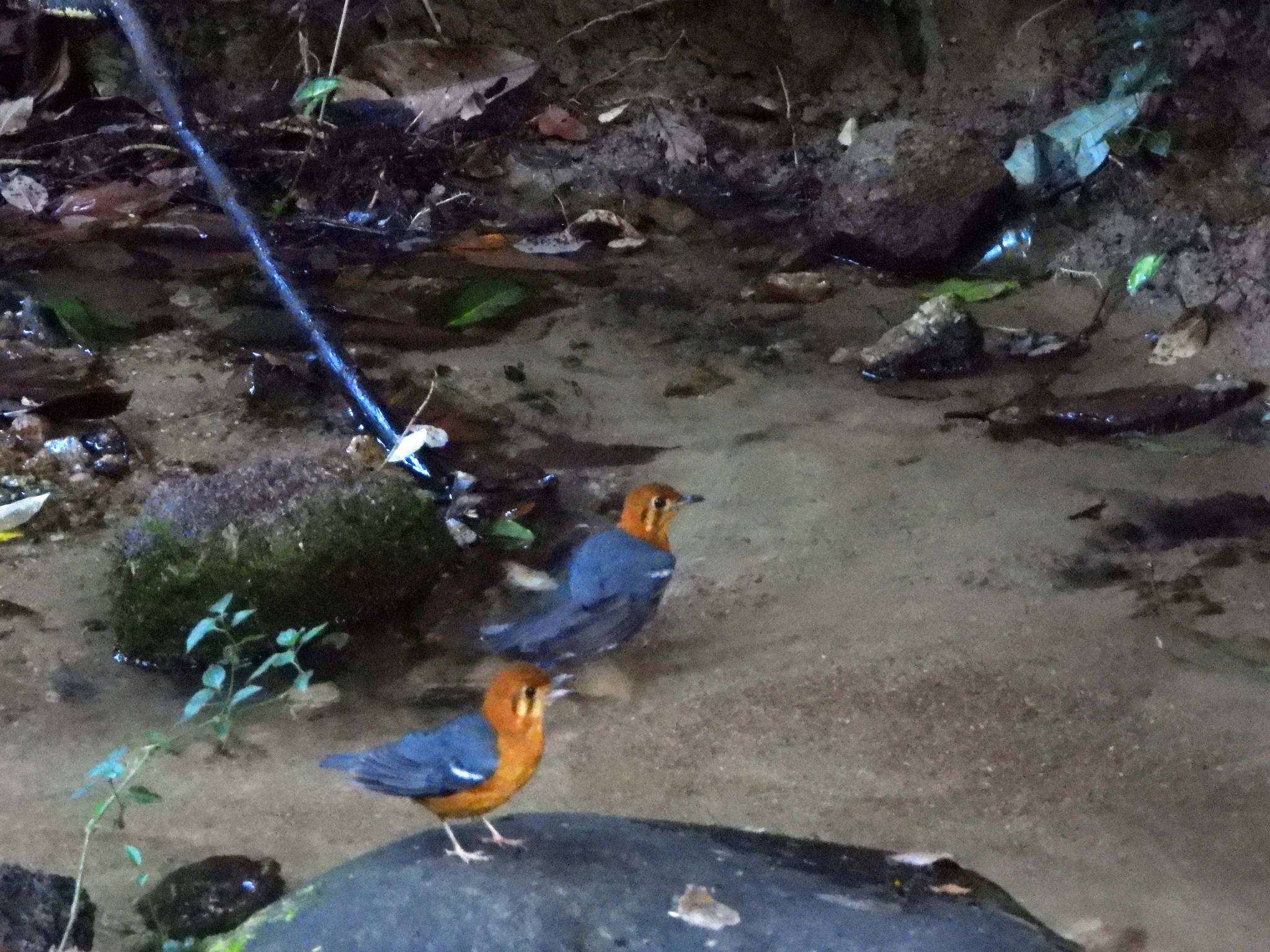
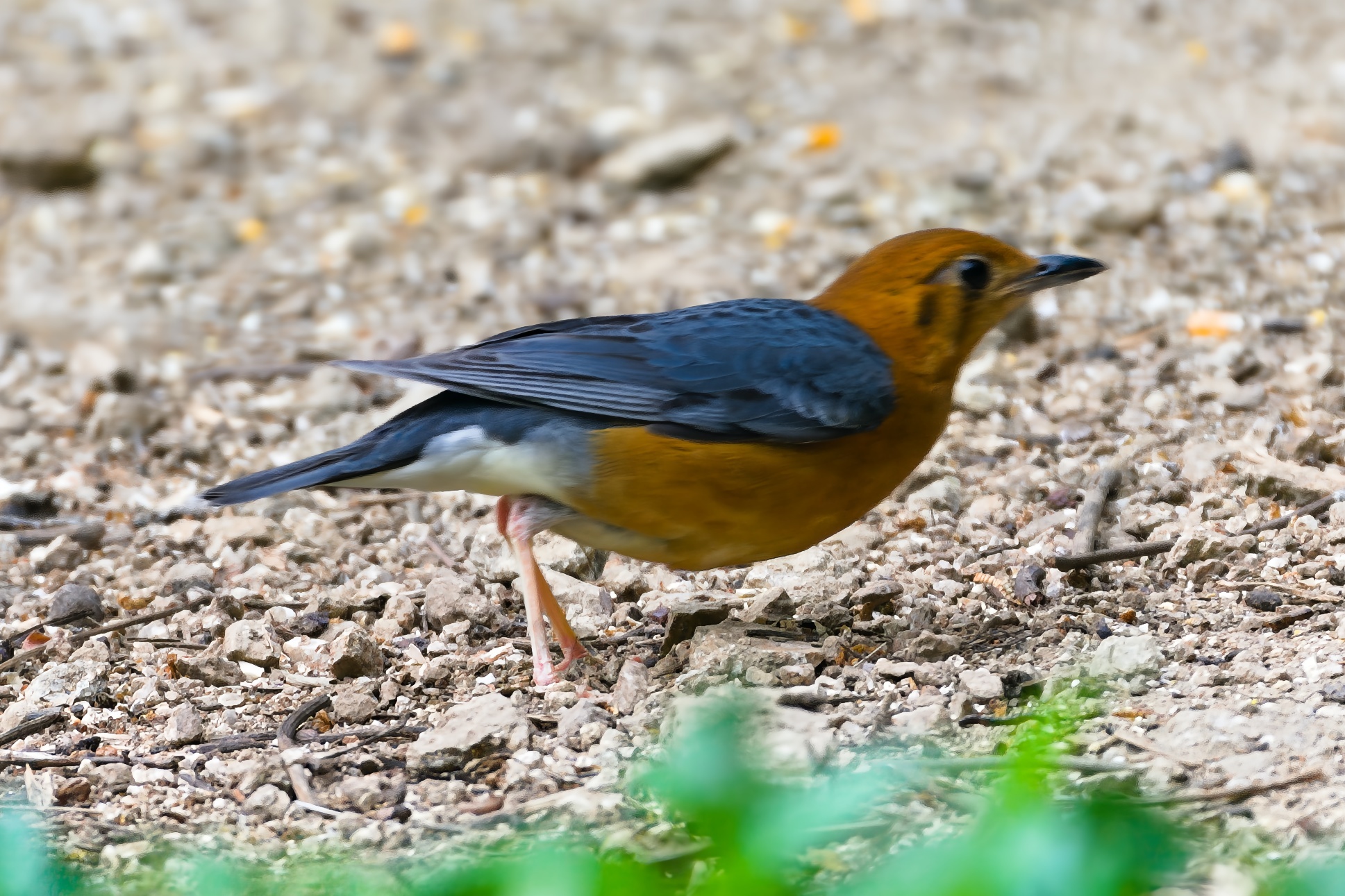
Length is 205–235 mm (8.1–9.25 in) and weight is 47–60 g (1.7–2.1 oz). The adult male of the nominate subspecies has an entirely orange head and underparts, uniformly grey upperparts and wings, and white median and undertail coverts. The bill is slate-coloured; legs and feet have brown fronts and pink or yellowish rears. Females resemble males but have browner or olive upperparts and warm brown wings. Juveniles are dull brown with buff back streaks, a rufous-toned head, grey wings, brownish horn bills, and brown legs.
Identification
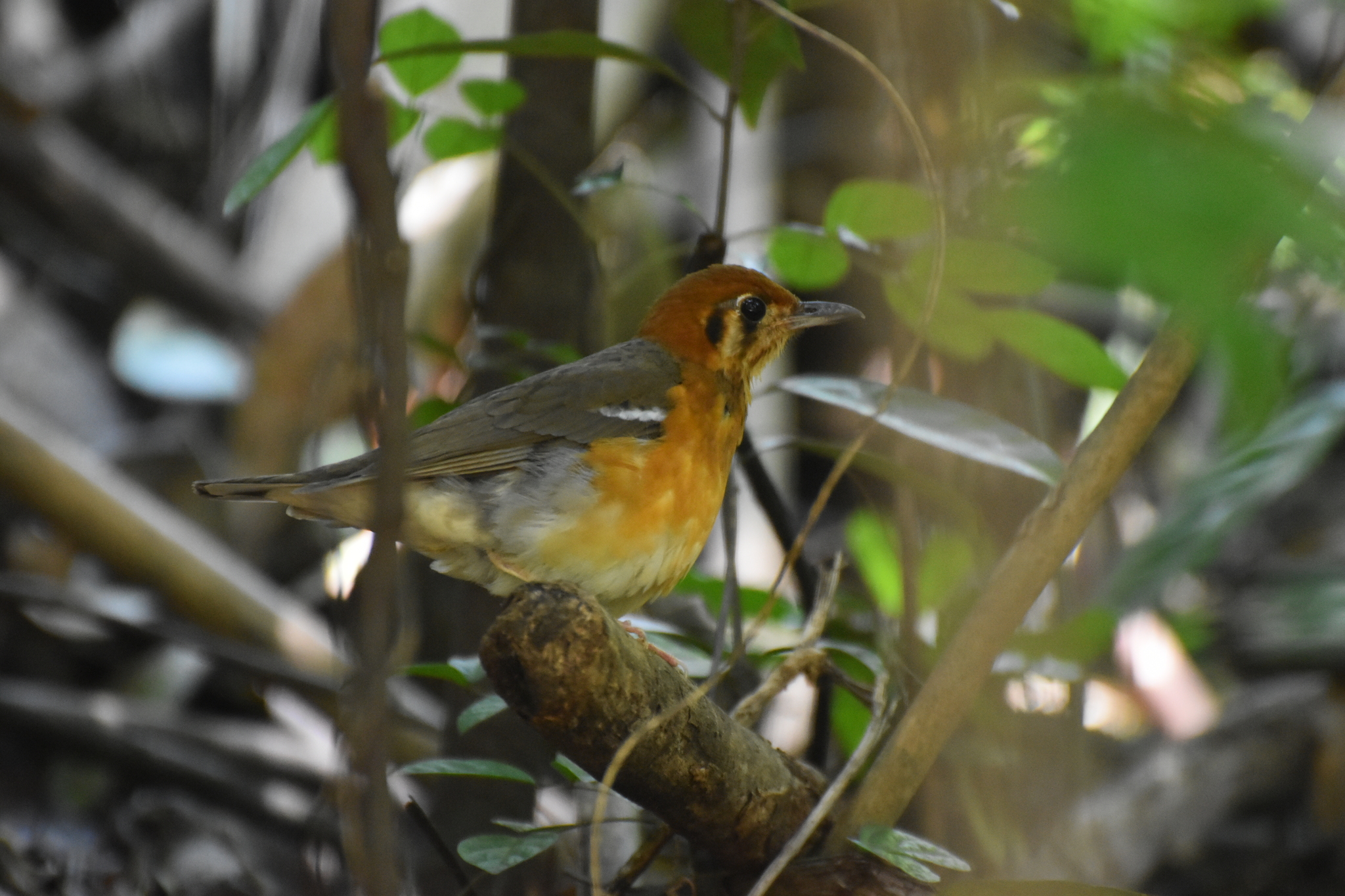
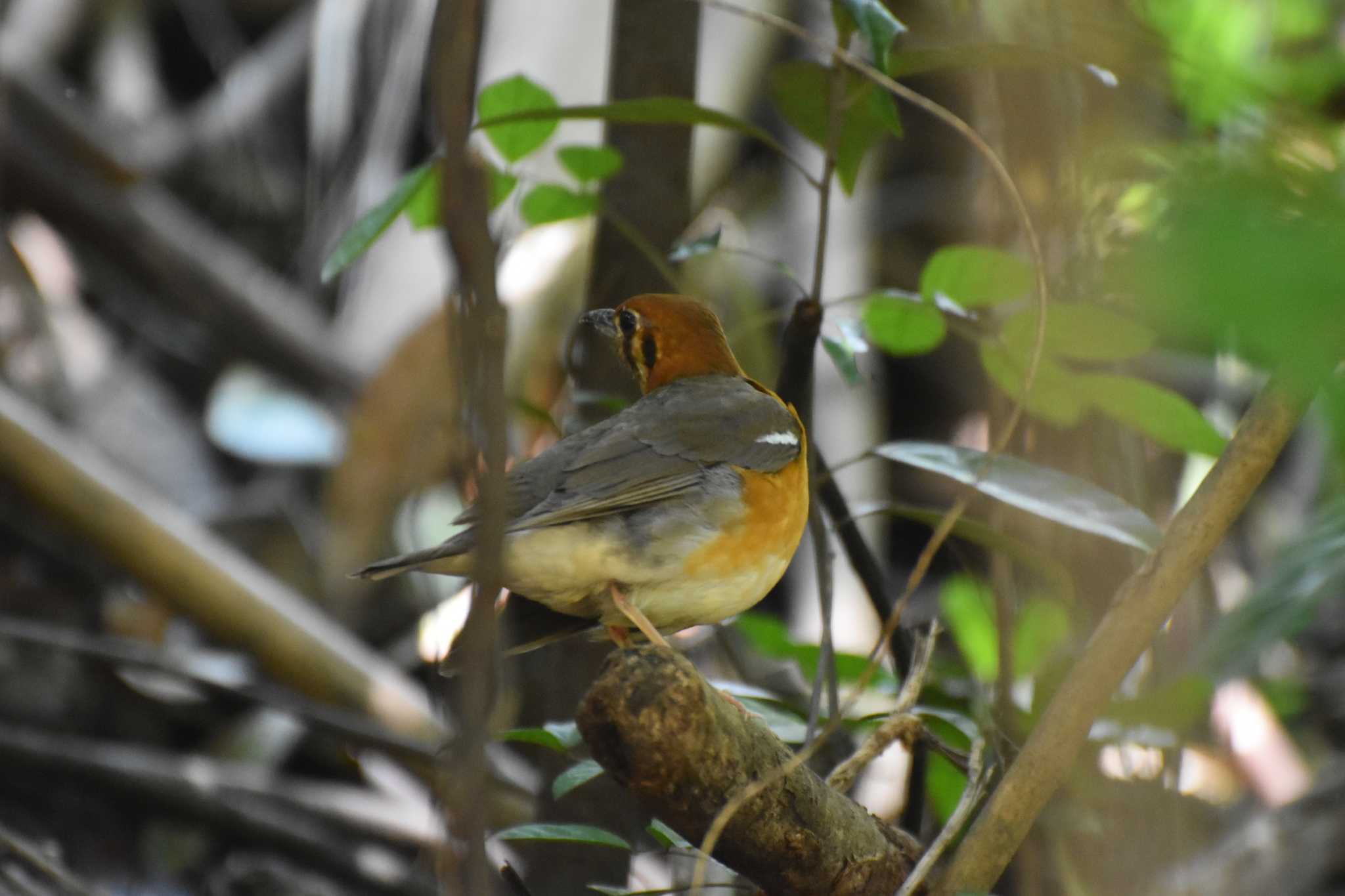
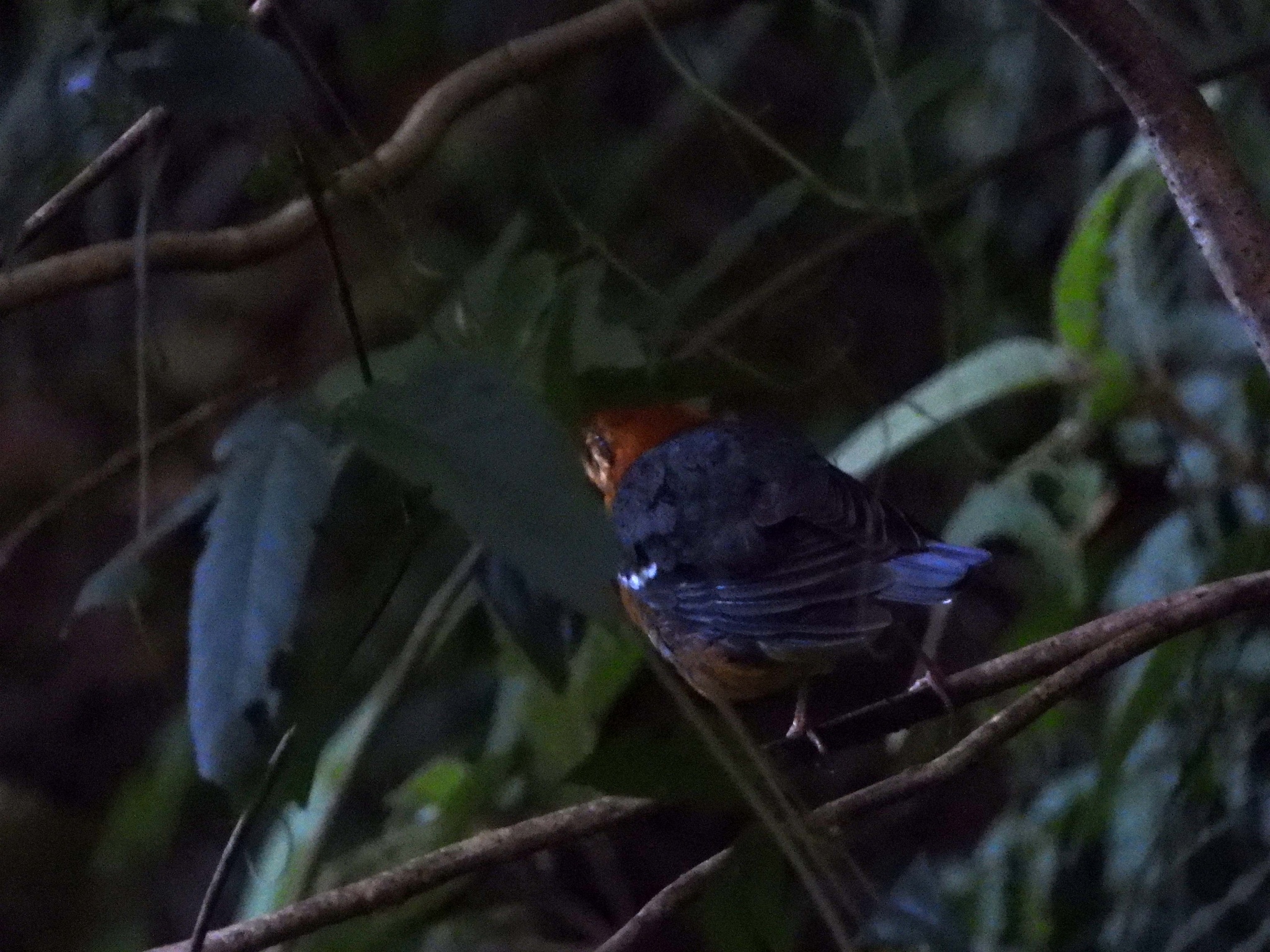
The orange and grey plumage is distinctive. All forms show a strong white band on the underwing. Subspecies vary: G. c. cyanota has a white throat and face sides with two black stripes below the eyes; G. c. innotata males are brighter orange and lack white tips to median coverts; G. c. gibsonhilli has white tips to median coverts and a heavier bill. Flight is swift and silent.
Distribution & Habitat
Breeds across the Indian subcontinent (India, Bangladesh, Sri Lanka), Southeast Asia to Java, and southern China. Habitat includes moist broadleaved evergreen woodlands, bamboo forests, and gardens at 250–1830 m in the Himalayas and up to 1500 m in Malaysia, Thailand, and Java. G. c. aurata resides at 1000–1630 m in northern Borneo. Most populations are resident, though some, like G. c. citrina and G. c. melli, migrate to lower altitudes or regions like Hong Kong for winter.
Behavior & Ecology
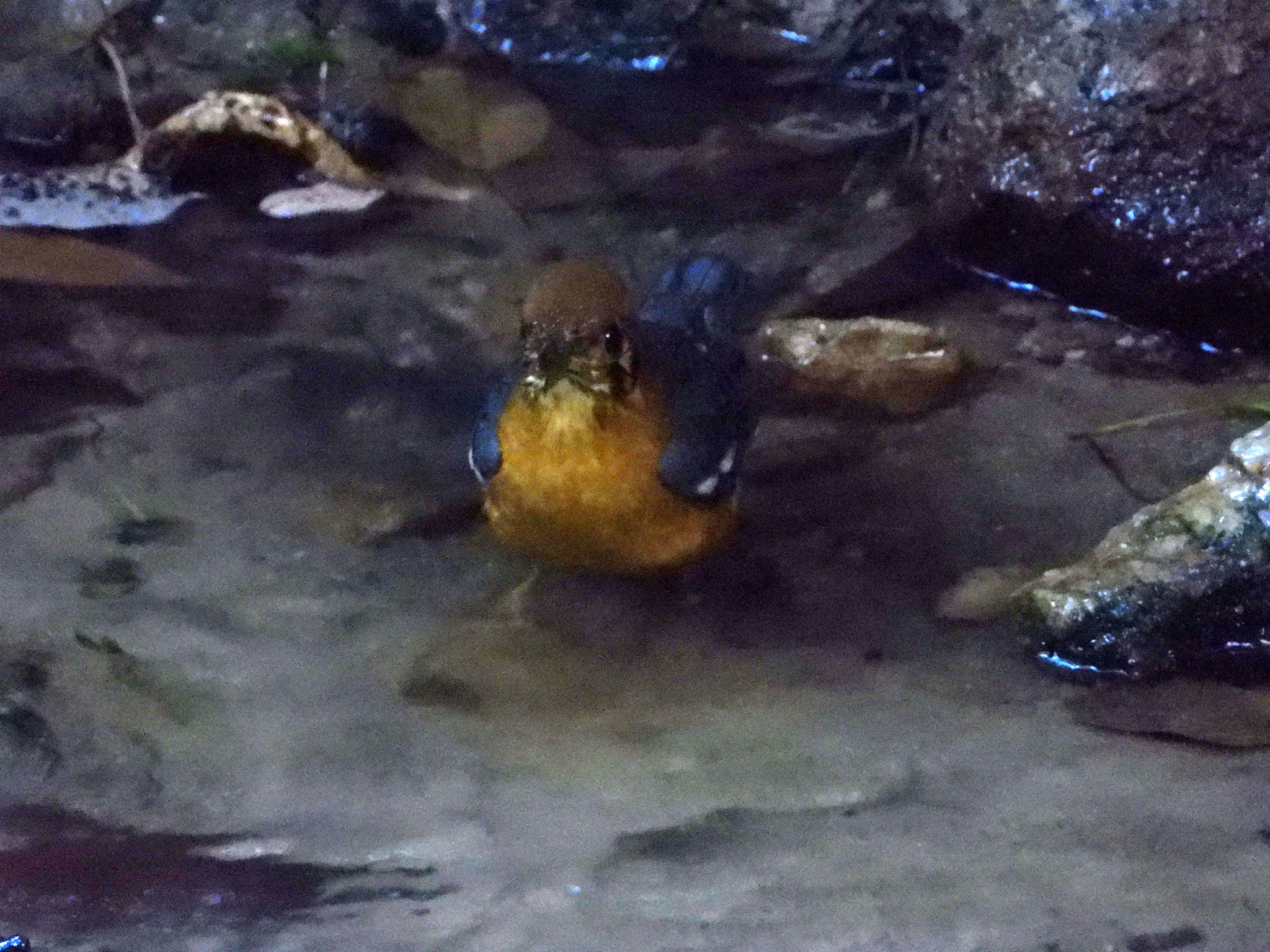
Shy and secretive, usually occurring alone or in pairs, though congregating at food sources outside breeding season. Feeds on the ground in dense undergrowth at dawn and dusk, probing leaf litter for insects, larvae, spiders, invertebrates, and fruit. Song is a loud, clear series of musical notes with imitations of other birds, sung from perches early morning and late afternoon. Calls include soft chuk, screeching teer-teer-teer, and thin tsee.
Conservation
Evaluated as Least Concern by the IUCN due to an extensive range of 2,780,000 sq km and large population size not approaching decline thresholds. However, numbers have severely declined in Java due to trapping for the aviculture trade. Habitat loss and fragmentation pose threats in Southeast Asia, though the species has colonized Hong Kong due to forest maturation.
Culture
Very popular as a cage-bird on Java.
Source: Wikipedia · CC BY-SA 3.0
Taxonomy
- Order
- Passeriformes
- Family
- Turdidae
- Genus
- Geokichla
Vocalizations
Subspecies (10)
-
Geokichla citrina albogularis
Nicobar Islands
Data Sources
Species description from Wikipedia, licensed under CC BY-SA 3.0.
Bird images and sounds sourced from GBIF, contributed by citizen scientists worldwide under Creative Commons licenses.
Taxonomy data from AviList 2025.