Orange-headed Thrush
Geokichla citrina
橙头地鸫
Introduction
This small thrush of the Geokichla genus occurs across the Indian subcontinent and Southeast Asia. Most populations are resident year-round, though some northern populations migrate south for the winter. The species inhabits moist broadleaved evergreen forests with dense undergrowth, and also uses bamboo forests, large gardens, and orchards. It forages on the forest floor and in lower vegetation. The species calls from dense cover, tending to remain hidden.
Description
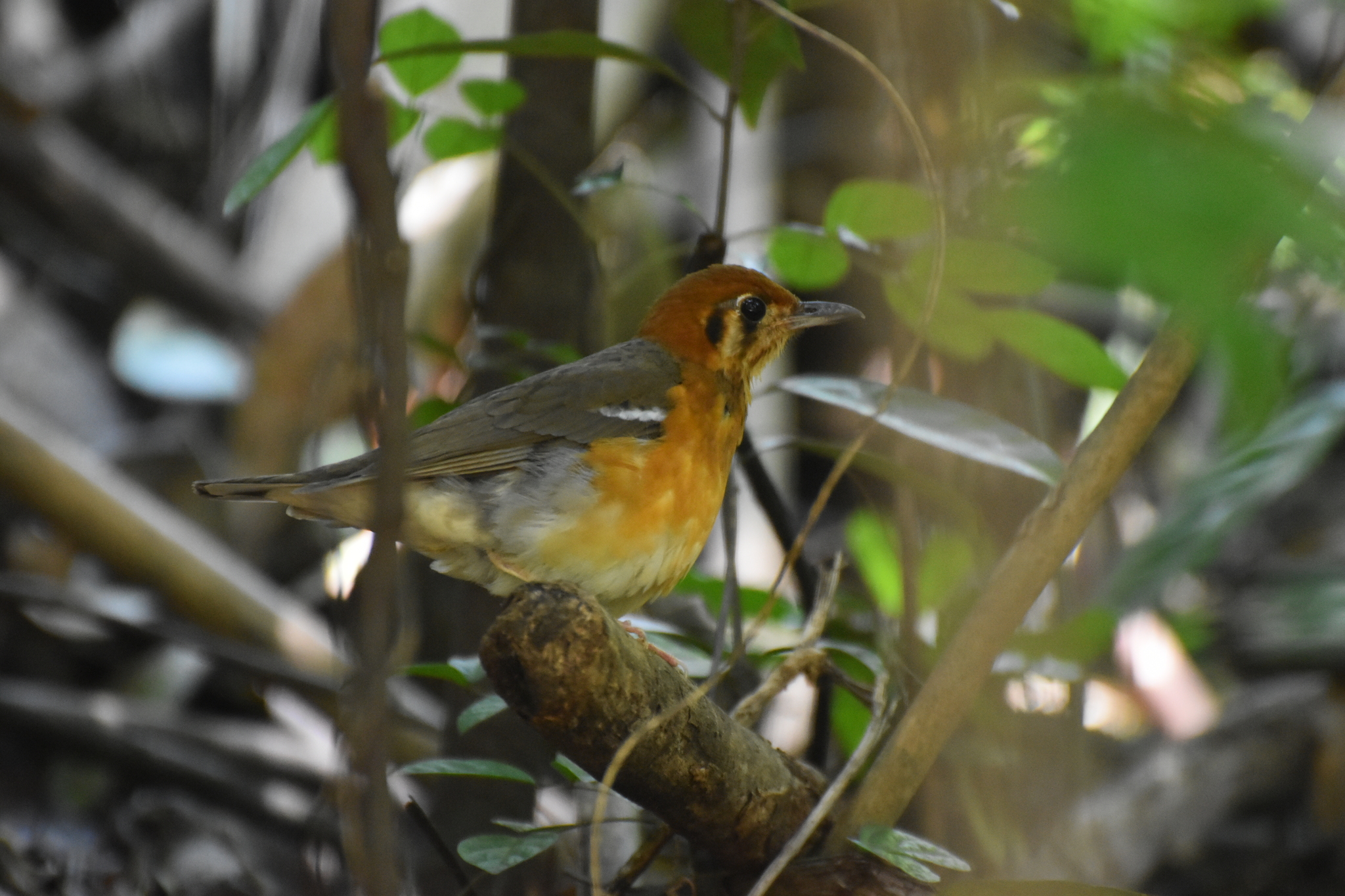
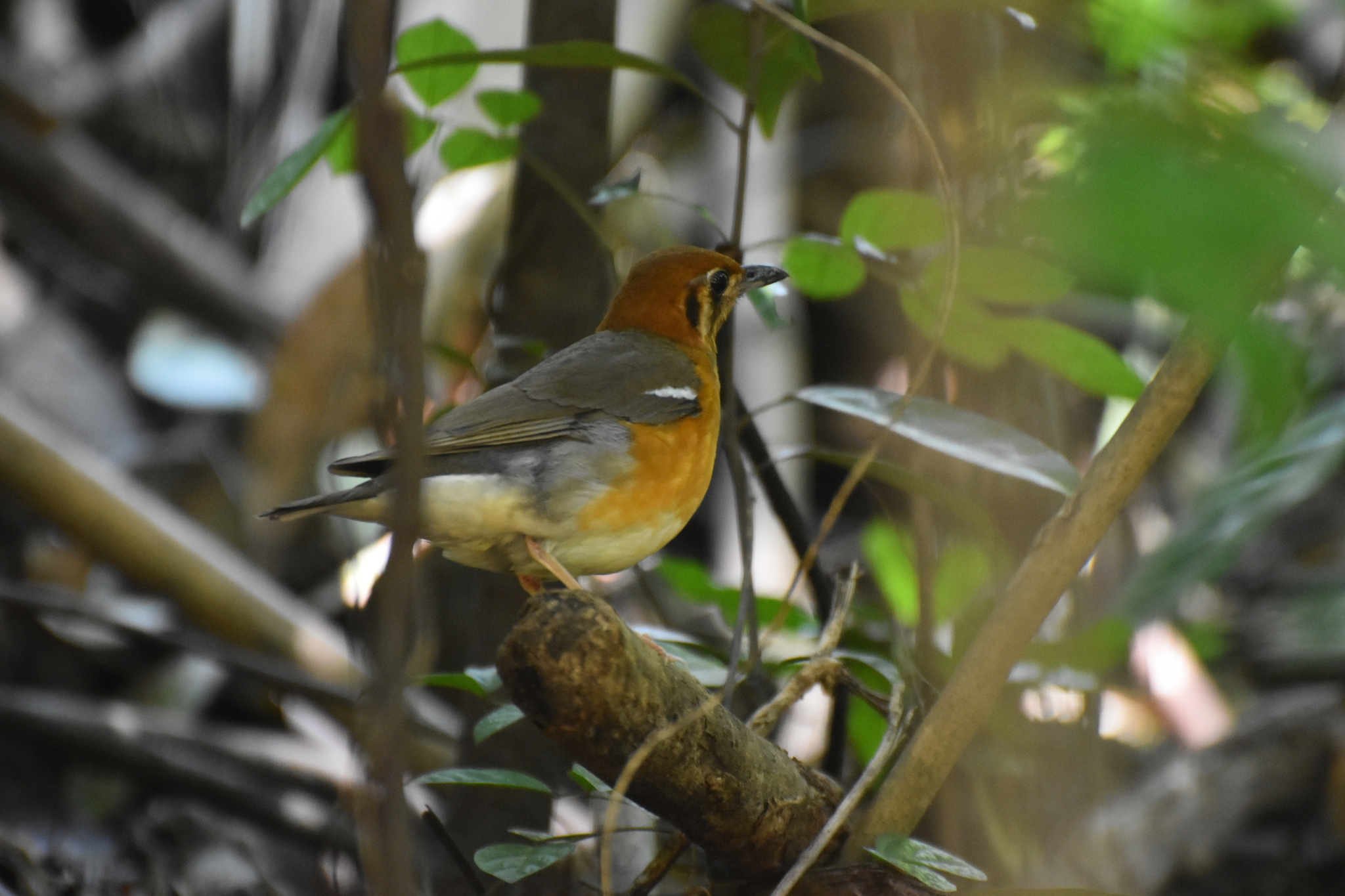
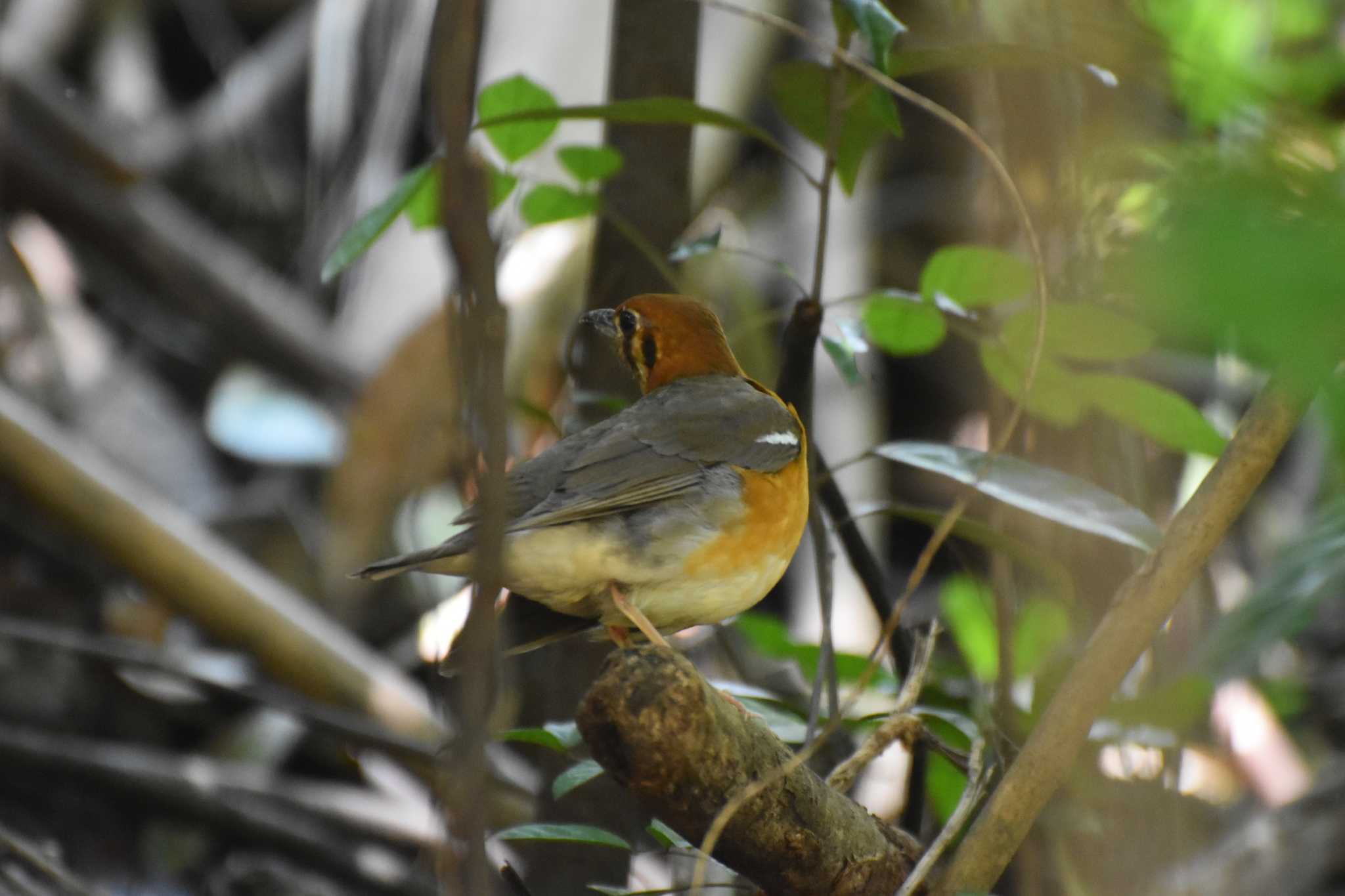
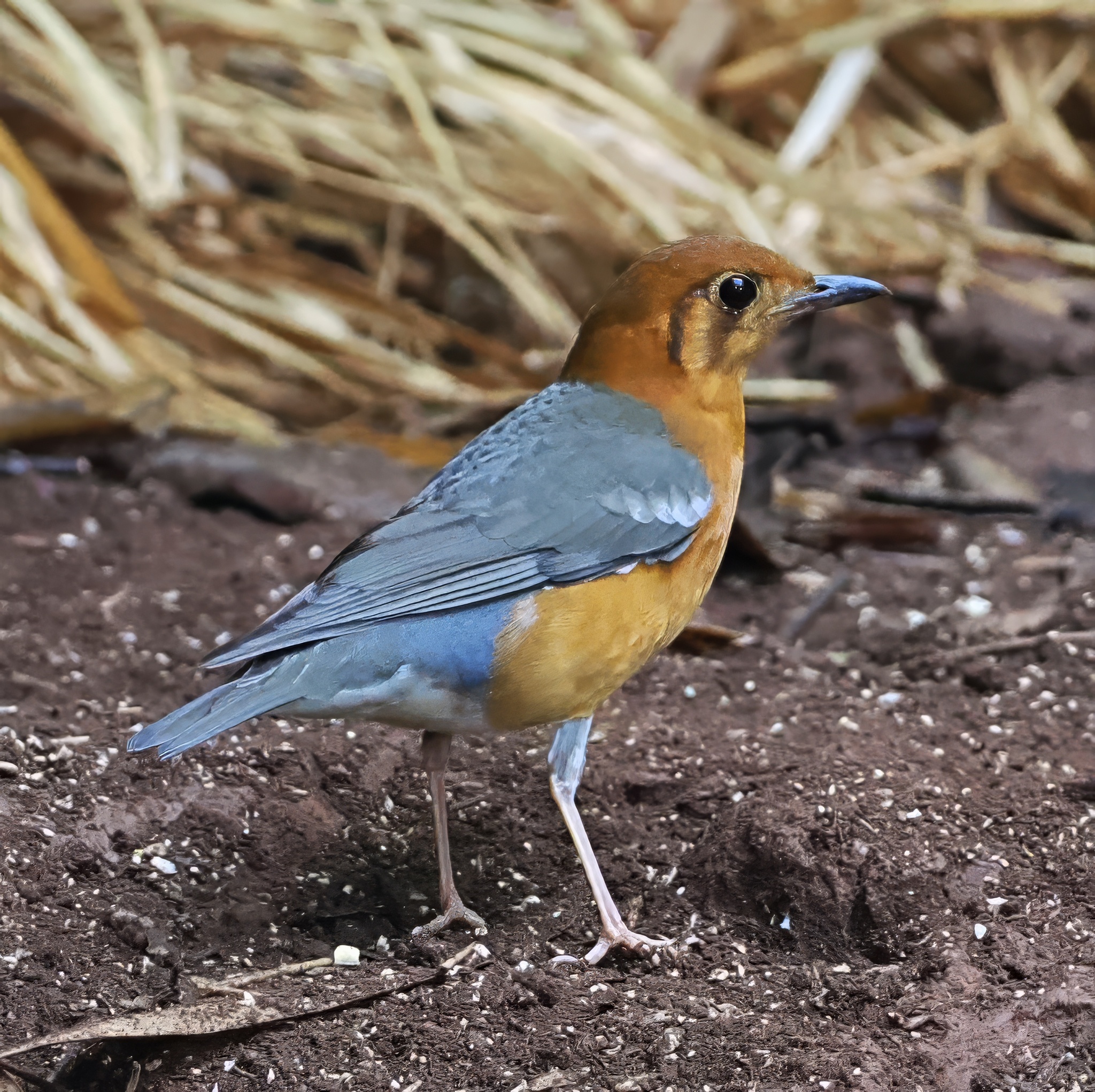
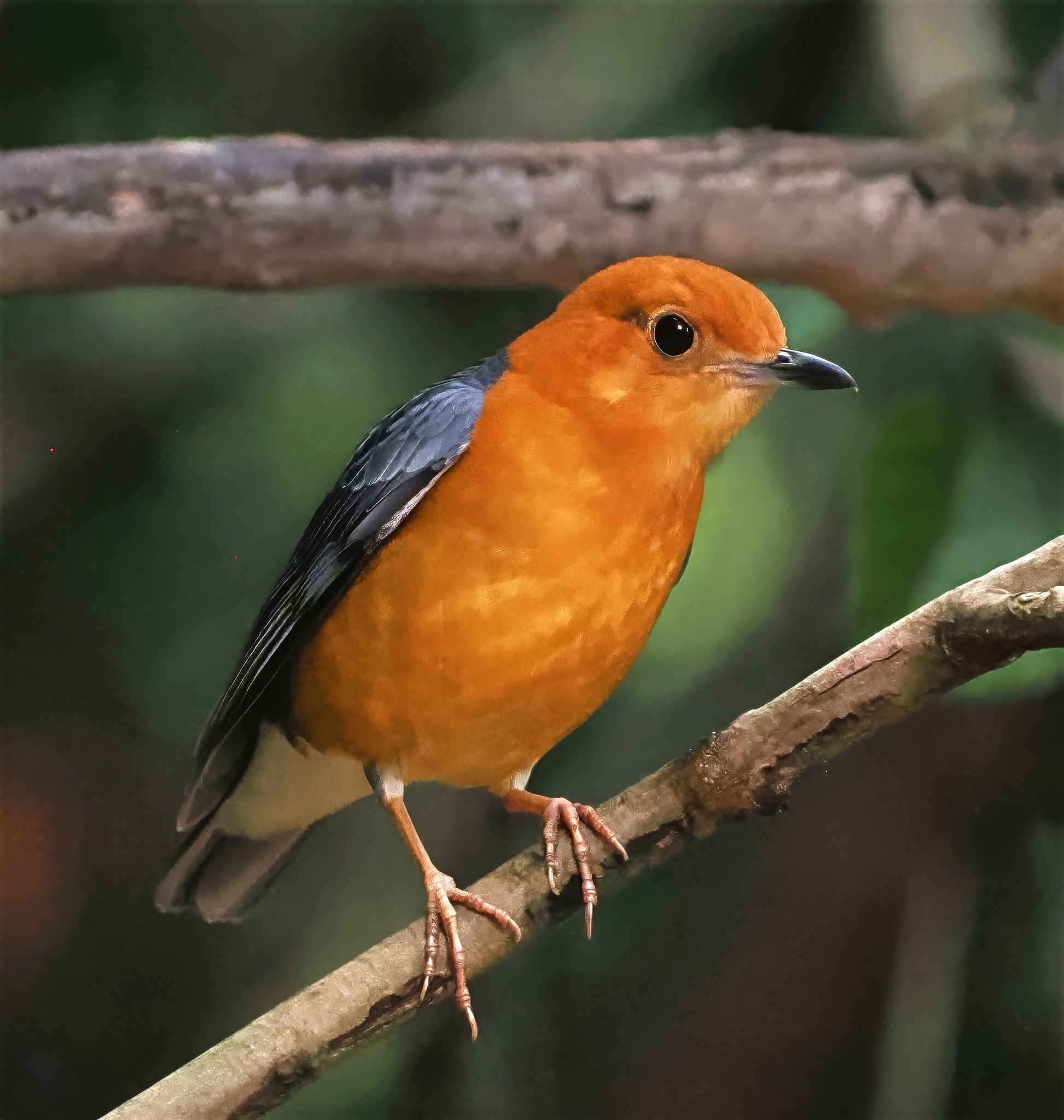
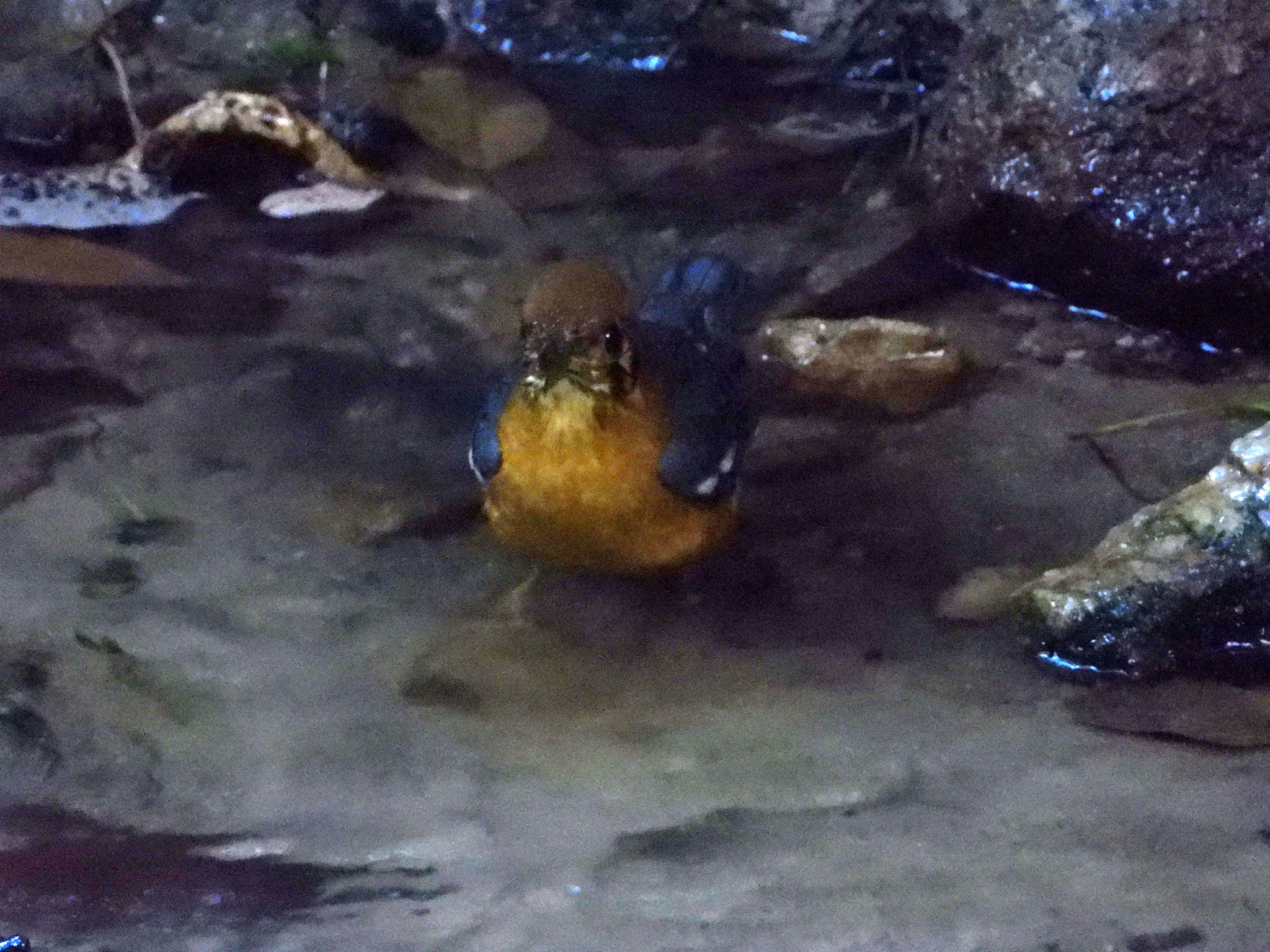
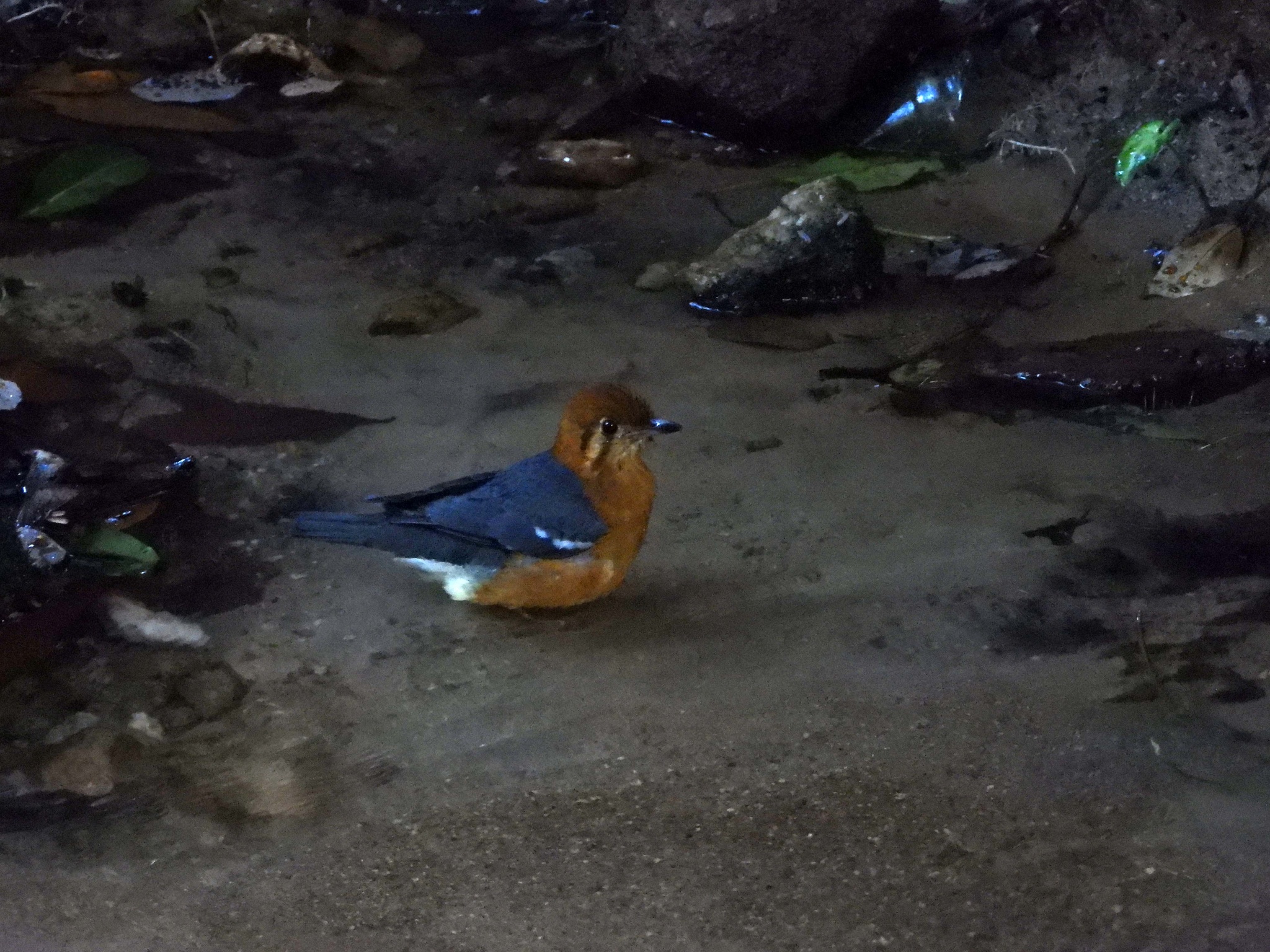
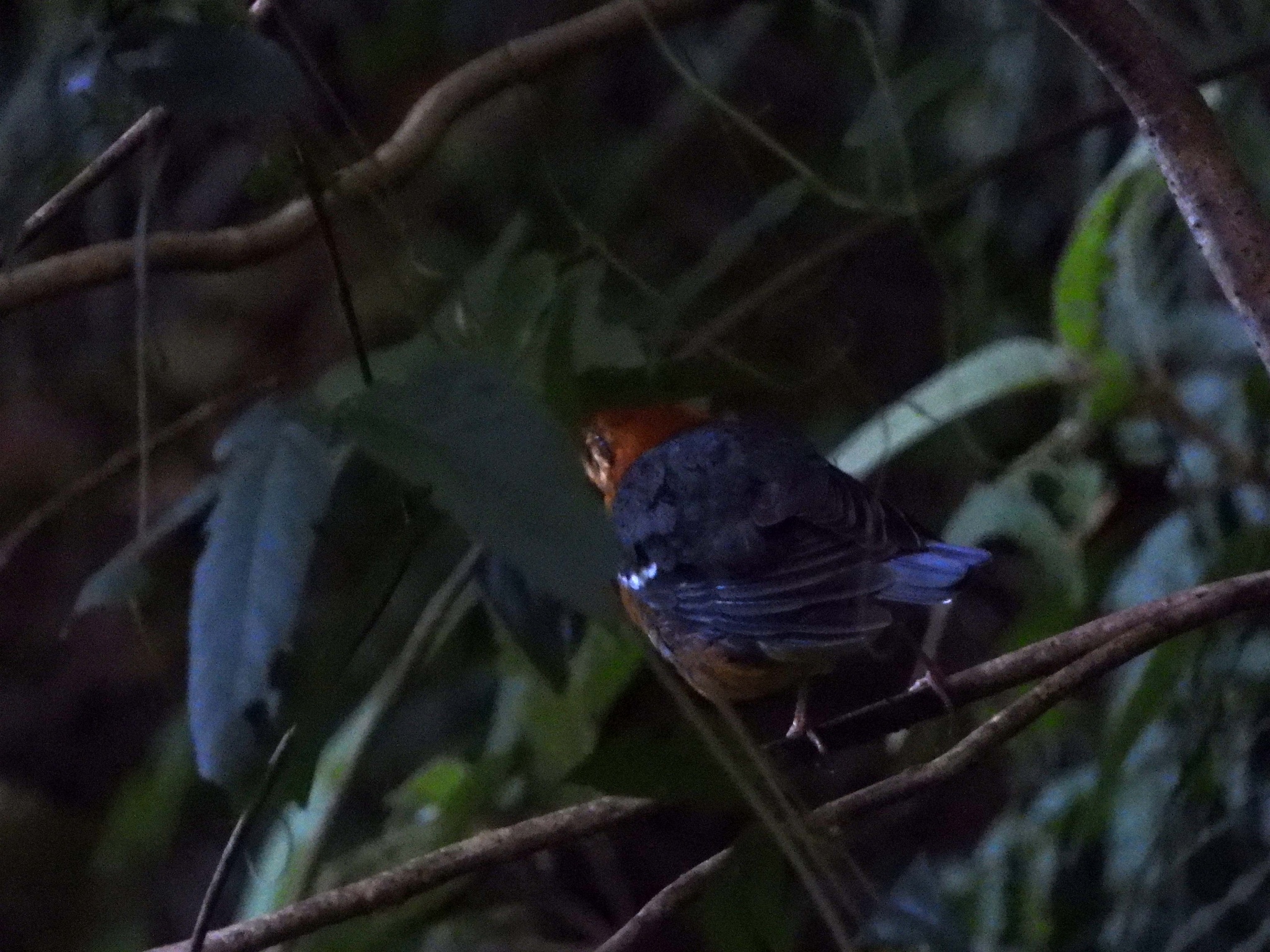
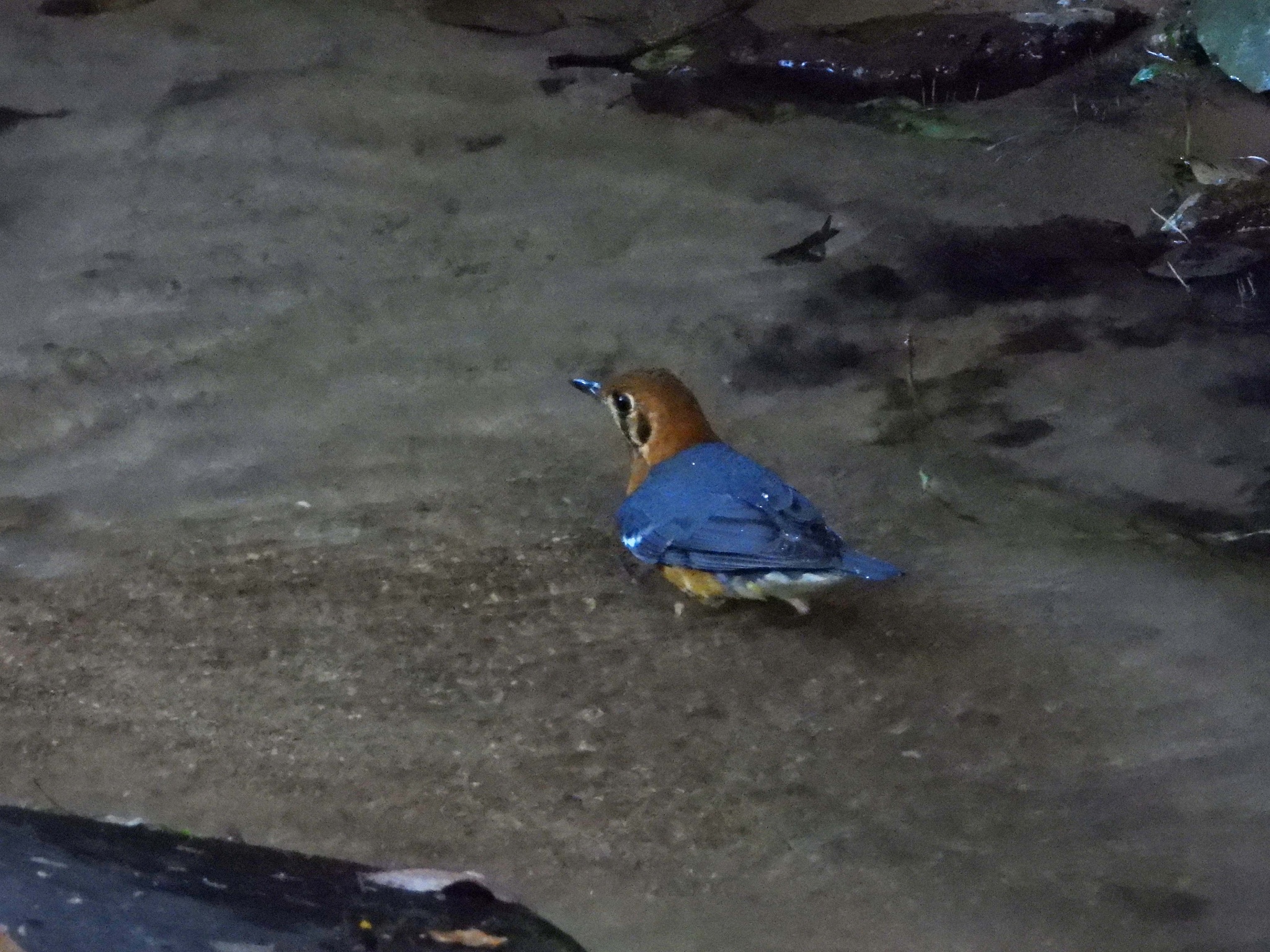
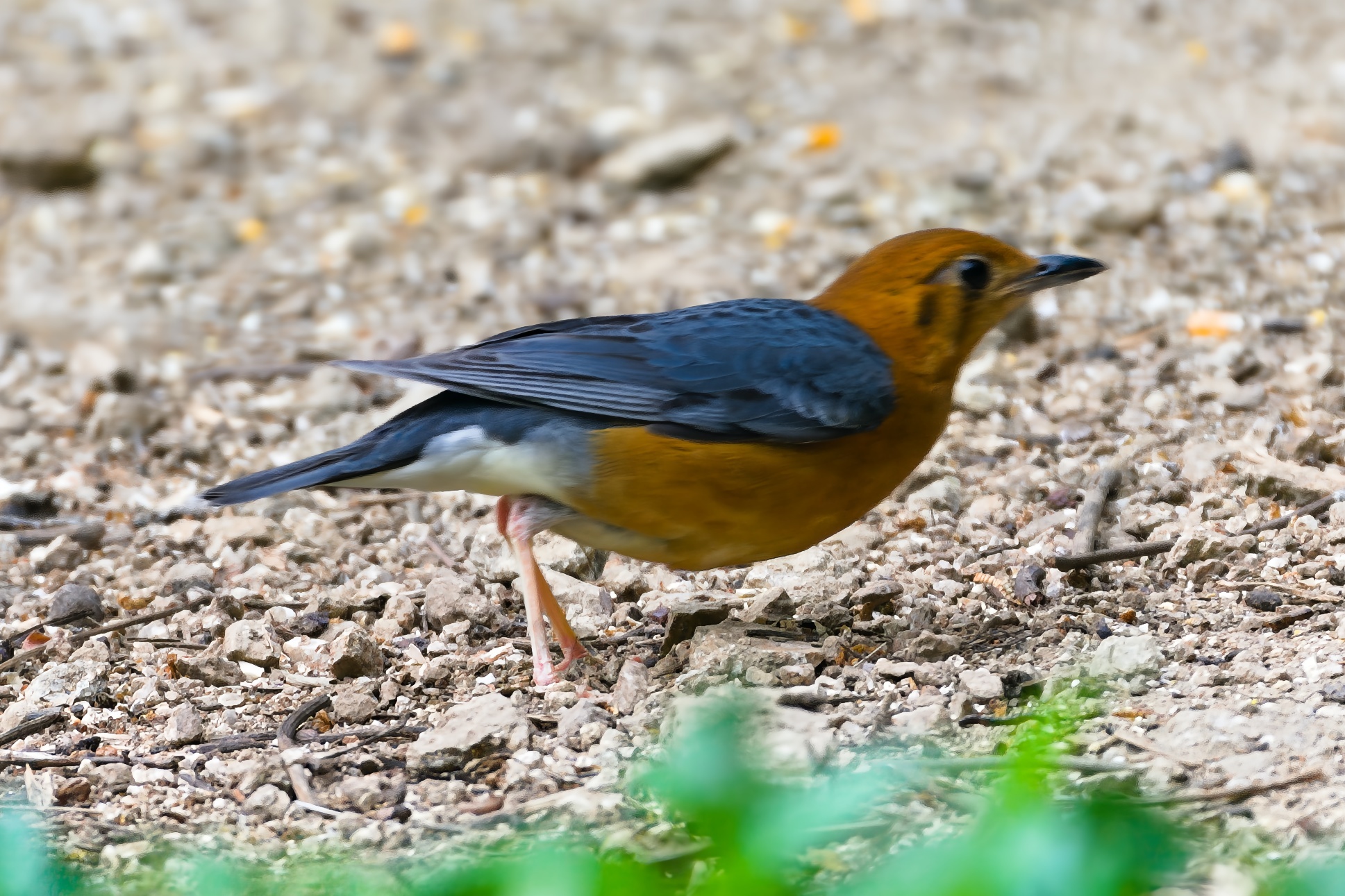
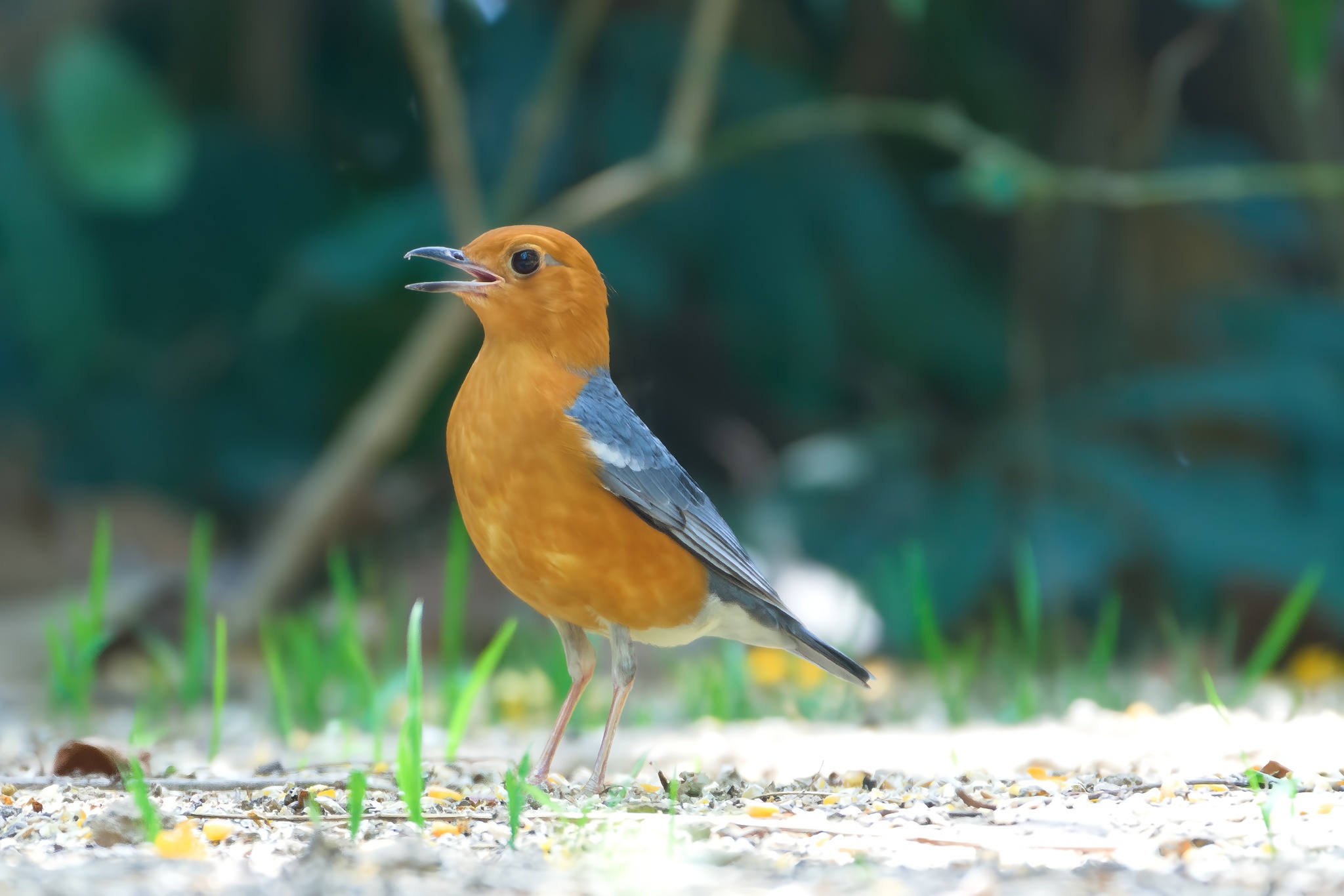
This compact thrush measures 205-235 mm in length and weighs 47-60 grammes. The adult male displays entirely orange head and underparts contrasting with uniformly grey upperparts and wings. The white median and undertail coverts provide additional contrast. The bill is slate-coloured, while the legs and feet show brown on the front surfaces with pink or yellowish rear portions. Females resemble males but have browner or olive-tinged upperparts and warm brown wings, though older females can appear almost identical to males. Juveniles are dull brown overall with buff streaking on the back, a rufous tone to the head and face, and grey wings. The species exhibits a distinctive underwing pattern featuring a strong white band, visible in flight.
Identification
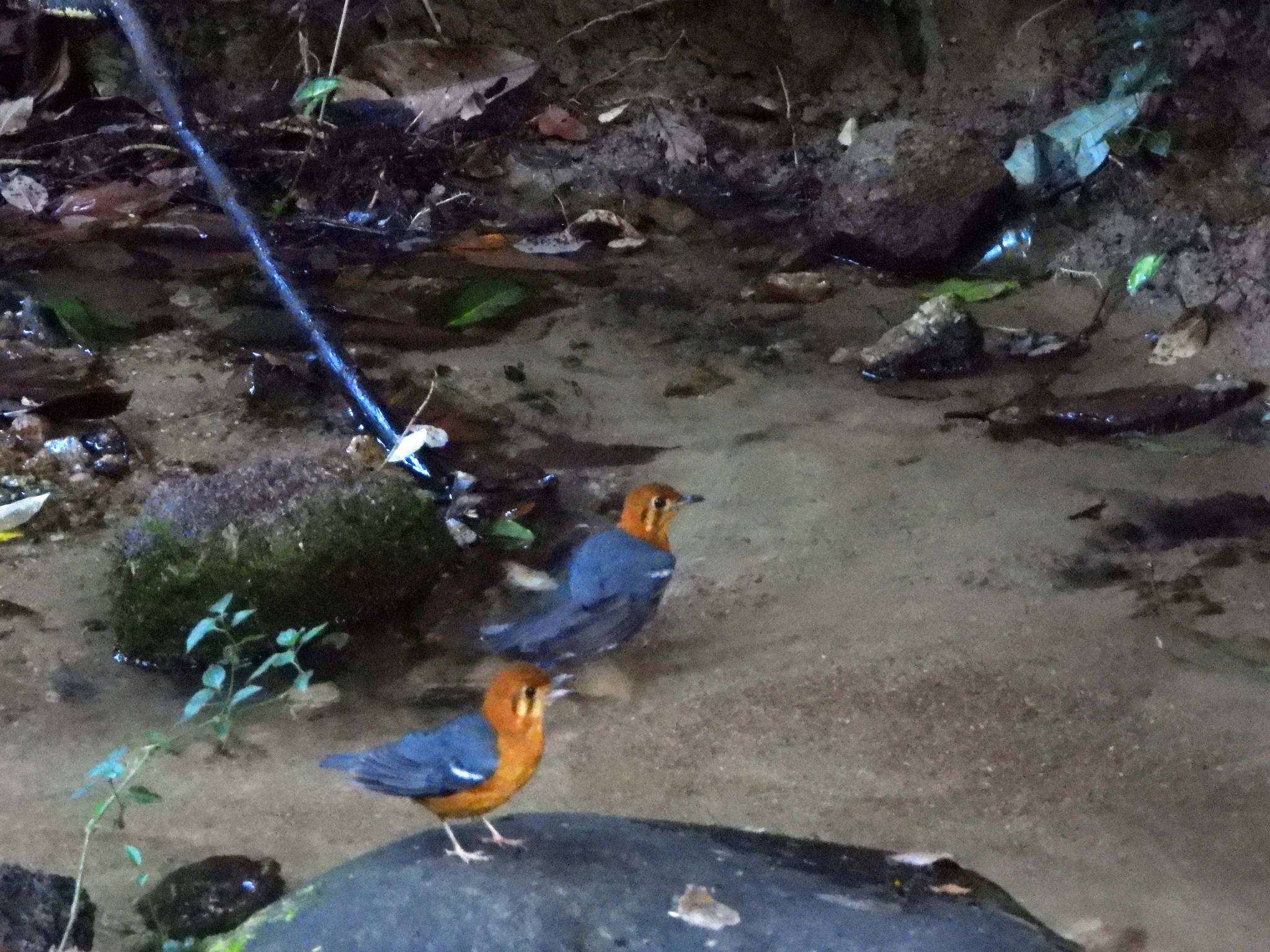
The combination of orange and grey plumage makes this species essentially unmistakable in the field. No other thrush in its range shares this particular colour pattern. The prominent white underwing band is a useful characteristic when observing birds in flight. Subspecies identification can be more challenging, though some forms are quite distinctive. G. c. cyanota shows particularly strong face patterning with two black stripes running downwards from below the eyes and white on the throat and face sides. Other subspecies may differ in plumage tone, the presence or absence of white wing tips, or facial pattern definition. When seen well, these differences can help identify regional populations.
Distribution & Habitat
This species breeds widely across the Indian subcontinent, including Bangladesh, India, and Sri Lanka, extending through Southeast Asia to Java and southern China. Its core habitat consists of moist broadleaved evergreen woodlands with medium-density undergrowth of bushes and ferns, though it also uses bamboo forests and secondary growth. In the Himalayas, it occurs between 250 and 1830 metres elevation, while in Malaysia, Thailand, and Java it ranges up to approximately 1500 metres. Some subspecies, particularly those in the northern parts of the range, are partially migratory, moving to lower altitudes during winter months.
Behavior & Ecology
This shy and secretive species typically occurs alone or in pairs, though several birds may congregate at productive food sources outside the breeding season. It forages on the ground in dense undergrowth, most active at dawn and dusk when it probes leaf litter for insects, earthworms, spiders, and fruit. The diet includes a wide range of invertebrates and various fruits, with wintering birds in Malaysia particularly attracted to figs. The song is a loud, clear series of varied musical notes, recalling the quality of the common blackbird but with a more repetitive structure. It often includes imitations of other birds such as bulbuls, babblers, and common tailorbirds. Breeding occurs in spring and summer, with both sexes building a shallow cup nest in small trees or bushes up to 4.5 metres high. Three to four eggs are incubated for 13-14 days, with fledging occurring approximately 12 days after hatching.
Conservation
The species has an extensive range estimated at 2,780,000 square kilometres. While the total population has not been quantified, it is believed to be large given its extensive range and local commonness. The IUCN Red List evaluates it as Least Concern, as populations do not appear to be declining at rates approaching the threshold for threatened status. However, significant concerns exist at local levels, particularly on Java where trapping for the aviculture trade has caused severe population declines in recent years. Forest loss and fragmentation pose ongoing threats across parts of Southeast Asia, though the species has demonstrated adaptability by colonizing new areas such as Hong Kong following forest maturation.
Culture
The species has been noted as very popular as a cage bird on Java, which has contributed to significant local population declines due to trapping for the pet trade. Beyond this, the article does not provide additional information on cultural significance or folklore.
Source: Wikipedia · CC BY-SA 3.0
Taxonomy
- Order
- Passeriformes
- Family
- Turdidae
- Genus
- Geokichla
- eBird Code
- orhthr1
Vocalizations
Subspecies (10)
-
Geokichla citrina albogularis
Nicobar Islands
-
Geokichla citrina andamanensis
Andaman Islands
-
Geokichla citrina aurata
mountains of northern Borneo
-
Geokichla citrina aurimacula
southern Vietnam and Hainan
-
Geokichla citrina citrina
breeds Himalayas to northern, central, and southeastern Myanmar and southwestern Thailand; winters to southern India and Sri Lanka
-
Geokichla citrina courtoisi
eastern China (Anhui Province)
-
Geokichla citrina cyanota
peninsular India (north to Gujarat and Andhra)
-
Geokichla citrina innotata
breeds from southern Myanmar to southern China and Indochina; winters Thai-Malay Peninsula
-
Geokichla citrina melli
southeastern China (Fujian and northern Guangdong)
-
Geokichla citrina rubecula
Java and Bali
Data Sources
Species description from Wikipedia, licensed under CC BY-SA 3.0.
Bird images and sounds sourced from GBIF, contributed by citizen scientists worldwide under Creative Commons licenses.
Taxonomy data from AviList 2025.